Premium steel casting and heavy-duty wear assemblies engineered to exceed global operational standards.
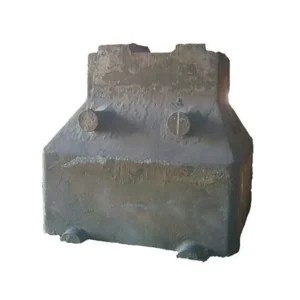
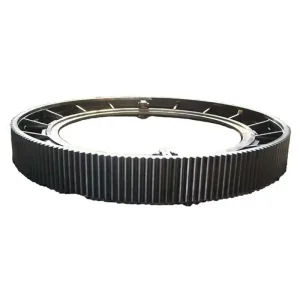
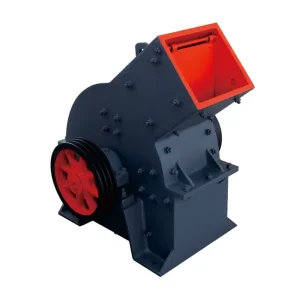
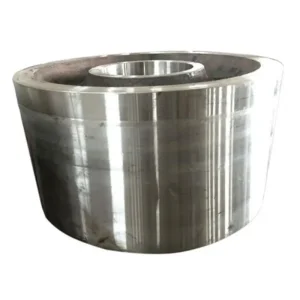
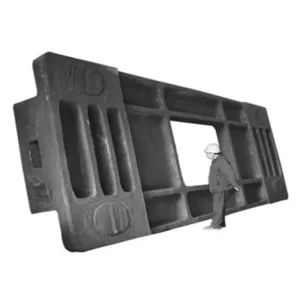
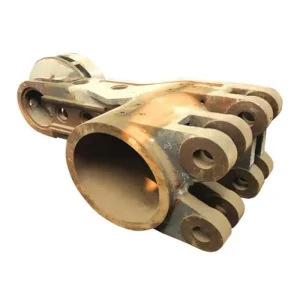
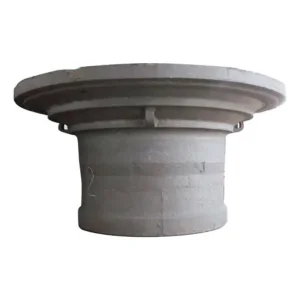
Henan Hanhai Metallurgy Mining International Trade Co., LTD stands at the forefront of China's heavy industrial manufacturing sector. As a premier integrated foundry and heavy machining facility, we specialize in high-performance cast steel and cast iron elements that serve as the structural backbone for global crushing, cement, and mining complexes.
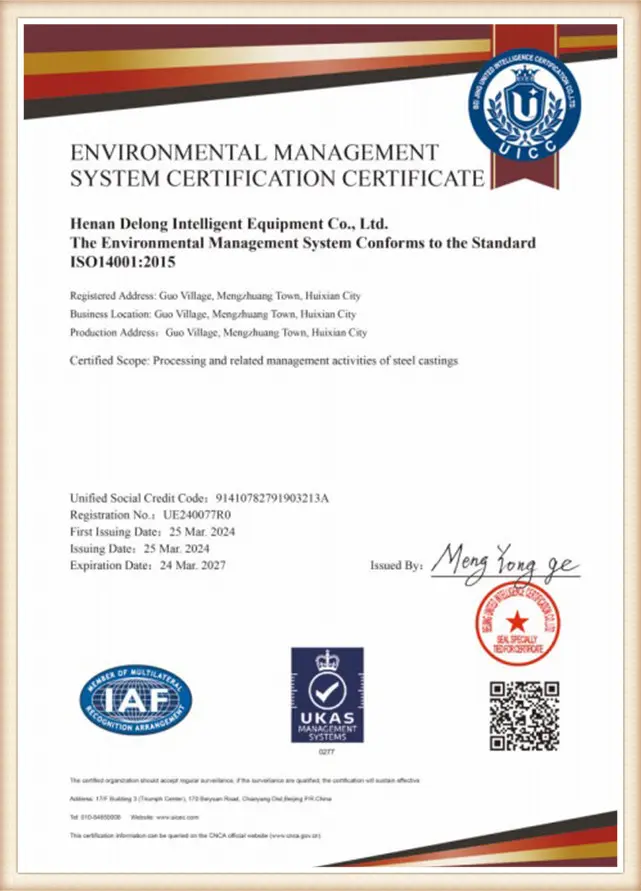
Our operation fuses state-of-the-art casting workflows, complex computer-aided thermal heat treatment, and precision multi-axis CNC finishing. With an annual output scaling past 80,000 tons, our components are certified under stringent international frameworks, including ISO9001 and CE. This ensures that every eccentric shaft, toggle plate, and jaw frame manufactured at our facilities meets and exceeds the safety and mechanical demands of global mining ecosystems.
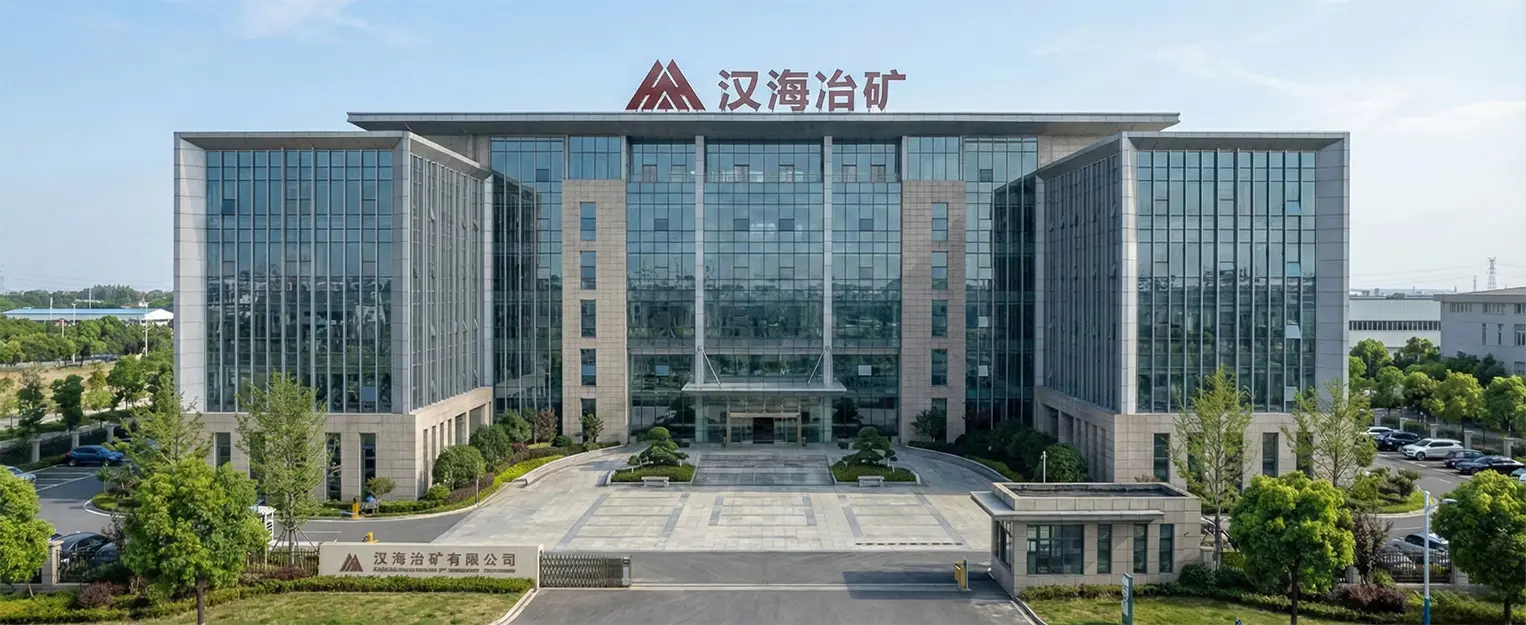
A look back at our technical trajectory and capacity expansions over the decades.
A comprehensive mechanical and commercial analysis of high-capacity primary rock size-reduction systems.
In modern mining, metallurgical recovery, and aggregate processing, primary crushing defines the productivity baseline of the entire production train. Raw materials excavated from open pits or underground galleries display high compressive strengths, abrasive indices, and large fragment dimensions. The PE Jaw Crusher has historically served as the preferred primary machine because of its straightforward kinematics and structural resilience.
However, modern operations demand more than mechanical force; they require strict regulatory alignment. In regions like the European Union and North America, CE Certification is not merely a bureaucratic stamp—it is an engineering prerequisite. It certifies that the crusher's design complies with strict health, safety, and environmental standards (such as the Machinery Directive 2006/42/EC). This compliance addresses structural integrity under catastrophic overload, hydraulic pressure relief, electrical cabinet insulation, and emissions profile. As a certified manufacturer and exporter, Hanhai ensures that the machines and components shipped are fully optimized for compliant global operation.
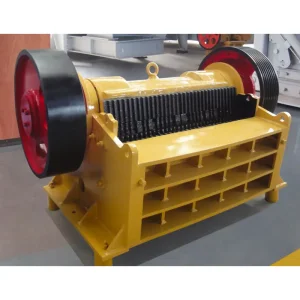
The core mechanical loop of a PE Jaw Crusher depends on a basic eccentric action. The main shaft is driven by twin flywheels, which translates rotating power into an elliptical movement of the swing jaw (pitman). This swing jaw forces the incoming rock mass against the stationary jaw plate inside the crushing chamber.
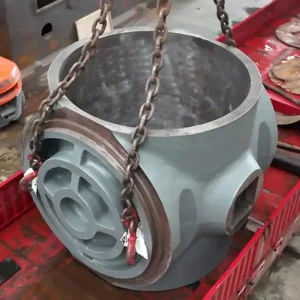
At Hanhai, we utilize advanced Finite Element Analysis (FEA) to evaluate the stress points on the main frame under peak pressure. Standard configurations often experience micro-fractures along structural weld seams. To prevent this, our foundry produces integrated heavy cast steel frames that are free of seam weak points. By selecting proprietary alloy compositions with enhanced manganese, chromium, and molybdenum, we achieve the precise balance of tensile strength and impact resistance required to crush granite and basalt with compressive strengths exceeding 320 MPa.
Over the past decade, Henan Hanhai has built a vertically integrated supply chain that mitigates the vulnerabilities typical of regional subcontractors. By hosting raw casting, rough machining, thermal annealing, precision grinding, and assembly under one corporate umbrella, we maintain strict control over both quality and schedules.
Our 80,000-ton capacity allows us to manage bulk raw material sourcing, mitigating price spikes in alloy elements like manganese and nickel. This vertical integration yields significant cost efficiencies, which we pass along to our global distributors and end-users. Furthermore, our proximity to major logistics hubs in central China enables streamlined intermodal transport, ensuring reliable shipping schedules to key ports across Europe, the Middle East, and the Americas.
Industrial equipment operates in diverse environments, each presenting distinct challenges. Our PE series jaw crushers are optimized for three core operational contexts:
Hard Rock Gold & Copper Mines (Chile, Peru, Australia): In these high-elevation and high-dust regions, the primary crusher handles abrasive run-of-mine ores containing high concentrations of silica. Our units feature dust-sealed eccentric bearings and heavy-duty manganese steel liners designed to extend service life and minimize unscheduled shutdowns.
High-Capacity Aggregates Quarries (Saudi Arabia, UAE, Southeast Asia): High-volume infrastructure projects demand continuous operation. The PE series delivers high throughput with a consistent cubic discharge profile, helping operators meet tight project schedules while reducing recirculating loads.
Metallurgical Slag Recycling (Germany, Italy): Crushing cooled steel slag involves dealing with embedded metallic fragments. Our hydraulic toggle relief systems detect uncrushable objects, instantly resetting the crushing gap to prevent mechanical damage and maintain continuous uptime.
The future of primary crushing is driven by connectivity, automation, and environmental efficiency. Hanhai is actively researching and deploying next-generation features across our PE and PEW lines:
AI-Powered Predictive Maintenance: Integrating vibration and thermal sensors directly into the bearing housings of our eccentric shafts. The data is parsed via on-board machine-learning models to predict bearing fatigue up to 100 operating hours before failure.
Hydraulic Dual-Wedge Setting Adjustments: Replacing manual shim adjustments with automated hydraulic controls, allowing operators to change the closed-side setting (CSS) remotely in under ten minutes.
Eco-efficient Foundry Workflows: Transitioning our primary induction furnaces to zero-emission grid power and recycling up to 95% of sand molding media to align with global environmental mandates.
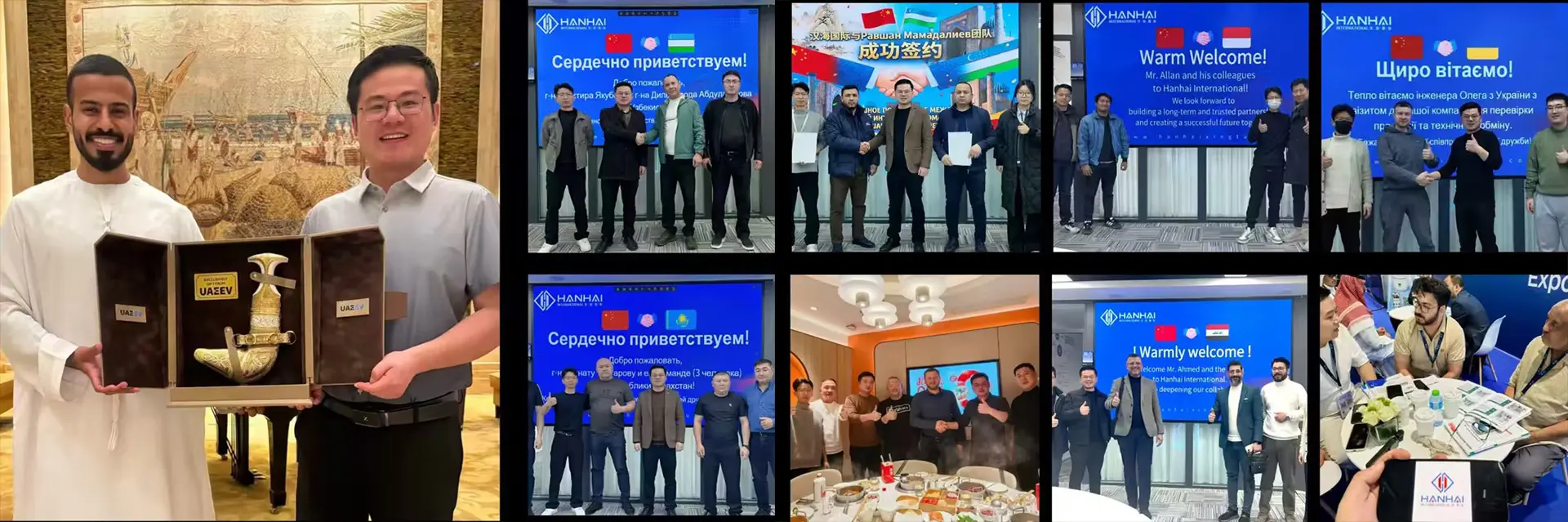
Proven on-site performance and premium custom castings deployed in demanding operations worldwide.
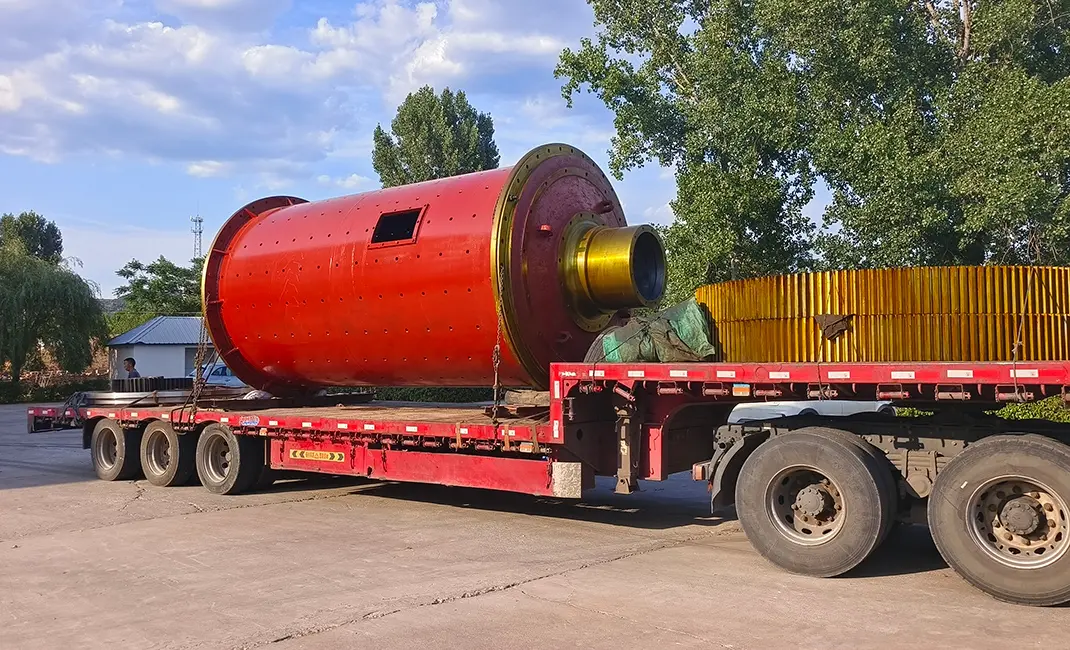
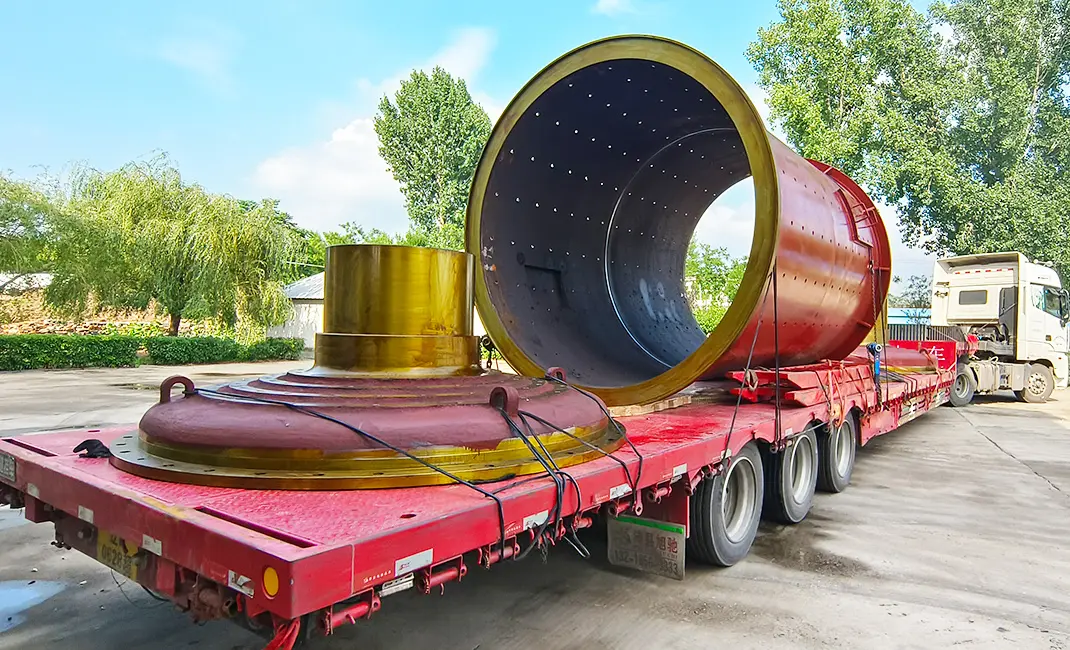
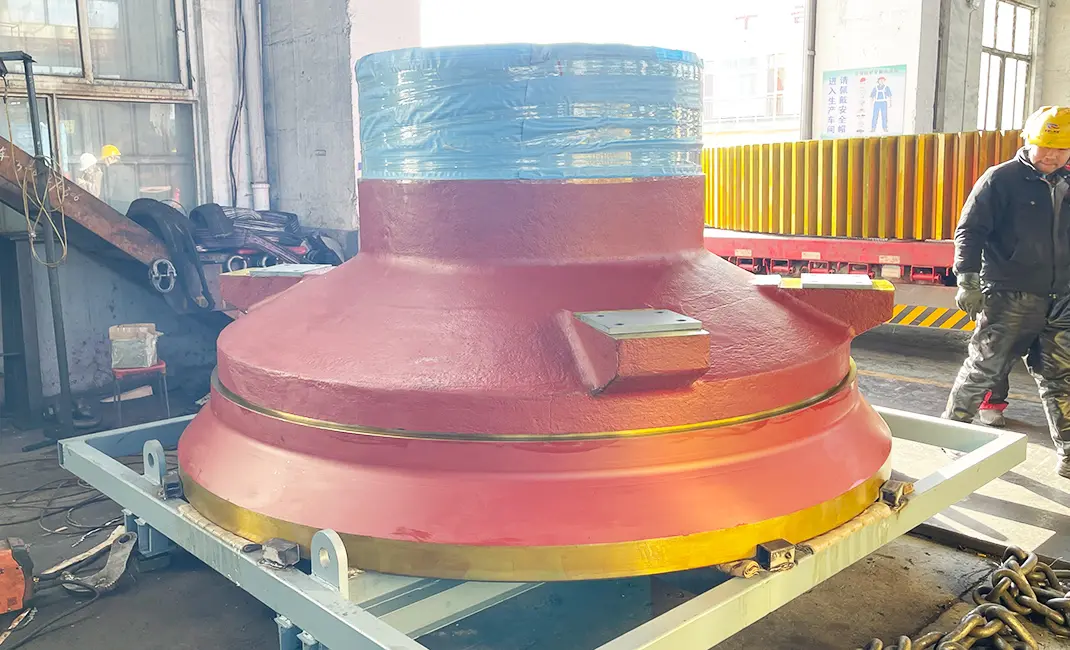
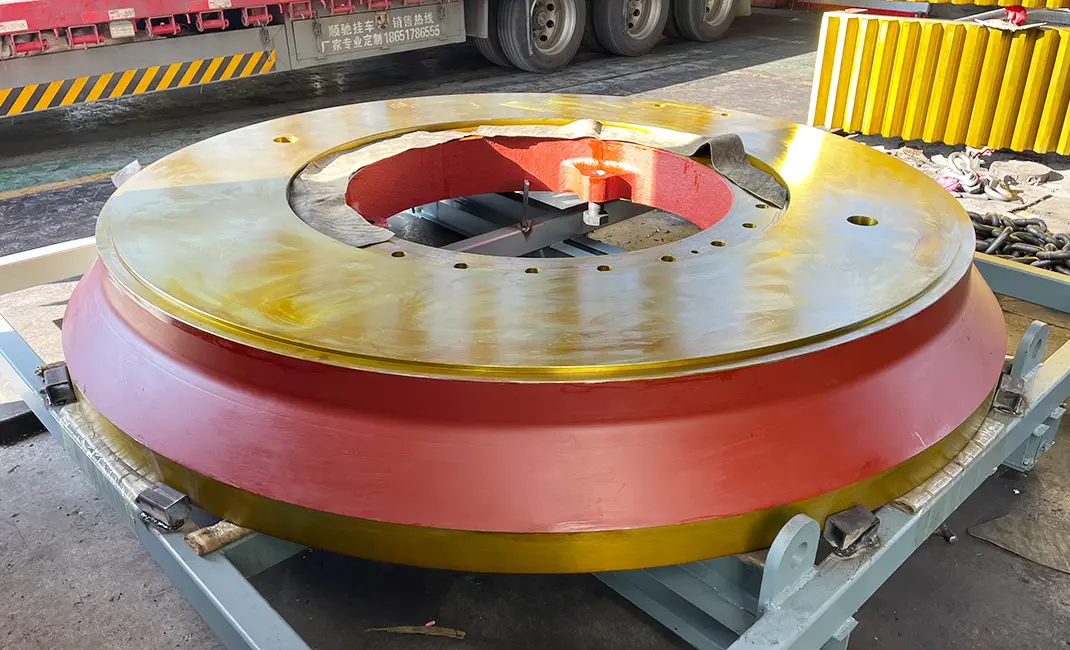
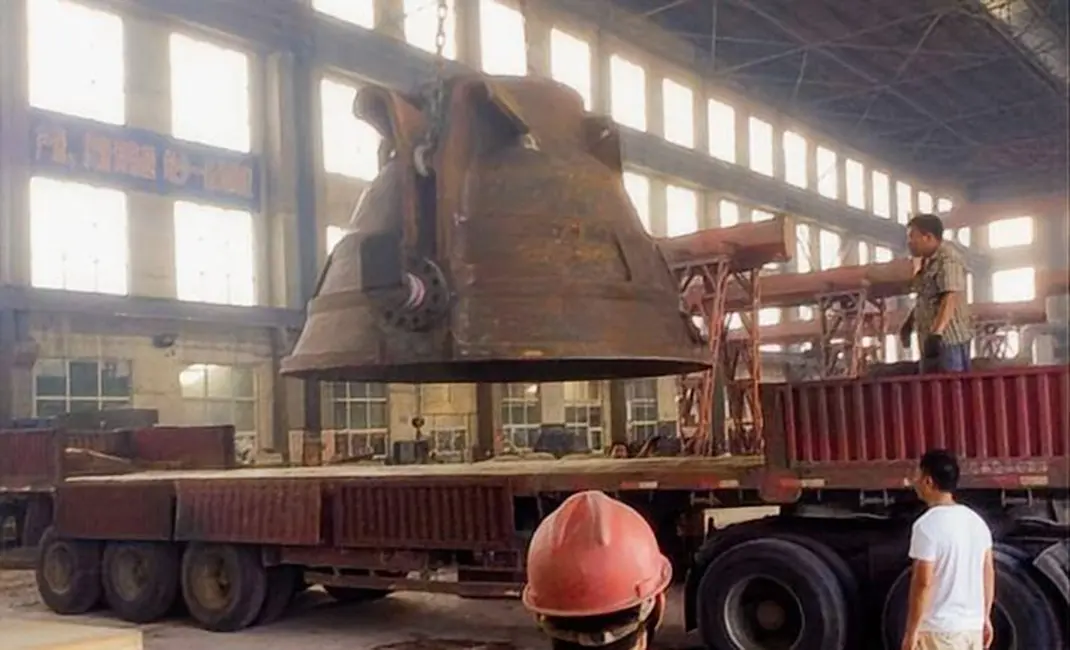
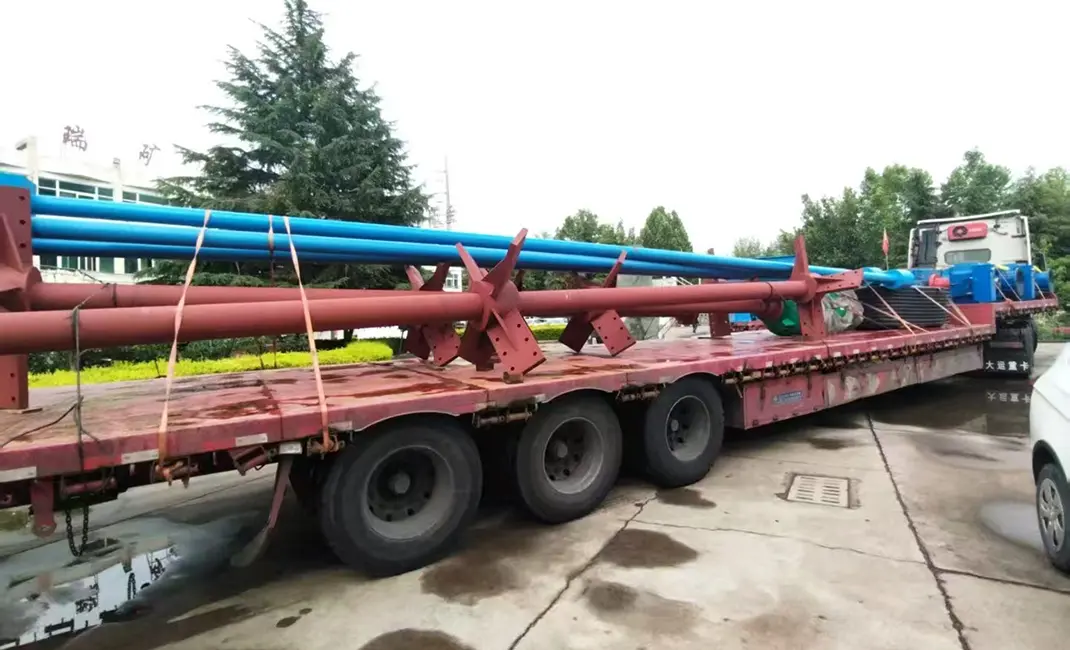
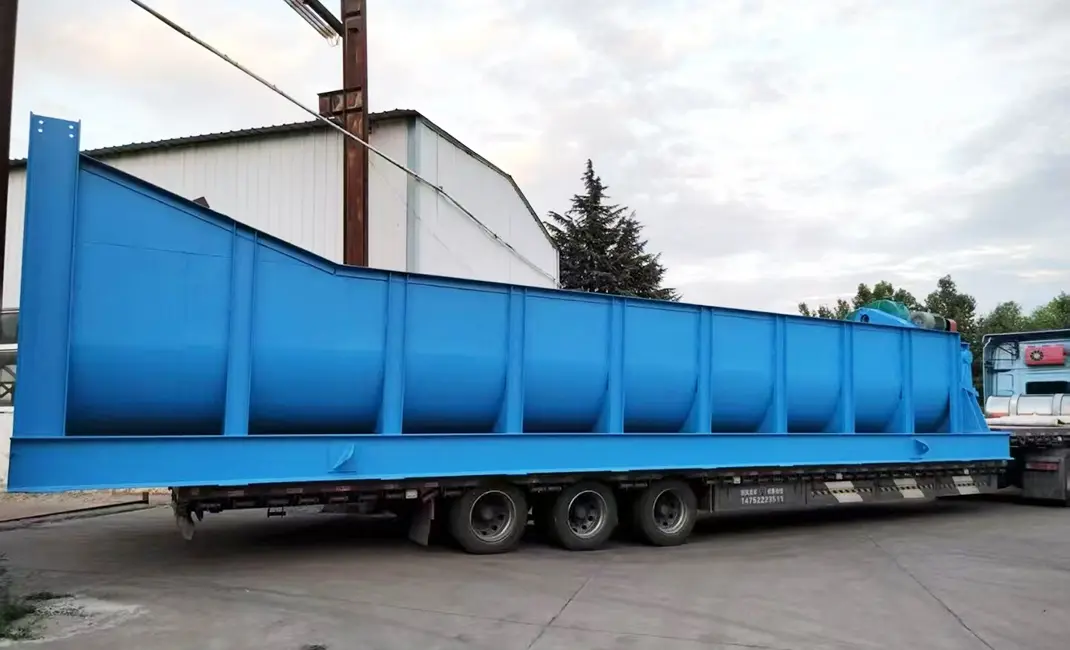
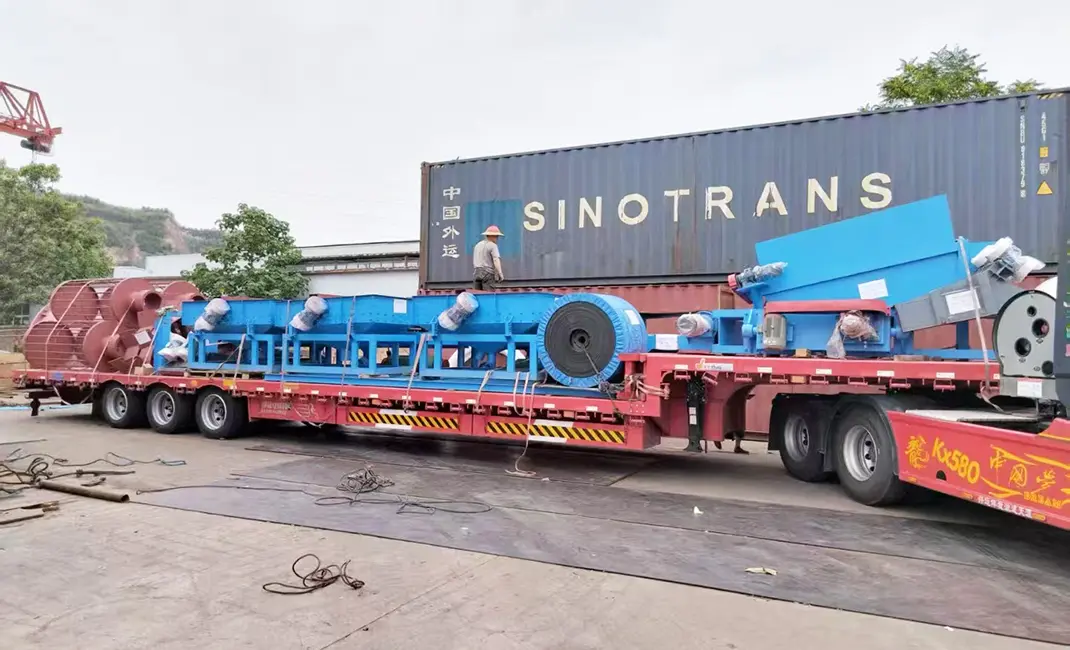
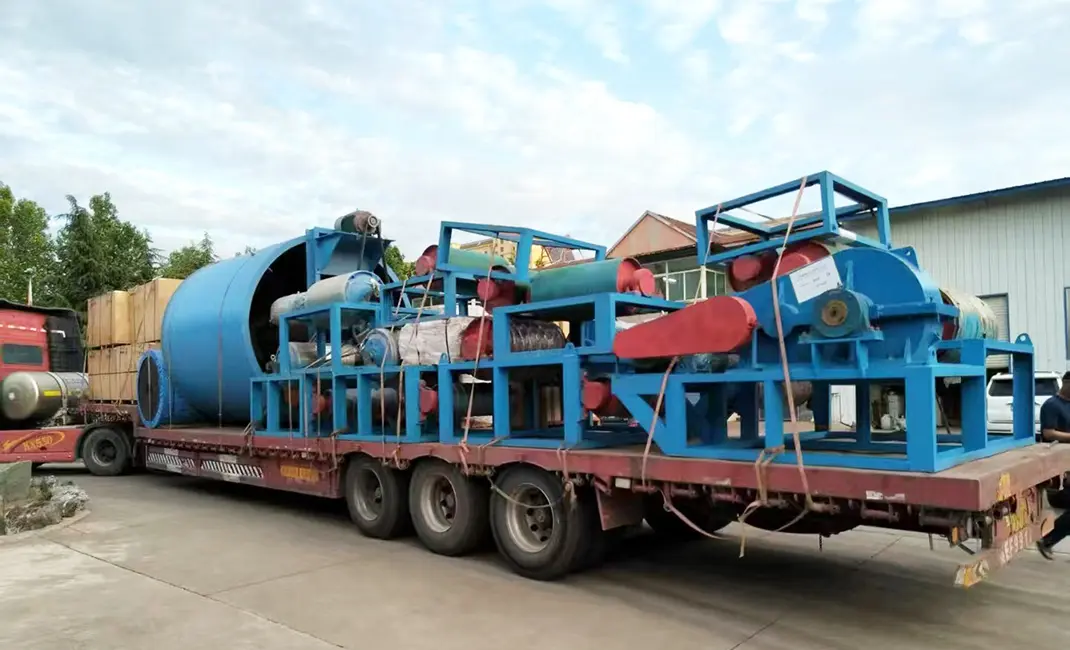
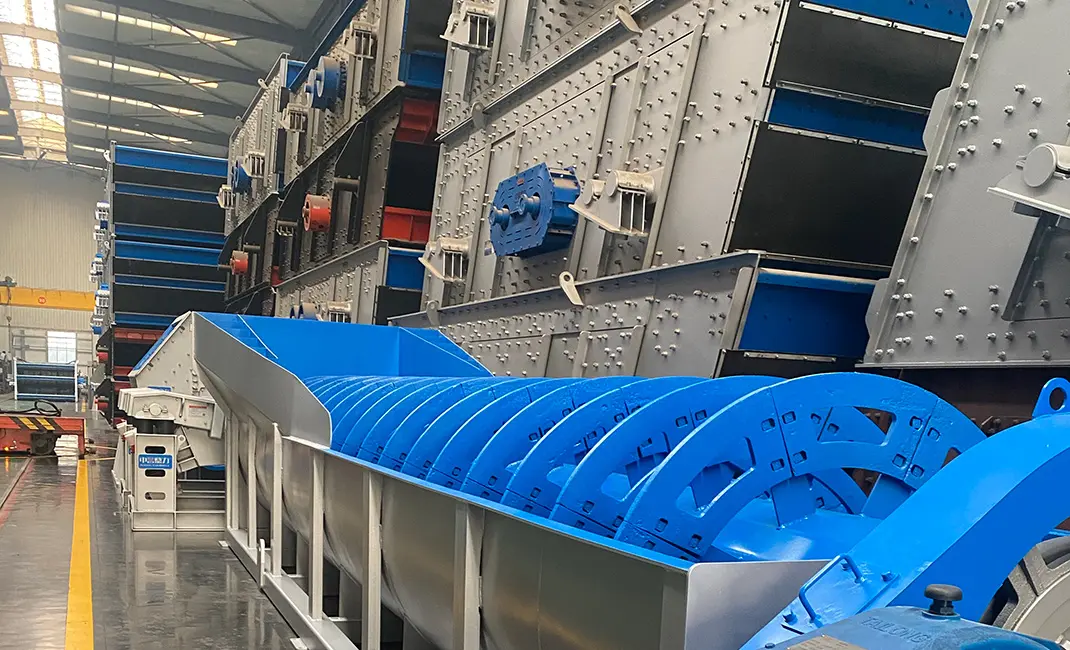
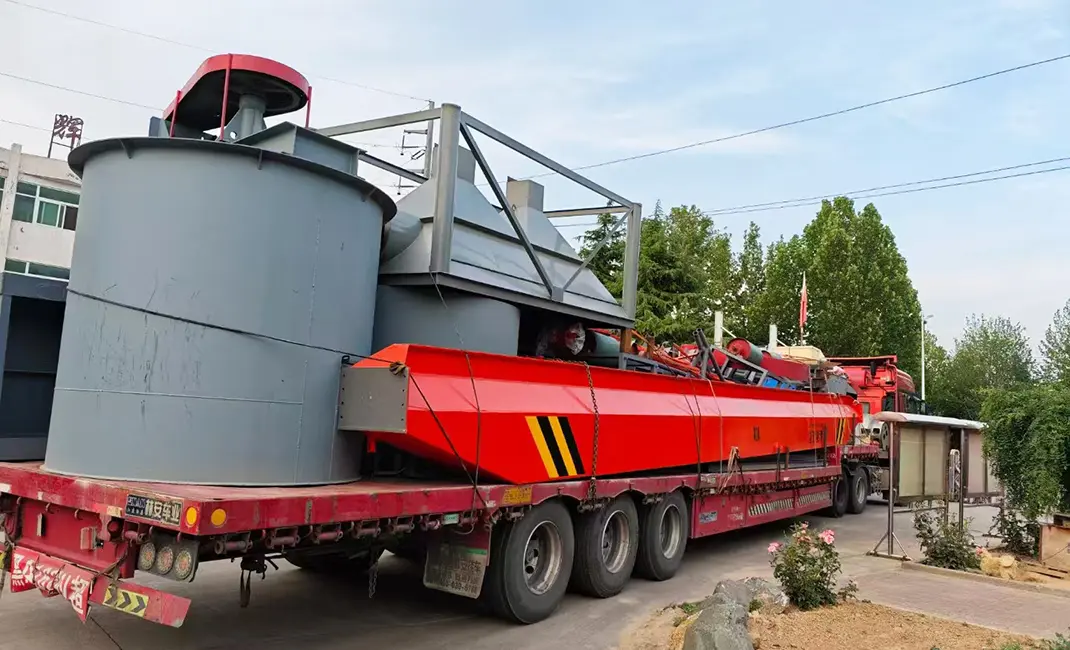
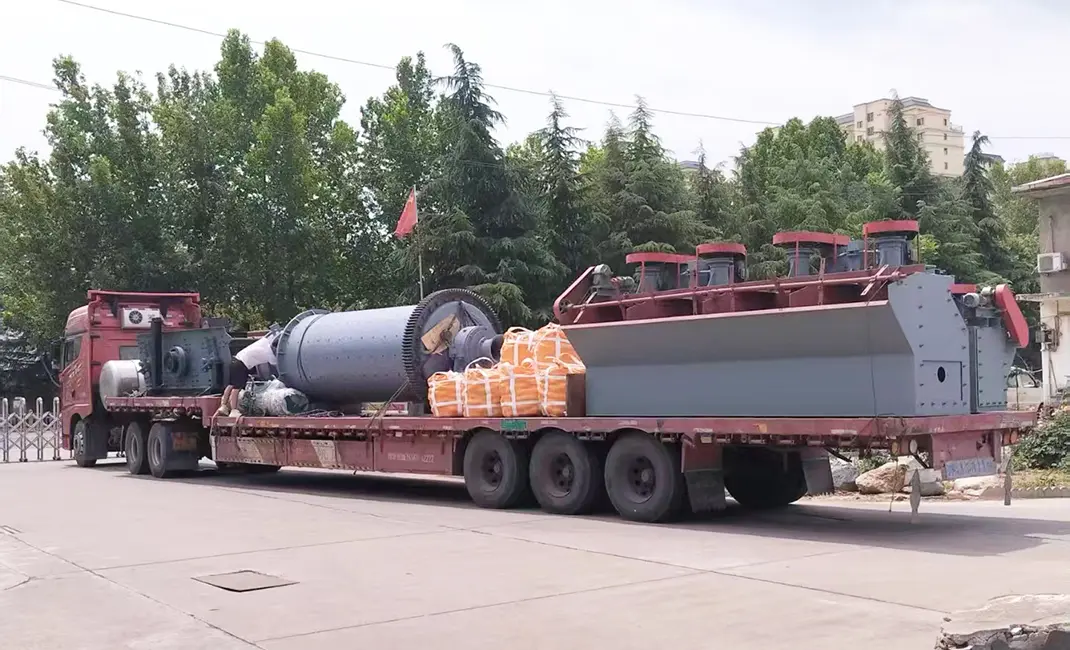
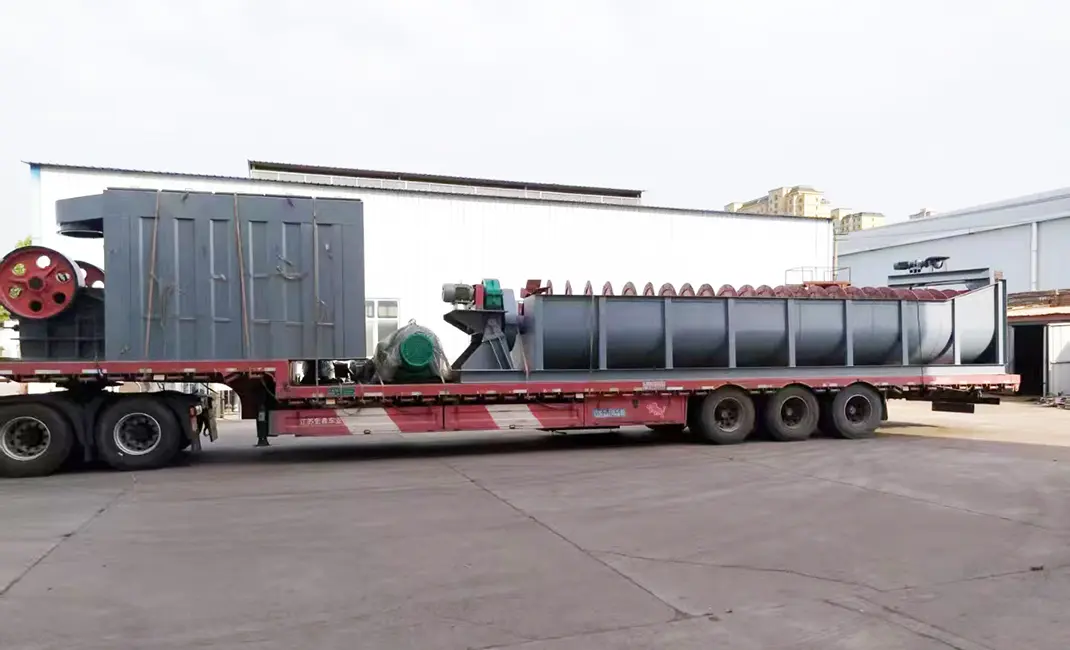

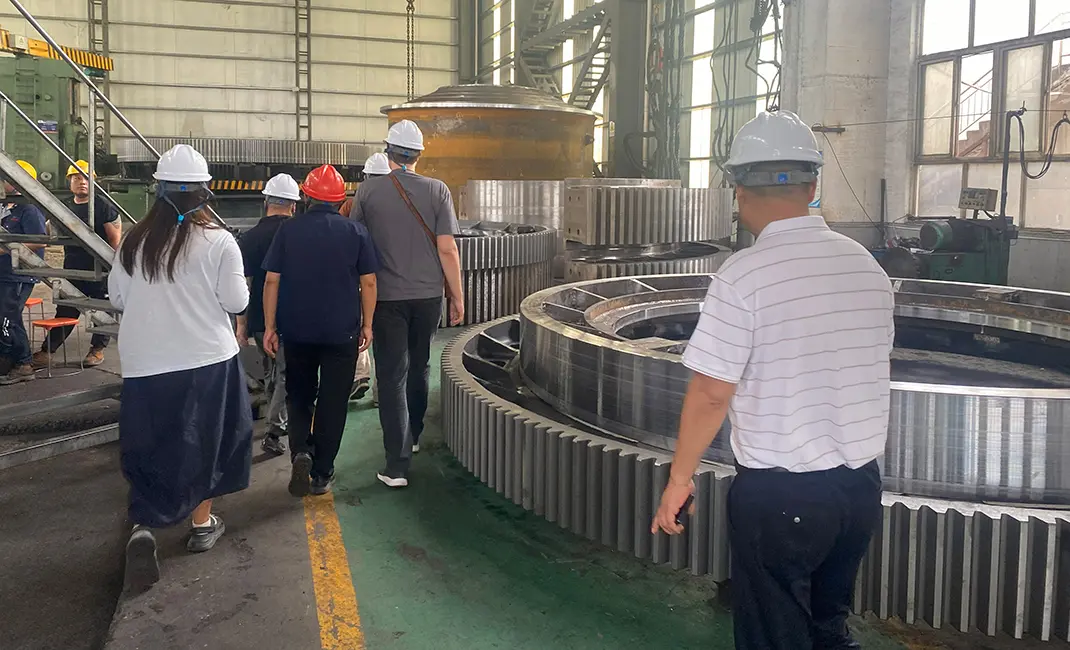
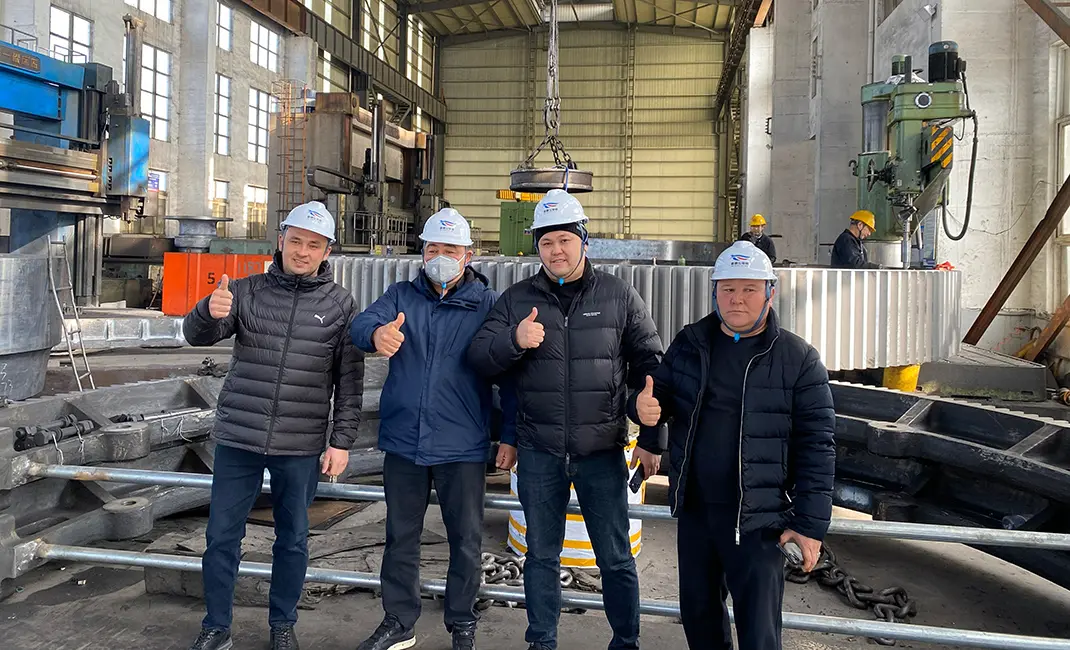
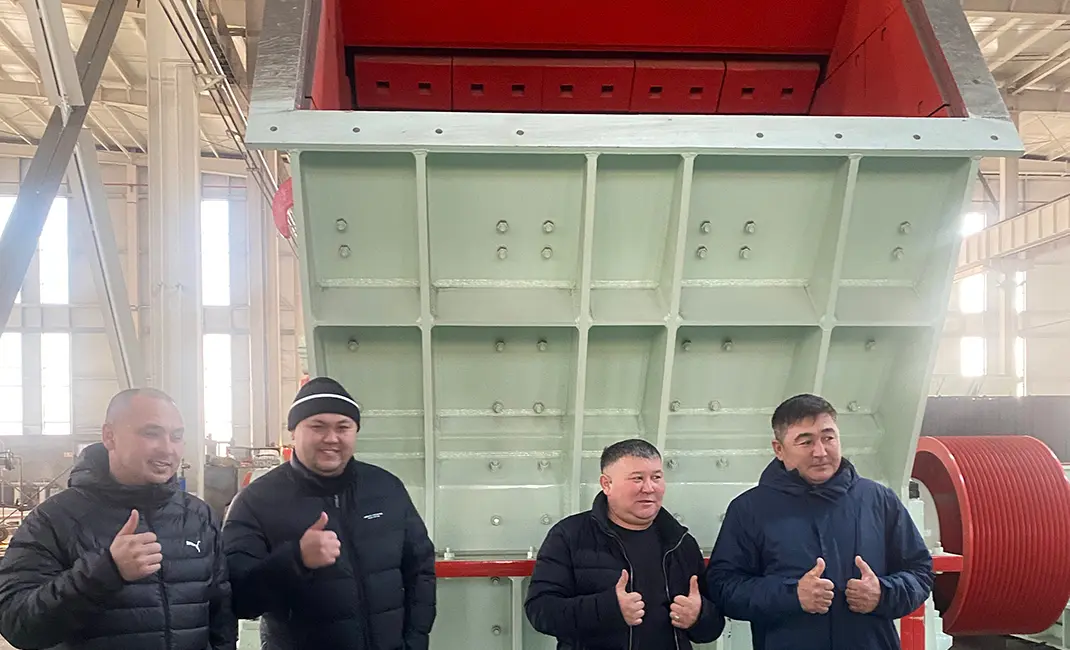
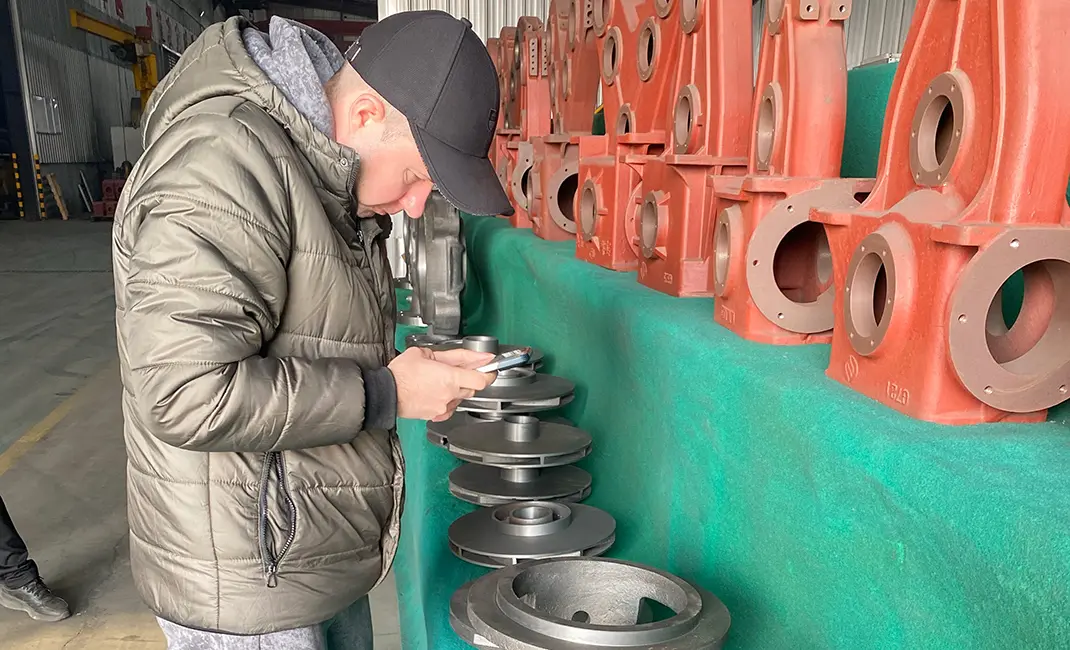
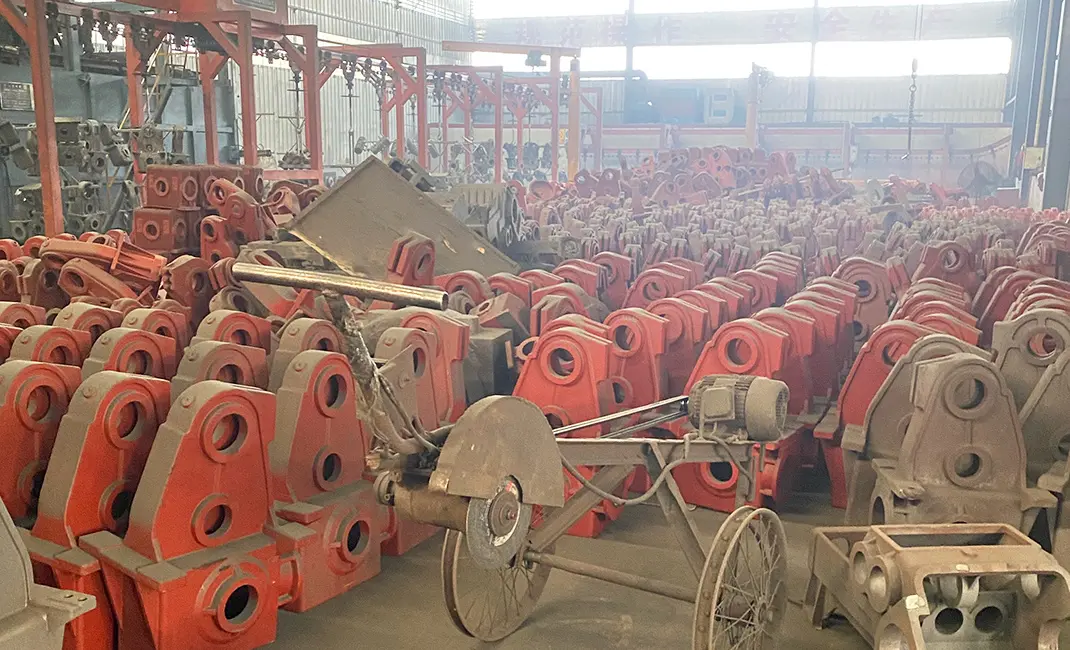
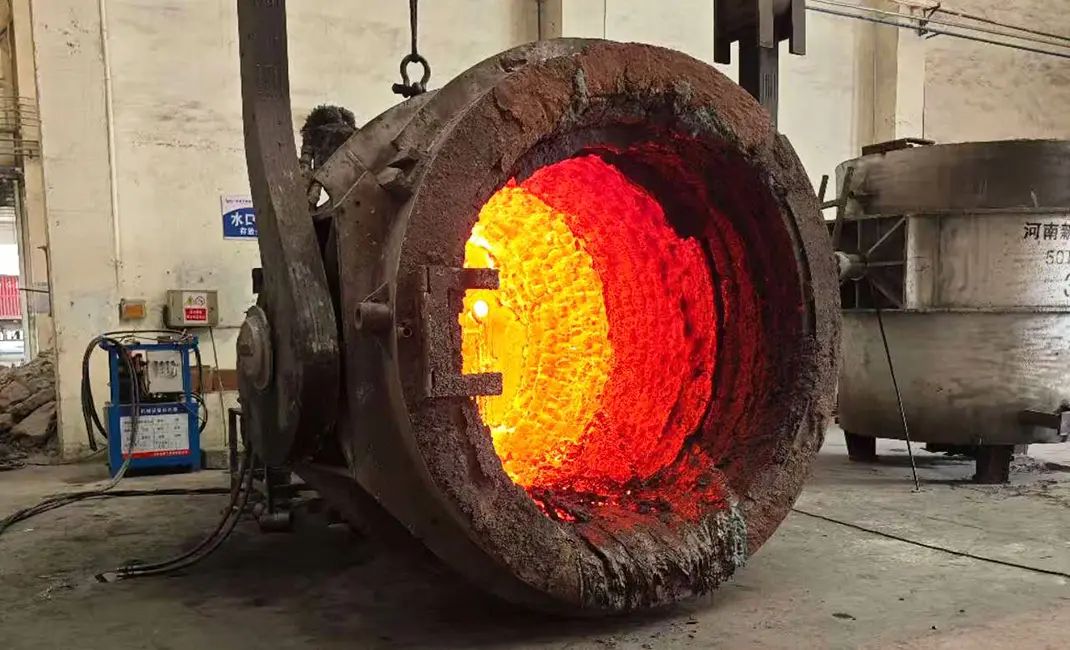
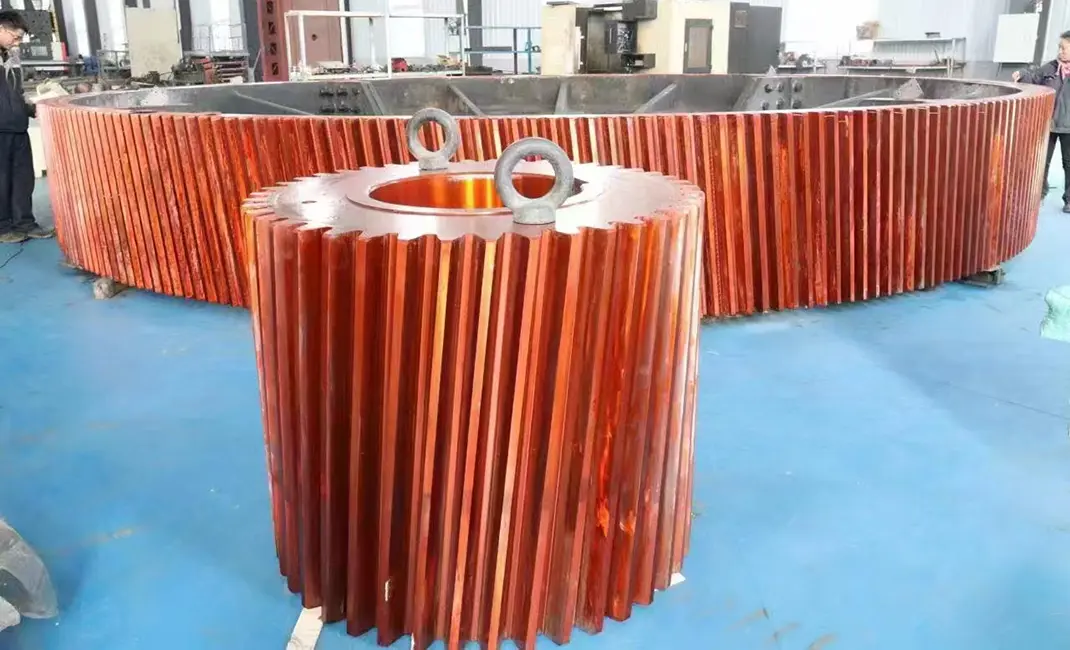
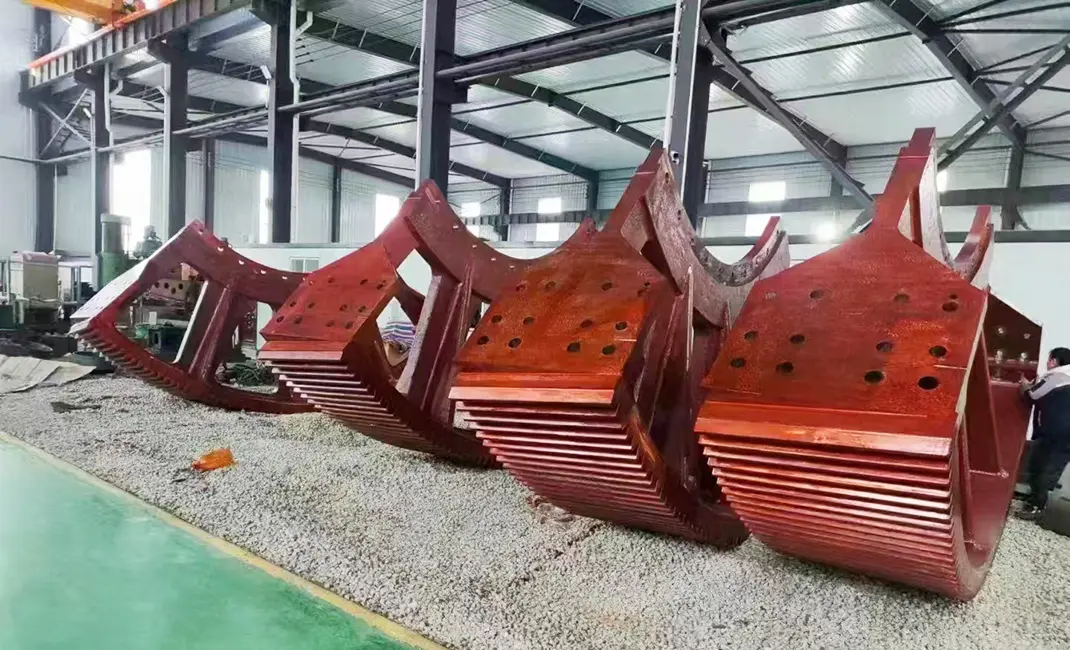
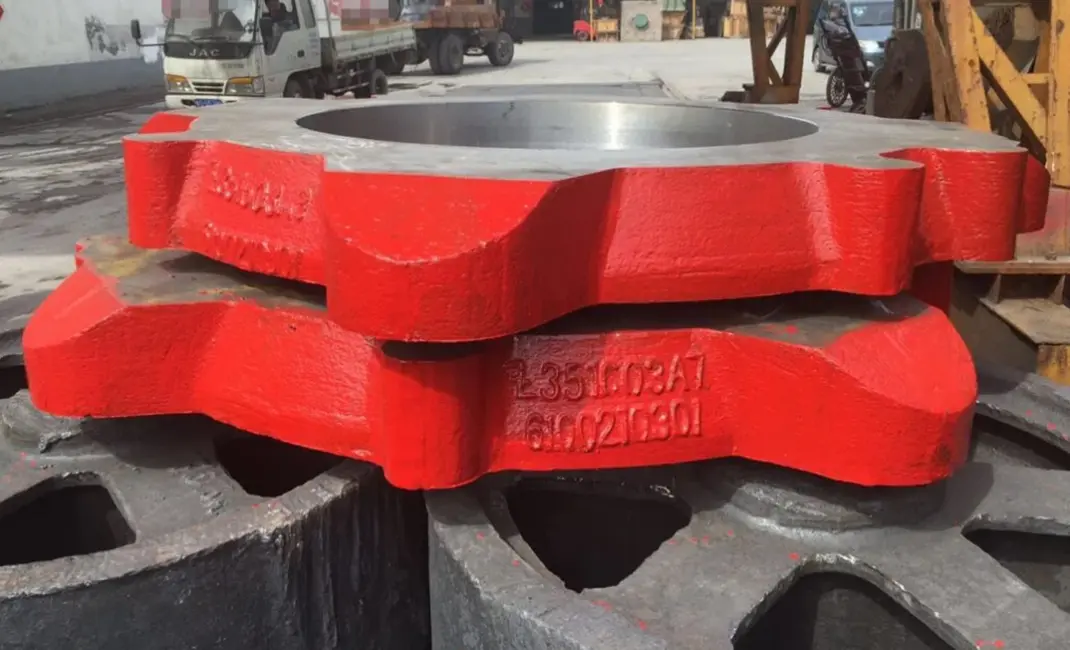
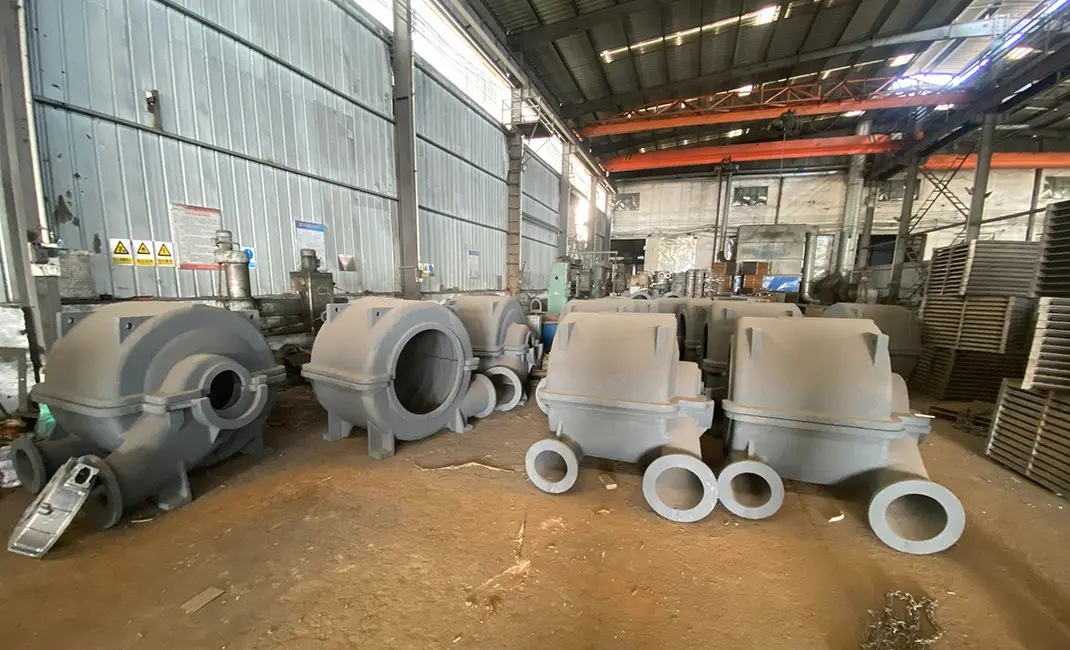
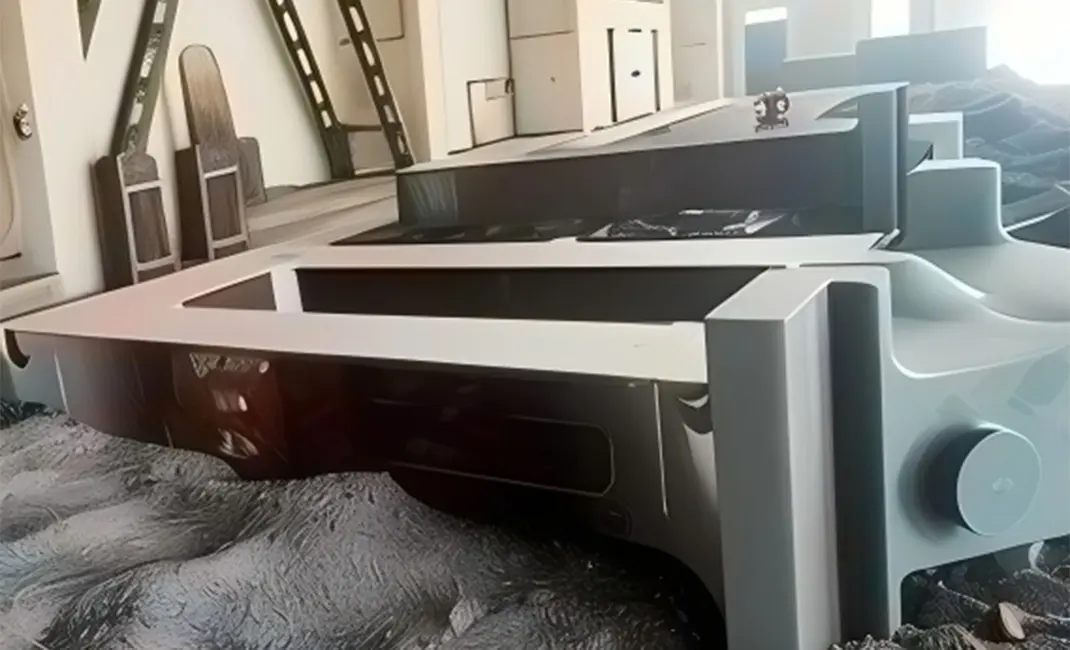
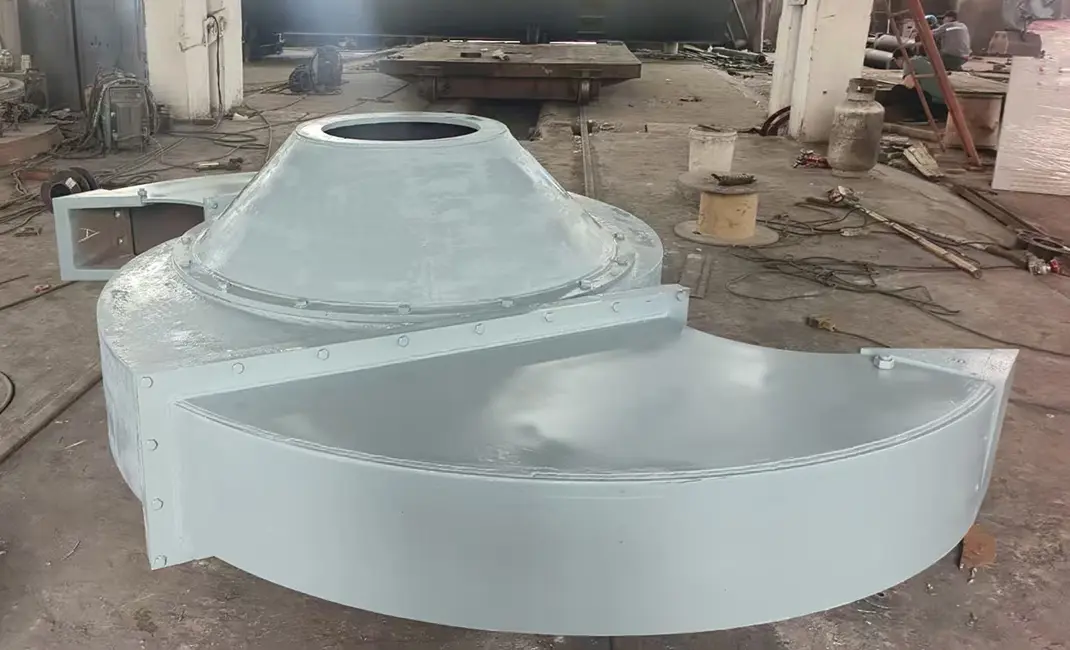
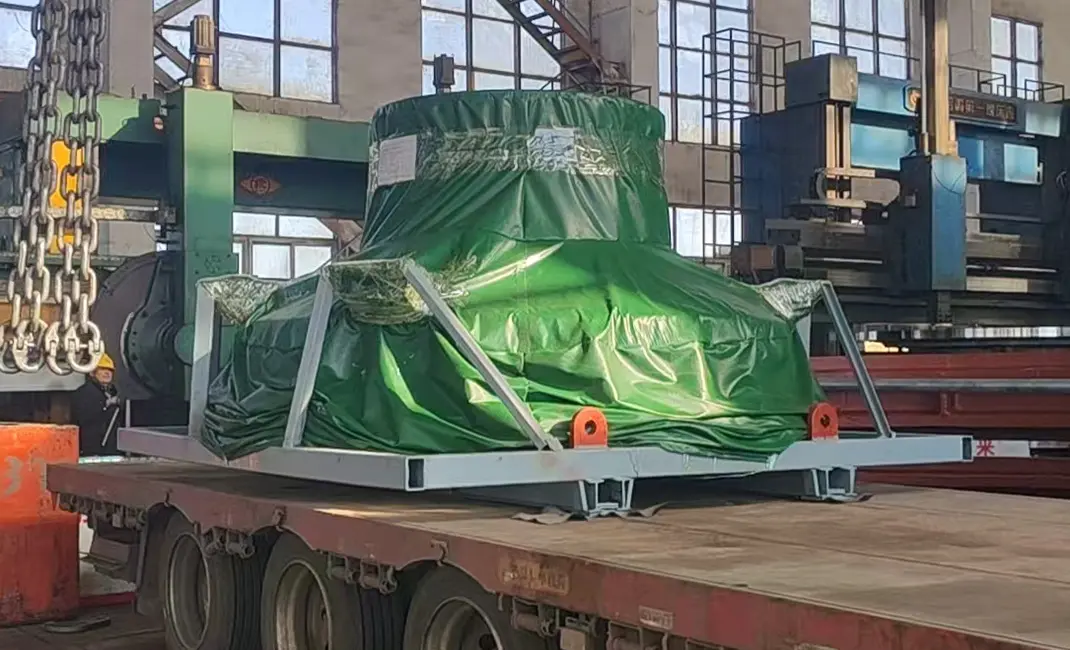
Our casting processes and heavy machines align with international criteria, verified by independent testing bureaus.
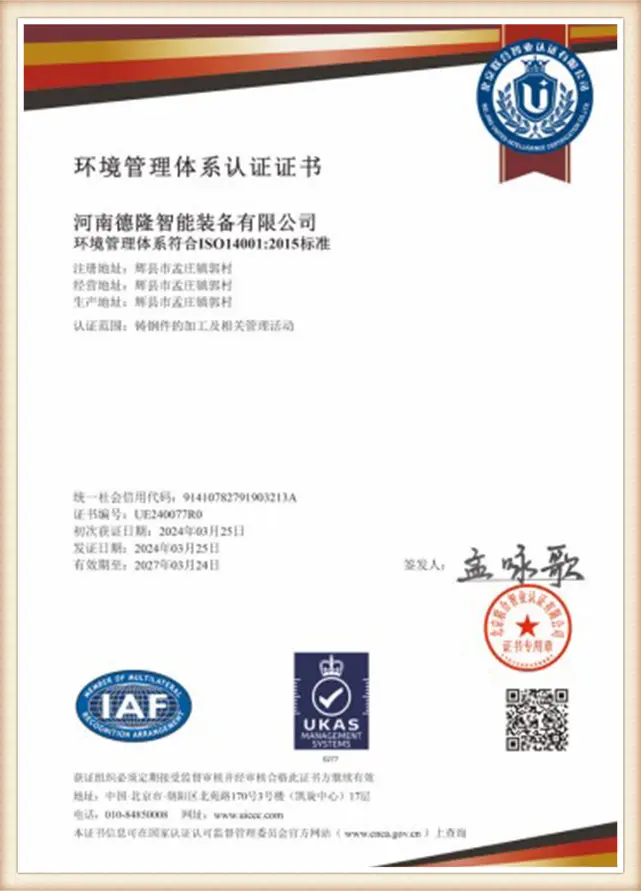
A structured, quality-controlled pathway from project blueprint to site commissioning.

We gather material abrasiveness indices, compressive strength data, and desired production volumes to build your crushing parameters.
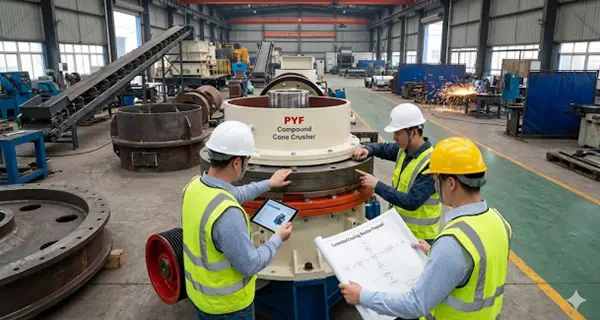
Our engineering department simulates raw material behavior using FEA analysis to optimize jaw design and frame thickness.
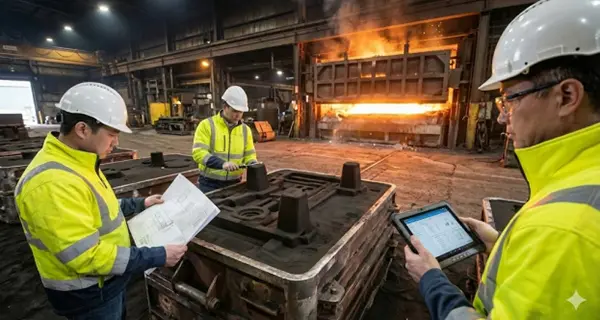
We finalize engineering drawings, determine casting metallurgy, specify alloy chemistry, and align commercial deliverables.
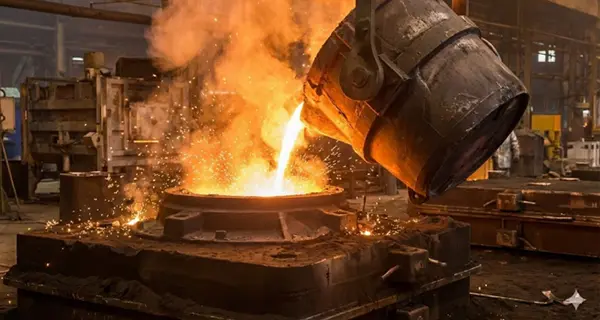
Pouring and cooling are managed inside our electric arc furnaces, followed by precise heat treatment to stress-relieve the steel frames.

Our QA team uses ultrasonic, magnetic particle, and liquid penetrant testing to verify that no internal casting voids exist.
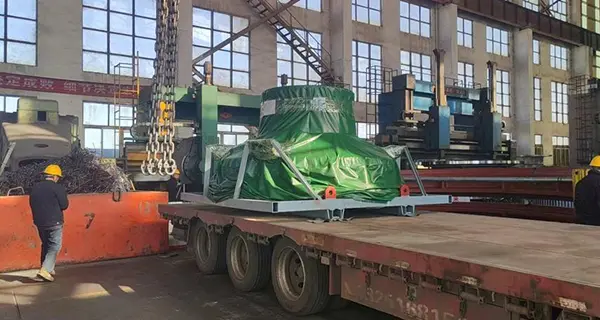
Components are sealed in anti-corrosive transit wrap and loaded into heavy containers or break-bulk shipping configurations.
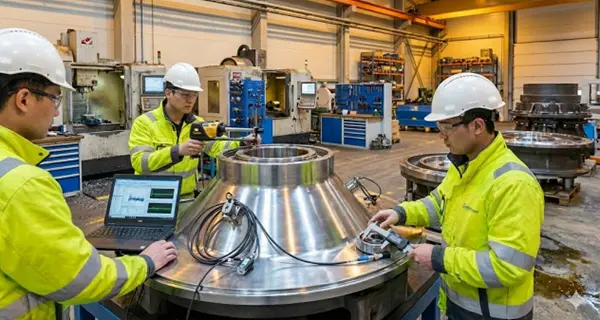
Our engineering representatives support on-site installation, checking alignments, bearing preloads, and motor dynamics.
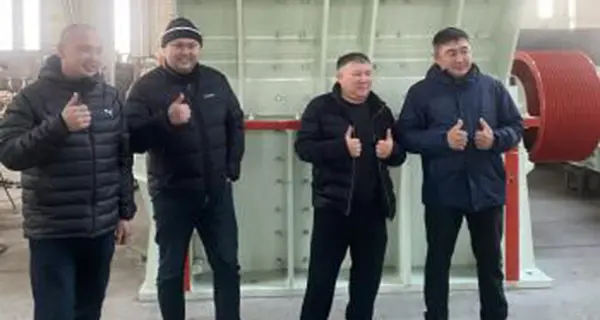
We run live trials to adjust settings for feed distribution, and we train local operators in preventive maintenance protocols.
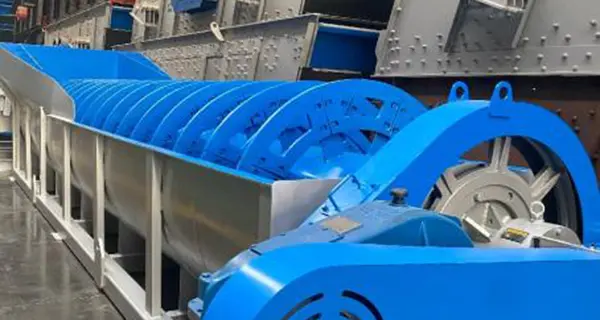
We maintain detailed mold files, enabling us to cast and dispatch replacement parts like jaw plates and toggle wedges on demand.
In-depth insights covering mechanical design, metallurgical specifications, and compliance standards.
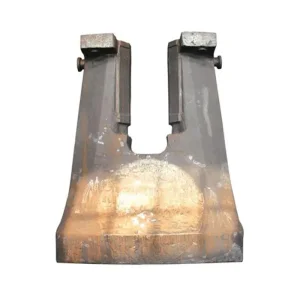
Our CE-certified crusher frames are designed with robust mechanical fail-safes. The toggle plate serves as a sacrificial shear element. If an uncrushable object (such as a steel tooth or drill rod) enters the crushing chamber, the toggle plate shears or buckles, immediately halting swing jaw movement. This prevents high-stress deformation of the expensive eccentric shaft and main frame.
We cast our jaw plates using high-manganese steel (typically Mn13Cr2, Mn18Cr2, or Mn22Cr2 depending on the application). During operation, the impact energy of the rock face work-hardens the surface layer from a baseline of ~220 HB to over 500 HB, while the underlying core retains its toughness to resist cracking under high stress.
Liner life varies based on feed hardness, silica content, and moisture. In abrasive rock like basalt, liners typically require rotation or replacement after 800 to 1,200 operating hours. In softer, less abrasive materials like limestone, they can last up to 4,000 hours. Consistent feed distribution and proper closed-side setting (CSS) calibration help maximize this lifecycle.
Every heavy steel component undergoes non-destructive testing (NDT), including Ultrasonic Testing (UT) to detect internal shrink voids, Magnetic Particle Testing (MT) for surface micro-cracks, and Coordinate Measuring Machine (CMM) verification to ensure dimensional tolerances align with engineering specifications.
Explore our full range of heavy-duty cast components and advanced aggregate processing equipment.
 Hanhai