 Hanhai
1 / 1
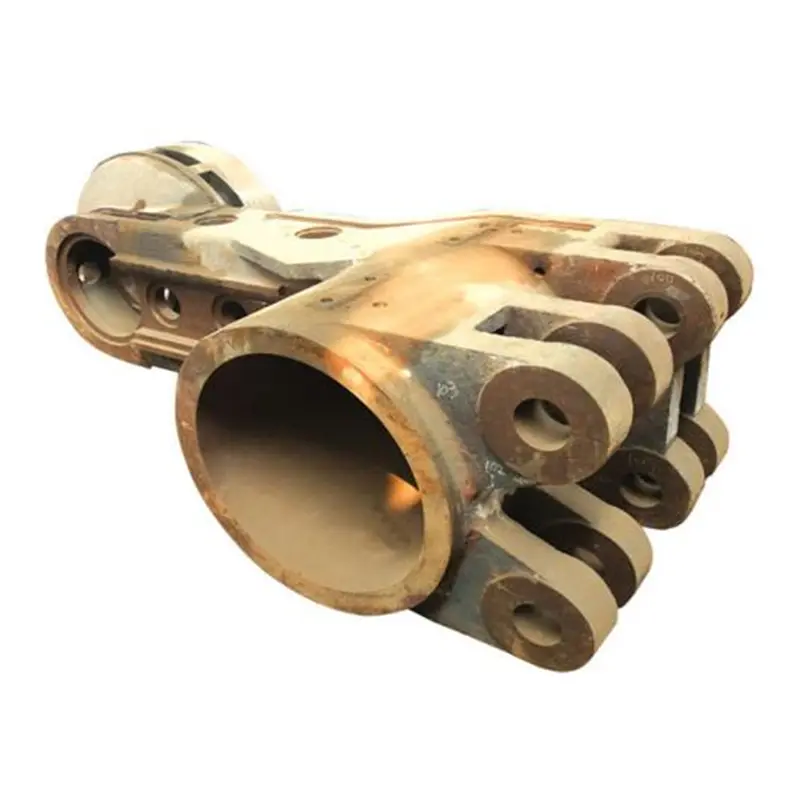
The material composition, supported by calibrated solidification control, enhances resistance to abrasion, oxidation, and environmental deterioration. The casting maintains mechanical integrity when exposed to compressive forces, repetitive movement, moisture variations, and chemically active surroundings. These characteristics help mitigate fatigue progression and surface degradation, contributing to longer operating intervals and improved lifecycle efficiency.
Dimensional reliability is achieved through precision mold engineering and closely regulated casting parameters. Controlled tolerance management ensures alignment with engineering documentation and seamless system integration. A consistent surface structure promotes accurate positioning and secure mechanical interfacing, minimizing additional finishing requirements and supporting streamlined assembly processes.
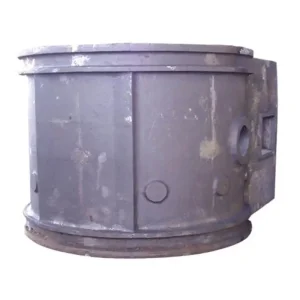
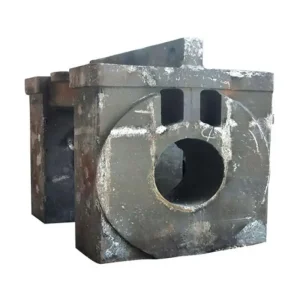
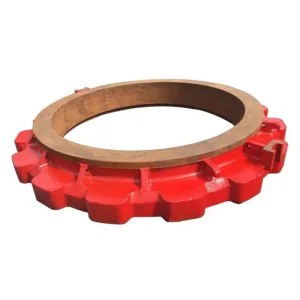
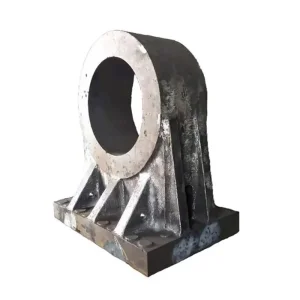
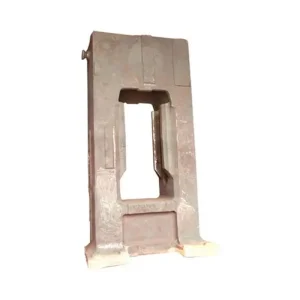
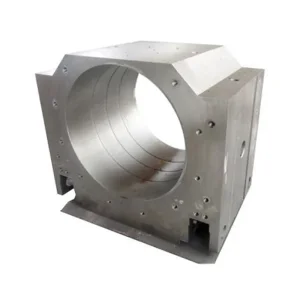
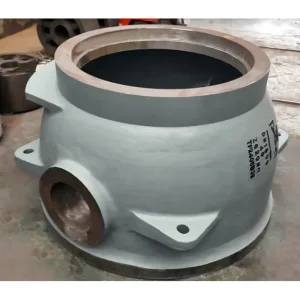
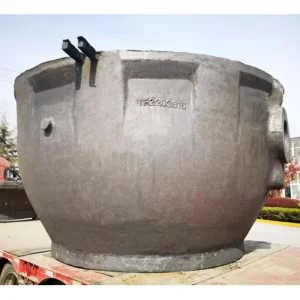
Owing to its adaptable structural characteristics, this cast iron casting serves diverse sectors including heavy machinery production, transport equipment systems, infrastructure development, mineral processing operations, agricultural engineering, and general industrial manufacturing. Common implementations include mounting platforms, protective housings, reinforcement frameworks, load-support brackets, and other functional components requiring durability and dimensional control.
Manufacturing flexibility permits adjustment of alloy composition, geometry, weight distribution, surface finishing specifications, and machining allowances according to project documentation. This versatility ensures effective compatibility across varied mechanical environments and performance requirements.
Engineered cast iron structure supporting balanced load transfer
Resistance to mechanical wear and environmental stress factors
Process-controlled dimensional stability across production batches
Uniform surface profile enabling precise mechanical alignment
Configurable production parameters for diverse industrial configurations