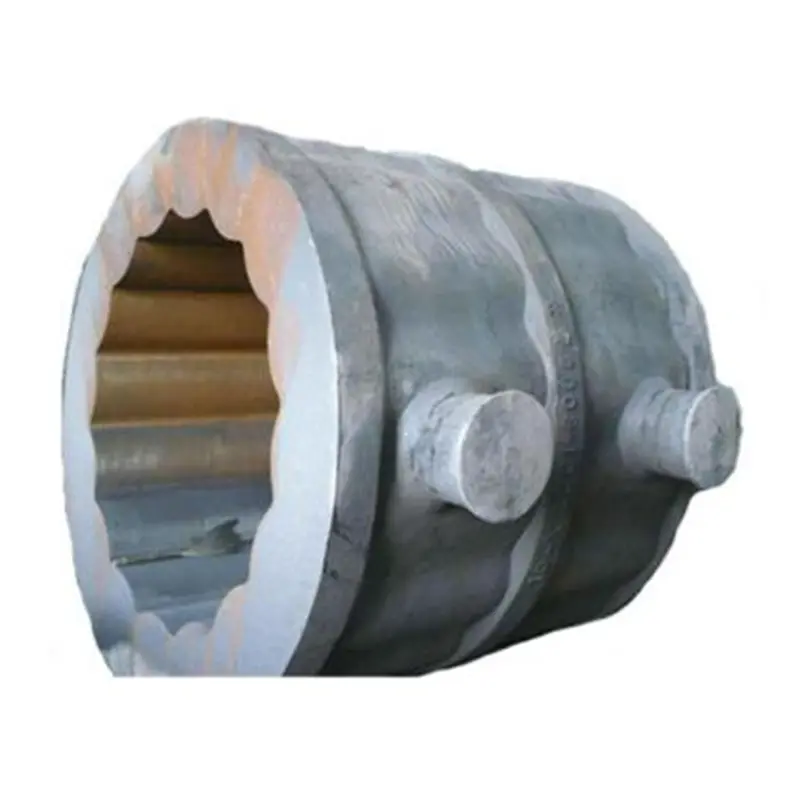
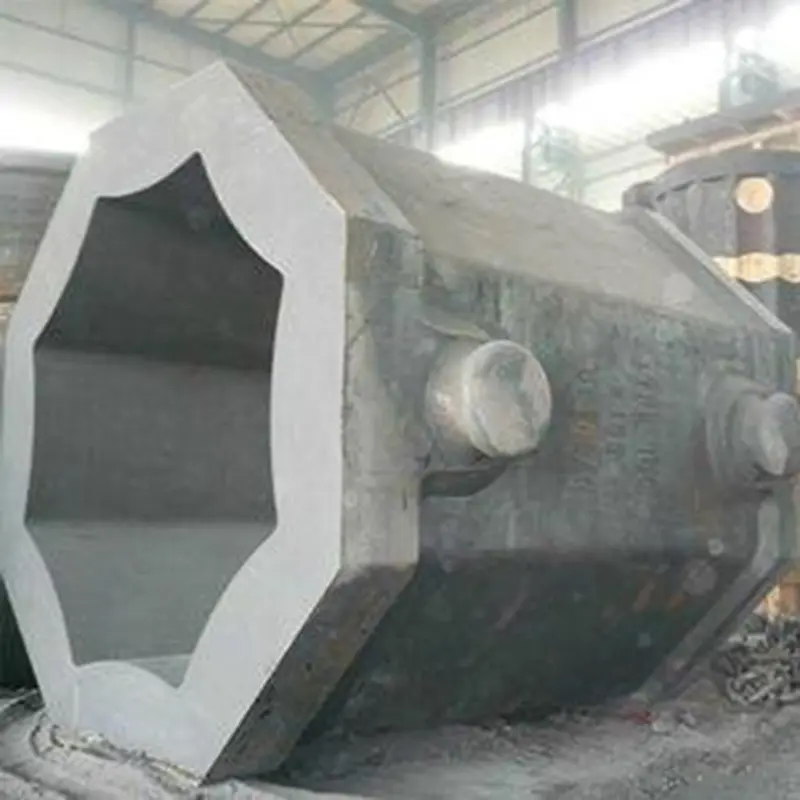
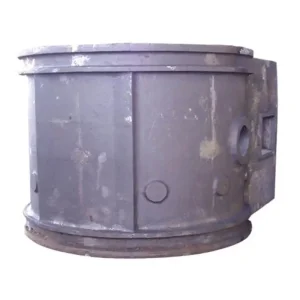
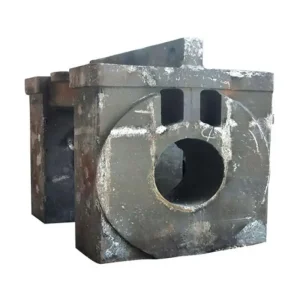
High-Quality Casting Ingot Mold for Steel and Metallurgy Applications Manufacturers, Exporters

This cast iron component is produced using refined foundry expertise and advanced process control to comply with the demanding standards of contemporary industrial applications. Every stage — including material evaluation, controlled melting, mold preparation, metal pouring, cooling, and thorough inspection — is executed under strict supervision to ensure uniform structure and dependable performance. Through disciplined manufacturing management, the finished casting delivers reliable mechanical strength along with accurate dimensional stability.

Formed from premium cast iron, the component provides strong structural endurance and long-term durability. It is designed to sustain substantial loads, continuous operational stress, and challenging service conditions without compromising integrity. The compact and homogeneous internal structure enhances load distribution and mechanical stability, making it suitable for applications that demand dependable structural support. Whether operating in fixed installations or in motion-based systems, the casting maintains consistent functionality over extended service periods.

Product Description

Product Description
The material composition, combined with optimized production techniques, ensures strong resistance to surface wear, corrosion, and fatigue. These characteristics help prevent deformation and material degradation during prolonged use. Even when exposed to friction, moisture, pressure variations, or industrial chemicals, the component performs steadily while minimizing maintenance interventions and replacement cycles.
Dimensional precision is achieved through carefully regulated casting parameters and advanced mold design. Strict tolerance management ensures close alignment with engineering specifications and assembly requirements. The smooth and refined surface finish improves installation efficiency and compatibility with adjacent components, reducing the need for additional machining and enhancing overall production efficiency.
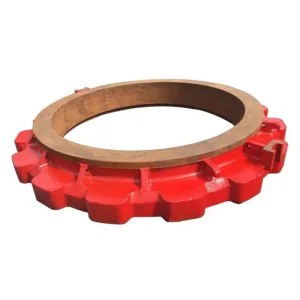
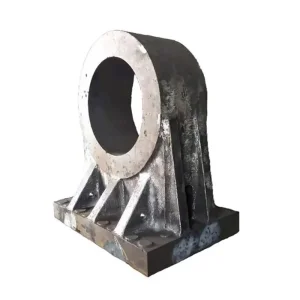
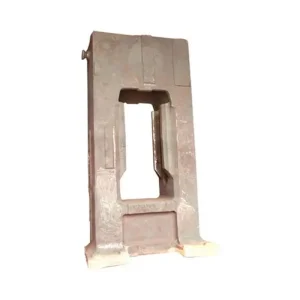
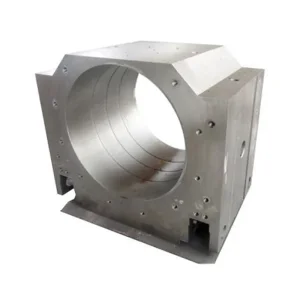
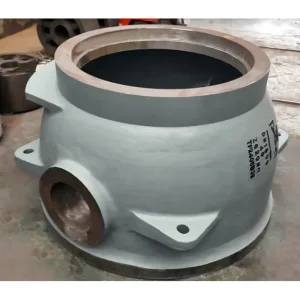
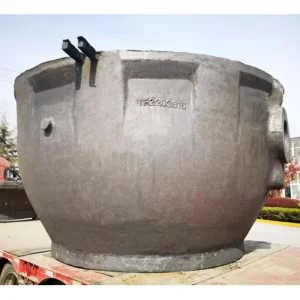
Casting- Ingot Mold (2)
Due to its adaptability and structural reliability, this cast iron casting is widely applied across sectors such as heavy machinery, automotive engineering, construction equipment, mining operations, agricultural systems, and general industrial manufacturing. Typical applications include structural supports, equipment housings, mounting frames, brackets, and load-bearing assemblies requiring strength and accuracy.
To accommodate varied project requirements, customized manufacturing options are available. Adjustments to material composition, dimensions, weight specifications, surface treatment processes, and machining standards can be implemented according to client drawings or technical documentation, ensuring suitability for diverse working environments.
Key Features
Reinforced cast iron structure with dependable load capacity
Strong resistance to abrasion and environmental corrosion
Controlled casting process ensuring dimensional consistency
Refined surface quality for precise and secure assembly
Adaptable production solutions for multiple industrial uses
Frequently Asked Questions
What environmental conditions can this cast iron casting withstand?
It is engineered to perform steadily when exposed to friction, moisture, pressure variations, and various industrial chemicals, offering strong resistance to surface wear, fatigue, and corrosion.
How is the dimensional precision of the casting maintained?
Dimensional precision is achieved through carefully regulated casting parameters, advanced mold design, and strict tolerance management, ensuring close alignment with engineering specifications.
In which industries is this cast iron casting typically used?
It is widely applied across heavy machinery, automotive engineering, construction equipment, mining operations, agricultural systems, and general industrial manufacturing.
Are there customized options available for specific projects?
Yes. Custom adjustments can be made to material composition, overall dimensions, weight specifications, surface treatment processes, and machining standards based on client drawings or technical documentation.
How does the surface finish affect installation?
The refined and smooth surface finish improves installation efficiency and compatibility with adjacent components, which helps minimize the need for additional machining.

Related Products