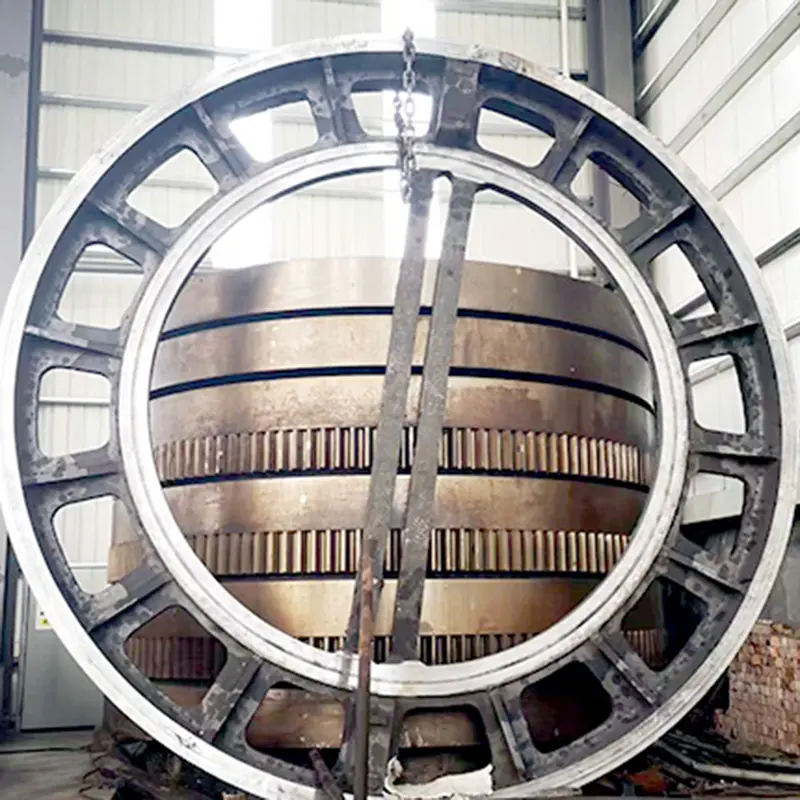
OEM Casting-large gears, large rings Supplier, Exporter

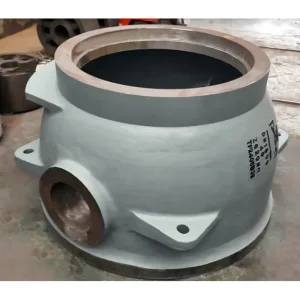
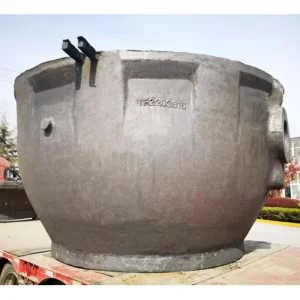
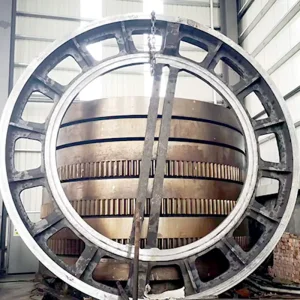
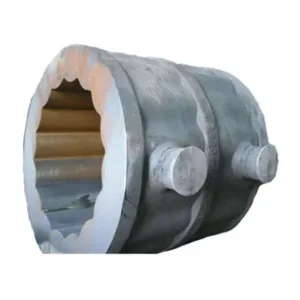
This cast iron casting is engineered with refined manufacturing expertise and advanced foundry technology to meet the demanding expectations of modern industrial environments. Each stage of production — from material evaluation and controlled melting to mold formation, casting, cooling, and comprehensive quality inspection — is managed with strict process discipline. This systematic approach guarantees structural consistency, operational reliability, and extended durability. The finished component reflects a balanced integration of strength, dimensional precision, and stable performance.

Produced from high-grade cast iron, the component offers remarkable mechanical stability and endurance. Its compact internal structure supports efficient stress distribution, enabling it to operate under heavy loads and sustained mechanical pressure without structural compromise. Designed for both stationary installations and dynamic systems, the casting maintains dependable functionality even under prolonged and demanding working conditions.

Product Description

Product Description

The material composition and optimized production methods provide strong resistance to abrasion, oxidation, and environmental corrosion. These characteristics help reduce deformation, surface degradation, and fatigue over time. Even when exposed to friction, moisture, pressure fluctuations, or industrial chemical conditions, the component continues to perform effectively while lowering long-term maintenance and replacement requirements.

Dimensional accuracy is achieved through carefully controlled casting parameters and advanced mold design. Tight tolerance management ensures reliable conformity to engineering drawings and assembly specifications. The refined surface finish enhances installation efficiency and ensures compatibility with adjacent components. Reduced post-processing needs contribute to improved production efficiency and overall cost optimization.

Due to its structural reliability and adaptability, this cast iron casting is broadly utilized in sectors such as heavy machinery, transportation systems, construction equipment, mining operations, agricultural machinery, and various industrial applications. Typical uses include support structures, enclosures, mounting frames, mechanical housings, and load-bearing assemblies requiring strength and precision.

To support diverse engineering requirements, customized manufacturing solutions are available. Options for material selection, dimensional specifications, weight range, surface treatment, and machining standards can be adjusted according to client drawings or technical demands, ensuring optimal application performance.
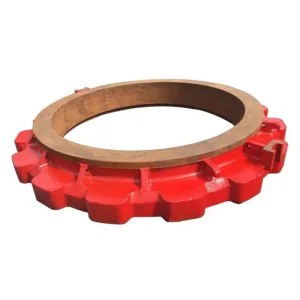
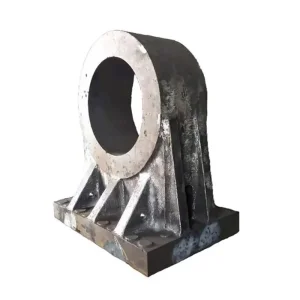
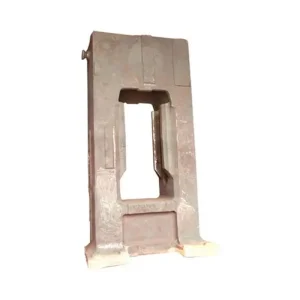
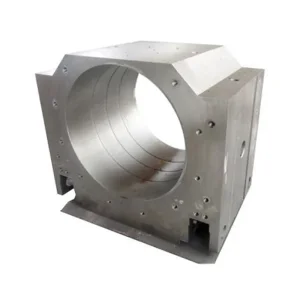
Casting-large gears, large rings

Key Features

Durable cast iron construction with reinforced structural integrity
Strong resistance to abrasion and environmental corrosion
Stable dimensional conformity through controlled production
Refined surface quality supporting precise assembly

Frequently Asked Questions

What makes these cast iron castings highly durable?
The durability comes from an optimized material composition and advanced production methods, which provide exceptional resistance to abrasion, oxidation, and environmental corrosion. This helps reduce physical deformation and fatigue over long periods.
How is dimensional accuracy maintained during manufacturing?
We utilize carefully controlled casting parameters, advanced mold design, and tight tolerance management. This guarantees that each casting complies reliably with engineering drawings and assembly specifications.
In which industrial sectors are these castings typically applied?
These castings are widely utilized in heavy machinery, transportation systems, construction equipment, mining operations, agricultural machinery, and various other demanding industrial applications.
Are customization options available for specific projects?
Yes, we support customized manufacturing solutions where materials, dimensions, weight ranges, surface treatments, and machining standards can be tailored to meet your unique engineering drawings or technical specifications.
What are the typical configuration uses for these components?
They are commonly used for structural supports, enclosures, mounting frames, mechanical housings, and load-bearing assemblies that demand high strength, precision, and reliable alignment with neighboring parts.

Related Products