 Hanhai
1 / 2
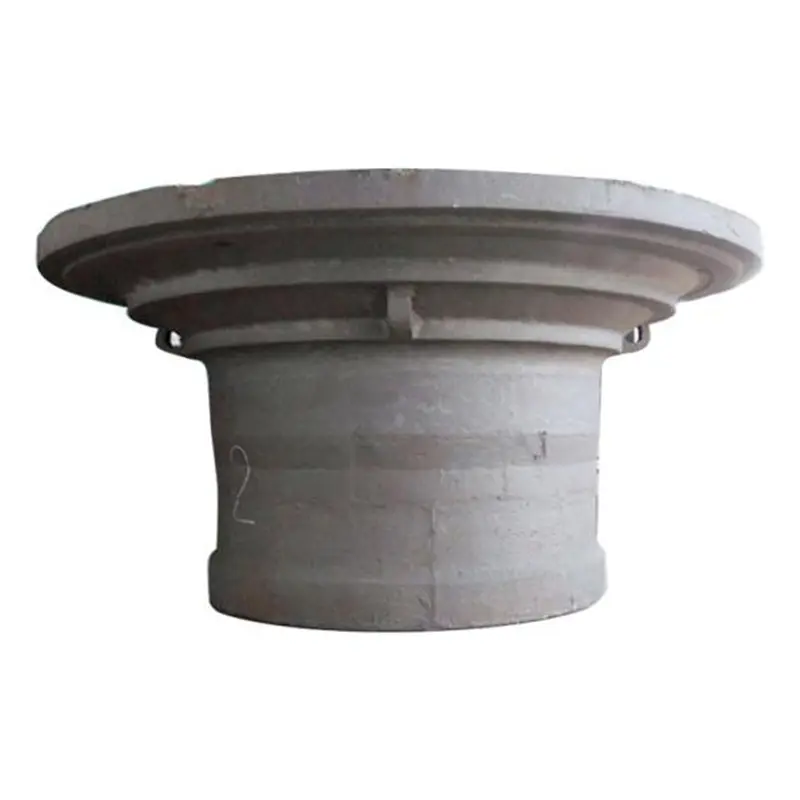
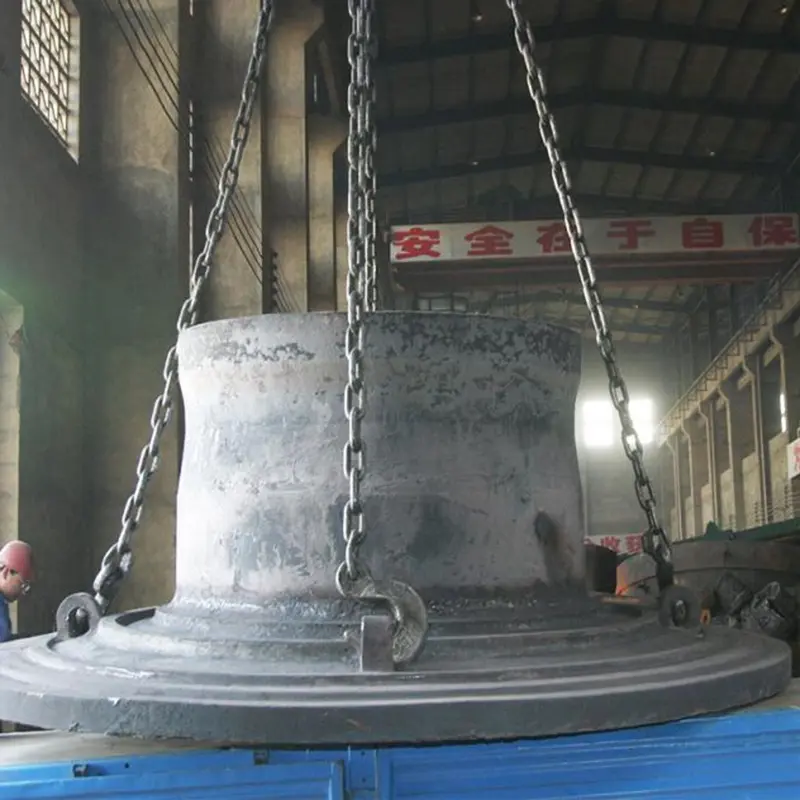
The material composition, combined with optimized production parameters, provides resistance against abrasion, corrosion, and fatigue-related deterioration. These characteristics reduce surface degradation and structural weakening during prolonged exposure to moisture, pressure fluctuations, friction, or chemically active environments. As a result, the component contributes to reduced downtime and lower maintenance requirements over its service life.
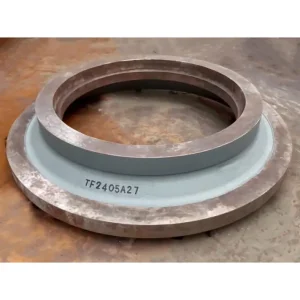
Dimensional consistency is achieved through precise mold design and carefully regulated casting controls. Strict tolerance monitoring ensures alignment with engineering specifications and assembly standards. The refined surface quality supports accurate installation and smooth integration with adjoining components, minimizing the need for extensive post-processing and enhancing overall production efficiency.
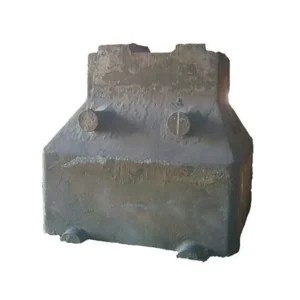
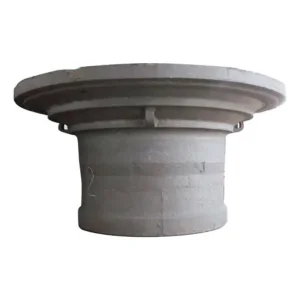
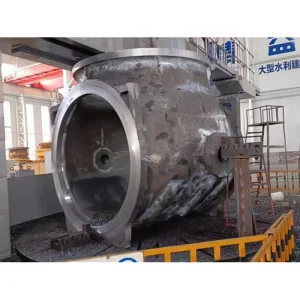
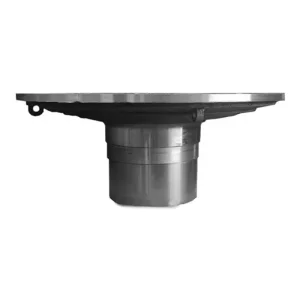
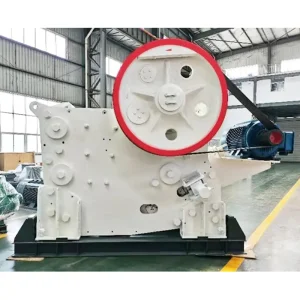
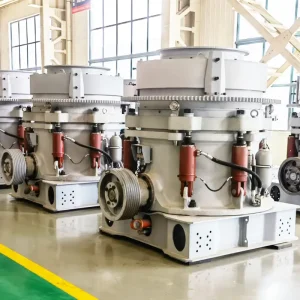
Because of its adaptability and structural dependability, this cast iron casting is widely implemented across sectors such as heavy equipment manufacturing, transportation systems, construction machinery, mining operations, agricultural equipment, and general industrial engineering. Typical applications include load-bearing bases, protective housings, structural frames, brackets, mounting supports, and other precision-driven assemblies.
To meet varied technical demands, customizable production options are available. Adjustments in material formulation, dimensional parameters, weight classifications, surface treatment processes, and machining tolerances can be configured according to customer documentation or application requirements, ensuring compatibility across diverse operating environments.