 Hanhai
1 / 1
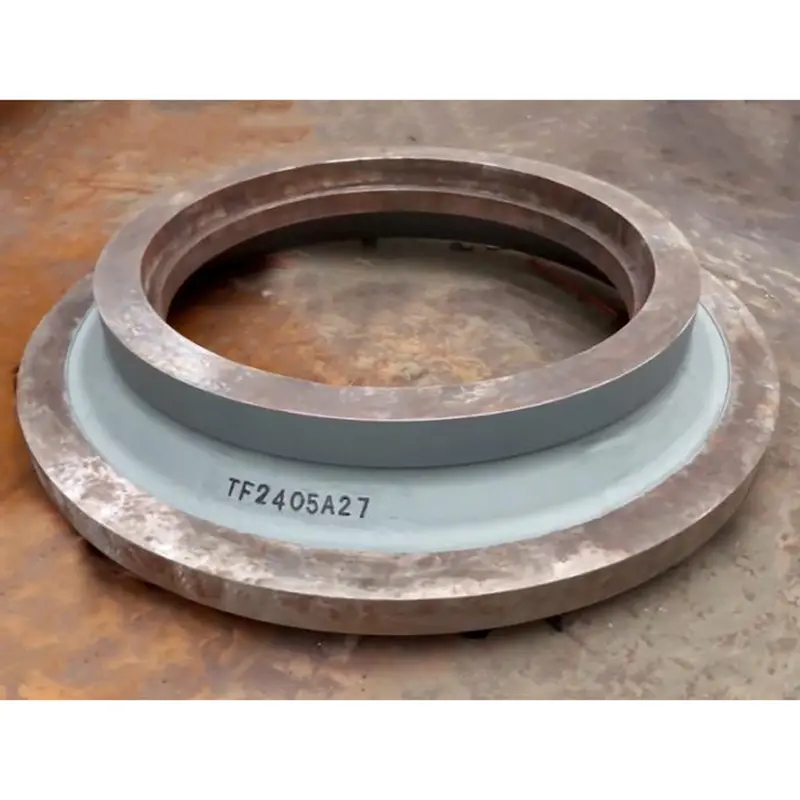
The material composition and optimized manufacturing parameters contribute to improved resistance against abrasion, oxidation, and environmental exposure. These properties help reduce distortion, fatigue-related weakening, and surface degradation during prolonged use. Even under conditions involving pressure fluctuations, frictional contact, moisture, or chemical influence, the component continues to function reliably while minimizing service interruptions and maintenance requirements.
Dimensional conformity is achieved through advanced mold development and closely monitored casting variables. Controlled tolerances ensure alignment with engineering documentation and assembly specifications. The refined surface quality enhances installation accuracy and smooth integration with adjoining parts, reducing reliance on extensive secondary processing and improving production efficiency.
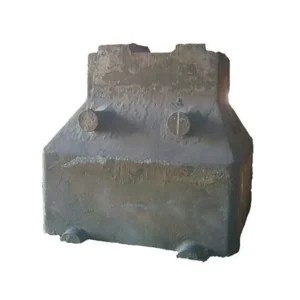
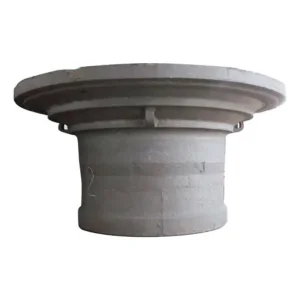
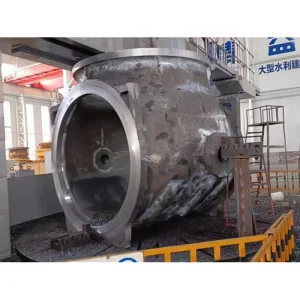
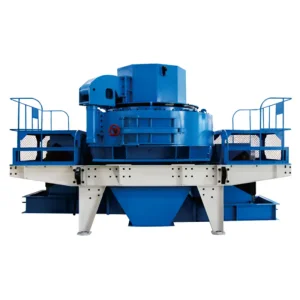
Because of its structural reliability and adaptable design, this cast iron casting is widely employed in heavy equipment manufacturing, transportation systems, construction machinery, mining operations, agricultural equipment, and various industrial assemblies. Typical uses include mounting platforms, protective housings, structural frameworks, load-bearing brackets, and support components requiring strength and precision.
To address varying technical specifications, customizable manufacturing configurations are available. Adjustments in alloy composition, dimensional parameters, surface finishing treatments, weight ranges, and machining standards can be implemented according to client requirements or engineering documentation, ensuring compatibility across diverse operational conditions.
Q What material is used in this cast iron casting component?
The component is manufactured from high-quality cast iron with an optimized alloy composition designed to deliver superior resistance against abrasion, oxidation, and environmental exposure, ensuring long-term structural reliability.
Q What industries and applications is this casting suitable for?
This cast iron casting is widely used in heavy equipment manufacturing, transportation systems, construction machinery, mining operations, agricultural equipment, and various industrial assemblies. Typical applications include mounting platforms, protective housings, structural frameworks, load-bearing brackets, and support components.
Q Can the casting be customized to meet specific engineering requirements?
Yes. Customizable manufacturing configurations are available, including adjustments to alloy composition, dimensional parameters, surface finishing treatments, weight ranges, and machining standards. These can be tailored according to client requirements or engineering documentation.
Q How is dimensional accuracy maintained during the manufacturing process?
Dimensional conformity is achieved through advanced mold development and closely monitored casting variables. Controlled tolerances ensure alignment with engineering documentation and assembly specifications, while the refined surface quality supports accurate integration with adjoining components.
Q How does this casting perform under challenging operational conditions?
The casting is engineered to perform reliably under pressure fluctuations, frictional contact, moisture, and chemical influence. Its material properties help reduce distortion, fatigue-related weakening, and surface degradation during prolonged use, minimizing service interruptions and maintenance requirements.
Q Does the surface finish of the casting require extensive secondary processing?
The refined surface quality achieved during production reduces reliance on extensive secondary processing. The smooth finish enhances installation accuracy and ensures seamless integration with adjoining parts, contributing to improved production efficiency.