 Hanhai
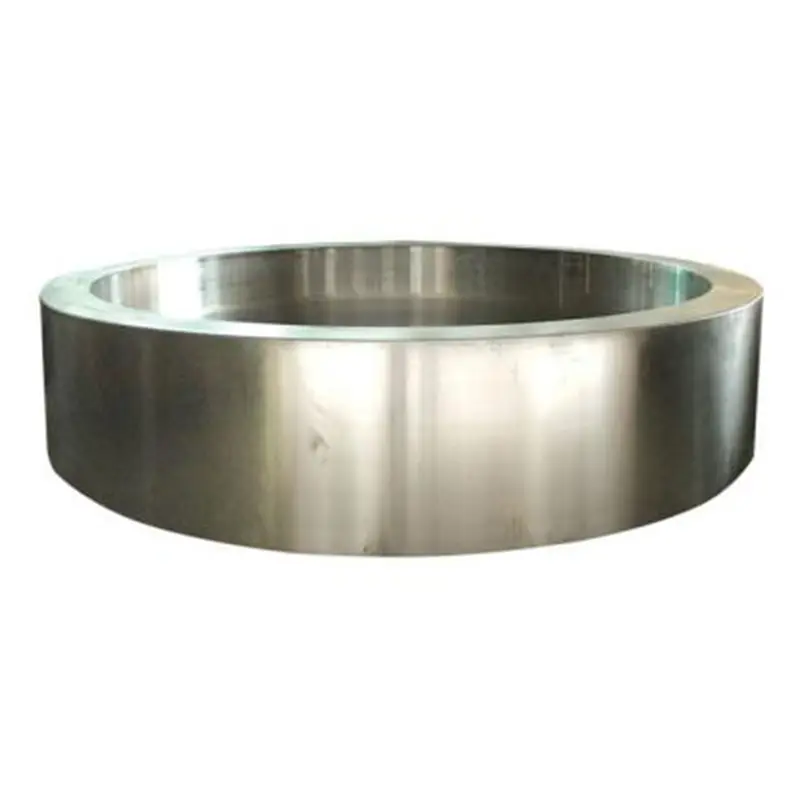
1 / 2
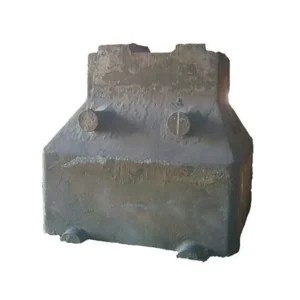
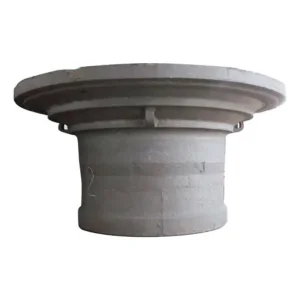
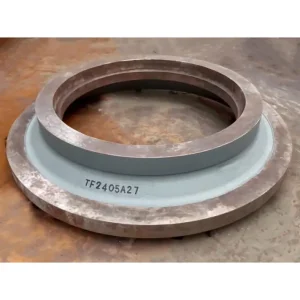
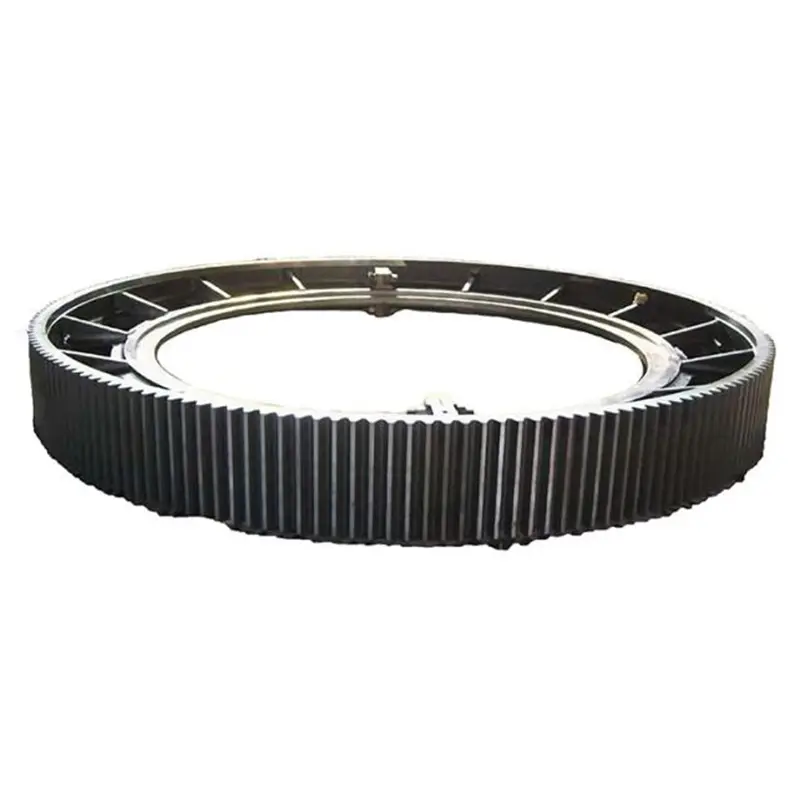
Through controlled solidification and material optimization, the casting offers enhanced resistance to mechanical wear and environmental exposure. Its composition helps limit surface deterioration, distortion, and progressive fatigue during exposure to frictional forces, compressive pressure, humidity, or chemically active surroundings. These attributes contribute to reduced maintenance frequency and improved lifecycle efficiency.
Dimensional stability is achieved through calibrated mold engineering and tightly regulated production variables. Careful tolerance governance ensures alignment with engineering documentation and seamless integration within mechanical assemblies. The uniform surface profile promotes accurate positioning and stable interface contact, minimizing additional finishing requirements and improving overall manufacturing efficiency.
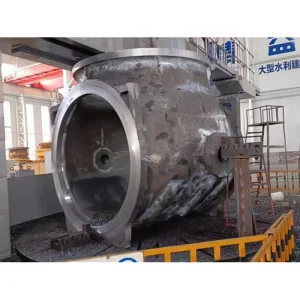
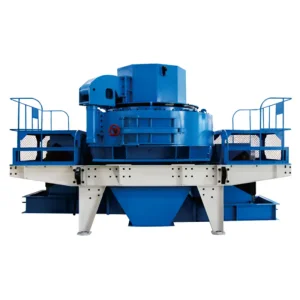
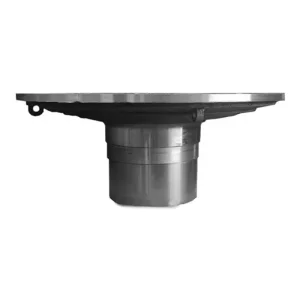
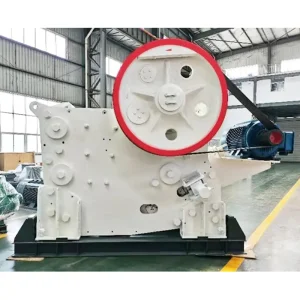
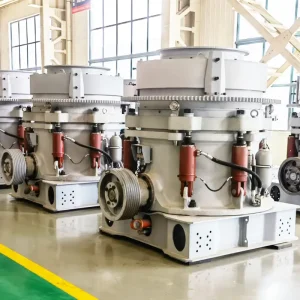
Owing to its structural dependability and application flexibility, this cast iron component is utilized across sectors such as heavy machinery production, transportation equipment systems, infrastructure construction, mining operations, agricultural engineering, and general industrial manufacturing. Typical implementations include support bases, protective casings, load-bearing frames, structural brackets, and related functional elements requiring strength and precision.
Manufacturing adaptability allows customization of alloy composition, geometric dimensions, weight parameters, surface treatments, and machining allowances according to specific project documentation. This flexibility ensures compatibility with diverse mechanical systems and operational demands.
Robust cast iron framework ensuring stable load distribution
Enhanced durability against abrasion and environmental exposure
Process-regulated dimensional reliability
Consistent surface integrity supporting precise installation
Configurable production specifications for varied industrial requirements
What materials are used in the production of this cast iron component?
The component is produced using optimized cast iron alloy compositions that can be adjusted based on project requirements. Alloy selection focuses on achieving superior wear resistance, dimensional stability, and long-term structural integrity under demanding operational conditions.
Can the dimensions and specifications be customized?
Yes. Manufacturing adaptability allows full customization of geometric dimensions, weight parameters, alloy composition, surface treatments, and machining allowances. All specifications are tailored according to the customer's engineering documentation and project requirements.
Which industries and applications is this casting suitable for?
This cast iron component is widely used across heavy machinery production, transportation equipment systems, infrastructure construction, mining operations, agricultural engineering, and general industrial manufacturing. Typical applications include support bases, protective casings, load-bearing frames, and structural brackets.
How is dimensional accuracy ensured during production?
Dimensional stability is achieved through calibrated mold engineering and tightly regulated production variables. Strict tolerance governance ensures that all components align with engineering documentation, enabling seamless integration within mechanical assemblies without additional rework.
How does this casting perform in harsh environmental conditions?
The casting's composition is specifically engineered to limit surface deterioration, distortion, and progressive fatigue when exposed to frictional forces, compressive pressure, humidity, or chemically active surroundings. This results in reduced maintenance frequency and improved overall lifecycle efficiency.
Does the surface finish require additional post-processing after casting?
The uniform surface profile achieved during the casting process promotes accurate positioning and stable interface contact, which minimizes the need for additional finishing. However, surface treatments and machining allowances can be specified based on individual assembly and performance requirements.