Discover our primary selection of ultra-durable wear components, heavy castings, and advanced raw crushing solutions manufactured to strict OEM specifications.
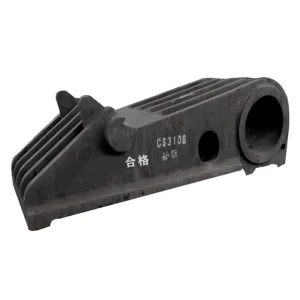
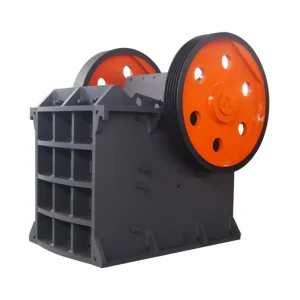
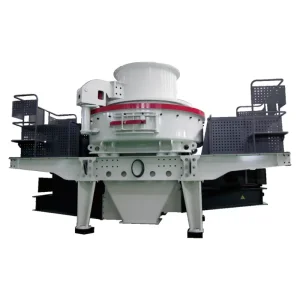
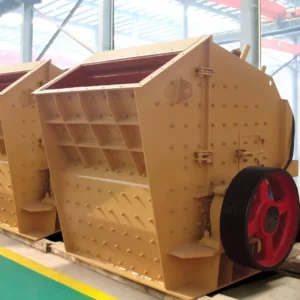
The global construction, quarrying, and mining sectors are experiencing a period of intense technological evolution. Modern heavy-duty equipment demands materials that can withstand high impact, extreme temperature differentials, and abrasive wear. The transition toward high-strength alloys and micro-alloyed cast steels has fundamentally redefined component longevity.
Key drivers behind this movement include decarbonization initiatives, which demand lighter, yet stronger structural elements, and a relentless focus on minimizing total cost of ownership (TCO). High-performance castings like specialized mantles, slag pots, and riding rings now incorporate complex metallurgical chemistries to resist localized stress fracturing and extend continuous operating hours in harsh industrial climates.
Furthermore, standard off-the-shelf components are increasingly failing to meet the complex loads of modern ultra-high capacity crushers. Custom-engineered castings backed by rigorous stress-testing and advanced thermal treatments have transitionally shifted from optional premiums to baseline industry requisites.
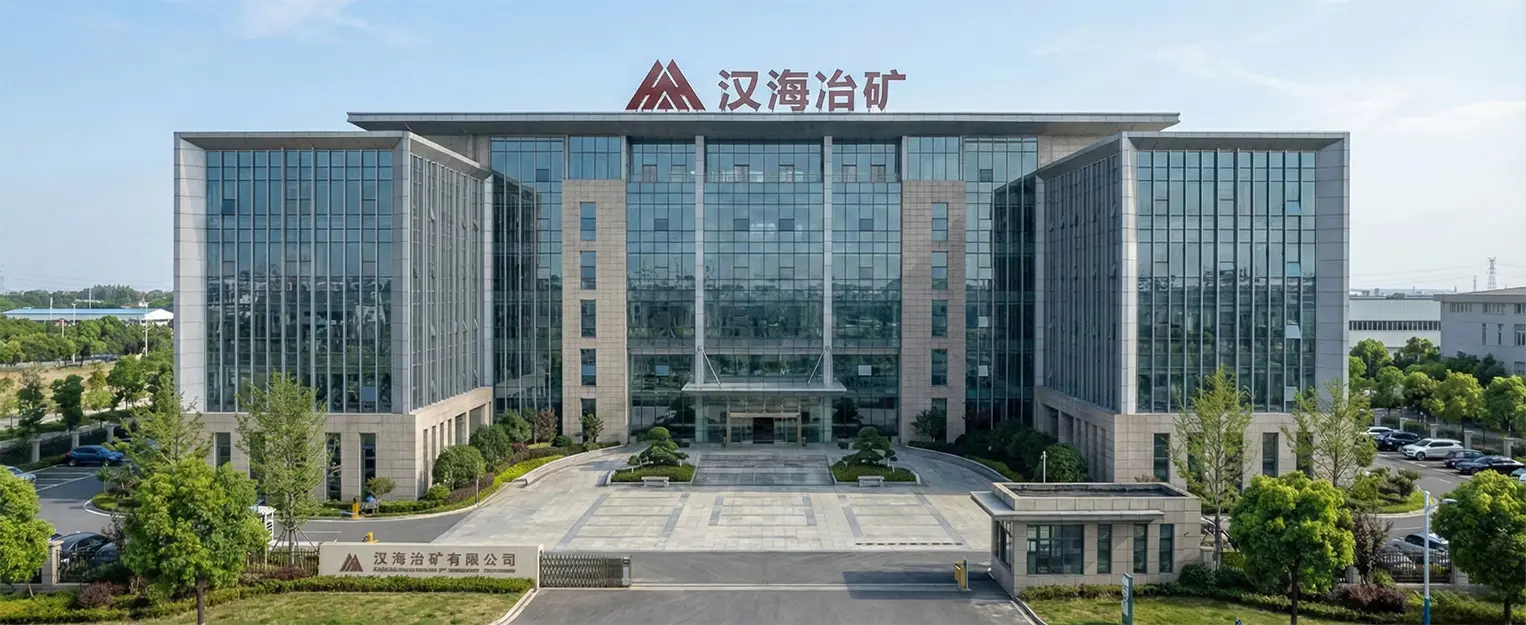
Navigating global material supply chains requires a meticulous focus on quality assurance, structural verification, and supply chain redundancy.
Procurement directors require comprehensive documentation certifying mechanical properties. From raw chemical compositions to non-destructive testing (NDT) results, traceability is crucial to guarantee that castings will not suffer catastrophic failures in high-load setups.
Unscheduled downtime in cement plants or mining sites can easily result in losses exceeding hundreds of thousands of dollars per day. Sourcing from foundries with high production capacities (such as our 80,000-ton annual output) guarantees stable deliveries and safety stock management.
Every crusher model and rotary kiln operates under unique localized geological stress profiles. Standard catalog spares are rarely optimal. Custom-engineered structural adjustments are crucial to optimize wear configurations and achieve true operational efficiency.
Modern Chinese metallurgy has moved far beyond high-volume replication. Today's "Factory 4.0" is built on smart foundries, digital simulation, and vertically integrated manufacturing channels. For global buyers, this means unmatched structural consistency and cost efficiencies.
At Henan Hanhai Metallurgy Mining International Trade Co., LTD, we utilize Finite Element Analysis (FEA) to simulate solidification, stress distribution, and thermal profiles prior to pouring the molten steel. This virtually eliminates internal casting defects, gas pockets, and structural voids before physical processing begins.
Furthermore, our digital workflow coordinates raw material analysis with automated electric arc furnaces and secondary ladle refining. This ensures that steel grades such as high-manganese steel (Mn13Cr2, Mn18Cr2) or carbon alloy steels meet international ASTM, DIN, and JIS standardizations with zero deviations.
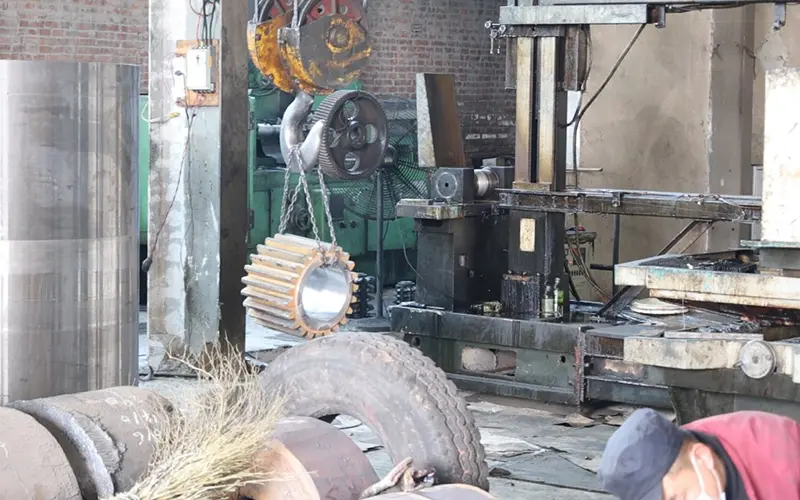
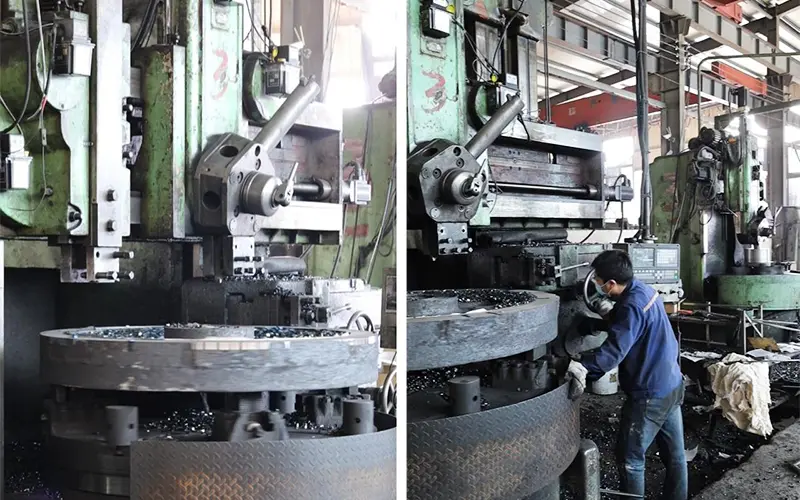
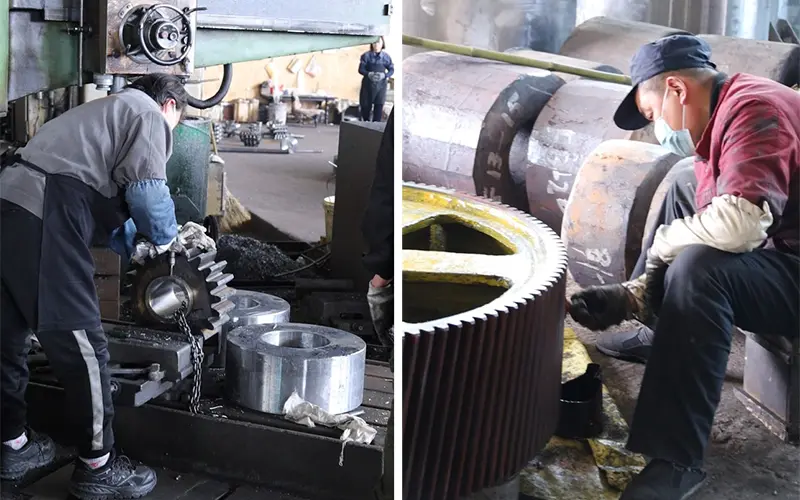
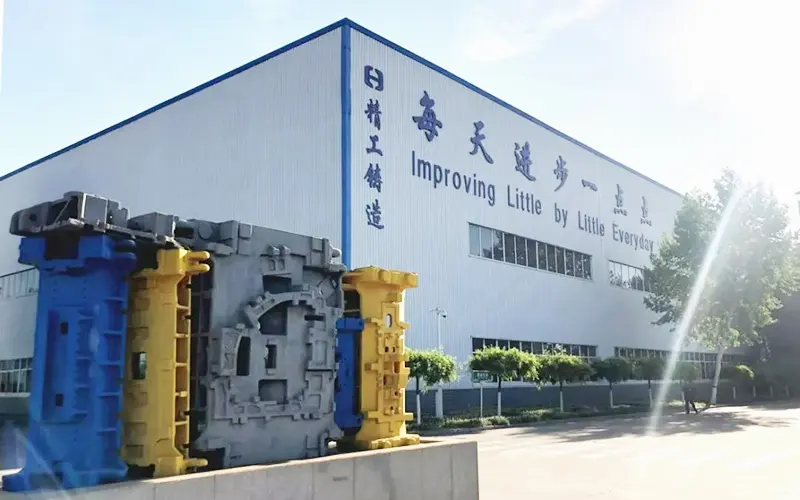
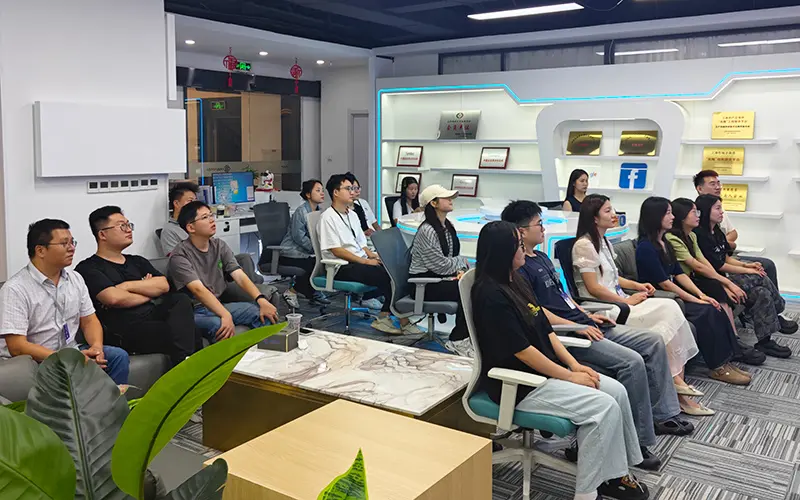
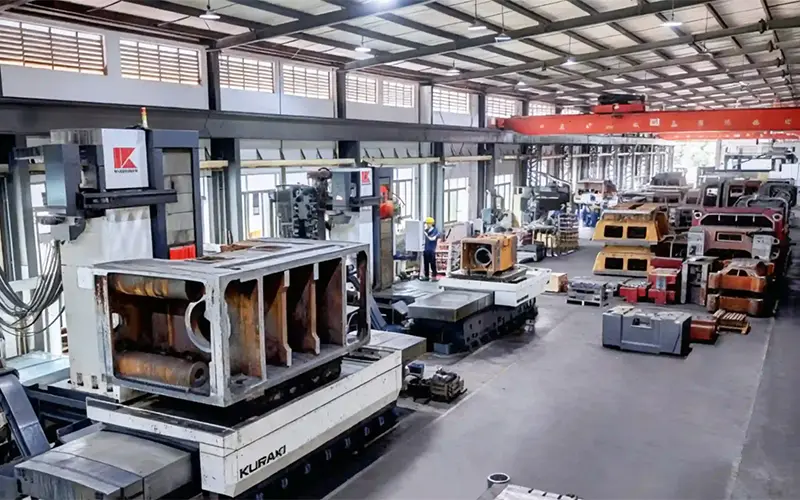
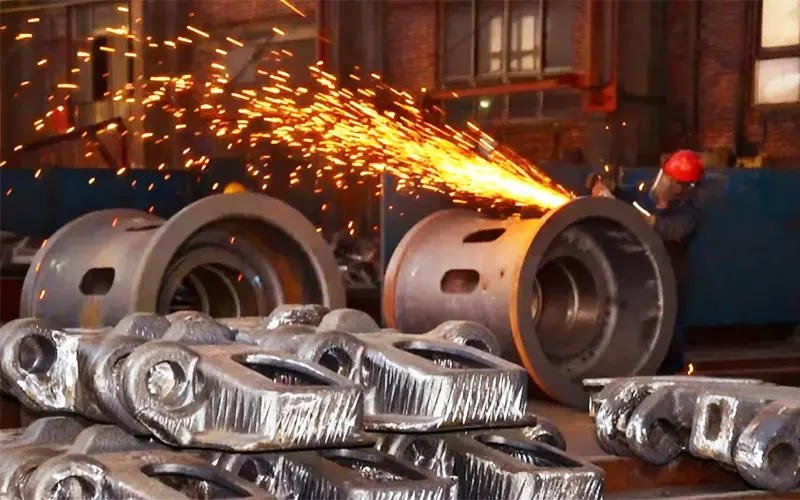
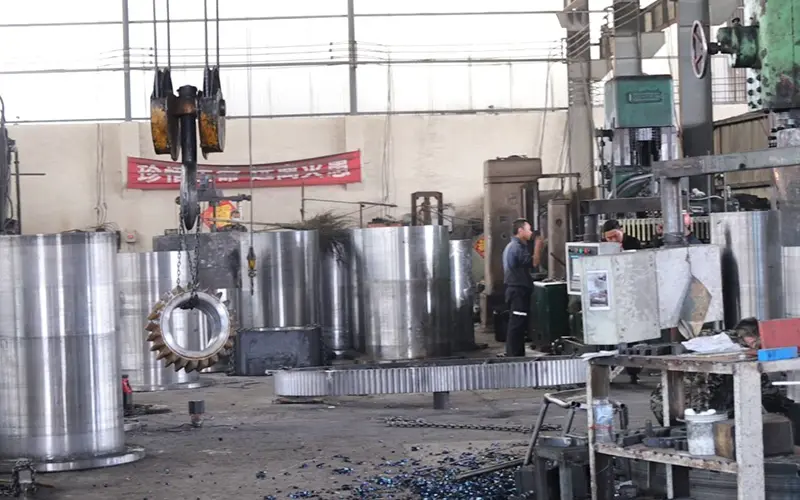
Every heavy component must perform perfectly under extreme stress within complex industrial environments. Here is how our castings are integrated across fields.
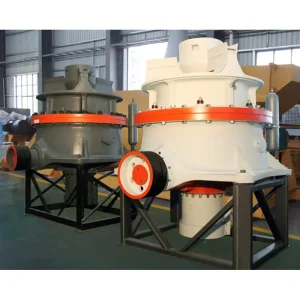
Operating in environments that cycle between freezing temperatures and scorching sun causes extreme thermal contraction and expansion. Our high-manganese mantles and crusher jaws are specifically alloyed with trace elements of Chromium and Molybdenum to prevent embrittlement and catastrophic stress failures under heavy rock impact loads.
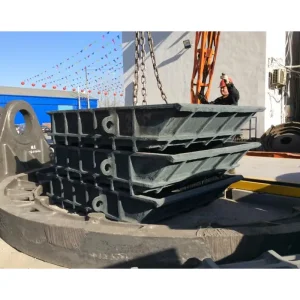
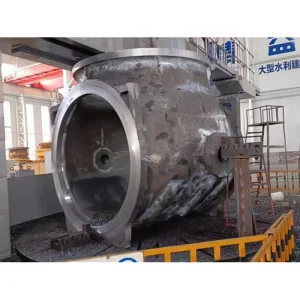
Metallurgical slag pots handle molten waste temperatures exceeding 1200°C. Thermal fatigue can lead to deformation or liquid metal leaks. By integrating specialized nodular cast iron and refined carbon steels, our slag pots withstand severe thermal shock cycles and feature thick, fatigue-resistant walls.
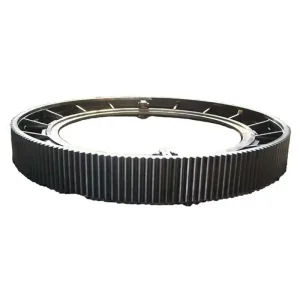
Kiln riding rings support the dead weight of rotating cylinders, raw materials, and refractories while transferring torque under high temperatures. We supply precision-machined cast iron riding rings that offer excellent wear resistance, precise roundness, and minimal surface wear against the support rollers.

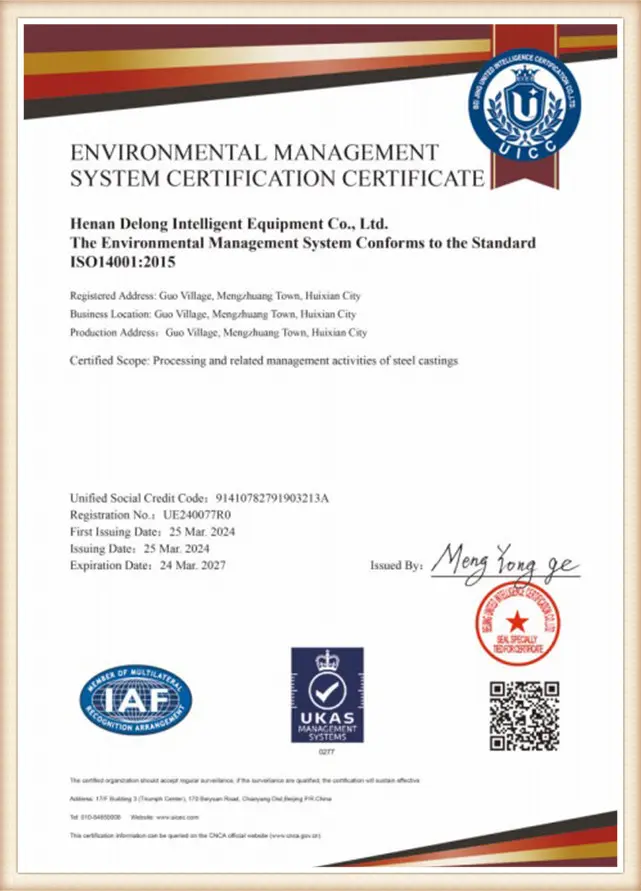
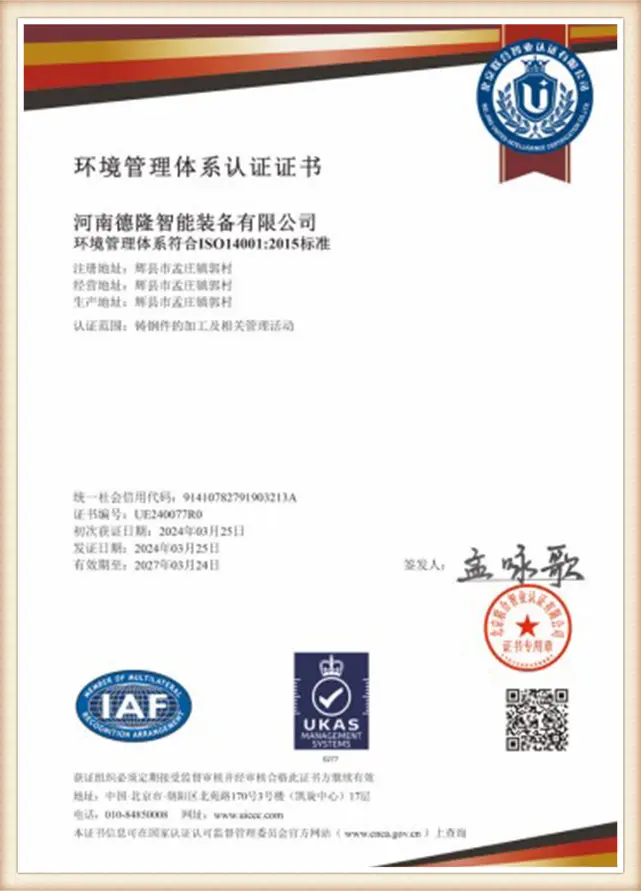
For more than two decades, Henan Hanhai Metallurgy Mining International Trade Co., LTD has stood at the forefront of metallurgical research, production engineering, and international distribution of high-grade cast steel and cast iron components. Equipped with advanced melting technology, large-tonnage sand molding systems, and high-precision CNC machining equipment, Hanhai Casting integrates product design, testing, casting, and finishing under a single unified roof.
We are proud to serve global industry leaders, producing an annual output of over 80,000 tons. Certified with ISO9001 and CE standards, our products are widely utilized in mining, metallurgy, cement production, power generation, and heavy construction equipment across Asia, Europe, the Middle East, and South America.
Our Mission:
To empower industry with precision casting and sustainable manufacturing excellence.
Our Vision:
To be a trusted global foundry brand delivering high-quality steel and iron castings.
From a local Chinese foundry to a major exporter of heavy industrial cast materials globally.
Hanhai Casting was established with a focus on heavy steel and iron castings, laying a solid technical and production foundation.
Introduced advanced melting and molding technology, expanded production capacity, and served key domestic mining and metallurgy sectors.
Achieved ISO9001 certification, upgraded testing systems, and began exporting high-performance castings to Asia and the Middle East.
Integrated intelligent foundry systems and digital management, driving sustainable manufacturing and global customer partnerships.
Our castings are deployed in mining sites, cement operations, and steel mills globally. Explore our visual gallery of finished projects and parts.
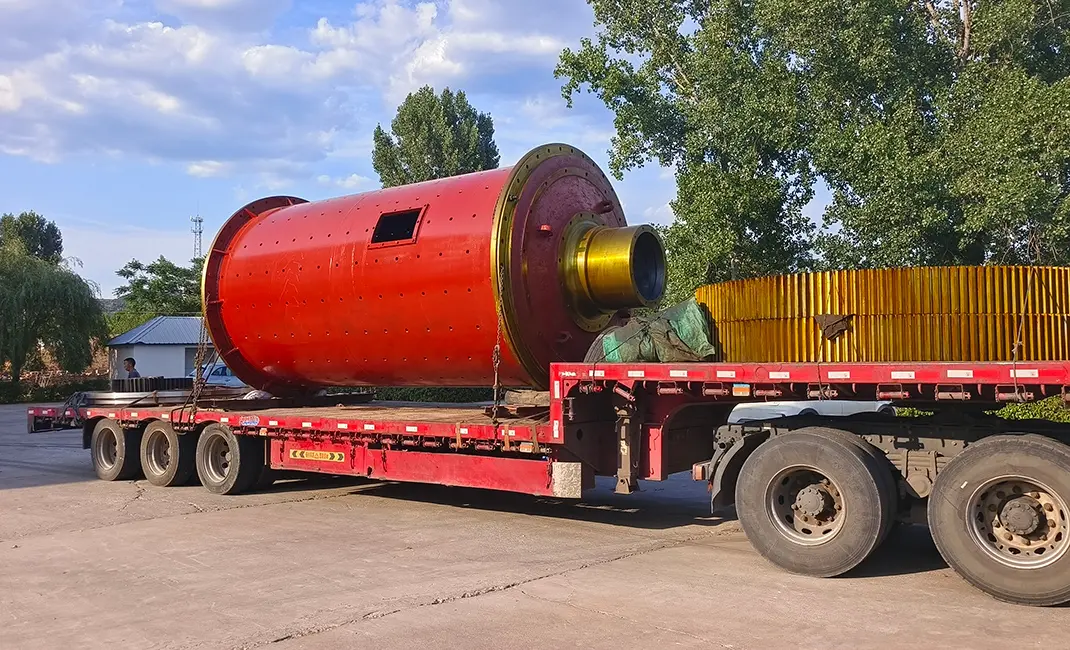
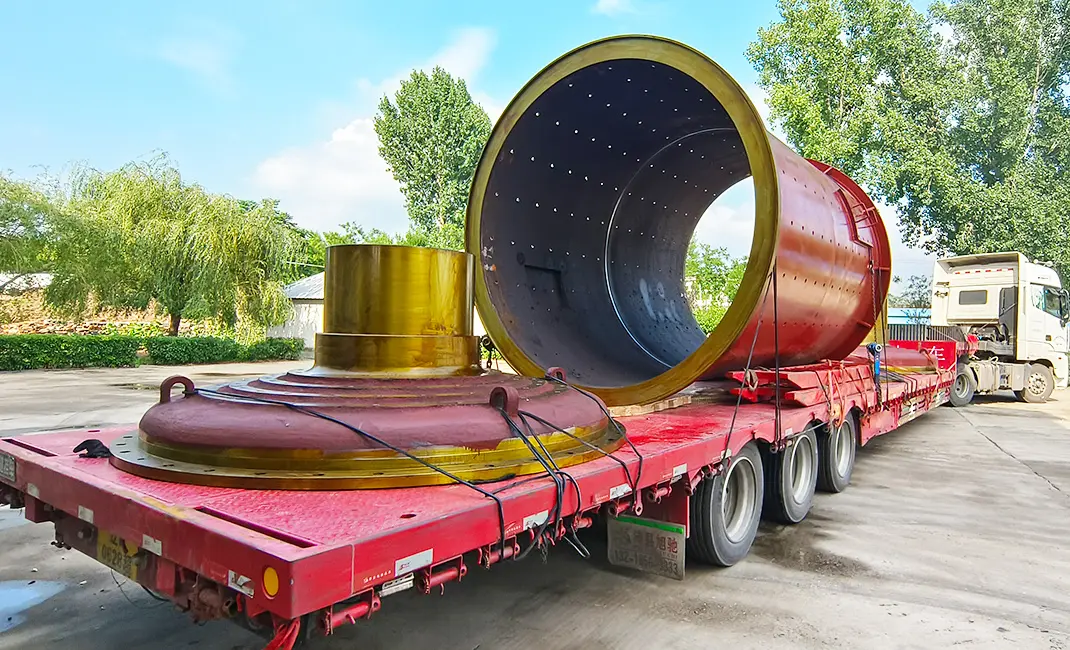
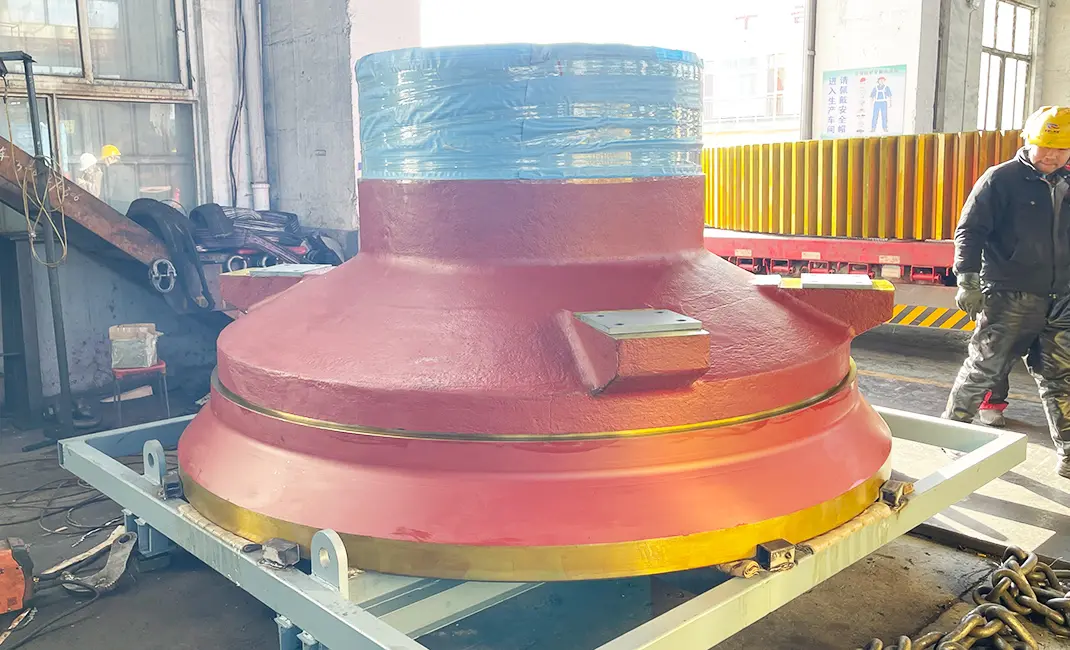
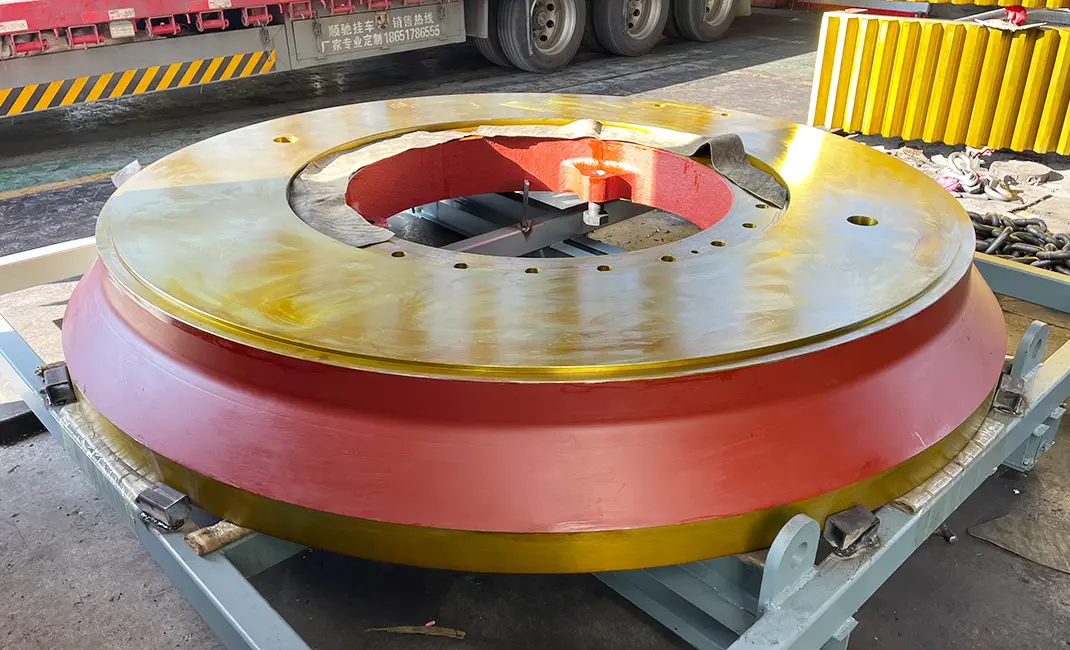
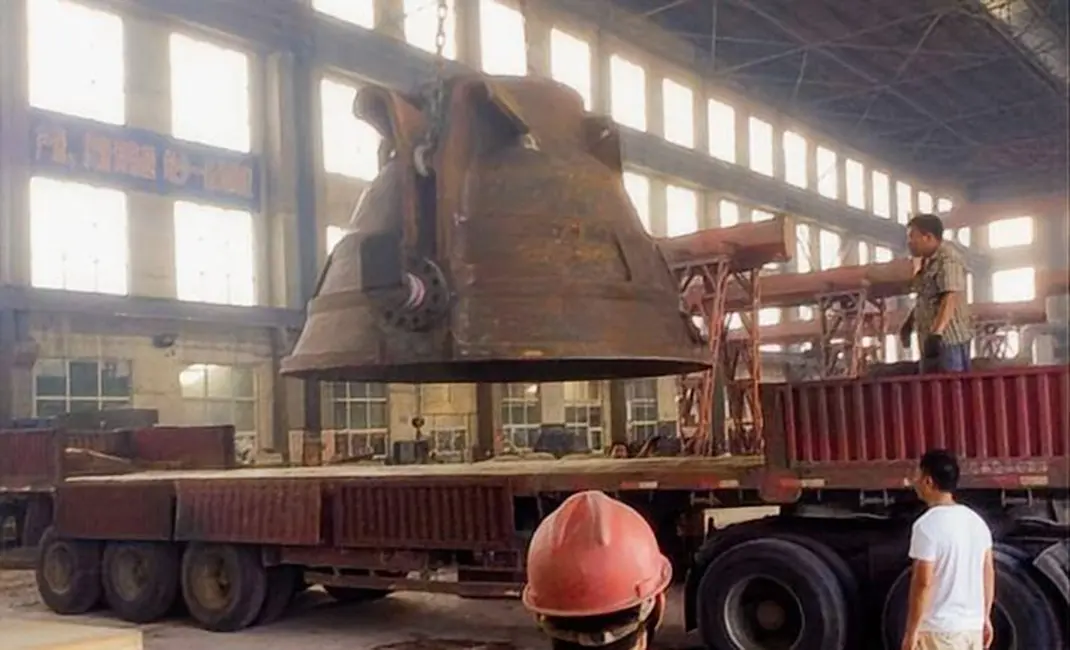
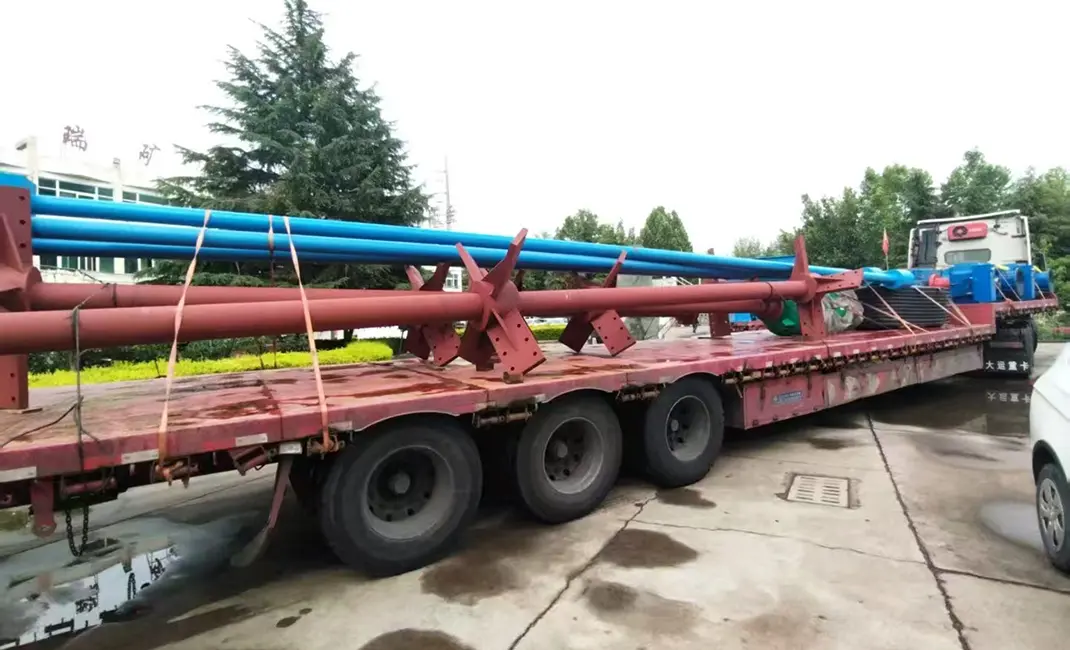
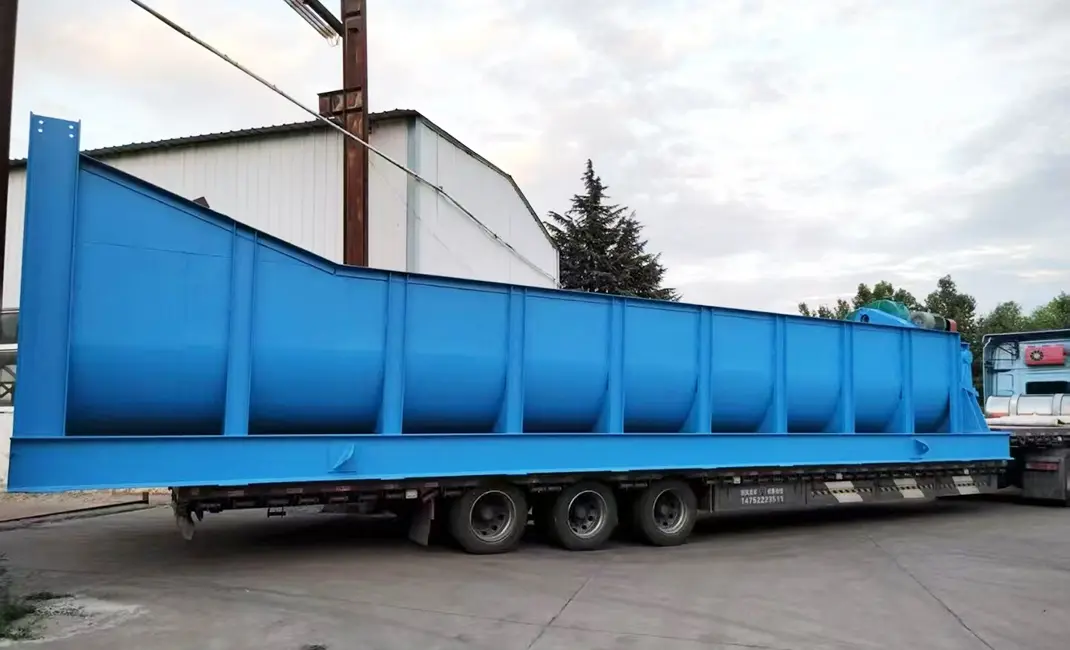
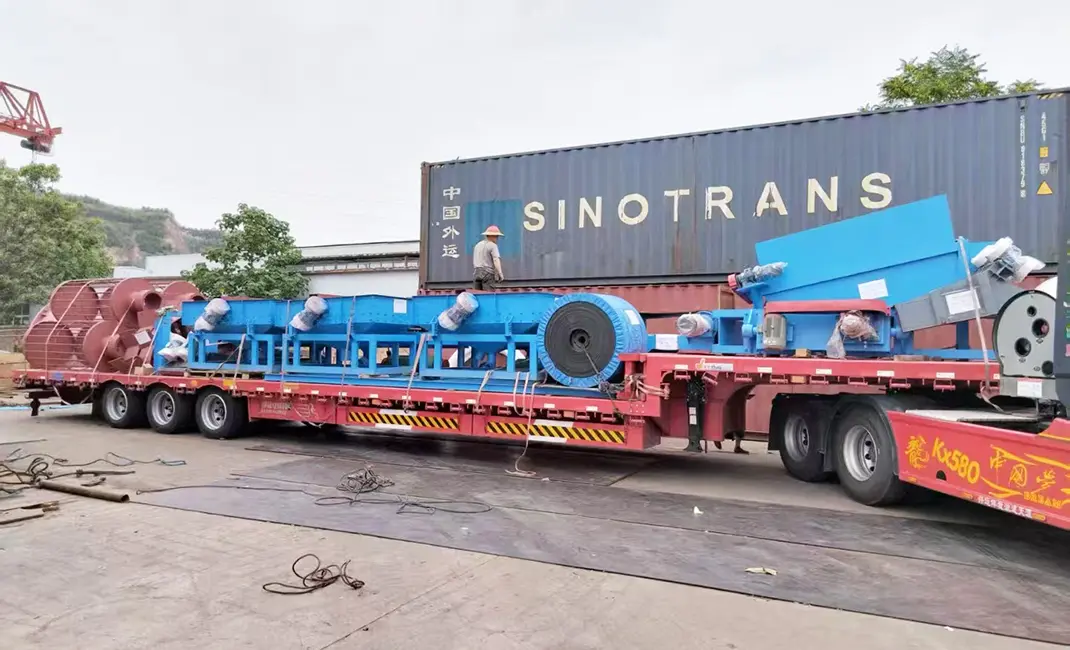
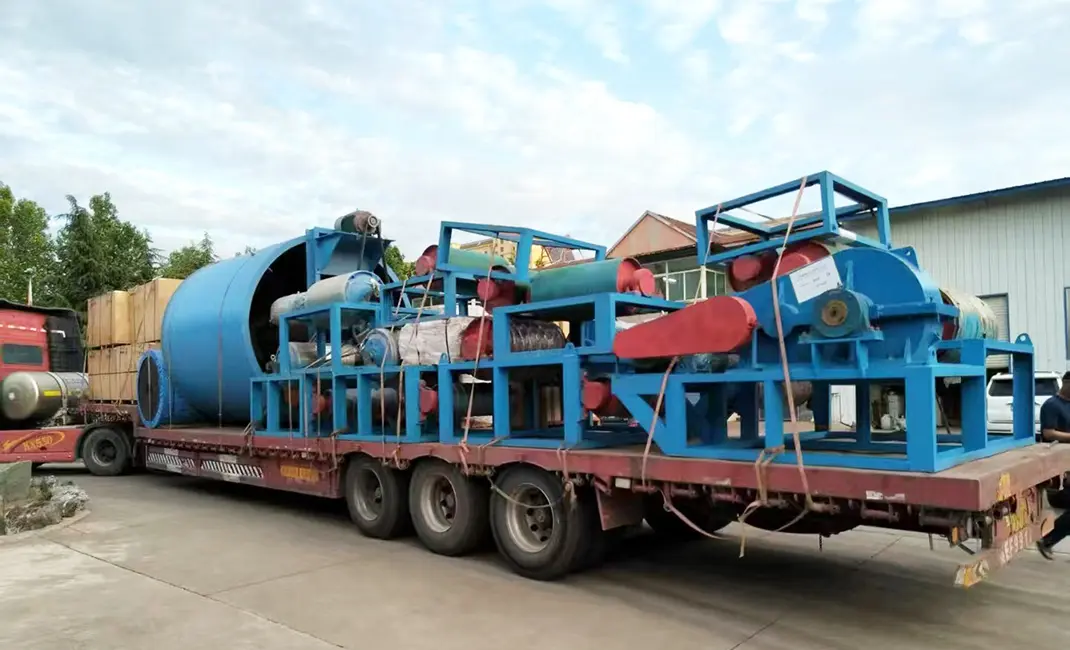
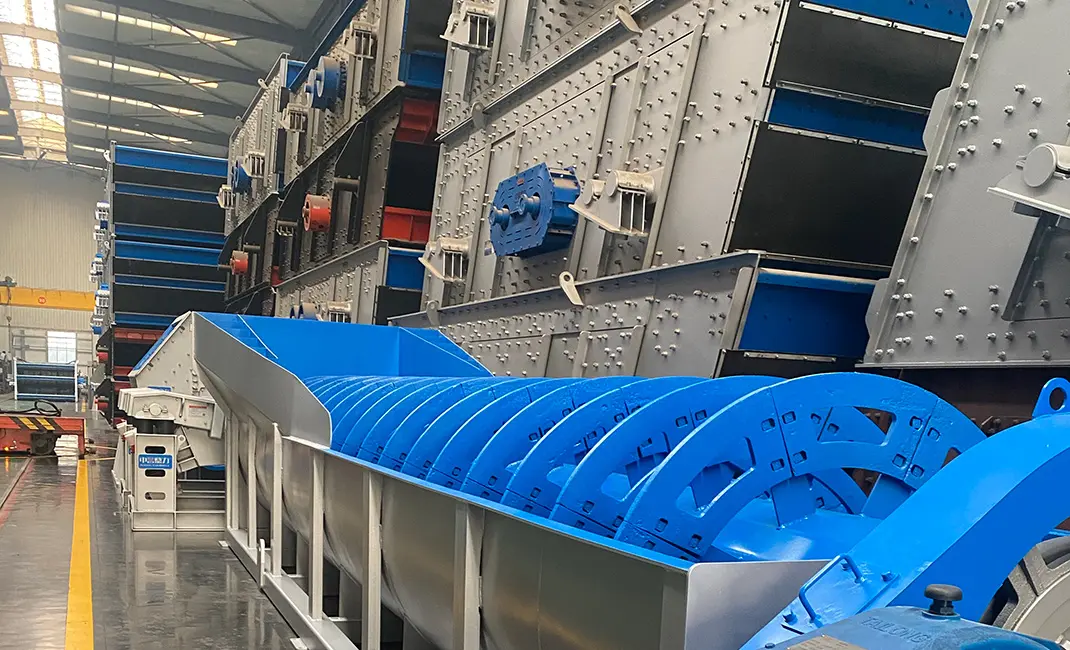
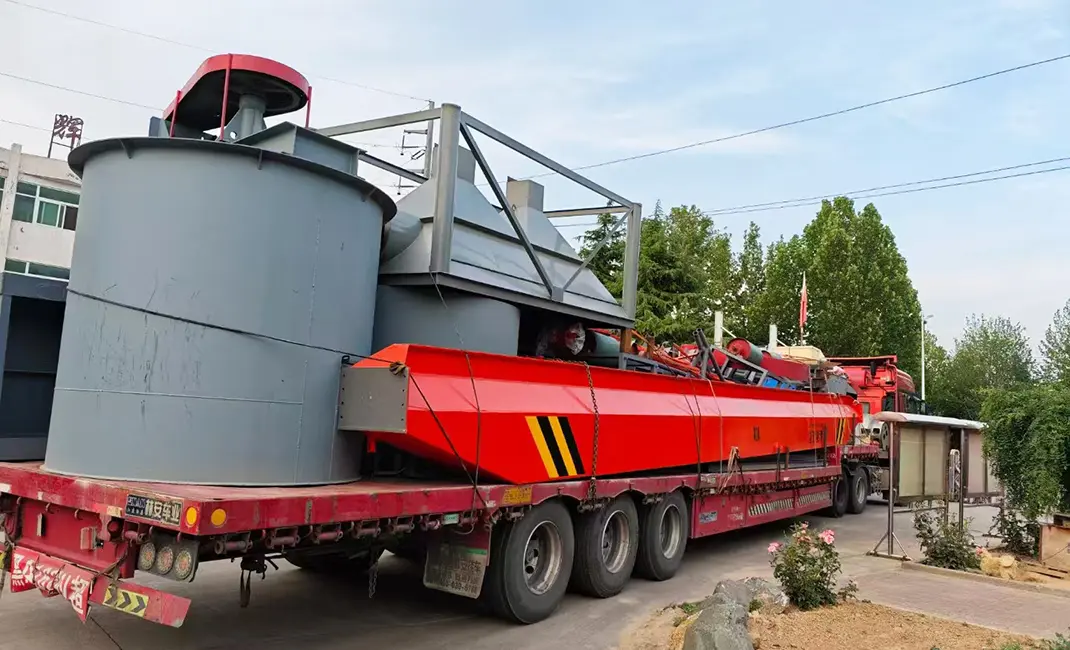
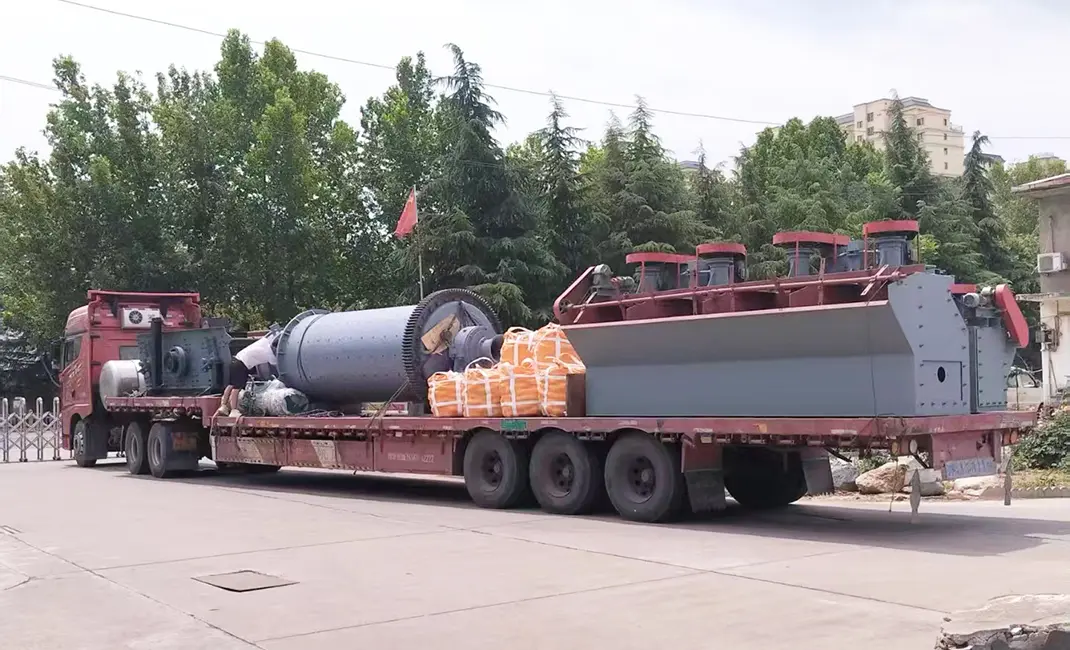
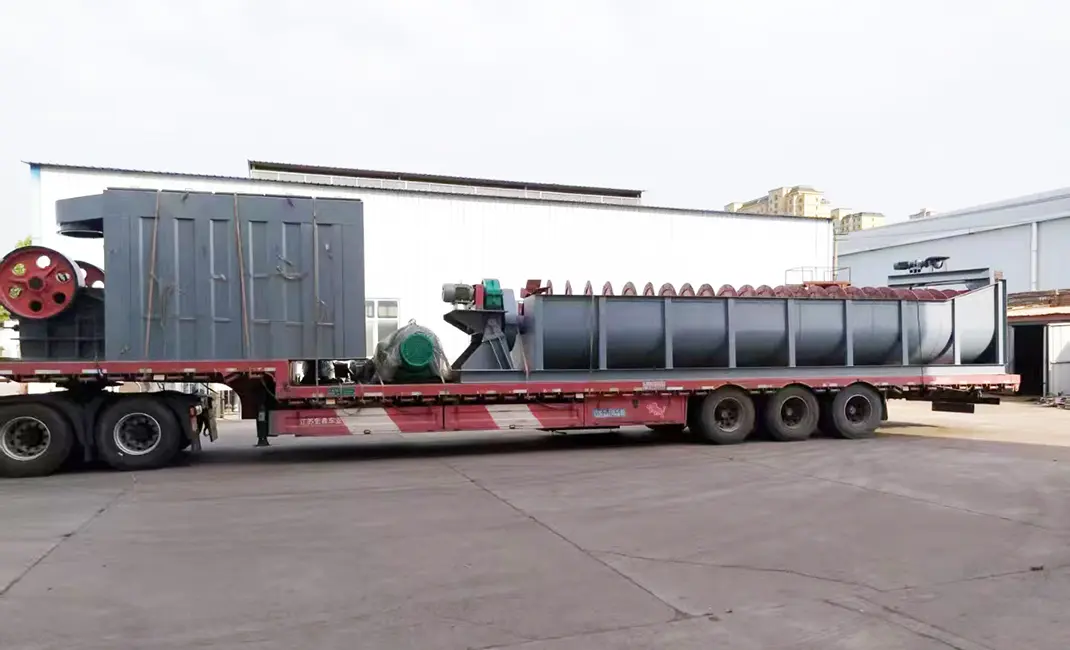

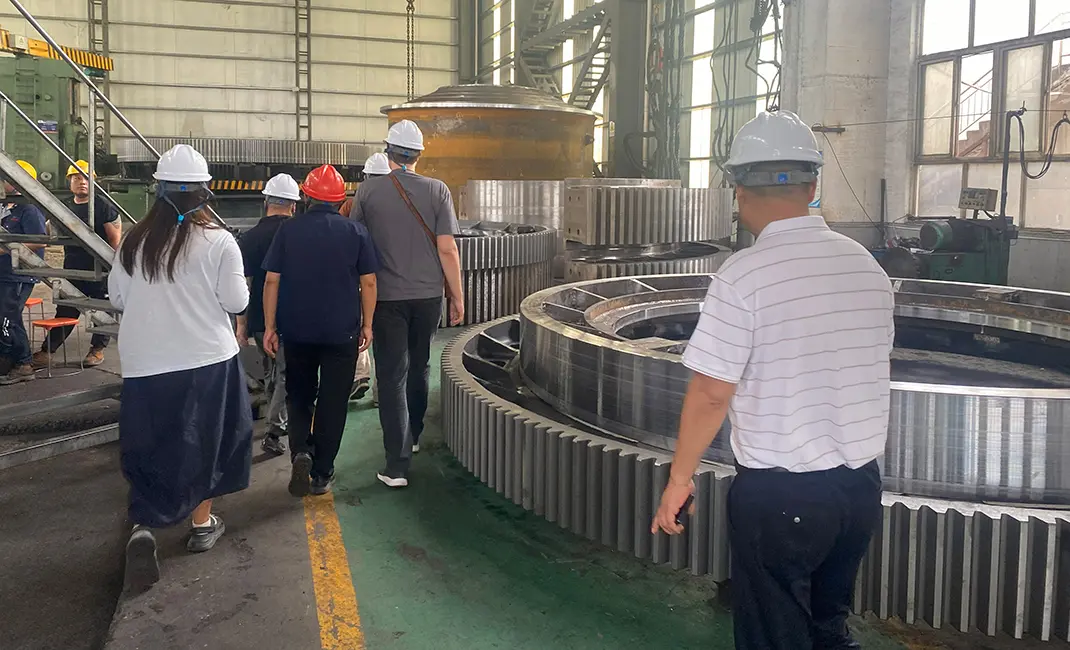
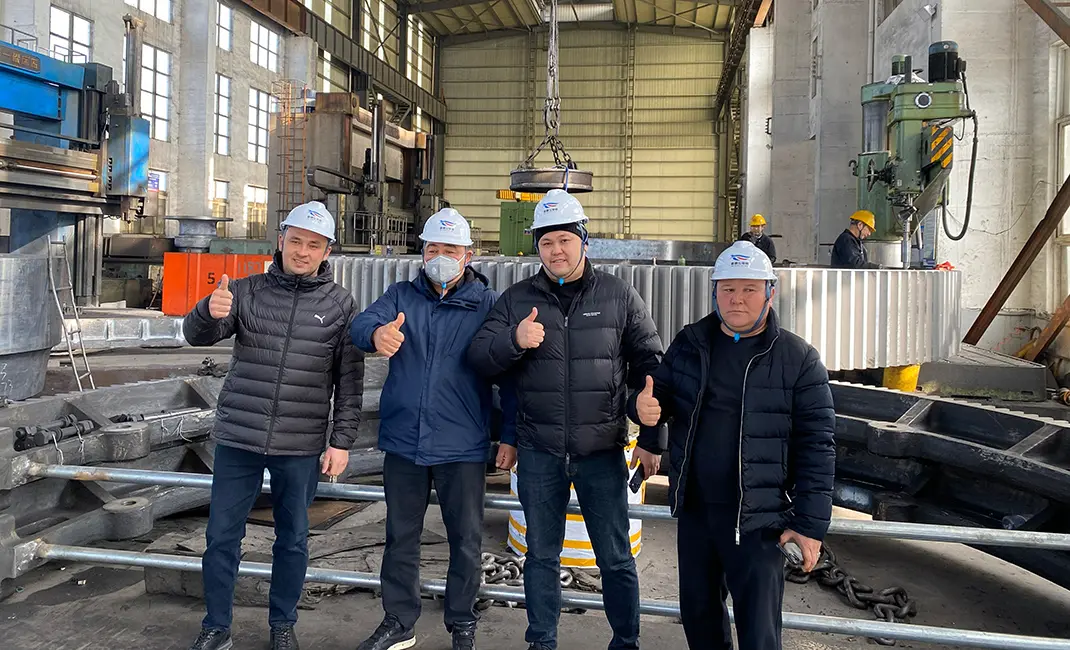
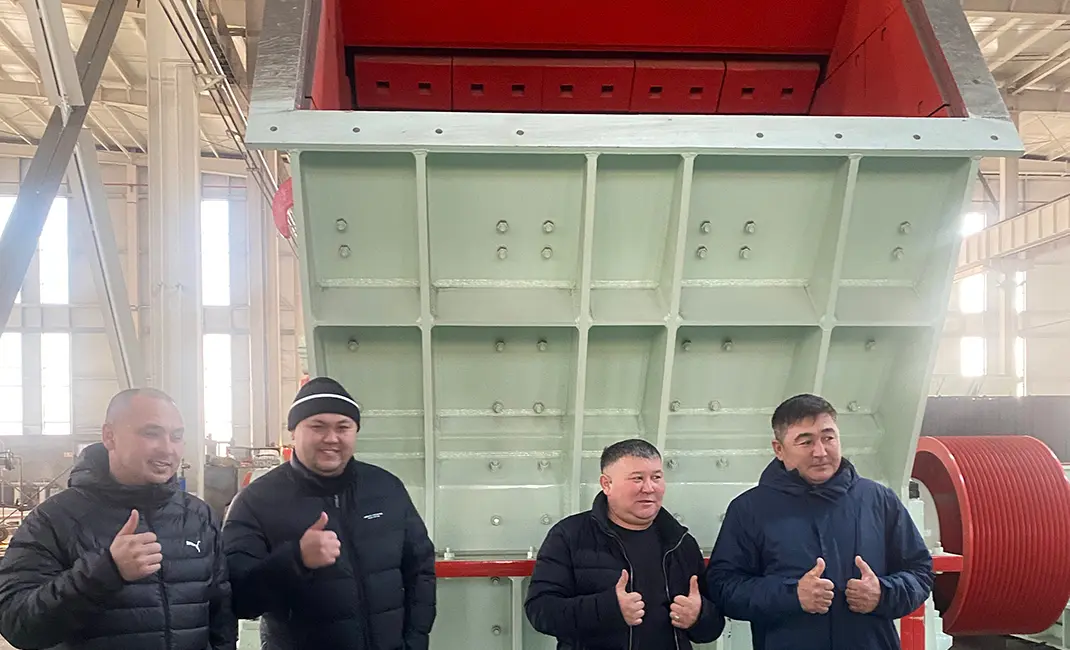
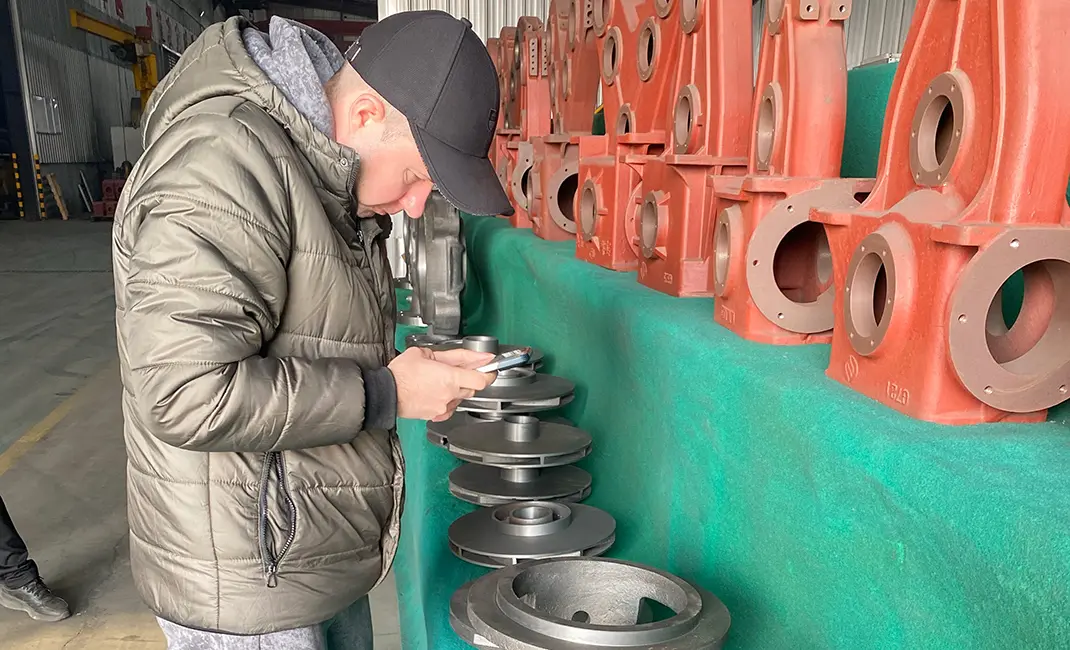
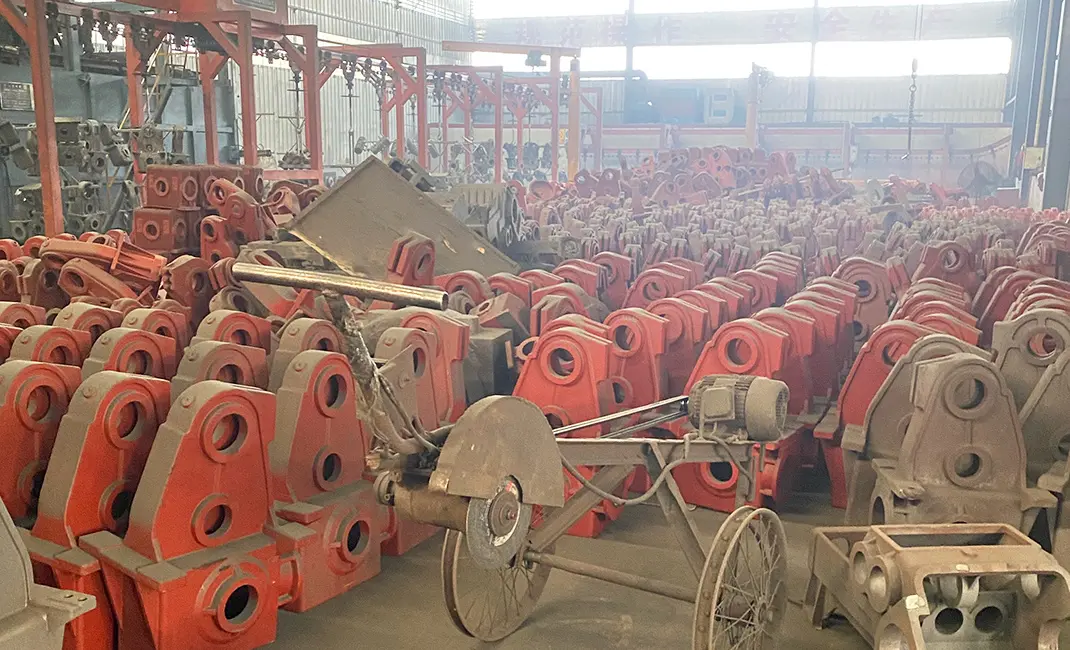
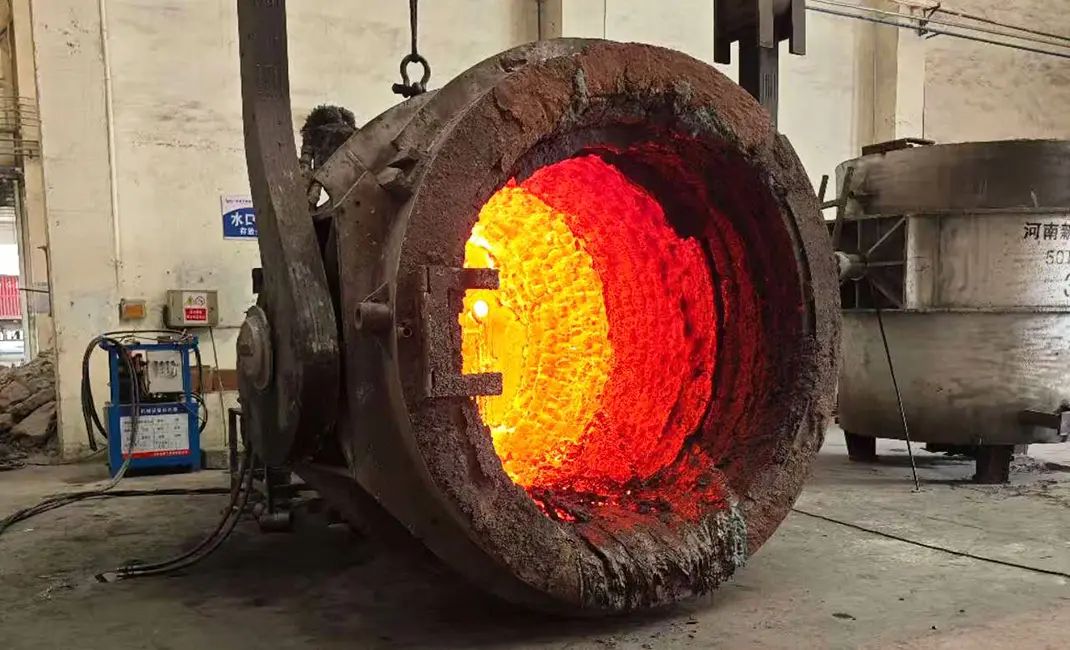
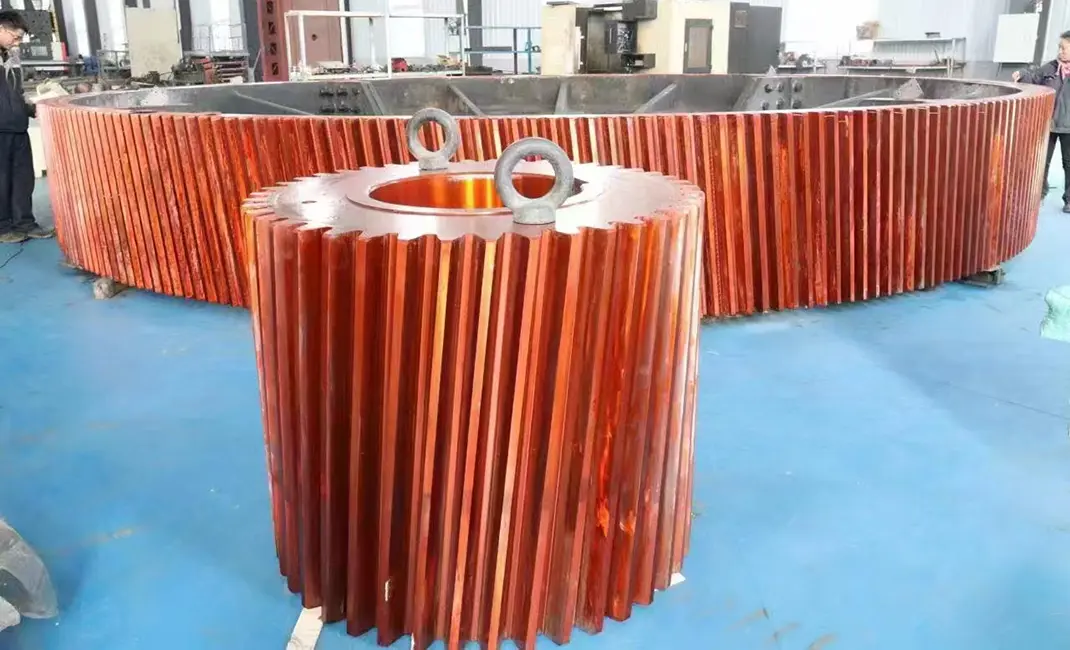
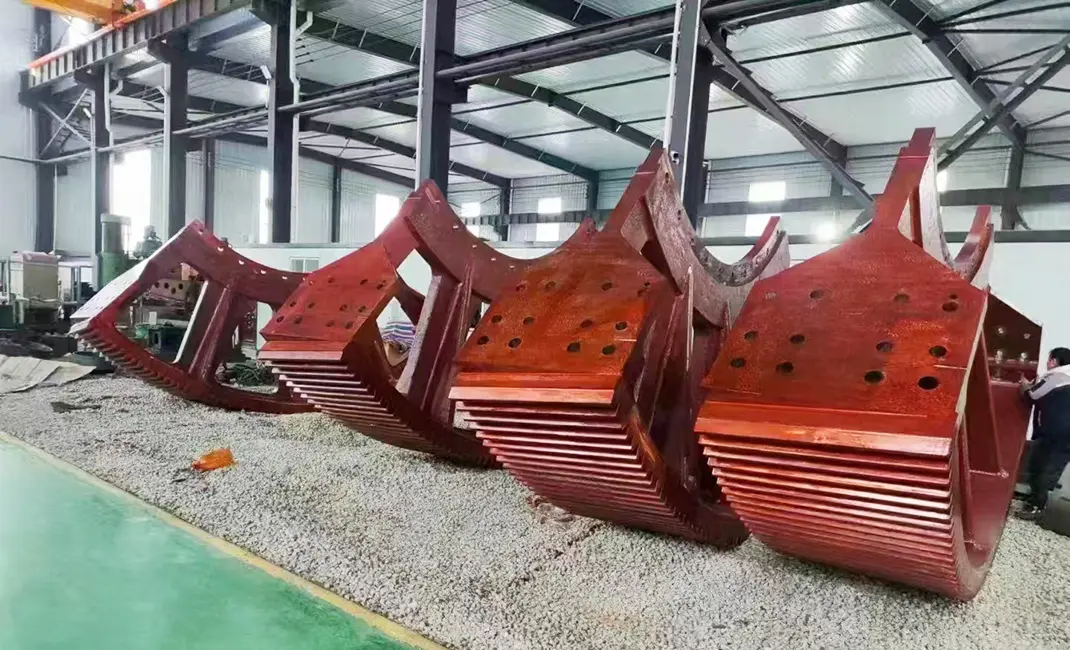
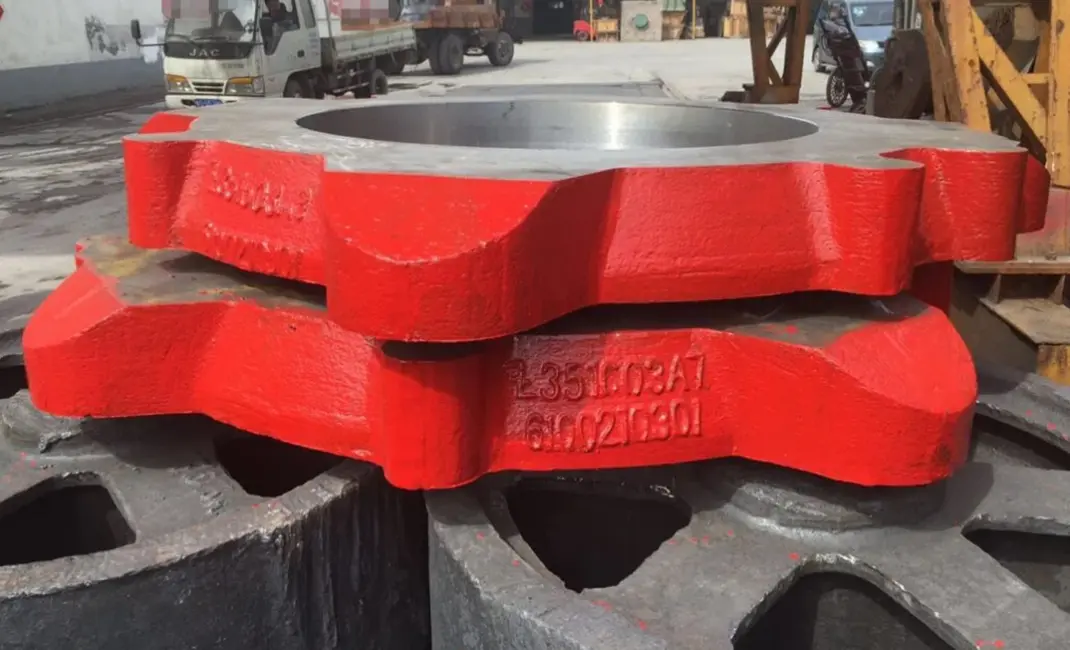
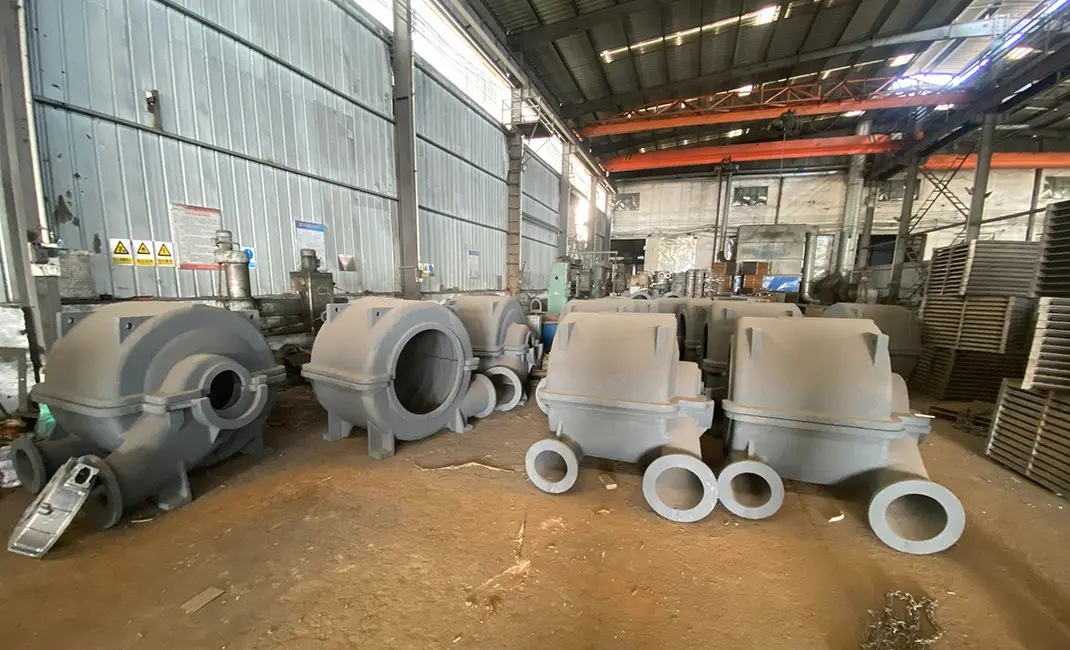
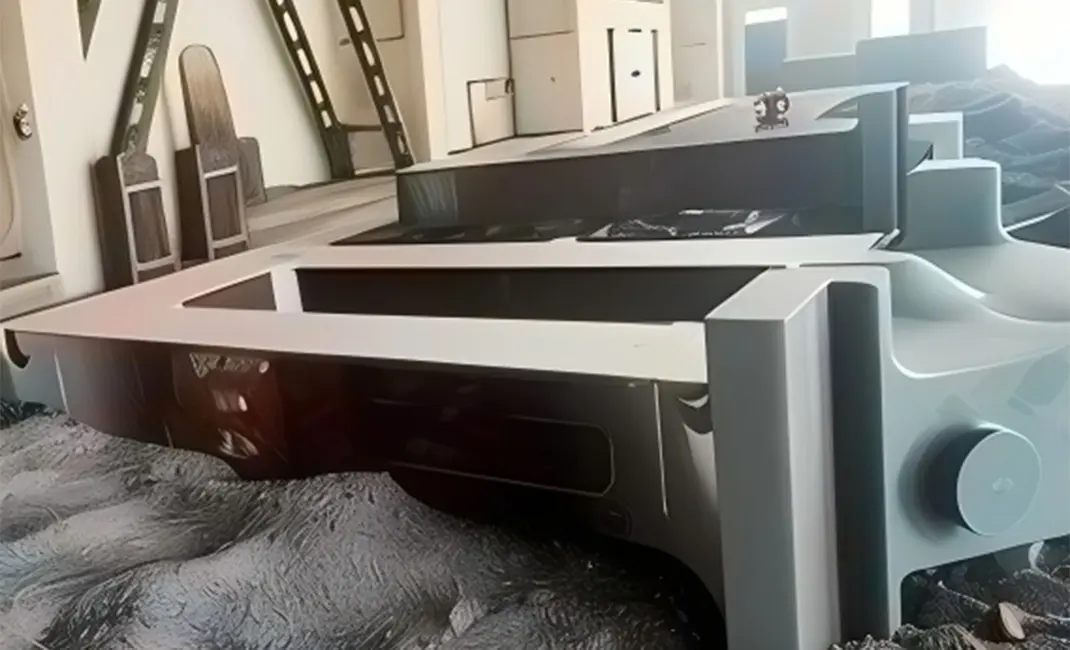
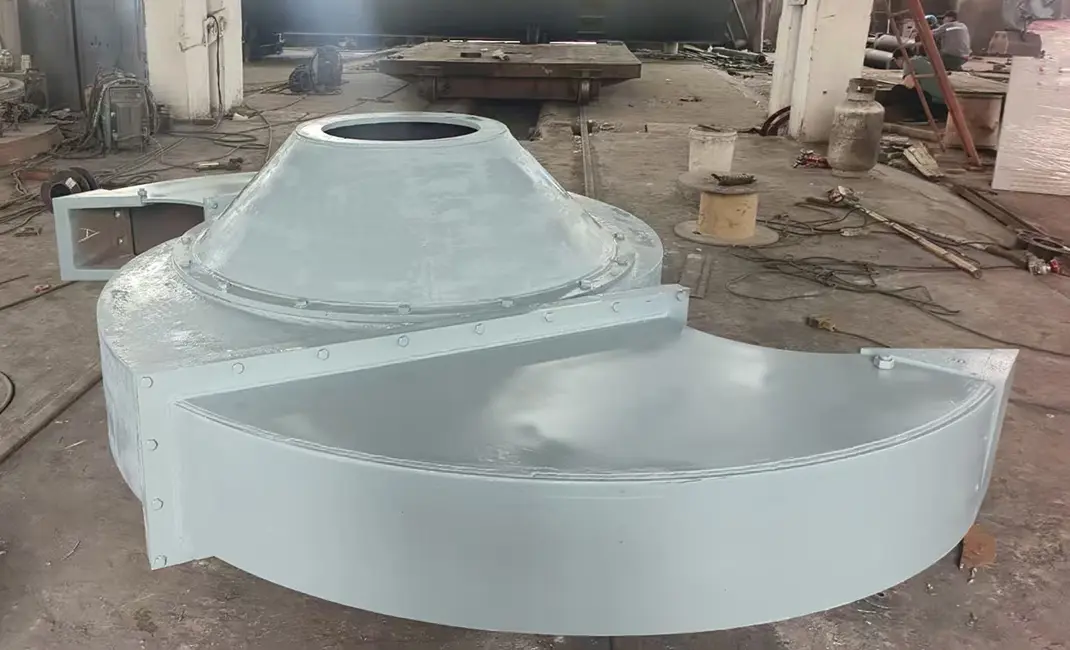
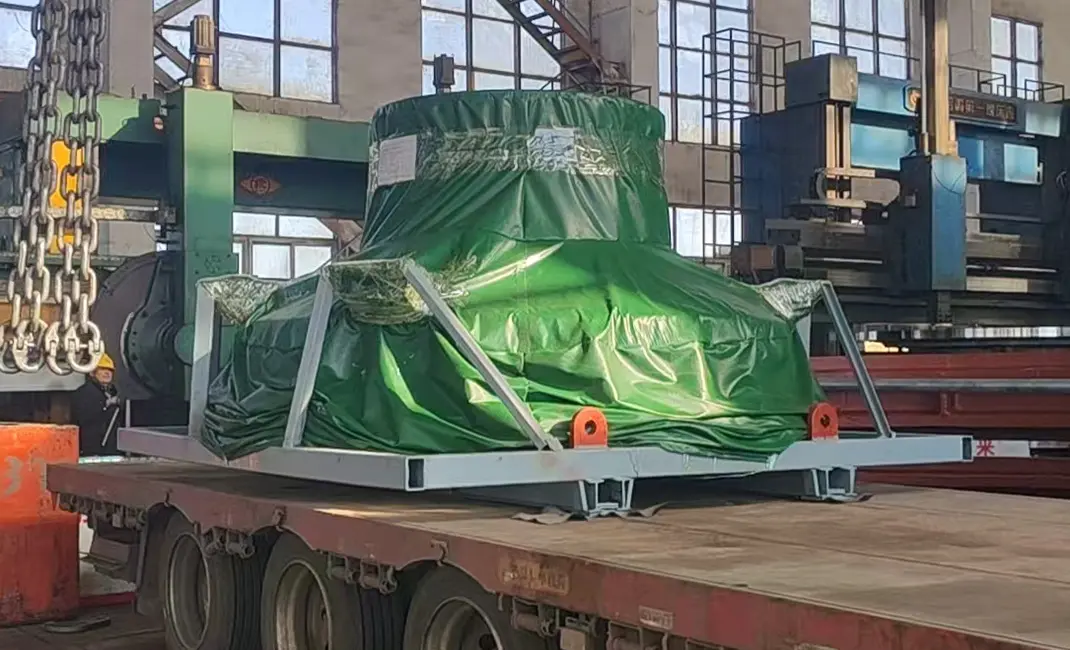
We design and manufacture heavy steel castings across five core industrial pillars to ensure total reliability under demanding loads.
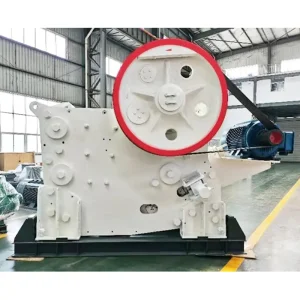
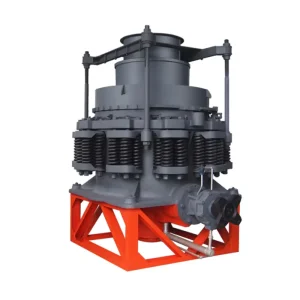
High-reliability components widely used in mining, metallurgy, construction, chemicals, and infrastructure for crushing aggregates, slag, and raw minerals.
Heavy wear parts applied in cement plants and mineral processing mills, including girth gears, riding rings, and kiln shell segments.
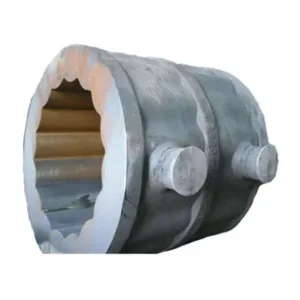
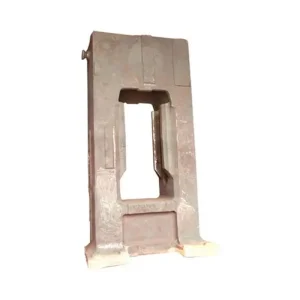
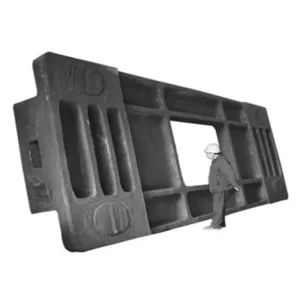
Designed for hydraulic presses and high-tonnage metal forming equipment, supporting high structural loads and fatigue resistance.
High-integrity valve bodies, cylinders, and fluid control castings designed to handle heavy pressures and corrosive slurries.
Industrial slag pots, ingot molds, and ladle components engineered to withstand thermal cycling and high temperatures.
We ensure clear communication, precise engineering validation, and robust quality control from first inquiry to long-term site support.

Collection of drawing files (CAD/PDF), technical parameters, environment conditions, and alloy chemistry requirements.
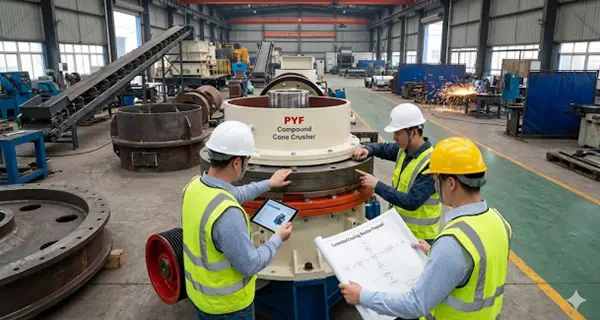
Our engineering team designs custom structural models using FEA casting simulations to optimize steel solidification.
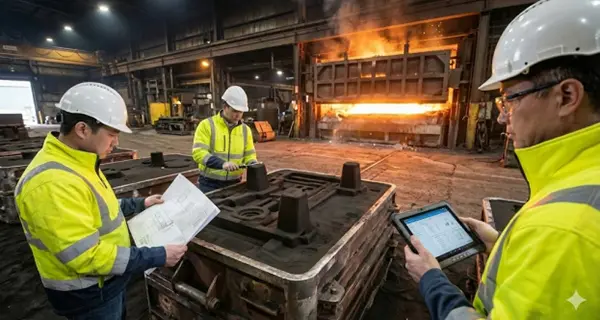
Final alignment on tolerances, machining margins, inspection protocols (UT, MT, PT), and delivery scheduling.
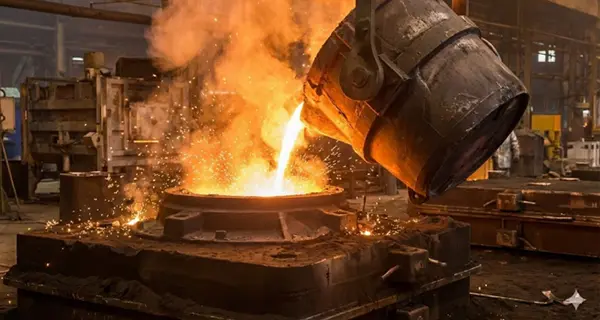
Pattern fabrication, molding preparation, melting analysis, pouring, and computer-controlled heat treatment cycles.

Verification of structural metrics, hardness profiles, NDT testing reports, dimensional checks, and overall cosmetic compliance.
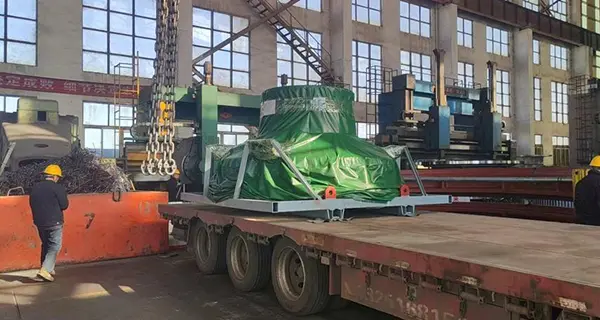
Heavy-duty export wood/steel packaging designed to secure heavy cargo during long-distance maritime freight operations.
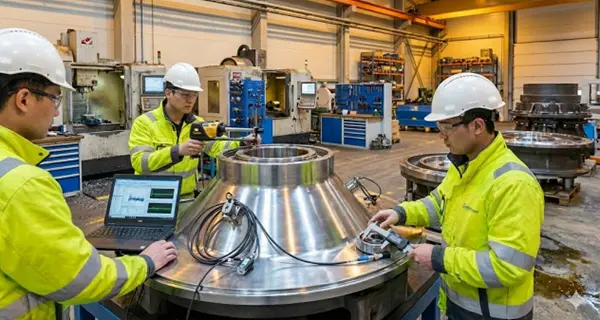
Remote video validation or on-site engineering presence to ensure proper positioning and alignment within your system.
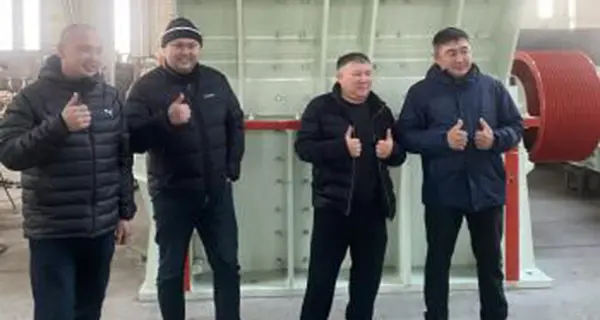
Handover of preventative wear schedules, grease points, and clearance check guidelines to maximize component lifespan.
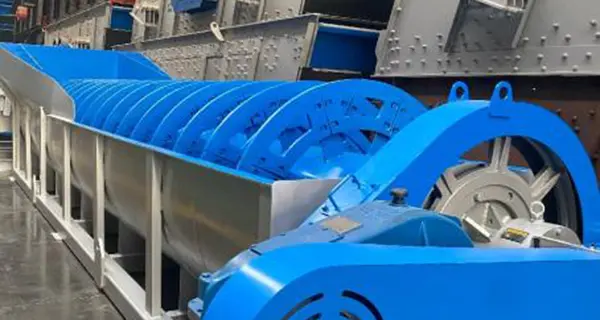
Rapid spare parts production, metallurgy consulting, and wear data monitoring to continuously improve design modifications.
Frequently asked questions concerning heavy casting metallurgy, wear patterns, and custom international procurement.
We use simulation software to model metal flow and temperature gradients, which helps determine optimal feeder placement. All critical items undergo ultrasonic (UT) and magnetic particle (MT) testing to verify internal soundness before final machining.
For high-impact applications like mantle liners or jaw crusher plates, we use high-manganese alloys (Mn13Cr2, Mn18Cr2, or Mn22Cr2). For structural castings subjected to sliding abrasion, we recommend alloy steels with high chromium content.
Yes. Our engineering department works with DWG, STP, and PDF files. We translate local grade standards to matching metallurgical equivalents to ensure target tensile strengths, yields, and hardness parameters match original specifications.
Our slag pots are poured using cast steel or spheroidal graphite cast iron. Controlled heat treatment cycles ensure relief of cast stresses, allowing the pots to cycle from room temperature to molten slag loads without cracking.
Standard lead times range from 45 to 60 days, depending on pattern complexity and weight. This schedule covers pattern design, casting solidification, heat treatment, machining, and final quality inspections.
We use heavy-duty steel bases, custom timber cradles, and anti-rust coatings. The parts are securely braced inside standard or open-top shipping containers to ensure they arrive undamaged at global ports.
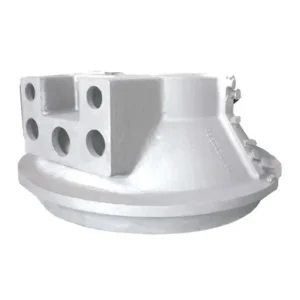
A secondary list of industrial casting components, valve elements, and high-load spare parts manufactured for mining and metallurgical systems.
 Hanhai