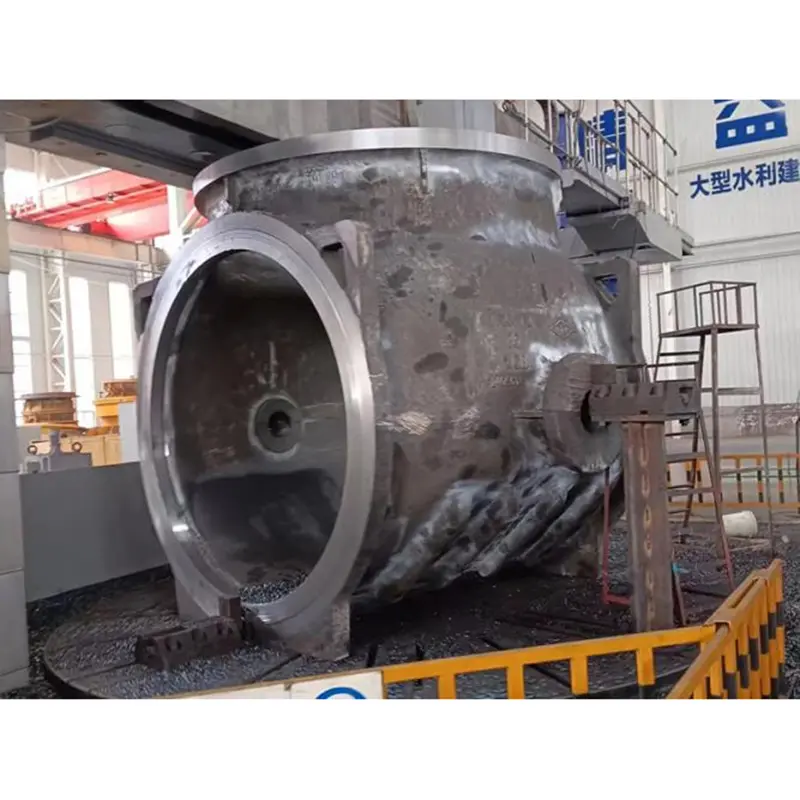
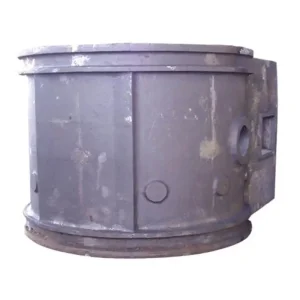
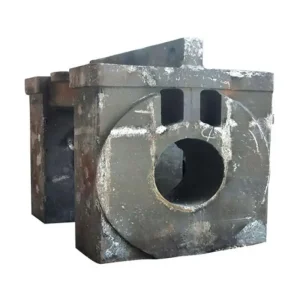
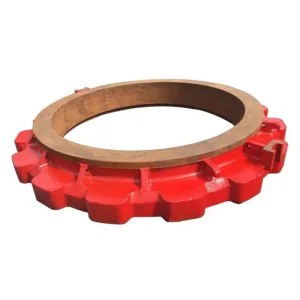
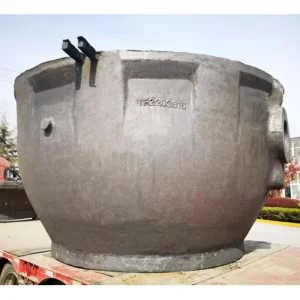
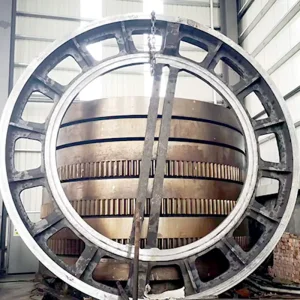
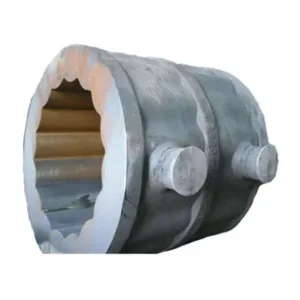
Custom Heavy Duty Casting Valve Body for Industrial Machinery Supplier, Manufacturer

This cast iron unit is manufactured through controlled metallurgical procedures and refined foundry operations developed for high-performance industrial use. From initial material verification and regulated melting to mold configuration, metal pouring, thermal stabilization, and detailed inspection, every step follows disciplined production standards. This structured workflow promotes structural uniformity, mechanical dependability, and extended service capability. The completed casting reflects a stable integration of strength and dimensional reliability suited for precision applications.

Produced from carefully selected cast iron materials, the component offers dependable load support and robust structural endurance. Its compact internal matrix distributes stress efficiently, allowing it to function under substantial loads and sustained operational strain without structural compromise. Designed for use in both static assemblies and motion-based systems, the casting maintains operational steadiness across prolonged service cycles and demanding working environments.
Product Description

Product Description

Material composition combined with optimized process control enhances resistance to surface wear, environmental corrosion, and fatigue-related degradation. These qualities help prevent distortion and structural weakening during exposure to pressure variations, frictional contact, humidity, or chemically active surroundings. As a result, the component supports consistent performance while limiting maintenance interventions and minimizing downtime.
Dimensional stability is achieved through advanced mold engineering and closely monitored casting parameters. Controlled tolerances ensure conformity with engineering specifications and assembly documentation. The refined surface finish promotes accurate installation and seamless integration with adjacent parts, reducing reliance on extensive post-processing and improving overall production efficiency.
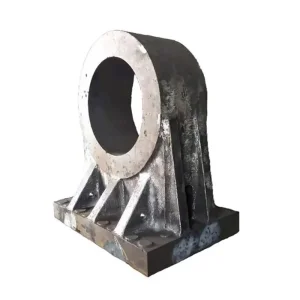
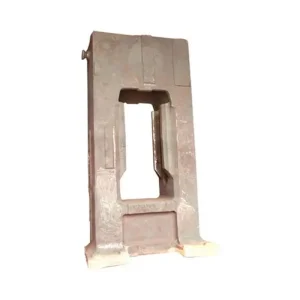
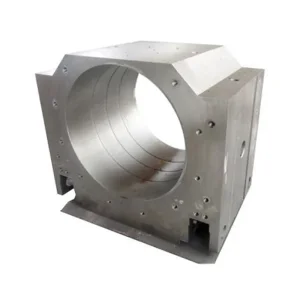
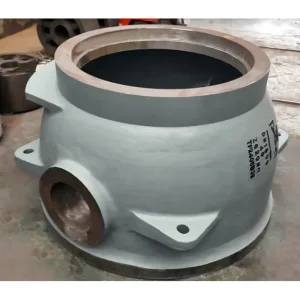
Casting-valve body
Because of its structural dependability and adaptability, this cast iron casting is extensively implemented in heavy equipment production, automotive systems, construction machinery, mining operations, agricultural equipment, and various industrial assemblies. Typical uses include mounting platforms, protective housings, structural frameworks, support brackets, and other load-bearing elements requiring durability and precision.
To address varied engineering requirements, customizable production configurations are available. Adjustments in alloy formulation, dimensional parameters, surface finishing processes, weight classifications, and machining tolerances can be provided according to client documentation or project specifications, ensuring suitability across diverse operational conditions.

Key Features

  • Robust cast iron framework delivering stable mechanical support
  • Improved durability against abrasion, corrosion, and environmental stress
  • Controlled manufacturing ensuring dimensional conformity
  • Refined surface quality enabling precise component alignment
  • Flexible manufacturing solutions for a broad range of industrial applications

Frequently Asked Questions

Q1: How does this cast iron component resist environmental corrosion and wear?
Its durability is driven by a specialized material composition combined with optimized process control, which collectively enhances resistance to surface wear, corrosion, and fatigue-related degradation.
Q2: What ensures the dimensional stability of the casting?
Dimensional stability is achieved through advanced mold engineering and closely monitored casting parameters, which maintain controlled tolerances aligned with engineering specifications.
Q3: What are the primary industries that utilize this casting?
This component is extensively used in heavy equipment production, automotive systems, construction machinery, mining operations, agricultural equipment, and other industrial assemblies.
Q4: Are customizable options available for different engineering projects?
Yes. Customizable configurations are available, enabling adjustments in alloy formulation, dimensional parameters, surface finishes, weight classifications, and machining tolerances.
Q5: How does the surface finish contribute to overall system integration?
The refined surface finish ensures accurate installation and seamless integration with adjacent parts, reducing the need for post-processing and improving assembly efficiency.

Related Products