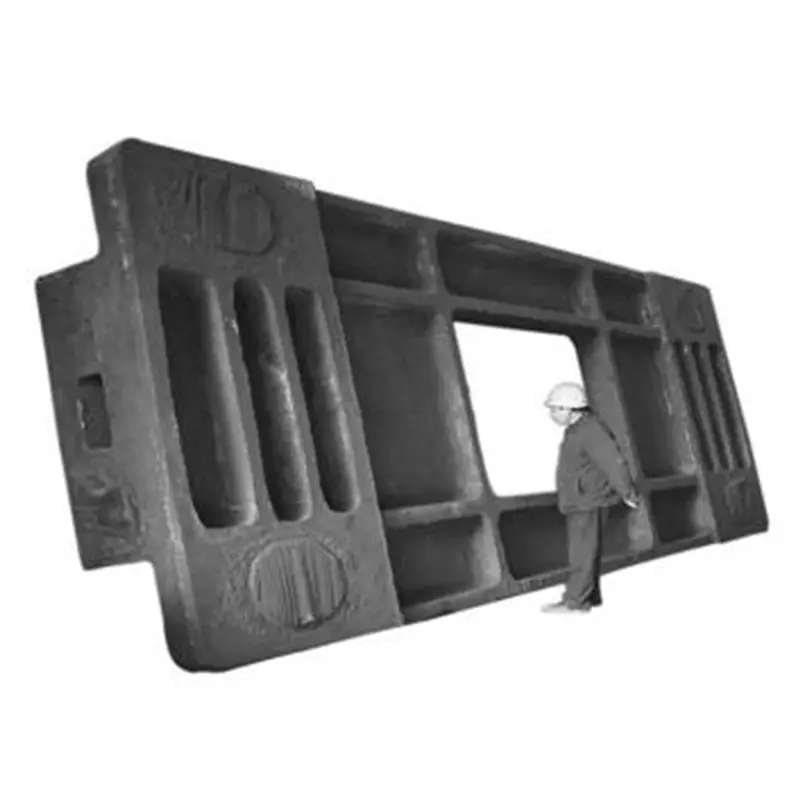
China Steel Casting Sump for Mining and Metallurgy Equipment - Reliable Suppliers and Factory Quality

,

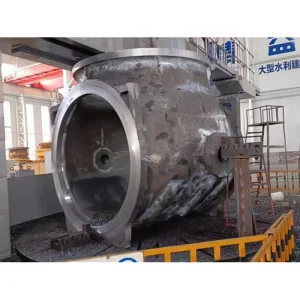
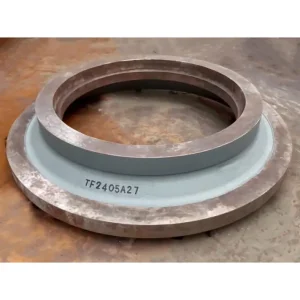
This high-quality cast iron component is meticulously crafted in China through advanced foundry operations and expert manufacturing practices, tailored to meet the demanding standards of modern industrial systems. Each step, from raw material assessment and regulated melting to mold preparation, metal pouring, controlled cooling, and final inspection, is conducted with strict process management. This comprehensive production method guarantees consistent material integrity, reliable mechanical performance, and long-lasting service reliability. The resulting casting showcases an exceptional blend of strength, stability, and precise dimensional accuracy.

,

Manufactured from premium cast iron, this component provides robust mechanical endurance and reliable structural support. Its compact internal structure facilitates optimal stress distribution, enabling it to efficiently handle heavy mechanical loads and sustained operational stresses. Designed for use in both stationary applications and dynamic machinery, this casting retains its stability and performance even in prolonged and challenging working environments. As a leading supplier in the market, our factory ensures that each product meets the highest quality standards, catering to various industrial needs.

,

Product Description

01

Product Description

The inherent durability of the material, reinforced by optimized production parameters, contributes to enhanced resistance against abrasion, corrosion, and environmental degradation. These properties help prevent structural distortion and reduce fatigue-related deterioration during long-term use. Even when subjected to moisture, pressure variations, chemical exposure, or friction-intensive environments, the component continues to operate consistently while minimizing maintenance demands and service interruptions.

Dimensional conformity is achieved through carefully regulated casting variables and advanced mold engineering techniques. Strict tolerance monitoring ensures alignment with engineering specifications and assembly requirements. The refined surface finish supports accurate installation and seamless integration with adjoining components, reducing the necessity for extensive secondary machining and supporting efficient manufacturing workflows.

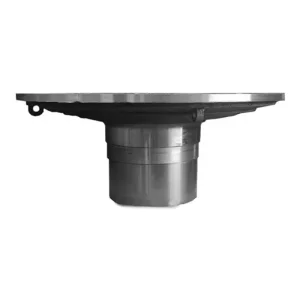
Casting-sump

Because of its structural reliability and adaptability, this cast iron casting is extensively applied across industries including heavy equipment manufacturing, transportation systems, construction machinery, mining operations, agricultural equipment, and general industrial production. Common uses include mounting structures, protective housings, support frames, brackets, and other load-bearing assemblies requiring durability and precision.

To address varying technical demands, flexible production configurations are available. Material composition, dimensional parameters, surface finishing methods, machining tolerances, and weight specifications can be tailored according to client documentation or application requirements, ensuring dependable performance across diverse service environments.
02

Main Characteristics

  • Reinforced cast iron body with stable load-bearing capability
  • Improved resistance to abrasion, oxidation, and corrosion
  • Controlled casting procedures delivering consistent dimensional integrity
  • Refined surface quality facilitating accurate assembly
  • Adaptable manufacturing options for broad industrial use
?

Frequently Asked Questions

Q1 What industries are cast iron castings commonly used in?
Cast iron castings are widely used across heavy equipment manufacturing, transportation systems, construction machinery, mining operations, agricultural equipment, and general industrial production. Typical applications include mounting structures, protective housings, support frames, brackets, and other load-bearing assemblies.
Q2 How does the casting process ensure dimensional accuracy?
Dimensional conformity is achieved through carefully regulated casting variables and advanced mold engineering techniques. Strict tolerance monitoring is applied throughout production to ensure alignment with engineering specifications and assembly requirements, reducing the need for extensive secondary machining.
Q3 What makes cast iron castings resistant to harsh environments?
The material's inherent durability, reinforced by optimized production parameters, provides enhanced resistance to abrasion, corrosion, oxidation, and environmental degradation. This allows the component to perform reliably even under moisture, pressure variations, chemical exposure, or friction-intensive conditions.
Q4 Can the casting specifications be customized for specific applications?
Yes. Flexible production configurations are available to meet varying technical demands. Material composition, dimensional parameters, surface finishing methods, machining tolerances, and weight specifications can all be tailored according to client documentation or application requirements.
Q5 How does the surface finish of the casting benefit the assembly process?
The refined surface quality of the casting facilitates accurate installation and seamless integration with adjoining components. This reduces the necessity for extensive secondary machining operations, supporting more efficient manufacturing workflows and lowering overall production costs.
Q6 How does the cast iron casting reduce long-term maintenance requirements?
Thanks to its structural reliability, fatigue resistance, and stable load-bearing capability, the casting minimizes maintenance demands and service interruptions during long-term use. Its consistent dimensional integrity and robust material properties help prevent structural distortion and fatigue-related deterioration over time.

Related Products