Explore our premier configurations for mineral crushers, mechanical components, and customized casting assemblies.
The modern industrial tooling and heavy machinery sectors represent the backbone of global infrastructure development. Heavy-duty cast iron and cast steel structural elements form the foundation of processing equipment used in mining operations, metallurgical smelters, power generation facilities, and massive marine applications. As demand rises for raw material processing across emerging markets, there is a critical need for components capable of surviving extremely abrasive environments, massive cyclic fatigue, and immense thermal gradients.
To meet these requirements, manufacturers must transition from standard off-the-shelf catalog items to custom-engineered, metallurgical-grade solutions. Henan Hanhai Metallurgy Mining International Trade Co., LTD bridges this technical gap by manufacturing precision-engineered castings designed for severe operation environments.
By conforming strictly to ASTM, EN, DIN, and ISO standards, our foundry ensures that casting properties match the design requirements of primary mineral processing crushers and complex flow systems.
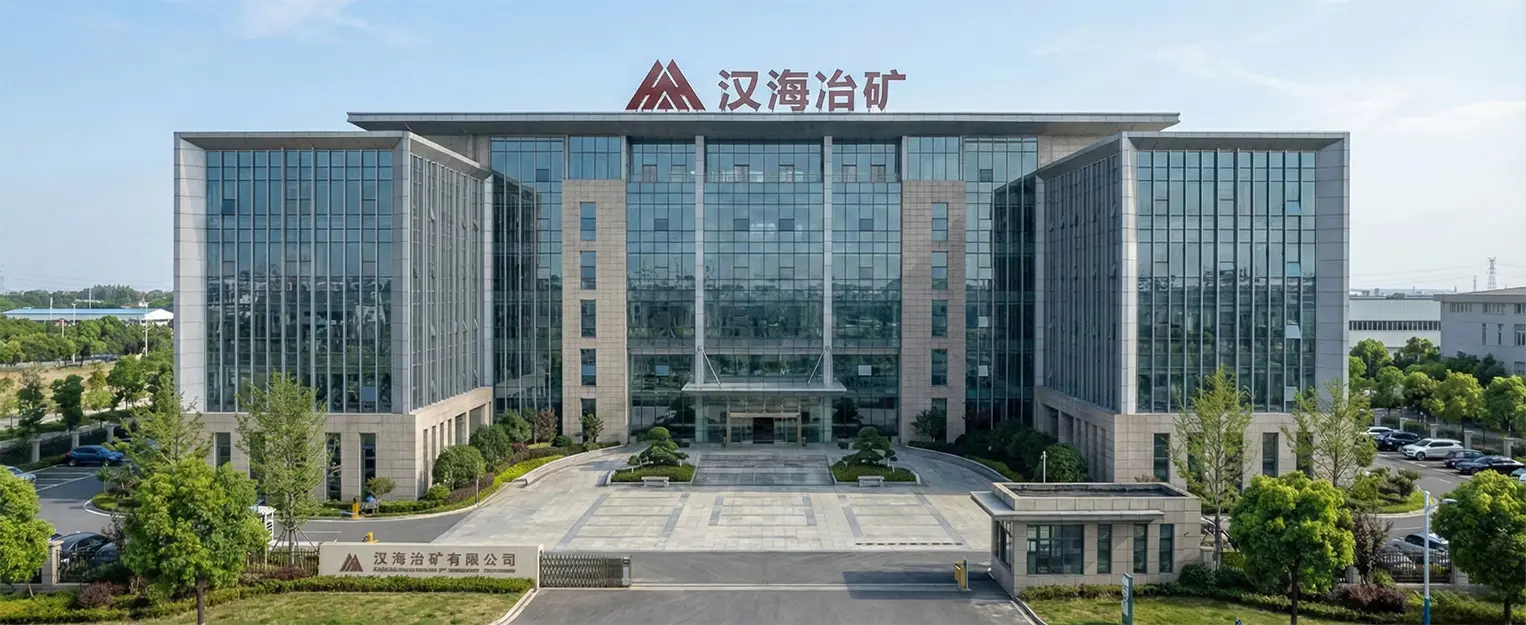
Our manufacturing volume and certification matrix emphasize our reliability as a heavy industrial casting partner.
Precision Castings Engineered to Empower Global Industrial Infrastructure
To empower global industrial infrastructure with precision casting, cutting-edge metallurgical innovation, and sustainable manufacturing processes. We design structural components that reduce operational downtime and optimize lifetime asset value for mining, metallurgy, and construction operations.
To stand as the premier partner for heavy industries worldwide. We aim to achieve this by integrating advanced digital casting simulation, strict automated non-destructive testing (NDT), and eco-friendly foundry methodologies, ensuring zero-defect deliverables for highly critical applications.
Hanhai Casting was established with a specialized focus on heavy steel and iron castings, establishing the technical baseline for modern mineral processing machinery support systems.
Introduced advanced electric arc melting processes, sand molding systems, and automated testing equipment. Expanded capacities to serve high-load crushing equipment sectors.
Achieved formal ISO9001 and CE certifications. Optimized metallurgy workflows and initiated export frameworks to supply mineral sumps, rocker arms, and gear seats globally.
Integrated simulation software (FEA) and smart foundry technology, improving surface finish, material yield, and casting integrity for large-tonnage orders.
Our manufacturing processes are verified by international testing agencies and trusted by engineering organizations across the globe.

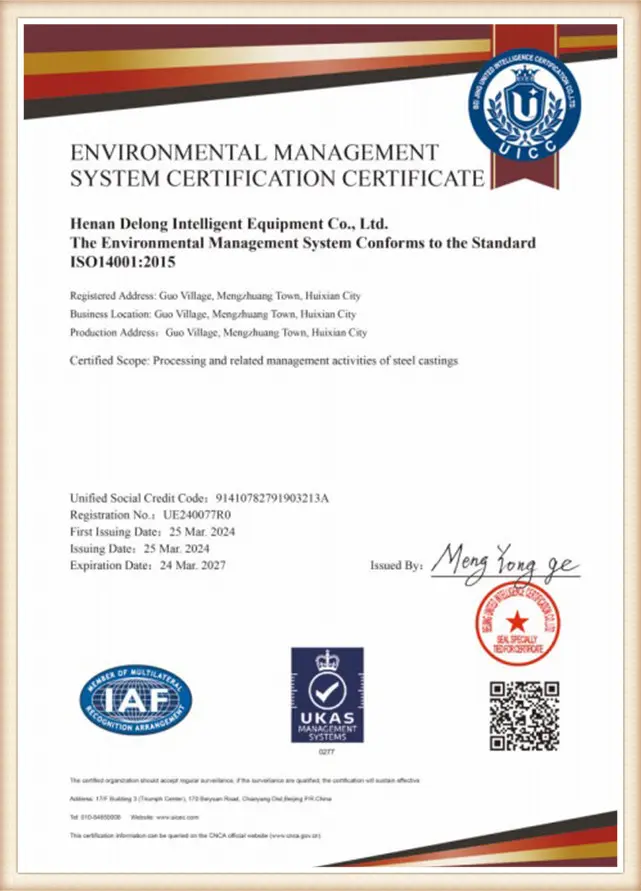
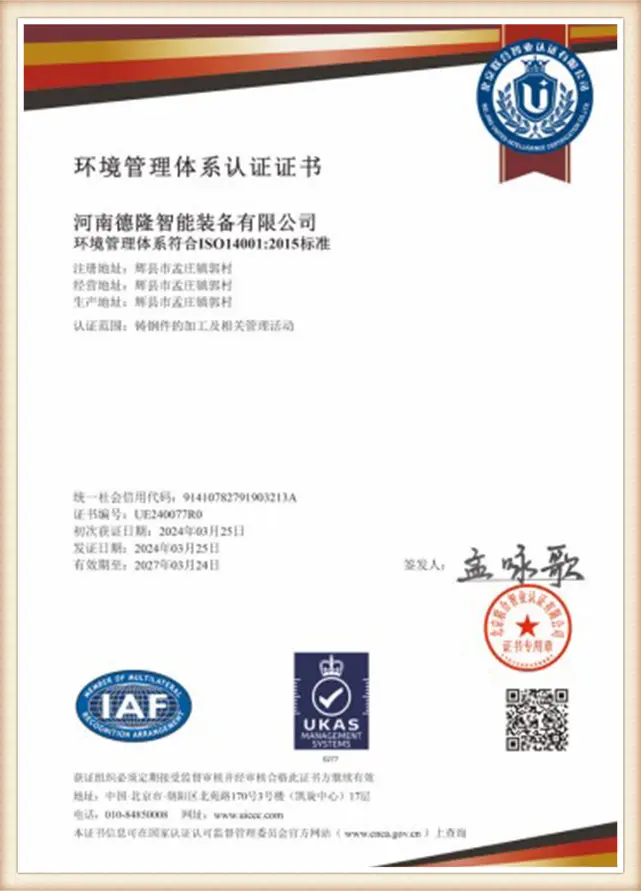
Different operating conditions demand different metallurgical combinations. Whether dealing with high-stress impact in primary crushing chambers or structural stability under hydraulic pressures, our solutions are engineered for long service life.
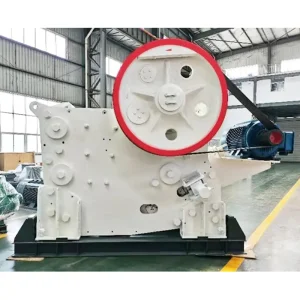
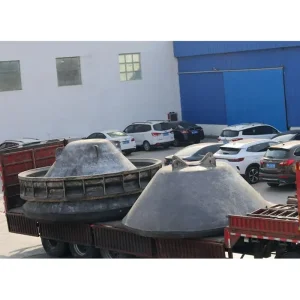
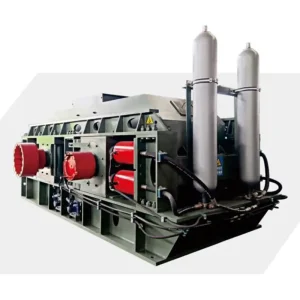
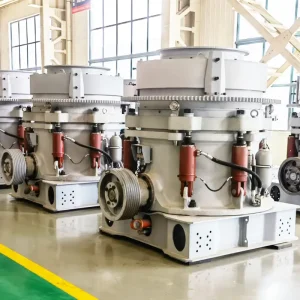
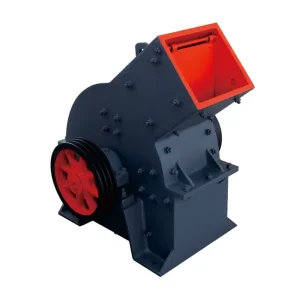
Jaw, cone, and roller crushers require components that resist abrasive wear. We manufacture high-performance jaw crusher assemblies, eccentric shafts, crusher frames, and roller shells out of premium manganese and alloy steels to handle high tonnage loads without fracture.
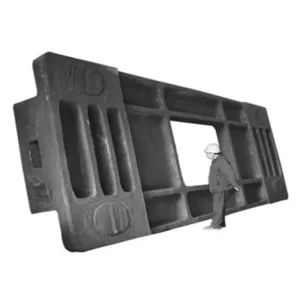
For high-capacity manufacturing, hydraulic press frames require reliable structural components. Our specialized press wall panels, base structures, and cylinders are cast to withstand high cyclic pressures and eliminate internal stress pockets.
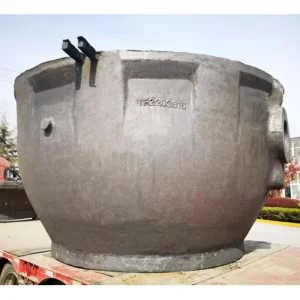
Slag ladles, furnace bells, and casting sumps operate in extreme temperature ranges. Hanhai utilizes thermal-shock resistant cast steels that prevent deformation and thermal fatigue cracks, extending the operating lifetime of furnace equipment.
Review the primary alloy grades, hardness metrics, and applications for Hanhai’s custom industrial castings.
| Casting Category | Common Material Grades | Tensile Strength (MPa) | Yield Strength (MPa) | Primary Industrial Use Cases |
|---|---|---|---|---|
| Carbon Steel Castings | ASTM A27, WCB, LCB, Grade 60-30 | 415 - 485 | 205 - 250 | Valve bodies, industrial pump sumps, sprocket seats |
| High Manganese Steel | Mn13Cr2, Mn18Cr2, ASTM A128 | 735 - 880 | 345 - 380 | Jaw crusher plates, cone crusher mantles, hammer crusher elements |
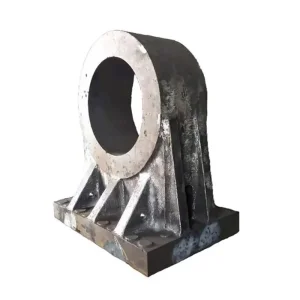
| Alloy Steel (Cr-Mo) | ZG40CrNiMo, ZG35CrMo | 590 - 785 | 390 - 590 | Heavy-duty gearing systems, ring holders, rocker arm housings |
| Ductile & Gray Cast Iron | GGG40, GGG50, GG25 | 400 - 500 | 250 - 320 | Upper and lower bells, machinery frames, structural panels |
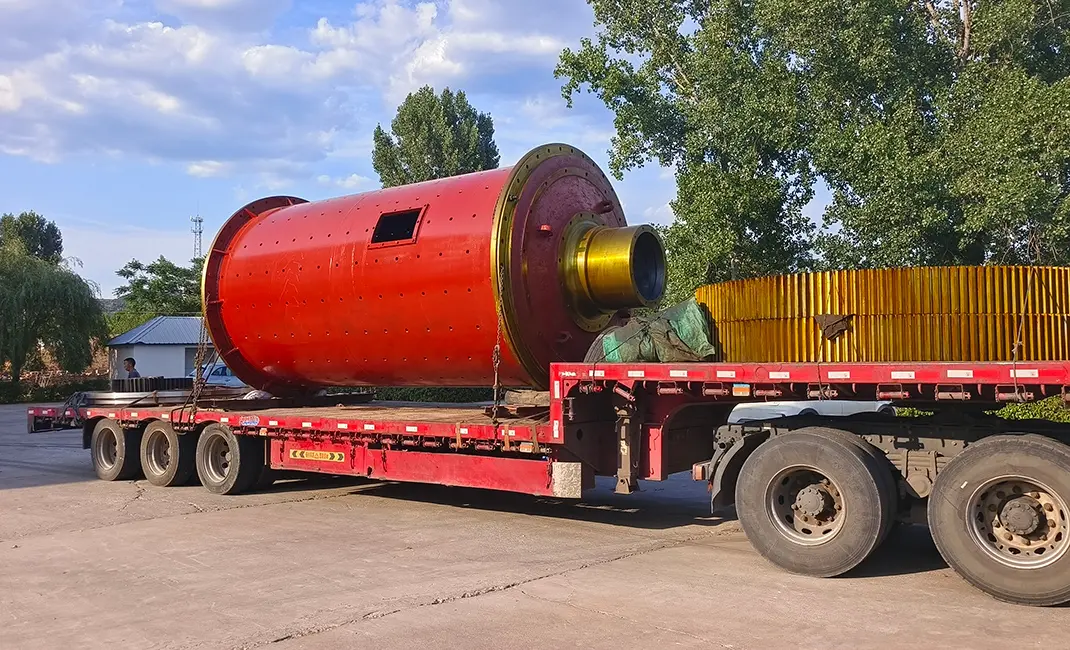
Improving casting yield and structural performance requires investment in design validation and testing. Hanhai uses advanced casting process simulation software to model liquid metal flow, thermal behavior, and solidification kinetics before creating the molds. This approach helps identify potential defects like shrinkage cavities, porosity, and gas inclusion before pouring begins.
Additionally, we implement rigorous stress-relieving heat treatments, including normalization, quenching, tempering, and annealing. This refining step optimizes the microstructural matrix of the steel or iron, matching the mechanical properties required for demanding field service conditions.
Our quality assurance protocol includes Ultrasonic Testing (UT), Magnetic Particle Inspection (MPI), Liquid Penetrant Testing (LPT), and industrial radiographic inspection. This helps ensure all output components are structural defect-free.
Our structured production methodology helps ensure consistent quality and project alignment from inquiry to delivery.
We review your operational requirements, environmental conditions, and mechanical drawings (CAD/STEP) to select the appropriate material grade.
Our engineering team performs flow and thermal solidification modeling to optimize gate layouts and minimize potential shrinkage defects.
We build precision wood or metal patterns and run melting cycles in electric arc furnaces, closely monitoring alloy ratios before pouring.
Castings are shot blasted and precision machined to finished dimensions, removing flashing and correcting surface irregularities.
We run physical testing, ultrasonic soundness evaluations, and dimensional verifications to confirm part compliance with your requirements.
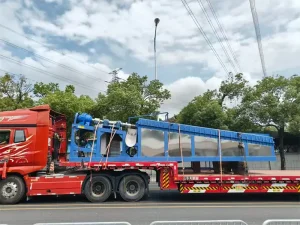
Finished components are treated with rust prevention, crated in heavy-duty export frames, and loaded for reliable global transit.
Technical answers regarding material selection, wear properties, structural testing, and procurement specifications.
High-manganese steel grades (e.g., Mn13Cr2, Mn18Cr2) work-harden under high-stress impact. High impact loading during jaw or cone crusher operations increases the surface hardness of the casting (up to 500+ HBW) while keeping the core ductile, allowing it to absorb impact energy without cracking.
For heavy hydraulic components, we perform rigorous stress-relieving and tempering heat treatment cycles. This process releases internal residual stresses that build up during cooling, helping to prevent structural fatigue and cracking under high cyclical pressure loads.
All castings undergo physical, chemical, and non-destructive testing (NDT). Common standards include ASTM A27 for steel castings, ASTM A536 for ductile iron, and ISO 9001 quality system protocols. We supply full EN 10204 3.1 Material Certificates with every shipment.
Yes. By adjusting chrome, molybdenum, and nickel ratios, we cast custom components that withstand high temperatures and chemical attack. This is particularly suitable for metallurgical slag handling, chemical crystallizers, and petrochemical valve systems.
Lead times vary based on configuration complexity and order volume. Pattern building and design simulation typically take 15 to 20 days. Cast pouring, heat treatment, machining, and final testing require 30 to 45 days, followed by packing and ocean transport.
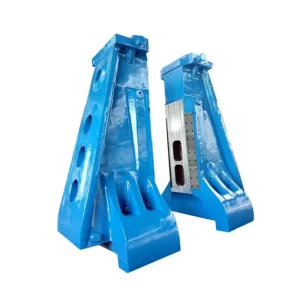
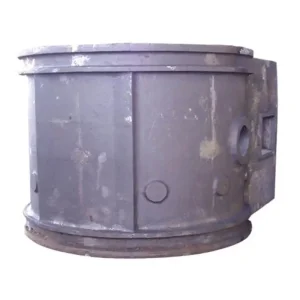
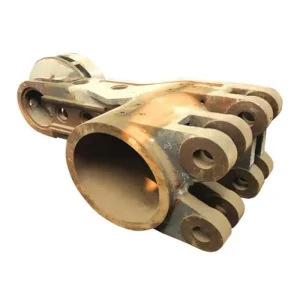
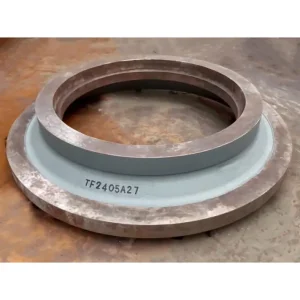
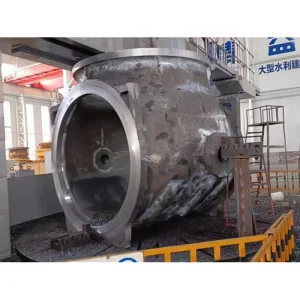
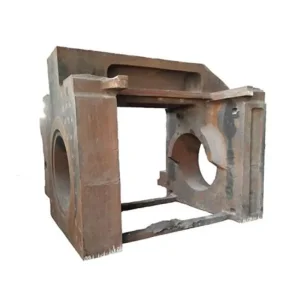
Explore our specialized heavy castings, including machine beds, rocker arm housings, and industrial valve manifolds.
 Hanhai