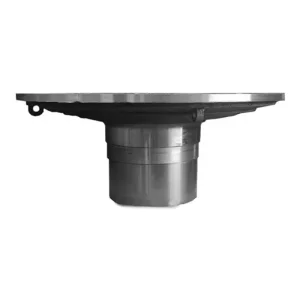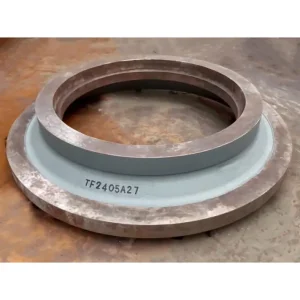
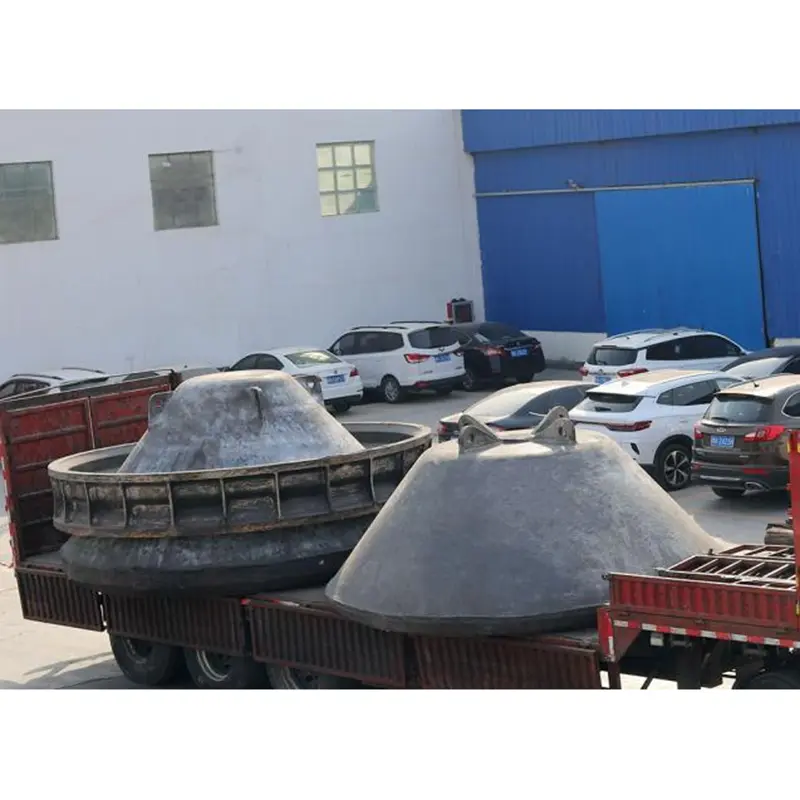
China Suppliers Factory Cast Iron Casting - Upper (Lower) Bell for High-Performance Industrial Applications

This premium cast iron product is meticulously manufactured in China, adhering to advanced foundry techniques that meet the high-performance demands of modern industrial systems. Our manufacturing process begins with strict material verification, followed by controlled alloy melting and precise mold preparation. Metal filling is executed with precision, and thermal stabilization is carefully managed to ensure optimal performance. Each stage undergoes comprehensive quality assessment guided by disciplined production standards, guaranteeing structural consistency and reliable outcomes. The finished casting showcases a robust blend of mechanical strength and geometric precision, making it perfect for complex mechanical assemblies, By utilizing specially selected cast iron compositions, our components provide exceptional structural endurance and reliable load support. The optimized metallurgical design ensures effective stress distribution, which allows the part to perform dependably under significant weights, repeated mechanical stresses, and extended operational periods. Engineered for both static frameworks and dynamic equipment, this casting maintains its functional integrity through long usage cycles, ensuring consistent operational stability. As a leading factory and supplier, we are committed to delivering high-quality cast iron solutions to meet diverse industry needs

Product Description

Product Description

The material formulation and controlled solidification profile contribute to enhanced resistance against abrasion and environmental degradation. The component maintains structural integrity when exposed to compressive forces, mechanical friction, humidity, and chemically reactive surroundings. By limiting distortion and fatigue accumulation, it supports longer service intervals while helping reduce operational interruptions and maintenance-related costs.

Dimensional conformity is achieved through calibrated mold engineering and tightly managed process variables. Controlled tolerance parameters ensure alignment with technical documentation and smooth mechanical integration. A uniform and refined surface profile promotes precise fitting within assemblies, minimizing additional finishing requirements and supporting efficient installation workflows.

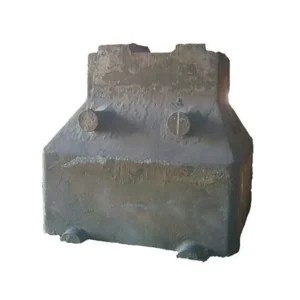
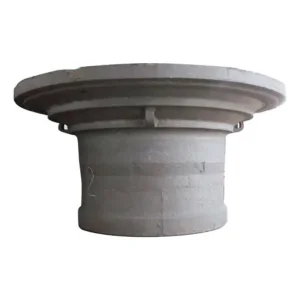
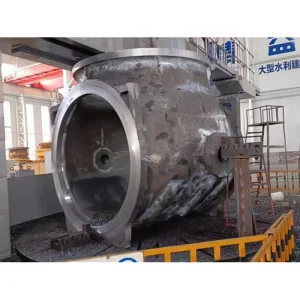
Casting- Upper(Lower) Bell

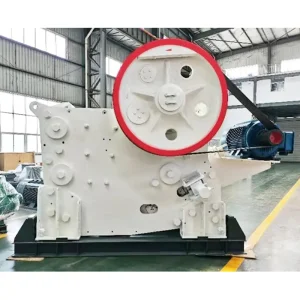
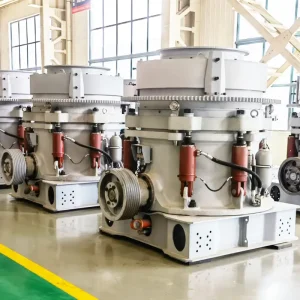
Due to its adaptable engineering characteristics, this cast iron casting is implemented across sectors including heavy equipment manufacturing, transportation machinery, civil infrastructure systems, mineral processing operations, agricultural engineering, and diversified industrial production. Typical applications encompass mounting platforms, structural enclosures, reinforcement elements, support brackets, and other functional units requiring durability and dimensional control.

Production flexibility enables modification of alloy composition, dimensional parameters, weight classifications, surface treatment specifications, and machining allowances according to project documentation. This adaptability ensures effective compatibility across varying operational conditions and system requirements.
Key Features

Engineered cast iron structure supporting stable mechanical performance
Resistance to mechanical wear and environmental exposure
Controlled dimensional stability through regulated production
Consistent surface integrity enabling accurate component alignment
Customizable manufacturing configurations for diverse industrial demands

Frequently Asked Questions

Q
What materials are used in the manufacturing of these cast iron castings?
These components are produced using engineered cast iron formulations with controlled alloy compositions. The material selection is tailored to meet specific mechanical performance requirements, including resistance to abrasion, compressive forces, and environmental degradation. Alloy composition can be adjusted according to project documentation and operational demands.
Q
How is dimensional accuracy ensured during production?
Dimensional conformity is achieved through calibrated mold engineering and tightly managed process variables. Controlled tolerance parameters are maintained throughout production to ensure alignment with technical documentation, enabling smooth mechanical integration and minimizing the need for additional finishing.
Q
What industries and applications are these castings suitable for?
These cast iron castings are applied across a wide range of sectors including heavy equipment manufacturing, transportation machinery, civil infrastructure systems, mineral processing operations, agricultural engineering, and diversified industrial production. Typical applications include mounting platforms, structural enclosures, reinforcement elements, and support brackets.
Q
Can the castings be customized to meet specific project requirements?
Yes. Production flexibility allows modification of alloy composition, dimensional parameters, weight classifications, surface treatment specifications, and machining allowances based on project documentation. This adaptability ensures compatibility across varying operational conditions and system requirements.
Q
How do these castings perform under harsh environmental conditions?
The components are engineered to maintain structural integrity when exposed to humidity, chemically reactive surroundings, mechanical friction, and compressive forces. By limiting distortion and fatigue accumulation, the castings support longer service intervals and help reduce operational interruptions and maintenance-related costs.
Q
What surface treatment options are available for these cast iron components?
Surface treatment specifications can be adjusted according to project requirements. A uniform and refined surface profile is standard, promoting precise fitting within assemblies and minimizing additional finishing requirements. Custom surface treatments can be arranged to meet specific corrosion resistance or aesthetic standards as outlined in the project documentation.

Related Products