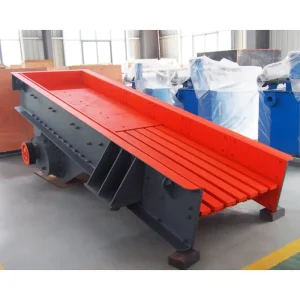
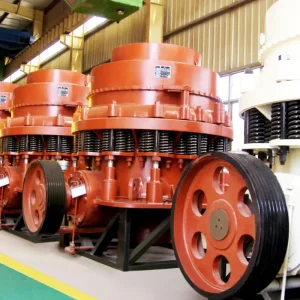
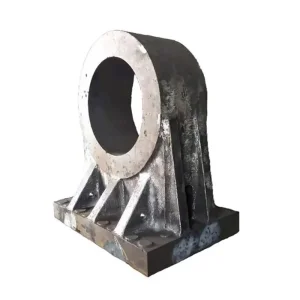
Engineered casting structures and premier crushing machinery calibrated for reliable mining, quarrying, and material recovery workflows.
In the modern era of primary material processing, the Custom Impact Mill Rock Crusher has emerged as the definitive standard for industrial size reduction. Unlike compression-based systems, such as traditional jaw crushers or slow-speed gyraton cones, impact mills utilize high-velocity kinetic energy transfer. This physical action induces high-magnitude tensile stress inside the rock structure, fracturing minerals along their natural crystalline cleavage planes. The result is a highly cubical aggregate, optimized particle size distribution, and a significantly minimized percentage of internal micro-fractures in the output material.
Globally, the demand for customizable impact mills is experiencing rapid escalation. According to recent infrastructure development briefs, key economic regions face diverging, yet highly complex, processing requirements:
In North America and Europe, the primary driver is circular economic initiatives—requiring heavy-duty, customized impactors that can tolerate reinforced concrete, asphalt, slag, and heterogeneous municipal recycling feeds while dynamically adjusting for contaminant protection (such as rebar, structural steel, or timber). Conversely, across rapid-development zones in Asia, Africa, and South America, the target is high-throughput quarrying of abrasive rocks (granite, basalt, limestone) to fuel high-speed rail, highway sub-bases, and mega-concrete production plants. Standard off-the-shelf crushers frequently fail in these situations due to standard metallurgical limitations, which demands custom-manufactured rotors, custom blow bar alloys, and highly durable reinforced structures.
A granular look at the critical metallurgy, finite element design, and component integration that defines our rock crushing solutions.
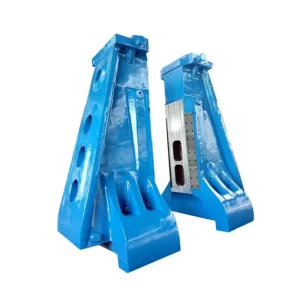
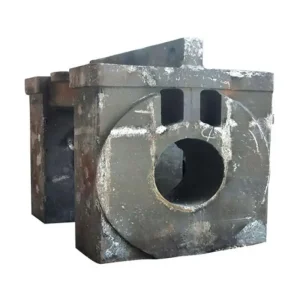
Each crusher configuration is subjected to comprehensive Finite Element Analysis (FEA) to verify structural integrity under peak force dynamics. The frame structures are fabricated using premium structural cast steel (ZG250-450 or ZG270-500), offering elastic limits and structural toughness far exceeding standard welded plates.
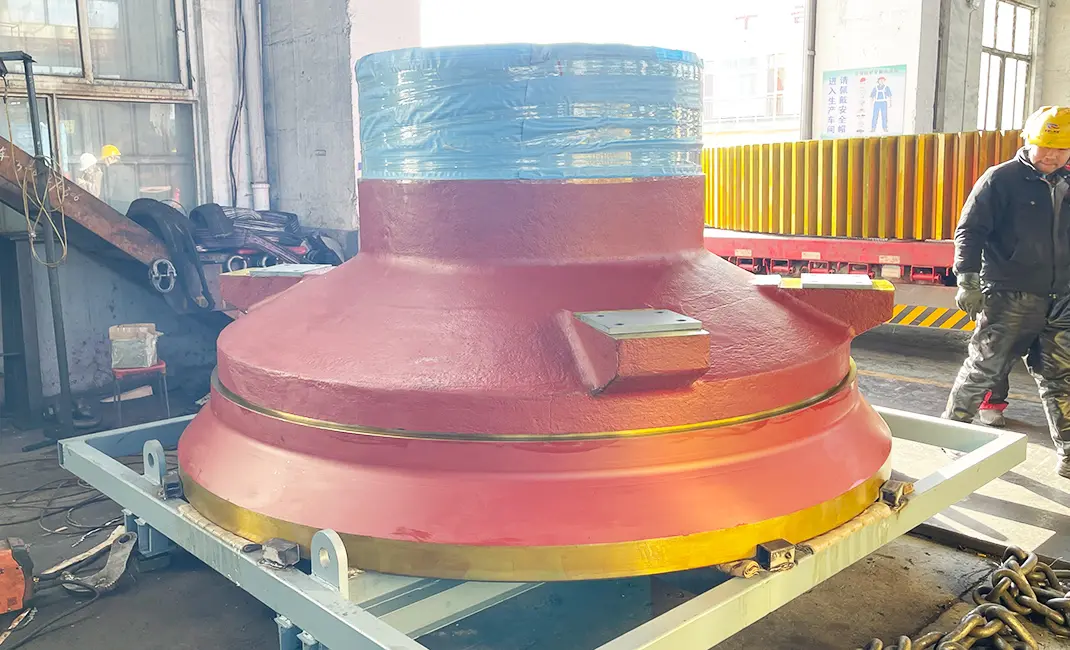
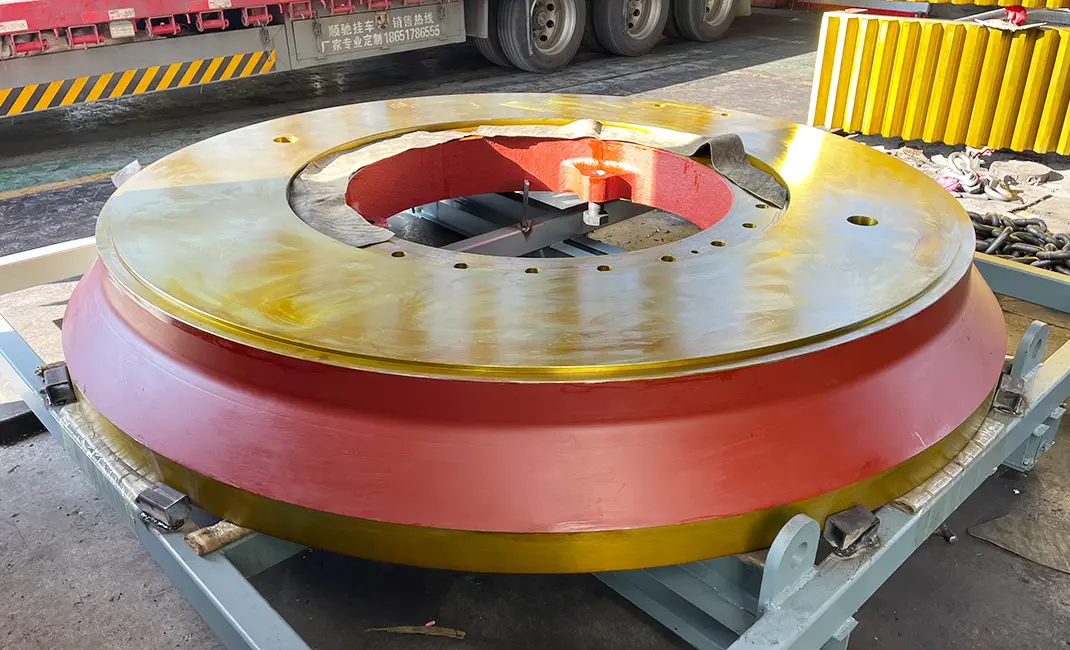
When purchasing a heavy-duty impact mill or its core components (such as rotor bodies, large gear rings, steel frames, and castings), procuring directly from a vertically-integrated foundry factory in China yields massive structural advantages. Heavy machinery relies on massive structural weight to absorb vibration and distribute mechanical stress. Henan Hanhai Metallurgy Mining International Trade Co., LTD., with an annual output of 80,000 tons, provides a model example of this efficiency:
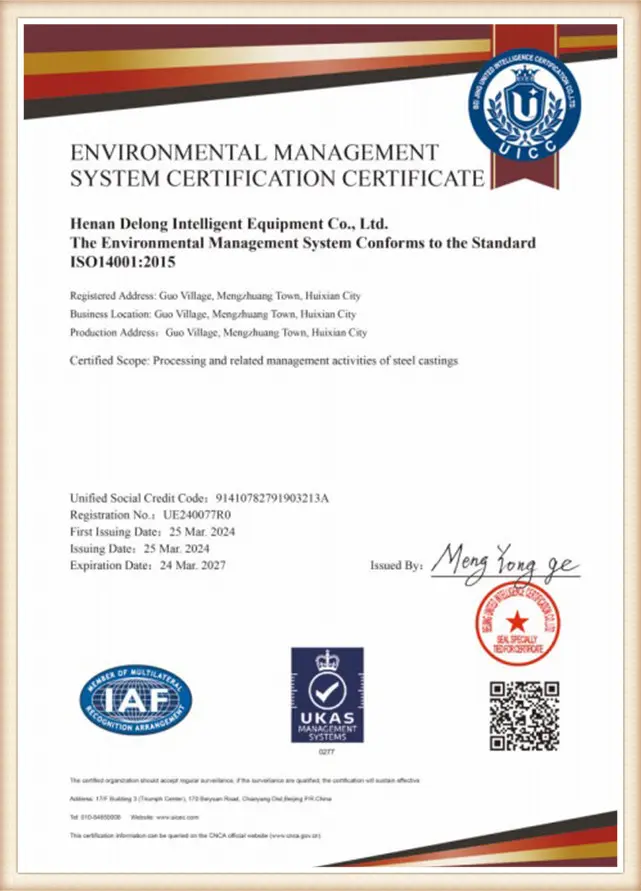
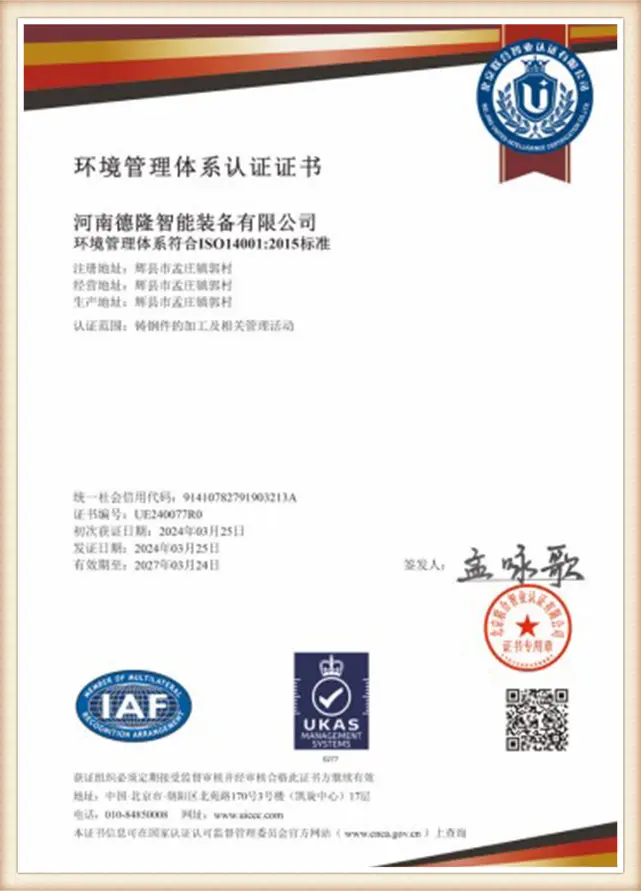
As a certified exporter, Henan Hanhai combines these industrial processes with Western-standard compliance, holding ISO9001 and CE certifications. This ensures that every component sent to South America, Asia, Europe, or the Middle East satisfies international structural codes.
Examining how custom impact mills perform under diverse geological and material conditions around the world.
Processing highly abrasive materials like granite, basalt, or quartzite requires specialized blow bar materials. By choosing custom high-chrome iron alloys embedded with titanium carbides, quarry operators reduce wear cycles by up to 40% in secondary and tertiary setups, maintaining steady production of cubical aggregate for high-grade asphalt.
Demolition waste presents unique challenges, particularly embedded rebar and wire mesh. Customized impactors feature heavy-duty rotors with high moment of inertia to shear reinforcing wire. The machine includes hydraulic tramp release curtains that clear trapped steel obstructions, preventing mechanical lockup and protecting internal liners.
In steel mills and smelting plants, processing slag allows for metal recovery and creates structural aggregate. The variable temperatures and densities of slag require custom impact mills featuring water-cooled bearing assemblies and hard-faced, wear-resistant interior designs that resist chemical corrosion and thermal stress.
The aggregate and minerals processing sector is shifting toward digital and automated operations. Modern procurement officers prioritize three main technological requirements:
A trusted manufacturing partner delivering high-quality steel and iron castings for mining, power generation, and construction industries worldwide.
To empower heavy industry with precision casting, advanced metallurgy, and sustainable manufacturing excellence.

To be a trusted global foundry brand delivering high-quality steel and iron castings, supporting mechanical systems that build global infrastructure.
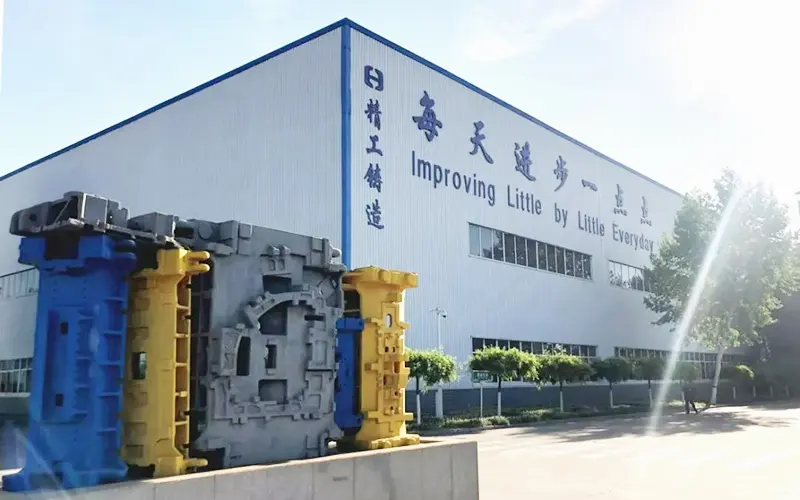
Established with a focus on heavy steel and iron castings, laying a solid technical and production foundation for global mining supplies.
Introduced advanced melting and molding technologies, expanding production capacity to serve key domestic metallurgy sectors.
Achieved ISO9001 certification, upgraded comprehensive testing systems, and exported high-performance castings to Asia, Europe, and the Middle East.
Integrated intelligent foundry systems, digital quality management, and advanced metallurgy tools, driving sustainable manufacturing and strengthening global partnerships.
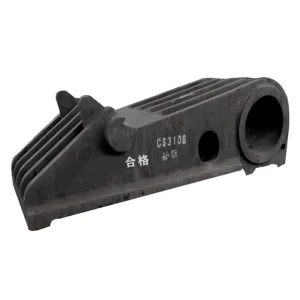
Supplying durable structural and mechanical parts for heavy-duty industrial processing applications globally.
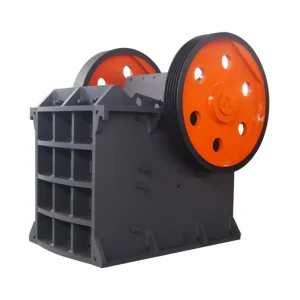
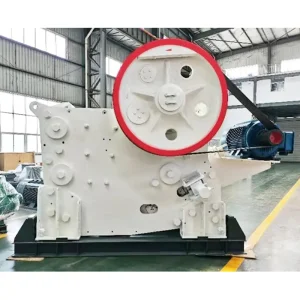
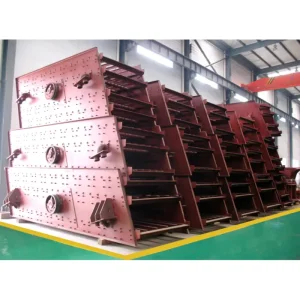
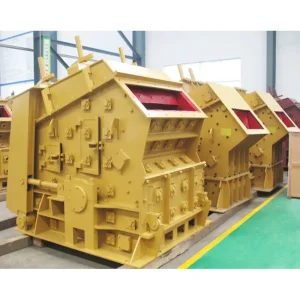
Widely used in mining, metallurgy, construction, chemicals, infrastructure, and recycling for crushing ores, rocks, aggregates, slag, and industrial materials.
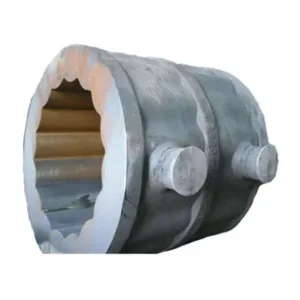
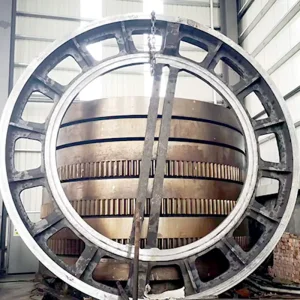
Applied in cement, mining, metallurgy, and heavy industry for crushers, mills, kilns, and other large-scale processing equipment.
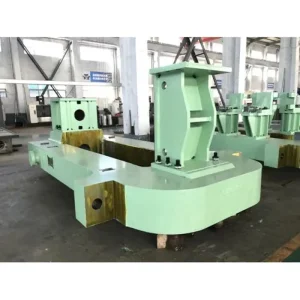
Designed for forging, metallurgy, and heavy manufacturing, supporting hydraulic presses and high-load, large-tonnage forming equipment.
Used in hydraulic systems, construction machinery, and energy equipment for valves, valve bodies, and fluid control components.
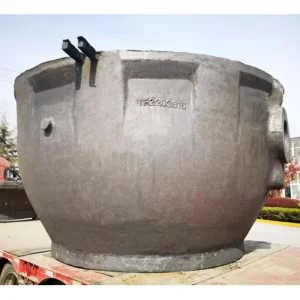
Applied in metallurgy and steelmaking for slag handling, ingot casting, smelting, and other high-temperature industrial processes.
We design, cast, and machine parts up to 150 tons according to customer-supplied technical drawings and specific metallurgical standards.
A structured, step-by-step process designed to ensure design accuracy, quality control, and secure shipping.
 01
01
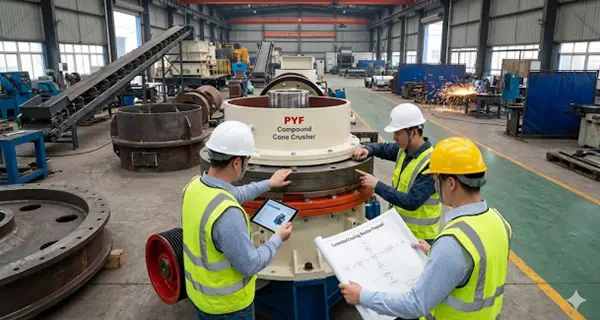
Detailed collection of client project requirements, working conditions, material abrasiveness, and daily processing targets.
 02
02
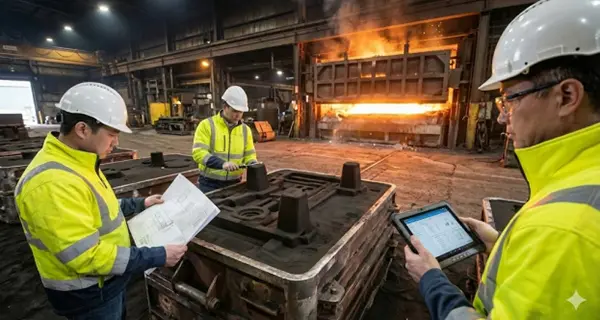
Engineering customized crushing chamber geometries, rotor weights, and wear alloy selections tailored to target applications.
 03
03
Aligning 2D/3D CAD drawings, metallurgical tolerances, testing parameters, and commercial delivery timelines.
 04
04
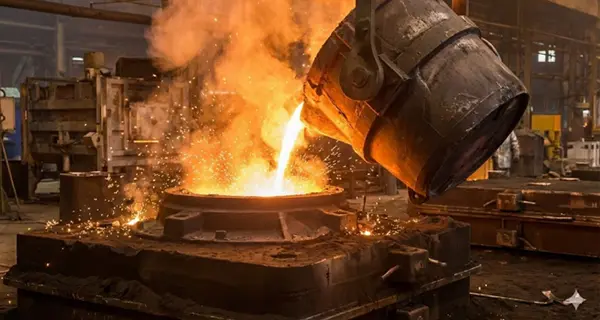
In-house pattern making, molten steel pouring, heat treatment, surface hardening, and precision machining under strict QC guidelines.
 05
05
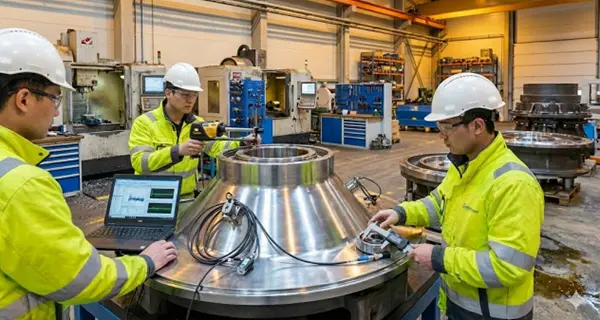
Pre-shipment testing including NDT inspection, dimension audits, dynamic rotor balancing, and physical certificates validation.
 06
06
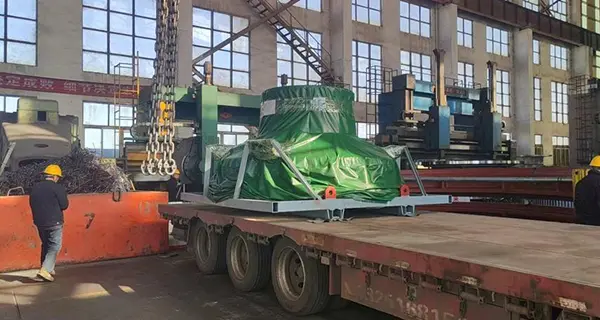
Securing components with heavy-duty packaging to prevent sea-freight corrosion, followed by coordinate shipment tracking.
 07
07
Providing on-site technical direction or remote engineering support to ensure precise mechanical installation and alignment.
 08
08
Providing maintenance training, standard operating procedures, and target wear-limit guidelines to operating staff.
 09
09
Providing long-term access to custom spare parts, advice on wear updates, and structural engineering support.
Industrial procurement teams managing mining and metallurgy equipment look beyond basic unit cost to evaluate supplier reliability. A low initial purchase price can be offset by high transport costs, machining misalignments, or premature wear failures. A comprehensive Total Cost of Ownership (TCO) analysis should evaluate three primary factors:
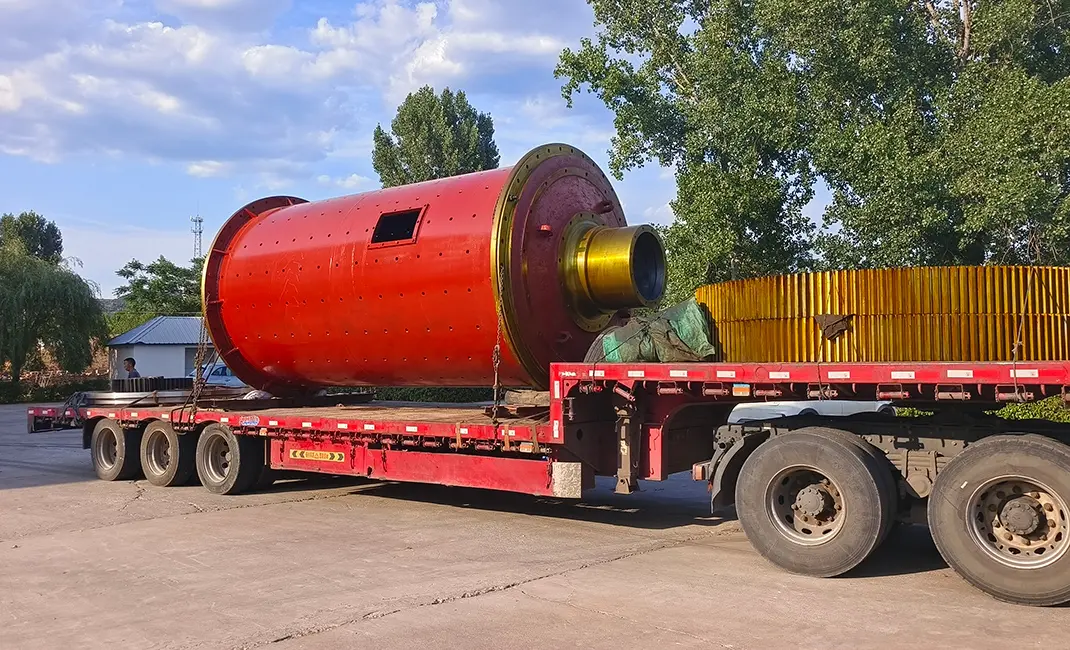
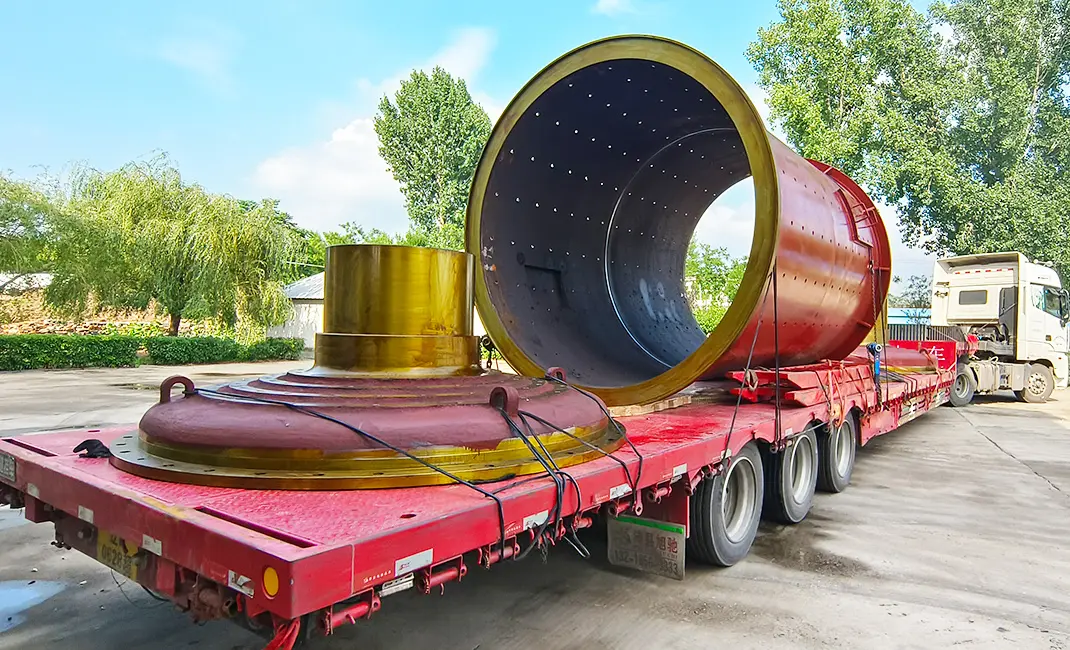
A brief look at our international partnerships and heavy component installations across global job sites.

Addressing the common questions raised by procurement managers and design engineers during product specification.
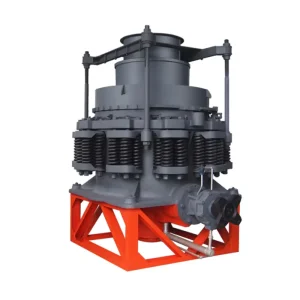
Impact mill crushers rely on dynamic impact forces rather than mechanical compression. This makes them highly effective for processing soft-to-medium hard rocks and recycling concrete, producing a consistent cubical aggregate with minimal internal stress cracks. Cone crushers are better suited for crushing highly abrasive, hard materials.
Material selection depends on feed characteristics. High-chrome alloys (such as Cr26/Cr27) offer superior wear resistance for dry, abrasive aggregate but are sensitive to iron impact damage. For processing recycled concrete containing metal contaminants, medium-manganese alloys or blow bars with ceramic matrix inserts (MMC) provide a better balance of wear life and impact resistance.
Our facility conducts full chemical analyses using spectrometer testing before pouring. After heat treatment, all key load-bearing sections undergo Non-Destructive Testing (NDT)—including Ultrasonic (UT) and Magnetic Particle (MPI) testing—to verify that no internal casting defects are present prior to machining.
Yes. We specialize in custom manufacturing, casting, and machining components up to 150 tons. We work directly from customer-supplied 3D CAD files (STEP, IGES, SolidWorks) or 2D technical drawings, managing the entire production workflow from pattern design to final dimension validation.
An unbalanced rotor causes uneven centrifugal forces during high-speed rotation. This places excessive stress on the main spherical roller bearings, leading to premature bearing failure or structural fatigue cracks in the crusher frame. We dynamically balance all custom rotors to eliminate these vibration hazards.
Typical lead times range from 45 to 75 days, depending on pattern complexity and casting volume. This includes drafting pattern designs, molding, casting solidification, annealing heat treatments, precision machining, and final quality control audits.
Explore our range of OEM cast steel wear parts, primary gear rings, industrial feeders, and material processing systems.
 Hanhai