Premium OEM and CE certified equipment engineered for mining, quarry, and high-performance metallurgy applications.
A technical whitepaper examining the structural integrity, metallurgical criteria, and market frameworks governing heavy-duty hammer mills and crushing components.
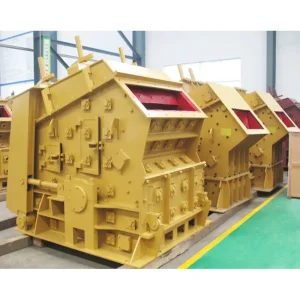
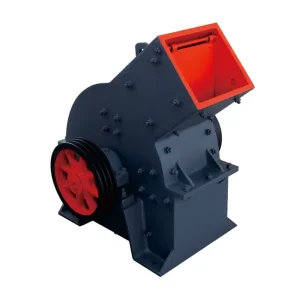
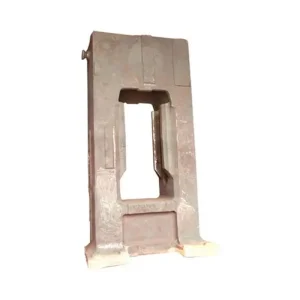
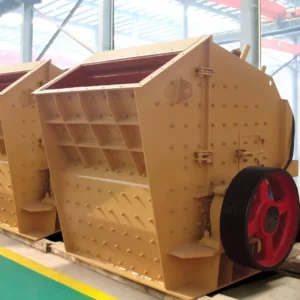
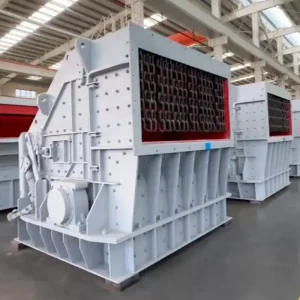
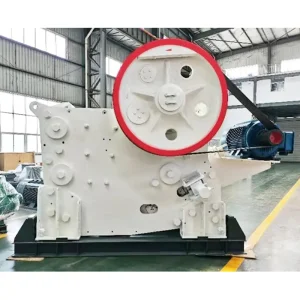
In modern industrial minerals processing, aggregate quarrying, and mining operations, the CE Certification Rock Crusher Hammer Mill represents a cornerstone technology. Operating under intense dynamic stress, these machines reduce bulky raw materials through high-speed impact. For global procurement officers, compliance with European Conformity (CE) directives is not merely a legal checkbox; it is a critical benchmark for structural safety, mechanical reliability, and operational safety. A CE certified crusher complies with critical standards including the Machinery Directive 2006/42/EC, validating that every weldment, casting, and rotary component has undergone strict finite element analysis (FEA) and quality checks.
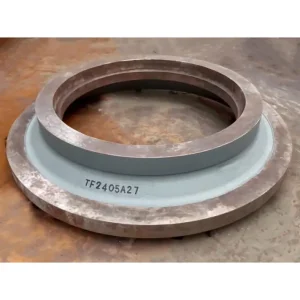
"Industrial crushing processes dictate that a hammer mill’s kinetic energy transfer relies entirely on the integrity of the alloy steel rotor and the wear-resistant castings surrounding it. Henan Hanhai Metallurgy Mining International Trade Co., LTD bridges the gap between raw metallurgical strength and precise machinery standards, delivering parts built for maximum lifespan."
A hammer mill operates on the principle of impact crushing. Materials entering the crushing chamber are shattered by high-velocity swing hammers attached to a central rotor assembly. The fragmented material is then swept across adjustable grate bars, retaining oversize particles until they match the discharge slot configurations. Because the machine operates at speeds of 900 to 1500 RPM, the kinetic energy involved is massive. Ensuring safety and minimizing failure risk is why professional suppliers engineer castings from high-manganese steel alloys, which work-harden continuously under constant impact pressure. Without rigorous CE-approved safety enclosures, dynamic rotor balance, and heat-treated structures, the operational environment is exposed to catastrophic mechanical fatigue.
Empowering heavy industries worldwide through precision engineering, sustainable metallurgy, and robust raw-material casting.
For more than two decades, Henan Hanhai Metallurgy Mining International Trade Co., LTD has driven innovation in heavy steel and iron castings, supporting global infrastructure, mining operations, and thermal energy generators with top-tier cast components.
To empower global infrastructure and metallurgy networks with precision casting, sustainable manufacturing practices, and optimized wear components that reduce downtimes and maximize mineral processing efficiency.
To remain the premier choice for custom metallurgical castings and industrial crushing machinery by delivering high-hardness, heavy-duty alloyed components designed to thrive in the world's most unforgiving crushing environments.
The demand for robust size-reduction systems has risen due to increased infrastructure development across Southeast Asia, urban mining and aggregate recycling initiatives in the European Union, and raw ore processing in Africa and South America. High-capacity hammer mills are crucial for handling industrial waste, recycling concrete, and processing minerals like limestone, dolomite, and coal. However, rising energy costs and strict carbon emission limits have pressured manufacturers to build crushers with optimized power-to-throughput ratios. Modern CE-certified crushing systems use optimized rotor dynamics and custom alloy wear parts to reduce energy waste while maintaining high material throughput.
The crushing industry is moving away from basic structural steel and general cast irons toward advanced metallurgy and smart manufacturing. Prominent innovations include:
How our heavy-duty casting components and crushing systems solve complex operational challenges across global sectors.
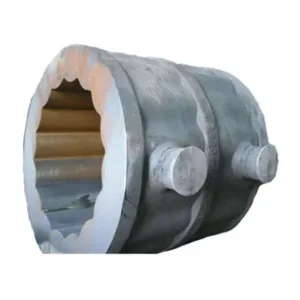
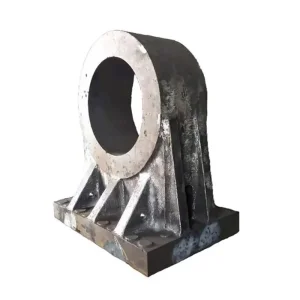
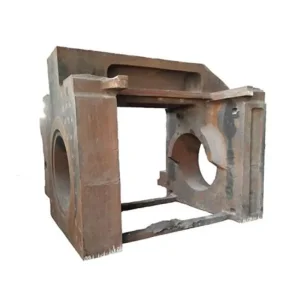
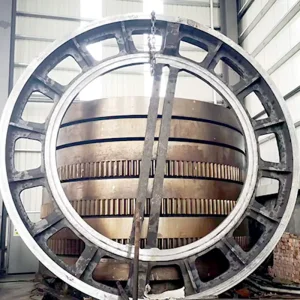
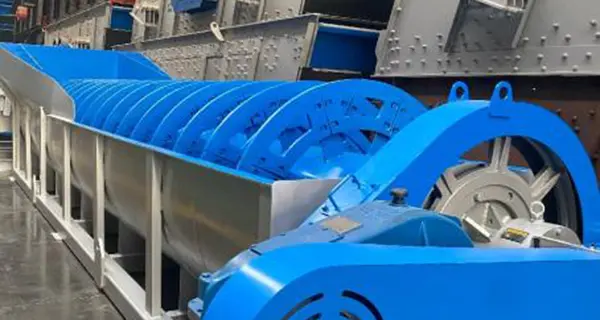
Processing run-of-mine ores like iron, gold, and copper requires robust primary crushing solutions. Our heavy cast housings, large gears, and impact linings ensure consistent throughput under abrasive, high-pressure processing conditions.
Hammer mills and impactors reduce large limestone fragments into fine grains suitable for rotary kilns. High-chromium wear liners and precision-balanced rotors reduce maintenance cycles, maximizing overall kiln run-time.
Modern sustainability regulations require recycling demolition waste, reinforced concrete, and asphalt. CE-certified crushing systems efficiently separate rebar from concrete, turning waste into high-quality recycled aggregates.
Building reliable crushing equipment requires precise quality control at every stage of design and production. Our technical roadmap focuses on three main engineering goals:
"A crusher's efficiency is determined by its metallurgy. Implementing advanced alloy chemistry and heat-treatment control lets us create wear parts that survive in high-impact crushing environments, reducing cost-per-ton metrics for our customers."
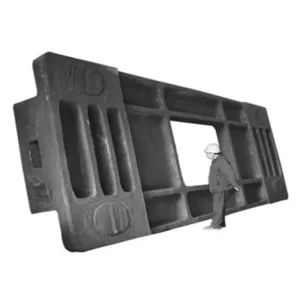
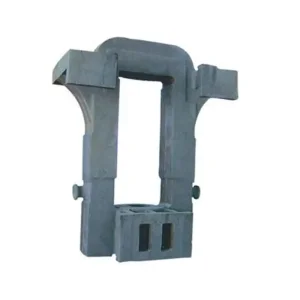
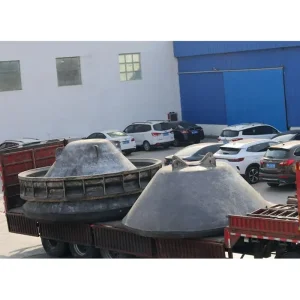
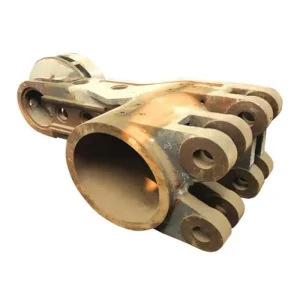
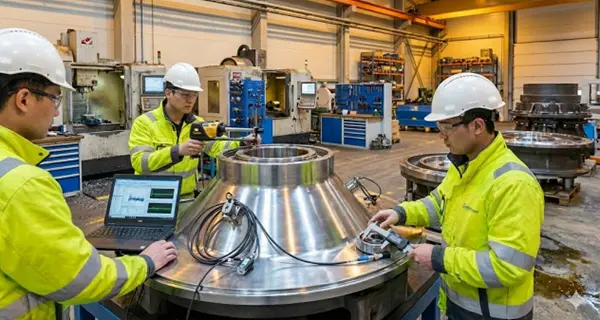
Because every mineral processing plant operates under unique geological and spatial constraints, standard machinery options often fall short. Henan Hanhai offers comprehensive, custom-engineered foundry solutions. We handle the entire process, including initial pattern creation, molding, metallurgy control, heat-treatment, precision machining, and non-destructive testing (NDT) like ultrasonic and magnetic particle testing. By managing both the machinery design and the casting production under one roof, we ensure that replacement components fit precisely and perform reliably in the field.
A structured, quality-controlled process designed to ensure clear communication, precise engineering, and reliable long-term performance.

Collection of project requirements, operational targets, and geological material parameters.
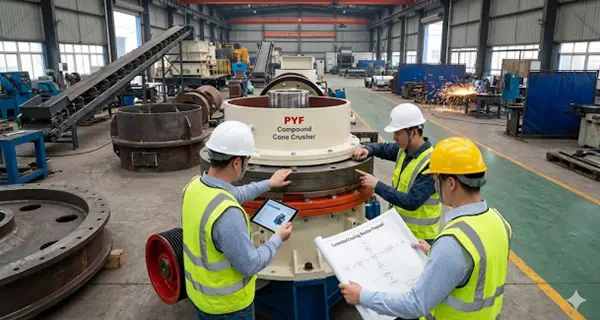
Developing custom crushing proposals, equipment layouts, and metallurgy selections.
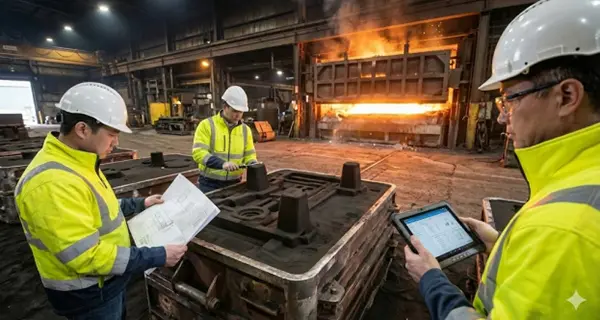
Alignment on specifications, tolerance standards, commercial contracts, and certification details.
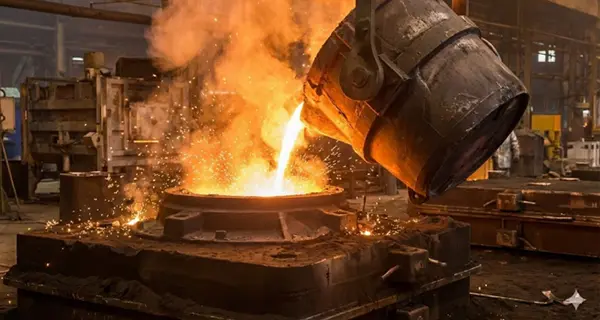
In-house pattern making, alloy casting, heat treatment, and precision machining.

NDT testing, dimensional verification, and quality documentation review before dispatch.
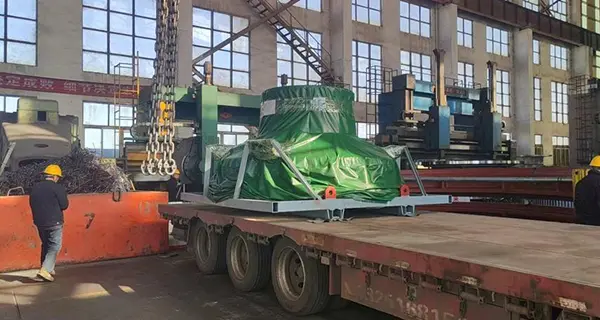
Durable export packing and coordinated global shipping to your jobsite.
Remote or on-site engineering support for mechanical integration and alignments.

Operational training, maintenance safety instructions, and technical documentation handoff.
Continuous replacement part supply, wear-rate tracking, and upgrade support.
In-depth answers to common questions about CE certification, material standards, and crusher maintenance.
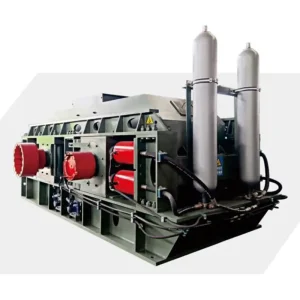
Explore our secondary stage castings, impact crushers, and specialized metallurgical parts built for global distribution.
 Hanhai