 Hanhai
1 / 1
The material formulation and controlled solidification profile contribute to enhanced resistance against abrasion and environmental degradation. The component maintains structural integrity when exposed to compressive forces, mechanical friction, humidity, and chemically reactive surroundings. By limiting distortion and fatigue accumulation, it supports longer service intervals while helping reduce operational interruptions and maintenance-related costs.
Dimensional conformity is achieved through calibrated mold engineering and tightly managed process variables. Controlled tolerance parameters ensure alignment with technical documentation and smooth mechanical integration. A uniform and refined surface profile promotes precise fitting within assemblies, minimizing additional finishing requirements and supporting efficient installation workflows.
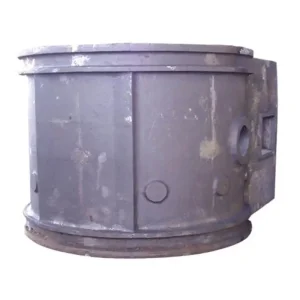
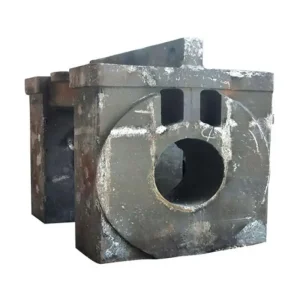
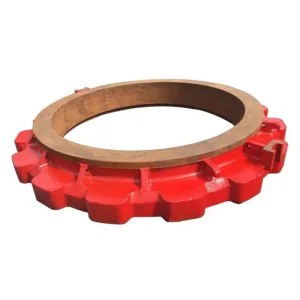
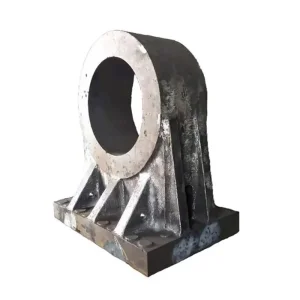
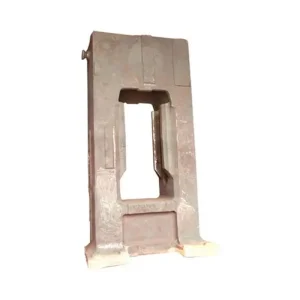
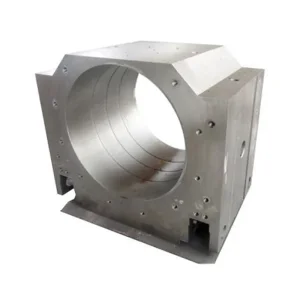
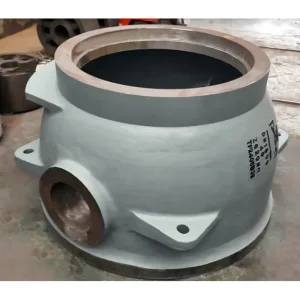
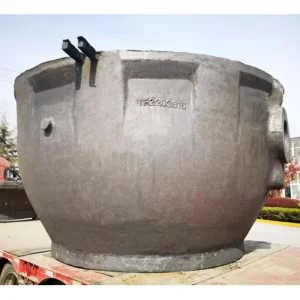
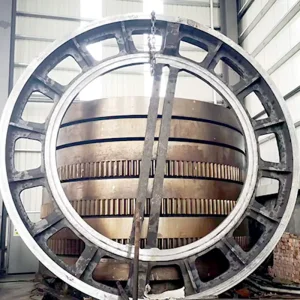
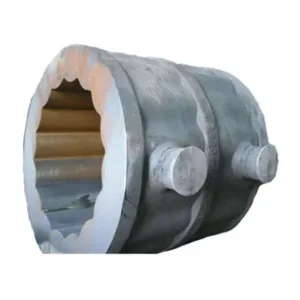
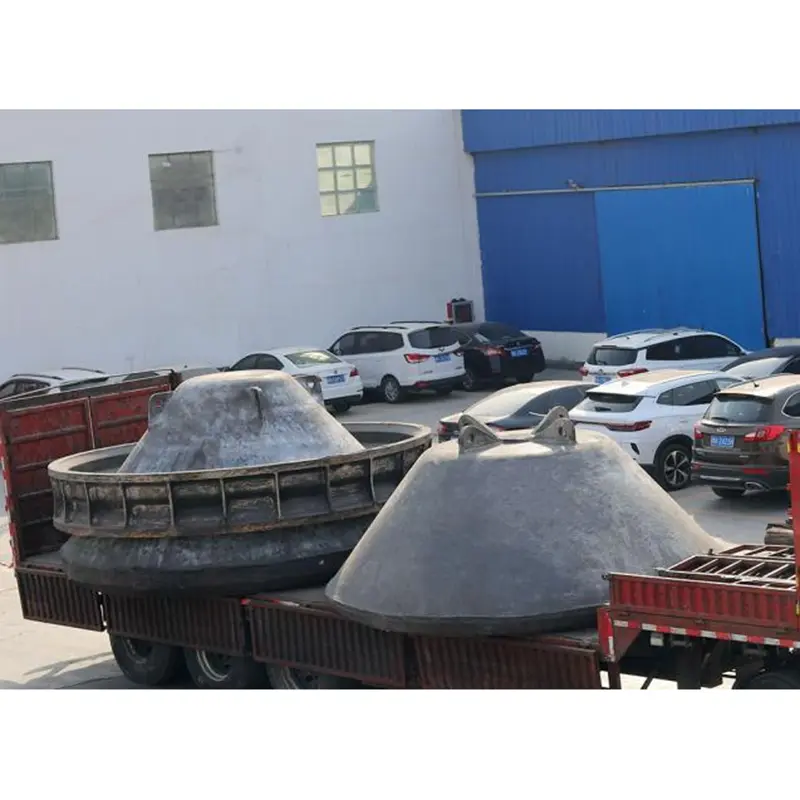
Due to its adaptable engineering characteristics, this cast iron casting is implemented across sectors including heavy equipment manufacturing, transportation machinery, civil infrastructure systems, mineral processing operations, agricultural engineering, and diversified industrial production. Typical applications encompass mounting platforms, structural enclosures, reinforcement elements, support brackets, and other functional units requiring durability and dimensional control.
Production flexibility enables modification of alloy composition, dimensional parameters, weight classifications, surface treatment specifications, and machining allowances according to project documentation. This adaptability ensures effective compatibility across varying operational conditions and system requirements.
The material formulation and controlled solidification profile provide excellent resistance against abrasion and environmental degradation, maintaining structural integrity under compression, friction, and moisture.
Through calibrated mold engineering and managed process variables, the castings guarantee precise technical alignment and smooth mechanical integration, minimizing extra finishing and saving installation time.
These castings are widely utilized in heavy equipment manufacturing, transportation machinery, civil infrastructure, mineral processing, agricultural engineering, and various other industrial production sectors.
Yes. The flexible manufacturing process allows adjustment of alloy composition, dimensional variables, weight classifications, surface treatment options, and machining allowances to meet specific project guidelines.
By minimizing fatigue build-up and dimensional distortion over time, the component supports extended service intervals, which leads to reduced downtime and lower ongoing operational and maintenance expenses.