 Hanhai
1 / 2
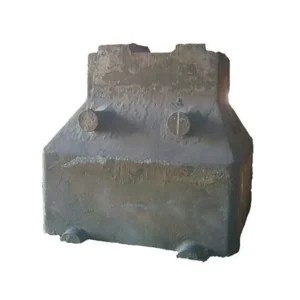
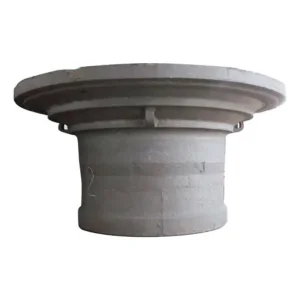
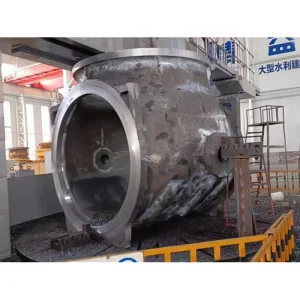
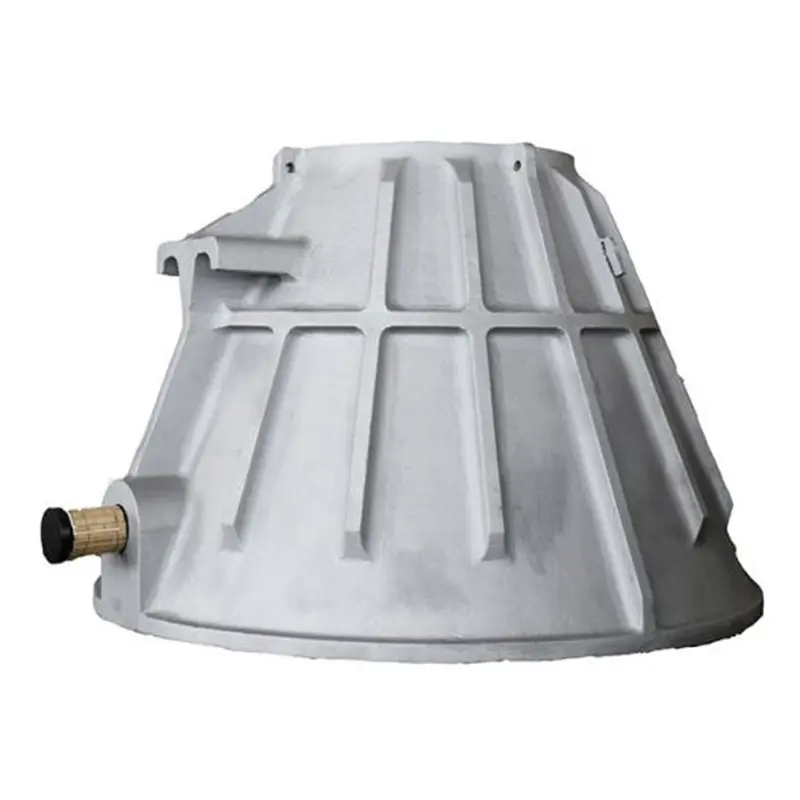
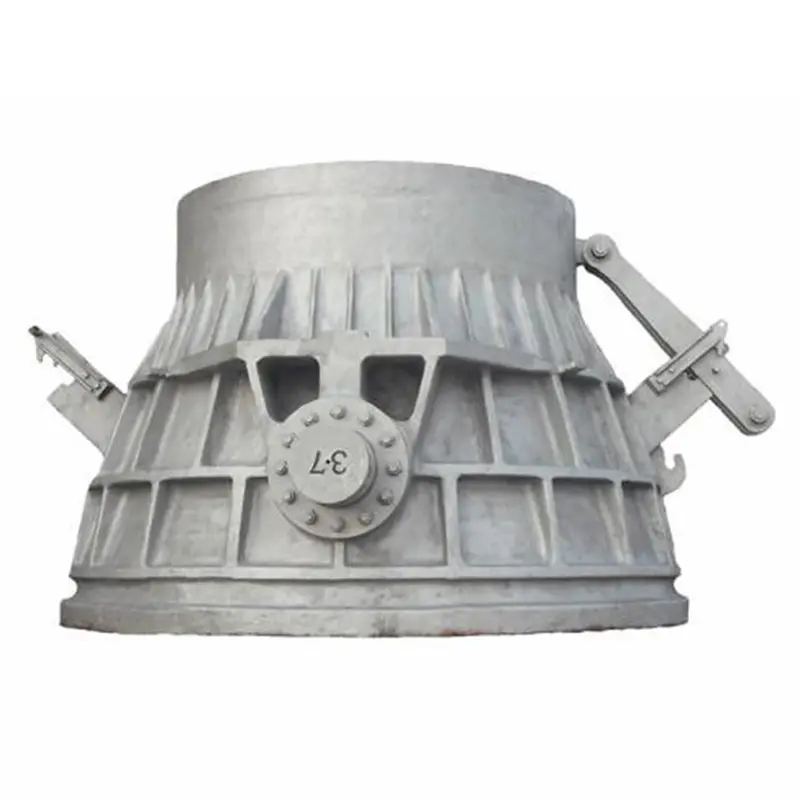
Material characteristics enhanced by calibrated thermal control contribute to resistance against mechanical erosion and environmental influence. The casting withstands compressive forces, repetitive motion, humidity exposure, and chemically reactive conditions while limiting distortion and fatigue progression. These qualities support longer operational cycles and contribute to lower lifecycle service requirements.
Dimensional integrity is maintained through engineered mold precision and carefully regulated casting variables. Defined tolerance control ensures compatibility with engineering schematics and system integration demands. A consistent surface profile supports accurate component alignment, promotes secure interfacing, and minimizes the need for extensive post-processing adjustments, thereby streamlining manufacturing workflows.
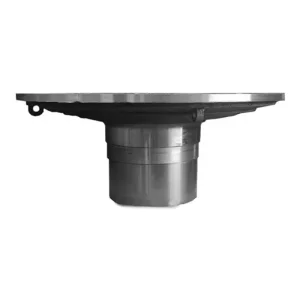
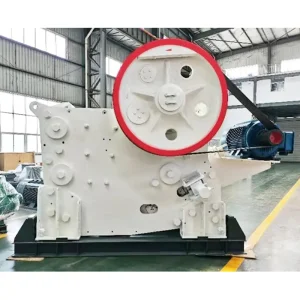
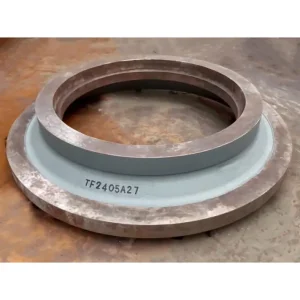
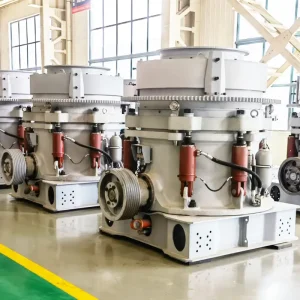
Due to its adaptable structural performance, this cast iron casting serves a wide spectrum of industries including heavy equipment fabrication, transportation systems, infrastructure development, mineral extraction operations, agricultural machinery engineering, and general industrial manufacturing. Typical applications involve load-bearing foundations, protective casings, reinforcement assemblies, support brackets, and structural elements requiring durability and controlled geometry.
Manufacturing flexibility allows modification of alloy composition, dimensional parameters, mass distribution, surface finishing treatments, and machining allowances in accordance with project-specific documentation. This adaptability ensures compatibility across varied operational environments and mechanical configurations.
Engineered cast iron framework ensuring stable stress distribution
Enhanced durability against abrasion and environmental exposure
Regulated production maintaining dimensional conformity
Uniform surface structure supporting precise mechanical integration
Configurable manufacturing specifications for diverse industrial systems
This cast iron casting is widely used across heavy equipment fabrication, transportation systems, infrastructure development, mineral extraction operations, agricultural machinery engineering, and general industrial manufacturing sectors.
Typical applications include load-bearing foundations, protective casings, reinforcement assemblies, support brackets, and structural elements that require durability and controlled geometry.
Yes. Manufacturing flexibility allows modification of alloy composition, dimensional parameters, mass distribution, surface finishing treatments, and machining allowances in accordance with project-specific documentation.
Dimensional integrity is achieved through engineered mold precision and carefully regulated casting variables. Defined tolerance control ensures compatibility with engineering schematics and system integration requirements.
The casting is designed to withstand compressive forces, repetitive motion, humidity exposure, and chemically reactive conditions, while limiting distortion and fatigue progression for extended operational cycles.
Yes. A consistent and uniform surface profile supports accurate component alignment and secure interfacing, which minimizes the need for extensive post-processing adjustments and helps streamline overall manufacturing workflows.