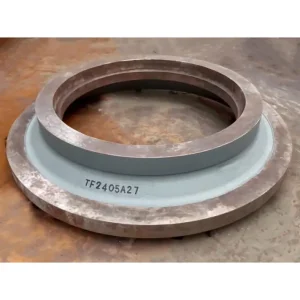
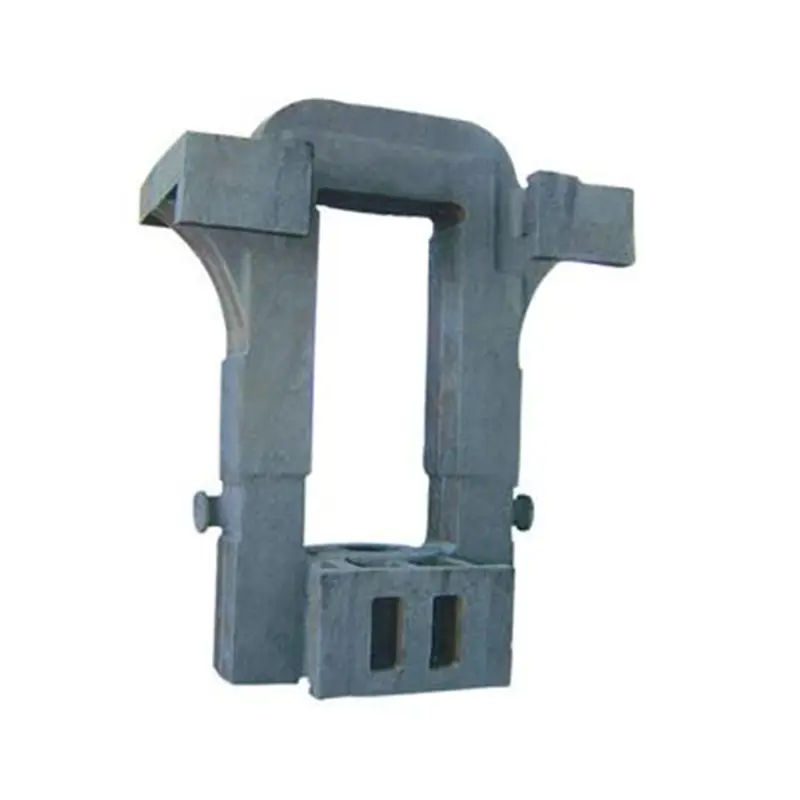
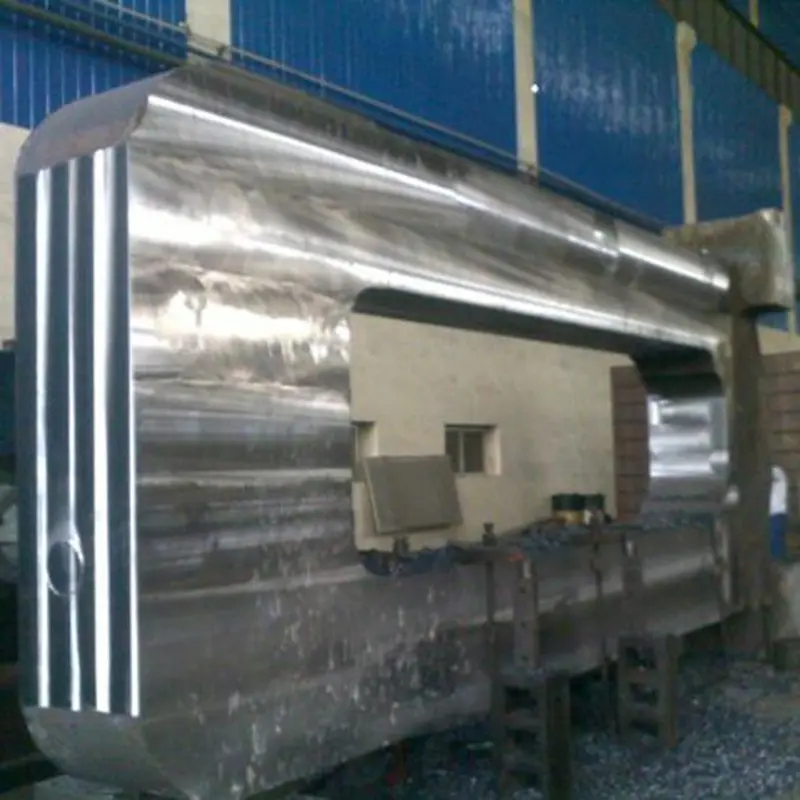
CE Certification Heavy Industrial Machinery Custom Casting Rolling Mill Archway – China Suppliers and Factory Quality Assurance Factories, Service

,

This high-quality cast iron component is expertly manufactured by top China suppliers, utilizing advanced foundry engineering techniques that align with the performance needs of modern industrial systems. Our factory employs meticulous processes, including alloy qualification, thermal processing, mold design, precision metal pouring, controlled cooling, and extensive verification testing. Each stage is conducted with strict adherence to quality control standards, ensuring consistent structural integrity, repeatable quality, and long-lasting operational reliability. The final product is a masterful combination of mechanical strength and dimensional accuracy, ideal for critical applications.

,

Crafted from specially formulated cast iron, this component guarantees exceptional mechanical endurance and robust structural resilience. Its optimized metallurgical design allows for efficient stress distribution, enabling it to withstand high loads and continuous operational pressure. Suitable for both stationary and dynamic assembly contexts, this component promises reliable performance over extended service periods. Its durable construction is particularly well-suited for environments where stability and performance reliability are paramount, making it an essential choice for industrial applications.

,

Product Description

Material characteristics combined with optimized solidification control contribute to strong resistance against abrasive wear and environmental degradation. The casting maintains structural soundness when subjected to mechanical friction, compressive forces, humidity exposure, or chemically active surroundings. By limiting deformation and fatigue accumulation, the component helps extend operational cycles while reducing service interruptions and lifecycle costs.

Dimensional conformity is achieved through precision mold calibration and controlled process parameters. Careful tolerance regulation ensures alignment with engineering documentation and system integration requirements. The uniform surface profile enhances fitting accuracy and mechanical interface stability, enabling efficient installation and reducing the need for extensive post-casting machining. This controlled accuracy supports streamlined production workflows and improved assembly efficiency.

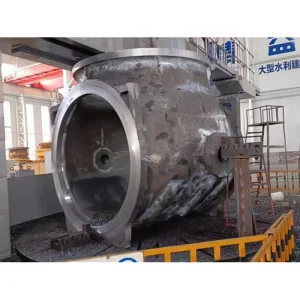
Casting-rolling mill archway (2)

With its adaptable structural characteristics, this cast iron component serves a wide array of sectors including heavy machinery fabrication, transportation equipment manufacturing, civil construction systems, mining operations, agricultural equipment engineering, and general industrial infrastructure. Common implementations include structural foundations, protective casings, reinforcement frameworks, support brackets, and other functional assemblies that demand durability and dimensional control.

Manufacturing flexibility allows modification of alloy composition, geometric dimensions, weight distribution, surface finishing processes, and machining allowances in accordance with project-specific documentation. Such adaptability ensures compatibility with diverse mechanical systems and operational environments.
Engineered cast iron structure delivering stable mechanical endurance
Resistance to environmental wear and material degradation
Process-controlled dimensional conformity
Uniform surface integrity supporting precise component alignment
Customizable production parameters for varied industrial configurations
Frequently Asked Questions
Q1 What materials are used in manufacturing this cast iron component?
The component is produced using engineered cast iron alloys with optimized solidification control. The specific alloy composition can be adjusted according to project requirements, allowing customization of mechanical properties such as hardness, tensile strength, and wear resistance to suit different operational environments.
Q2 Which industries can this cast iron component be applied to?
This component is suitable for a wide range of industries including heavy machinery fabrication, transportation equipment manufacturing, civil construction systems, mining operations, agricultural equipment engineering, and general industrial infrastructure. It is commonly used as structural foundations, protective casings, reinforcement frameworks, and support brackets.
Q3 Can the dimensions and specifications be customized?
Yes. Manufacturing flexibility allows modification of geometric dimensions, weight distribution, alloy composition, surface finishing processes, and machining allowances based on project-specific documentation. This ensures compatibility with diverse mechanical systems and operational environments.
Q4 How is dimensional accuracy ensured during production?
Dimensional conformity is achieved through precision mold calibration and strictly controlled process parameters. Careful tolerance regulation ensures alignment with engineering documentation and system integration requirements. The uniform surface profile further enhances fitting accuracy and mechanical interface stability, reducing the need for extensive post-casting machining.
Q5 How does this component perform under harsh environmental conditions?
The casting is engineered to maintain structural soundness when subjected to mechanical friction, compressive forces, humidity exposure, and chemically active surroundings. By limiting deformation and fatigue accumulation, the component helps extend operational cycles while reducing service interruptions and overall lifecycle costs.
Q6 Does the component require significant post-casting machining?
Due to precision mold calibration and controlled process parameters during manufacturing, the component achieves a uniform surface profile that minimizes the need for extensive post-casting machining. This supports streamlined production workflows, improved assembly efficiency, and reduces overall manufacturing lead time and cost.

Related Products