Engineered for maximum reliability and wear resistance in high-stress operational environments.
An in-depth analysis of structural shifts, regional growth vectors, and heavy industry material specifications.
Malaysia is currently undergoing a significant industrial transformation driven by the New Industrial Master Plan 2030 (NIMP 2030). This framework prioritizes the upgrading of manufacturing capabilities, moving towards high-value-added sectors, and reinforcing domestic supply chains. A critical foundation supporting this shift is the heavy industrial machinery segment, which relies on large-scale, high-integrity steel castings and precision-engineered metallurgical solutions. From the bustling industrial corridors of Johor and Selangor to the resource-rich mineral processing sites in Sarawak and Sabah, the demand for robust, wear-resistant, and high-performance casting components has reached unprecedented levels.
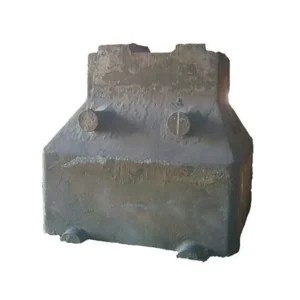
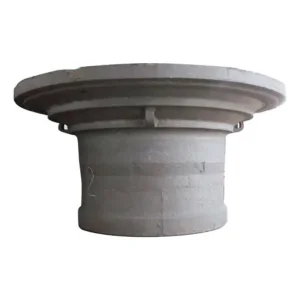
The Malaysian quarrying and mining sectors are vital contributors to the country's infrastructure agenda, supplying raw materials for mega-projects such as the East Coast Rail Link (ECRL) and continuous commercial developments in metropolitan centers. Operating in tropical environments presents distinct challenges, including high humidity and abrasive material compositions (such as hard granite and quartz sand). Under these conditions, standard mechanical components are susceptible to accelerated fatigue and abrasive wear. Our alloy steel casting end caps, high-manganese crushing components, and heavy-duty hollow shafts are systematically optimized to mitigate this wear, extending the operational life of heavy machinery and reducing unplanned downtime.
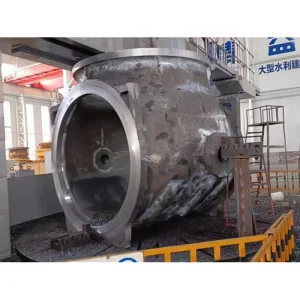
In addition to mineral extraction, Malaysia's energy transition requires robust metallurgical engineering. Hydroelectric installations in East Malaysia (SCORE initiatives) and thermal power stations in Peninsular Malaysia operate under demanding parameters of high pressure and thermal cycling. Large-scale cast steel turbine cylinders, bearing housings, and valve bodies must maintain structural integrity over decades of continuous operation. Meeting these demands requires strict compliance with international standards, including ASTM, DIN, and EN, alongside validation through non-destructive testing (NDT).
Henan Hanhai Metallurgy Mining International Trade Co., LTD integrates design, casting, and machining to deliver precision-engineered castings worldwide.
Henan Hanhai Metallurgy Mining International Trade Co., LTD is a leading foundry manufacturer in China, specializing in cast steel and cast iron parts. With an annual output exceeding 80,000 tons, our facilities feature advanced electric arc furnaces, LF refining systems, and large-scale heat treatment chambers. This enables the production of single castings weighing up to 150 tons, meeting the requirements of heavy industrial applications.
Certified under ISO 9001 and CE standards, our manufacturing processes prioritize traceability, chemical consistency, and dimensional precision. We integrate simulation technologies (such as MAGMAsoft) to model solidification patterns and eliminate internal casting defects prior to physical pouring.
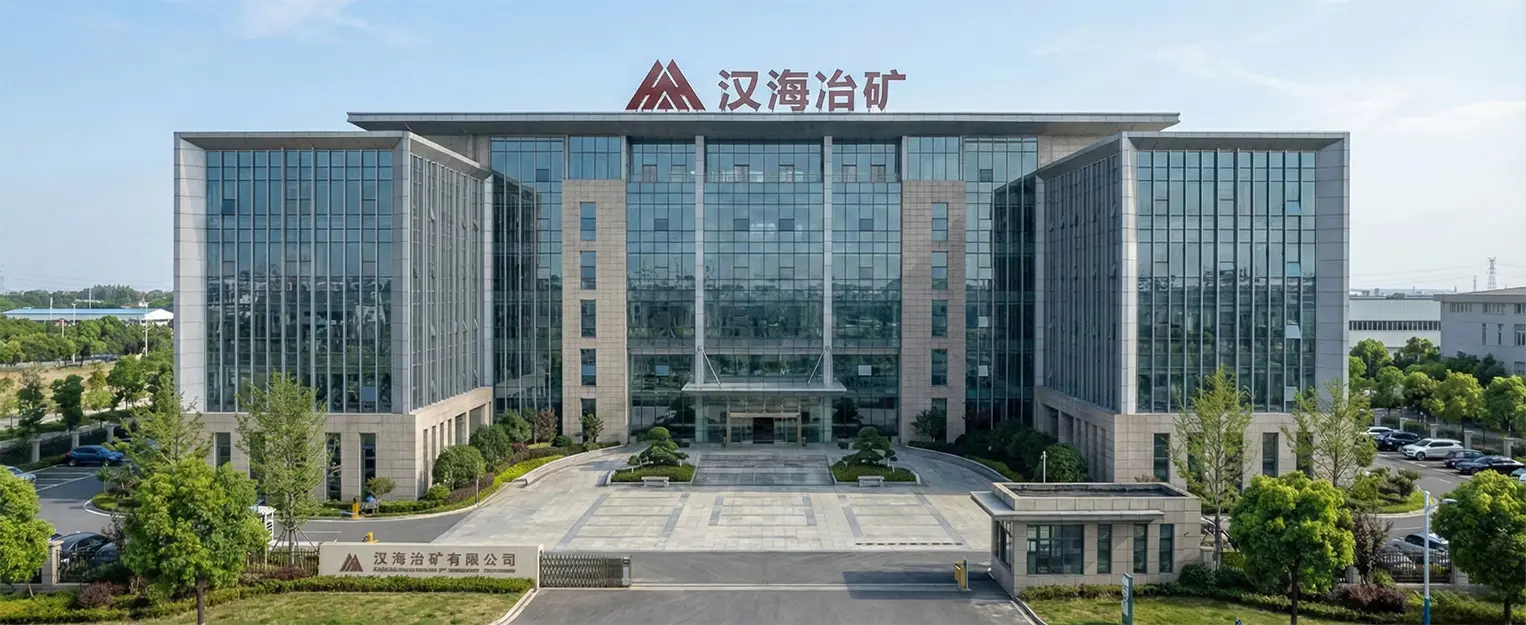
A history of metallurgical excellence and commitment to the global heavy machinery supply chain.
To empower global heavy industries with precision-engineered casting solutions, utilizing sustainable manufacturing practices and advanced metallurgy.
To be recognized globally as a premium casting brand, serving as a reliable supplier of large-scale cast steel and cast iron components.
Established in 1997, Hanhai has progressed from a regional foundry to an international exporter. We have integrated CNC machining lines, upgraded chemical analysis systems, and implemented digital casting tracking.
How we address thermal stress, mechanical fatigue, and material durability for modern industry.
The performance of large castings depends heavily on their internal microstructure. In our foundry, melting is executed in electric arc furnaces, followed by ladle furnace (LF) refining and vacuum degassing (VD) processing. Vacuum degassing is critical; it reduces gaseous elements like hydrogen, nitrogen, and oxygen, minimizing the risk of gas porosity and internal micro-cracks in thick casting sections, such as press arches and turbine cylinders.
For castings exposed to impact conditions—like crusher jaw plates or impact-crusher blow bars—we adjust the manganese-to-carbon ratio and introduce alloying elements like chromium, molybdenum, and nickel. These elements refine grain size and improve work-hardening properties under operational load. Standard heat treatments, including normalizing, water-quenching, and tempering, are systematically tailored to achieve the required hardness-to-toughness balance, ensuring the components perform reliably without premature cracking.
Our casting solutions address specific regional demands, categorized into four industrial pillars:
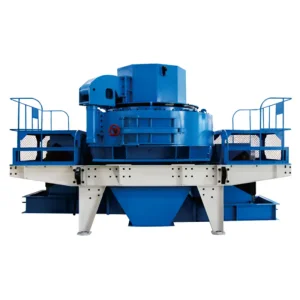
Heavy duty jaw, cone, and impact crushers designed for processing hard rocks (e.g., granite and limestone) across Peninsular and East Malaysia.
Large-tonnage support rollers, girth gears, and kiln tyres cast from high-carbon and alloy steel to support the mechanical loads of continuous cement production.
High-integrity valve bodies, pump casings, and manifold blocks designed to manage high pressures in oil, gas, and water distribution networks.
Heavy-duty turbine cylinders, press arches, and slag ladles constructed to withstand thermal cycling and high stresses in energy generation and steel processing plants.
Preserving precise factory specifications for direct export and procurement to Malaysia.
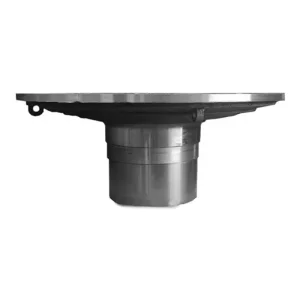
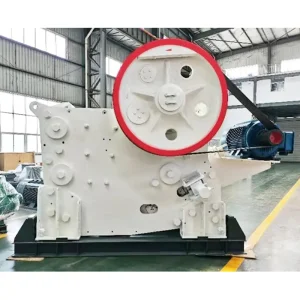
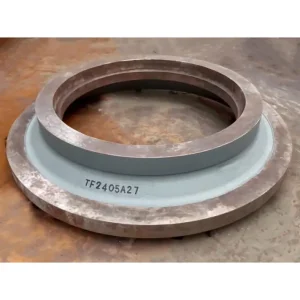
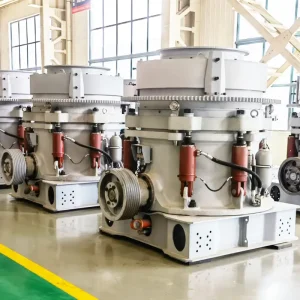
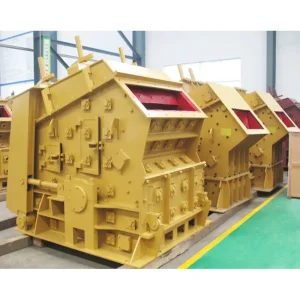
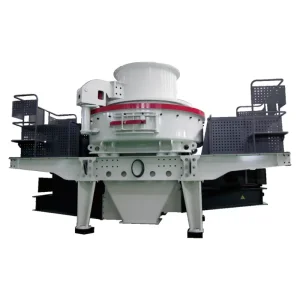
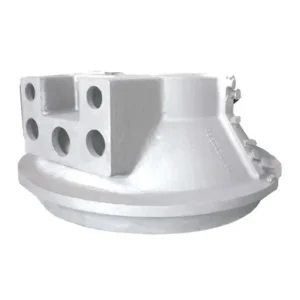
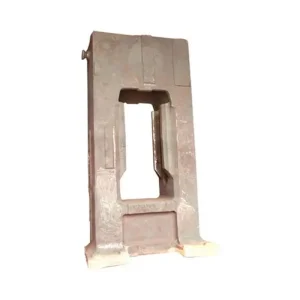
Integrating our complete list of heavy industrial casting components engineered to global technical benchmarks.
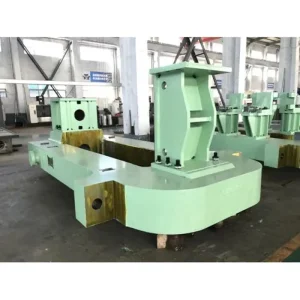
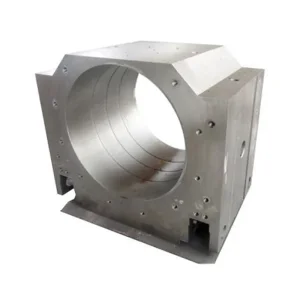
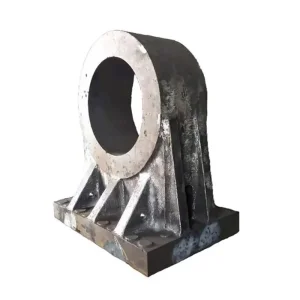
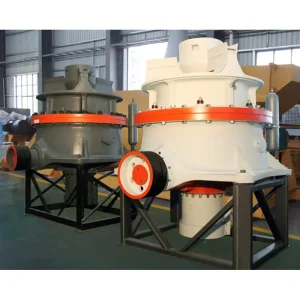
A history of delivering large-scale mechanical casting parts and processing plants across international borders.
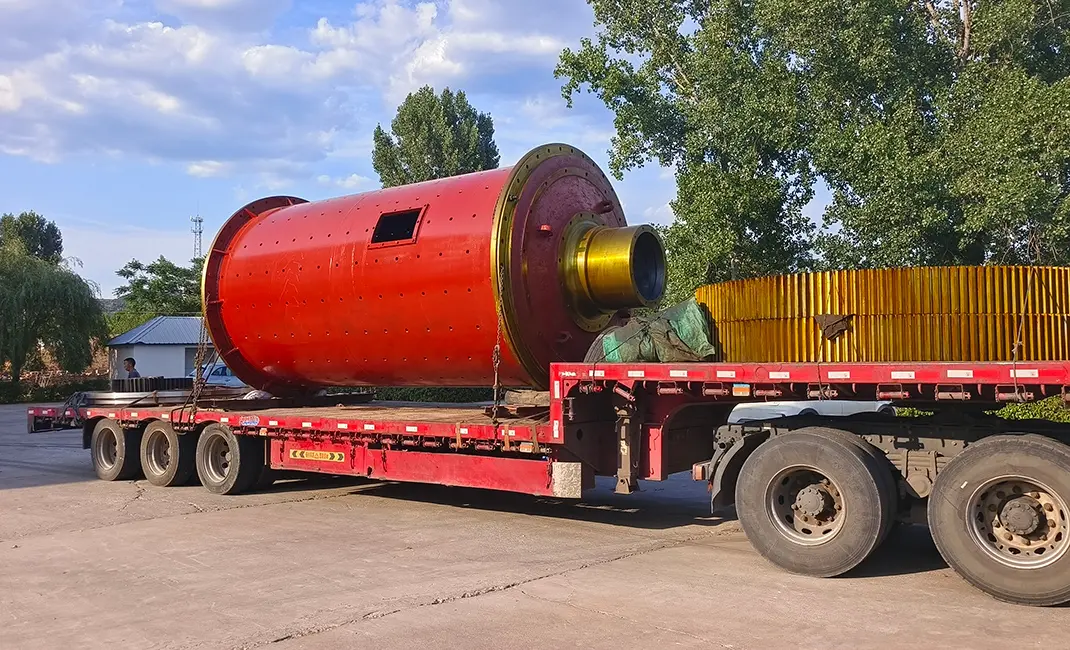
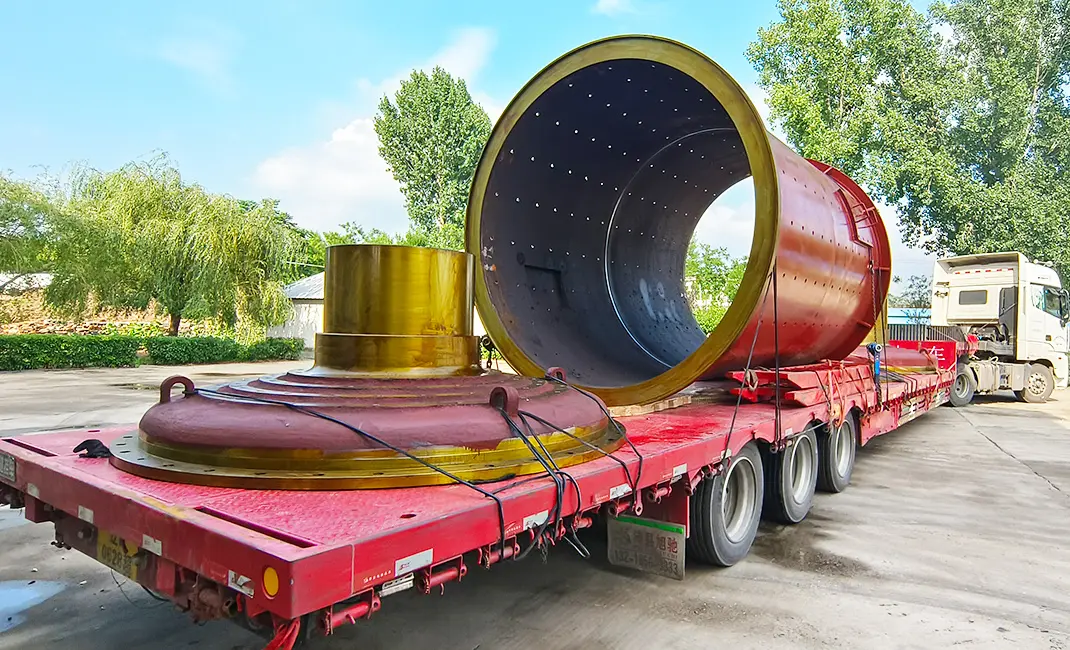
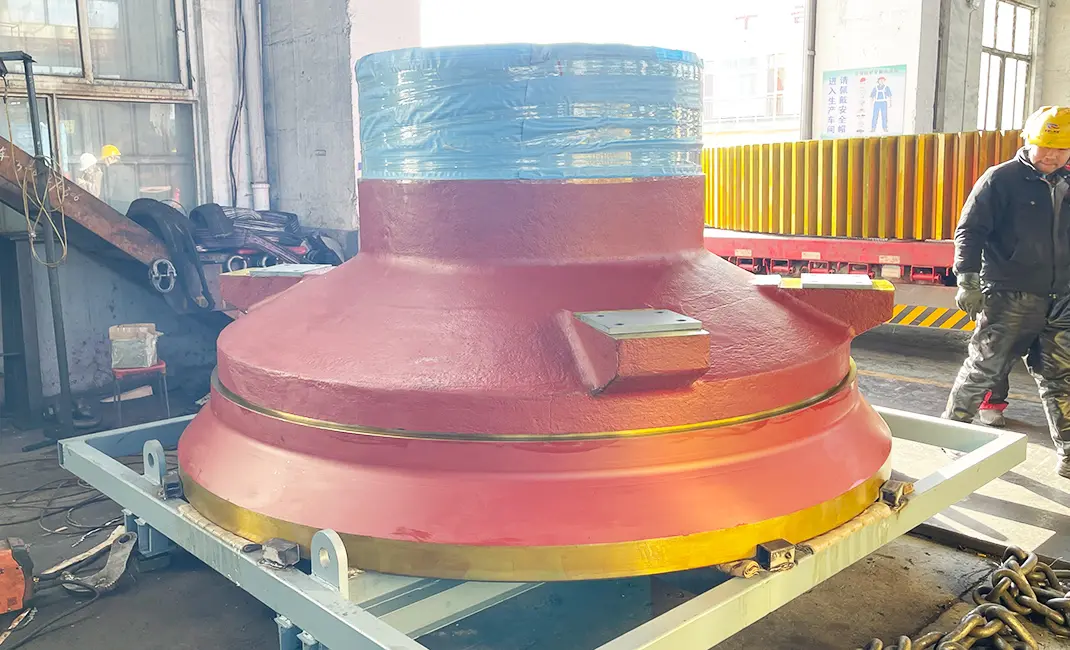
Our service structure ensures clear communication, precise validation, and stable logistics from drawing to installation.

Collection of material grades, drawing specifications, and operating conditions from the engineering team.
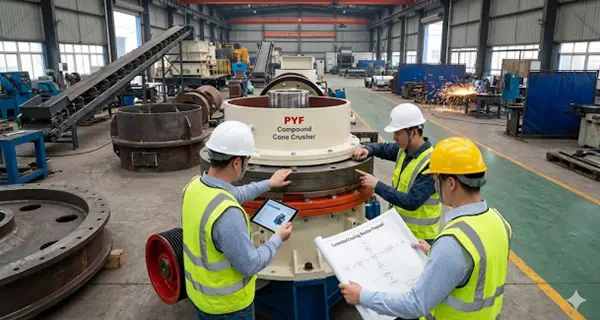
Running computer simulation processes (such as MAGMAsoft) to optimize feeder head placements and prevent shrinkage cavities.
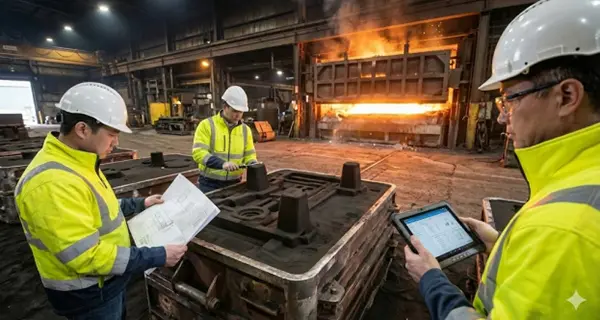
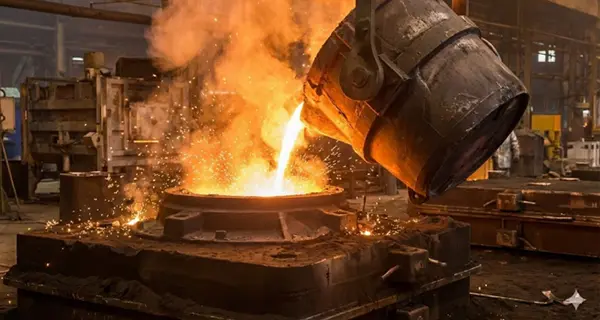
Executing precise electric arc melting, argon oxygen decarburization refining, and pouring into sand molds.
Conducting non-destructive inspections, chemical checks, mechanical tests, and final dimensional validation before shipping.
Addressing critical engineering and logistical questions for Malaysian industrial procurement teams.
We cast steel components in compliance with ASTM, DIN, and BS standards. Standard grades include carbon steel (e.g., ASTM A27, ASTM A148), low-alloy steel for components requiring high tensile strength and toughness, and high-manganese steel (e.g., Mn13Cr2, Mn18Cr2) for high-wear crushing environments.
We ship through major ports, including Shanghai and Qingdao, with routes directly to Port Klang, Penang Port, and Bintulu. We handle export documentation, certificates of origin, and metallurgical test reports to facilitate customs clearance in Malaysia.
We provide comprehensive NDT reports based on contract requirements, including Ultrasonic Testing (UT) to ASTM A609, Magnetic Particle Testing (MT) to ASTM A903, Radiographic Testing (RT) for critical areas, and Dye Penetrant Testing (PT), along with dimensional inspection reports and material test certificates (EN 10204 3.1).
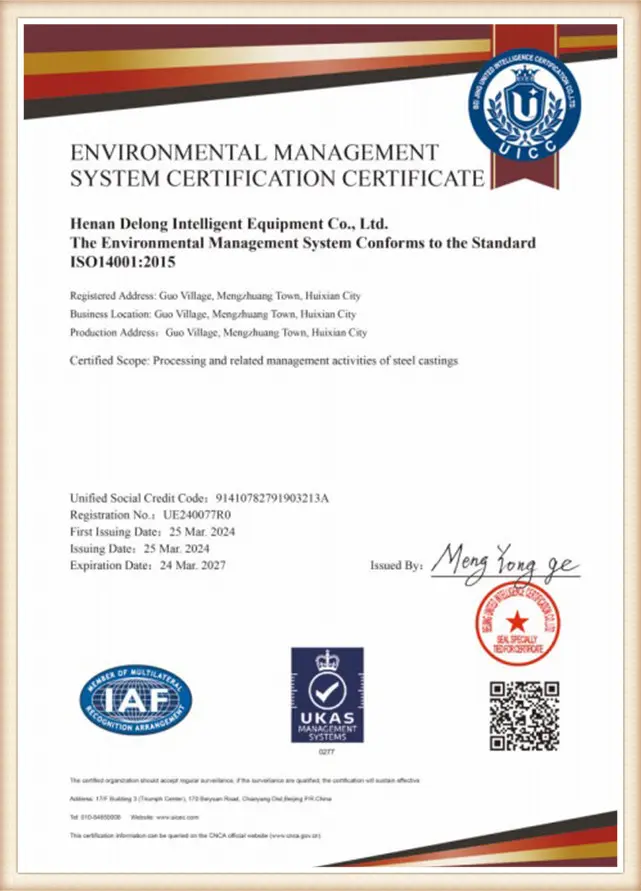
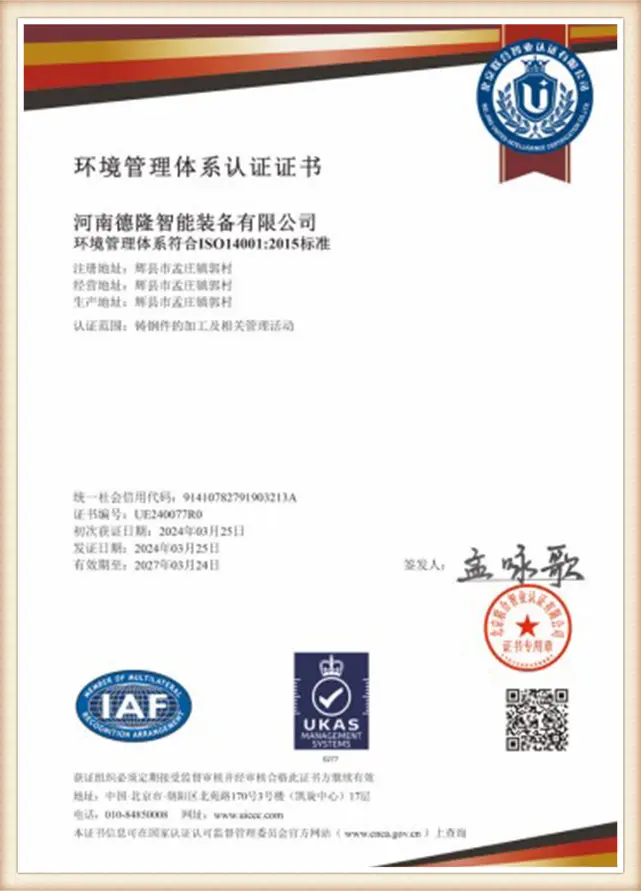
Validating compliance and quality alongside global classification agencies and industry partners.

Partner with a qualified foundry. Contact our metallurgical and logistics teams today to discuss drawing specifications, material selection, and delivery options for your Malaysian operations.
 Hanhai