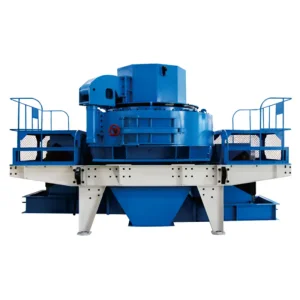
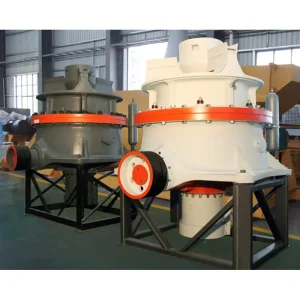
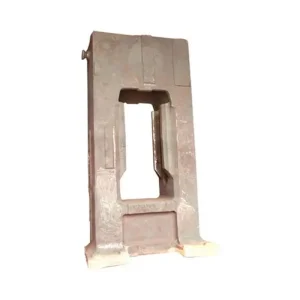
Premium heavy casting configurations and crushing equipment designed to meet the rigorous technological requirements of Israel's modern processing facilities.
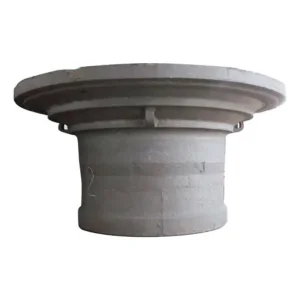
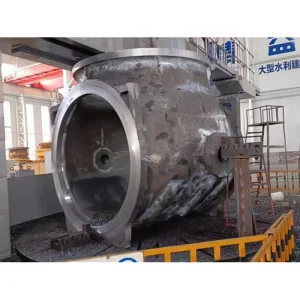
Analyzing localized application challenges, structural steel casting requirements, and global material science solutions.
Israel's industrial ecosystem is highly specialized. While internationally recognized for high-tech innovations, the nation maintains robust, heavy-duty industrial operations. In the Negev Desert, extensive phosphate mining demands continuous rock crushing and aggregate production systems that can withstand severe abrasion. Along the Dead Sea, chemical extraction facilities operate under extreme corrosion profiles that quickly destroy subpar components. Additionally, key ports in Haifa and Ashdod require structural upgrades and specialized castings for heavy maritime material handling.
Historically, Israel has imported its primary industrial parts from European foundries. However, rising energy costs in Europe and changing trade dynamics have led Israeli procurement teams to seek manufacturers in China who can deliver premium castings that meet rigorous international standards. For example, local cement factories like the Nesher Cement Plant depend on heavy-duty vertical roller mills, hollow shafts, and grinding table assemblies. Any downtime in these operations can cause supply chain issues for the local construction sector, making component reliability a top priority.
The global metallurgy sector is adopting new clean production technologies. Heavy castings—such as turbine cylinders, large press arches, and bearing housings—must satisfy double requirements: they need to minimize carbon emissions during production while demonstrating high longevity. Traditional foundry practices are giving way to digital simulation models. Today, advanced manufacturers utilize Finite Element Analysis (FEA) and solidification software to resolve porosity issues before pouring the first ladle.
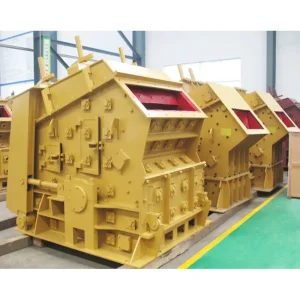
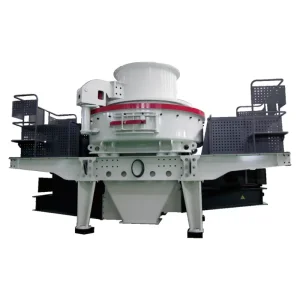
In the aggregate and crushing sectors, operators are transitioning to tertiary shaping equipment. As traditional sand resources become scarce worldwide, the market relies on manufactured sand produced by high-efficiency VSI (Vertical Shaft Impact) crushers. Modern aggregate operations require wear parts made of high-manganese steel and specialized chromium alloys to handle abrasive stones like basalt, dolomite, and granite.
To ensure reliability in demanding environments like Israel's desert mines and chemical plants, we use a structured technical approach:
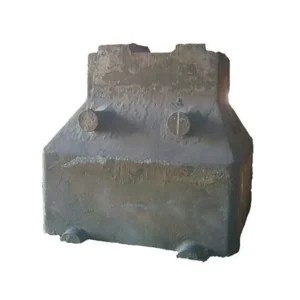
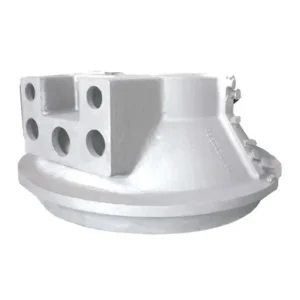
Heavy-duty structural castings and single-cylinder hydraulic systems engineered for ports, milling lines, and high-load industrial machinery.
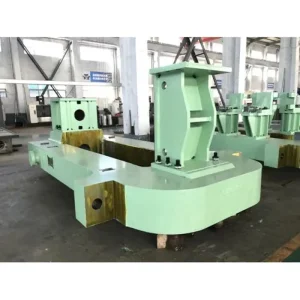
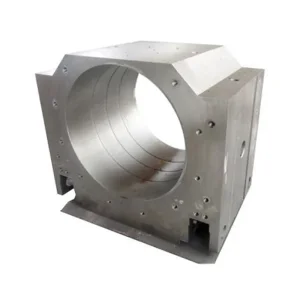
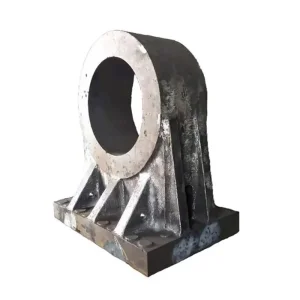
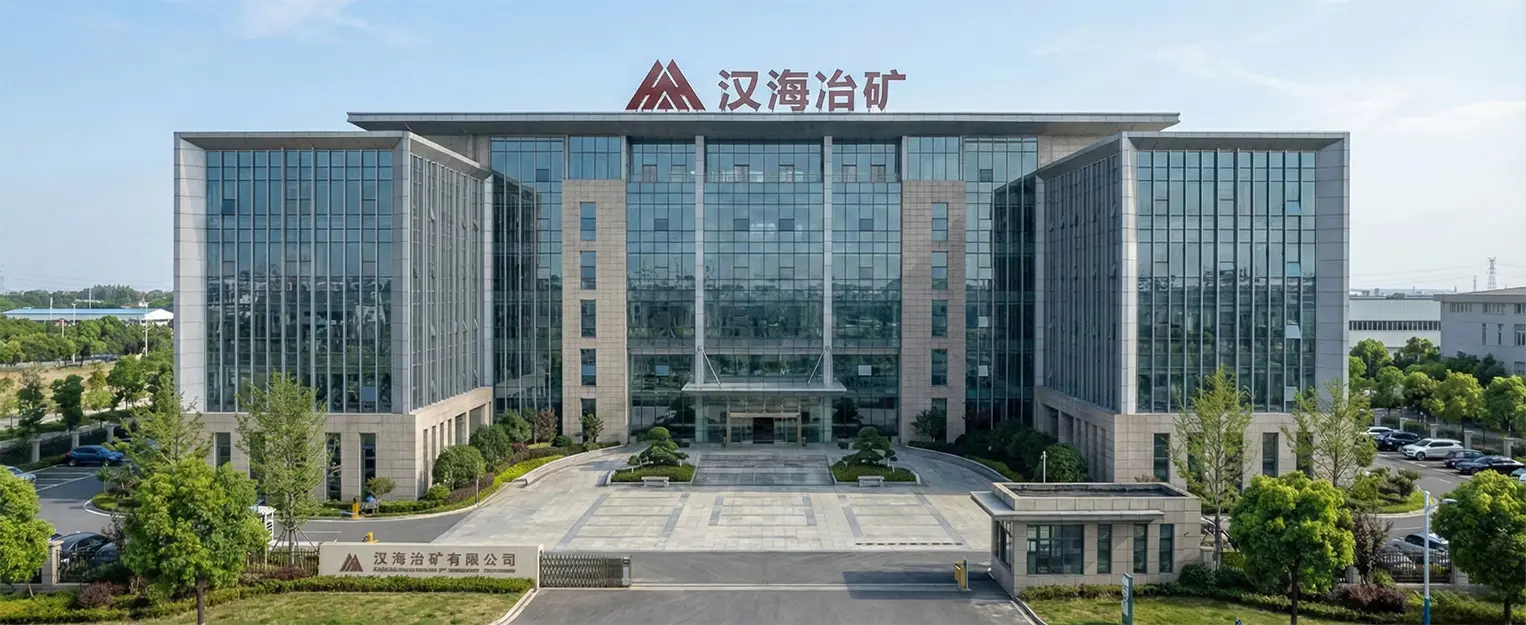
Henan Hanhai Metallurgy Mining International Trade Co., LTD is a leading foundry manufacturer in China, specializing in cast steel and cast iron parts. With advanced production lines and strict quality control, we supply durable castings for mining, metallurgy, power generation, and construction industries worldwide.
Hanhai Casting integrates design, casting, and machining with an annual output of 80,000 tons. Certified with ISO9001 and CE, we deliver precision-engineered castings trusted by clients across Asia, the Middle East, Europe, and South America. Our mission is to empower industry with precision casting and sustainable manufacturing excellence, serving as a trusted global foundry brand.
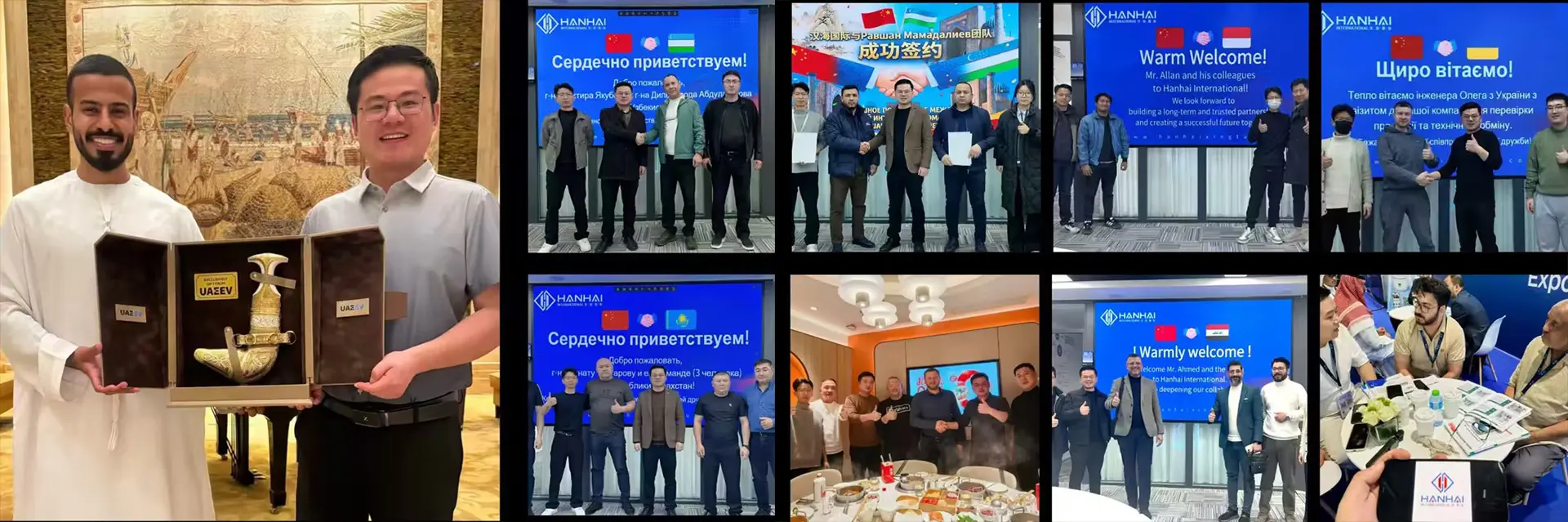
More than two decades of industrial development and technical improvements.
Hanhai Casting was established with a focus on heavy steel and iron castings, laying a solid technical and production foundation.
Introduced advanced melting and molding technology, expanded production capacity, and served key mining and metallurgy sectors.
Achieved ISO9001 certification, upgraded testing systems, and began exporting high-performance castings to Asia and the Middle East.
Integrated intelligent foundry systems and digital management, driving sustainable manufacturing and global customer partnerships.
Our structured processing steps reduce technical risks and ensure component compliance from engineering alignment to job site integration.
Addressing key technical concerns regarding alloy specifications, wear-life extension, and compliance for heavy industrial casting procurement.
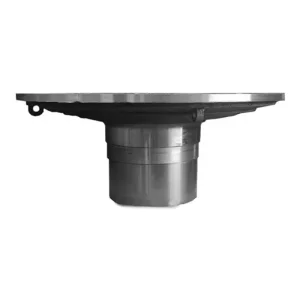
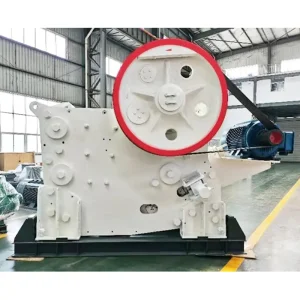
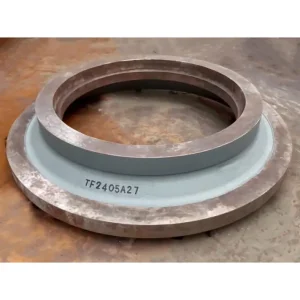
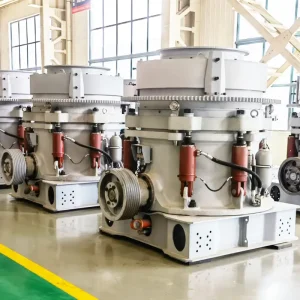
Explore our complete catalog of industrial-grade wear parts, jaw crushers, and cone crushing units designed for aggregate, quarry, and infrastructure projects.
 Hanhai