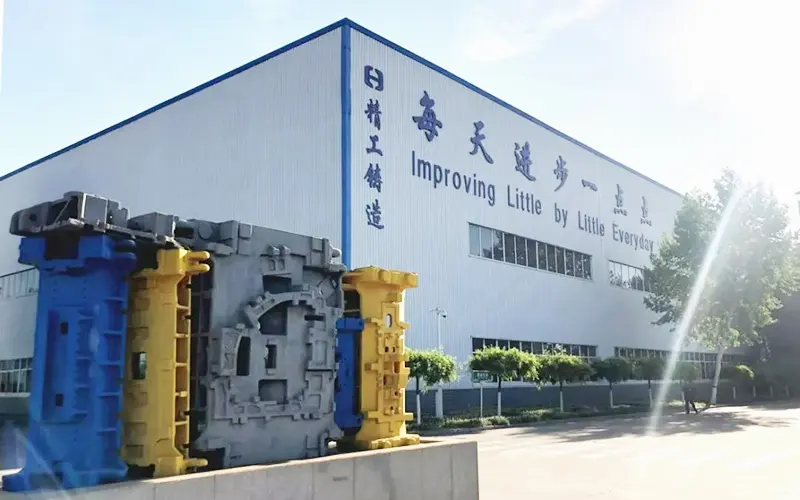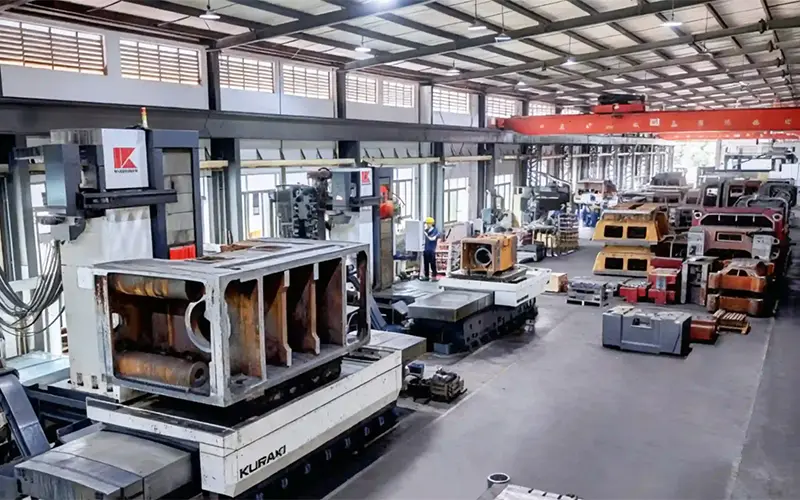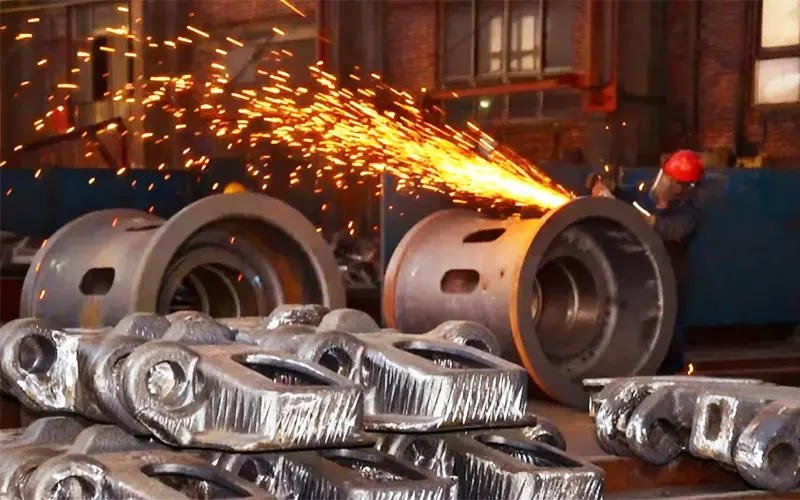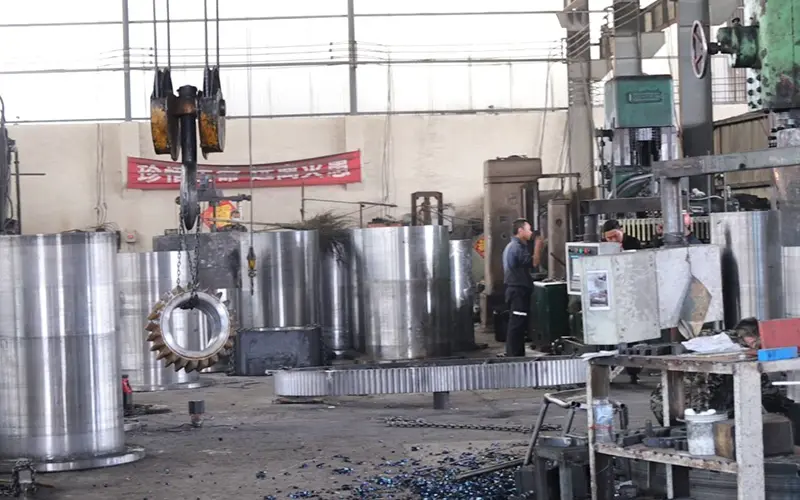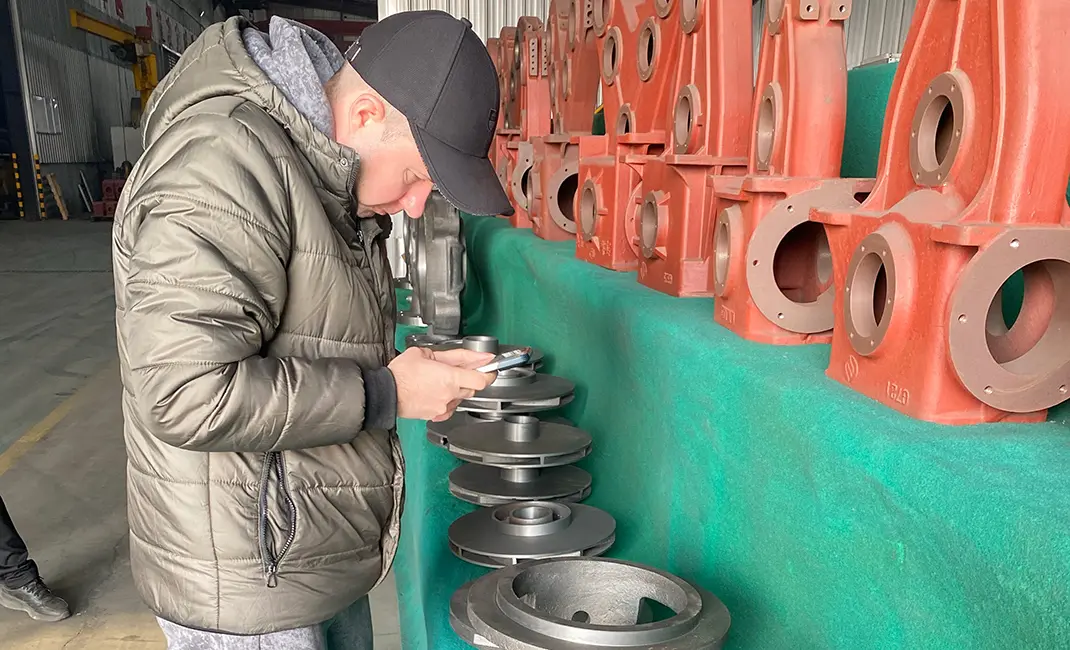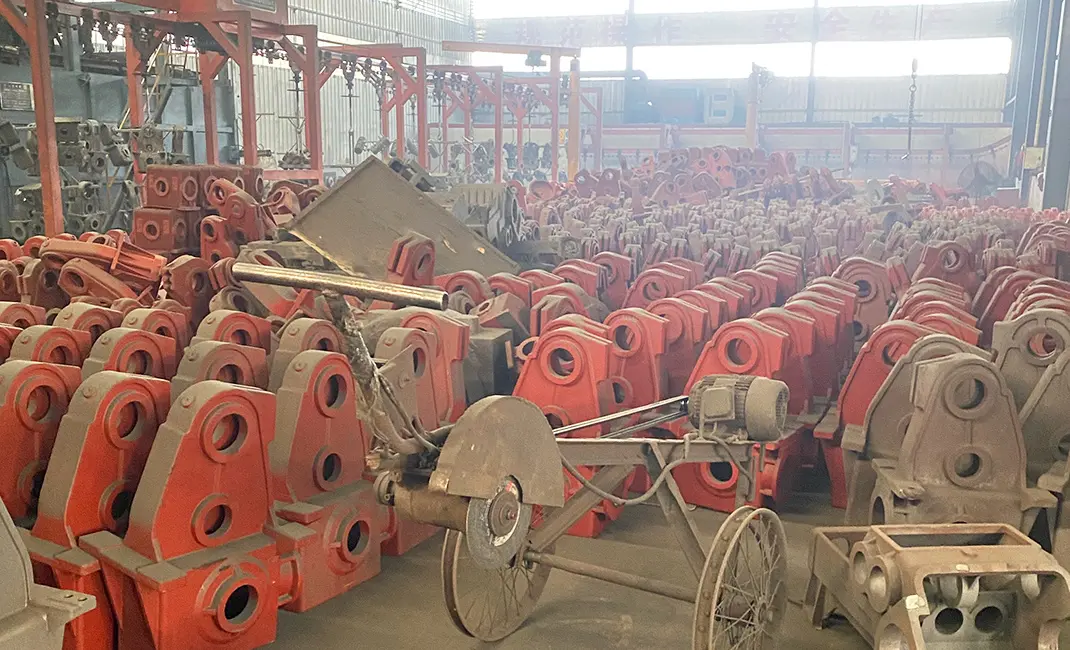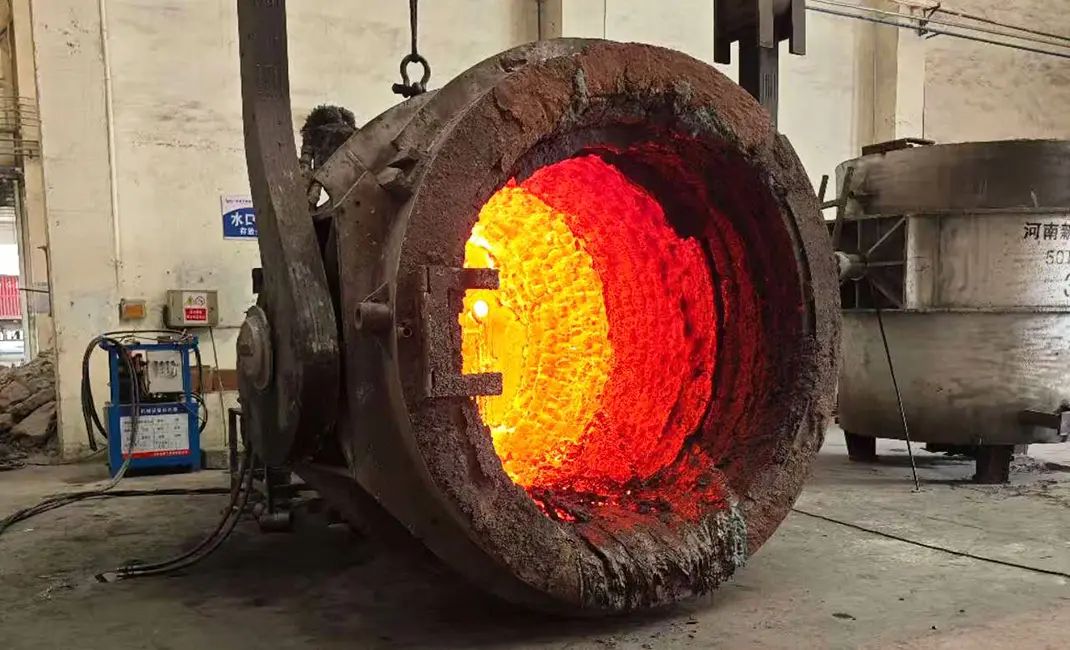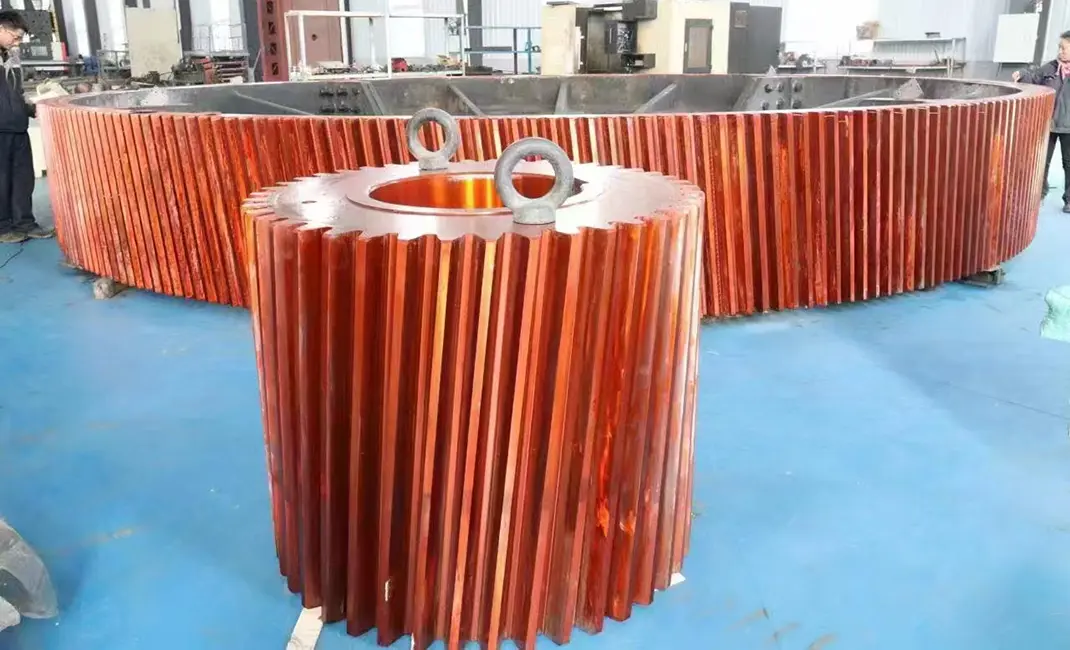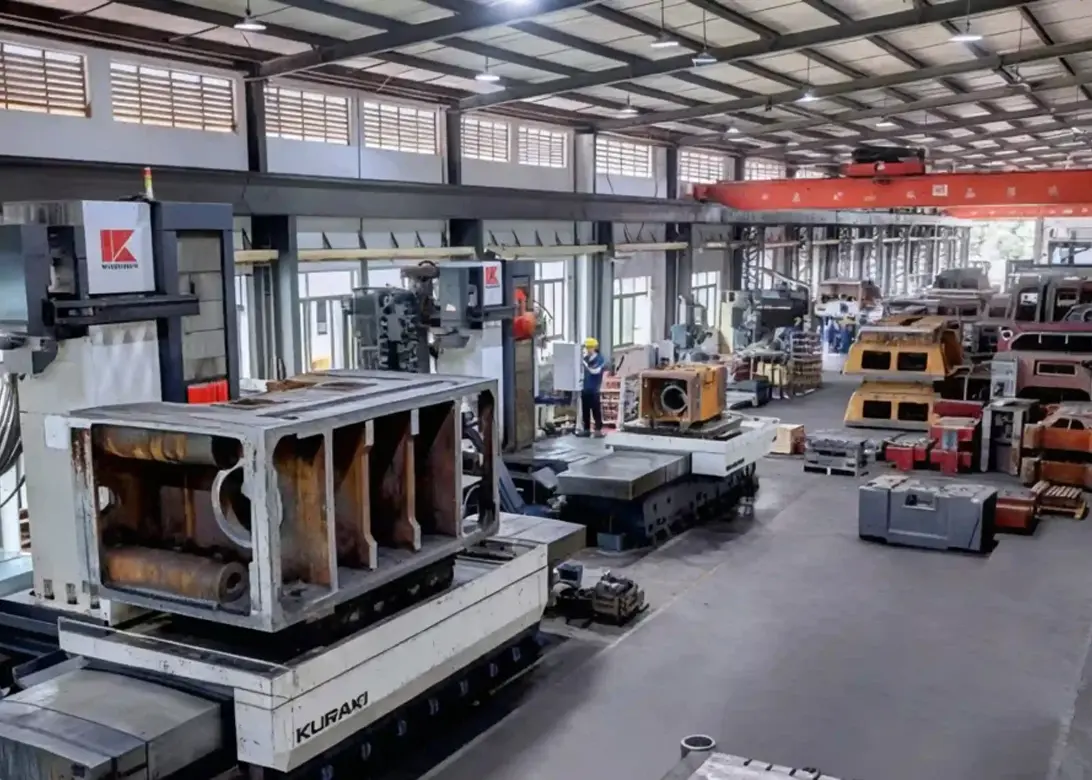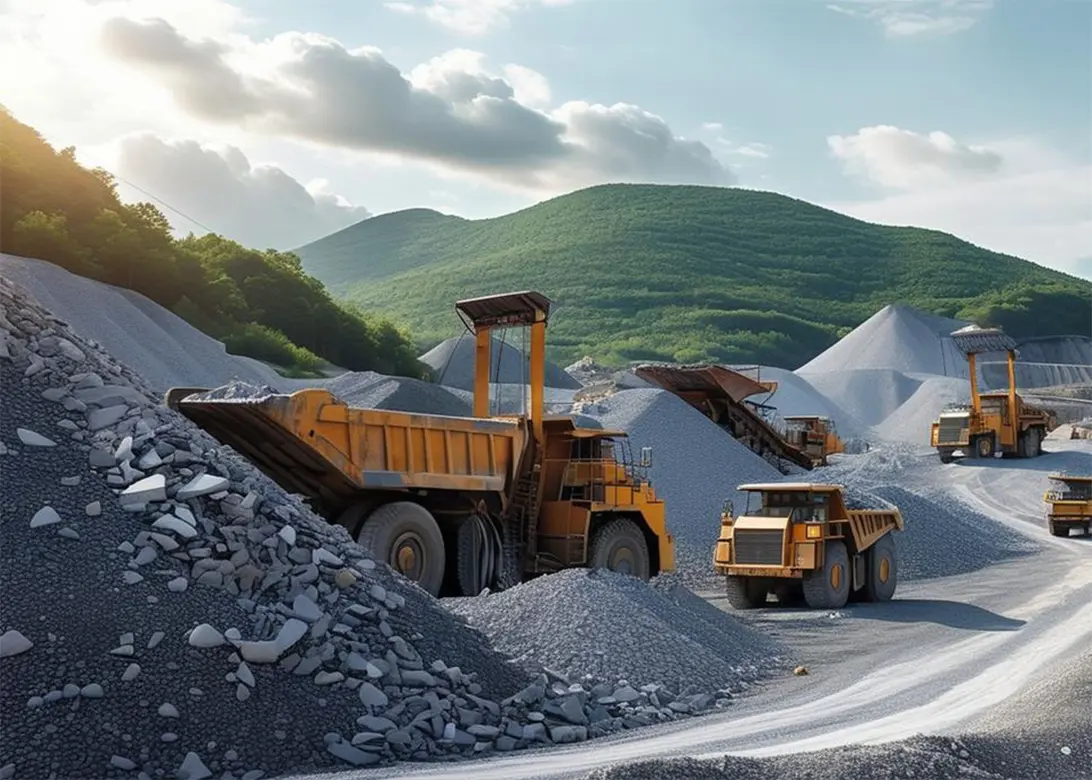
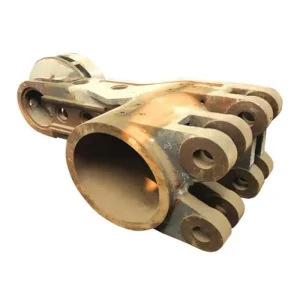
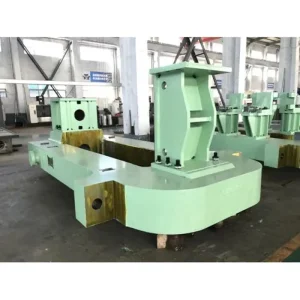
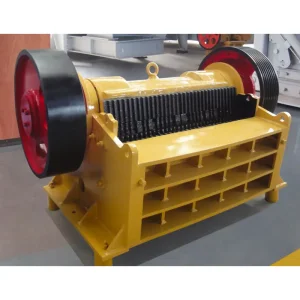
Henan Hanhai Metallurgy Mining International Trade Co., LTD is a leading foundry manufacturer in China, specializing in cast steel and cast iron parts. With advanced production lines and strict quality control, we supply durable castings for mining, metallurgy, power generation, and construction industries worldwide. Our heavy-duty casting manufacturing base integrates cutting-edge metallurgy simulations, dynamic furnace composition controls, and structural stability verifications to meet the stringent demands of international engineering OEMs.
As a global partner, we understand that spheroidal graphite (SG) iron castings are the backbone of modern heavy industrial machinery. Through meticulous control of carbon equivalents, nodularization alloys, and cooling velocities, we guarantee castings with optimum microstructural characteristics, avoiding internal cavities, cracking, and premature wear in highly abrasive settings.
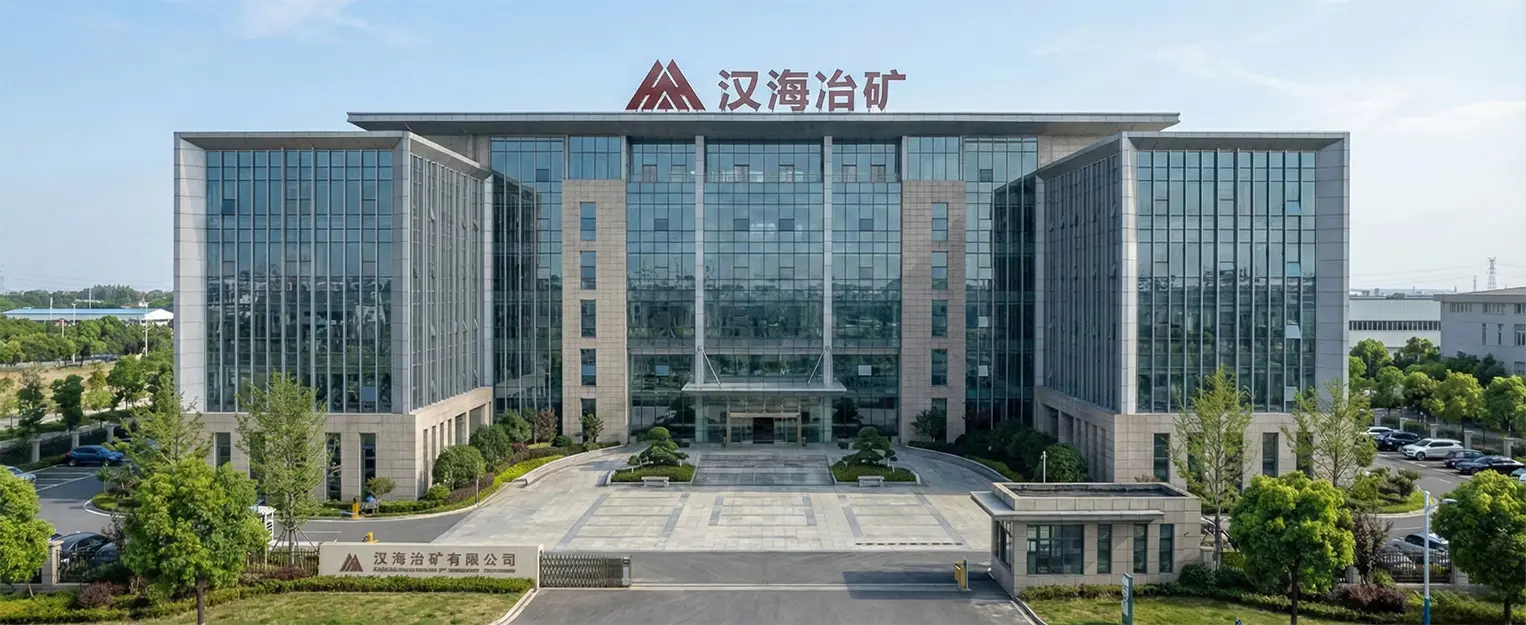
Spheroidal Graphite (SG) Iron, commonly known as ductile iron, represents a distinct metallurgical family of cast irons. The critical difference between gray iron and ductile iron lies in the morphology of the graphite phase. In standard gray iron, graphite exists in sharp flake form, which acts as stress concentrators and limits structural tensile capabilities. In SG iron, the introduction of nodularizers (primarily magnesium and cerium alloys) forces the graphite to precipitate into regular spheres (spheroids). This spherical structure minimizes stress concentrations, dramatically increasing ductility, impact resistance, and ultimate tensile strengths.
Our OEM Sg Iron casting processes cater to multiple internationally recognized standards including ASTM A536, EN 1563, and ISO 1083. Depending on the mechanical performance criteria required by the application, we deliver microstructures tailored to your requirements, including:
By using induction furnace systems and online thermal analysis, our technical teams control the critical silicon-to-carbon ratio and residual magnesium concentrations. This ensures a consistent nodularity ratio exceeding 90%, preventing the formation of intercellular carbides that compromise mechanical performance during field operations.
SG iron matches the tensile capabilities of cast steel, offering excellent yield strength ratios and high structural fatigue resistance.
Graphite nodules provide internal lubrication, which lowers tooling wear, cuts machining time, and lowers finish processing overheads.
The unique micro-morphology absorbs mechanical vibrations, extending the lifespan of gearboxes, sumps, and rocker arms.
To support global supply chains and critical heavy infrastructure, our foundry has transitioned into an intelligent casting environment. Our technical roadmap focuses on three main engineering pillars:
This commitment to research and development translates into reduced structural mass, optimized wall thickness designs, and zero-defect quality levels. Our engineering capabilities enable us to produce castings that meet the demanding specifications of global heavy-machinery OEMs.
Our chemical controls, metallurgical treatments, and sand casting processes are systematically auditable under these standards:
Hanhai Casting supplies precision-machined steel and iron components engineered to perform under extreme pressure, friction, and dynamic loading conditions.
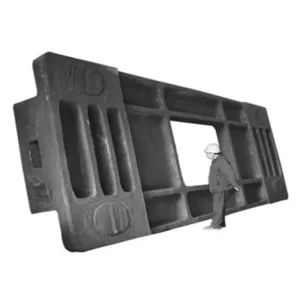
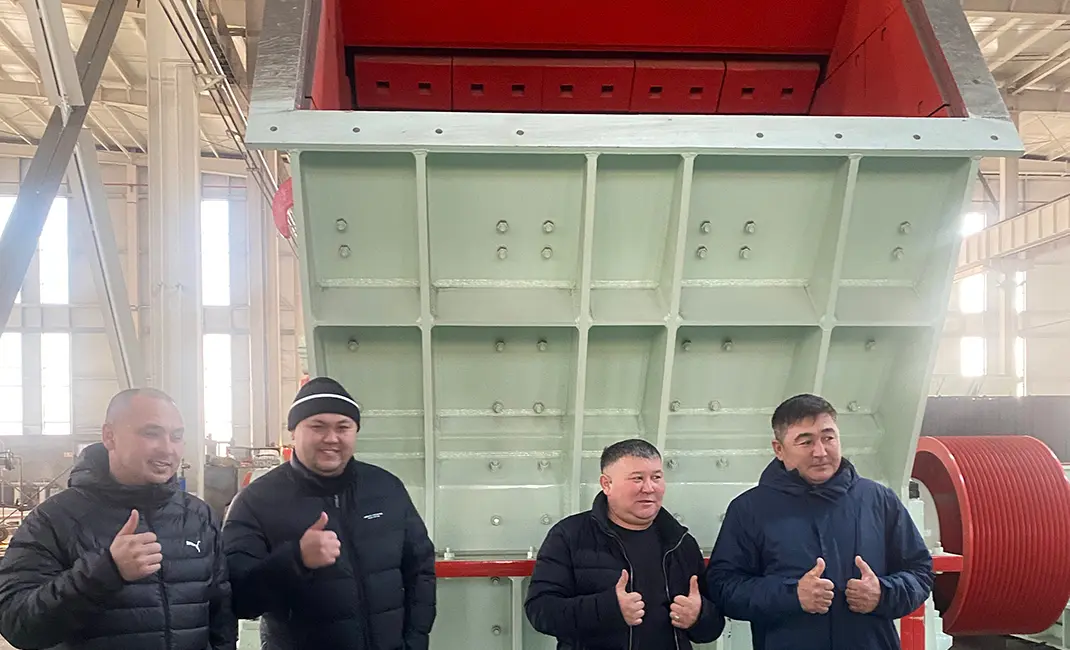
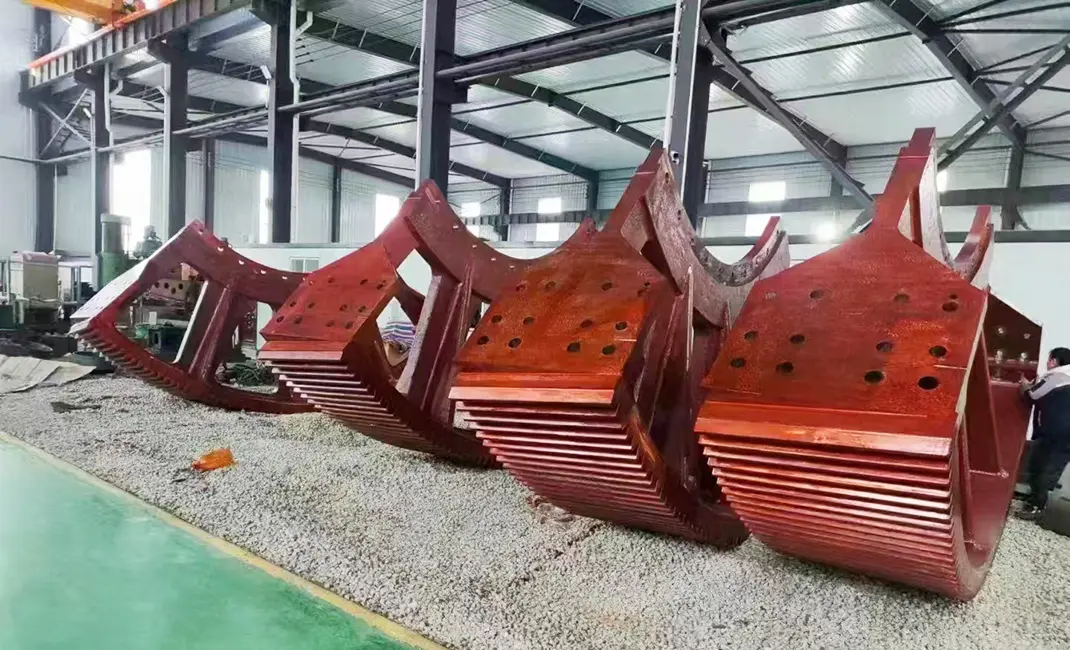
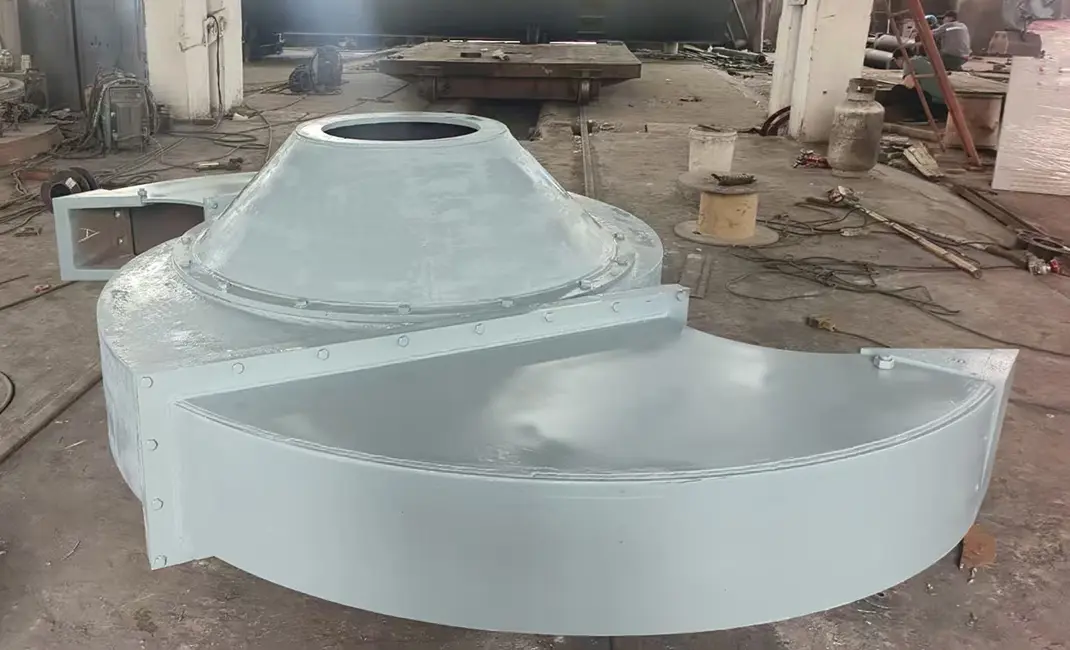
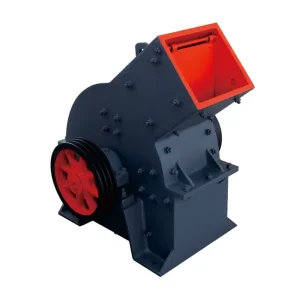
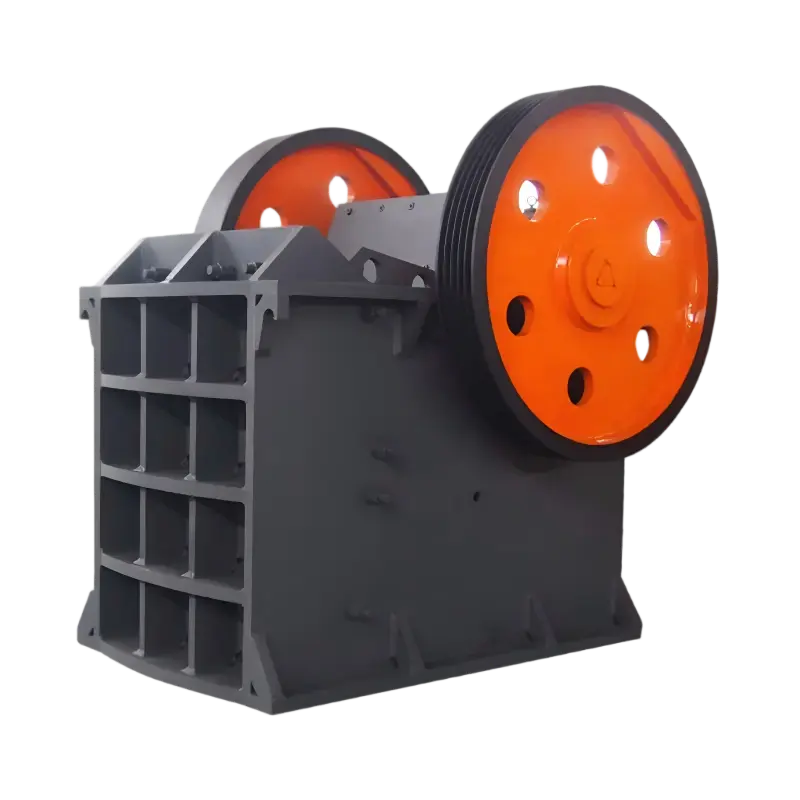
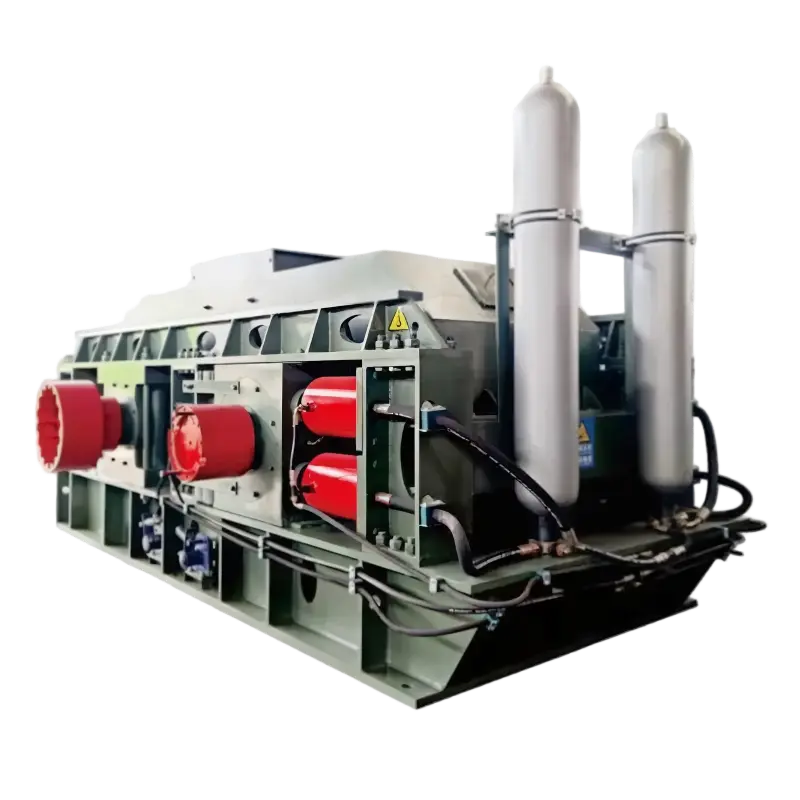
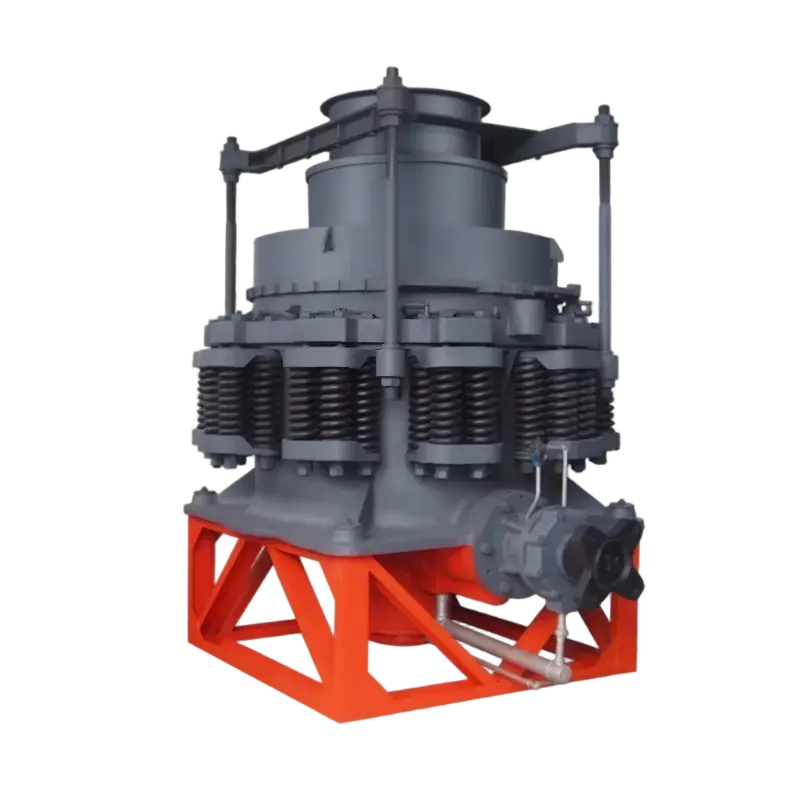
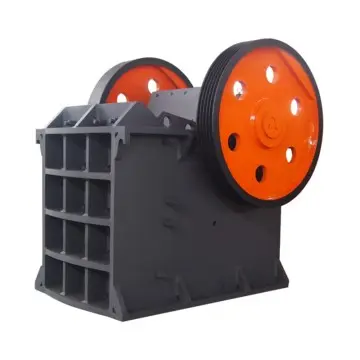
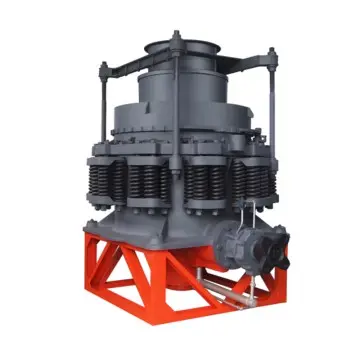
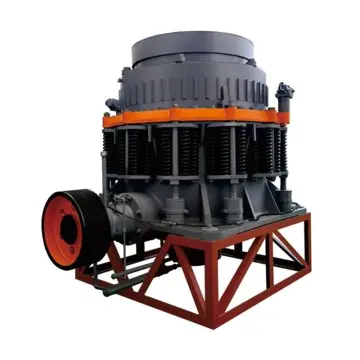
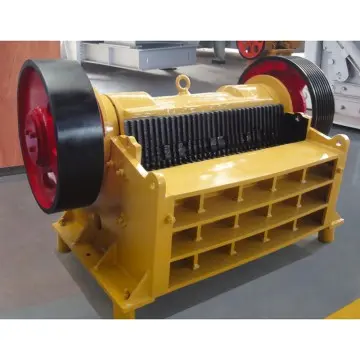
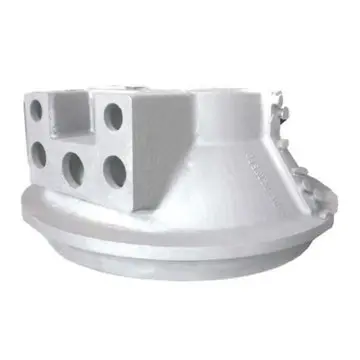
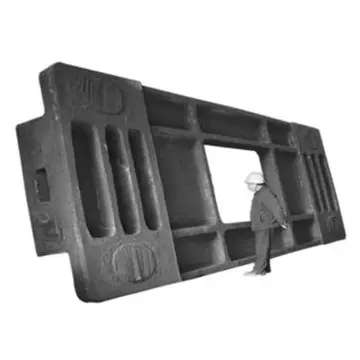
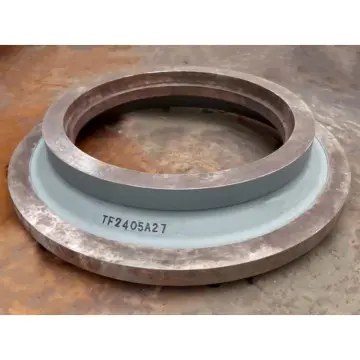
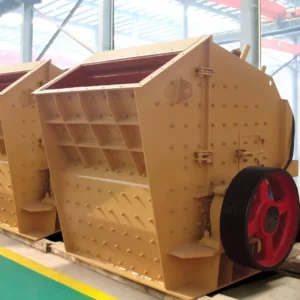
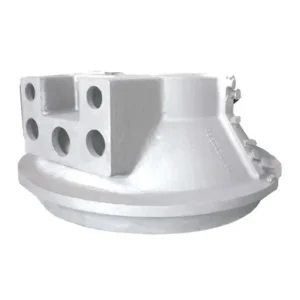
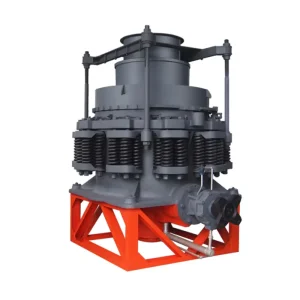
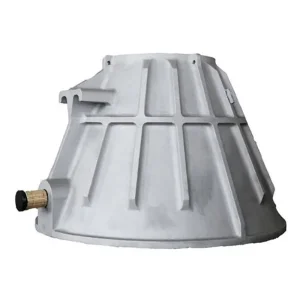
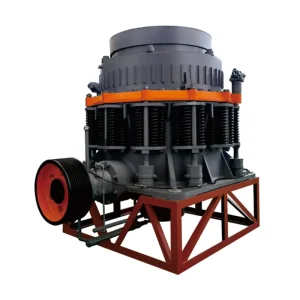
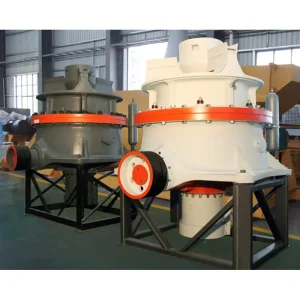
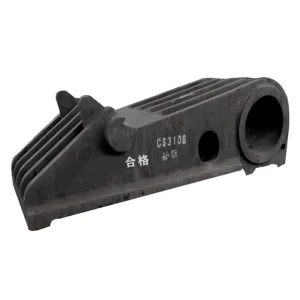
We cast durable, high-impact structures including jaw plates, main frames, eccentric shafts, adjustment rings, toggle seats, and main frame components for crushers processing medium-to-hard materials.
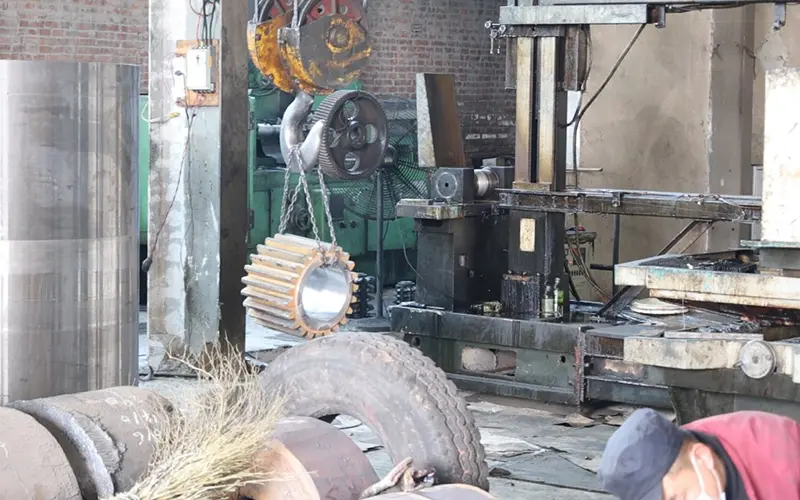
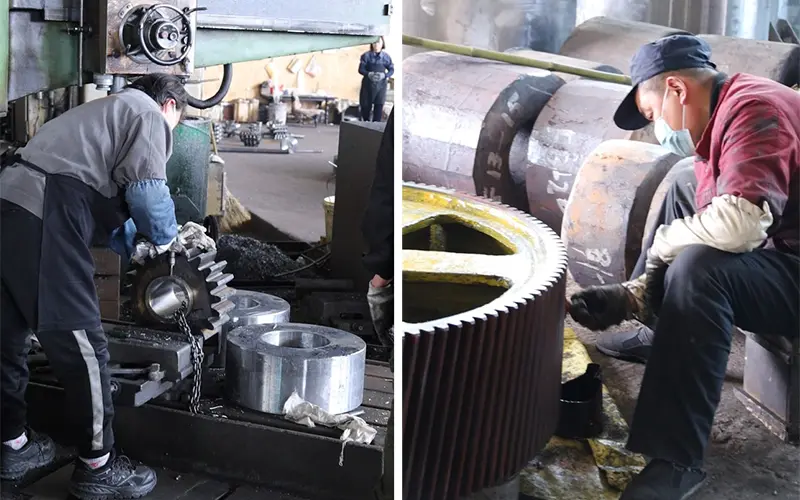
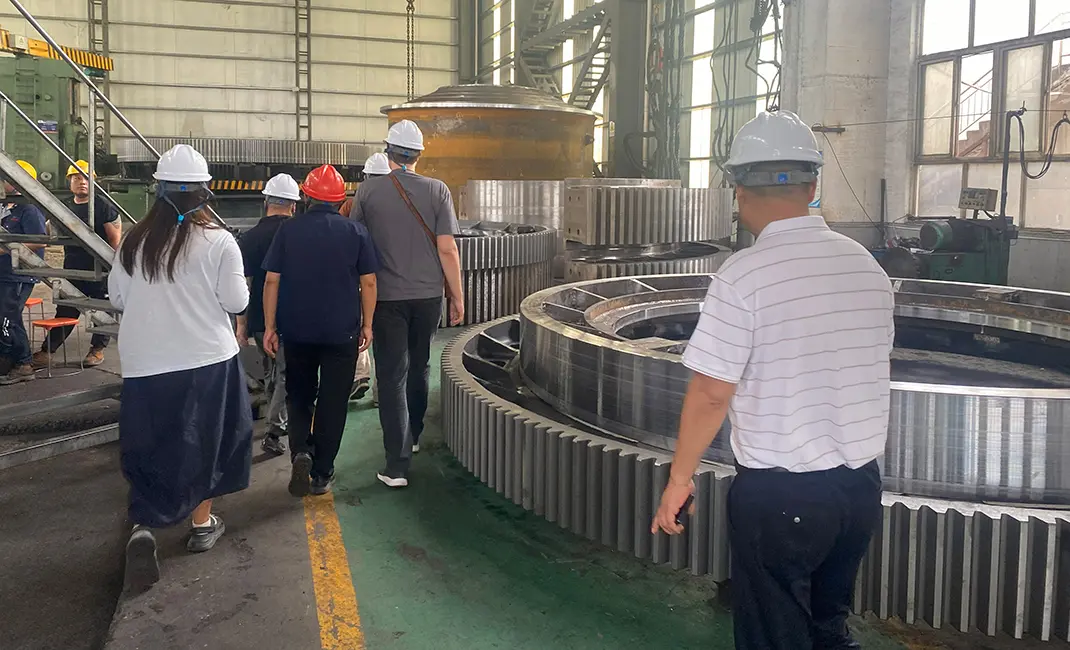
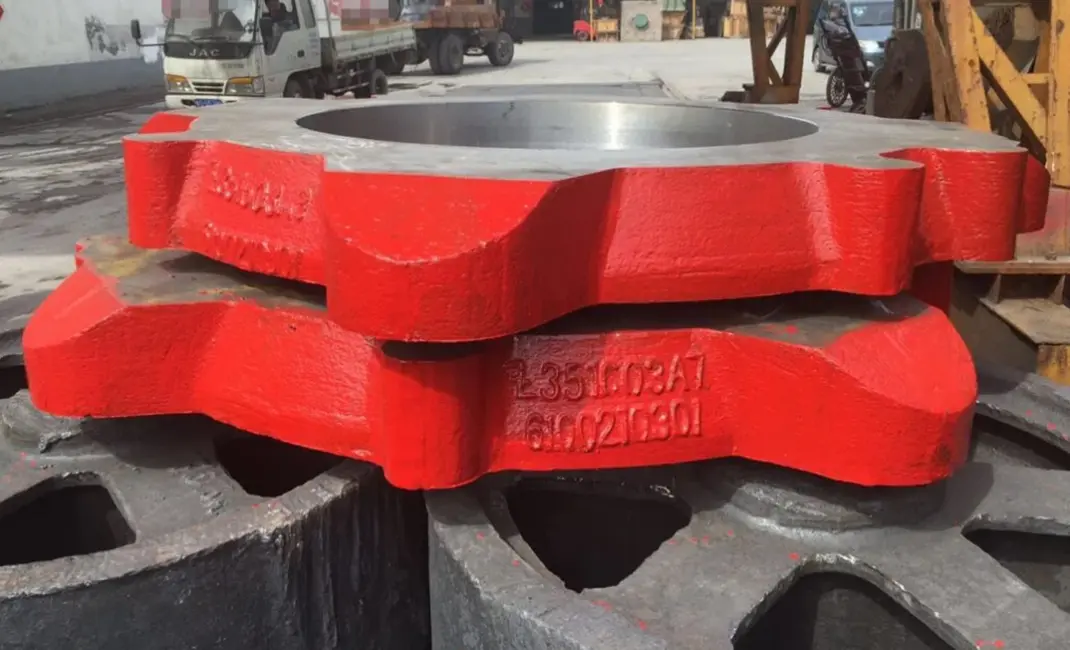
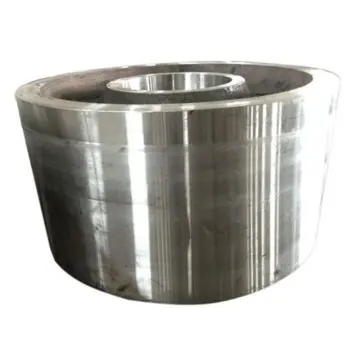
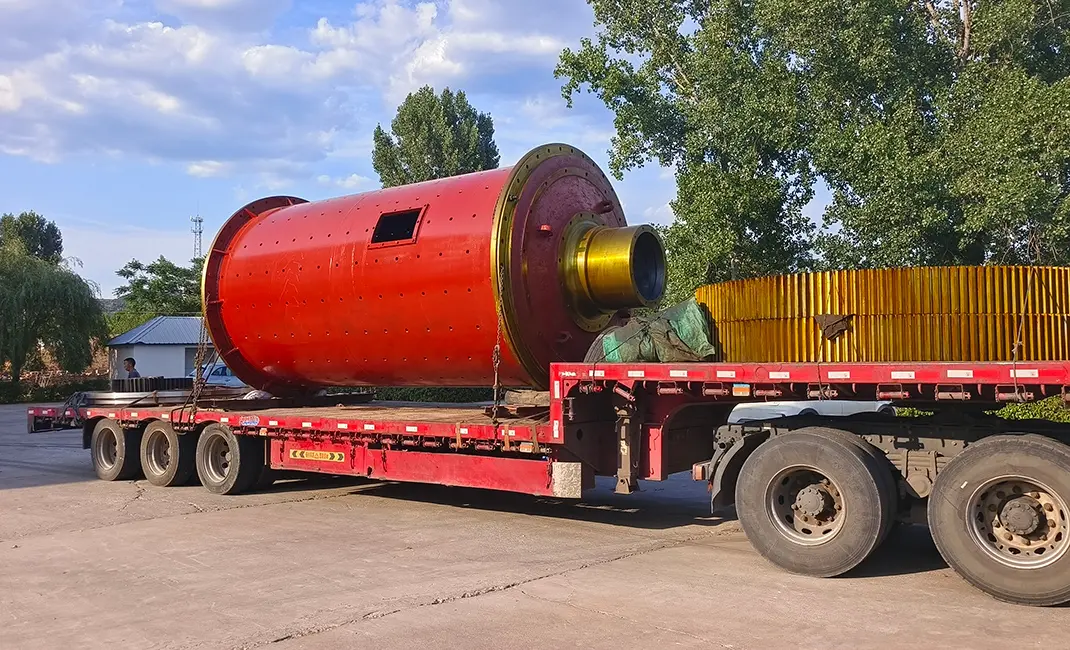
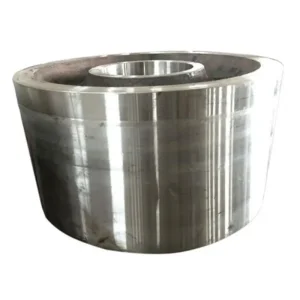
We specialize in heavy gear rings, rotary kiln support rollers, grinding tables, hollow shafts, and heavy-duty structural parts designed for processing plants and cement production lines.
We supply large-tonnage cast arches, cylinder bodies, upper/lower beams, columns, and connection levers engineered to withstand extreme cyclically repetitive mechanical loads.
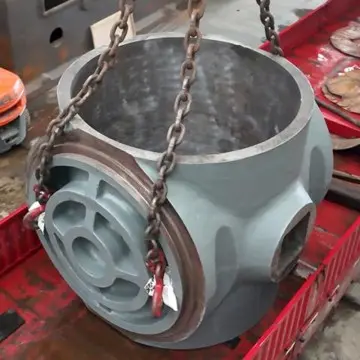
We manufacture pressure-retaining valve bodies, main manifolds, secondary valve casings, and heavy cylinder blocks designed with zero-porosity castings for safety-critical systems.
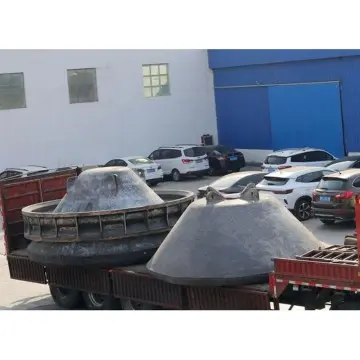
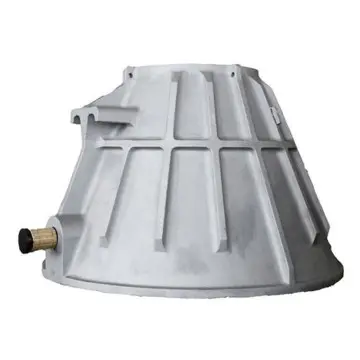
We produce high-temperature slag ladles, crystallization molds, upper and lower bells, and charging system components capable of handling thermal shocks during molten metal processes.
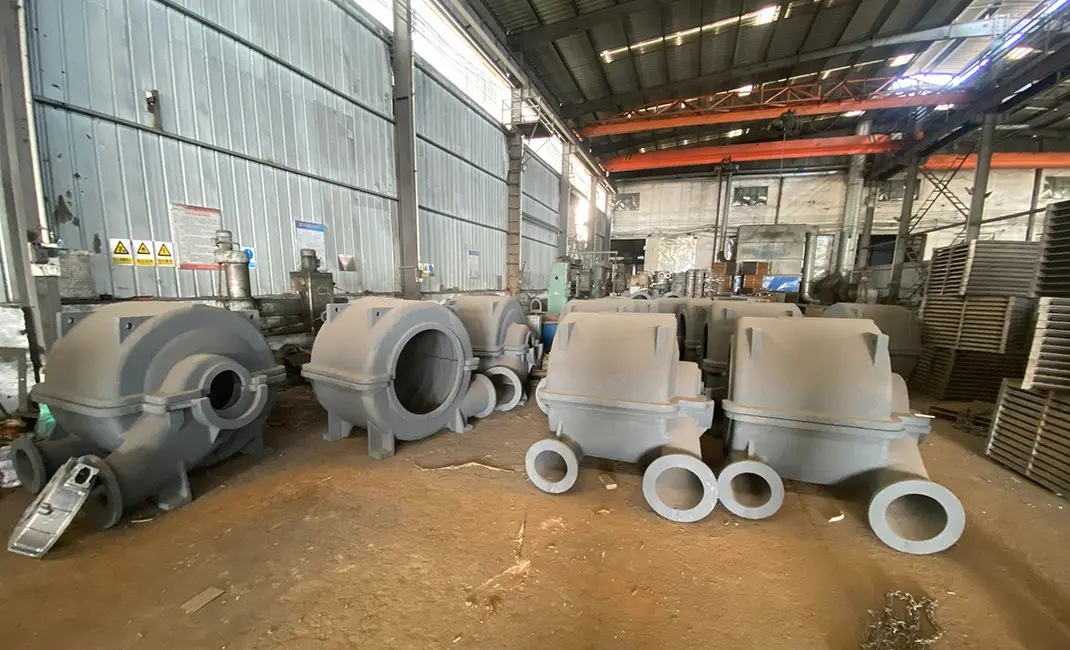
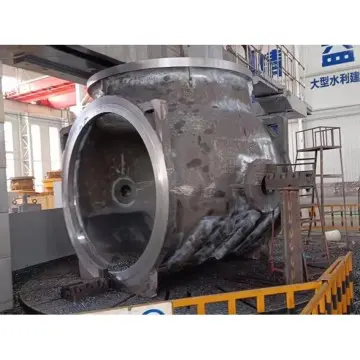
We cast complex turbine cylinders, generator frames, gas turbine housings, and bearing enclosures designed to resist high pressures and temperatures over long lifecycles.
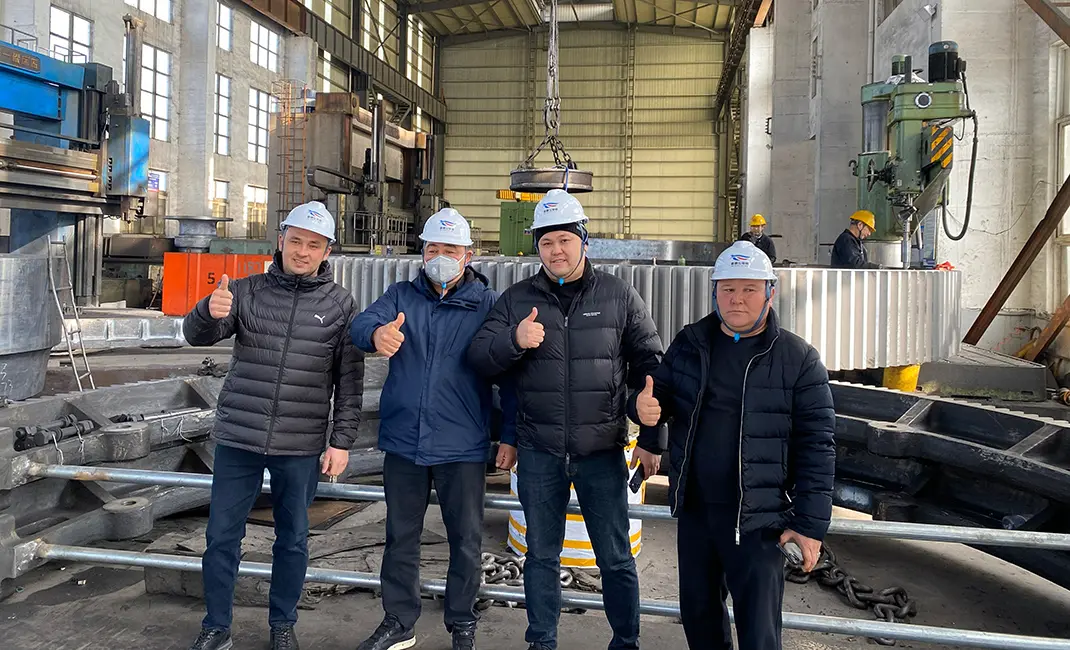
For more than two decades, Hanhai Casting has focused on the research, production, and export of high-quality steel and iron castings. Through ongoing technical innovation and quality control, we have become a reliable partner for global mining, metallurgy, and construction industries.
Hanhai Casting was established with a focus on heavy steel and iron castings, laying a solid technical and production foundation.
Introduced advanced melting and molding technology, expanded production capacity, and served key mining and metallurgy sectors.
Achieved ISO9001 certification, upgraded testing systems, and began exporting high-performance castings to Asia and the Middle East.
Integrated intelligent foundry systems and digital management, driving sustainable manufacturing and global customer partnerships.
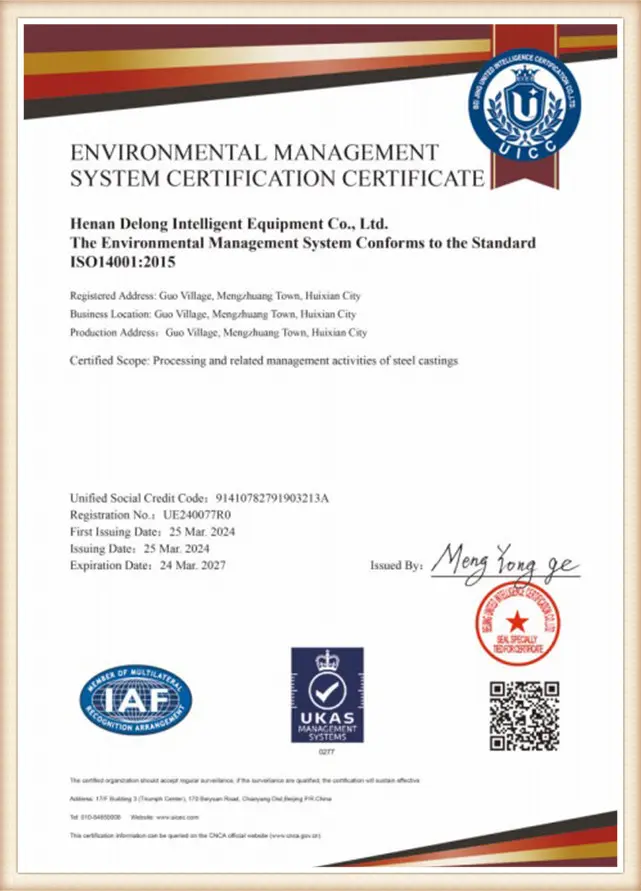
We maintain clean, traceable testing protocols for every batch of SG iron and cast steel that leaves our factory. Our manufacturing systems comply with both ISO 9001 and CE standards, ensuring our castings meet international quality levels.
We work with international third-party inspection agencies including SGS, Bureau Veritas (BV), Lloyd's Register, and TÜV Rheinland to verify chemical compositions, mechanical values, and dimensional tolerances prior to dispatch.
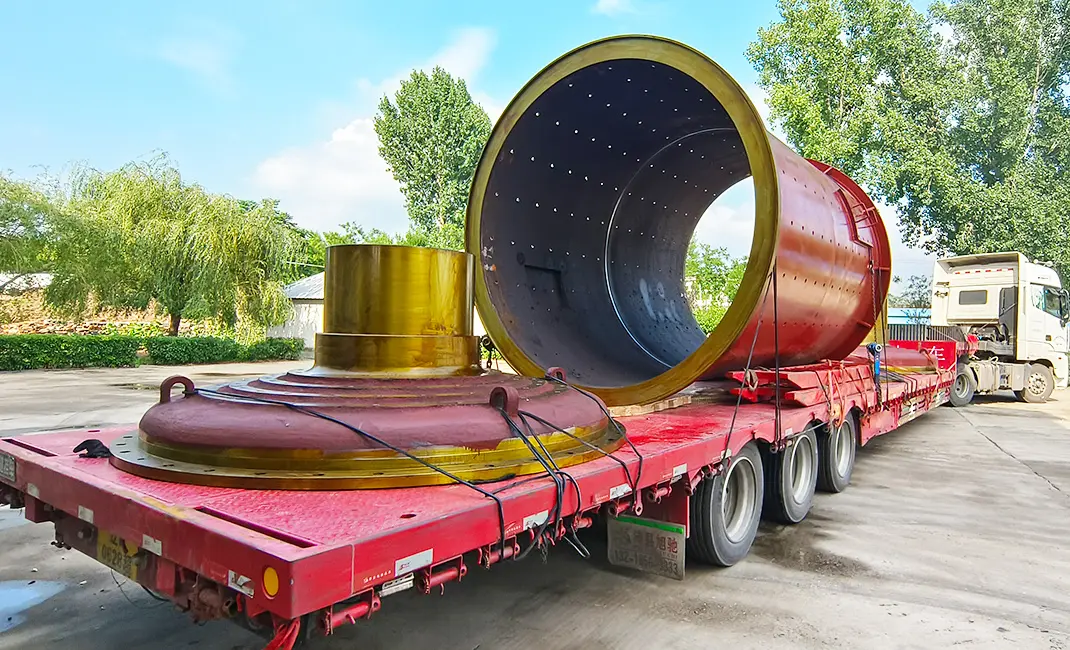
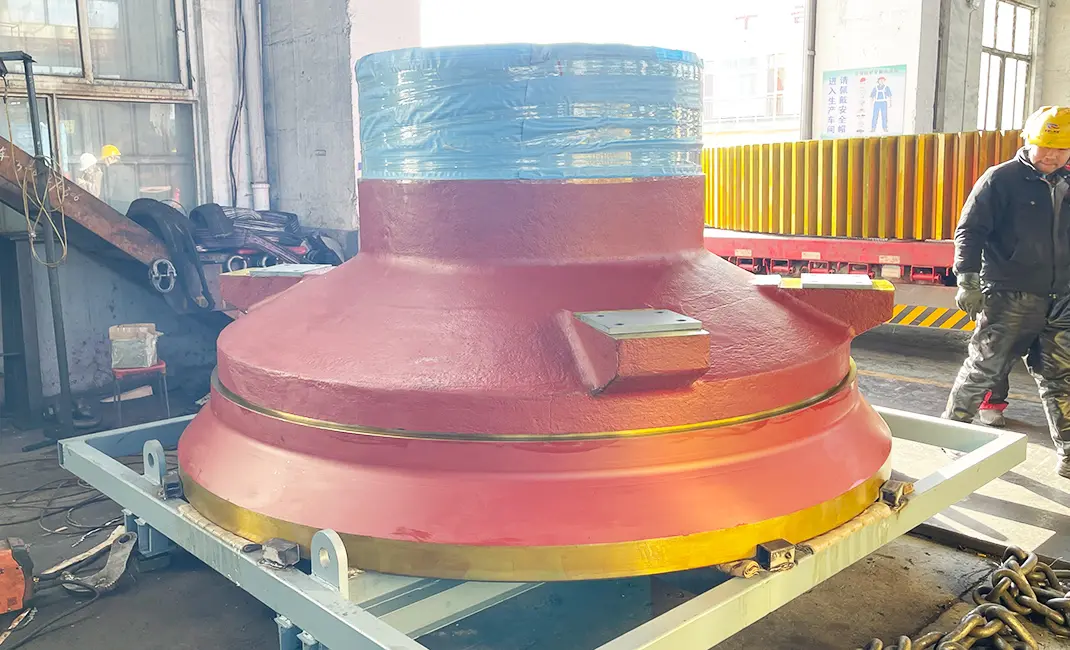
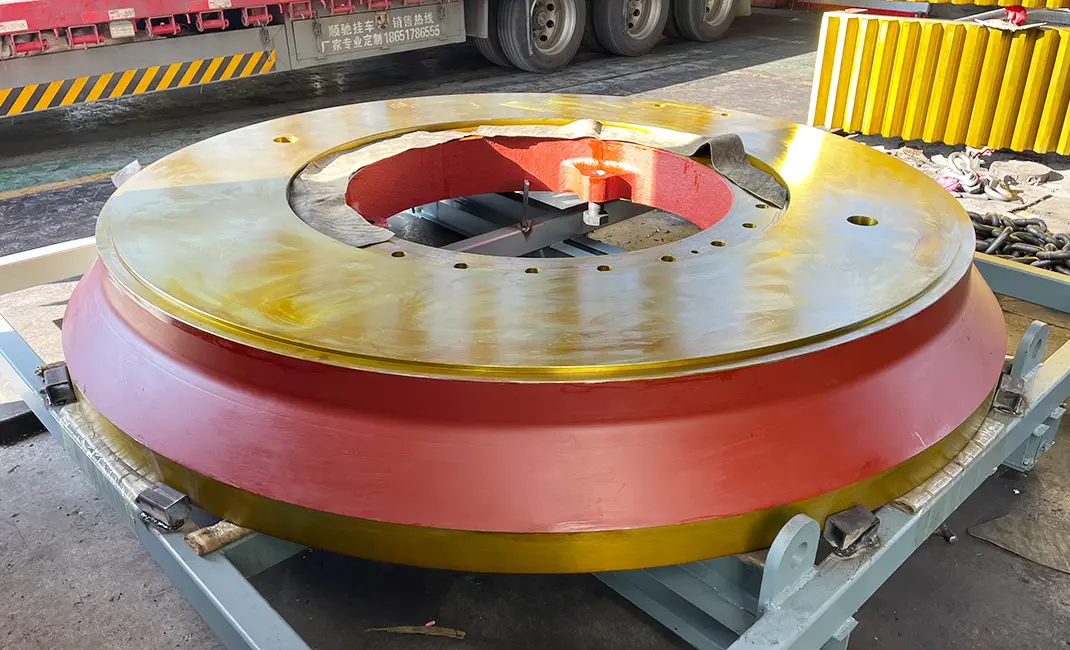
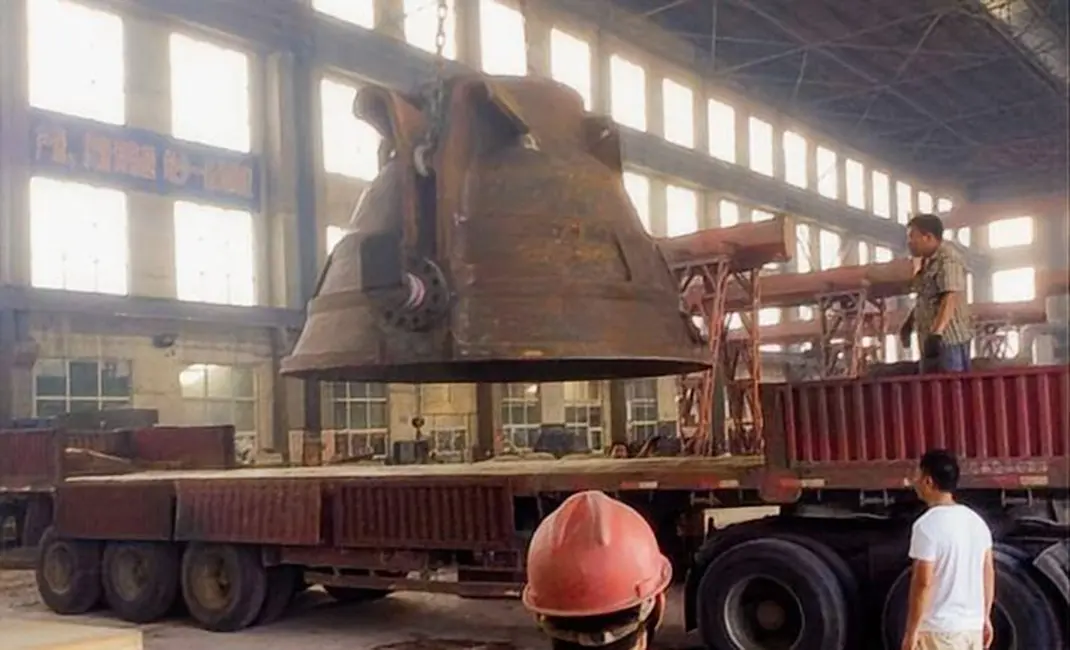
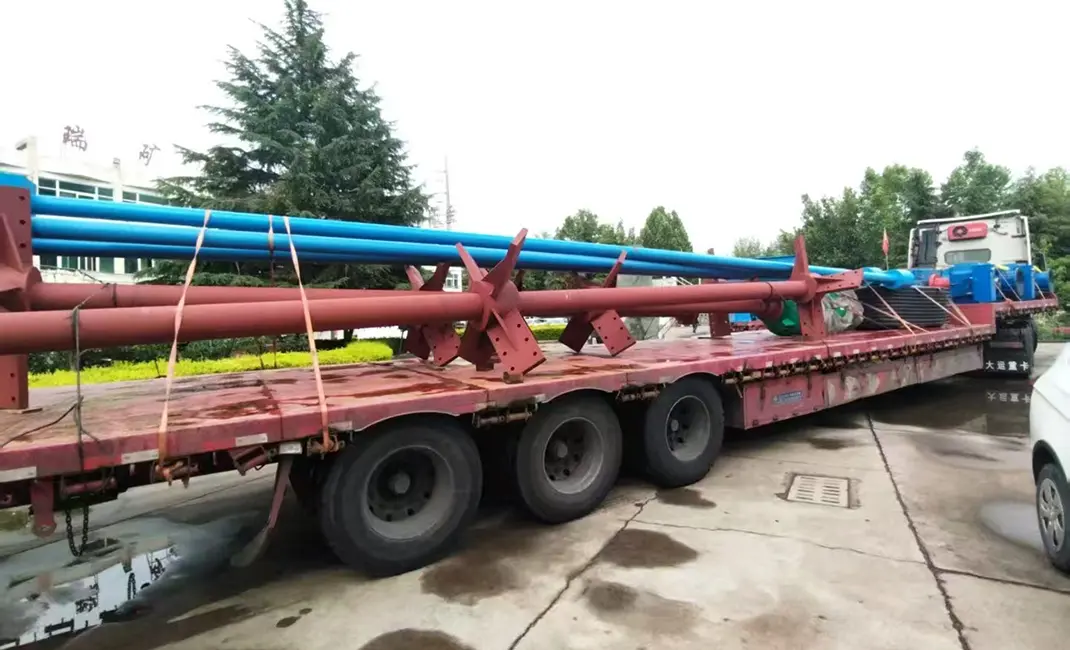
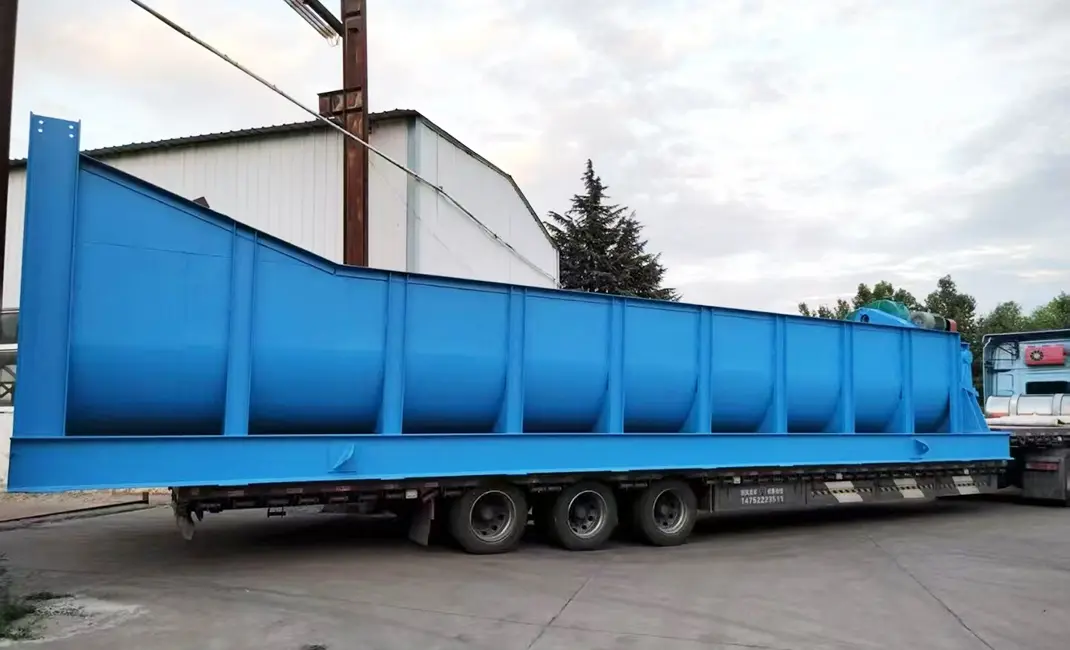
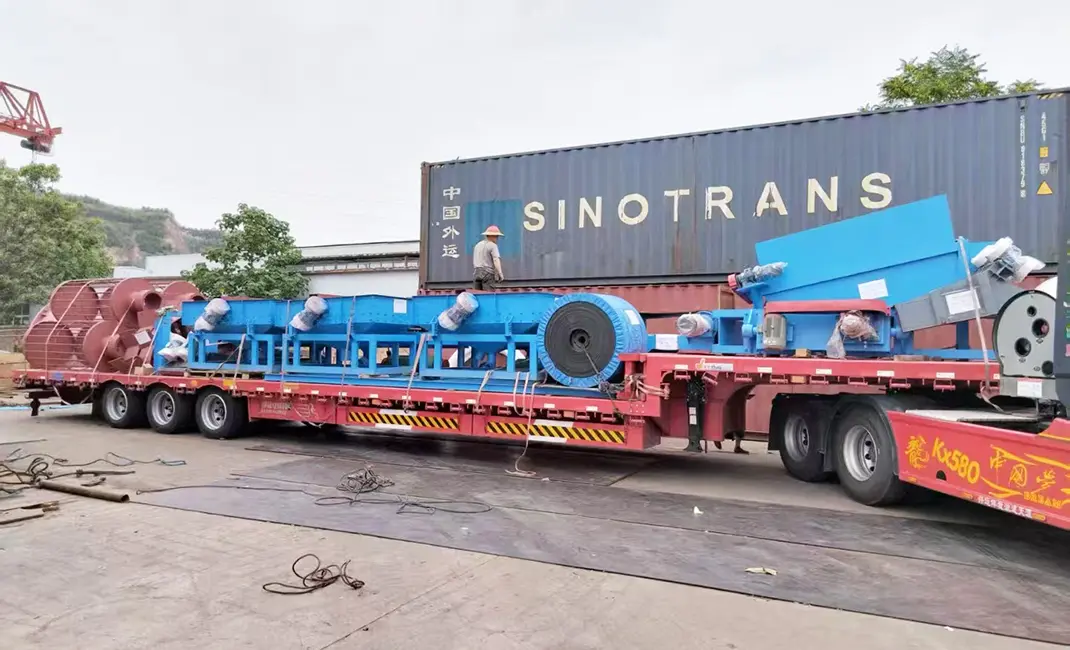
Mining and crushing projects are highly customized and technically driven. Our engineering-focused workflow is structured to manage operational risk, maintain traceability, and ensure stable manufacturing at every phase.

We collect detailed technical sheets, performance metrics, drawings, operating conditions, and alloy specifications.
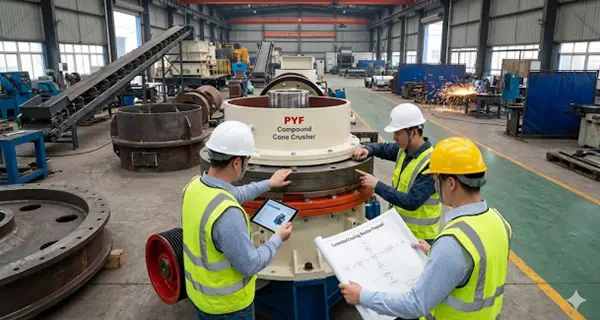
Our metallurgy and design teams run solidification simulations to develop and optimize casting layouts.
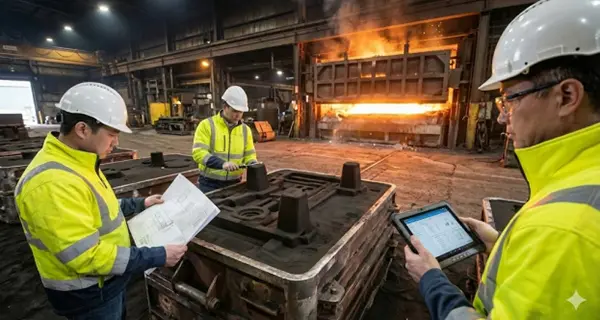
We finalize material grades, NDT levels, tolerances, surface finishes, and quality plans before production.
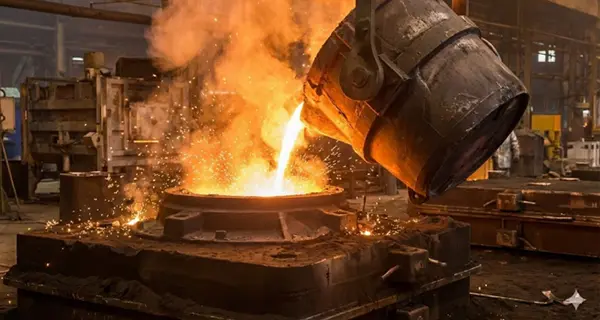
Pattern fabrication, molding, controlled induction melting, magnesium wire injection, and heat cycles are completed.

We conduct chemical analyses, physical tests, UT/MPI/PT examinations, and full dimensional dimensional checks.
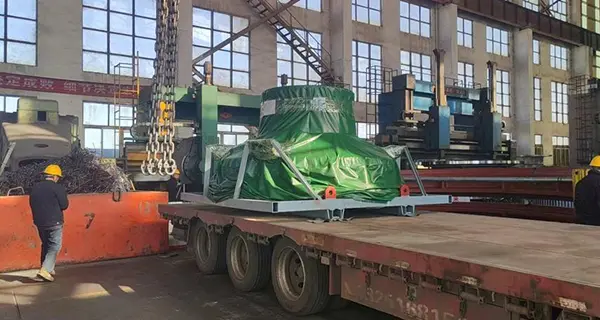
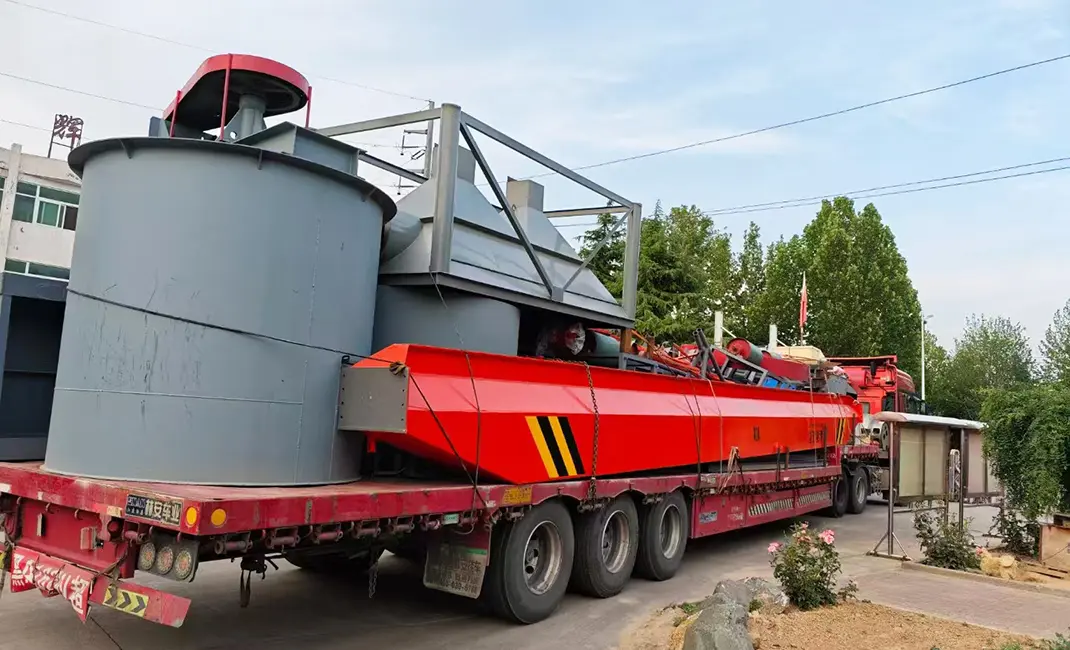
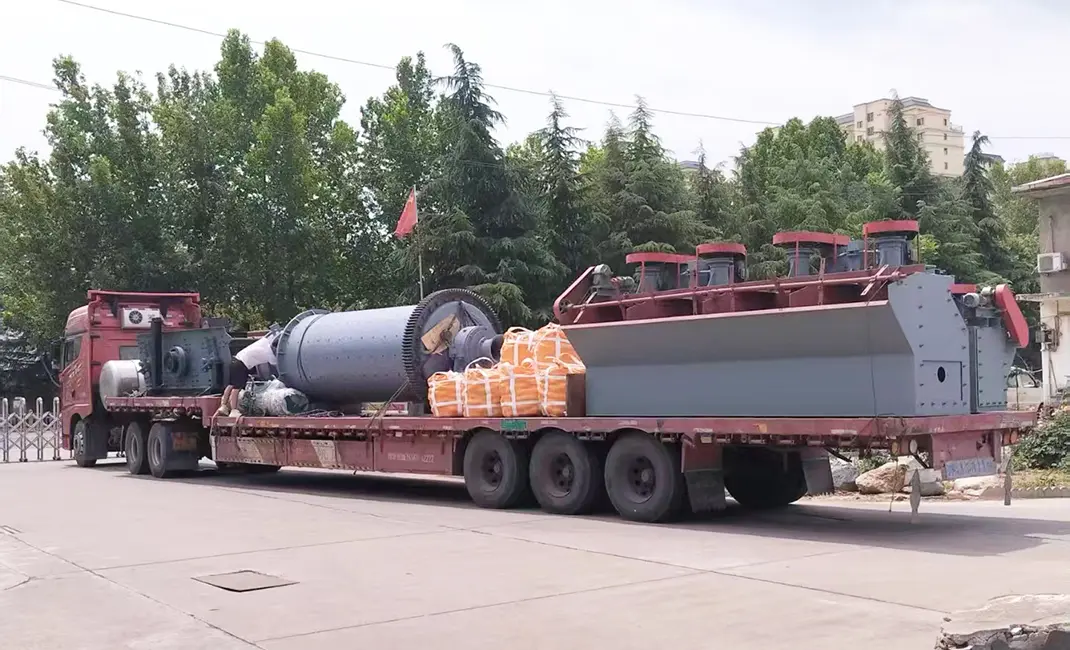
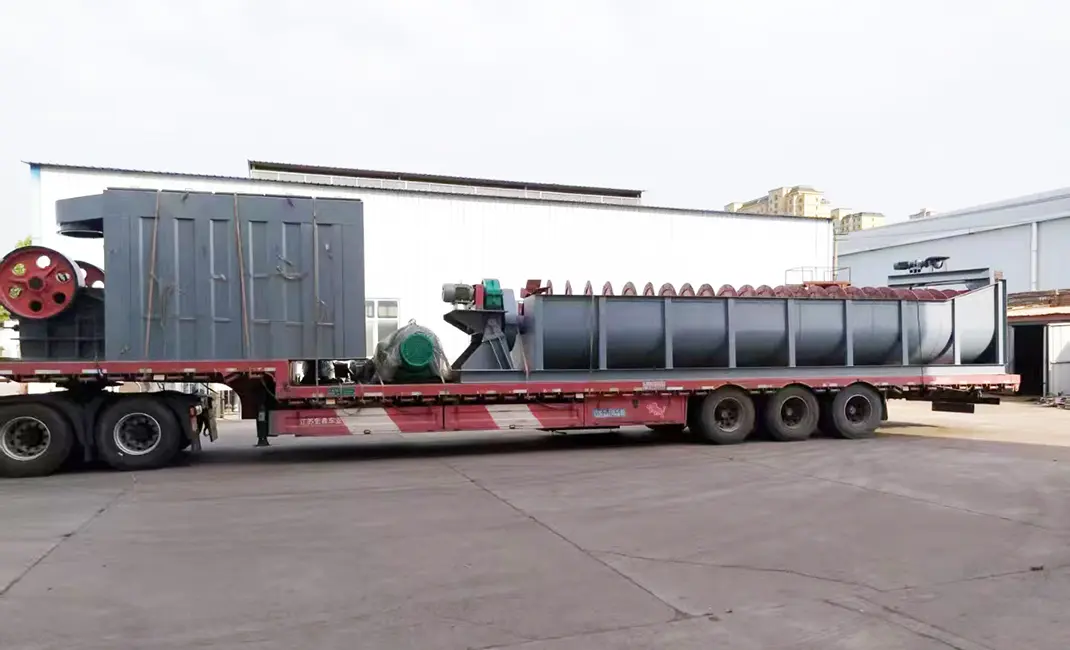
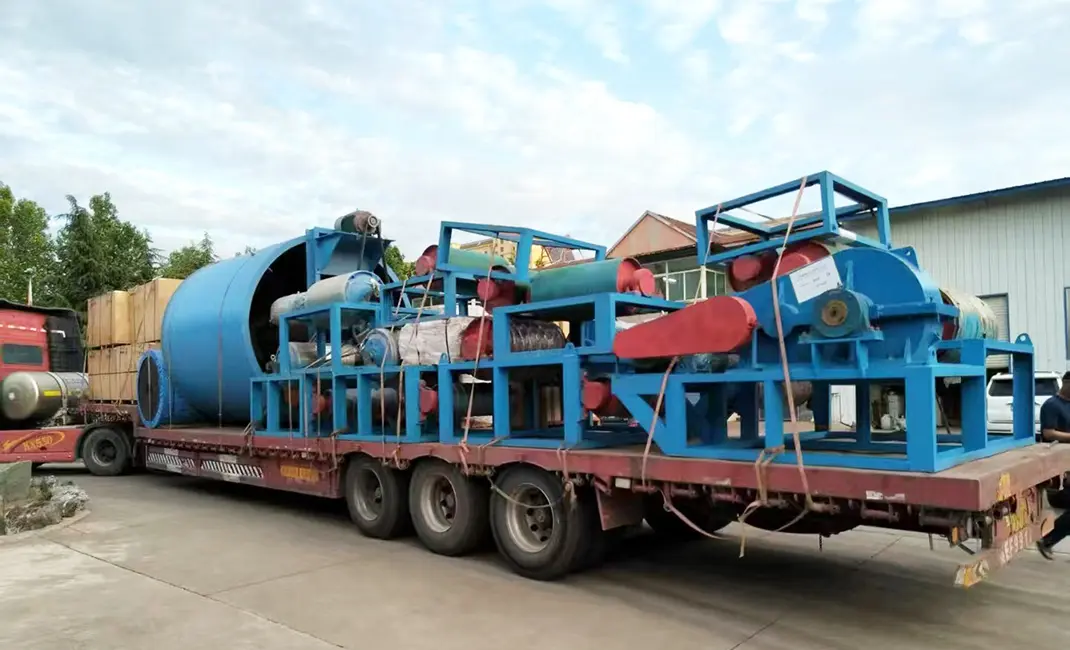
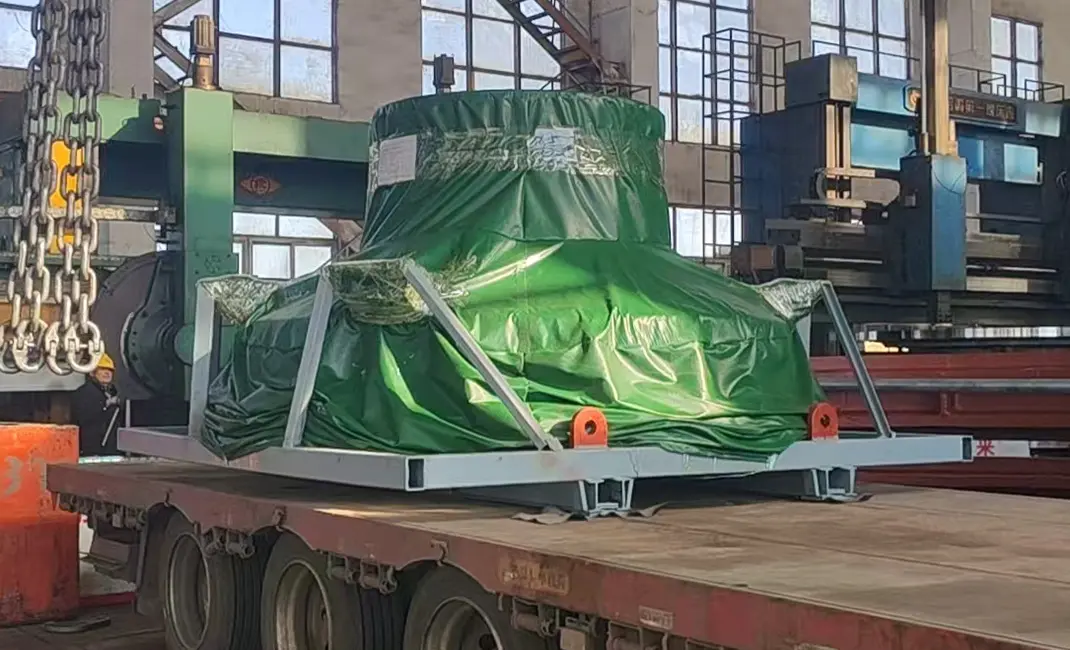
We apply anti-corrosion protection, robust seaworthy framing, and manage global freight logistics to your facility.
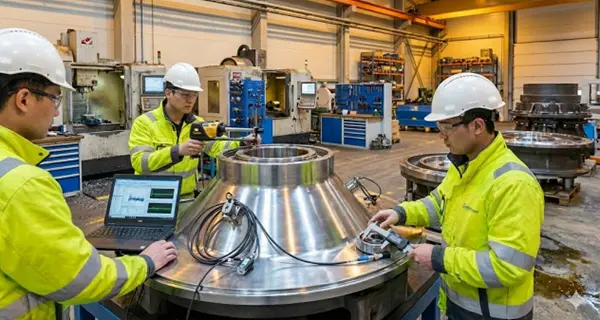
Our engineers provide remote or on-site layout guidance, alignment verification, and commissioning support.
We deliver maintenance manuals, wear indicator keys, and training guides to local operating teams.
We support operations with long-term wear monitoring, quick-ship replacement parts, and optimization assessments.
Spheroidal graphite (SG) iron provides an optimal combination of performance and cost-efficiency. It matches the tensile and yield strength of many cast steels while delivering significantly better dampening capacity, making it highly effective at absorbing mechanical vibrations in crushers and turbine cylinders. Additionally, SG iron's casting properties allow us to manufacture complex geometries with fewer internal stresses than cast steel. Compared to gray iron, its spherical graphite nodules prevent crack propagation, yielding higher impact resistance and ductility.
Our foundry uses automatic cored-wire injection to add magnesium and rare-earth nodularizers directly into the molten metal. This control loop is supported by optical emission spectrometers and metallurgical microscope analyses for every ladle. We target a nodularity level of 90% or higher. Control of active silicon and residual magnesium levels prevents carbide precipitation, which ensures reliable machinability and eliminates brittle spots.
We perform ultrasonic testing (UT) for internal defect scanning, magnetic particle inspection (MPI) and liquid penetrant testing (PT) for surface integrity checks, and digital radiography for critical section analyses. Additionally, we conduct hydrostatic pressure tests on pressure-retaining components like turbine cylinders and valve manifolds to confirm their structural integrity before shipping.
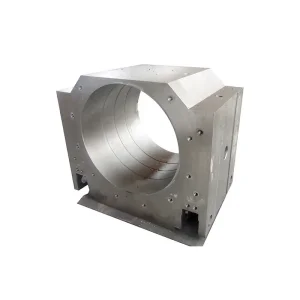
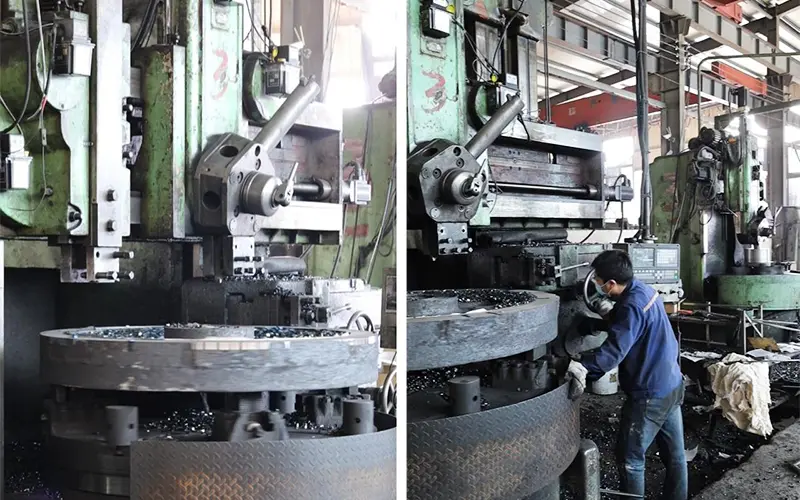
Our raw castings conform to ISO 8062-3 SFSA standards. For finished machined castings, our CNC machining centers achieve precise tolerances down to the millimeter range. Every key parameter is verified using Coordinate Measuring Machines (CMM) and laser trackers, and we provide dimensional inspection sheets with every delivery.
To produce low-temperature impact grades suitable for arctic or high-altitude operations, we use a fully ferritic matrix layout with low levels of phosphorus and manganese. We apply a post-cast annealing cycle to remove pearlitic structures, ensuring the material meets the required Charpy V-notch impact value of 12 Joules at -40°C.
Yes. Our facilities combine mechanized sand molding lines for volume production runs with manual floor molding bays for large, single-unit custom castings. With an annual capacity of 80,000 tons, we can manage both small-scale custom prototyping projects and large-scale, multi-year supply agreements.
 Hanhai