 Hanhai
1 / 2
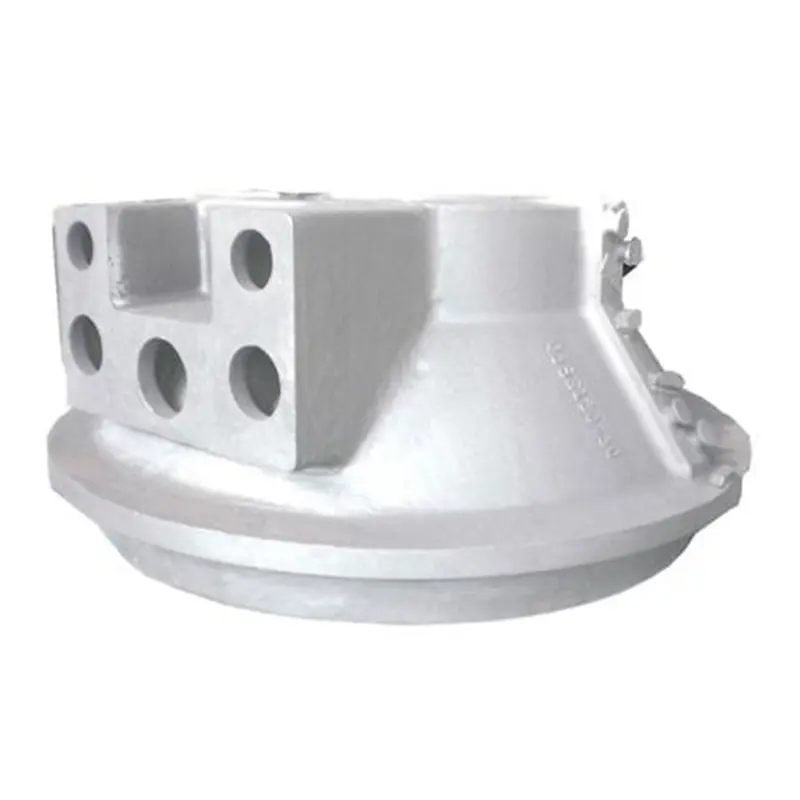
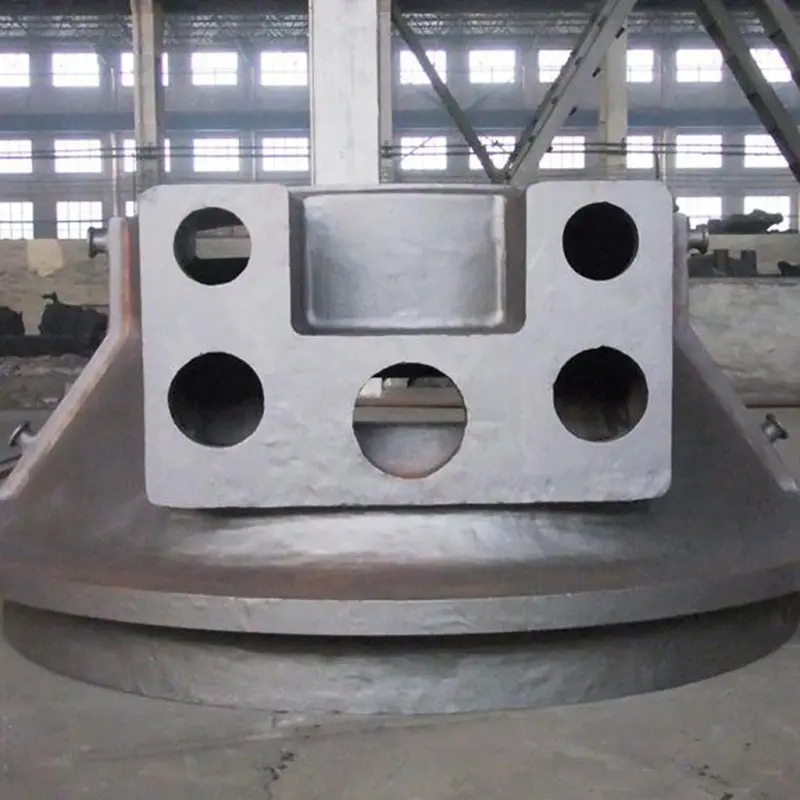
The material composition, supported by optimized processing parameters, enhances resistance to abrasion, corrosion, and fatigue-related deterioration. These qualities help limit distortion and surface degradation during extended exposure to pressure fluctuations, frictional forces, humidity, or chemically aggressive surroundings. As a result, the component contributes to reliable performance while reducing maintenance interventions and service interruptions.
Dimensional accuracy is achieved through advanced mold engineering and closely monitored casting variables. Tight tolerance control ensures conformity with engineering documentation and assembly requirements. The refined surface finish improves installation precision and seamless integration with adjoining parts, reducing reliance on extensive post-processing and supporting efficient production practices.
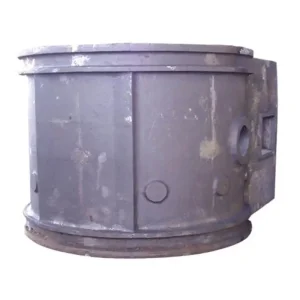
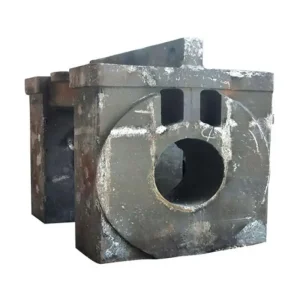
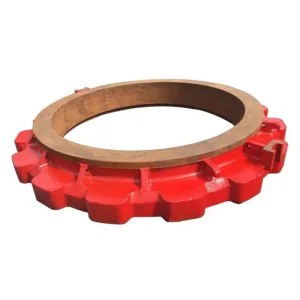
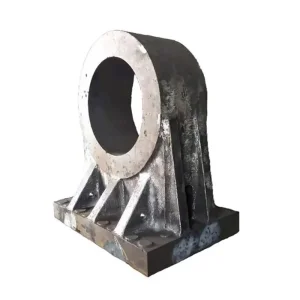
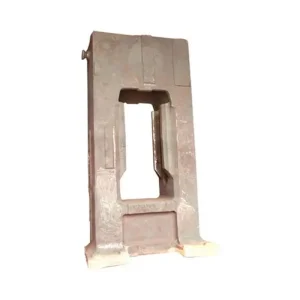
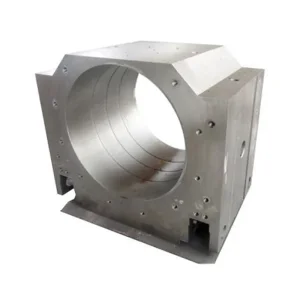
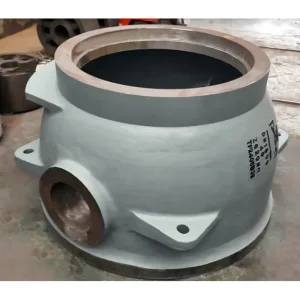
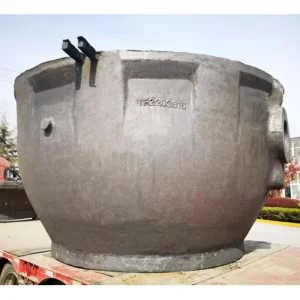
Because of its structural resilience and adaptable characteristics, this cast iron casting is widely implemented in heavy equipment manufacturing, automotive systems, construction machinery, mining operations, agricultural equipment, and general industrial assemblies. Typical applications include mounting platforms, protective housings, structural frameworks, brackets, and other load-bearing elements requiring durability and precision.
To accommodate varied technical demands, flexible production configurations are available. Adjustments in alloy composition, dimensional parameters, surface finishing processes, weight classifications, and machining tolerances can be provided according to customer documentation or project requirements, ensuring compatibility across diverse operational environments.
These components are designed with optimized material compositions to resist abrasion, corrosion, fatigue-related deterioration, pressure fluctuations, humidity, and chemically aggressive surroundings.
We achieve tight tolerance control and dimensional accuracy through advanced mold engineering, closely monitored casting variables, and precise surface finishing.
They are commonly implemented in heavy equipment manufacturing, automotive systems, construction machinery, mining operations, agricultural equipment, and general industrial assemblies.
Adjustments can be made to the alloy composition, dimensional parameters, surface finishing processes, weight classifications, and machining tolerances to align with your project requirements.
Their high durability limits distortion and surface wear, which reduces the need for frequent maintenance, prevents service interruptions, and minimizes reliance on post-processing.