Explore our heavy-duty casting and crusher systems manufactured for peak efficiency in aggressive operating environments.
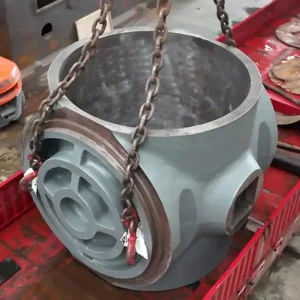
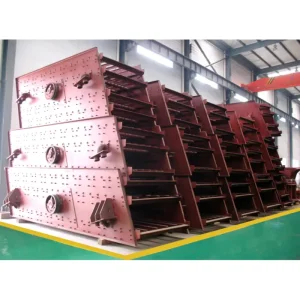
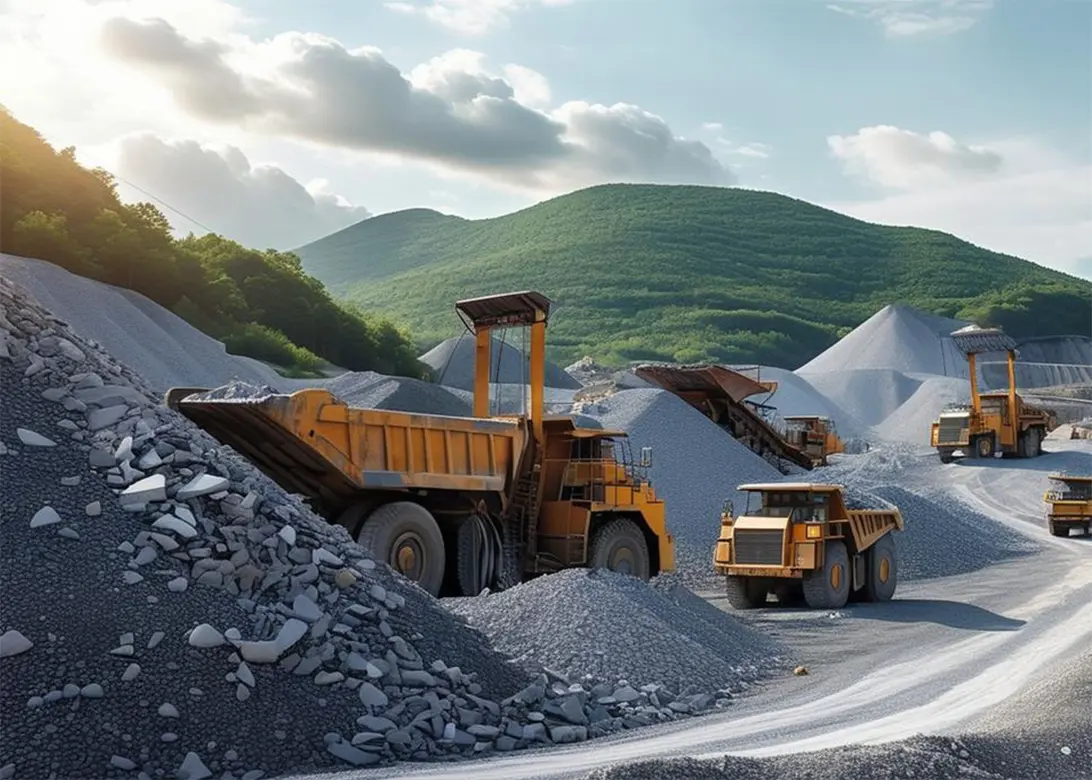
In global mining and aggregate processing industries, the crushing sequence is the primary driver of operational efficiency and product yield. While primary jaw crushers handle coarse feed, it is the Secondary Cone Crusher that shapes the core profitability of mineral processing. This critical stage acts as the bridge, reducing materials to highly precise sizes optimal for either final screening or subsequent grinding mills.
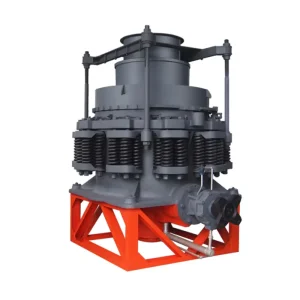
Across North America, South America, Australia, and Africa, massive infrastructure developments and processing requirements demand robust secondary crushing equipment. Cone crushers, operating via an eccentric shaft that rotates a crushing mantle within a concave-lined bowl, must withstand extreme compressive pressures. The commercial reality of high-throughput operations means any unexpected shutdown due to structural wear results in heavy losses.
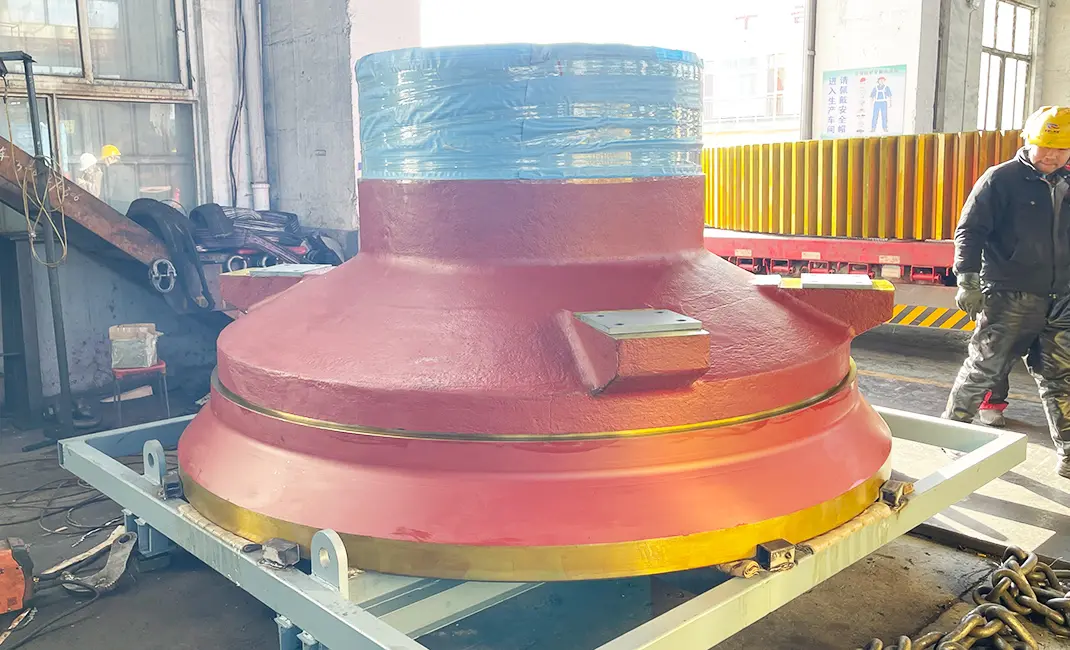
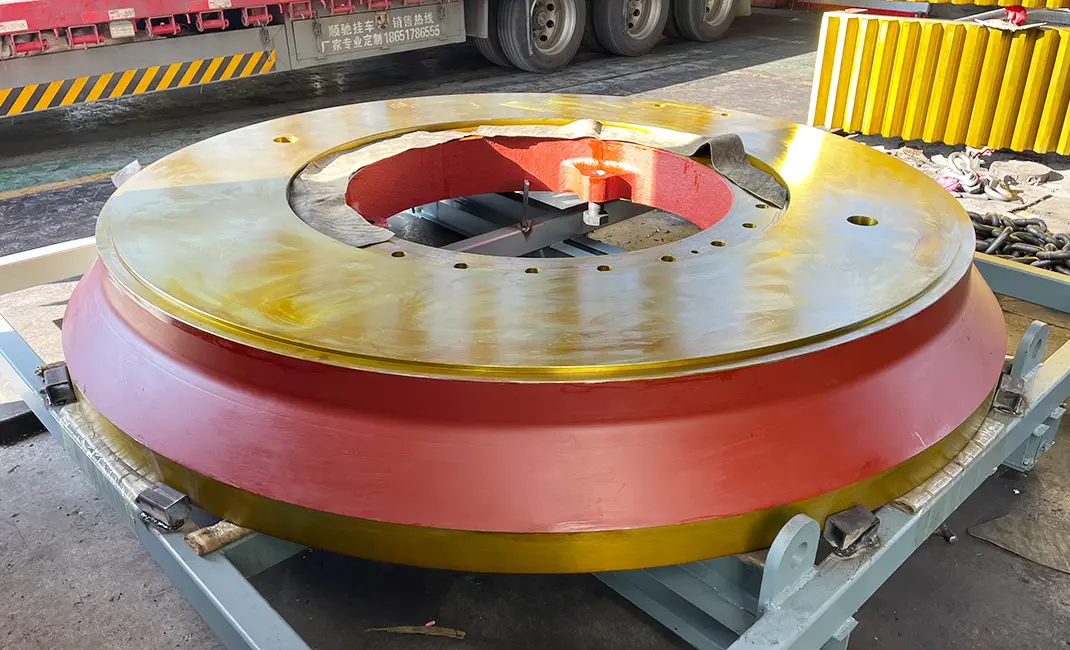
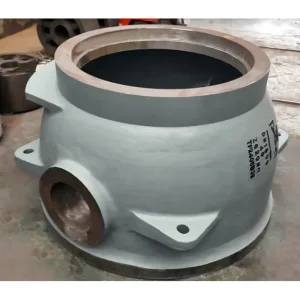
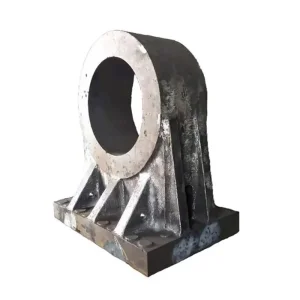
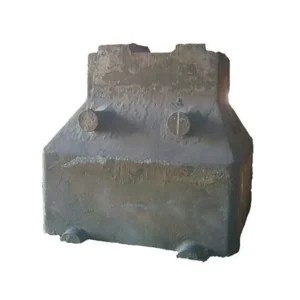
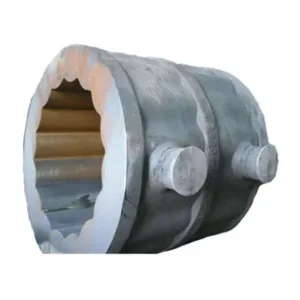
Consequently, international purchasers seek heavy-duty cast steel castings and precision-built parts that can guarantee mechanical longevity. OEM (Original Equipment Manufacturer) custom castings—such as heavy support sleeves, mainframe frames, and adjustment rings—represent the technological backbone of global rock and mineral reduction processing plants.
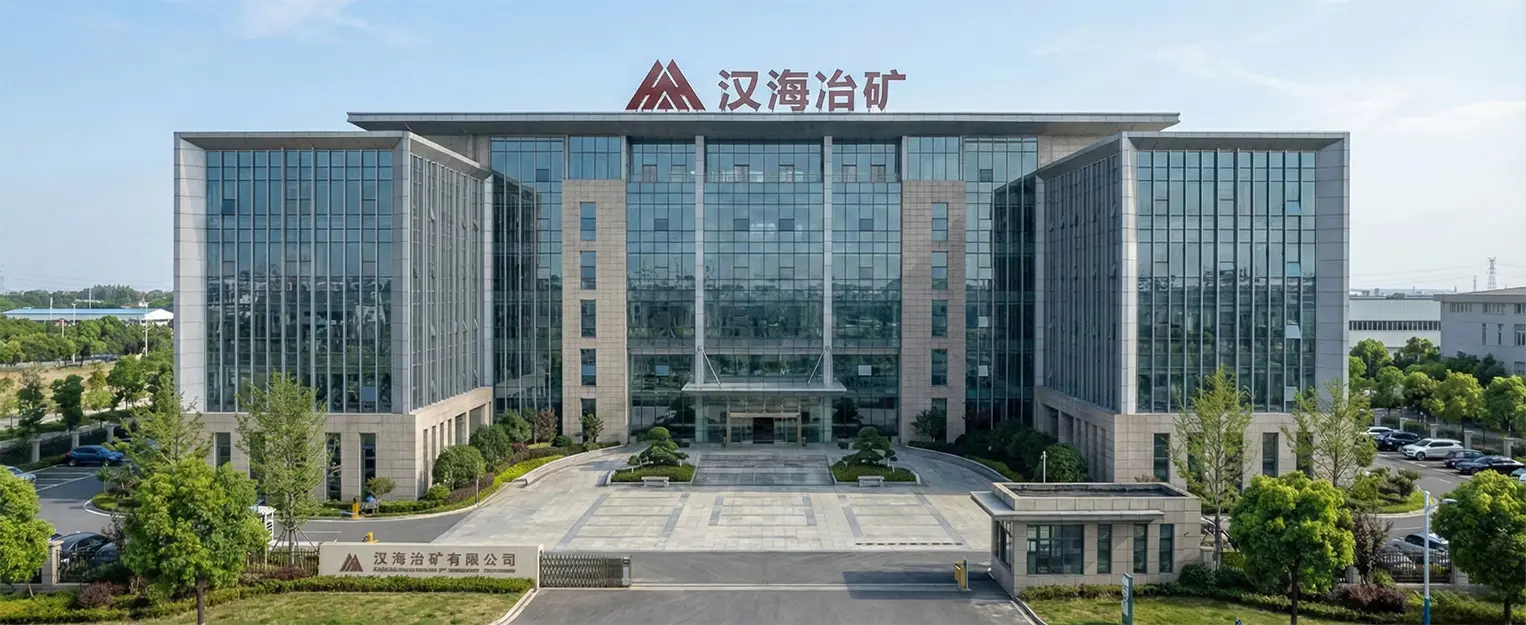
Combining heavy-industry raw material supply chains, digital automated systems, and strict CE & ISO quality guidelines.
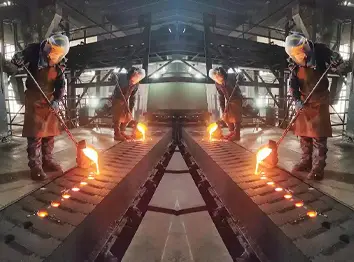
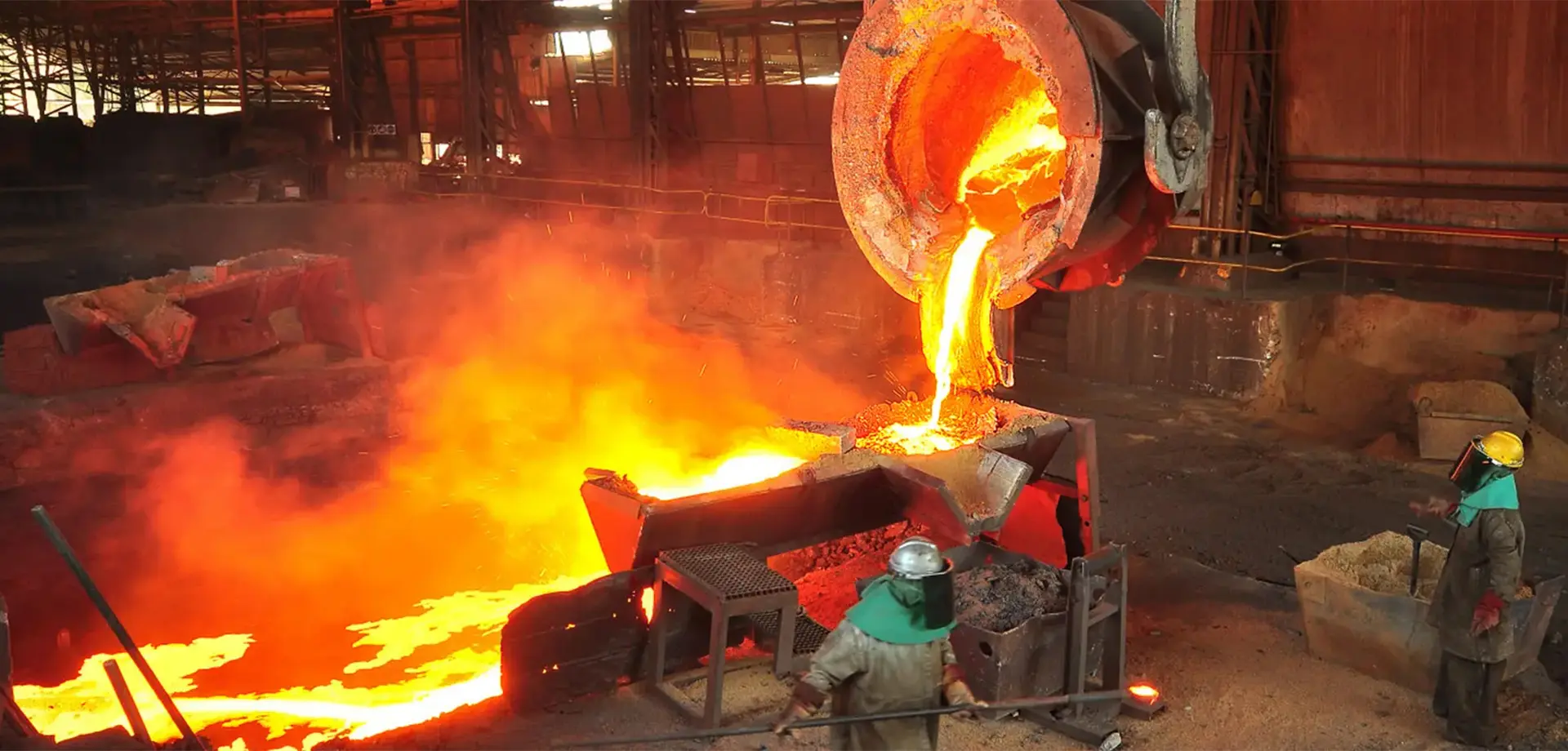
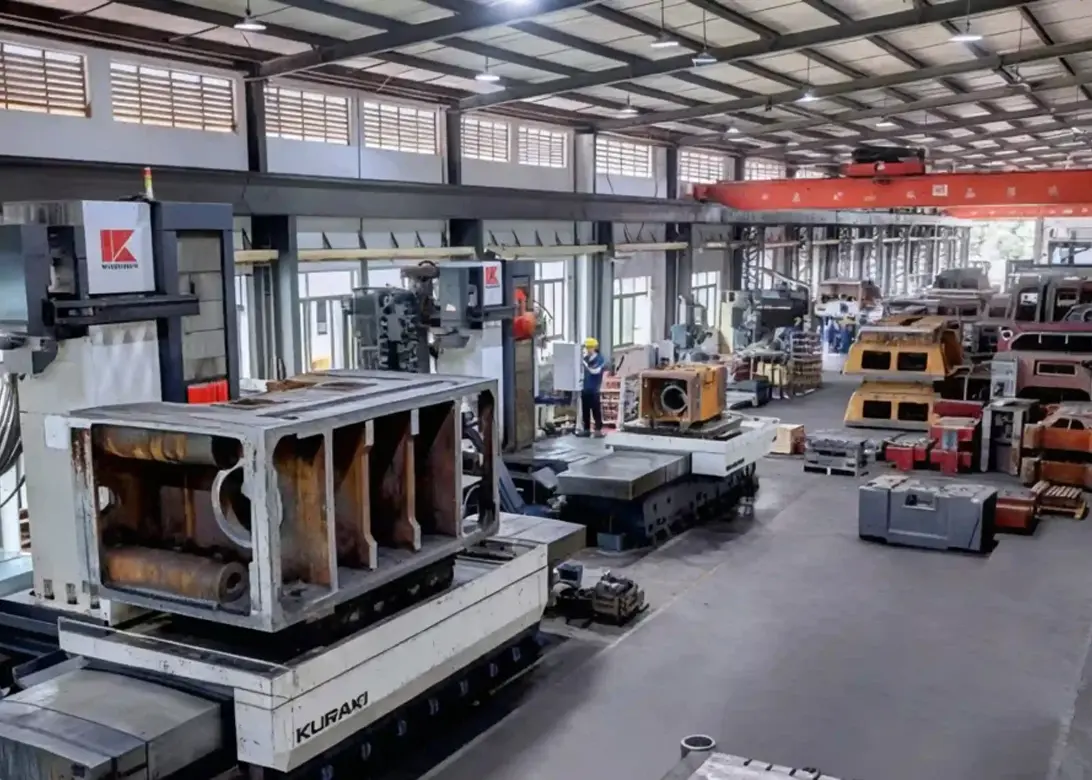
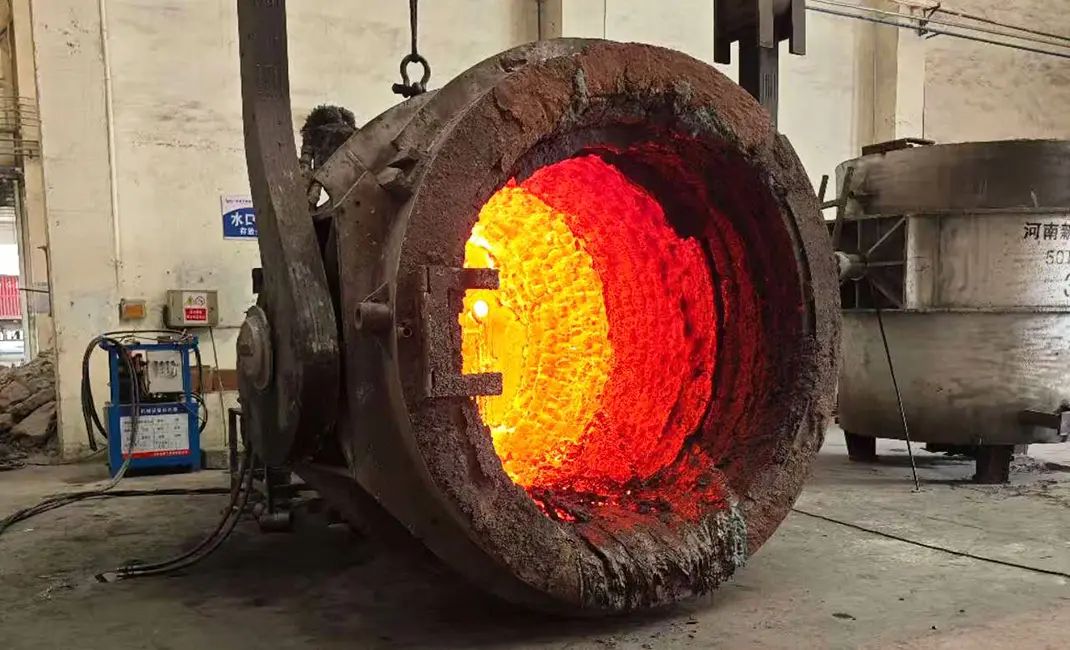
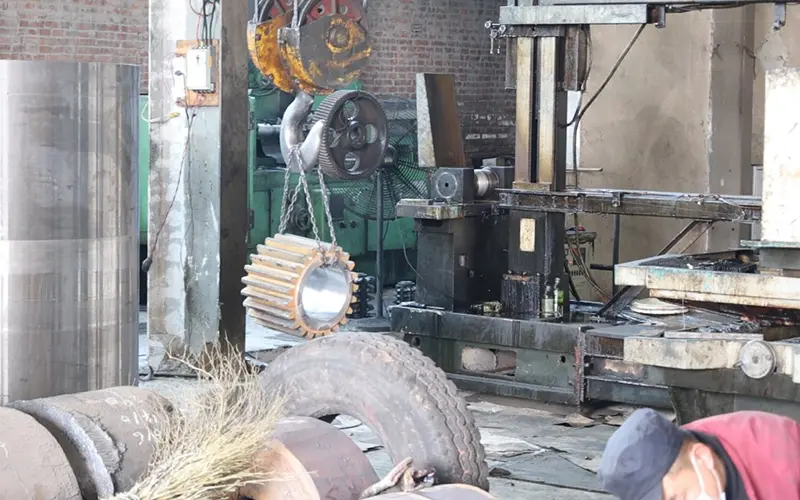
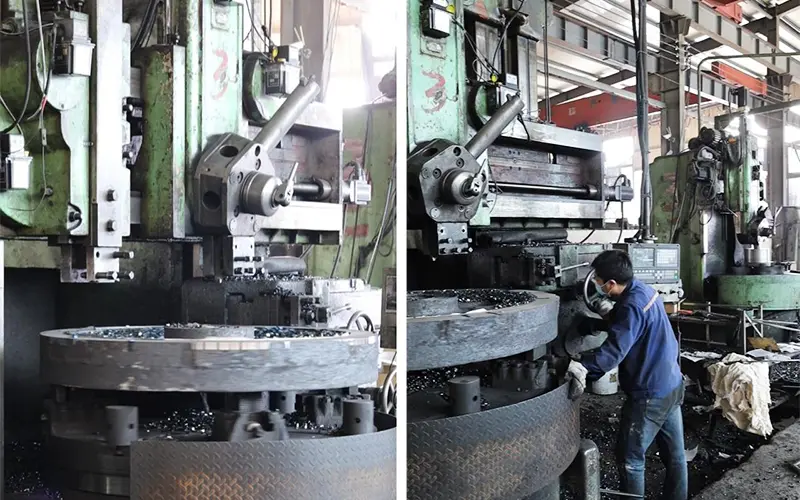
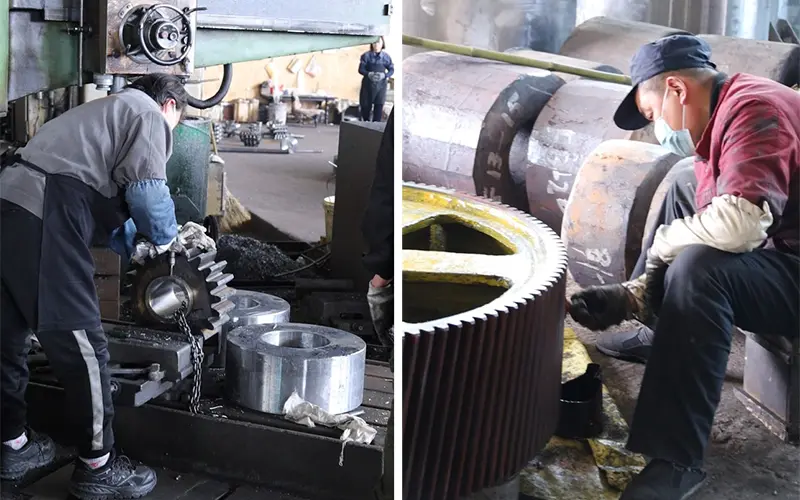
Unlike factories relying on third-party suppliers, we integrate our design, casting, and multi-axis CNC machining processes under one roof, supporting an annual output of 80,000 tons of cast steel components.
We utilize advanced carbon steel, low-alloy steel, and high-manganese steel compositions. Every casting undergoes strict Nondestructive Testing (NDT), including Ultrasonic Testing (UT) and Magnetic Particle Testing (MT).
By streamlining raw material procurement in China's heavy industry hub, we significantly reduce manufacturing cycle times, passing on maximum cost savings to global mining enterprises.
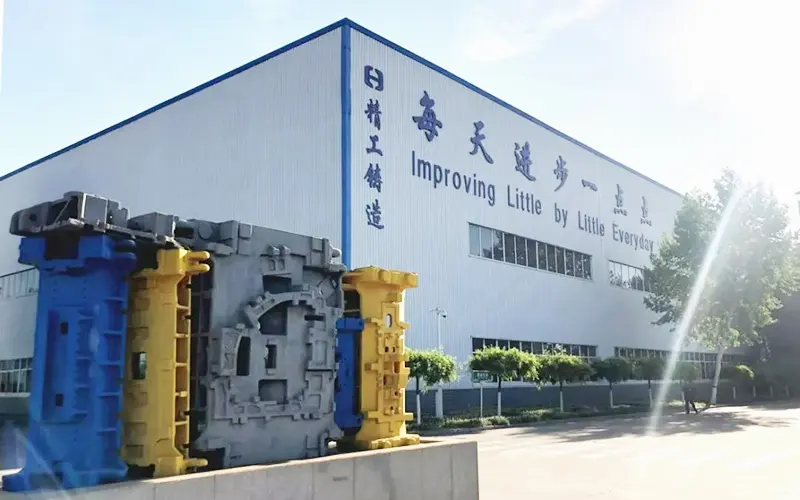
We are a leading foundry manufacturer in China, specializing in heavy-duty cast steel and cast iron parts. With advanced production lines and strict quality control, we supply highly durable castings for mining, metallurgy, power generation, and construction industries worldwide.
Hanhai Casting integrates design, casting, and machining with an annual output of 80,000 tons. Certified with ISO9001 and CE, we deliver precision-engineered castings trusted by clients across Asia, the Middle East, Europe, and South America.
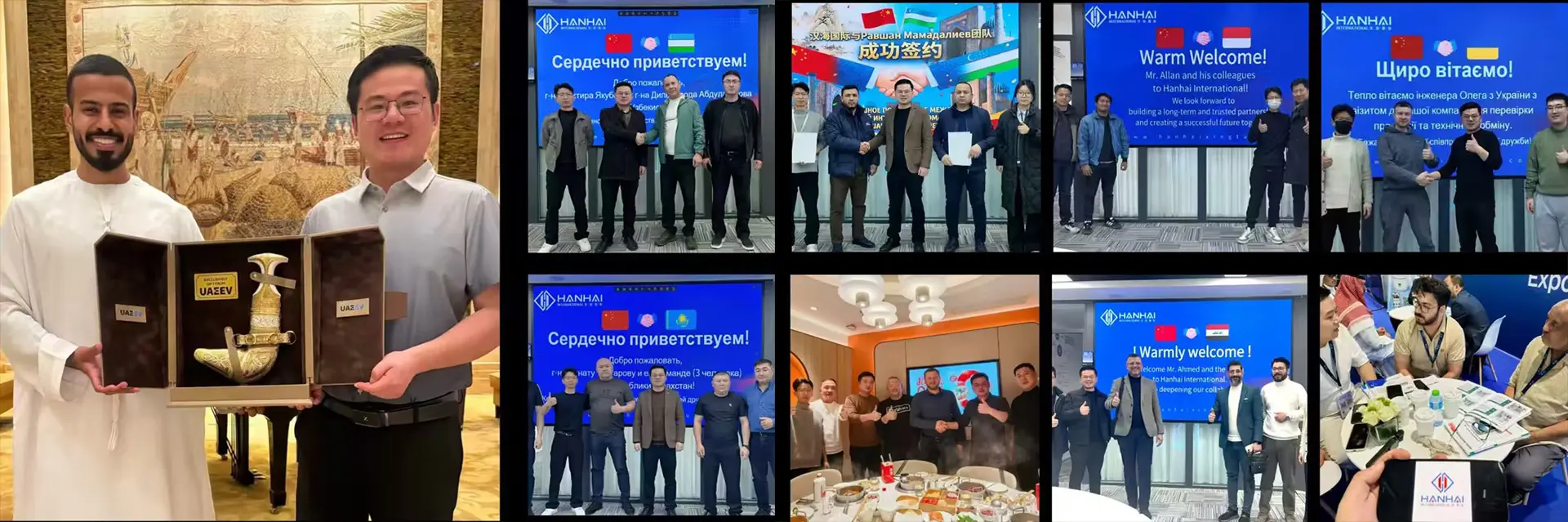
Empowering global infrastructure through precision steel casting and sustainable heavy manufacturing excellence.
To empower global primary industries and heavy machinery operations with precision steel castings, robust mineral processing machinery, and sustainable manufacturing excellence.
To be the world’s most trusted heavy foundry brand, setting benchmarks for alloy performance, environmental stewardship, and customer-first engineering cooperation.
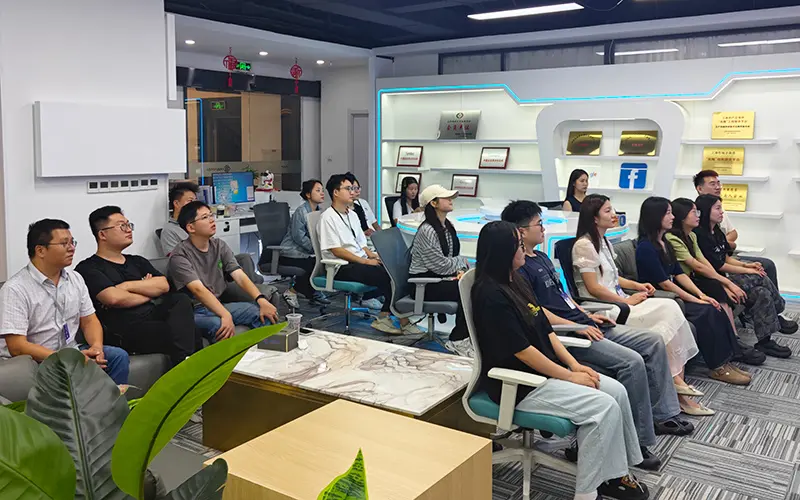
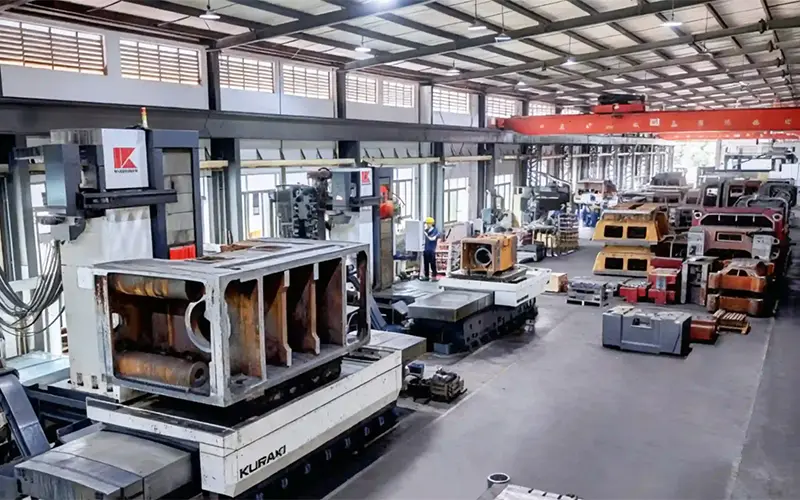
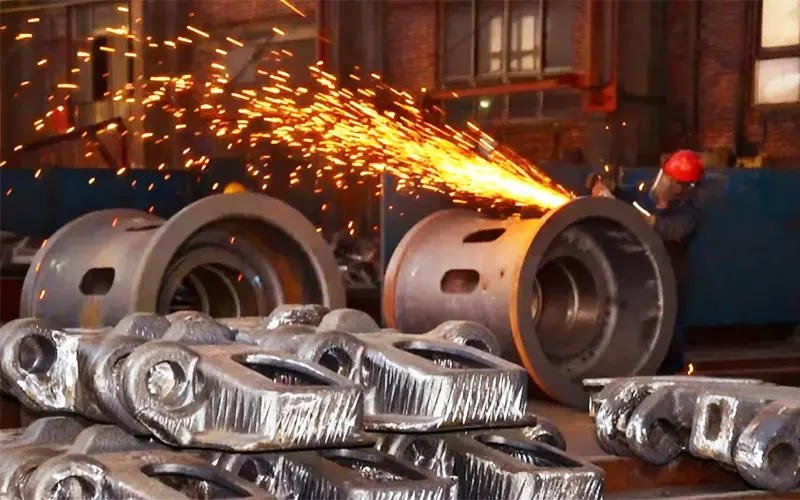
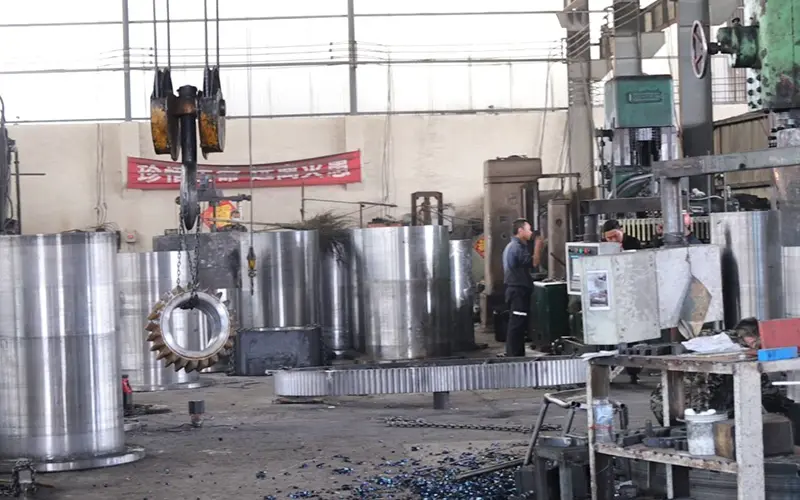
A history of engineering progress, moving from heavy casting roots to smart, integrated digital foundry operations.
Hanhai Casting was established with a focus on heavy steel and iron castings, laying a solid technical and production foundation for global supply chains.
Introduced advanced sand-molding and electric arc melting technology, expanded production capacity, and served key domestic mining and metallurgy sectors.
Achieved ISO9001 certification, upgraded non-destructive testing systems, and began exporting high-performance custom castings to Asia, Europe, and the Middle East.
Integrated intelligent automated systems and digital management, driving sustainable manufacturing, green energy policies, and global mining customer partnerships.
Analyzing field operations and modern technological shifts shaping the crushing and screening industry.
The optimal setup for a secondary cone crusher depends greatly on regional raw materials and climatic factors:
As global directives prioritize energy conservation and digitalization, cone crusher designs are evolving along several key parameters:
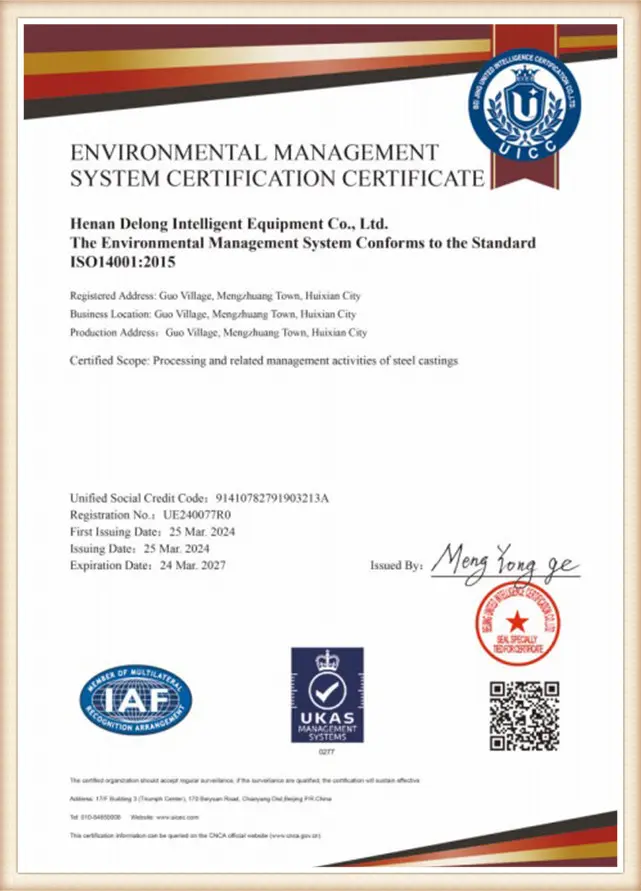
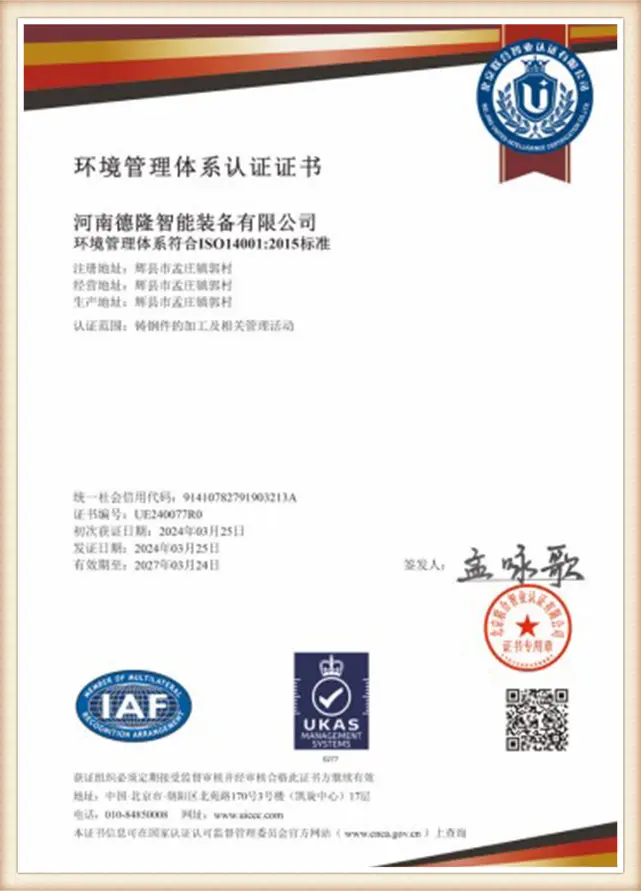
With advanced production lines and strict quality control, we supply durable castings for mining, metallurgy, power generation, and construction industries worldwide.
Serving multiple demanding industries worldwide with high-load and thermal-resistant wear solutions.
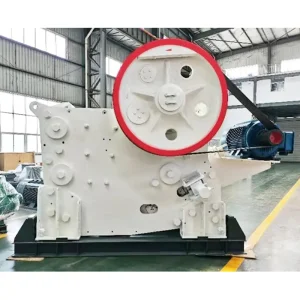
Widely used in mining, metallurgy, construction, chemicals, infrastructure, and recycling for crushing ores, rocks, aggregates, slag, and industrial materials.
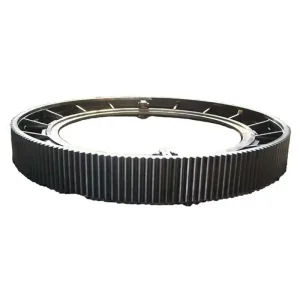
Applied in cement production, mining extraction, steel refining, and heavy manufacturing for wear liners, mills, rotary kilns, and large-scale structural support rings.
Designed specifically for hydraulic forming systems, heavy metalworking machinery, and structural housings supporting intense high-tonnage operations.
High-grade valves, cast iron valve bodies, and industrial flow control pieces engineered to maintain absolute system integrity under high pressures.
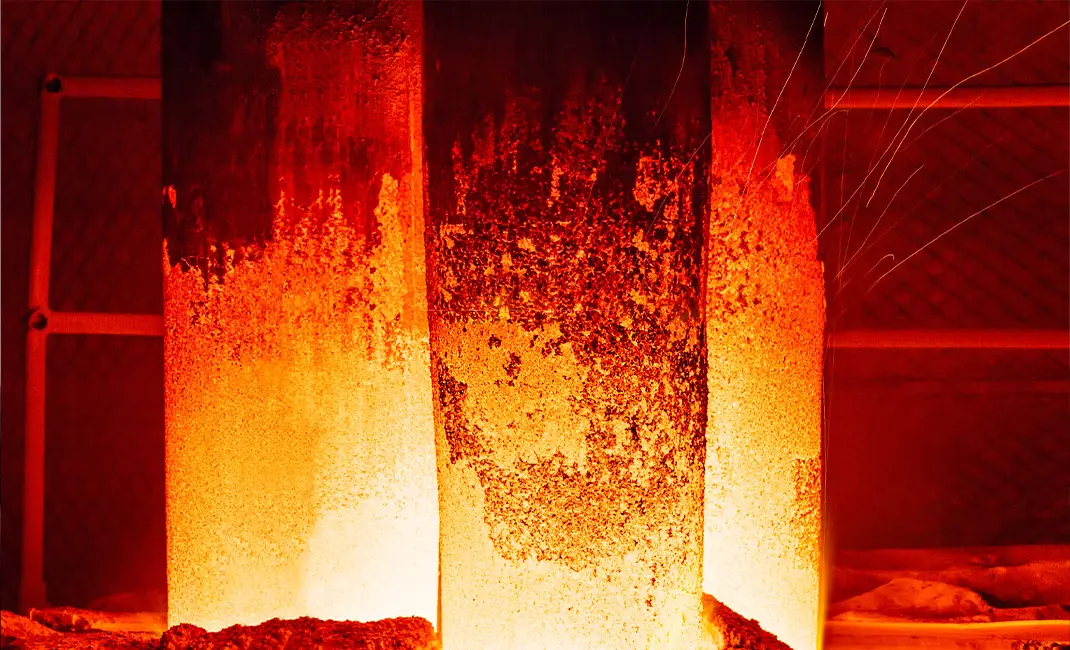
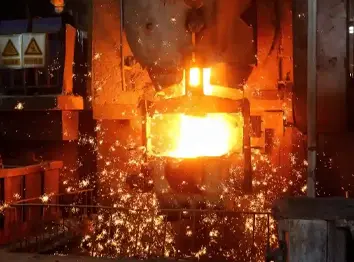
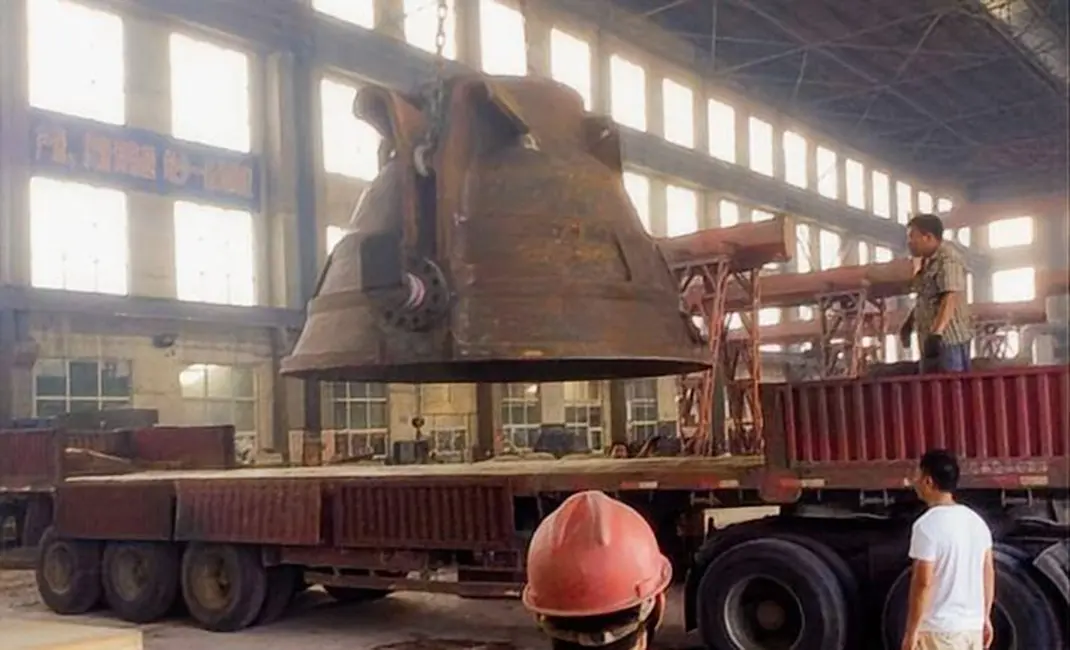
High-temperature slag ladles, ingot molds, and crucible systems designed to handle severe thermal cycles in iron and steel smelting mills.
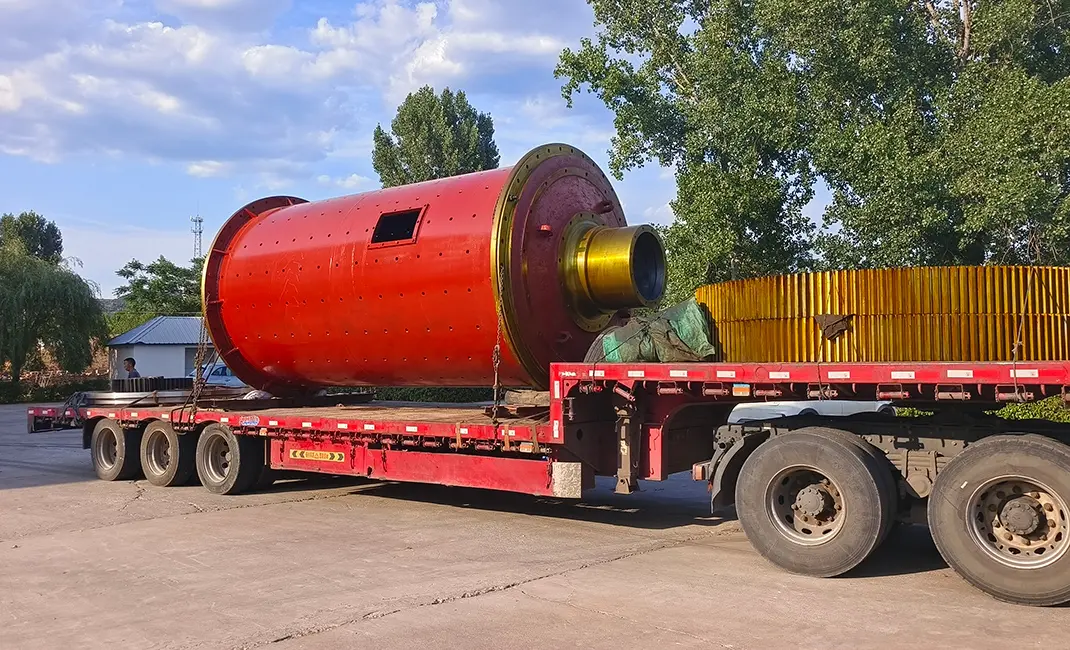
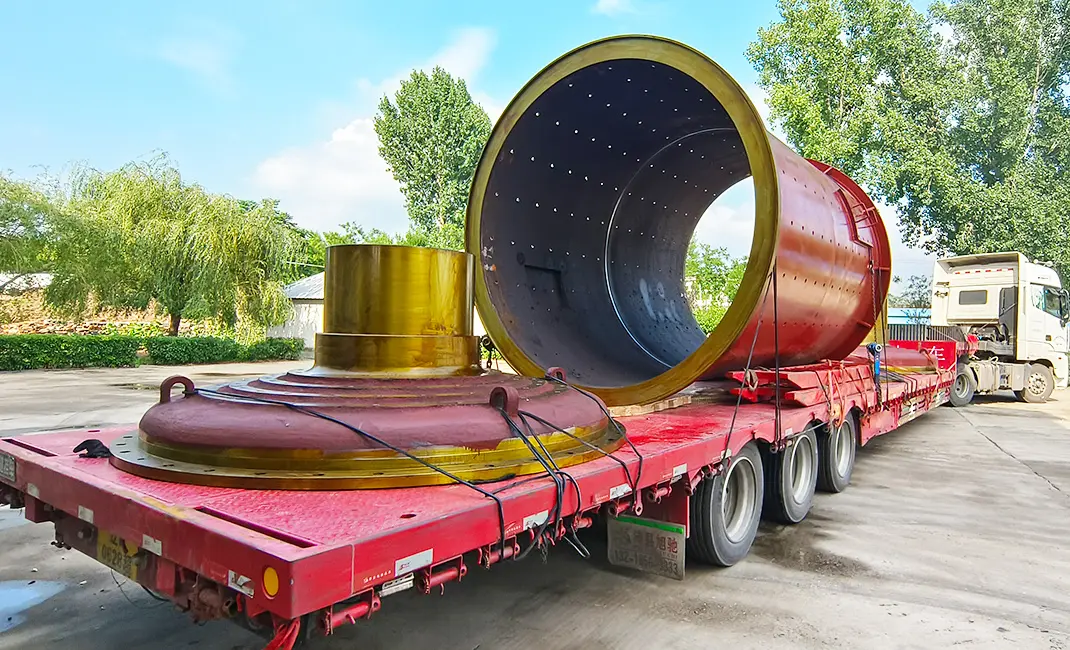
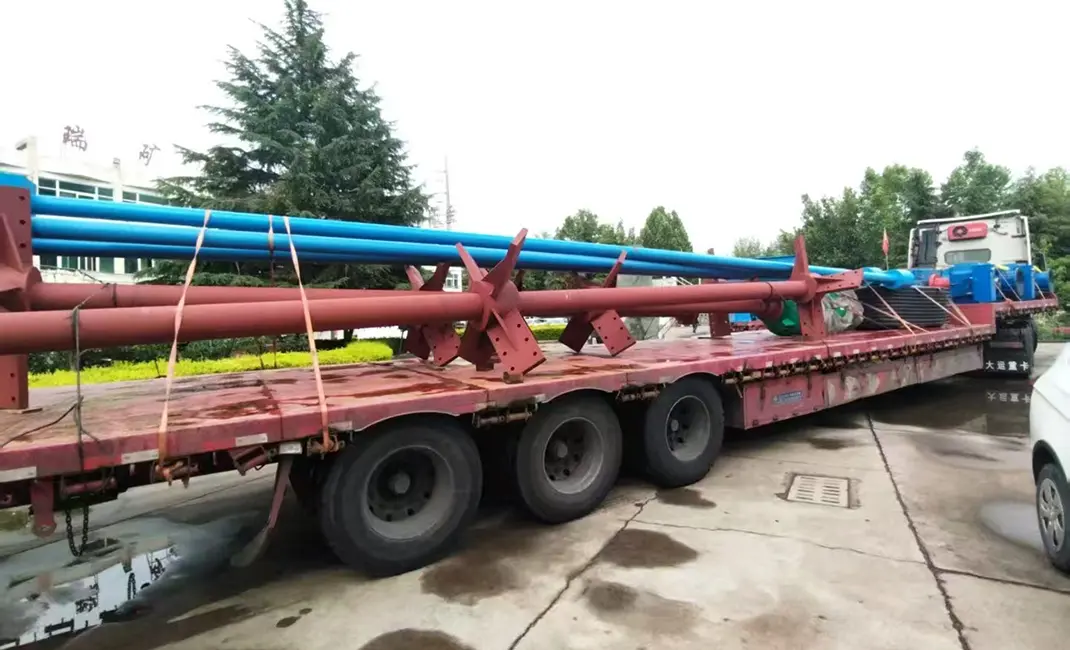
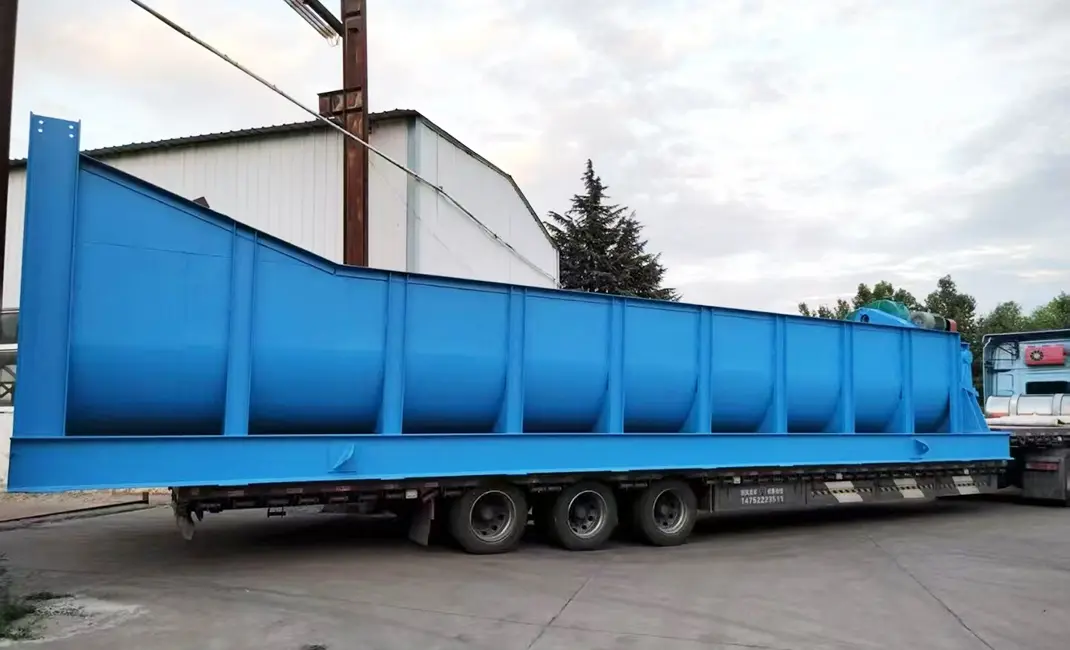
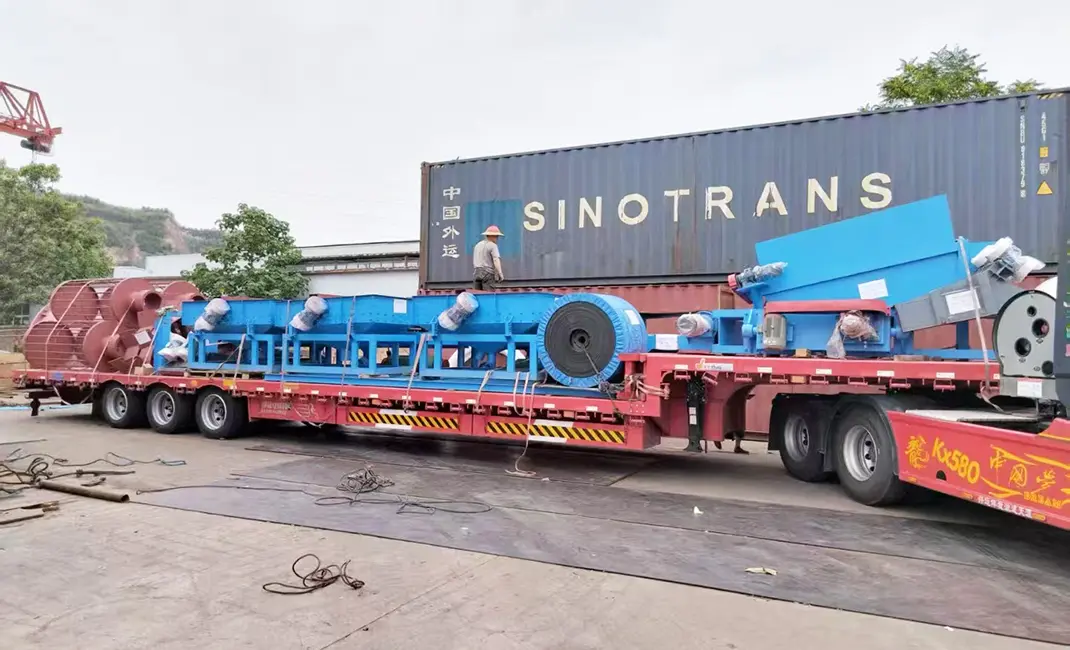
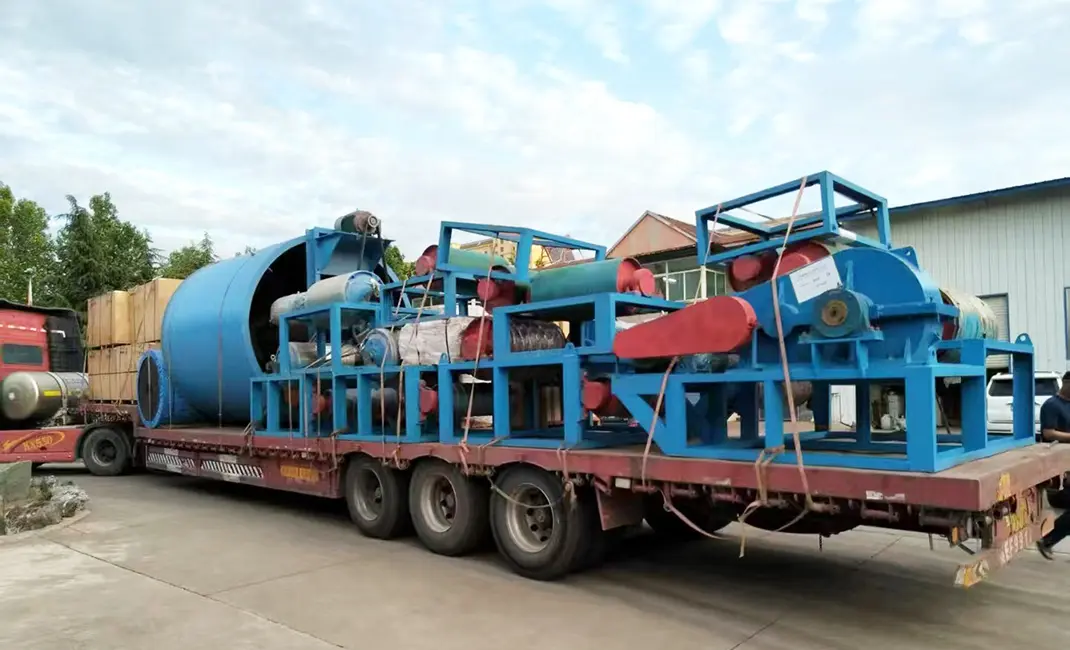
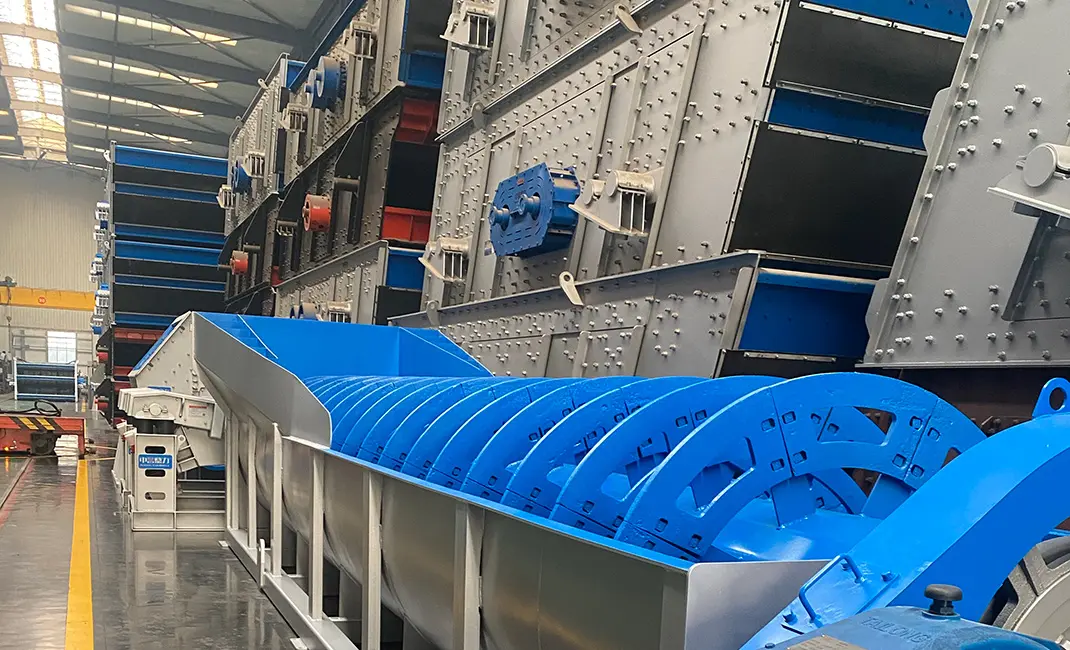
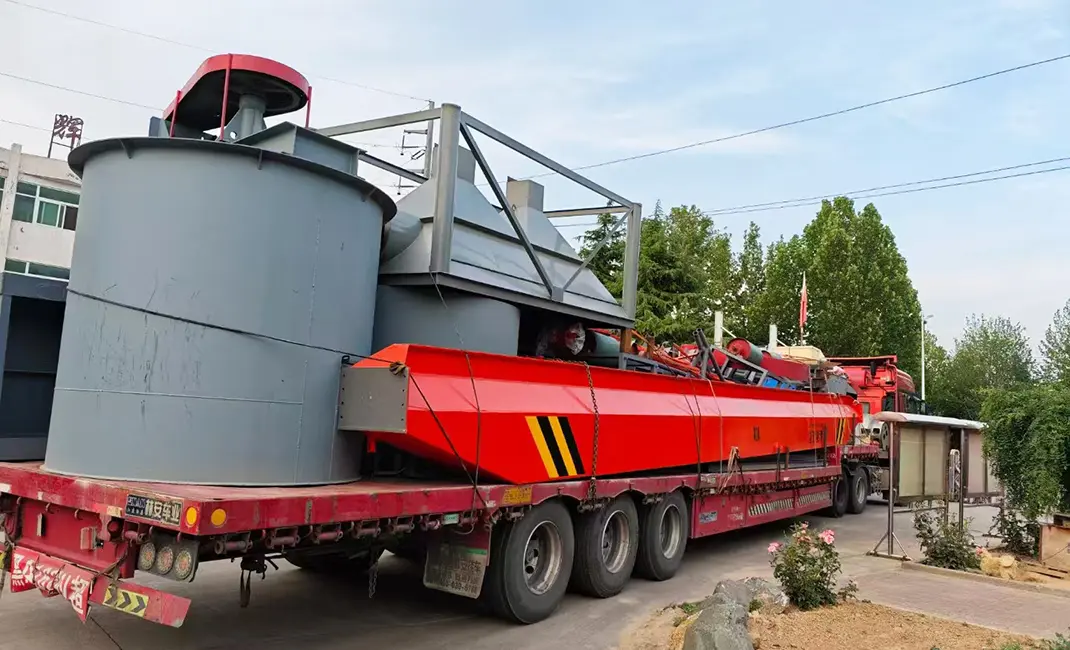
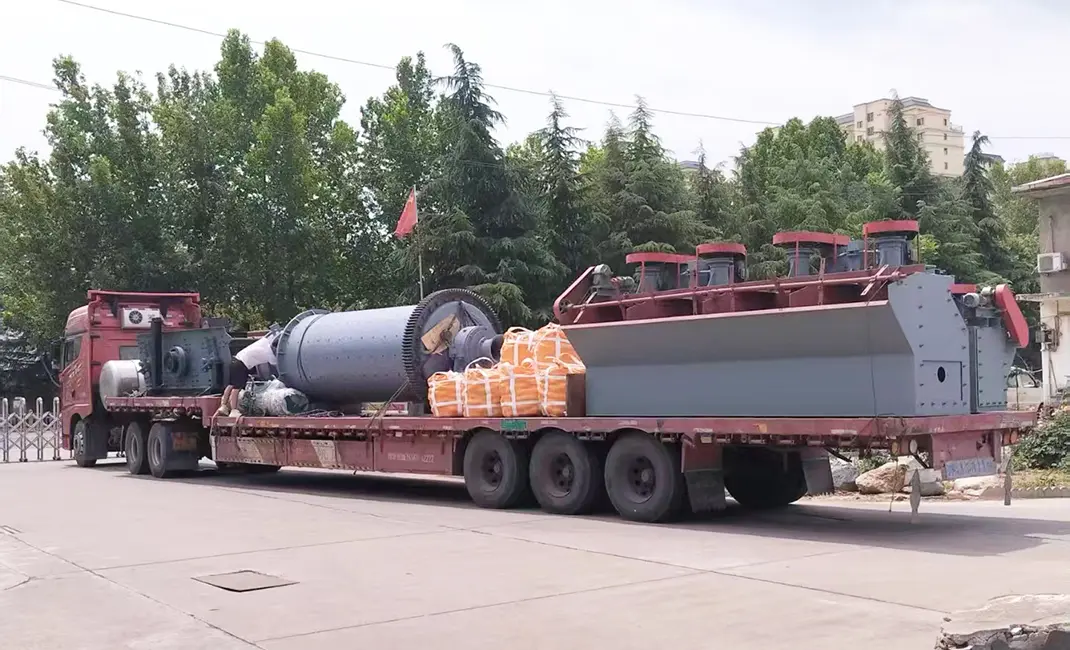
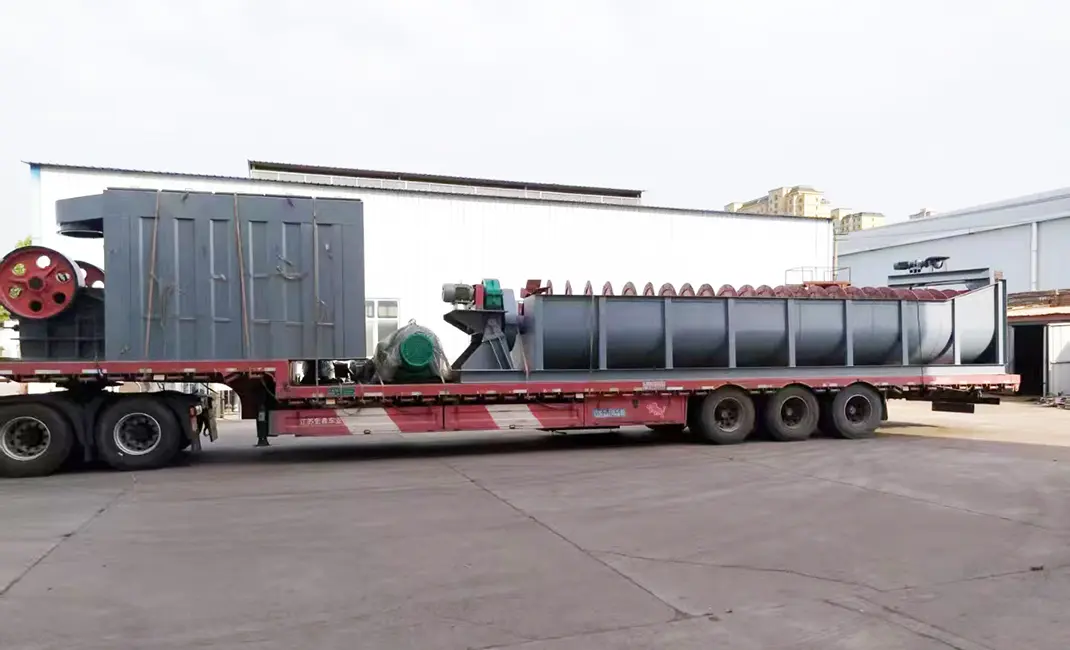
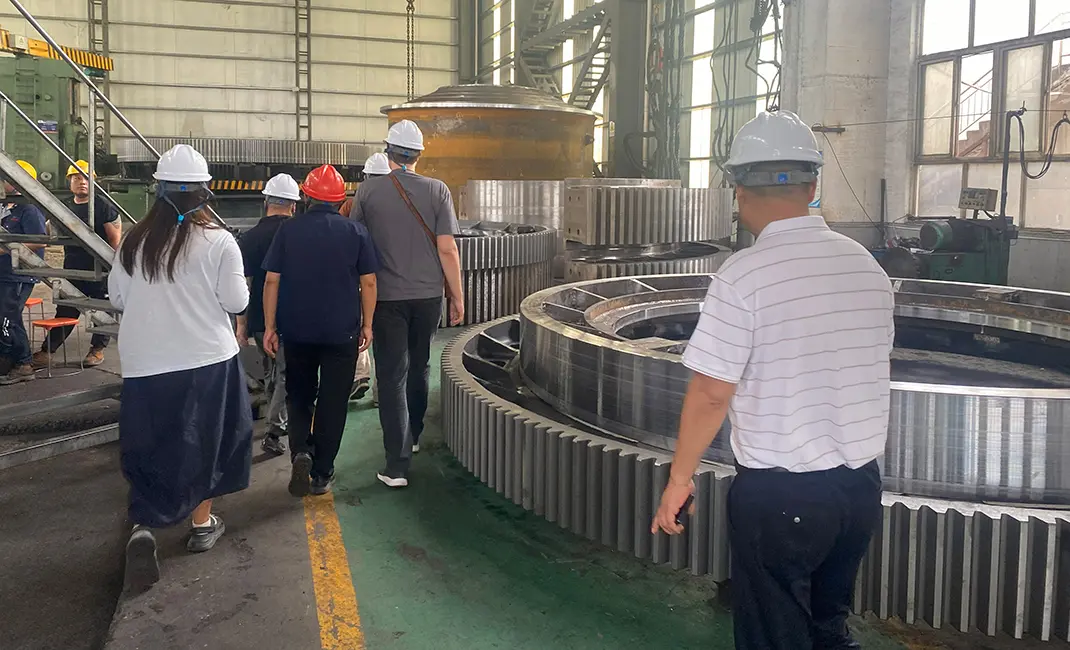
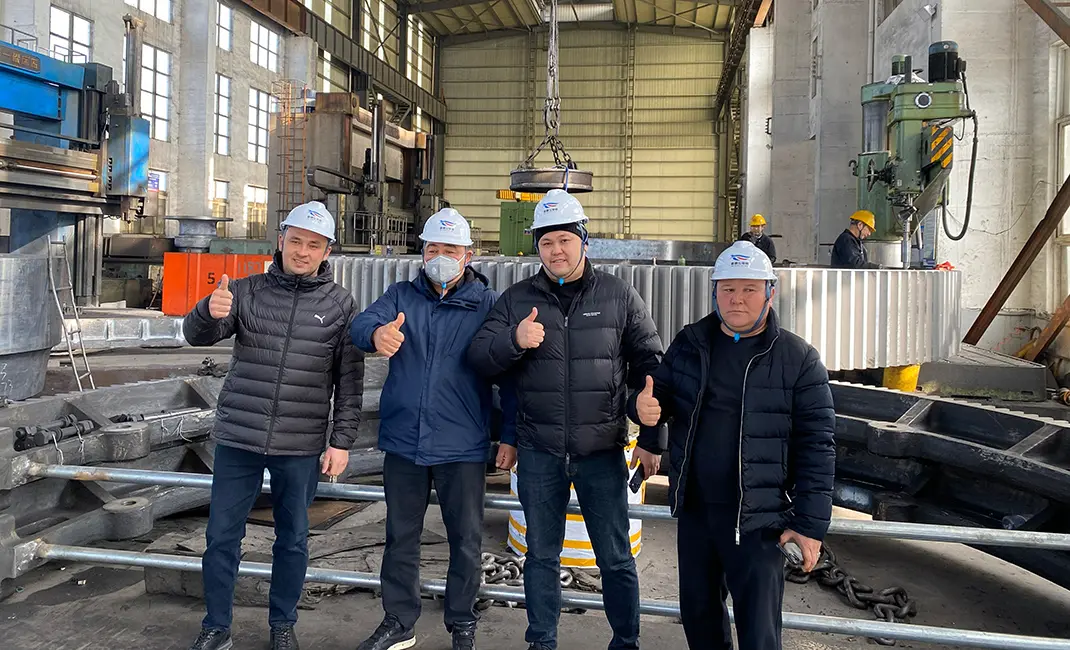
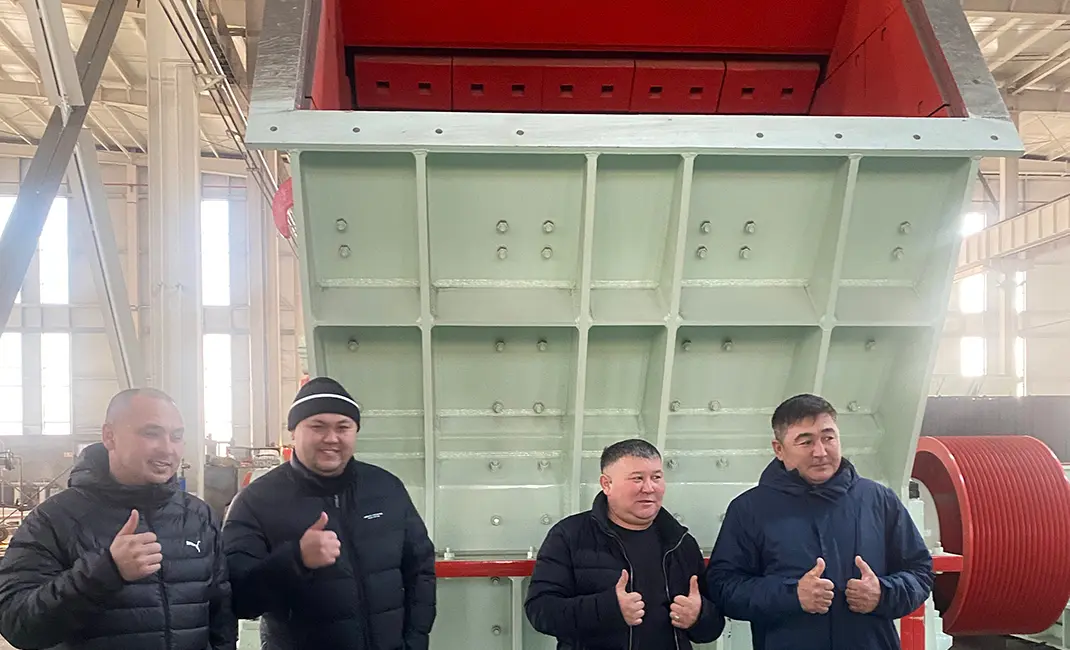
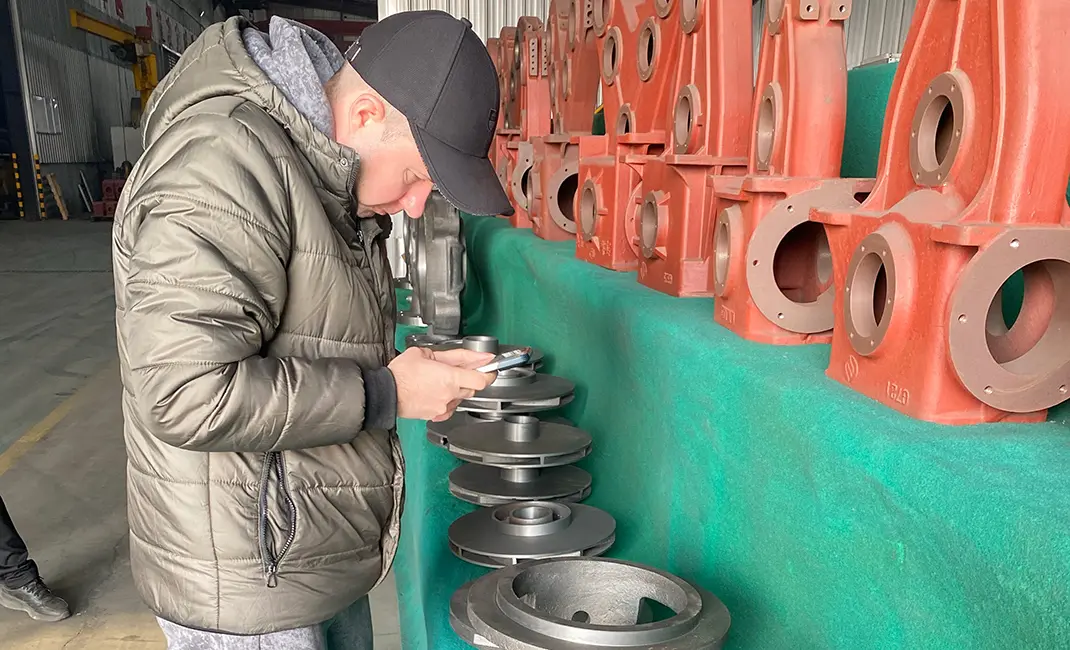
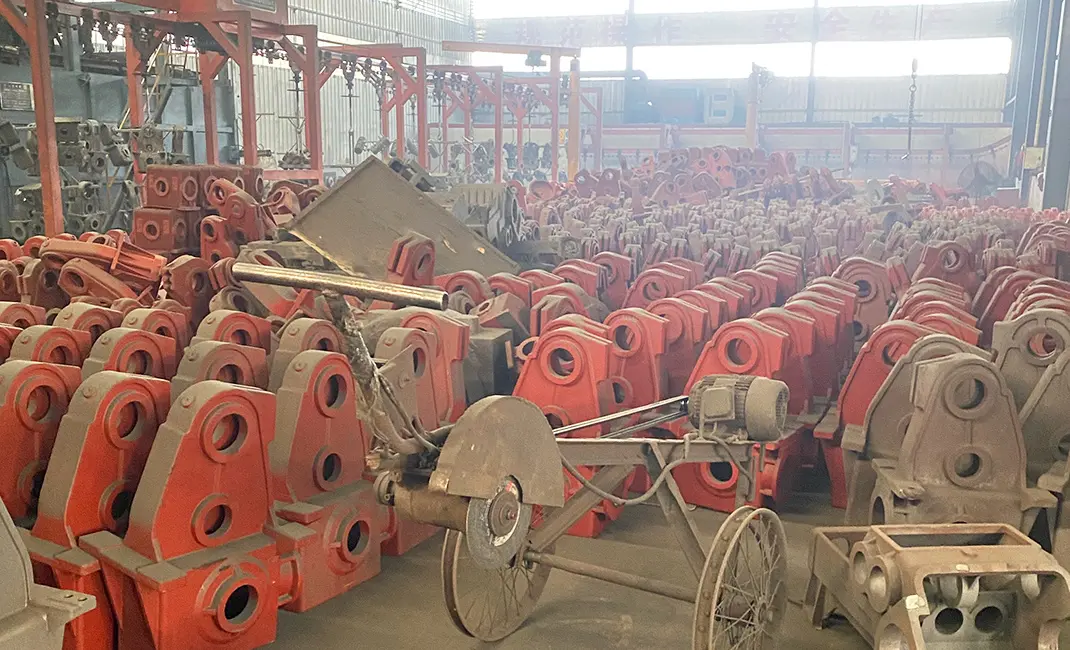
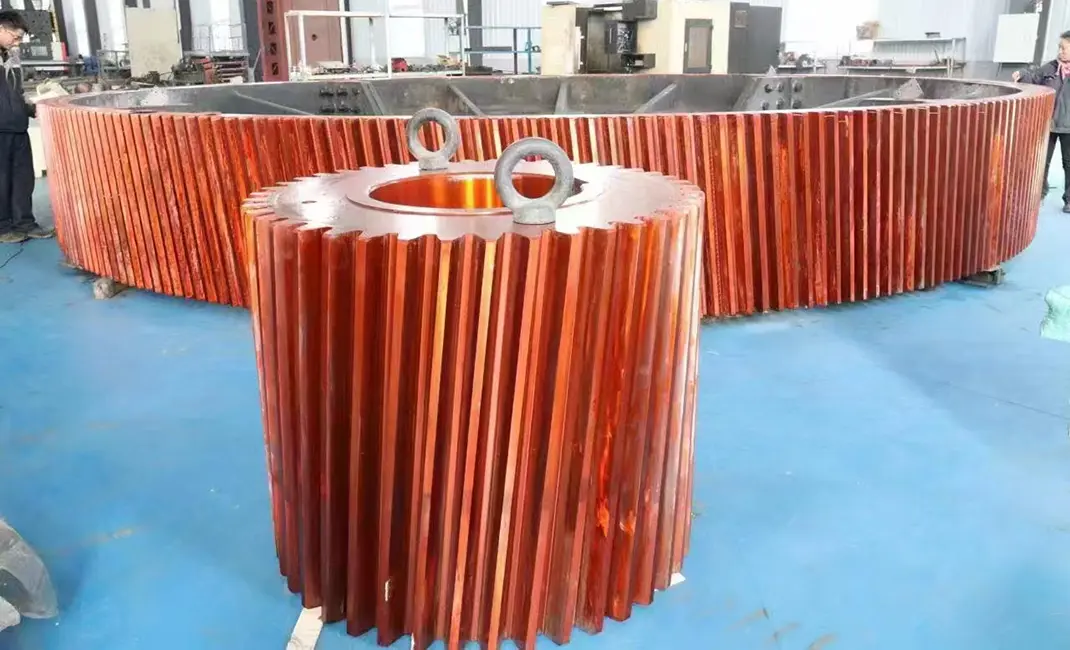
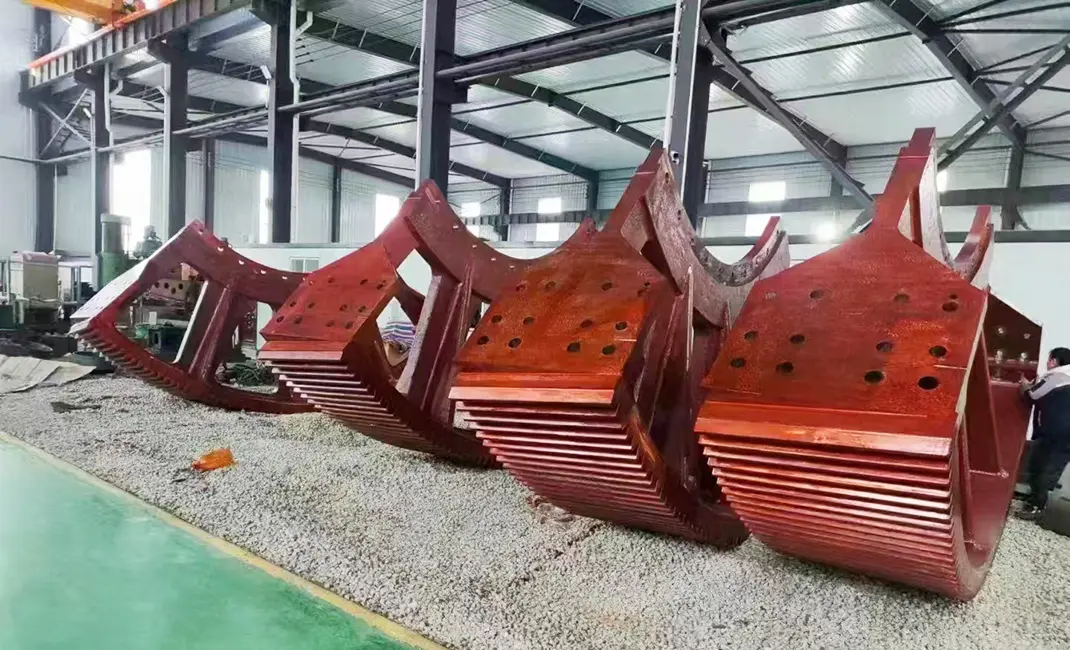
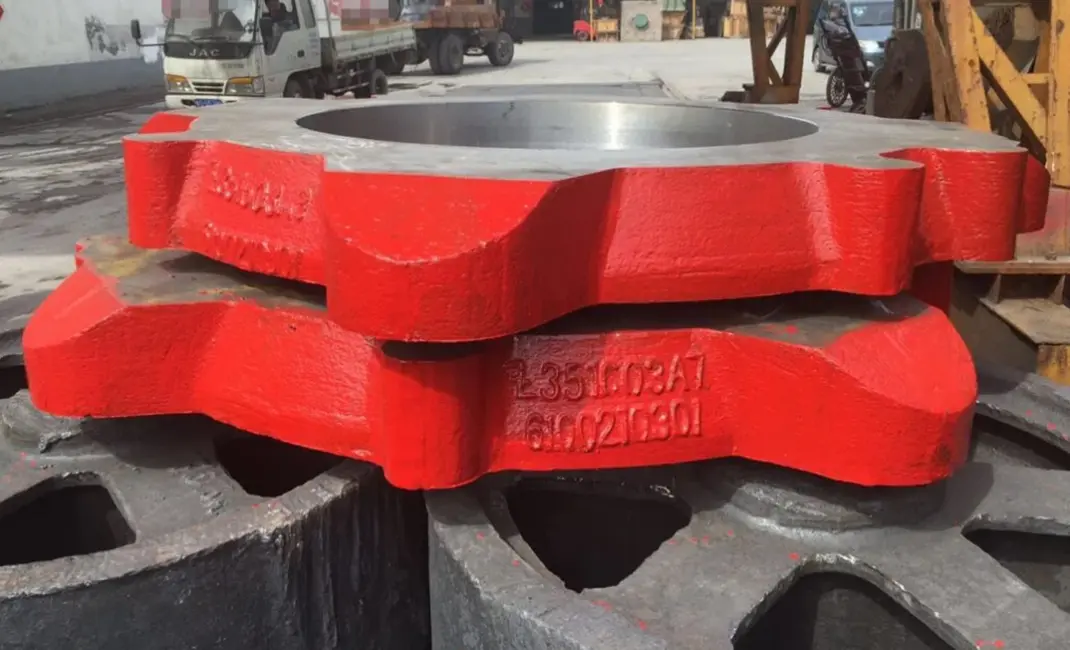
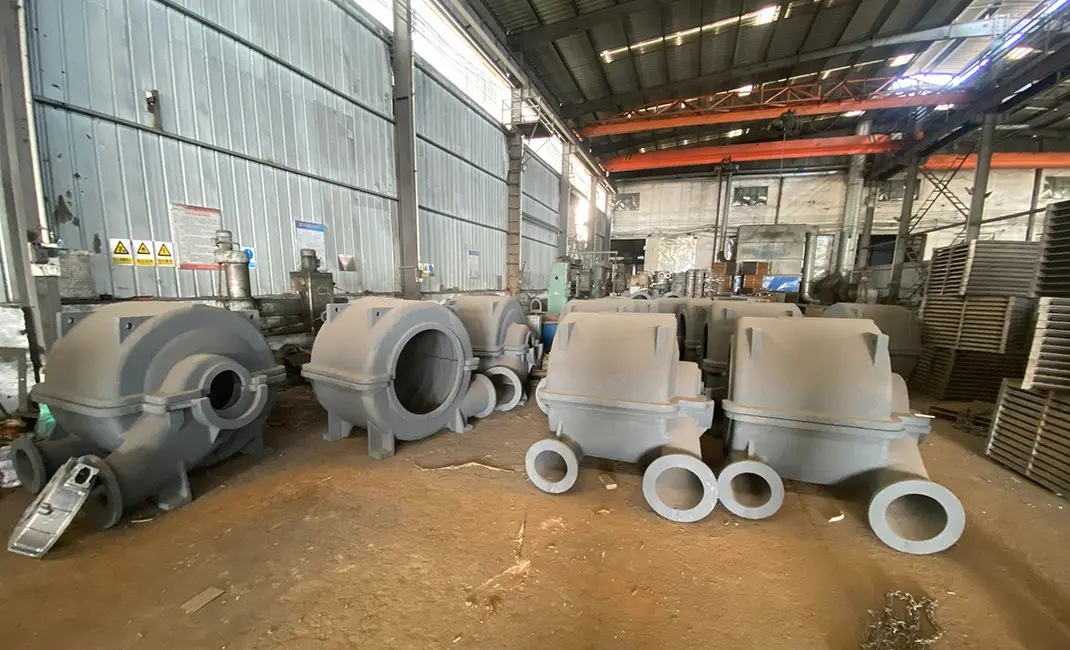
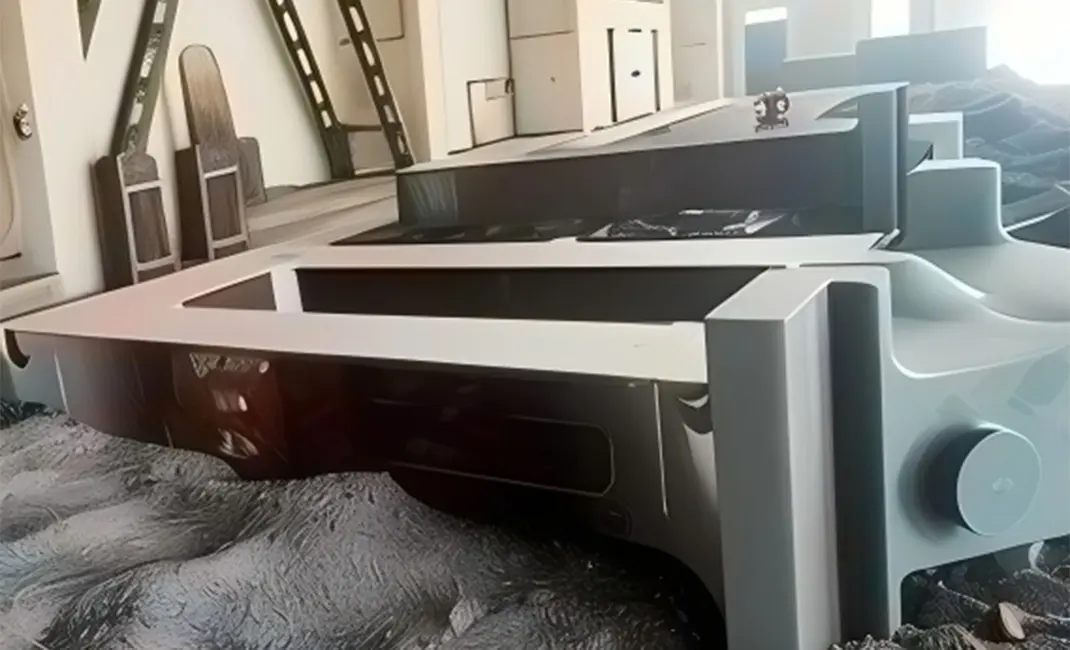
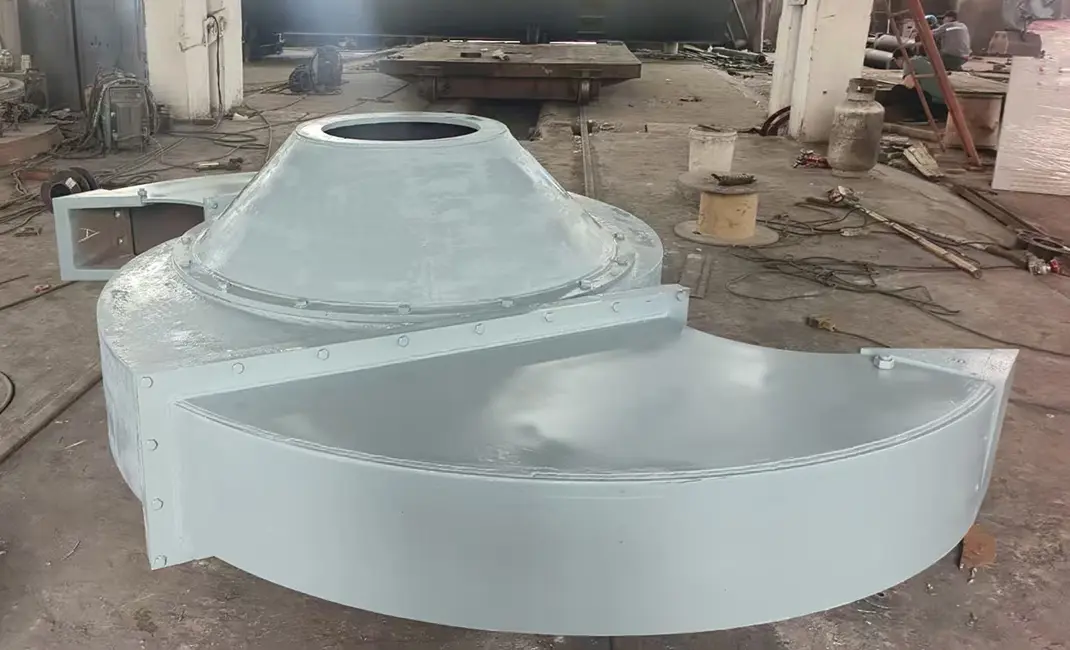
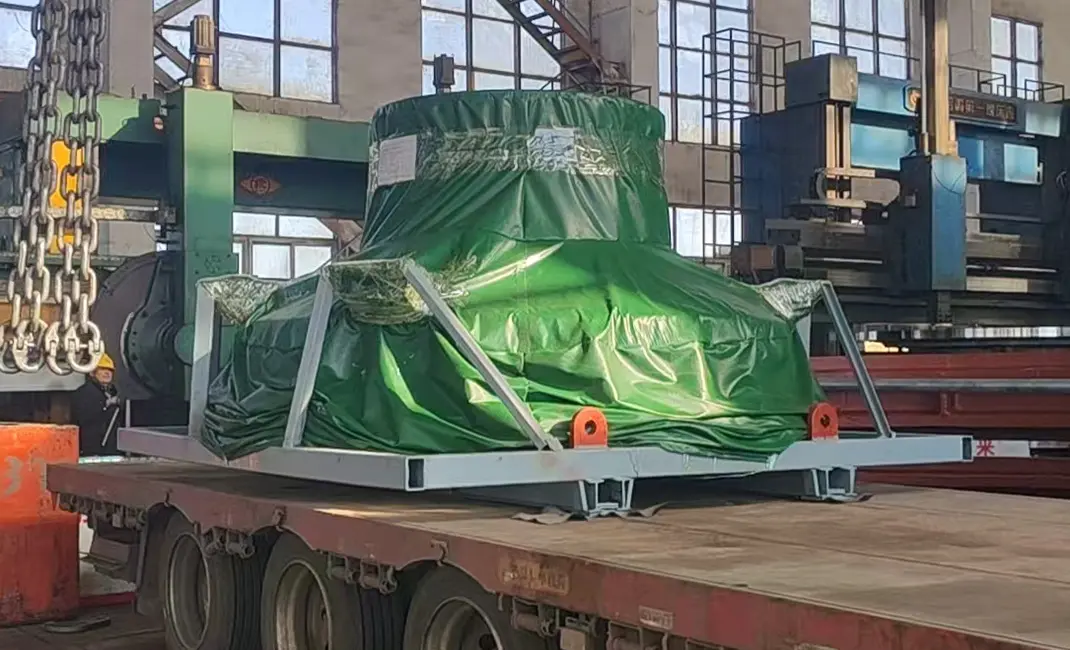
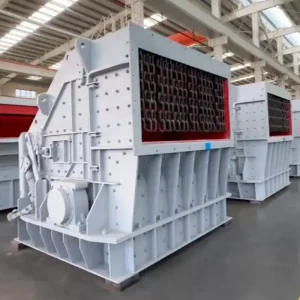
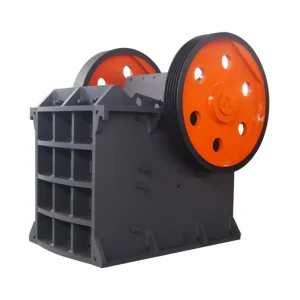
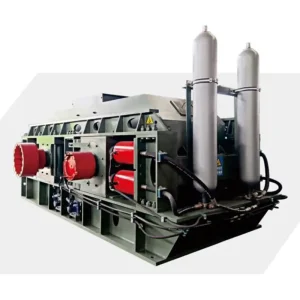
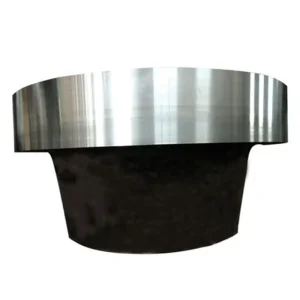
Visual records of our manufactured frames, adjustment rings, sleeves, and specialized machinery castings shipped globally.

Mining and crushing equipment projects are highly customized and technically driven. Our service process is designed to ensure clear communication, precise solution matching, stable manufacturing, and long-term operational reliability, from initial inquiry to after-sales support.
Each step is handled by experienced metallurgical engineers and project managers to reduce operational risks, control capital costs, and ensure smooth delivery schedules.

Project Requirement & Specification Collection
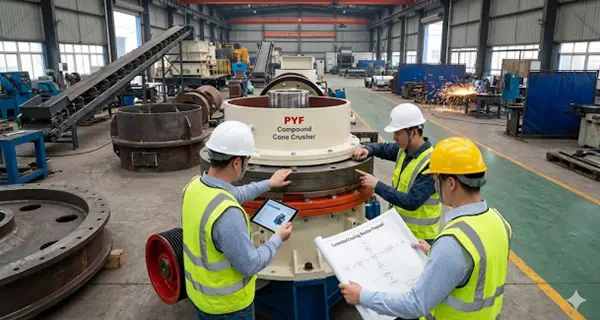
Customized Crushing & Material Proposal
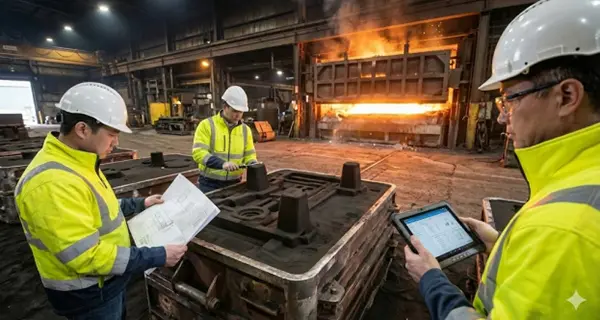
Specification & Commercial Contract Alignment
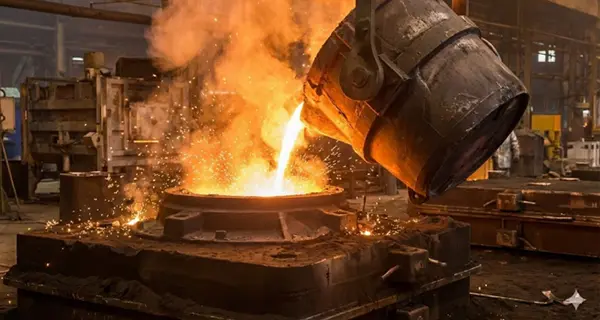
In-House Casting, Heat Treatment & Machining

Pre-Shipment Mechanical & Dimension Testing
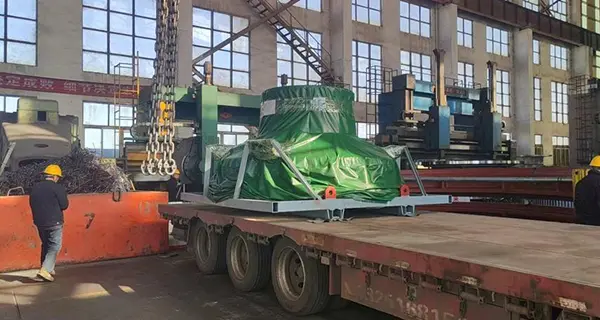
Anti-Rust Packing and Global Ocean Shipping
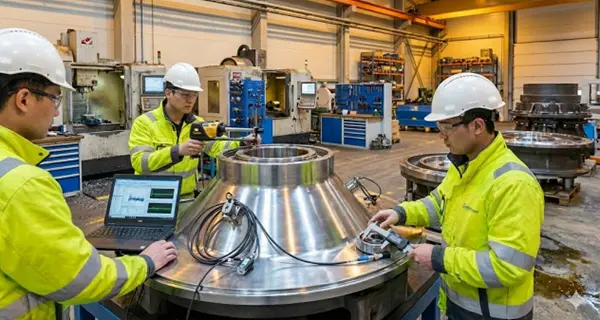
Technical Setup Support on Site or Online
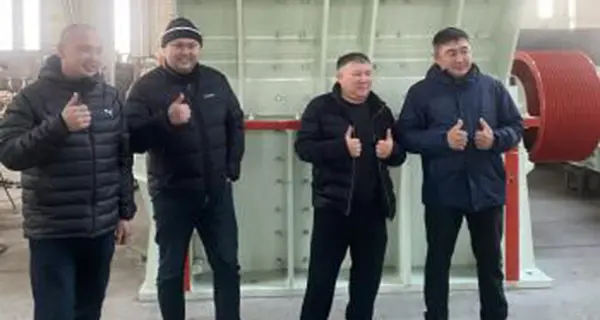
Equipment Operation & Maintenance Training
Long-Term Spare Parts & Liner Wear Supply
In-depth responses to essential technical questions regarding metallurgy, sizing parameters, and global custom foundry production.
For heavy-duty structural parts like the mainframe and the support sleeve, high-strength carbon steel (such as ASTM A148 or equivalent) or low-alloy steel castings are typically utilized. These materials are selected because they offer high yield strength, excellent fracture toughness, and weldability. For internal wear parts, high-manganese steel (e.g., Mn18Cr2 or Mn22Cr2) is standard to utilize work-hardening characteristics under compression.
We use 3D laser scanners and coordinate measuring machines (CMM) to verify physical casting boundaries against customer blueprints. Coupled with solidification simulation software (like Magmasoft) during the design stage, we control cooling shrinkages and eliminate internal voids or gas pockets before metal pouring begins.
Depending on complexity and size, pattern creation, casting, annealing heat treatment, and precision machining takes between 45 to 60 days. Large-scale structural items, like 25-ton support rings or mill heads, may take up to 75 days. We establish detailed project schedule updates with buyers to ensure delivery timelines are met.
Standard components often fail to address localized geologic changes (e.g., highly abrasive rock vs. sticky clay). Custom castings permit modification of alloy composition (increasing chromium or molybdenum levels) and geometry to extend wear lives, lowering the cost-per-ton index of your crushing operation.
Browse our second group of industrial components, slag ladles, and precision engineering castings.
 Hanhai