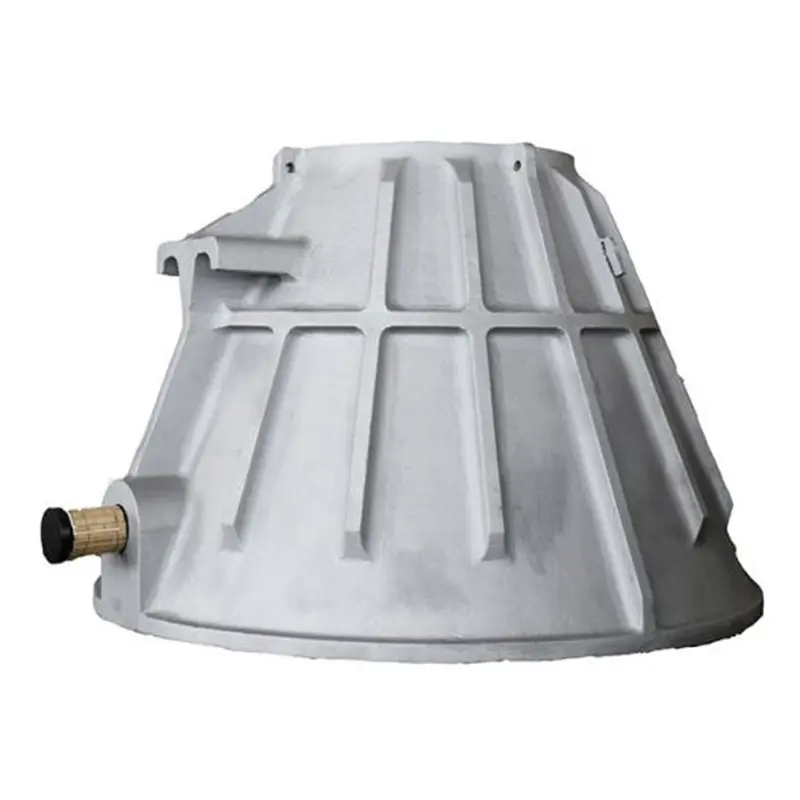
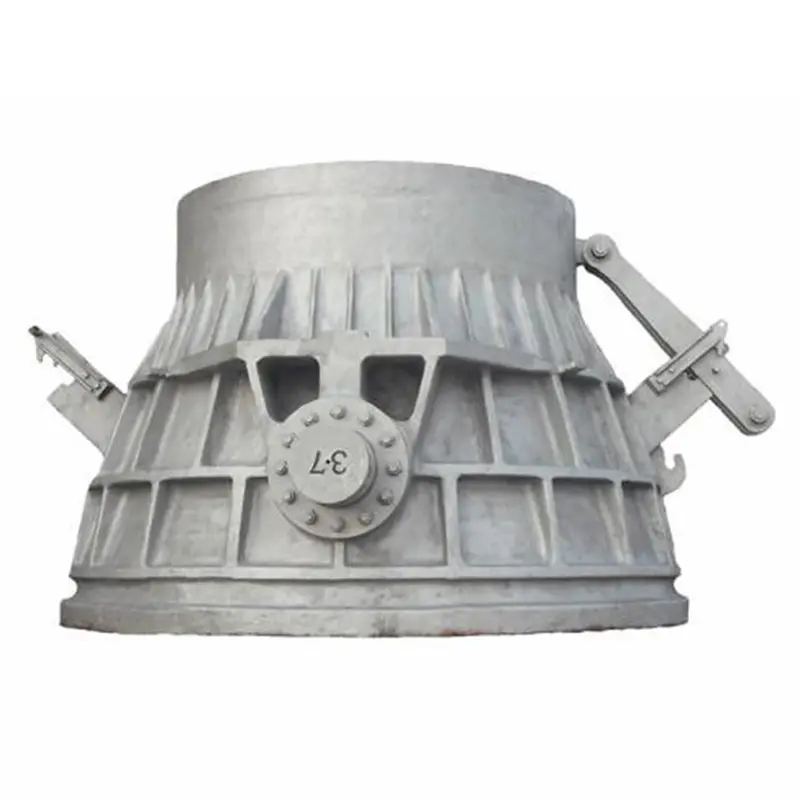
China Casting Slag Ladle for Steel and Metallurgy Applications Suppliers, Factories

This cast iron component is engineered through refined metallurgical production systems structured for high-performance industrial service. The manufacturing sequence incorporates verified material preparation, thermally regulated alloy processing, precision mold configuration, controlled metal transfer, gradual cooling cycles, and multi-point inspection protocols. Each operation is integrated within a disciplined process framework to ensure repeatable structural consistency and operational durability. The resulting casting embodies a stable synthesis of mechanical resilience and geometric conformity suitable for complex mechanical assemblies.

Formulated from carefully balanced cast iron alloys, the component delivers sustained structural endurance and dependable stress management. Its optimized microstructure supports effective force distribution, enabling reliable functionality under elevated loads and extended mechanical strain. Designed to integrate seamlessly within both stationary frameworks and mechanically active systems, the part retains dimensional stability and performance integrity throughout prolonged service intervals.

Product Description

Product Description

Material characteristics enhanced by calibrated thermal control contribute to resistance against mechanical erosion and environmental influence. The casting withstands compressive forces, repetitive motion, humidity exposure, and chemically reactive conditions while limiting distortion and fatigue progression. These qualities support longer operational cycles and contribute to lower lifecycle service requirements.

Dimensional integrity is maintained through engineered mold precision and carefully regulated casting variables. Defined tolerance control ensures compatibility with engineering schematics and system integration demands. A consistent surface profile supports accurate component alignment, promotes secure interfacing, and minimizes the need for extensive post-processing adjustments, thereby streamlining manufacturing workflows.

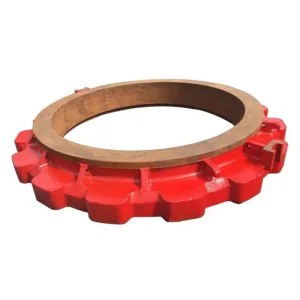
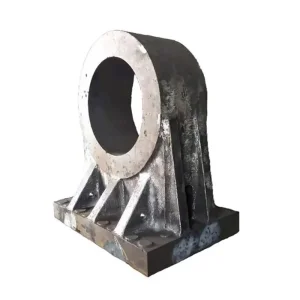
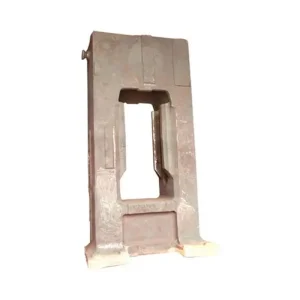
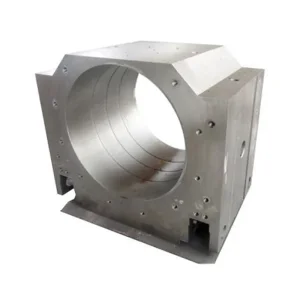
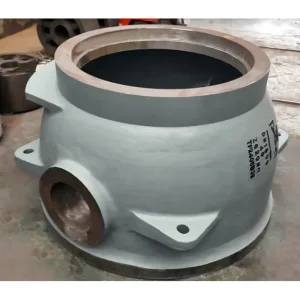
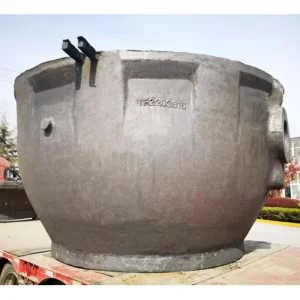
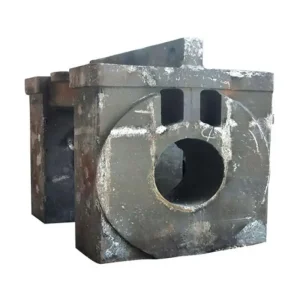
Casting- Slag Ladle

Due to its adaptable structural performance, this cast iron casting serves a wide spectrum of industries including heavy equipment fabrication, transportation systems, infrastructure development, mineral extraction operations, agricultural machinery engineering, and general industrial manufacturing. Typical applications involve load-bearing foundations, protective casings, reinforcement assemblies, support brackets, and structural elements requiring durability and controlled geometry.

Manufacturing flexibility allows modification of alloy composition, dimensional parameters, mass distribution, surface finishing treatments, and machining allowances in accordance with project-specific documentation. This adaptability ensures compatibility across varied operational environments and mechanical configurations.
Key Features

  • Engineered cast iron framework ensuring stable stress distribution
  • Enhanced durability against abrasion and environmental exposure
  • Regulated production maintaining dimensional conformity
  • Uniform surface structure supporting precise mechanical integration
  • Configurable manufacturing specifications for diverse industrial systems

Frequently Asked Questions

1. What are the primary industries served by these cast iron castings? These castings are widely used in heavy equipment fabrication, transportation systems, infrastructure development, mineral extraction, and agricultural machinery engineering.
2. How does the casting maintain dimensional integrity? Dimensional integrity is achieved through engineered mold precision and carefully regulated casting variables, ensuring adherence to strict tolerance controls.
3. Can manufacturing specifications be customized? Yes, we offer flexibility in alloy composition, dimensional parameters, mass distribution, and surface finishing to meet specific project documentation and mechanical requirements.
4. What makes these castings resistant to harsh environments? The material is enhanced by calibrated thermal control, allowing it to withstand compressive forces, humidity, chemical reactions, and mechanical erosion effectively.
5. Does the casting require extensive post-processing? No, the consistent surface profile and precise molding process support accurate component alignment, which significantly minimizes the need for extensive post-processing adjustments.

Related Products