Engineered with exceptional metallurgical precision to meet heavy industrial demands, our products deliver structural longevity and superior crushing yields.
In heavy industrial applications—ranging from mining and metallurgical slag recovery to aggregate production—the efficiency of primary processing equipment determines downstream throughput and overall plant profitability. Among these systems, Jaw Crushers and Roll Crushers represent the workhorses of reduction technology. Optimizing these platforms via OEM services ensures that structural castings, wear components, and power-train dynamics are configured to match specific geological hardness indexes.
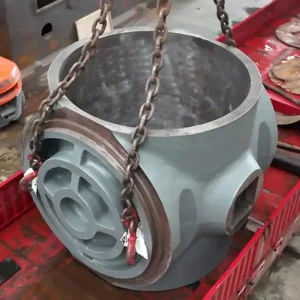
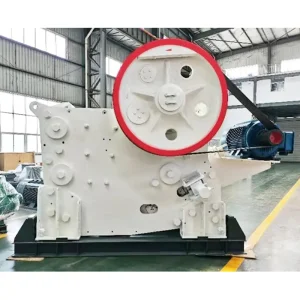
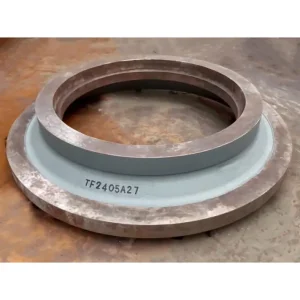
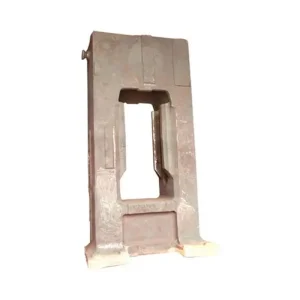
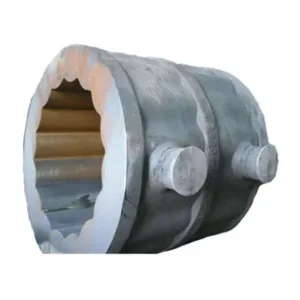
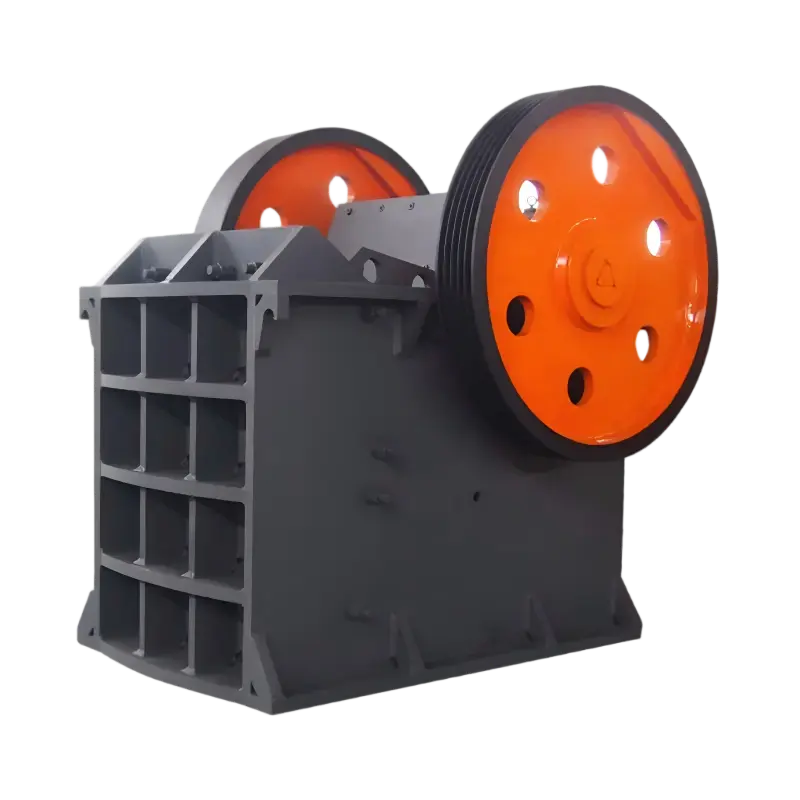
Jaw crushers utilize compressive force to fracture hard, abrasive materials. The feed material is squeezed between two jaw plates: one remains fixed while the other, the swing jaw, executes a reciprocating motion driven by an eccentric shaft and toggle plate assembly. The strength of this assembly relies heavily on the quality of the cast steel housing, support sleeves, and end caps that contain the massive mechanical loads generated during high-impact crushing cycles.
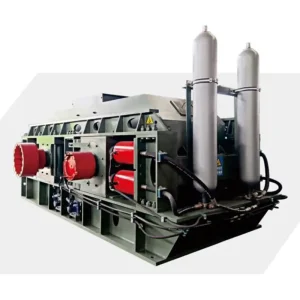
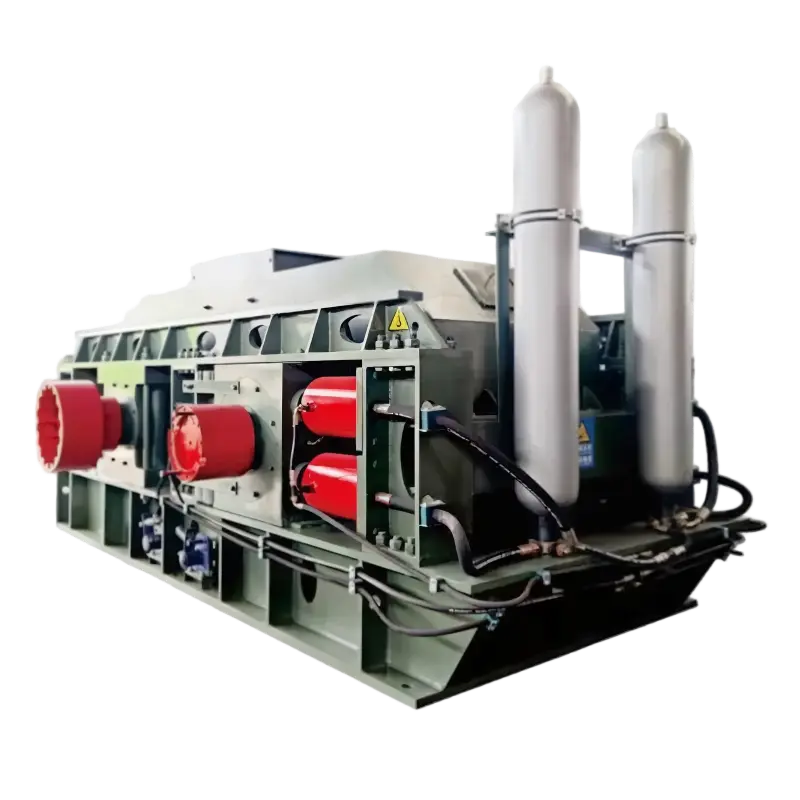
Roll crushers, on the other hand, utilize a combination of compression, shear, and impact. Comprising two counter-rotating rolls, these machines process materials of low to medium hardness, such as coal, limestone, and shale. Our engineering teams customize the roll teeth configurations and gap settings to match exact particle size distribution (PSD) requirements. By utilizing high-integrity casting materials, the wear life of roll shells is significantly extended, reducing downtime associated with resurfacing or replacement.
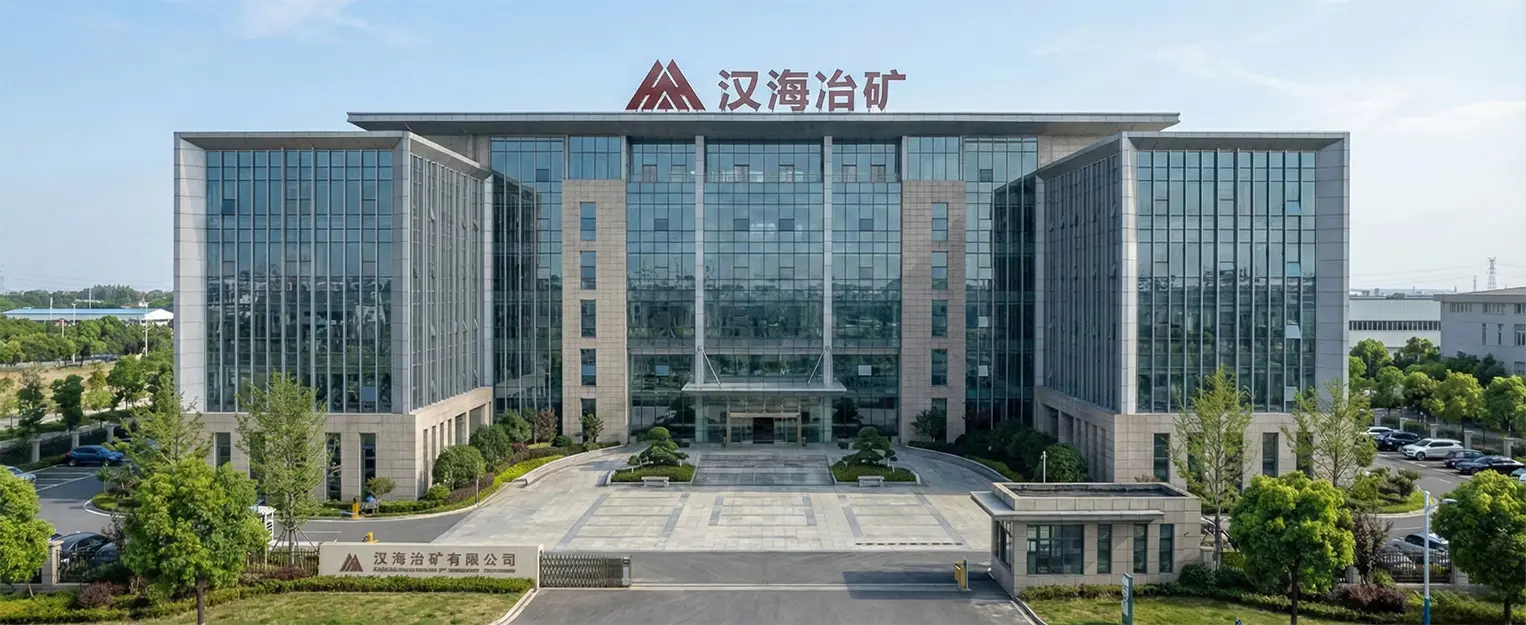
How regional engineering ecosystems, advanced metallurgy, and scale economies deliver unmatched value to global heavy industries.
Our strategic location in Henan province allows real-time integration with upstream raw iron ore suppliers and downstream specialty alloy providers. This regional clustering reduces logistic cycle times and optimizes raw material formulation costs.
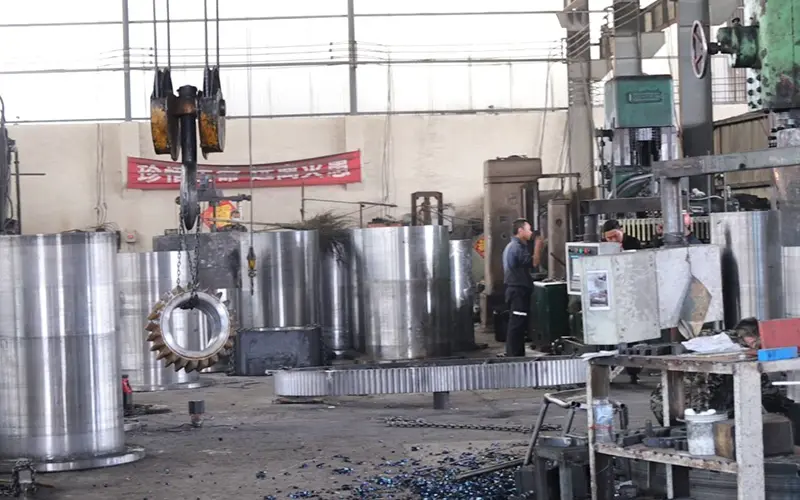
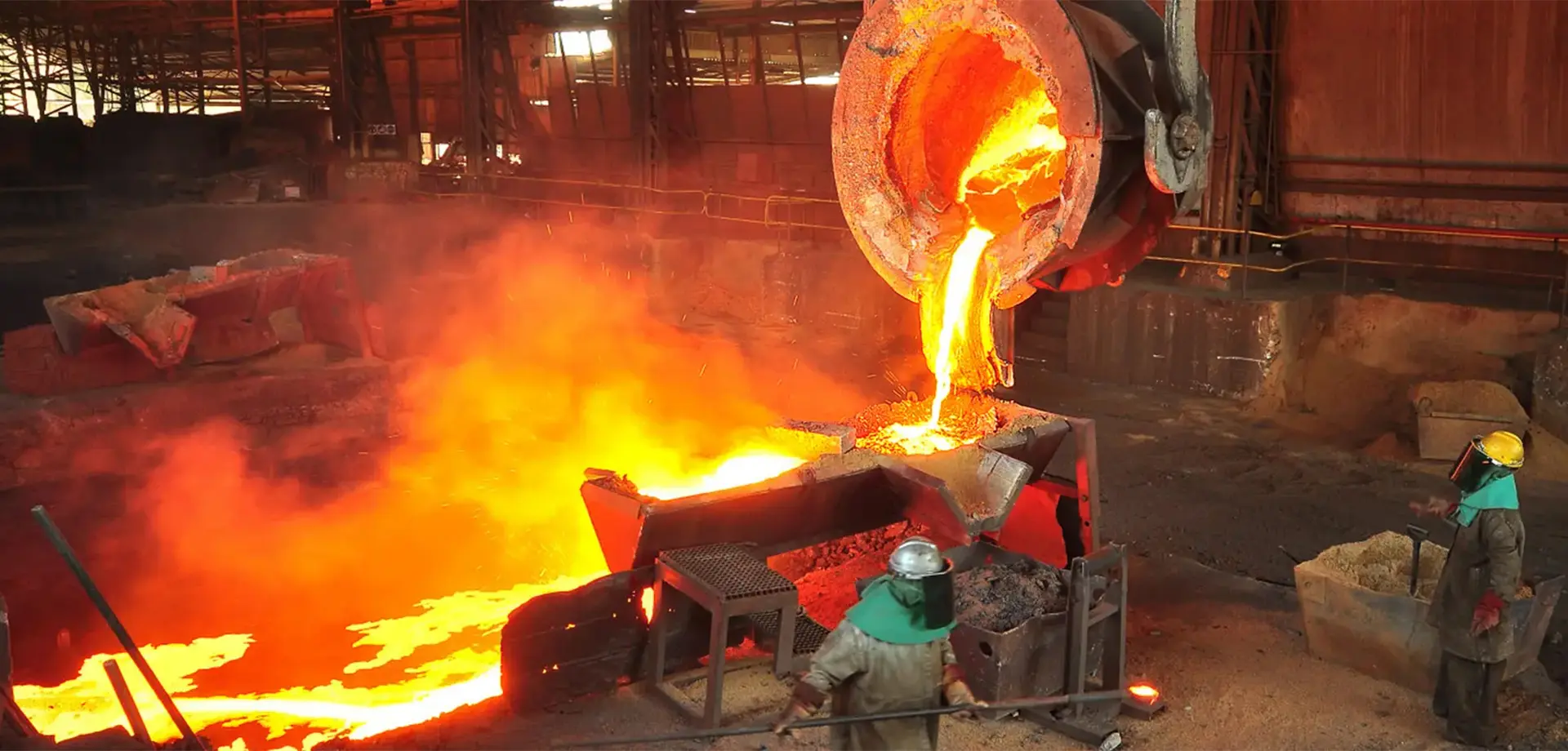
Equipped with high-tonnage electric arc furnaces, vacuum induction melting systems, and sophisticated sand-molding lines, we process cast steel parts weighing up to several dozen tons, while guaranteeing structural soundness.
Every batch undergoes rigorous quality validation. This includes non-destructive testing (NDT), ultrasonic inspection, magnetic particle testing, chemical spectrographic analysis, and complete dimensional mapping using 3D scanner technology.
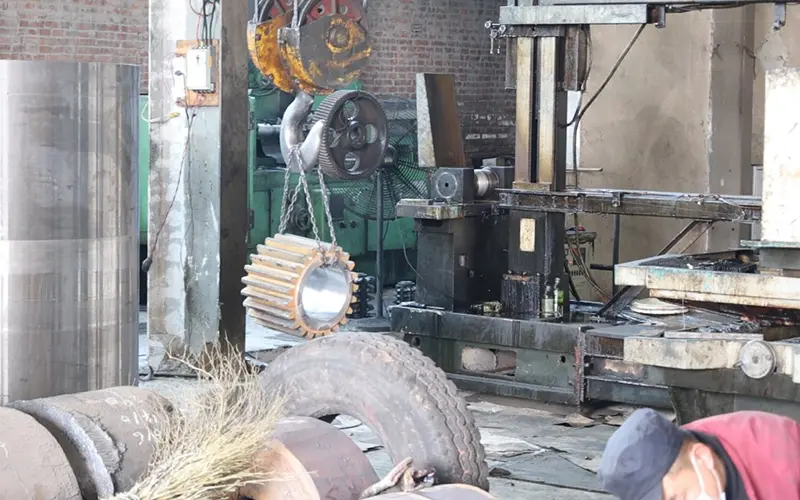
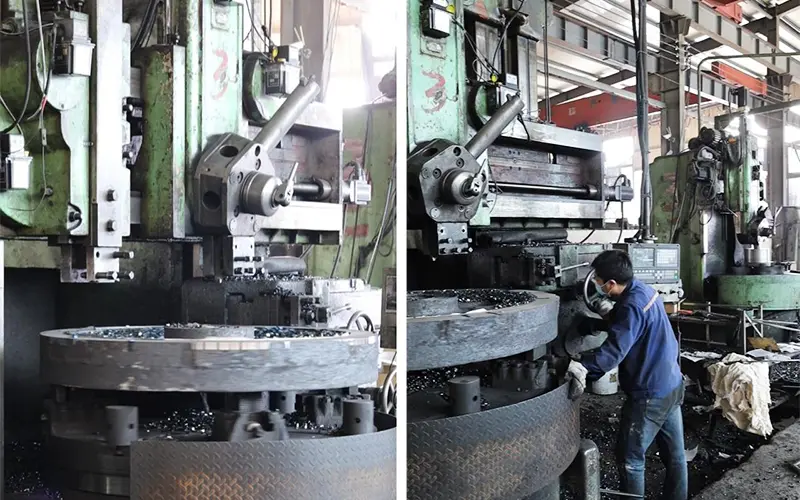
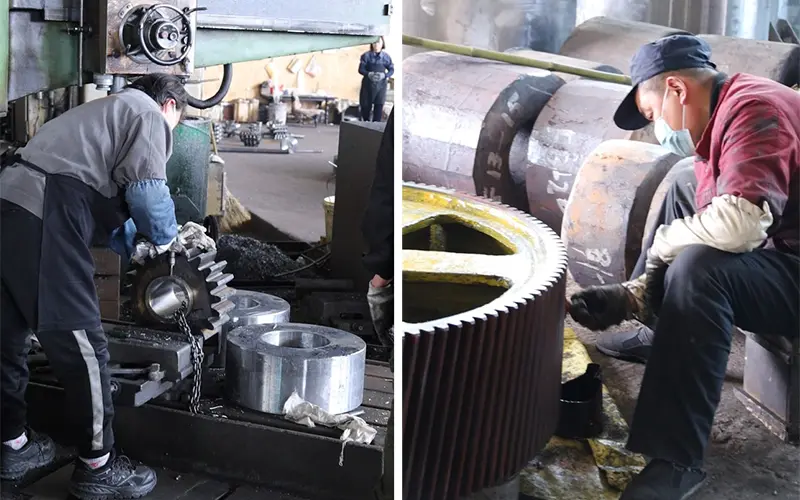
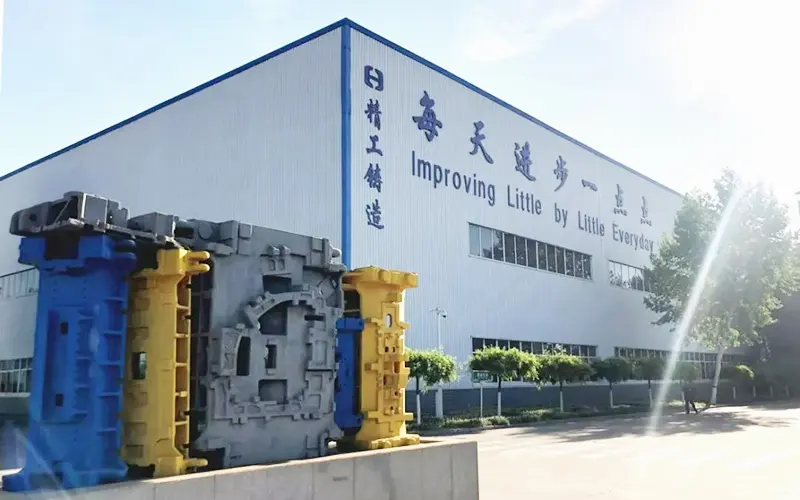
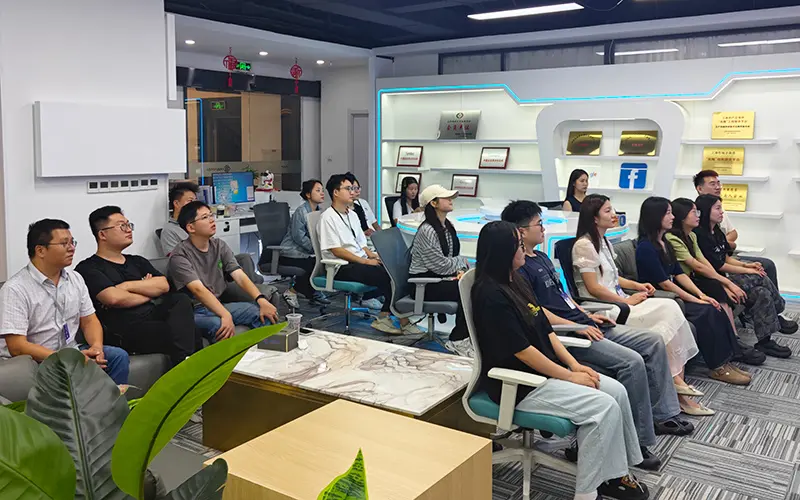
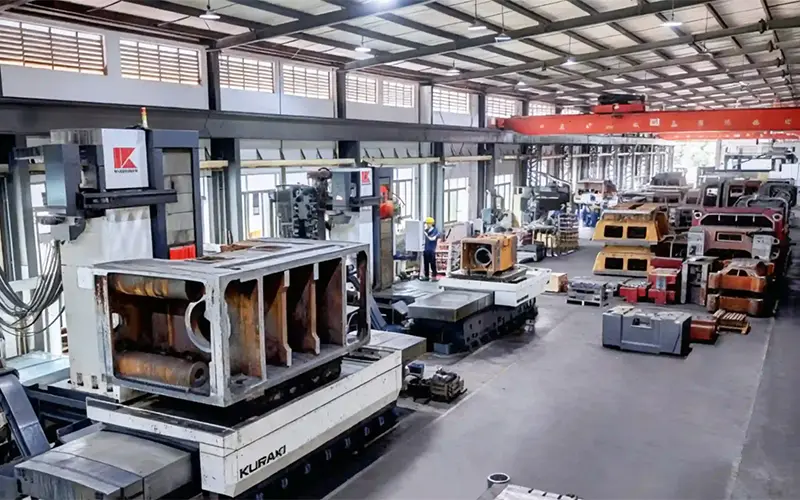
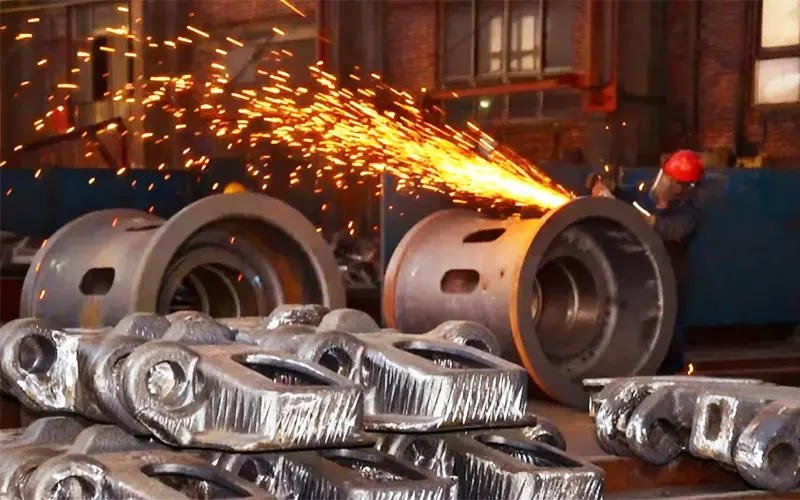
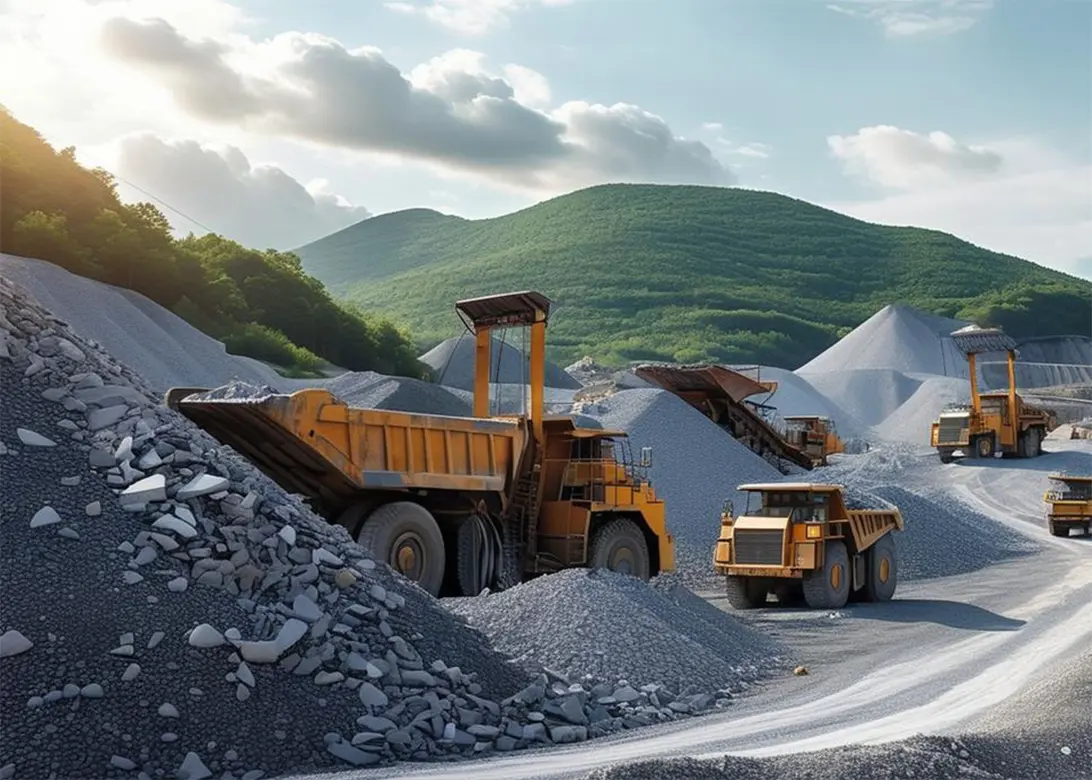
From high-altitude aggregate quarrying to deep underground metal extraction, our OEM crushing configurations adapt to diverse geological and environmental challenges.
In construction aggregate supply, maintaining high-throughput rates for granite, basalt, and limestone is critical. Our PE and PEW European-style jaw crushers are optimized with deep crushing chambers and customized nip angles to prevent material bridging and increase operational efficiency.
Processing tough and abrasive metallurgical slag requires crusher components that withstand extreme impact and thermal variations. Our custom alloy mantles, support sleeves, and heavy steel end caps are engineered for high-toughness, preventing premature stress fracture.
In restricted underground mining applications, space constraints require compact yet highly powerful primary reduction machinery. Our customized roller crushers feature high-torque configurations and specialized roll gaps, facilitating primary ore sizing directly at the mining face.
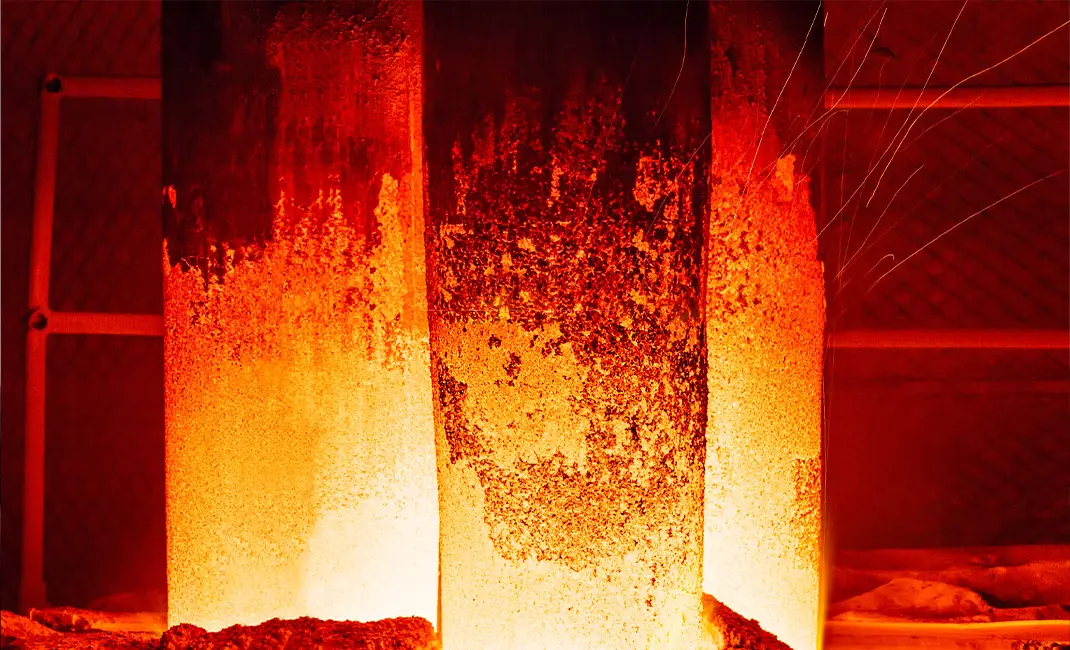
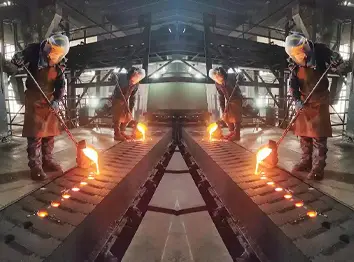

Technological evolutions driving efficiency, sustainability, and reliability across modern mineral and aggregate reduction systems.
Modern crushers increasingly adopt closed-loop hydraulic control systems. Real-time sensor inputs automatically adjust the close-side setting (CSS) during operation, compensating for tooth wear and maintaining a consistent output size distribution.
Research in material science has led to the adoption of high-manganese casting formulations (such as Mn18Cr2 and Mn22Cr2) combined with internal carbide inserts. These composites offer up to double the operational lifespan of traditional steels under highly abrasive conditions.
Deploying telemetry units on crucial stress areas—such as eccentric shafts, main bearings, and toggle pins—enables plant operators to track vibrational anomalies and temperature spikes, reducing the risk of catastrophic failures.
Fulfilling global ESG mandates, manufacturers are upgrading to cleaner energy sources. Electrified induction melting systems and sand reclamation loops minimize chemical waste and optimize energy consumption per ton of steel poured.
How we ensure complete drawing alignment, metallurgical integrity, and seamless logistics support for global industrial projects.

We collect detailed project specifications, operation environments, mineral hardness values, and desired throughput volumes.
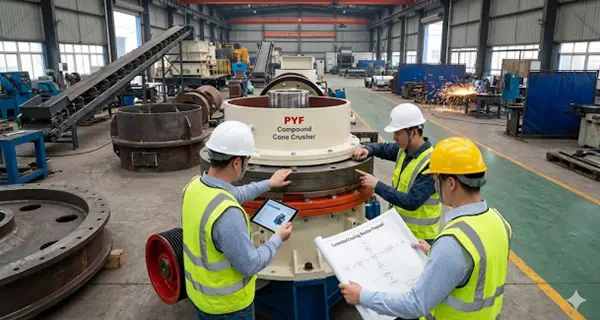
Engineers draft tailor-made mechanical profiles, select appropriate alloys, and model structural stress limits.
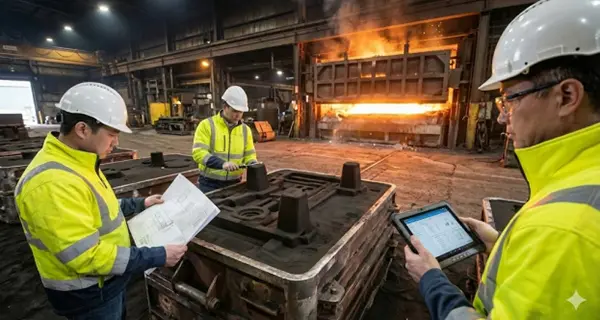
Joint alignment sessions verify tolerance dimensions, commercial pricing agreements, and production schedules.
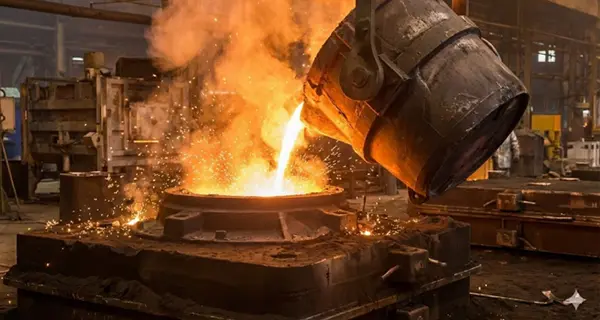
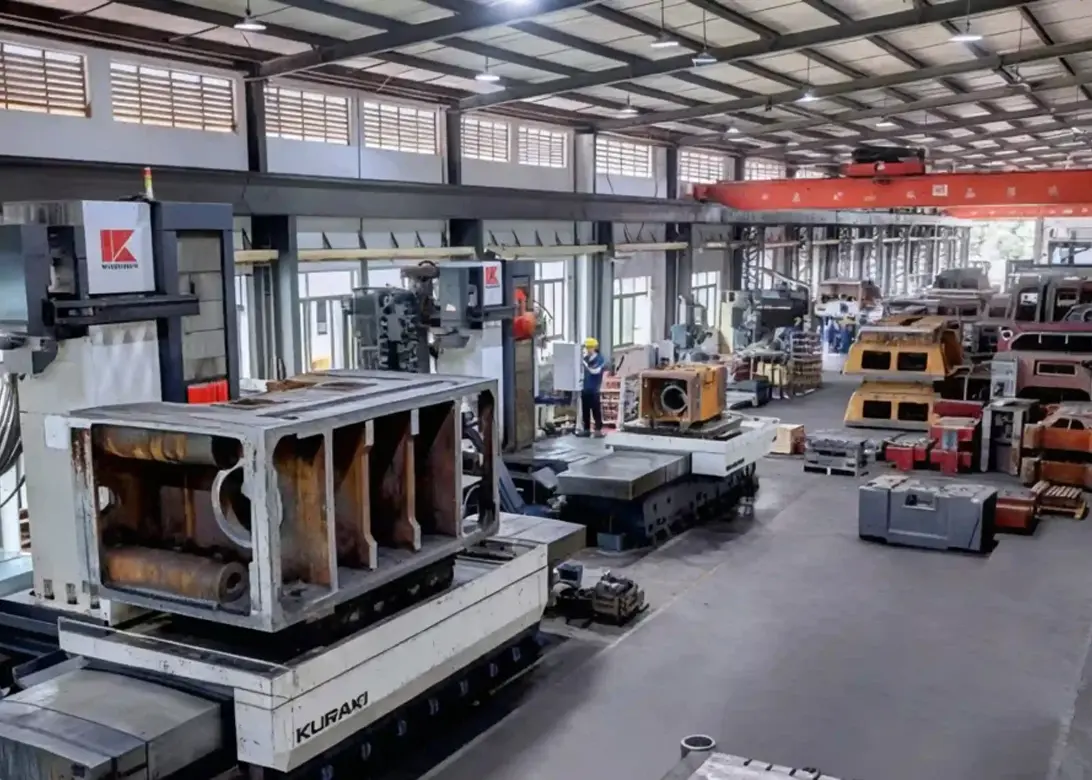
In-house mold preparation, computerized alloy heat-treatment, precision milling, and surface polishing.

Comprehensive pre-shipment tests (ultrasonic, dimensional, pressure, and material testing certifications).
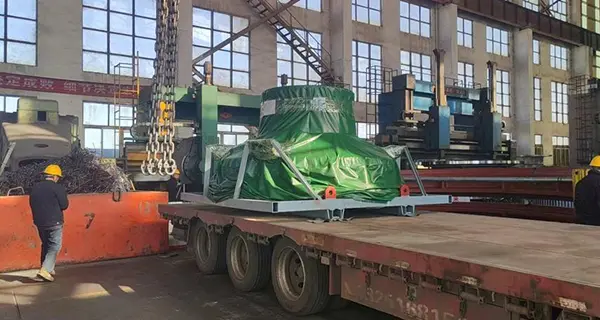
Anti-rust wrapping, secure wooden framing, container blocking, and processing of export documentation.
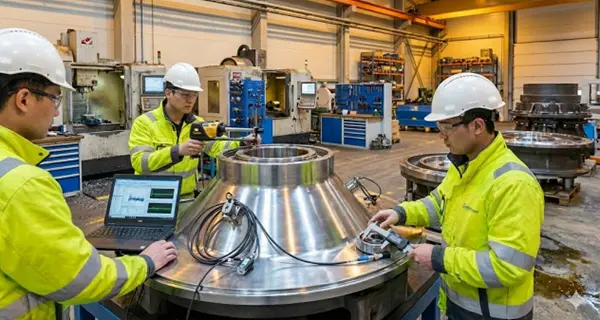
Deployment of technical service representatives to guide installation, assembly, and trial run operations.

On-site personnel training covering wear assessment, bearing lubrication steps, and safety systems.
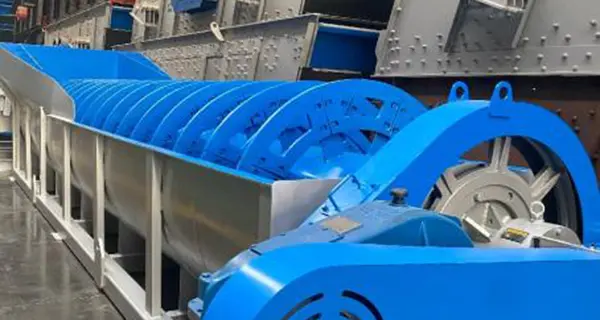
Life-cycle tracking of wear components, fast-tracked shipping of spare parts, and mechanical audits.
We supply high-strength component castings and assembly lines for mining, power generation, infrastructure, and heavy metallurgy sectors.
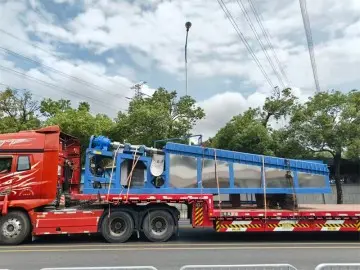
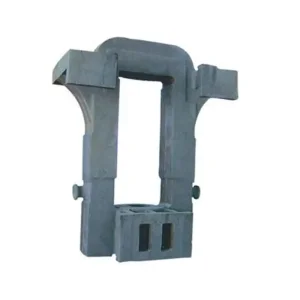
Designed for continuous industrial crystallization processing, integrating stable mechanical loading frames and heavy crystallization drums.
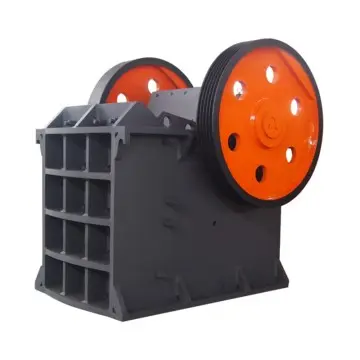
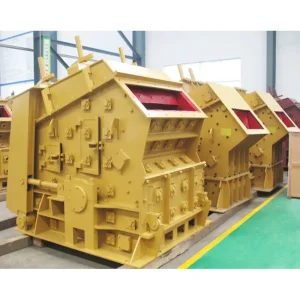
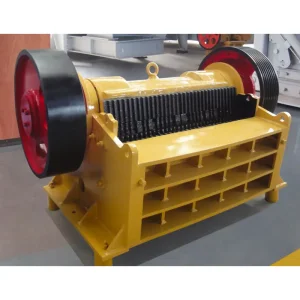
Heavy primary jaw crusher built with high-toughness casting plates to secure stable, continuous operations under high compressive loads.
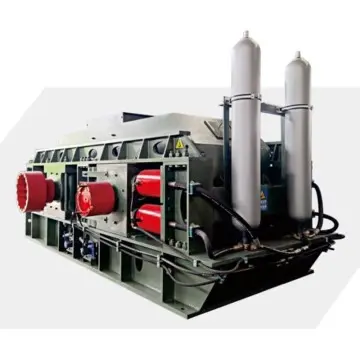
Twin counter-rotating roller units fitted with customizable alloy shells, configured for medium-hard ore sizing and crushing circuits.
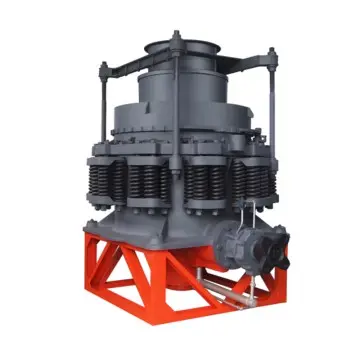
Provides constant overload protection via calibrated mechanical spring loops, suited for mining and quarry materials processing.
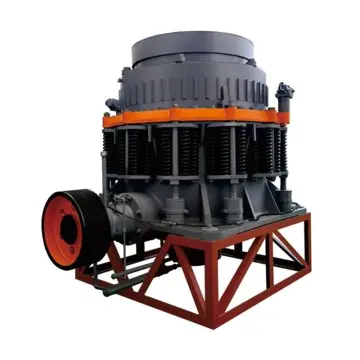
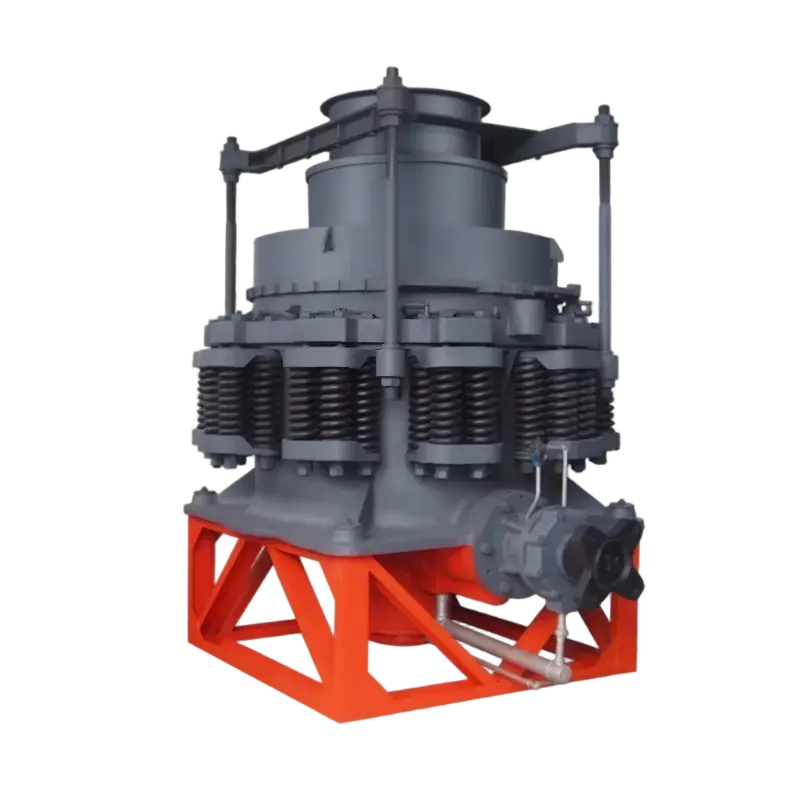
Classic compound cone design maximizing yield and crushing ratio via hydraulic support and modern wear-resistant parts.
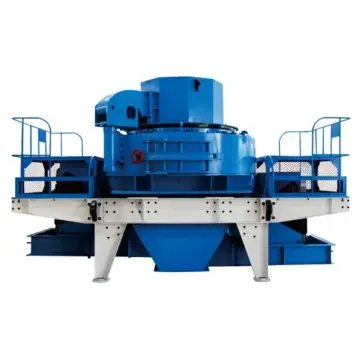
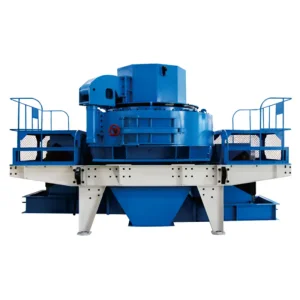
High-efficiency sand-shaping unit. Employs advanced rock-on-rock or rock-on-anvil tech to generate high-quality aggregates.
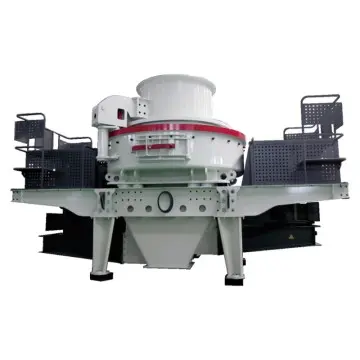
The latest generation sand-making machine featuring an optimized deep-chamber rotor design, minimizing energy and wear costs.
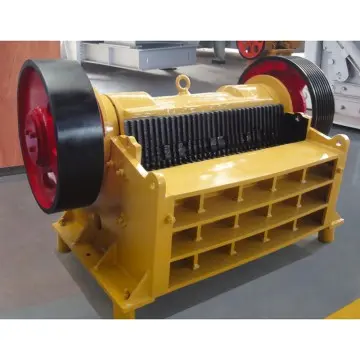
Premium jaw crusher incorporating structural optimizations, wedge-block CSS adjustment, and heavy-duty cast steel jaw swings.
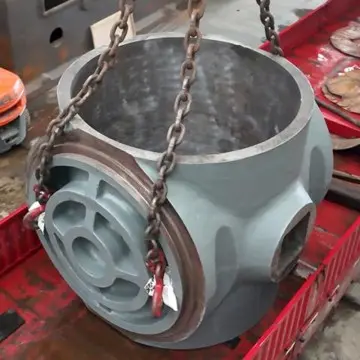
Engineered for heavy industrial liquid control systems and mineral slurry transport pipelines.
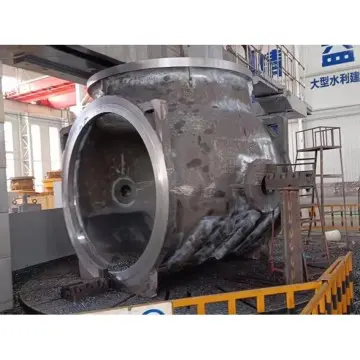
High-integrity casting body designed to resist pressure spikes and wear in industrial fluid circuits.
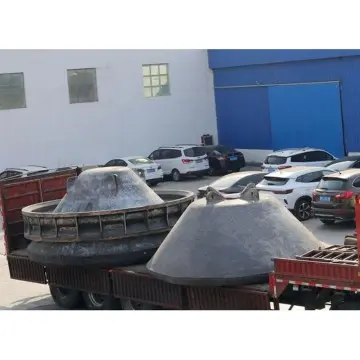
Essential component structures for heavy industrial blast furnace systems and smelting devices.
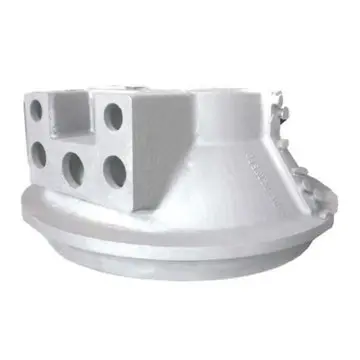
Designed for energy generator systems and heavy metallurgical power machinery with extreme heat resistance.
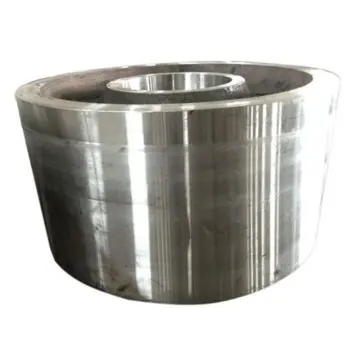
Suitable for large-scale rotary kilns and mills, ensuring balanced load distribution during operations.
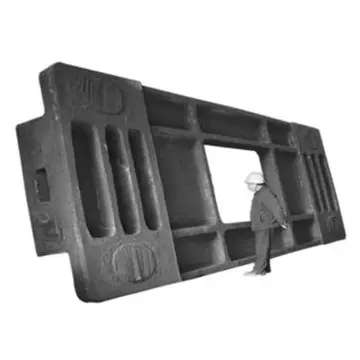
Constructed for fluid and residue collection in demanding mining and metallurgy processing zones.
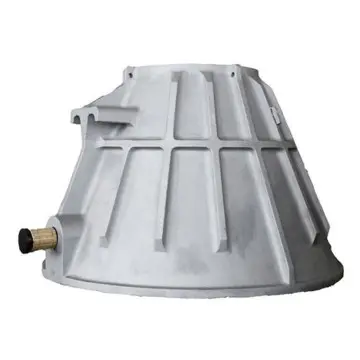
Engineered to transfer molten slag and materials in high-temperature metal smelters.
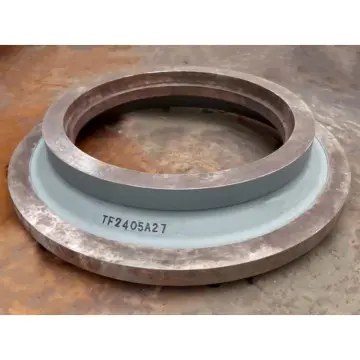
Designed for underground mining pumps and slurry flow lines, prioritizing wear mitigation.
Gain professional metallurgical insights and advice on heavy-machinery casting and customization options.
To design custom castings, we require the original equipment dimensions or 3D drawings (CAD, SolidWorks), chemical composition requirements, mechanical properties (tensile strength, impact values), and geological details of the material being processed (hardness scale, feed size, abrasiveness index).
We recommend high-manganese steels for jaw plates (Mn13Cr2, Mn18Cr2, or Mn22Cr2) because manganese steel hardens under continuous impact, creating a wear-resistant surface. For roller shells, high-chromium white cast iron or specialty nickel-hard alloy steels are selected depending on operational speed and material moisture.
Our QA team uses non-destructive testing (NDT), including ultrasonic testing (UT) and magnetic particle testing (MT), to detect internal shrinkage cavities or subsurface fissures. Every casting undergoes strict heat treatment to relieve residual casting stresses before machining.
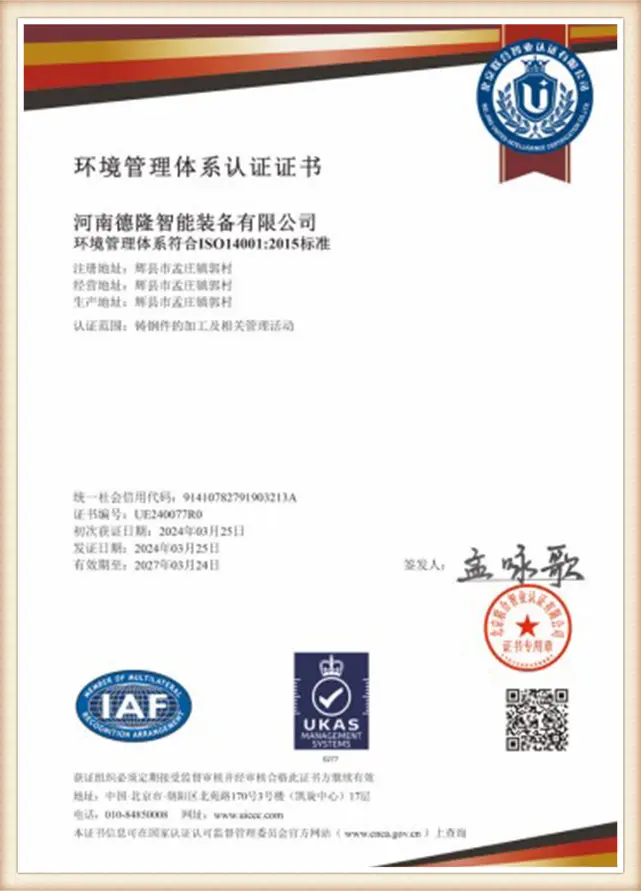
Our facilities are ISO9001 certified. We supply complete material test reports (MTR), certificate of conformity, CE certification for complete machinery, and third-party inspection certificates (SGS or BV) upon client request.
Standard lead times range from 35 to 60 days. This timeline includes pattern design and fabrication, casting, heat treatment, precise machining, inspection, and export-grade packaging. Complex components or custom configurations may adjust this schedule.
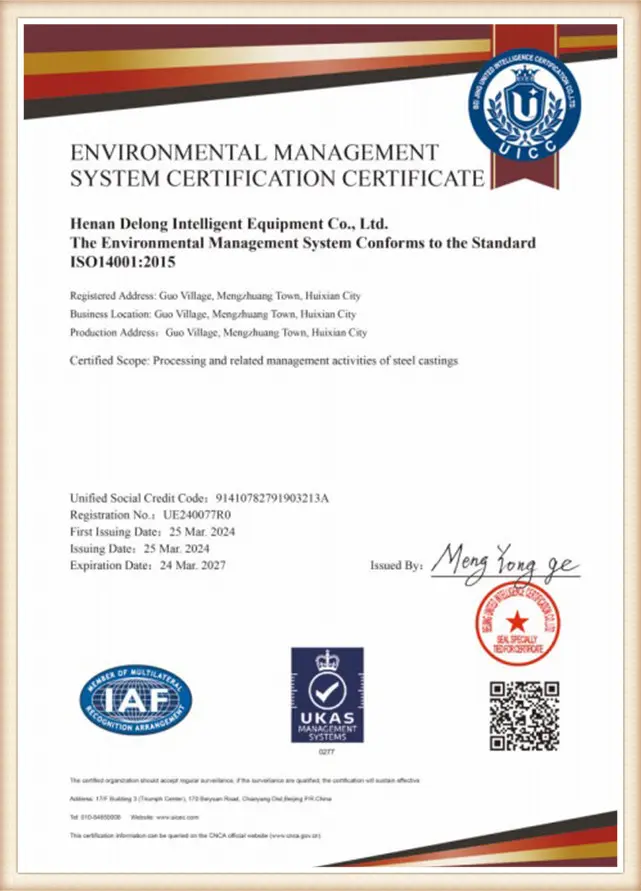
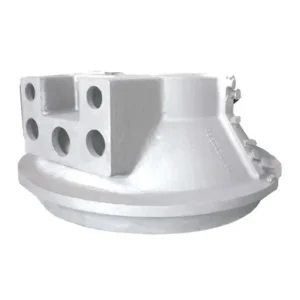
Further highlighting our heavy casting capability, these solutions deliver high strength and compliance with strict industrial certifications.
 Hanhai