Deploying robust primary, secondary, and fine crushing equipment engineered for maximum durability under extreme operational stresses.
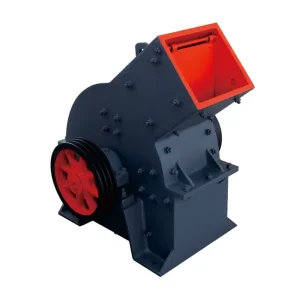
The global heavy industrial sector relies on high-efficiency reduction technologies to transform bulk raw ores, high-silica stones, and industrial aggregates into precise particle dimensions. At the forefront of this mechanical processing is the Hammer Mill Stone Crusher, a dynamic, high-velocity impact machine engineered to maximize primary-to-tertiary reduction ratios.
As premier OEM Hammer Mill manufacturers and heavy-machinery steel casting foundries, we understand that standard layouts often fail under extreme thermal stress, abrasive mechanical wear, and high impact force. This comprehensive publication analyzes the modern material science, mechanical optimization, and structural casting standards that sustain continuous operational performance in global processing facilities.
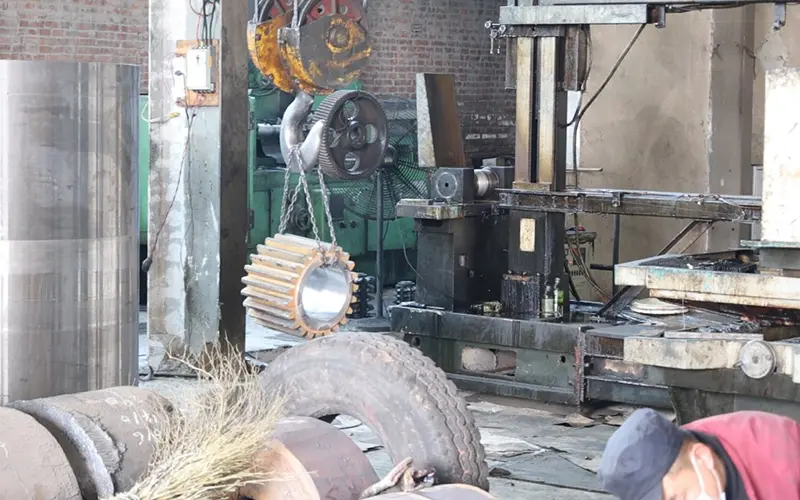
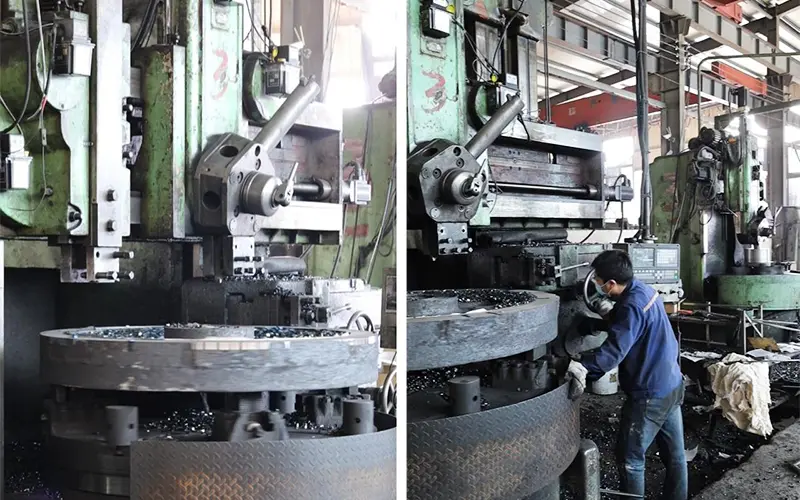
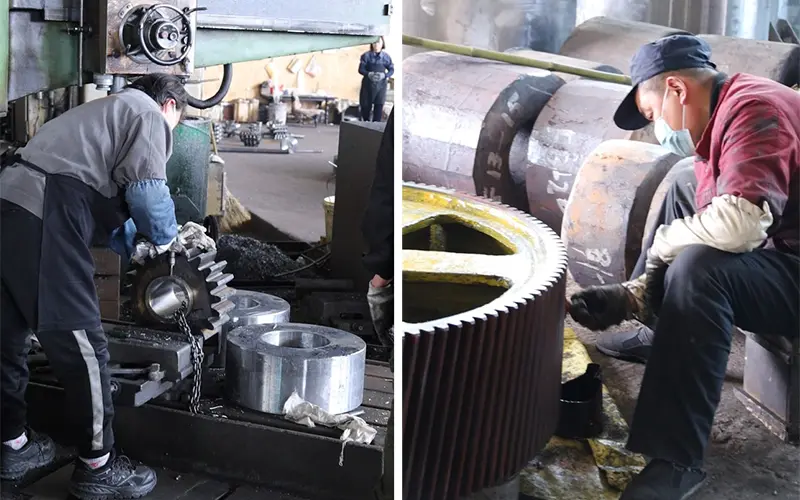
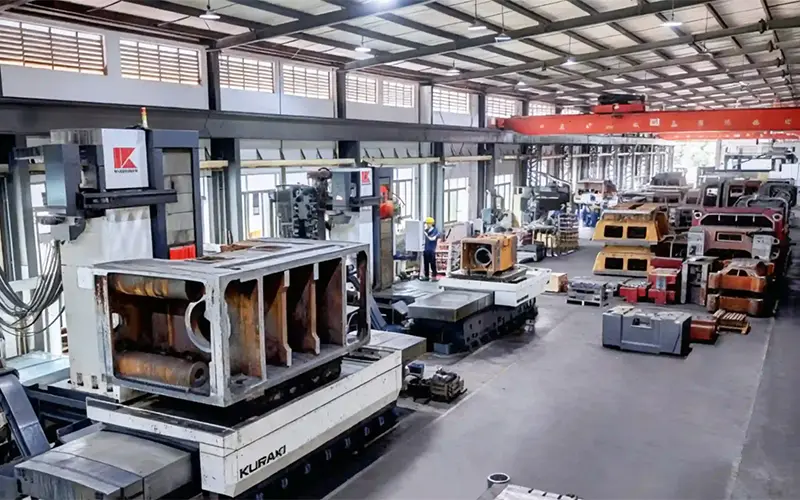
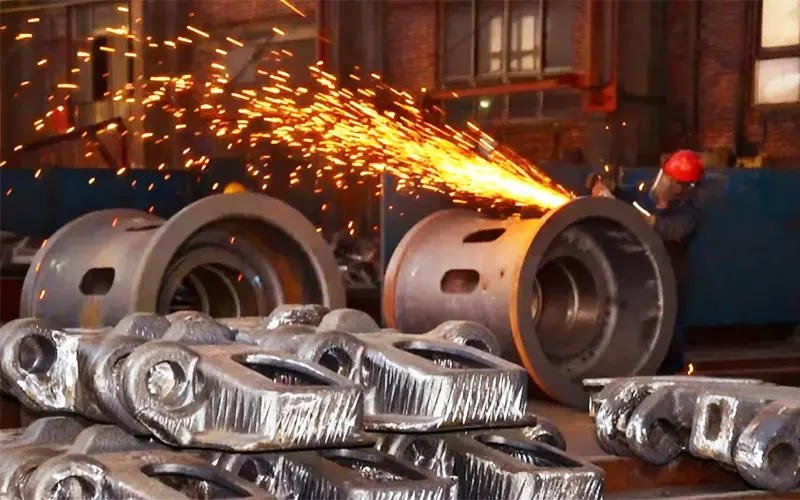
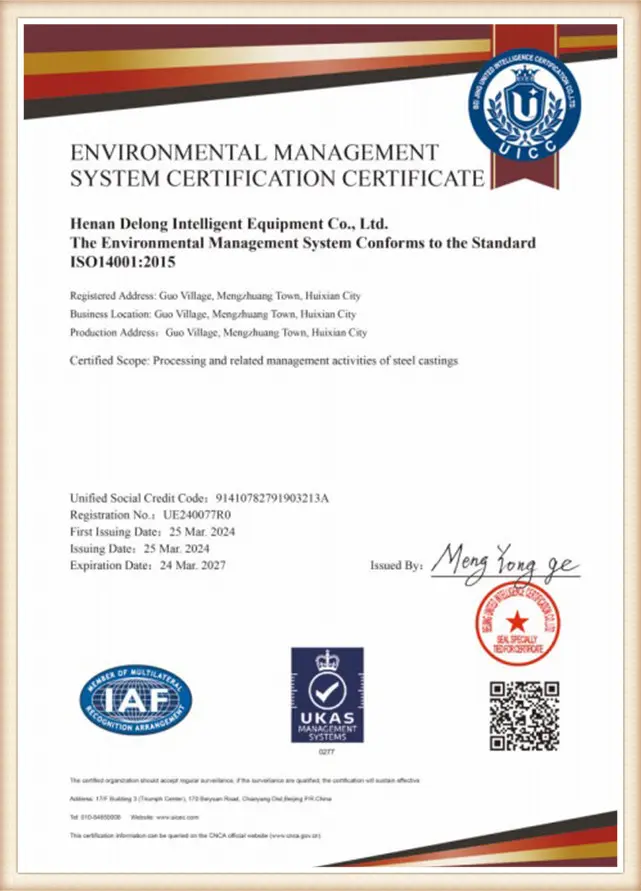
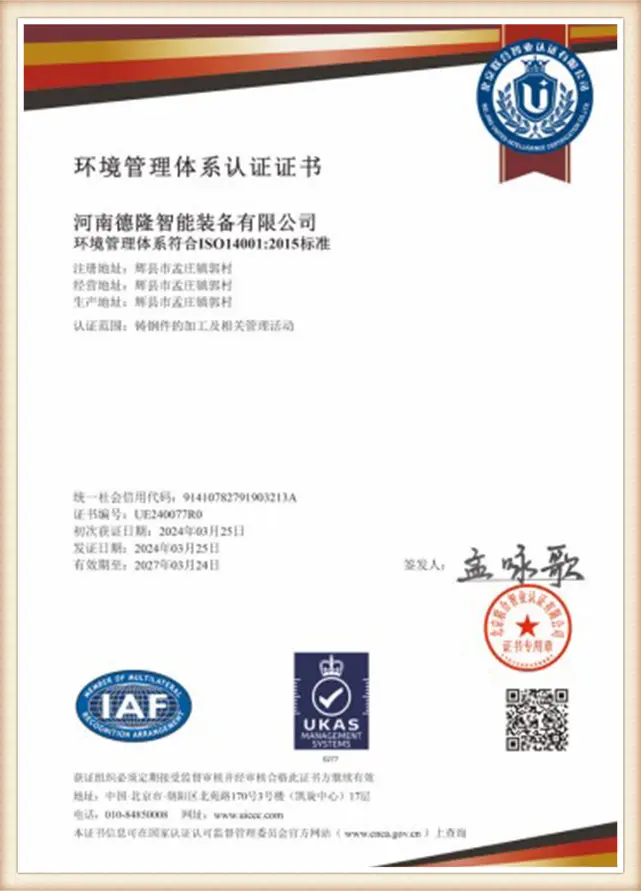
Certified ISO9001 and CE quality management parameters, integrating intelligent steel smelting, sand molding, and high-precision CNC finishing lines.
The global demand for hammer mill pulverizers and heavy-duty stone crushers is accelerating, driven by massive infrastructure expansion, mineral processing demands, and the rise of sustainable recycling initiatives. From the mining centers of Sub-Saharan Africa to the massive aggregate production facilities of Southeast Asia, finding an OEM supplier capable of matching unique mechanical parameters is vital to lowering operational expenditure (OPEX).
Urban development projects rely heavily on high-quality sand and concrete aggregate. Hammer mill stone crushers deliver the required cubical shape and well-graded final particle size distribution, reducing waste and boosting aggregate strength.
In gold, copper, and iron ore extraction plants, hammer mills serve as highly reliable pre-grinding devices. By pulverizing feed material down to less than 10mm, they significantly reduce the energy consumption of downstream ball and rod mills.
Processing asphalt, concrete demolition waste, and steelmaking slag requires flexible impact systems. Customized OEM hammers are designed with bimetallic structures to handle rebar contamination without structural fracturing.
The operational lifespan of a hammer mill depends directly on the metallurgy of its wear components: hammers, rotors, grate plates, and breaker blocks. Henan Hanhai Metallurgy Mining International Trade Co., LTD leverages its advanced steel foundry capabilities to develop custom alloys specifically formulated to resist heavy abrasion and intense impact forces.
| Alloy Grade | Chemical Composition Profile | Hardness Rating (HRC) | Primary Industrial Application |
|---|---|---|---|
| Mn13Cr2 High Manganese | Mn: 11.0-14.0%, Cr: 1.5-2.5%, C: 1.05-1.35% | 35 - 50 (Work Hardened) | Extremely high impact scenarios, processing medium-hardness ores, limestone, and gypsum. |
| Mn18Cr2 Super Manganese | Mn: 17.0-19.0%, Cr: 1.8-2.5%, C: 1.10-1.40% | 40 - 55 (Work Hardened) | Heavy-duty mining crushers dealing with high-feed impact and abrasive stones. |
| Mn22Cr2 Ultra-Manganese | Mn: 21.0-24.0%, Cr: 2.0-3.0%, C: 1.12-1.45% | 45 - 60 (Work Hardened) | Highly severe crushing conditions where structural integrity must be maintained. |
| High-Chrome Iron (Bimetallic) | Cr: 15.0-28.0%, Mo: 0.5-1.5%, C: 2.4-3.3% | 60 - 65 | Fine pulverizing applications where abrasive wear is high but structural impact is moderate. |
Using strict ladle metallurgy, induction furnace smelting, and sophisticated heat treatments, we ensure that every OEM hammer is free of internal porosity and structural defects, maximizing uptime and wear life.
Standard mechanical designs are reaching their limits. The future of hammer mill technology lies in integrating mechanical optimization with digital and sensory diagnostics. OEM engineering focuses on resolving vibration anomalies and thermal stress in real-time.
By testing static and dynamic stresses on the main housing and shaft assembly, we eliminate points of fatigue and reduce structural vibration by up to 30%.
Rotors undergo precision dynamic balancing to G2.5 ISO standards. This reduces wear on the bearing seats, extending bearing service life and keeping energy consumption low.
Built-in water mist dust suppression systems, heavy-duty rubber acoustic insulation, and optimized feed chutes prevent dust emissions and minimize industrial noise pollution.
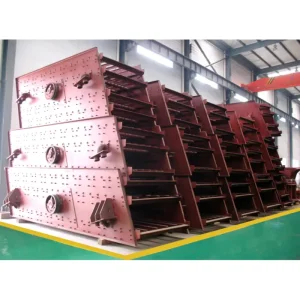
We provide turn-key material reduction setups. Our engineers configure the ideal flow of crushing, screening, and sizing equipment to match the unique abrasive index of your material.
Used widely in mining, metallurgy, construction, chemicals, infrastructure, and recycling to process ores, stones, slag, and industrial aggregates.
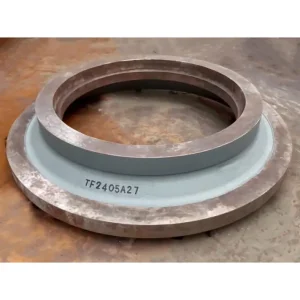
Supplying wear-resistant replacement parts for ball mills, rotary kilns, sag mills, and primary jaw and cone crushers across heavy industries.
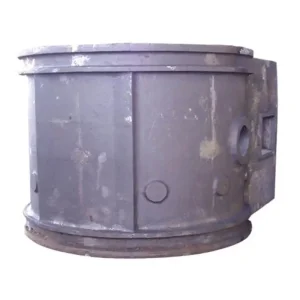
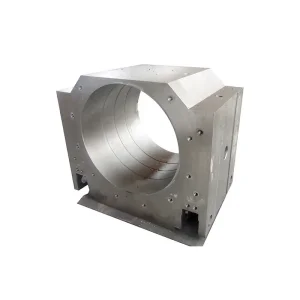
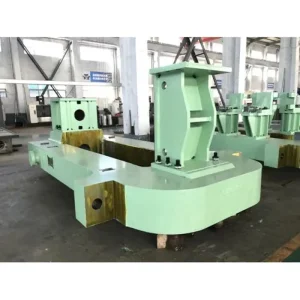
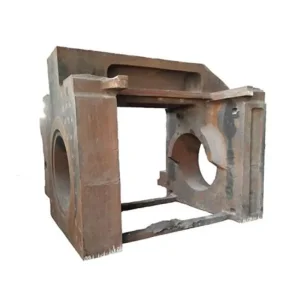
Engineering large cast steel press arches, cylinders, support frames, and high-pressure valve bodies that support high-load metallurgy and energy equipment.
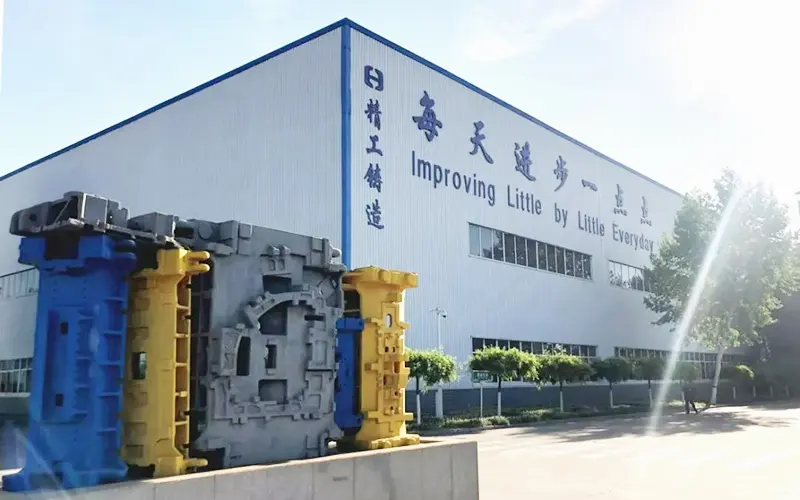
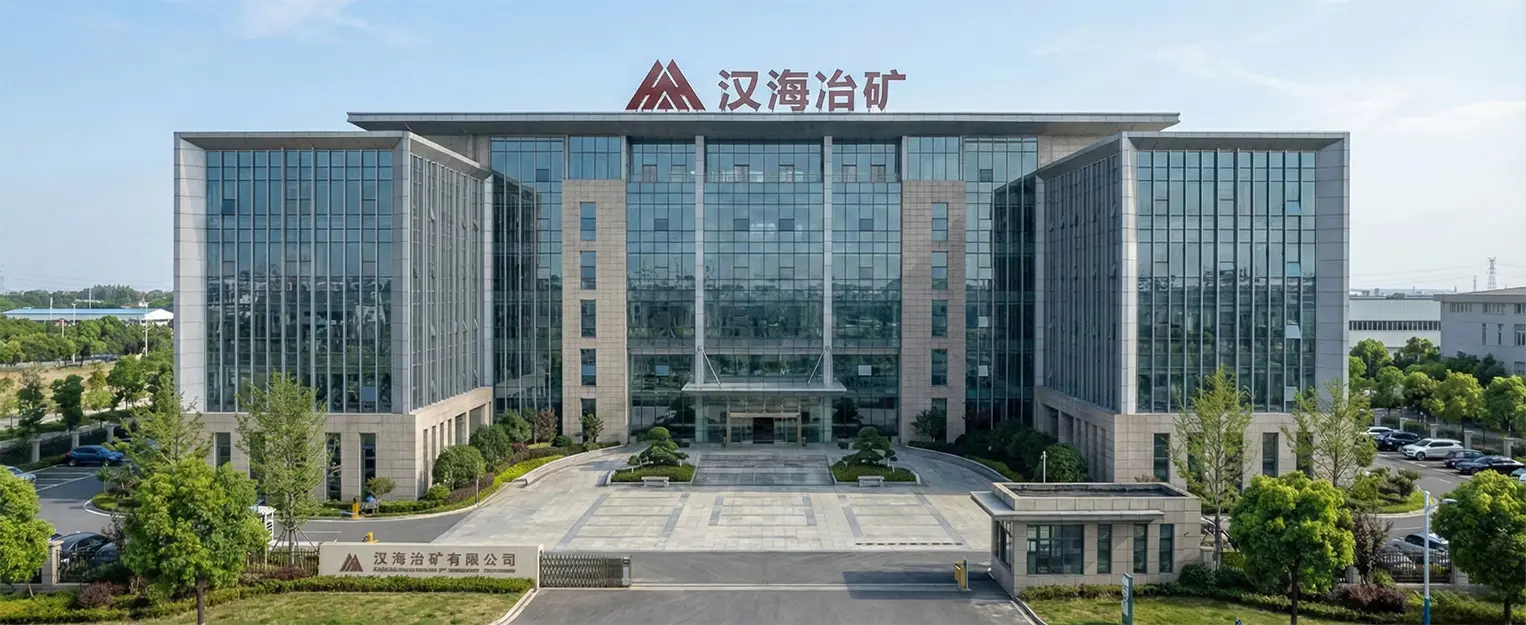
Henan Hanhai Metallurgy Mining International Trade Co., LTD is a leading foundry manufacturer in China, specializing in cast steel and cast iron parts. With advanced production lines and strict quality control, we supply durable castings for mining, metallurgy, power generation, and construction industries worldwide.
Hanhai Casting integrates design, casting, and machining with an annual output of 80,000 tons. Certified with ISO9001 and CE, we deliver precision-engineered castings trusted by clients across Asia, the Middle East, Europe, and South America.
Mission: To empower industry with precision casting and sustainable manufacturing excellence.
Vision: To be a trusted global foundry brand delivering high-quality steel and iron castings.
For more than two decades, Hanhai Casting has been dedicated to the research, production, and export of high-quality steel and iron castings. With continuous innovation and strict quality control, we've become a trusted partner for global mining, metallurgy, and construction industries.
Hanhai Casting was established with a focus on heavy steel and iron castings, laying a solid technical and production foundation.
Introduced advanced melting and molding technology, expanded production capacity, and served key mining and metallurgy sectors.
Achieved ISO9001 certification, upgraded testing systems, and began exporting high-performance castings to Asia and the Middle East.
Integrated intelligent foundry systems and digital management, driving sustainable manufacturing and global customer partnerships.

Delivering customized engineering solutions for complex mining, metallurgical, and crushing projects globally.
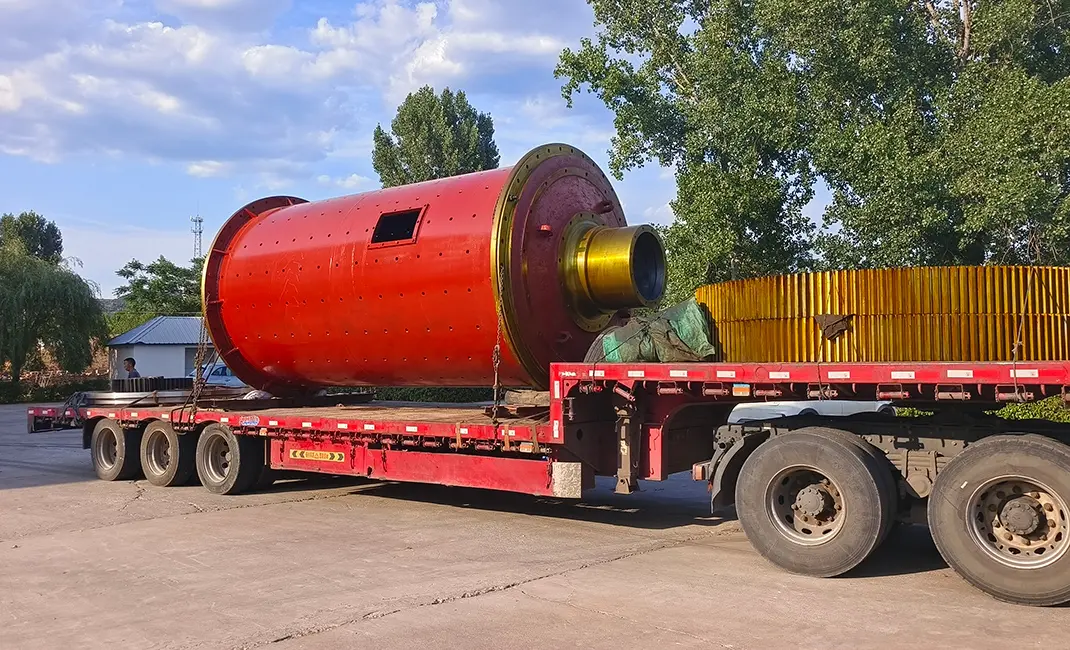
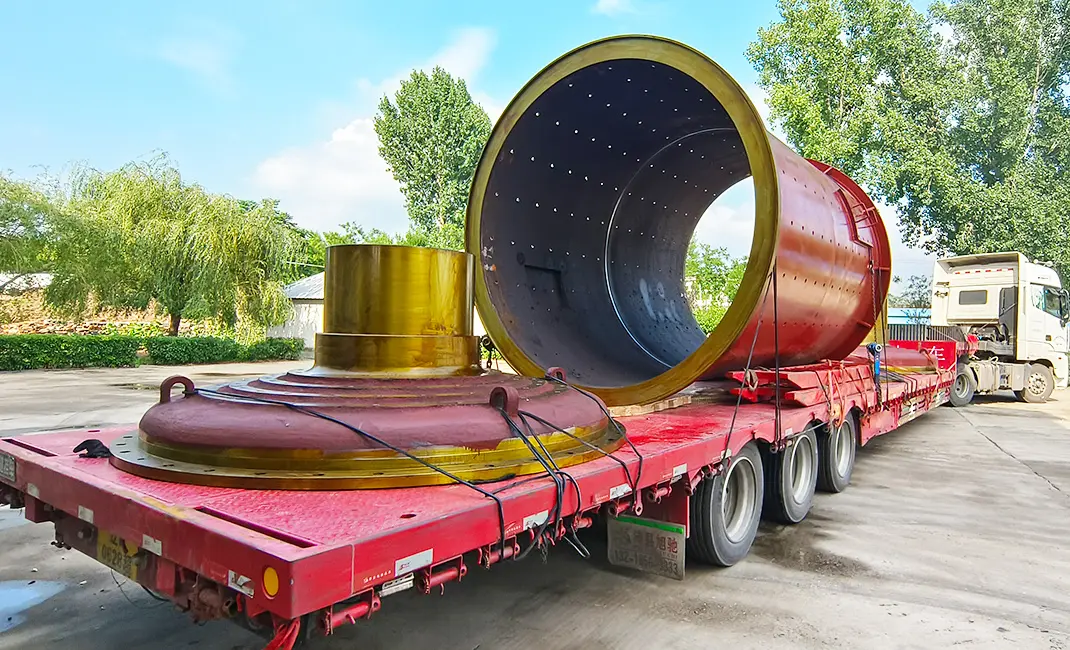
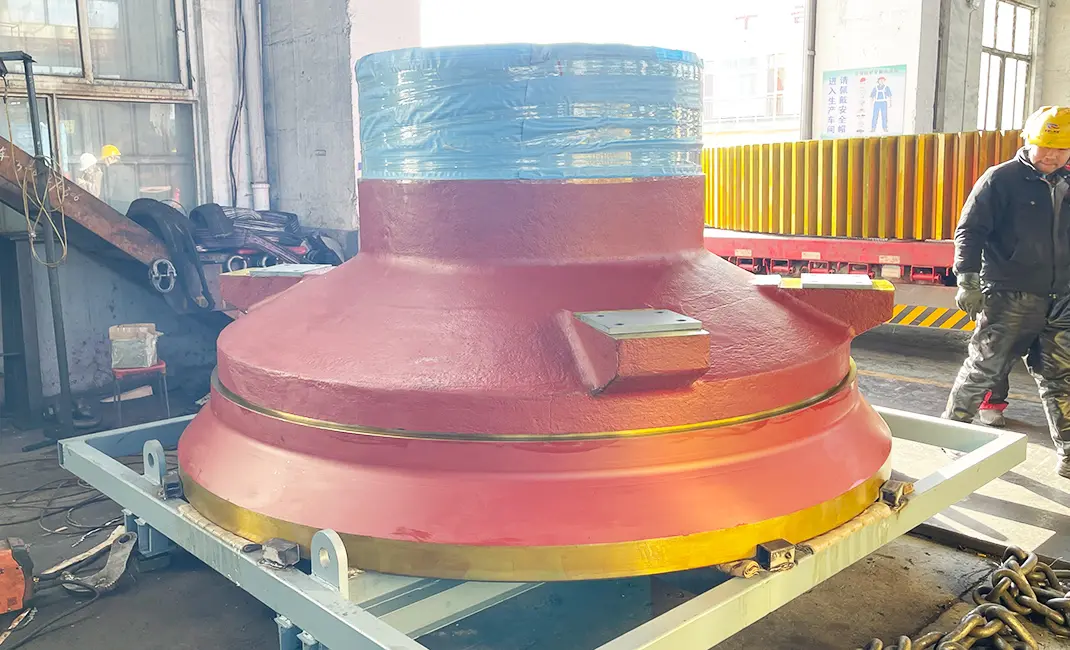
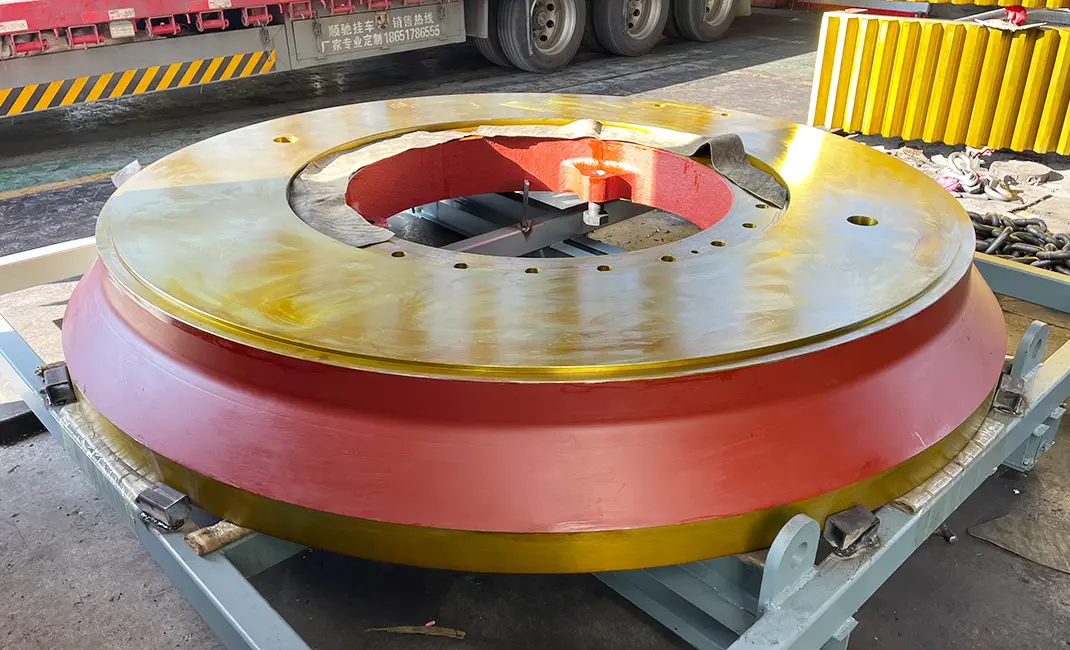
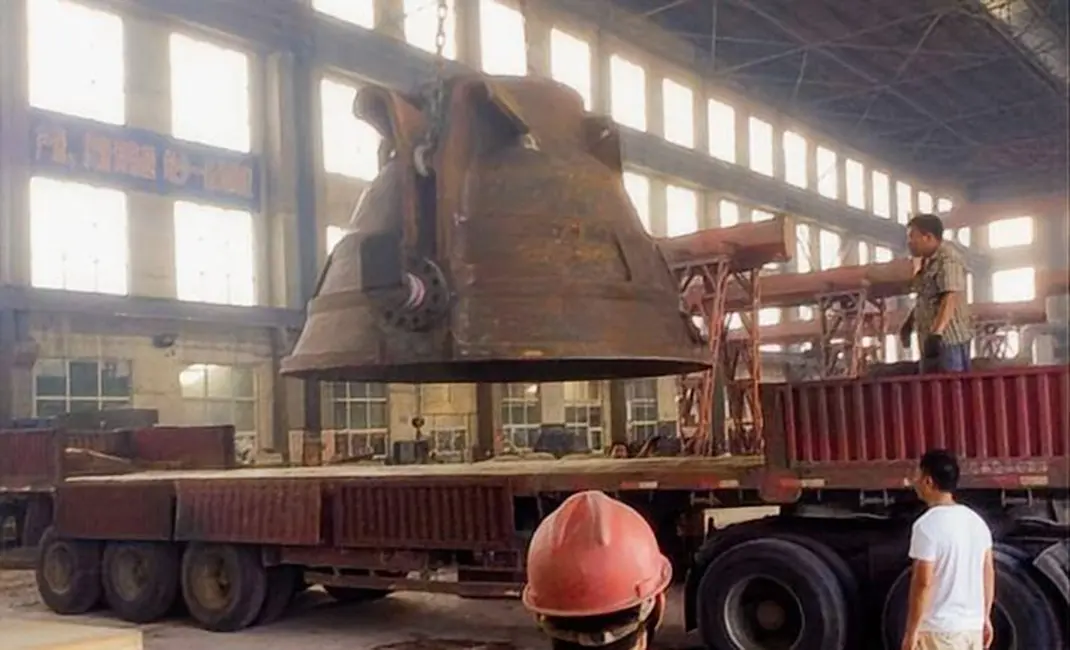
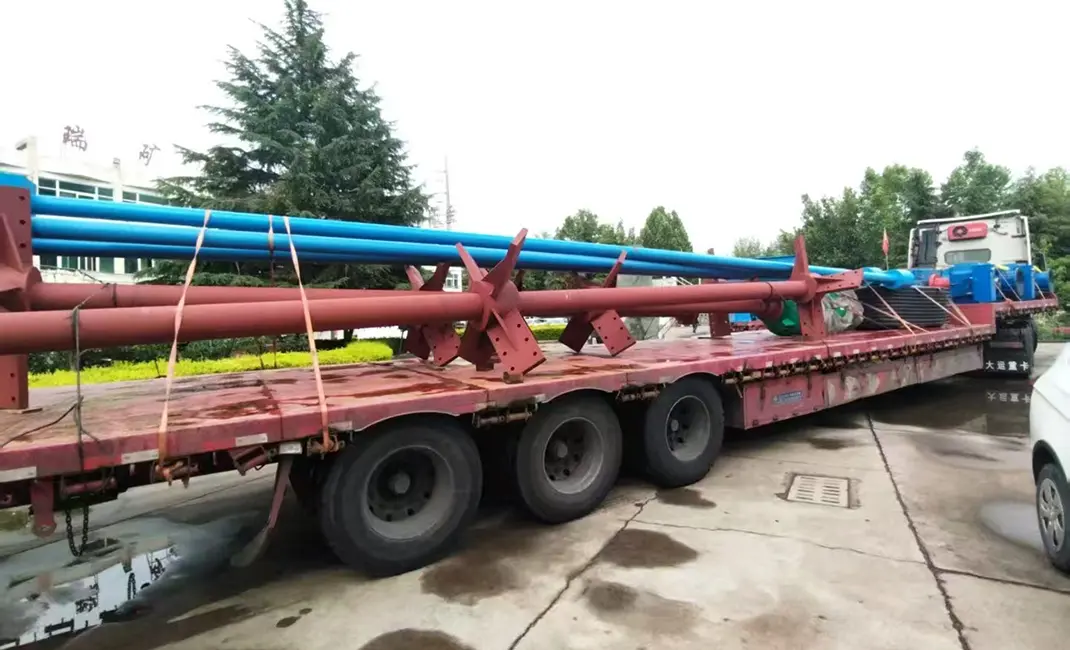
Mining and crushing projects are highly customized and technically driven. Our engineering process is designed to ensure clear communication, precise metallurgy, and long-term reliability.

Collaborative project requirement analysis, assessing raw material physical traits, moisture, abrasiveness, and desired aggregate curves.
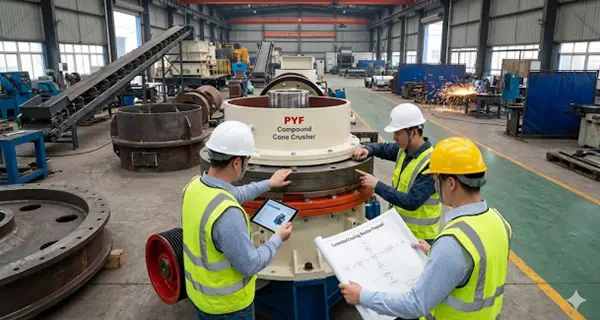
Generating custom dynamic layouts, selecting optimal manganese or bimetallic compositions, and executing FEA mechanical simulations.
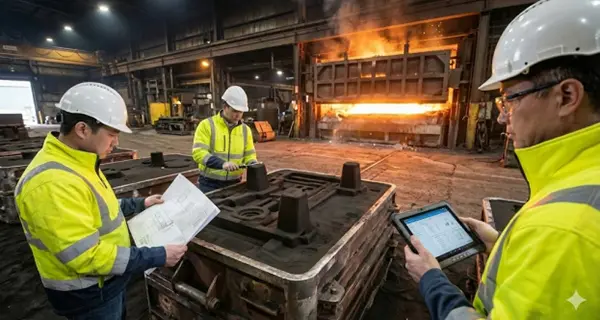
Finalizing 3D engineering models, alignment parameters, tolerance levels, commercial contracts, and logistics arrangements.
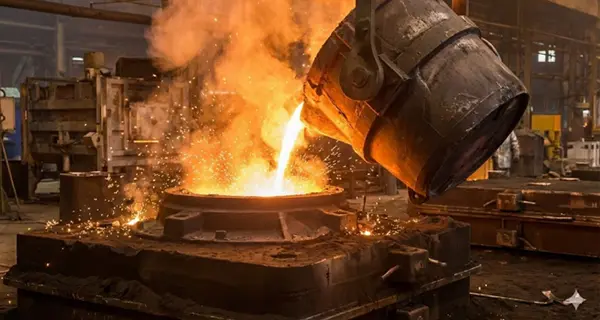
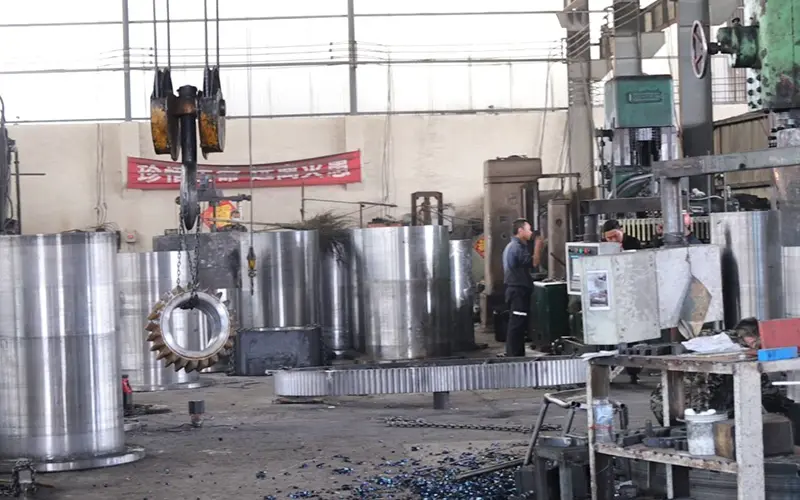
Induction melting, molding, casting, heat treatment, dynamic balancing, and precise dimensional machining on CNC mills.

NDT (Ultrasonic & Magnetic Particle testing), Brinell/Rockwell hardness validation, and pre-shipment clearance reporting.
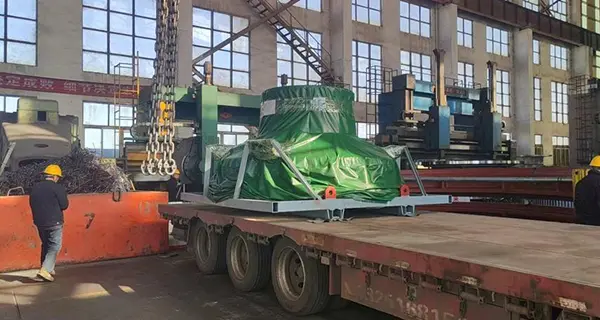
Export packaging with rust prevention, heavy wooden framing, and secure containers for ocean transport.
Get professional insights into selecting, maintaining, and customizing hammer mill systems.
OEM hammer mills are designed for your specific material hardness and throughput needs. While standard mills use pre-set rotor and hammer weights, OEM machines customize the rotor size, hammer metallurgy (such as Mn18Cr2 or high-chrome steel), and grate openings to match the material's abrasive and physical properties, ensuring maximum throughput and minimal downtime.
For high-impact applications, work-hardening manganese steel like Mn13Cr2 or Mn18Cr2 is ideal. These alloys harden under impact, changing from 20-25 HRC to over 50 HRC during operation while keeping a tough core that resists cracking. For low-impact, highly abrasive materials, high-chromium white cast iron or bimetallic hammers are better due to their superior wear resistance.
An unbalanced rotor causes excessive vibration, which damages bearing housings, compromises welds, and wears hammers unevenly. By dynamic balancing to ISO G2.5 standards, we ensure stable rotation, which reduces mechanical load on bearings by up to 45% and helps prevent sudden failures.
For wet materials that can clog the crusher, we offer heated breaker plates, non-clogging screenless designs, and specialized high-angle feed chutes. The interior can also be lined with low-friction polymer or alloy wear plates to prevent material build-up.
We use rigorous testing throughout production: spectrometer analysis to check alloy composition before pouring, ultrasonic (UT) and magnetic particle testing (MT) to find internal flaws, and heat treatment tracking to ensure uniform hardness and ductility.
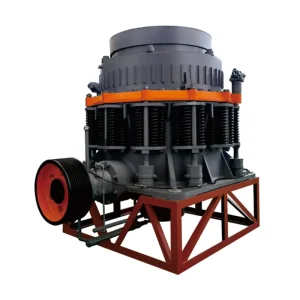
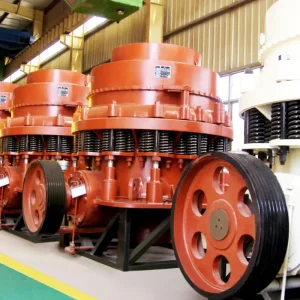
Explore our heavy-duty casting components and high-efficiency material sizing machines designed for modern mining installations.
 Hanhai