Engineered with high-integrity alloys, certified by CE & ISO9001, supplying heavy-duty solutions for extreme industrial applications.
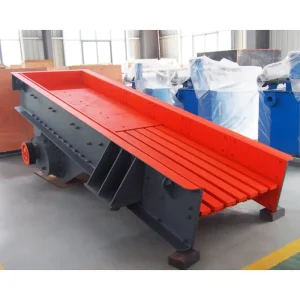
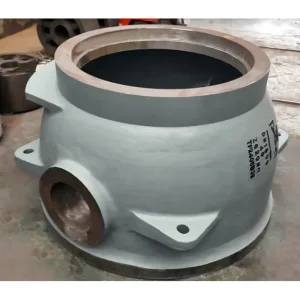
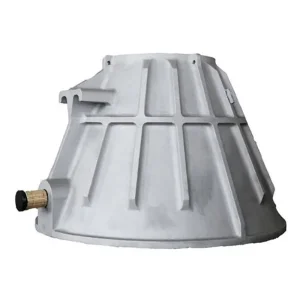
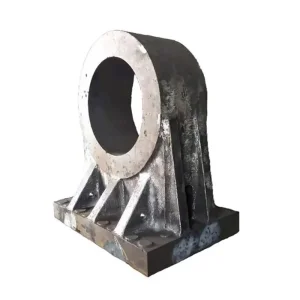
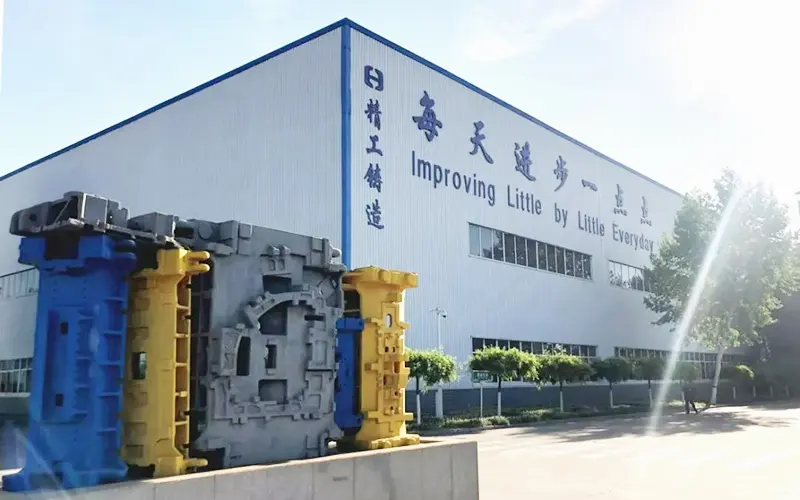
Henan Hanhai Metallurgy Mining International Trade Co., LTD is a leading foundry manufacturer in China, specializing in cast steel and cast iron parts. With advanced production lines and strict quality control, we supply durable castings for mining, metallurgy, power generation, and construction industries worldwide. Hanhai Casting integrates design, casting, and machining with an annual output of 80,000 tons. Certified with ISO9001 and CE, we deliver precision-engineered castings trusted by clients across Asia, the Middle East, Europe, and South America.

To empower global industrial operations with high-precision steel and iron castings, driving sustainable manufacturing and engineering excellence.
To be recognized as a world-class foundational foundry brand, setting benchmarks in heavy casting engineering and technical support.
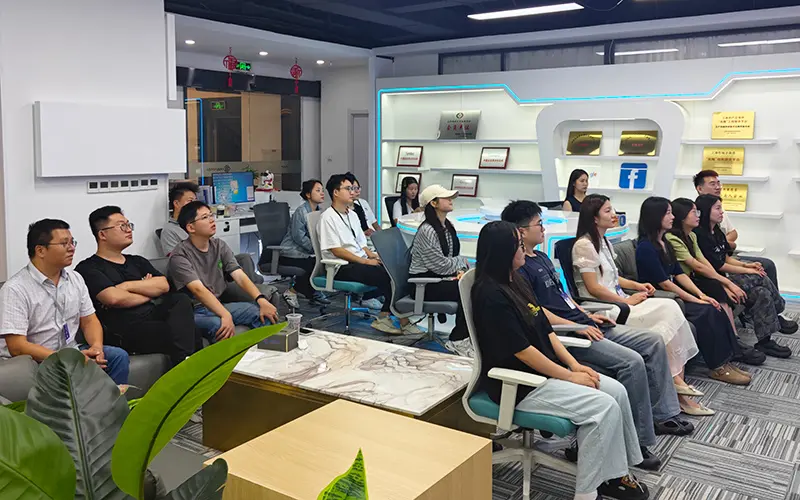
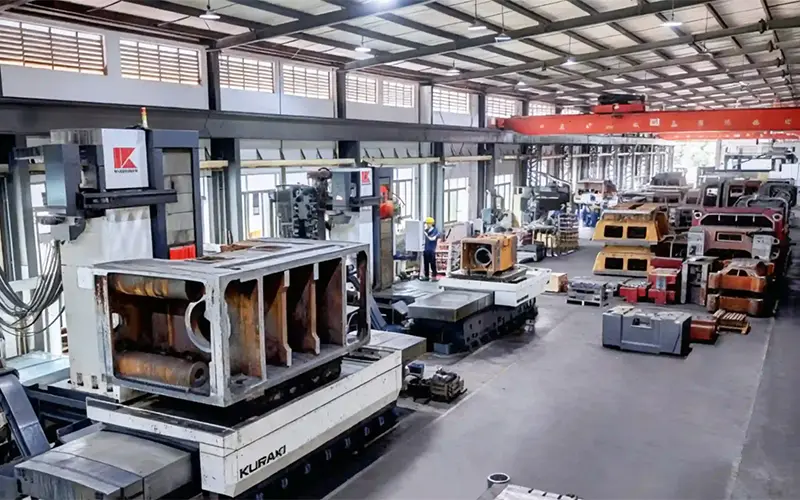
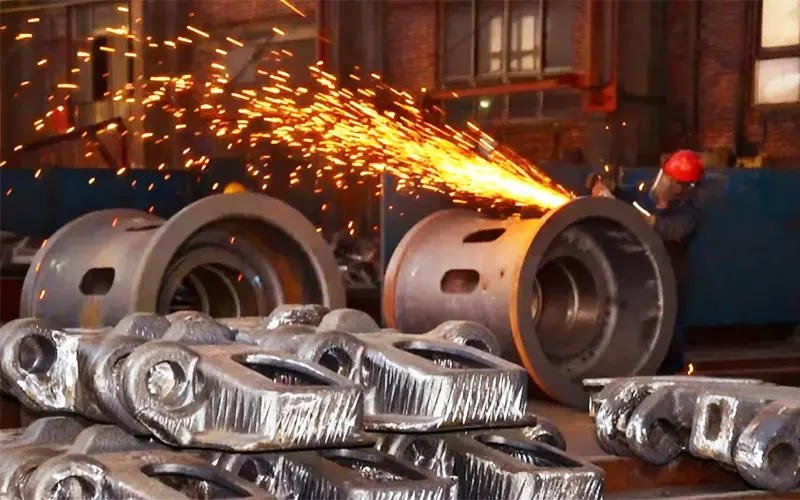
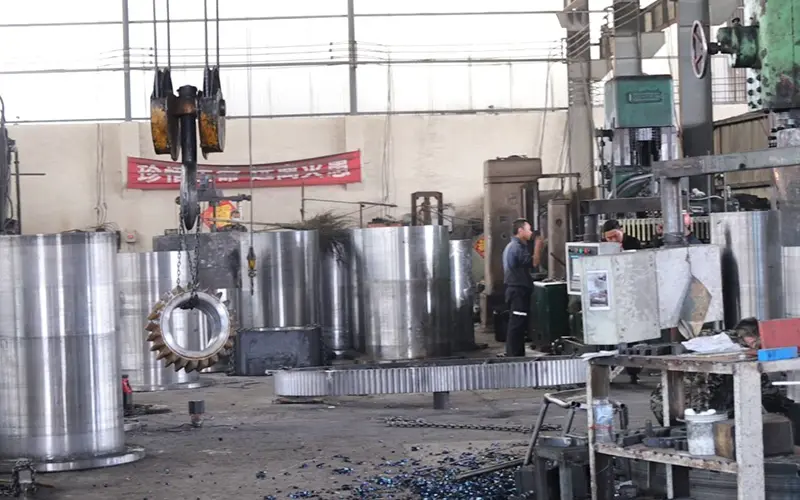
Over two decades of engineering breakthrough and heavy casting innovation, serving global heavy industries.
Hanhai Casting was established with a focus on heavy steel and iron castings, laying a solid technical and production foundation.
Introduced advanced melting and molding technology, expanded production capacity, and served key mining and metallurgy sectors.
Achieved ISO9001 certification, upgraded testing systems, and began exporting high-performance castings to Asia and the Middle East.
Integrated intelligent foundry systems and digital management, driving sustainable manufacturing and global customer partnerships.
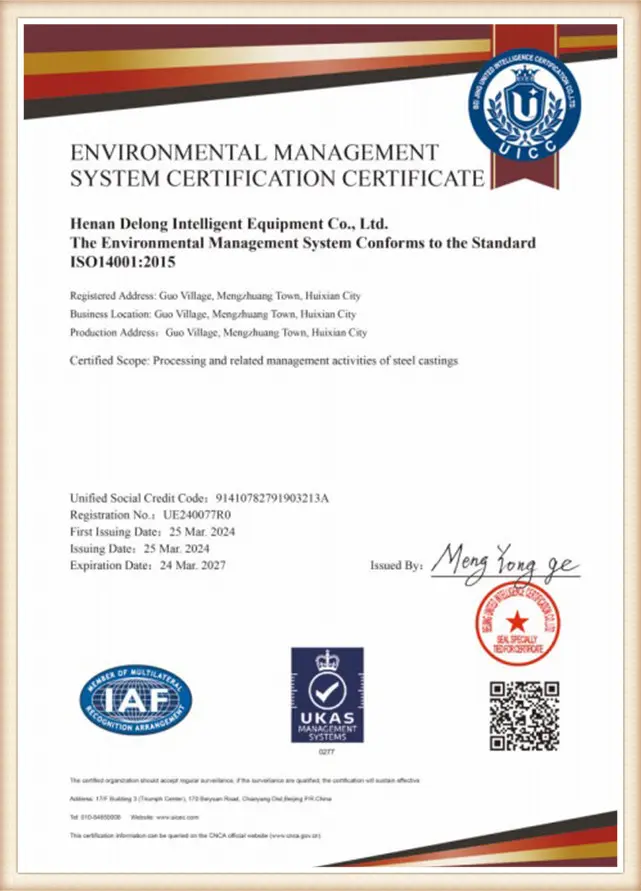
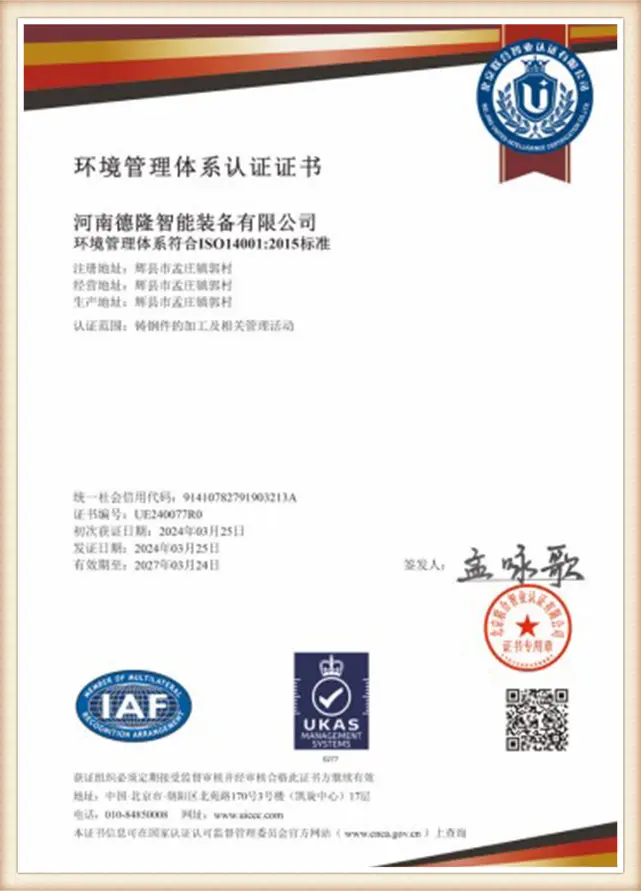
Globally certified systems adhering to ISO, CE, ASTM, and DIN protocols to guarantee supply chain confidence.

Providing heavy-duty, high-performance cast parts engineered for extreme operational environments.
Widely used in mining, metallurgy, construction, chemicals, infrastructure, and recycling for crushing ores, rocks, aggregates, slag, and industrial materials.
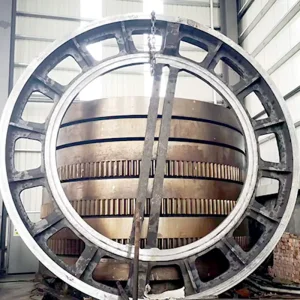
Applied in cement, mining, metallurgy, and heavy industry for crushers, mills, kilns, and other large-scale processing equipment components.
Designed for forging, metallurgy, and heavy manufacturing, supporting hydraulic presses and high-load, large-tonnage forming equipment.
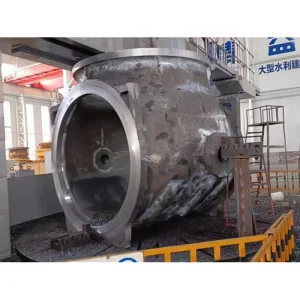
Used in hydraulic systems, construction machinery, and energy equipment for high-integrity valves, valve bodies, and fluid control components.
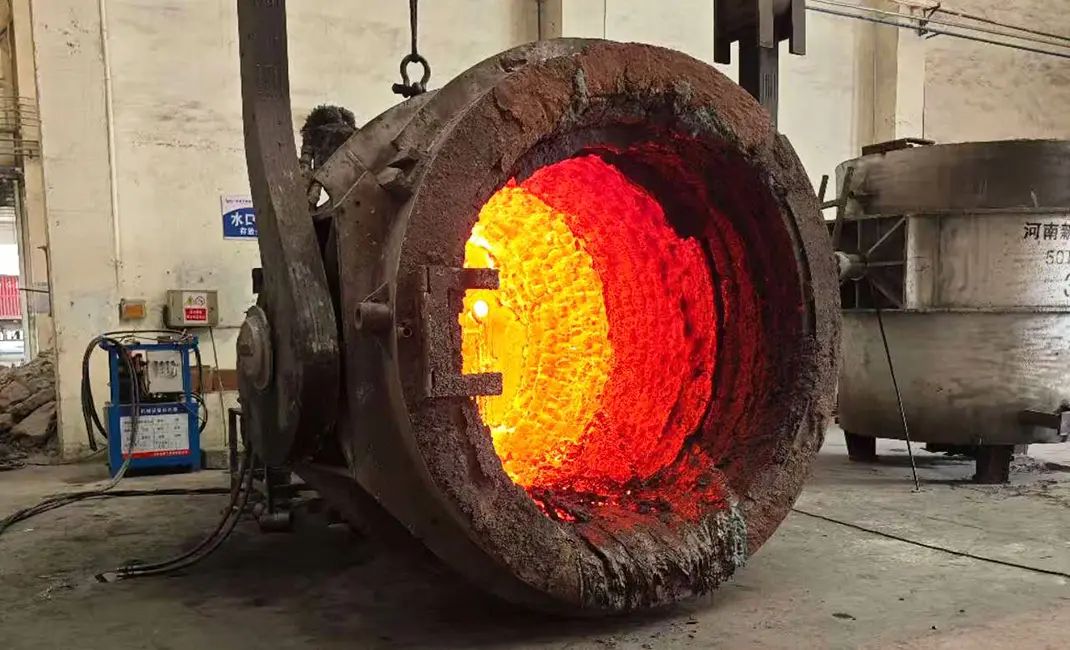
Applied in metallurgy and steelmaking for slag handling, ingot casting, smelting, and other high-temperature, highly demanding industrial processes.
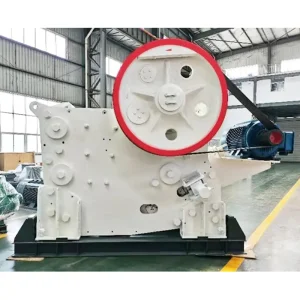
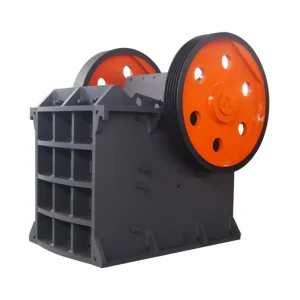
Classic models like PE Jaw Crusher, PG Roller Crusher, and PY Spring Cone Crusher built for robust and consistent crushing performance.
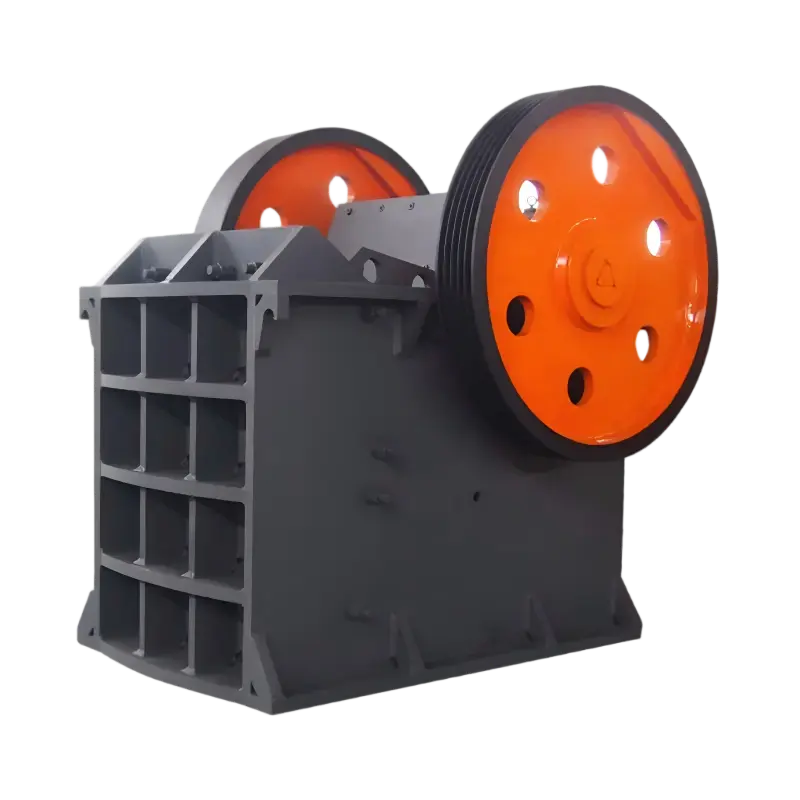
Engineering-grade primary crushing equipment optimized for heavy aggregates, quarries, and mining minerals.
Learn More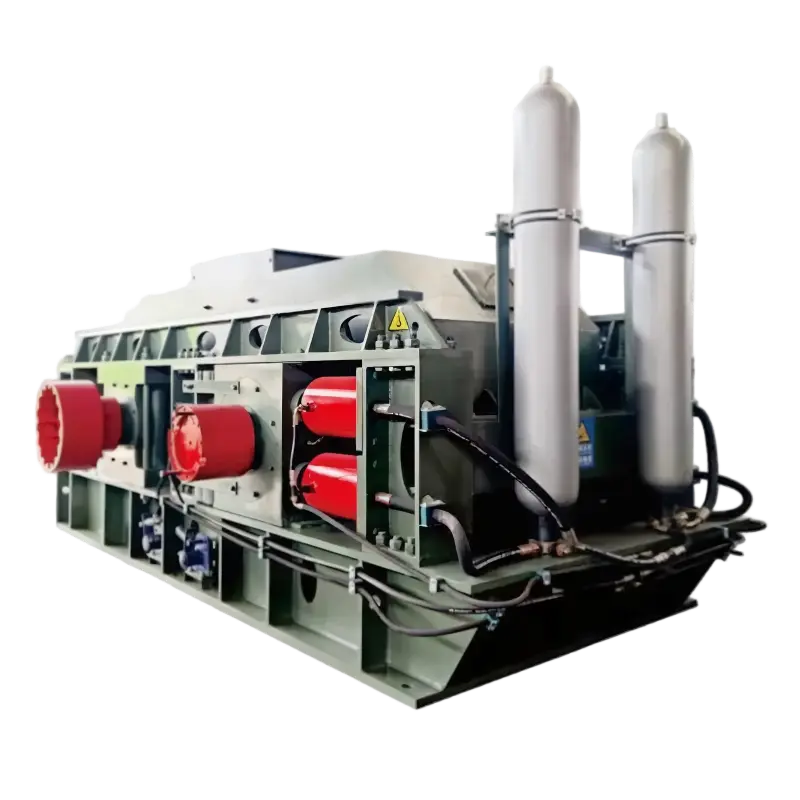
Reliable double roll structure designed for medium-hard and soft materials like coal, slag, and limestone.
Learn More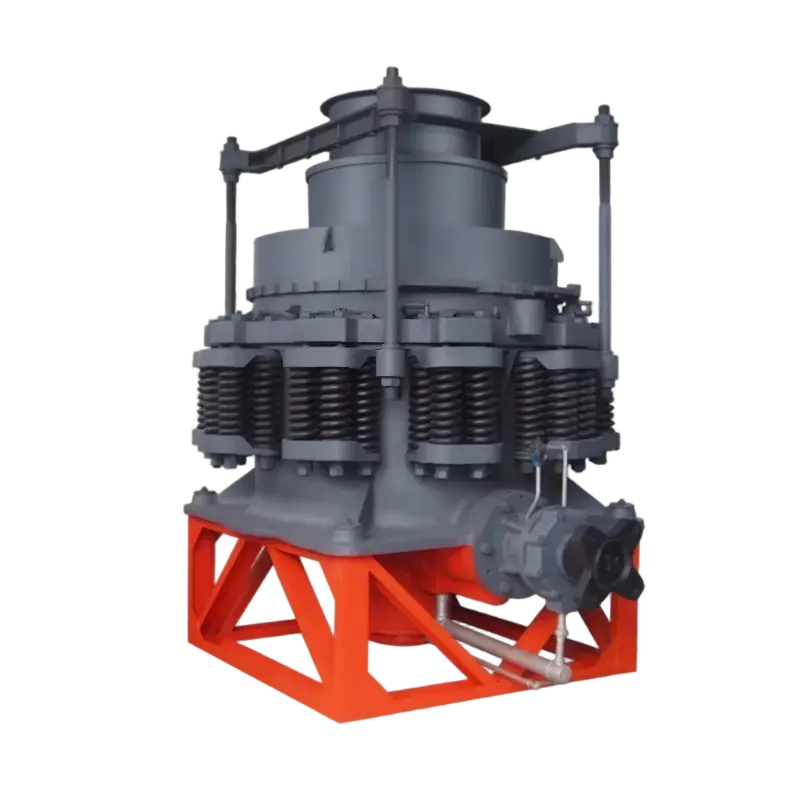
Classic crushing chamber design offering superior particle shaping and secondary/tertiary sizing efficiency.
Learn More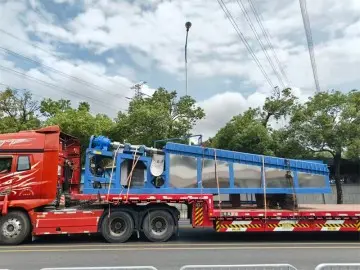
Heavy-duty engineering solutions integrating crystallization, feeding, and support systems.
Learn More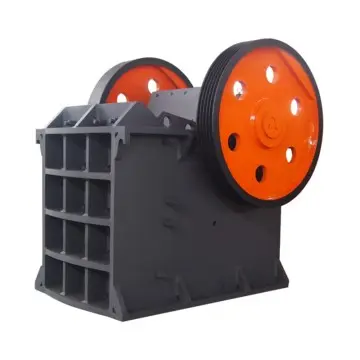
Constructed with high-strength structural cast steel to handle dynamic shocks under high compression load.
Learn More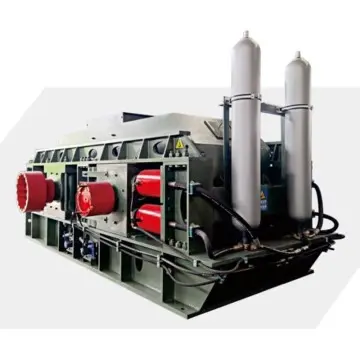
Fitted with high manganese or alloy wear rollers to prolong lifespan and lower maintenance costs.
Learn More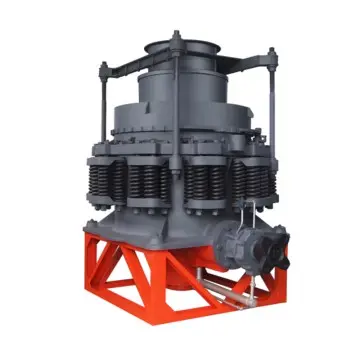
Durable mantle and concave castings engineered for high-throughput aggregate crushing lines.
Learn More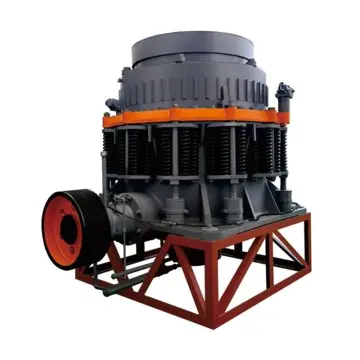
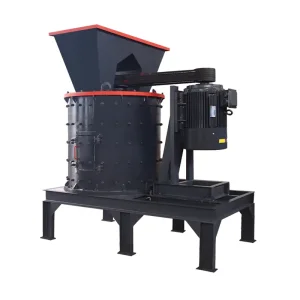
Combines mechanical optimization and hydraulic clearing features for stable crushing plant setups.
Learn MorePrecision castings engineered to perform under extreme pressure, heat, and structural stress in global industrial zones.
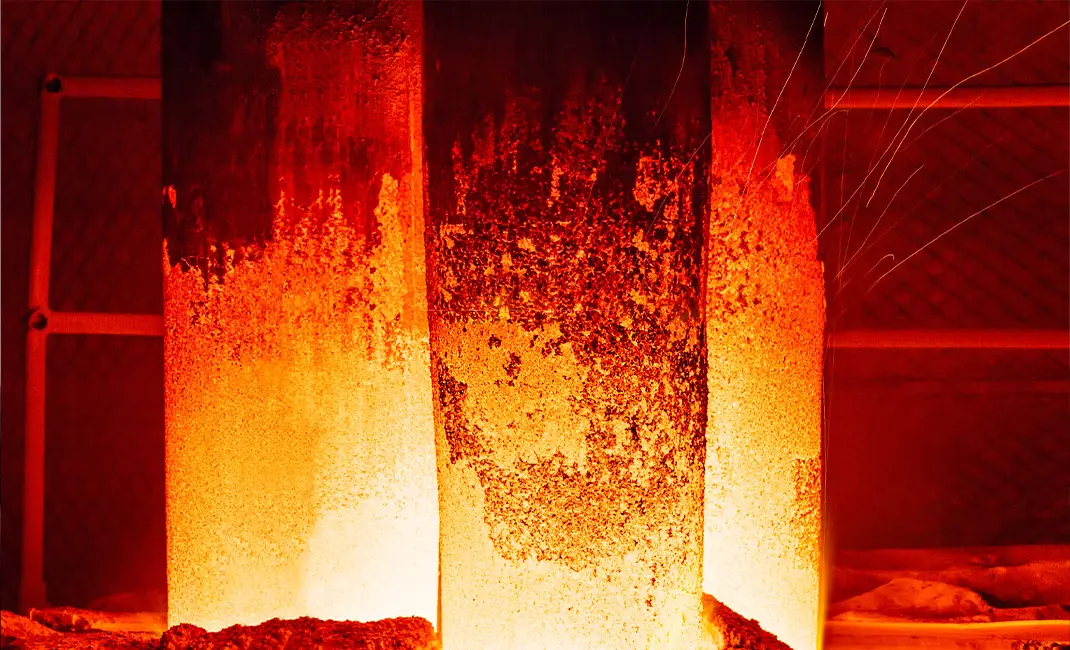

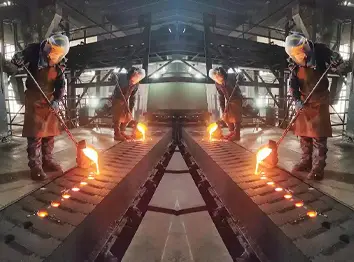
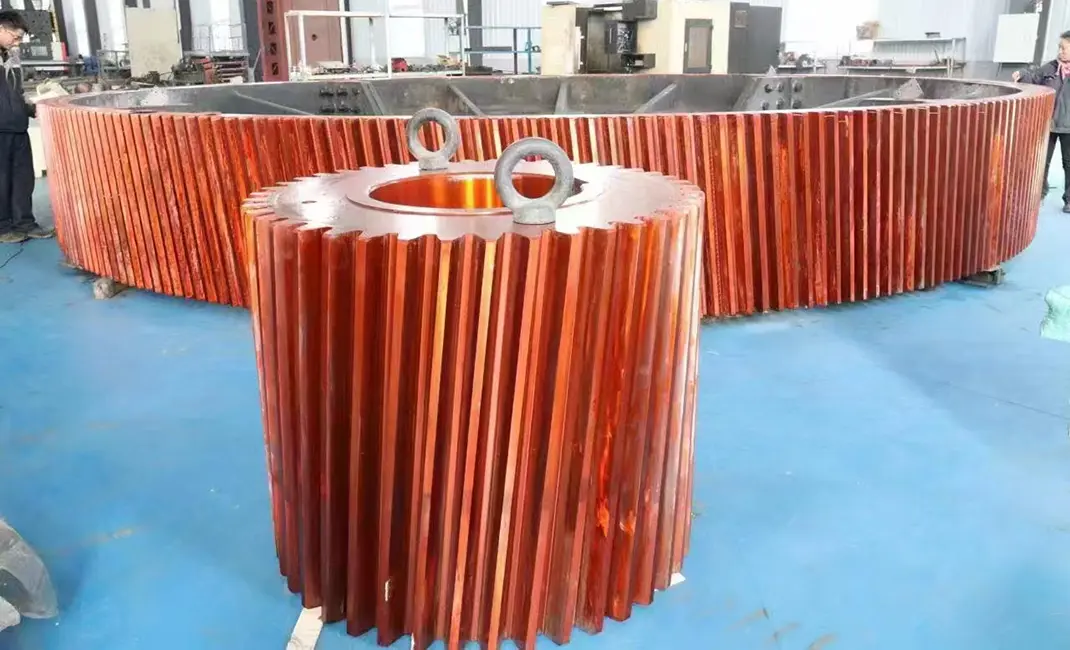
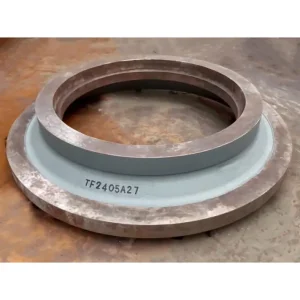
Slag ladles, girth gears, and heavy crusher parts operating under high thermal cyclings and mechanical fatigue.
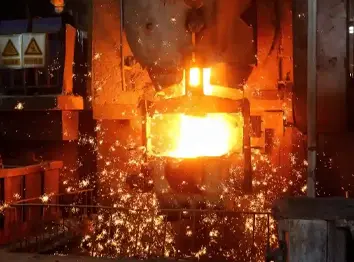

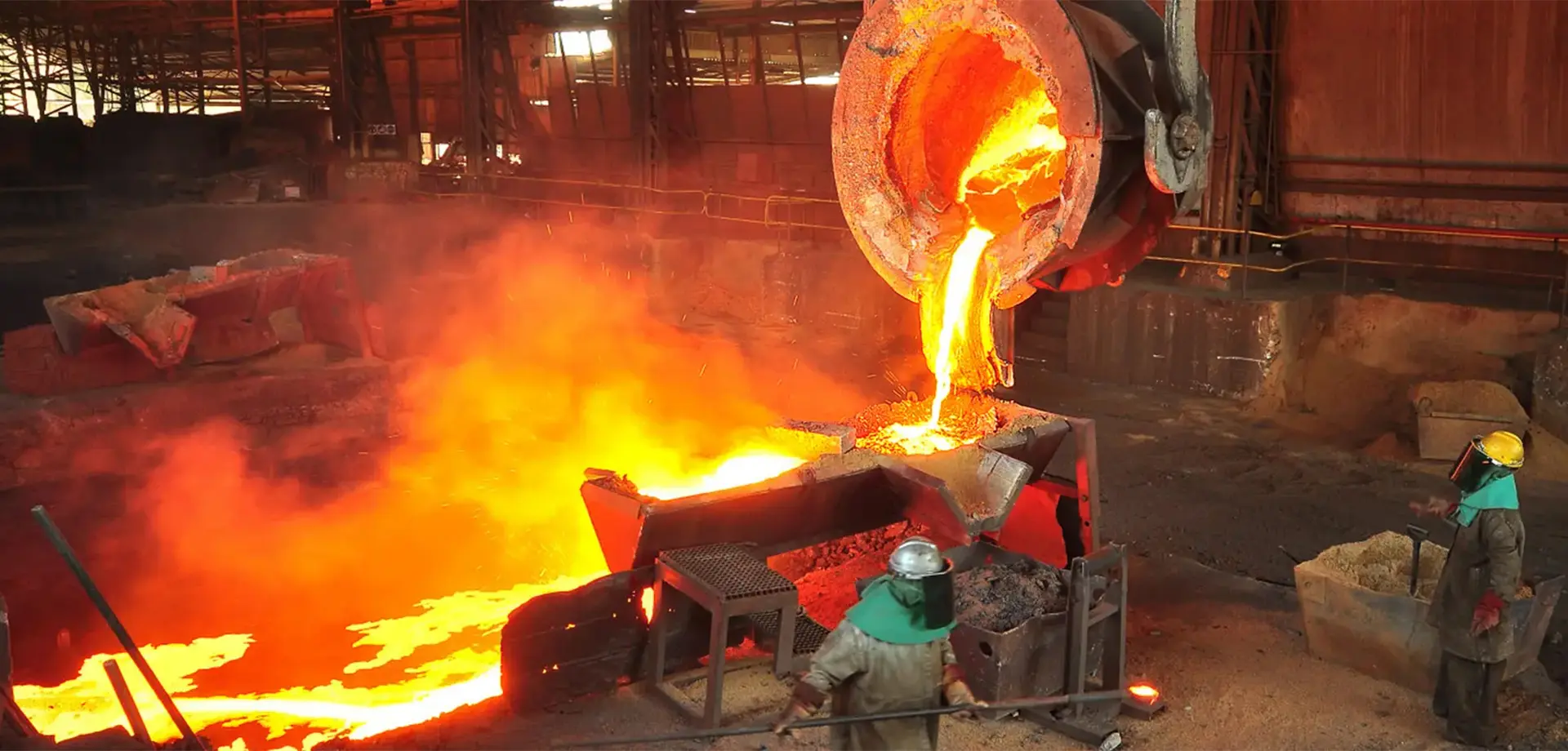
Single-piece heavy castings weighing up to 120 metric tons, refined to eliminate shrinkage cavities and macro defects.

Crusher jaws, ball mill heads, and classifier castings built with wear-resistant high-manganese and alloy steels.

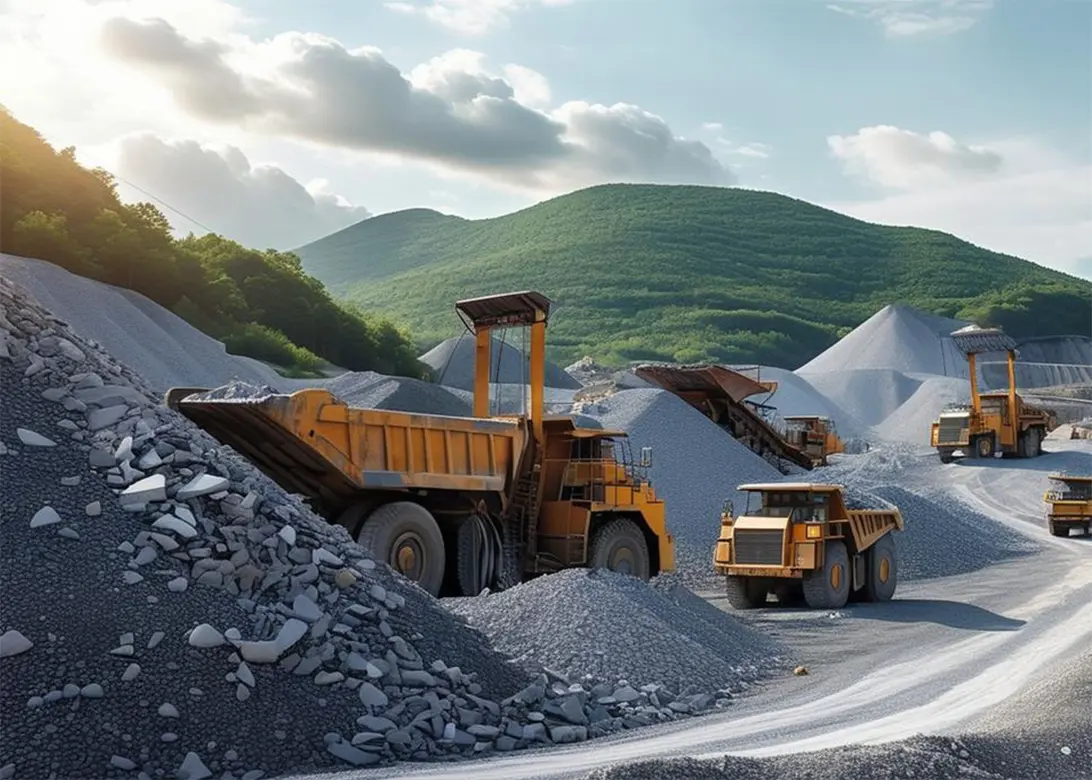
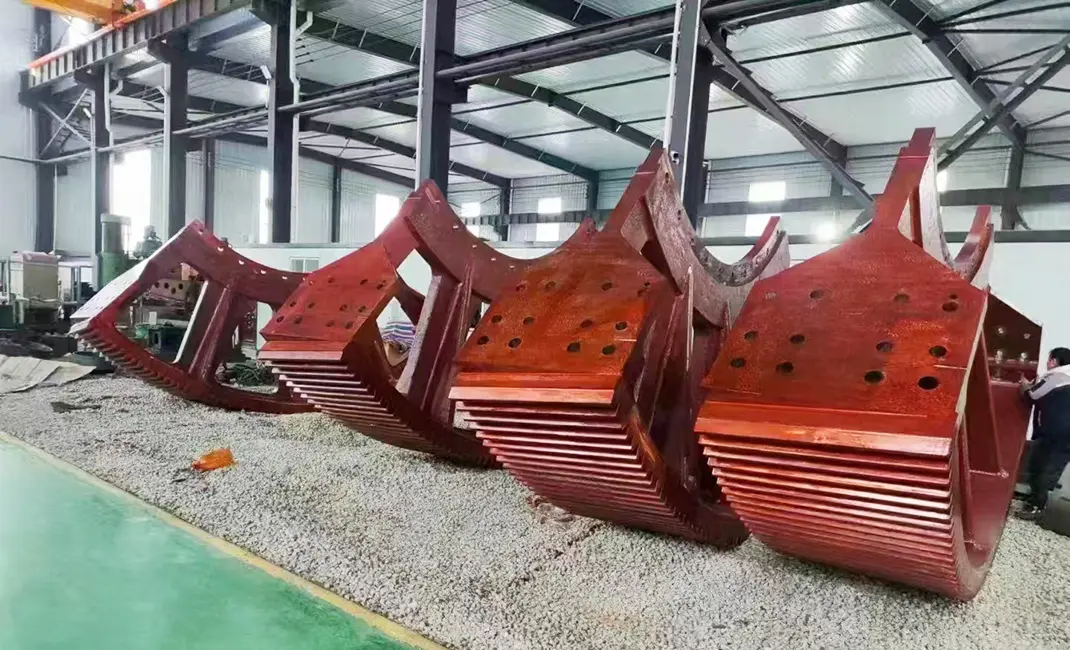
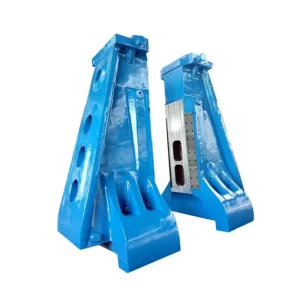
Primary jaw crusher frames, eccentric shafts, and compound cone crusher components for harsh quarry conditions.

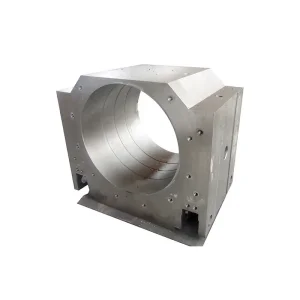
Custom-designed industrial housings, bearing seats, and valve bodies engineered per mechanical design blueprints.

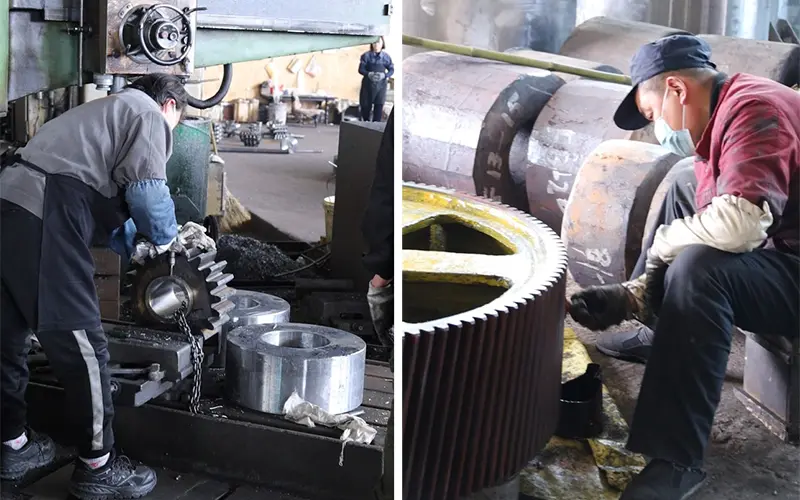
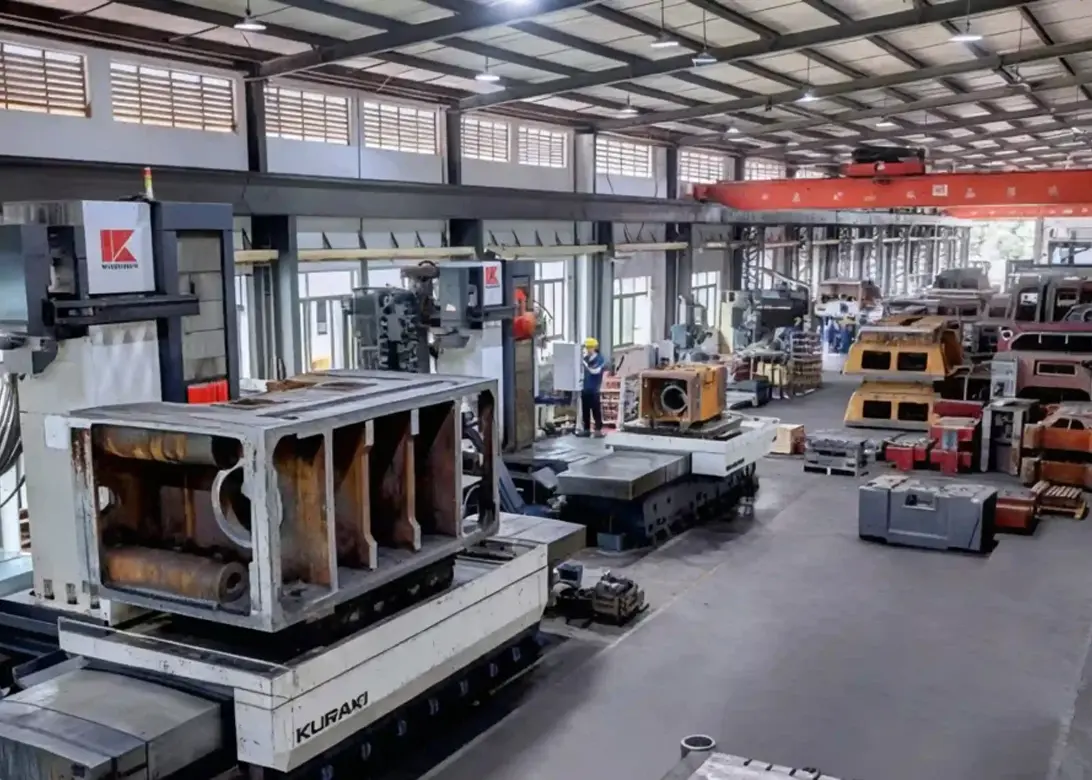
Integrating casting design, heat treatment, and precision CNC finishing to supply plug-and-play machine parts.
Modern heavy machinery demands steel casting components that operate under extreme mechanical loads and cyclic stresses. The metallurgical industry is undergoing a transition from traditional empirical casting practices to Digital Twin Foundry Engineering. At Henan Hanhai, our technology roadmap emphasizes three major technological pillars: solidification simulation modeling, micro-alloying optimization, and automated robotic fettling.
Before melting, raw materials undergo strict grading. We utilize electric arc furnaces and ladle refining furnaces (LF) paired with vacuum oxygen decarburization (VOD) to maintain low levels of sulfur (S ≤ 0.010%) and phosphorus (P ≤ 0.015%). By optimizing the chemical composition, we achieve fine grain structures and prevent hot tearing during cooling. In addition, MAGMAsoft simulation software is deployed to simulate thermal flow and solidification profiles. This analysis helps our engineers locate hot spots and design feeding systems with sand molds, chilling blocks, and risers to eliminate shrinkage cavities.
The future of large-scale casting lies in green sand mold reclamation and advanced additive manufacturing. We are developing 3D-printed sand molds for complex cores, which reduce prototype cycles from weeks to days. Furthermore, our focus on sand recycling systems allows us to reclaim up to 95% of molding sand, minimizing environmental footprint while maintaining dimensional accuracy to CT9-CT12 standards (ISO 8062).
Industrial machinery requires customized metallurgical answers tailored to specific environmental challenges. Whether handling mineral crushing or flow control systems, each industrial application requires specialized materials and structural designs.
In heavy-duty crushing operations, equipment components endure high impact and abrasive wear. For jaw crusher frames and pitmans, we cast high-strength carbon steels (like ASTM A27 Grade 70-40) to absorb cyclical shocks. For wear components such as jaw plates, mantles, and concaves, we utilize High-Manganese Steel (Mn13Cr2, Mn18Cr2) that work-hardens under load, increasing its surface hardness from 200 HB up to 500 HB under operation.
Slag ladles, ingot molds, and smelting furnaces undergo severe thermal shock as they cycle between room temperature and 1600°C. Our slag ladles are cast from specialized low-alloy steels (such as GS-20Mn5) designed to prevent thermal fatigue cracking. These ladles feature thick base walls and structural ribs designed to support mechanical stress during molten metal pouring.
Steam turbine cylinders and high-pressure valve bodies require casting integrity free of micro-porosity. We use chrome-molybdenum cast steels (such as ASTM A217 Grade WC6 or WC9) to ensure high creep strength and oxidation resistance at temperatures exceeding 500°C.
A structured engineering and production workflow designed to manage technical alignment, quality control, and global delivery risks.

Managing complex metallurgical castings requires precise alignment at every phase, from raw design to long-term operational support.

Collecting target casting weights, structural designs, and raw material specifications.
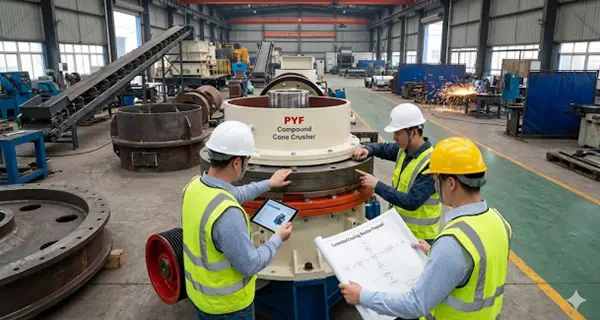
Creating solidification simulations and gate/riser drawings to verify mold design.
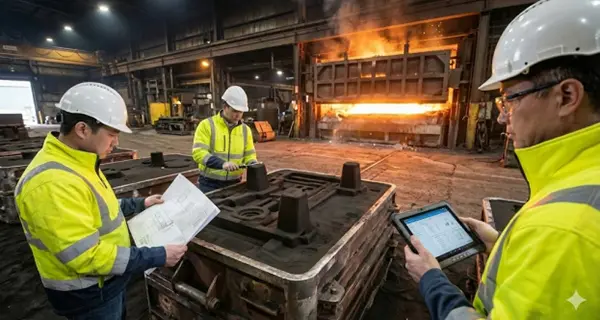
Confirming mechanical testing parameters, heat treatment procedures, and machining tolerances.
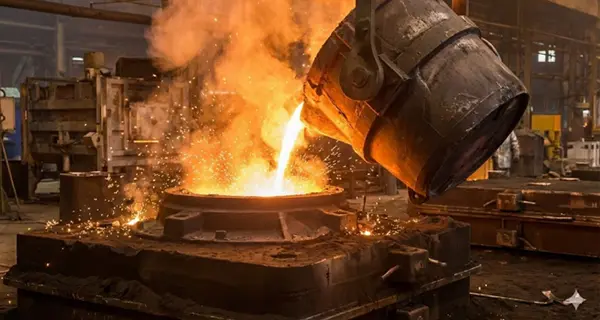
Controlling melting chemistry, sand molding, pouring temperature, and heat treatment.

Executing UT, MT, PT, RT, dimensions checks, and mechanical properties verification.
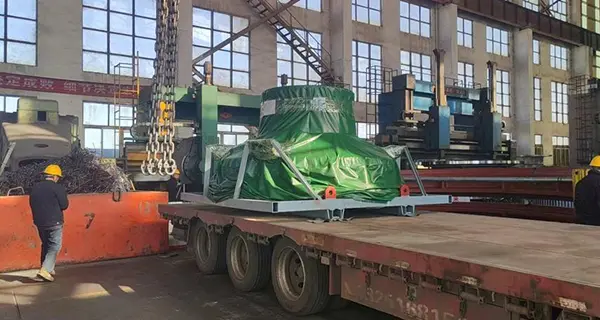
Packaging with anti-rust primers and wood crate support for long-distance transport.
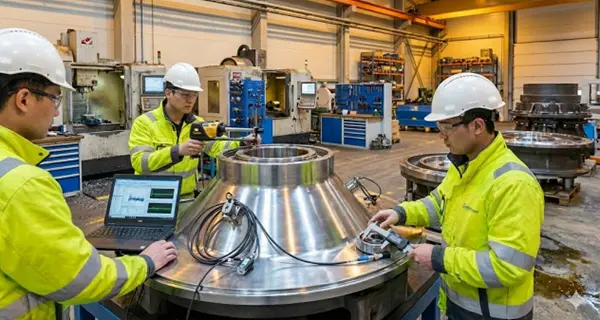
Providing technical assistance for assembly and shaft alignment on site.

Submitting EN10204 3.1 material certificates and quality documentation.
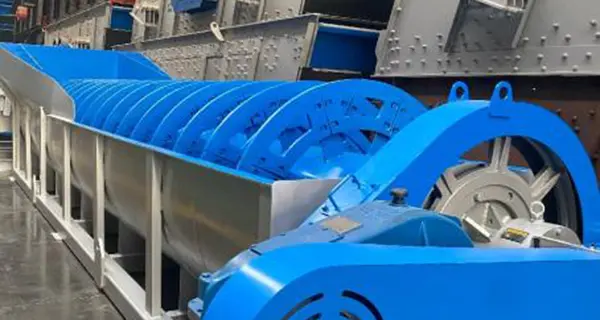
Providing replacement wear parts and support for continuous operations.
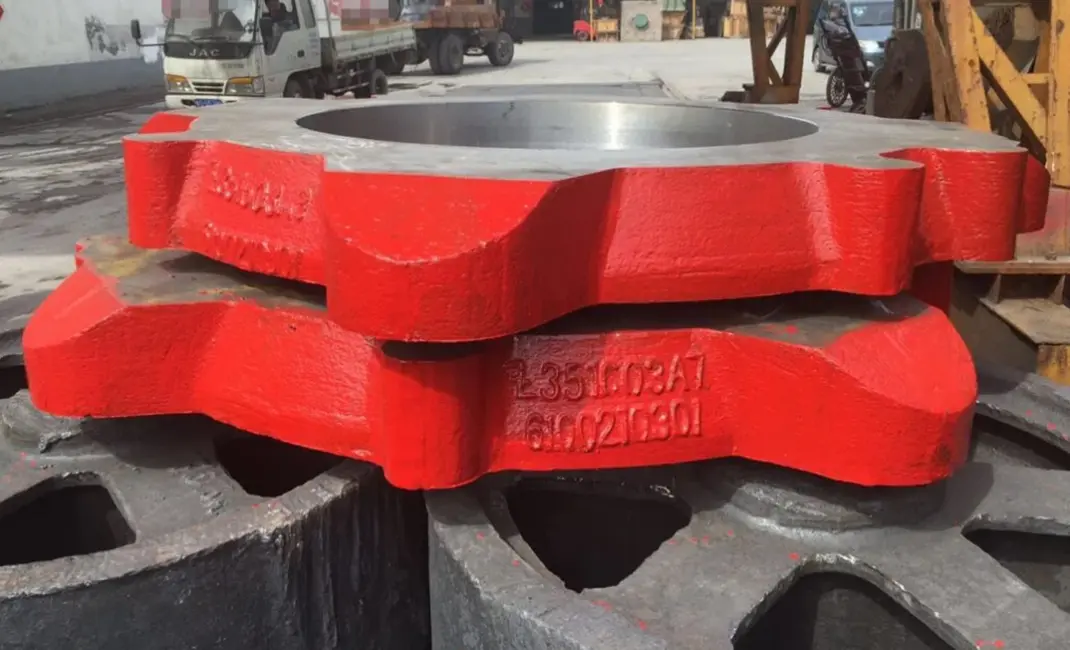
A compilation of finished components, high-load gear sets, housings, and structures built for heavy industrial installations.
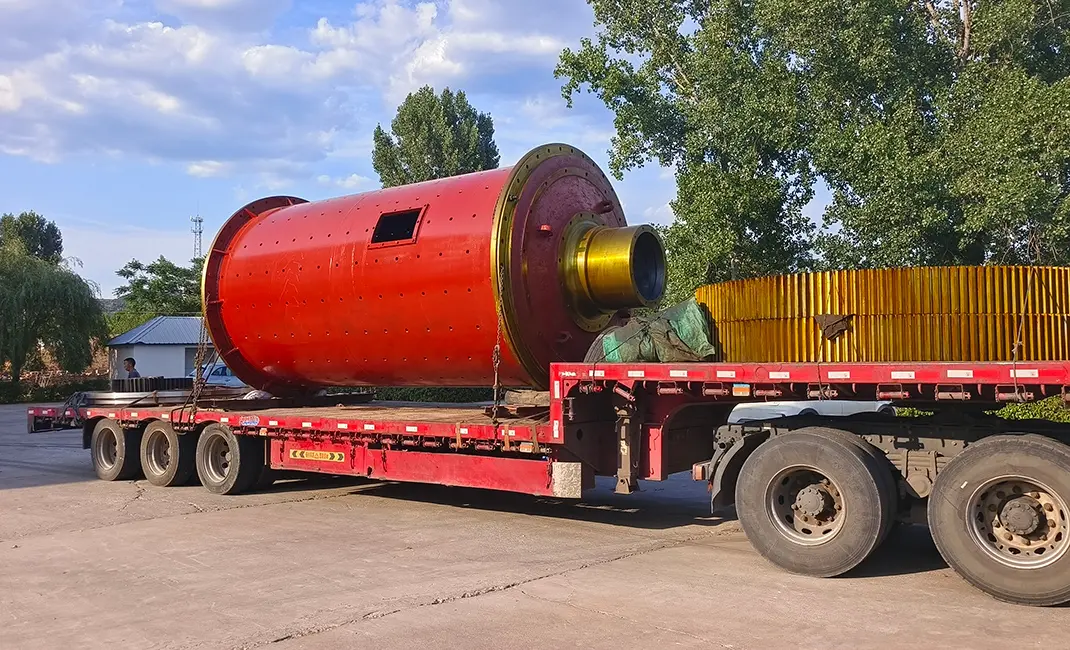
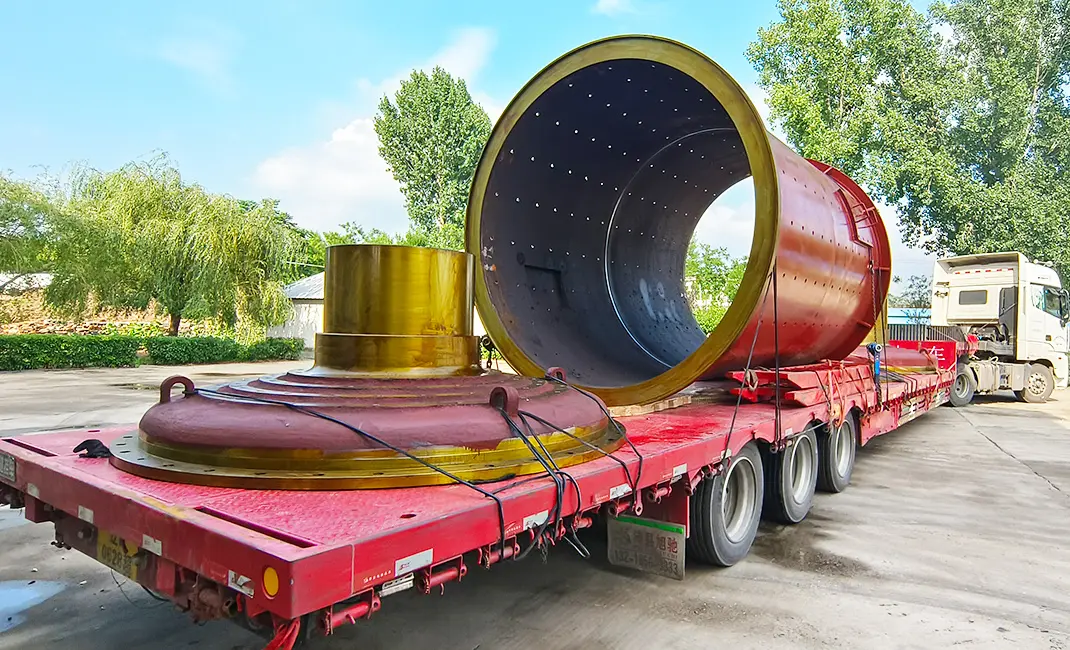
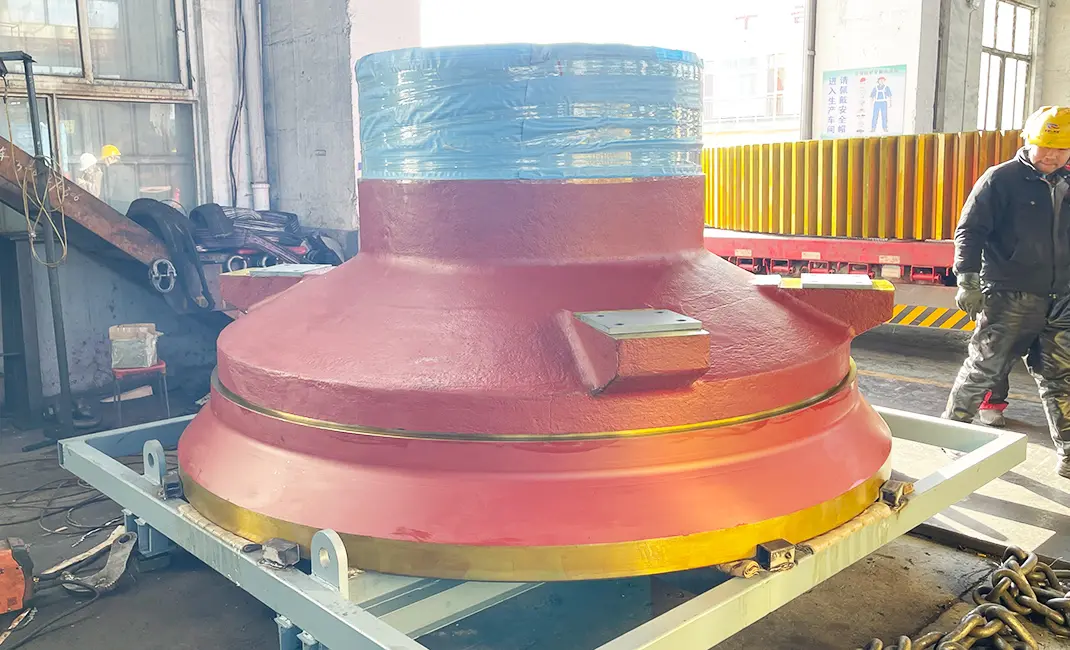
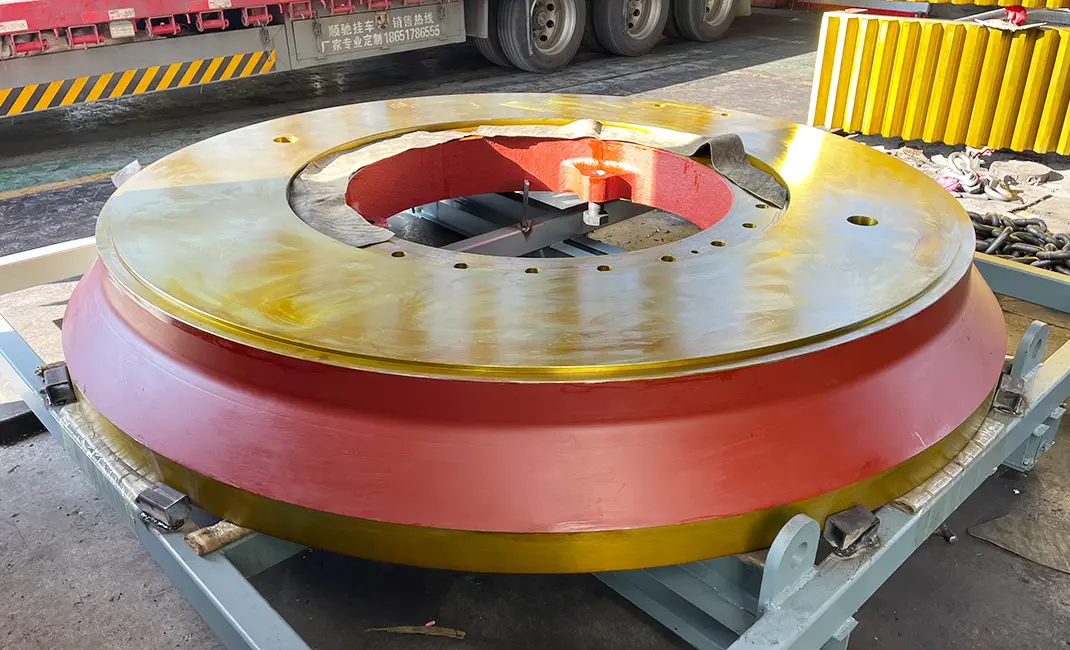
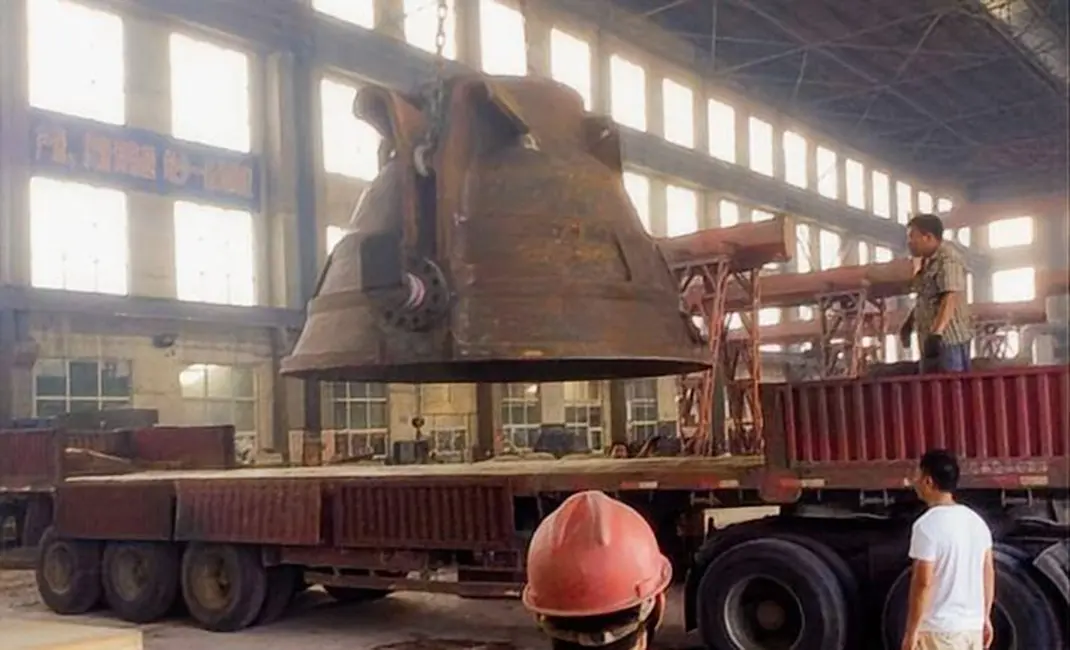
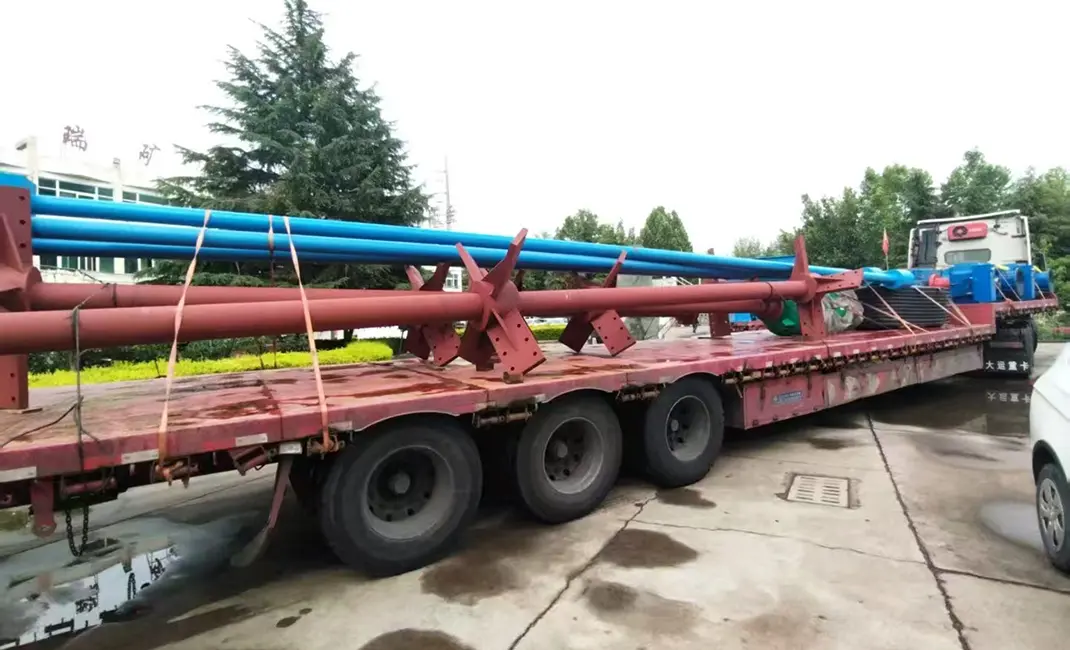
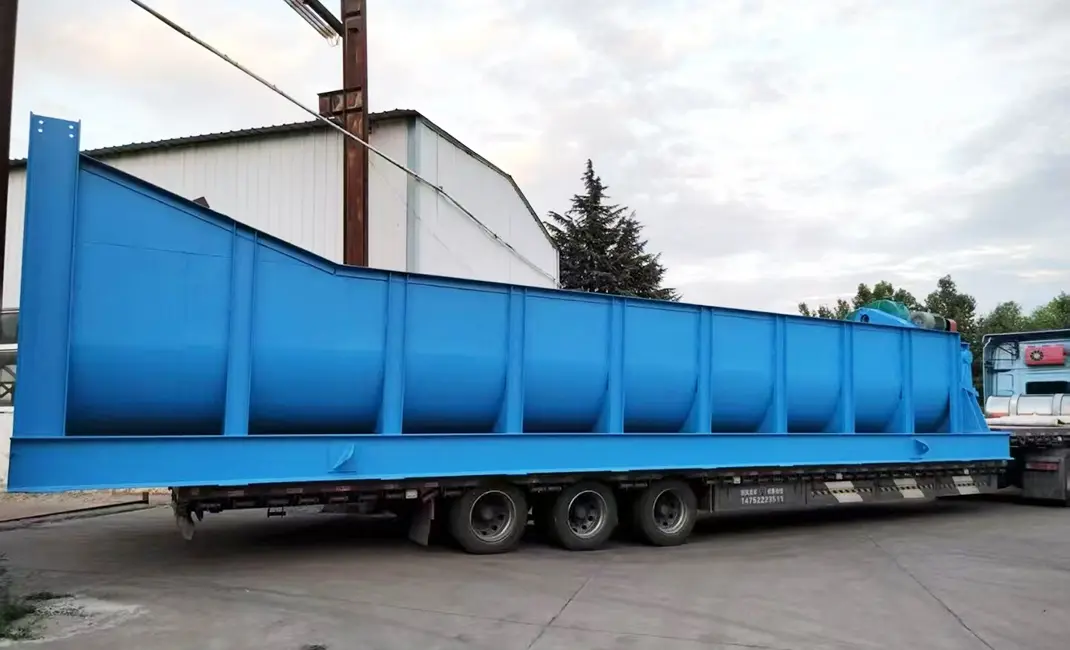
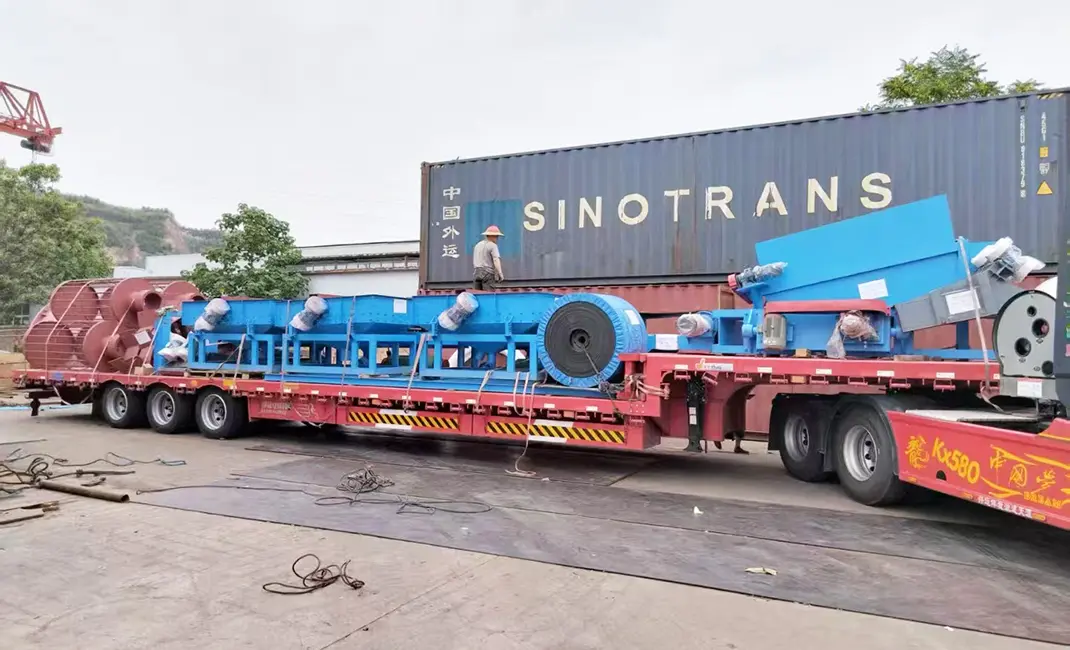
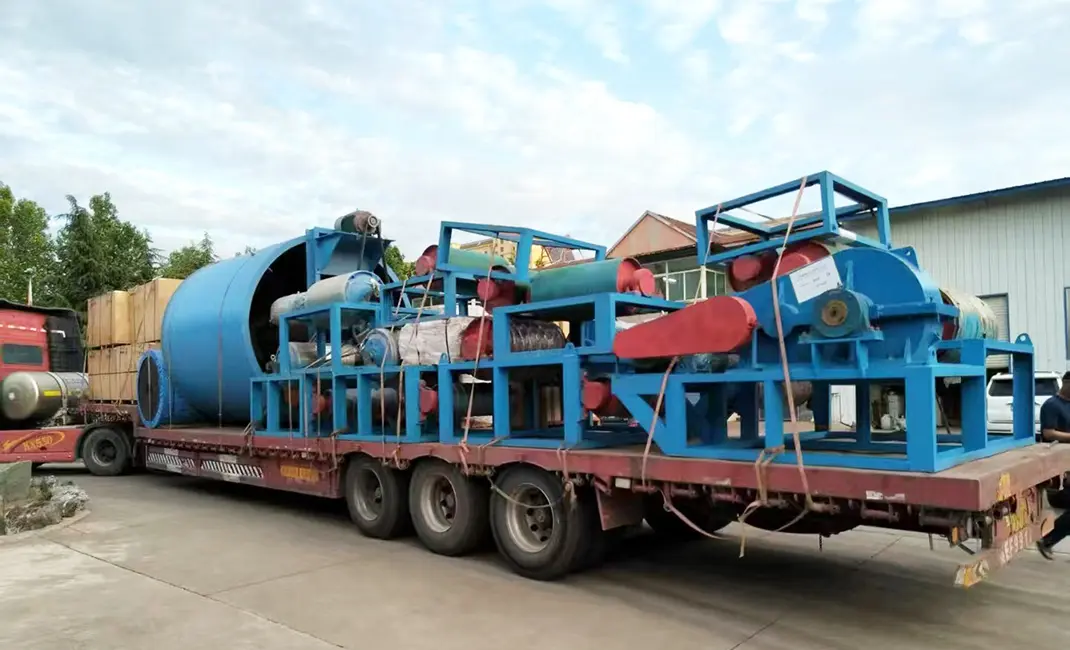
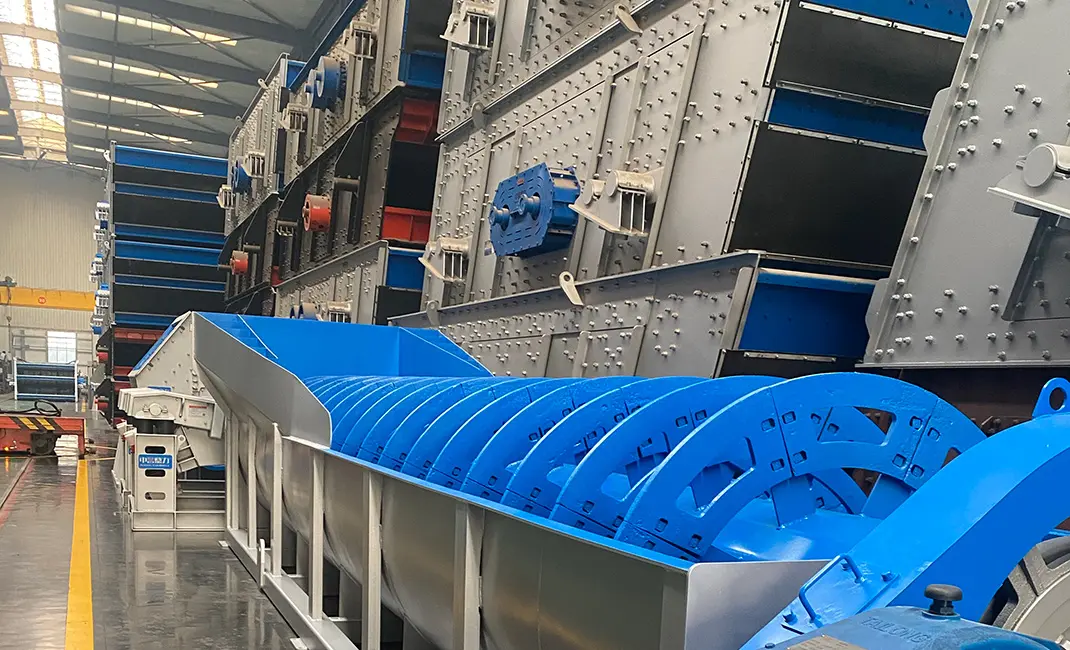
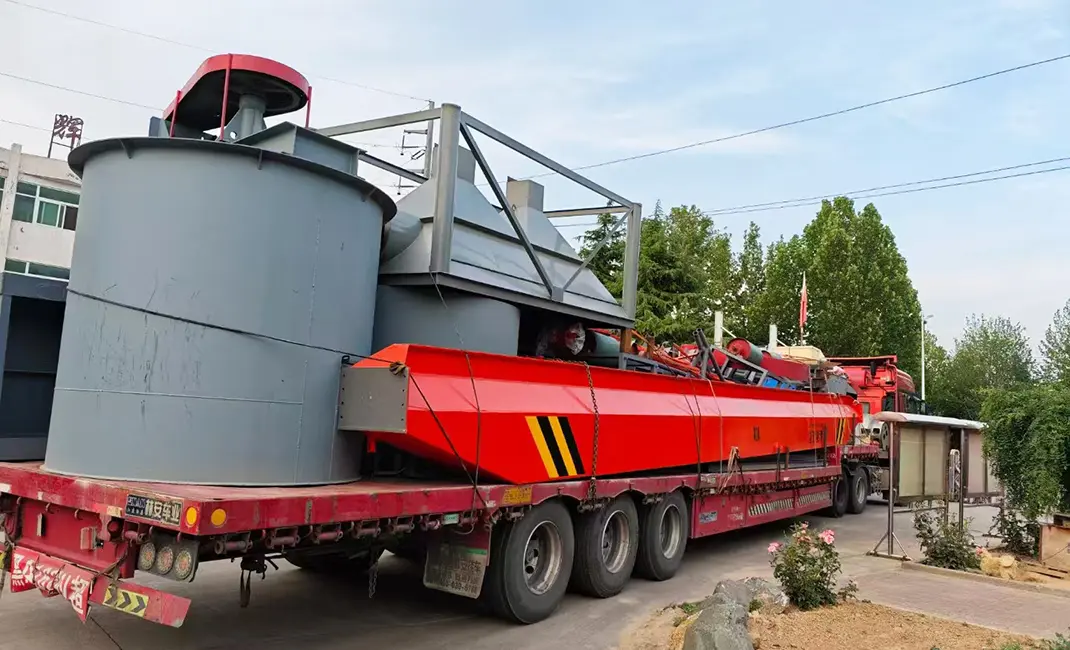
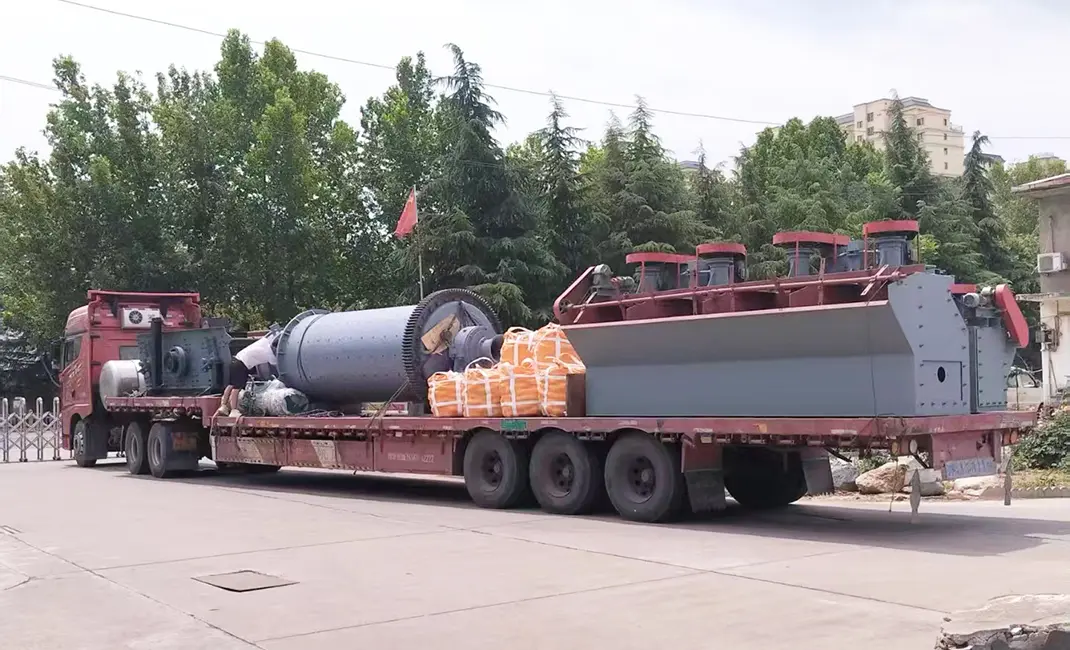
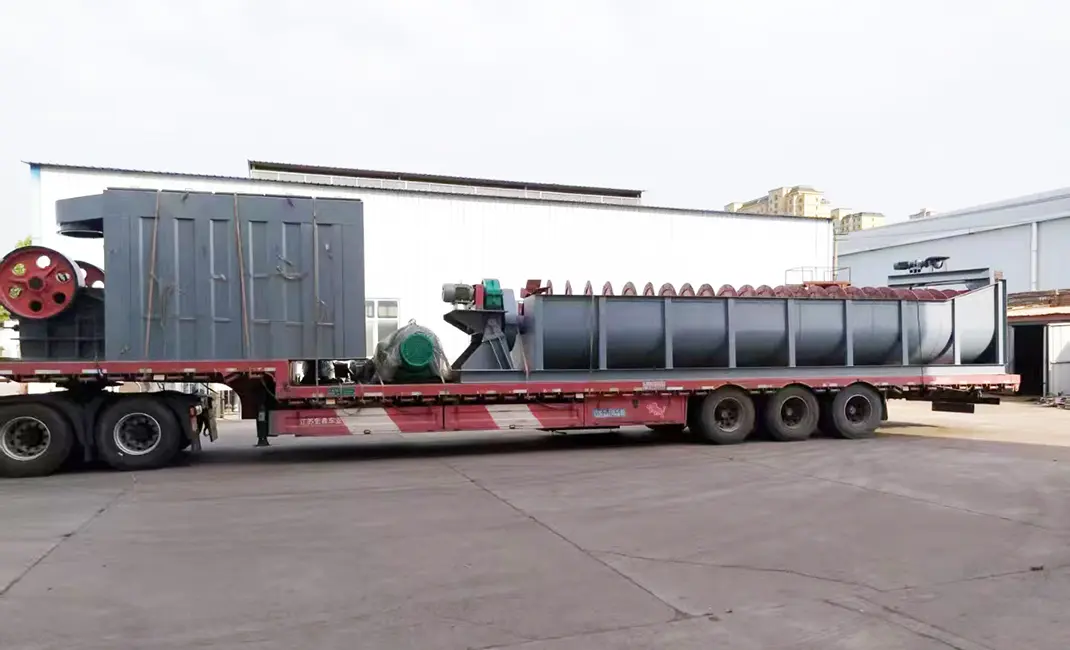

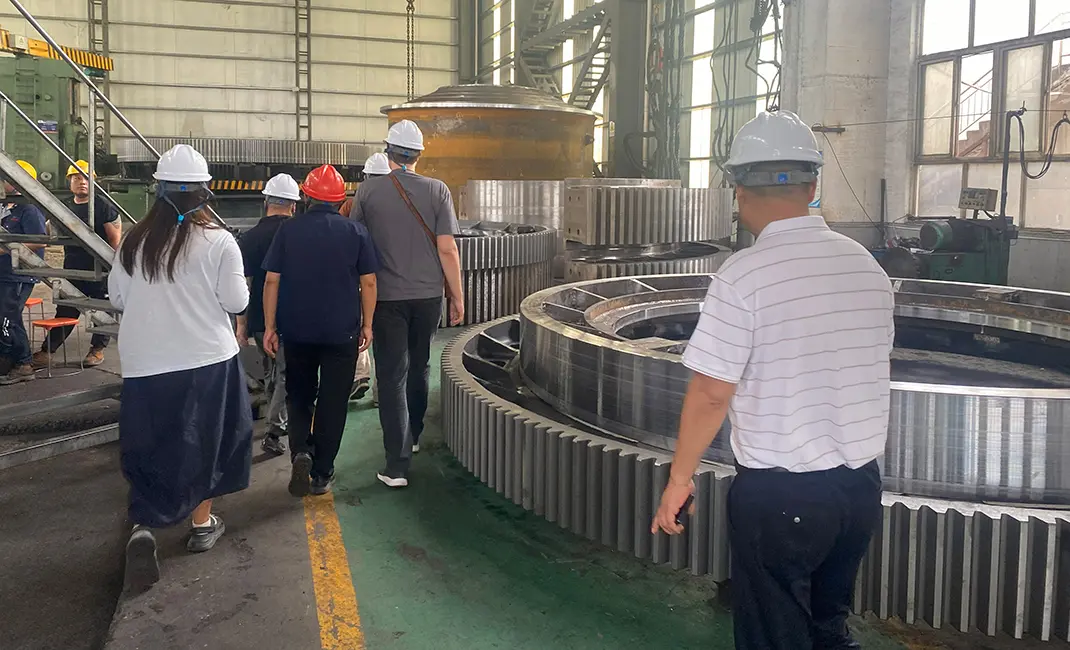
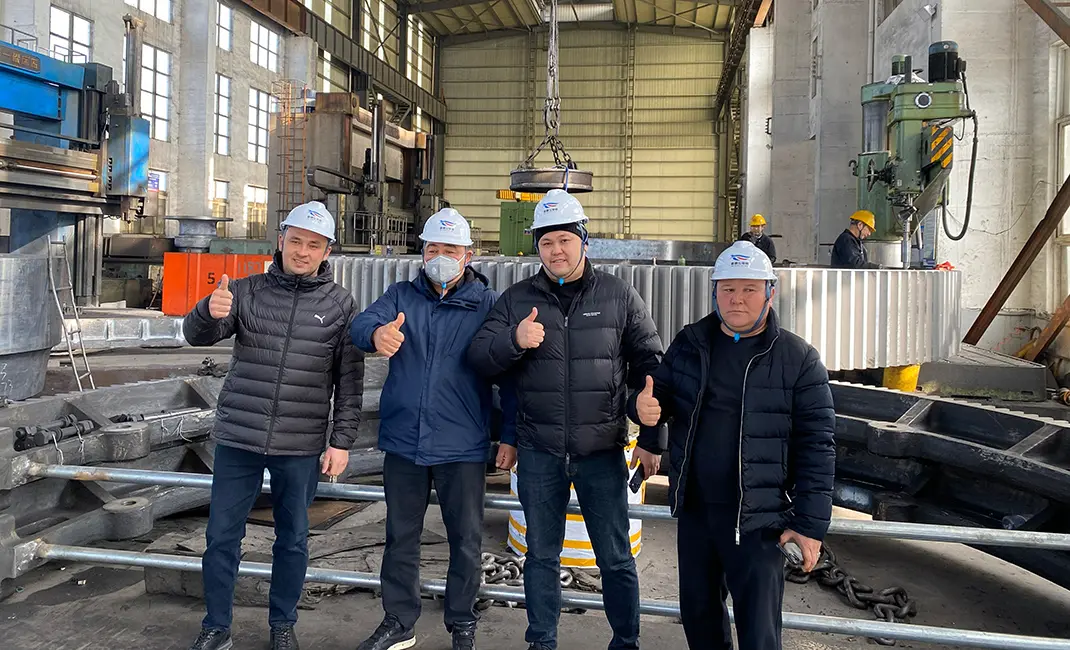
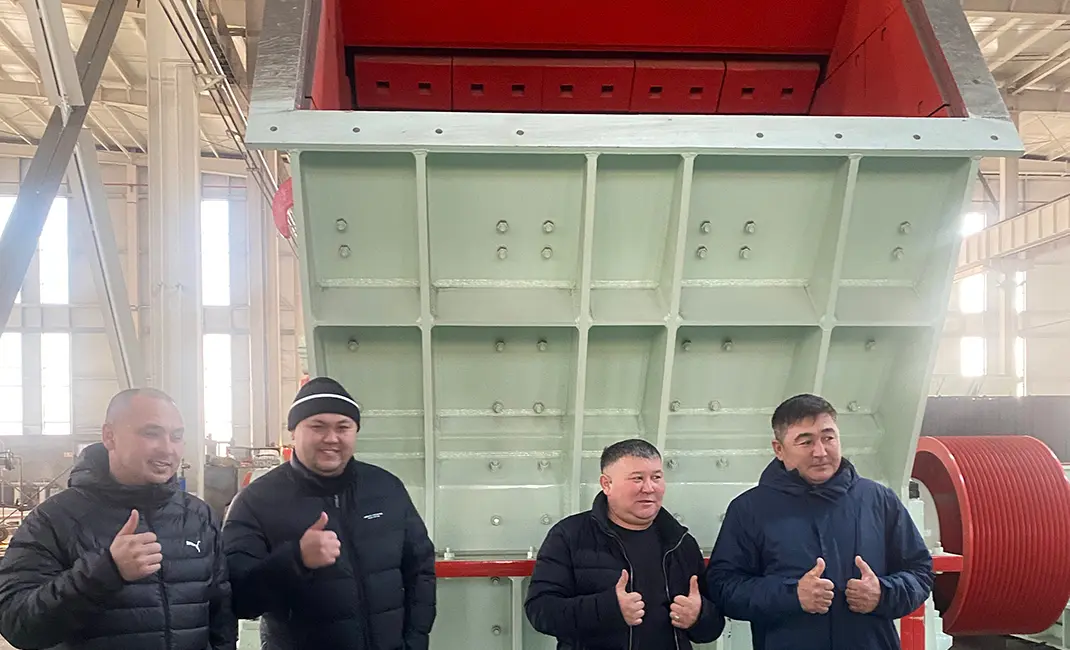
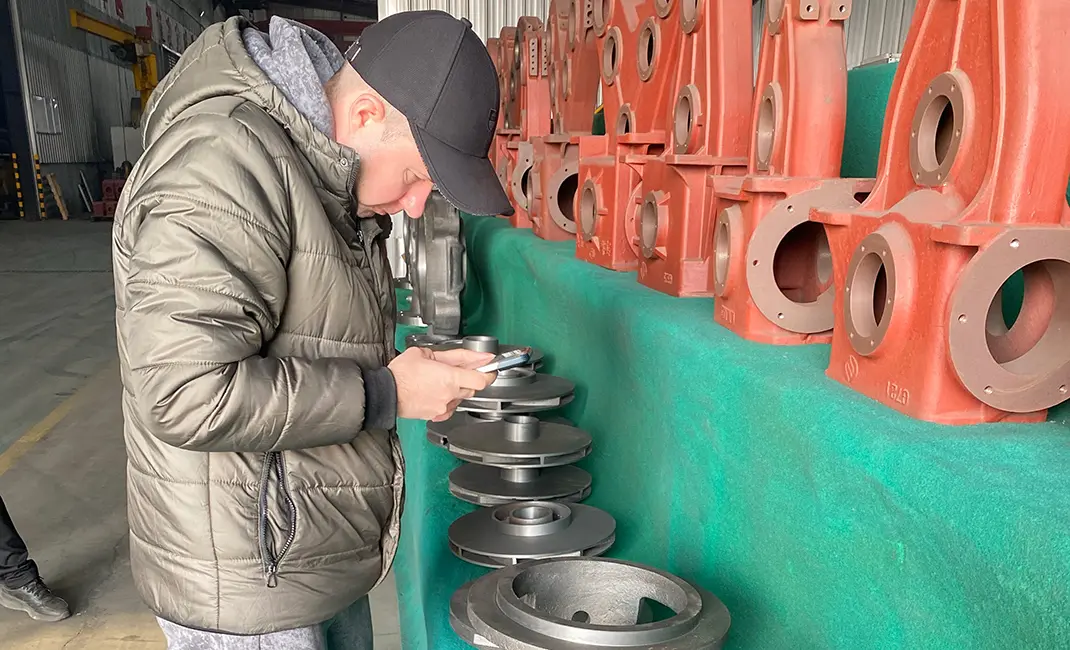
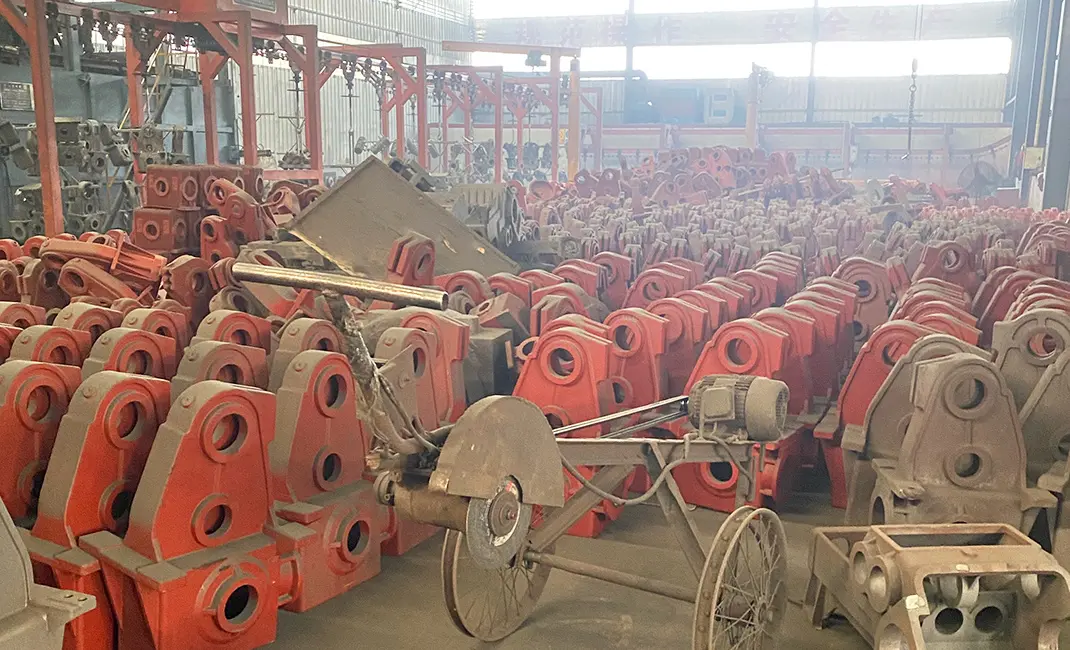
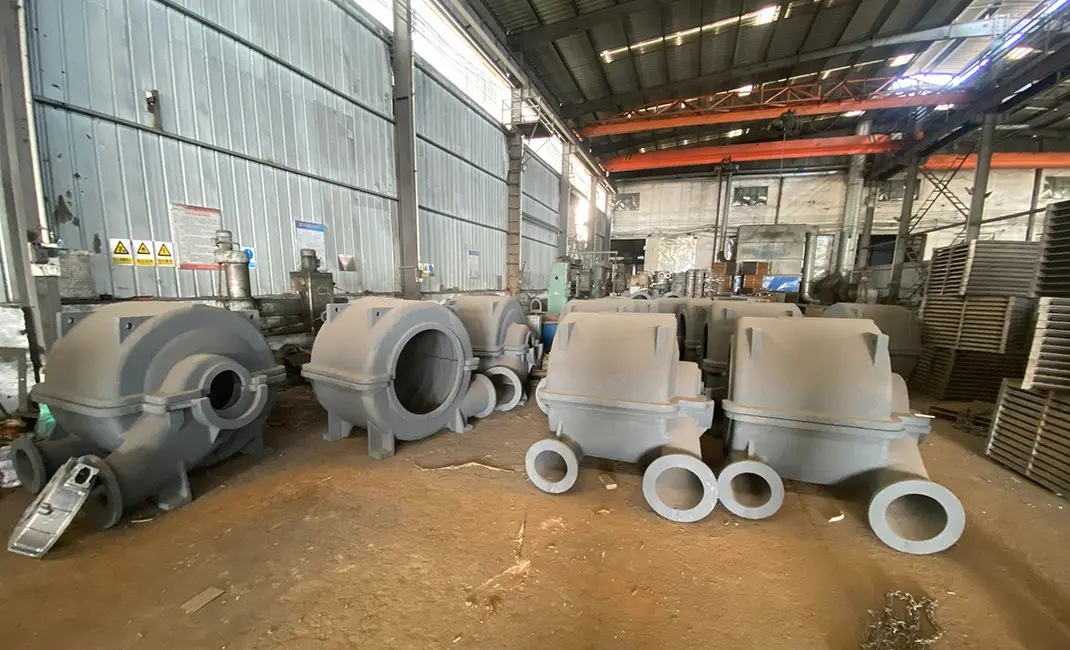
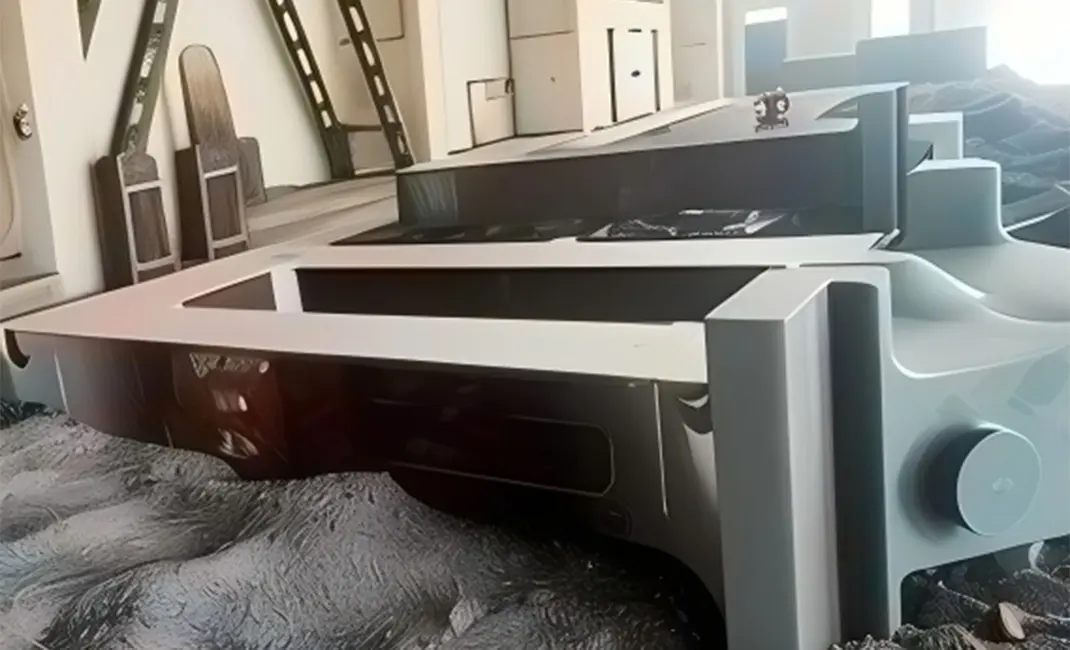
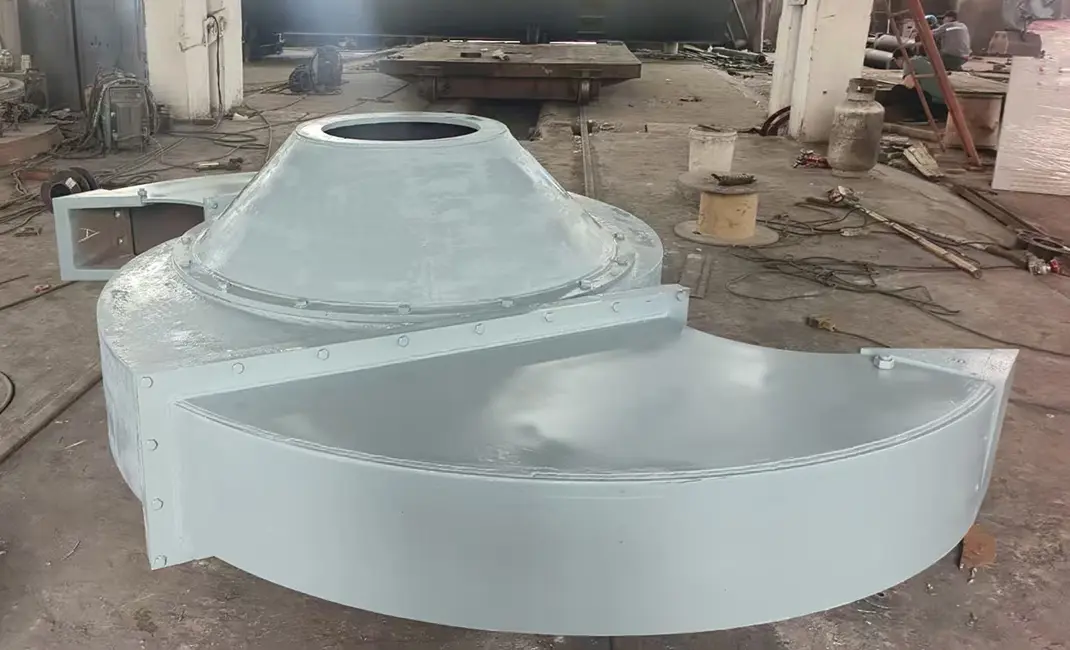
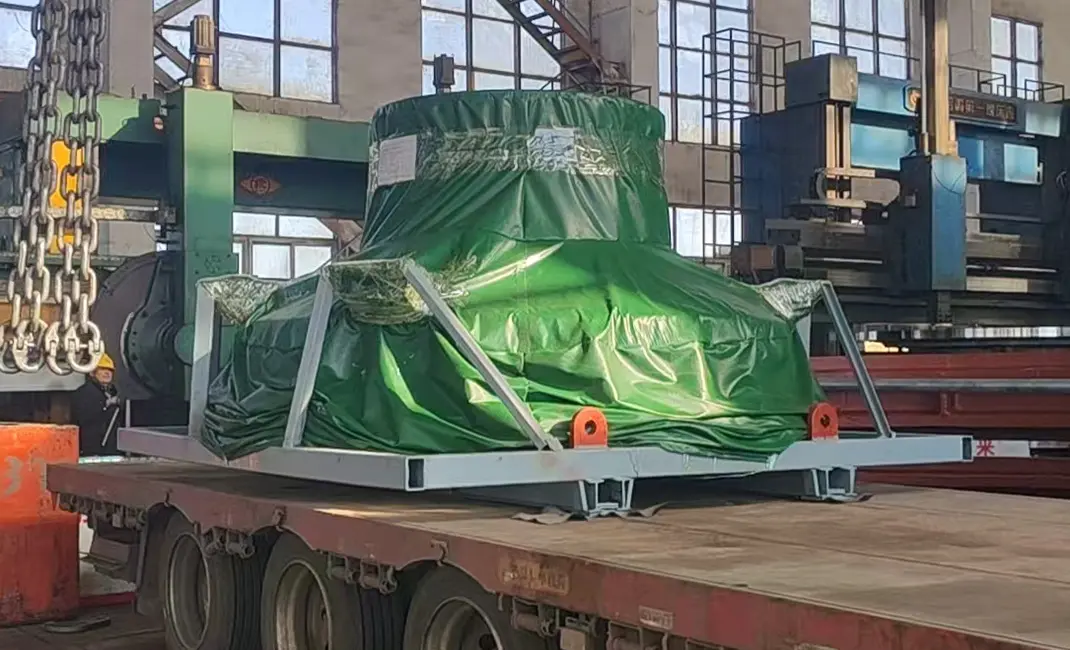
China's manufacturing centers offer integration advantages across raw material supply chains, smelting systems, and post-casting finish machining. Henan Hanhai leverages this regional industrial ecosystem to manage the complete casting process, from pattern design to CNC finishing.
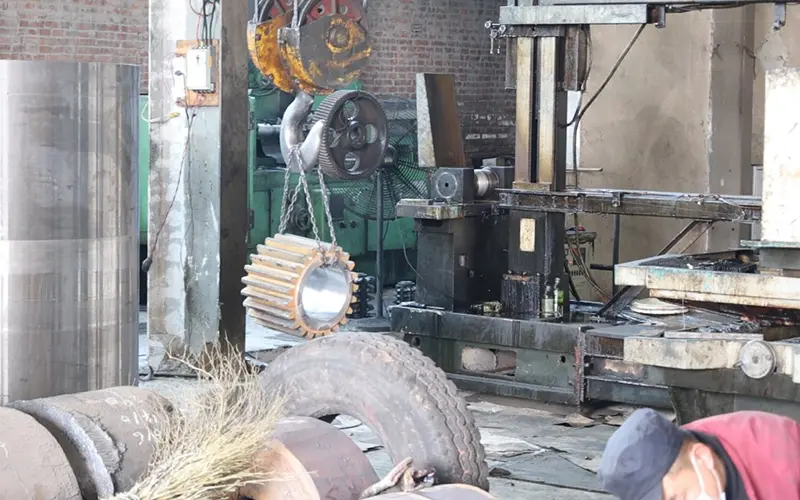
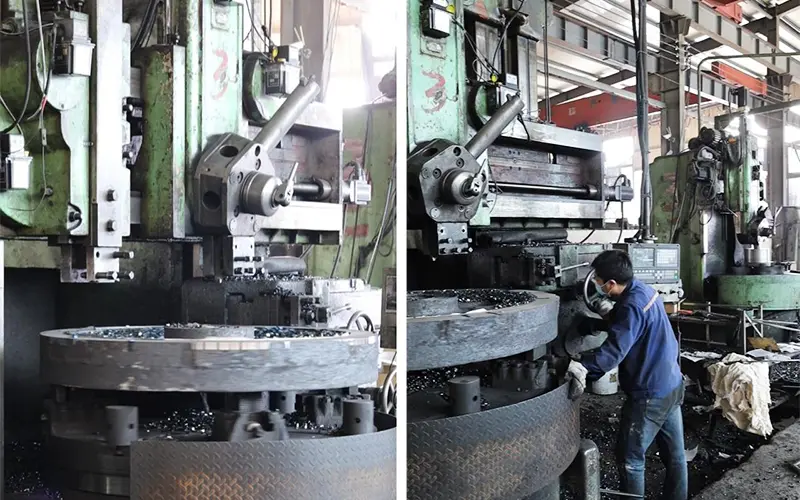
Integrated Production Line Control: We manage pattern-making, sand mold preparation, melting, pouring, heat treatment, and precision machining under a single ISO9001:2015 quality control structure. This arrangement reduces transit steps and lowers handling risks. For instance, our machining shop features 5-meter and 10-meter vertical boring mills, portal milling machines, and horizontal boring machines. This capability allows us to ship rough or finish-machined components per client specifications.
Energy Cost Management & Environmental Control: Modern steel casting requires stable energy sources. By operating high-tonnage electric induction furnaces, we optimize energy usage during pouring processes. Our facility is equipped with secondary dust collection systems and sand recycling loops that conform to regional environmental rules, ensuring production continuity and reliable delivery timelines.
To clear quality audits for international projects, cast steel and cast iron components must meet stringent metallurgical and dimensional standards. For international procurement managers, verifying the following inspection parameters is standard practice:
Operating as a global exporter requires matching components with the engineering standards of the destination country. We translate engineering drawings from GB standards to ASTM, EN, JIS, and DIN standards. We ensure chemical compositions (such as Cr, Mo, and Ni additions) are adjusted to meet the target specification.
Customs Clearance and Logistics: Large castings require specialized logistics management. We design custom flat-rack container arrangements and apply ocean-grade anti-rust primers and polymer wrapping to protect finished machined surfaces from saltwater corrosion. Furthermore, we handle all compliance documents, including CE certificates, certificate of origin, and inspection reports, to ensure smooth customs clearance at the destination port.
Detailed technical answers to common queries regarding casting metallurgy, quality control, and order handling.
We use MAGMAsoft solidification simulation software to model the cooling process before mold creation. This simulation helps our engineers place risers and chilling blocks in locations prone to hot spots. Our pouring teams control casting temperatures within a ±10°C window to allow progressive solidification, which feeds molten metal into shrinkage zones and prevents cavity formation.
Our slag ladles are typically cast using low-alloy carbon steels like GS-20Mn5 (EN 10213) or ASTM A27 Grade 65-35. These material grades are chosen for their ductility and thermal cycle fatigue resistance, allowing the ladle structure to deform slightly under high thermal gradients without cracking.
We maintain an in-house NDT laboratory staffed with ASNT Level II certified inspectors. We offer Ultrasonic Testing (UT) to check for internal defects, Magnetic Particle Testing (MT) and Liquid Penetrant Testing (PT) for surface inspections, and radiographic testing (RT) for critical areas like the weld preparation zones on valve body castings.
Lead times depend on the size and complexity of the casting. For components requiring custom pattern design (e.g., 20-ton gear rings), pattern-making and casting simulation take 3 to 4 weeks. Pouring and heat treatment take 2 weeks, followed by rough or finish machining (3 to 4 weeks). Total lead time ranges from 10 to 14 weeks from technical drawing approval to factory dispatch.
Yes. Our machining facility is equipped with large CNC vertical lathes, horizontal boring mills, and portal milling machines. This allows us to perform both rough and finish machining on large-scale parts, ensuring that the components arrive ready for installation.
We use direct-reading optical emission spectrometers to analyze samples taken directly from the ladle during the melting phase. We adjust the alloy elements (C, Si, Mn, P, S, Cr, Ni, Mo, Cu) to meet the design specification before starting the pouring process.
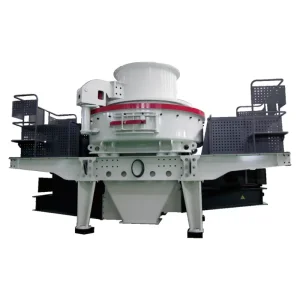
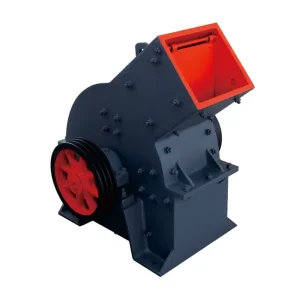
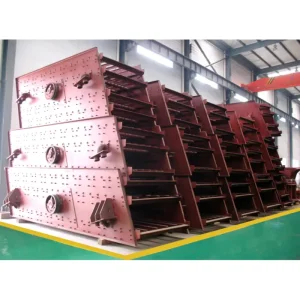
Engineered high-efficiency impact crushers, frame castings, and screening equipment configured for heavy mining plants.
 Hanhai