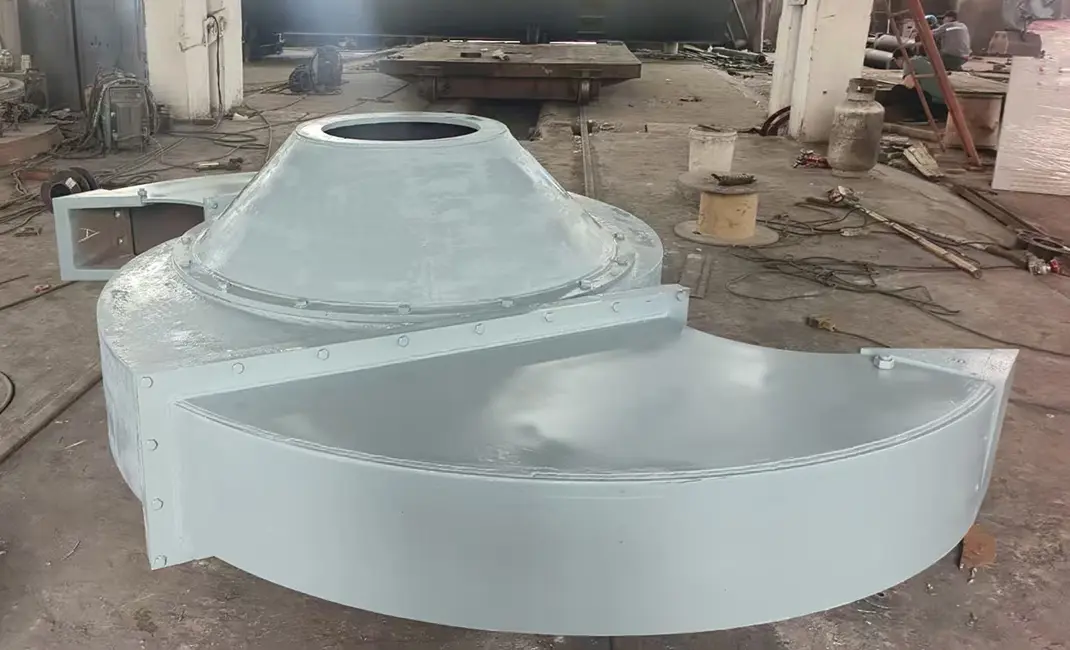
Explore our premium grade heavy-duty crushing machinery, custom-cast slag pots, and intelligent hydraulic crushing systems engineered for structural longevity.
How Modern Kinematics and Metallurgical Progress Restructure Primary Commintion Systems
The global heavy machinery landscape is undergoing a critical transition. At the heart of mineral extraction, quarrying, and concrete recycling operations, the jaw crusher remains the definitive primary stage configuration. Historically designed using empirical guidelines, the modern Universal Jaw Crusher has transitioned to an optimized machine governed by Finite Element Analysis (FEA), high-fidelity kinematic simulations, and smart structural castings. Industrial design demands have shifted from merely crushing larger rocks to maximizing structural fatigue life, reducing electrical power consumption, and simplifying on-site maintenance.
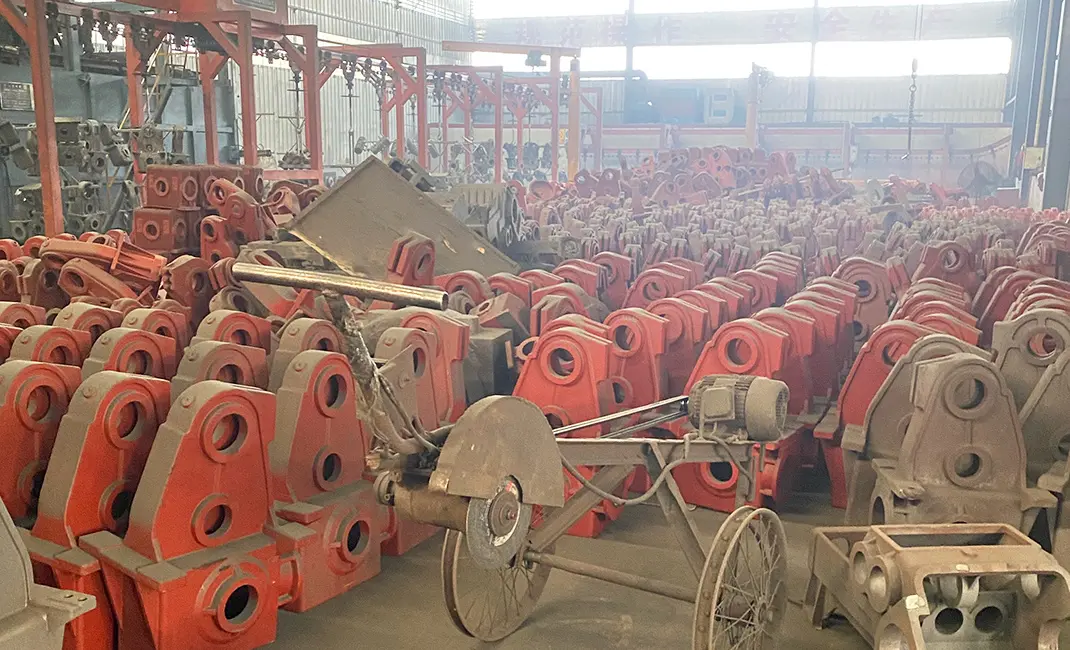
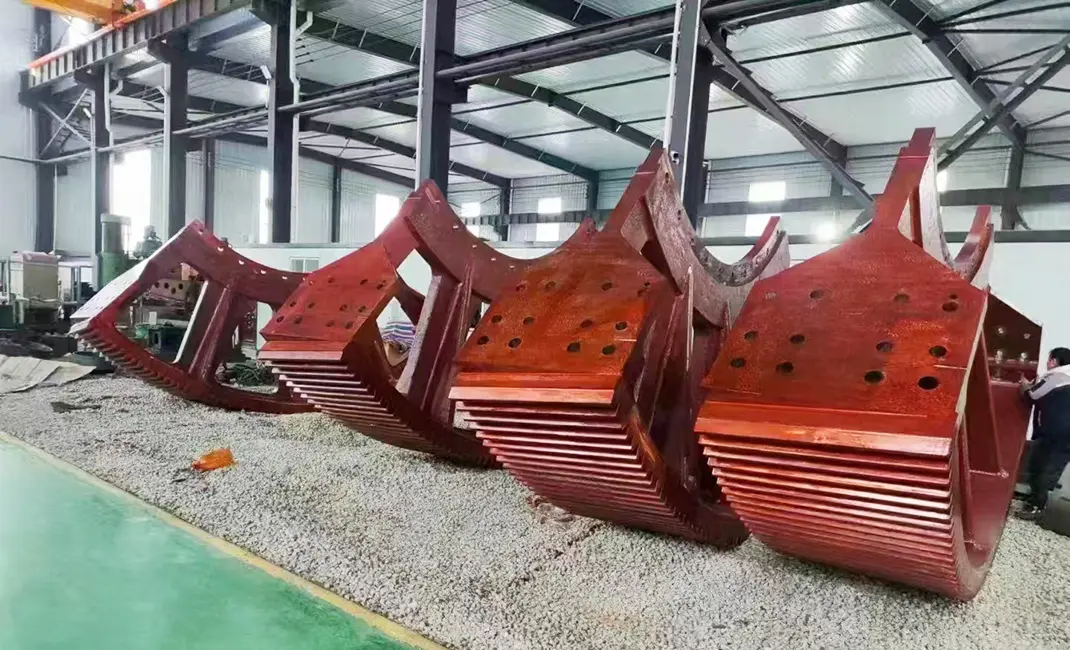
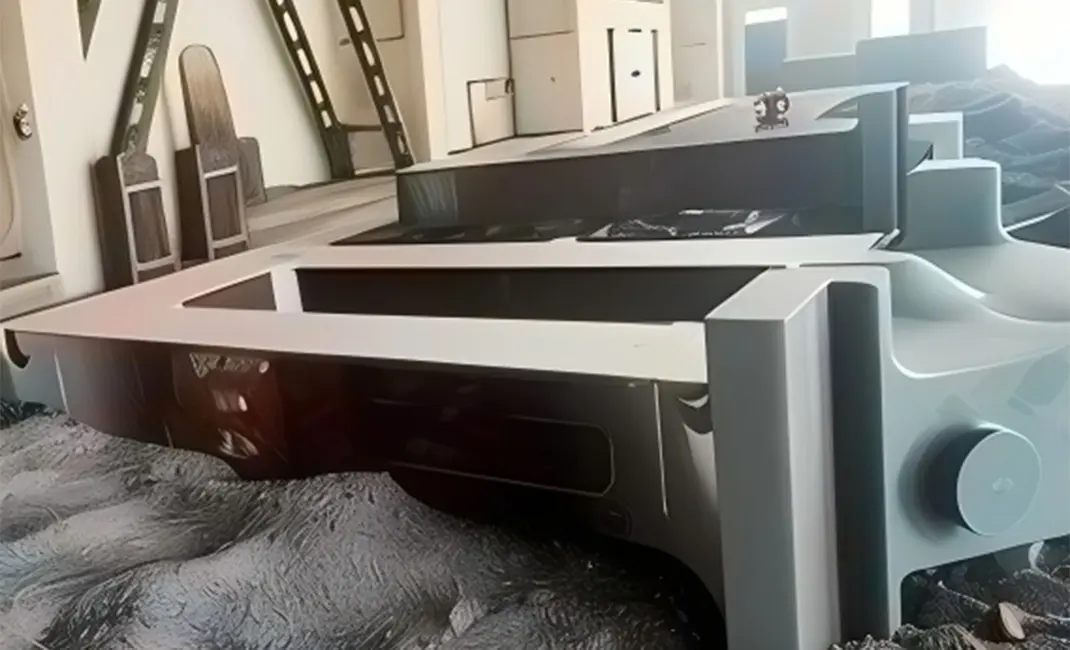
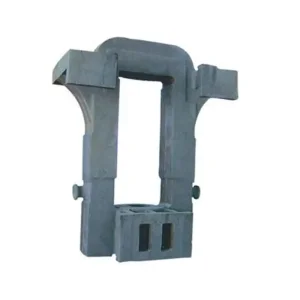
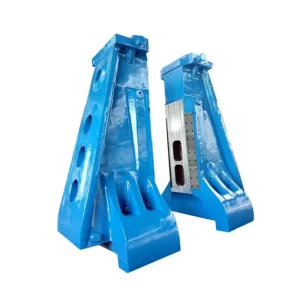
One of the primary engineering trends is the adoption of modular, non-welded frames. In traditional crushing operations, welding points are notorious zones for stress concentration, eventually leading to structural micro-cracks under continuous dynamic loads. As a leading casting specialist, we supply precision-engineered, monoblock steel cast structures that remove vulnerable weld zones completely. Integrating the front wall, side plates, and back frame into monolithic castings ensures uniform energy distribution during high-impact crushing cycles, directly boosting operational safety factor guidelines (E-E-A-T benchmarked).
Furthermore, automation integration has changed the way quarries manage output sizes. Modern jaw crushers utilize hydraulic dual-wedge adjustment mechanisms, allowing operators to alter the Closed Side Setting (CSS) remotely or automatically via Programmable Logic Controllers (PLCs). This matches real-time feed characteristics with desired product sizing, stabilizing downstream cone crusher or impact crusher processes, and reducing total energy expenditures per ton of processed material.
Eliminating weld stress lines through high-grade carbon-manganese cast steel castings. Delivers extreme structural rigidity under persistent aggregate loads.
Redesigned stroke pathways increase material throughput at the top of the crushing chamber while promoting rapid discharge at the bottom zone.
Jaw plates cast using Mn18Cr2 or Mn22Cr2 work-hardening alloys. Provides highly efficient surface hardening under crushing stress without losing internal toughness.
Aligning Purchasing Metrics to Maximize Mechanical Availability and Operational Longevity
Procuring heavy-duty aggregate and ore-crushing components is no longer a matter of comparing capital expenditure (CAPEX). Senior project engineers and procurement managers evaluate components based on their Total Cost of Ownership (TCO). A lower-cost, poorly cast swing jaw or rocker arm housing may save initial capital, but one single catastrophic failure can result in unscheduled downtime costing hundreds of thousands of dollars in lost production capacity.
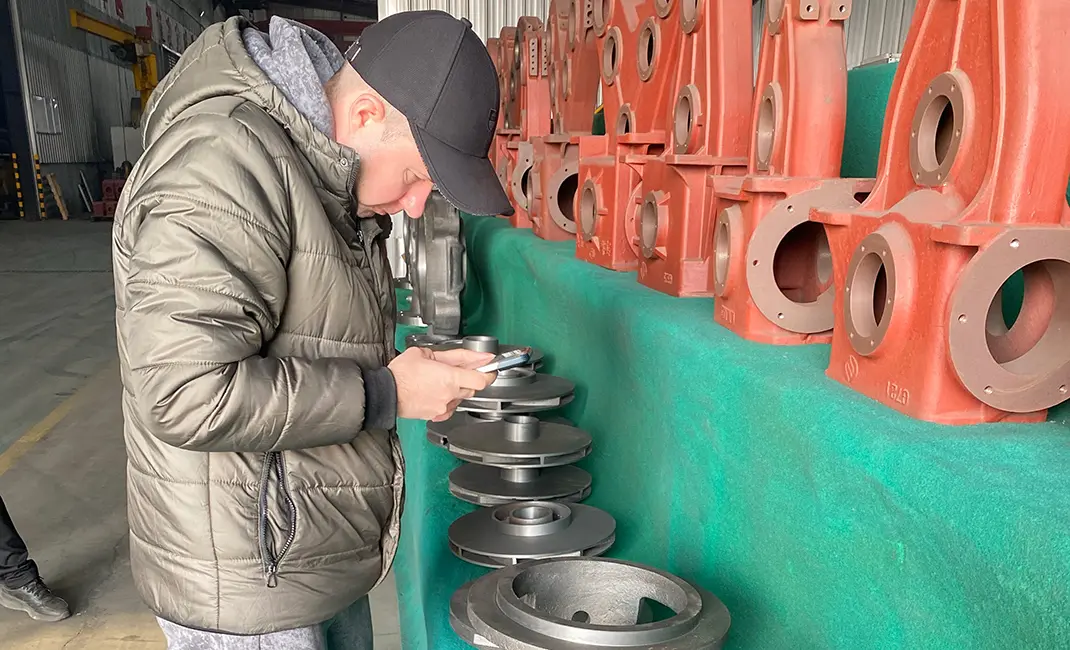
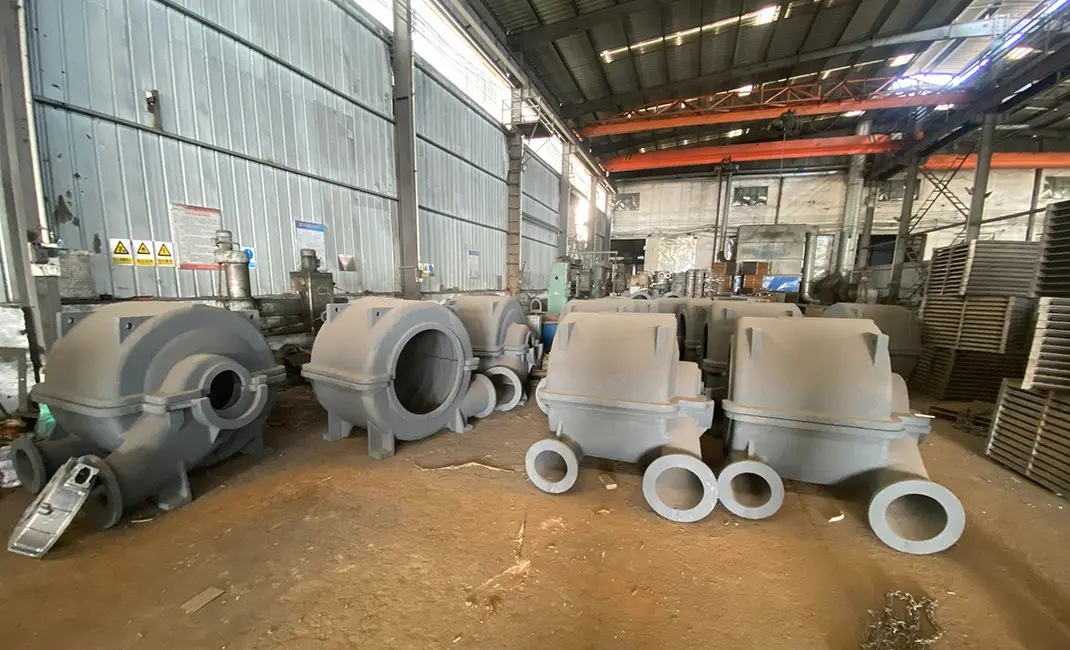
For instance, modern mining groups globally demand certifications and rigorous Non-Destructive Testing (NDT) reports before approving a supplier. These tests, including Magnetic Particle Testing (MT), Ultrasonic Testing (UT), and Radiographic Testing (RT), ensure that large cast steel components like the hollow shaft, bearing housing, and rolling mill archways contain zero internal shrinkage cavities or gas pores. At Henan Hanhai Metallurgy Mining, our castings undergo advanced NDT verification to meet European and North American industrial standards (CE and ISO9001 certifications).
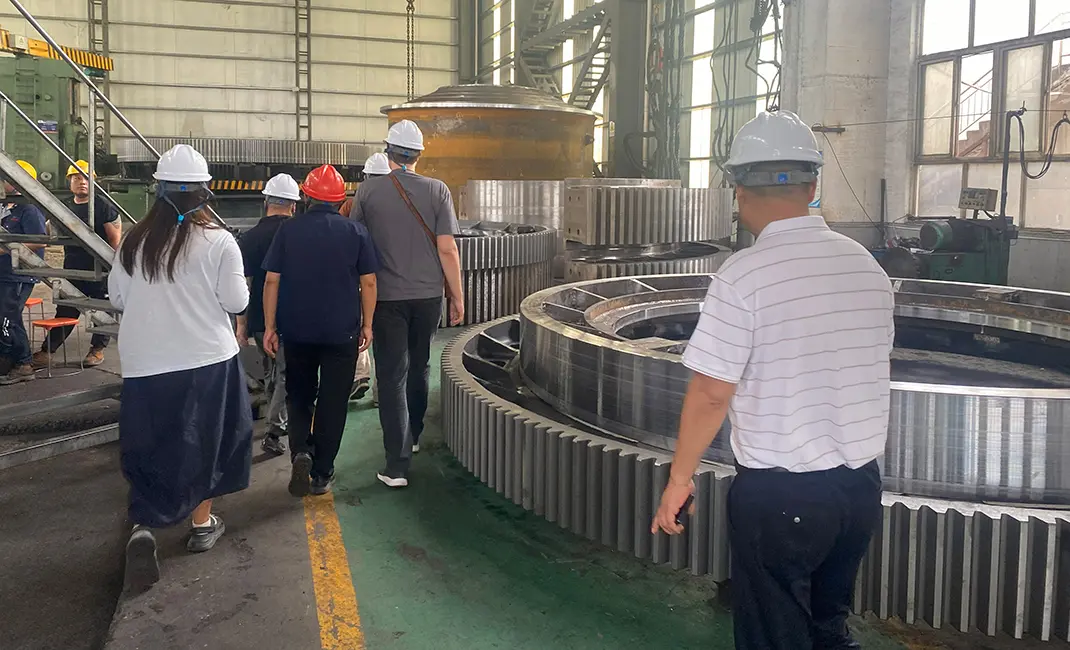
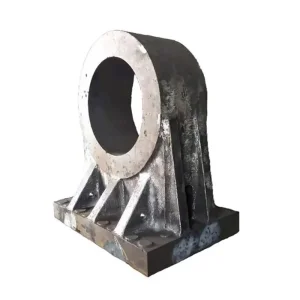
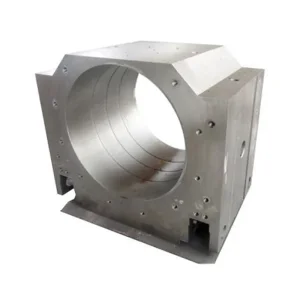
In addition to structural reliability, procurement trends dictate close proximity to specialized machine finishing services. Foundries that offer rough casting without precise CNC machining force clients to find secondary machining vendors, which complicates the supply chain and increases the risk of misalignment during final installation. Henan Hanhai integrates design, casting, and precision machining, ensuring that every cast bearing housing, rocker arm, and crusher frame is ready for direct installation upon arrival at the mining site.
Within the modern paradigm of smart manufacturing, China's heavy foundries have transitioned from volume-driven production to high-tech, digitally integrated operations. Henan Hanhai’s casting facility utilizes 3D solidification software to simulate the cooling process of molten steel. This process allows engineers to predict and eliminate potential hot spots or shrinkage defects before pouring the metal, ensuring the casting's structural integrity.
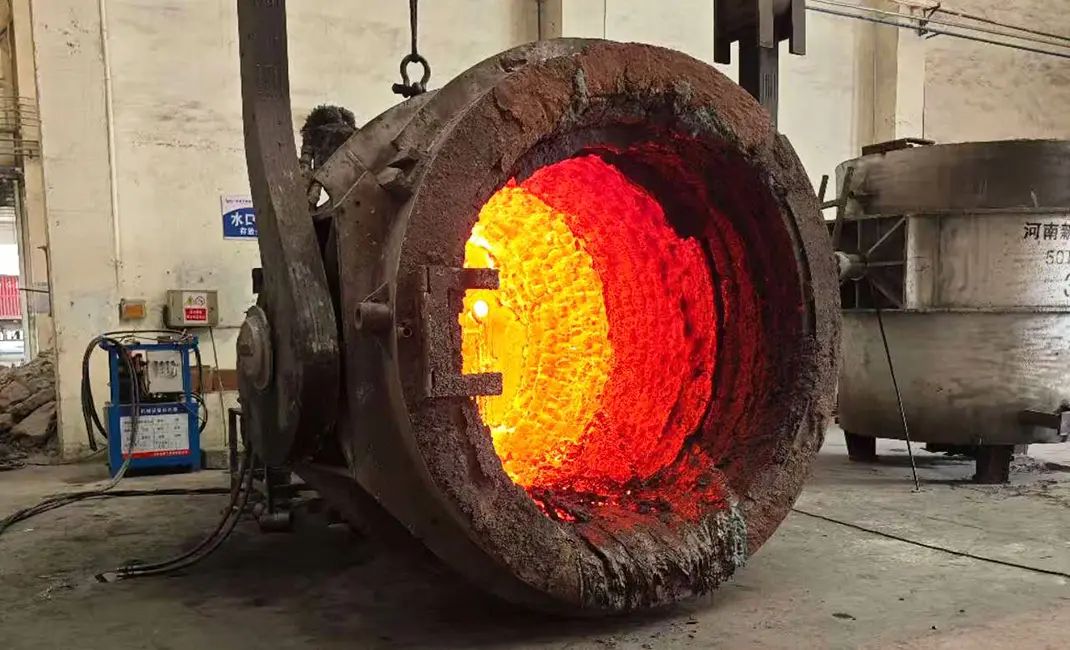
Additionally, our supply chain resilience ensures consistent raw material availability and stable energy management, allowing us to maintain predictable delivery timelines despite global economic fluctuations. By combining local metallurgical raw materials, optimized logistics networks, and state-of-the-art electric arc furnace refining systems, we pass the resulting cost and schedule advantages directly to our international clients.
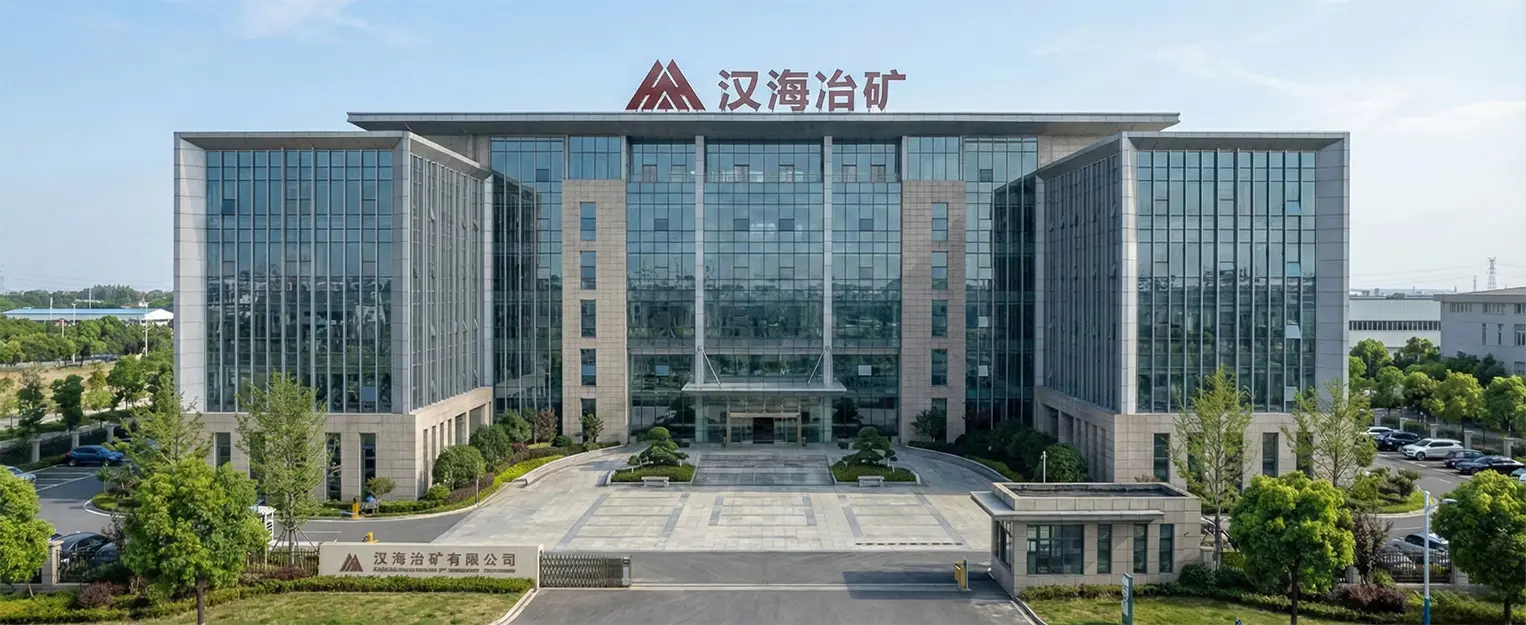
Our commitment to precision engineering and sustainable manufacturing excellence guides every production run.
To empower global heavy industries with precision steel and iron castings, supporting safe, sustainable, and highly efficient manufacturing processes.
To stand as a trusted global brand in heavy casting production, combining smart engineering with eco-friendly foundry technologies.
A history of development, technological investment, and global foundry partnerships.
Hanhai Casting was established with a focus on heavy steel and iron castings, laying a solid technical and production foundation.
Introduced advanced melting and molding technology, expanded production capacity, and served key mining and metallurgy sectors.
Achieved ISO9001 certification, upgraded testing systems, and began exporting high-performance castings to Asia and the Middle East.
Integrated intelligent foundry systems and digital management, driving sustainable manufacturing and global customer partnerships.
We work closely with the world's leading industrial mining equipment manufacturers and steel makers.

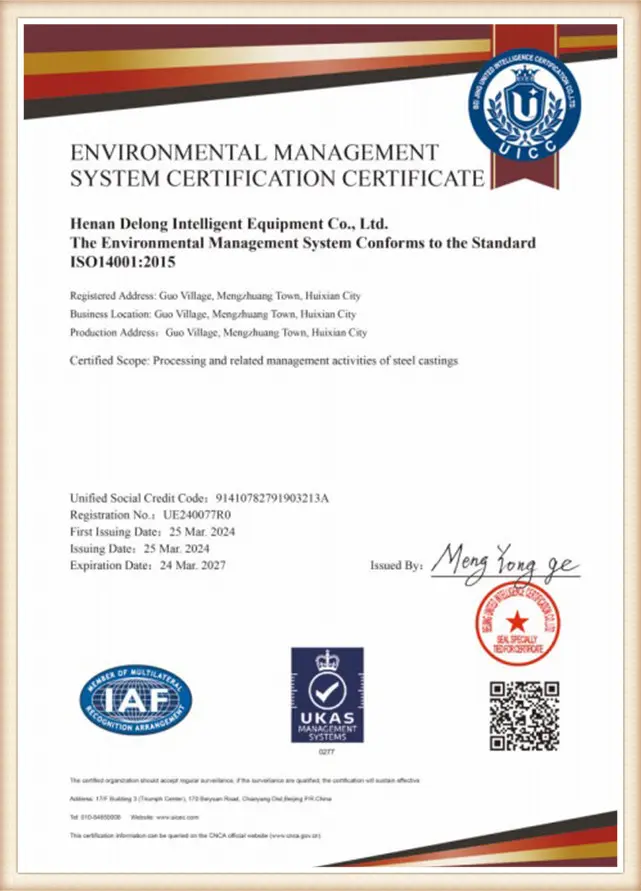
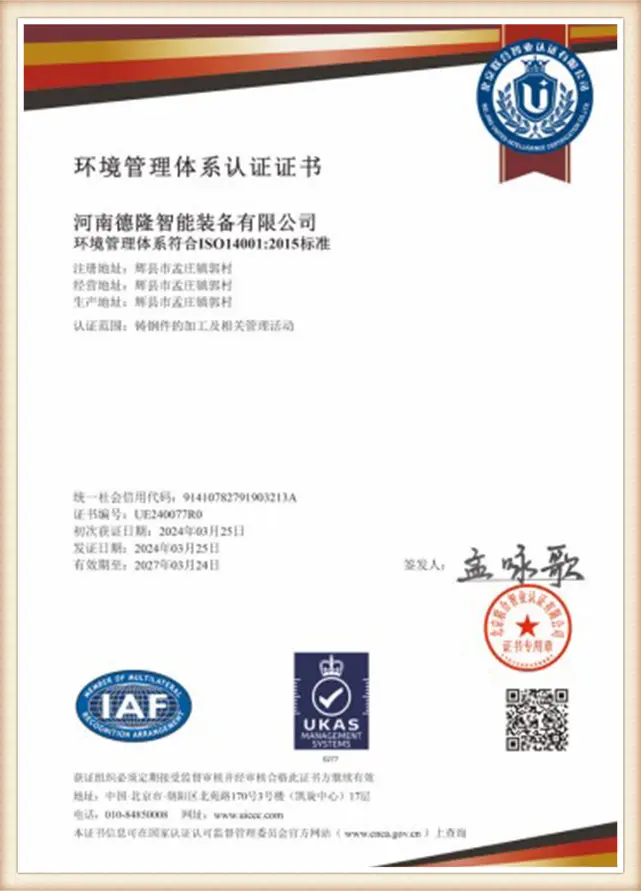
Showcasing our precision castings deployed in critical infrastructure, cement kilns, and smelting mills.
Delivering metallurgical solutions designed to withstand high friction, structural loads, and intense thermodynamic stress.
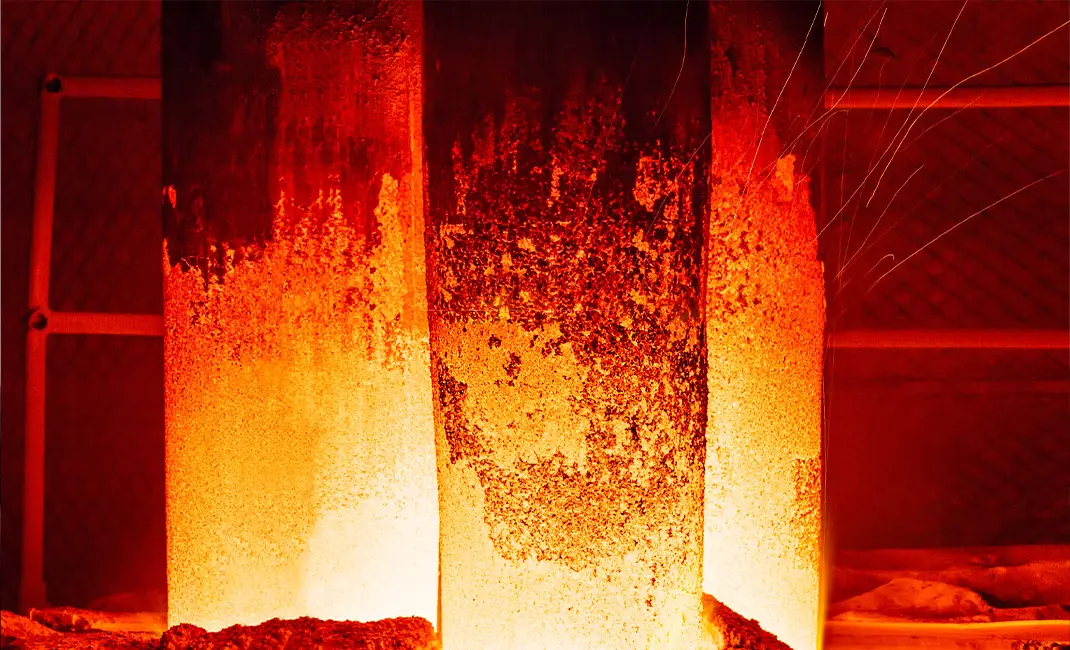
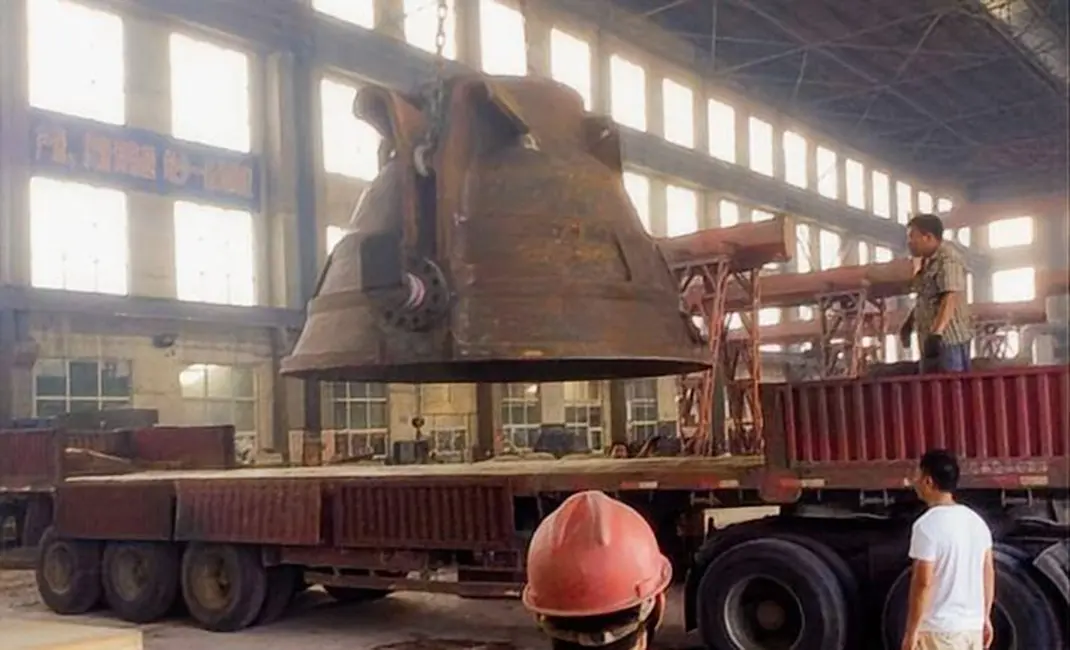
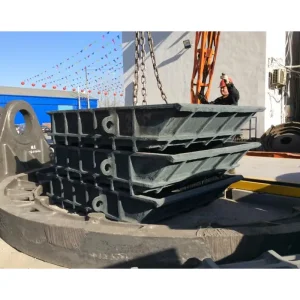
Providing heavy-duty slag pots, rolling mill components, and kiln arches that resist high temperatures and thermal shock during iron and steel processing.
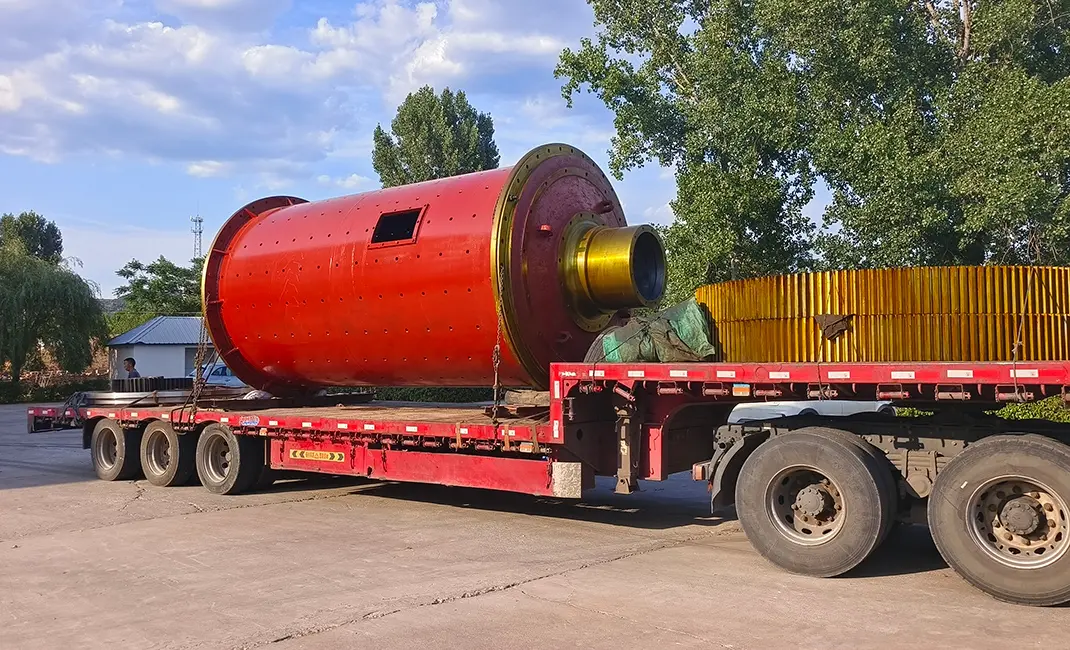
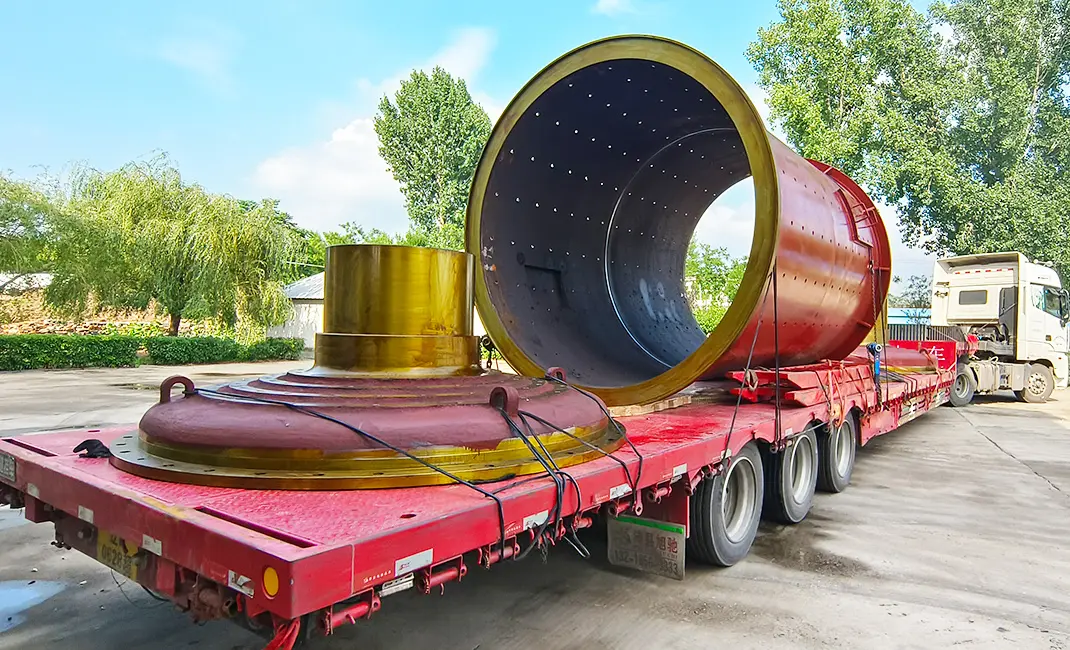
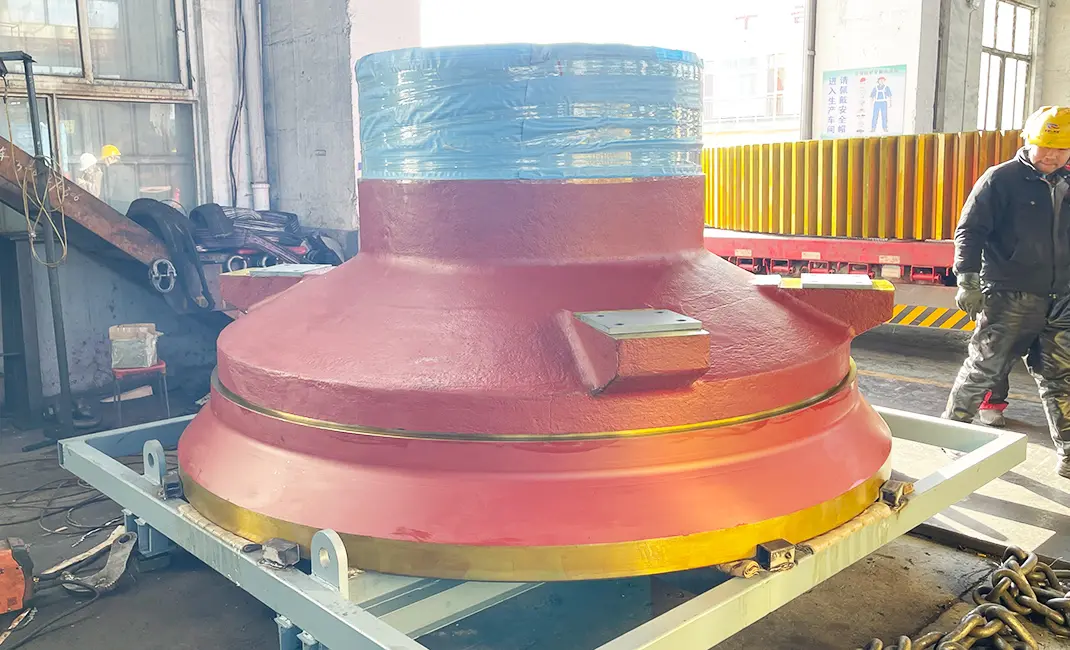
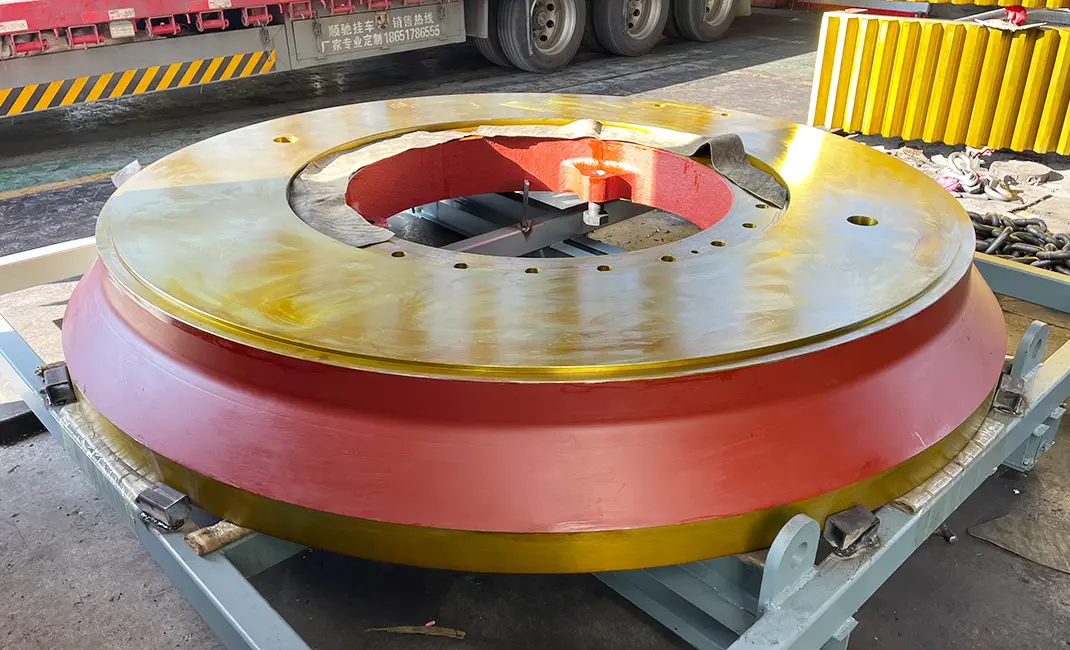
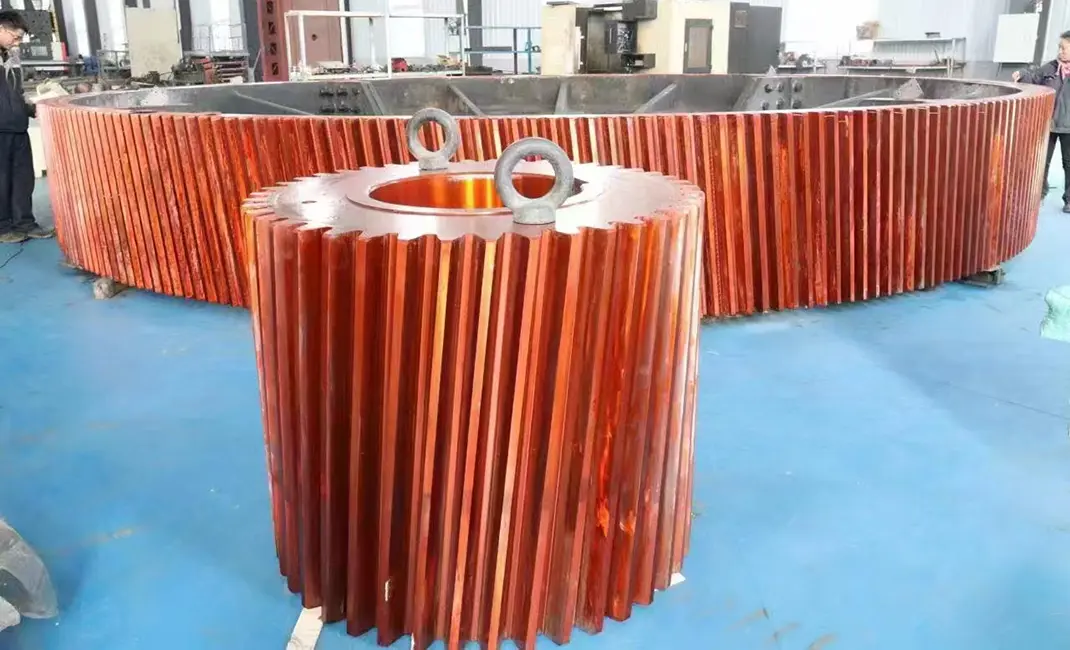
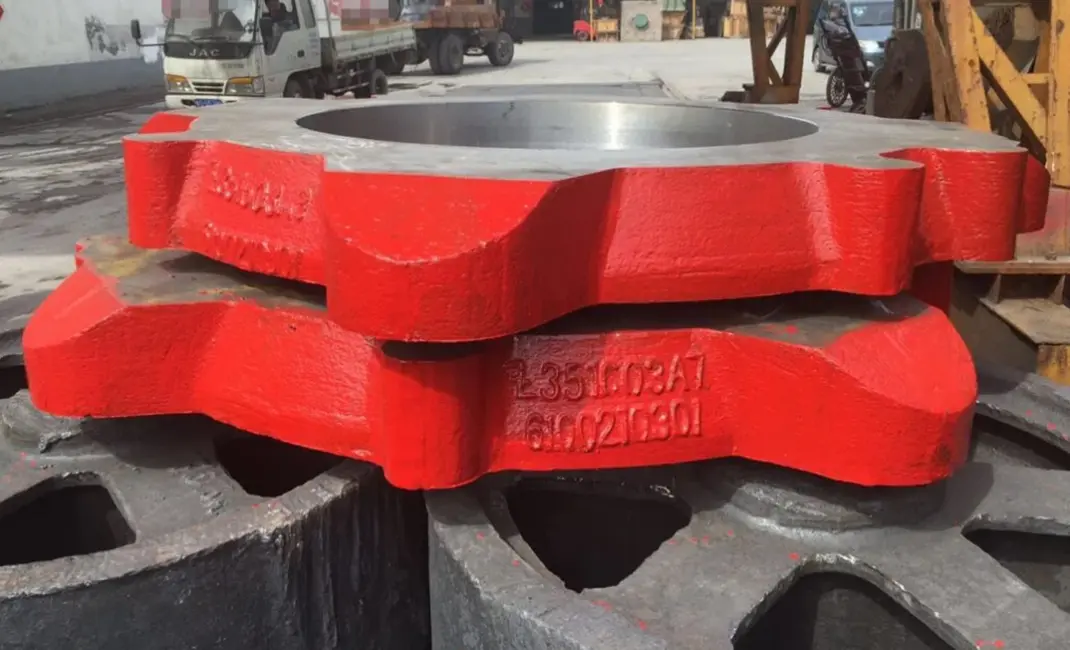
Specializing in custom cast parts weighing up to 150 tons, including mill heads, hollow shafts, and heavy machinery housings with internal soundness.
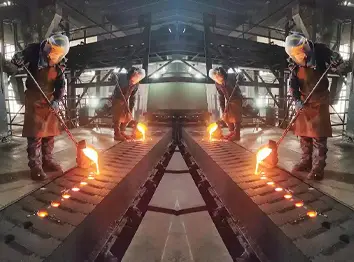
Manufacturing grinding mill heads, discharge trunnions, and structural wear rings designed to handle copper, gold, and iron ore milling.
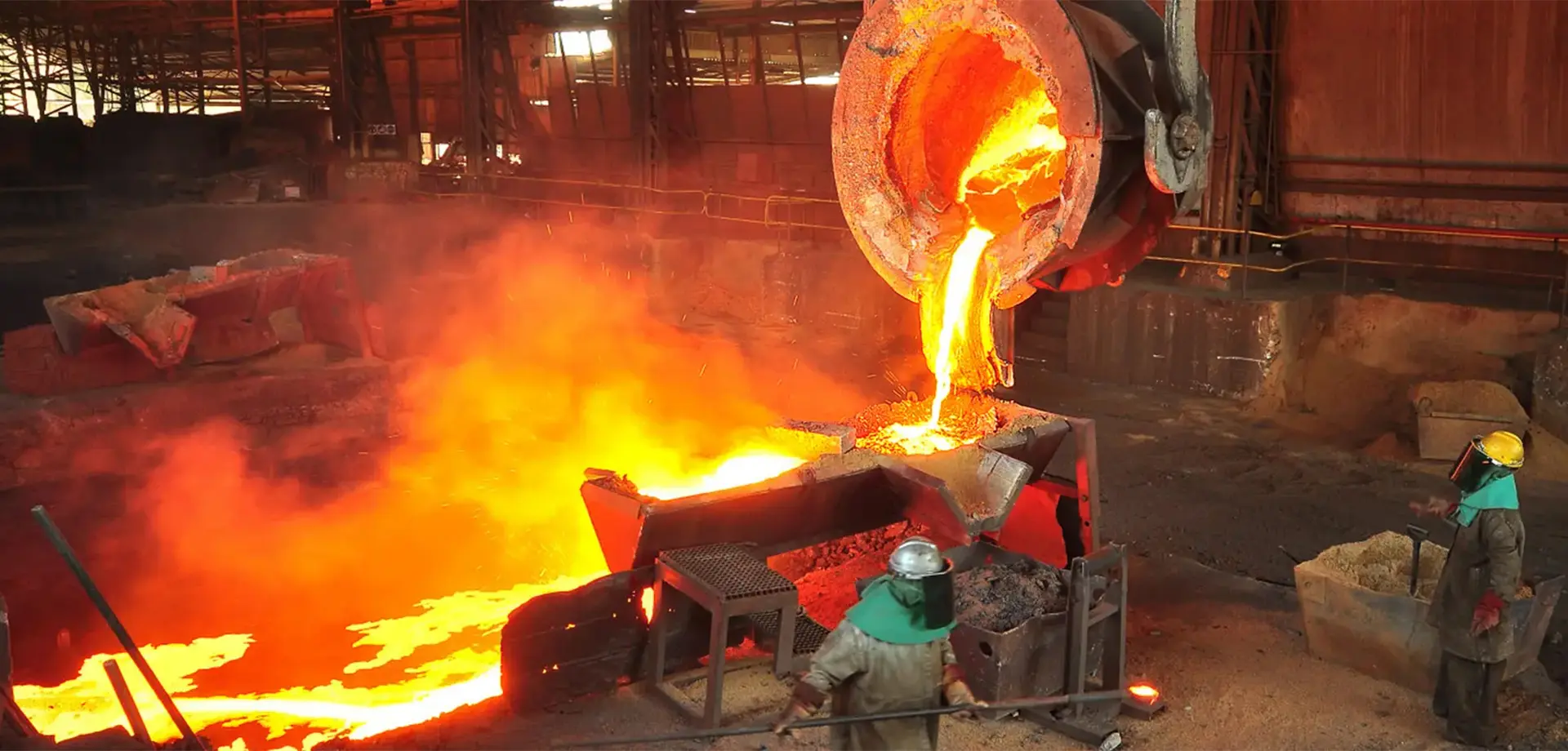
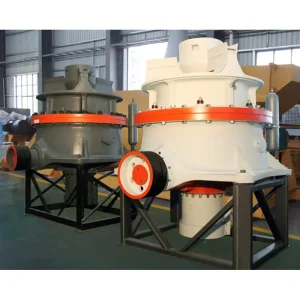
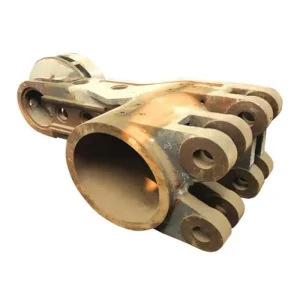
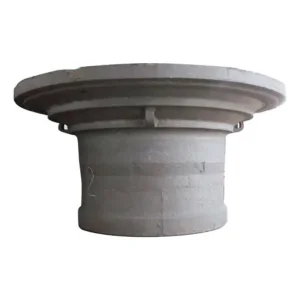
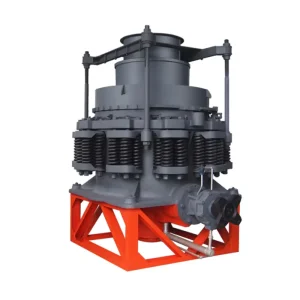
Optimizing crushing chamber components for primary jaw crushers and single-cylinder hydraulic cone crushers operating in remote aggregate environments.
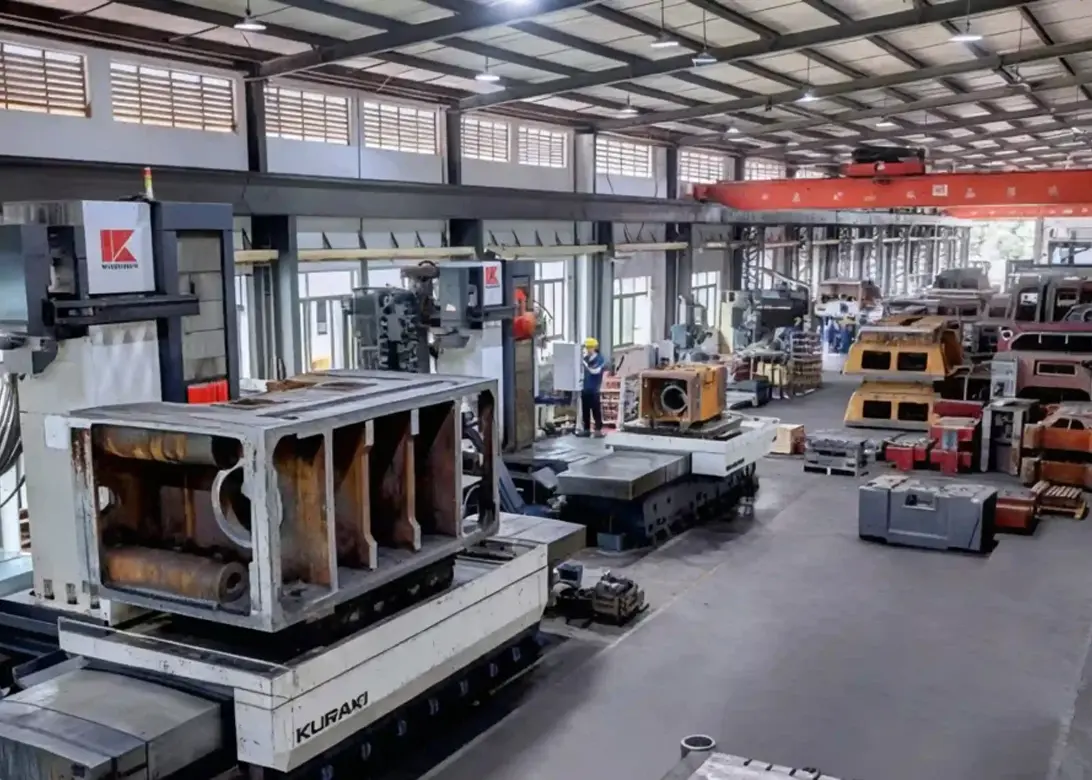
Tailored engineering and solidification simulation for unique hydraulic forging press components, supporting high-load metallurgical systems.
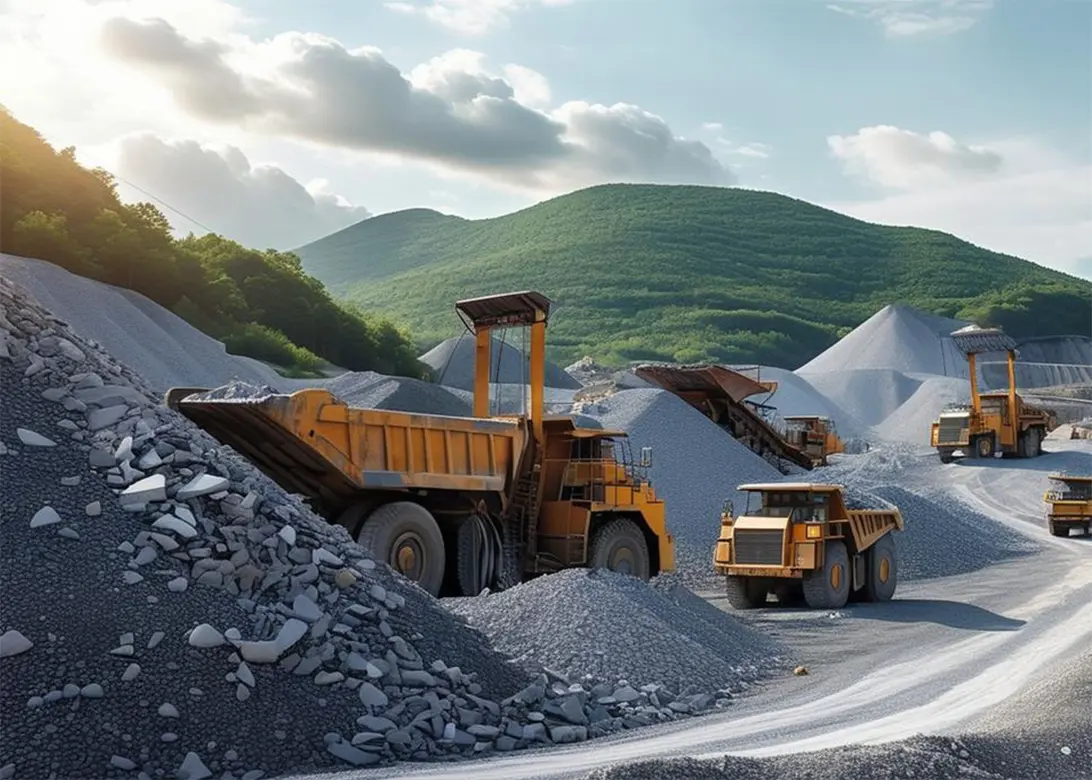
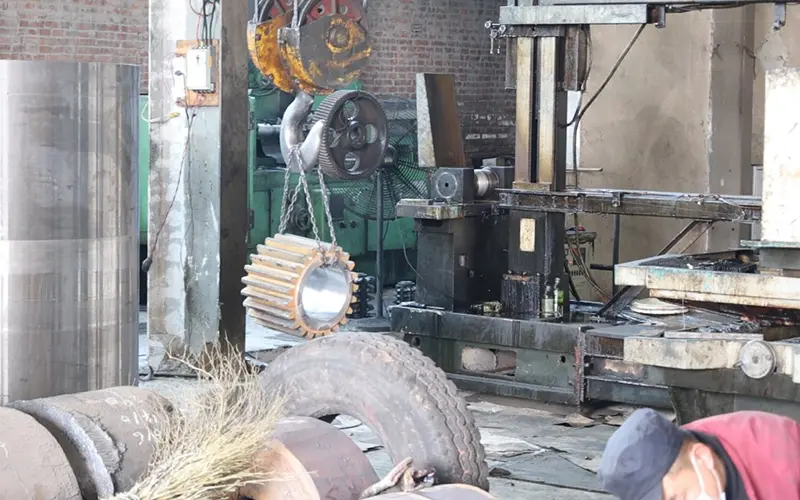
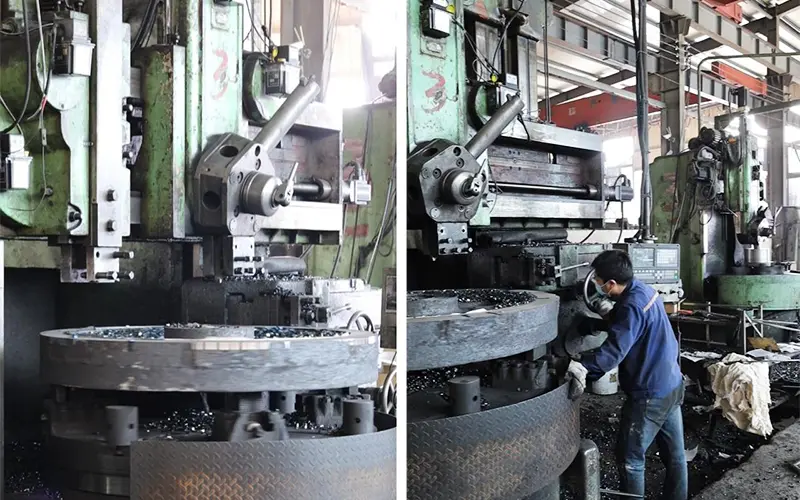
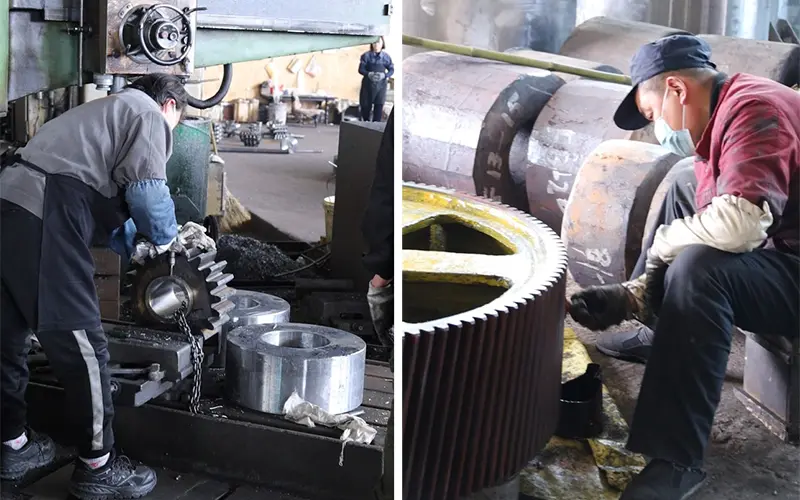
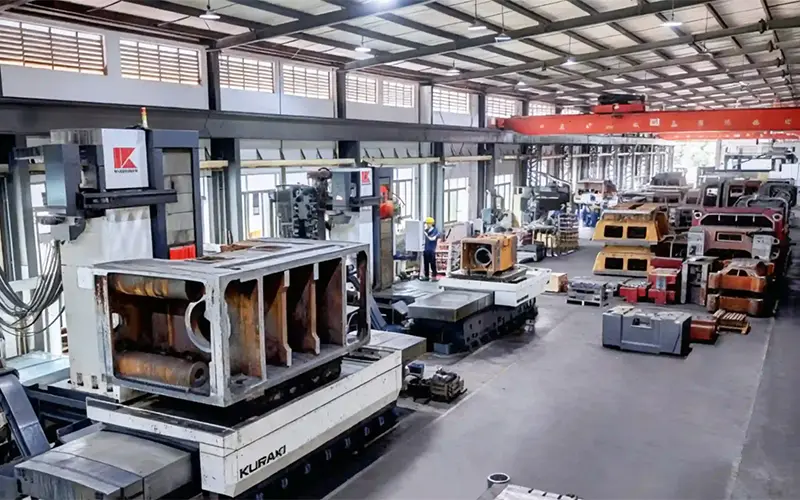
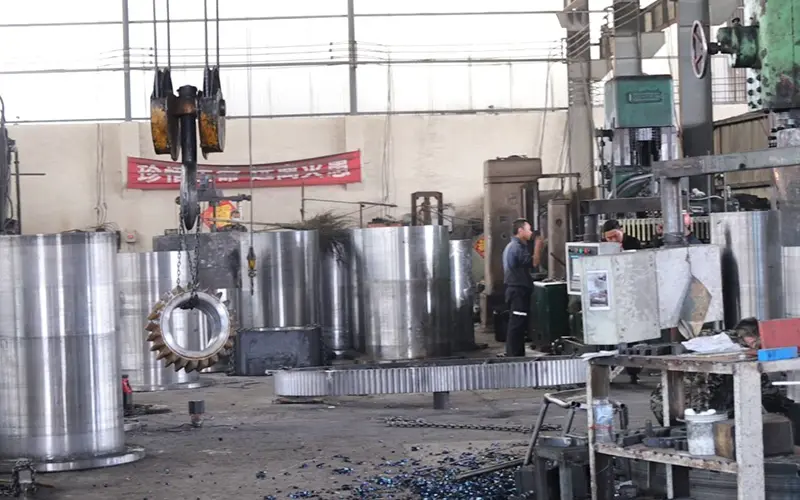
Integrating rough casting, stress-relief heat treatment, and precision CNC finishing to guarantee rapid deployment and alignment at your job site.
Engineered Metallurgy to Prevent Fatigue and Premature Structural Wear
In high-throughput crushing plants, materials must survive continuous impact and high shear stress. The jaw plates and cheek plates in a Universal Jaw Crusher are sacrificial parts that bear the direct force of stone and ore comminution. If the material selected does not offer adequate impact resistance, the plates will wear down prematurely, leading to lost productivity and frequent maintenance shutdowns. By selecting specialized carbon-manganese steels, such as Mn13Cr2 or Mn18Cr2, we ensure that the surface work-hardens rapidly under pressure while keeping the core ductile to prevent fractures.
Similarly, structural components like the swing jaw and main frame require excellent fatigue resistance and dimensional stability. Casting these parts from high-strength carbon steels (such as GS-200 or ASTM A27 Grade 70-36) allows them to absorb the elastic vibrations produced during crushing. We apply a rigorous stress-relief annealing process to all castings to eliminate residual casting stresses, ensuring long-term dimensional stability even in extreme environments.
From the freezing conditions of aggregate processing in northern Canada to the high-humidity copper mines in central Chile, custom steel castings must survive tough environments. Minimizing metallurgical defects like sulfur inclusions and gas porosity is critical to avoiding structural failure. Our team uses ladle refining and vacuum degassing to clean the molten steel, ensuring our products perform reliably in the field.
A Structured, Engineering-Driven Process to Ensure Precision and Quality Control

Collection of project technical requirements, operating conditions, material specifications, and drawing files.
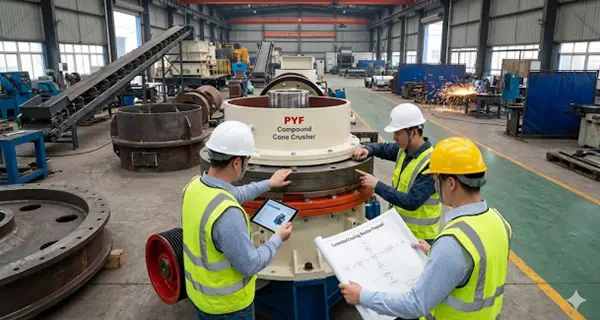
Engineering customized proposals and solidification simulations to optimize the structural integrity of the casting.
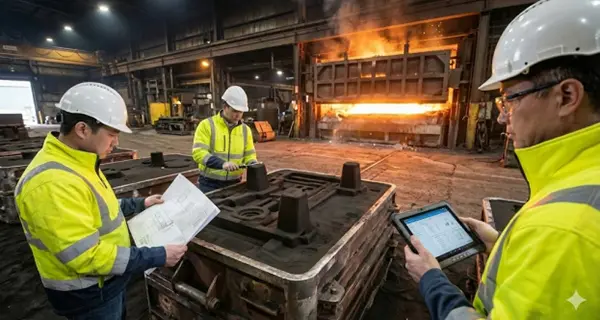
Finalizing chemical composition, dimensional tolerances, machining requirements, and commercial details.
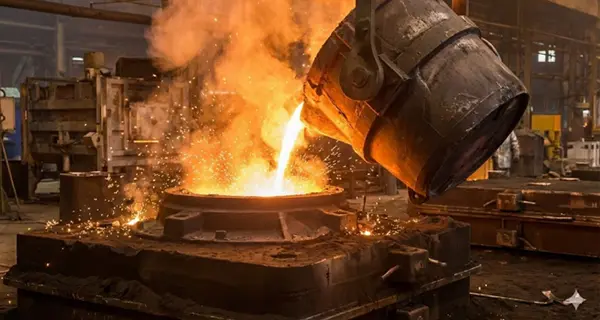
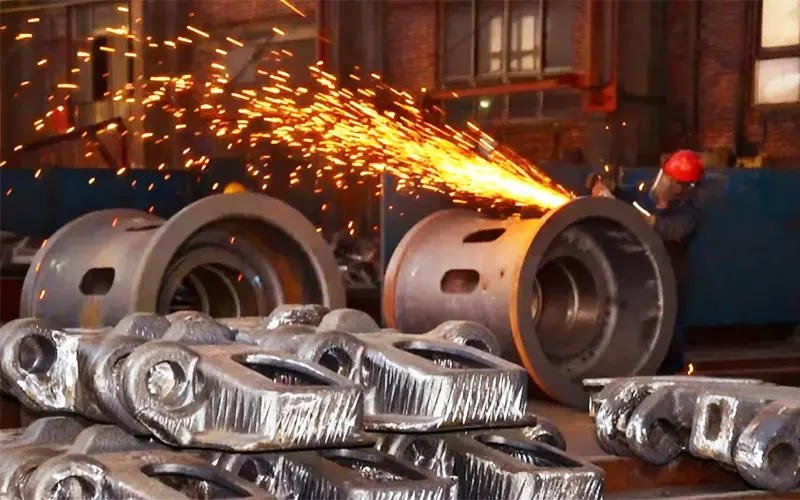
Executing precise molding, melting, pouring, and heat-treatment cycles inside our digital-managed foundry.

Conducting dimensional inspections and non-destructive testing (UT, MT, PT) to verify international quality standards.
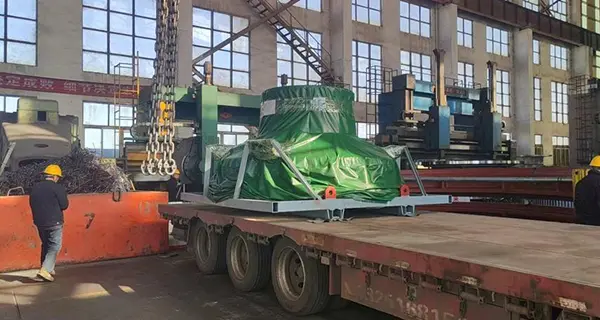
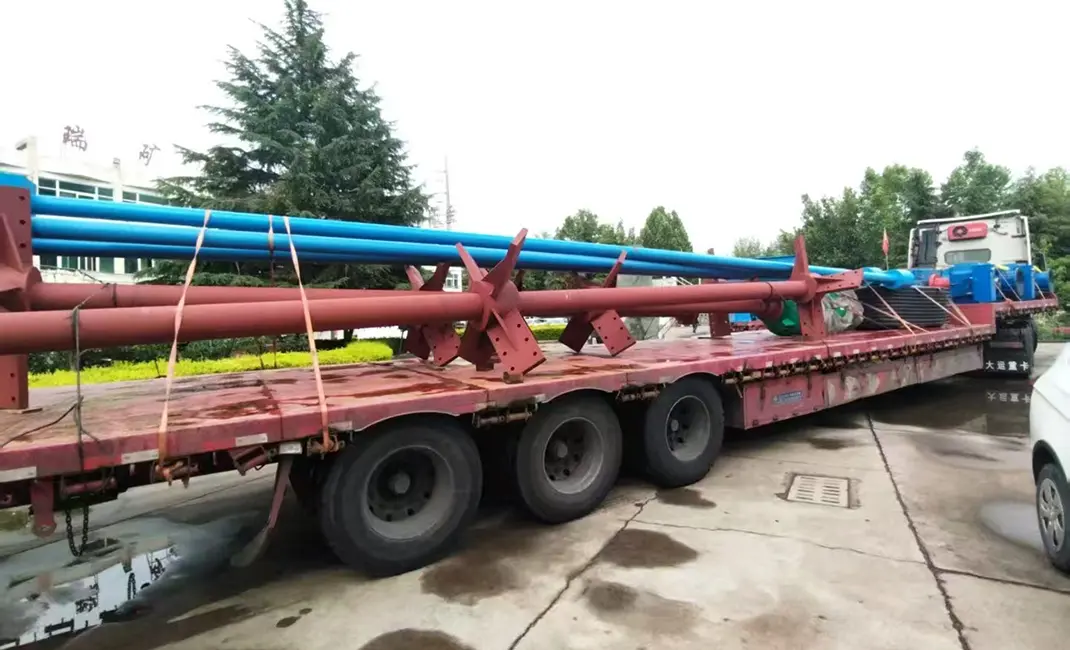
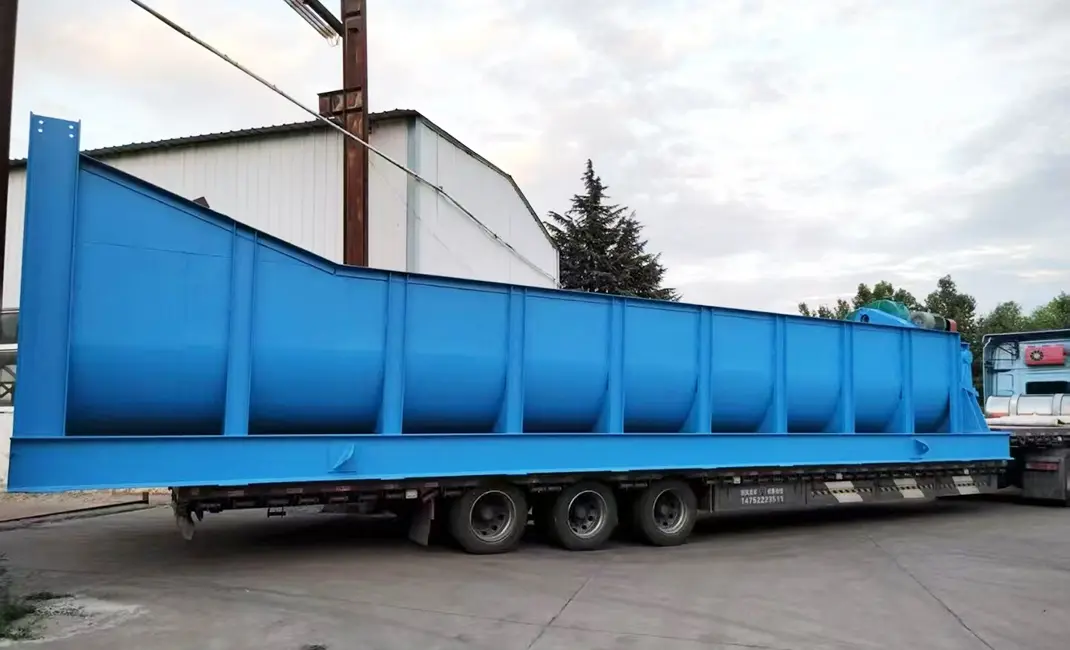
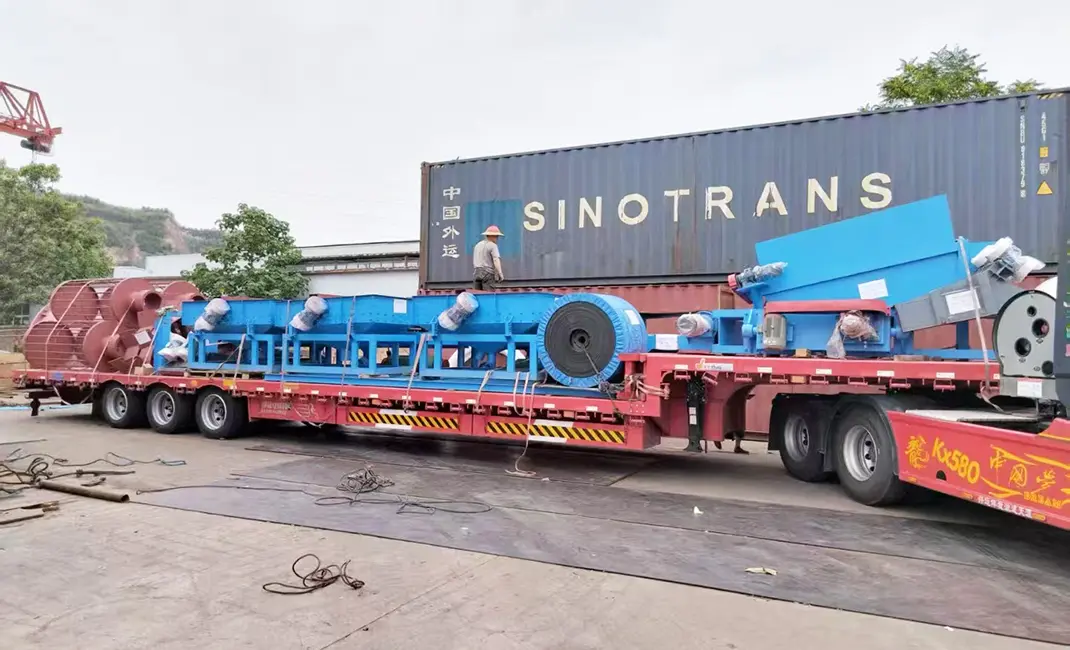
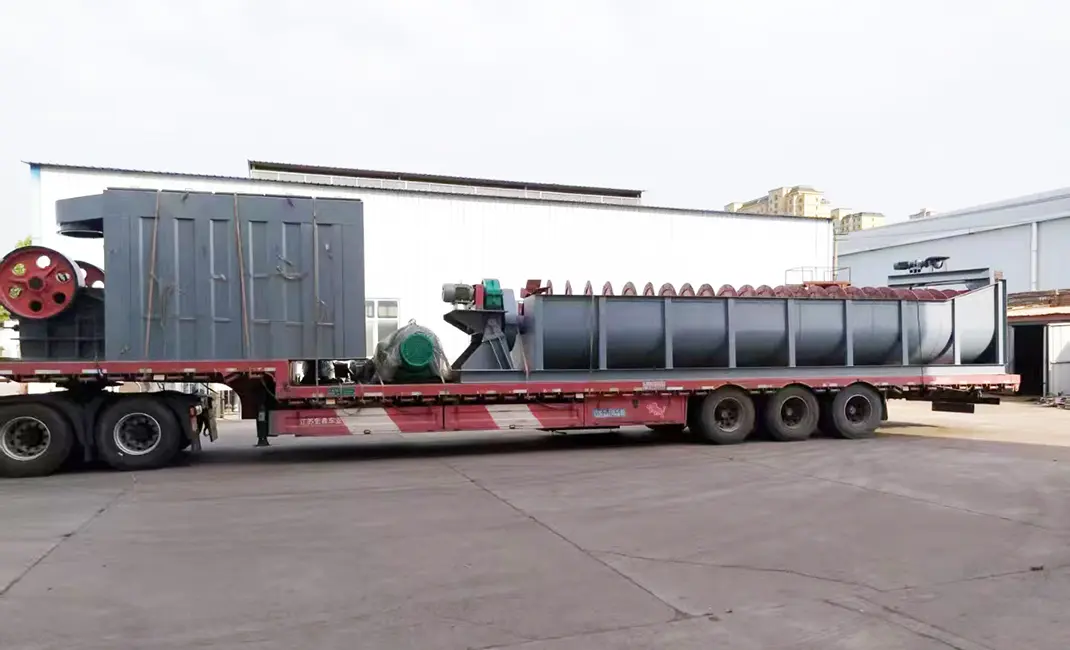
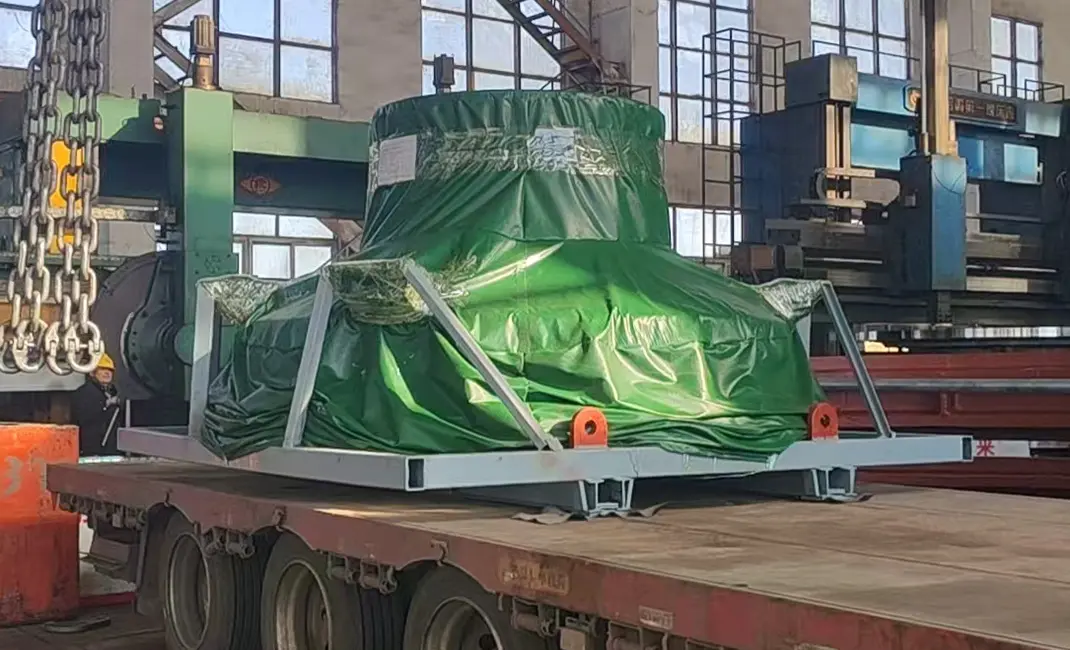
Applying anti-rust coatings and securing components for international maritime or overland transport.
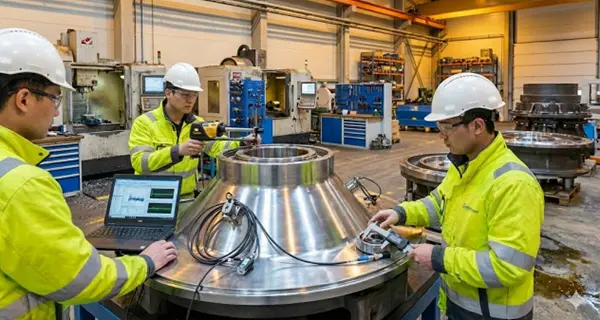
Providing on-site installation guidance or remote technical support to ensure smooth machinery startup.
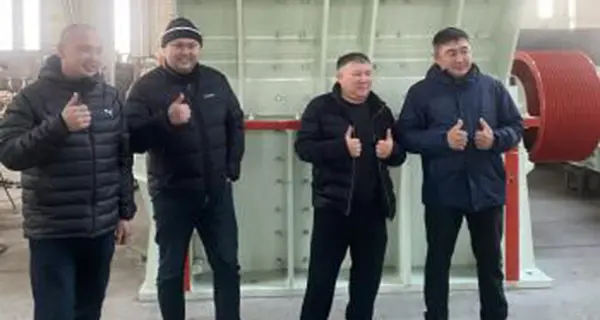
Delivering operations manuals, maintenance protocols, and recommended spare parts lists to local operators.
Providing continuous technical support, troubleshooting, and rapid dispatch of replacement casting parts.
Addressing Common Queries from Procurement Teams, Engineering Offices, and Site Operations
We manufacture our jaw crusher casting frames using high-grade structural carbon and low-alloy steels in accordance with ASTM, DIN, EN, and GB specifications. Standard options include ASTM A27 Grade 70-36 or GS-200 (EN 10213). Every structural component undergoes a stress-relief heat treatment cycle to reduce residual cast stresses and avoid distortion during operation.
Thick-walled castings are vulnerable to shrinkage cavities and internal micro-porosity. We use computerized solidification software to optimize the placement of risers and chills, ensuring progressive solidification. After casting, we perform Magnetic Particle Testing (MT) and Ultrasonic Testing (UT) to EN 10228 or ASTM A609 Class 1 guidelines, ensuring the internal structure is sound before machining.
Yes, custom engineering is a core capability. We work directly from customer-supplied CAD files, paper drawings, or worn-out component physical dimensions (using 3D laser scanners). Our engineers can recommend mechanical optimizations, such as thickening high-wear zones or modifying rib configurations, to increase the service life of your components.
Lead times vary depending on size and complexity, generally ranging from 35 days for standard parts to 60–75 days for highly customized castings over 50 tons. All finished surfaces are protected with rust-preventive compounds, wrapped in vapor-corrosion-inhibiting (VCI) films, and secured in custom steel cradles or wooden structures to prevent damage during sea transport.
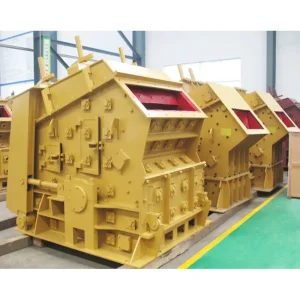
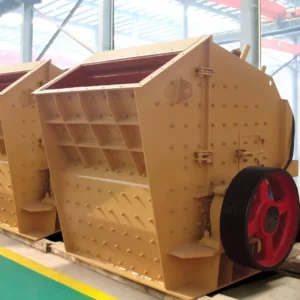
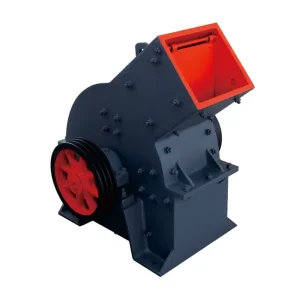
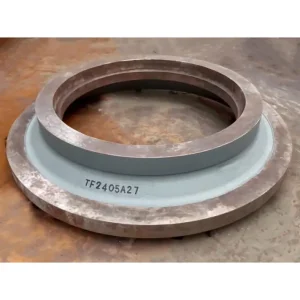
Explore our selection of European-style impact crushers, hammer crushers, and custom metallurgical castings engineered for heavy industries.
 Hanhai