Engineered for high-reduction ratios, massive throughput capacities, and long-term durability in high-abrasive environments.
An in-depth review of architectural metallurgy and mechanical integrity in primary stone crushing circuits.
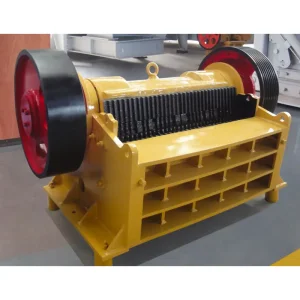
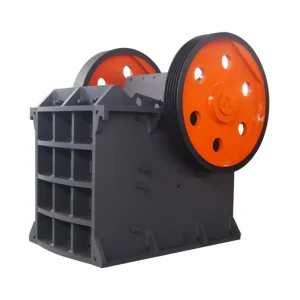
In modern minerals processing, heavy-duty quarrying, and infrastructural aggregates production, the primary stage of reduction represents the most energy-intensive and mechanically punishing phase. As the industrial standard, the China Jaw Stone Crusher Factory landscape has evolved from simple copy-manufacturing into a hub of engineering excellence and metallurgical innovation. Jaw crushers operate under intense compressive stress, often tackling feed materials with compressive strengths exceeding 320 MPa, such as granite, basalt, iron ore, and quartzite. To ensure stable operation, these machines demand frames of exceptional integrity, high-inertia flywheels, and wear-resistant moving components.
E-E-A-T Technical Focus: Standard primary reduction models face accelerated component fatigue when dealing with highly abrasive ores. This whitepaper analyzes how high-performance cast alloys, precision heat-treating, and advanced kinematics configurations mitigate micro-cracking and extend the operating life of key stress-bearing parts in processing machinery.
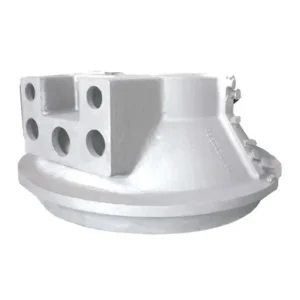
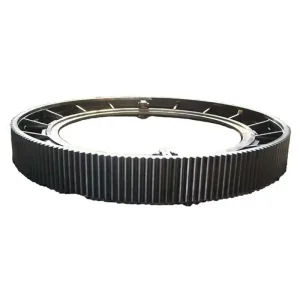
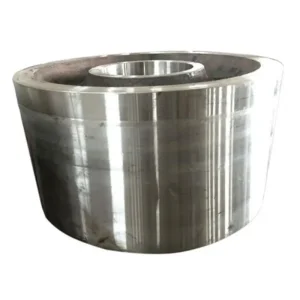
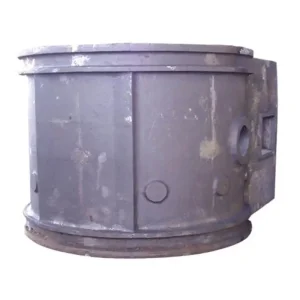
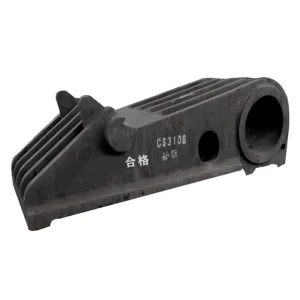
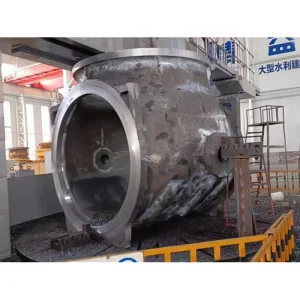
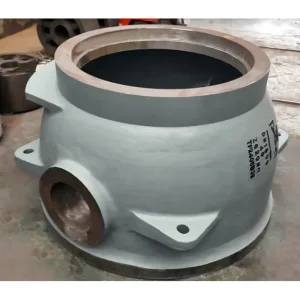
A key structural bottleneck of third-party jaw crusher assembly factories is their reliance on outsourced castings. Henan Hanhai Metallurgy Mining International Trade Co., LTD eliminates this supply-chain weakness by integrating design, mold-casting, custom smelting, and high-precision CNC machining within a single vertical operation. Heavy casting parts like the turbine cylinder, support rollers, and kiln riding rings require precise cooling rates to prevent internal porosity and residual stress fields. Because Hanhai controls the manufacturing cycle from raw liquid steel chemistry to ultrasonic inspection (UT), our products maintain dimensional accuracy and grain uniformity under demanding heavy-industry loads.
Features a non-welded, modular steel structure that avoids stress concentrations common in traditional welded frames. Highly resilient against continuous tensile strains during primary stone crushing.
Our jaw plates use custom high-manganese alloys (Mn18Cr2 to Mn22Cr2). This allows the surface layer to work-harden under heavy compressive impact, reaching hardnesses above 500 HB.
By optimizing the eccentric shaft stroke, toggle plate positioning, and mechanical angle of the crushing chamber, Hanhai jaw crushers achieve maximum throughput with minimal energy consumption.
Analyzing supply-chain requirements, localized compliance protocols, and site-level application parameters.
The global market for crushing equipment is shifting toward energy efficiency and quick-turn maintenance. In regions like Western Europe and North America, operators face strict dust mitigation guidelines, noise control, and carbon footprint limits. China jaw crusher factories have adapted to these requirements by transitioning from old casting processes to green foundry technologies. Our clean induction furnaces, electric-arc refining, and sand-reclaiming systems significantly lower emissions per ton of steel produced.
Operational challenges vary by region. For instance, high-altitude copper mines in Chile and Peru require low-temperature impact toughness in casting alloys. In these environments, standard cast steels can become brittle and fail. Hanhai addresses this by optimizing the nickel and molybdenum content in our steel castings and applying precise tempering treatments to ensure ductility down to -40°C.
Whether for a cement plant in Indonesia utilizing a custom riding ring, or an energy facility in the Middle East operating a casting turbine cylinder, regional compliance is essential. Machinery imported into the European Economic Area must comply with the Machinery Directive 2006/42/EC and display CE certification. To support this, Henan Hanhai maintains certified quality tracking systems, providing chemical compositions, mechanical test charts, and non-destructive testing (NDT) records for every product shipped.
A history of development from a local casting foundry to an international metallurgical processing provider.
Hanhai Casting was established with a focus on heavy steel and iron castings, laying a solid technical and production foundation.
Introduced advanced melting and molding technology, expanded production capacity, and served key mining and metallurgy sectors.
Achieved ISO9001 certification, upgraded testing systems, and began exporting high-performance castings to Asia and the Middle East.
Integrated intelligent foundry systems and digital management, driving sustainable manufacturing and global customer partnerships.
Beyond standard crusher products, Hanhai delivers custom casting components for core heavy-industry sectors.
Widely used in mining, metallurgy, construction, chemicals, and recycling for crushing ores, aggregates, slag, and industrial materials.
High-integrity replacement parts like riding rings, support rollers, and raw mill casting components designed to withstand continuous friction.
Heavy-tonnage casting beds, uprights, and cylinders engineered to resist cyclic fatigue in industrial hydraulic presses.
Large valve blocks, high-pressure pump casings, and cylinder manifolds tested for fluid containment and high working pressures.
Smelting equipment parts, slag ladles, and ingot molds that resist thermal fatigue and cracking during high-temperature metal casting.
Our systematic workflow ensures engineering alignment, rigorous quality verification, and reliable delivery for custom projects.

Collection of detailed parameters, operating environments, and mechanical drawings.
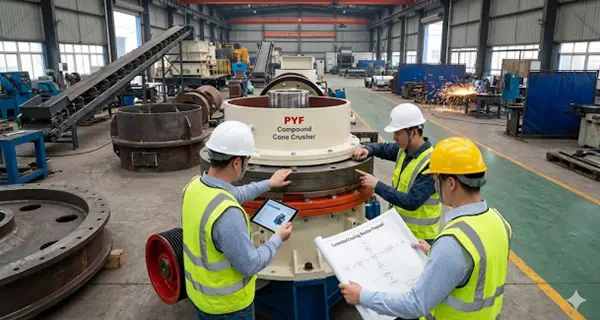
Custom engineering proposals designed to maximize crushing efficiency and durability.
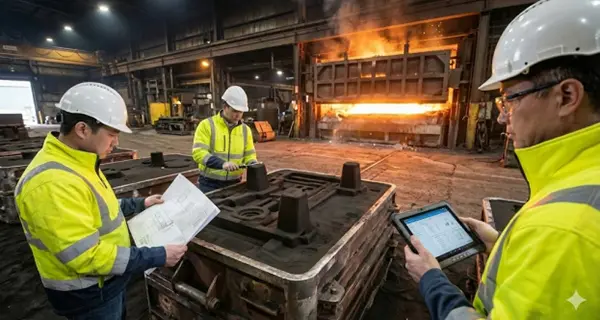
Direct alignment on material chemistry, tolerances, and quality verification standards.
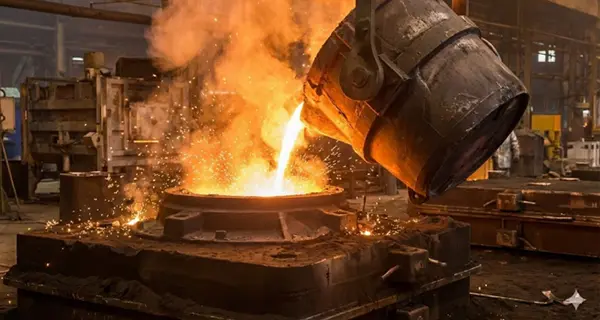
In-house pattern prep, smelting, mold casting, heat treatment, and precision machining.

Pre-shipment verification, including dimensions, chemical composition, UT, and MT tests.
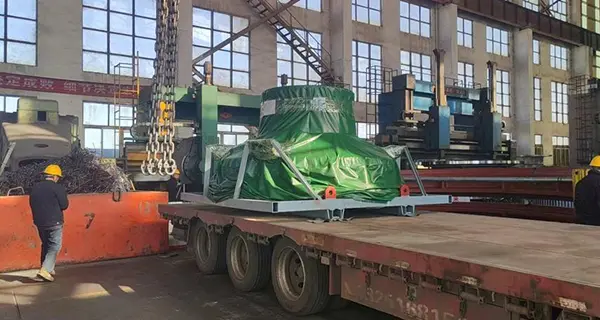
Sea-worthy protective packaging and container packing for safe international shipping.
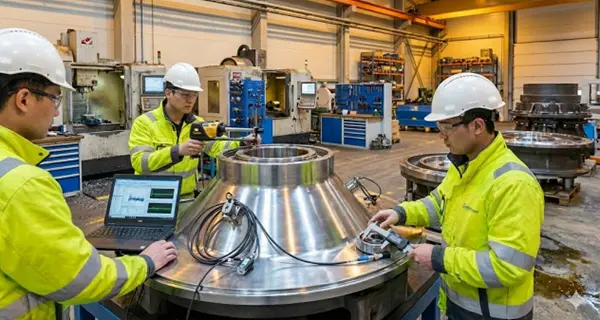
Remote engineering support and detailed manuals to guide site assembly and testing.

Delivery of operating guidelines, maintenance protocols, and training documentation.
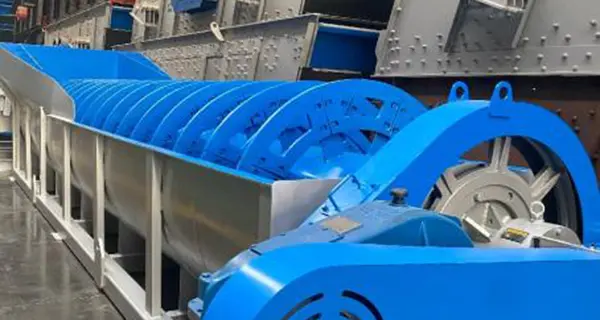
Supply of custom wear parts and ongoing engineering support for optimization.
A strategic look at structural fatigue resistance, composite wear castings, and smart maintenance integration.
As aggregate production demands increase, jaw crushers must handle harder materials with less downtime. Our engineering team has developed a technology roadmap focused on three key areas:
Standard high-manganese steel jaw plates can wear quickly when processing abrasive materials like granite or basalt. Hanhai is developing composite wear surfaces that insert high-hardness ceramic blocks into tough manganese steel matrices. This design combines the impact resistance of manganese steel with the wear resistance of ceramics, extending jaw plate service life.
To resist cyclic stress fatigue, our newer designs feature non-welded, modular steel frames. By using cast steel components bolted together, we eliminate the heat-affected zones common in welded joints. This modular approach reduces the risk of structural cracking, especially under high-load primary crushing conditions.
Our casting processes are supported by induction furnace melting and electric-arc refining to control impurity levels. Advanced CNC machining centers ensure precise tolerances on critical features like eccentric shaft seats and bearing housings. This precision helps reduce heat generation, extends bearing life, and minimizes maintenance requirements.
Find answers to common questions about material selection, quality control, and engineering standards.
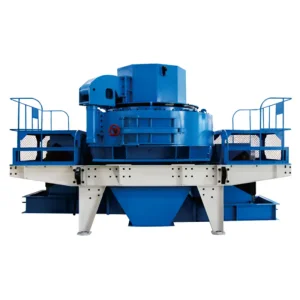
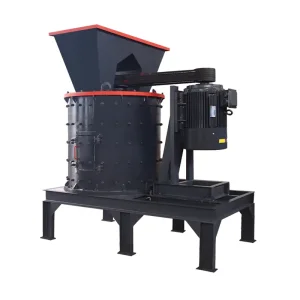
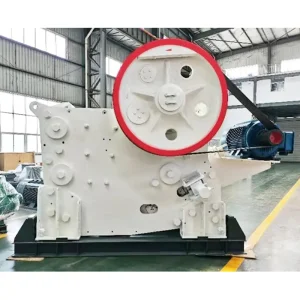
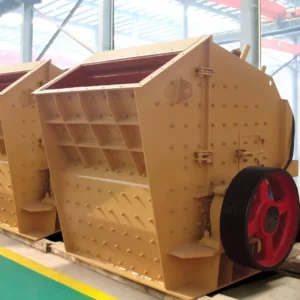
Explore our range of vertical shaft impactors, compound crushers, custom mantles, and industrial valve bodies.
 Hanhai