Explore our certified solutions engineered for durability, operational precision, and compliance in harsh processing environments.
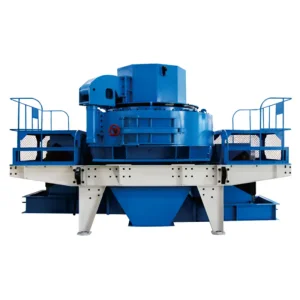
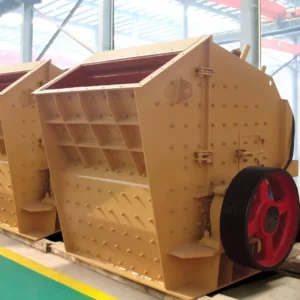
In the heavy industrial sector, particularly in comminution and aggregate classification, vertical crusher machines (commonly referred to as Vertical Shaft Impactors or VSIs) represent a crucial stage in secondary and tertiary crushing circuits. When sourcing this equipment globally, compliance with the European Union’s CE Certification is not merely a legal requirement for market entry; it acts as a baseline benchmark for mechanical structural integrity, occupational safety, and electromagnetic compatibility. For heavy quarry operations, mineral processing plants, and recycling facilities, a CE-certified vertical crusher ensures adherence to strict standards like the Machinery Directive 2006/42/EC, Low Voltage Directive 2014/35/EU, and EMC Directive 2014/30/EU.
The engineering logic of a vertical crusher involves high-velocity rotational kinetic energy. Feed material is dropped into a rapidly spinning rotor, which accelerates the particles to velocities between 50 to 80 meters per second before projecting them against static anvils or a self-lined "rock-on-rock" pocket. The sheer kinetic dynamics involved require advanced structural simulation, modal analysis, and stress-distribution reviews. CE certification verifies that the manufacturer has mitigated structural failures through Finite Element Analysis (FEA), integrated fail-safe electronic shut-offs, and optimized acoustic and dust suppression systems. Furthermore, it validates that structural cast elements (such as the outer casing, rotor body, and bearing supports) are designed to withstand continuous vibrational fatigue without risking micro-fractures or catastrophic mechanical failure.
"For global industrial operators, CE marking on a vertical shaft impactor guarantees that safety engineering—ranging from mechanical safety doors with limit switches to structural vibration-damping mountings—is intrinsically integrated during the design and casting stages."
The global demand for high-capacity vertical crusher machinery is surging, driven by massive infrastructure undertakings, high-speed rail network developments, and the transition toward manufactured sand (M-Sand) due to environmental restrictions on natural river sand extraction. Heavy-duty crushing stations are deployed across key regions including North America, Europe, the Middle East, and East Asia, each demanding robust, localized structural modifications. For instance, Middle Eastern desert quarries require specialized dust mitigation systems and high-temperature hydraulic lubricants, while Northern European operations require low-temperature steel alloy castings capable of operating at sub-zero temperatures without brittle fractures.
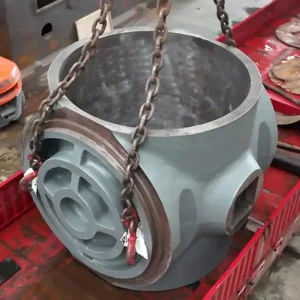
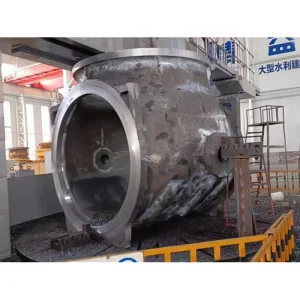
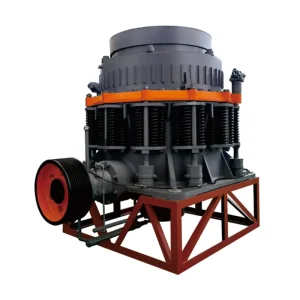
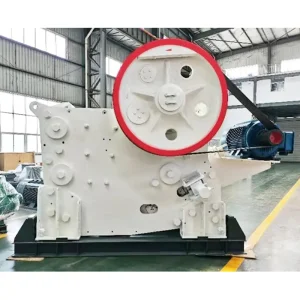
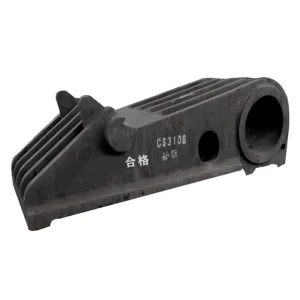
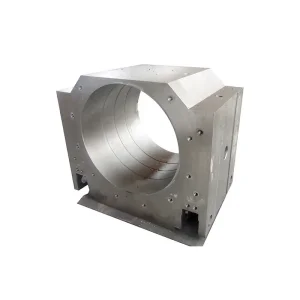
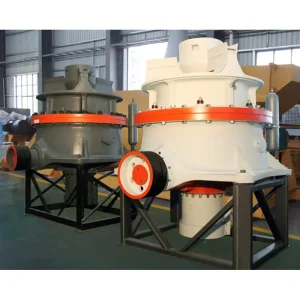
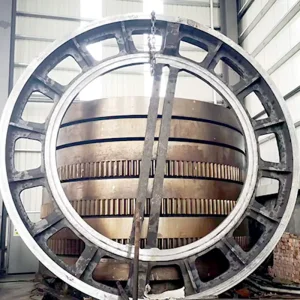
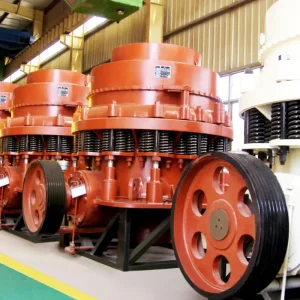
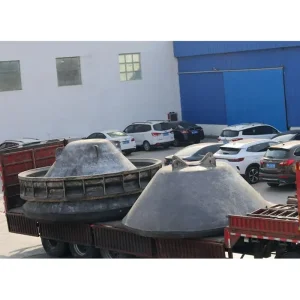
To address these macro-industry needs, leading manufacturers provide integrated crushing plant layouts. Rather than supplying standalone crushers, we engineer total metallurgical solutions that harmonize the jaw crusher (primary crushing), cone crusher (secondary reduction), and vertical crusher (fine shaping and sand making) into a single, high-efficiency workflow. Heavy castings such as rolling mill archways, compound cone crusher frames, and high-performance casting mantles play a vital role in keeping these aggregate plants online. Sustained operational uptime depends entirely on wear-part longevity and structural casting quality.
Utilizes a rock-on-rock pocket arrangement to drastically minimize high-chrome wear liner consumption in hard stone processing.
Equipped with computerized lifting and maintenance mechanisms to reduce inspection downtime and optimize aggregate quality.
Structures cast from high-manganese and low-alloy steels provide structural durability under severe continuous impact loads.
The evolutionary path of crushing machinery points directly toward autonomous monitoring, energy conservation, and advanced metallurgy. Modern vertical crushers rely extensively on real-time sensory feedback to monitor vibration anomalies, oil-temperature deviations, and rotor wear levels. By installing piezoelectric accelerometers and thermal sensors within the main bearing housings, operators can predict wear trends and prevent costly catastrophic failures.
From a metallurgical perspective, the wear performance of rotor impellers, distributor cones, and impact anvils has advanced significantly. The integration of high-chromium white cast iron insert plates within tough, shock-resistant low-alloy steel carriers allows for maximum resistance to abrasive wear while retaining structural toughness. Through controlled heat-treatment protocols—specifically liquid quenching followed by tempering cycles—modern foundries produce castings with refined grain structures that possess high hardness (exceeding 60 HRC) and excellent fracture toughness.
Navigating cross-border trade for large-scale mining equipment requires strict logistical control and localized compliance assurance. Every international delivery of vertical crushing systems must meet specific importing country codes. In addition to the CE marking for European markets, equipment shipped to North America must comply with UL/CSA standards for electric motors and switchgears, while shipments to Russia and the Eurasian Economic Union require EAC certification.
Our logistics framework guarantees secure packing and anti-corrosion protection (using VCI shrink packaging) for sea transport. On-site commissioning is overseen by dedicated service engineers who manage mechanical alignment, calibration of dynamic balance parameters, and training for local operators. This ensures seamless integration into pre-existing quarry systems, maximizing productivity from day one.
Henan Hanhai Metallurgy Mining International Trade Co., LTD is a leading foundry manufacturer in China, specializing in cast steel and cast iron parts.
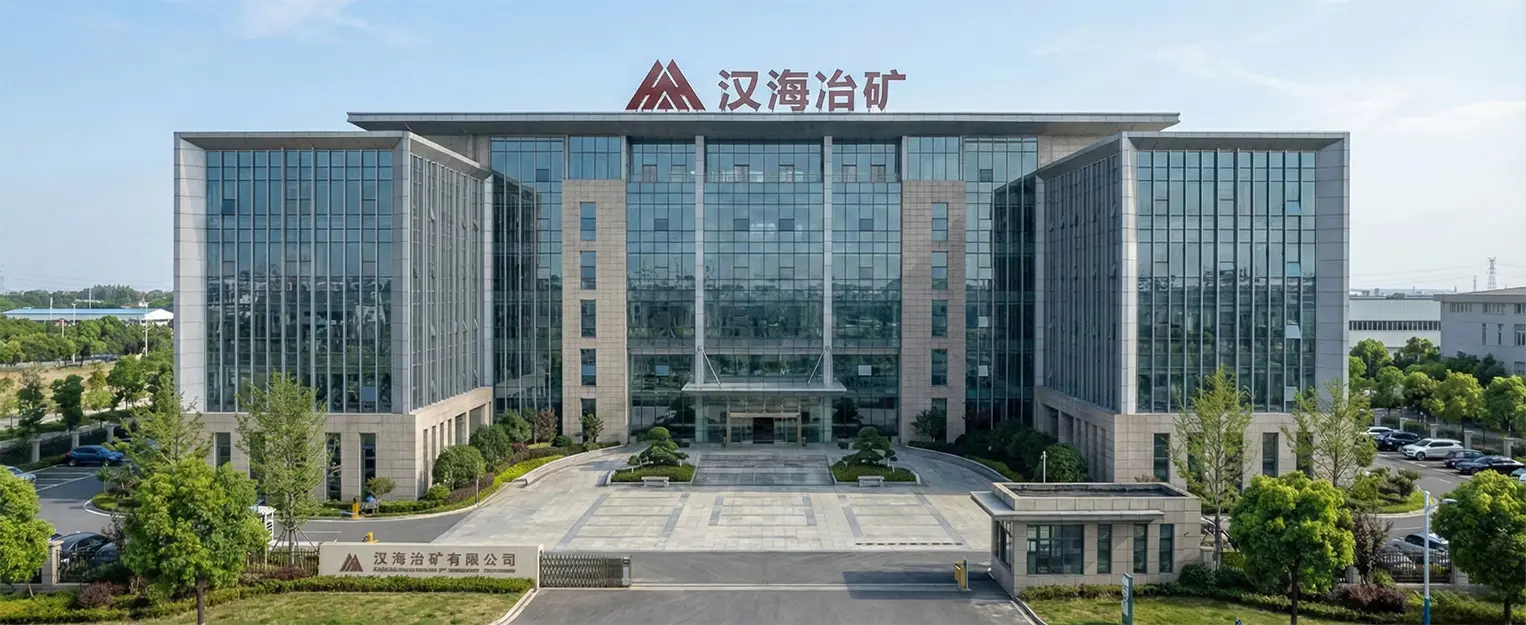
To empower industry with precision casting and sustainable manufacturing excellence. We design, cast, and machine heavy parts that stand the test of time and demanding industrial environments.
To be a trusted global foundry brand delivering high-quality steel and iron castings, integrating modern manufacturing technologies with centuries-old metalworking reliability.
A timeline representing our path from a local casting foundry to a global metallurgical and mining equipment supplier.
Hanhai Casting was established with a focus on heavy steel and iron castings, laying a solid technical and production foundation.
Introduced advanced melting and molding technology, expanded production capacity, and served key mining and metallurgy sectors.
Achieved ISO9001 certification, upgraded testing systems, and began exporting high-performance castings to Asia and the Middle East.
Integrated intelligent foundry systems and digital management, driving sustainable manufacturing and global customer partnerships.
Our castings are trusted by industrial leaders worldwide. We align with global quality assurance policies.

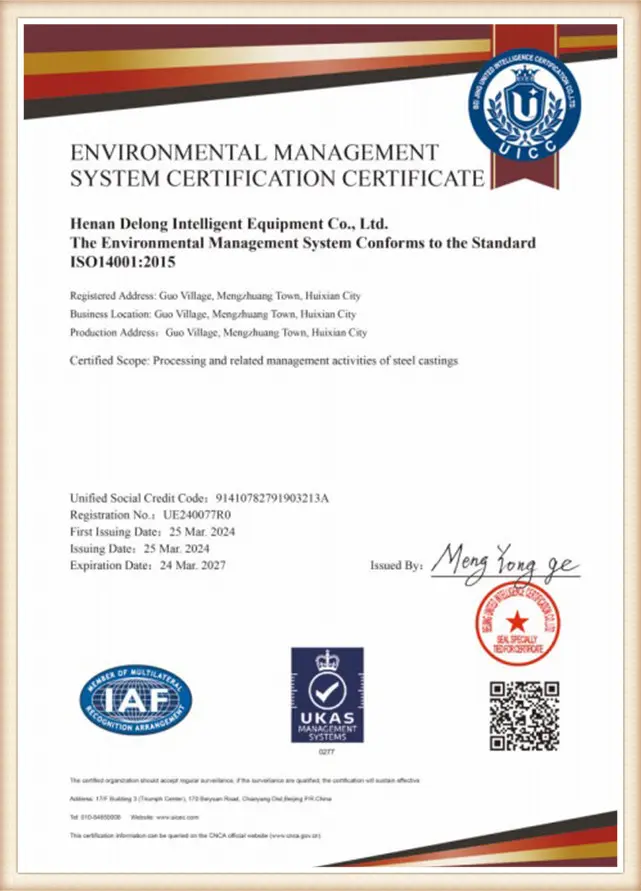
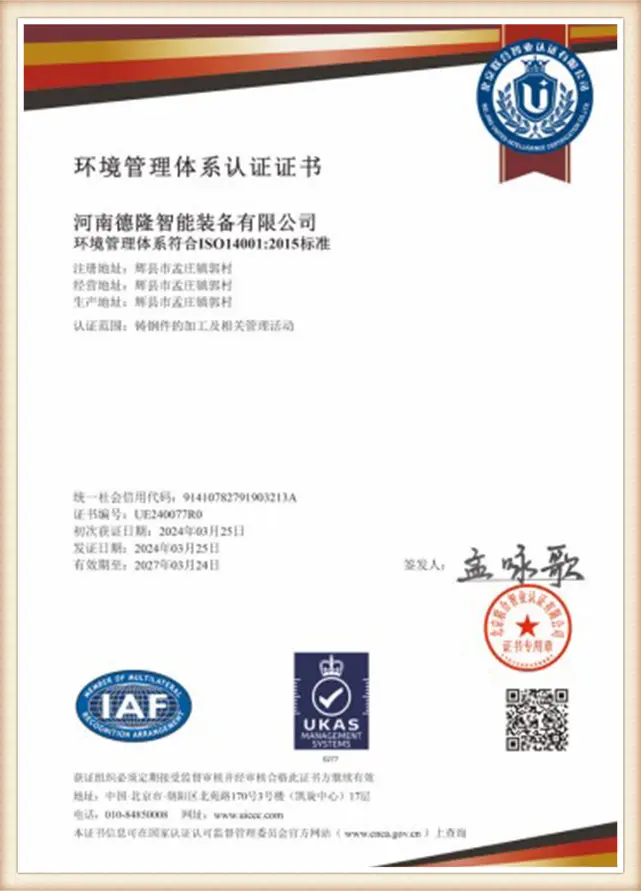
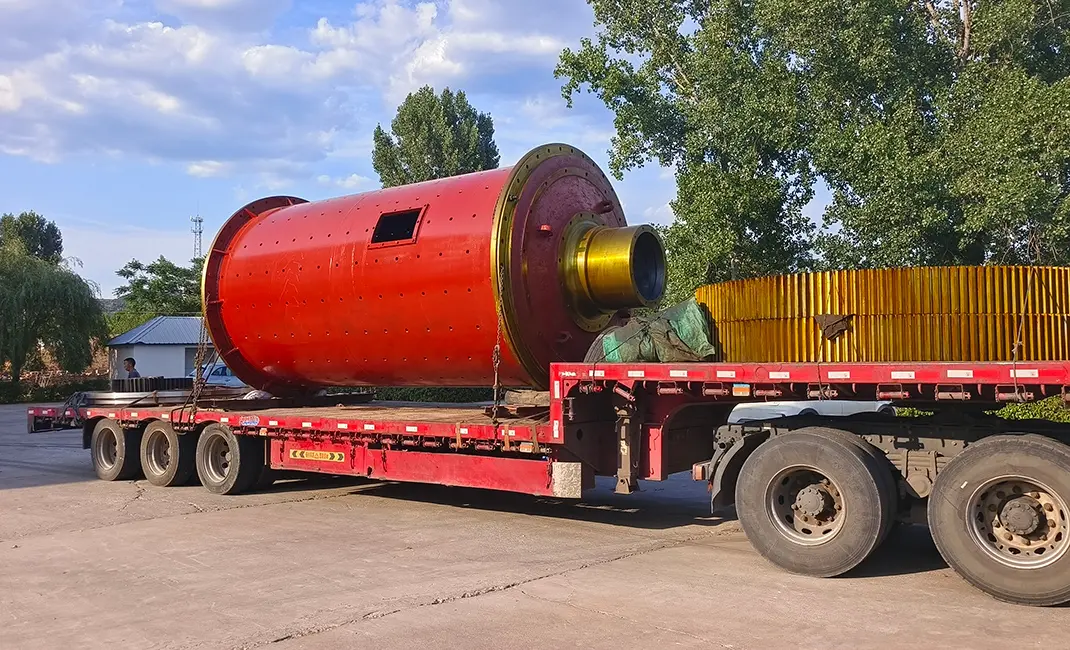
Real-world deployments of our casting products and crushing systems across heavy steel mills, mineral sites, and manufacturing centers.
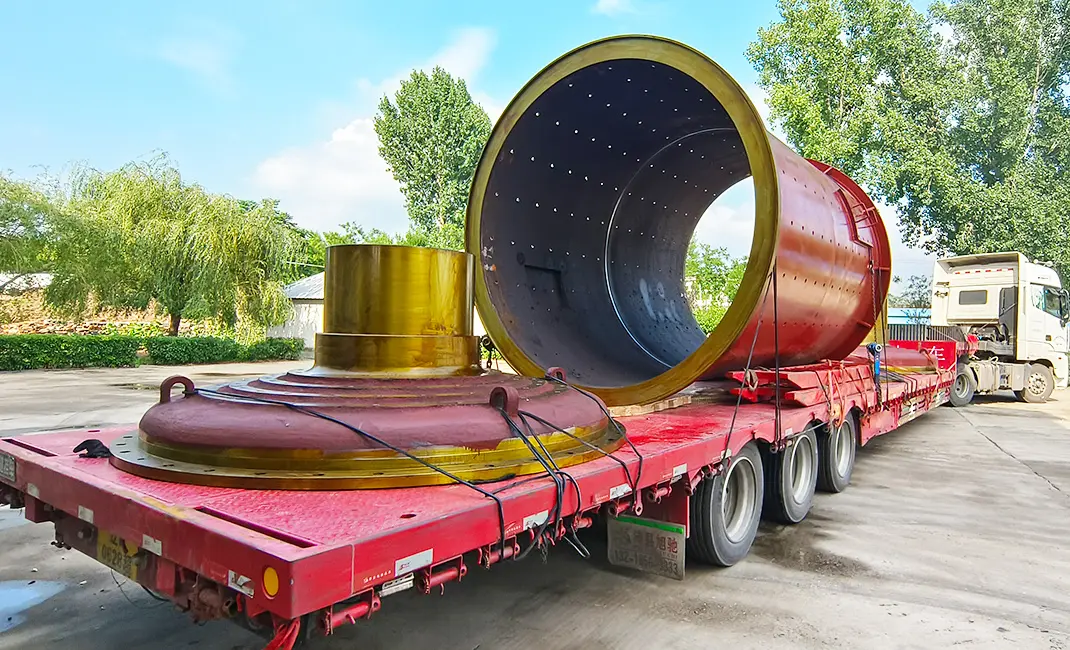
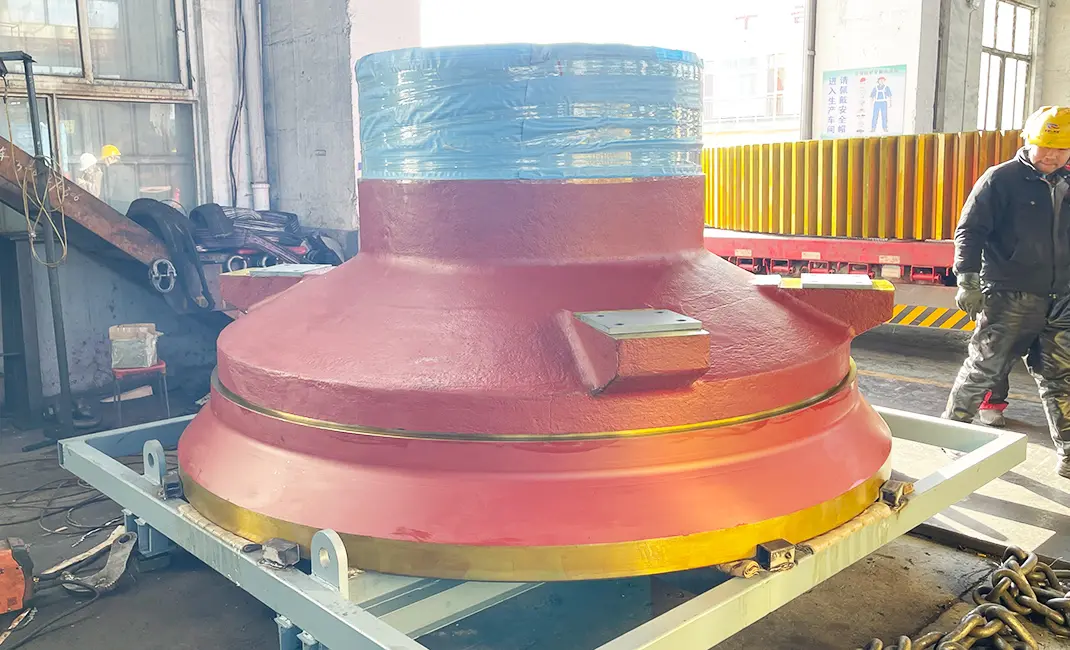
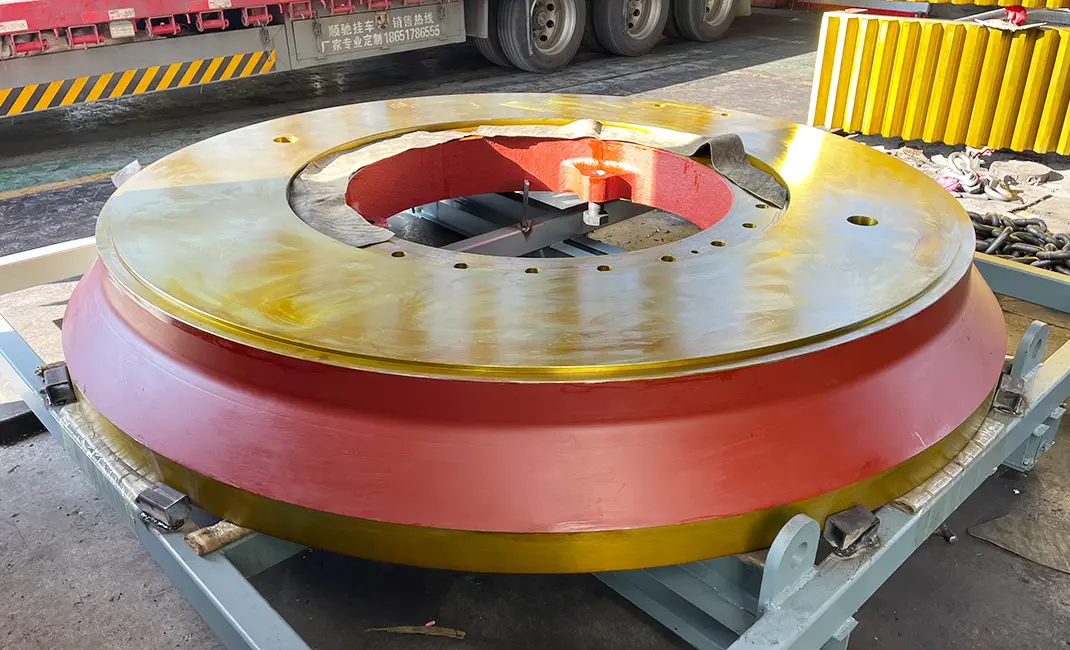
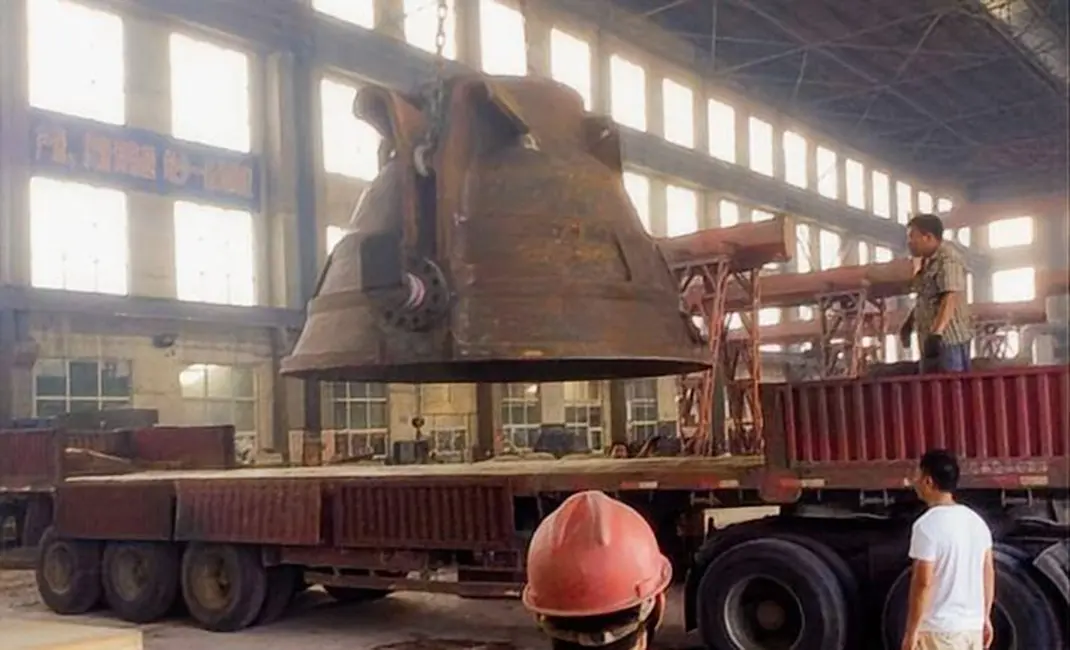
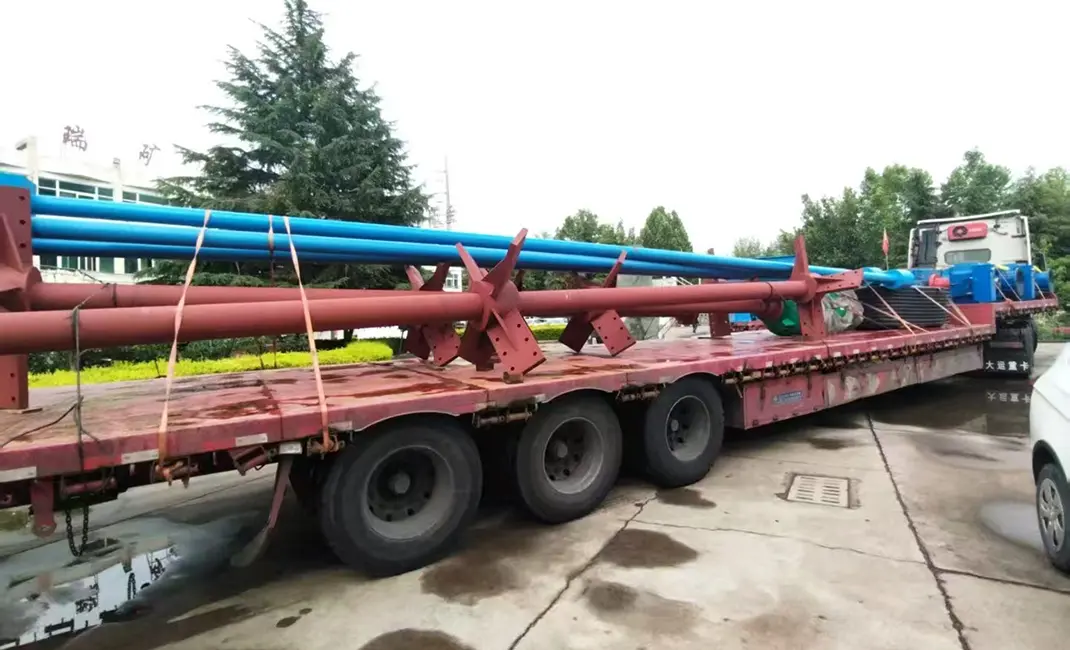
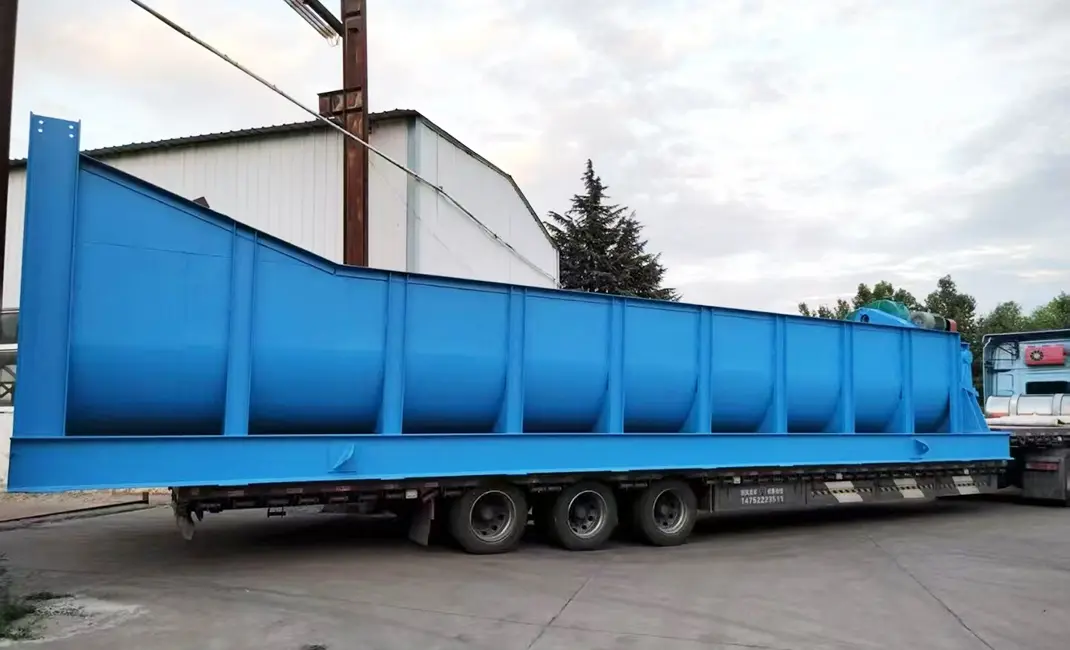
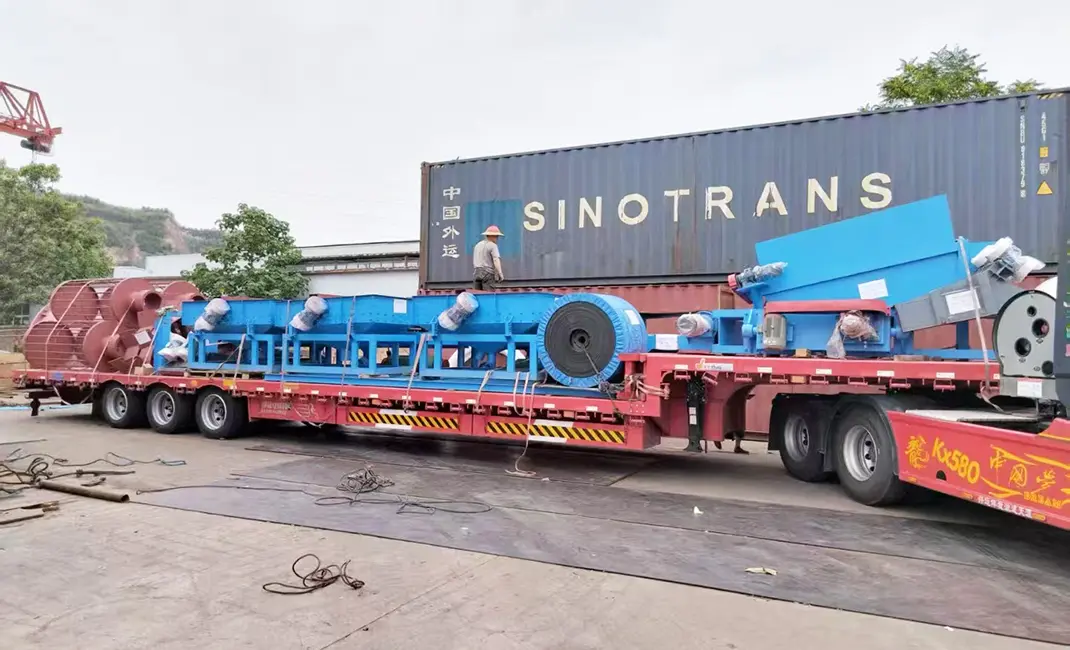
Our service process is engineered to ensure clear communication, precise solution matching, stable manufacturing, and long-term operational reliability.

Collection of material hardness data, capacity targets, environmental regulations, and electrical requirements.
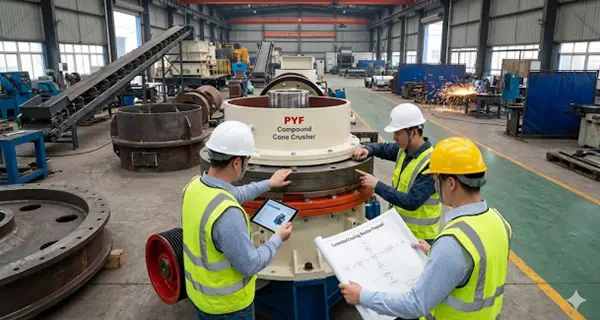
Development of tailored layouts incorporating simulated throughput capacities and custom casting structures.
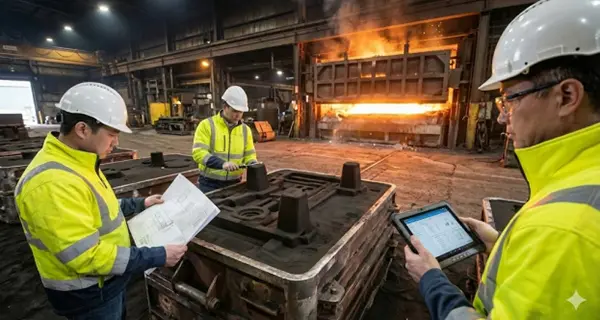
Verification of casting tolerances, electrical voltage specifications, mechanical interfaces, and project scheduling.
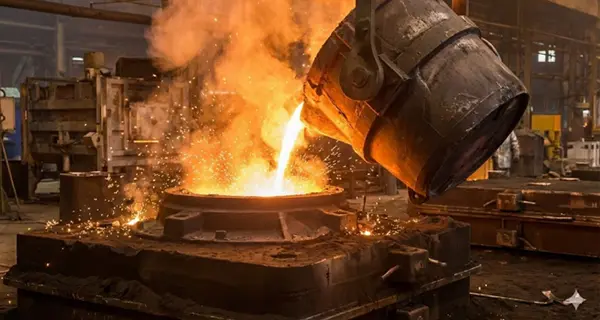
Pattern creation, sand molding, pouring, heat-treating, machining, and strict non-destructive testing (NDT).

Operational test runs, balance assessments of spinning rotors, and dimension checking against engineering blueprints.
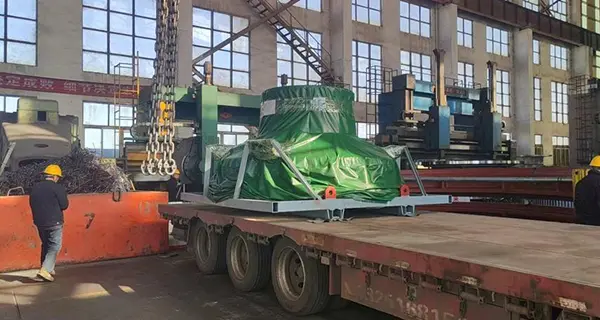
Anti-corrosion coating, solid wooden box packing, container stuffing, and maritime shipping coordination.
Technical answers to common engineering questions regarding VSI crushers, casting selection, safety regulations, and performance parameters.
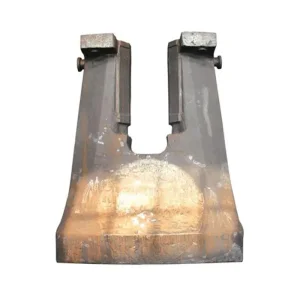
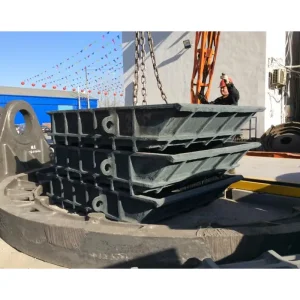
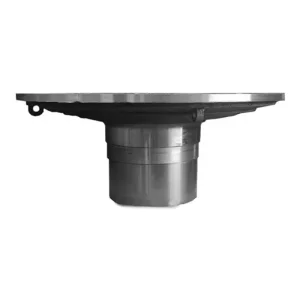
Explore our highly-engineered cast components, replacement units, and specialized processing assemblies.
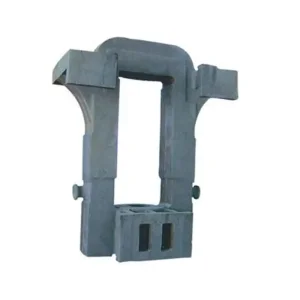
 Hanhai