 Hanhai
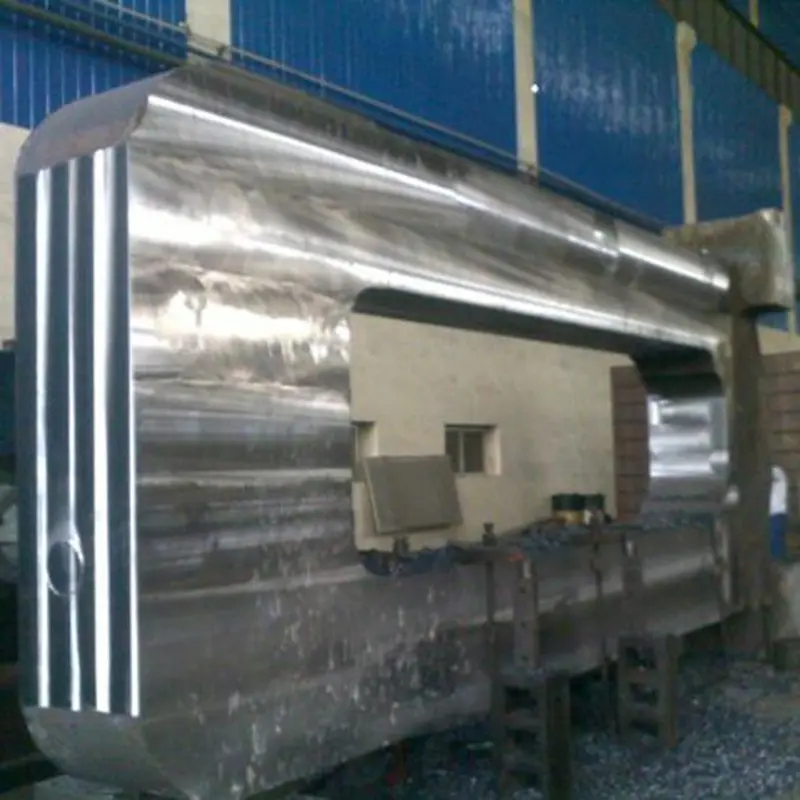
1 / 2
Material characteristics combined with optimized solidification control contribute to strong resistance against abrasive wear and environmental degradation. The casting maintains structural soundness when subjected to mechanical friction, compressive forces, humidity exposure, or chemically active surroundings. By limiting deformation and fatigue accumulation, the component helps extend operational cycles while reducing service interruptions and lifecycle costs.
Dimensional conformity is achieved through precision mold calibration and controlled process parameters. Careful tolerance regulation ensures alignment with engineering documentation and system integration requirements. The uniform surface profile enhances fitting accuracy and mechanical interface stability, enabling efficient installation and reducing the need for extensive post-casting machining. This controlled accuracy supports streamlined production workflows and improved assembly efficiency.
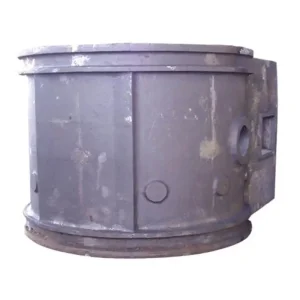
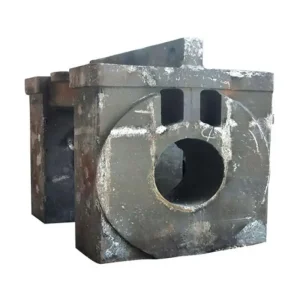
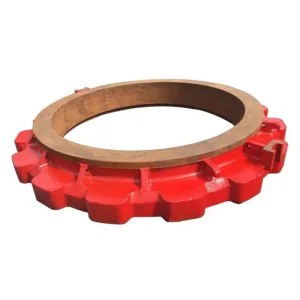
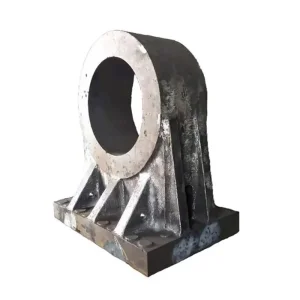
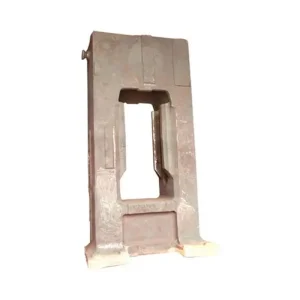
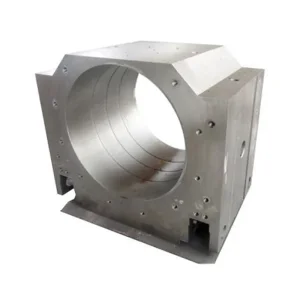
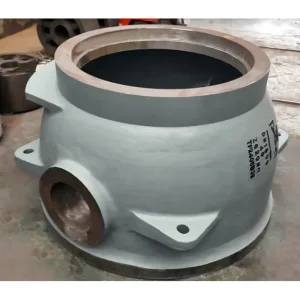
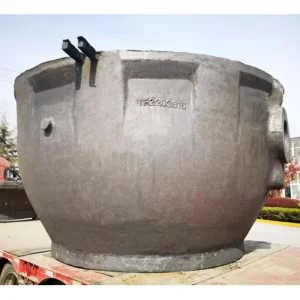
With its adaptable structural characteristics, this cast iron component serves a wide array of sectors including heavy machinery fabrication, transportation equipment manufacturing, civil construction systems, mining operations, agricultural equipment engineering, and general industrial infrastructure. Common implementations include structural foundations, protective casings, reinforcement frameworks, support brackets, and other functional assemblies that demand durability and dimensional control.
Manufacturing flexibility allows modification of alloy composition, geometric dimensions, weight distribution, surface finishing processes, and machining allowances in accordance with project-specific documentation. Such adaptability ensures compatibility with diverse mechanical systems and operational environments.
Optimized solidification control combined with premium material characteristics provides high resistance to abrasive wear, mechanical friction, humidity, and chemical factors, preserving structural soundness and extending service cycles.
Accuracy is secured through precision mold calibration and process-controlled parameters, ensuring tight tolerance regulation that complies with engineering documentation and facilitates seamless integration.
This component is widely utilized across sectors such as heavy machinery, transportation equipment, civil construction, mining operations, agricultural engineering, and general industrial infrastructure.
Yes, manufacturing processes support custom modifications in alloy composition, geometric dimensions, total weight, surface finish treatments, and machining allowances based on project requirements.
By limiting deformation and structural fatigue, the casting helps extend operational cycles and reduces both post-casting machining needs and ongoing service interruptions, lowering overall lifecycle costs.