Premium grade alloy and carbon steel castings specifically optimized for heavy-load operations across South Africa’s primary mining belts and processing mills.
The Republic of South Africa stands as a global titan in mineral extraction, hosting the world's largest reserves of platinum group metals (PGMs), manganese, chrome, gold, and vast resources of coal and iron ore. From the deep-level gold mines of the Witwatersrand Basin to the expansive open-pit operations in the Bushveld Igneous Complex, the physical environment demands unprecedented mechanical resilience. Extraction machinery, mineral comminution circuits, pyro-metallurgical furnaces, and heavy logistics links run round-the-clock under highly abrasive and high-impact conditions.
For South African mining houses and equipment developers, sourcing reliable cast steel and cast iron spare parts is not merely an operations issue; it is a critical strategy to prevent unplanned downtime. A single fracture in a crusher frame, an unexpected failure of a mill support housing, or premature degradation of a slag ladle can cost millions of Rands per hour in lost throughput. Consequently, the South African supply chain places strict requirements on castings: high fatigue life, dimensional accuracy, structural homogeneity, and resistance to environmental stress cracking.
“Operational integrity in heavy industrial sectors depends directly on the metallurgical microstructure of large-scale castings. There is zero tolerance for internal defects like porosity, micro-cracks, or sand inclusion when operating under the extreme tectonic and dynamic loads of South African mining environments.”
Furthermore, South Africa’s domestic manufacturing sector faces ongoing structural challenges, including localized power grid instability and fluctuating steel scrap supplies. This has created a critical need for strategic partnerships with advanced global foundries that can guarantee a steady, high-quality, and cost-controlled supply of critical cast components. By sourcing raw castings and semi-machined parts from a stable global partner, South African engineering firms can focus on local finish-machining, assembly, and service delivery, creating a highly resilient supply chain.
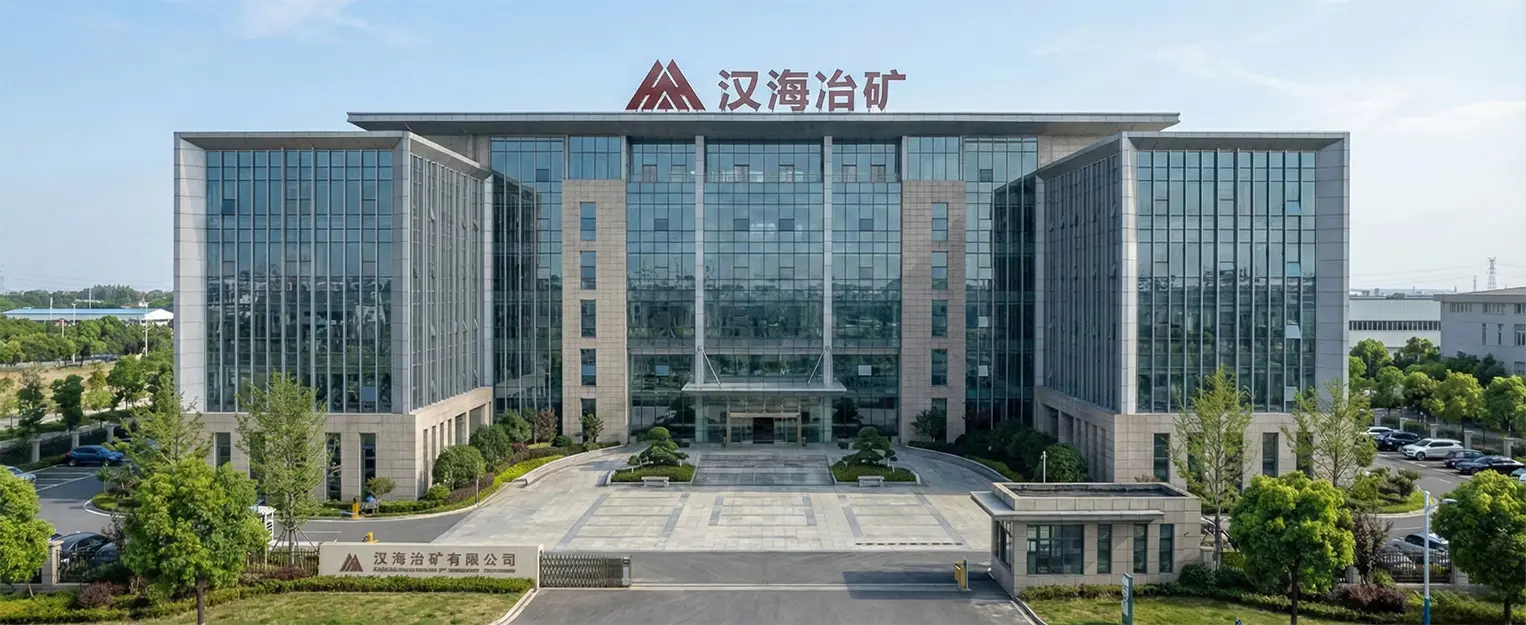
Combining structural cost advantages with world-class metallurgical research, precision manufacturing, and international quality standards.
Chinese heavy industrial hubs provide direct access to high-grade raw pig iron, scrap, and alloying elements. Combined with massive electric arc furnace capacities, this ensures continuous casting runs for parts weighing up to 150 metric tons without material interruption.
Before pouring, Chinese engineering teams utilize advanced software packages (such as MAGMAsoft or ProCAST) to simulate mold filling, solidification, and thermal stress. This eliminates potential shrinkage cavities and internal hot tears before patterns are constructed.
With ISO 9001 and CE certifications, export-oriented Chinese foundries implement systematic Non-Destructive Testing (NDT) workflows. Every critical part undergoes Ultrasonic Testing (UT), Magnetic Particle Testing (MT), and Radiographic Testing (RT) to ensure sub-surface integrity.
Furthermore, Chinese casting manufacturers have integrated downstream machining capabilities. Rather than shipping rough, unmachined casting blanks that require significant local tooling and risk exposing casting defects mid-way through machining, modern foundries offer rough-machined or finish-machined components. This drastically reduces the production lead time for South African engineering workshops and transfers the risk of material defects back to the foundry, guaranteeing that only structurally perfect components land at South African ports.
A leading name in heavy engineering castings, providing high-integrity structural solutions globally.
Henan Hanhai Metallurgy Mining International Trade Co., LTD is a leading foundry manufacturer in China, specializing in cast steel and cast iron parts. With advanced production lines and strict quality control, we supply durable castings for mining, metallurgy, power generation, and construction industries worldwide. Hanhai Casting integrates design, casting, and machining with an annual output of 80,000 tons. Certified with ISO9001 and CE, we deliver precision-engineered castings trusted by clients across Asia, the Middle East, Europe, and South America.
To empower global heavy industries with high-precision casting solutions, combining sustainable manufacturing processes with outstanding component durability.
To be the premier global foundry partner, recognized for our technological innovation, reliable quality systems, and deep commitment to our customers' long-term operational success.
Over two decades of structural growth, technological upgrades, and expanding global delivery footprints.
Hanhai Casting was established with a focus on heavy steel and iron castings, laying a solid technical and production foundation in China's industrial heartland.
Introduced advanced melting and molding technologies, expanded pouring capacities, and served key domestic mining and metallurgy sectors with high-load components.
Achieved international ISO 9001 and CE certifications, upgraded non-destructive testing (NDT) departments, and began exporting high-performance castings globally.
Integrated intelligent foundry systems and digital management, driving green manufacturing initiatives and establishing dedicated support services for key mining markets like South Africa.
How state-of-the-art foundry engineering addresses the major challenges of cost, lifecycle value, and carbon footprints.
In response to the increasingly abrasive minerals processed in South Africa, traditional carbon steels are frequently replaced with advanced alloyed materials. Manganese steels (e.g., Hadfield steel containing 11-14% Mn) provide outstanding work-hardening characteristics under high-impact conditions, making them ideal for crusher jaw plates and cone mantle liners. For pure structural loads under cyclical fatigue, high-strength low-alloy (HSLA) steels are customized with trace elements of nickel, chromium, and molybdenum. These elements improve through-hardenability and low-temperature impact toughness, ensuring components do not fail catastrophically under sudden mechanical overloads.
Modern casting engineering relies heavily on digital workflows. Using finite element analysis (FEA), designers can simulate how casting geometries respond to operational forces. This process identifies high-stress areas that require localized reinforcement or changes in fillet radii. Simultaneously, casting simulation software models the liquid steel's path into the mold cavity. By calculating temperature gradients during cooling, engineers can place risers and chills strategically. This directs shrinkage away from the component's functional areas into feed heads that are later removed, ensuring a sound casting.
As international mining companies work to reduce scope 3 emissions, foundry operations face pressure to minimize their environmental footprint. Advanced foundries address this by using energy-efficient induction furnaces instead of traditional coke-fired cupolas. They also implement sand reclamation systems to recycle up to 95% of silica sand, and use water-based binder systems to lower volatile organic compound (VOC) emissions. Delivering high-yield, long-life castings also helps lower carbon footprints. Extending the operating life of a wear component reduces the frequency of casting, shipping, and installing replacement parts, lowering the total carbon intensity per ton of processed ore.
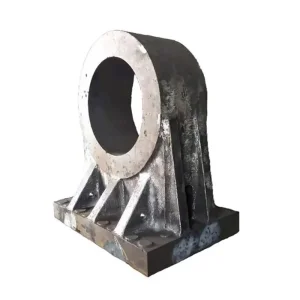
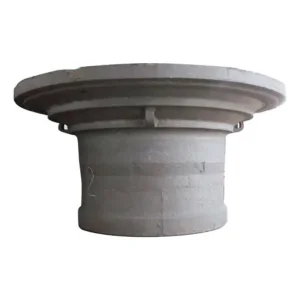
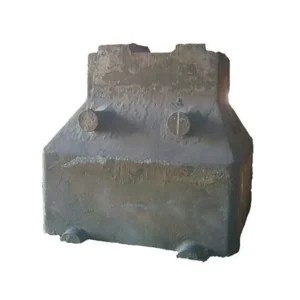
Widely used in mining, metallurgy, construction, chemicals, and recycling for crushing ores, rocks, and industrial materials under high compressive loads.
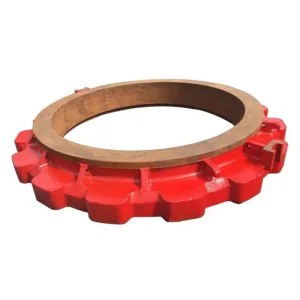
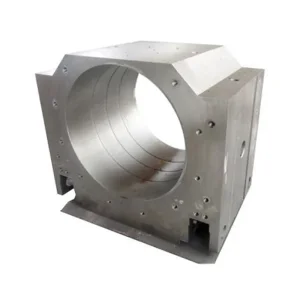
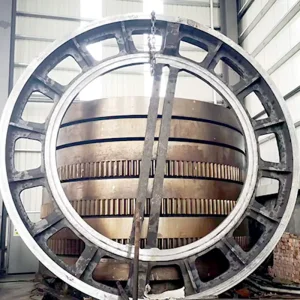
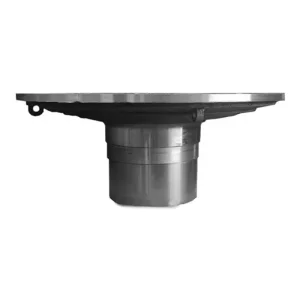
Applied in cement, mining, and heavy industrial processing for large-scale equipment including rotary kilns, sag/ball mills, and support rollers.
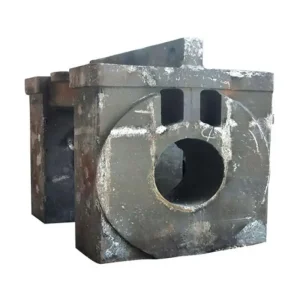
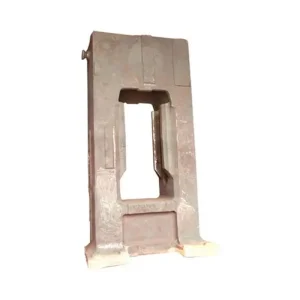
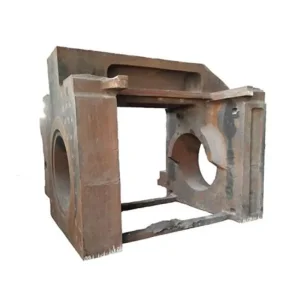
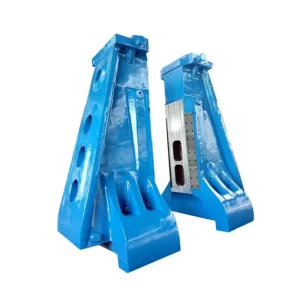
Engineered for heavy industrial forming machinery, supporting hydraulic presses and high-load, large-tonnage frame components.
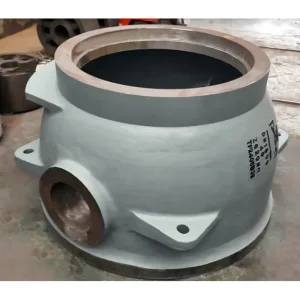
High-pressure valve bodies, manifolds, and fluid control parts engineered to withstand corrosive process fluids and thermal stress.
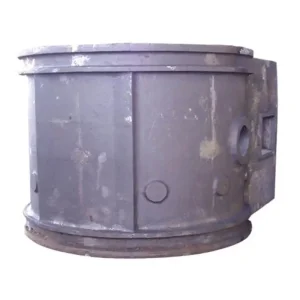
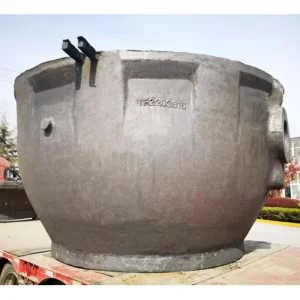
High-temperature cast components, including slag ladles, ingot molds, and charge baskets built for extreme thermal cycling.
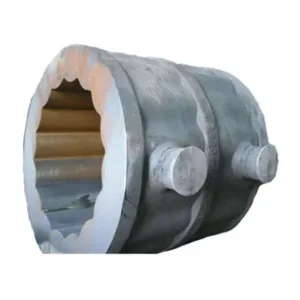
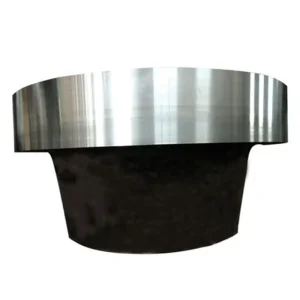
Bespoke cast fabrications, large gear rings, and hollow shafts tailored to specific OEM drawings and site requirements.
A history of successfully delivered heavy-duty cast components engineered for complex, high-impact industrial operations.
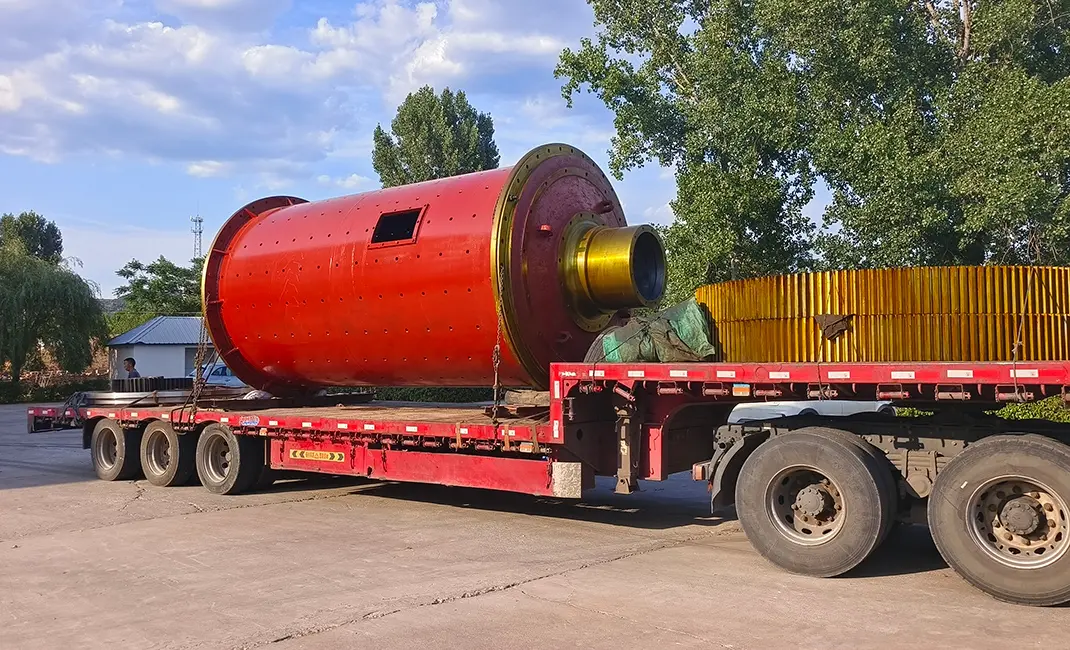
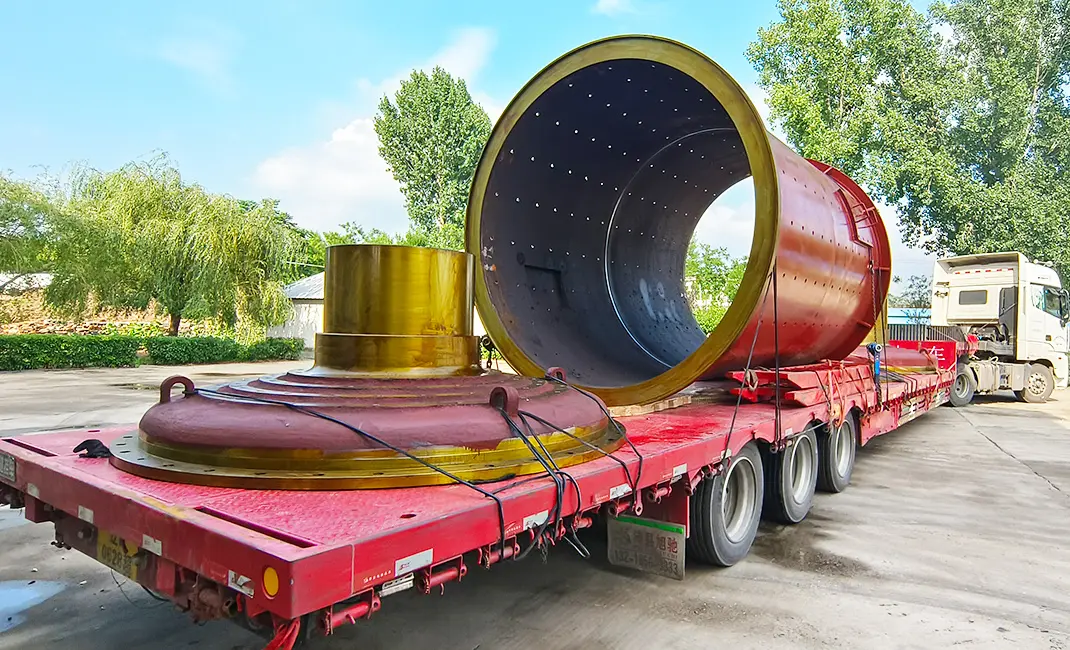
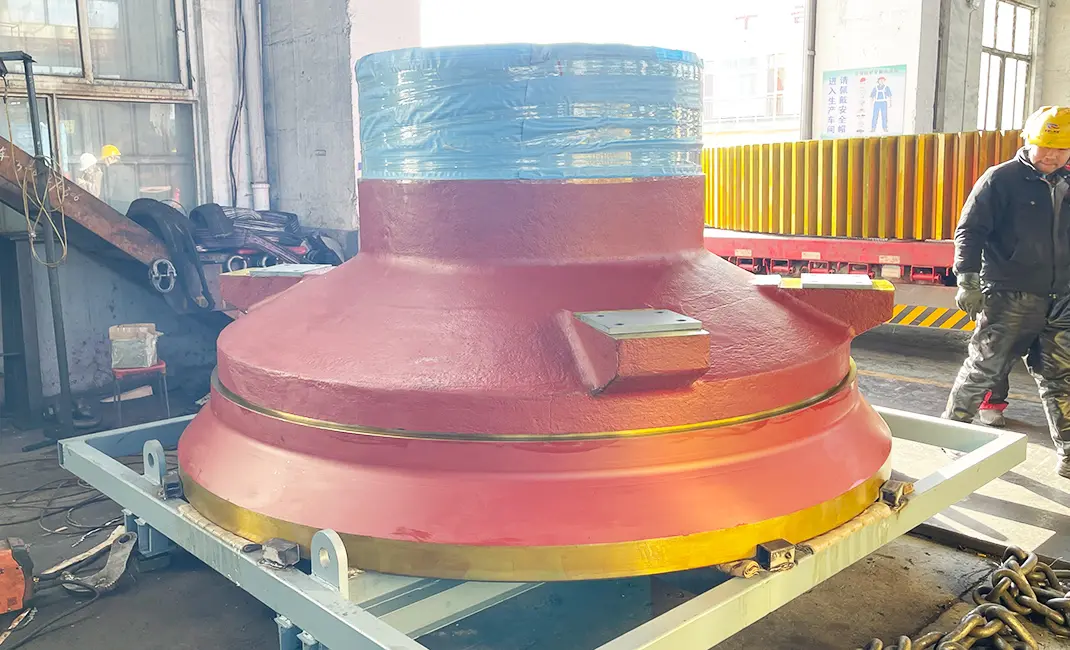
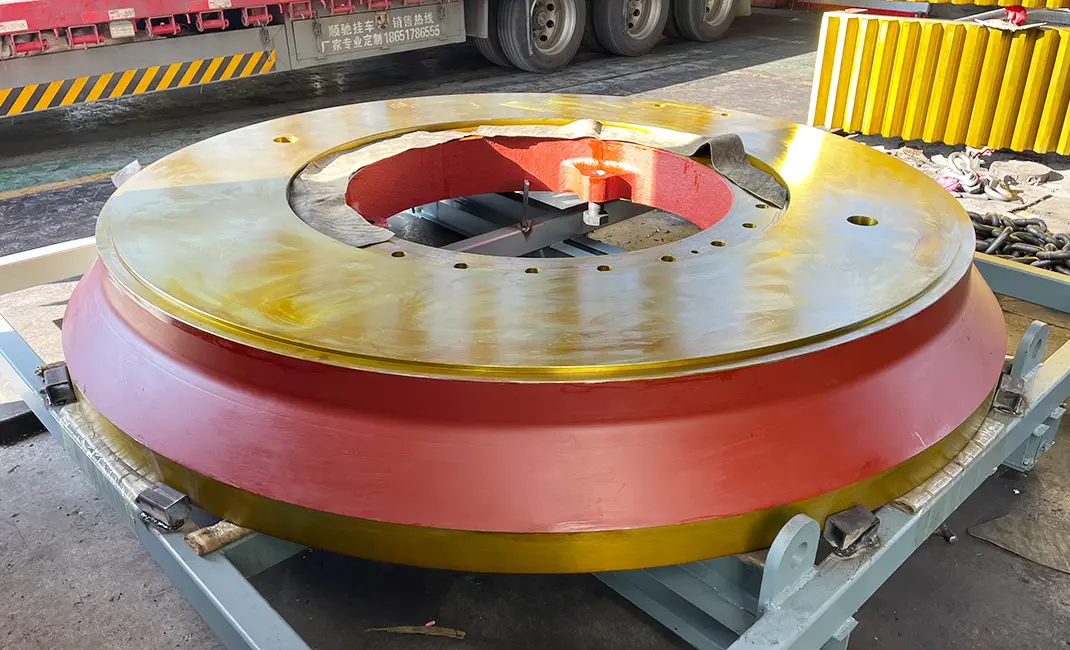
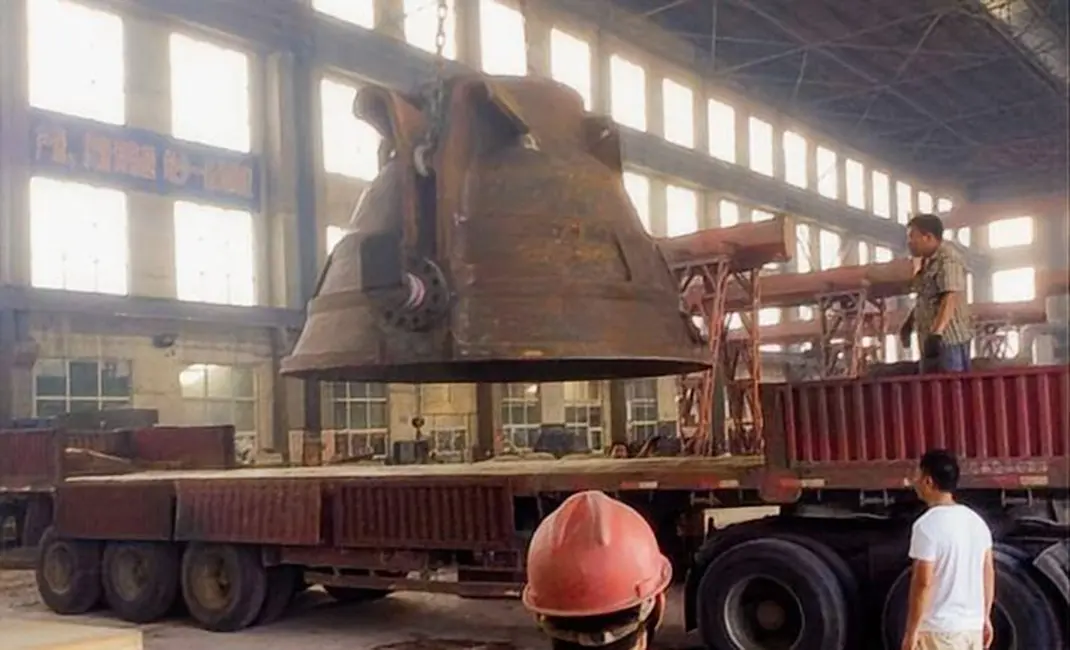
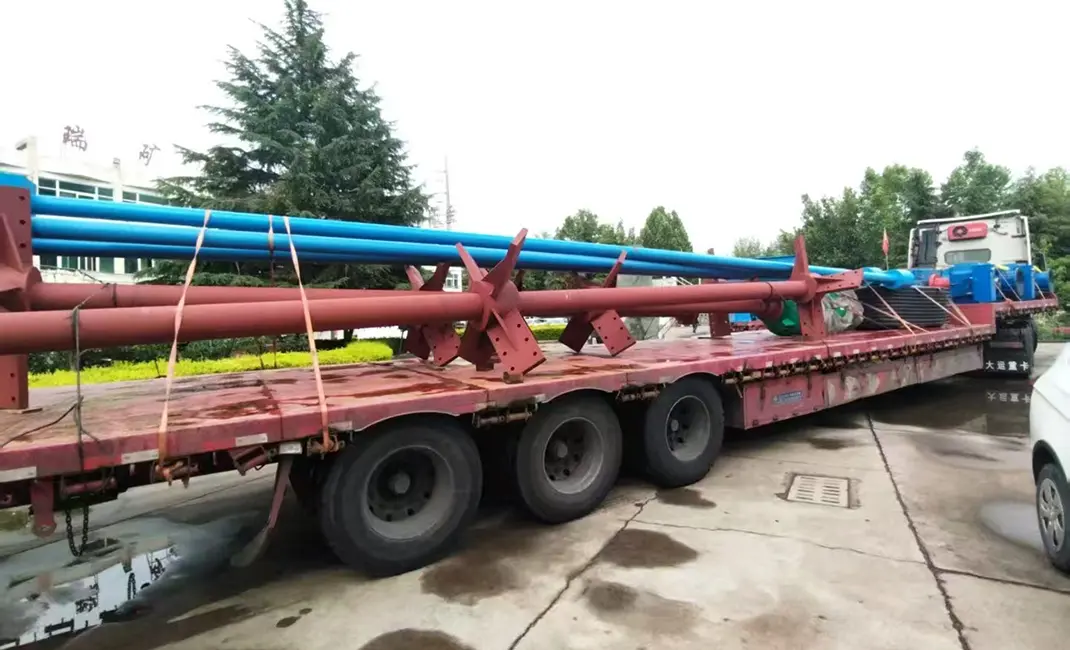
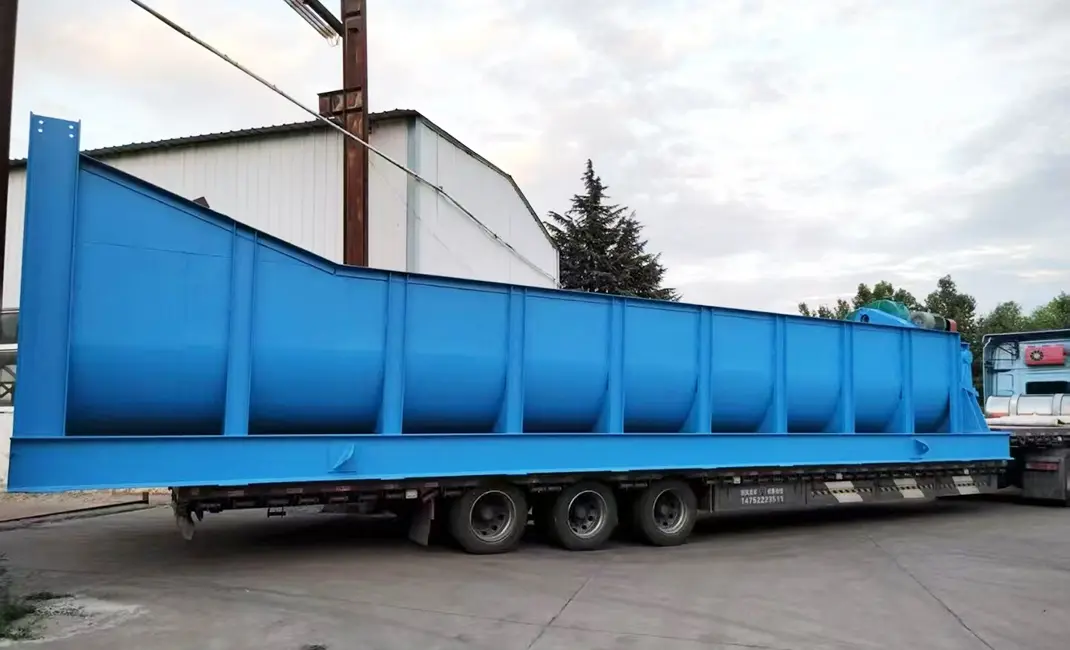
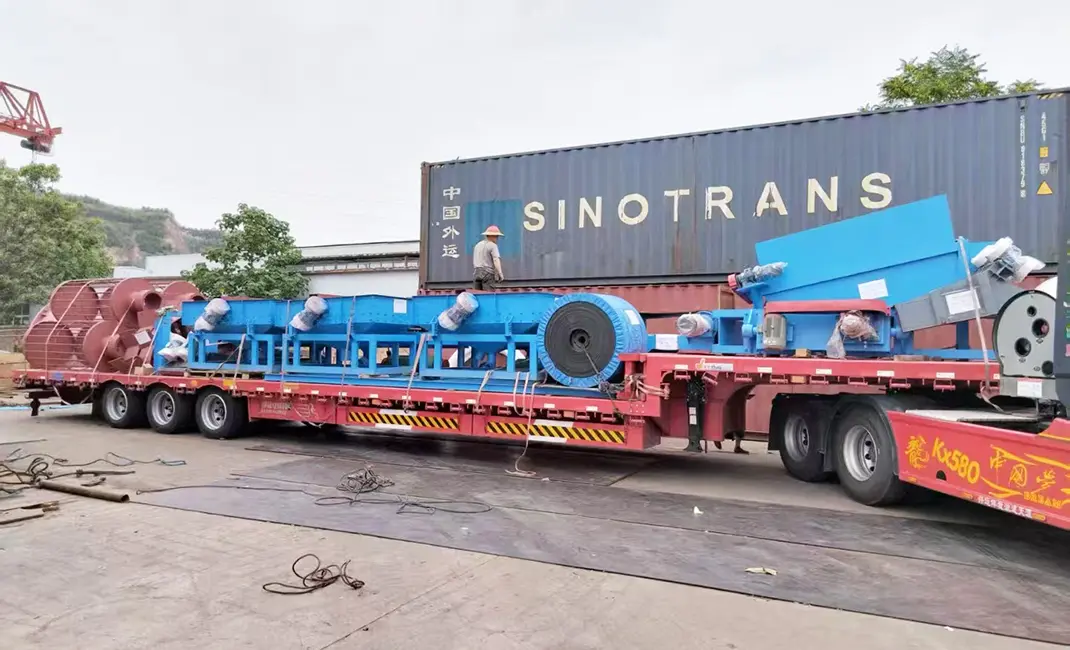
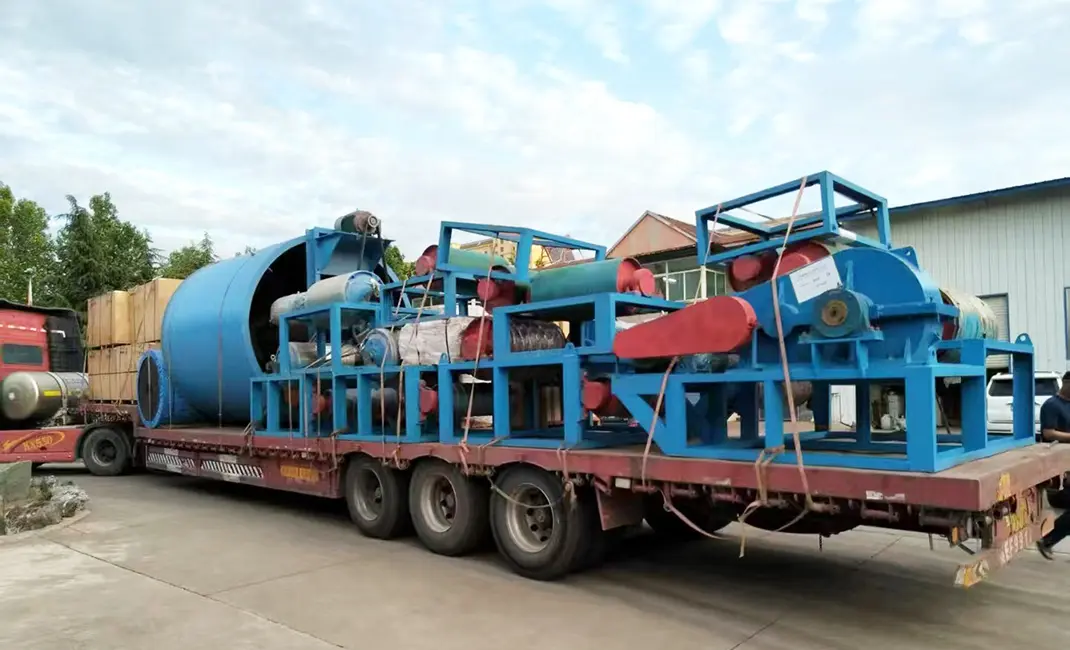
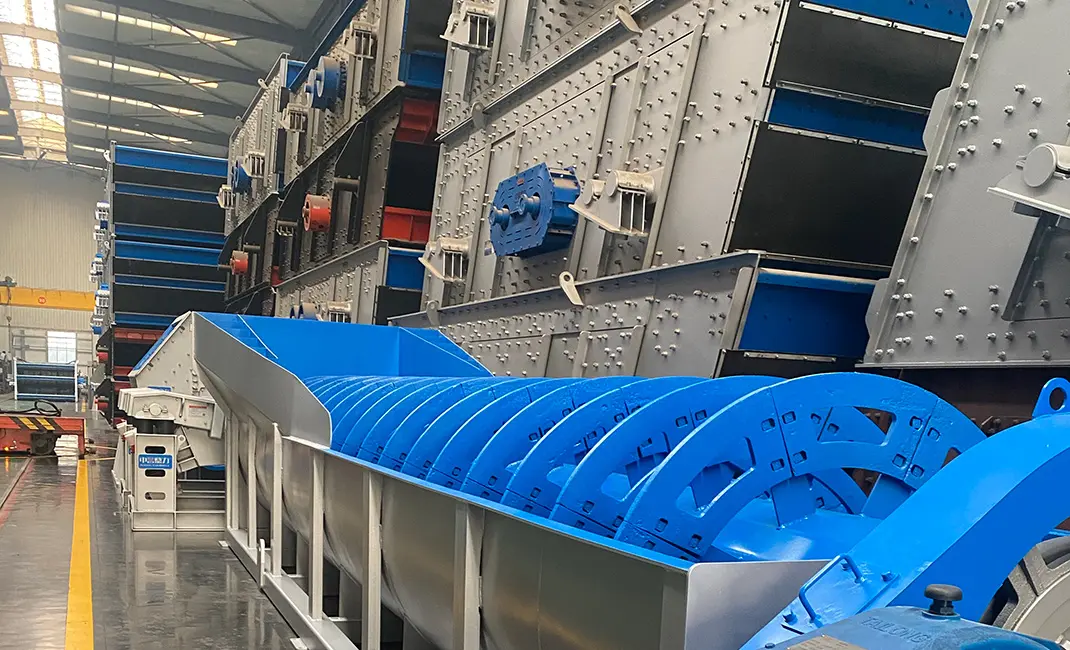
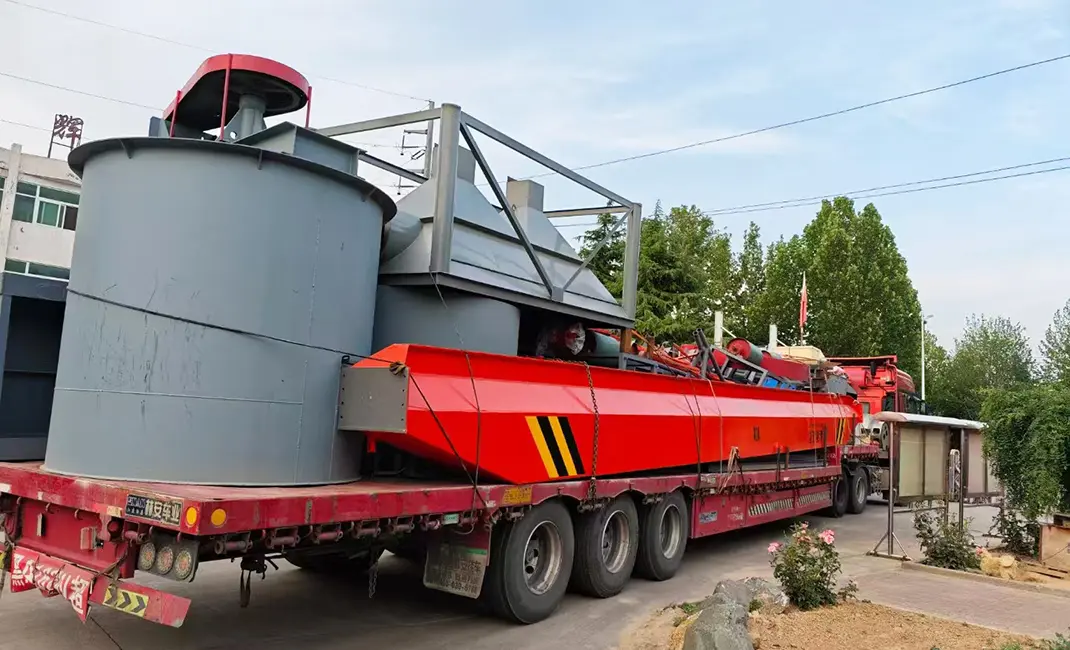
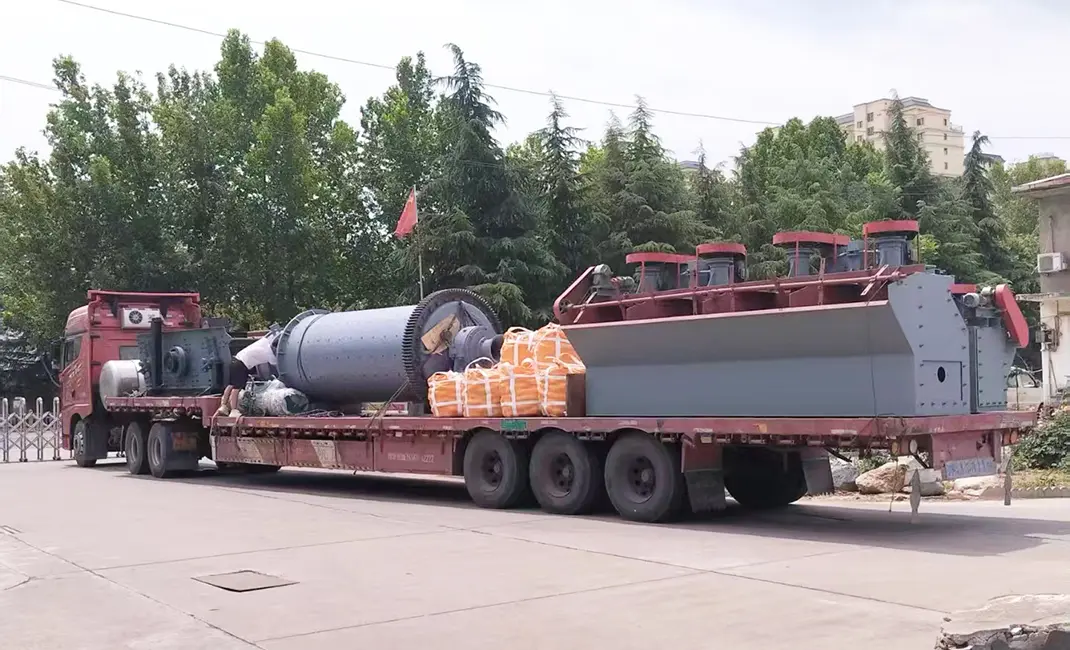
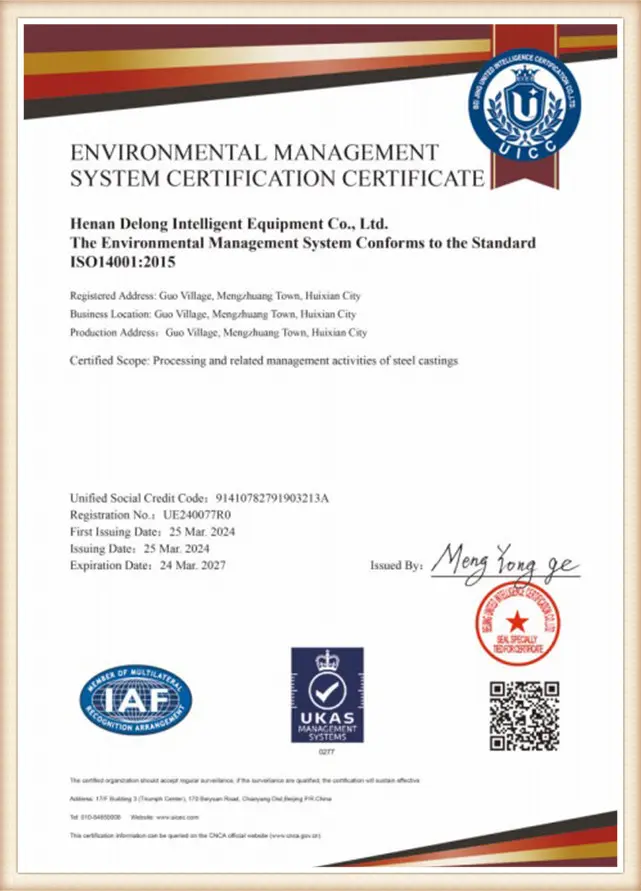
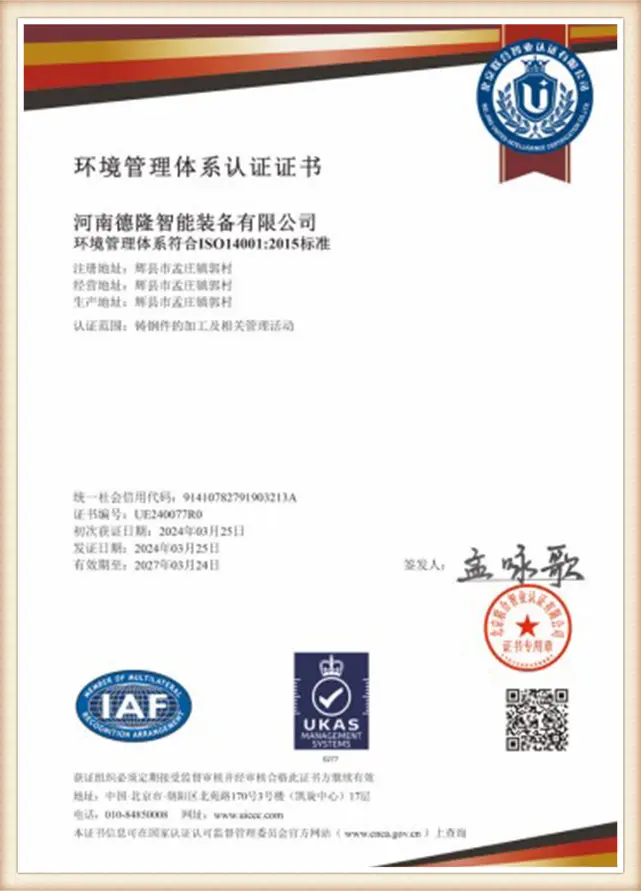
From initial design evaluation through casting, machining, and logistics, ensuring seamless integration into your operations.

We collect your 2D/3D CAD models, material specifications, chemical compositions, and quality control requirements.
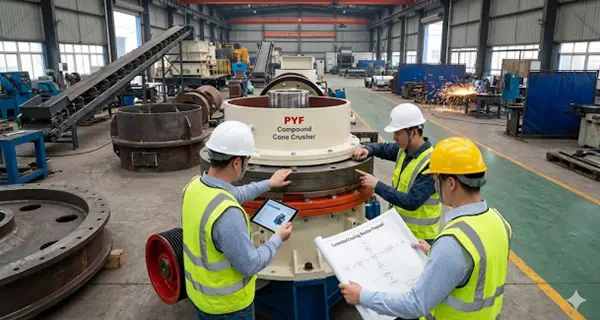
Our engineers analyze feed paths and structural stresses to optimize the component's geometry for casting integrity.
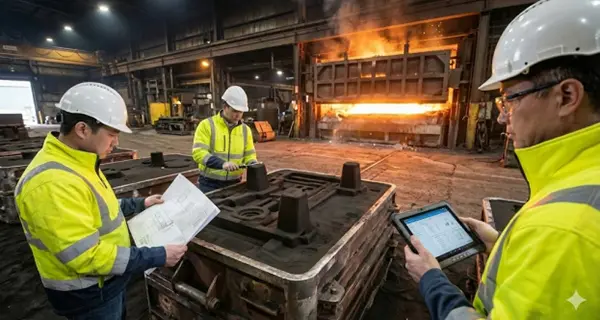
We finalize material designations, quality control plans (NDT, dimensions), testing protocols, and delivery terms.
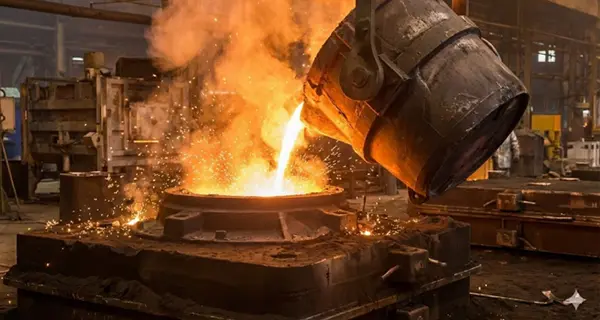
We construct patterns, mold cavities, and execute high-purity casting pours under strict temperature control.

Each component undergoes dimensional validation, chemical composition testing, and non-destructive testing (UT, MT, RT).
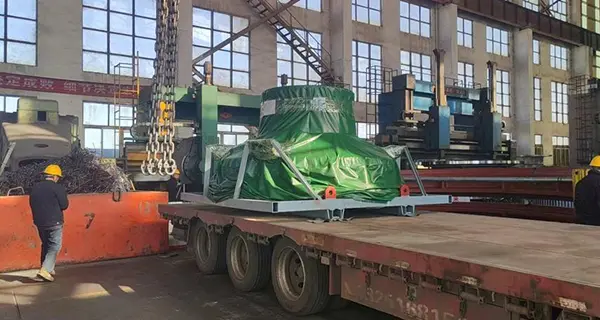
We perform rough or finish machining, pack components for maritime transport, and coordinate delivery to Durban or Cape Town ports.
Engineered components designed for heavy-duty systems across mining, pyro-processing, and power generation plants.
Preserving precision engineering specs across our entire cast steel product catalog.
Expert insights on materials, quality certifications, logistics, and engineering customization for the South African market.
Partner with an ISO9001 and CE certified foundry. Contact our engineering team today for technical consultation, material recommendation, and project quoting.
 Hanhai