 Hanhai
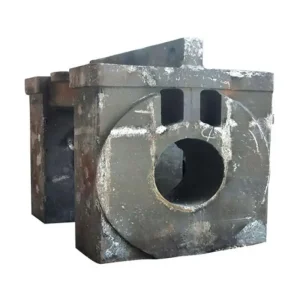
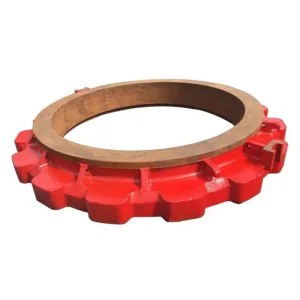
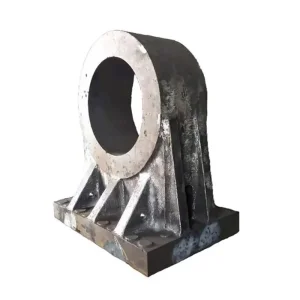
Industrial Casting Production & Quality Management serving Slovakia
A technical whitepaper analyzing Slovak industrial demands, modern casting technologies, and global foundry supply chain integrations.
1. Slovakia's Industrial Powerhouse & Structural Demands for Heavy Castings
Slovakia has established itself as the world’s leading automobile producer per capita, driven by massive manufacturing centers operated by global leaders like Volkswagen Group in Bratislava, Stellantis in Trnava, Kia in Žilina, and Jaguar Land Rover in Nitra. Beyond the automotive sector, Slovakia’s industrial landscape comprises heavy steel plants in Košice, energy production assets along the Danube, and extensive machinery assembly lines across Central Slovakia.
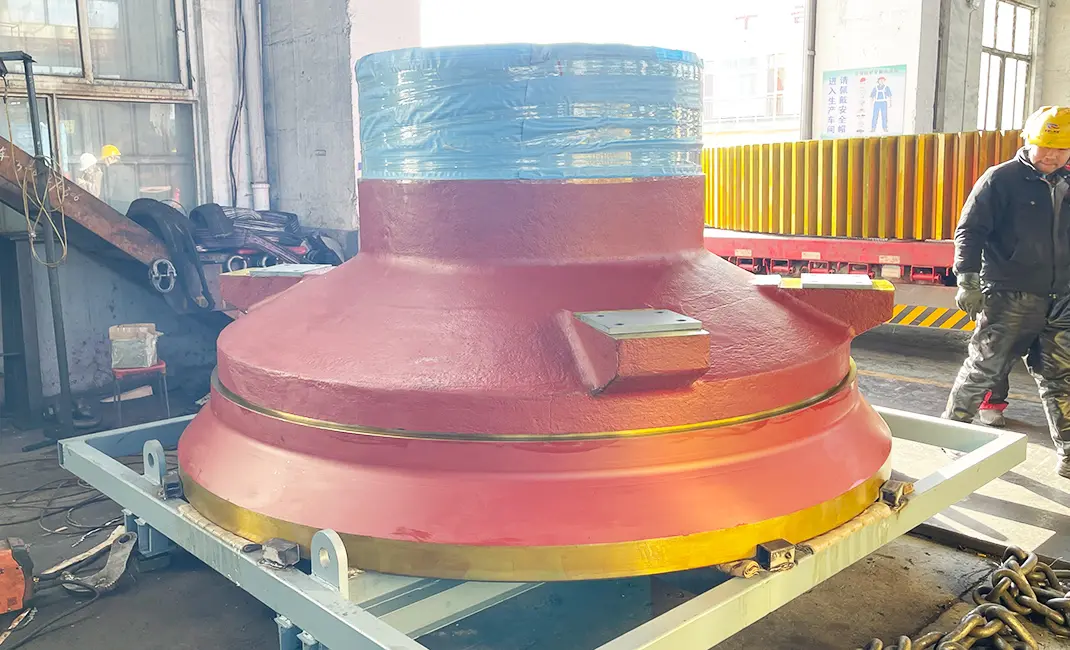
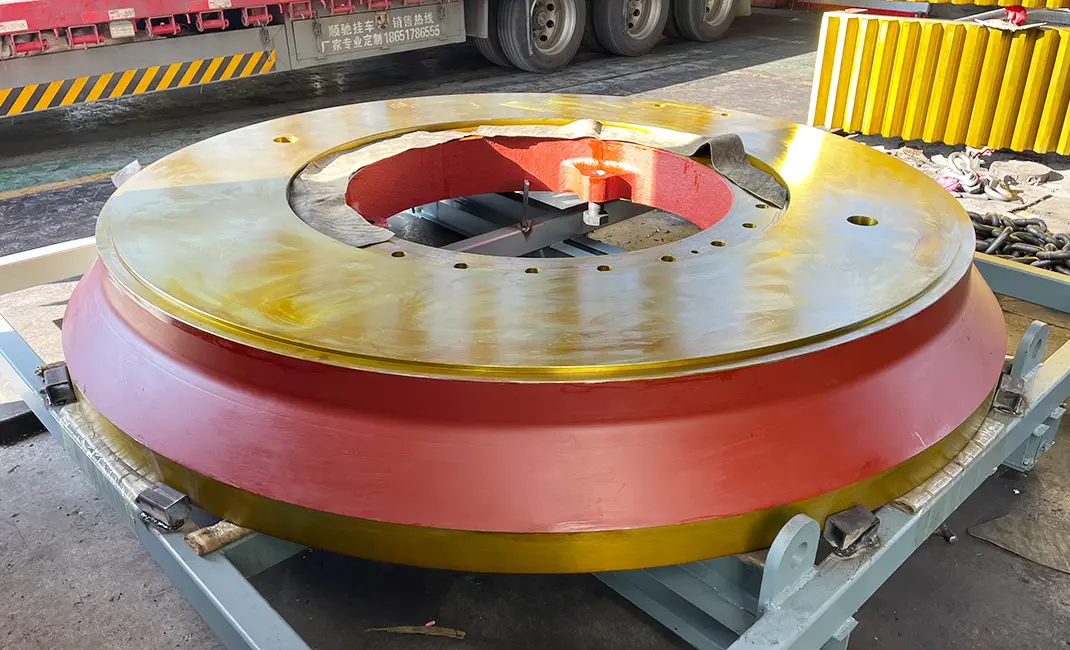
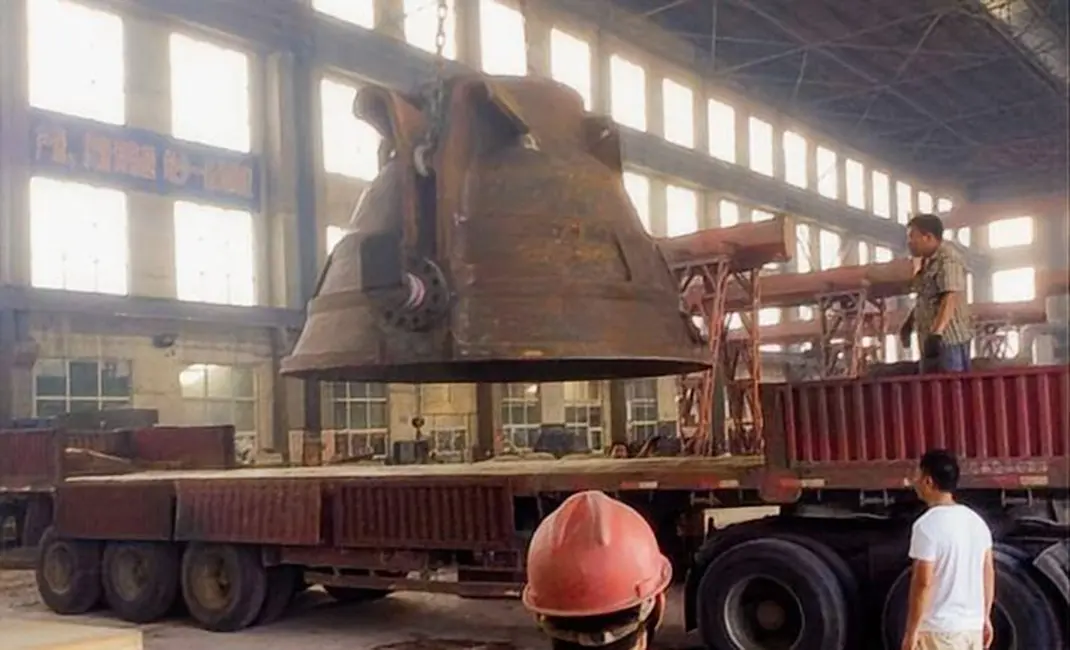
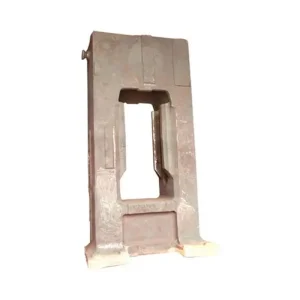
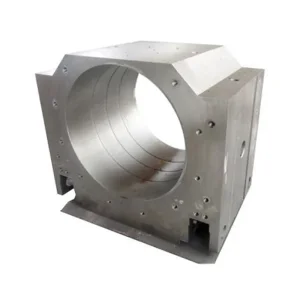
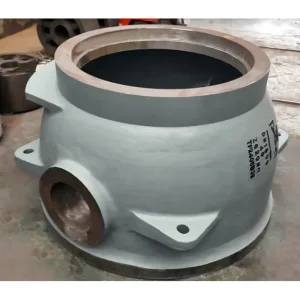
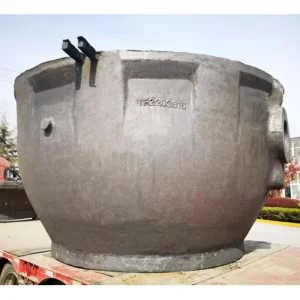
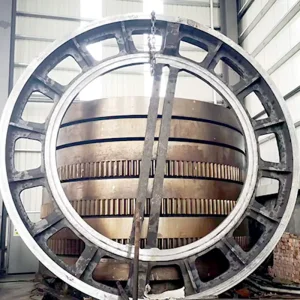
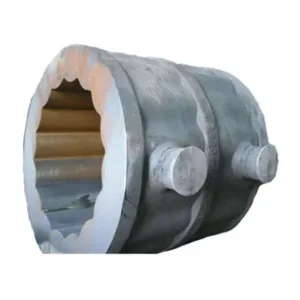
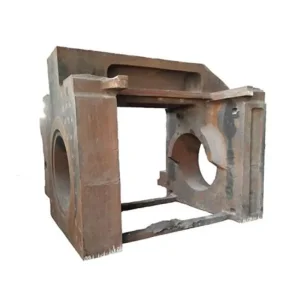
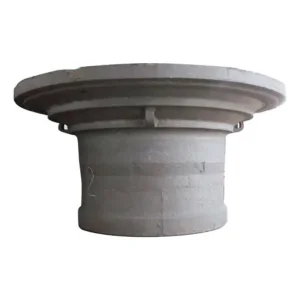
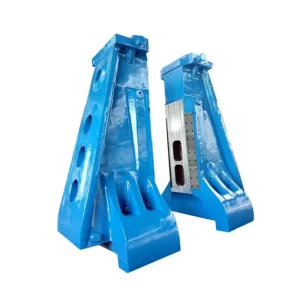
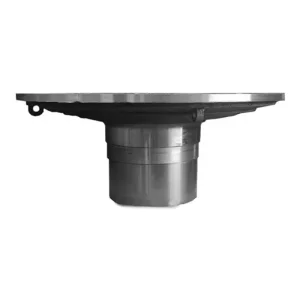
These demanding sectors rely on critical structural components that can endure extreme stress, high cyclical wear, and aggressive environmental conditions. High-integrity cast steel and cast iron components represent the backbone of this machinery. For instance, large automotive mechanical stamping presses require massive structural beams with zero internal gas pockets, while Slovakia’s mineral crushing installations demand alloy-steel components designed to withstand intense abrasive forces. Ensuring the reliability of these parts is vital to preventing catastrophic assembly line stoppages and reducing long-term maintenance overhead.
2. Global Casting Industry Trends: Precision, Decarbonization, and Mechanical Optimization
The casting and metallurgy sector is undergoing a rapid technological evolution. Global buyers are transitioning from traditional sand casting to highly engineered casting methods that prioritize chemical purity, dimension tolerances, and reduced post-machining requirements. Key trends shaping the modern foundry landscape include:
- Optimized Alloy Composition: Leveraging state-of-the-art optical emission spectrometers to guarantee precise chemical composition, especially for low-carbon steel castings and nickel-chromium superalloys.
- Advanced Solidification Simulation: Utilizing cutting-edge casting simulation software (such as MAGMAsoft) to model flow patterns, predict solidification behaviors, and systematically eliminate porosity defects prior to pattern production.
- Sustainable Metallurgy: Adopting energy-efficient electric induction melting systems, recycling sand mold binders, and reducing material scrap margins to meet Slovakia’s strict carbon neutral regulations.
3. China Foundry 4.0: Strengthening Supply Chain Resilience for European Markets
In an era characterized by geopolitical uncertainties and volatile energy costs across continental Europe, Slovak purchasing managers are increasingly turning to China’s advanced Foundry 4.0 infrastructure to secure reliable components. Chinese foundries have transitioned from low-cost casting suppliers to digital manufacturing leaders.
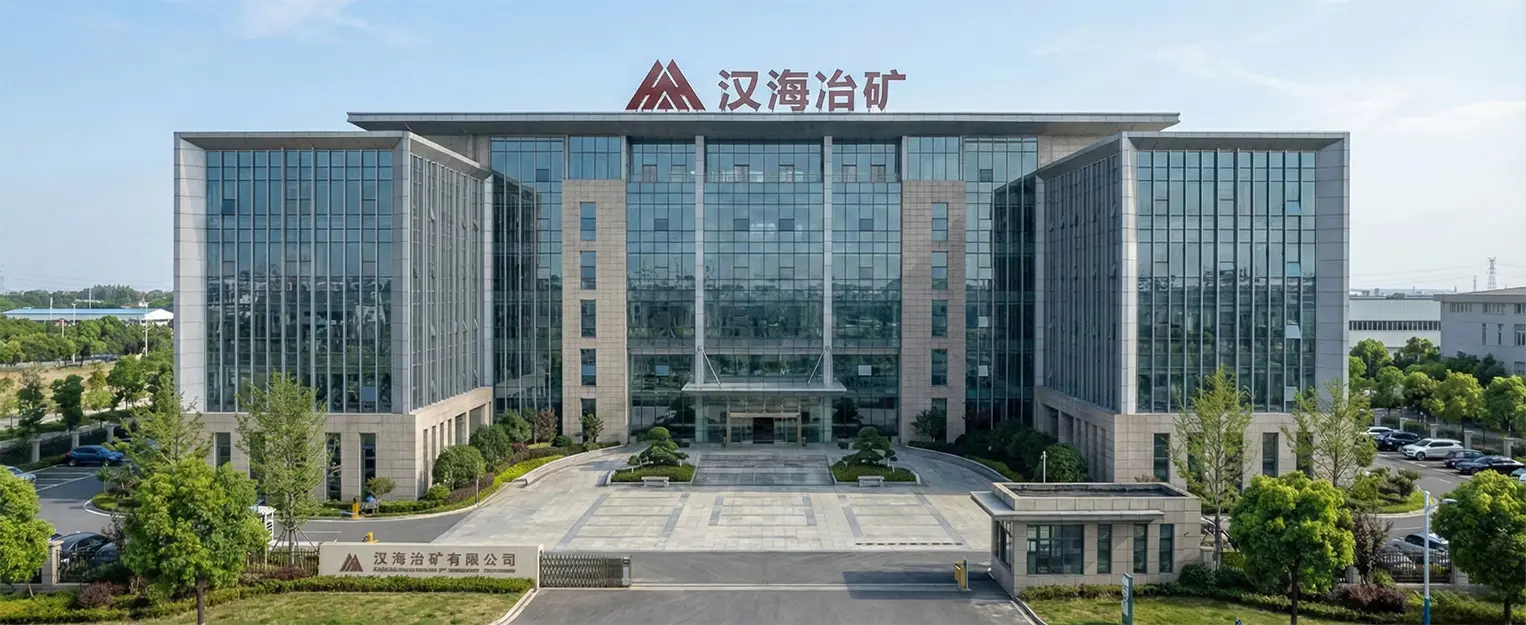
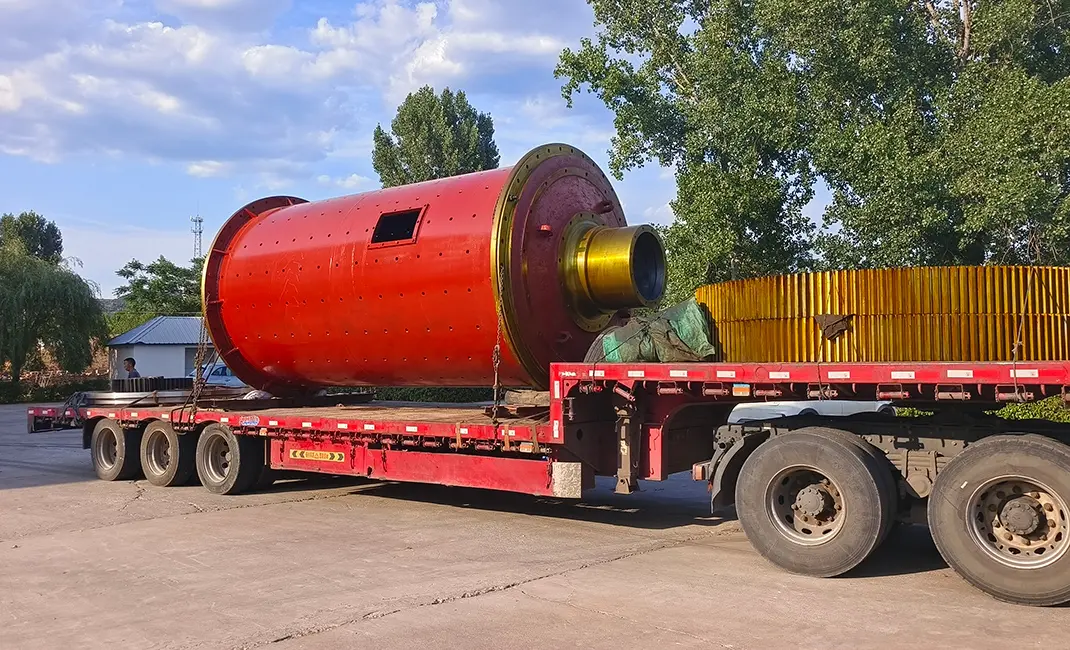
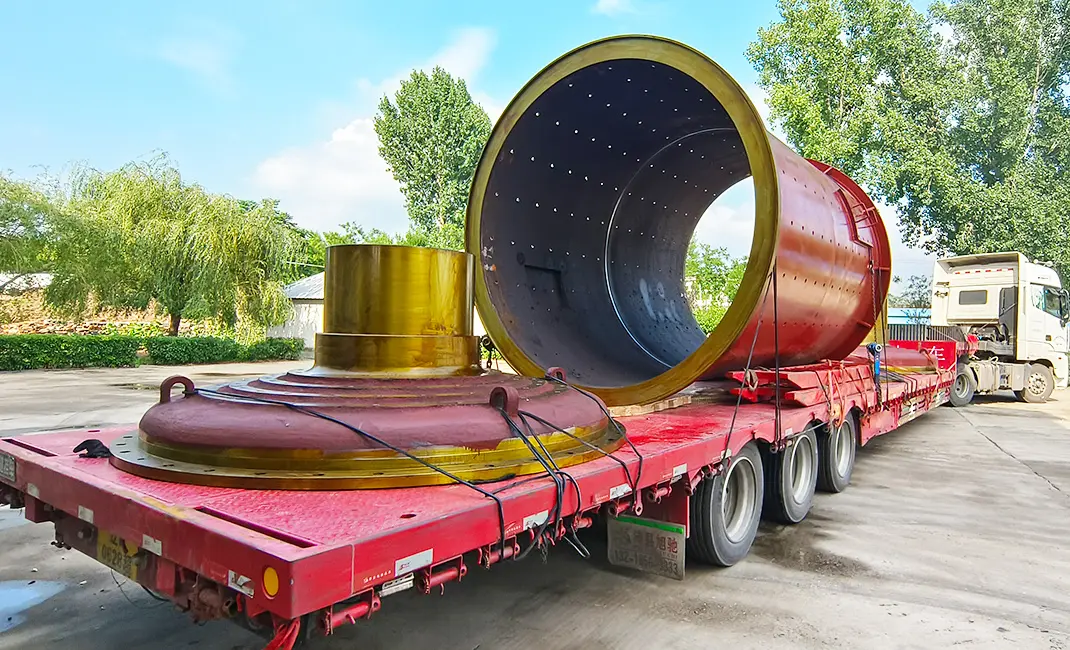
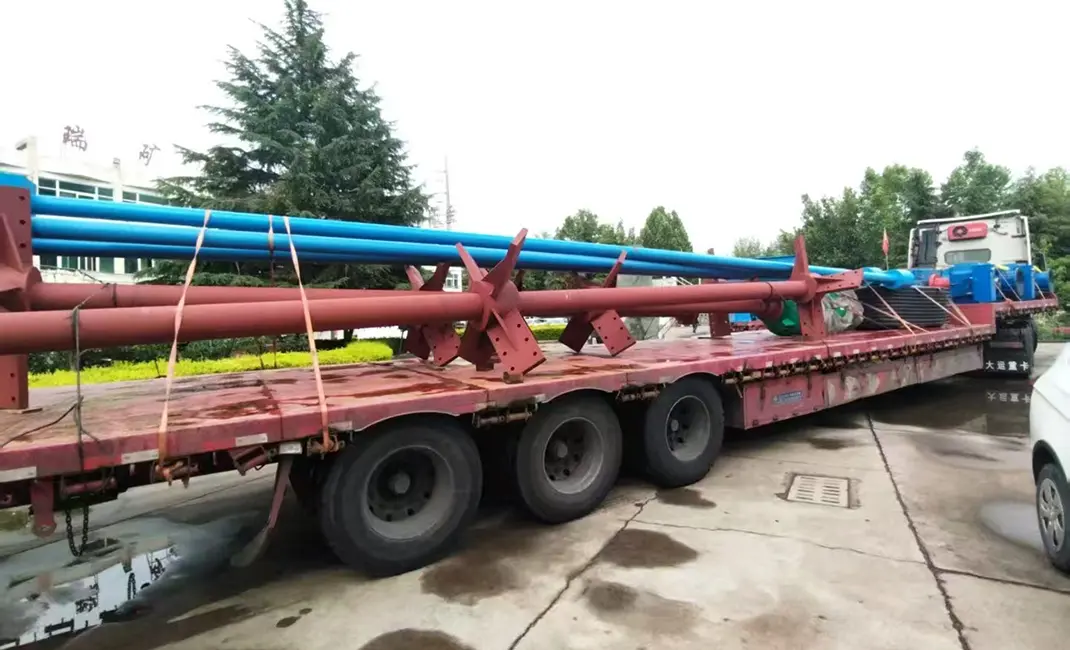
Henan Hanhai Metallurgy Mining integrates automated moulding lines with comprehensive enterprise resource planning (ERP) tracking systems. This combination ensures consistent metallurgical properties across large-batch production runs. Furthermore, with direct logistics pipelines linking China to Central European hubs via maritime routes (through Koper and Hamburg ports) and overland rail networks, Slovak customers benefit from highly reliable delivery timelines, transparent quality inspections, and significant cost efficiencies.