Premium specialized components matching JIS specifications, optimized for automotive, aerospace, and heavy industry plants in Chubu prefecture.
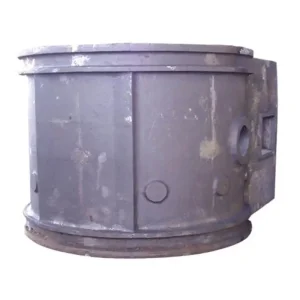
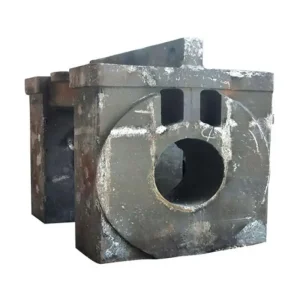
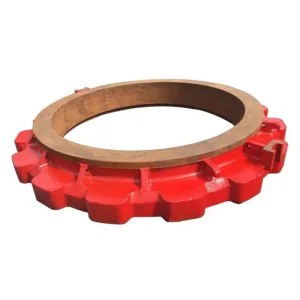
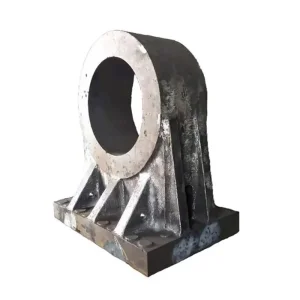
The Greater Nagoya area (Chubu region) represents the undisputed heart of Japan's manufacturing sector. As a global hub for automotive engineering, aerospace fabrication, and advanced machine tools, local plants require structural cast components that meet uncompromising dimensional tolerances and mechanical performance benchmarks.
Whether serving tier-1 automotive forging lines in Toyota City or aerospace assembly structures in Komaki, the request for heavy-duty structural parts is shifting toward higher tensile strengths, lighter alloy formulations, and verified internal soundness. The need to optimize weight without compromising fatigue life under cyclical load profiles forms the foundation of modern casting purchasing strategies in this highly sophisticated regional economy.
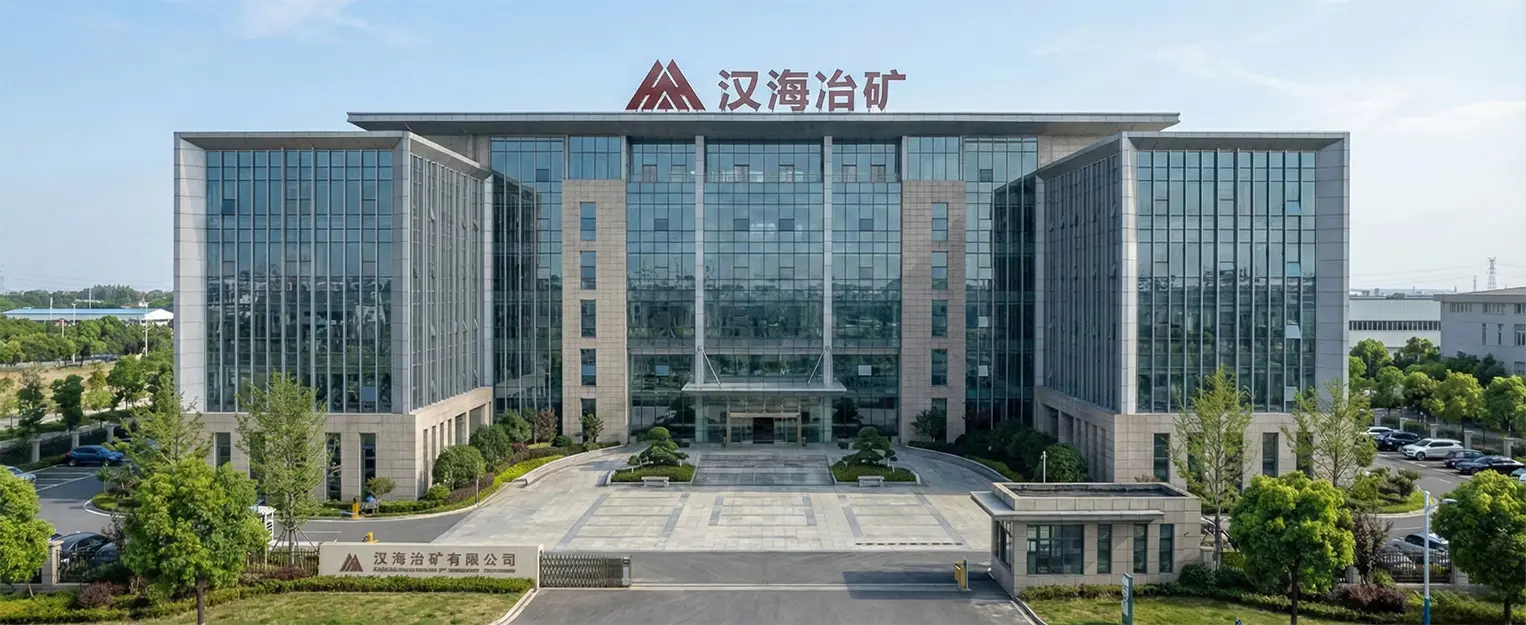
Providing precision-engineered cast steel and cast iron components with an annual production capacity exceeding 80,000 tons.
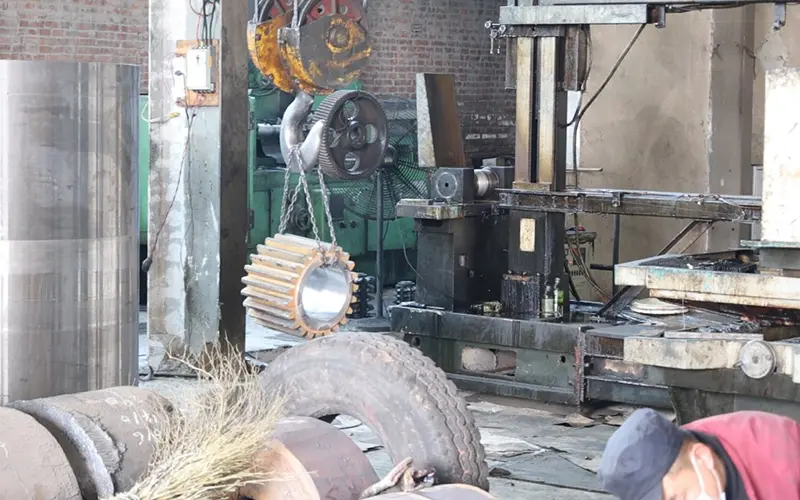
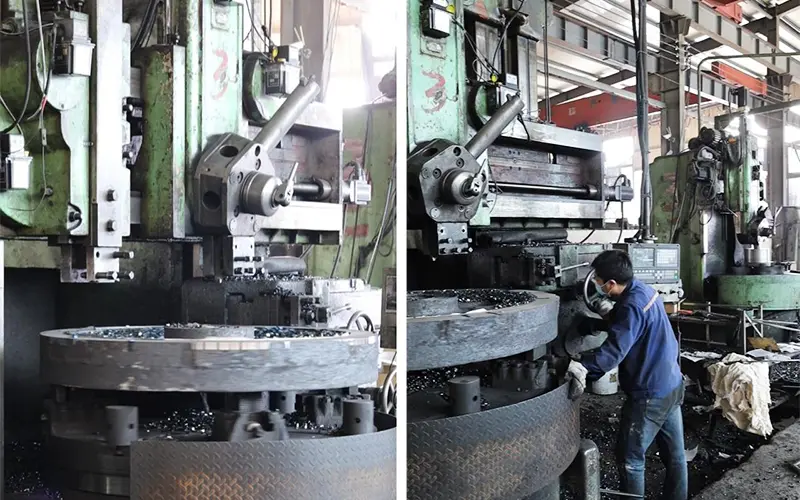
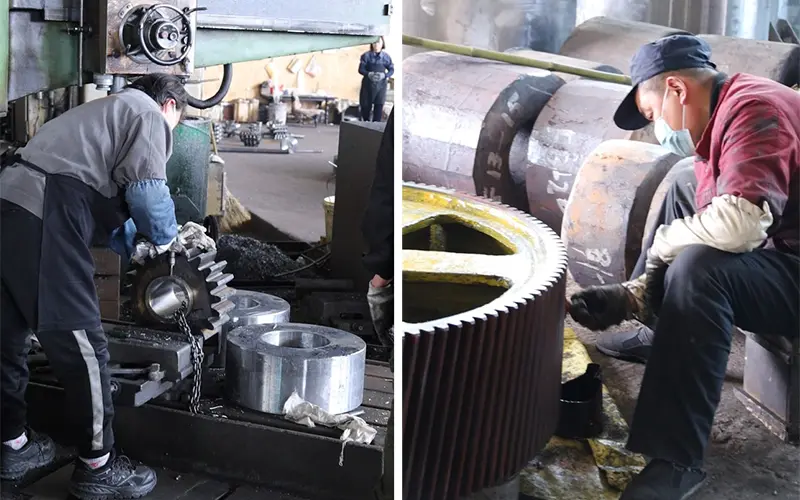
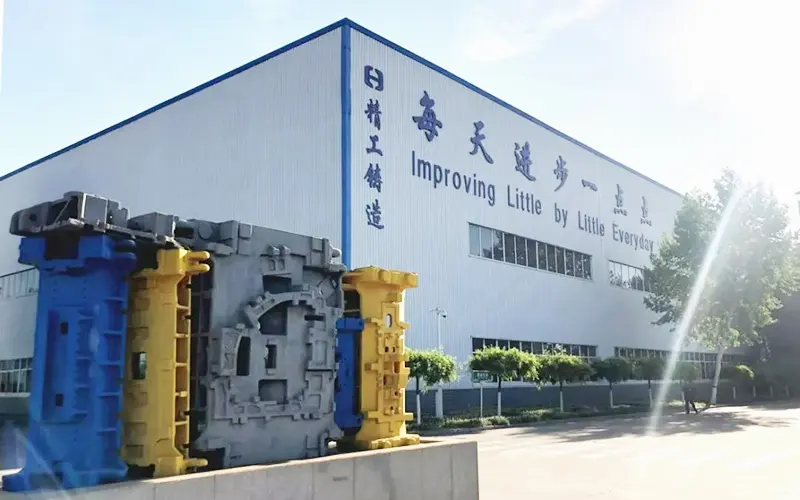
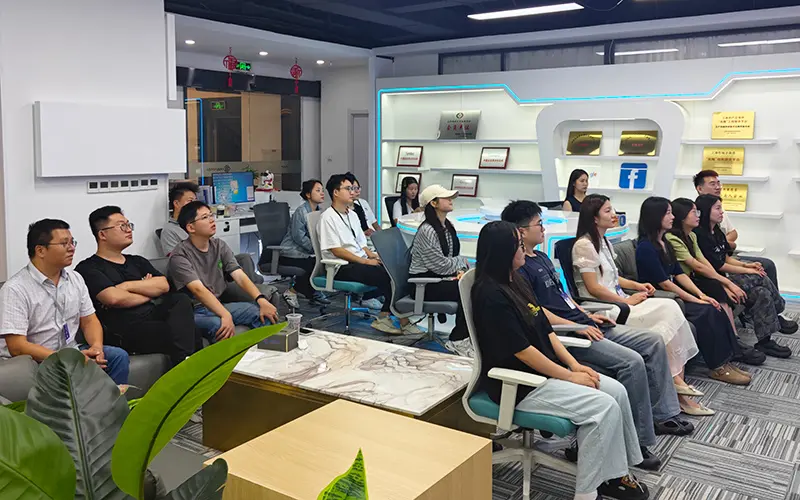
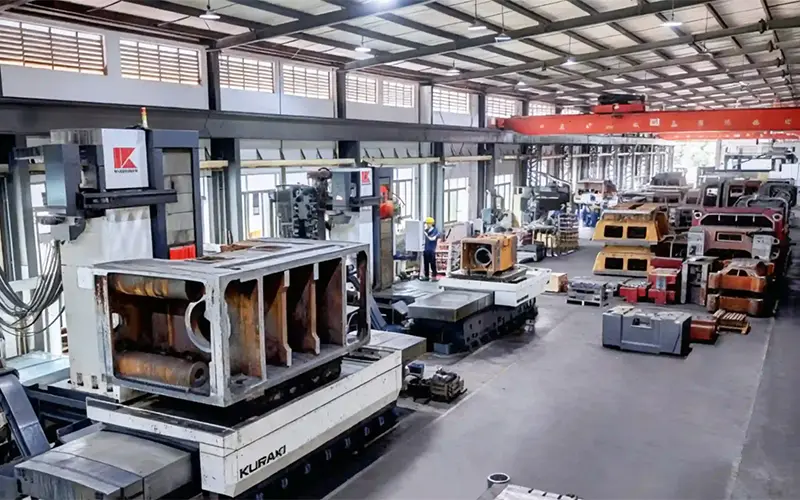
Henan Hanhai Metallurgy Mining International Trade Co., LTD integrates design, casting, and precision machining with a focus on high-performance industrial applications. Certified with ISO 9001 and CE standards, our products are engineered to fulfill the requirements of international buyers, including heavy engineering companies in Asia, Europe, and the Americas.
Our core mission focuses on empowering industrial equipment manufacturers with sustainable casting practices and verified material properties. By managing the full production chain—from simulation modeling to chemical analysis and structural verification—we ensure zero-defect components leave our floor.
Hanhai Casting was established with a focus on heavy steel and iron castings, laying a solid technical and production foundation.
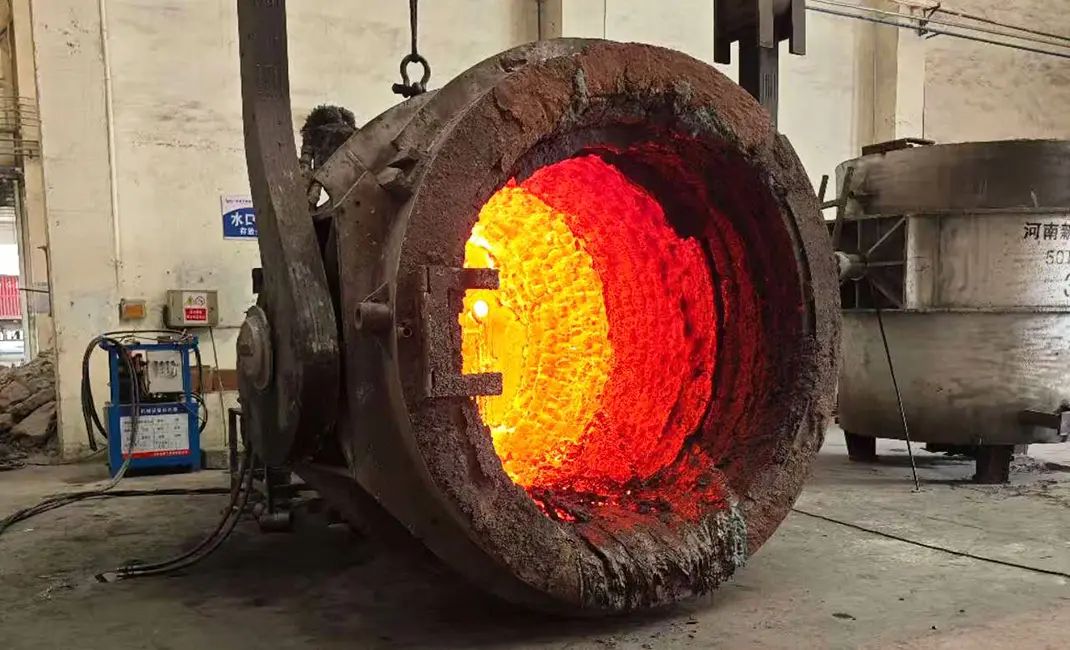
Introduced advanced electric arc furnaces, ladle refining, vacuum degassing, and expanded structural capacity to service heavy machinery sectors.
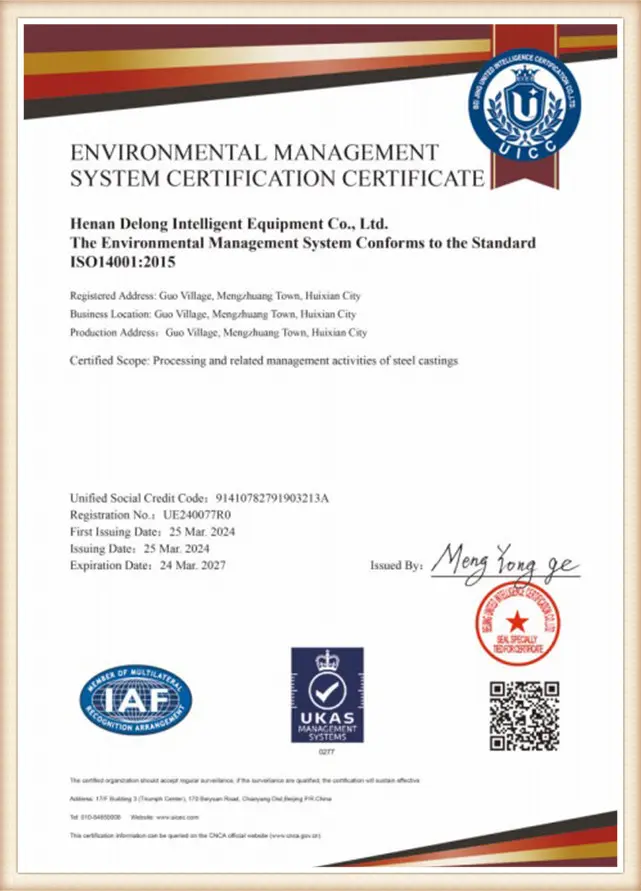
Achieved ISO9001 certification and expanded our export channels, shipping high-performance structural castings to Asia and the Middle East.
Integrated intelligent foundry monitoring systems, digital tracking, and eco-friendly practices to strengthen global customer partnerships.
How modern casting exporters are adapting to decarbonization, artificial intelligence simulation, and alloy optimization.
The global casting industry is undergoing a significant transition. To maintain a competitive edge, casting exporters must embrace three key pillars: advanced metallurgy, processing software, and green manufacturing.
We use computer-aided design (CAD) alongside solidification simulation software (like MAGMASOFT) to forecast casting anomalies—such as hotspot shrinkage, sand inclusion, and thermal cracking—prior to pouring. Furthermore, the transition toward lower-carbon footprint raw material preparation and energy-efficient induction furnace processes supports our commitment to environmental responsibility.
As international supply chains emphasize near-zero component failure, our technical roadmap focuses on grain refinement techniques, clean steel chemistry (maintaining phosphorus and sulfur concentrations under 0.015%), and secondary heat treatments like quenching and tempering to improve fracture toughness.
Custom engineering matching your operational requirements, from heavy mining systems to petrochemical pipelines.
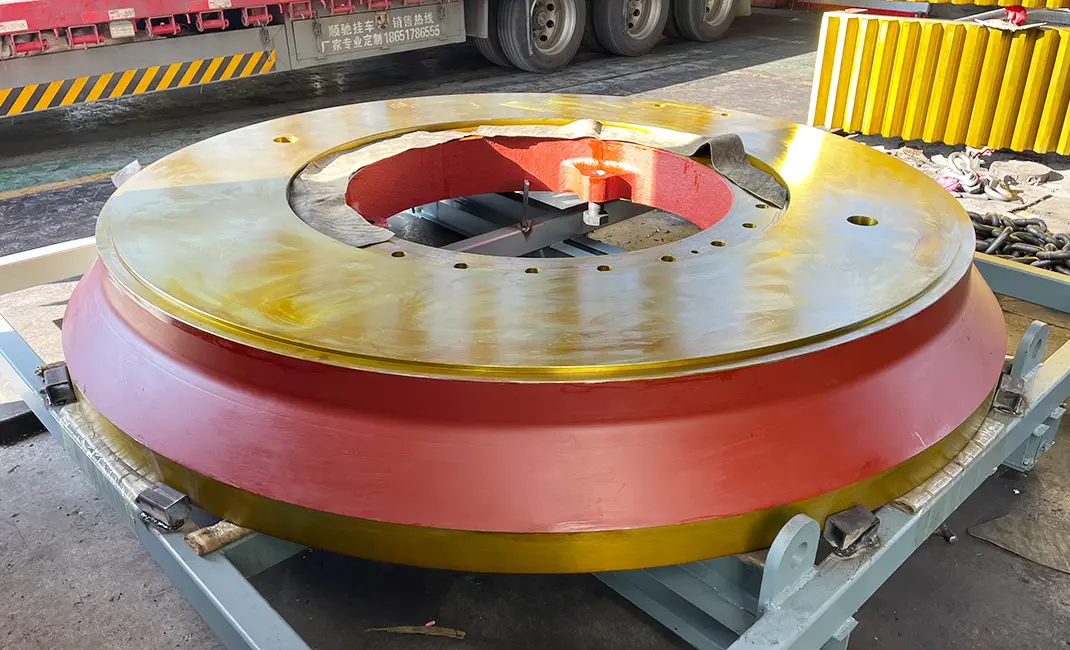
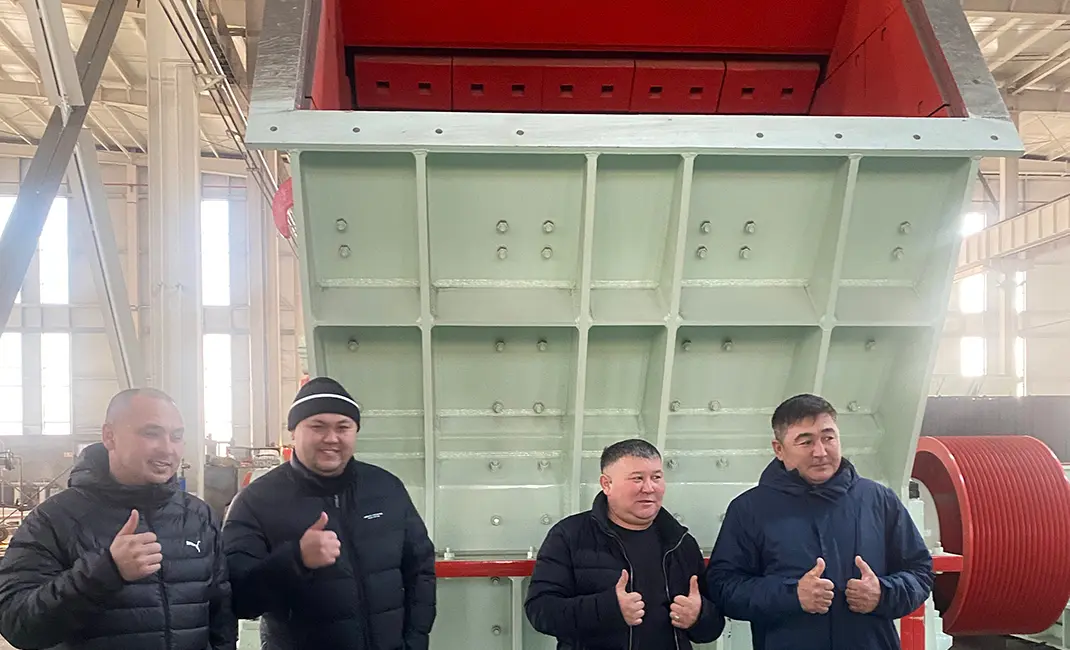
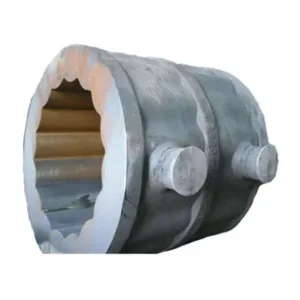
Durable steel casings, crusher housings, and high-manganese support sleeves engineered to resist extreme impact forces in aggregate and ore crushing applications.
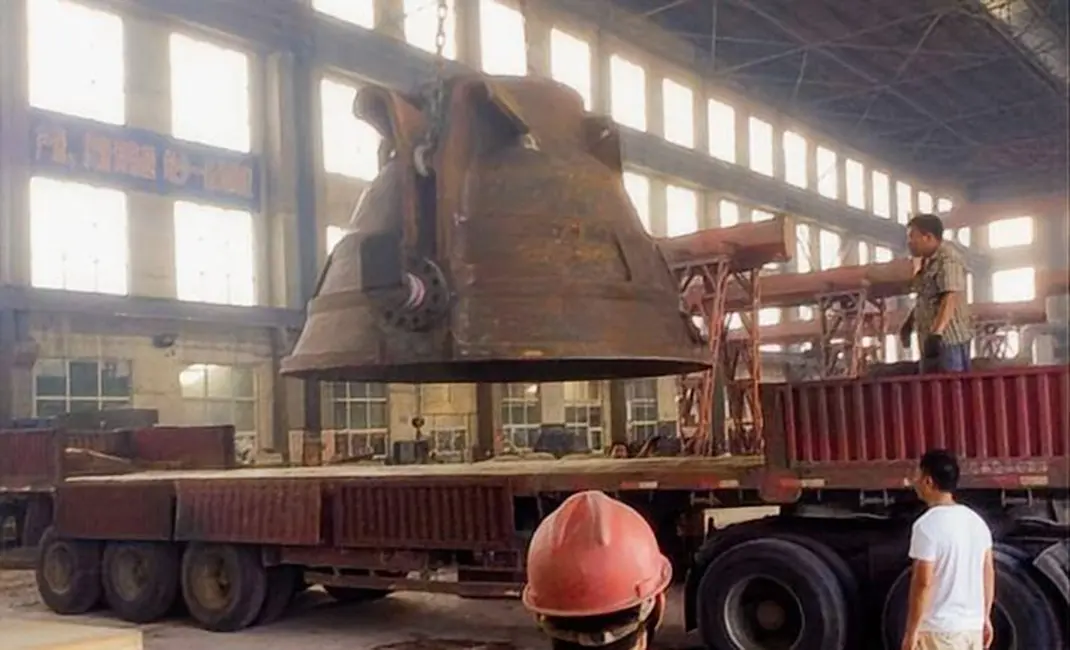
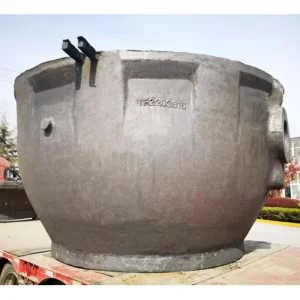
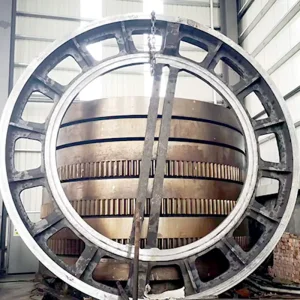
Castings designed to handle thermal cycling, including slag ladles, ingot molds, and kiln gear rings capable of continuous operation at high temperatures.
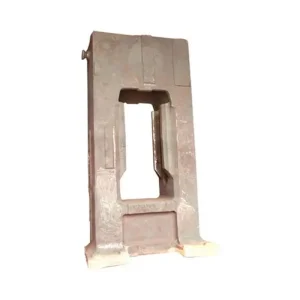
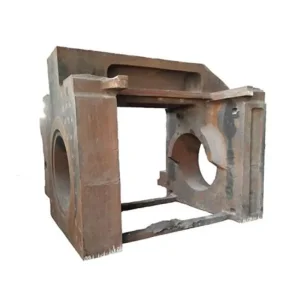
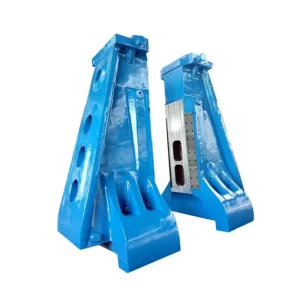
Heavy-section structural castings, such as hydraulic press wall panels and main frames, featuring verified fatigue strength under high-stress conditions.
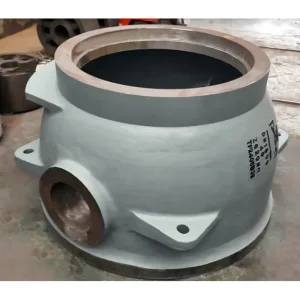
High-integrity casting main valve bodies and turbine cylinders certified to withstand internal pressure requirements without micro-leakage.
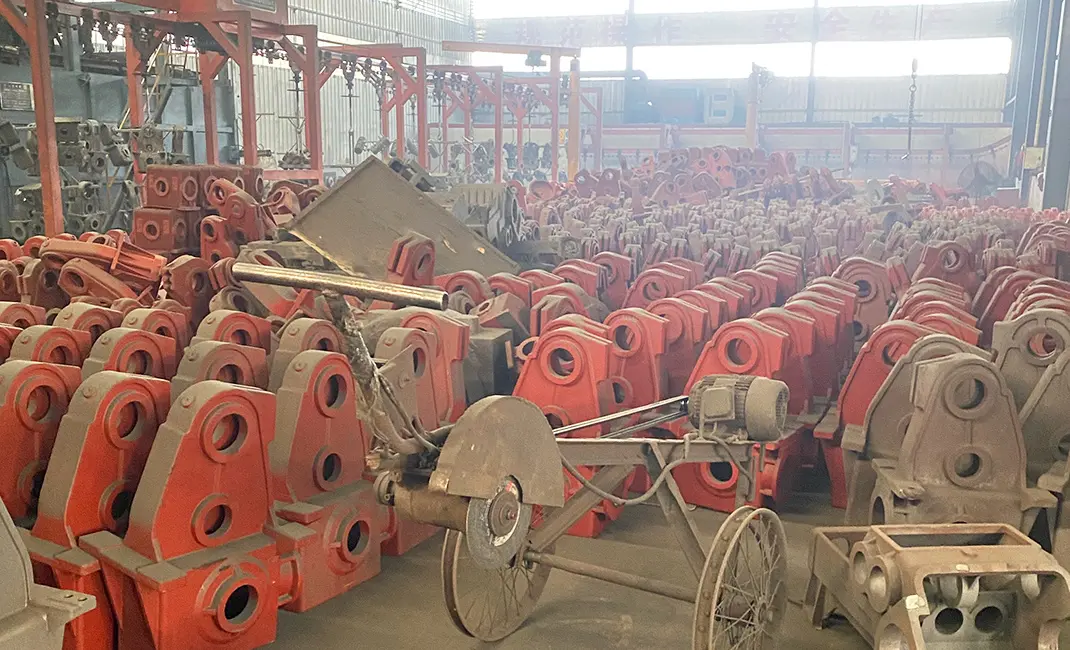
Support rollers, hollow shafts, and transmission gears cast from refined alloys to ensure stable rotational performance under heavy load conditions.
High-hardness replacement castings and customized wear parts designed to extend operating intervals and reduce downtime for processing facilities.
A structured engineering process designed to reduce risk and verify quality, from your initial inquiry to final installation.

Gathering specifications, chemical composition targets, mechanical properties, and drawing documentation.
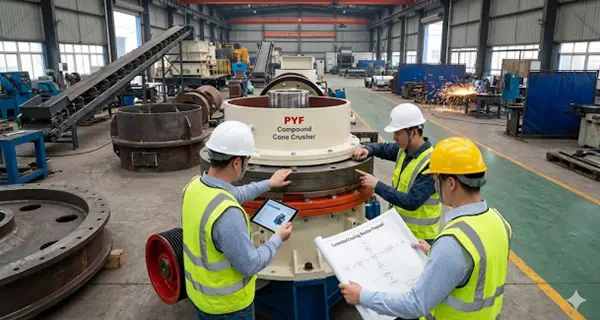
Utilizing casting software simulations to design custom molds and gating systems, reducing shrinkage and porosity risks.
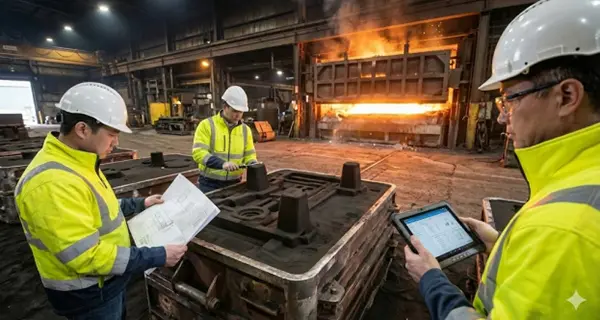
Aligning dimensional tolerances, non-destructive test methods (UT/MT), and commercial terms with engineering teams.
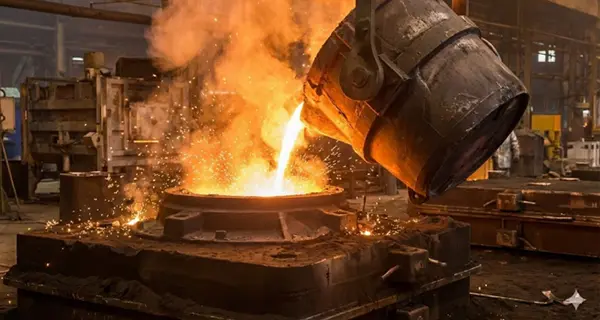
Monitoring pouring temperatures and sand compaction using automated controls to ensure structural uniformity.

Performing non-destructive evaluation, chemical composition analysis, and verification of mechanical properties.
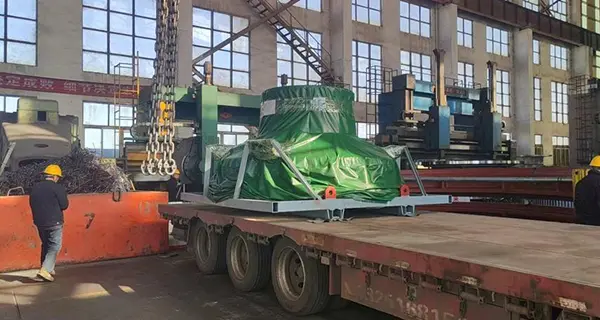
Applying anti-rust treatments and packaging components for safe ocean transit to international industrial sites.
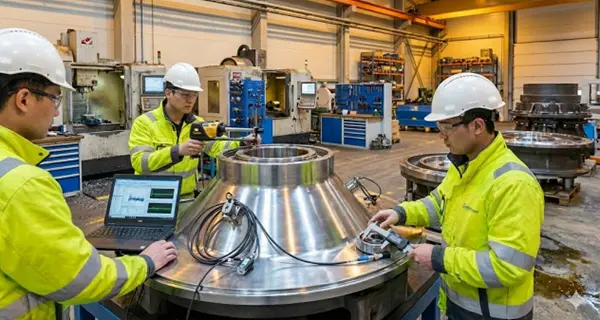
Providing engineering guidelines and drawing analyses to support correct alignment and mechanical fitment.

Furnishing technical manuals, heat-treatment logs, material test reports, and maintenance guidelines.
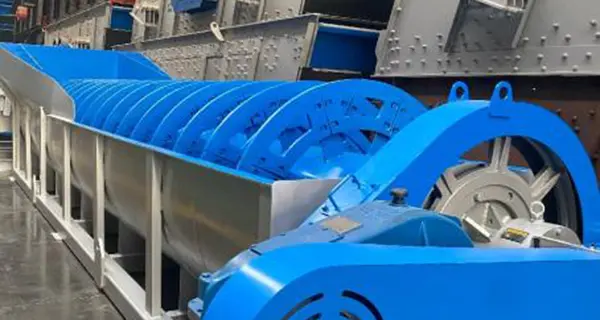
Offering continuous engineering consulting, wear monitoring, and replacement component support.
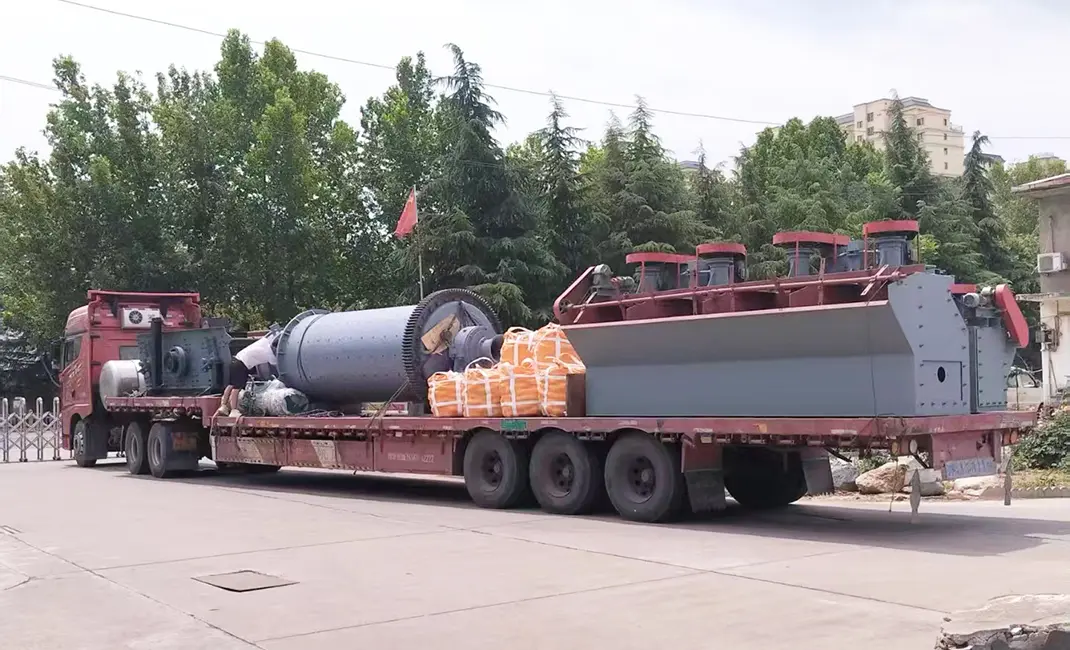
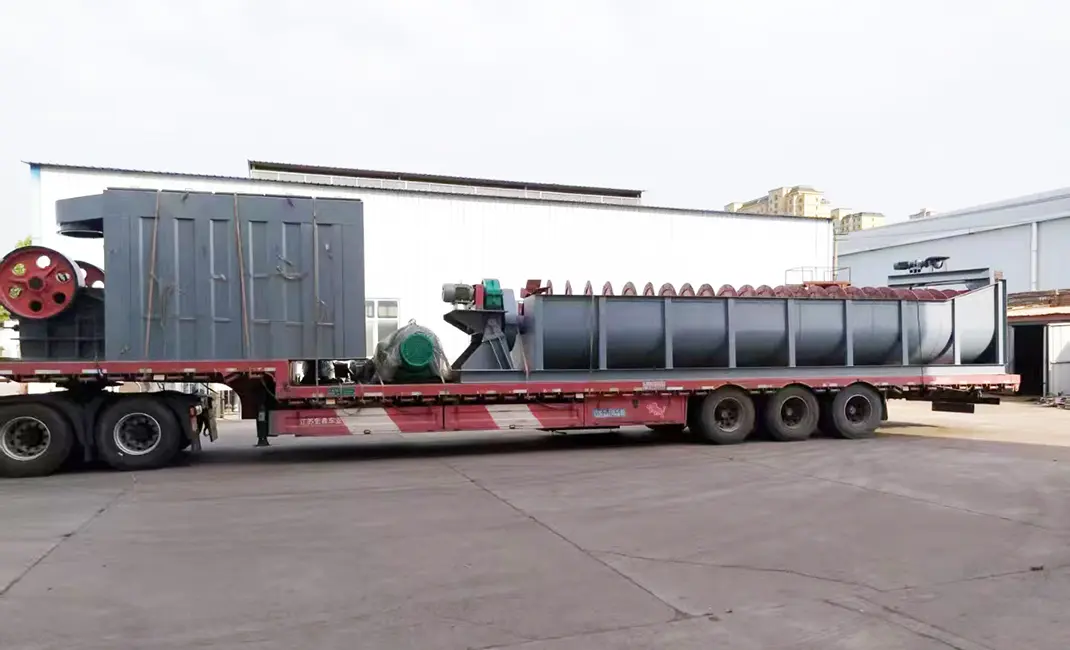
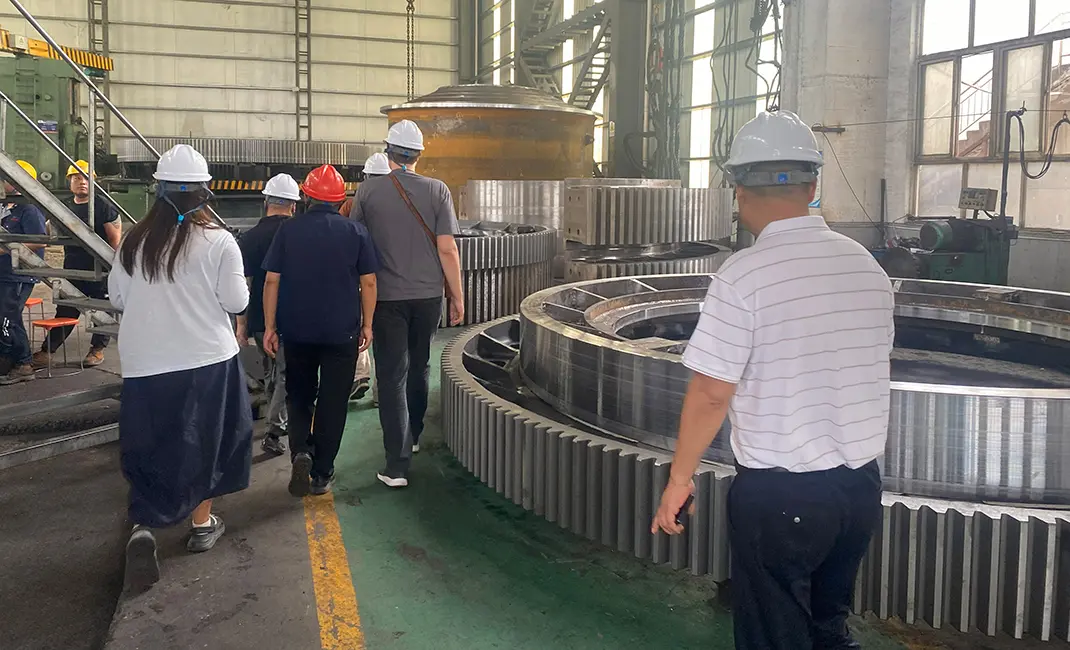
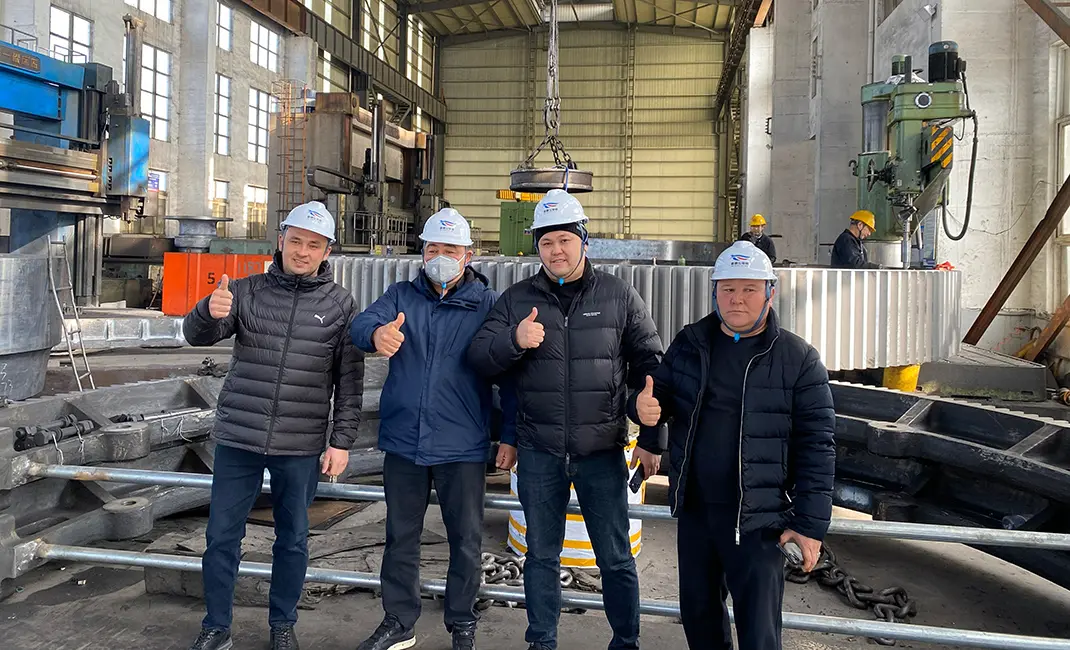
Our structural components are engineered to withstand continuous operating conditions, supporting heavy manufacturing applications globally.
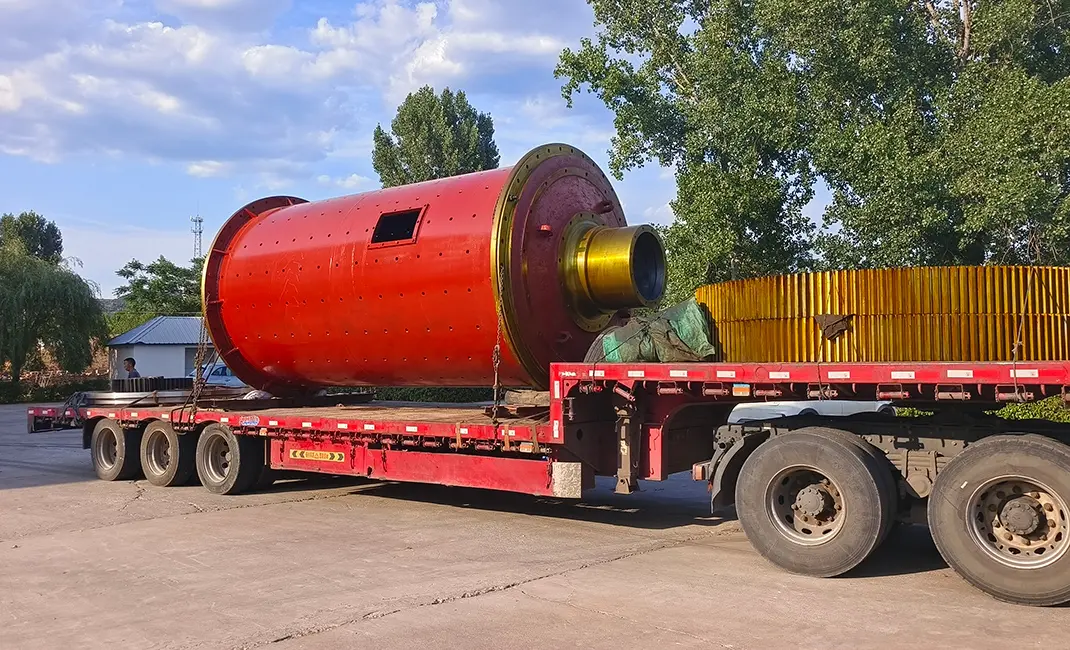
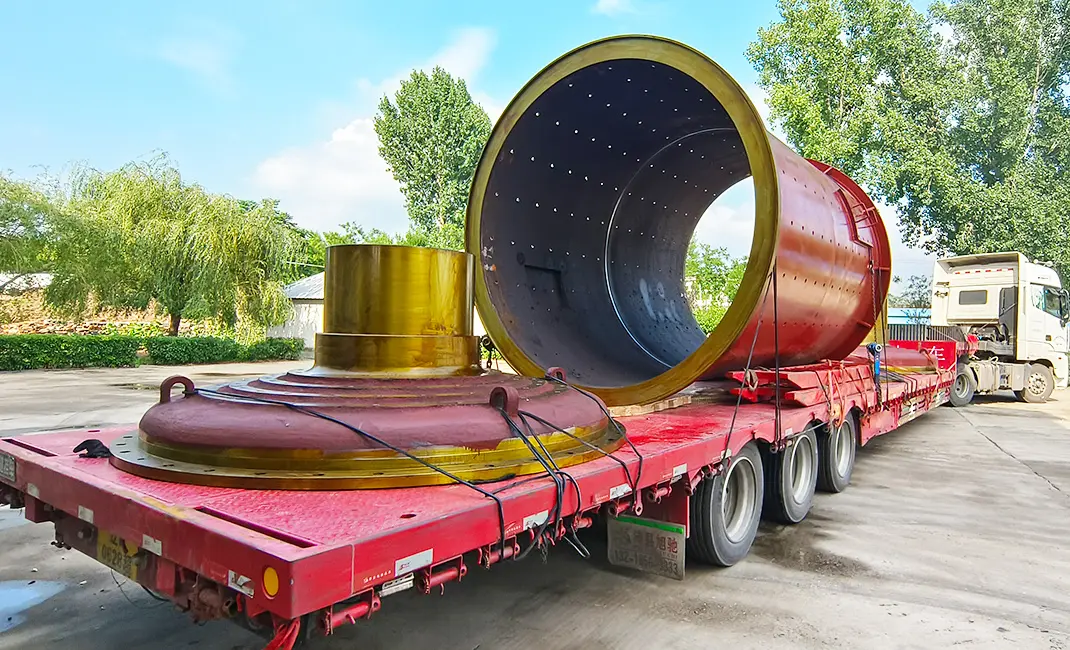
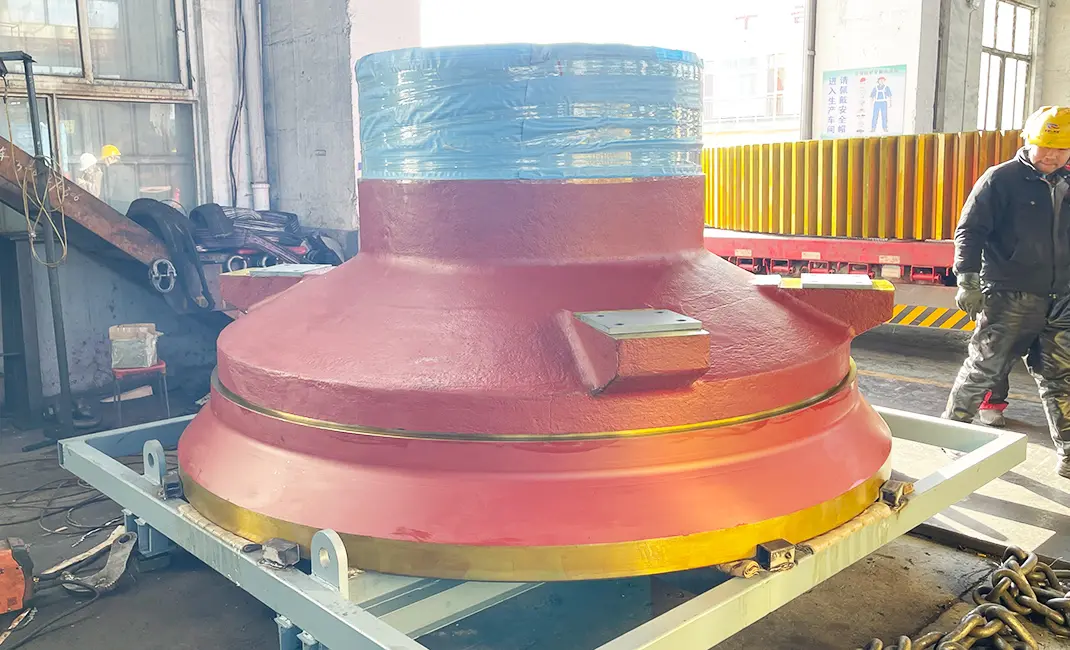

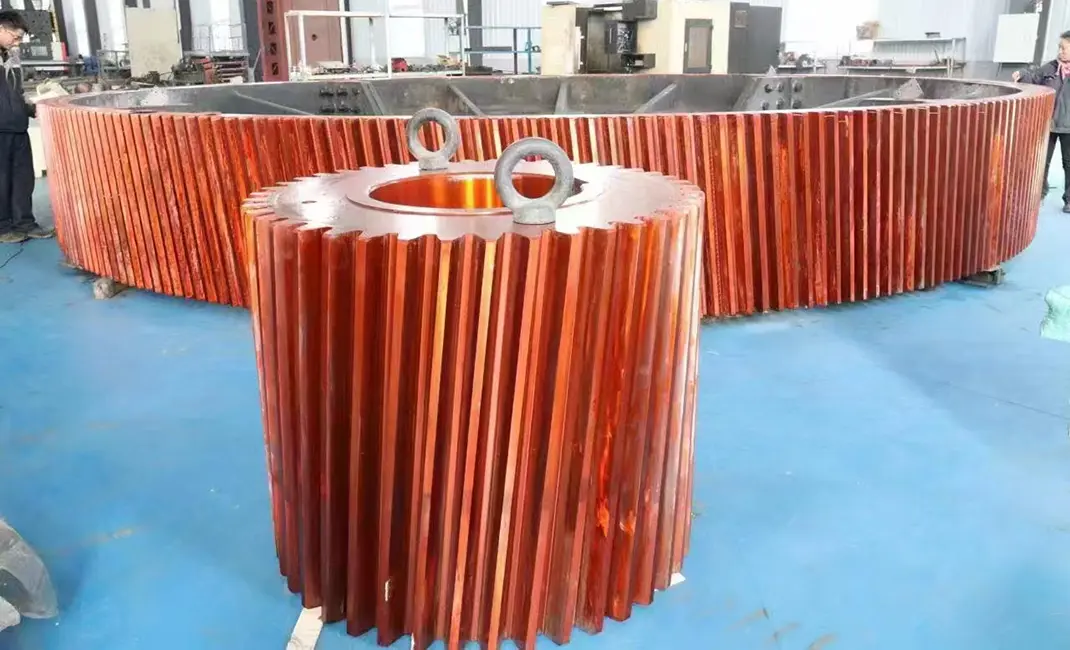
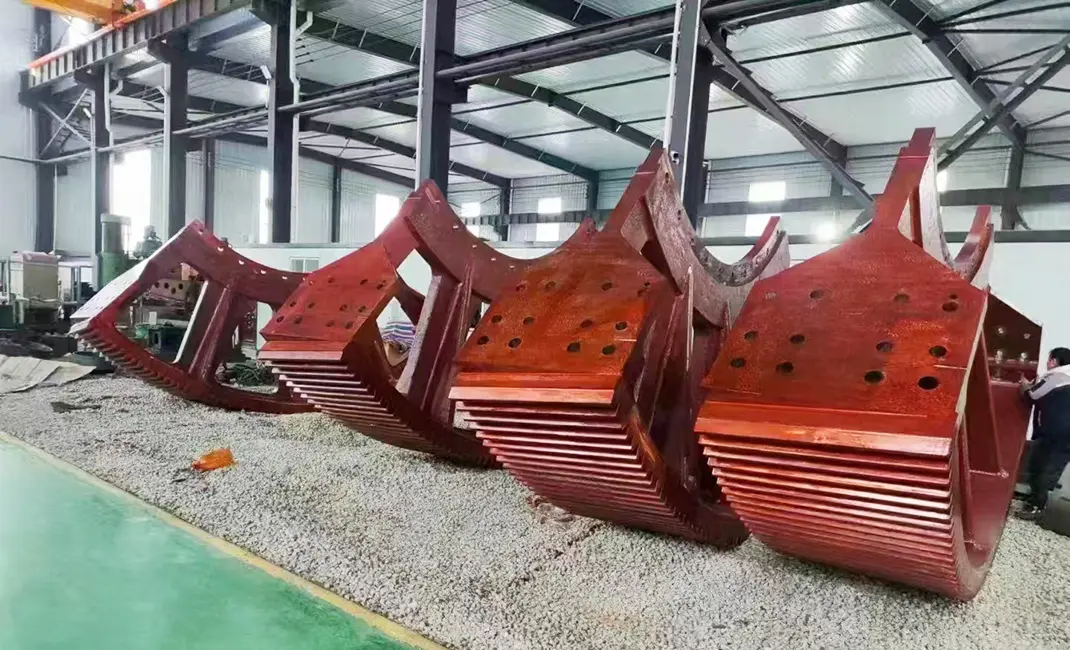
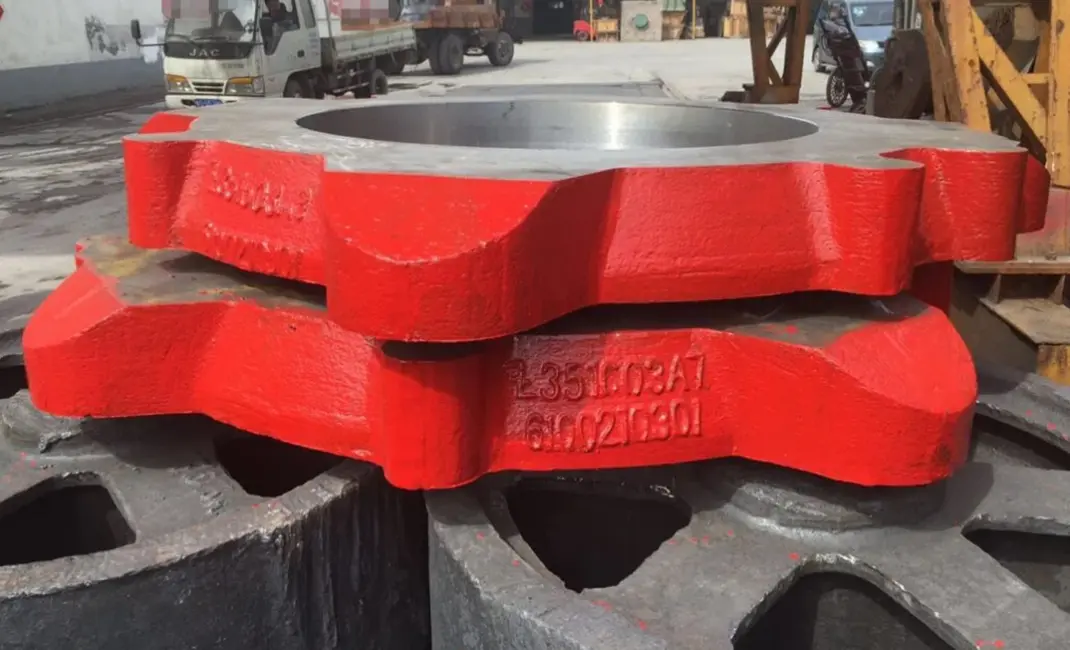
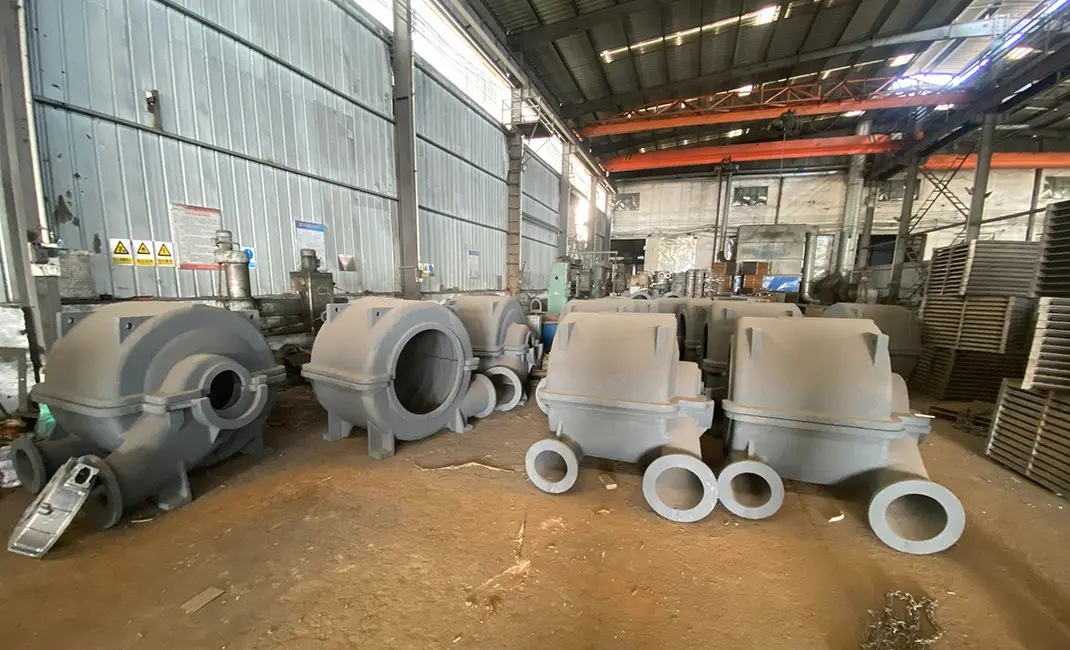
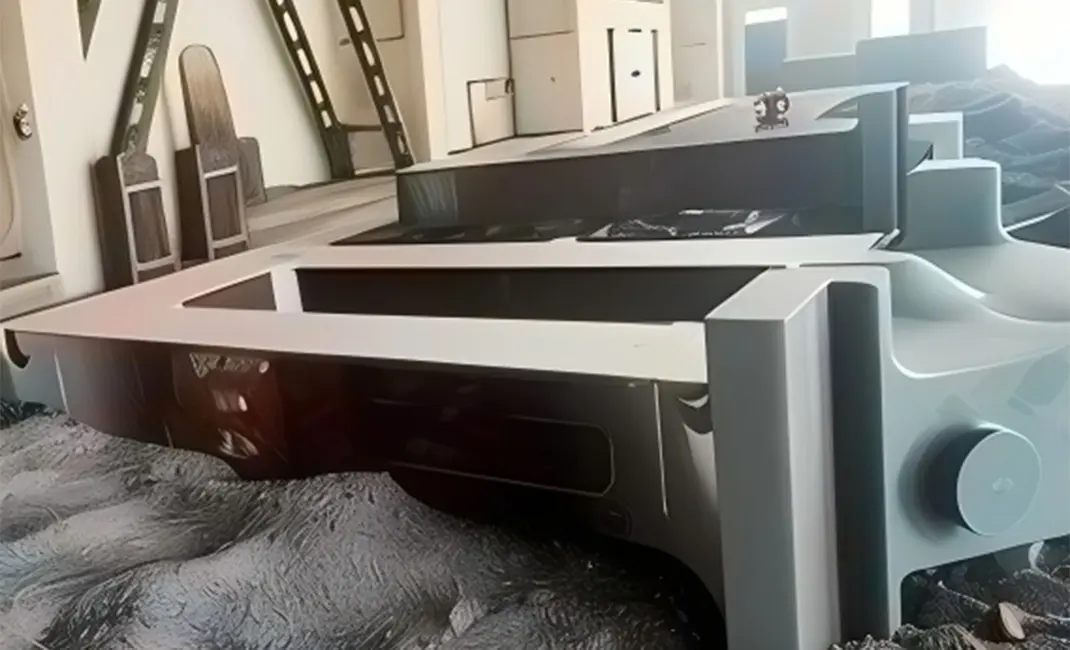
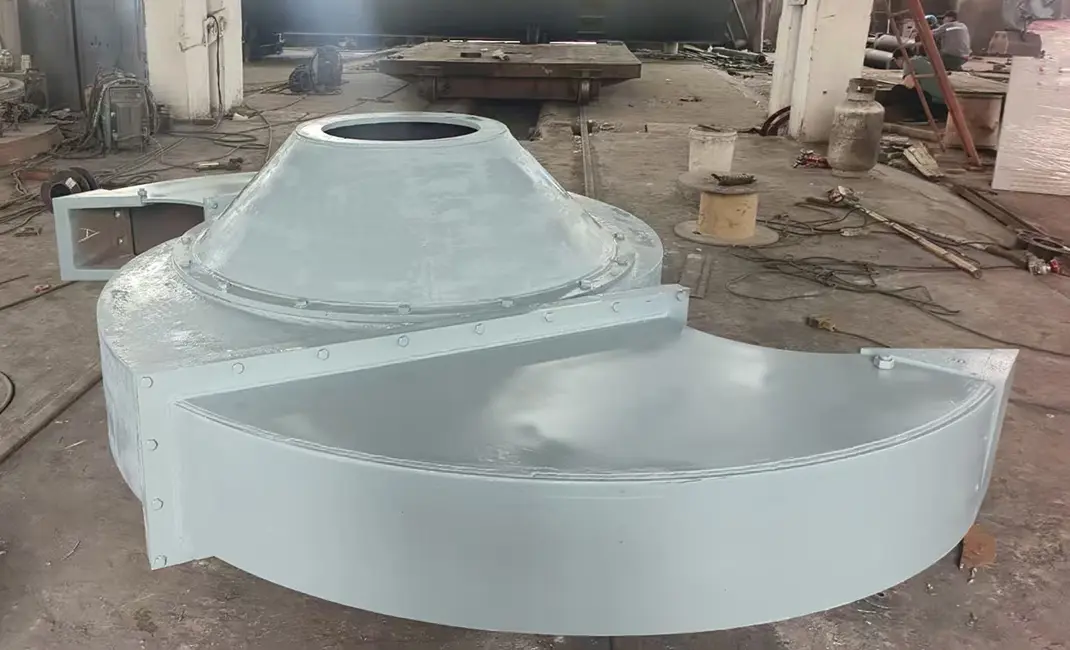
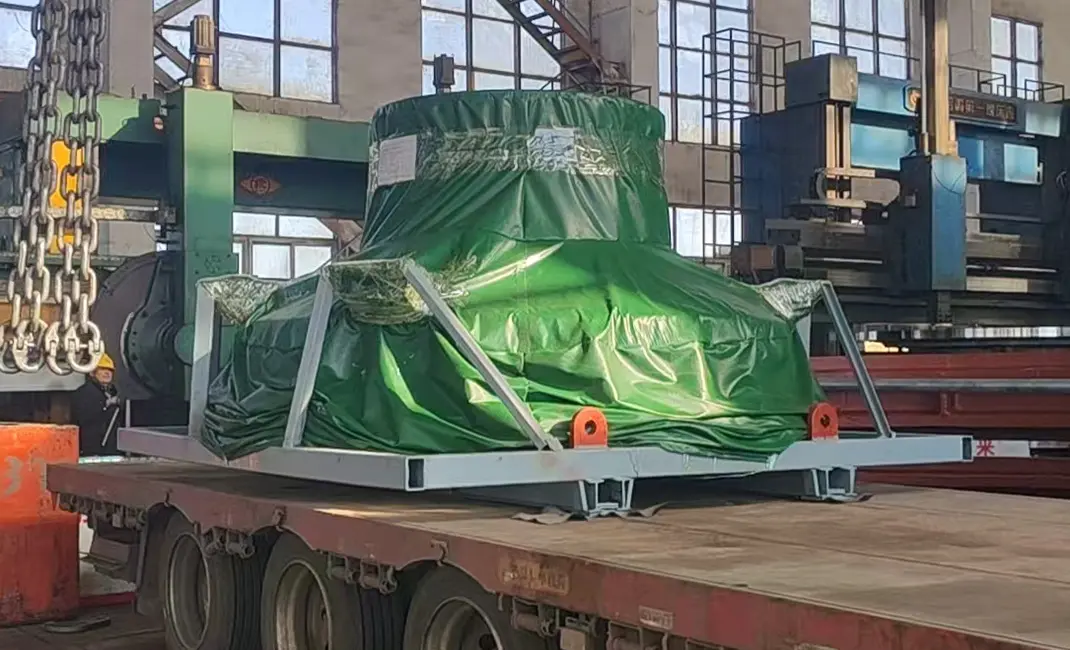

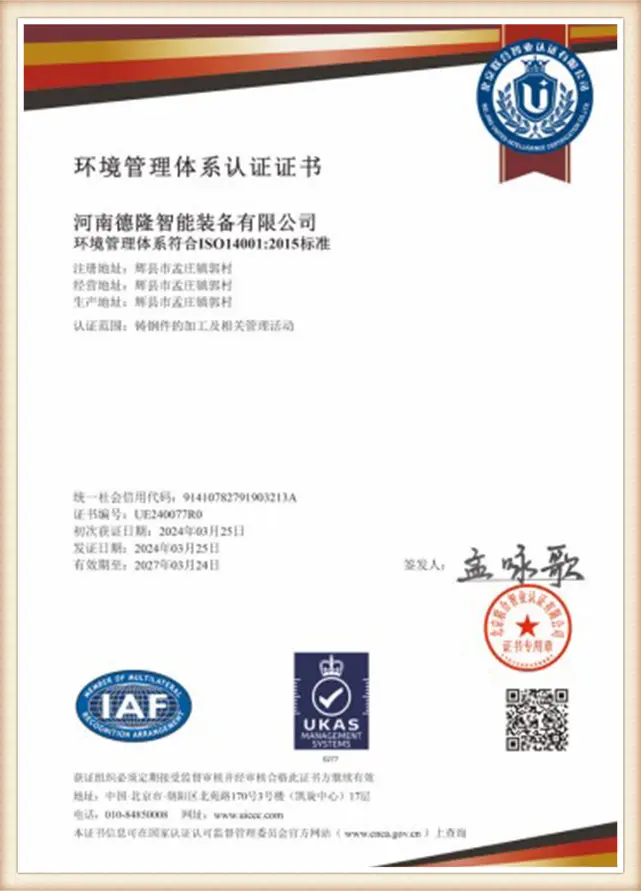
When purchasing cast steel for heavy industrial applications, mechanical performance depends on specific chemical tolerances. Standard cast steel, such as JIS SC450 or SC480, can exhibit micro-porosity and inclusions if not refined using secondary metallurgical processes.
Henan Hanhai implements Ladle Furnace (LF) refining and Vacuum Degassing (VD) processing. This extra processing step minimizes dissolved gas content (reducing hydrogen levels to below 2 ppm and nitrogen to below 80 ppm). The resulting steel displays high isotropic toughness, helping to prevent catastrophic brittle failure under tensile stress.
Additionally, our heat treatment cycles—including normalizing, tempering, and liquid quenching—are tailored to match the specific casting wall thickness. This precise control over thermal profiles ensures a uniform microstructure from the outer surface to the core of the component.
Hanhai heavy casting components adhere to the following metallurgical benchmarks:
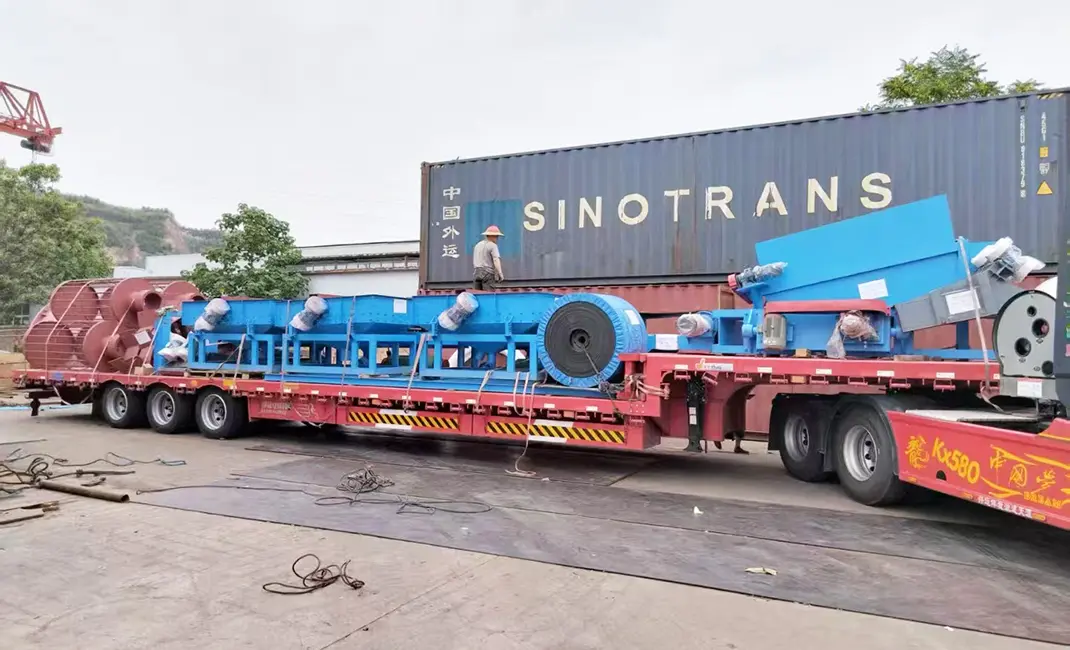
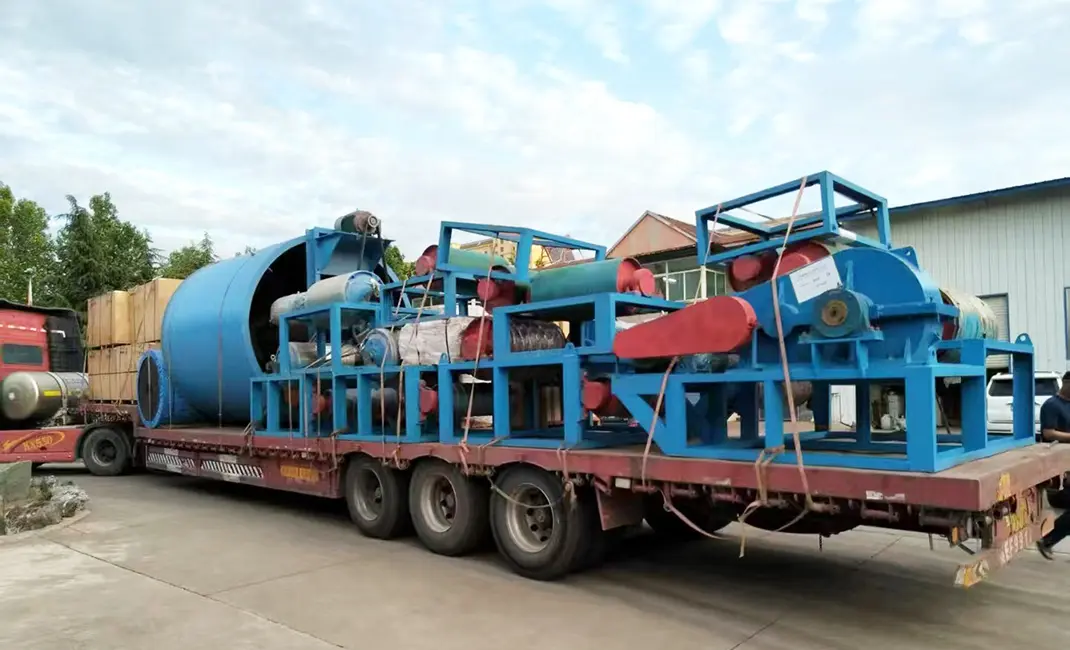
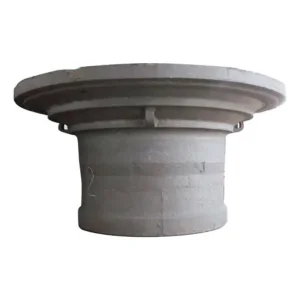
Heavy duty crushing machinery components utilizing specialized steel alloy castings.
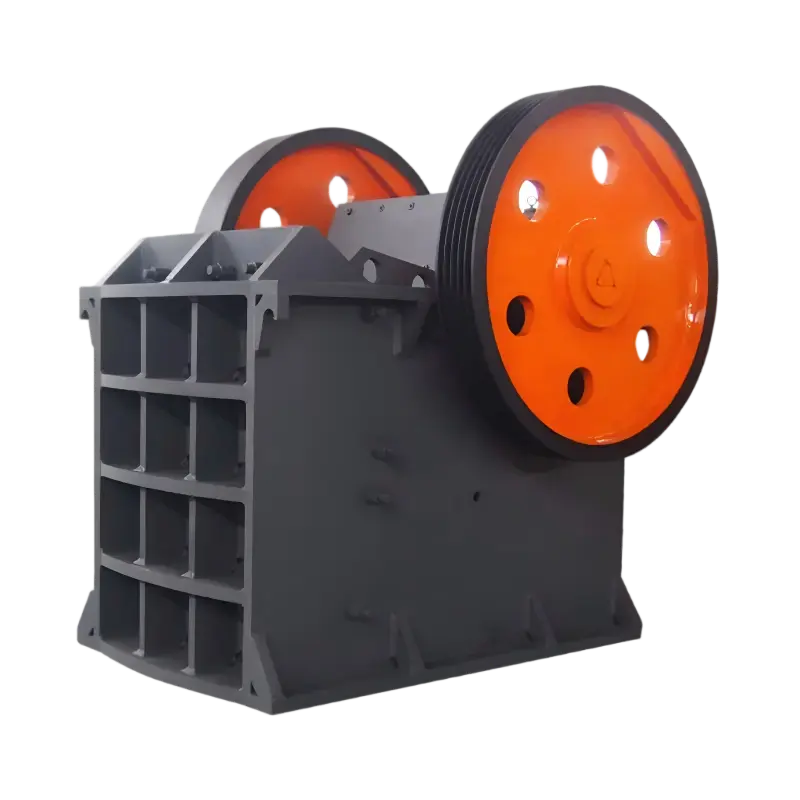
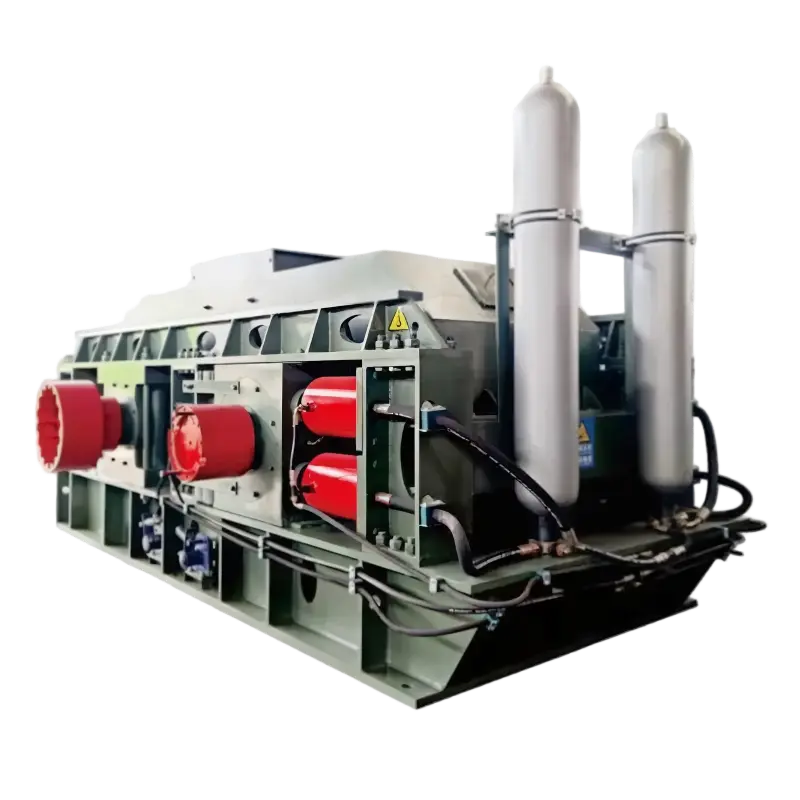
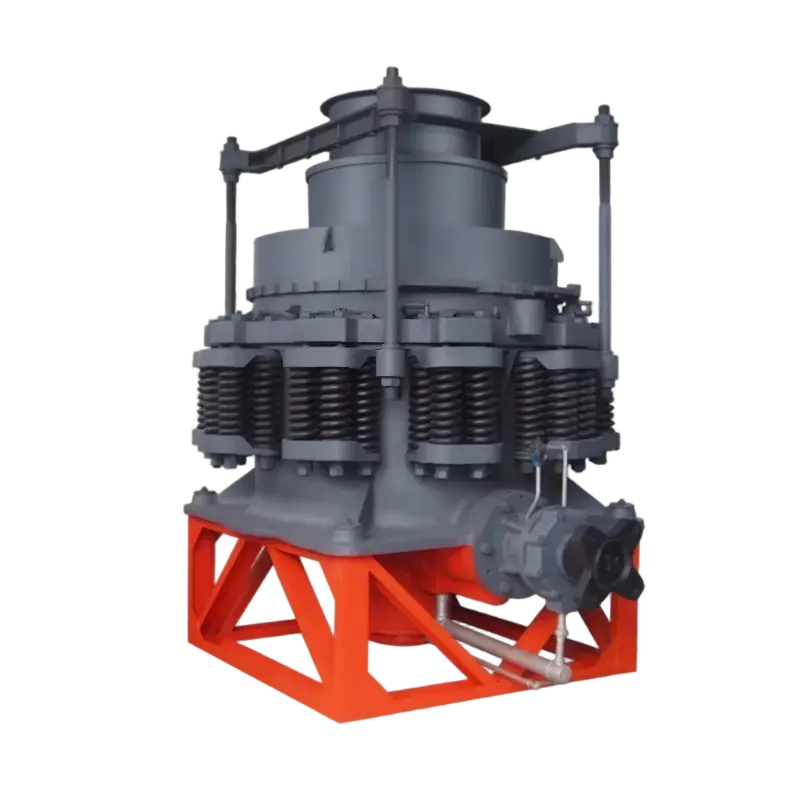
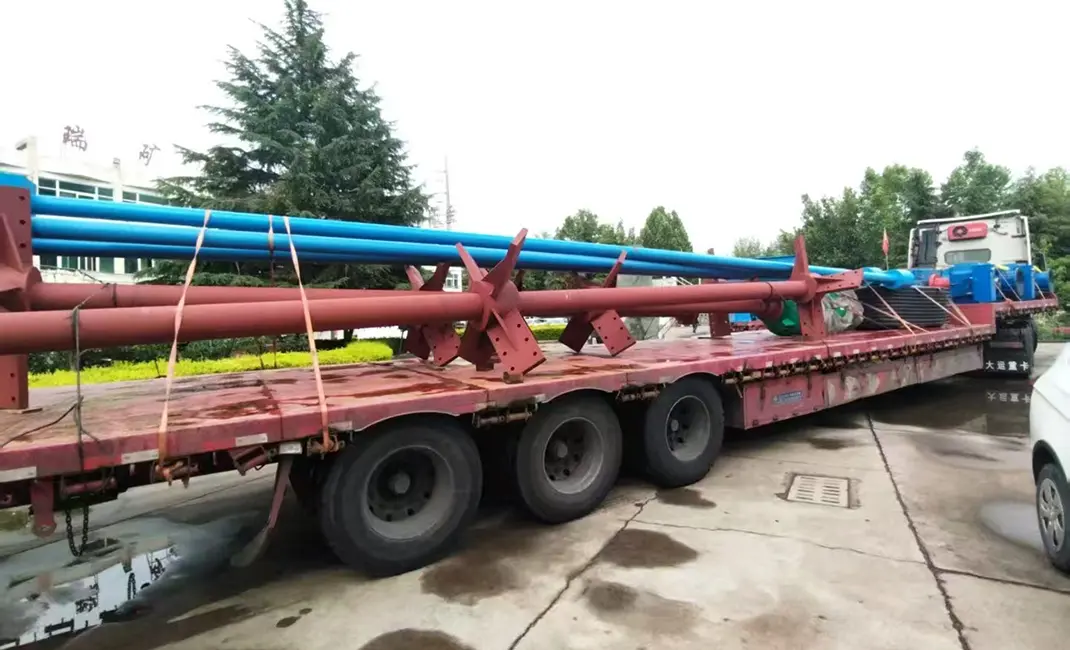
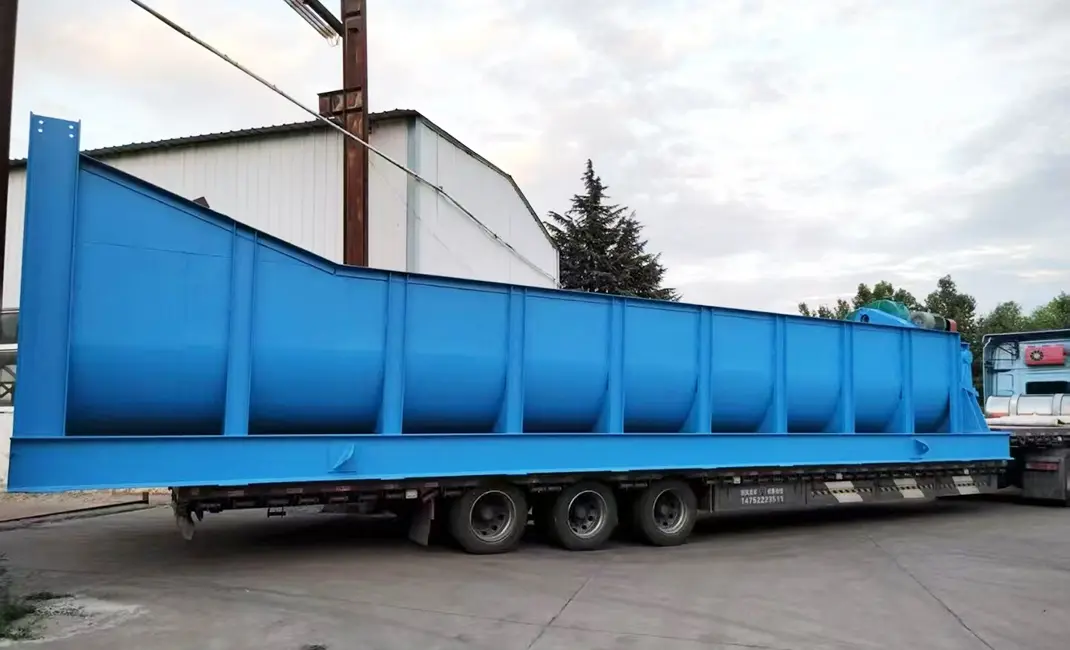
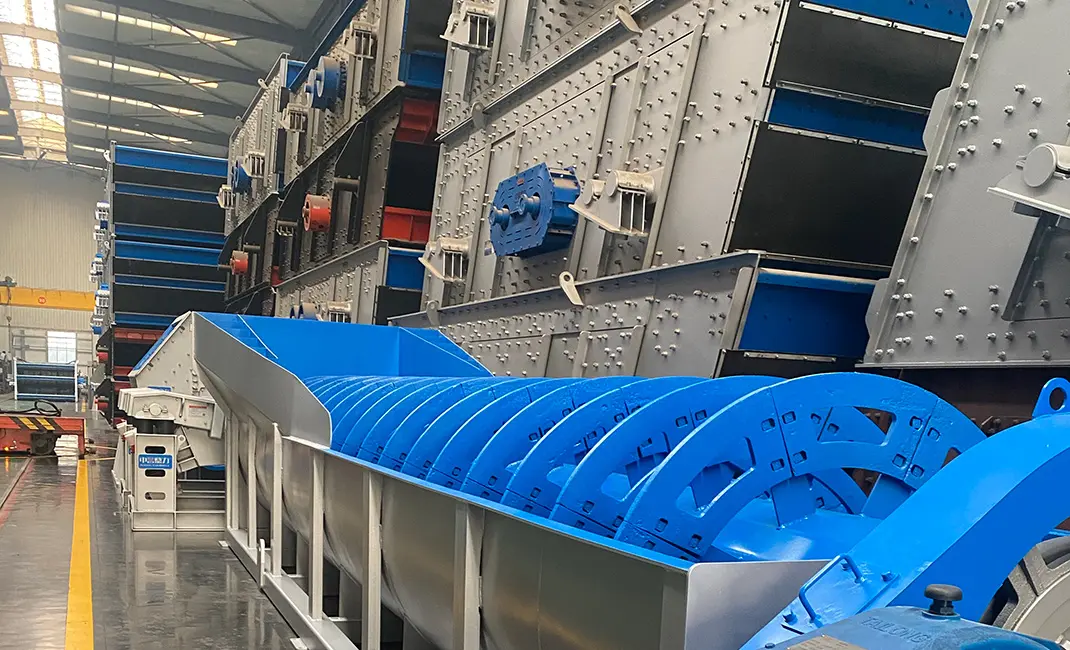
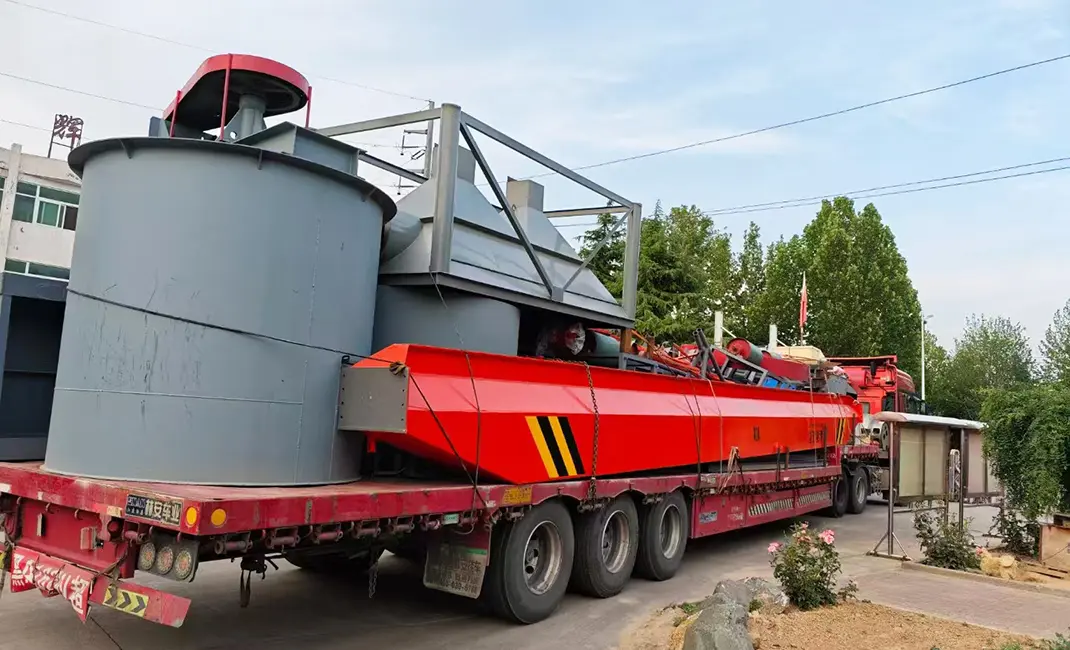
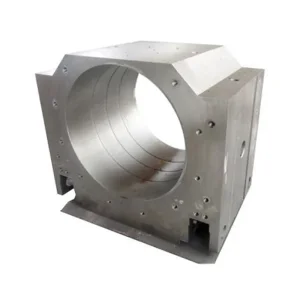
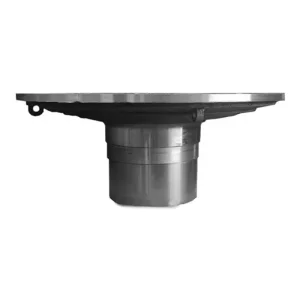
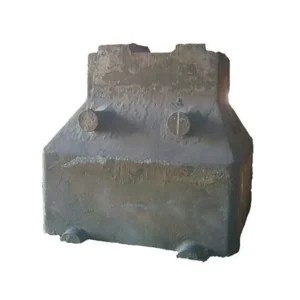
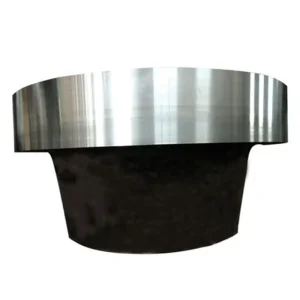
A comprehensive range of custom structural components, high-pressure valves, and rotary gear parts.
Expert answers addressing the quality control, metallurgy, logistics, and compliance concerns of engineering buyers.
We evaluate chemical compositions and mechanical limits against equivalent JIS classifications (such as JIS G5101 for carbon steel castings and JIS G5111 for high-strength steel castings). Every shipment is accompanied by Mill Test Reports (MTRs) and documentation verifying trace elements, heat treatment steps, and mechanical properties.
Our standard quality control protocols include Ultrasonic Testing (UT) in accordance with ASTM A609, Magnetic Particle Testing (MT) under ASTM A903, Dye Penetrant Testing (PT), and Radiographic Testing (RT) for critical, high-stress locations to verify internal soundness and identify potential structural anomalies.
Equipped with 30-ton and 50-ton electric arc furnaces, alongside secondary ladle refining systems, we can execute single pours for finished, rough-machined components weighing up to 120 metric tons.
All high-strength alloys undergo Vacuum Degassing (VD) treatment prior to pouring. Lowering internal pressure during secondary refining removes dissolved gases, ensuring hydrogen levels remain below 2 ppm to minimize gas porosity and embrittlement risks.
Typical production lead times, covering pattern creation, casting, heat treatment, and rough machining, range from 45 to 60 days depending on scale. Maritime transport from Qingdao or Shanghai to the Port of Nagoya takes approximately 4 to 7 days, excluding customs processing.
Yes, we store pattern tools in dedicated temperature-controlled pattern warehouses. These patterns are routinely inspected for dimensional stability to support subsequent production runs.
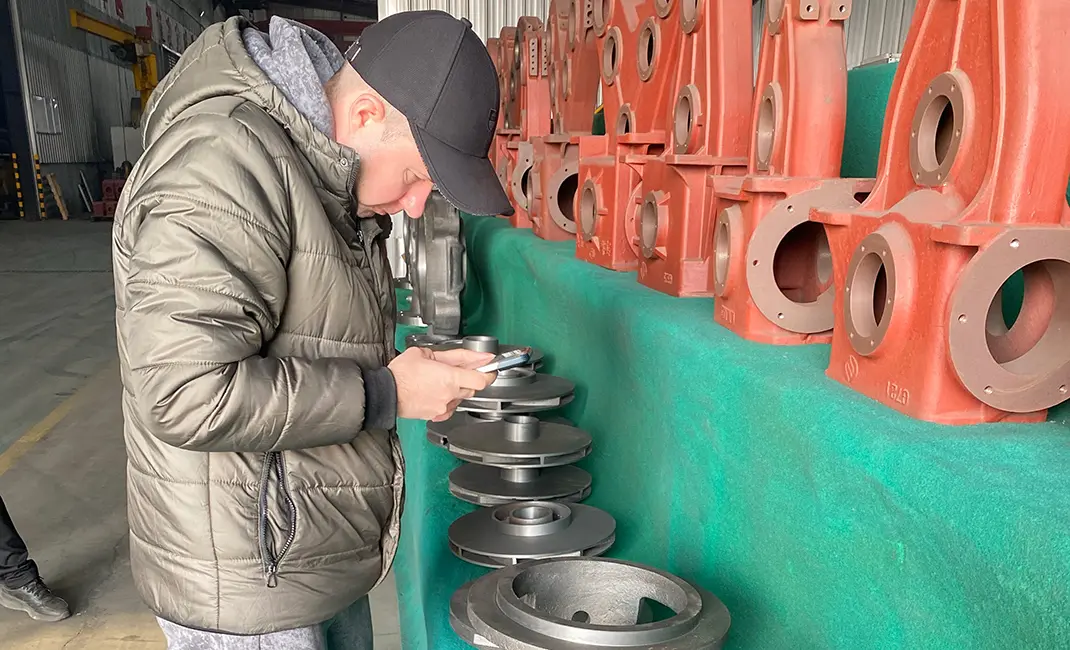
We use portable coordinate measuring machines (CMMs) and 3D laser scanners to evaluate dimensions against design drawings, verifying critical tolerances remain within specified parameters.
Yes. We coordinate with international inspection services (including SGS, Bureau Veritas, and Lloyd's Register) to facilitate onsite verification of pouring, testing, and dimension checks prior to packaging.
Get in touch with our technical sales team to receive a detailed cost analysis, material specification comparison, and shipping schedule for your structural components.
Send Inquiry Now Hanhai