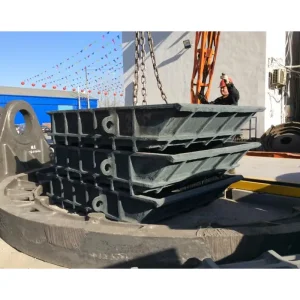
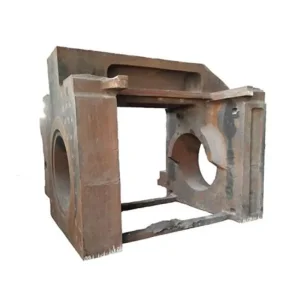
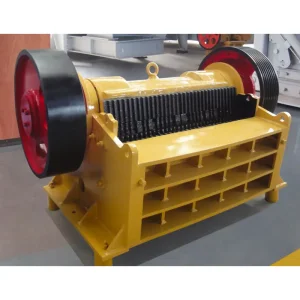
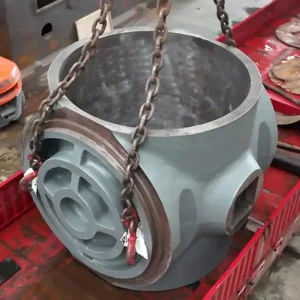
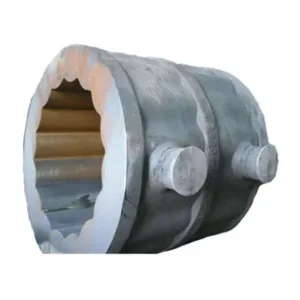
Explore our heavy-duty product selection engineered specifically for the world's most demanding mining, mineral processing, and mechanical systems.
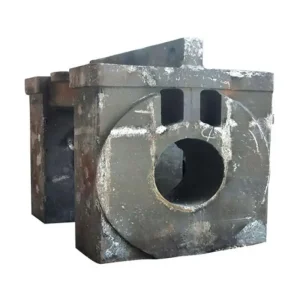
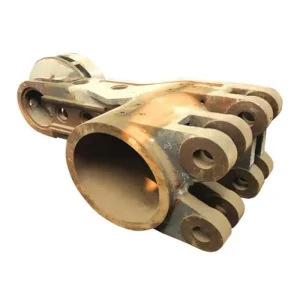
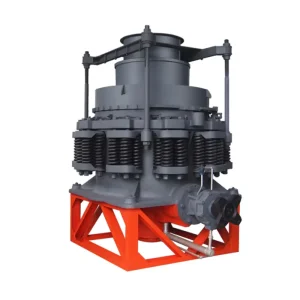
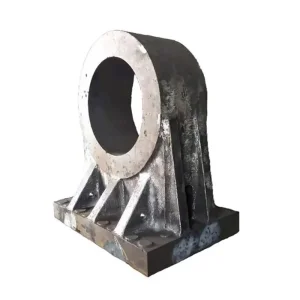
In modern high-capacity mineral processing, metallurgical reduction, and heavy-duty manufacturing, the mechanical integrity of rotary systems determines operational profitability. As rotational velocities and dynamic forces rise, conventional split bearing housings frequently reach their limits. Consequently, the industrial sector has increasingly adopted Monoblock Bearing Housings. Engineered from a single, continuous casting, these units provide seamless force transmission and unmatched structural stiffness. As premium OEM Monoblock Bearing Housing Manufacturers & Factories, Henan Hanhai Metallurgy Mining International Trade Co., LTD produces high-integrity structural components designed to withstand harsh multi-axial stress fields.
This technical whitepaper examines the global industrial landscape of monoblock bearing housings. We analyze the materials science behind zero-leakage structures, outline localized application scenarios, and present a technological roadmap for heavy industry.
Heavy machinery operations are shifting from reactive maintenance paradigms to ultra-reliable, long-lifecycle designs. Across major regions like Europe, North America, Australia, and South America, mining operators and processing facilities are modernizing. Split bearing assemblies, while simple to install, contain a horizontal split-line prone to microscopic shifting under extreme load variations. This shifting causes oil leaks, allows fine dust particles to enter, and leads to premature fatigue failures.
Our global market research shows that key sectors—such as sub-zero iron ore extraction in Canada, copper mining in Chile, and deep-shaft gold operations in South Africa—increasingly specify monoblock bearing housings. The continuous outer wall of a monoblock casting prevents contamination from dust and water, making it a critical asset for remote and demanding environments.
Manufacturing a high-performance monoblock housing requires precise metallurgy and controlled thermal processing. Henan Hanhai utilize advanced structural materials like ASTM A27, ASTM A148 cast steels, and high-ductility spheroidal graphite cast iron (such as EN-GJS-400-18-LT) for low-temperature toughness. Achieving a reliable monoblock structure requires eliminating typical casting defects like shrinkage cavities, micro-porosity, and cooling stress cracks.
Through Finite Element Analysis (FEA), our engineers simulate load distributions. We place custom feeding risers and use progressive solidification technology to ensure the cast metal cools uniformly. The castings undergo rigorous thermal processing, including normalizing, tempering, and stress-relieving cycles. This refines the microcrystalline grain structures, enhancing the material's resistance to fatigue under cyclic loads.
Split bearing housings introduce a physical joint line that weakens structural integrity. Under high torque, these split lines flex, which can misalign the bearing outer ring and lead to uneven wear. Monoblock bearing housings provide uniform radial stiffness, ensuring even load distribution across the rolling elements. This structural rigidity can extend bearing operational life by up to 45% under severe vibration conditions.
OEM Monoblock bearing housings are essential across a variety of localized heavy-industry applications:
A premier foundry manufacturer in China specializing in cast steel and cast iron parts for global heavy industry.
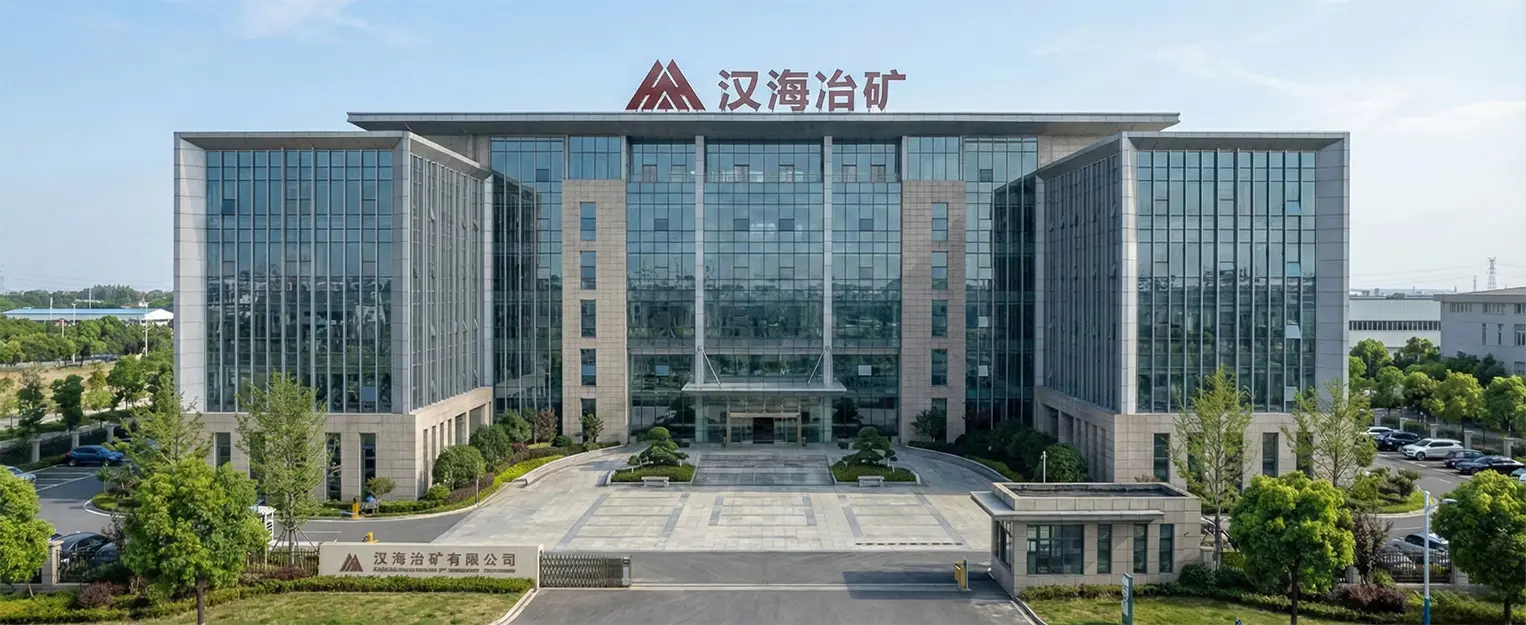
To empower industry with precision casting and sustainable manufacturing excellence, creating long-term value for partners worldwide.
To be a trusted global foundry brand delivering high-quality steel and iron castings that stand up to the most demanding environments.
Over two decades of research, production, and exporting excellence in heavy casting technologies.
Hanhai Casting was established with a focus on heavy steel and iron castings, laying a solid technical and production foundation.
Introduced advanced melting and molding technology, expanded production capacity, and served key mining and metallurgy sectors.
Achieved ISO9001 certification, upgraded testing systems, and began exporting high-performance castings to Asia and the Middle East.
Integrated intelligent foundry systems and digital management, driving sustainable manufacturing and global customer partnerships.
We supply durable castings and complete industrial solutions for mining, metallurgy, power generation, and construction sectors worldwide.
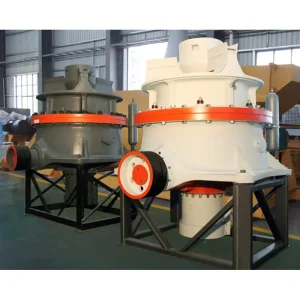
Widely used in mining, metallurgy, construction, chemicals, infrastructure, and recycling for crushing ores, rocks, aggregates, slag, and industrial materials.
Applied in cement, mining, metallurgy, and heavy industry for crushers, mills, kilns, and other large-scale processing equipment.
Designed for forging, metallurgy, and heavy manufacturing, supporting hydraulic presses and high-load, large-tonnage forming equipment.
Used in hydraulic systems, construction machinery, and energy equipment for valves, valve bodies, and fluid control components.
Applied in metallurgy and steelmaking for slag handling, ingot casting, smelting, and other high-temperature industrial processes.
Our collaborative workflow is designed to manage risk, ensure technical accuracy, and deliver high-quality custom machinery castings on time.

We work with your engineering team to define loading criteria, size specs, and operating conditions.
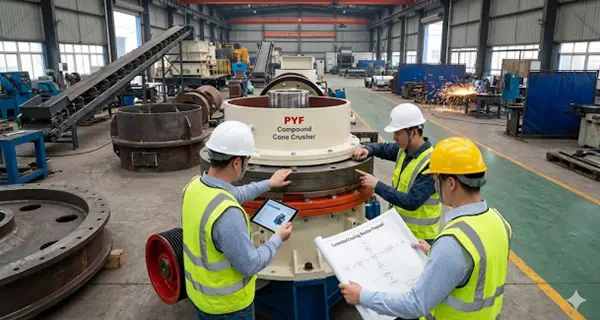
Our team uses FEA and solid modeling to refine casting geometries for optimal performance.
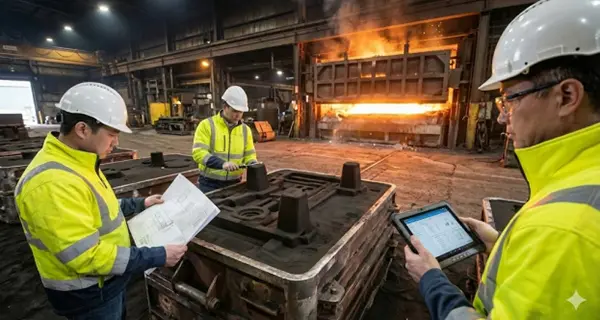
We finalize material specifications, dimensional tolerances, and project milestones.
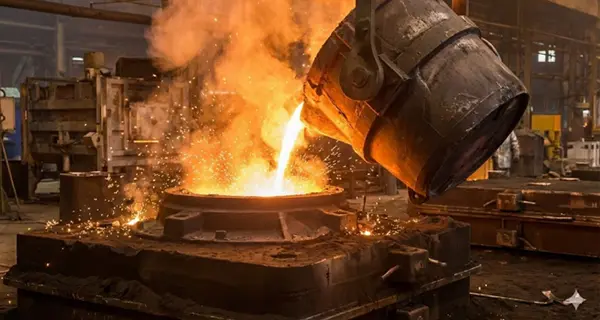
Pattern building, mold preparation, casting, heat treatment, and precision machining.

We conduct Ultrasonic (UT), Magnetic Particle (MT), and dimensional inspections to verify part quality.
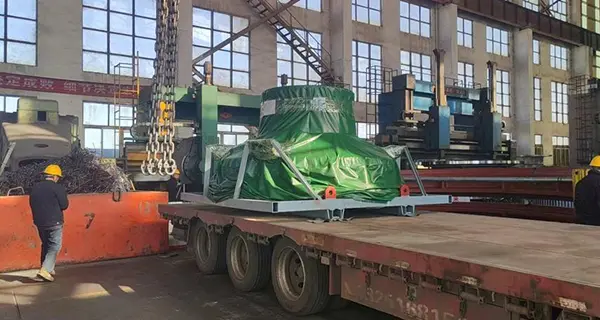
Housings are carefully packed in protective crates to prevent damage during shipping.
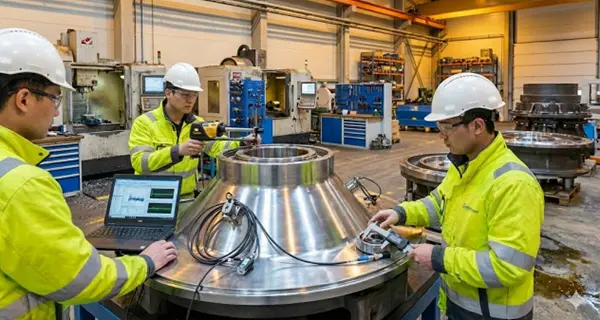
Our team offers installation guidance to ensure correct shaft alignment and housing setup.
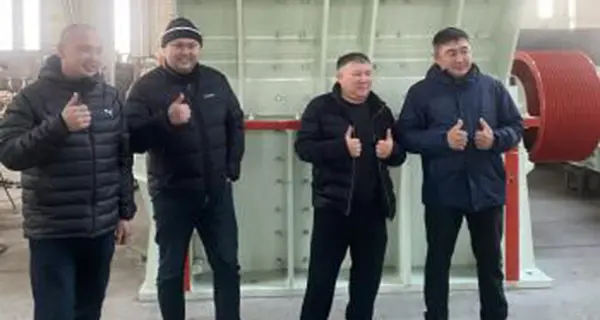
We verify operating vibration levels and temperatures under full load before final sign-off.
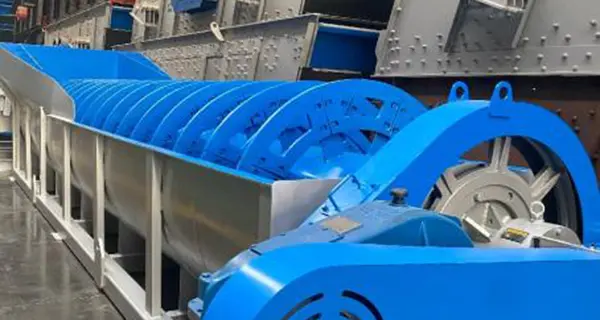
We support your operations with spare parts, routine audits, and engineering guidance.
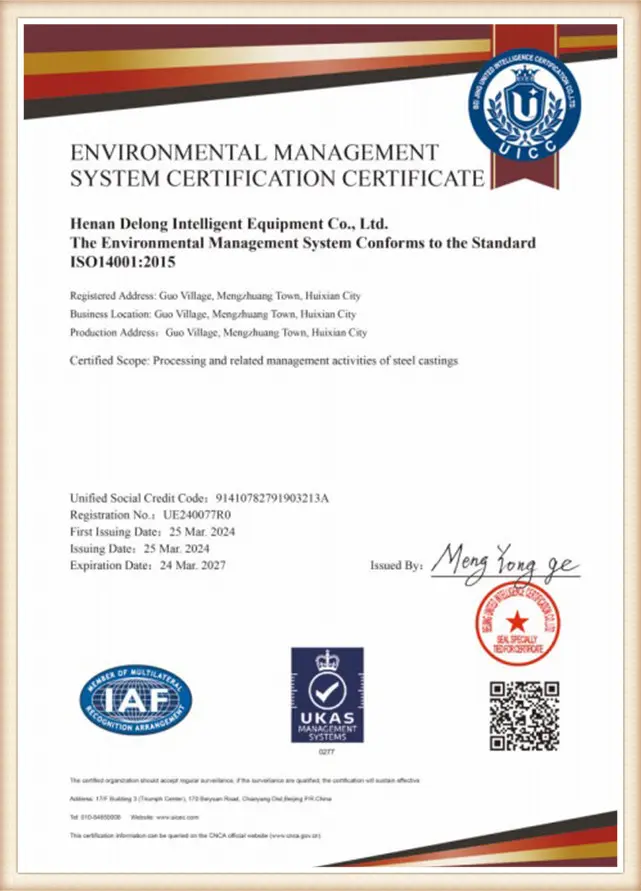
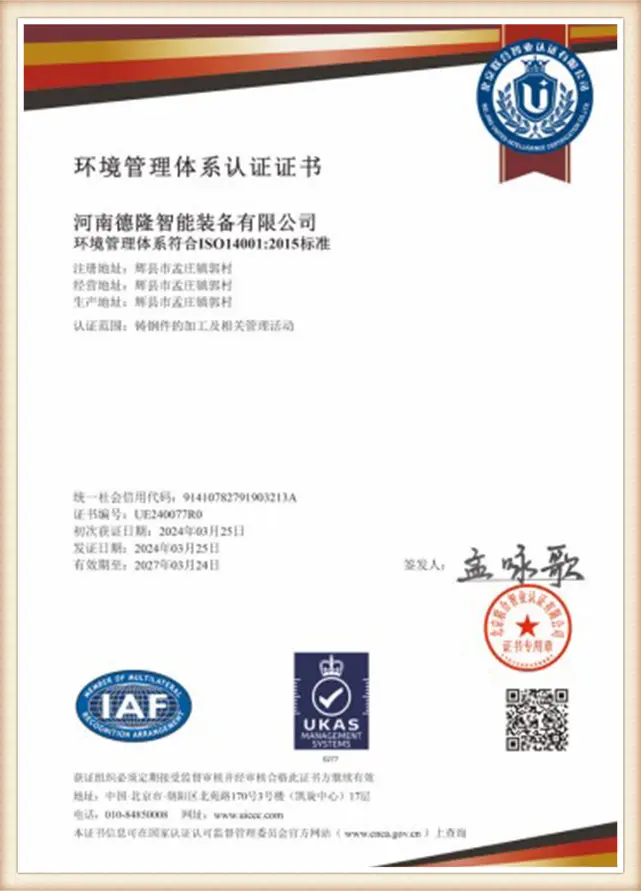
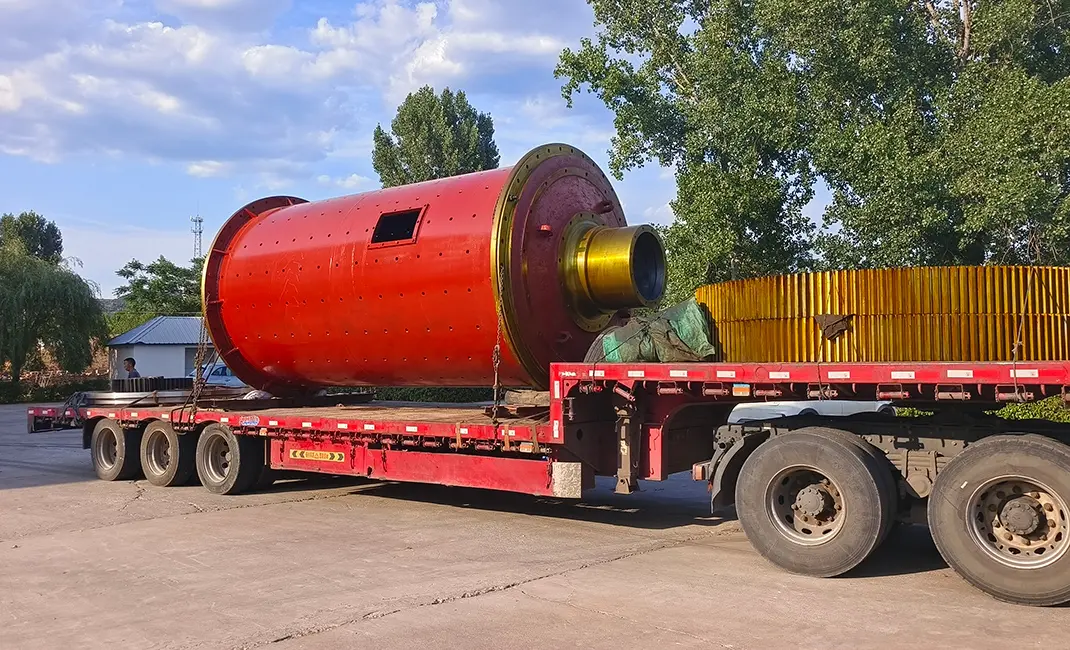
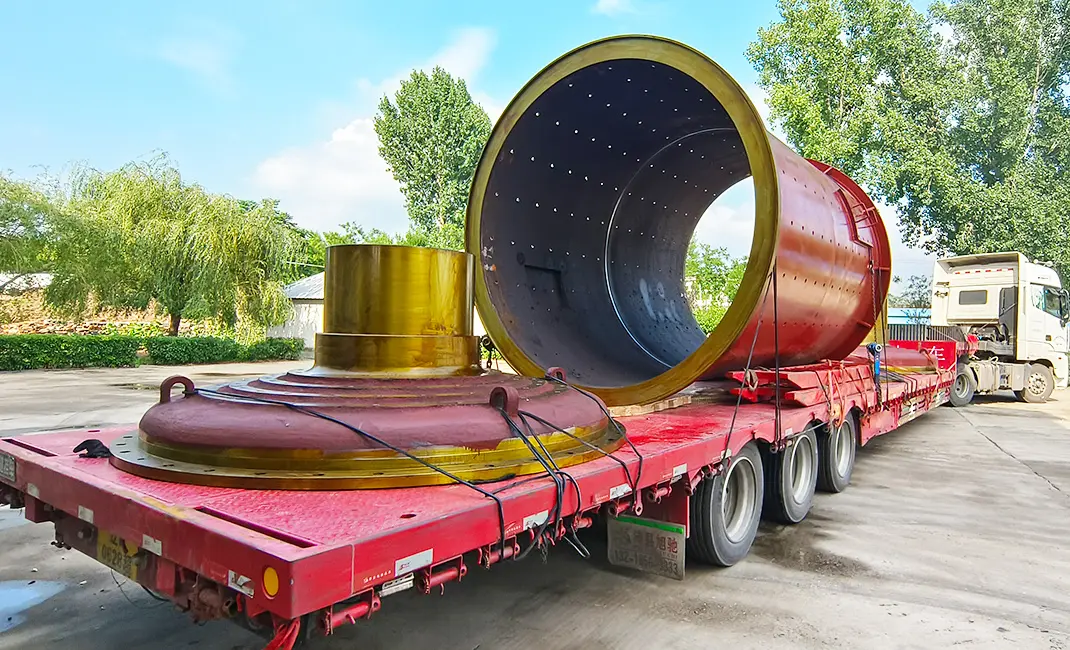
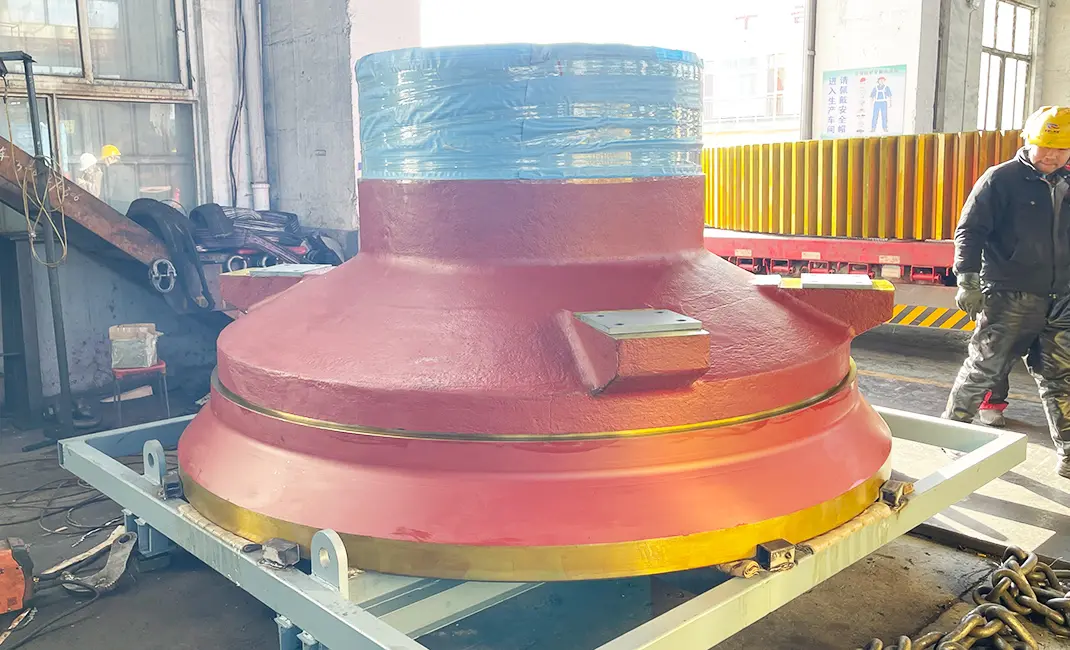
Global presence validated by rigorous audits, industry certifications, and successful projects in challenging environments.
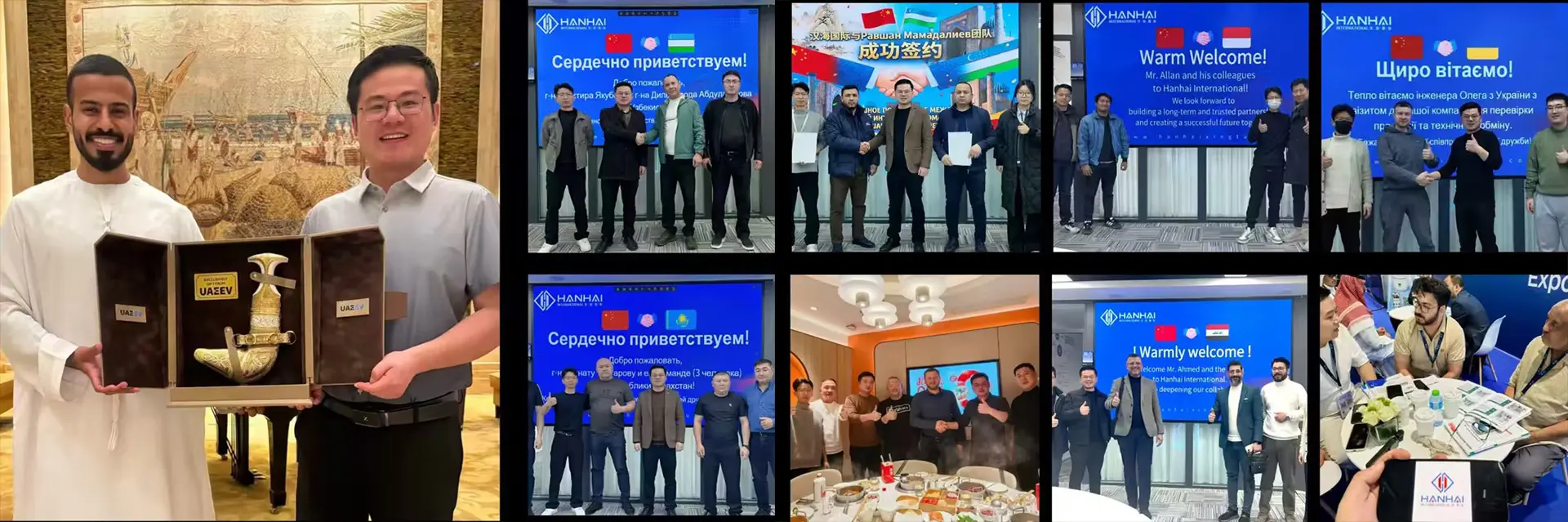
The next generation of industrial equipment demands greater efficiency, reduced emissions, and smart maintenance capabilities. Our engineering team is focusing research on three main areas:
We are embedding vibration and temperature sensors directly into the bearing housing body during the casting process. This allows operators to monitor bearing health and oil film conditions in real-time, helping to prevent unexpected failures.
Mining operations in Arctic and sub-Arctic regions require metals that maintain impact strength in extreme cold. We are developing low-temperature cast steels with refined grain structures that resist brittle fractures down to -50°C.
By combining standard casting with 3D sand printing for internal sand cores, we can build optimized internal cooling channels directly into the housing body. This improves heat dissipation from the bearing, extending lubricant life.
Common technical questions answered by our metallurgy and manufacturing engineering team.
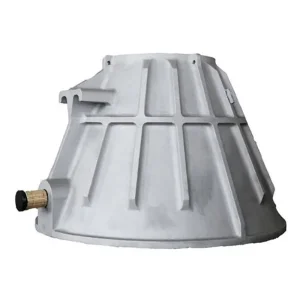
Explore our high-performance casting components designed for heavy mining and crushing equipment.
 Hanhai