Engineered to deliver exceptional wear resistance, unmatched structural integrity, and maximum production efficiency under high-load heavy machinery applications.
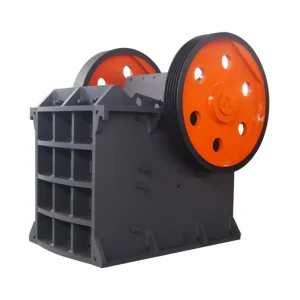
In the globalized mining, metallurgy, and aggregate processing industries, the jaw stone crusher machine remains the primary baseline of mechanical reduction. Responsible for accepting run-of-mine (ROM) materials and generating manageable primary sizes, jaw crushers operate in environments characterized by massive compressive forces, relentless abrasive friction, and cyclic fatigue. The structural resilience of the crusher’s frame, swing jaw, pitman, and toggle seat determines the uptime metrics of high-throughput quarry systems.
As urbanization across Europe, the Middle East, Southeast Asia, and the Americas accelerates, infrastructure development dictates the consumption of trillions of tons of aggregates. Current global operations require jaw crusher machinery that can reliably process materials with compressive strengths exceeding 300 MPa, such as granite, basalt, iron ore, and quartzite. Under these severe constraints, procuring standard, off-the-shelf crushing systems is no longer sufficient. Enterprise buyers are shifting demand toward custom OEM jaw stone crusher machines that integrate proprietary metallurgy, localized structural reinforcement, and precision castings capable of absorbing intense kinetic impacts.
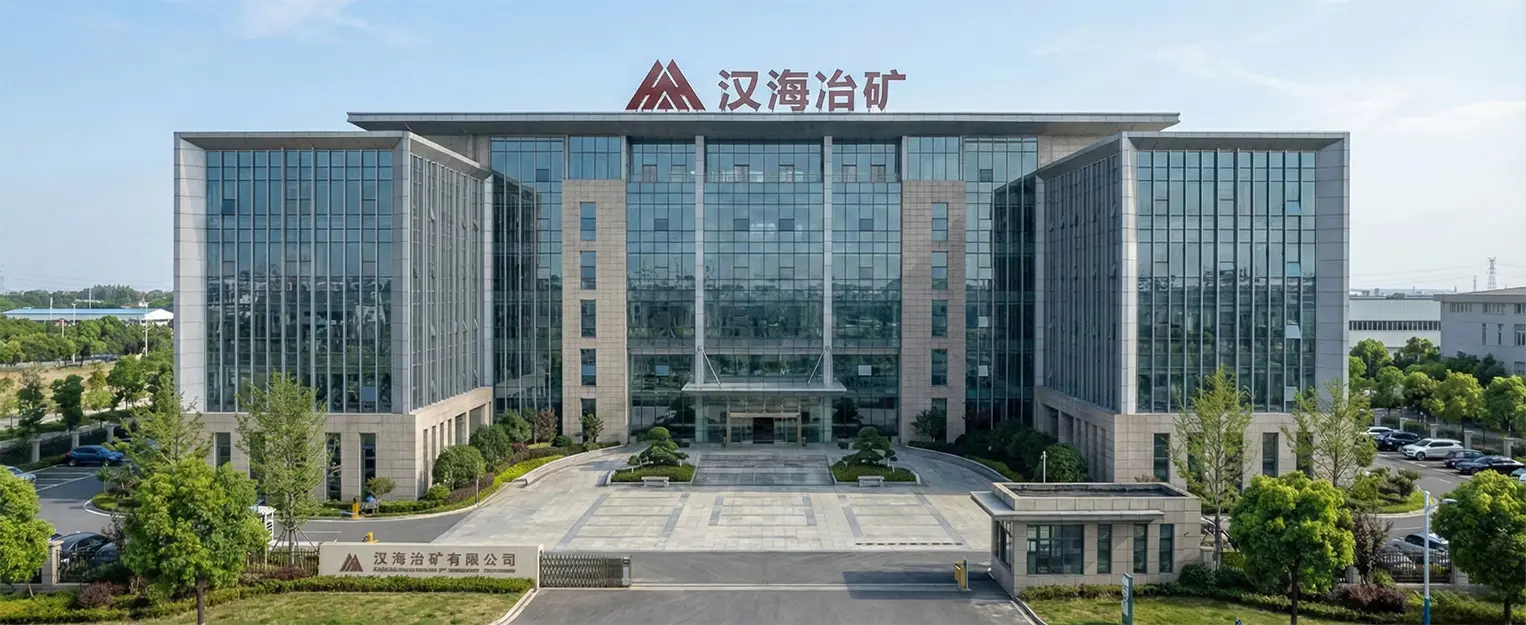
Quantifying Henan Hanhai's excellence in heavy-duty metallurgy and global equipment supply.
Combining structural optimization, deep process control, and large-scale manufacturing integration.
China’s industrial infrastructure operates as the manufacturing center of the world's heavy castings, with Henan province positioned at its metallurgical core. The efficiency of a premier factory like Henan Hanhai Metallurgy Mining International Trade Co., LTD is defined not merely by production volume, but by the vertical integration of design, foundry metallurgy, heat treatment, and final precision CNC machining.
By utilizing state-of-the-art simulation software such as MAGMAsoft for casting flow and solidification analysis, our engineering teams eliminate typical foundry defects—such as shrinkage cavities, micro-porosity, and hot tears—before the pattern-making phase begins. This is critical for key components like the jaw crusher eccentric shaft, heavy swing jaw, and high-tension flywheels. Our foundry features electric arc furnaces and secondary ladle refining systems, allowing us to control trace elements (such as sulfur and phosphorus) to levels below 0.015%. This strict element control results in steel casting with superior low-temperature impact toughness, ensuring that when our machinery operates in freezing Siberian mines or high-altitude Andean copper sites, the risk of catastrophic brittle fracture is engineered out of the material.
Furthermore, our proprietary heat-treatment recipes are optimized for high-manganese steels (such as Mn13Cr2, Mn18Cr2, and Mn22Cr2) and high-chrome white irons. We execute precise water-toughening treatments to ensure carbide networks are fully dissolved back into the austenitic matrix, maximizing both initial ductility and work-hardening capabilities. In practice, when raw quartz or iron ore impacts our jaw plates, the material work-hardens dynamically from its baseline hardness of 200 HB up to 500+ HB on the surface, while the core remains flexible and fracture-resistant.
A trusted global foundry brand delivering high-quality steel and iron castings since 1997.
To empower global industrial infrastructure with precision-engineered casting products and sustainable, technology-driven manufacturing excellence.
To be the premier trusted partner for critical metallurgy and large-scale mining operations, producing cast steel and iron parts that redefine wear life.
All facilities are certified with ISO9001 and CE standards, adhering to rigorous Non-Destructive Testing (NDT) including UT, MT, and PT assessments.
Foundation: Henan Hanhai Casting was established with a strict focus on heavy steel and iron castings, laying down solid technical, chemical analysis, and production foundations.
Expansion: Introduced advanced electric melting, automatic molding technologies, and expanded foundry capacities, directly serving major domestic mining and metallurgical sectors.
Globalized Growth: Achieved ISO9001 and CE certifications, updated high-capacity mechanical testing labs, integrated digital foundry controls, and partnered with global distributors across Europe, South America, and Asia.
Designing and casting machinery tailored for regional environments and geoclimatic realities.
Operating in environments where ambient temperatures regularly exceed 50°C requires specialized lubricants and highly specific heat clearances. Hanhai optimizes the eccentric shaft tolerances and housing configurations on our jaw crushers to prevent thermal expansion lockup, ensuring stable 24/7 continuous operations.
Deep-pit copper and iron mines process highly abrasive ores that cause rapid surface degradation of crusher plates. For South American mining clients, we supply custom-cast swing jaws featuring extra-thick manganese alloys alloyed with chromium and molybdenum, which significantly extends wear life by 40% compared to standard castings.
In European urban recycling plants, crushers regularly ingest reinforced concrete containing steel rebars. This demands specialized relief systems. Our European-type PEW Jaw Crushers are built with hydraulic toggle systems that automatically discharge uncrushable objects, shielding the cast frame from high-frequency structural micro-fractures.
The global stone crushing industry is undergoing a digital and mechanical transformation. Key drivers include:
1. Smart Diagnostics & IoT Integration: Modern jaw crushers are transitioning from basic mechanical systems to smart, feedback-enabled machines. Sensors embedded in the casting frame track strain metrics, bearing temperatures, and liner wear rates in real-time, preventing failures before they happen.
2. Eco-Friendly & Low-Emission Casting: Sustainability is a critical mandate. Foundries are moving away from traditional coal-fired setups to induction melting, drastically reducing carbon outputs. Recycling raw foundry sands and implementing dust-capture systems are standard practices at Hanhai.
3. High-Ratio Optimization: To decrease operational costs, mines demand higher reduction ratios from single-stage jaw crushers. This requires redesigning the crushing chamber geometry and applying larger eccentric throws, placing higher dynamic stress loads on the cast frame structure.

Discover our range of highly customized services and casting types designed to keep heavy industry running.
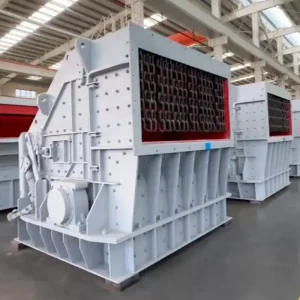
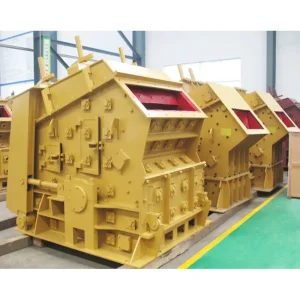
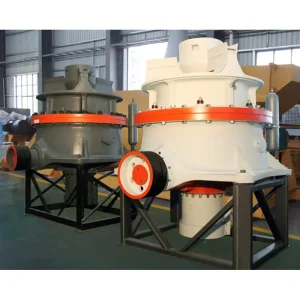
High-reliability jaw, cone, and impact crushers engineered for aggregate, recycling, cement, and chemical processing facilities worldwide.
Large-scale components including rotary kiln gear rings, support rollers, ball mill head liners, and wear-resistant grinding plates.
Heavy hydraulic press frames, arches, crossbeams, and cylinders designed to withstand extreme compressive stresses.
High-pressure valve bodies, manifolds, and hydraulic cylinder casings certified for critical oil, gas, and energy systems.
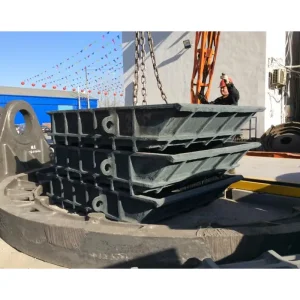
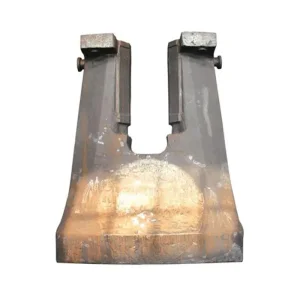
Visualizing our precision-cast components utilized in heavy mineral processing operations globally.
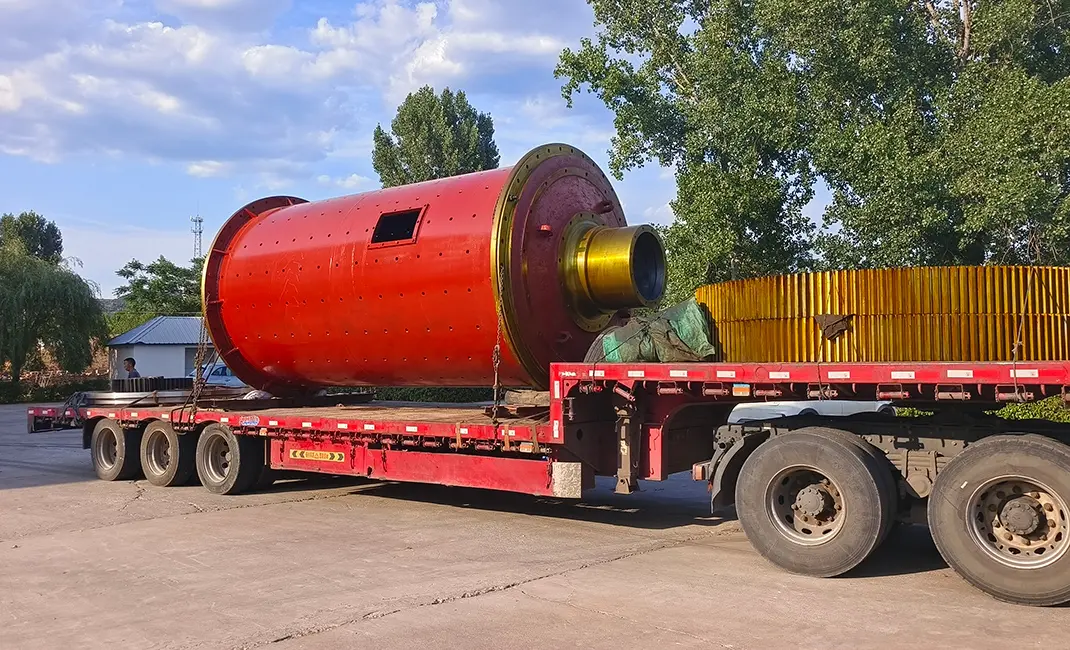
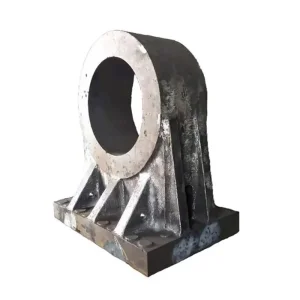
Heavy Casting Project Case A
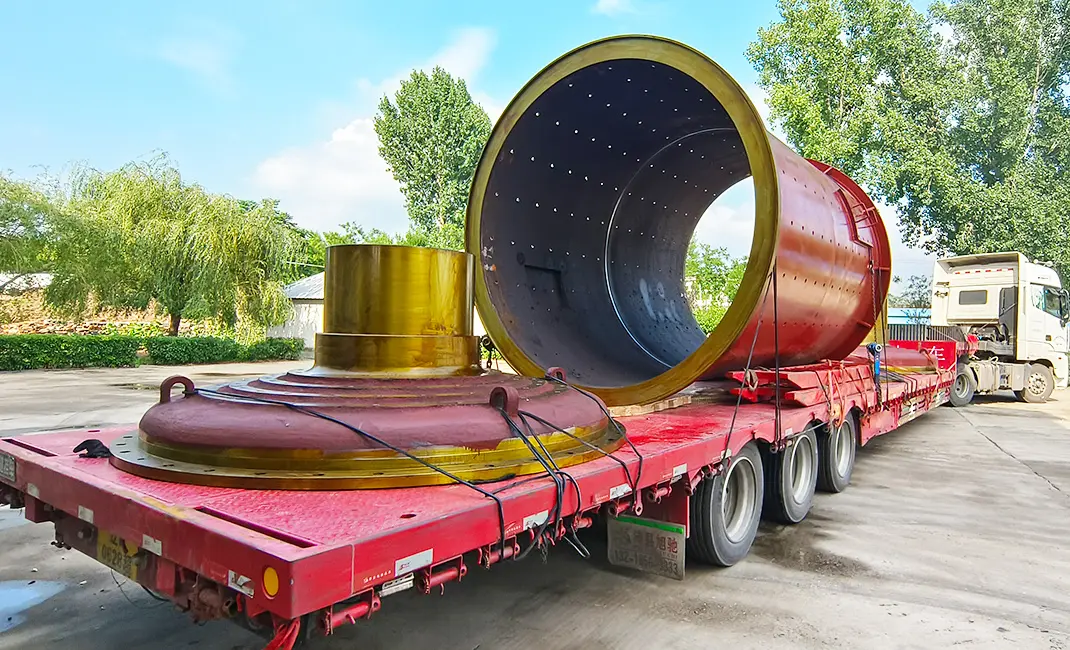
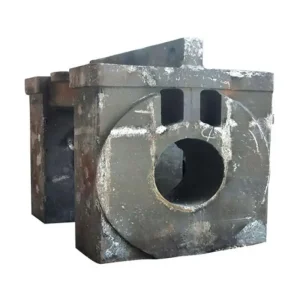
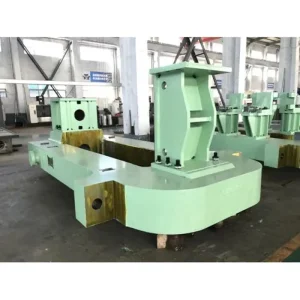
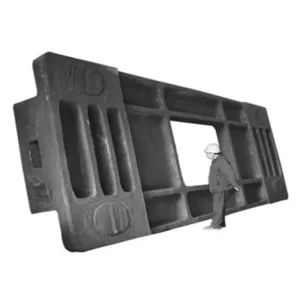
Large Cast Steel Beam Assembly
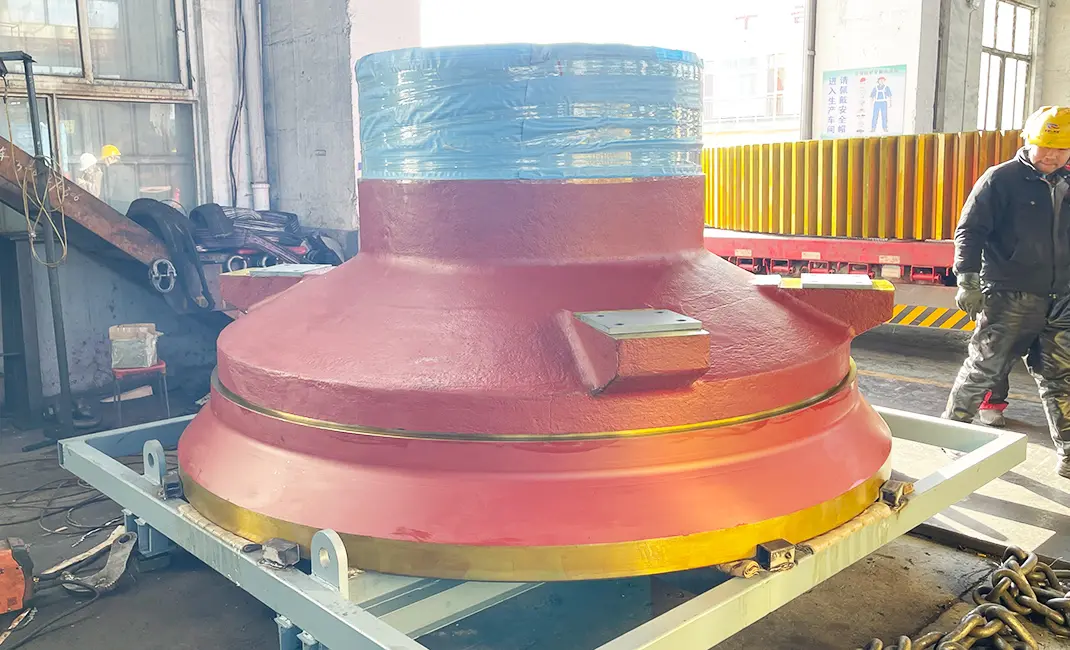
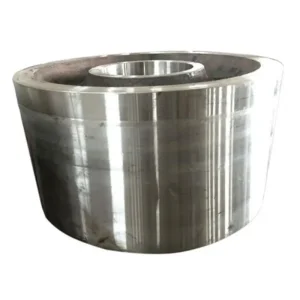
Industrial Rotary Kiln Support Roller
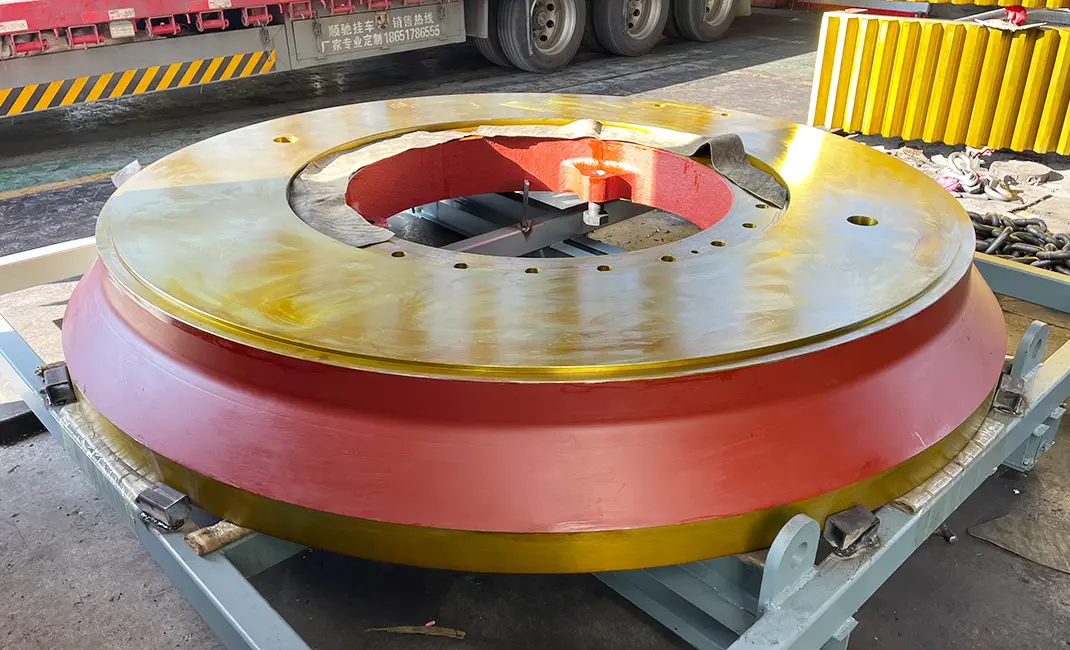
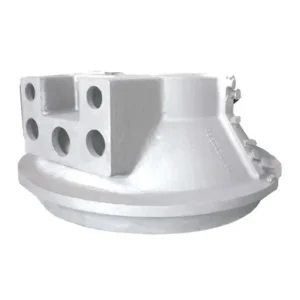
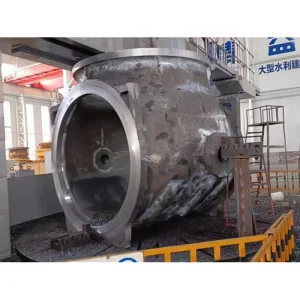
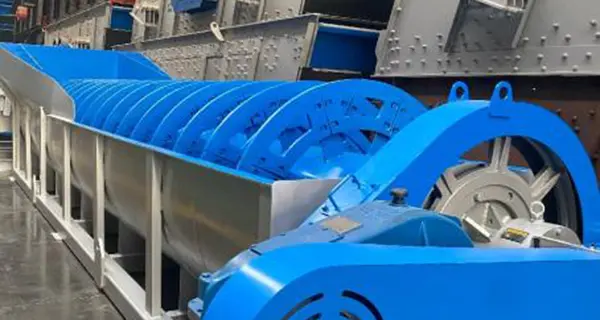
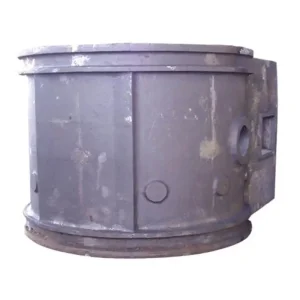
Custom Mining Sump Housing Case
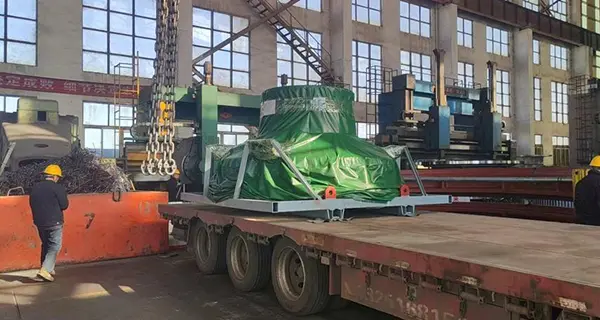
A rigorous, systematic process ensuring engineering precision and reliable logistics from design to installation.

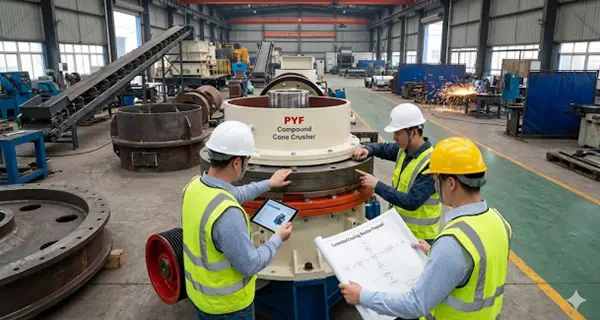
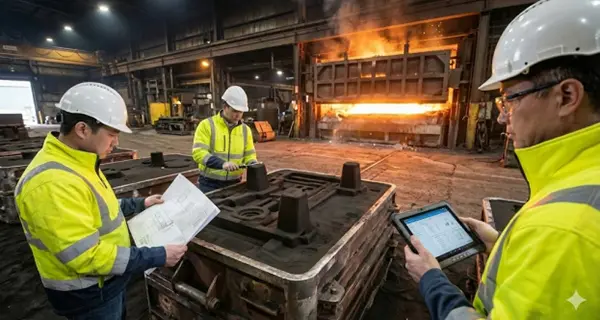
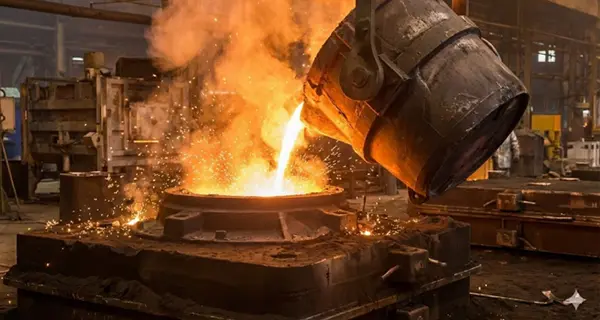

In-depth responses to the most critical operational and procurement questions asked by global heavy industries.
The choice of manganese steel depends entirely on the hardness and toughness of the feed rock. For medium-hard rocks, Mn13Cr2 provides an excellent balance between initial ductility and work-hardening. For highly abrasive ores like quartz or iron ore, we recommend Mn18Cr2 or Mn22Cr2. Adding 2% chromium increases resistance to plastic deformation, which prevents the jaw plate teeth from flattening prematurely under intense compressive impacts.
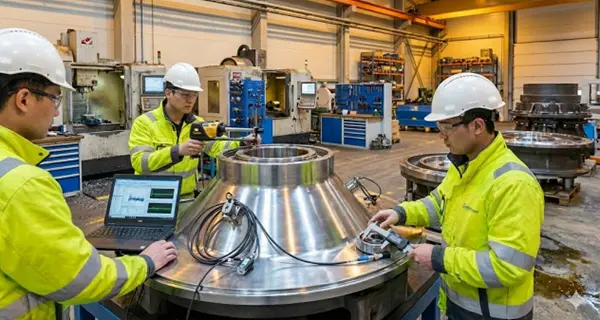
We use a multi-phase quality assurance approach. First, solidification simulations determine the ideal location of risers and runners to prevent internal shrinkage. After pouring and demolding, the casting undergoes rigorous Non-Destructive Testing (NDT). Critical areas like the bearing seats and high-stress corners are checked via Ultrasonic Testing (UT) to ASTM standards and Magnetic Particle Inspection (MPI) to identify and address any subsurface micro-fissures before final machining.
European-type PEW Jaw Crushers feature a heavy-duty, cast-steel moving jaw assembly, a forged eccentric shaft, and a finite-element-optimized V-shaped crushing chamber. This configuration yields a larger intake angle and a larger eccentric stroke, resulting in up to 30% higher throughput, lower energy consumption per ton, and more uniform output sizes compared to traditional PE series crushers.
Heat treatment is key to managing metallurgical fatigue. Without proper water quenching (typically heating to 1050°C followed by high-velocity immersion in a clean water bath), carbides tend to collect at grain boundaries, causing the steel to become brittle. Our heat-treatment processes ensure a uniform, single-phase austenitic structure, maximizing impact strength and extending service life by up to 1.5 to 2 times under heavy-load operations.
Yes, we specialize in OEM casting projects. Our design division accepts a wide range of CAD and 3D modeling files (e.g., SolidWorks, AutoCAD, Pro/E). We analyze the customer's design to verify casting feasibility, suggest draft angles, and add wear allowances where necessary. This collaborative engineering approach ensures the final cast component aligns perfectly with the customer's existing machinery.
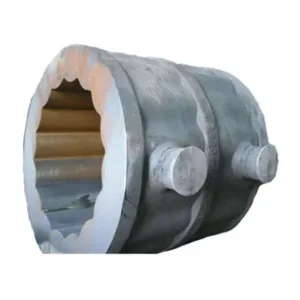
Explore our specialized impactors, cone crushers, structural steel castings, and high-performance aerospace alloy components.
 Hanhai