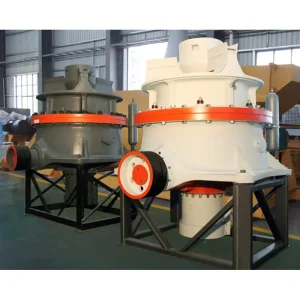
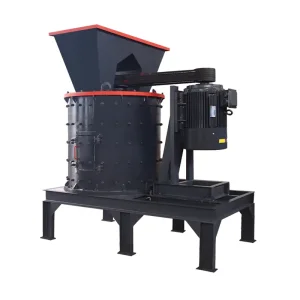
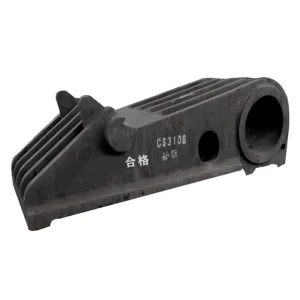
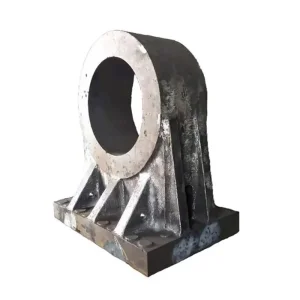
Explore our leading collection of casting valves, heavy duty industrial equipment, and rock crushers designed to withstand high stress environments.
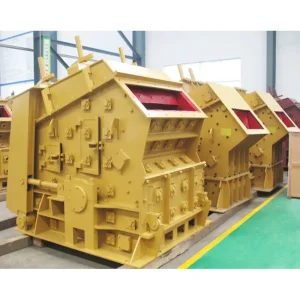
In the global landscape of mining, metallurgy, and construction, physical materials processing requires machinery that integrates high impact durability, optimized operational kinetics, and long-term fatigue resistance. The demand for aggregates, infrastructure concrete, and base metal ores has catalyzed structural innovations in primary and secondary comminution systems. At the center of this technological paradigm is the Impact Stone Crusher, a machine capable of delivering high reduction ratios, cubical product shapes, and cost-effective operations when engineered with precision metallurgy.
For heavy industry procurement directors, selecting an impact stone crusher goes far beyond sourcing a mechanical assembly. It represents a long-term commitment to operational efficiency, wear component availability, and system-level dependability. Global sourcing departments face the persistent challenge of locating exporters capable of providing certified machinery while supporting them with localized engineering intervention, strict quality control procedures, and customizable casting adaptations. By pairing state-of-the-art Chinese casting foundries with international logistics systems, industrial facilities can realize major capital savings without sacrificing engineering excellence.
Henan Hanhai Metallurgy Mining International Trade Co., LTD is a premier foundry manufacturer and exporter based in China. Specializing in heavy-duty cast steel and cast iron parts, we play a vital role in keeping global extraction, processing, and metallurgical plants running smoothly. With advanced sand casting and metallurgical production lines, we focus on engineering complex, high-wear castings that serve critical roles in mining, metallurgy, power generation, and structural construction industries worldwide.
By integrating component design, advanced steel smelting, heavy mold preparation, and custom CNC machining within a single closed-loop ecosystem, Hanhai Casting ensures that every client receives parts built to precise engineering drawings. This end-to-end oversight guarantees that our impact stone crusher components, casting valve bodies, and rotary supports feature optimized microstructures to withstand continuous high loads.
Impact stone crushers utilize dynamic impact energy rather than compressive force (which is typically seen in jaw or cone crushers) to fragment raw feed minerals. The system depends on a high-speed rotor assembly fitted with replaceable blow bars. When feed material enters the crushing chamber, the rotating blow bars subject the stone to severe kinetic impacts. This rapidly accelerates the material, forcing it against the highly durable impact plates (aprons) positioned within the chamber. The material breaks along natural lines of weakness, yielding a highly cubic product shape that is preferred for high-strength asphalt and concrete formulations.
The efficiency of this crushing cycle relies heavily on the metallurgy of the wear components. The blow bars, impact plates, and side liners must be alloyed to balance extreme hardness (to resist abrasive wear) and high fracture toughness (to resist structural failures from tramp metal or oversized rocks). Typical wear assemblies utilize High-Chromium (Cr) cast iron, Martensitic alloy steels, or composite designs incorporating ceramic inserts. Operating a crusher without structurally sound casting support sleeves, rotor blocks, or end caps can result in premature system failure and expensive unscheduled downtime.
The core rotor must be dynamically balanced and cast from high-strength structural steel to handle severe impact forces without developing micro-cracks or bearing misalignments during operation.
By using premium alloys with chromium and ceramic matrix elements, our blow bars provide a longer wear life compared to standard iron castings, lowering replacement frequencies.
Hydraulic adjustment systems allow operators to fine-tune the gap between the blow bars and the impact plate, providing precise control over the output size distribution.
To empower global infrastructure and resource extraction sectors by manufacturing precision-engineered castings, wear parts, and heavy assemblies that improve processing efficiency and drive sustainable industrial production.
To stand as the most trusted international foundry brand, recognized for delivering high-toughness steel and iron castings that set industry benchmarks in heavy-duty mining and metallurgy applications.
Sourcing castings and crushers from China offers distinct industrial advantages. Henan Province serves as a major hub for raw material logistics, specialized metallurgical research, and heavy engineering expertise. This allows Hanhai Casting to integrate raw material procurement, energy-efficient induction furnace melting, and sand casting steps to keep overall production costs manageable.
Additionally, our centralized manufacturing footprint allows us to coordinate with nearby specialized suppliers, such as machine tool builders and thermal processing labs. The result is a highly efficient production cycle: from pattern making, pouring, and heat treatment to final machining, testing, and shipping. Because of this streamlined setup, we can deliver high-volume orders—such as complete sets of jaw plates, mantles, blow bars, and structural support sleeves—with shorter lead times than Western foundries can typically match.
By positioning our foundry close to major chemical and raw alloy suppliers, we secure top-grade raw materials to ensure strict compliance with international carbon, manganese, and chromium standards.
Our in-house, computer-controlled heat treatment furnaces allow us to manage annealing, quenching, and tempering cycles, yielding castings with uniform hardness profiles.
Located near primary rail networks and deep-water ports, we ship large assemblies securely packed in ocean-freight crates to minimize international transit delays.
Over more than two decades, Hanhai Casting has focused on researching, producing, and exporting heavy steel and iron castings, establishing itself as a reliable partner to mining, metallurgy, and cement plants worldwide.
Hanhai Casting was established with a focus on manufacturing heavy steel and iron castings, laying the technical foundation for our foundry and casting processes.
We introduced advanced induction melting and molding technology, expanded our annual production capacity, and began supplying key mining and metallurgical plants across the region.
By earning ISO9001 and CE certifications, we upgraded our testing systems and began exporting our wear-resistant castings and crusher parts to customers in Asia, Europe, and the Middle East.
We integrated intelligent foundry systems and digital quality tracking, driving sustainable manufacturing while building long-term global procurement partnerships.
Corporate procurement officers sourcing equipment for international projects evaluate decisions based on more than just the initial price tag. They look closely at the Total Cost of Ownership (TCO), which factors in wear component durability, operational downtime risks, assembly alignment tolerances, and energy efficiency. A lower-cost machine that breaks down frequently or uses poorly cast parts can quickly become a major financial liability.
To address these concerns, Hanhai Casting provides detailed engineering documentation for all projects. This includes raw chemical analysis reports, ultrasonic and magnetic particle test results, and dimensional verification sheets. We focus on providing highly reliable parts that fit seamlessly into existing operations, helping to ensure predictable maintenance schedules and long-term performance.
Our machining facilities can finish cast steel and iron parts to precise tolerances, helping to ensure that replacement shells, sleeves, and shafts align correctly with existing plant equipment.
We verify internal steel structures using Non-Destructive Testing (NDT) to prevent hidden casting defects from causing unexpected failures under high-pressure operating loads.
Operating mining machinery across North America, Europe, or Australia requires compliance with rigorous local safety, environmental, and operational regulations. Our products carry CE certifications and are manufactured under strict ISO 9001:2015 quality standards. This ensures that electrical components, hydraulic systems, and structural steel assemblies align with the safety expectations of regional inspectors.
Additionally, Hanhai Casting supports clients with comprehensive engineering and service capabilities, which we coordinate online or through trusted local distribution networks. From technical design reviews and on-site assembly guidance to regular wear-part shipments, we work to ensure your processing plants keep running with minimal disruption.

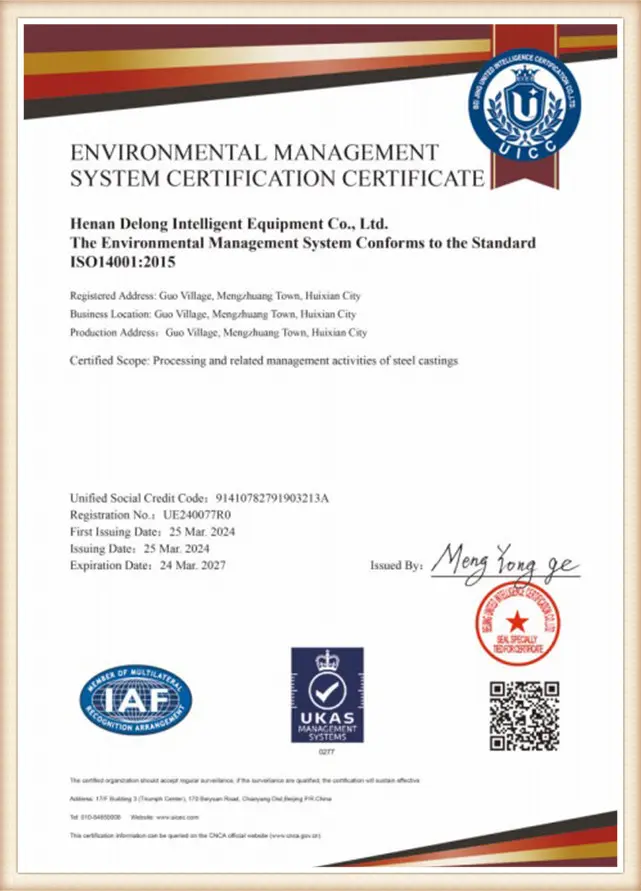
Quality Management System Certification
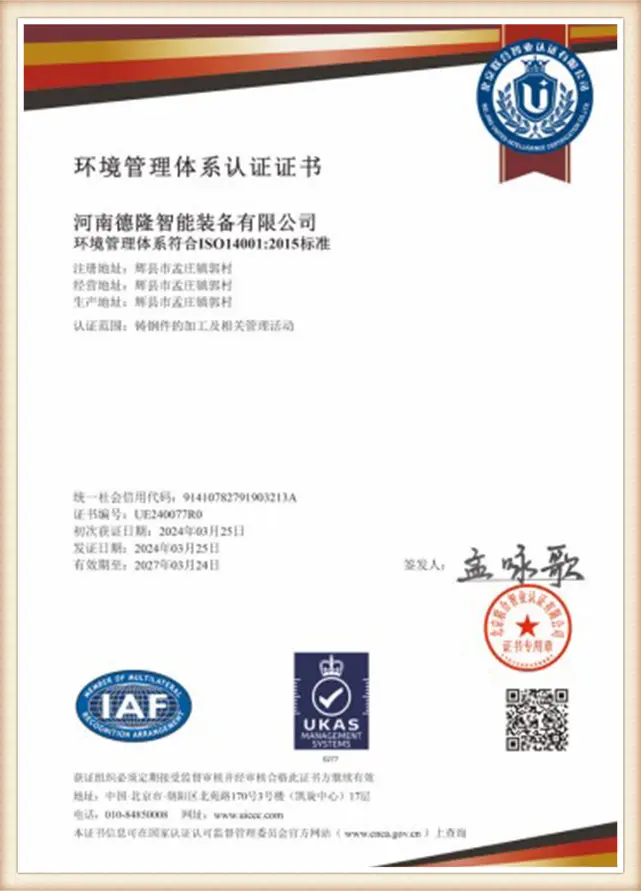
CE Compliance Certification for Export
Hanhai Casting's heavy components, crusher parts, and custom castings are deployed in demanding industrial environments worldwide. Here is a selection of our project cases.
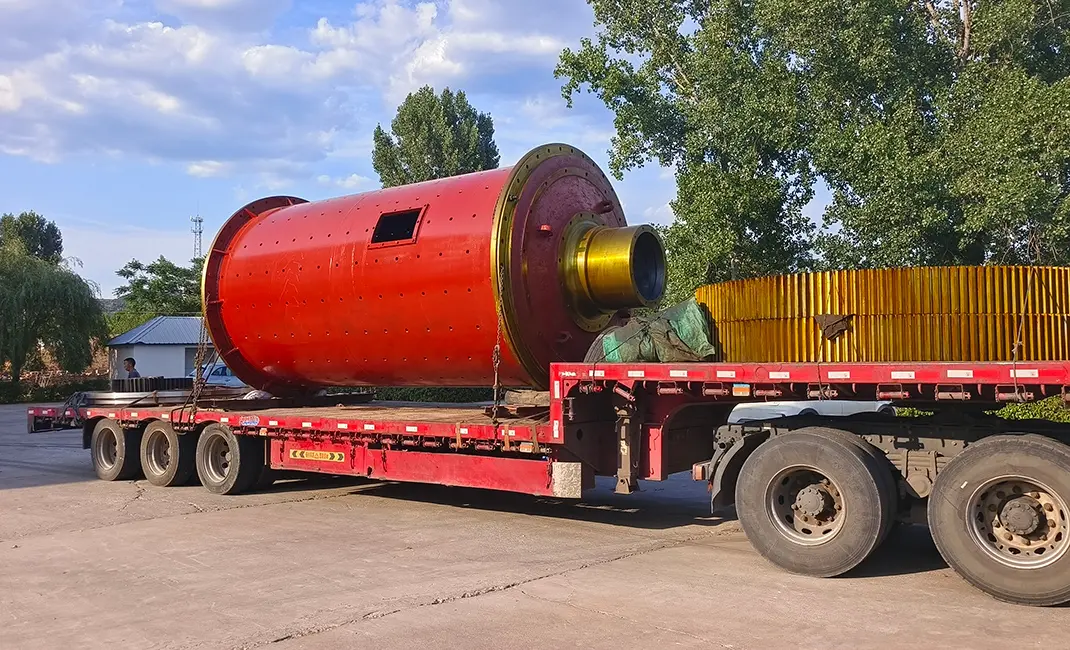
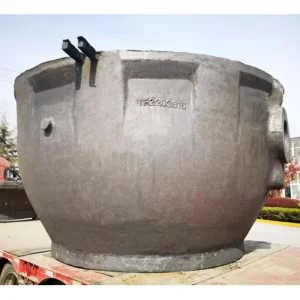
Cast steel slag pots and metallurgical ladles designed for high-temperature smelting environments.
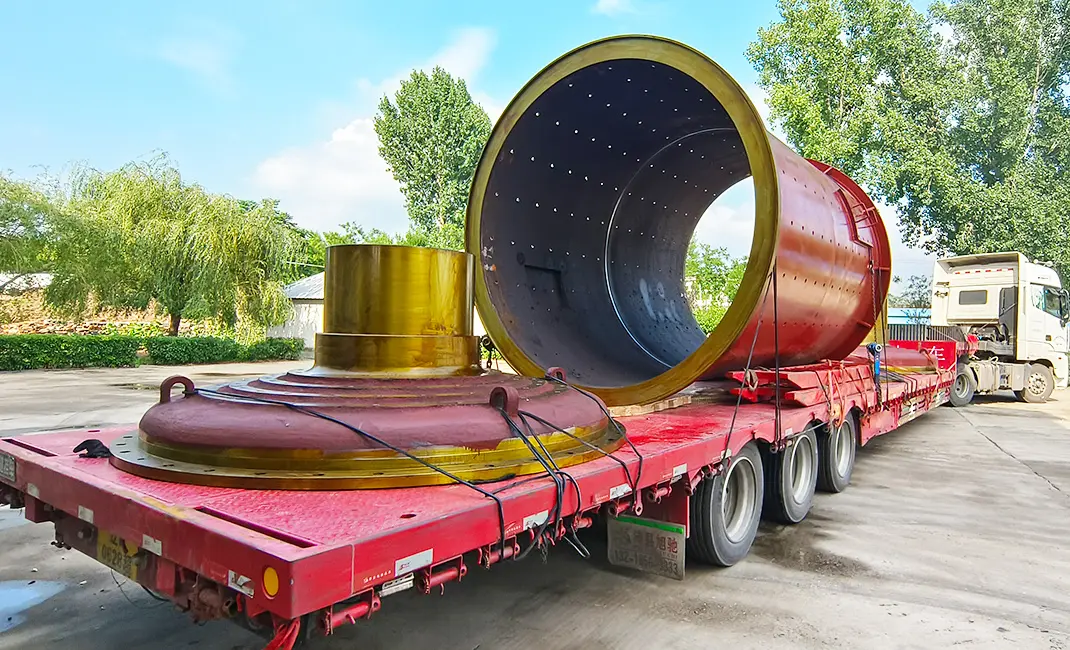
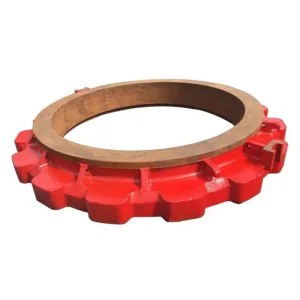
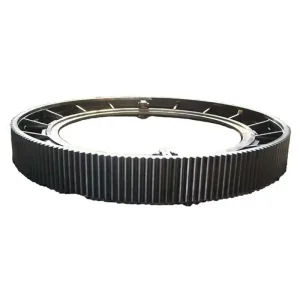
Large girth gears and drive components engineered for rotary processing kilns and cement mills.
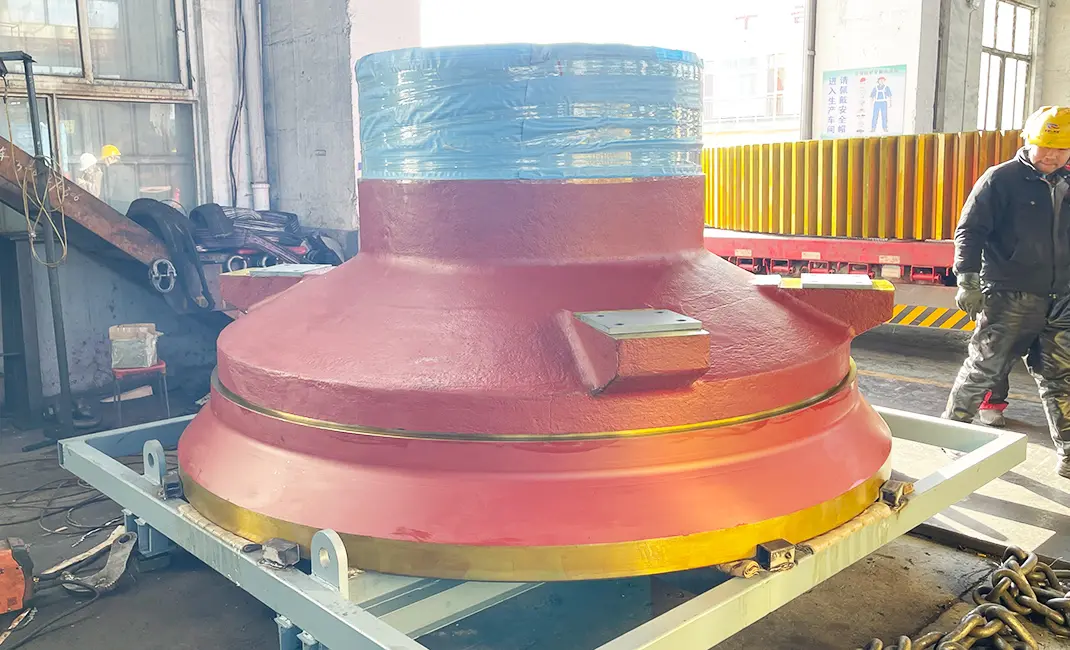
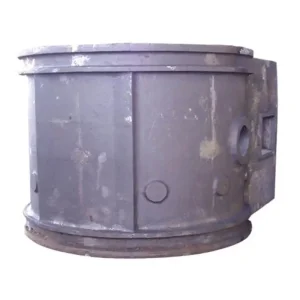
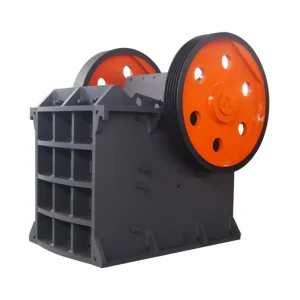
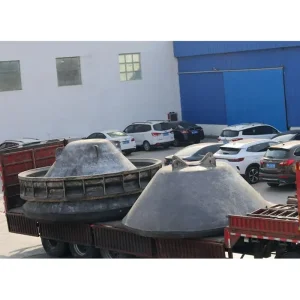
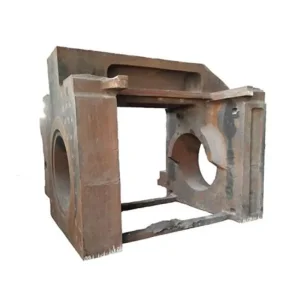
Heavy-duty cast steel housings for jaw and cone crushers operating in major aggregate quarries.
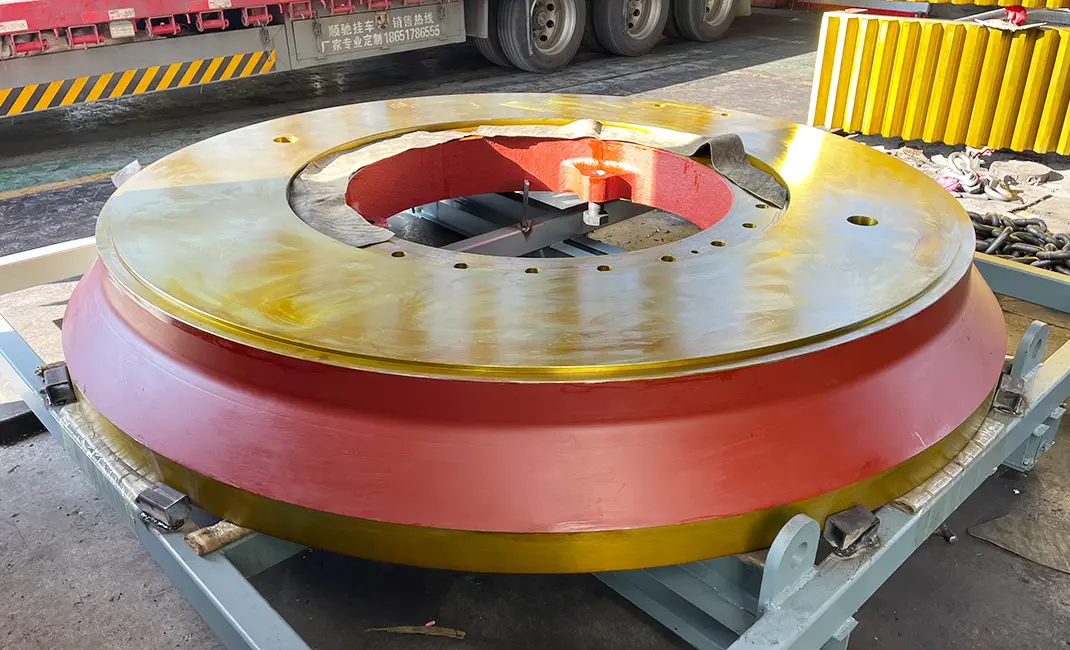
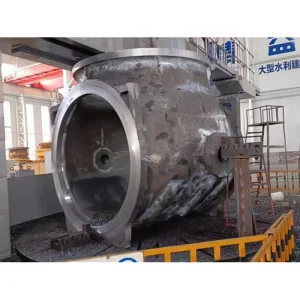
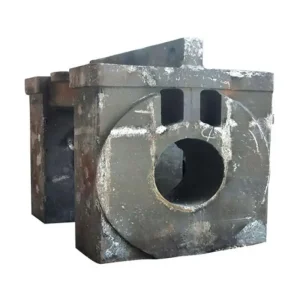
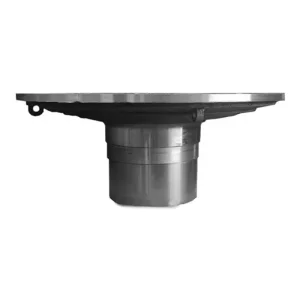
High-pressure valve bodies and fluid control castings supplied to global industrial piping networks.
The global aggregate and mineral processing industry is moving toward automated, digitally monitored, and energy-efficient systems. Impact stone crushers are increasingly incorporating real-time monitoring sensors that track bearing temperatures, rotor vibrations, and wear rates. This shift toward predictive maintenance helps operations address issues before they cause costly, unscheduled downtime.
Additionally, advances in metallurgy are driving the development of lighter, tougher alloy components. Foundry processes now leverage computer-aided flow simulations to design molds that minimize internal porosity and structural weak spots. Combined with smart hydraulic adjustment systems, modern crushers can adapt to varying feed sizes dynamically, reducing energy consumption and wear.
By monitoring rotor acoustics and vibration signatures, plant operators can catch bearing fatigue early and schedule maintenance before a major component failure occurs.
Modern hydraulic systems automatically release non-crushable materials (like tramp iron), protecting the rotor assembly and blow bars from sudden impact damage.
Using casting flow simulation software allows us to optimize solidification patterns, helping to ensure our heavy-duty steel parts are free of internal cavities.
Crushing needs vary significantly depending on the geology and climate of the job site. For instance, hard stone like granite or basalt requires crushers with high-strength wear parts to prevent rapid abrasion. In contrast, softer rocks like limestone or gypsum can be processed with higher-speed configurations to maximize throughout.
Hanhai Casting designs custom crusher components and castings to match these distinct operating environments. Whether your machinery is operating in high-moisture tropical mines or sub-zero northern quarries, we select and heat-treat alloys specifically to balance wear resistance and structural toughness for the job.
For processing hard, abrasive rocks, we supply high-chromium blow bars and wear-resistant liners designed to extend service intervals and lower operating costs.
For processing softer materials, our impact plates and rotors are optimized to handle high volumes, helping to maintain a consistent feed for raw cement kilns.
For processing concrete and asphalt with embedded rebar, our crushers feature impact-resistant martensitic blow bars designed to handle mixed metal feeds.
From initial inquiry through design, manufacturing, and delivery, our structured process ensures clear communication and quality control at every phase of your project.
We collect your exact drawings, physical wear challenges, and preferred alloy compositions to establish a clear baseline for production.
Using flow simulation software, we verify the solidification patterns of the casting design to prevent internal air pockets and structural weak spots.
Our machinists cut precise sand molds or investment tooling using CNC mills, ensuring the cast steel matches your dimensional drawings.
We melt alloys in our induction furnaces under strict temperature controls, pouring the molten steel in a single, continuous run to maintain material integrity.
We put castings through precise heating, quenching, and tempering cycles in computerized furnaces to achieve the desired hardness and impact toughness.
We machine critical contact surfaces, shaft bores, and keyways to their final tolerances, ensuring compatibility with your existing equipment.
We inspect parts using ultrasonic and magnetic particle testing (NDT), along with coordinate measuring machines (CMM), to confirm internal and external quality.
We pack parts in custom steel-reinforced wood crates, applying anti-rust coatings to protect finished surfaces during international transit.
Our engineering team remains available to assist with installation advice, wear monitoring, and planning for your next replacement cycle.
Explore our second batch of mining castings, cone crushers, sprockets, and compound crushing systems built for heavy industrial installations.
Find answers to common questions about heavy castings, crusher parts, material specifications, and global sourcing services.
The wear life of blow bars depends primarily on the silica content of the feed material, the rotor speed, and the chemical composition of the alloy. Hard stones like granite require high-chromium castings to resist abrasion, while martensitic alloys with ceramic inserts are preferred for aggregate feeds that contain tramp metals or concrete rebar.
We use a multi-step quality control process that includes optical emission spectrometry to confirm the chemistry of the melt, ultrasonic and magnetic particle testing (NDT) to inspect for internal defects, and coordinate measuring machines (CMM) to verify the final dimensions against engineering drawings.
Yes, we can produce custom castings based on your design files. Our engineering team reviews your drawings (supporting formats like DWG, STEP, and IGES) and runs casting simulations to optimize the mold design and cooling process before we begin production.
Our shipments include material test reports (MTRs) and quality documentation showing compliance with ISO 9001 and CE requirements. When required, we can also coordinate third-party inspections through agencies like SGS or BV before parts leave our facility.
Standard casting and heat-treatment cycles range from 30 to 45 days, depending on the weight and complexity of the part. Shipping times depend on the destination port, and we package all parts in reinforced crates with rust-preventative coatings to protect finished surfaces during sea transit.
 Hanhai