Explore our highly-durable casting architectures and premier crushing solutions designed for severe load-bearing operations.
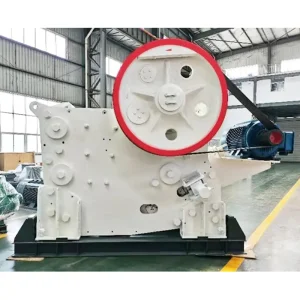
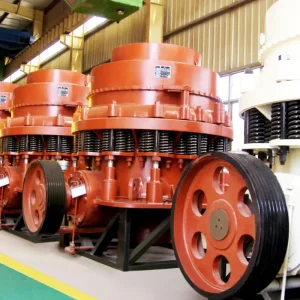
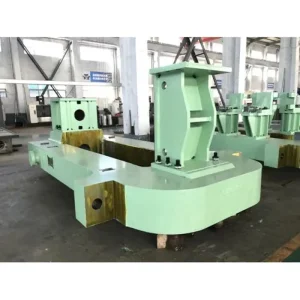
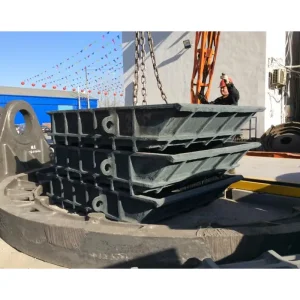
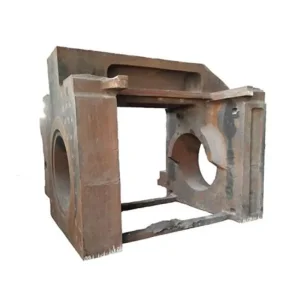
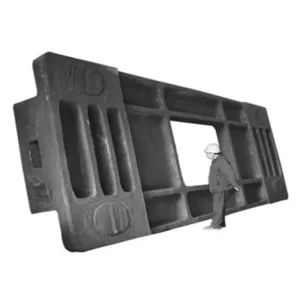
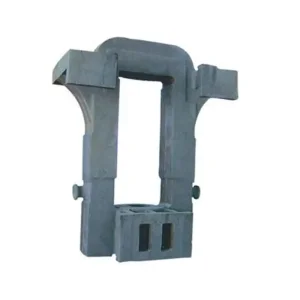
Henan Hanhai Metallurgy Mining International Trade Co., LTD is a globally renowned engineering foundry, spearheading advanced material research and precision casting solutions. We focus on massive-scale industrial components and high-integrity equipment processing. By integrating scientific casting layout design, physical simulation, precise melting metallurgy, and top-tier numerical machining, we have established ourselves as the key partner for the world's most demanding mining, mineral refinement, and cement production enterprises. Our products find application inside mining operations, heavy metal forge presses, large rotary kilns, and state-of-the-art power generation facilities across North and South America, Europe, Asia, and the Middle East.
To empower heavy global industry with high-integrity precision steel castings, boosting machine up-time while fostering sustainable, high-efficiency manufacturing excellence.
To remain the foremost trusted global foundry partner, continuously engineering specialized alloy steels and robust crushing machinery that sustain extreme mining scenarios.

In the contemporary industrial mineral processing sector, rock size reduction plays a critically decisive economic role. Industrial plants consume massive quantities of electrical energy to break, crush, and pulverize ore bodies down to processing-ready particle size distributions. In this energetic context, the Hydraulic Cone Crusher stands out as the primary secondary and tertiary comminution asset. Unlike primary jaw crushers that compress large stone volumes, or impact sand-makers that rely on kinetics, hydraulic cone crushers utilize high-pressure inter-particle compression inside a dynamic crushing chamber.
The global demand for high-capacity mineral processing plants has spiked, driven by low-grade copper ores in South America, high-capacity iron ore deposits in Australia, and massive aggregate quarry projects across emerging markets in Southeast Asia and Africa. Mine operators seek higher throughput rates, lower operational wear, and automated tramp release mechanisms. The core title, High-Quality Hydraulic Cone Crusher Factory & Exporter, highlights our commitment to addressing these needs by combining structural steel casting manufacturing with advanced hydraulic control engineering.
Historically, size-reduction plants relied on spring-loaded tension systems to secure the crusher head (the mantle) inside the outer ring (the bowl). The spring cone crusher, such as the classic PY series, uses heavy mechanical coils to compress the frame during operations. If a piece of uncrushable material, such as a broken steel excavator tooth or drill bit (known as tramp iron), enters the chamber, the spring mechanism allows the bowl to lift momentarily, letting the object pass.
While robust, spring systems require intensive physical labor for clear-out tasks, setting adjustments, and spring tension maintenance. This led to the development of modern Hydraulic Cone Crushers:
Multi-cylinder hydraulic crushers use several hydraulic cylinders arranged around the frame perimeter. These cylinders perform two tasks: they adjust the Closed Side Setting (CSS) on the fly, and they act as an automated tramp release mechanism. If hydraulic pressure exceeds safety thresholds, the cylinders retract, lowering the mainshaft assembly or raising the bowl. This allows the non-crushable material to pass, after which the system returns to its pre-set crushing position. This process reduces downtime from hours to seconds.
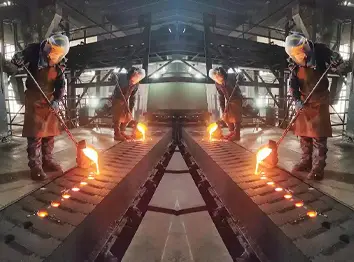
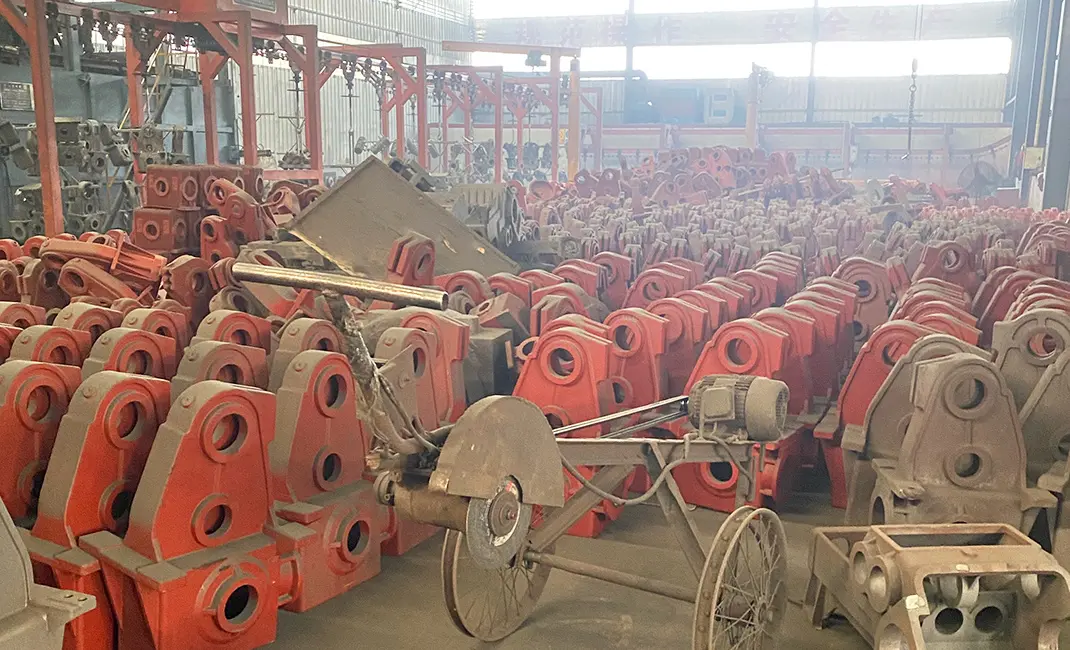
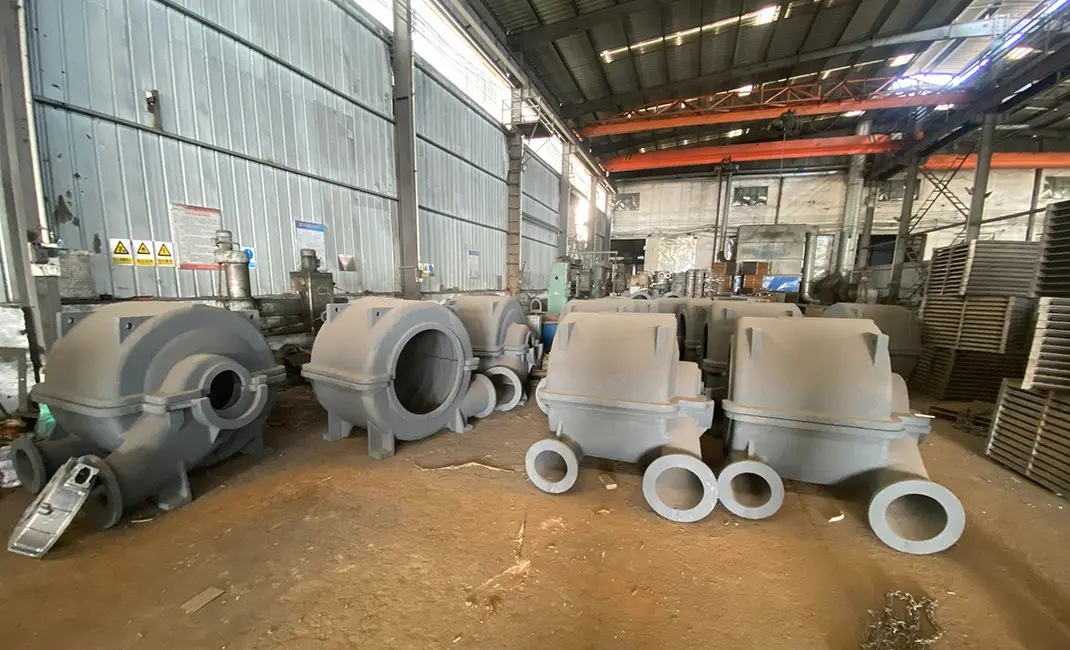
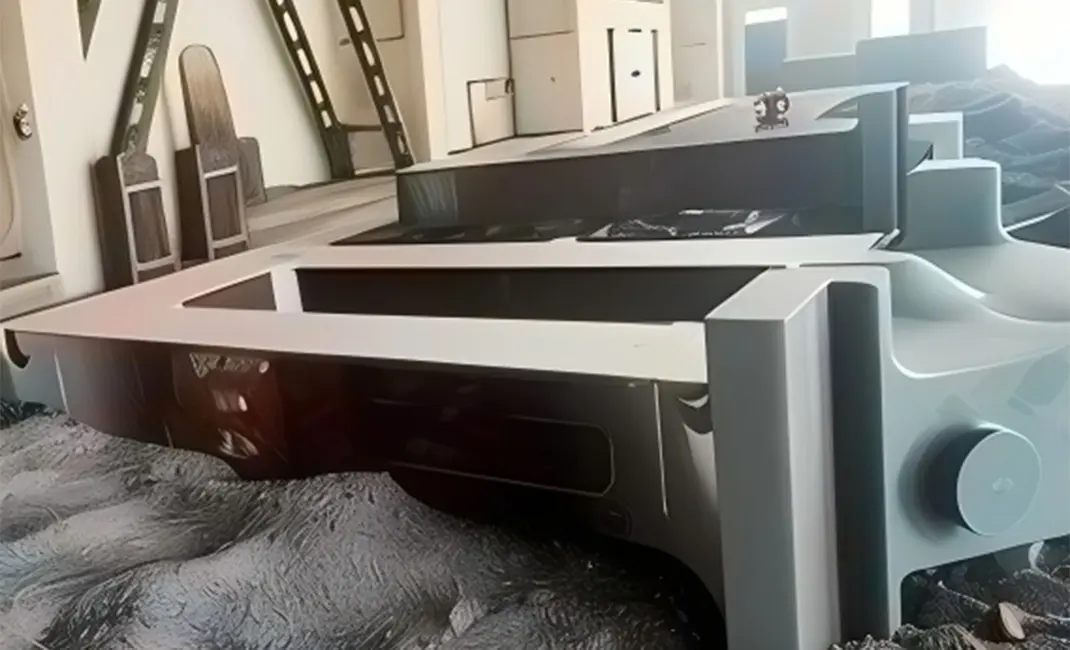
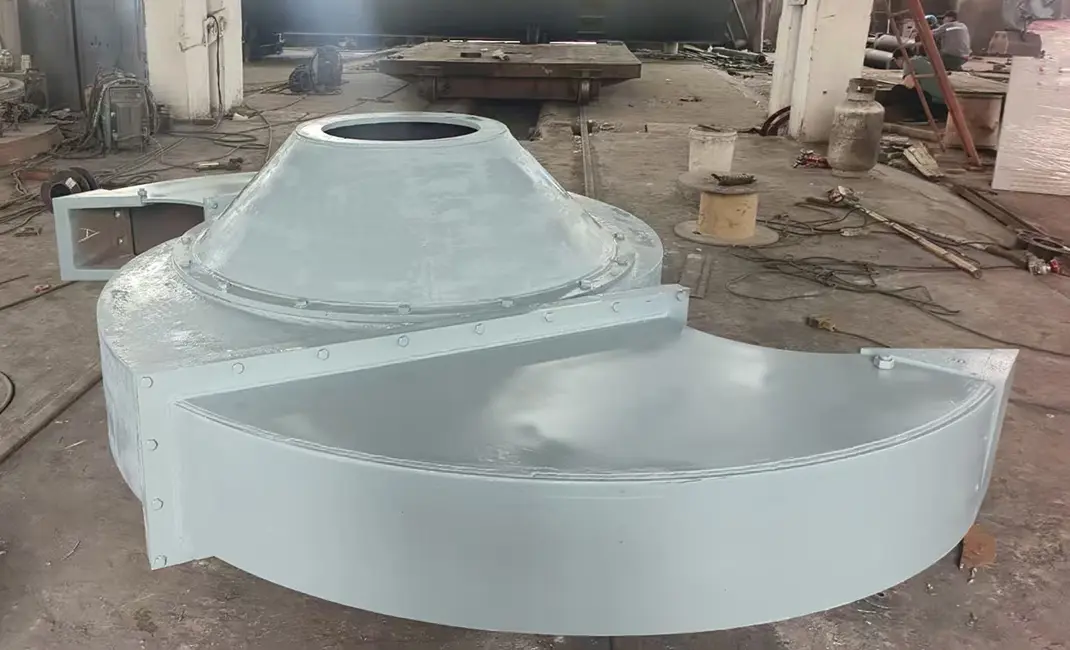
A hydraulic cone crusher operates under extreme cyclical loading, experiencing crushing pressures that regularly exceed several hundred metric tons. Under such loads, low-grade castings will quickly develop micro-cracks and structural failure. At Henan Hanhai, we utilize state-of-the-art foundry technologies to ensure every structural casting meets strict international standards:
Crusher configurations must be tailored to their operating environments. Temperature extremes, humidity levels, and rock compositions all impact performance and wear life:
Comminution technology is evolving toward increased automation and predictive maintenance:
Establishment of Hanhai Casting. Focused on heavy steel and iron castings, developing a strong technical foundation in metallurgy.
Introduced advanced melting and molding technologies, expanded overall production capacity, and began supplying large mining operations.
Achieved ISO9001 certification, upgraded non-destructive testing systems, and expanded our export network across Asia and the Middle East.
Integrated intelligent digital foundry systems and smart manufacturing controls to support sustainable, high-precision global production.
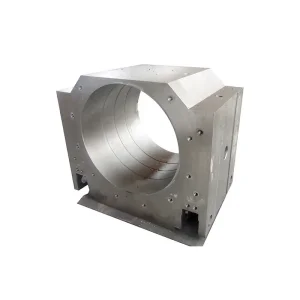
Beyond cone crushers, we supply heavy-duty castings engineered to handle high pressures, temperatures, and structural loads.
Widely used in mining, metallurgy, construction, chemical processing, and recycling to crush abrasive ores, rocks, and aggregates.
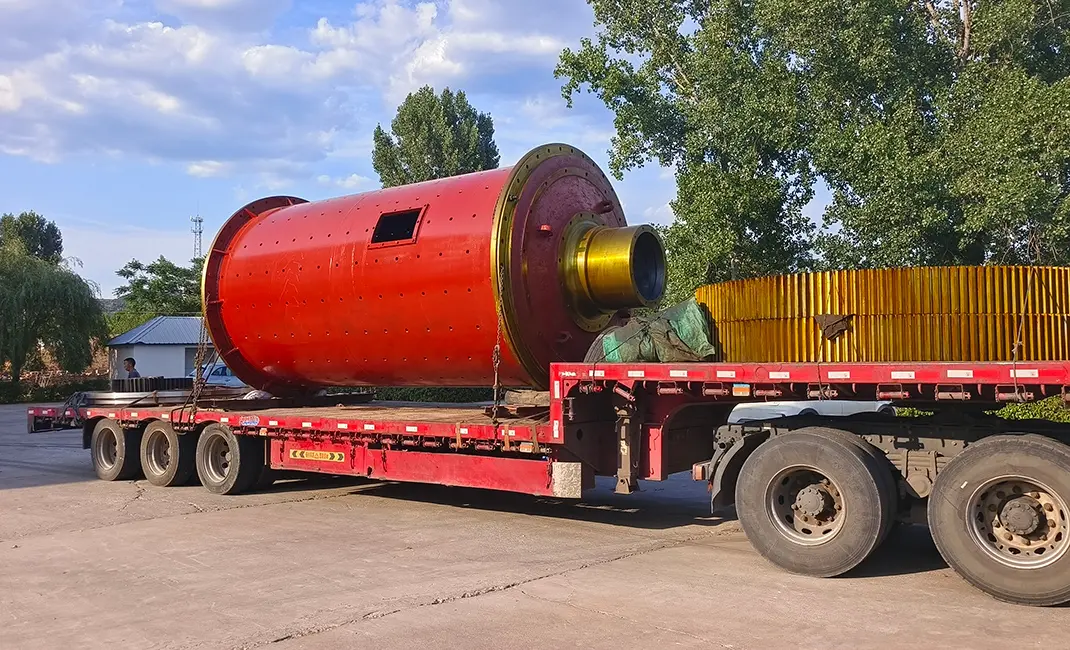
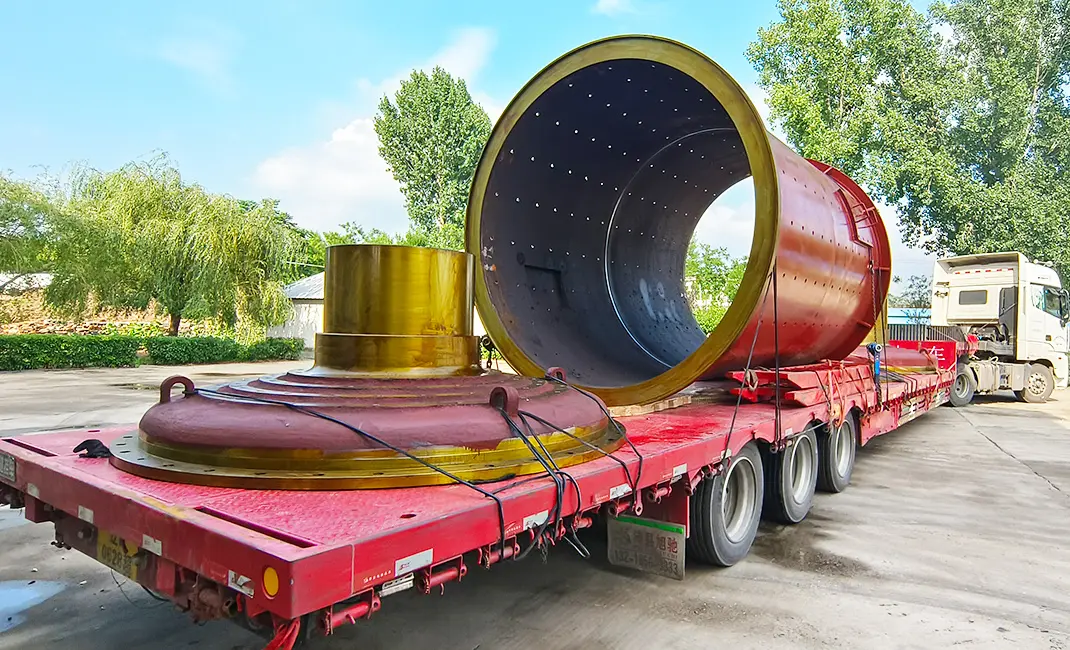
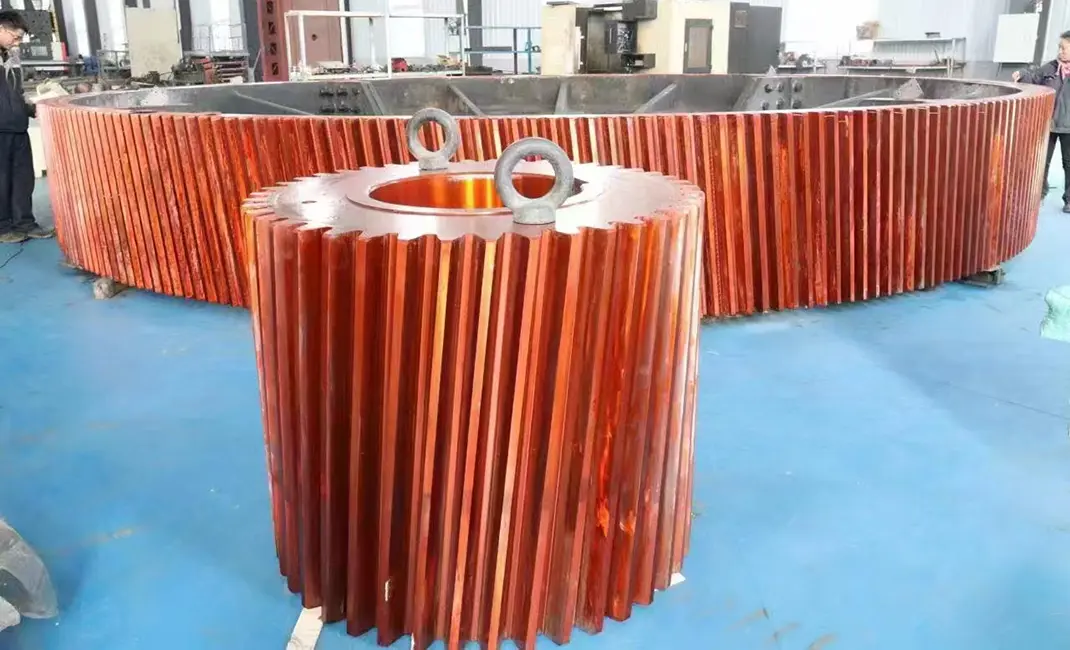
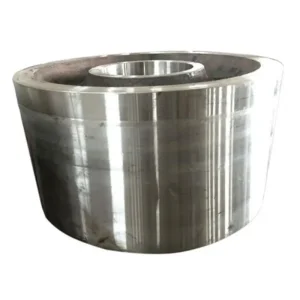
Heavy-duty cast components designed for horizontal mills, rotary kilns, and large-scale processing systems.
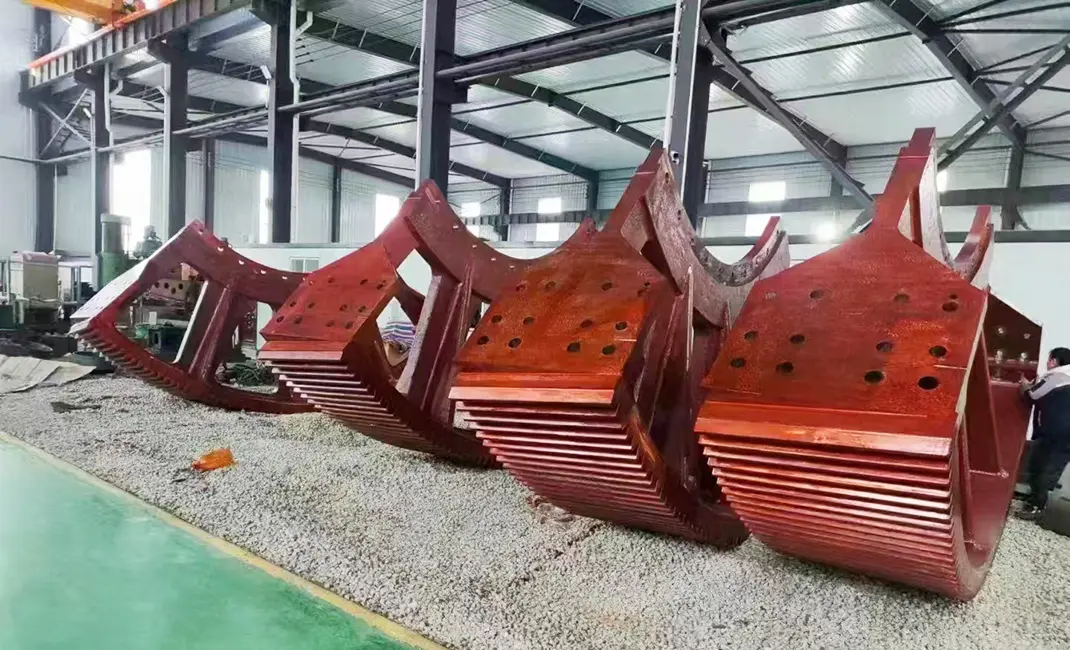
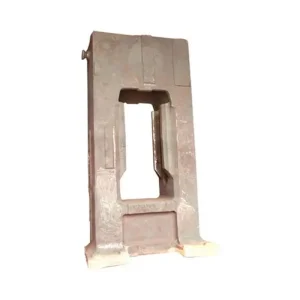
High-strength alloy steel press arches, wall panels, and columns for heavy-tonnage hydraulic forging machinery.
High-pressure valve bodies and fluid control components engineered to withstand critical hydraulic forces.
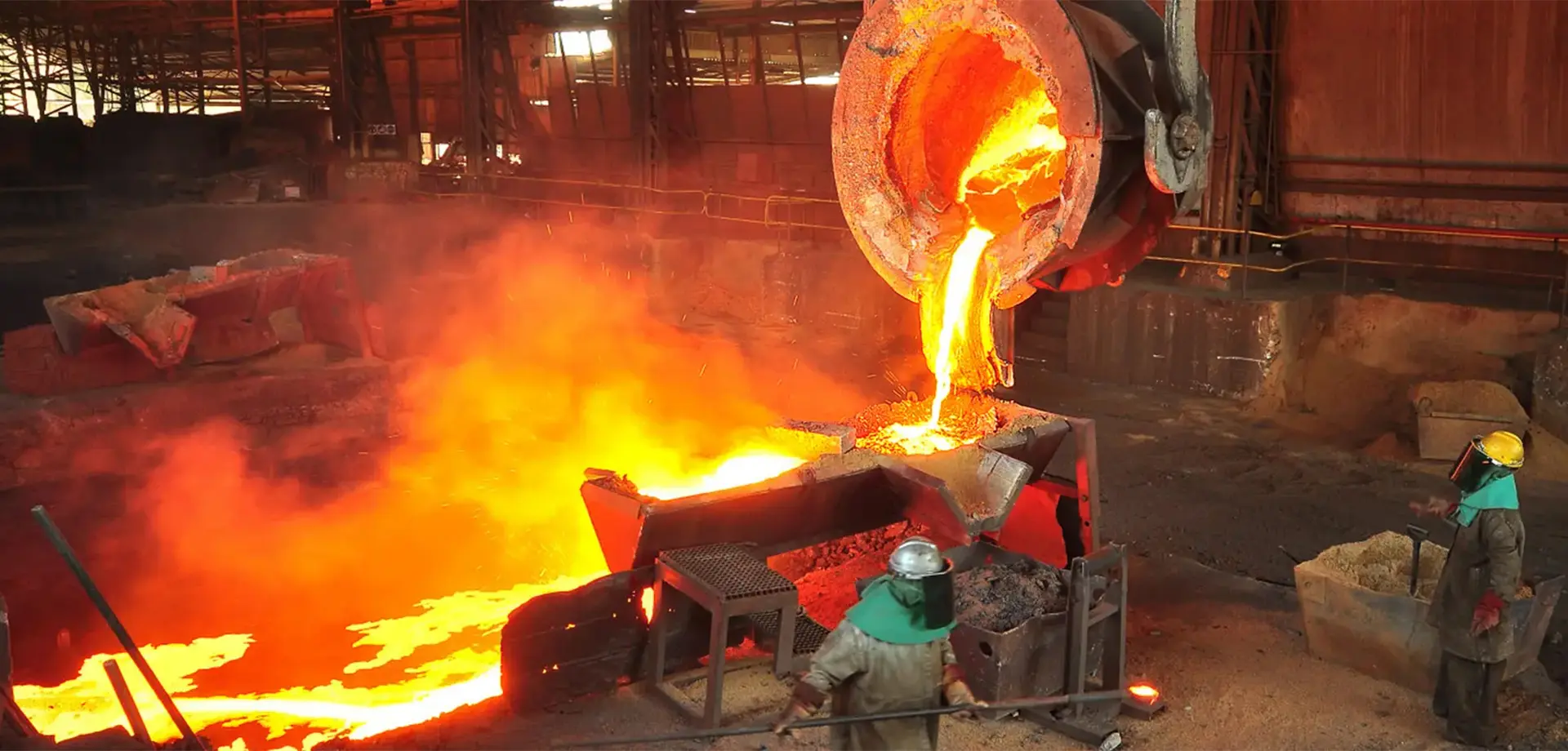
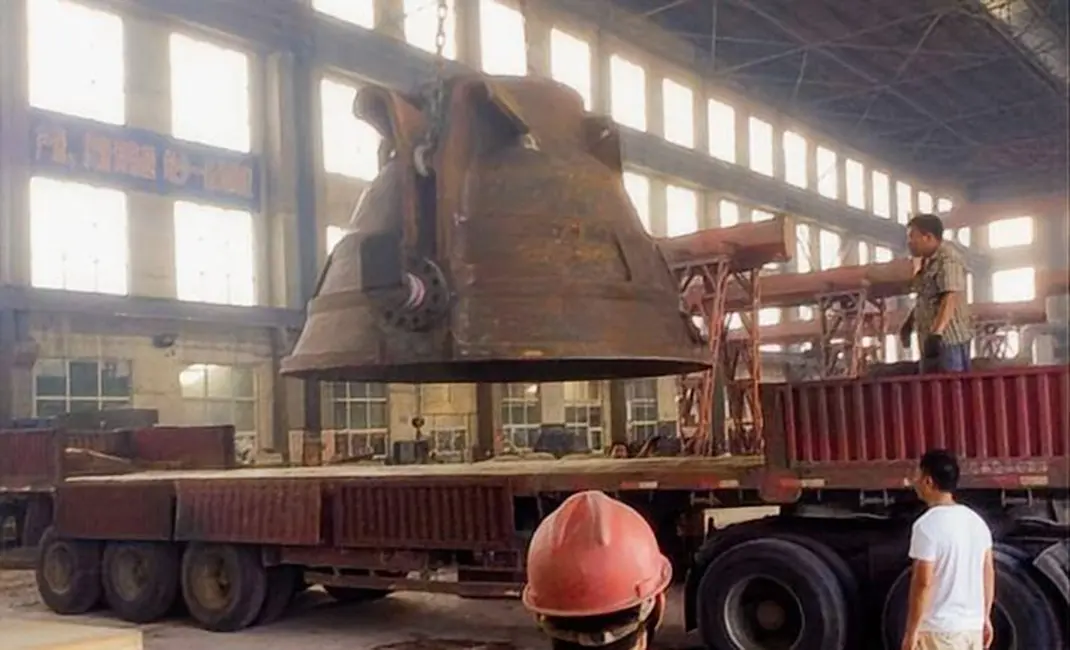
Slag pots, ladles, and ingot molds built to resist extreme heat and thermal shock in steelmaking plants.
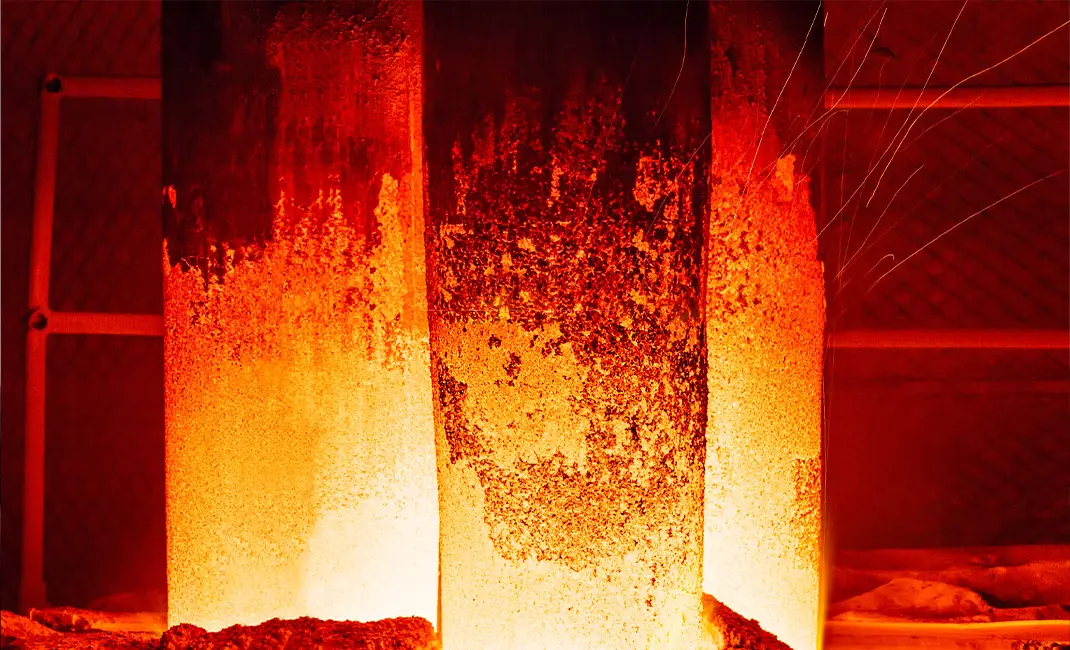
Providing slag handling components, heavy ladles, and custom steel bodies that operate reliably under high-temperature cycles.
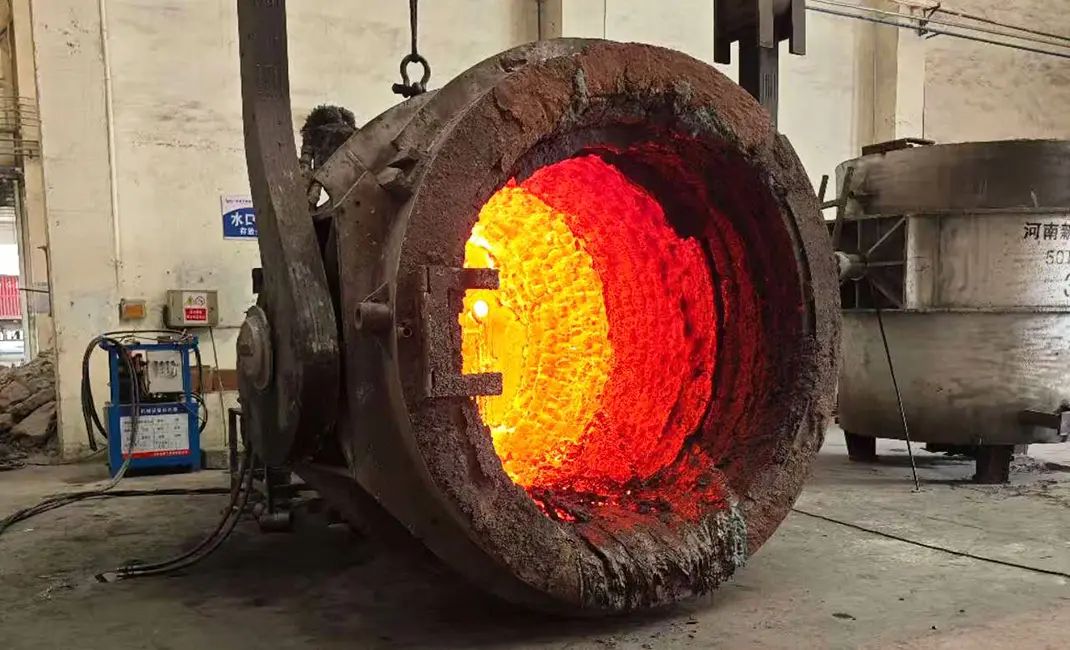
Heavy casting capabilities supporting single-piece pours of up to 150 metric tons, including large rolling mill housings.
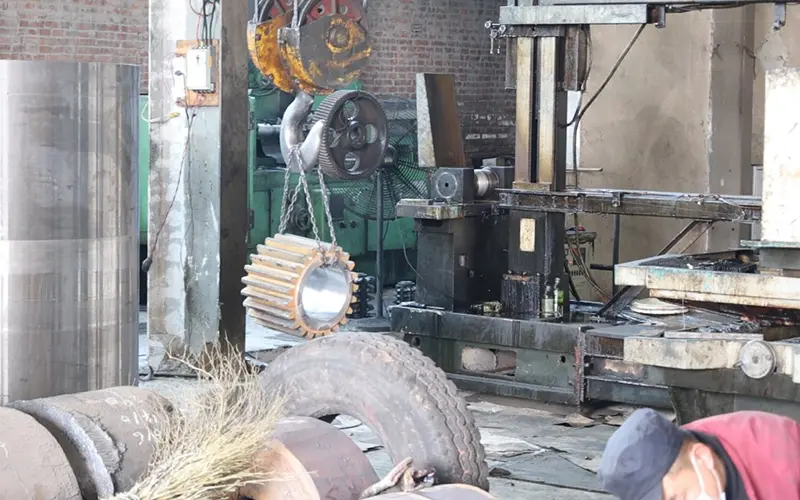
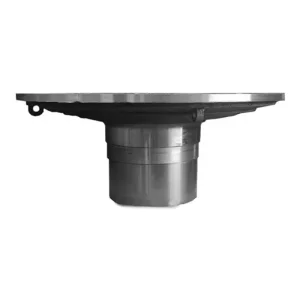
Durable casting liners, trunnions, and heads designed to optimize throughput in SAG and ball milling operations.
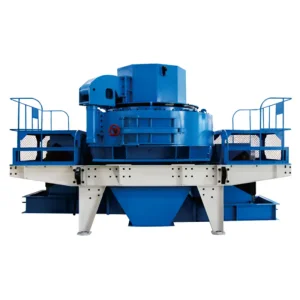
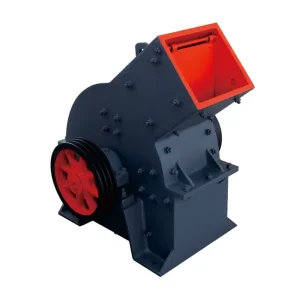
Complete assemblies, including jaw crushers, roller crushers, and cone crushers, built for quarrying and mining.
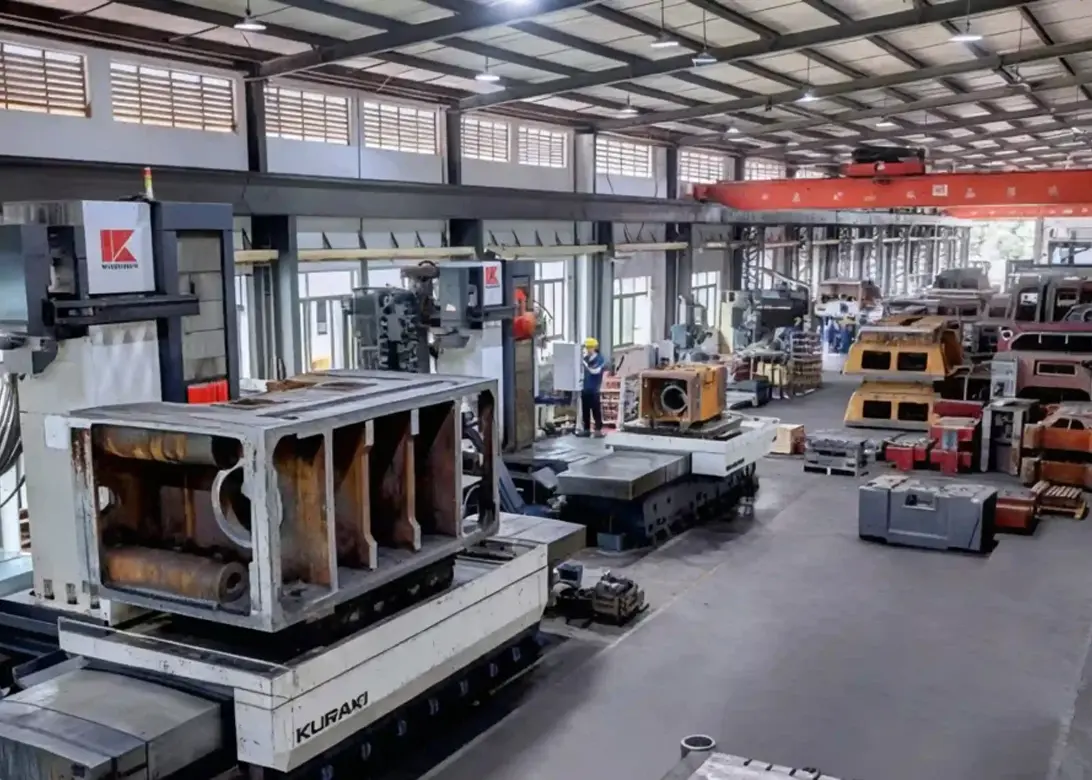
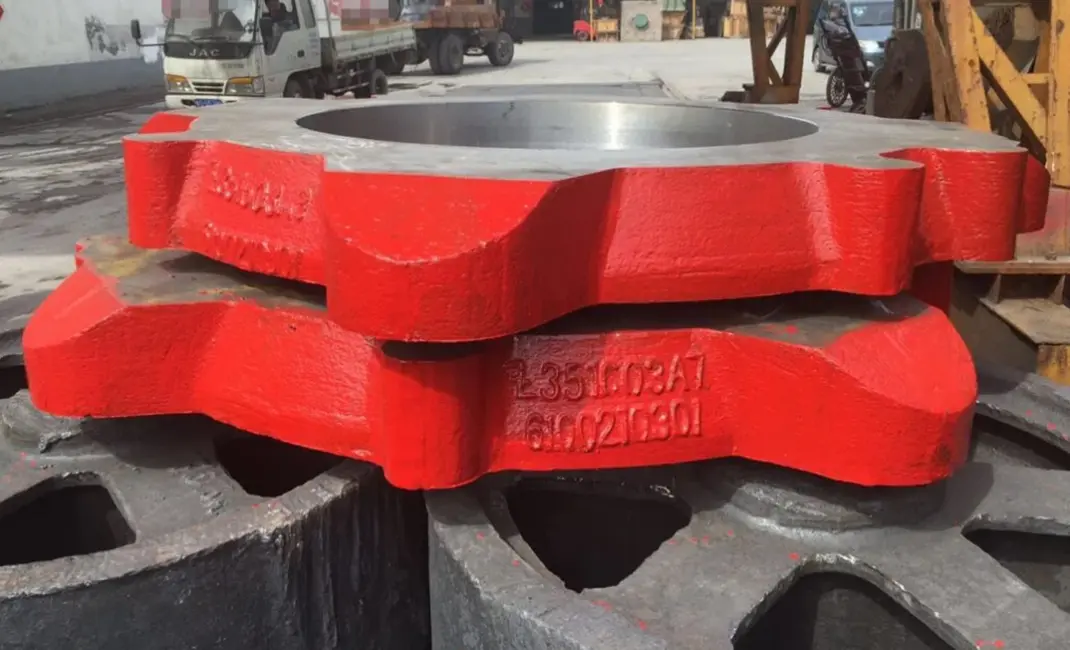
Custom-engineered casting designs tailored to meet specific industrial requirements and operational parameters.
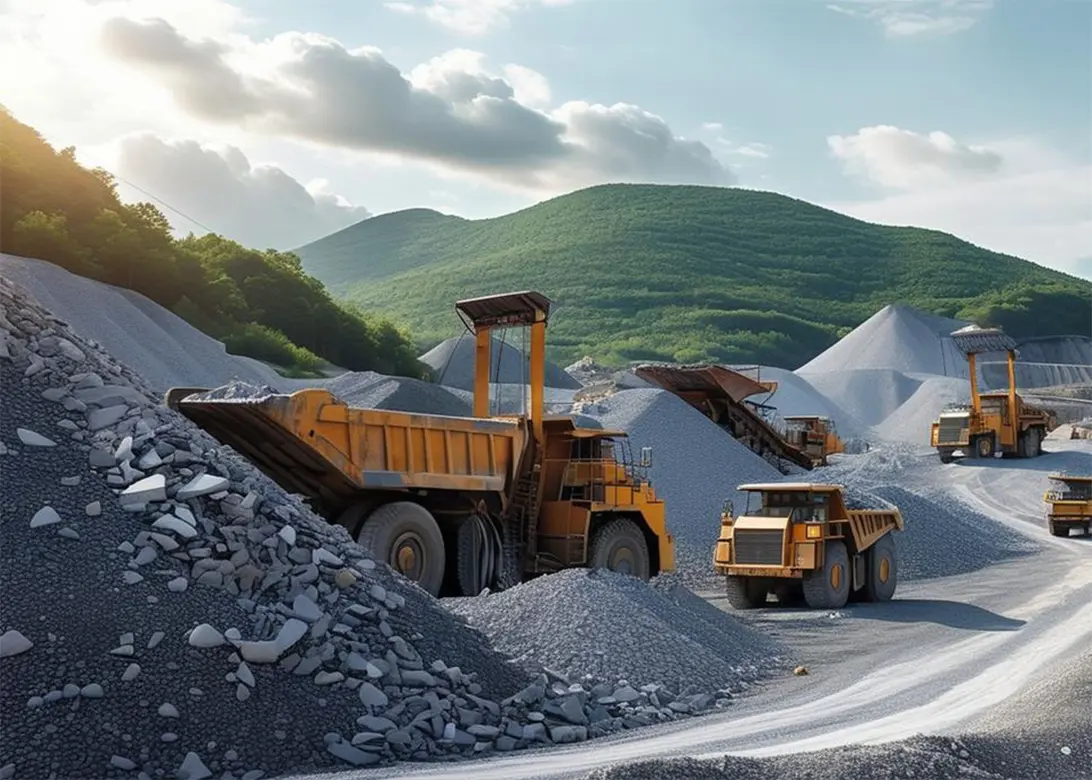
Wear-resistant linings and structural housings that protect equipment and minimize downtime in mining plants.
A step-by-step engineering process designed to ensure clear communication, precise customization, and long-term operational reliability.

Project Requirement Collection: Our engineers collect on-site operating parameters, material properties, and capacity requirements.
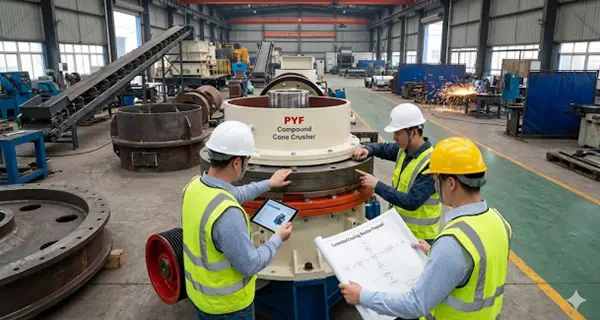
Customized Crushing Solution Proposal: We develop custom chamber geometries, alloy formulations, and dynamic speed ratings.
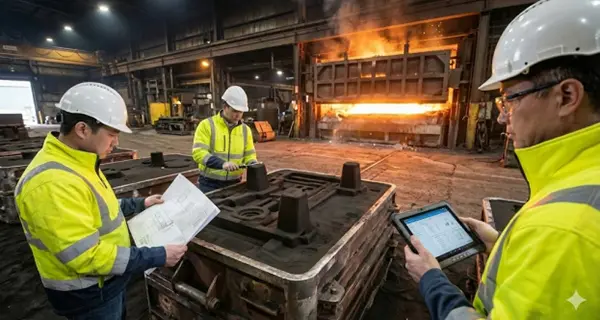
Specification & Commercial Alignment: We align on dimensional tolerances, casting weight distributions, and performance targets.
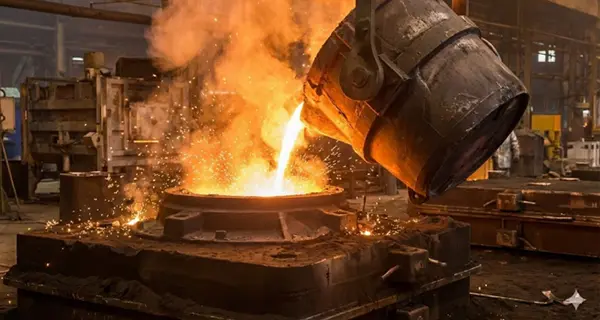
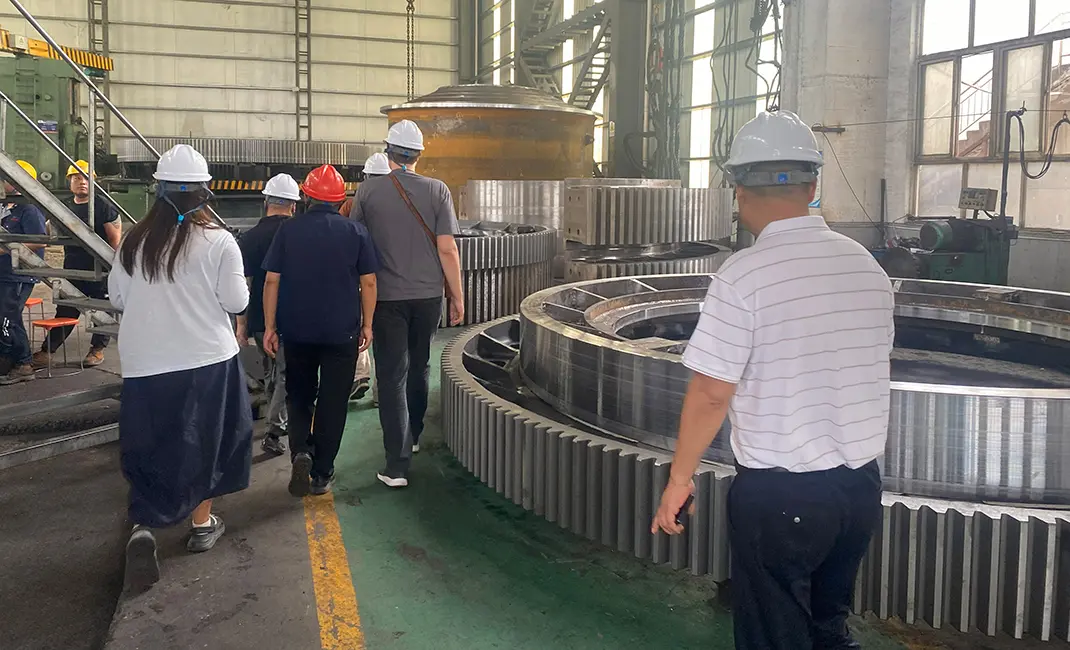
In-House Production & Quality Control: In-house casting, heat treatment, and precision machining are performed at our ISO-certified foundry.

Pre-Shipment Inspection: Testing is conducted, including Ultrasonic Testing (UT), Magnetic Particle Testing (MT), and dimensional audits.
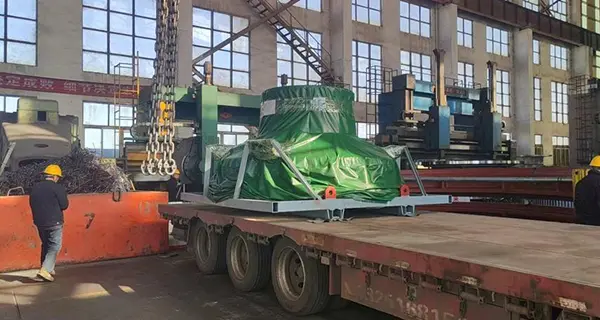
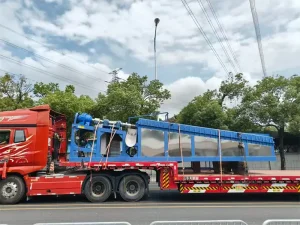
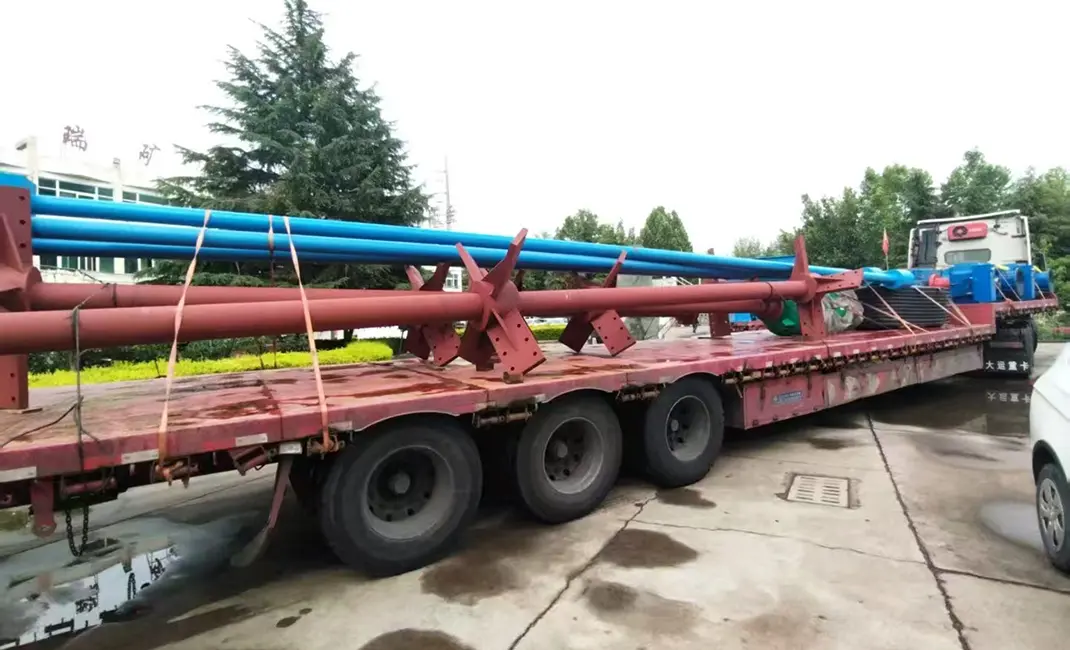
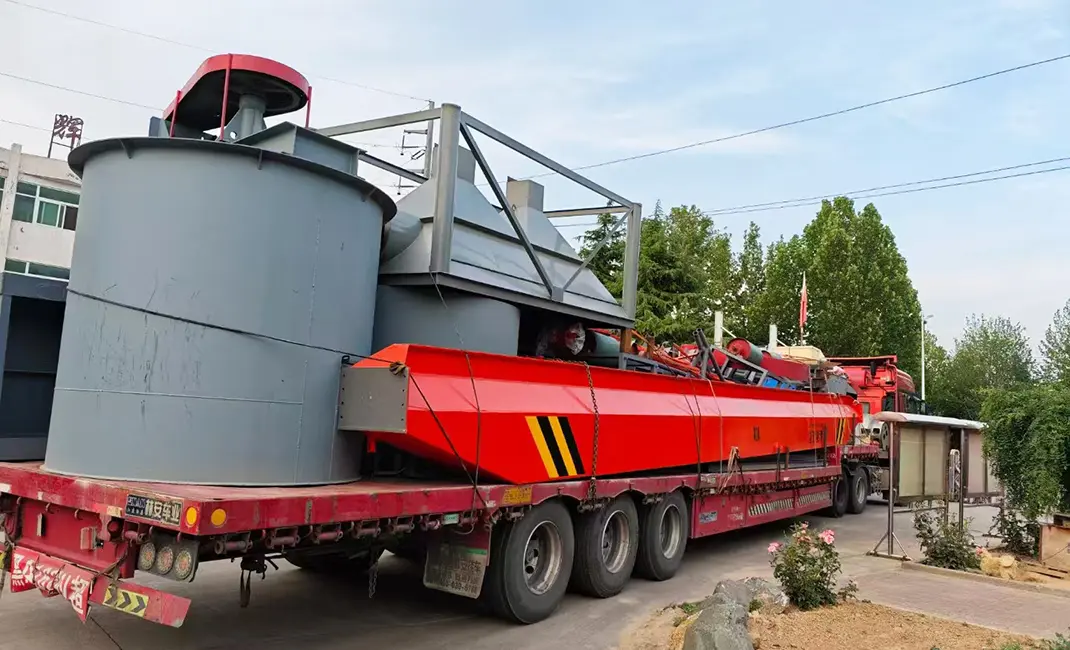
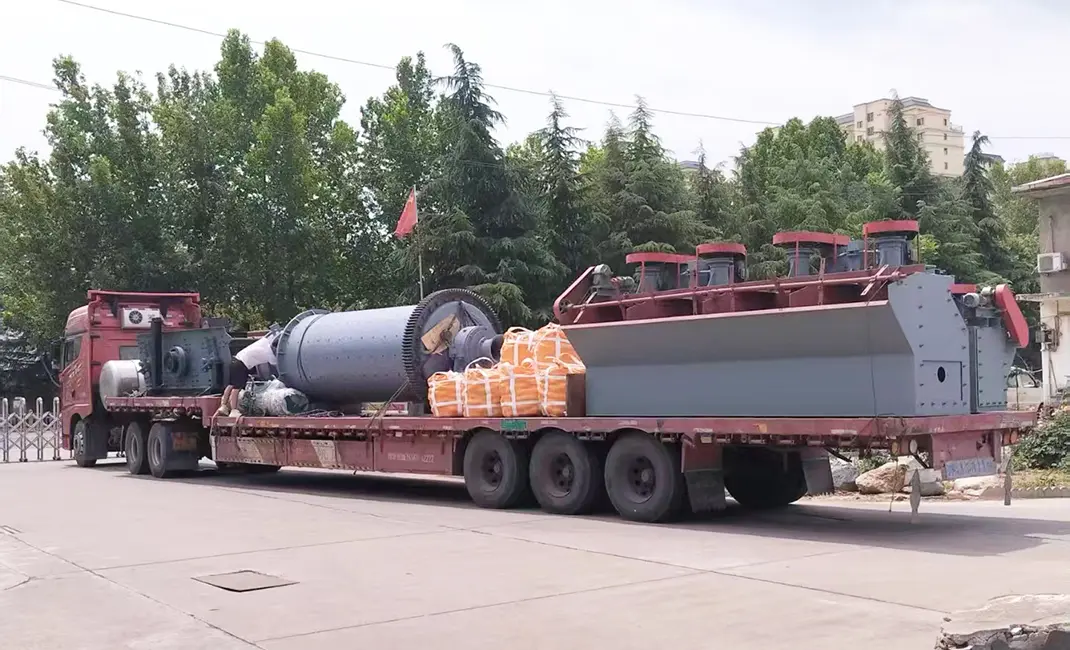
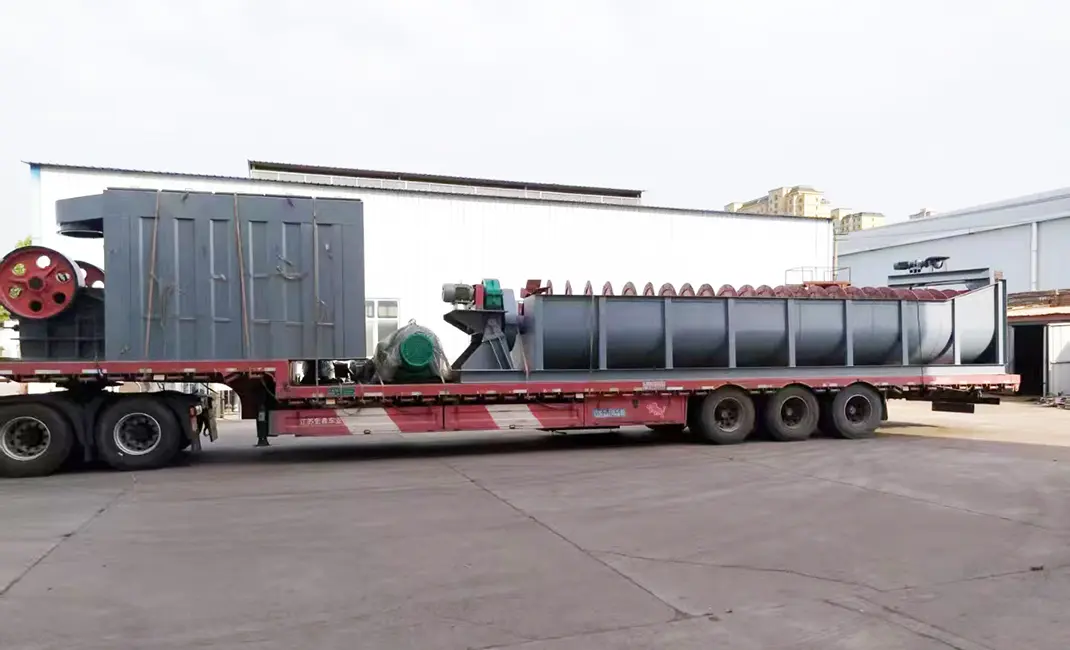
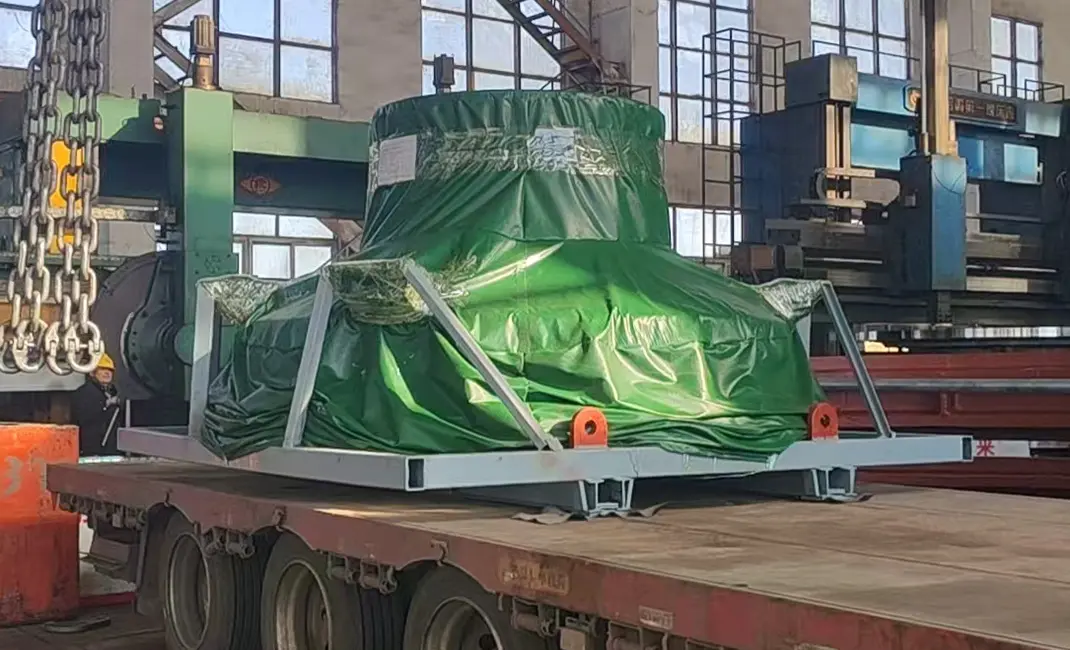
Safe Packing and Global Shipping: Large casting pieces are packaged and secured for safe transit via sea or heavy land freight.
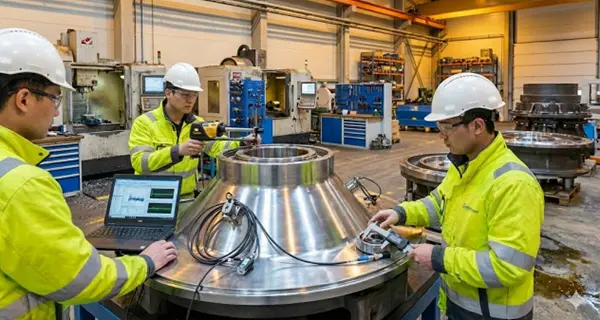
Technical Support on Site or Online: Our engineers provide on-site guidance to help ensure correct installation alignment.
Equipment Operation & Maintenance Training: We conduct training programs covering pressure settings, lubrication cycles, and safety protocols.
Long-Term Service & Spare Parts Supply: We maintain an inventory of manganese liners, head centers, and eccentrics to support plant operations.
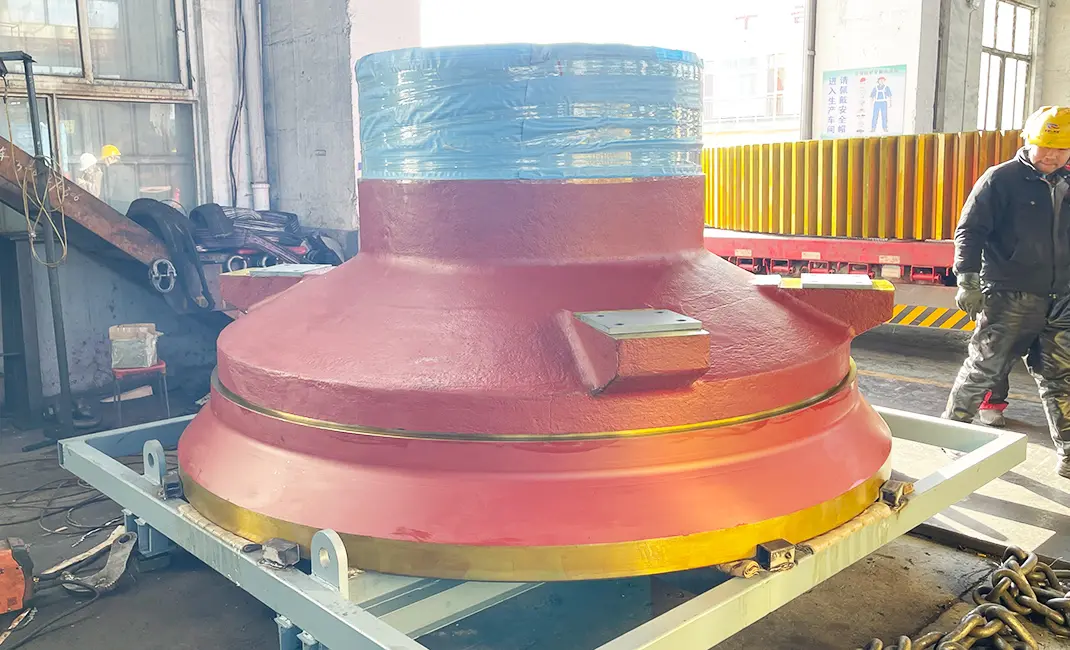
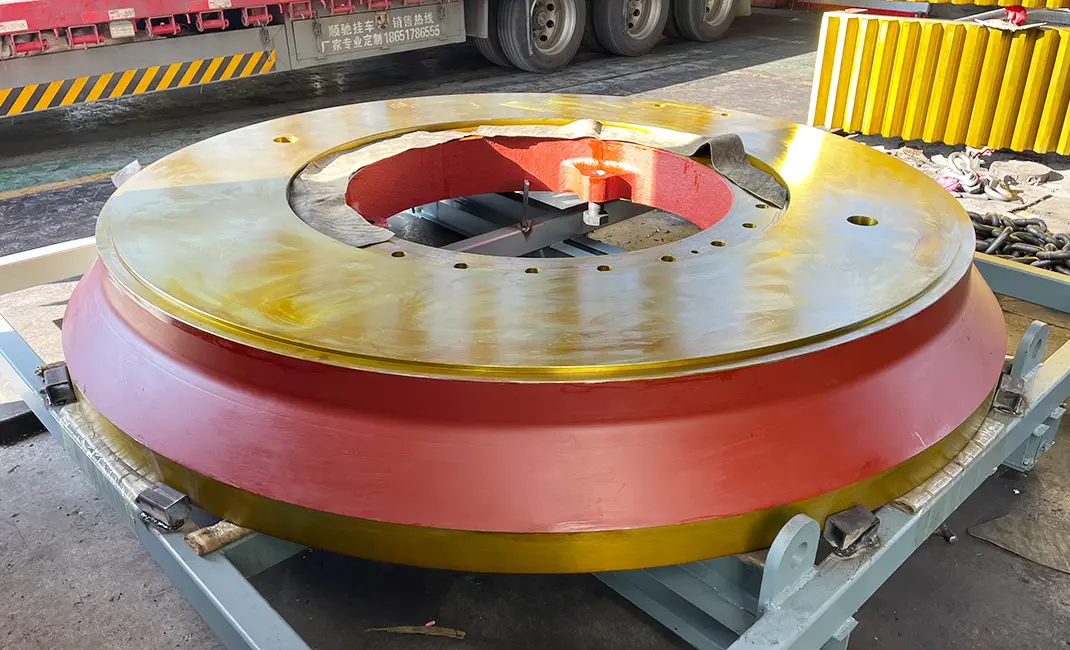

A single-cylinder hydraulic cone crusher adjusts the Closed Side Setting (CSS) and handles tramp release using a single hydraulic cylinder positioned at the bottom of the mainshaft. This design features fewer moving parts and is well-suited for secondary crushing stage applications. In contrast, a multi-cylinder hydraulic cone crusher utilizes several cylinders located around the perimeter of the frame to adjust the CSS by rotating the bowl. This provides a more uniform distribution of crushing force, making it highly effective for producing cubical aggregate shapes in tertiary crushing.
Our liners are fabricated using Hadfield manganese steel alloys (such as Mn18Cr2). Under continuous mechanical impact during operations, the material undergoes plastic deformation. This triggers a microstructural phase transformation, work-hardening the surface from ~220 Brinell up to 500+ Brinell, while the substrate remains ductile. This combination of a hard wear surface and a ductile backing resists abrasive wear and prevents cracking under high impact loads.
We use GS20Mn5 and ASTM A27 low-alloy steels, which offer high tensile strength and fatigue resistance. During the design stage, we utilize solidification simulation software to model metal flow and cooling behavior, allowing us to optimize riser placement and mitigate stress concentrations. Every frame is subjected to thermal normalization and annealing, and is verified using Non-Destructive Testing (NDT), including Ultrasonic and Magnetic Particle testing, to ensure zero internal voids.
Selecting the correct cavity shape depends on the feed material size, moisture content, and desired product size. Coarse cavities are designed for secondary crushing stages with large feed sizes, maximizing throughput. Fine and extra fine cavities feature a flatter chamber angle to create a smaller nip angle, which is ideal for tertiary crushing and sand-making applications where high-percentage fines and cubical shapes are required.
Spring-based systems rely on mechanical deformation of physical coil springs to allow the bowl to lift. If the chamber jams, clearing it requires manual intervention. In contrast, a hydraulic tramp release system uses accumulator-backed cylinders. When an uncrushable object increases chamber pressure, the hydraulic fluid bypasses into the accumulators, allowing the cylinder to retract and release the object. The system then automatically returns to its original setting, minimizing downtime and protecting the drive gears.
Explore our wider range of high-efficiency crushing equipment and heavy-duty casting components.
 Hanhai