Advanced OEM metallurgical casting products engineered for high impact and wear-resistant applications.
Modern mineral extraction and aggregate production systems rely on mechanical stress configurations that demand peak wear resistance and dimensional stability. Cone crushers occupy a critical stage in the comminution process, taking coarse primary crusher feeds and reducing them to fine, well-graded outputs under continuous high-tonnage cycles. At this level of force, standard alloy formulations fail prematurely due to high mechanical fatigue and abrasive wear.
As a leading Chinese foundry specializing in heavy-duty castings, Henan Hanhai Metallurgy Mining International Trade Co., LTD engineers specialized replacement bodies and custom structural components. Achieving peak crushing efficiency requires a holistic understanding of crushing cavity geometry, wear dynamics, and metal chemistry to guarantee structural integrity.
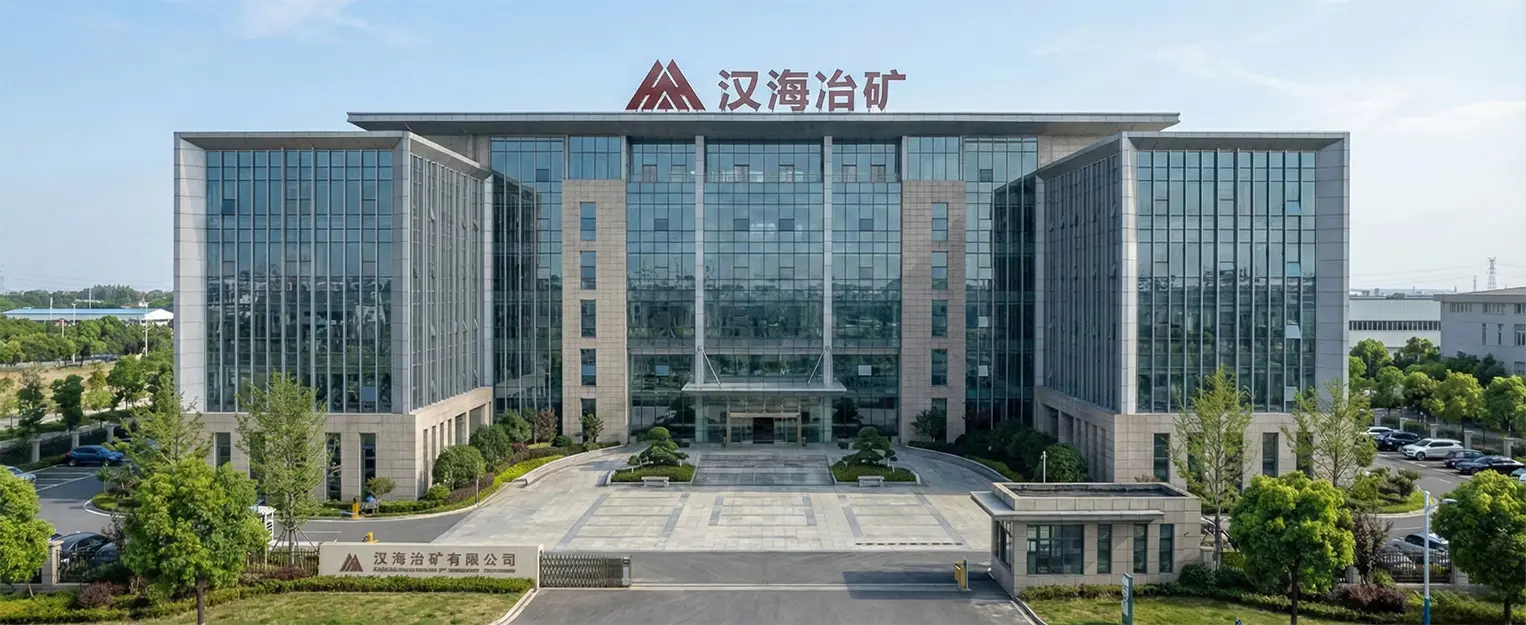
Combining technological innovation, vertical supply chain integration, and deep metallurgy expertise.
We use simulated filling software to predict heat profiles, avoiding internal defects like voids and micro-cracks before casting begins.
Select tailored alloys, including high-manganese steel (Mn13Cr2, Mn18Cr2, Mn22Cr2) and heat-treated alloy steel, for structural components.
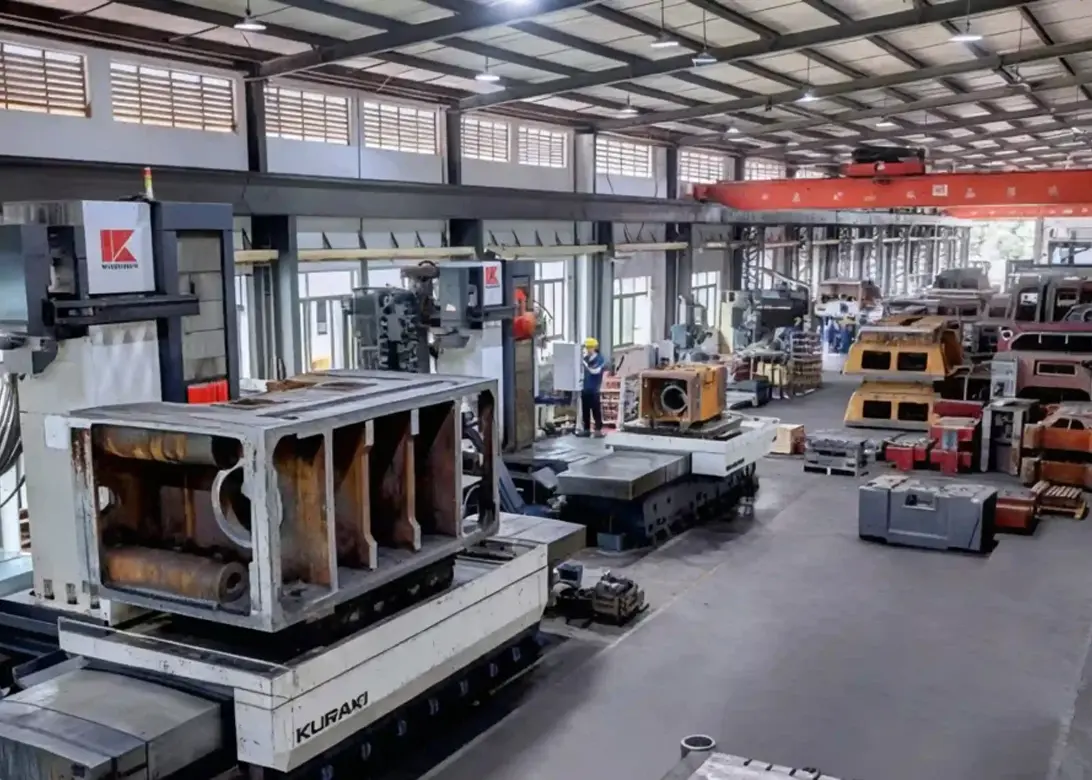
Our machine shop handles heavy turning, boring, and milling, providing ready-to-install parts straight to your site.
Our operations meet ISO9001 and CE certifications, with standard non-destructive testing (NDT), ultrasonic testing (UT), and magnetic particle inspection (MT).
With an annual casting output of 80,000 tons, we efficiently produce components ranging from 1 ton to 120 tons to meet large project demands.
Located in Henan's industrial casting cluster, we source raw materials reliably to keep projects on schedule globally.
Annual Casting Output
Foundry Experience
Global Quality Standards
Max Single Cast Weight
Henan Hanhai Metallurgy Mining International Trade Co., LTD has built a reputation for reliable heavy castings through continuous investment in foundry technology.
We support global industries with precision casting and sustainable manufacturing. Through casting innovation, we deliver parts that extend wear life, reduce maintenance downtime, and lower total operating costs for mine operators and machinery OEMs.
As metallurgy requirements advance, our team continues to refine casting techniques, including vacuum-sealed molding, high-performance sand casting, and digital gas-fired heat treatment, ensuring high performance in every product.
Empower global industry with wear-resistant casting solutions and engineering excellence.
Be the trusted global supplier for heavy-duty cast steel and iron components.
Hanhai Casting established its initial foundries, focusing on heavy steel and iron castings to build a strong engineering and production base.
We updated our electric arc furnaces and expanded our green sand and sodium silicate sand molding lines to supply large-scale mining and metallurgical projects.
We achieved ISO9001 and CE certifications, updated our spectrometer testing, and began exporting mining castings directly to European, Middle Eastern, and Asian markets.
We integrated simulation systems, digital control for heat treatment furnaces, and green casting technologies, supporting long-term partnerships with global OEMs.
Providing heavy cast components designed to meet demanding operational challenges across key heavy industries.
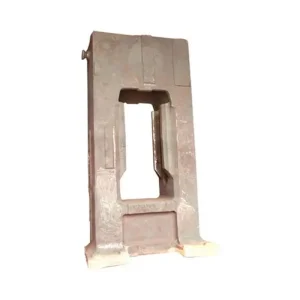
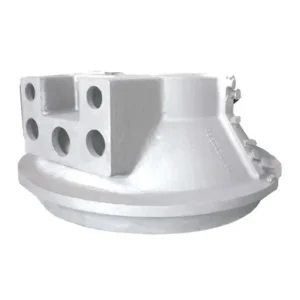
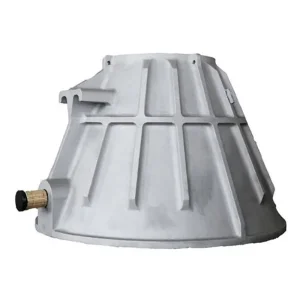
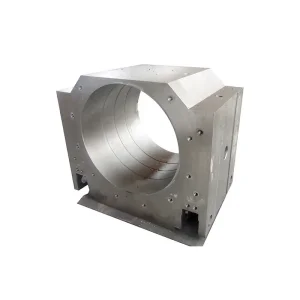
We cast housings, mantles, eccentric shafts, and mainframes for rock crushers processing hard ores.
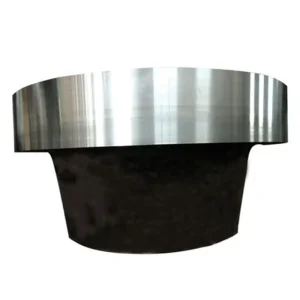
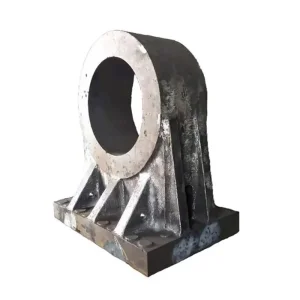
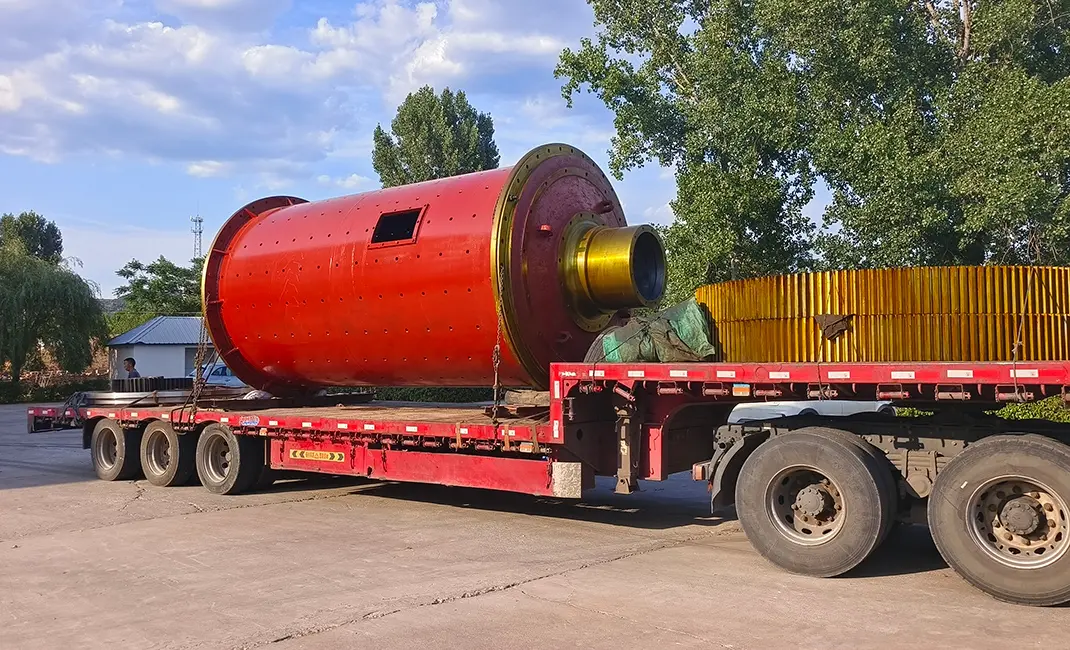
We supply girth gears, riding rings, support rollers, and mill heads for rotary kilns and ball mills.
We cast large columns, cylinders, moving beams, and frames for high-load hydraulic presses.
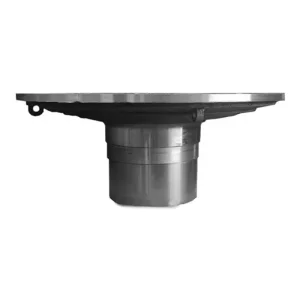
We supply cast valve bodies and heavy disc components for deep water systems and oil gas pipelines.
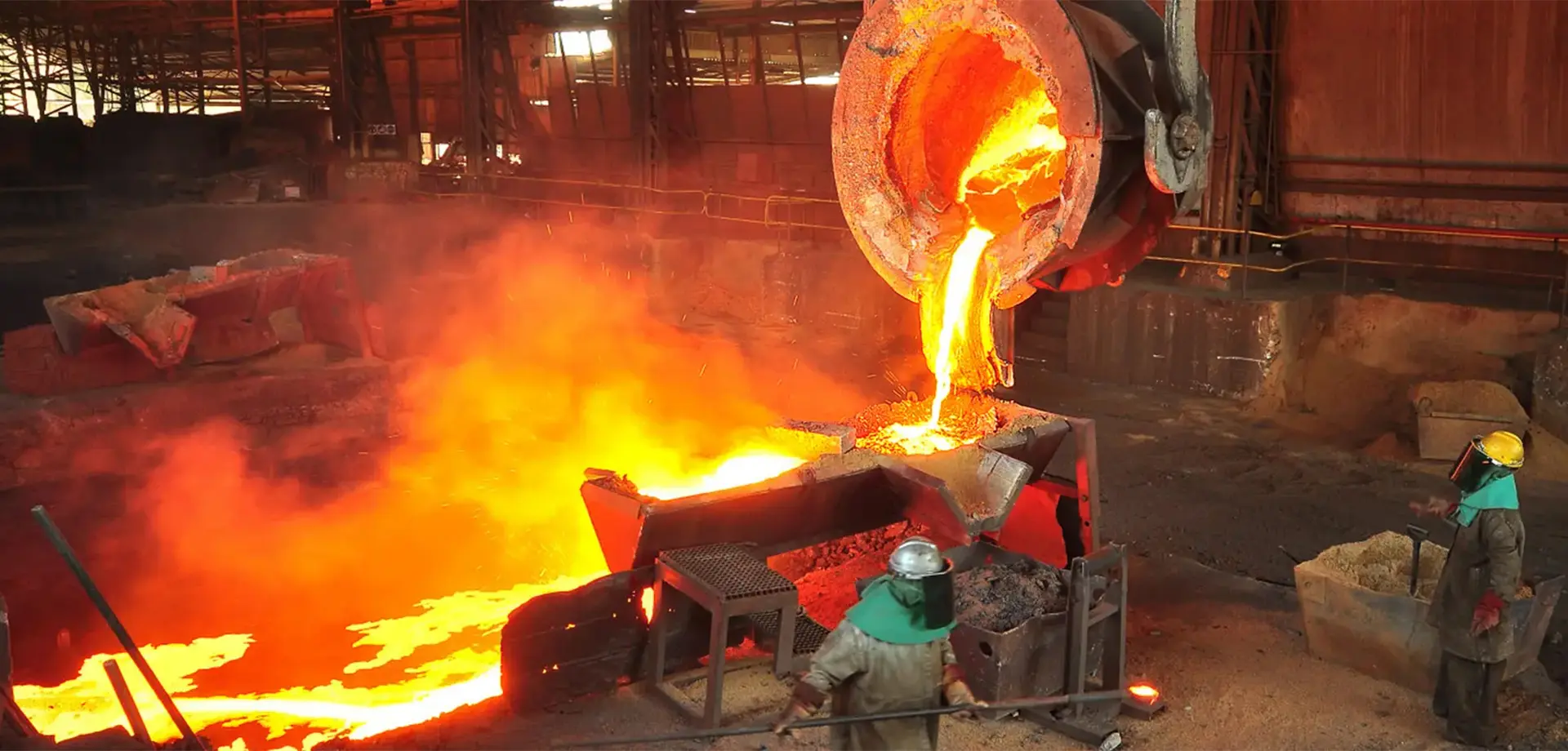
We engineer slag ladles, iron runner systems, and casting molds to withstand high temperatures.
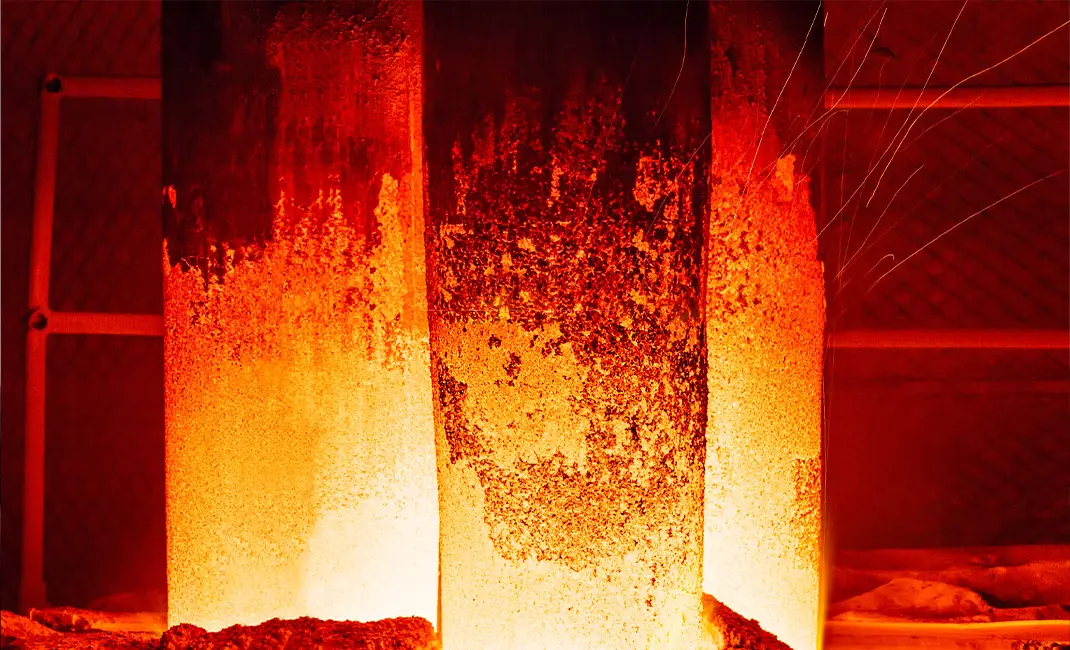
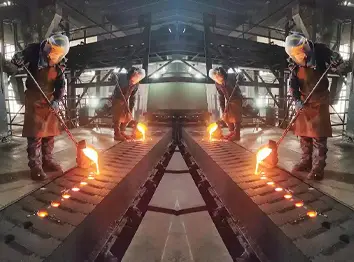
Our structured workflow ensures clear communication, precise metallurgy, and long-term part reliability.

Our engineers gather project details, operating parameters, wear histories, and drawing files.
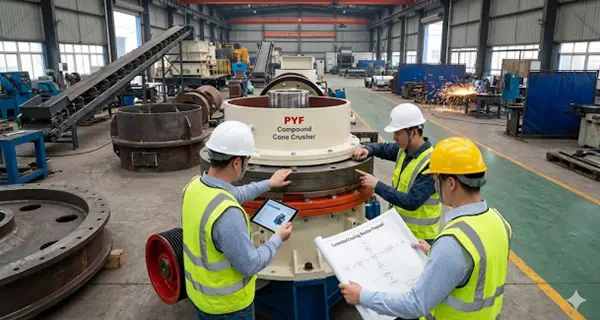
We propose alloy recommendations, thickness modifications, and profile changes to optimize part life.
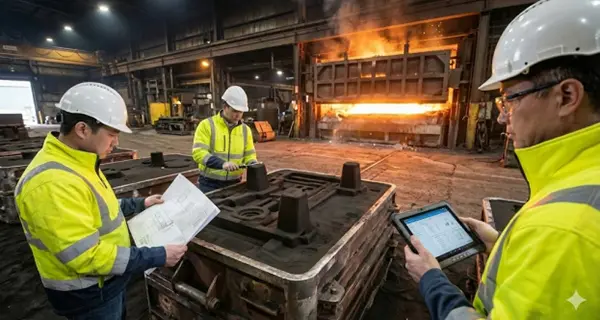
We confirm all 2D/3D drawings, dimensional tolerances, inspection guidelines, and delivery terms.
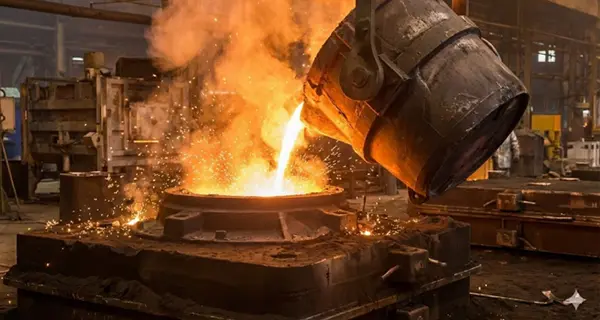
We monitor mold preparation, pouring temperatures, heat treatment, and precision machining.

We perform non-destructive testing (NDT), dimensional checks, and material certifications before dispatch.
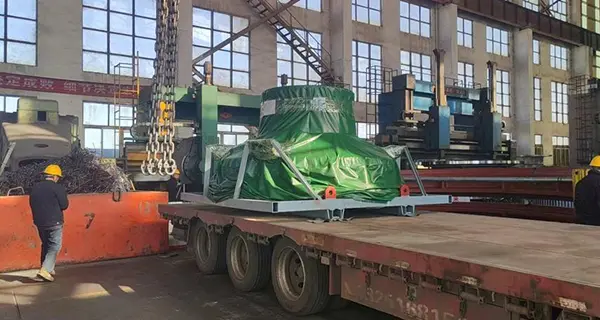
Parts are packed securely and prepared with anti-rust treatments for international shipping.
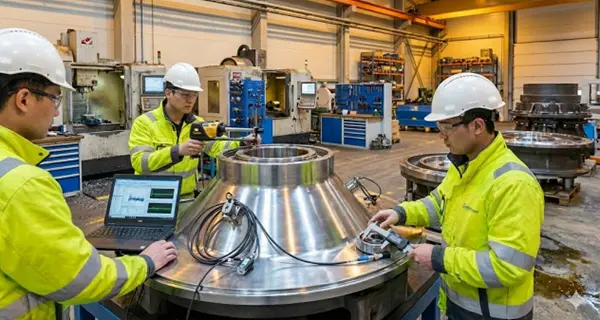
Our engineers provide technical support online or on-site to assist with installation.

We provide documentation on assembly torque, clearances, and lubrication to support maintenance.
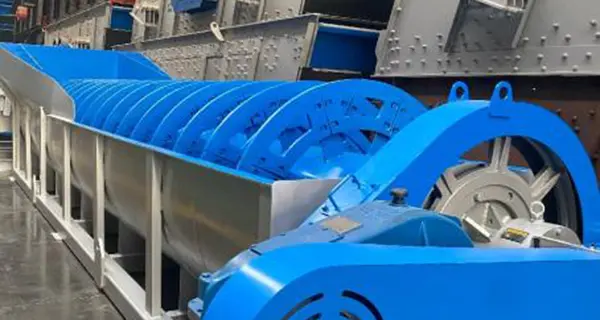
We track wear performance to help optimize metallurgy for your next production run.
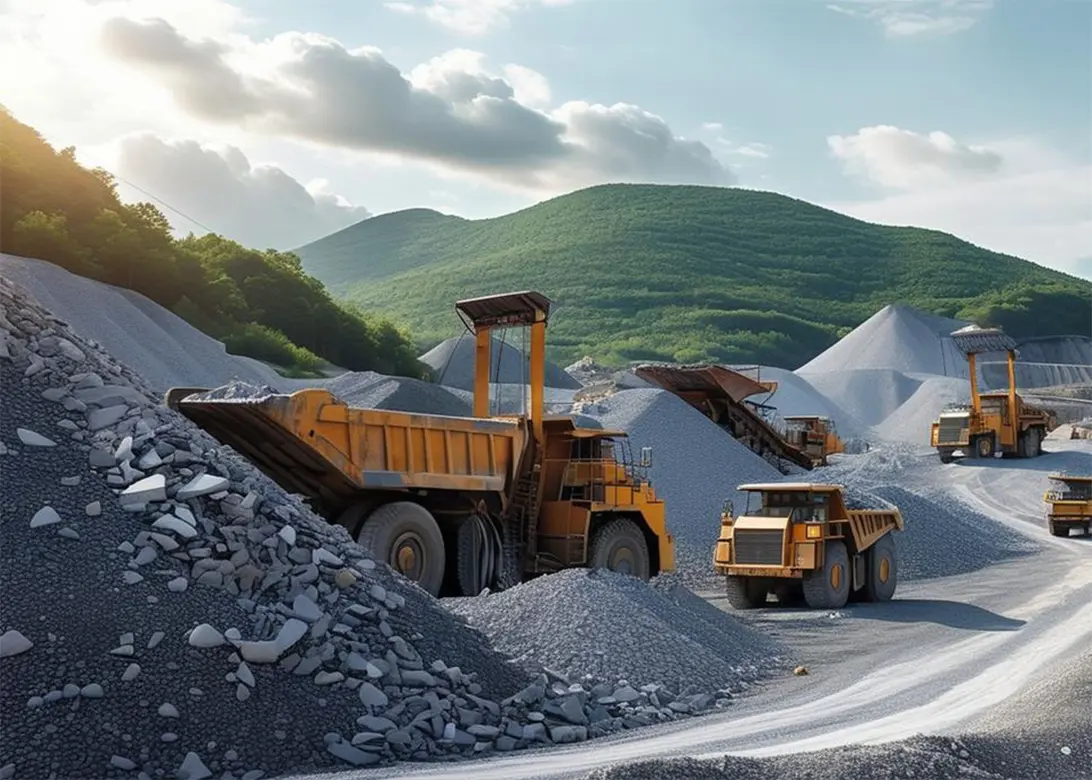
Our products are used in mineral processing plants, steel mills, and quarry operations worldwide. With an output of 80,000 tons of cast steel and iron annually, we supply reliable parts to major mineral projects across Europe, Asia, the Middle East, and South America.
Through partnerships with design institutes and mining companies, we have successfully replaced cast parts for large primary jaw crushers, multi-cylinder hydraulic cone crushers, and heavy slag handling equipment.

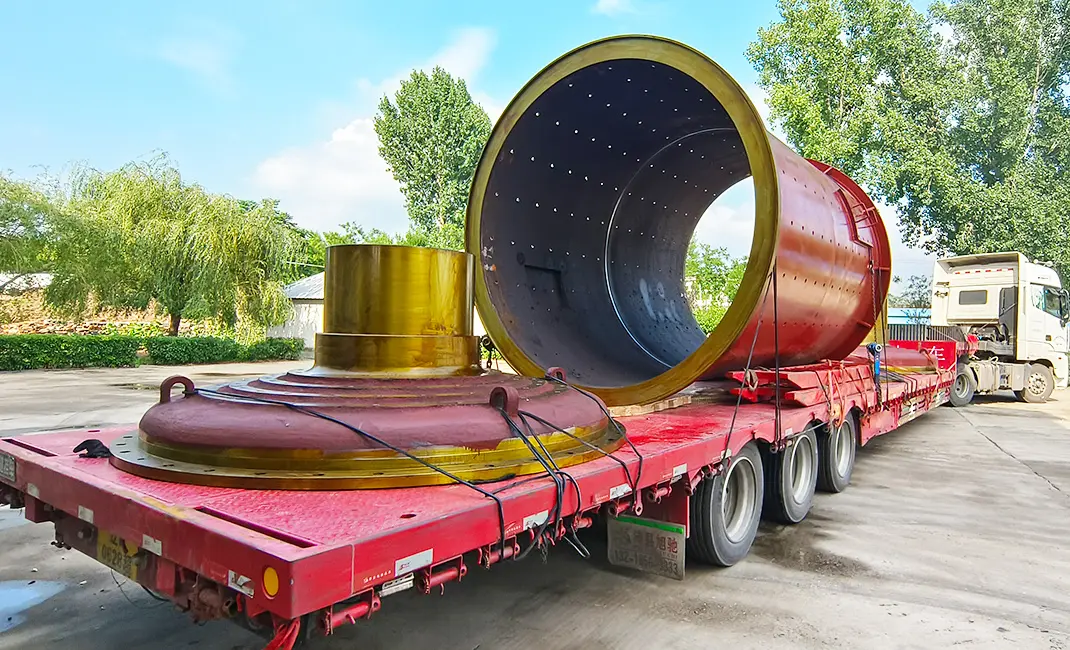
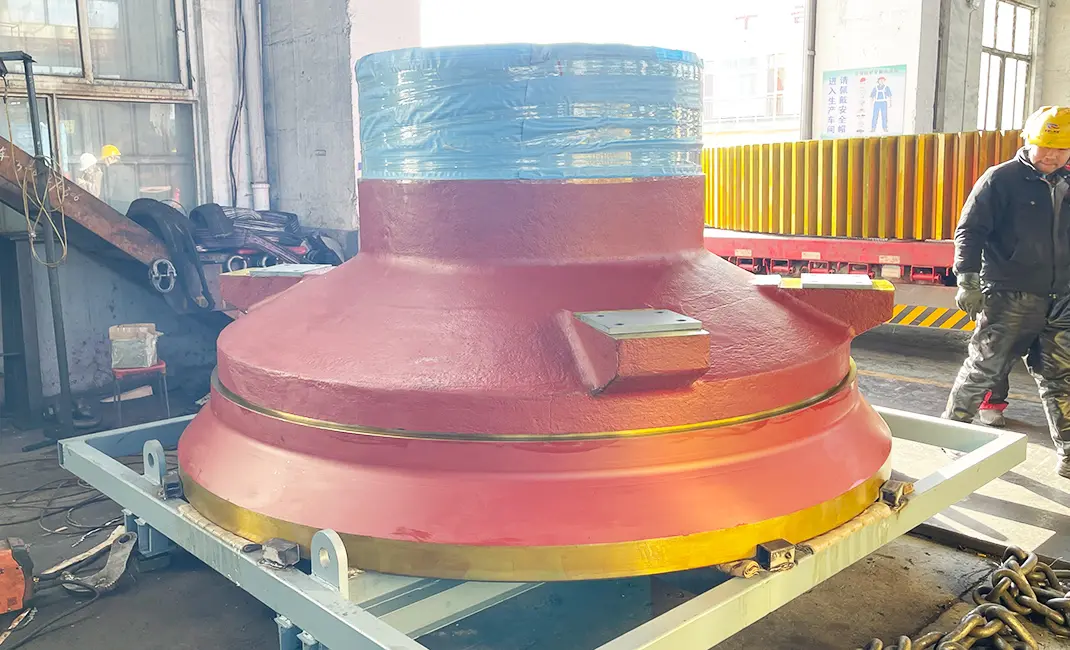
A cone crusher operates on a simple principle: material is crushed by compressive forces between a moving mantle and a stationary bowl liner. However, the dynamics within the crushing chamber are complex. The performance of the crusher depends on matching the cavity design with the specific characteristics of the feed material.
Custom manufacturers use 3D laser scanning to track wear profiles on used liners. By analyzing how manganese steel wears in different zones, engineers can adjust the liner thickness. Increasing thickness in high-wear areas and reducing it in lower-load zones maintains the optimal chamber profile longer, improving throughput and reducing power demand.
High-manganese steel (Hadfield steel) is the standard material for cone crusher wear parts due to its work-hardening properties. Under impact and high pressure, the surface structure transforms from austenite to martensite, forming a hard outer layer while the core remains ductile to absorb shocks.
Adding chromium improves yield strength and prevents the liners from plastic deformation under heavy load, ensuring stable operation.
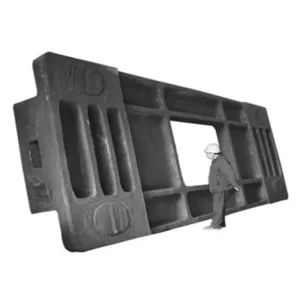
The mainframe of a cone crusher supports the internal forces of the crushing cycle. When crushing hard rock, these forces can cause fatigue cracks in cast components over time. Custom castings address this by optimizing wall thicknesses and transition radii using Finite Element Analysis (FEA).
Upgrading to high-strength alloy steels, combined with stress-relieving heat treatments (normalizing and tempering), ensures the frame can withstand continuous load cycles. Our foundry uses digital gas-fired furnaces to control temperature cycles, minimizing residual stress in large cast components.
Complete machines and custom components engineered for reliable performance in demanding environments.
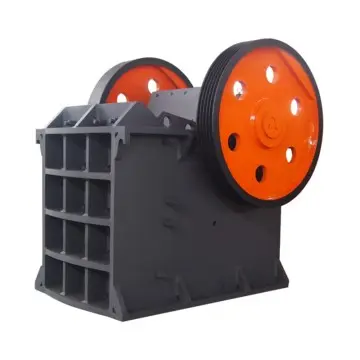
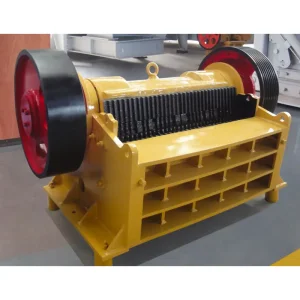
Heavy-duty primary jaw crusher built with robust cast steel frames to handle high-hardness ores and stones.
View Specifications →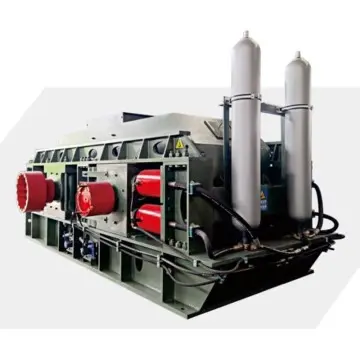
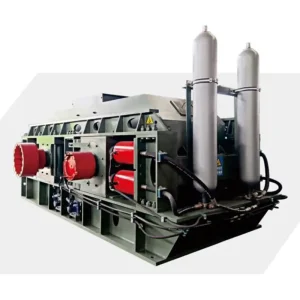
Energy-efficient dual-roll crusher designed for sizing medium-hard minerals, coal, and limestone.
View Specifications →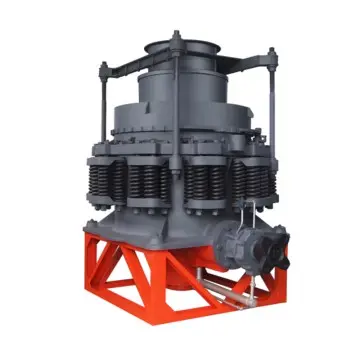
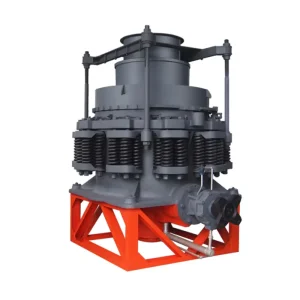
Proven spring-release crusher featuring durable cast housings and reliable overload protection.
View Specifications →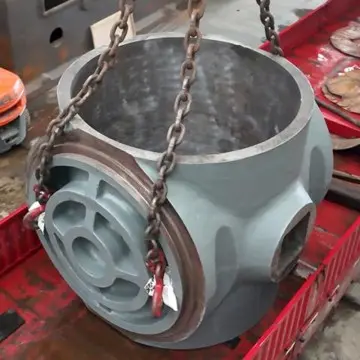
High-pressure valve bodies cast from carbon and alloy steel, designed for fluid control applications.
View Specifications →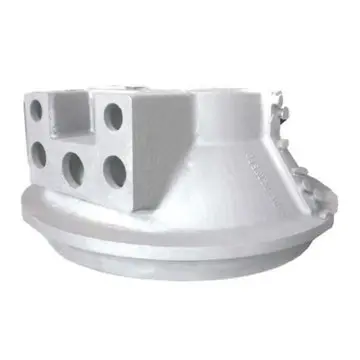
Large-scale, heat-resistant cylinder casings designed for power generation and steel plant systems.
View Specifications →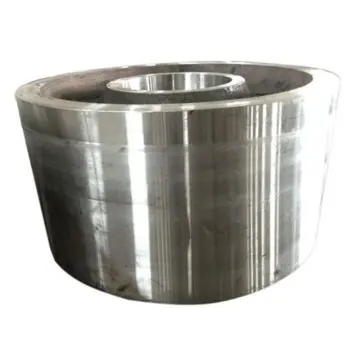
Heavy-duty support rollers and riding rings designed for high loads in rotary kiln and mill systems.
View Specifications →Expert answers to common technical, metallurgical, and procurement questions from mine operators and procurement professionals.
For high-abrasion applications like granite and basalt, we recommend high-manganese steel with chromium additions (e.g., Mn18Cr2 or Mn22Cr2). The chromium helps increase yield strength, preventing the mantle and bowl liner from deformation under heavy crushing forces. Under impact, this material work-hardens to protect the contact surfaces while retaining core toughness.
We use a structured quality inspection process, including chemical composition testing via optical emission spectrometers, ultrasonic testing (UT) for internal defect detection, magnetic particle testing (MT) for surface crack inspection, and dimensional verification using coordinate measuring machines. All test results are documented and supplied with the casting shipment.
Lead times depend on the size and complexity of the part. Making new patterns typically takes 15 to 25 days, followed by casting, heat treatment, and final machining, which takes 30 to 45 days. For standard components where patterns are already available, production can be completed in 30 to 40 days.
Yes. Our engineering department can work from original engineering drawings, 3D CAD models, or physical samples. We use laser scanning to reverse-engineer worn components, reconstruct the original dimensions, and add wear allowances to improve the replacement part's service life.
Proper heat treatment is critical to achieving the required mechanical properties. For carbon and alloy steels, normalizing, quenching, and tempering break down coarse casting grains and refine the microstructure. For high-manganese steels, water solution annealing dissolves carbides into the austenitic matrix, providing the necessary ductility and preventing premature failure during operation.
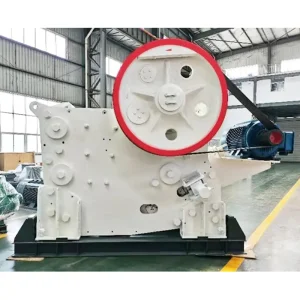
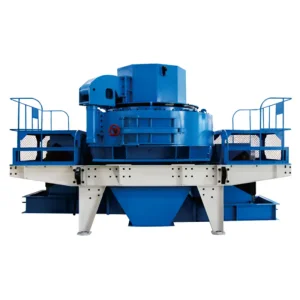
High-efficiency jaw, roller, cone, and impact crushers manufactured to international engineering standards.
 Hanhai