 Hanhai
Understanding Custom Hydraulic Crusher Machines: Engineering Deep Dive
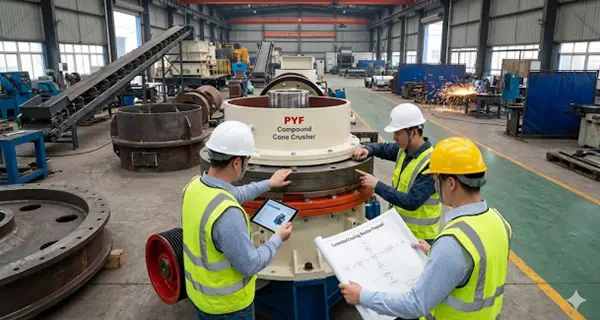
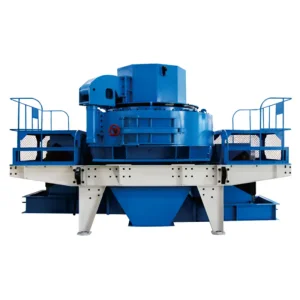
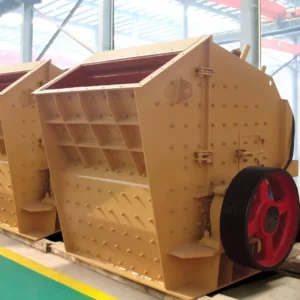
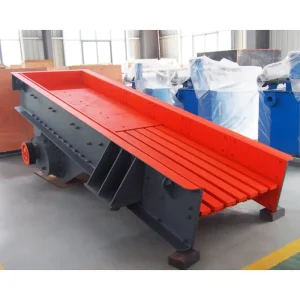
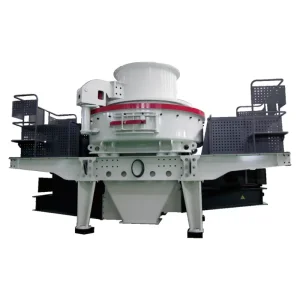
In modern industrial applications, hydraulic systems act as the primary operational backbone of scale reduction machinery. A custom hydraulic crusher machine is engineered to integrate massive mechanical stresses with precise hydraulic controls, allowing global operators in quarrying, metallurgy, mining, and cement manufacturing to process high-abrasion, high-hardness mineral aggregates with maximum efficiency.
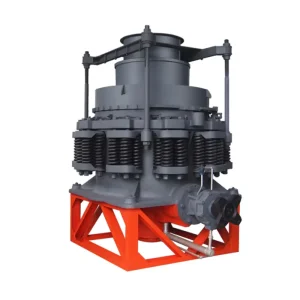
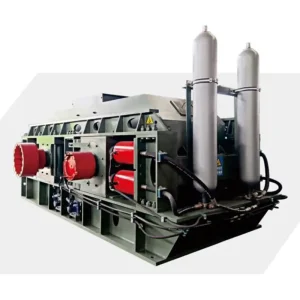
Hydraulic adjustment and protection mechanisms prevent catastrophic structural damage caused by uncrushable objects (tramp iron). Unlike traditional spring cone crushers, hydraulic cone and jaw crushers utilize computerized control valves that adjust the closed side setting (CSS) automatically during operation. This dynamic compensation guarantees consistent output sizes while minimizing runtime downtime.
1. Advanced Structural Architecture and Metallurgy
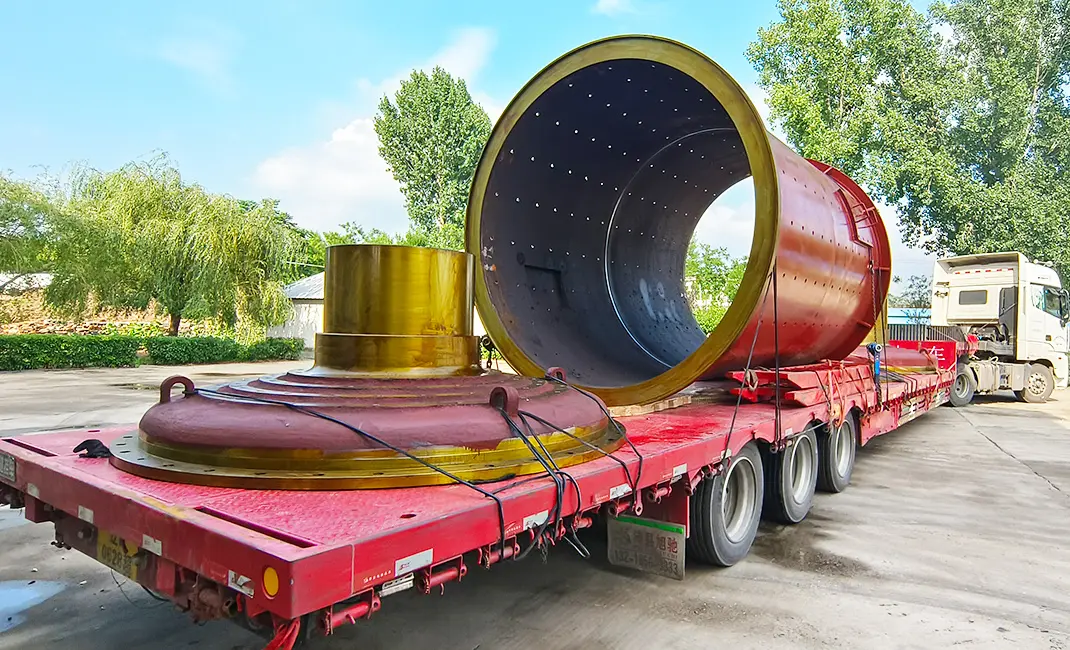
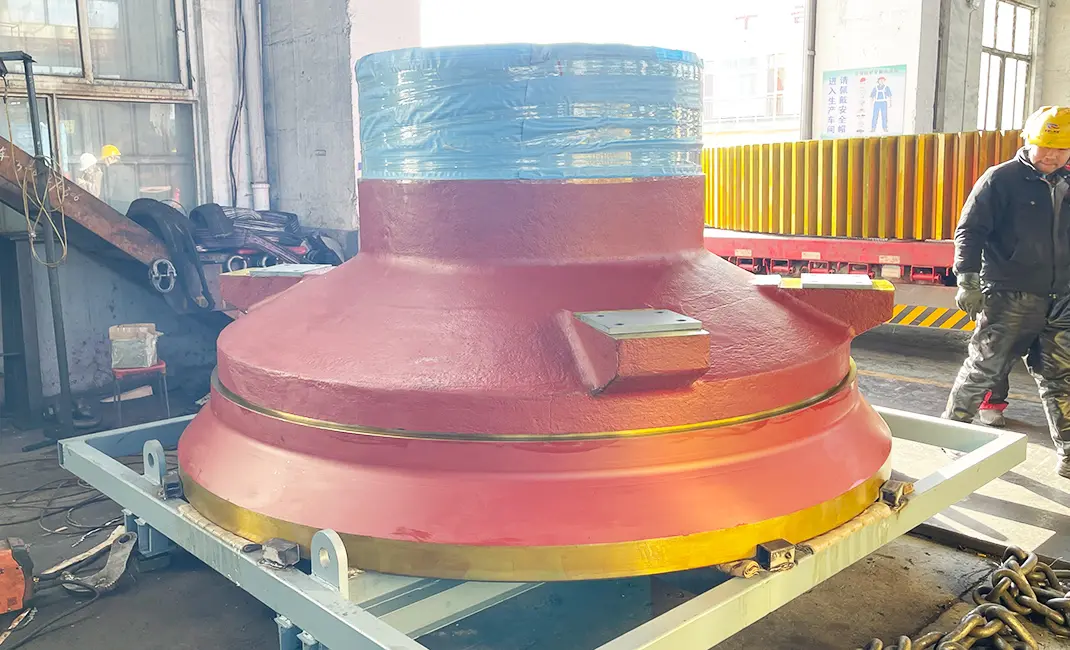
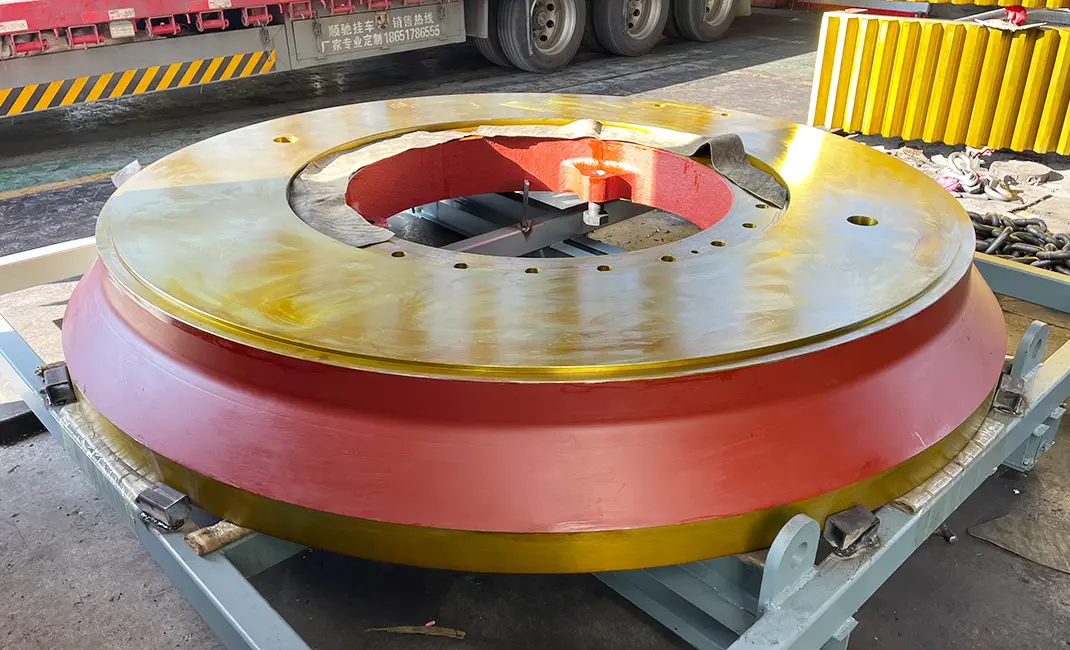
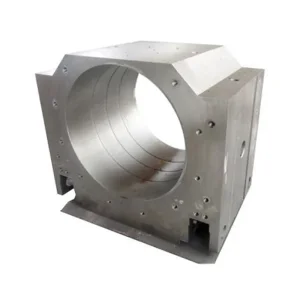
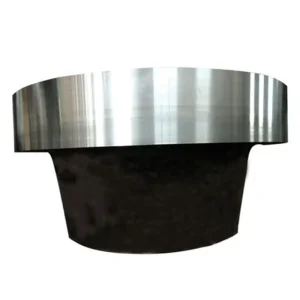
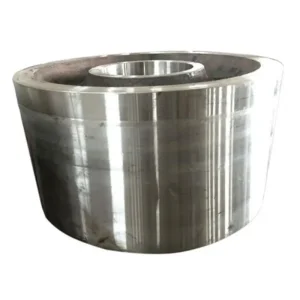
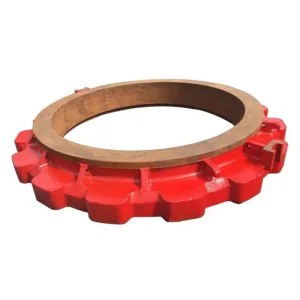
The structural reliability of heavy-duty hydraulic machinery depends entirely on the quality of its structural castings. A crushing machine's support sleeve, main frame, and bearing housings undergo cyclic loading, requiring materials with exceptional tensile strength, fatigue resistance, and shock-absorbing properties. Henan Hanhai Metallurgy Mining International Trade Co., LTD leverages advanced steel casting protocols to produce critical alloy parts that stand up to continuous high-impact operational stress.
2. Casting Integrity and Wear Resistance
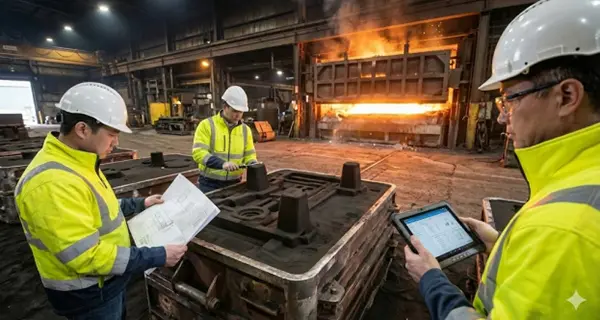
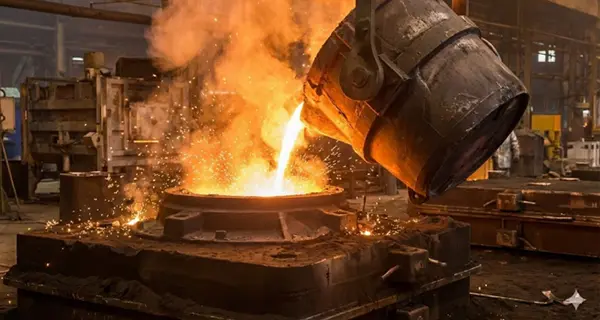
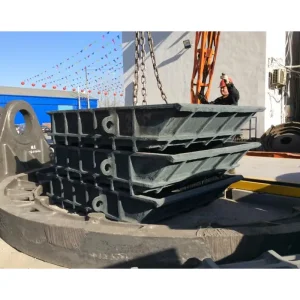
Components like the casting crusher support sleeve must be manufactured with precise wall thicknesses and zero internal porosity. At our foundry, we utilize advanced solid-state casting simulation software to model metal flow and solidification phases. This predictive technique eliminates internal shrink cavities and defects before the casting run starts, ensuring that every finished part can withstand the high radial and axial forces generated during primary crushing operations.
China's Advanced Casting Supply Chain Advantage
As the global market demands higher throughput at lower capital expenditures (CAPEX), China's heavy engineering sector has evolved. Centralizing raw smelting, pattern design, mold preparation, precision casting, heat treatment, and precision machining under a single location cuts down on logistical delays and reduces design communication errors.
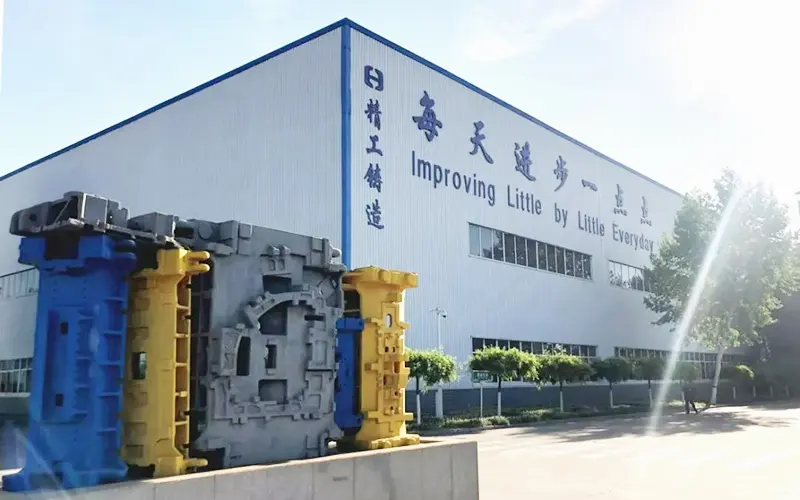
Henan Hanhai Metallurgy Mining International Trade Co., LTD operates a world-class manufacturing complex with an annual production output reaching 80,000 tons of high-specification cast steel and iron parts. By operating our own metallurgical foundries, we control the mechanical chemistry of our alloy castings, ensuring compliance with ASTM, EN, DIN, and JIS standards.
3. Integration of Design, Foundry, and Finish Machining
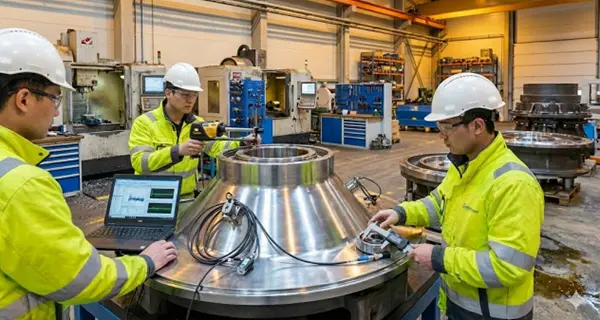
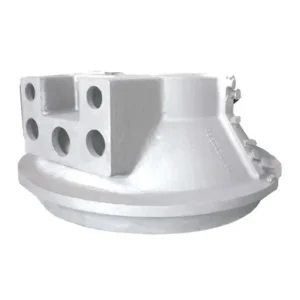
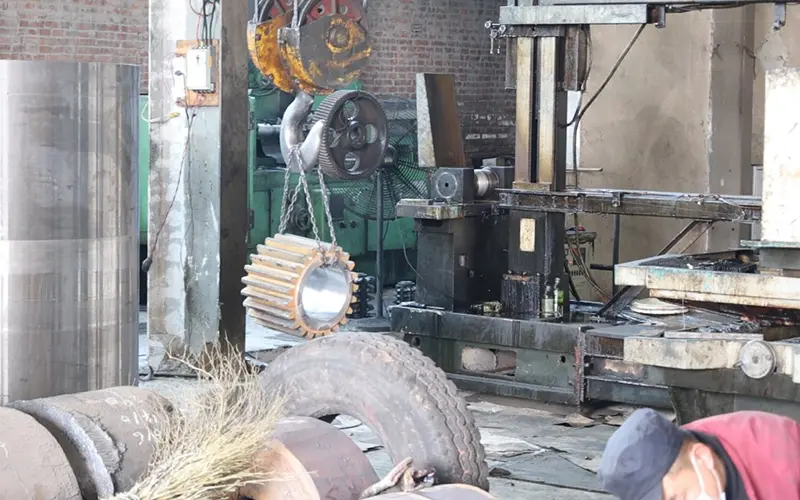
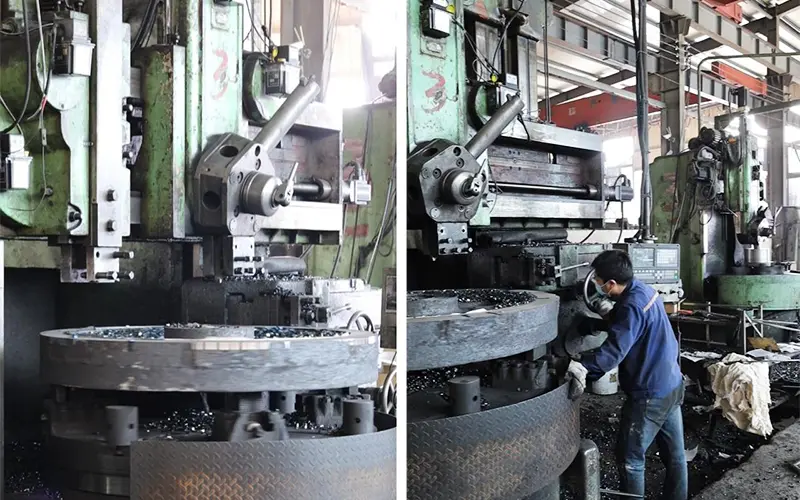
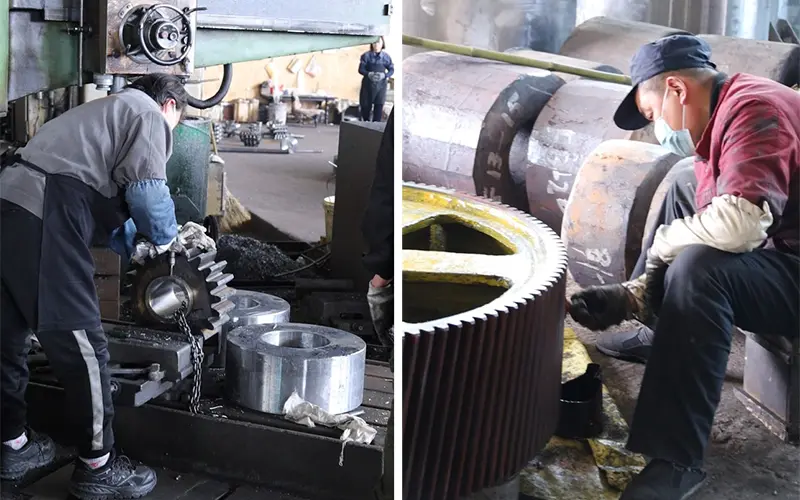
The transition from a raw casting to a dynamically balanced rotating component requires precise machining tolerances. Bearing housings and support sleeves require micro-millimeter precision to prevent excessive vibration and heat build-up. We feature heavy-duty vertical and horizontal boring mills, gantries, and CNC centers, ensuring all parts fit seamlessly into the machinery assembly.
Solutions for Global Enterprise Procurement Teams
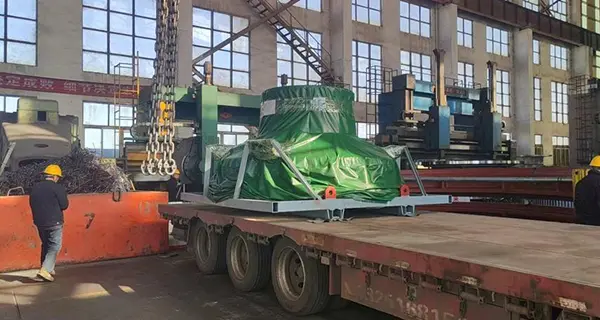
Procuring capital-intensive equipment presents multiple supply chain challenges for global buyers, such as material non-conformance, dimensional errors, shipping damage, and lack of installation support. We resolve these issues with structured, transparent project management workflows, rigorous non-destructive testing (NDT), and clear commercial alignment.