Engineered structural castings for crushing, mining, and industrial process plants worldwide. Seamless metallurgy, precise machining, and CE compliance.
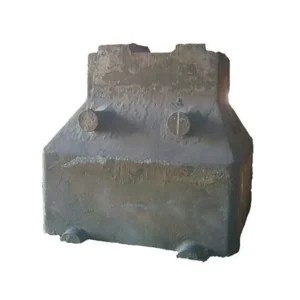
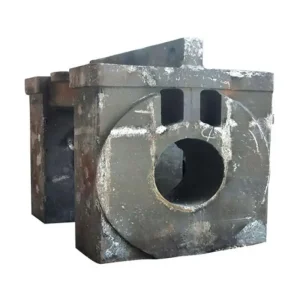
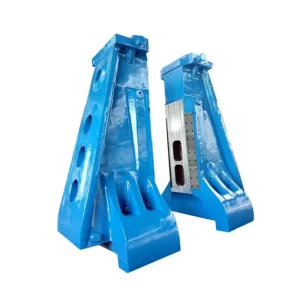
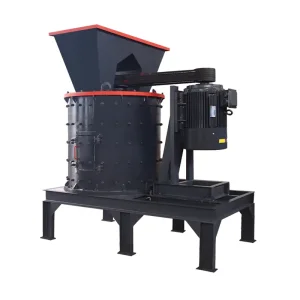
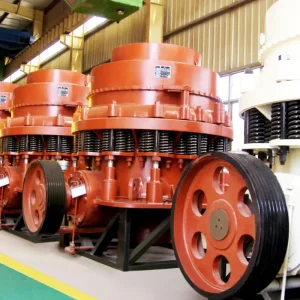
An expert analysis of custom steel and cast iron manufacturing specifications, global trade standards, and quality verification pathways.
In the globalized heavy machinery, metallurgy, and mineral extraction sectors, finding a competent custom casting foundry factory is no longer just a purchasing routine—it is a critical engineering decision that dictates structural integrity and lifecycle cost-efficiency. High-stress parts, such as slag ladles, jaw crusher frames, hydraulic valve bodies, and rotary support rollers, must endure extreme mechanical strain, cyclic thermal stress, and aggressive abrasion environments. To meet these stringent requirements, engineering teams require deep expertise in metallurgy, precise simulation software, and structural validation methods.
Rather than relying on basic dimensional specifications, premium foundries must detail their alloy customization processes, microstructural analysis, and non-destructive testing (NDT) standards. The physical properties of steel and grey/ductile iron depend heavily on grain refinement, heat treatment cycles, and solidification speed during the pouring process. A reliable foundry must go beyond simple CAD drawing reproduction to provide deep structural simulations that identify and eliminate potential internal gas cavities, micro-porosity, and hot tears before pouring.
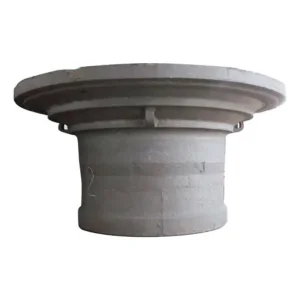
Choosing between cast steel and cast iron is fundamental to the casting process. High-tensile steel alloys, often utilized in heavy structural components like crusher frames, press arches, and hollow shafts, offer excellent impact toughness and yield strength under extreme dynamic stresses. Alloys like ASTM A148 and ASTM A27 are customized with precise ratios of chromium, molybdenum, and nickel to balance hardness and weldability. Conversely, gray and ductile cast irons (such as ASTM A536 or EN-GJS series) provide exceptional dampening capabilities, superior wear resistance, and outstanding thermal stability, making them the material of choice for mining machine valve bodies, compressor bells, and heavy engine structural blocks.
| Material Category | Common Standards | Tensile Strength (MPa) | Elongation (%) | Key Applications |
|---|---|---|---|---|
| Alloy Cast Steel | ASTM A148 Gr 90-60, DIN 17205 | ≥ 620 | ≥ 20% | Mining crusher frames, press arches, hollow shafts, heavy machinery beams. |
| Ductile Cast Iron | ASTM A536 80-55-06, EN-GJS-600 | ≥ 600 | ≥ 6% | Hydraulic valve bodies, planetary carriers, gear housing, transmission parts. |
| Gray Cast Iron | ASTM A48 Class 40, EN-GJL-250 | ≥ 250 | < 1% | Slurry pump housings, industrial bells, counterweights, high-damping machine beds. |
| Heat-Resistant Steel | ASTM A297, EN 10295 | ≥ 450 | ≥ 15% | Metallurgical slag ladles, rotary kiln parts, furnace doors, grates. |
Integrating design, casting, heat treatment, and precision machining for high-integrity components.
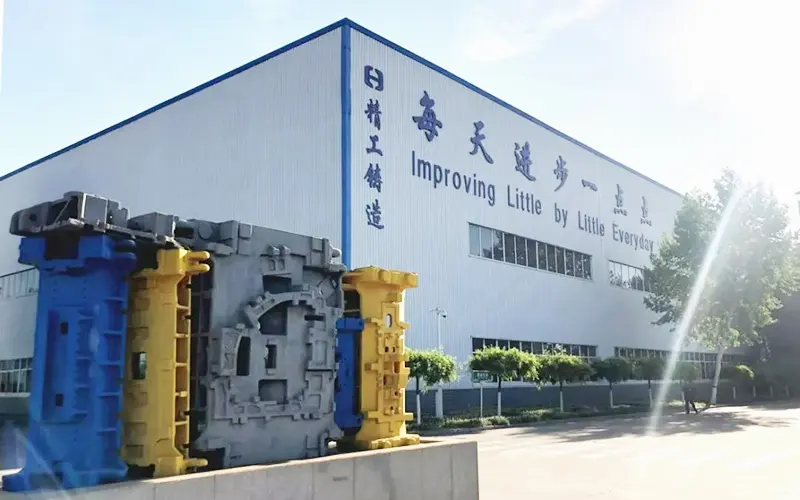
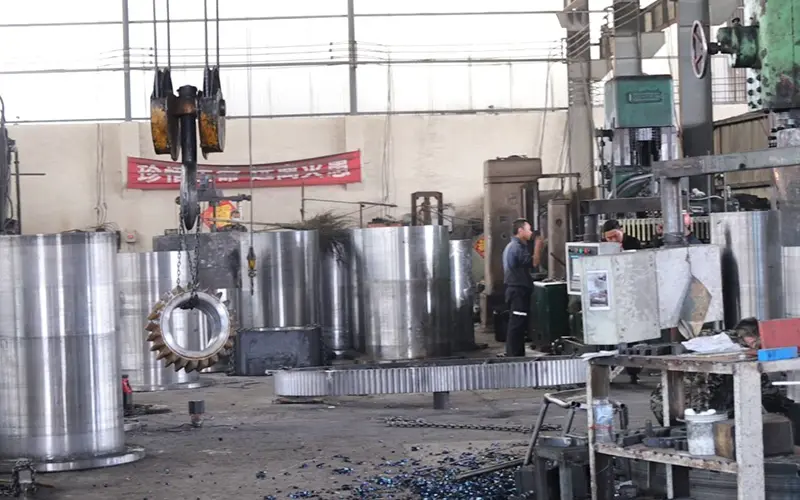
Henan Hanhai Metallurgy Mining International Trade Co., LTD is a leading foundry manufacturer in China, specializing in cast steel and cast iron parts. With advanced production lines and strict quality control, we supply durable castings for mining, metallurgy, power generation, and construction industries worldwide. Hanhai Casting integrates design, casting, and machining with an annual output of 80,000 tons. Certified with ISO9001 and CE, we deliver precision-engineered castings trusted by clients across Asia, the Middle East, Europe, and South America.
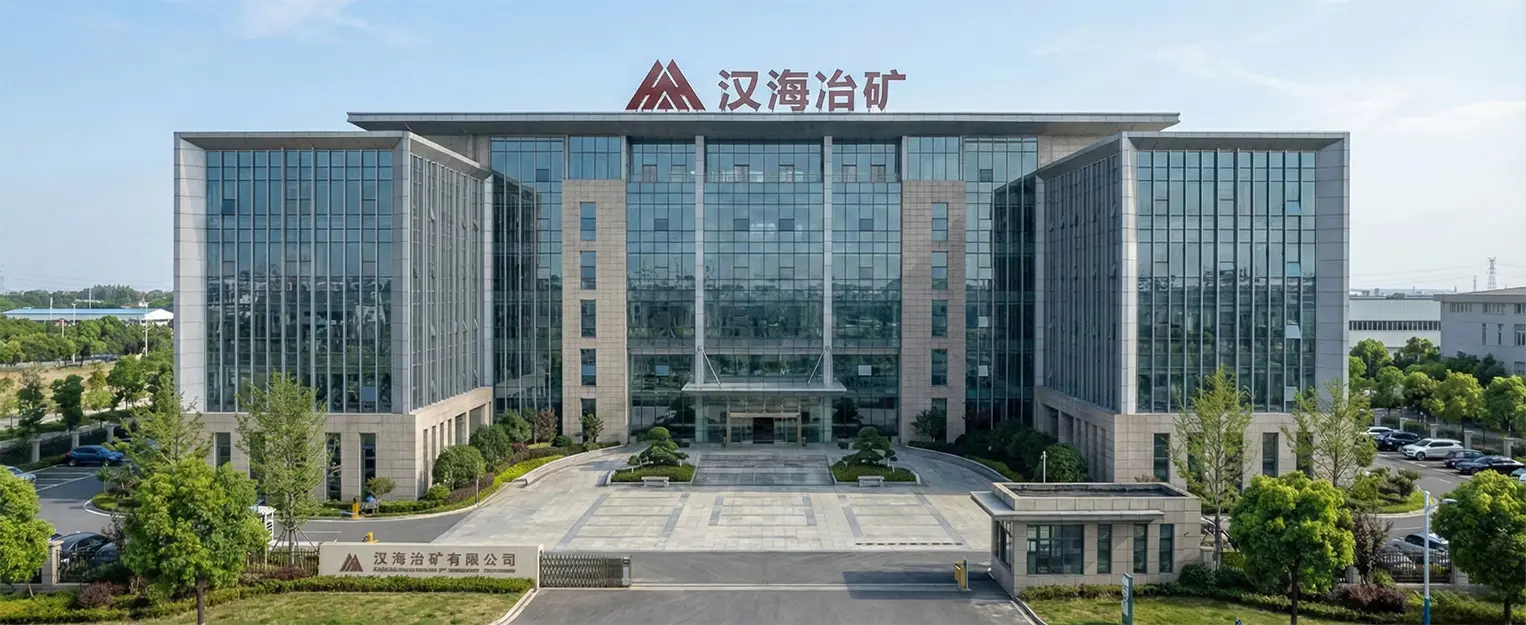
To empower global heavy machinery and infrastructure industries with high-precision casting solutions and sustainable, zero-defect metallurgical manufacturing excellence.
To be a trusted global brand in heavy casting, delivering high-performance cast steel, gray iron, and ductile iron parts that withstand the test of time under extreme working conditions.
Adhering strictly to standard compliance including EN 10204-3.1 material traceability certificates, mechanical testing, ultrasonic checking (UT), and magnetic particle inspection (MT).
Over two decades of continuous metallurgical innovation, scale expansion, and digital factory transformation.
Hanhai Casting was established with a focus on heavy steel and iron castings, laying a solid technical and production foundation in Central China.
Introduced advanced melting and molding technologies, expanded production capacity, and served key domestic mining and metallurgy sectors with high-reliability structures.
Achieved ISO9001 and CE certifications. Upgraded non-destructive testing (NDT) systems and began exporting high-performance castings to Europe, Asia, and the Middle East.
Integrated intelligent foundry systems and digital management, driving carbon-efficient manufacturing processes and global strategic customer partnerships.
Overcoming supply chain risks, tracking QA parameters, and fulfilling strict mechanical parameters.
Industrial machinery purchasers face many supply chain hurdles when sourcing large cast parts. Factors like shipping delays, quality deviations, and lack of material certification can disrupt production timelines. When procuring slag ladles or heavy press arches, buyers need more than a simple supplier; they require a partner that guarantees mechanical properties, structural integrity, and regulatory compliance.
Even minor chemical deviations can compromise a component's mechanical limits. Hanhai uses advanced spectrometer analysis and thermal analysis systems during furnace melts to verify exact chemistry before pouring.
Unseen internal casting defects can cause sudden failures under load. We utilize Ultrasonic Testing (UT), Magnetic Particle Testing (MT), and Radiographic Testing (RT) to ensure zero internal voids or inclusions.
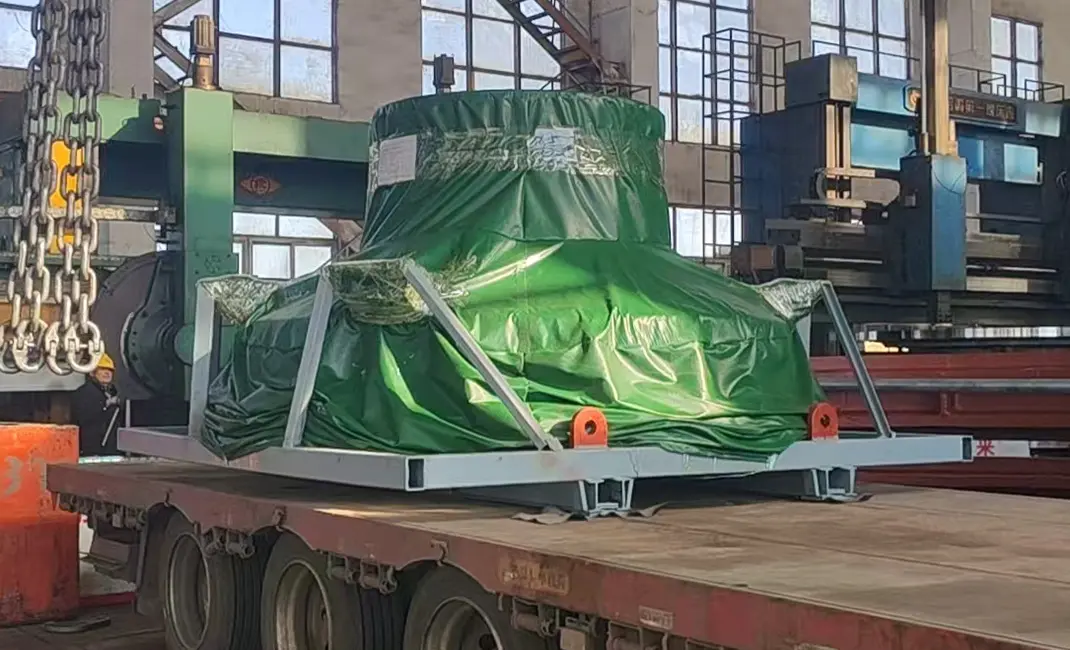
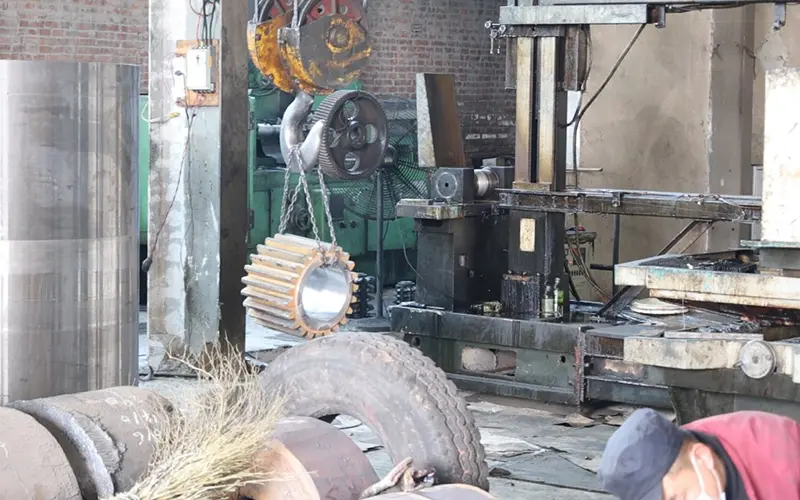
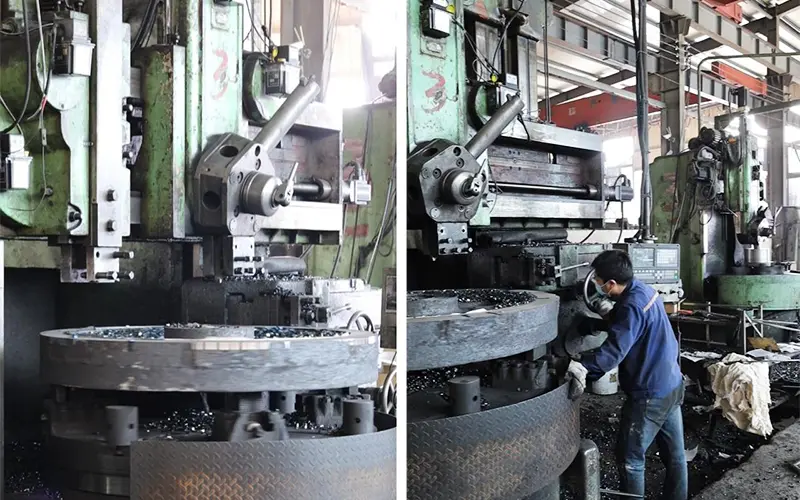
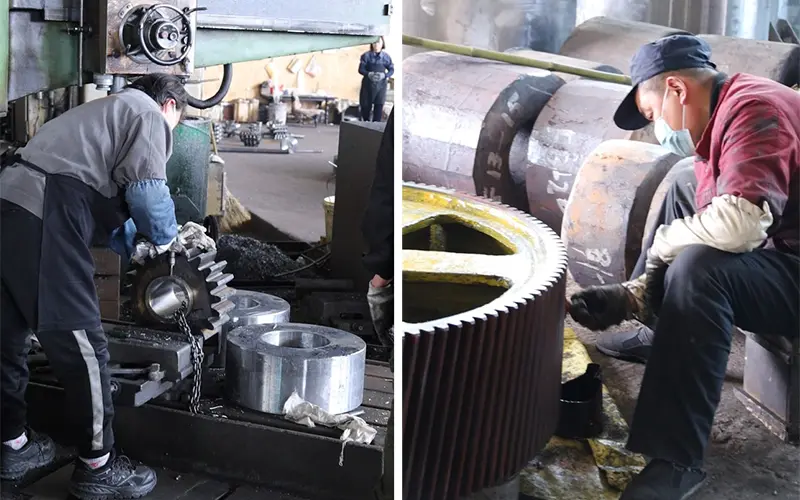
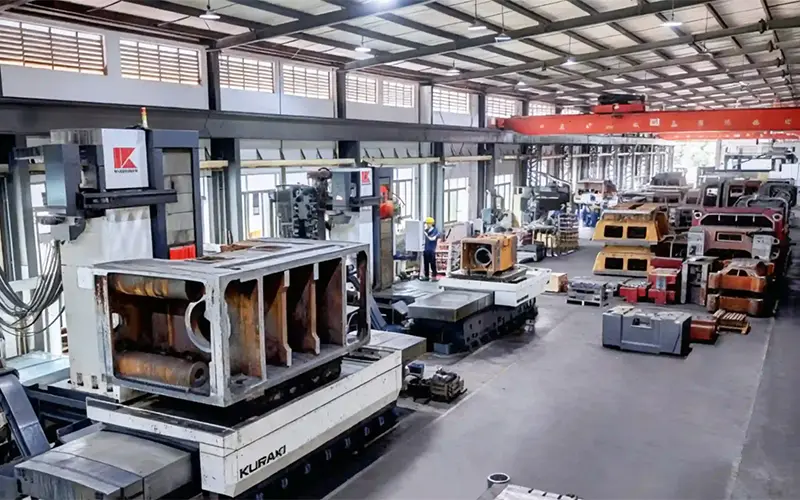
Sourcing rough castings means extra cost and risk during final machining. Hanhai operates full-scale machining workshops containing CNC boring mills, gantry planers, and vertical lathes to supply fully finished parts.
The global heavy metal casting sector is undergoing a massive transformation driven by digitalization and environmental guidelines. Modern custom casting foundries are adopting carbon-efficient induction melting systems and high-efficiency sand recycling plants. Simulation tools like MAGMAsoft enable engineers to model casting molds in a virtual workspace, optimizing pouring temperatures and runner channels to minimize casting defects and reduce material waste. These technological advancements ensure high-quality castings while reducing environmental footprint, supporting ESG guidelines for global industrial clients.
Precision-engineered components serving critical heavy industrial equipment sectors.
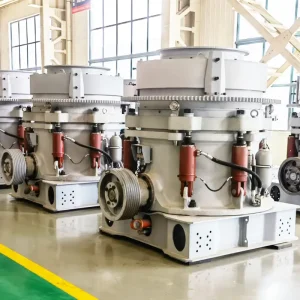
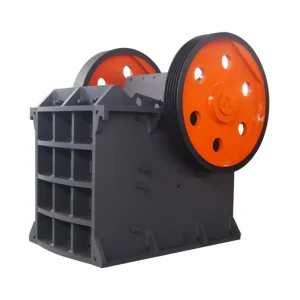
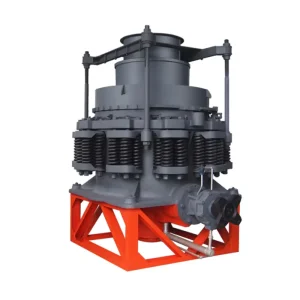
Widely used in mining, metallurgy, construction, chemicals, infrastructure, and recycling for crushing ores, rocks, aggregates, slag, and industrial materials.
Applied in cement, mining, metallurgy, and heavy industry for crushers, mills, kilns, and other large-scale processing equipment.
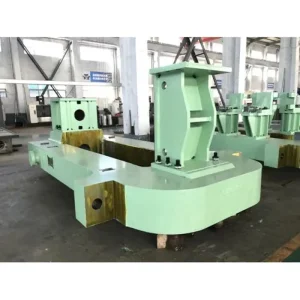
Designed for forging, metallurgy, and heavy manufacturing, supporting hydraulic presses and high-load, large-tonnage forming equipment.
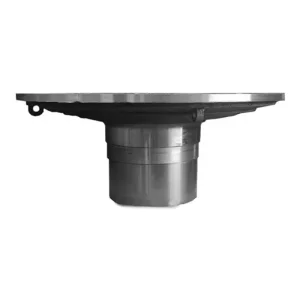
Used in hydraulic systems, construction machinery, and energy equipment for valves, valve bodies, and fluid control components.
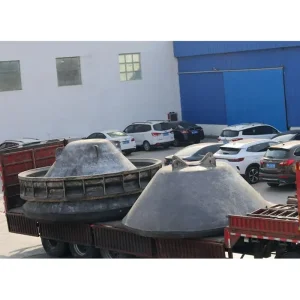
Applied in metallurgy and steelmaking for slag handling, ingot casting, smelting, and other high-temperature industrial processes.
Our collaborative engineered workflow ensures clear communication, precise metallurgy, and long-term performance support.

Collection of detailed client parameters, material requirements, environmental factors, and preliminary engineering files.
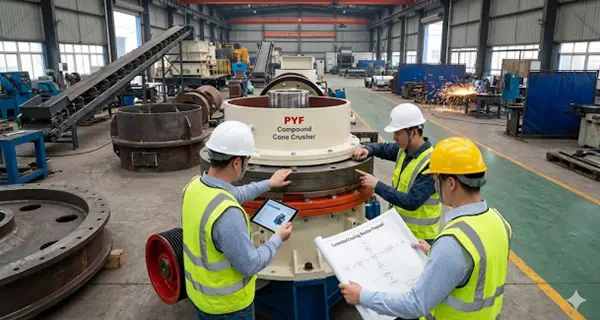
Designing custom crushing and casting solutions based on simulation models and client specifications.
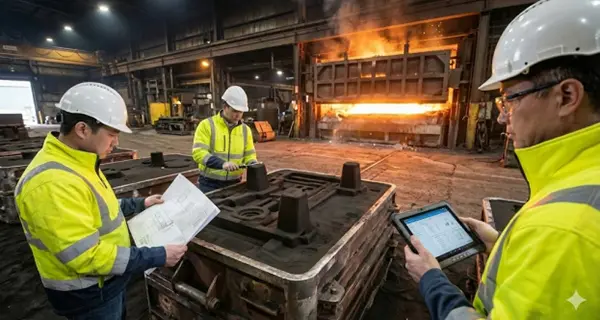
Checking material chemistry, tooling designs, dimensional tolerances, and aligning commercial agreements.
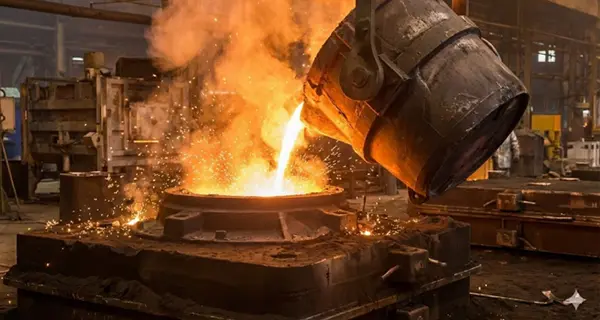
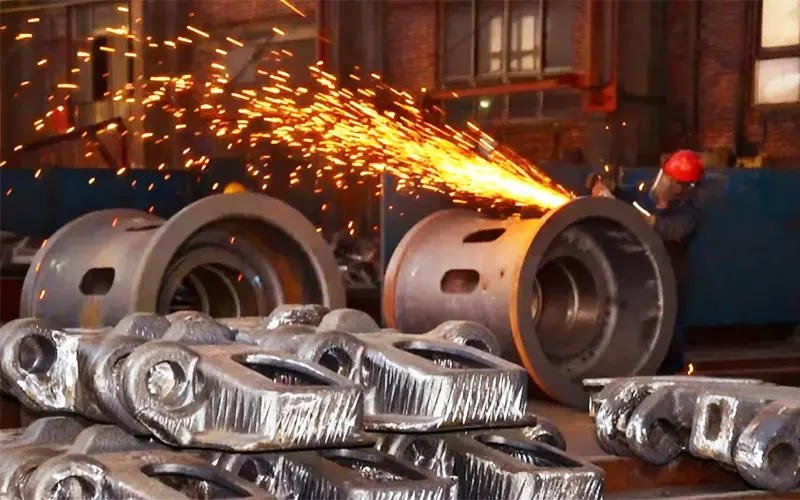
Melting raw alloys, pouring, mold cooling, shakeout, and thermal processing under real-time parameter tracking.

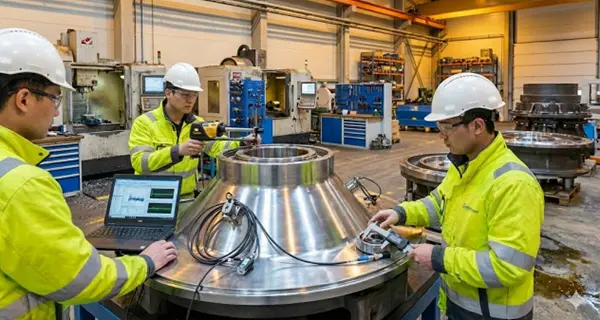
Pre-shipment verification, checking dimensions, and performing non-destructive testing (NDT) like UT, MT, and PT.
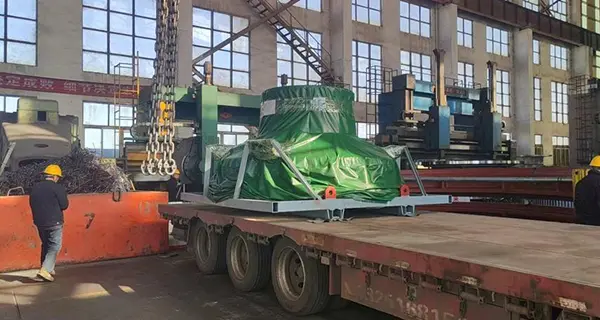
Ensuring safe packaging, anti-corrosion treatment, and global transport logistics.
Onsite and remote technical supervision for heavy assembly positioning, alignment, and starting runs.
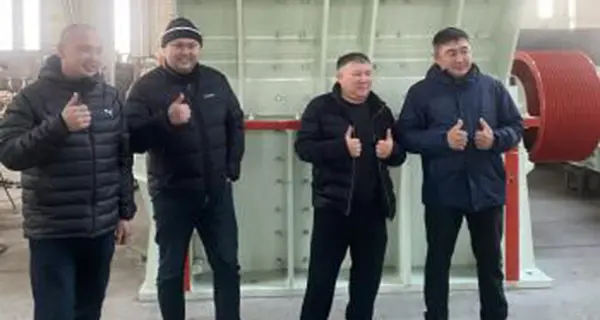
Providing training manuals, standard operating procedures, and component maintenance schedules.
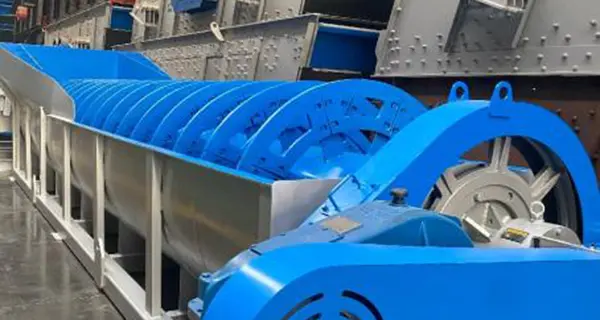
Ongoing performance monitoring, direct wear part supply, and technical assistance.
Our commitments to performance are validated by international certification societies and successful field cases.
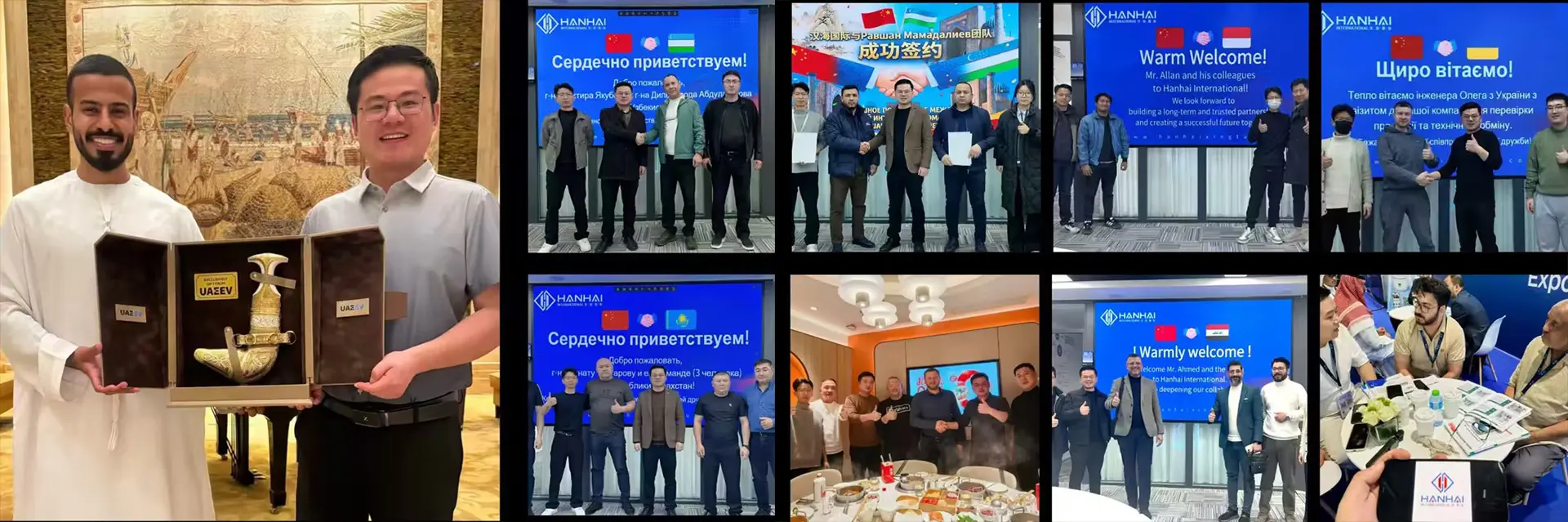
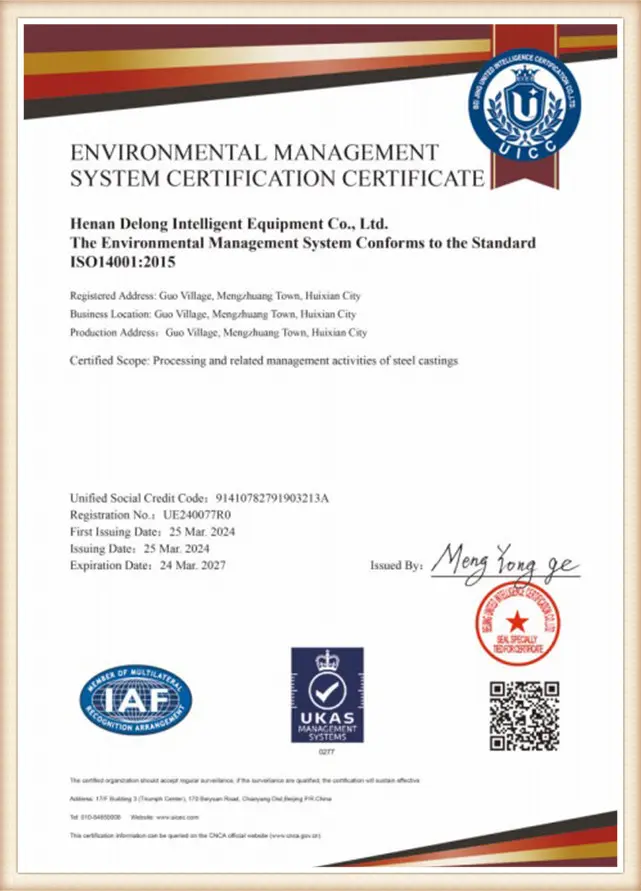
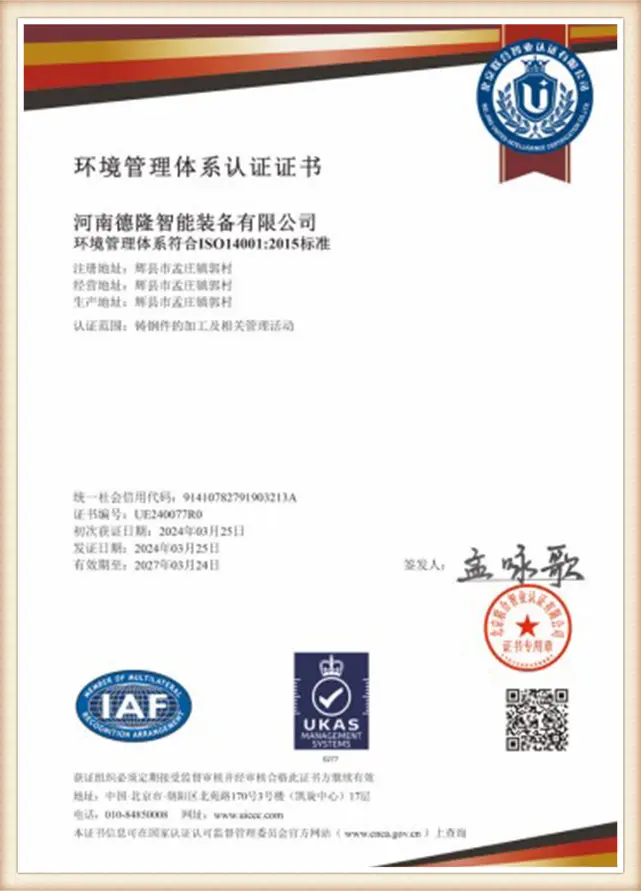
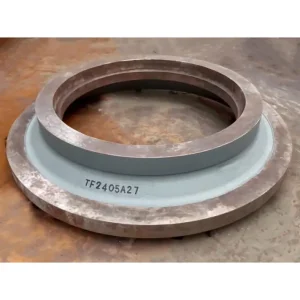
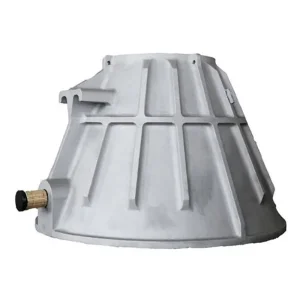
Finished cast components successfully deployed across global metallurgical plants and mines.
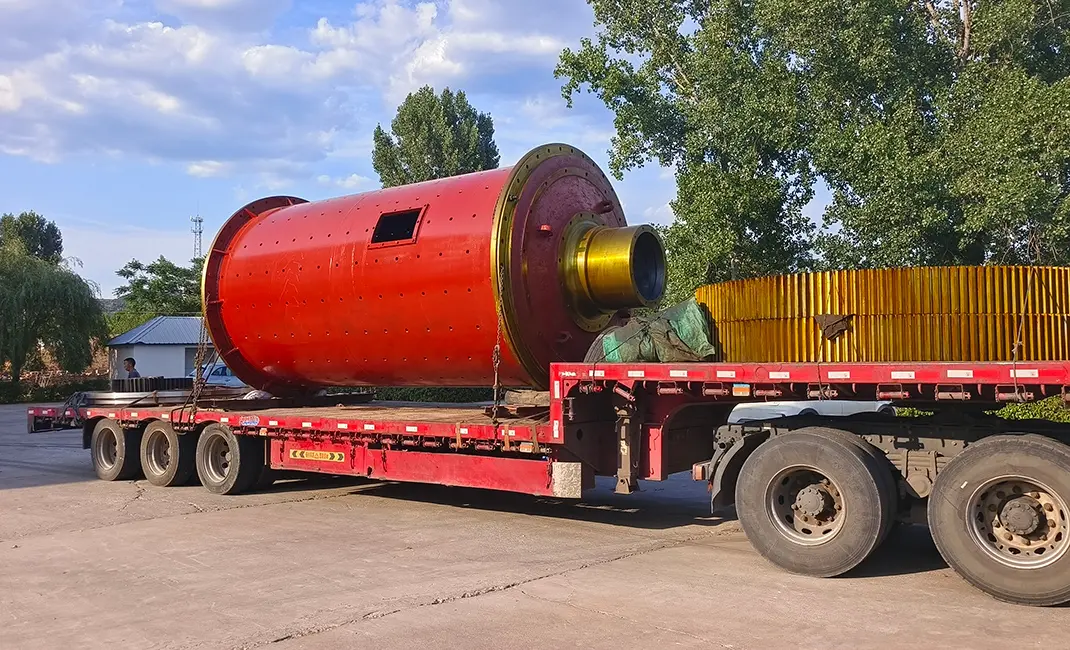
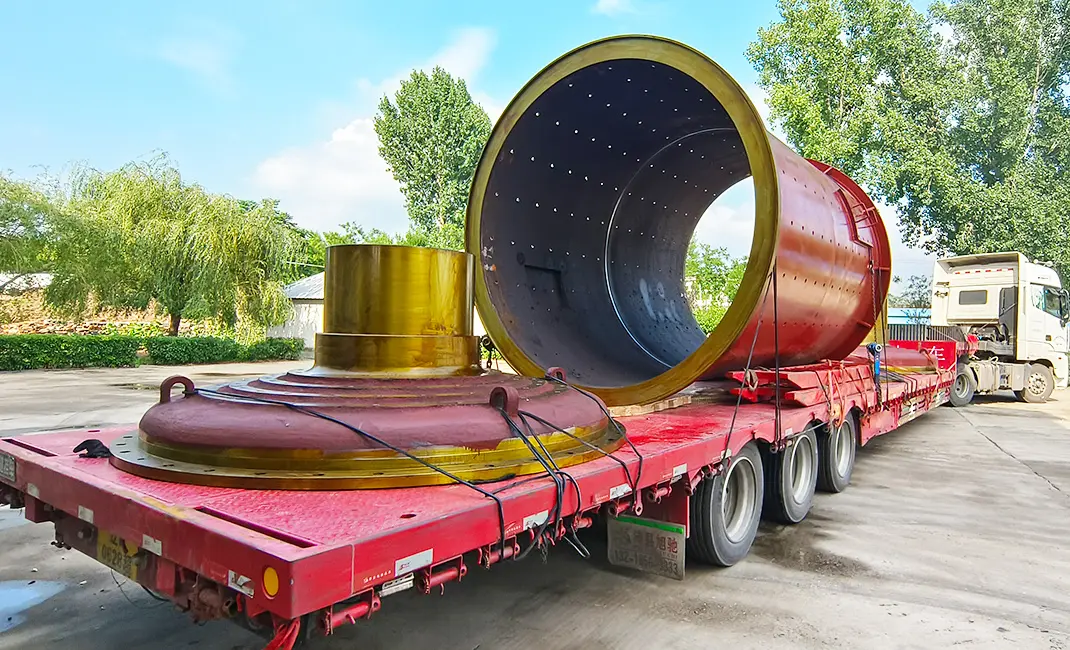
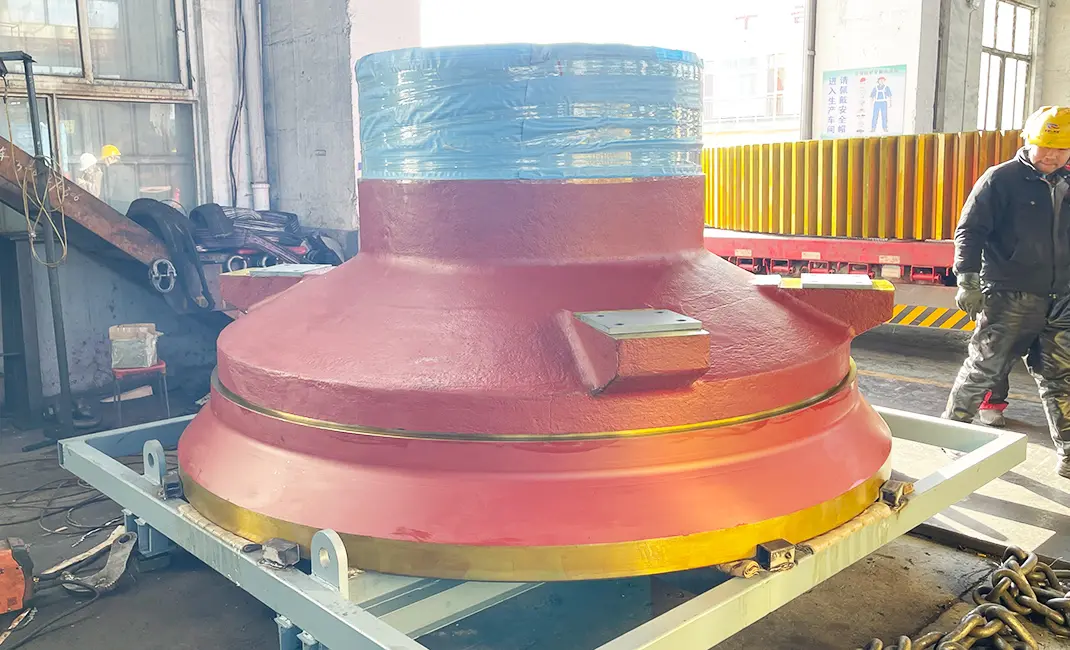
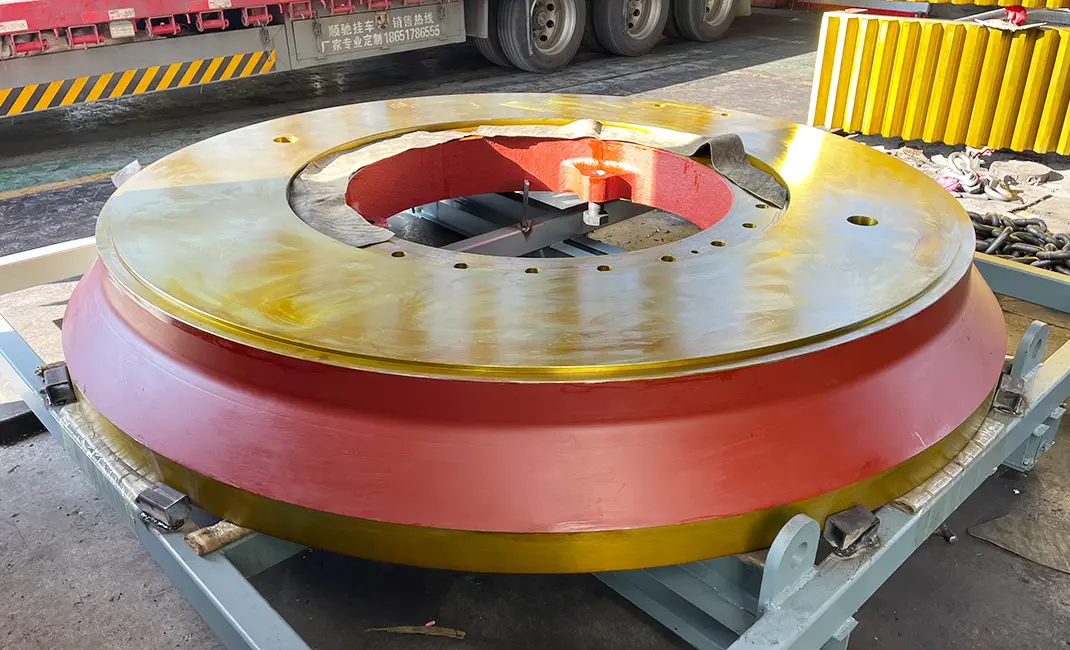
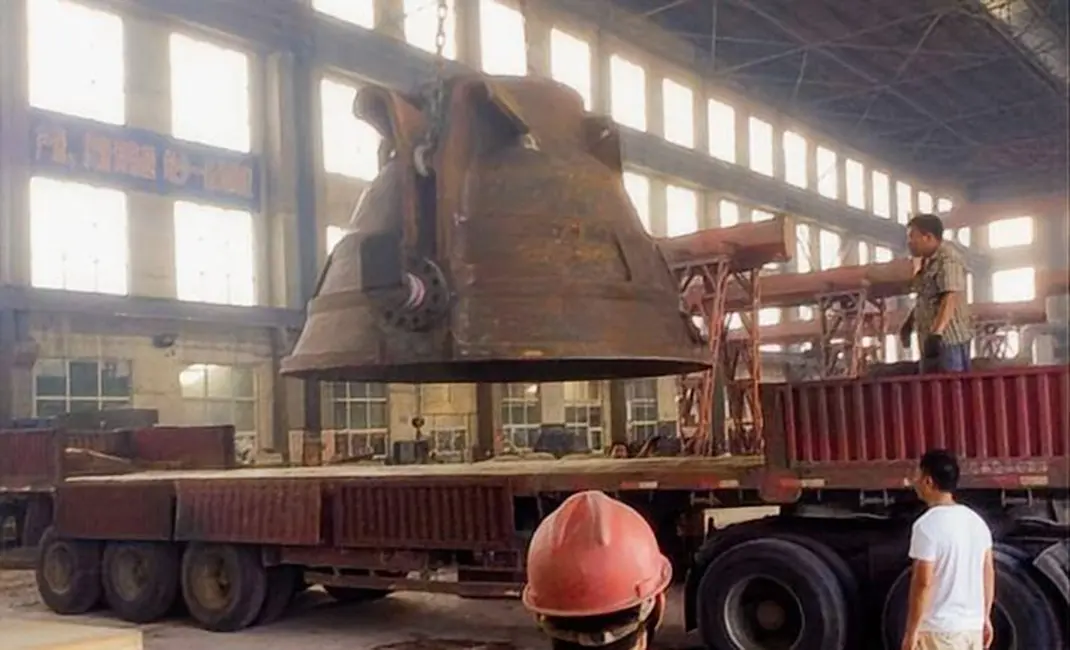
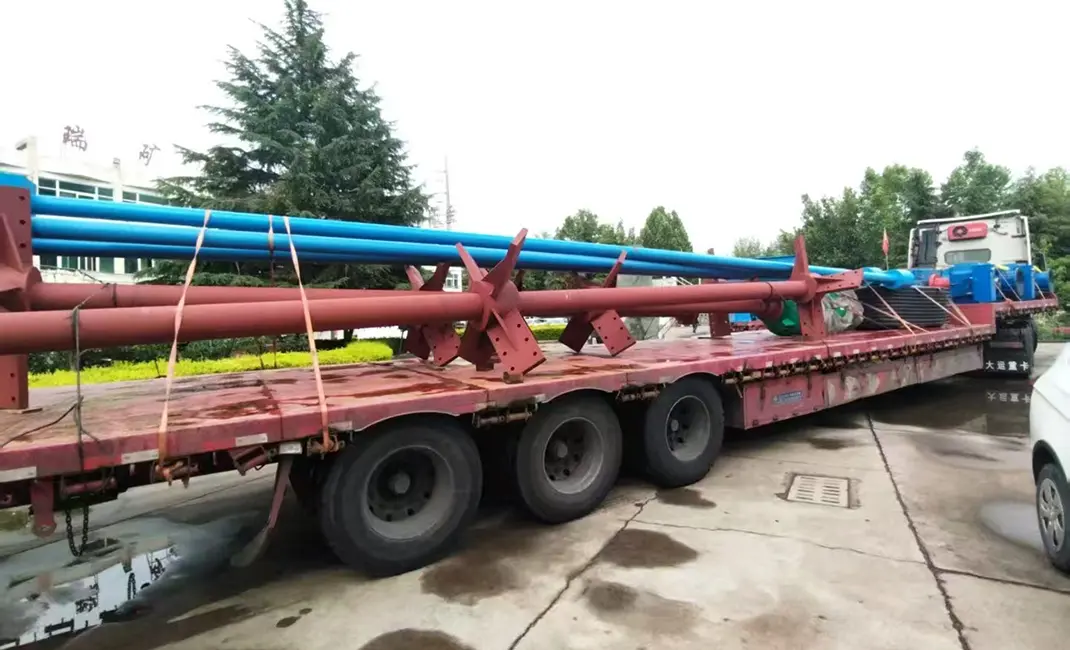
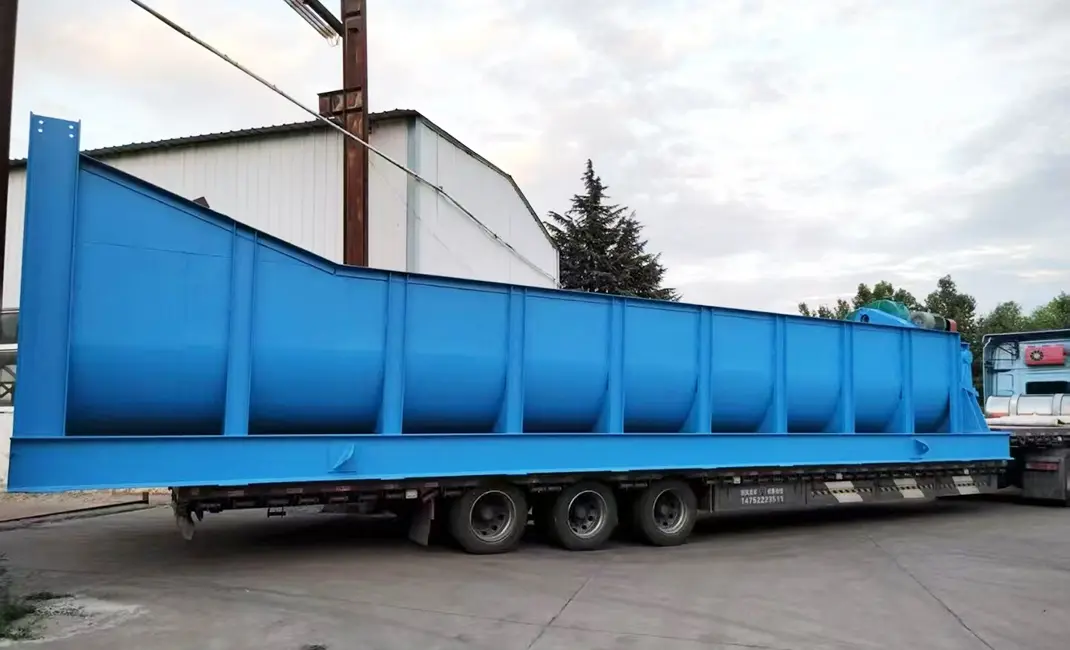
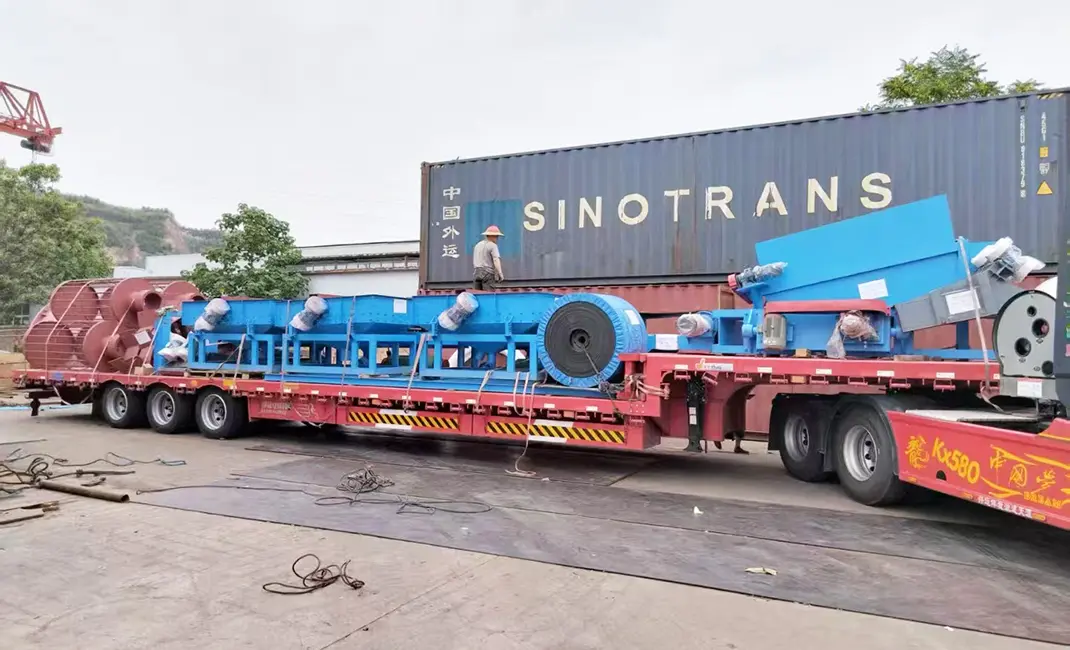
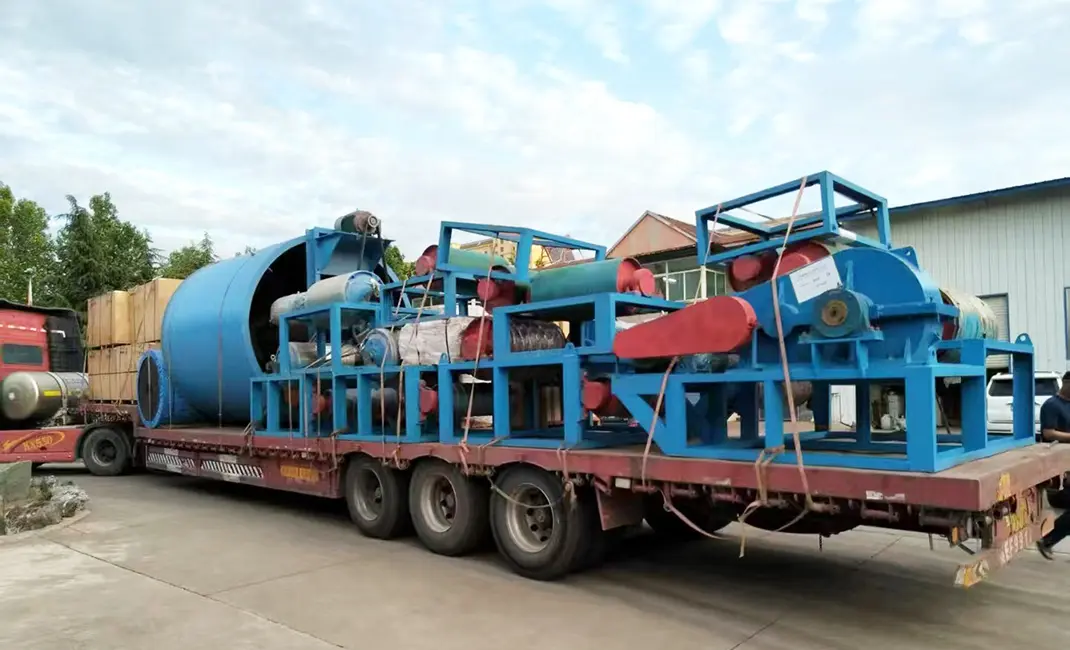
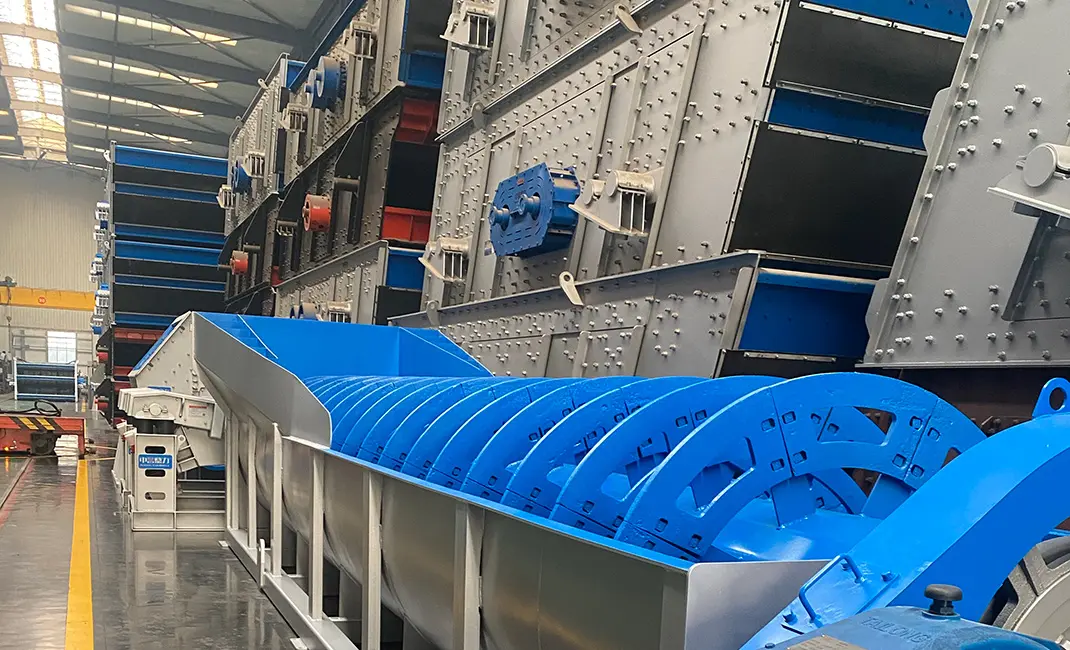
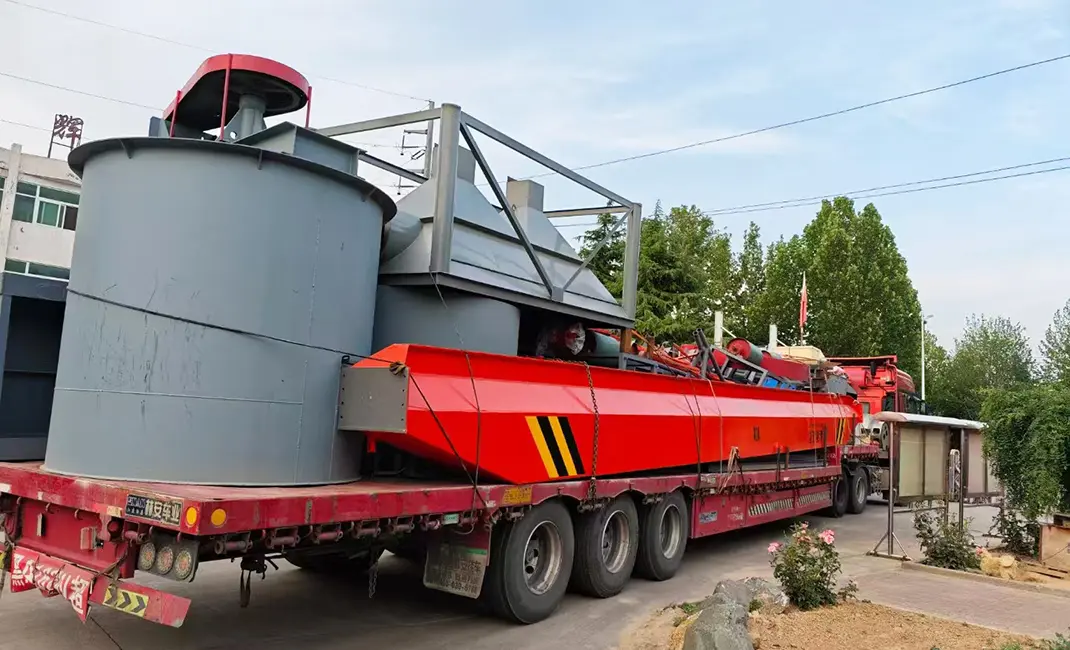
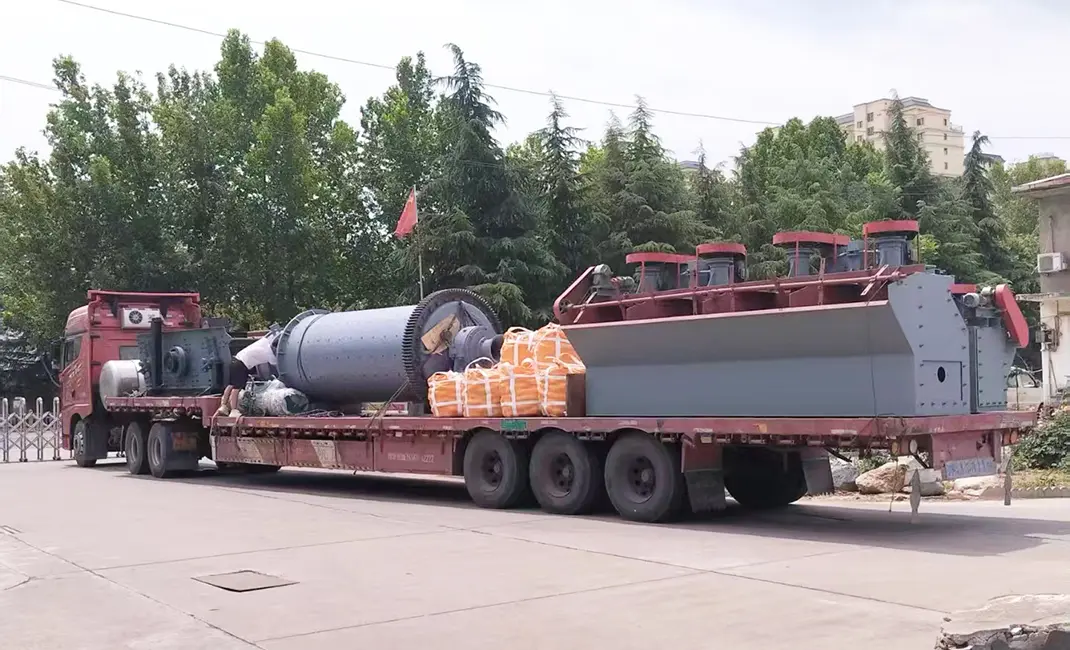
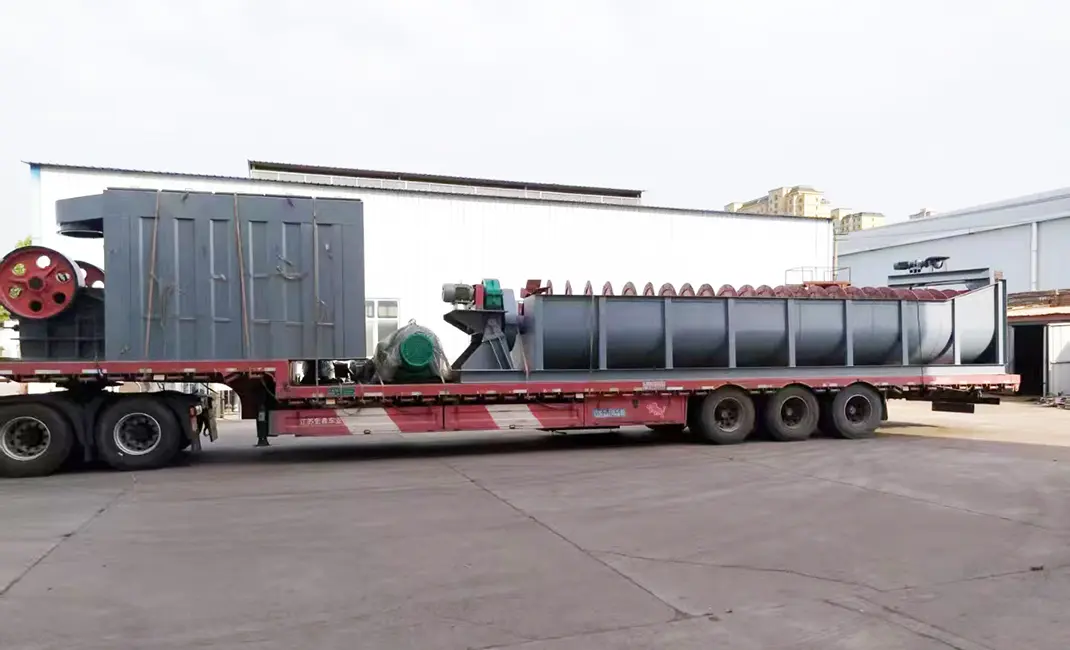

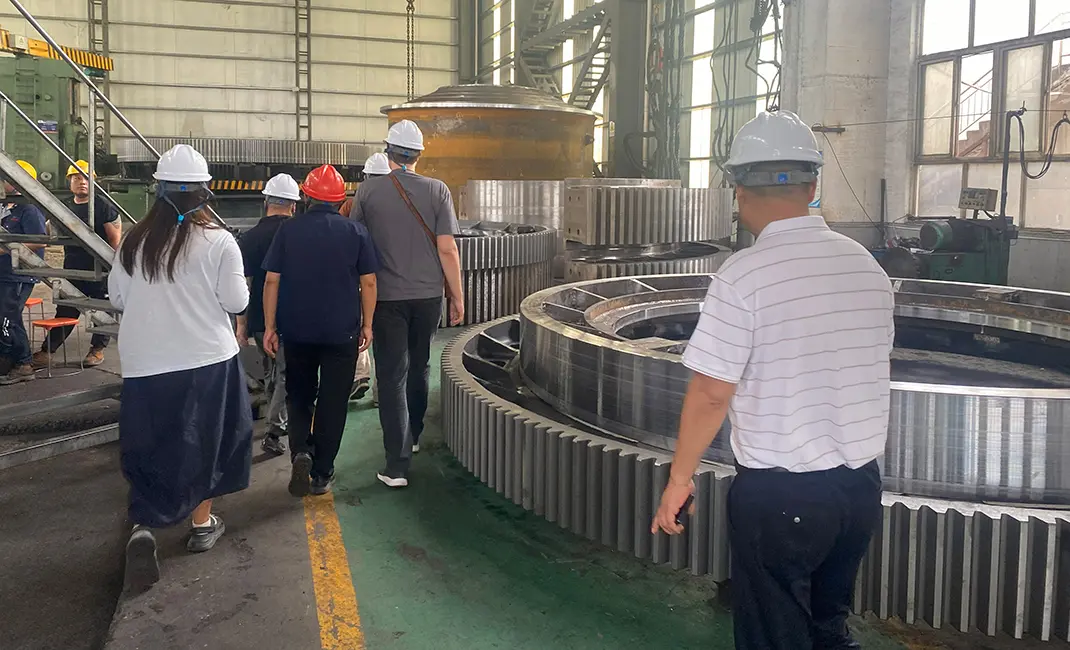
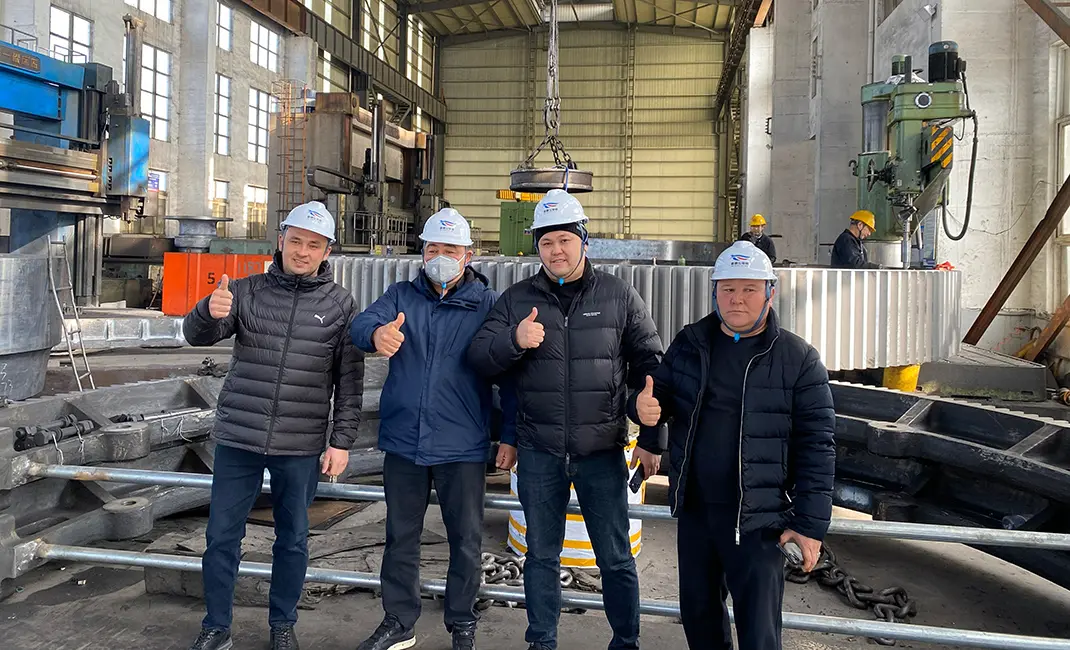
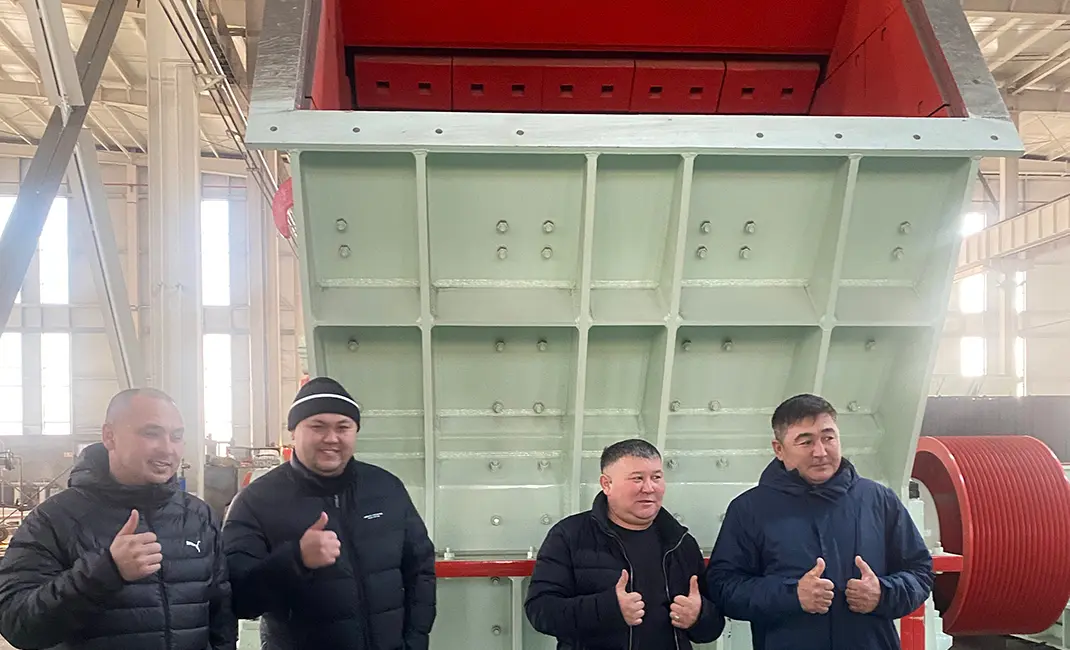
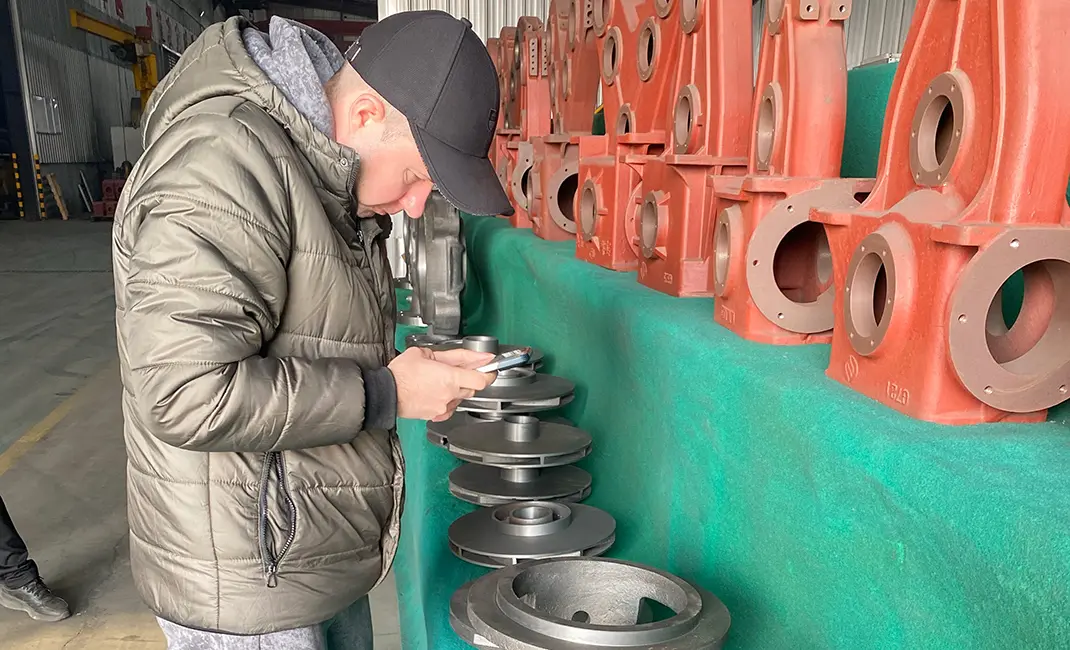
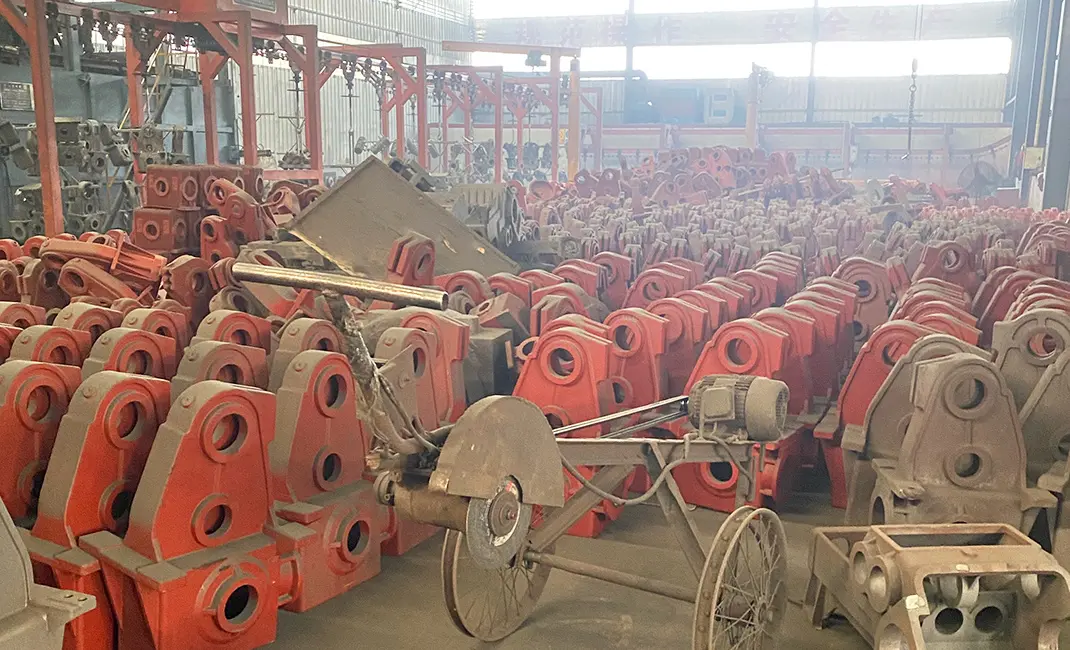
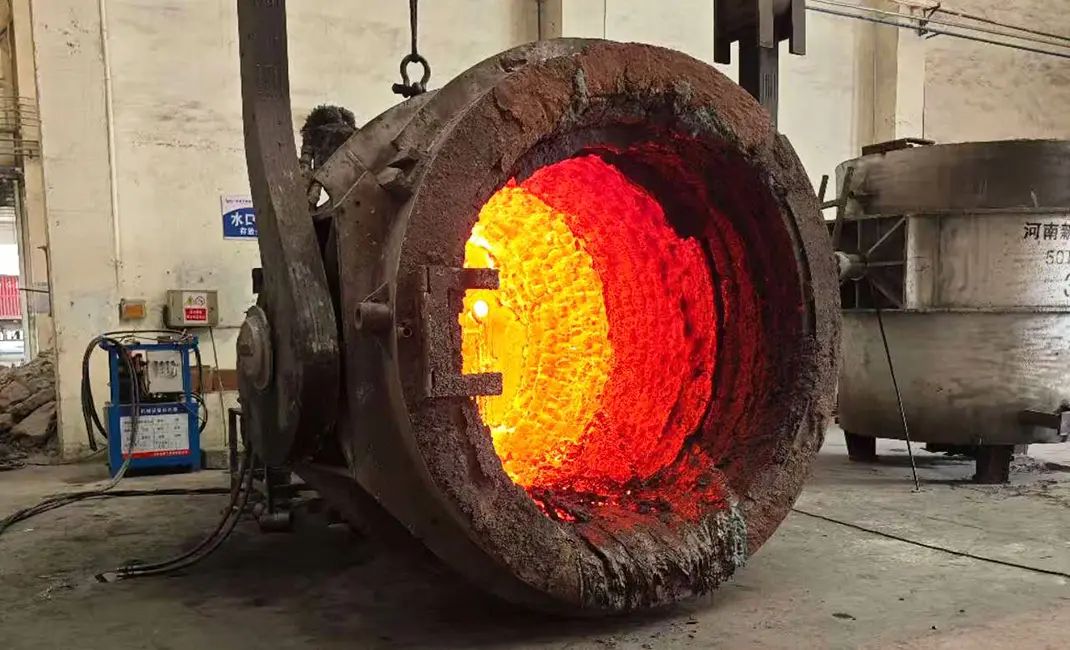
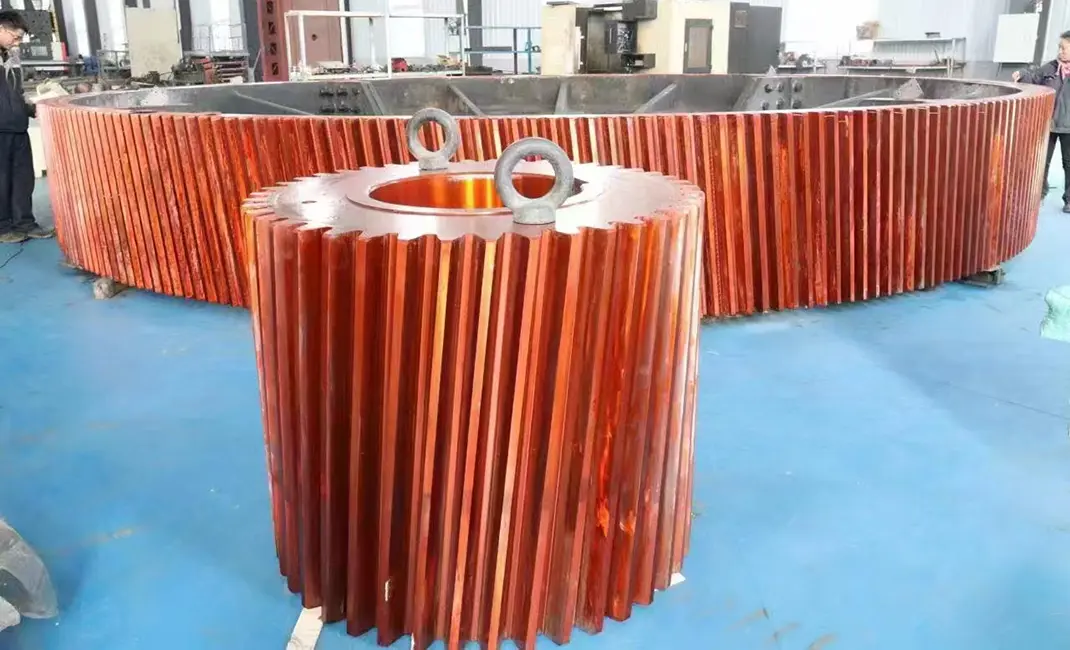
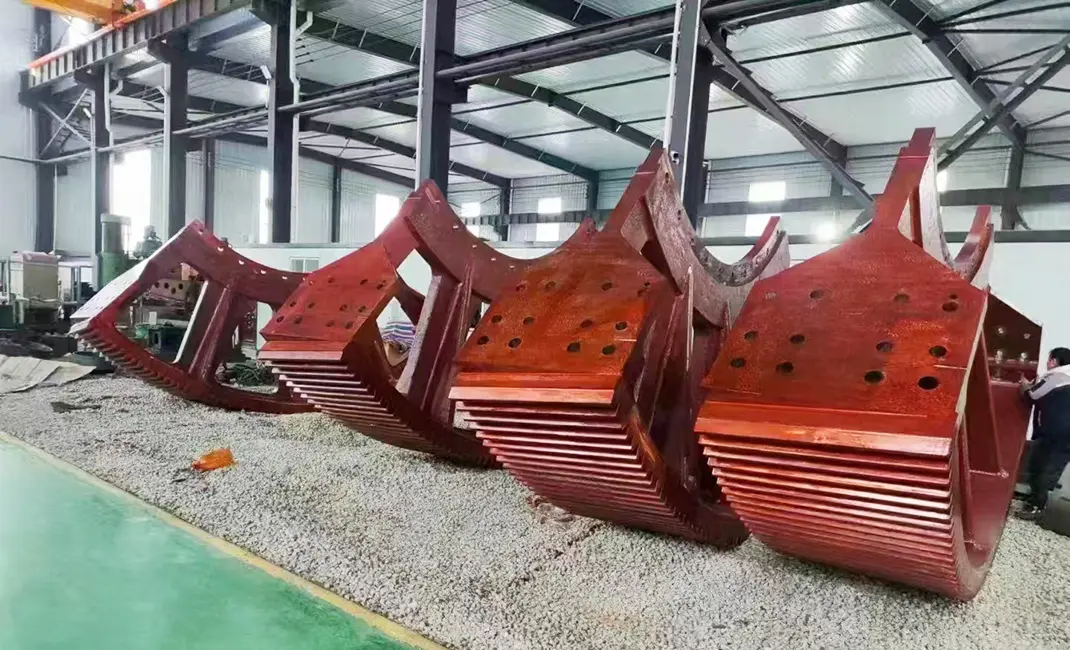
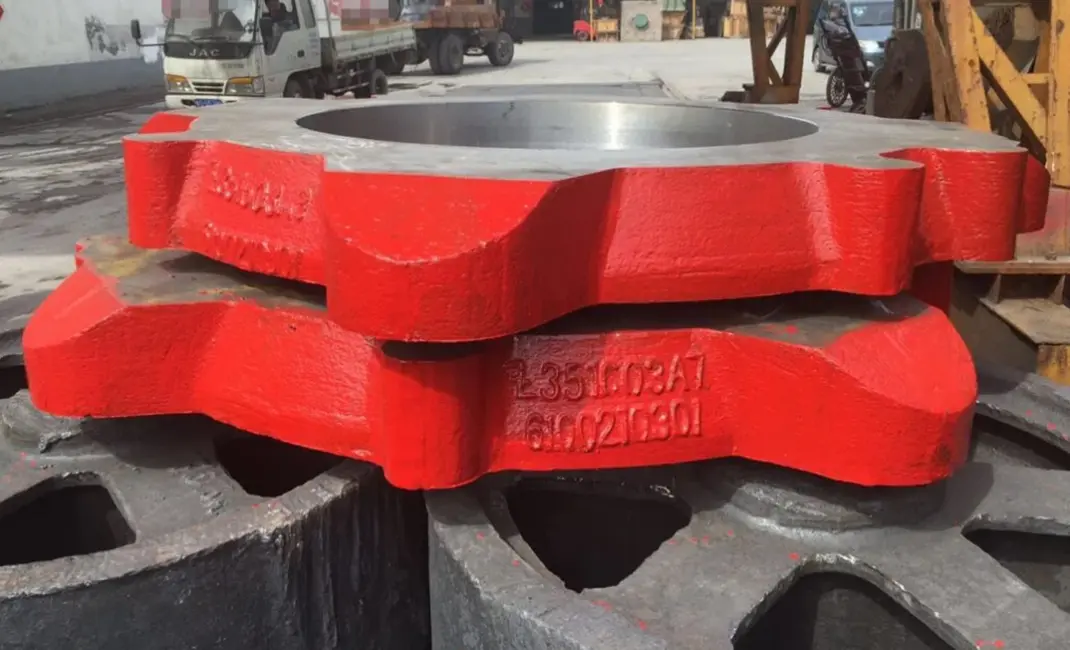
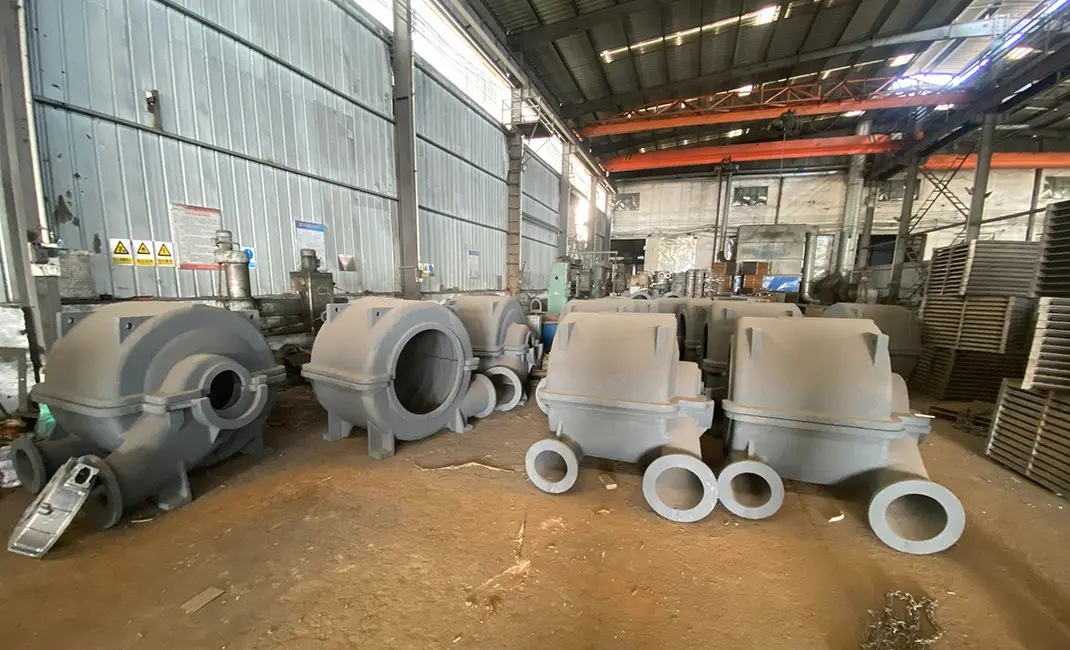
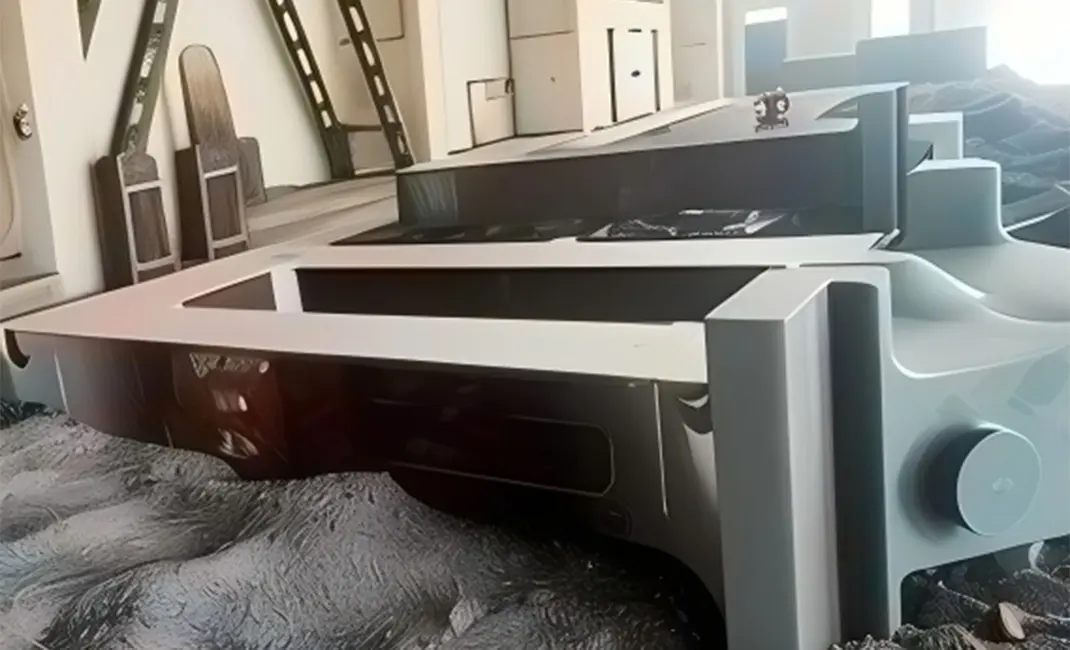
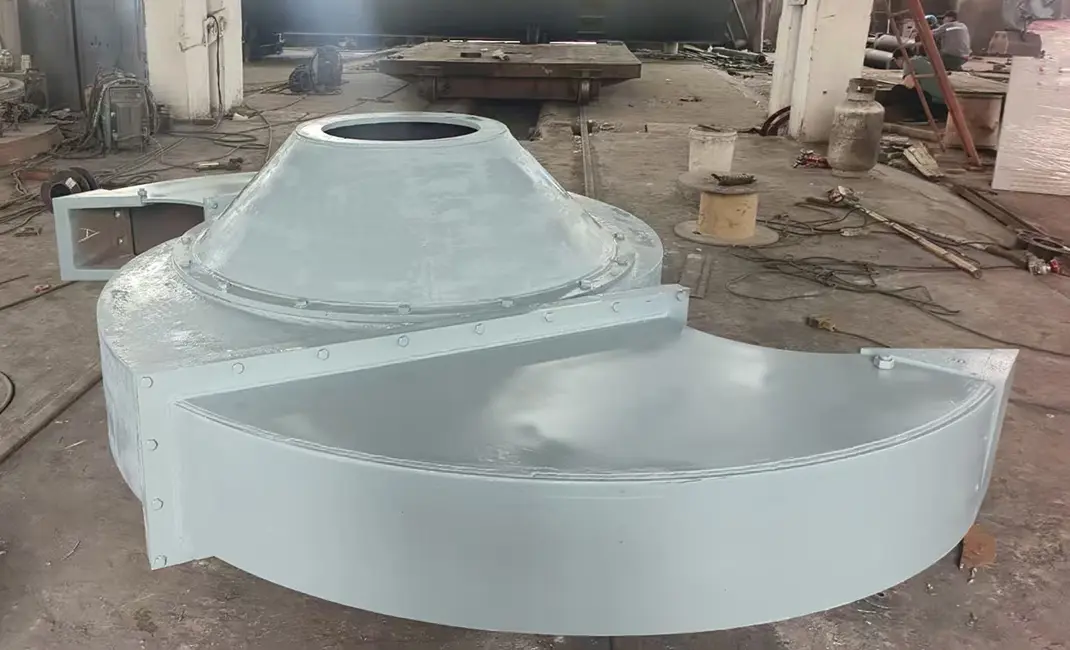
Original visual content and reference products preserved intact from the source document.
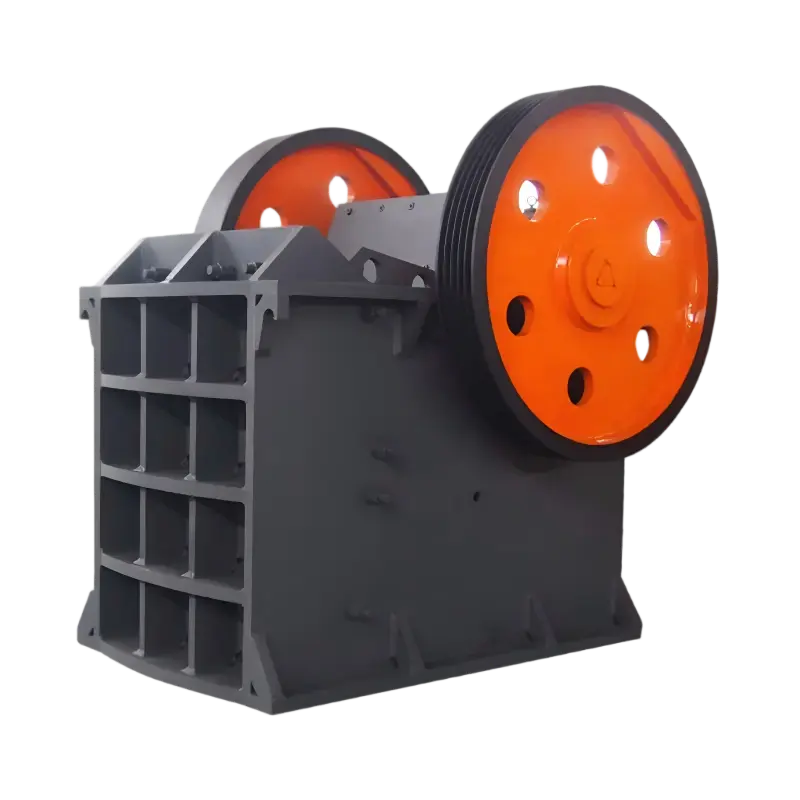
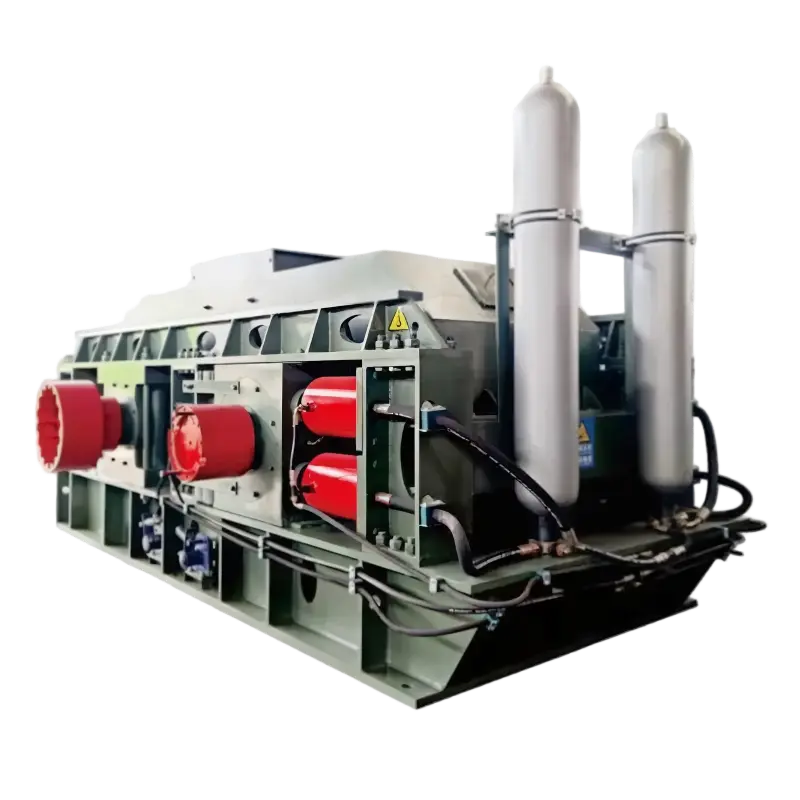
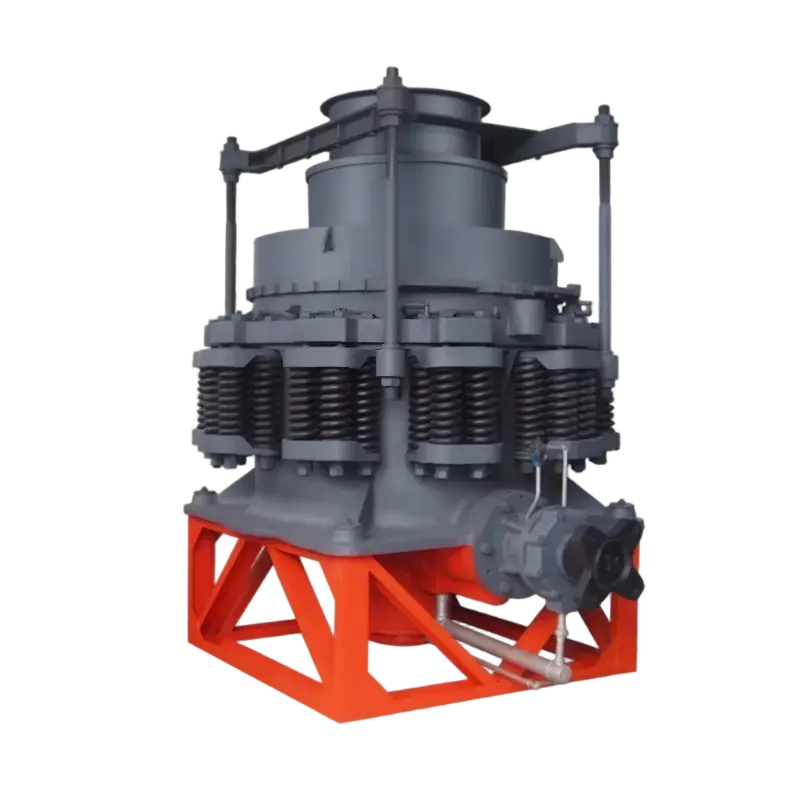
Key technologies driving the next generation of casting manufacturing.
To maintain a competitive edge, casting foundries are evolving from mechanical operations into highly optimized, data-driven facilities. Looking to the next decade, three major technological pillars will define the leading custom casting plants globally: Additive Manufacturing Integration, Intelligent Mold Cooling Controls, and AI-Assisted Metallurgical Simulation.
By using real-time sensor networks embedded within sand molds, we can monitor the cooling rates of thick-walled castings at key locations. This data is fed back into cooling control systems that dynamically adjust parameters to optimize microstructures and minimize internal stresses in heavy industrial castings.
Additionally, the adoption of 3D-printed sand molds for complex geometries is revolutionizing the prototyping phase. Traditional pattern-making can take weeks and represents a major cost factor. Tooling-free sand mold printing enables the production of custom trial castings in days, accelerating the development of specialized components like hydraulic valves and custom pump housings.
Answering key metallurgical, quality assurance, and logistics questions from professional procurement teams.
Premium OEM assemblies, steel casting press arches, large hollow shafts, and wear components built to specifications.
 Hanhai