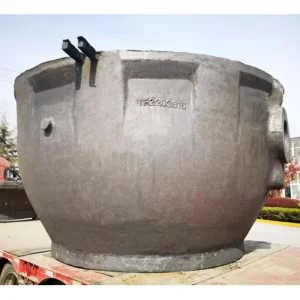
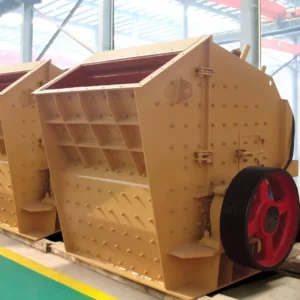
Engineered to withstand extreme loads, harsh environments, and continuous operations.
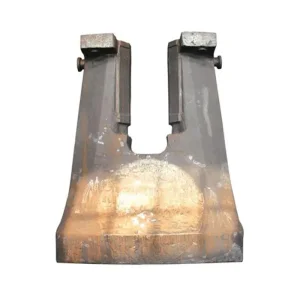
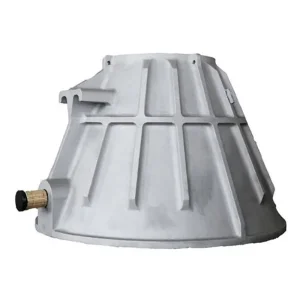
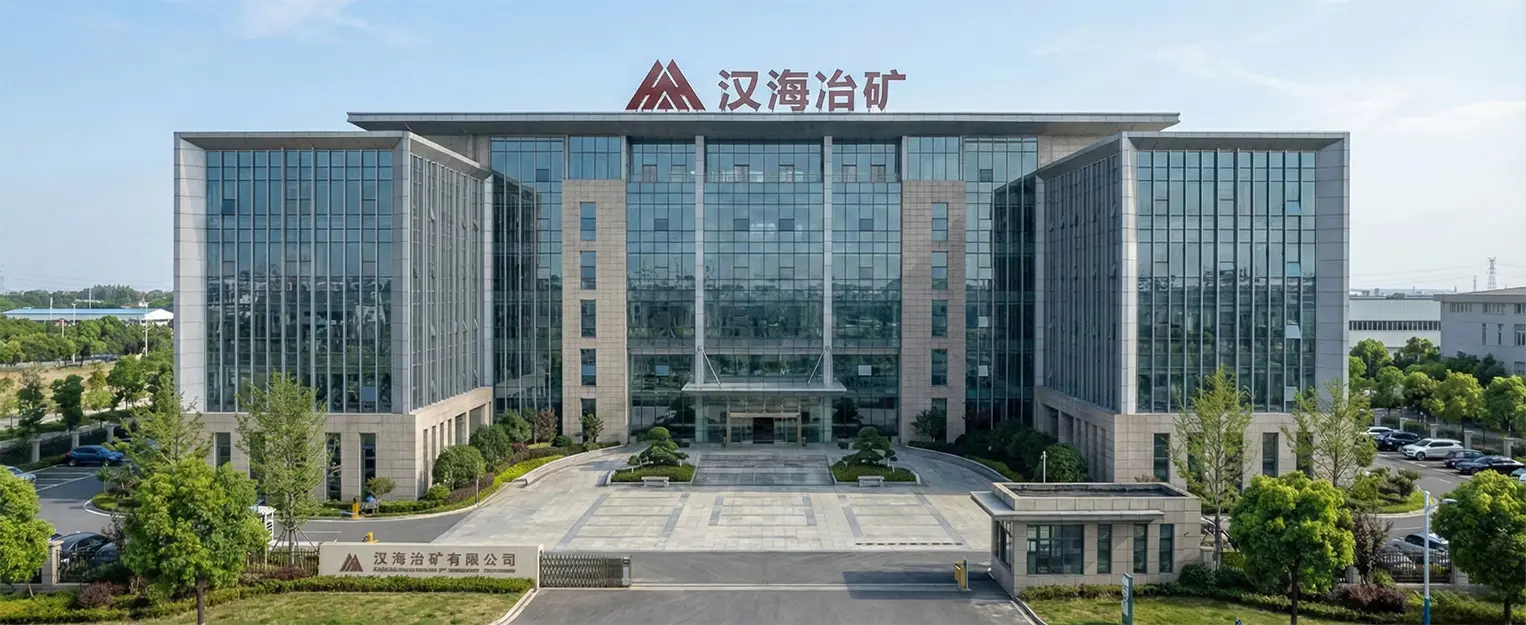
Operating at the pinnacle of metallurgical excellence, Henan Hanhai Metallurgy Mining International Trade Co., LTD has established itself as an authoritative global manufacturer of customized cast steel and cast iron parts. Over two decades, our factory has served as the baseline standard for structural reliability in high-stress industrial applications. By operating advanced modern foundry production lines and enforcing stringent, uncompromising quality control systems, we produce high-performance industrial castings optimized for heavy-load, high-impact sectors including mining, metallurgy, cement processing, power generation, and global construction infrastructure.
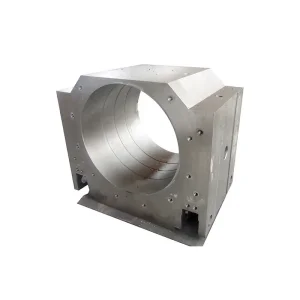
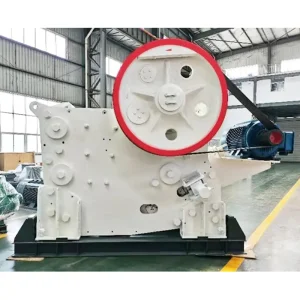
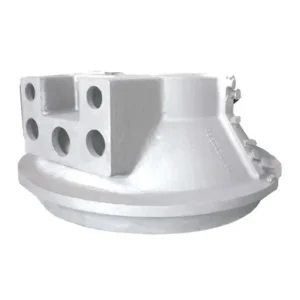
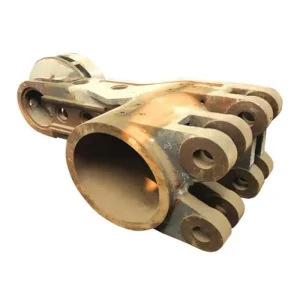
In modern industrial operations, rotary machinery represents the core mechanism of value generation. From massive rotary kilns in cement factories to high-tonnage jaw crushers in aggregate quarries, mechanical uptime is determined by the component that facilitates movement: the bearing assembly. However, bearings do not operate in isolation; they are sustained by the mechanical integrity of their housing. Custom Cast Bearing Housings act as the protective, structural casing that channels extreme radial and axial force distribution directly into the structural foundations of the plant.
Without highly customized bearing seats engineered for precise mechanical tolerances, bearings are exposed to severe misalignment, vibration, thermal deformation, and lubricant escape. When a bearing housing fails in a high-capacity crusher or turbine, the cost is not restricted to replacement hardware—it encompasses unscheduled production downtime that can cost operators thousands of dollars per hour. Consequently, global procurement teams demand specialized bearing housings that demonstrate absolute fatigue resistance, structural stiffness, and custom sealing mechanisms.
The current global industrial landscape is characterized by severe supply chain disruption, surging material costs, and an urgent mandate for environmental efficiency. Heavy industries are transitioning toward larger equipment scale to maximize economies of production. This change directly translates to larger component requirements. As mills and crushers scale up, standard catalogue bearing housings fail to satisfy the specific stress configurations.
Furthermore, the geographical dispersion of mining sites—from high-altitude Andes operations to sub-zero Nordic environments—introduces intense operational parameters. A casting designed for temperate conditions will fail due to brittle fractures in sub-zero locations if the metallurgy is not adjusted. Hanhai Casting addresses this global diversity by configuring raw cast steel and nodular cast iron alloys to match regional temperature fluctuations, dynamic mechanical loads, and local regulatory criteria.
Why Tier-1 industrial operators rely on Hanhai Metallurgy for critical cast housings.
We cast tailored grades of SG iron (GGG40/50/60) and high-strength structural cast steel. Carbon and alloy contents are modified using chemical spectrometry to achieve optimal grain structures, preventing fracture propagation under peak crushing impacts.
Every dynamic component undergoes stress contour mapping. Our engineers run Finite Element Analysis (FEA) to isolate hot spots and thermal stress patterns before committing to pattern fabrication. This process minimizes bearing failure risk.
Using large-scale boring mills and multi-axis CNC machines, we achieve bore dimensional accuracy up to IT7 tolerances. This protects the roller bearings against asymmetric wear patterns caused by microscopic misalignment.
Over two decades of continuous innovation, facility upgrades, and global expansion.
Hanhai Casting was established with a focus on heavy steel and iron castings, laying a solid technical and production foundation for custom bearing components.
Introduced advanced electric arc melting and computerized sand molding technology, expanding production capacity to serve large-scale mining and metallurgical projects.
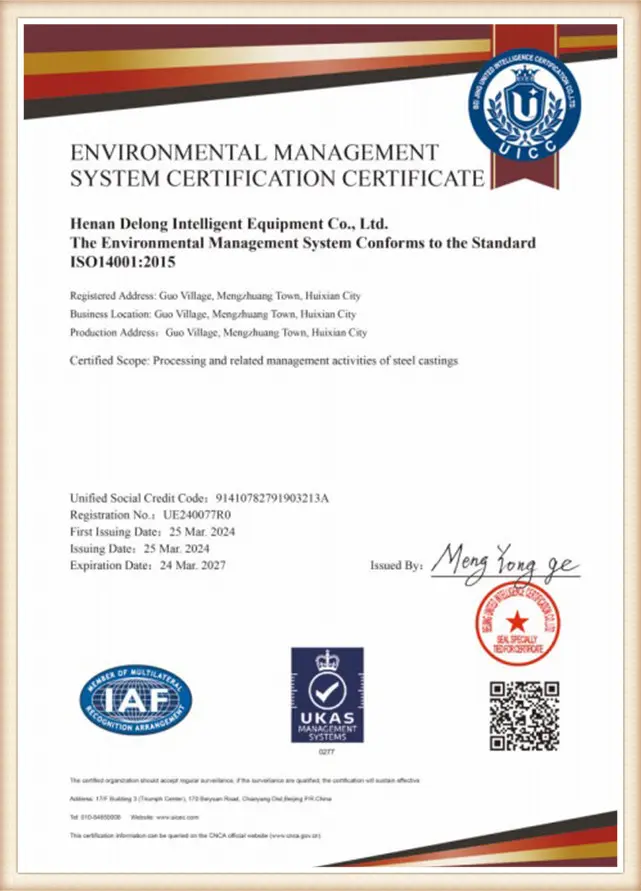
Achieved ISO9001 and CE certifications, updated our non-destructive testing (NDT) systems, and initiated international export routes across Asia and Europe.
Integrated intelligent virtual solidification casting systems and digitized quality tracing, reducing defects while fostering strategic partnerships worldwide.
Compliance is the foundation of structural engineering trust. When exporting heavy equipment components to Europe, North America, or Oceania, alignment with local safety and quality standards is non-negotiable. Hanhai Casting validates all design work against international structural codes, including ASTM (American Society for Testing and Materials), DIN (Deutsches Institut für Normung), and EN (European Standards).
We provide full traceability for every production batch. Our quality testing documentation includes chemical composition certificates (via optical emission spectrometer), mechanical properties test reports (yield strength, tensile strength, elongation, and impact toughness at low temperatures), and comprehensive Non-Destructive Testing (NDT) reports. Depending on user application profiles, we implement Ultrasonic Testing (UT), Magnetic Particle Testing (MT), and Dye Penetrant Testing (PT) to ensure the casting is free of subcutaneous blowholes, shrinkage cavities, or thermal micro-cracks.
The casting sector is entering a digital transformation. Hanhai Metallurgy is actively exploring and integrating advanced production systems to meet the requirements of Industrial IoT (IIoT). We are developing smart bearing housings equipped with pre-cast cavities designed for mounting wireless temperature and tri-axial vibration sensors. This allows operators to monitor bearing performance in real time and execute predictive maintenance strategies before a catastrophic failure occurs.
Furthermore, our environmental roadmap addresses sustainable manufacturing practices. By transitioning our melting operations to high-efficiency medium-frequency induction furnaces and recovering 95% of our silica molding sand through mechanical reclamation systems, we minimize carbon emissions. This strategy helps our global clients meet their Scope 3 environmental reporting obligations.
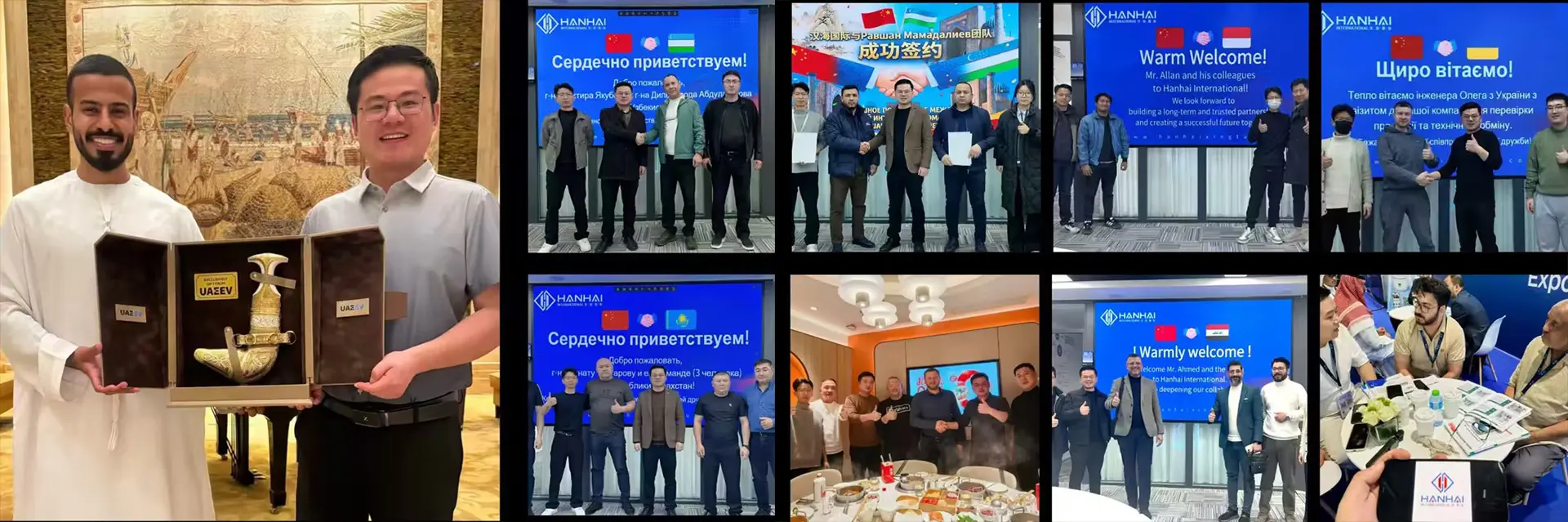
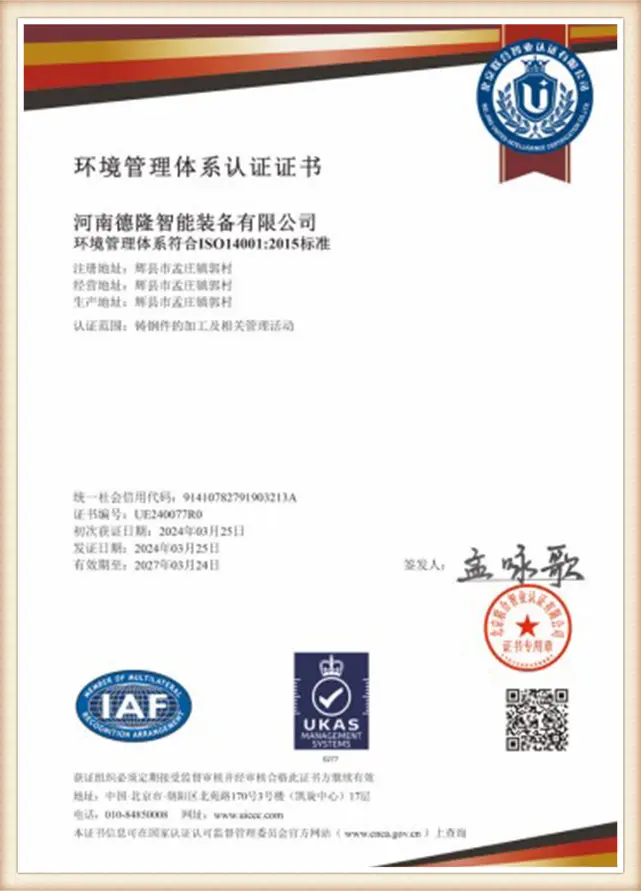
Our global presence is supported by international quality certifications and industry partnerships.
A step-by-step process designed to ensure design accuracy, material performance, and quality control.

Collection of initial technical requirements, operating loads, alignment tolerances, and environment profiles.
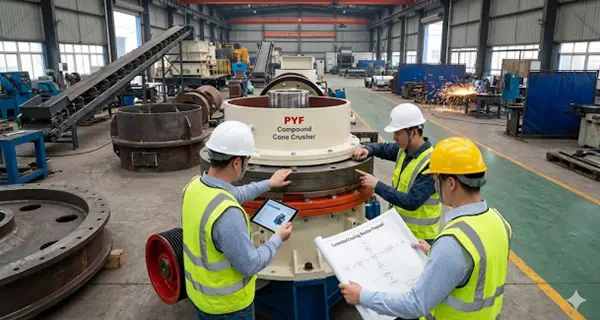
Drafting layout drawings, selecting metallurgical chemical compositions, and configuring housing seals.
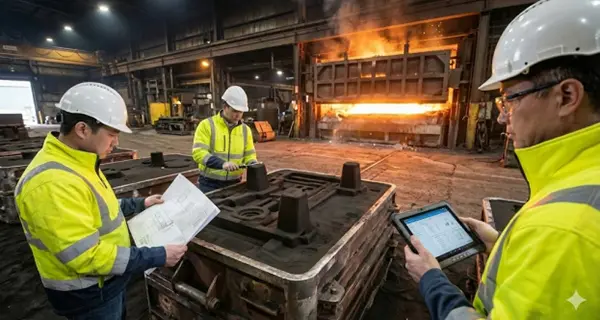
Execution of solidification modeling and FEA stress reviews, concluding with finalized construction prints.
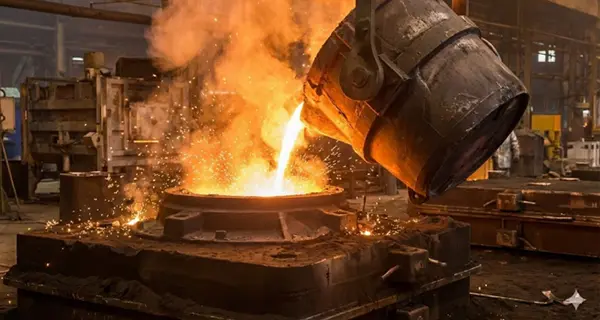
Pattern building, sand core formation, induction furnace melting, pouring, and thermal cooling.

Execution of physical testing, dimensions checks (CMM), and NDT defect detection methods.
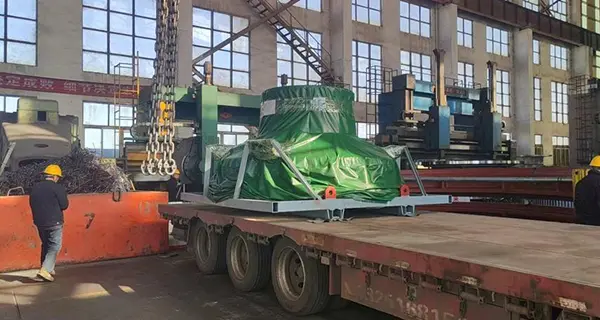
Precision bore finishing, anti-corrosive primer applications, and heavy industrial export packaging.
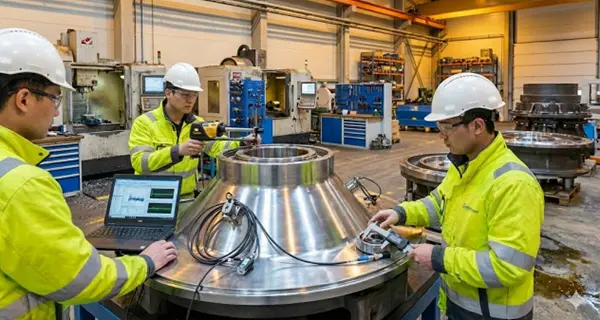
On-site installation support, advising on mounting tolerances and structural bolting tensions.
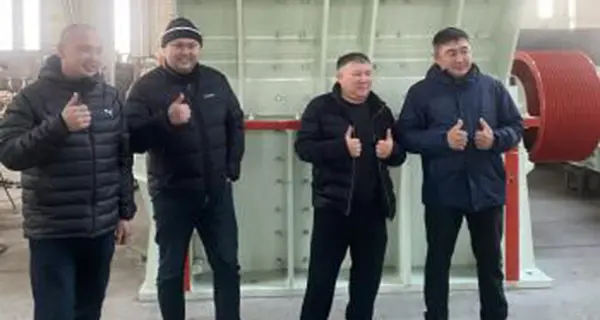
Maintenance manual updates and lubrication cycle synchronization to protect the inner bearing unit.
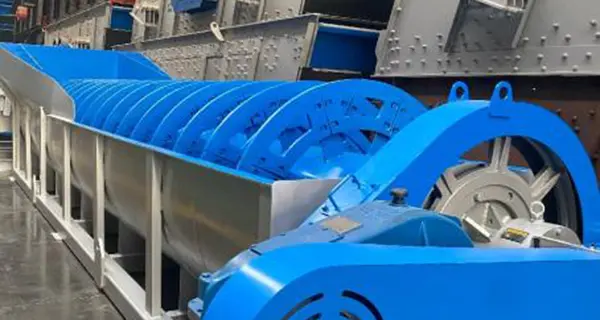
Delivery of replacement parts, wear analysis services, and structural upgrades for changing operational needs.
Addressing the technical, logistical, and structural questions critical to senior maintenance and design engineers.
Cast steel (e.g., carbon steel ASTM A27 or low-alloy steel grades) is preferred for applications exhibiting extreme impact energy, heavy structural tension, or sub-zero ambient conditions, as it offers superior elongation and fracture toughness. Ductile/Nodular cast iron (such as GGG40/GGG50) is selected for high cyclic loading applications due to its excellent vibration-damping capacity, self-lubrication micro-characteristics, and high cost-efficiency.
Our machining lines are capable of finishing bearing housing bores to ISO H7 or H8 fit classes, preventing local race spin or bearing compression. Cylindricity and concentricity are validated using coordinate measuring machines (CMM) to minimize eccentric forces on the internal roller assembly.
We configure bearing housings with complex seal setups to prevent bearing contamination. Standard configurations include double-lip elastomeric contact seals (for general use), multi-passage labyrinth steel seals (for high shaft speeds), and heavy-duty Taconite seals (combining grease-purged labyrinth grooves and V-rings) to block abrasive silica dust in aggregate processing plants.
Thick-section bearing housings are vulnerable to shrinkage cavities or gas entrapment. We run computer-guided solidification simulations to optimize riser and sprue positioning. Post-casting, we use Ultrasonic Testing (UT) in accordance with ASTM A609 standards and Magnetic Particle Testing (MT) in accordance with ASTM E709 to inspect the integrity of the critical radius zones.
Yes. Our CNC pattern-making workshop directly processes STEP, IGES, and SolidWorks files to build high-precision wood, resin, or aluminum casting patterns. This direct transition minimizes geometric translation errors and shortens pre-production lead times.
We increase structural rigidity by adding structural ribs to the housing base and optimizing the cap-to-base joint with high-tensile grade 10.9 or 12.9 attachment bolts. Additionally, we use ductile iron grades containing spherical graphite to absorb vibration energy, preventing micro-crack generation at structural corners.
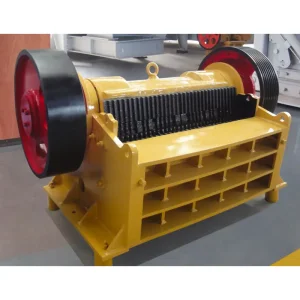
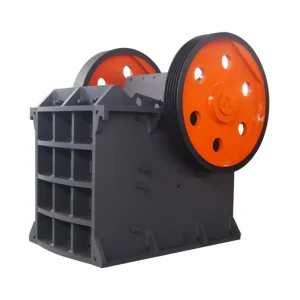
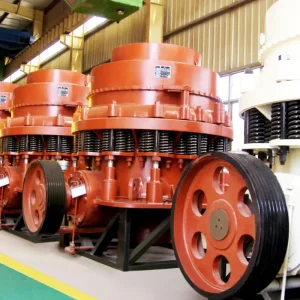
Complete structural casting solutions for primary crushing, ore transport, and energy systems.
 Hanhai