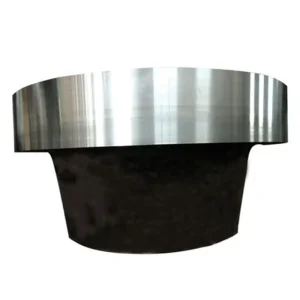
In modern mineral processing and aggregate production, the Vertical Shaft Impactor (VSI) stands out as a critical machine for fine crushing and high-quality shaping. As global demands for infrastructure sand, concrete quality, and mineral recovery efficiency intensify, VSI technology undergoes rapid evolutionary iterations. From simple mechanical impact systems, VSIs have transitioned into highly sophisticated thermodynamic and fluid-mechanical systems capable of high-velocity rotor control, precise trajectory modeling, and advanced wear-resistant alloys configuration.
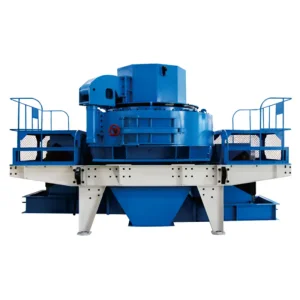
Modern VSI machines employ the "stone-on-stone" (rock-on-rock) crushing principle, utilizing high-velocity rotor dispersion to impact incoming minerals against a dense rock shelf within the crushing chamber. This significantly reduces contact wear on steel castings and enhances product cubical shape parameters, achieving optimal flakiness indices.
High-chromium alloys, tungsten carbide tips, and wear-resistant martensitic matrix steel structures represent the future of internal rotor liners. China's leading foundries, such as Henan Hanhai, integrate specialized heat treatment regimes to extend the functional cycles of wear parts under highly abrasive silicon-heavy applications.
The roadmap integrates virtual modeling of kinetic trajectories, dynamic balancing algorithms, and digital twin monitoring. Real-time diagnostic sensors predict bearing wear, temperature surges, and lubrication anomalies, preventing unexpected downtime and extending machine lifespans by up to 40%.
Henan Hanhai Metallurgy Mining International Trade Co., LTD is a leading foundry manufacturer in China, specializing in cast steel and cast iron parts. With advanced production lines and strict quality control, we supply durable castings for mining, metallurgy, power generation, and construction industries worldwide.
Our capabilities bridge the gap between heavy-duty engineering requirements and precise structural metallurgy. Integrating digital casting simulations and mechanical calculations, Hanhai Casting delivers structural integrity that minimizes structural fatigue in high-stress applications such as vertical shaft impactors, jaw crushers, and metallurgical presses.

For more than two decades, Hanhai Casting has been dedicated to the research, production, and export of high-quality steel and iron castings. With continuous innovation and strict quality control, we've become a trusted partner for global mining, metallurgy, and construction industries.
Hanhai Casting was established with a focus on heavy steel and iron castings, laying a solid technical and production foundation. We focused on mastering basic metallurgical casting shapes and supplying the domestic heavy equipment sector.
Introduced advanced melting and molding technology, expanded production capacity, and served key mining and metallurgy sectors. During this time, we deployed medium frequency induction furnaces and modernized our heavy molding floors.
Achieved ISO9001 certification, upgraded testing systems, and began exporting high-performance castings to Asia, Europe, and the Middle East. Specialized crusher support sleeves and casting press arches gained market share internationally.
Integrated intelligent foundry systems and digital management, driving sustainable manufacturing and global customer partnerships. We developed a comprehensive green casting system utilizing sand recycling loops and low-emission furnace controls.
Purchasing large metallurgical components and VSI wear castings from China guarantees not only cost advantages but structural resilience. The modern Chinese casting industry has entered the era of Factory 4.0. We utilize physical simulation software like MAGMAsoft to model alloy solidification patterns, virtually eliminating defects such as shrinkage cavities, micro-porosity, and thermal cracking before pouring even begins.
| Performance Indicator | Traditional Casting Methods | China Factory 4.0 (Hanhai Standard) | Operational Impact |
|---|---|---|---|
| Defect Detection (NDT) | Visual & basic UT inspection | 100% Ultrasonic, Magnetic Particle, & Radiographic Testing | Zero unexpected component failures in deep mines |
| Casting Dimensional Tolerance | ISO 8062 CT10 - CT12 | ISO 8062 CT8 - CT9 (Precision Machined) | Perfect alignment with assembly mating surfaces |
| Microstructural Control | Uncontrolled cooling cycles | Programmable heat treatment ovens with quenching cycles | Optimal tensile strength & elongation properties |
| Resource Circularity | Discarded sand dumpings | 98% Sand Reclamation and recovery loops | Lower carbon footprint and lower manufacturing overheads |
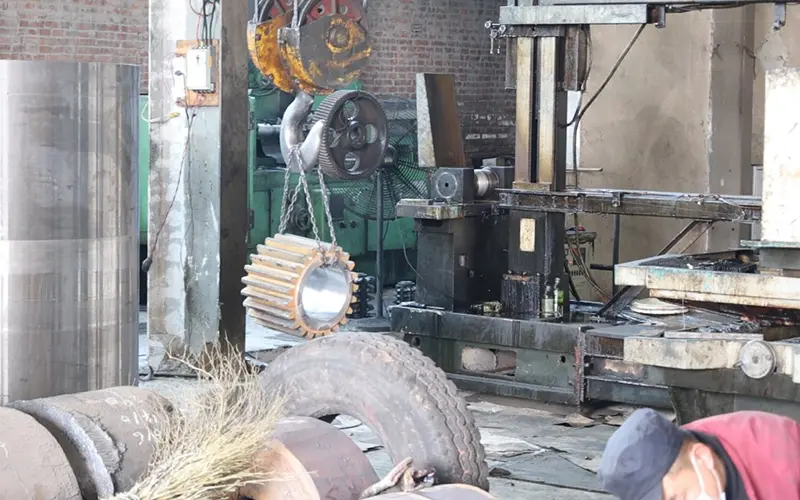
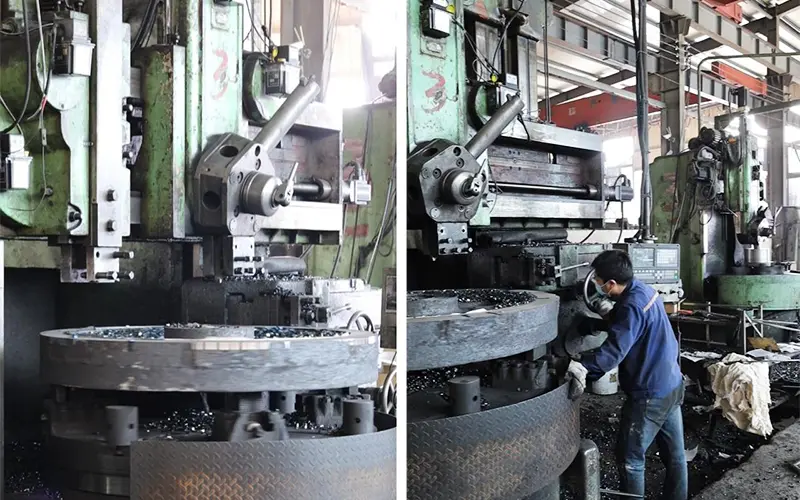
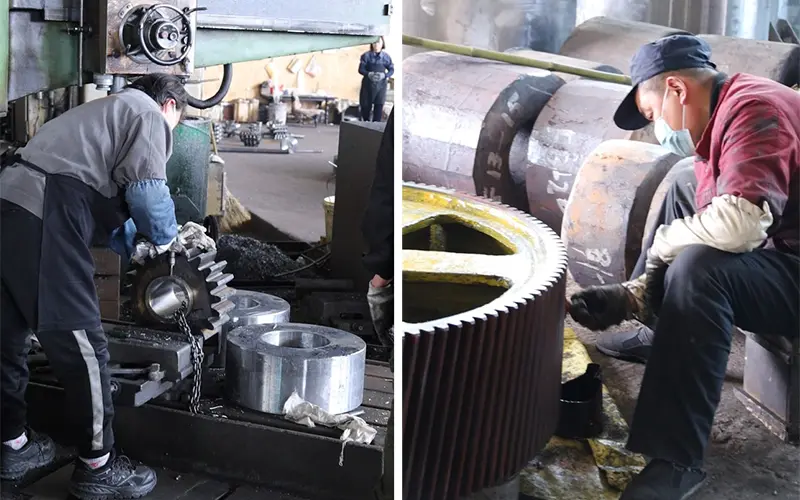
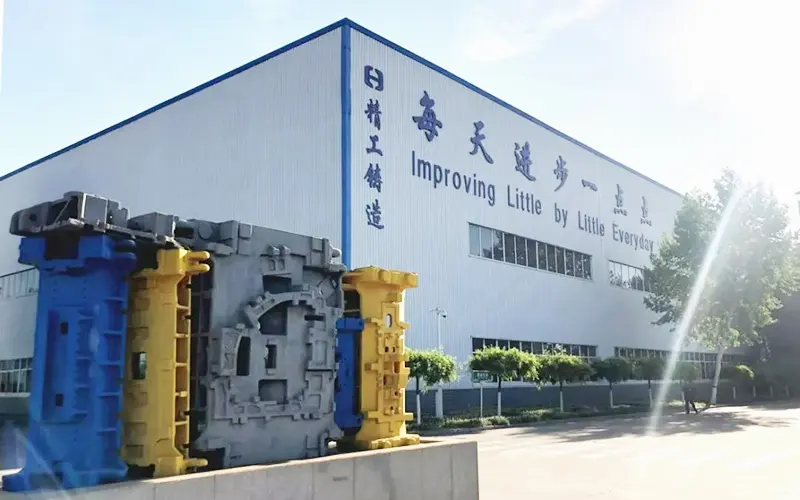
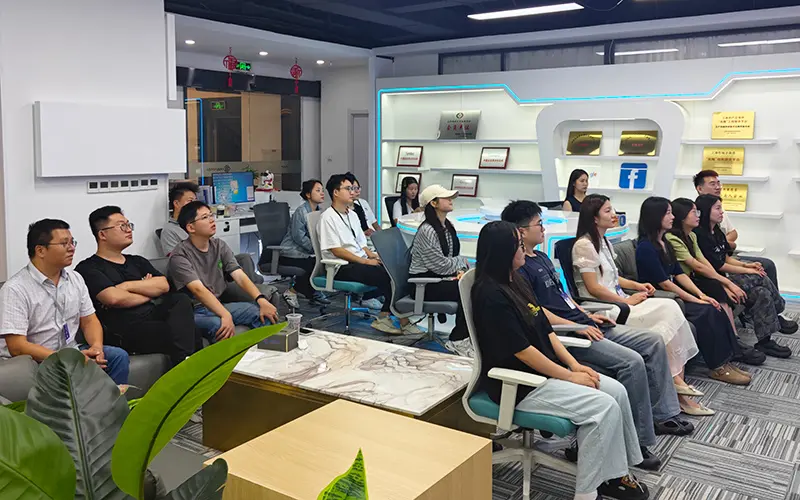
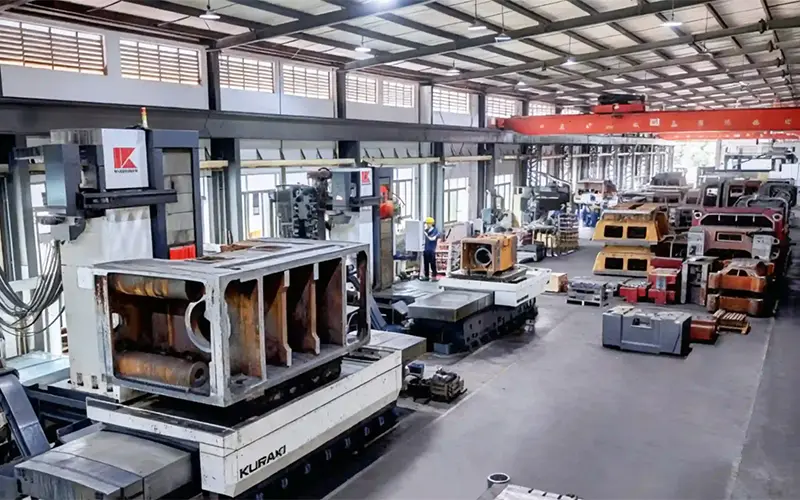
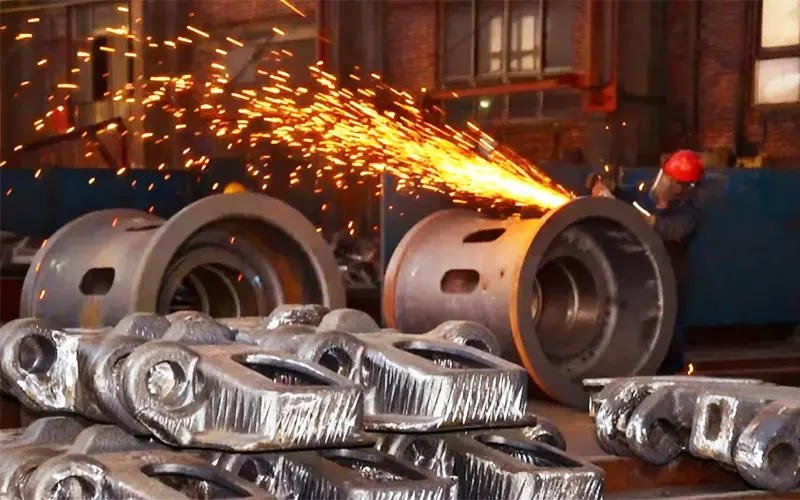
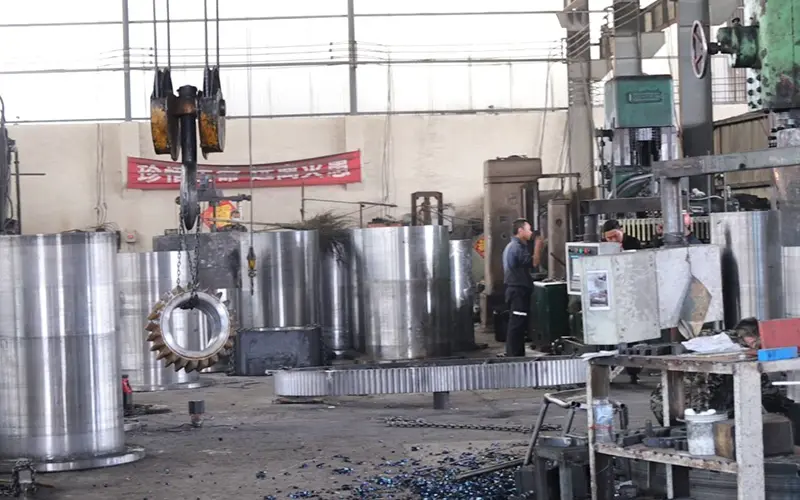
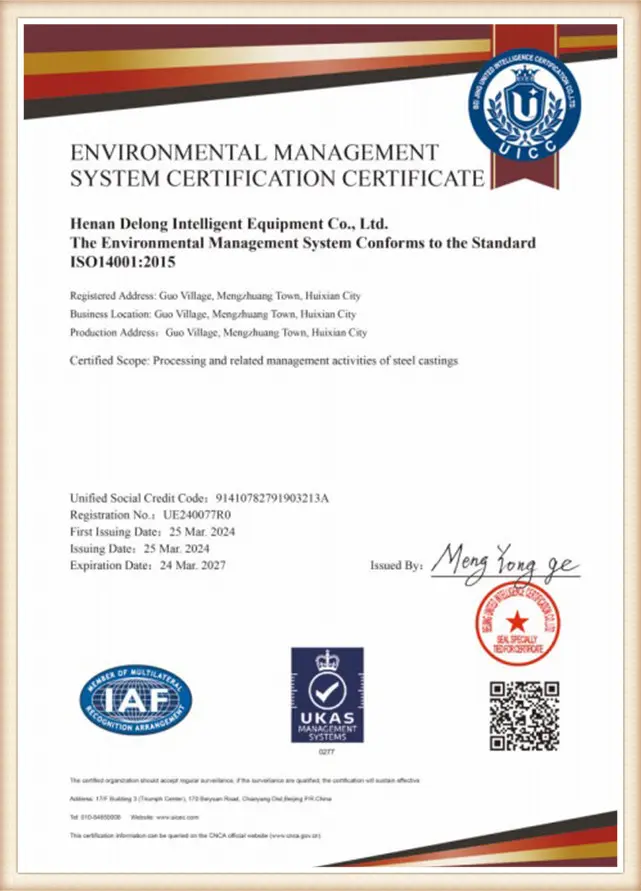
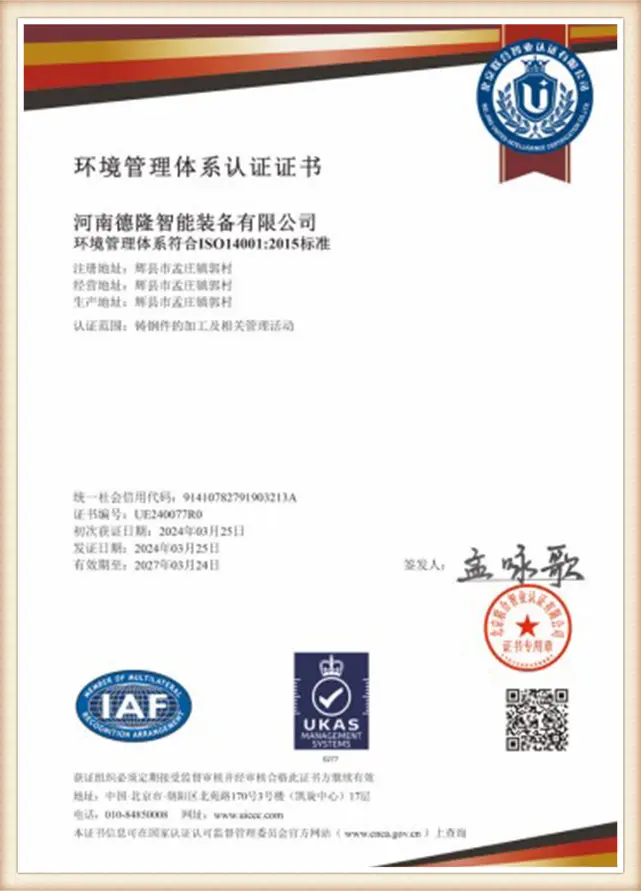
Hanhai Casting integrates design, casting, and machining with an annual output of 80,000 tons. Certified with ISO9001 and CE, we deliver precision-engineered castings trusted by clients across Asia, the Middle East, Europe, and South America.
To empower global heavy industries with precision casting technologies and sustainable manufacturing excellence. We commit to long-term structural reliability, reducing downtime across mining operations, and pushing the boundaries of wear-resistant metallurgy.
To be a trusted global foundry brand delivering high-quality steel and iron castings, integrating AI design tools, virtual casting modeling, and green environmental practices that align with EU carbon targets and global industrial safety standards.
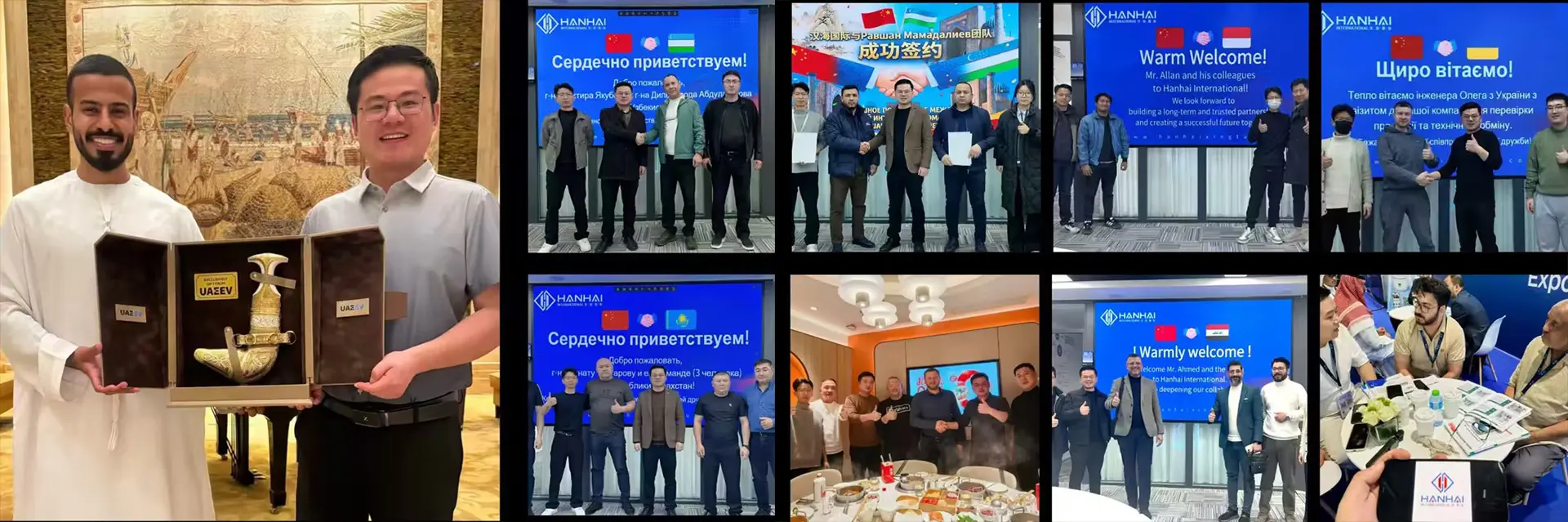
We work collaboratively with global mining houses, crushing equipment assemblers, and heavy press manufacturers. Our partnerships are built on transparency, technical rigor, and consistent supply capabilities. Every component is supplied with full mill test certificates (MTC), chemical spectrum analyses, and ultrasound reports.
Mining and crushing equipment operates in harsh environments where impact loads, abrasion, and temperature fluctuations are constant. Our casting solutions are engineered to handle these dynamic stressors seamlessly.
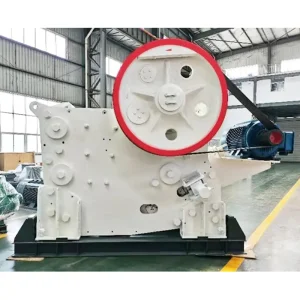
Widely used in mining, metallurgy, construction, chemicals, infrastructure, and recycling for crushing ores, rocks, aggregates, slag, and industrial materials.
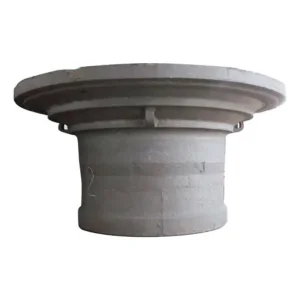
Applied in cement, mining, metallurgy, and heavy industry for crushers, mills, kilns, and other large-scale processing equipment components.
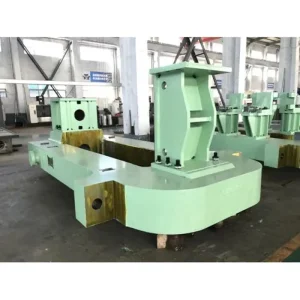
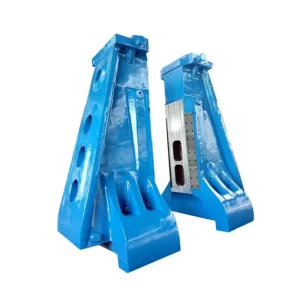
Designed for forging, metallurgy, and heavy manufacturing, supporting hydraulic presses and high-load, large-tonnage forming equipment.
Used in hydraulic systems, construction machinery, and energy equipment for valves, valve bodies, and fluid control components.
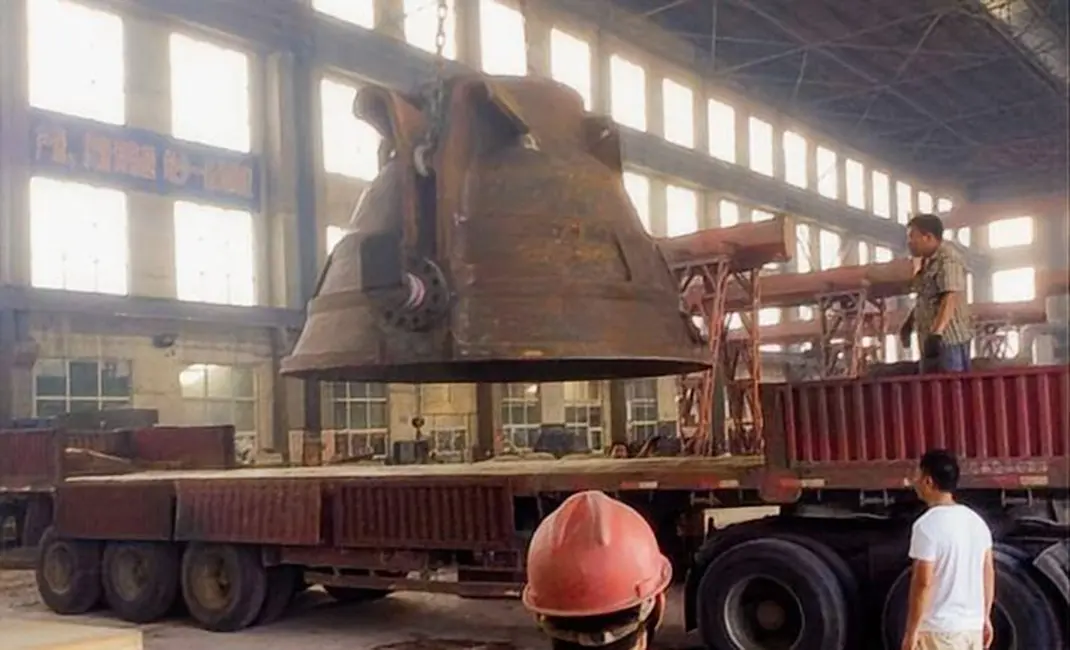
Applied in metallurgy and steelmaking for slag handling, ingot casting, smelting, and other high-temperature industrial processes.
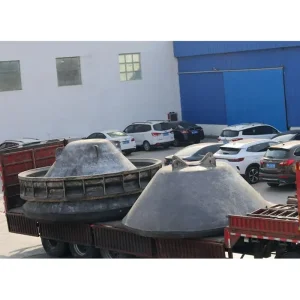
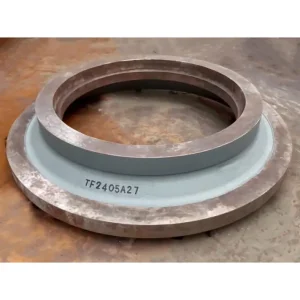
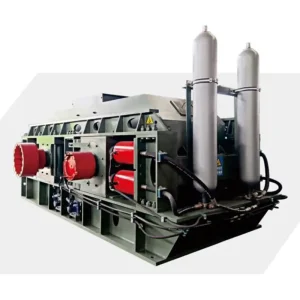
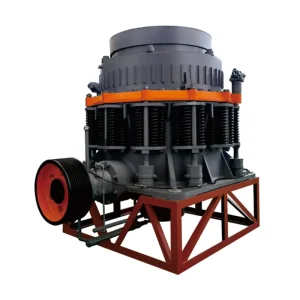
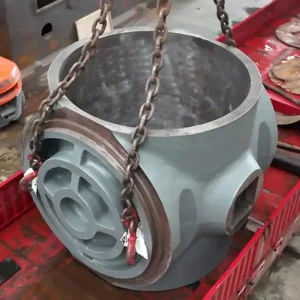
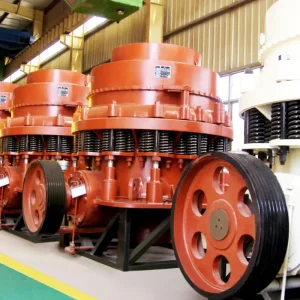
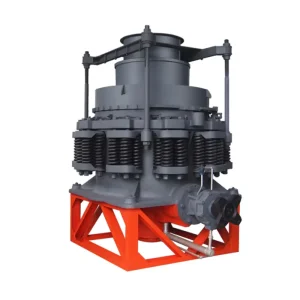
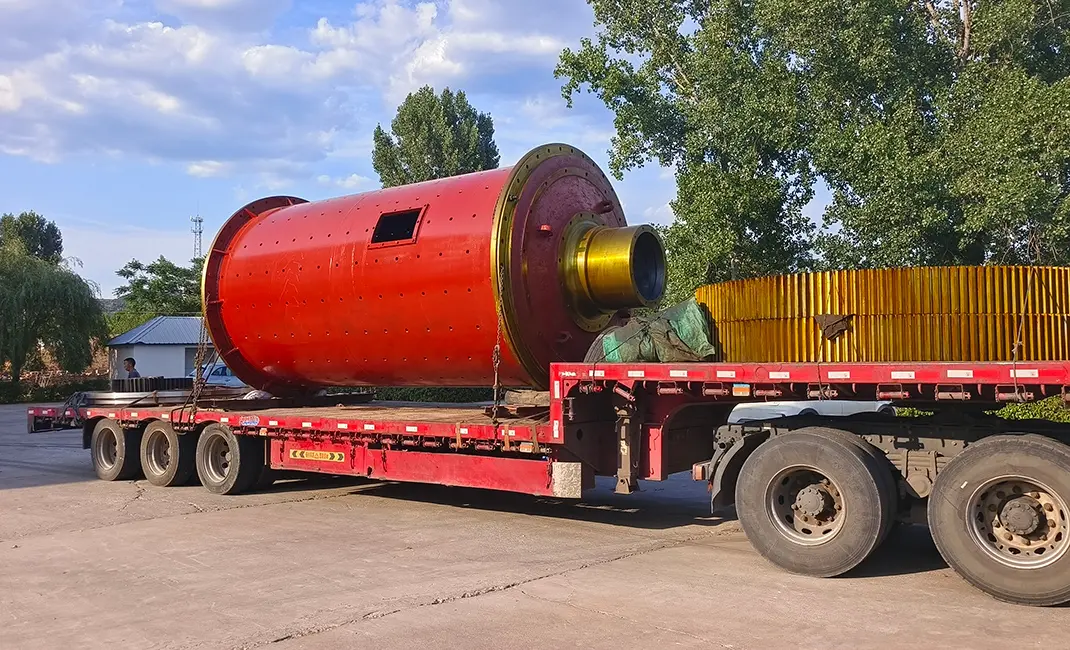
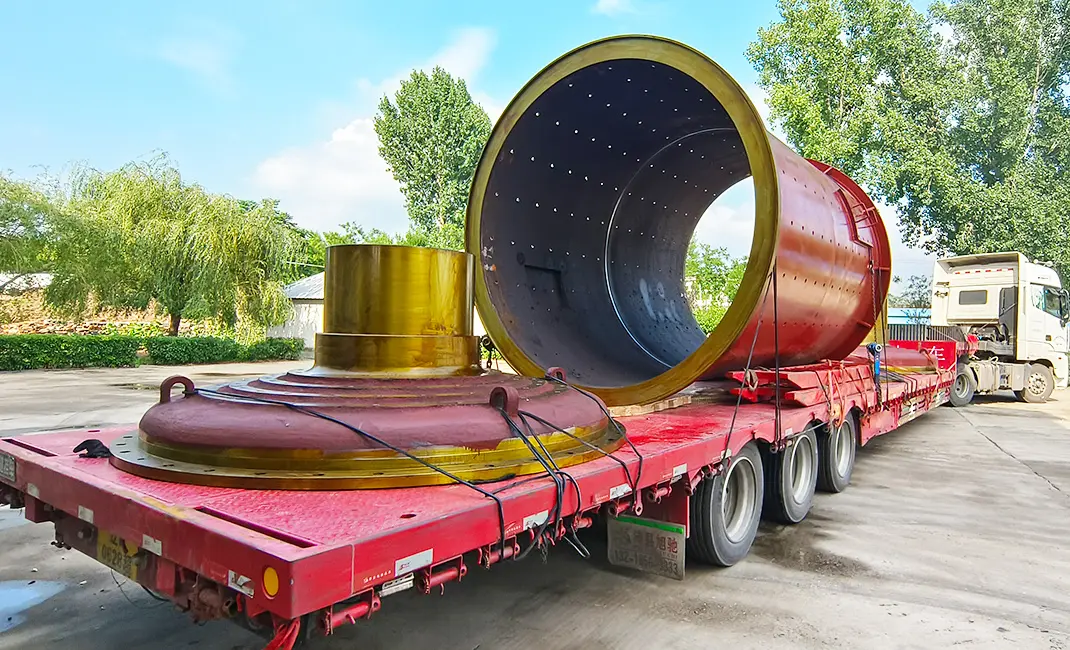
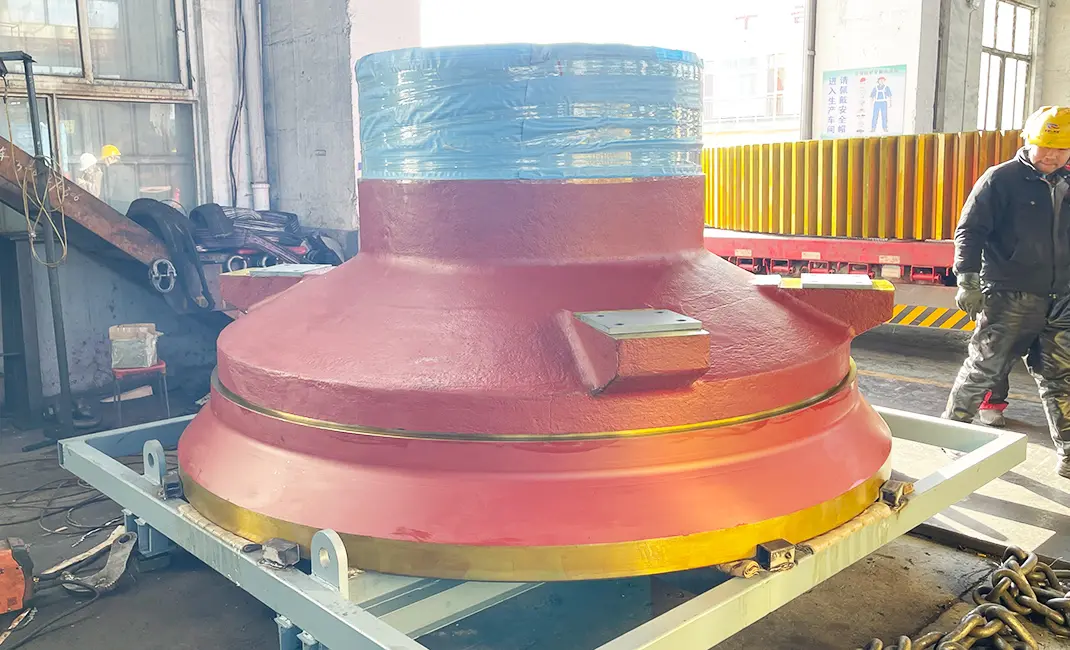
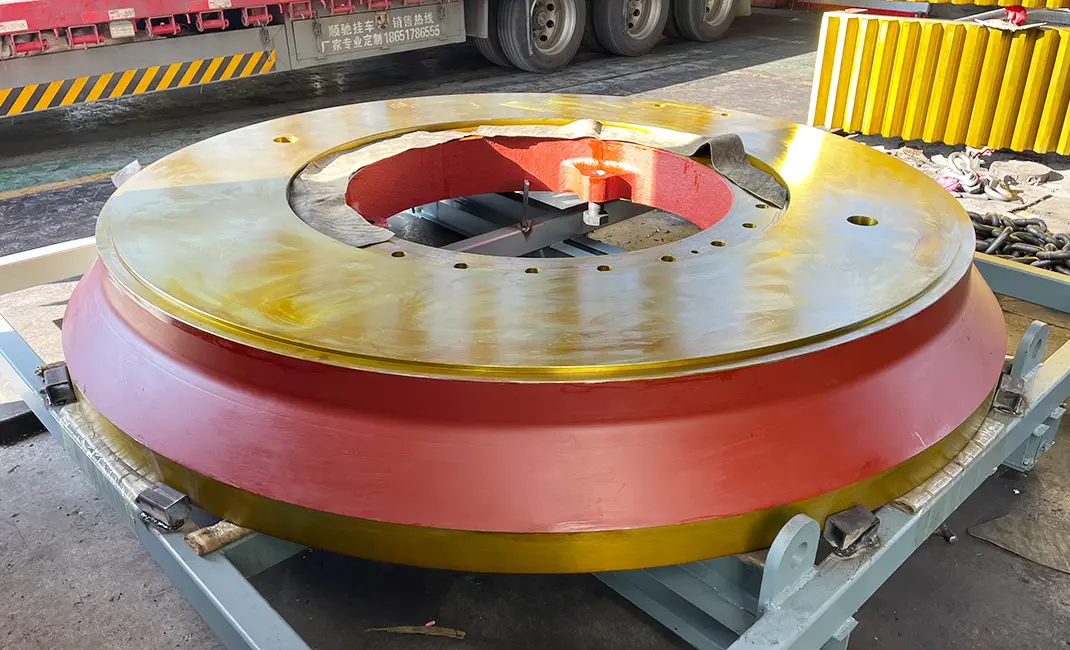
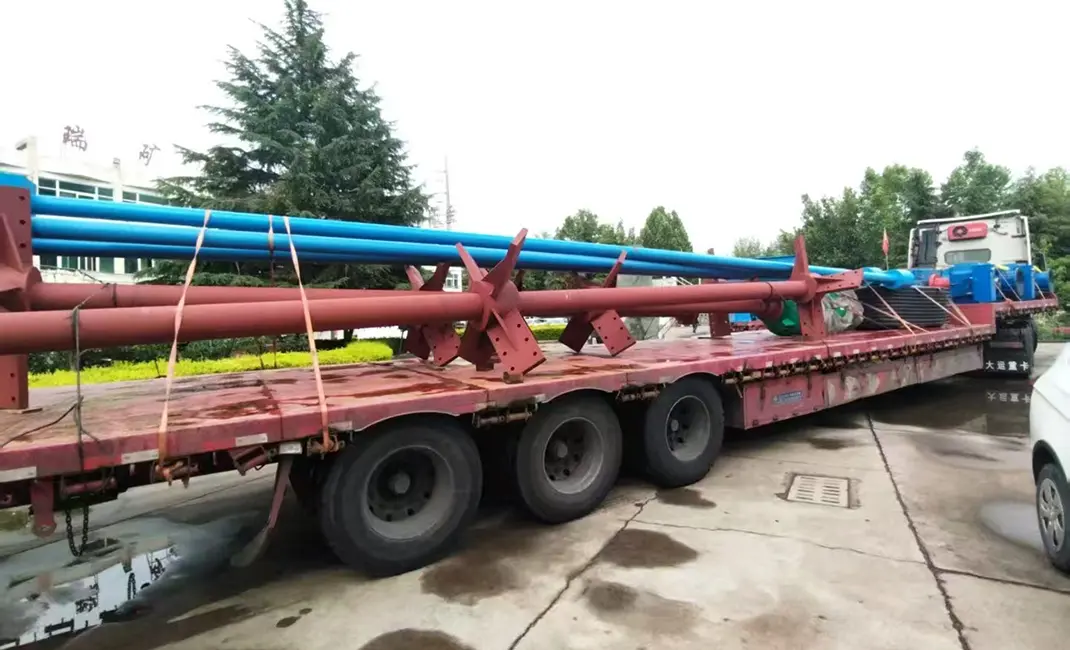
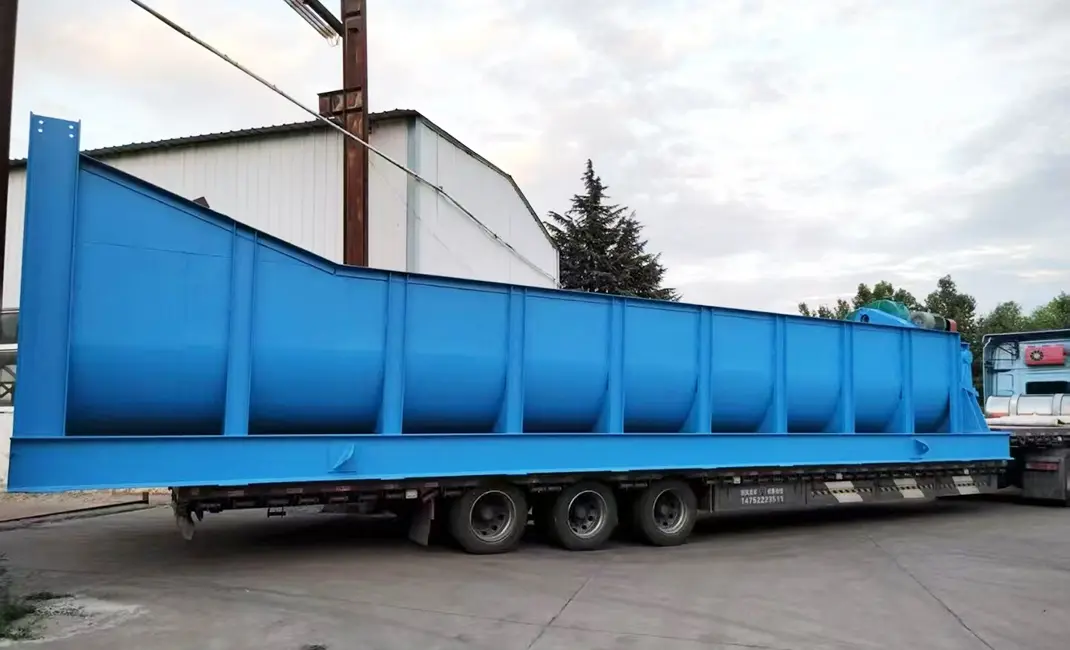
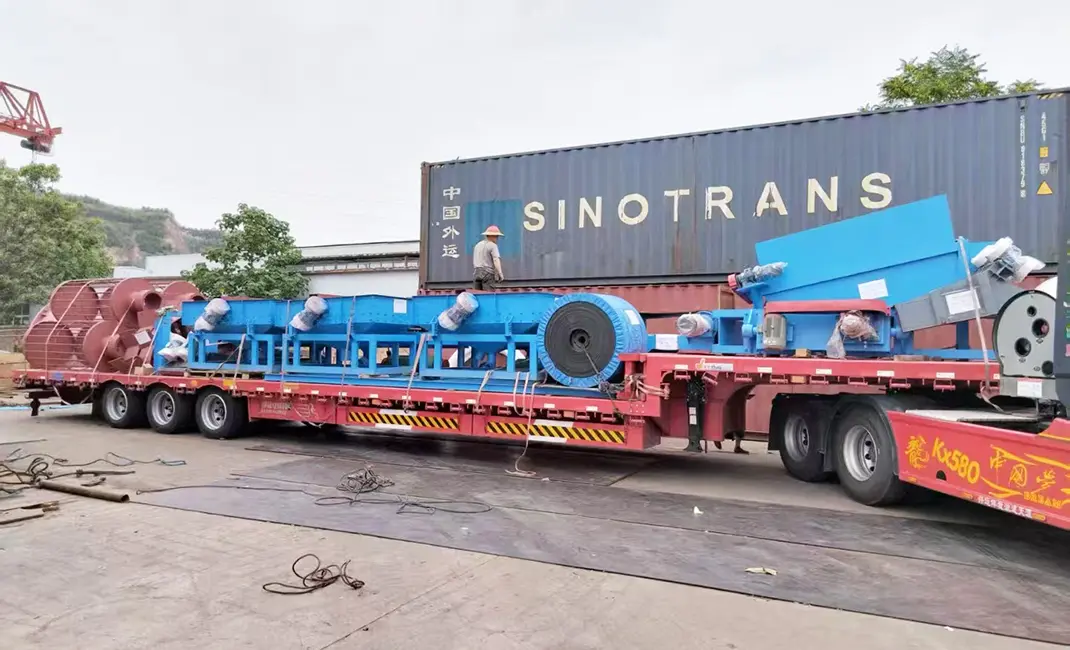
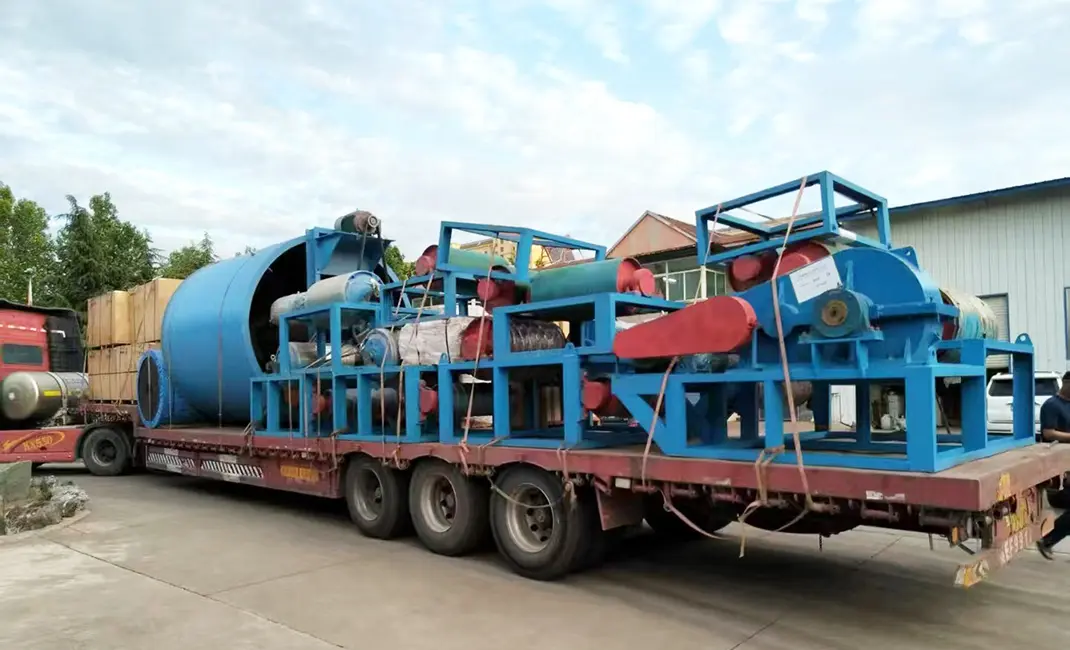
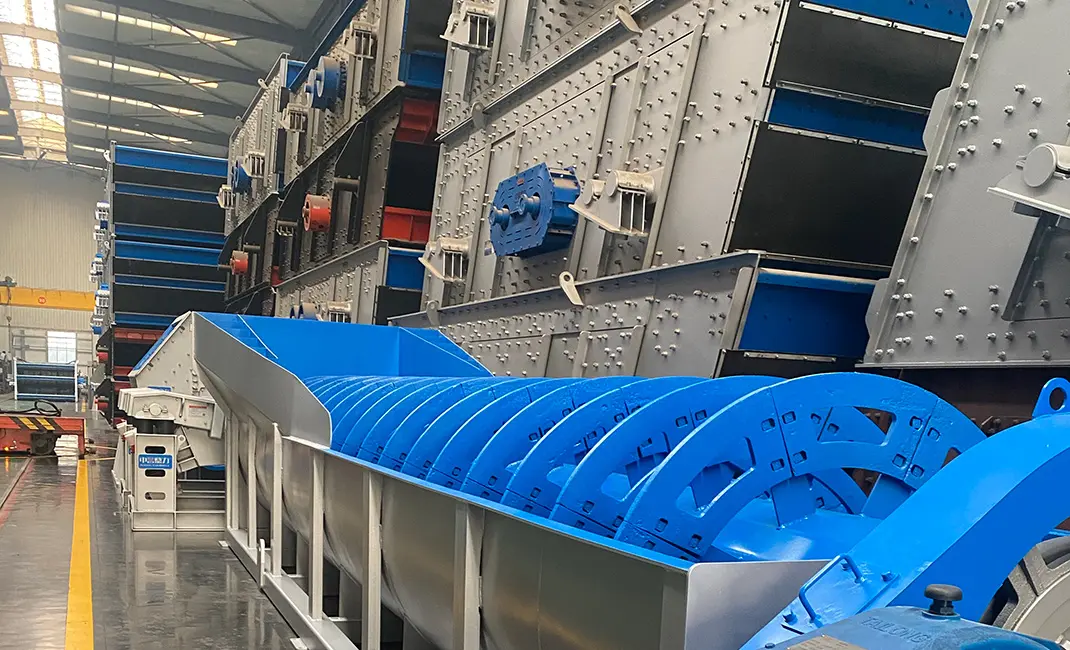
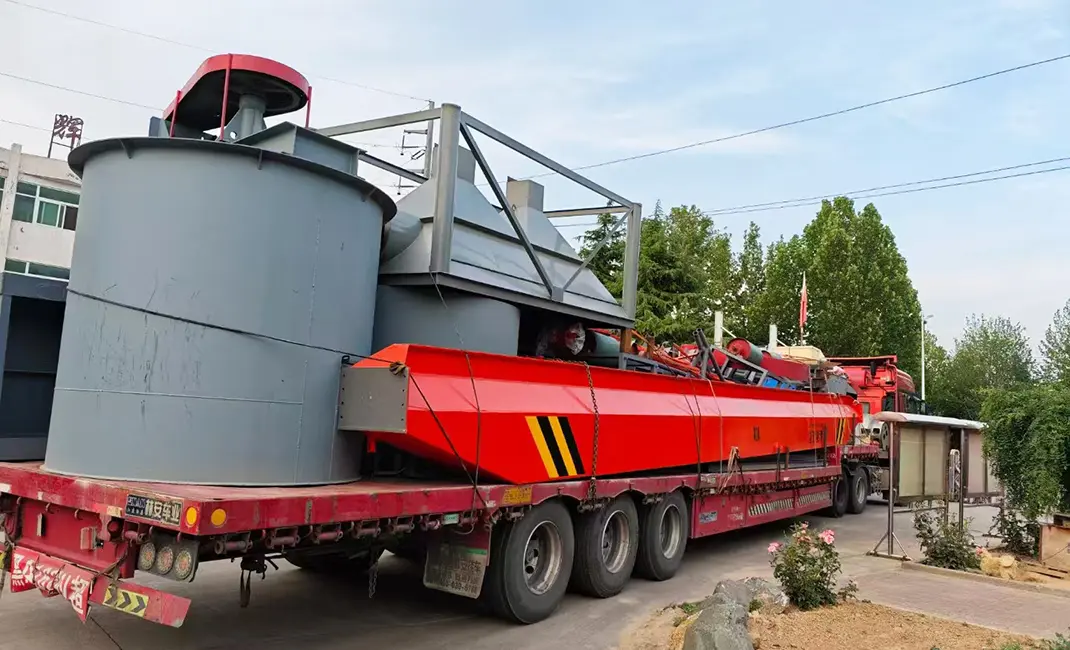
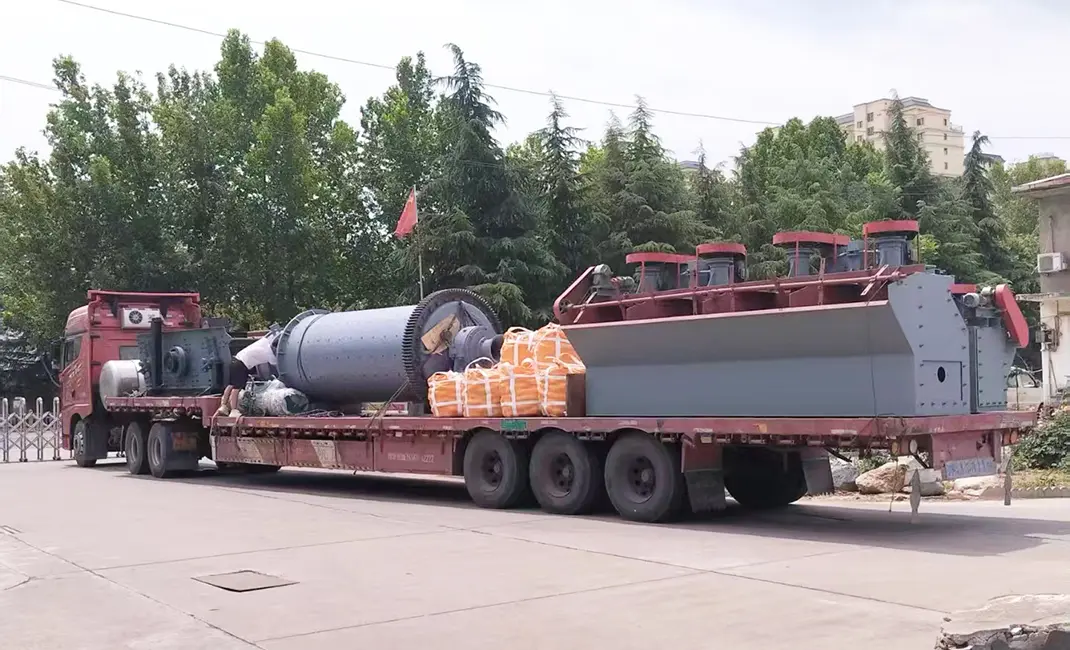
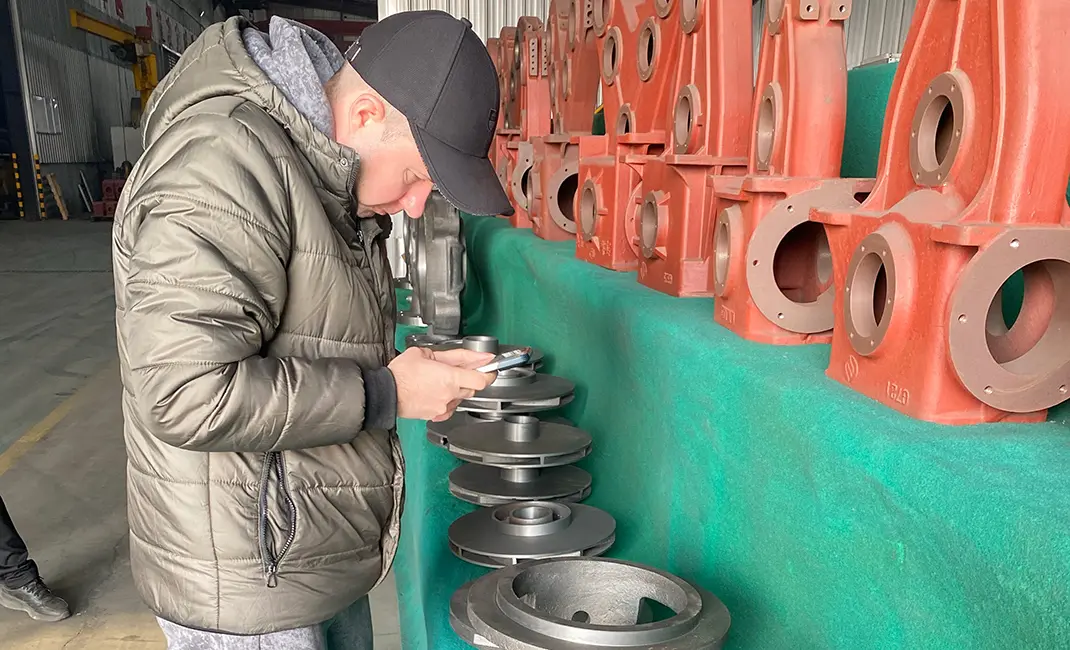
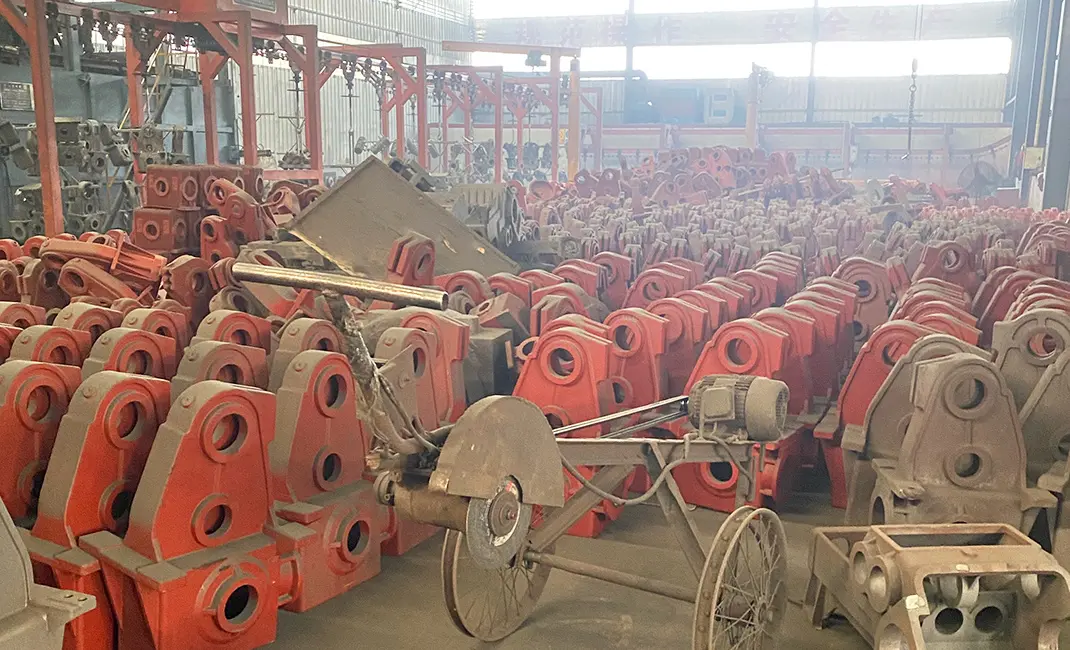
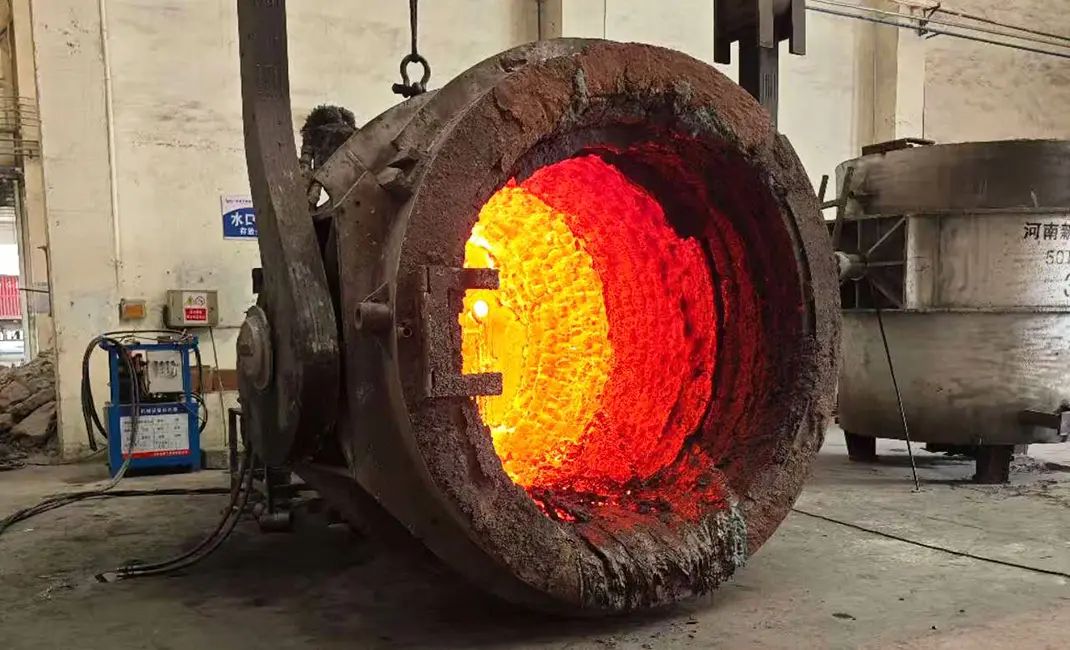
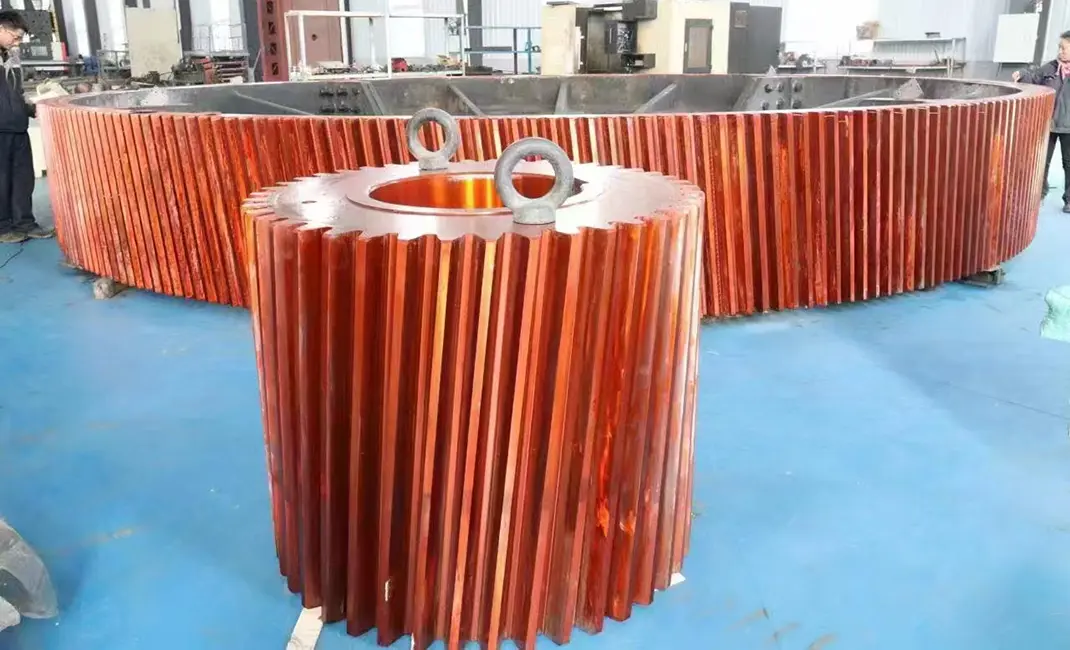
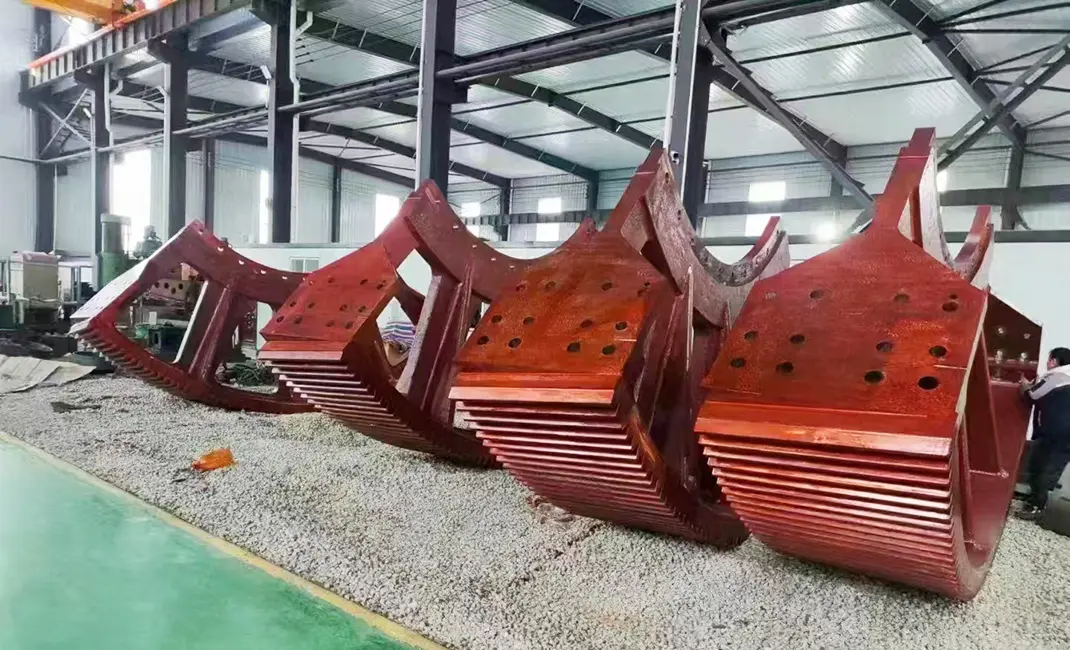
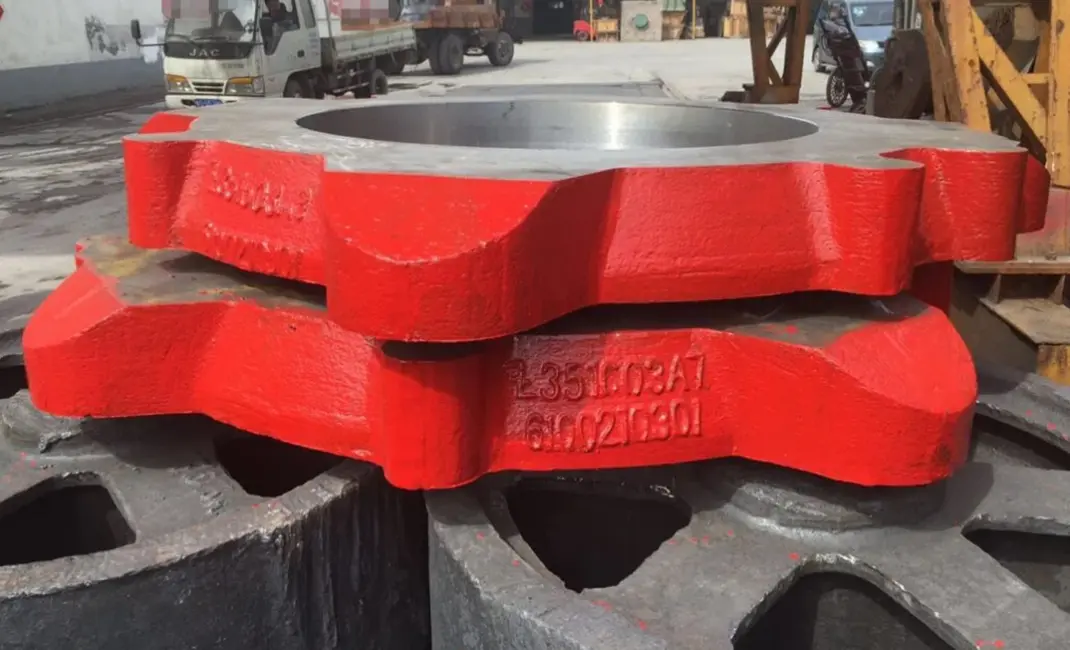
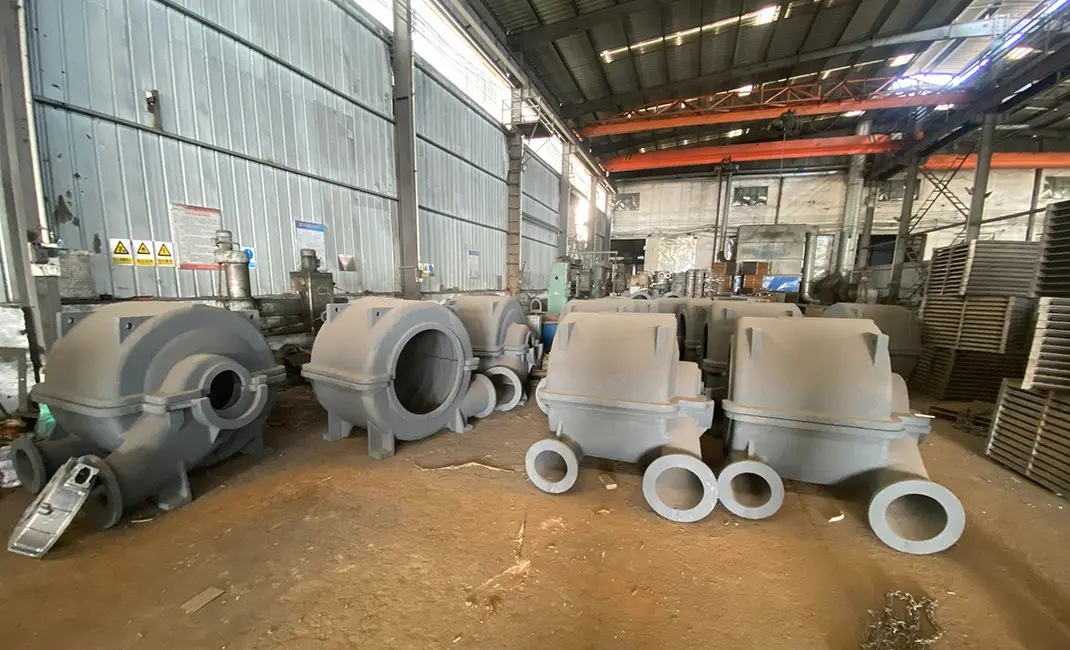
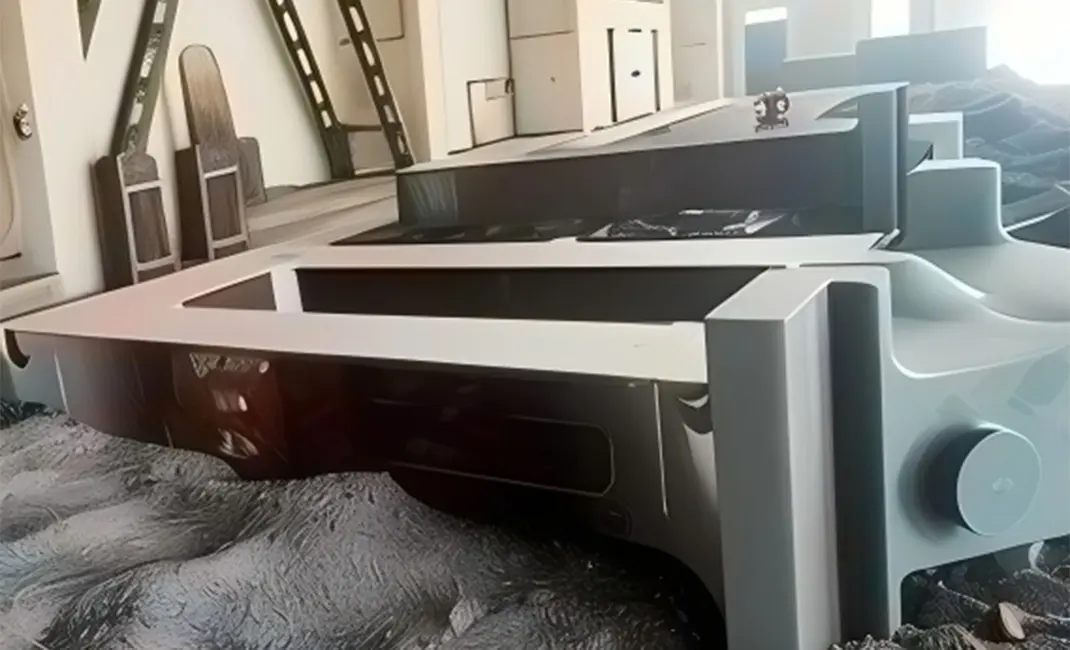
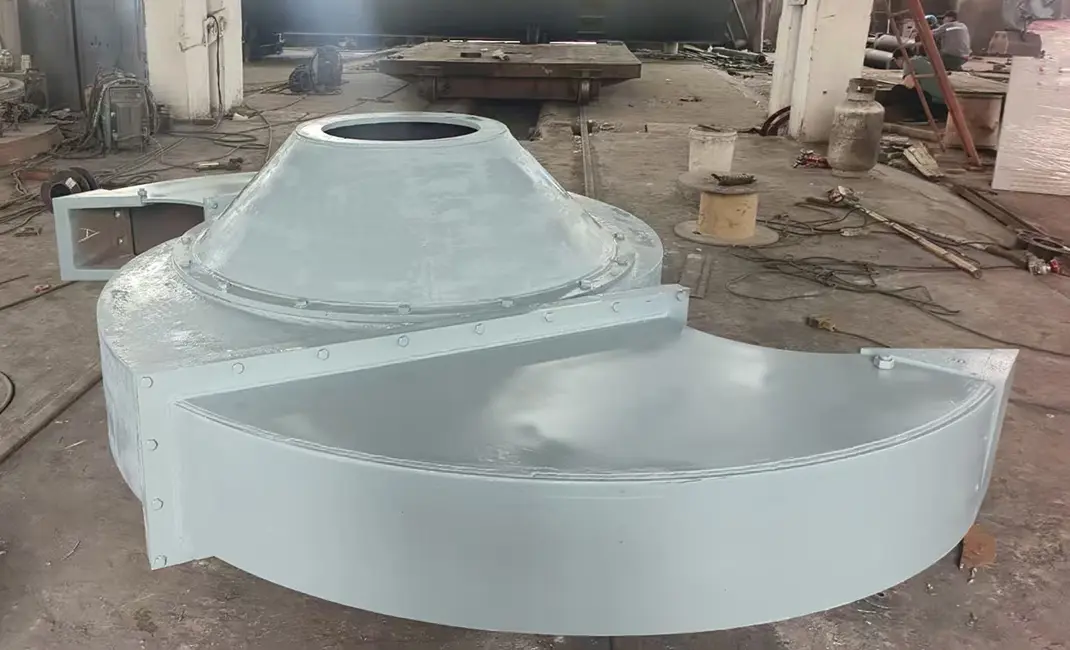
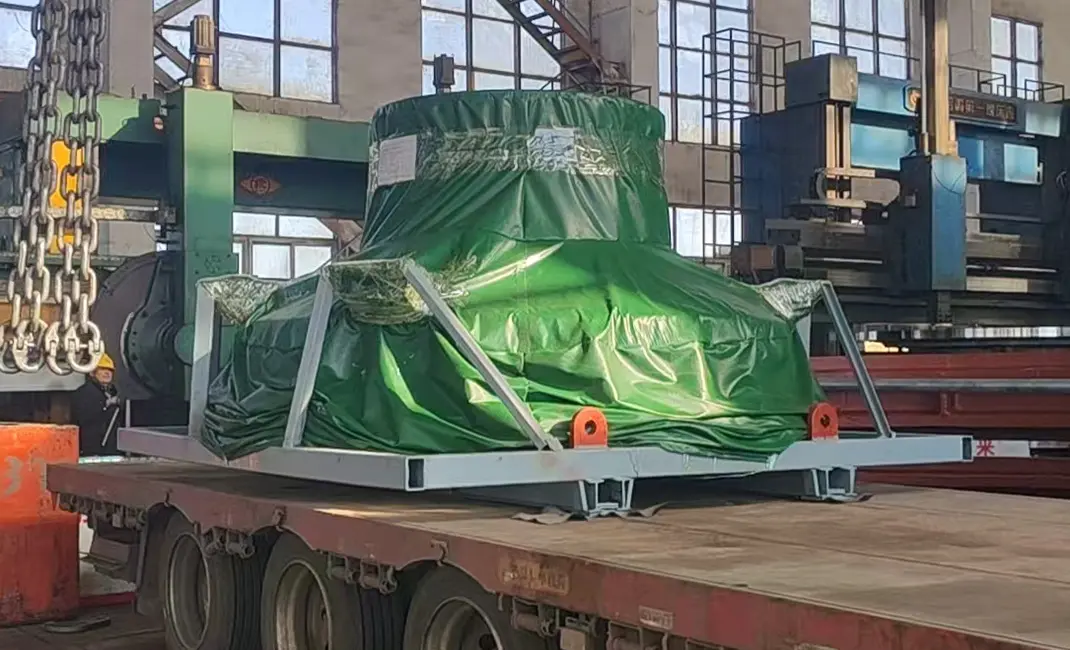
Each case represents a custom configuration optimized for metallurgical stability. Below is a gallery of structural parts, press arches, VSI rotors, crusher mainframes, and slag ladles produced for clients globally.
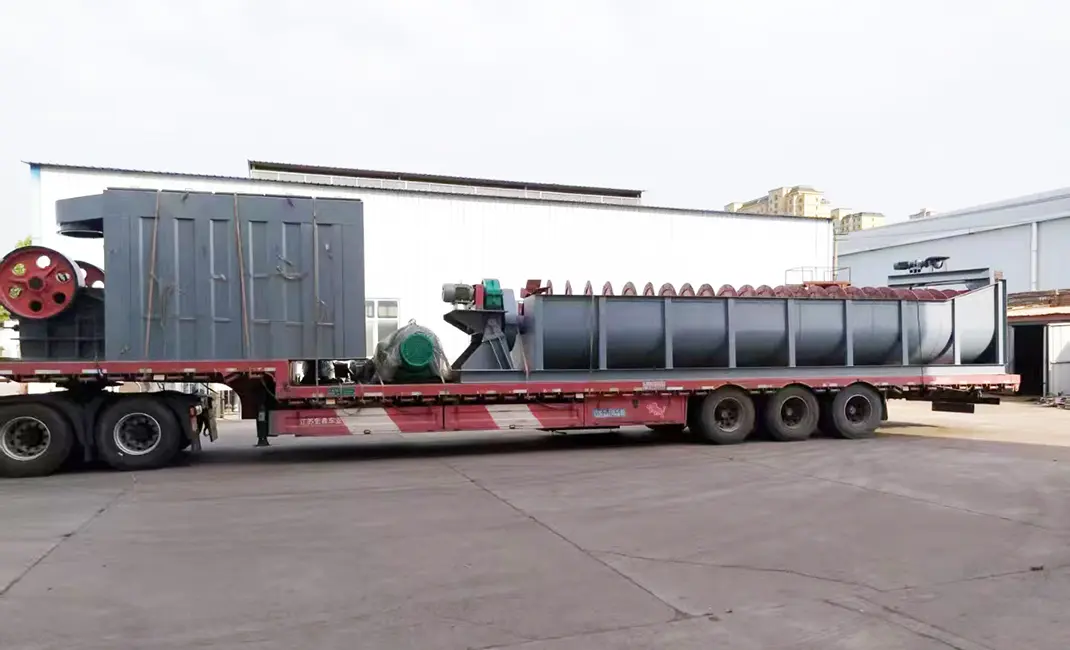

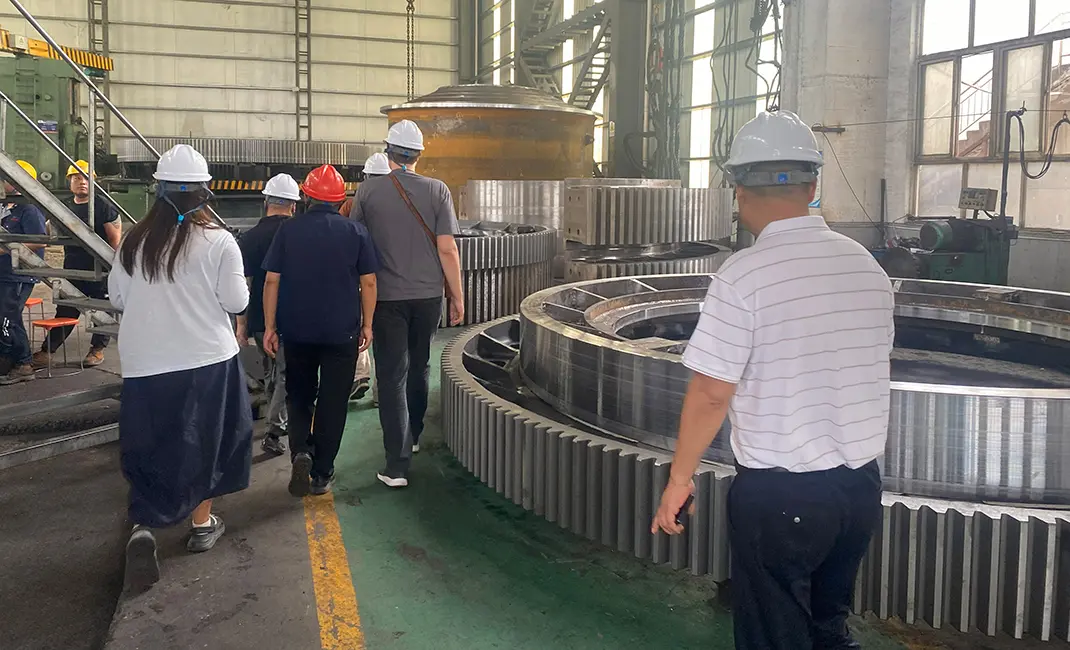
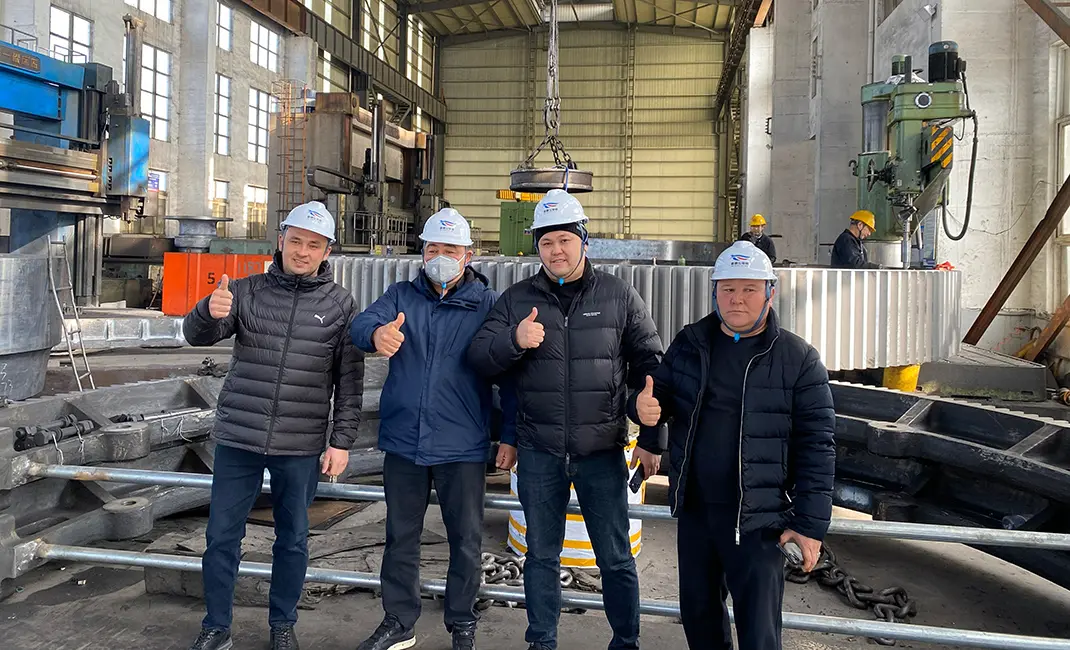
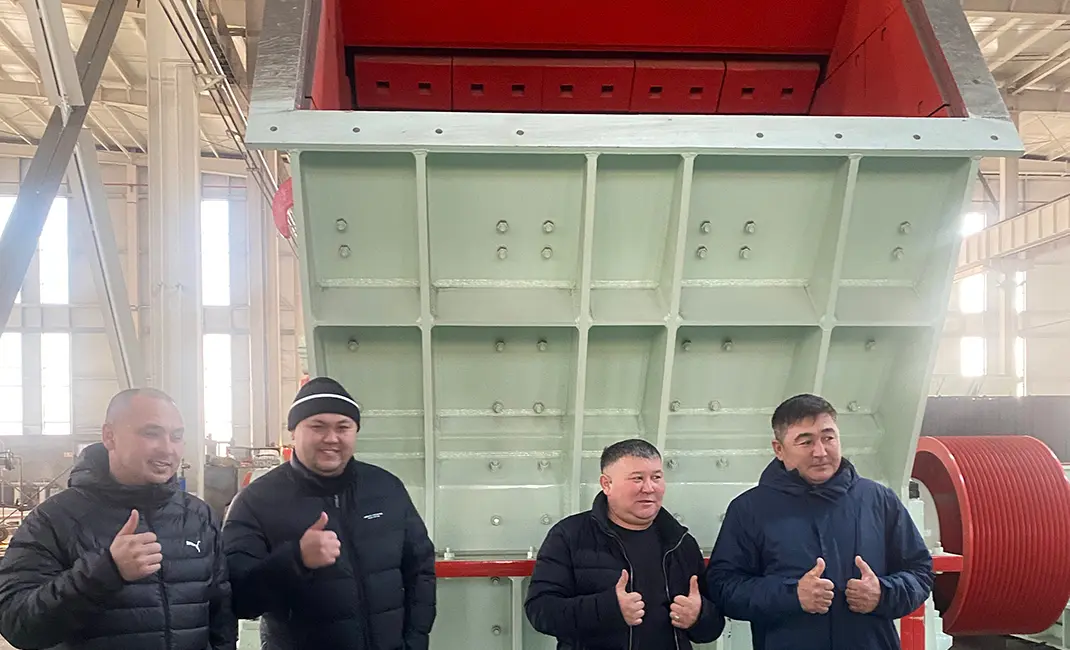
Purchasing capital components for mining and crushers across international borders demands deep operational and structural compliance. Sourcing directors must analyze beyond initial manufacturing costs, prioritizing compliance standards and quality management frameworks that mitigate downstream operational risks.
Every dynamic casting, especially support sleeves and rotor segments, must meet CE standards. Structural analysis must confirm the casting's capacity to withstand high impact pressures without brittle failure mechanisms.
Quality traceability requires that each casting batch is traceable back to the ladle pour. Spectrochemical testing guarantees that chromium, manganese, and molybdenum ratios conform precisely to mechanical engineering specs.
Heavy machinery parts shipped via sea freight are vulnerable to marine salt air. We utilize rust-preventative coatings, vacuum sealants, and reinforced steel-bound wooden packaging that protect critical fits from corrosion.
Mining and crushing equipment projects are highly customized and technically driven. Our service process is designed to ensure clear communication, precise solution matching, stable manufacturing, and long-term operational reliability, from initial inquiry to after-sales support.

Project Requirement Collection & Initial Metallurgical Feasibility Review.
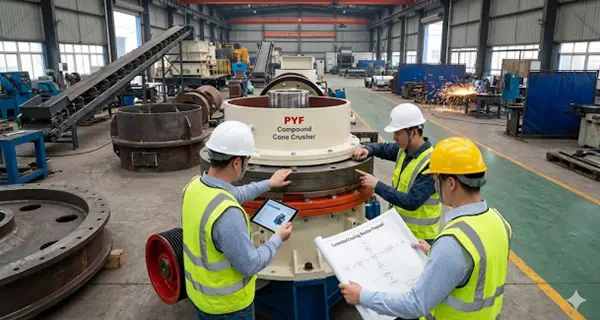
Customized Crushing & Material Composition Proposal by Engineering Team.
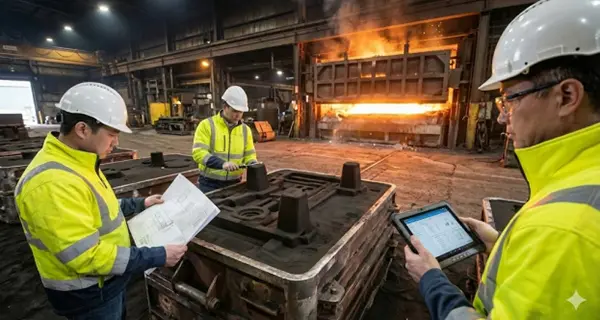
Specification Alignment, 3D CAD Matching, & Commercial terms.
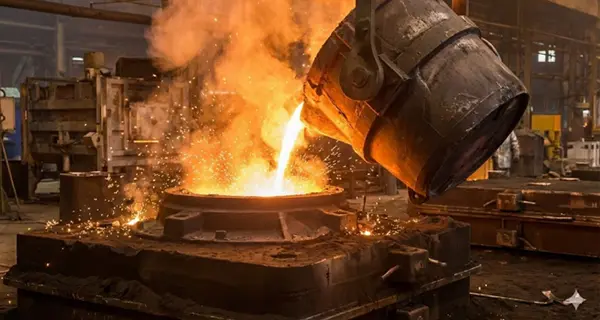
In-House Pouring, Heat Treatment, Precision Machining & Stress Relieving.

Pre-Shipment Quality Testing (Ultrasonic Inspection & Hardness Tests).
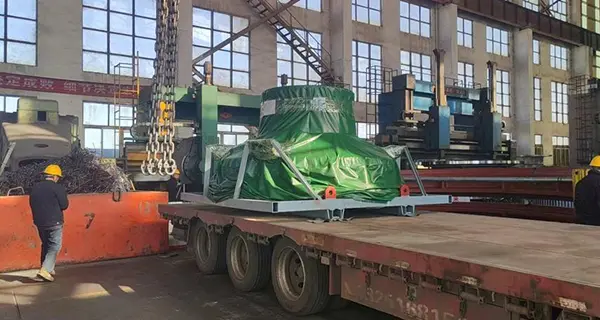
Heavy-duty Packing, Seaworthy Anti-corrosion wrapping & Port Dispatch.
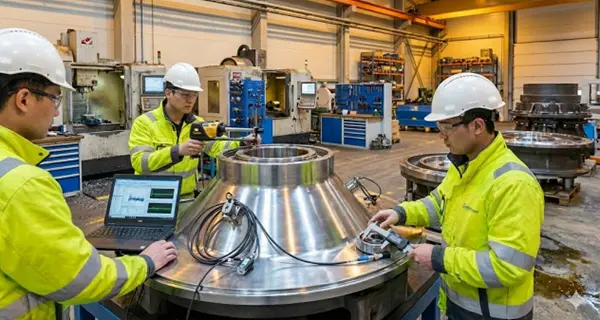
Remote Engineering Integration Support or On-Site Commissioning guidance.
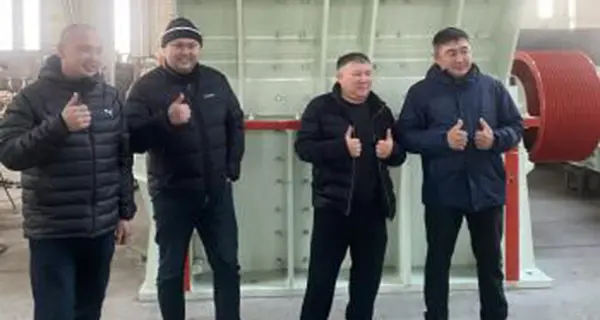
System Handover, Maintenance Protocols, & Wear Log parameters setup.
Long-Term Wear Components Supply & Periodic Metallurgical performance checks.
Rotor tip lifespan is dictated by the carbide volume fraction, alloy distribution, and carbon content within the cast matrix. High abrasive sand crushing demands tungsten-carbide cobalt inserts. The matrix surrounding the carbide must possess sufficient fracture toughness (measured via Charpy V-notch testing) to prevent micro-chipping and cracking under impact. Henan Hanhai adjusts the chrome-carbon ratio to align with the abrasion profile of your specific feed material.
Vertical Shaft Impactors operate at high rotor speeds, frequently exceeding 1500 RPM. Any micro-eccentricity or imbalance in the casting generates severe centrifugal forces, which stress the main bearing housing and support sleeves, accelerating fatigue and potential drive shaft failure. Our precision machining centers achieve dynamic balancing alignments up to ISO G1.6 parameters, mitigating vibrations and protecting associated crusher infrastructure.
For heavy forging press arches and crusher frames, we employ a combination of thermal simulation, ladle degassing, and controlled heat treatment regimes. Every major casting is subjected to Non-Destructive Testing (NDT), including Ultrasonic Testing (UT) to detect internal voids, and Magnetic Particle Testing (MT) for surface stress fractures. We provide full metallurgical spectra analyses and mechanical properties sheets for compliance validation.
A Rock-on-Rock setup projects the feed material against a natural pocket of sand and stone, minimizing wear parts usage and making it highly suitable for high-hardness, abrasive materials like quartz and granite. A Rock-on-Anvil setup replaces the rock pocket with metal anvils, yielding higher reduction ratios but increasing wear-part maintenance costs. Rock-on-Anvil is typically selected for less abrasive, softer raw feeds like limestone.
We work directly from customer drawings (CAD, SolidWorks) or scan worn components. Our metallurgists modify chemical compositions (e.g., modifying molybdenum or manganese percentages) to customize castings for high-impact or high-corrosion mine sites, ensuring longer service lifetimes and lower operating costs per ton.
 Hanhai