Engineered to operate in high-temperature smelting, heavy mining extraction, and high-impact crushing environments.
The global infrastructure expansion, coupled with intensive raw material mining operations, has accelerated demand for ultra-durable crushing plants. Rock crushers are vital mechanical structures in the global mineral processing, concrete aggregate manufacturing, slag processing, and chemical recycling markets. High-intensity production schedules demand heavy equipment designed with uncompromising mechanical frame integrity to minimize expensive processing downtime.
Historically, heavy casting frames for mineral processing encountered severe mechanical fatigue. However, modern metallurgy advancements from integrated foundries in China now supply global EPC markets with high-strength structural parts. Standard mechanical designs are moving toward multi-cylinder hydraulic systems, optimized crushing cavities, and custom manganese-steel castings that can withstand extreme compressive load stresses exceeding 300 MPa.
The transition toward sustainable manufacturing has led to a major increase in heavy-duty mobile crushing plants. In regions like North America and Europe, operators prioritize immediate site recycling of concrete and steel slag. In resource-rich regions across Africa, Asia, and South America, the focus remains on large-scale stationary jaw, cone, and impact crushers capable of continuous high-volume ore processing.
To support this structural shift, Chinese foundries utilize advanced computerized solidifying simulations, automated sand molding lines, and heavy-tonnage electric arc furnaces. These technologies enable the production of reliable machinery components up to 150 metric tons in single casting pours.
A comprehensive overview of key mechanical advancements driving next-generation high-efficiency crushing components.
By simulating crushing stresses up to 350 MPa, engineers identify high-fatigue areas in jaw crusher frames. Relocating material thickness to critical ribs prevents crack propagation, guaranteeing long-lasting chassis reliability under severe processing conditions.
Utilizing high-manganese steel compounds (Mn18Cr2 up to Mn22Cr2) and customized alloyed irons enhances swing jaw and mantle operating lifespans. This optimization extends cycle intervals and decreases long-term replacement investment overheads.
Integrating multi-cylinder hydraulic protection components provides foreign material overload release and automated clearing systems. Sensors monitor discharge gap sizes (CSS) dynamically, maintaining consistent particle distribution sizing.
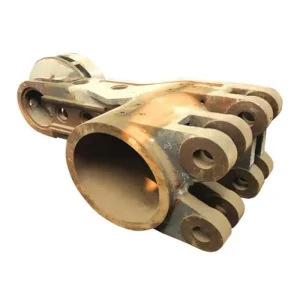
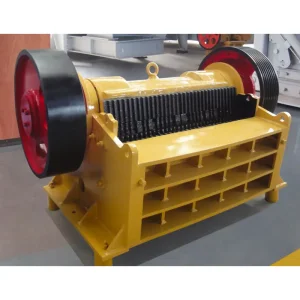
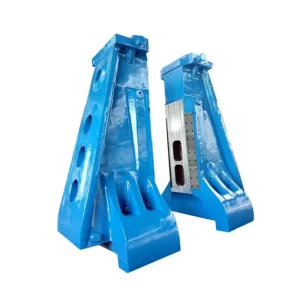
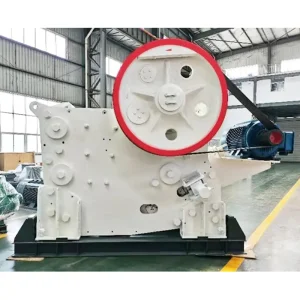
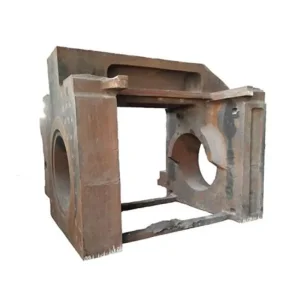
In standard processing setups, jaw crushers function as the initial processing stage. The PE Jaw Crusher and PEW European Type Jaw Crusher use an eccentric shaft mechanism to actuate a movable jaw plate. This action crushes quarry block feeds against a fixed jaw plate. Because of the cyclic force, jaw frames require heavy, structural cast steel backings. Hanhai Casting's heavy industrial frames use heat-treated carbon-steel castings, preventing internal structural defects and grain boundary separation.
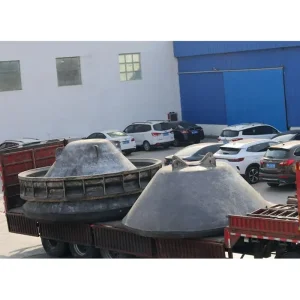
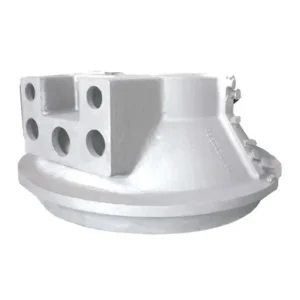
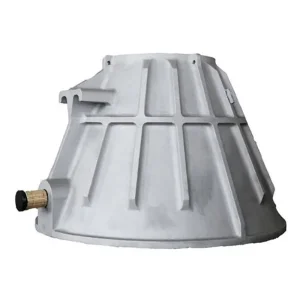
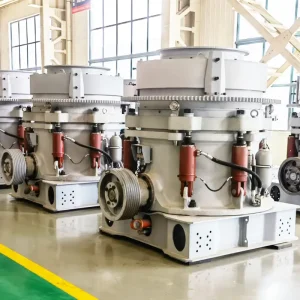
For secondary and tertiary reduction, PY Spring Cone Crushers and HPC Hydraulic Cone Crushers employ a gyrating cone mantle inside a bowl liner. Materials are compressed between these liners. High wear occurs along these surfaces, requiring premium manganese castings. Integrating sand casting technology with strict quenching processes ensures structural hardness values up to HB220-250, extending mantle operating lifespans in tough aggregate processing applications.
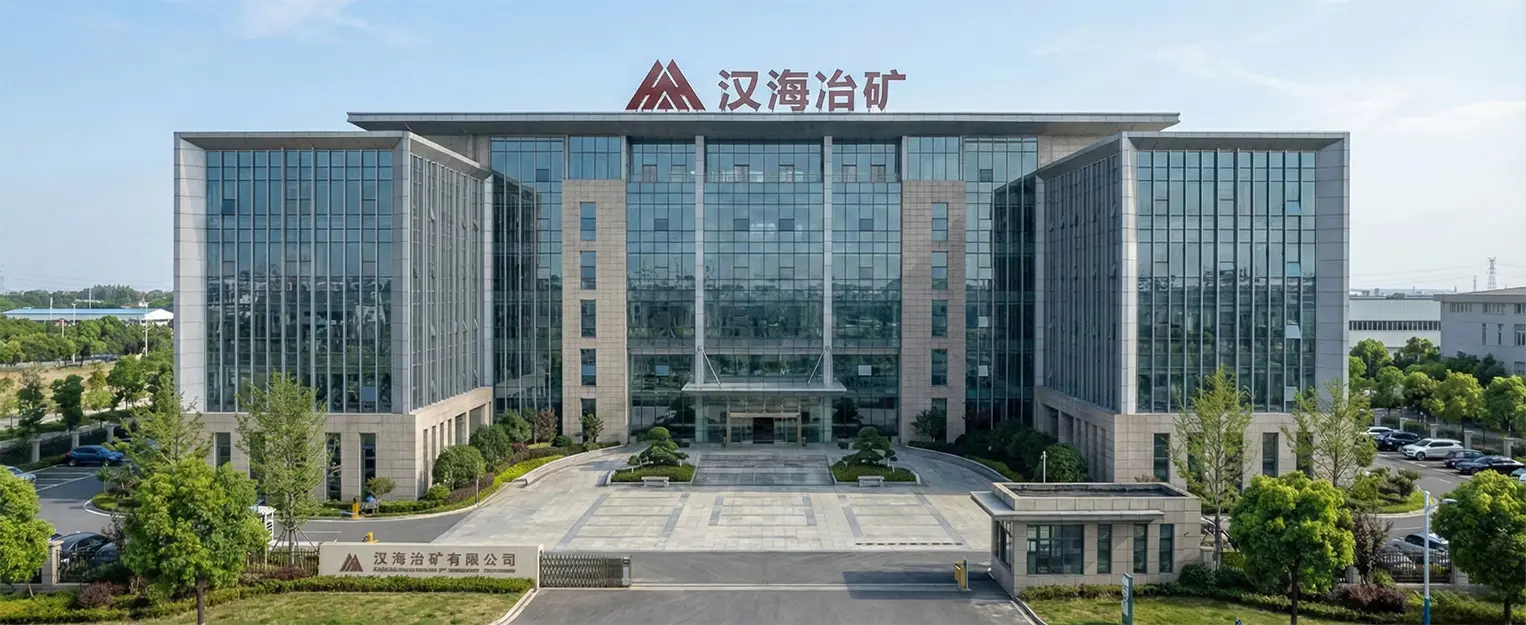
Henan Hanhai Metallurgy Mining International Trade Co., LTD is a leading foundry manufacturer in China, specializing in cast steel and cast iron parts. With advanced production lines and strict quality control, we supply durable castings for mining, metallurgy, power generation, and construction industries worldwide.
Integrating mechanical design, metallurgical casting, and CNC machining, our foundry supports an annual output of 80,000 tons of high-performance components. Our engineering excellence is certified under international standards ISO9001 and CE, establishing Hanhai Casting as a reliable global manufacturing supplier.
Our Mission: To empower industry with precision casting and sustainable manufacturing excellence.
Our Vision: To be a trusted global foundry brand delivering high-quality steel and iron castings.
A legacy of manufacturing innovation, continuous testing improvement, and global industry partnership expansion.
Hanhai Casting was established with a focus on heavy steel and iron castings, laying a solid technical and production foundation.
Introduced advanced melting and molding technology, expanded production capacity, and served key mining and metallurgy sectors.
Achieved ISO9001 certification, upgraded testing systems, and began exporting high-performance castings to Asia and the Middle East.
Integrated intelligent foundry systems and digital management, driving sustainable manufacturing and global customer partnerships.
Supporting mining, smelting, energy generation, and infrastructure operations with high-integrity wear-resistant components.
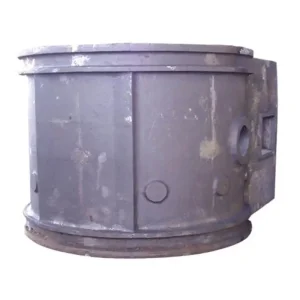
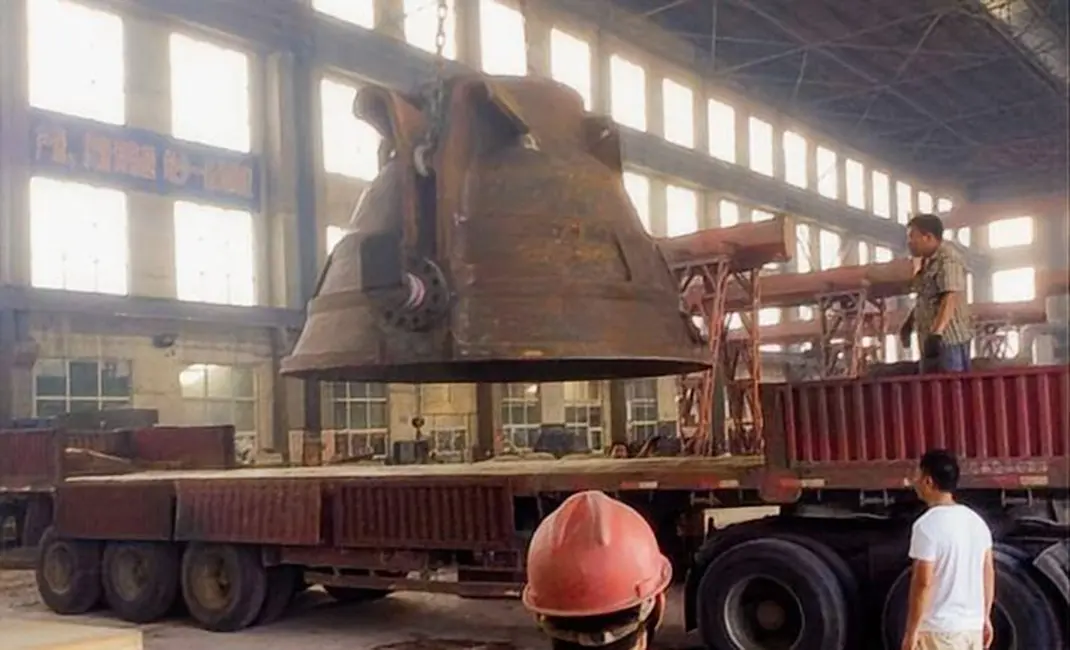
Engineered steel slag pots, ladles, and crusher frames designed to withstand high operational thermal cycles up to 1600°C.
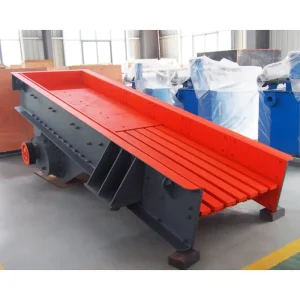
Supplying wear mantles, liners, vibrating feeders, and impact blow bars tailored for processing highly abrasive granite and quartz.
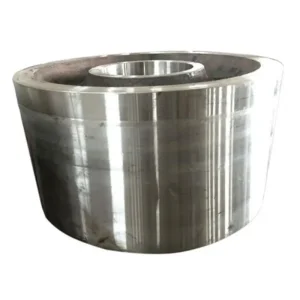
High-capacity machinery foundations, turbine cylinders, and support rollers engineered to distribute high dynamic forces.

A structured engineering pipeline ensuring design accuracy, metallurgical quality, and reliable global transport.

Collection of material parameters, production requirements, and initial drawings.
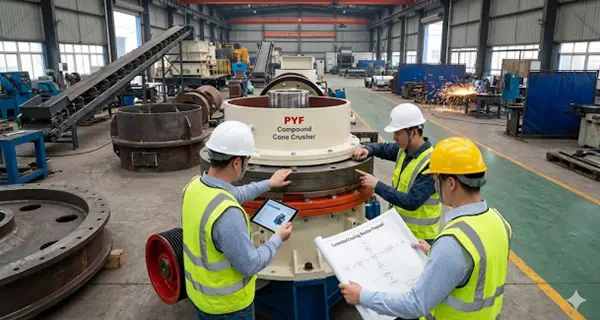
Custom design proposals utilizing advanced solidifying and mechanical modeling.
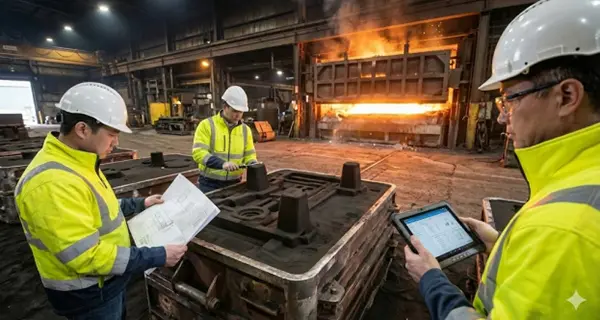
Review of design specifications, alloy composition, and production tolerances.
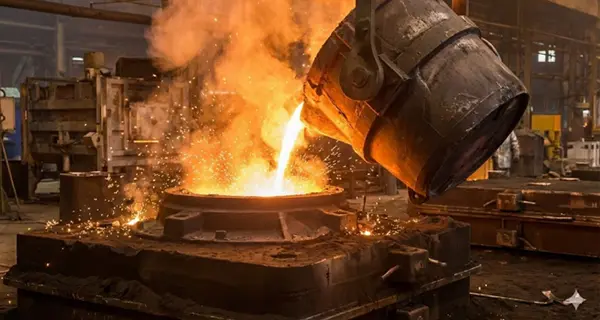
Foundry molding, pouring, heat treatment cycles, and precision machining.

Spectroscopic chemical checking, physical strength tests, and Non-Destructive Testing.
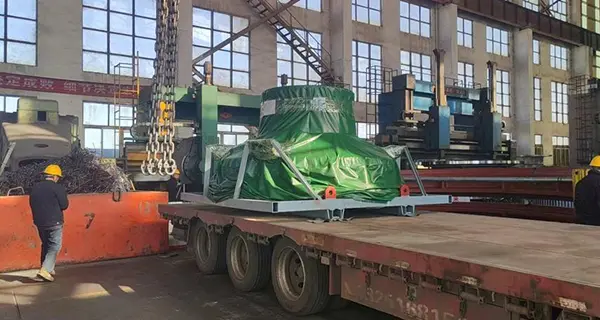
Strap-packing and heavy-duty maritime transport preparation for secure shipping.
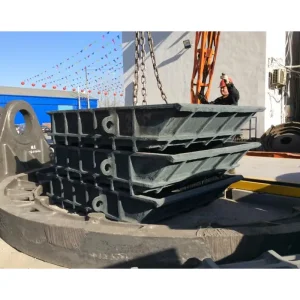
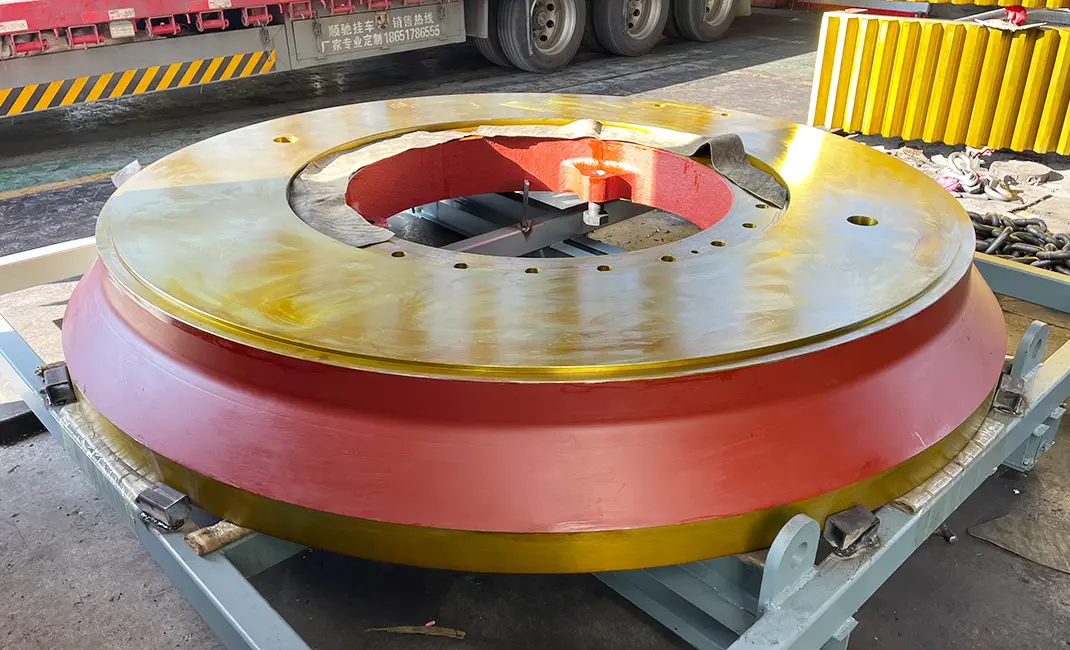
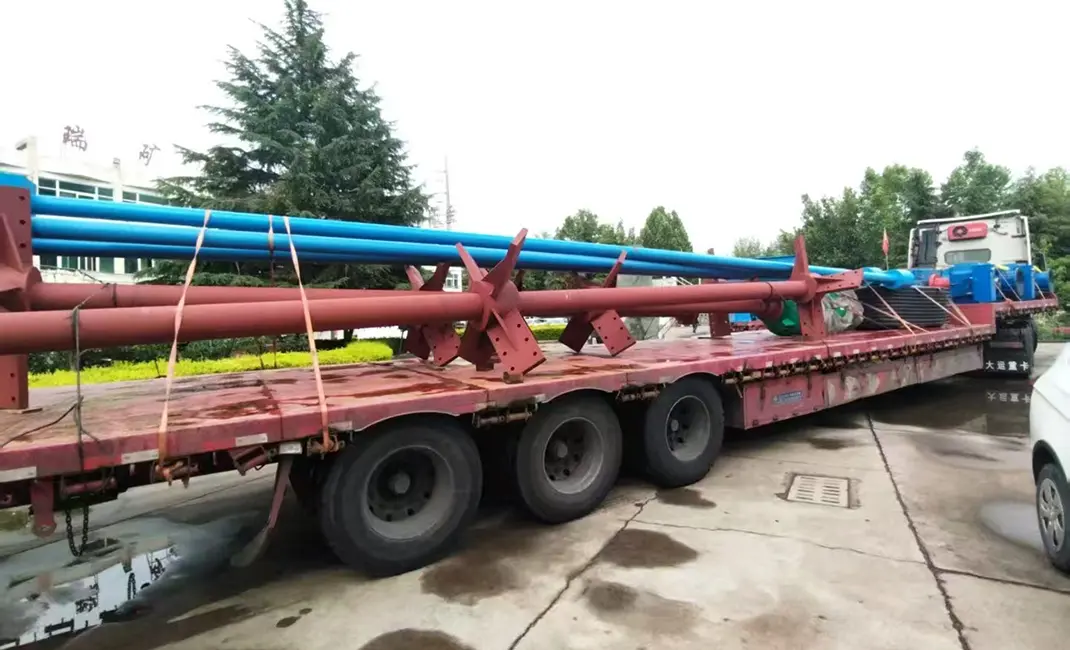
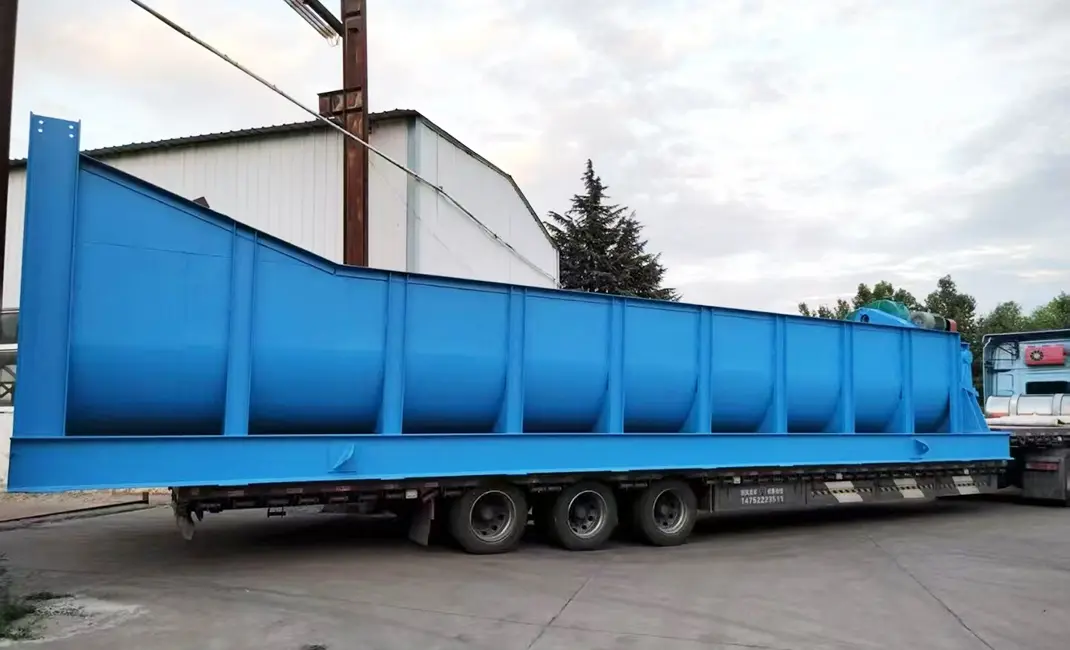
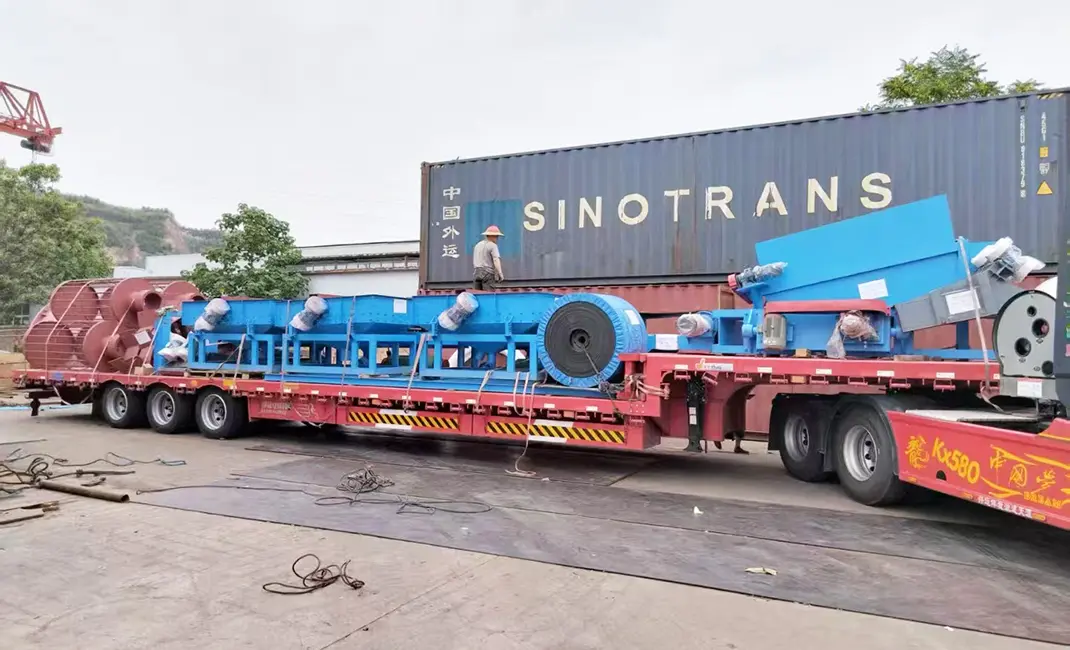
A visual showcase of heavy structural components and processing systems deployed in global operations.
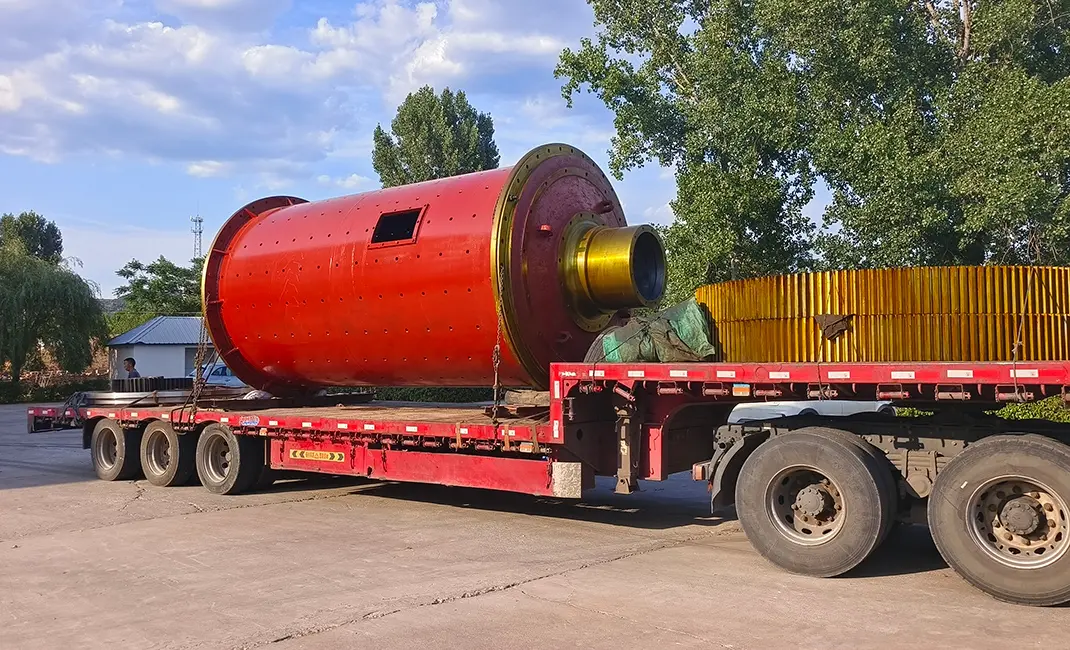
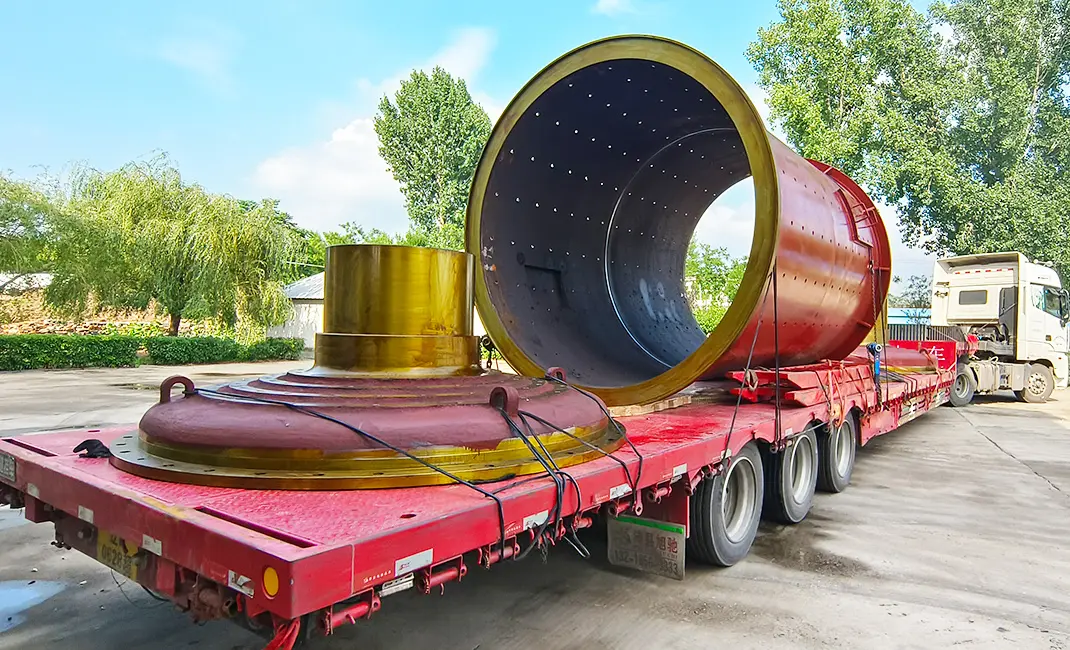
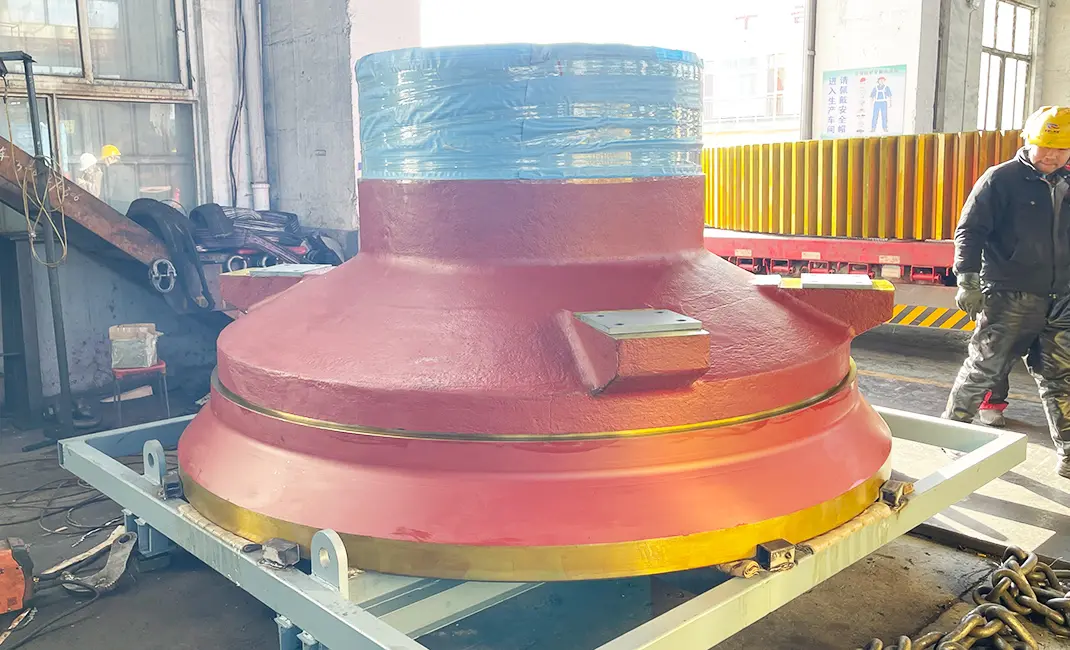
Expert insights regarding procurement metrics, metallurgy selection, structural designs, and casting longevity.
Foundry casting longevity relies on internal structural homogeneity. The main factor is the control of structural shrinkage voids during cooling. Using advanced solidifying software, designers optimize risers and thermal sand behavior, eliminating internal micro-fractures. In addition, performing stress relief annealing cycles relieves internal stresses, preventing deformation when crushing hard rocks with strengths exceeding 300 MPa.
Manganese alloys harden under continuous mechanical impact. Standard Mn18Cr2 functions reliably with aggregate hardness levels up to medium-hard granite. For highly abrasive quartzites and iron ore processing, Mn22Cr2 provides superior initial carbon stability and higher work hardening capacity, extending mantle life by 15% to 30% compared to standard alloys under high-impact stresses.
CE and ISO certifications confirm standard quality tracking protocols across all production phases. These protocols trace key manufacturing variables from base alloy melting, molding, and testing, through to raw delivery. Global mining firms require these documents to ensure components meet safety standards and minimize operational risks.
Our Quality Assurance process employs three testing methods. First, we perform spectroscopic chemical checking of each melt before pouring. Second, we carry out Ultrasonic Testing (UT) to detect internal cracks. Third, we run Magnetic Particle Inspection (MPI) along casting corners to verify zero surface imperfections, ensuring stable operational performance.
High-capacity machinery configurations designed for secondary reduction, aggregate shaping, and slag management.
 Hanhai