The quarrying and mineral extraction industries represent the backbone of global infrastructure development, raw material production, and metallurgical processes. As urbanization accelerates across emerging economies and developed nations invest in rejuvenating aging transport links, the demand for high-performance quarry crusher plant machinery has reached unprecedented heights. Modern aggregate production requires equipment capable of processing massive tonnages of abrasive granite, basalt, and limestone with minimal downtime and optimal energy consumption.
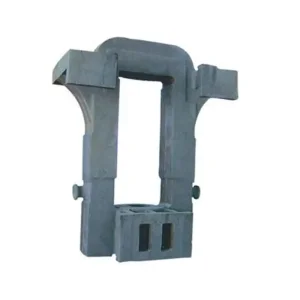
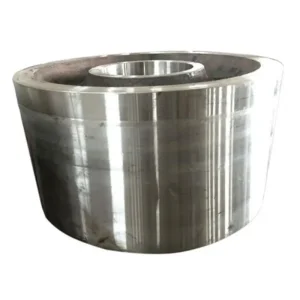
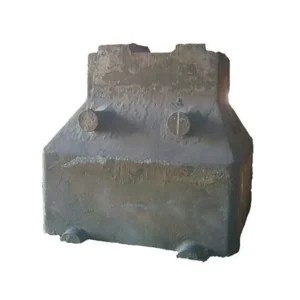
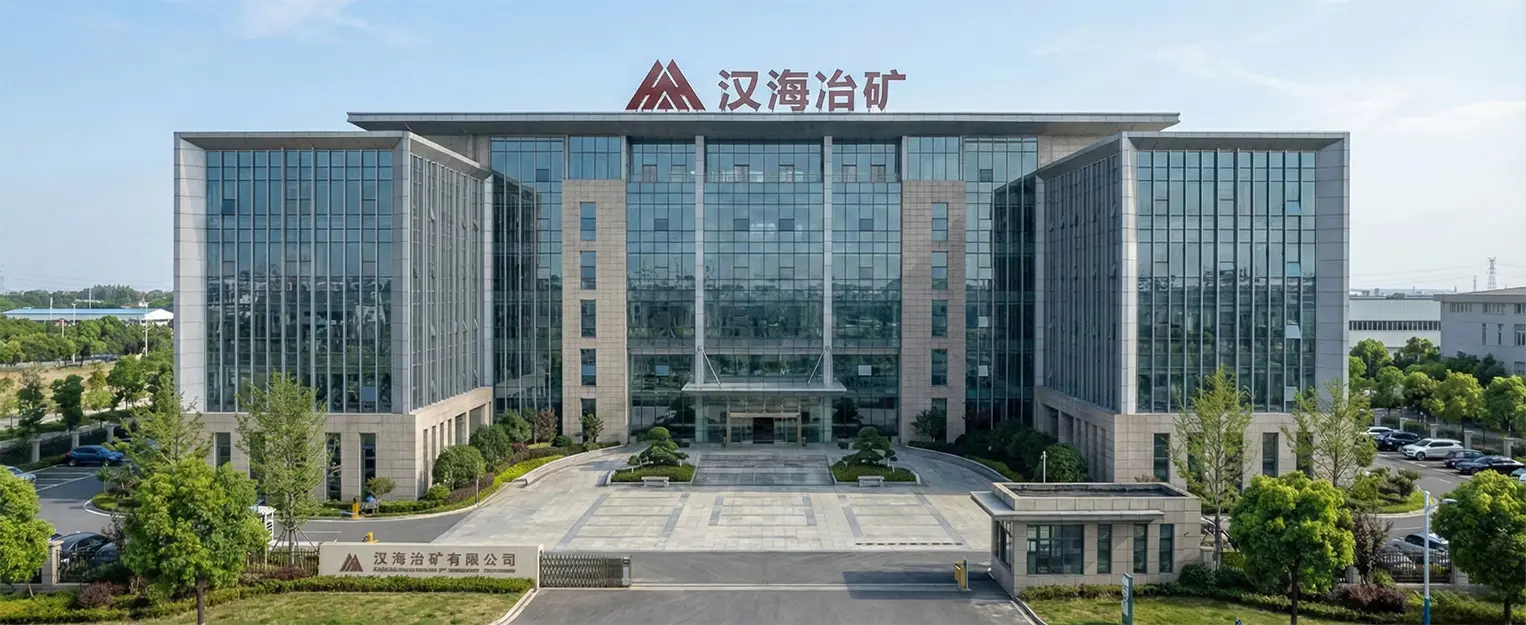
In this macro-industrial landscape, Chinese suppliers and service providers have transitioned from basic machinery assembly to leading-edge technological innovators. Benefiting from integrated steel casting foundries, digital manufacturing technologies, and localized metallurgy research, suppliers like Henan Hanhai Metallurgy Mining International Trade Co., LTD offer global quarry operators an exceptional blend of heavy-duty reliability and technological integration. Our capability to supply both raw casting components (like end caps, rolling mill archways, and support rollers) and complex structural assemblies guarantees deep vertical integration across the machinery lifespan.
The quarry equipment ecosystem is undergoing a profound structural shift driven by digitalization, automation, and ESG metrics. Contemporary quarry operators look beyond raw power to evaluate total energy efficiency, automated nip-angle adjustment, and dynamic sensor feedback loops.
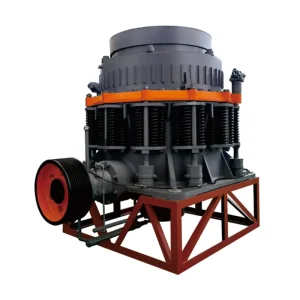
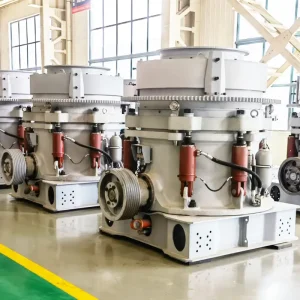
In response, modern machinery integrates intelligent hydraulic adjusters and overload relief systems, such as the hydraulic cylinder features in compound cone crushers. By adopting real-time telemetry, quarry operations can predict wear-part failure, adjust crusher settings on-the-fly to handle variable feed characteristics, and eliminate catastrophic structural damage caused by tramp iron or uncrushable objects.
Different geographies present diverse material characteristics and environmental constraints. Processing abrasive granites in Scandinavia requires thick, manganese-alloyed jaw plates and heavy-duty cone crushers that maintain structural integrity in sub-zero environments.
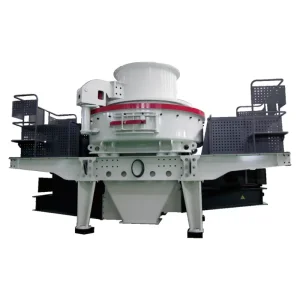
Conversely, artificial sand production in water-scarce regions (such as the Middle East or inland Asia) demands highly efficient dry-process Vertical Shaft Impact (VSI) crushers. These setups rely on precise aggregate shaping and mechanical air classification systems. Under these localized conditions, custom-engineered wear parts, bearing seats, and heavy-cast steel structural caps ensure that machines operates continuously despite harsh dust, moisture, or heat.
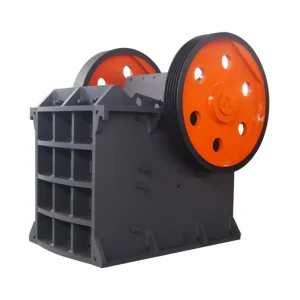
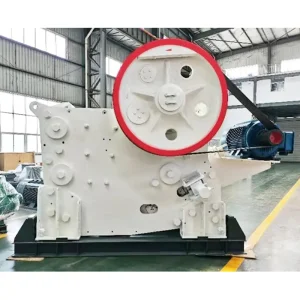
Underneath the high-tech sensors of any primary jaw crusher or hydraulic cone crusher lies massive physical stress. The crusher frame, support rollers, rolling mill archways, and end caps bear millions of cycles of fatigue and impact loading daily.
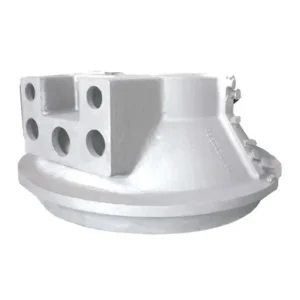
Without metallurgical excellence, micro-fissures propagate under load, leading to frame fracturing and devastating shutdown costs. Utilizing premium casting solutions—such as Hanhai's specialized steel casting end caps and large gear rings—guarantees that the base steel contains minimal trace elements, undergoes uniform heat treatment, and exhibits the mechanical properties required for heavy-duty quarry environments.
Henan Hanhai Metallurgy Mining International Trade Co., LTD is a leading foundry manufacturer in China, specializing in cast steel and cast iron parts. With advanced production lines and strict quality control, we supply durable castings for mining, metallurgy, power generation, and construction industries worldwide.
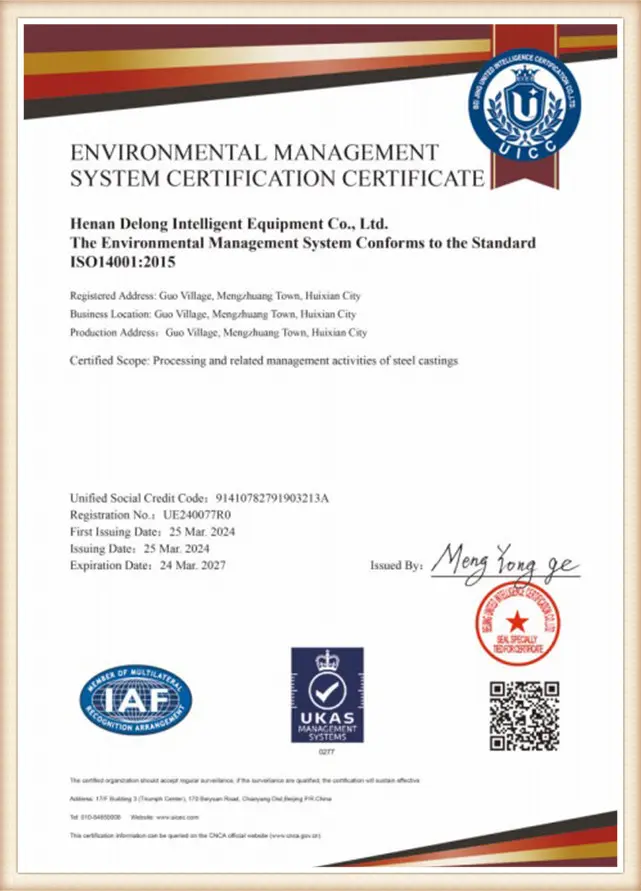
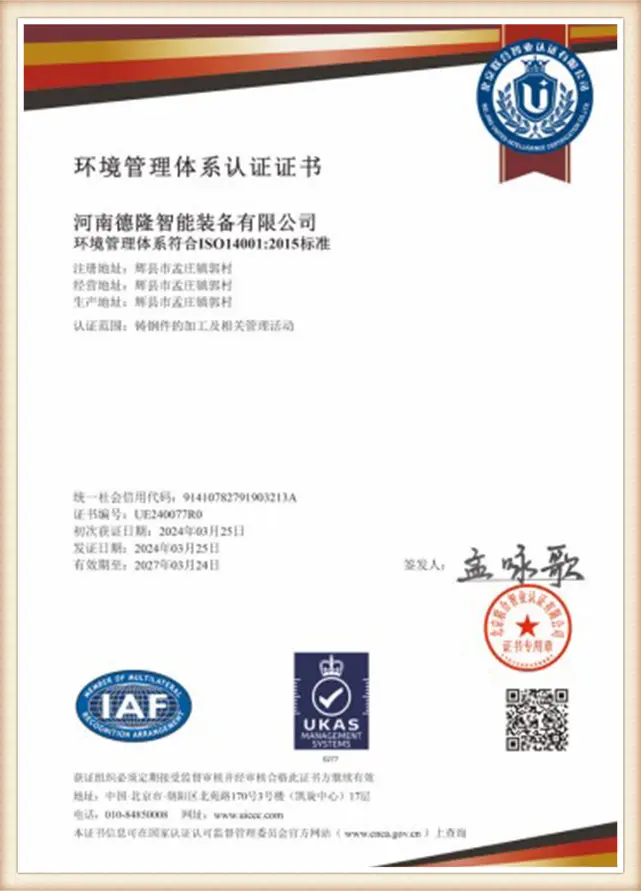
Hanhai Casting integrates design, casting, and machining with an annual output of 80,000 tons. Certified with ISO9001 and CE, we deliver precision-engineered castings trusted by clients across Asia, the Middle East, Europe, and South America.
To empower industry with precision casting and sustainable manufacturing excellence.
To be a trusted global foundry brand delivering high-quality steel and iron castings.
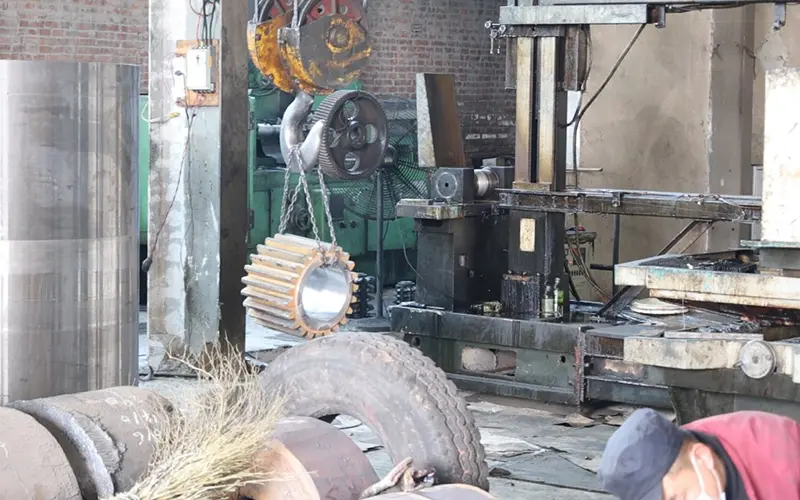
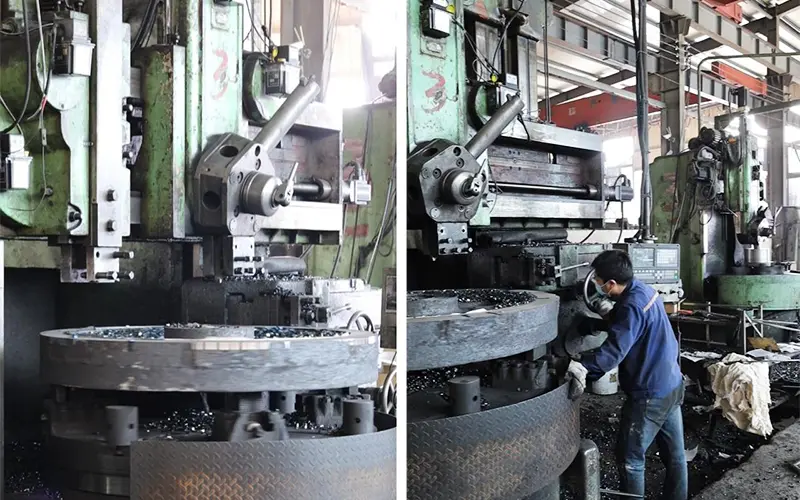
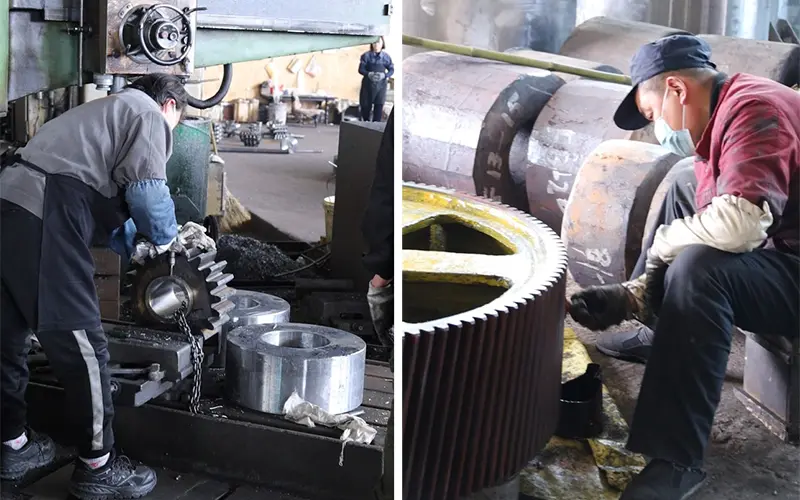
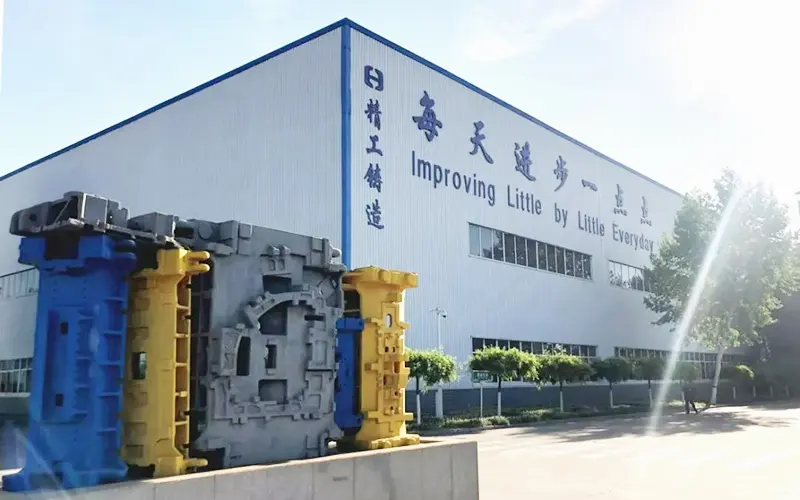
Hanhai Casting was established with a focus on heavy steel and iron castings, laying a solid technical and production foundation for future mechanical assemblies.
Introduced advanced melting, molding, and thermal processing technologies, expanded overall production capacity, and served key domestic mining and metallurgy sectors.
Achieved ISO9001 and CE international certifications, upgraded quality testing systems, and began exporting high-performance castings to Asia and the Middle East.
Integrated intelligent foundry systems and digital management, driving sustainable manufacturing, green casting operations, and deep global customer partnerships.
We work in tandem with top-tier international crushing contractors, cement plants, and metallurgical heavy machinery manufacturers to deploy reliable and long-lasting casting solutions.

Our foundry practices conform to the highest standards. We maintain strict compliance with global quality and safety guidelines, validated by international verification bodies.
Widely used in mining, metallurgy, construction, chemicals, and infrastructure recycling.
Applied in heavy cement plants, ball mills, rotary kilns, and primary mineral processing systems.
Designed for high-load hydraulic presses, large-tonnage forging machines, and cross-beams.
Providing heavy valve housings, control systems, cylinder blocks, and structural connections.
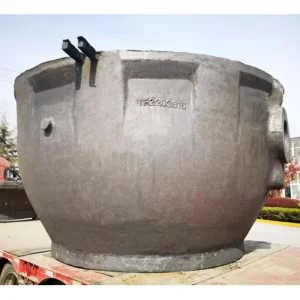
High-temperature slag ladles, rolling mills, furnace support rings, and ingot casting molds.
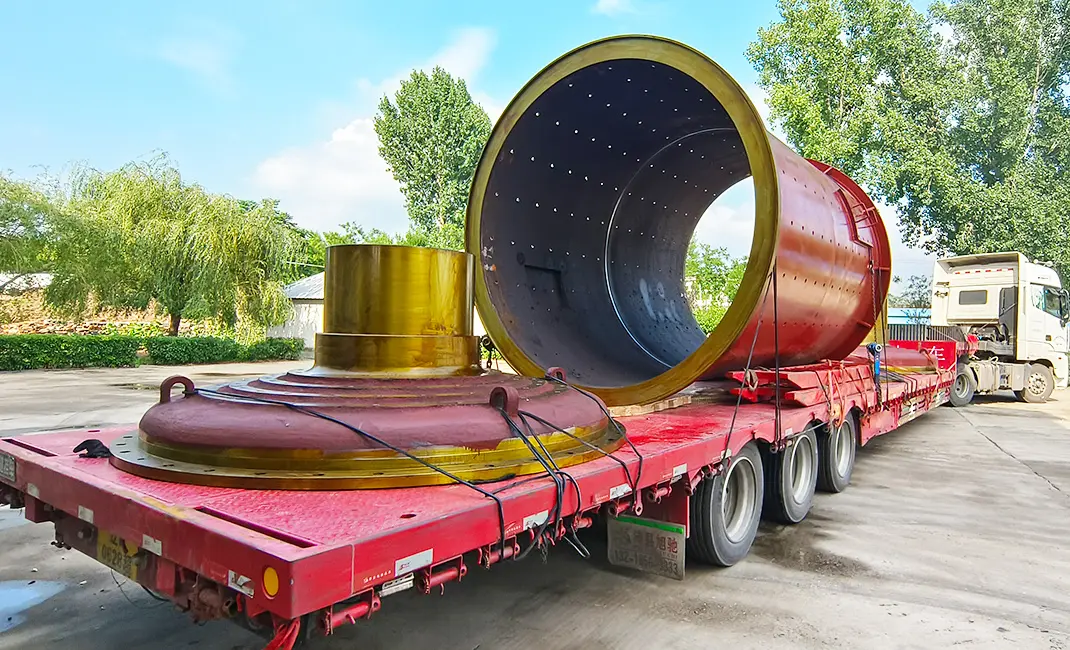
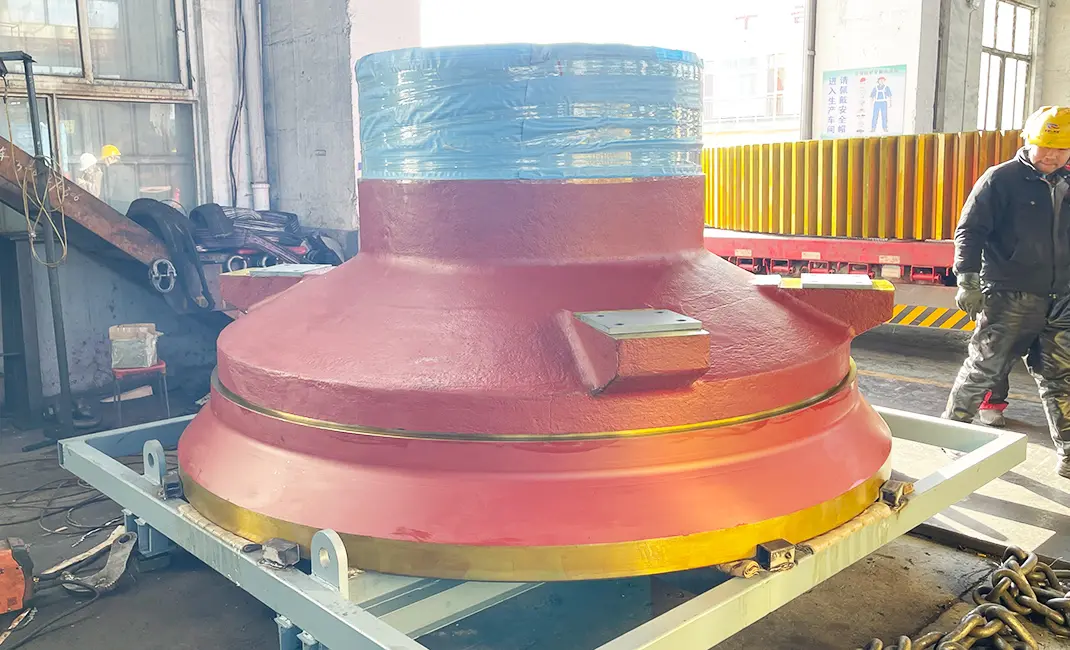
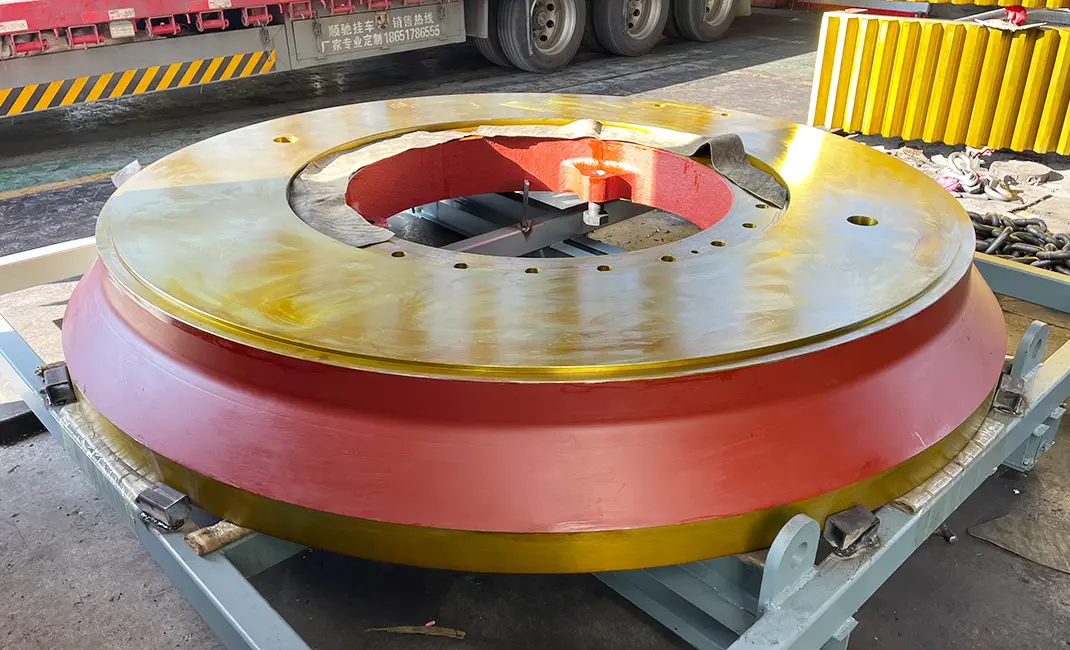
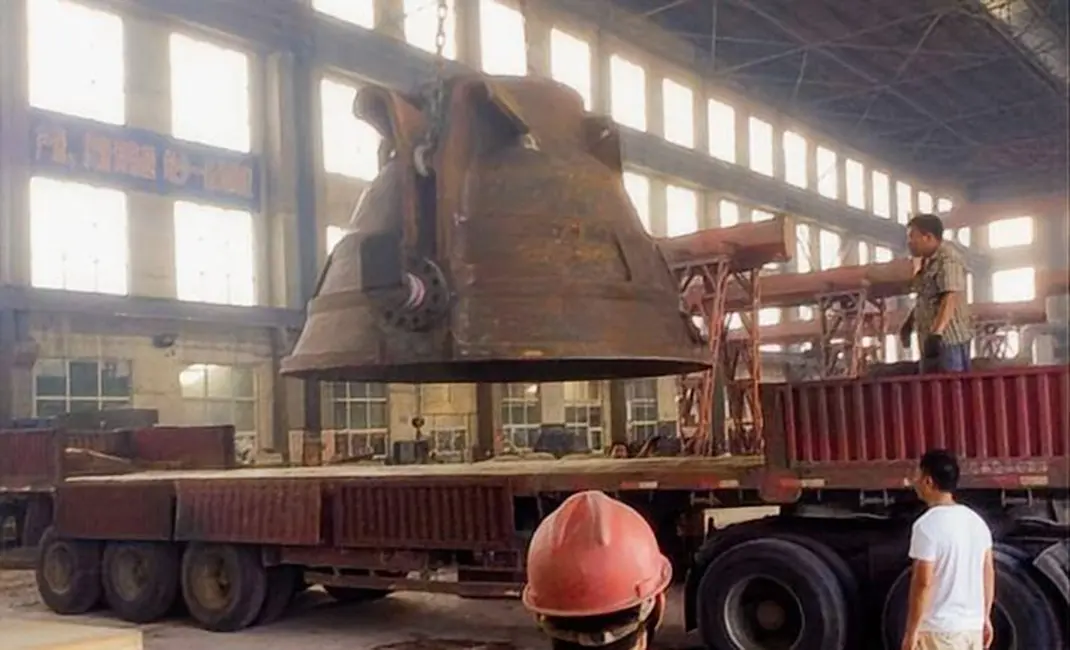
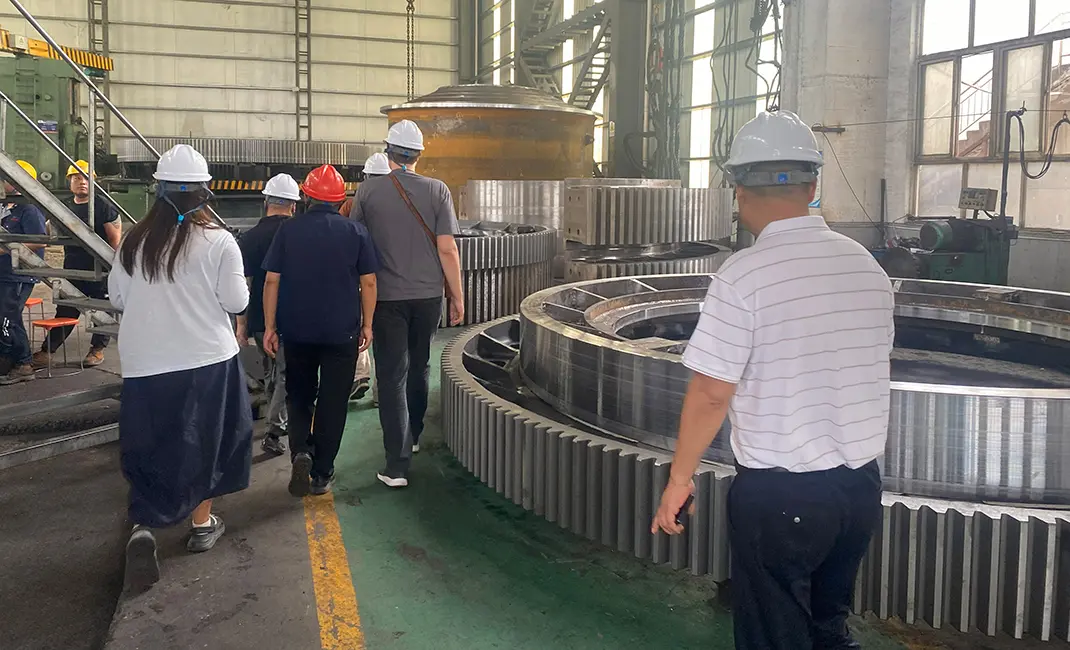
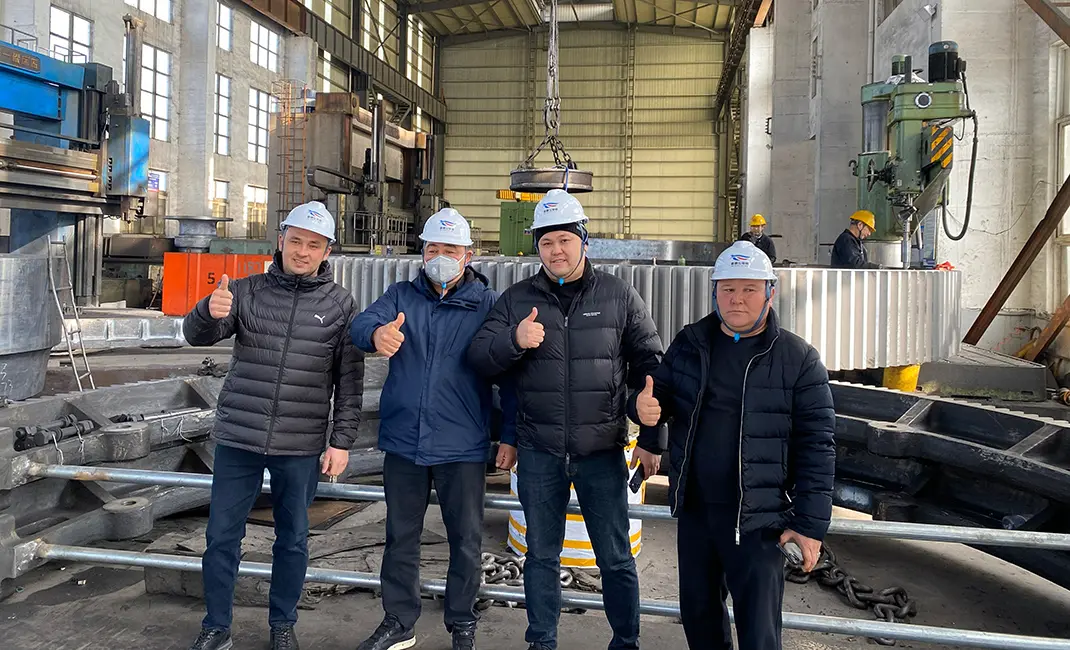
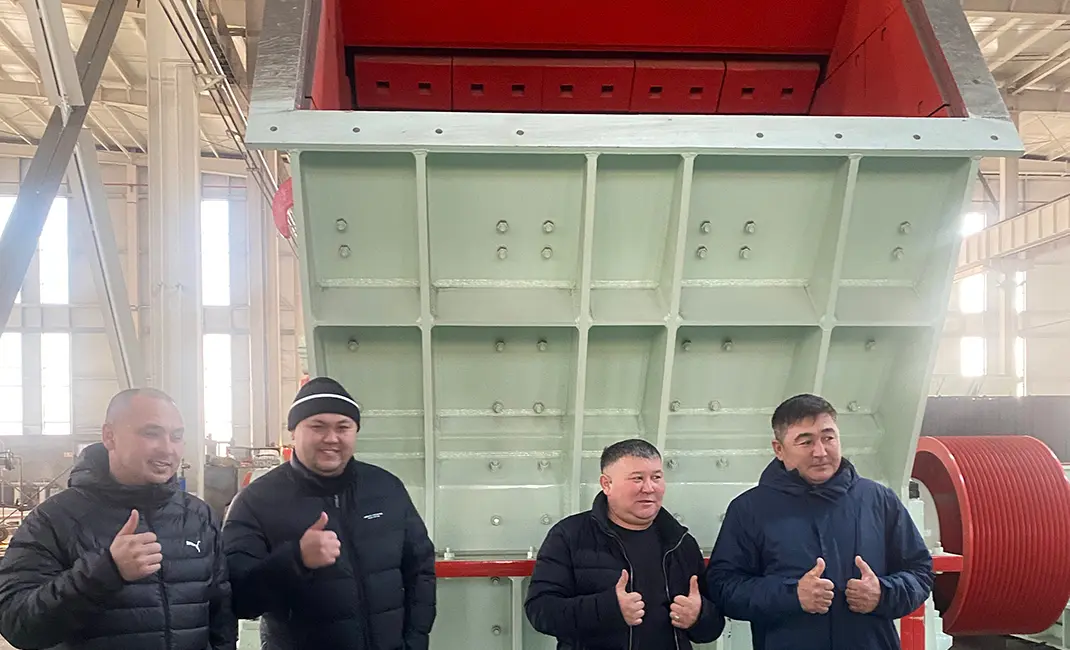
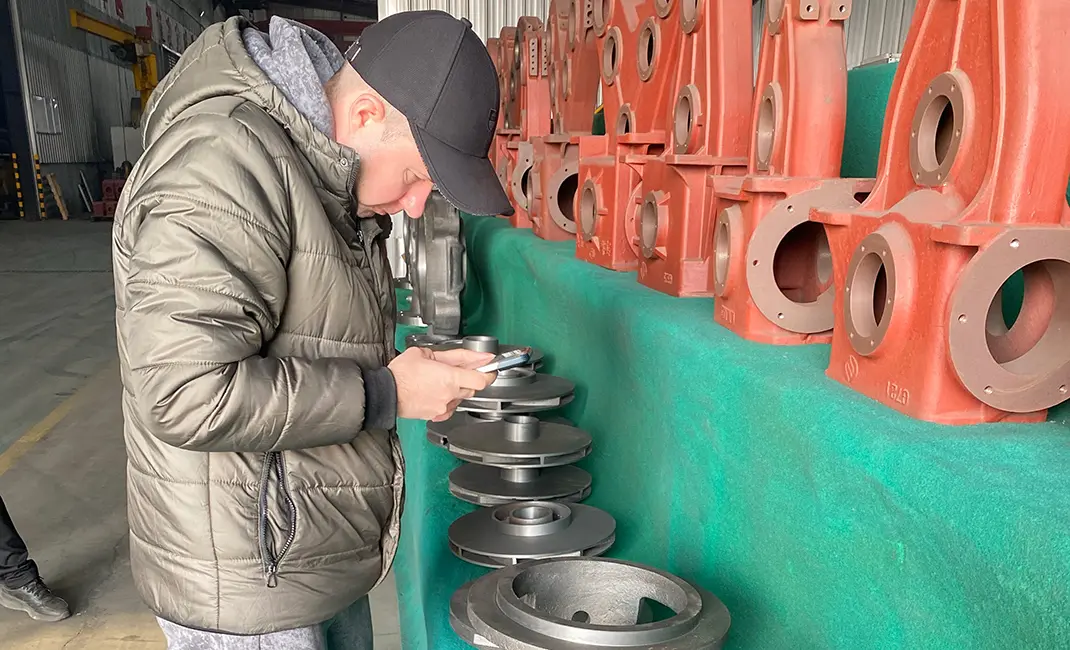
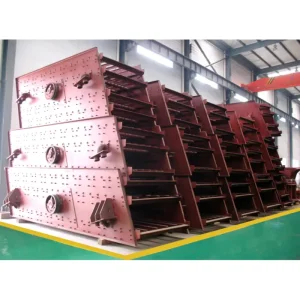
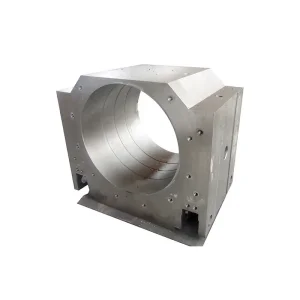
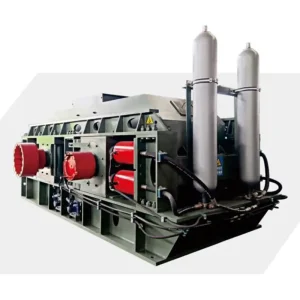
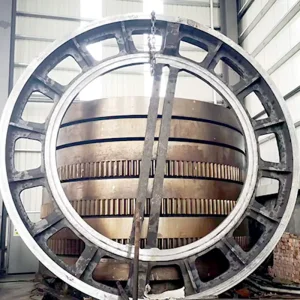
Hanhai Casting supplies critical parts for industrial installations worldwide. Below is a collection of components manufactured and delivered by our team, including large gearing systems, mill cap ends, bearing housings, and crusher structural components.
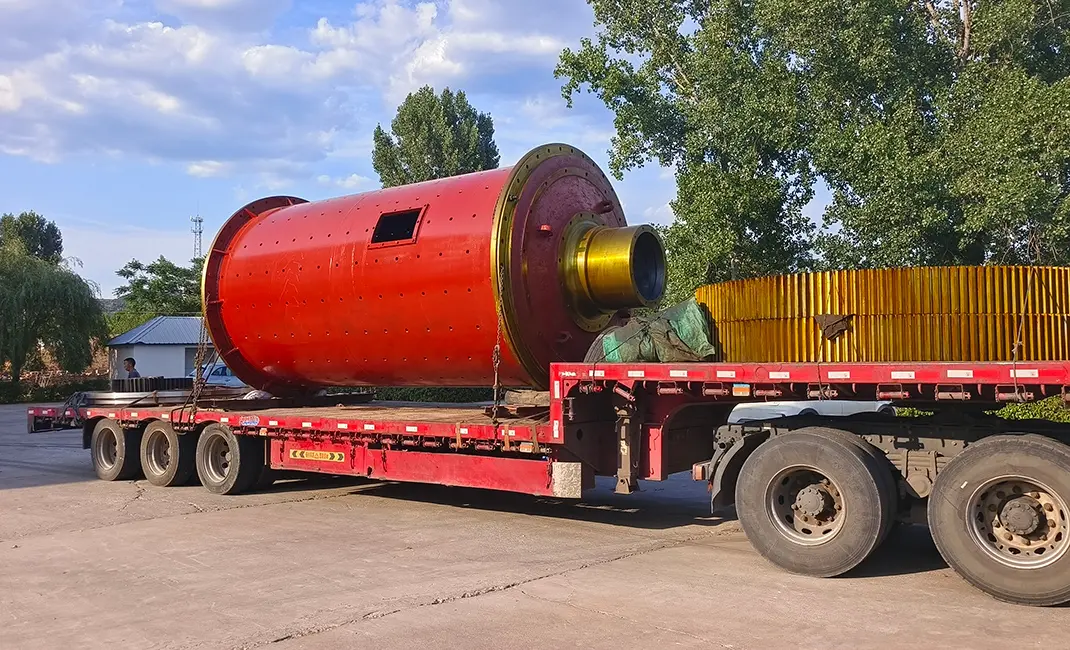
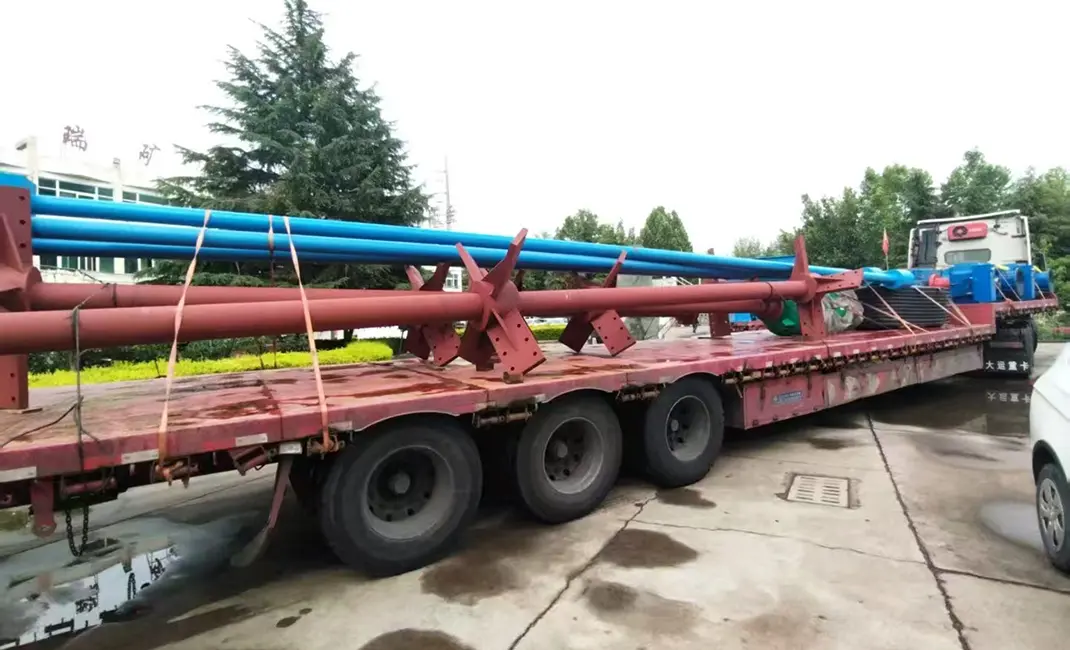
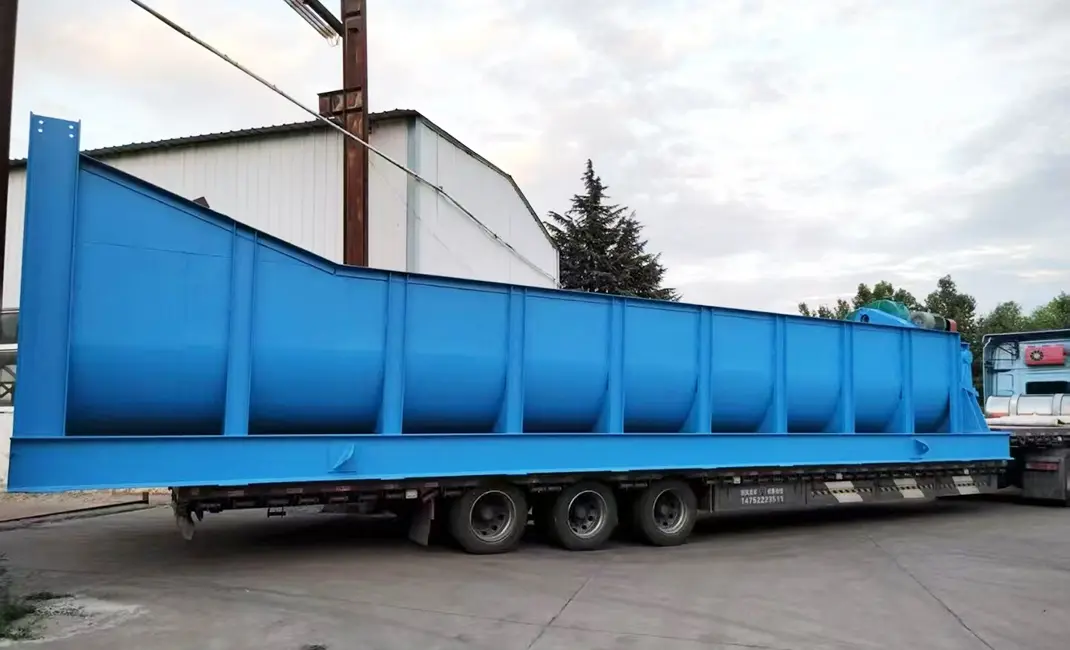
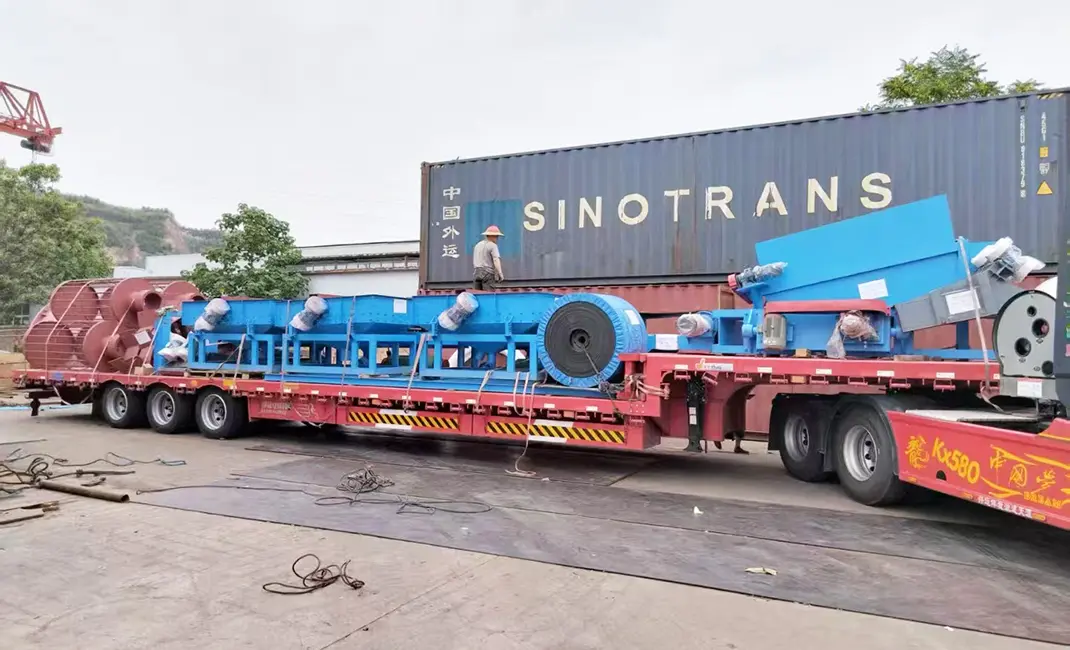
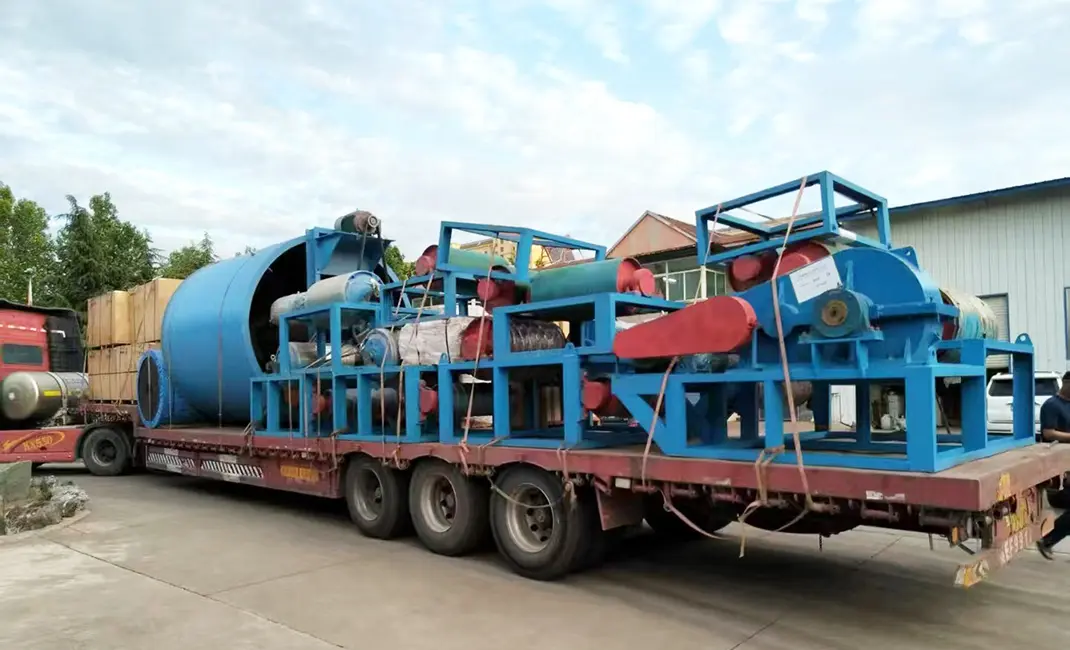
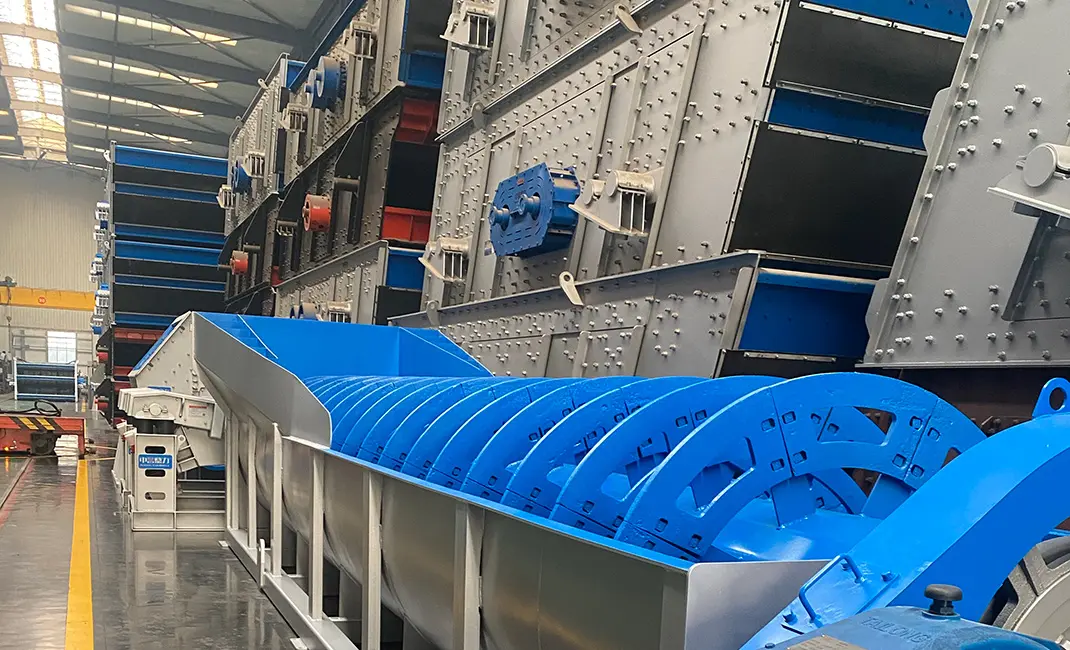
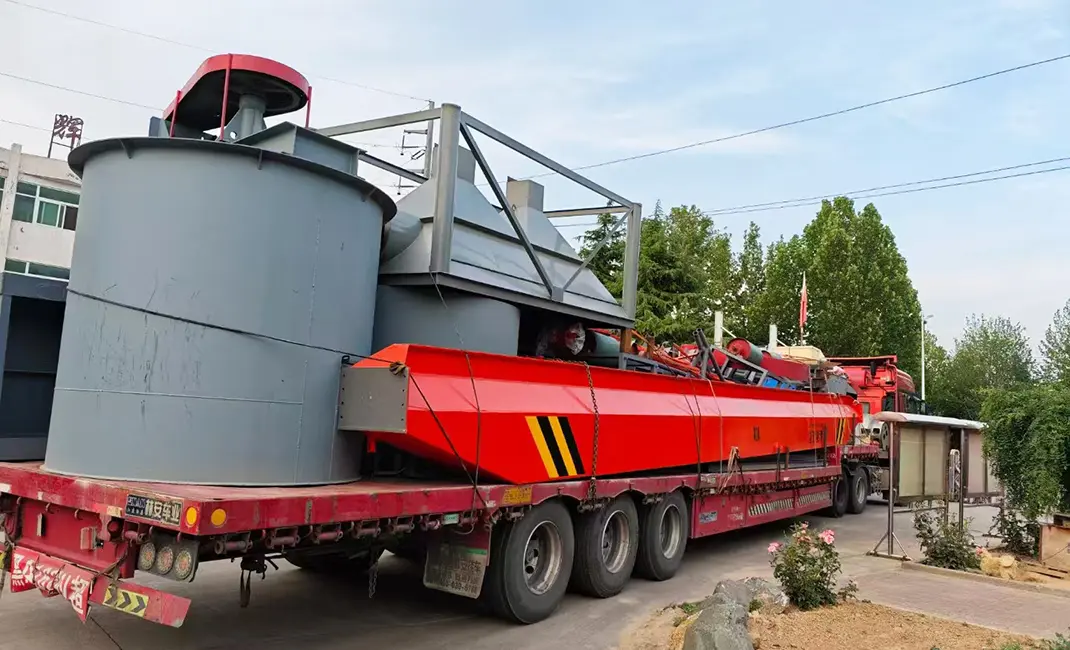
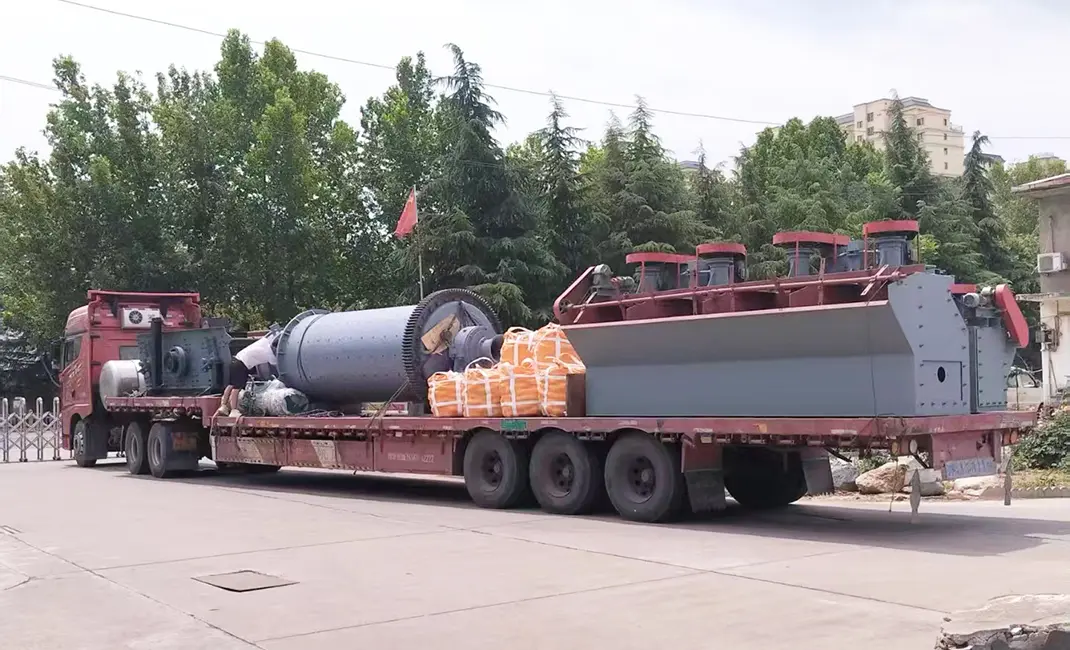
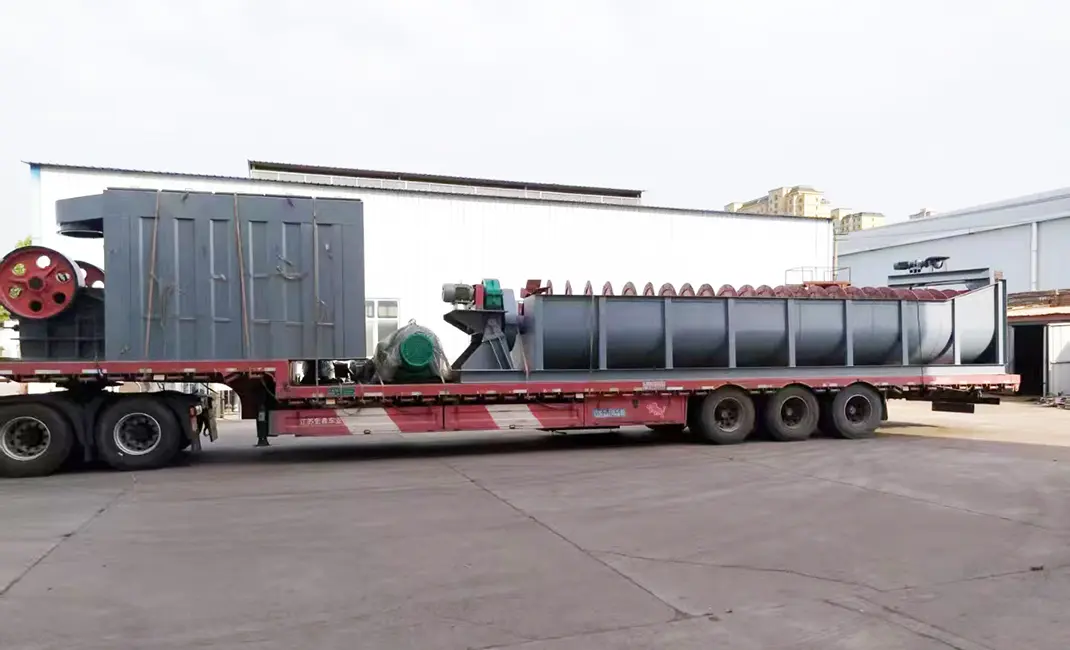

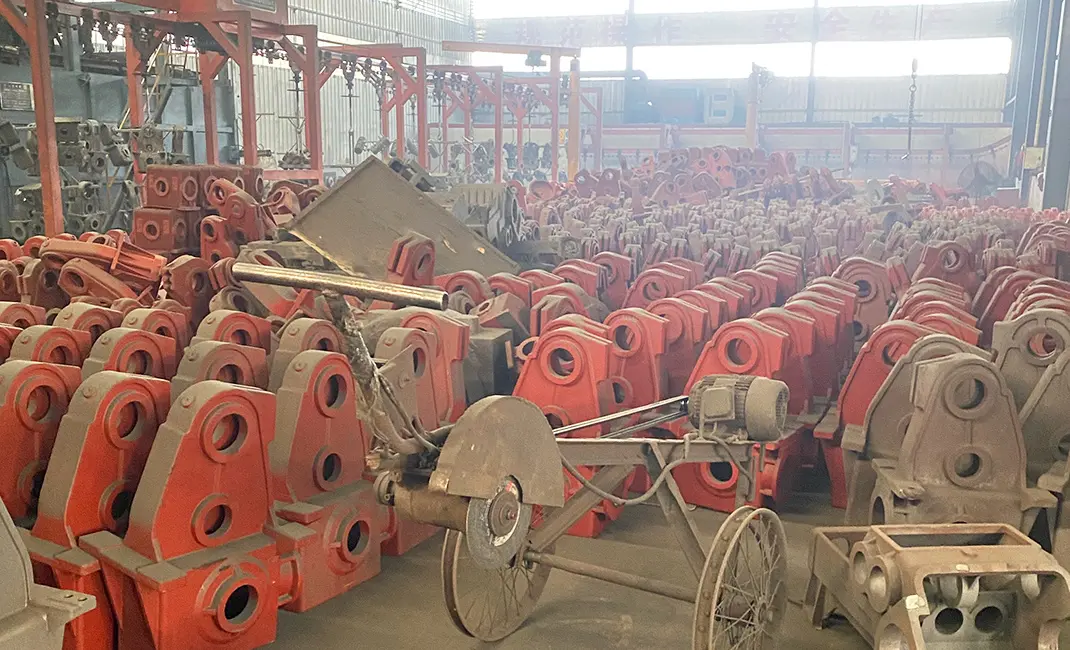
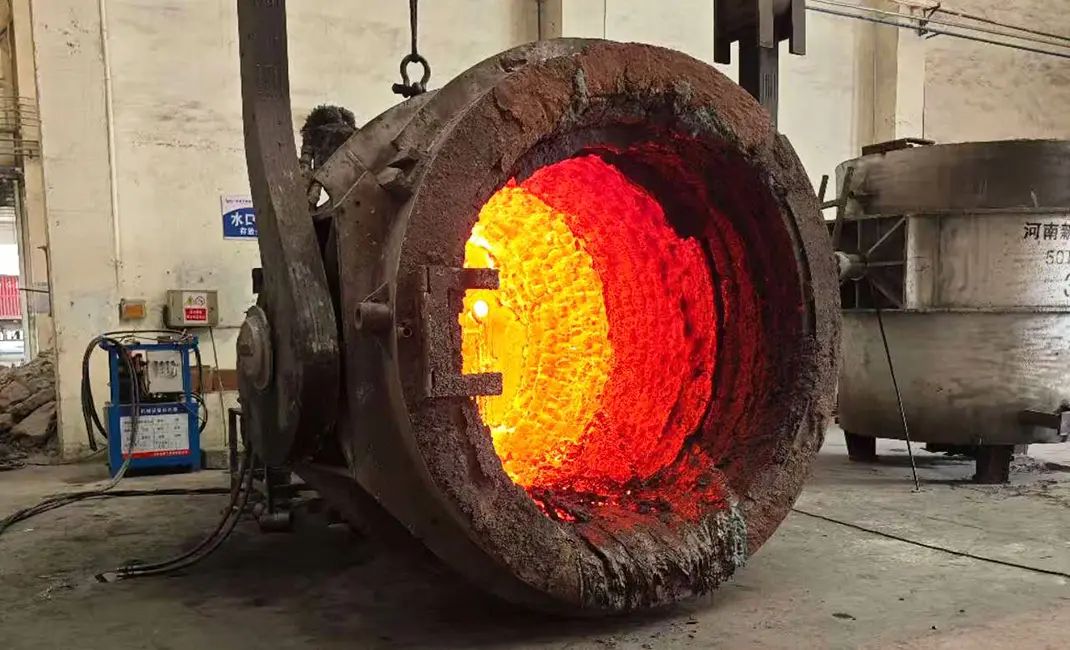
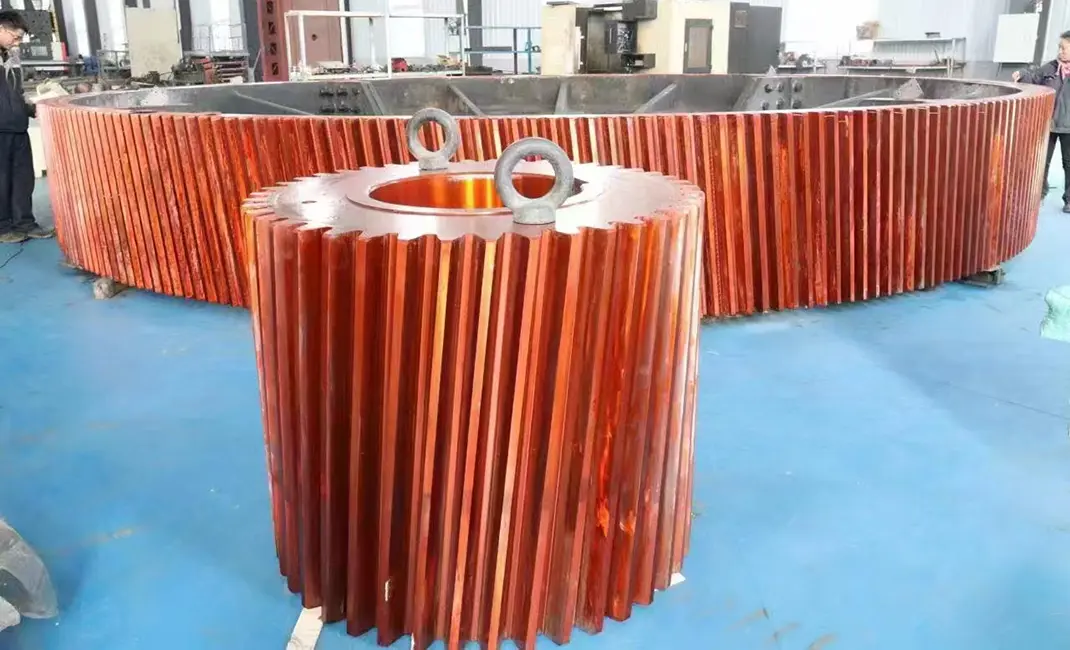
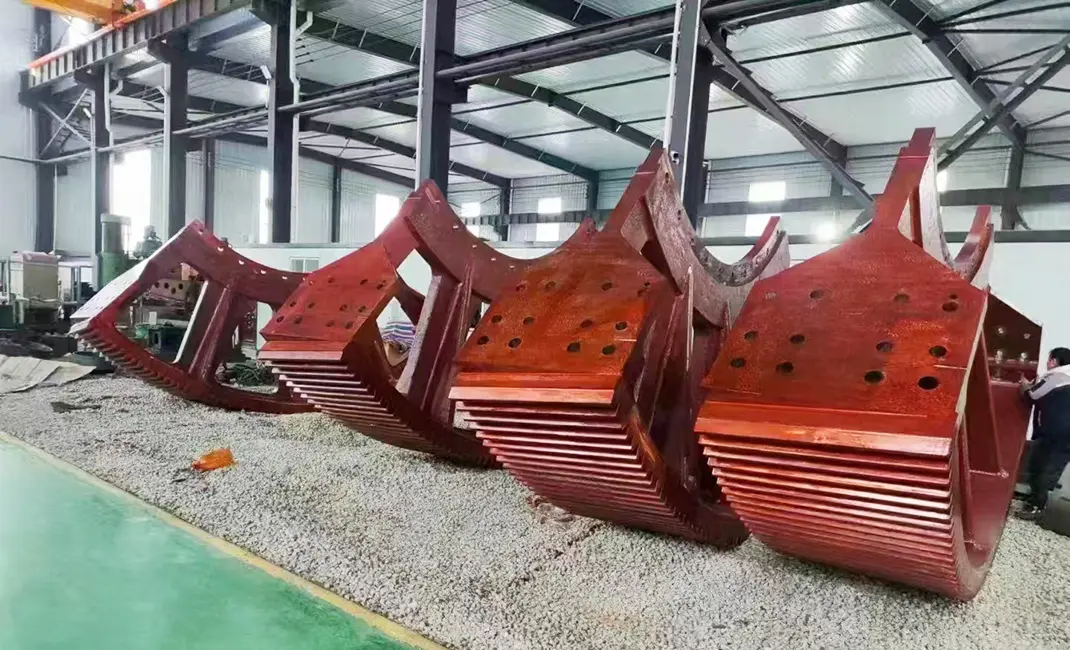
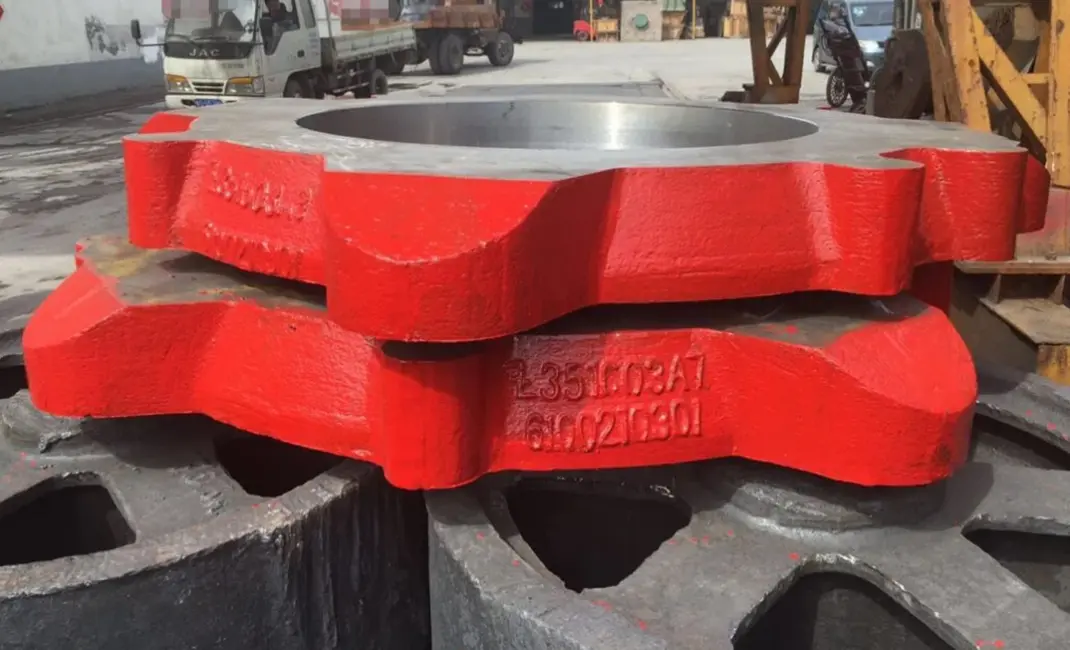
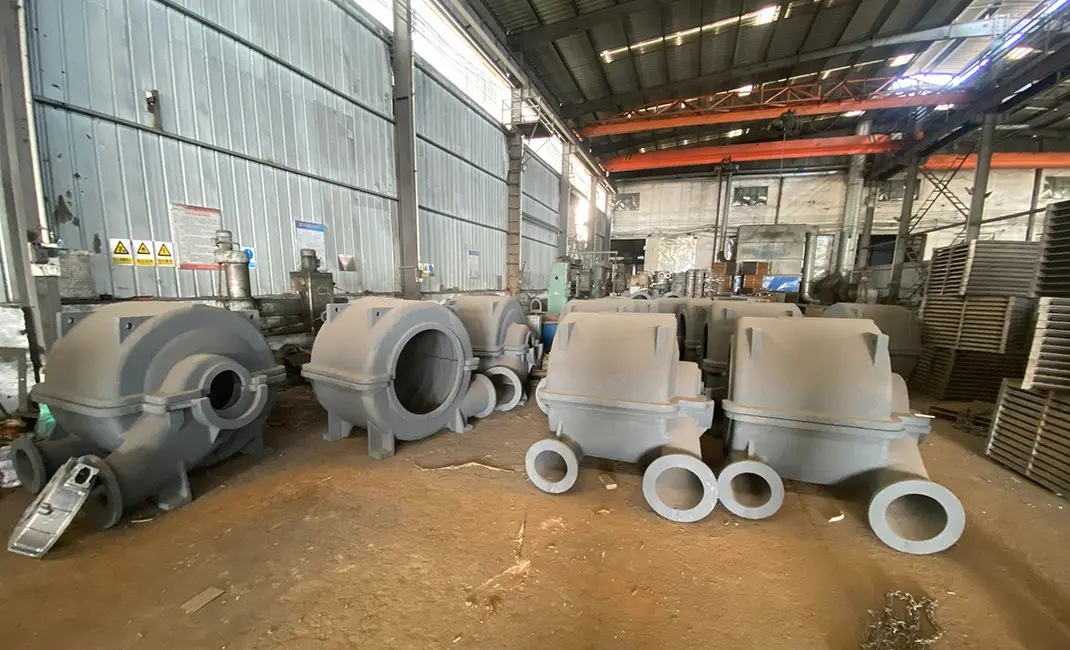
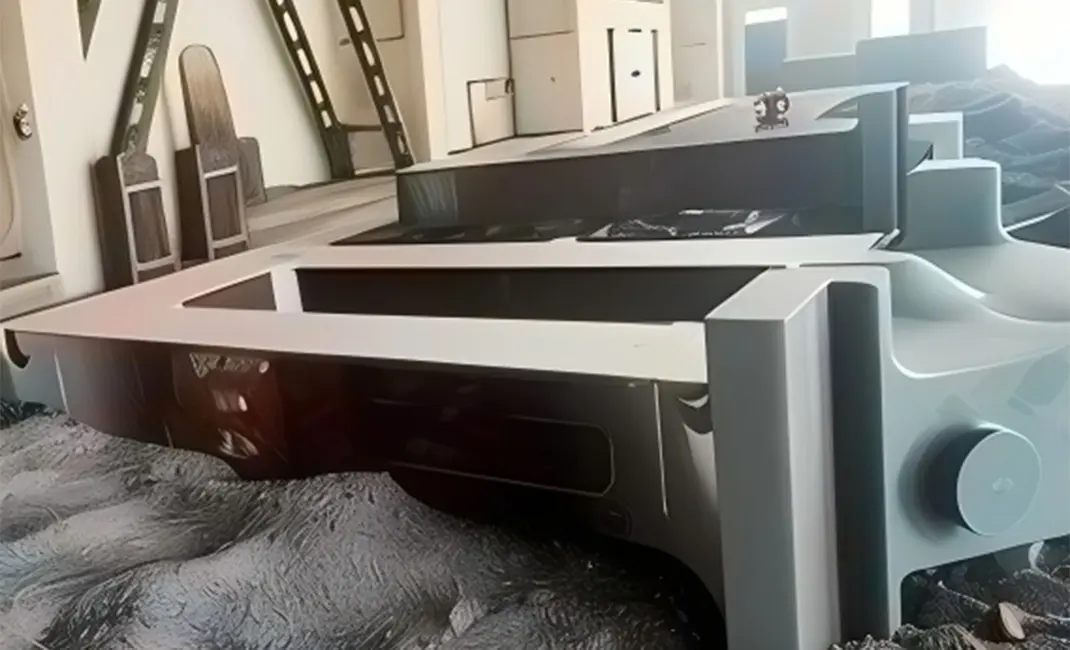
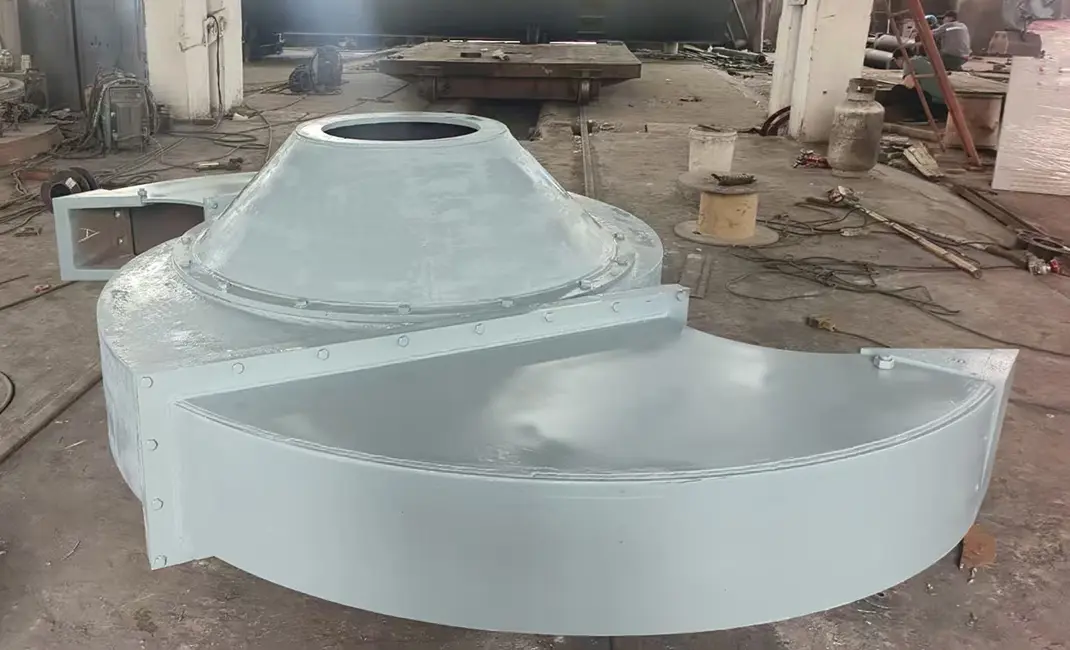
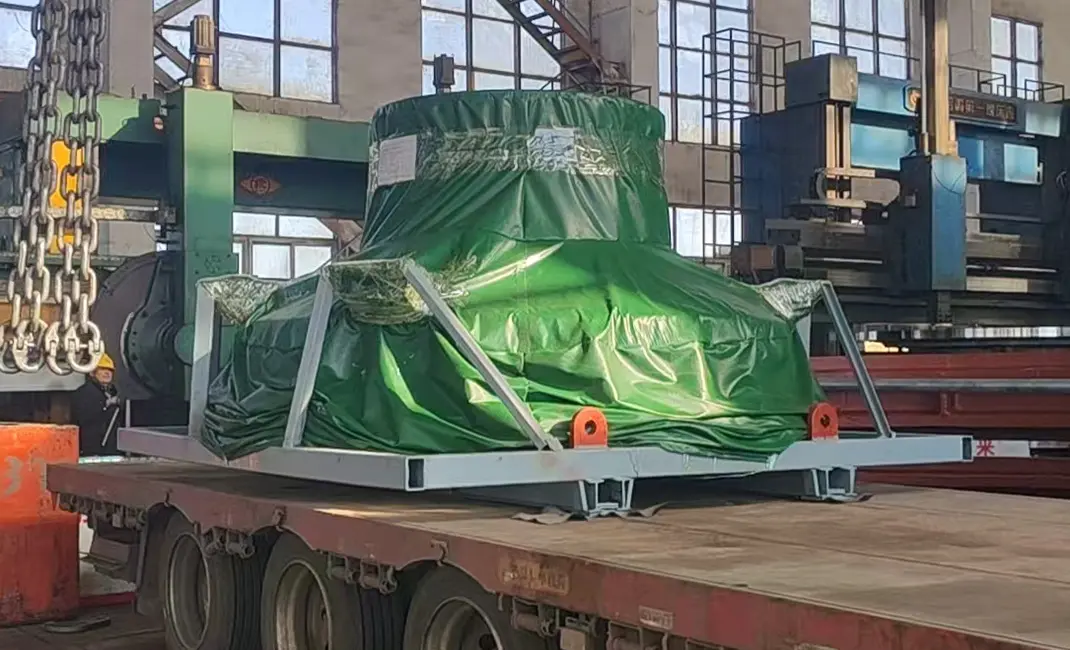
Mining and crushing equipment projects are highly customized and technically driven. Our service process is designed to ensure clear communication, precise solution matching, stable manufacturing, and long-term operational reliability, from initial inquiry to after-sales support.

Comprehensive collection of project requirements, geological site data, and metallurgical specifications.
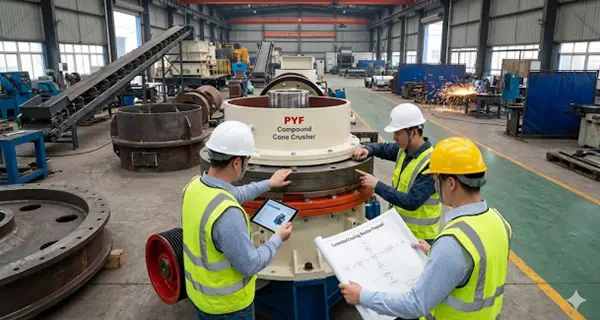
Engineering custom crushing layouts, selecting optimal wear-plate chemistries, and simulating performance.
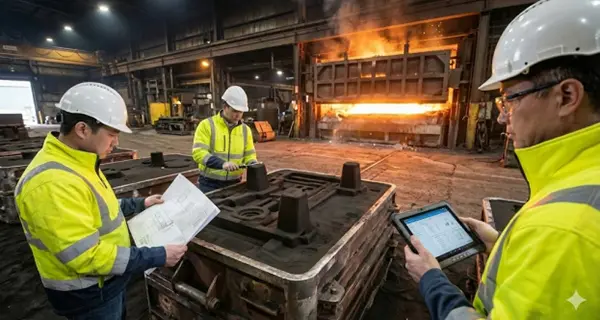
Finalizing mechanical blue prints, material property parameters, pricing structure, and delivery dates.
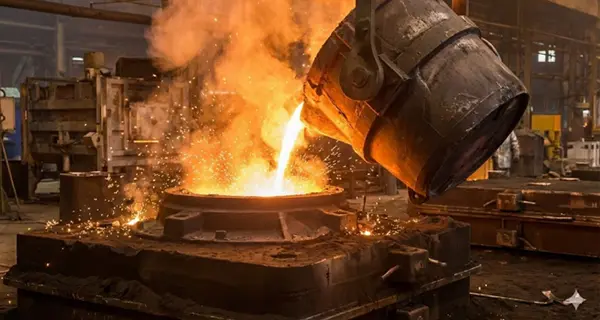
Executing foundry pouring, mold-making, rough-machining, and custom heat treatment in-house.

Performing comprehensive NDT inspections (Ultrasonic, Magnetic Particle) and assembly verification.
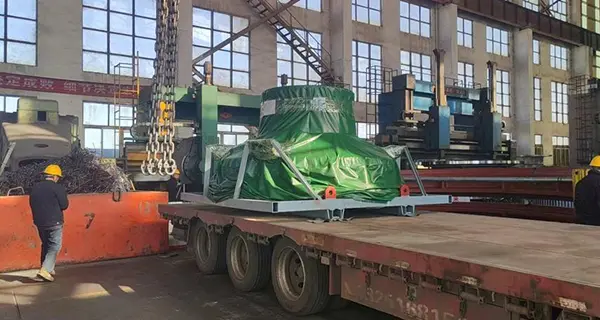
Packing heavy-duty components securely and managing trans-oceanic shipping to site location.
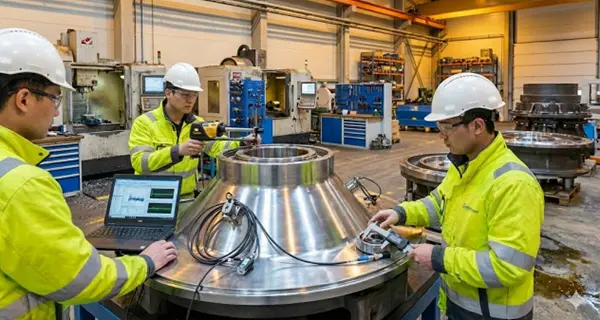
Providing on-site technical advisory, mechanical alignment support, and electronic calibration.
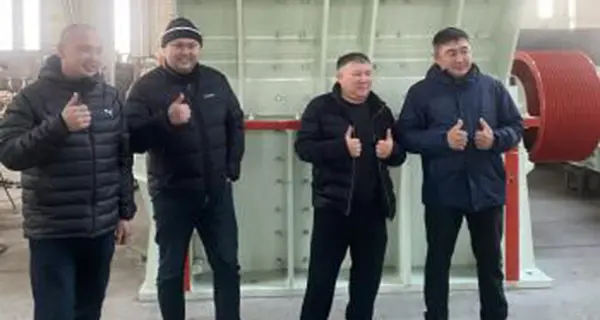
Training site maintenance personnel on wear-plate cycles, lubrication systems, and sensor alarms.
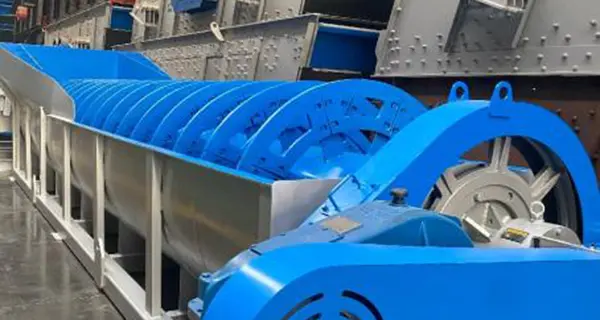
Delivering ongoing wear parts (mantles, jaw plates) and structural checkups to prevent down-time.
 Hanhai