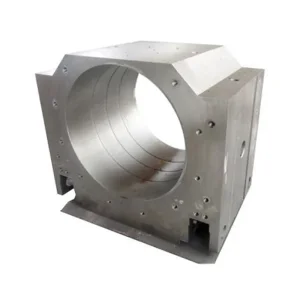
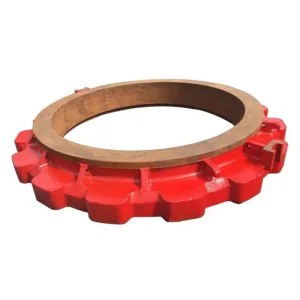
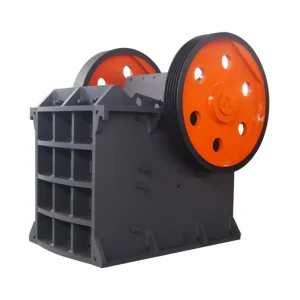
Explore our core engineered cast components, designed to withstand high stress and harsh industrial conditions.
An Expert Analysis on Technical Compliance, Metallurgy, and Performance Metrics in Critical Infrastructures.
For critical industrial casting applications, European CE certification serves as more than just a regulatory checkbox; it constitutes a robust guarantee of safety and structural compliance. Our castings satisfy the complex safety mandates of the Pressure Equipment Directive (PED 2014/68/EU) and the Machinery Directive (2006/42/EC). This guarantees that every dynamic casting body, bearing seat, and mill archway undergoes exhaustive material identification, microstructural validation, and strict pressure-boundary integrity testing.
At Hanhai Casting, we deploy advanced induction melting and refining protocols to synthesize carbon steels, alloy steels, and specialized ductile iron grades. By strictly tracking micro-alloying elements, we optimize wear resistance, tensile strength, and fracture toughness. Our metallurgical team closely controls trace contaminants like sulfur and phosphorus down to the thousandths of a percent, minimizing risk of brittle failure in extreme dynamic loading environments typical of mines.
Every critical component undergoes a systematic evaluation matrix. Using Ultrasonic Testing (UT) to detect deep volumetric defects, Magnetic Particle Testing (MT) for surface fissures, and radiographic inspections where required, we confirm that our precision-machined casings are free from internal shrinkage porosity and structural voids. This level of oversight ensures long-term operational longevity and eliminates costly unexpected downtime.
Modern procurement mandates deep transparency. Foundries must provide full trace documentation—including ASTM standards verification, thermal heat treatment profiles, and ladle chemical analysis reports—directly to engineering departments. Our digital twin casting simulation technologies (utilizing Magmasoft software) let us analyze molten flow dynamics before metal hits the mold cavity. This significantly reduces defect risk and optimizes material configuration.
A Premier Industrial Foundry Partner with Over Two Decades of Casting Excellence
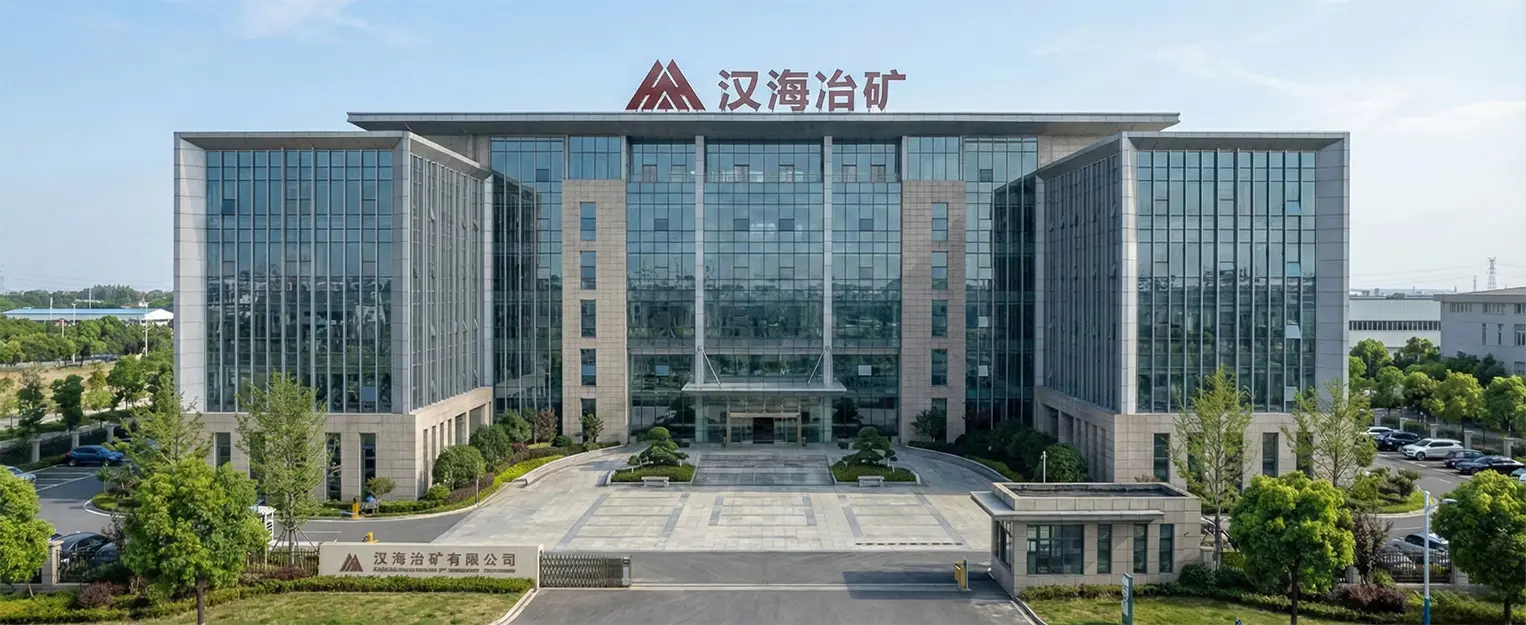
Established with a vision to deliver unmatched metallurgical solutions, Henan Hanhai Metallurgy Mining International Trade Co., LTD has emerged as a premier foundry manufacturer in China. We specialize in producing custom cast steel and cast iron components of massive proportions and intricate geometries. Our state-of-the-art facility integrates design, casting, and precision finishing processes in-house.
With an annual output exceeding 80,000 tons, Hanhai Casting's certified ISO9001 and CE products support vital machinery in mining, metallurgy, cement processing, power generation, and large-scale infrastructure projects. Our engineering footprints span key global markets, including Asia, Europe, South America, and the Middle East.
To empower international heavy industries by providing premium precision casting and sustainable manufacturing excellence. We commit to executing advanced metallurgical standards, minimizing waste, and supporting the safe installation of large-scale mechanical assets globally.
To establish Hanhai Casting as a leading global brand recognized for extreme-load casting solutions. By incorporating digitalized smart foundry setups and continuous alloy R&D, we aim to shape the future of metallurgical wear components.
Understanding the Macro-Economic and Technical Drivers behind Global Supply Competitiveness.
The manufacturing of heavy mechanical structures—such as rolling mill housing frames, rotary kiln components, and complex crusher structures—requires massive scale, deep technical resources, and high capital investment. Foundries in China, and Henan Hanhai in particular, enjoy unique structural and technological advantages that drive competitive value:
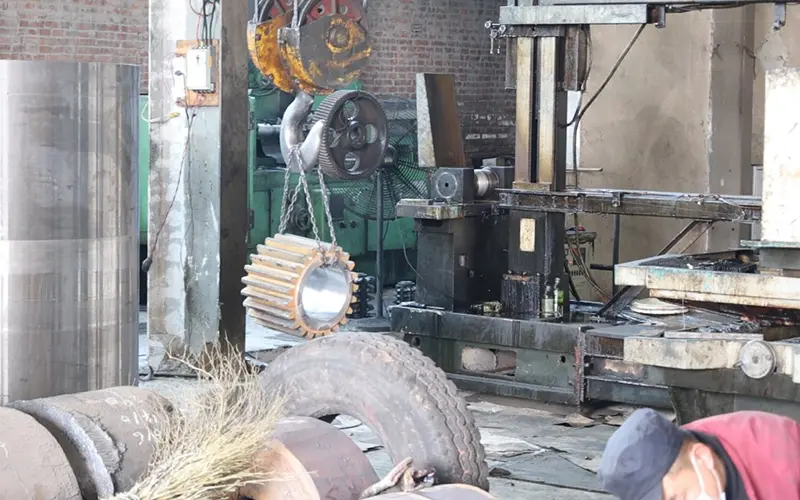
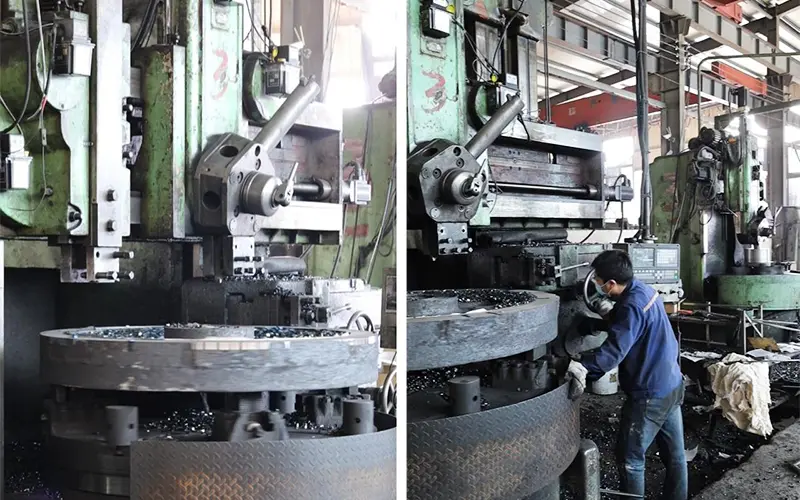
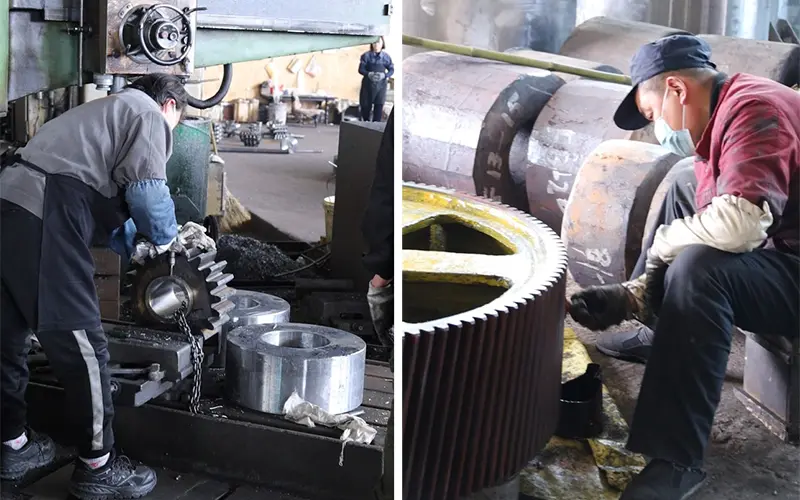
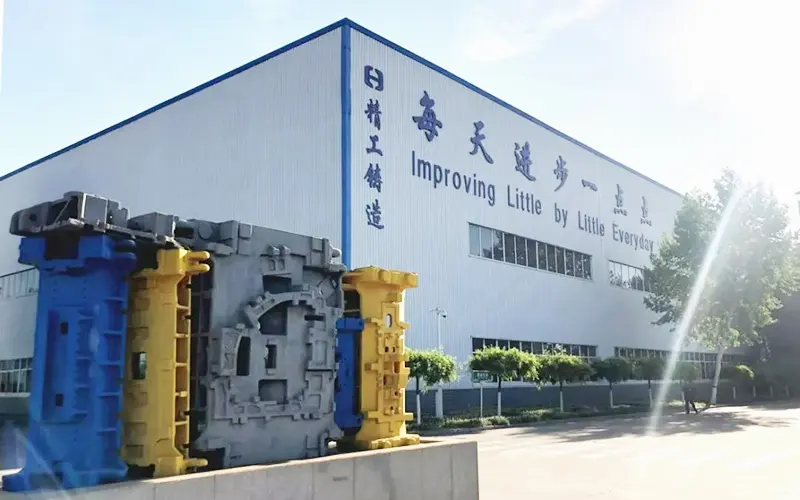
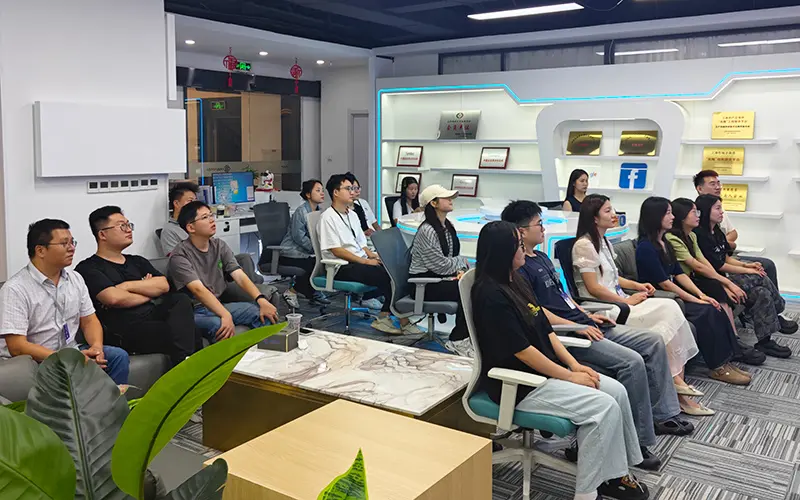
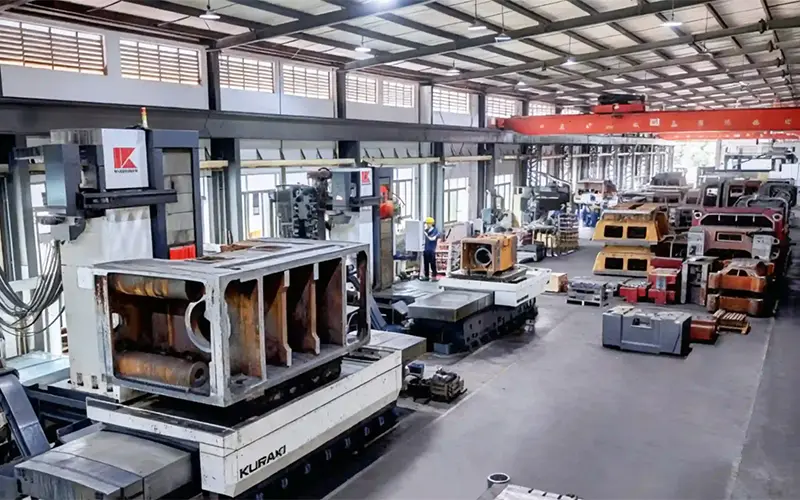
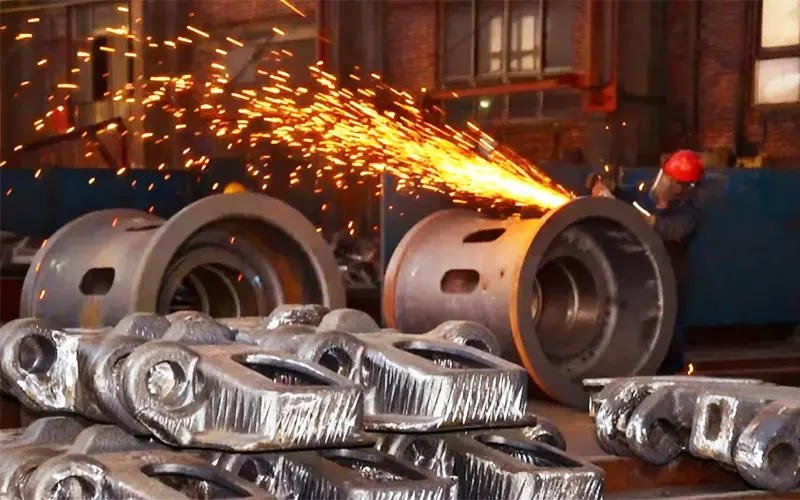
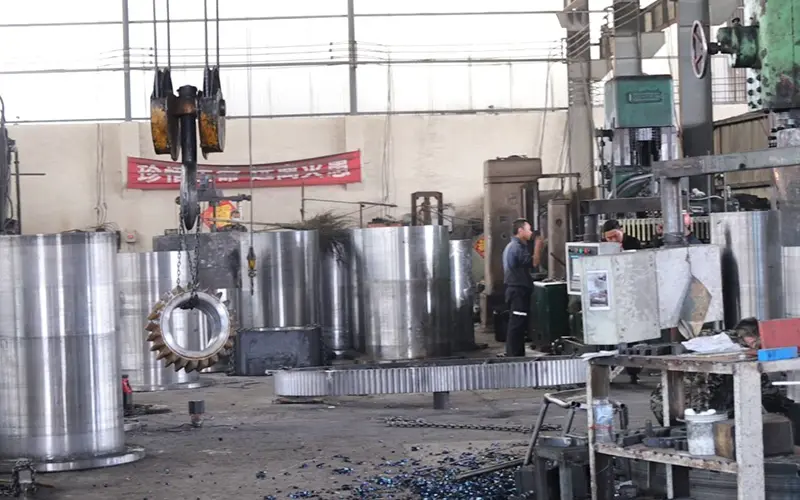
Tracing our path of technological breakthroughs and market expansion over more than two decades.
Hanhai Casting was established, focusing primarily on heavy steel and iron casting components to lay down a solid technical foundation.
Introduced advanced induction melting systems, computerized molding setups, and expanded physical casting floor space to support dynamic requirements of domestic steel mills.
Achieved formal CE and ISO9001 compliance. Enhanced NDT methodologies to scale exports of high-integrity castings to Asia, the EU, and the Middle East.
Integrated intelligent digital foundry workflows, structural simulation analysis, and eco-friendly casting processes to strengthen global engineering partnerships.
Valued by heavy machinery manufacturers and certified to meet international criteria.
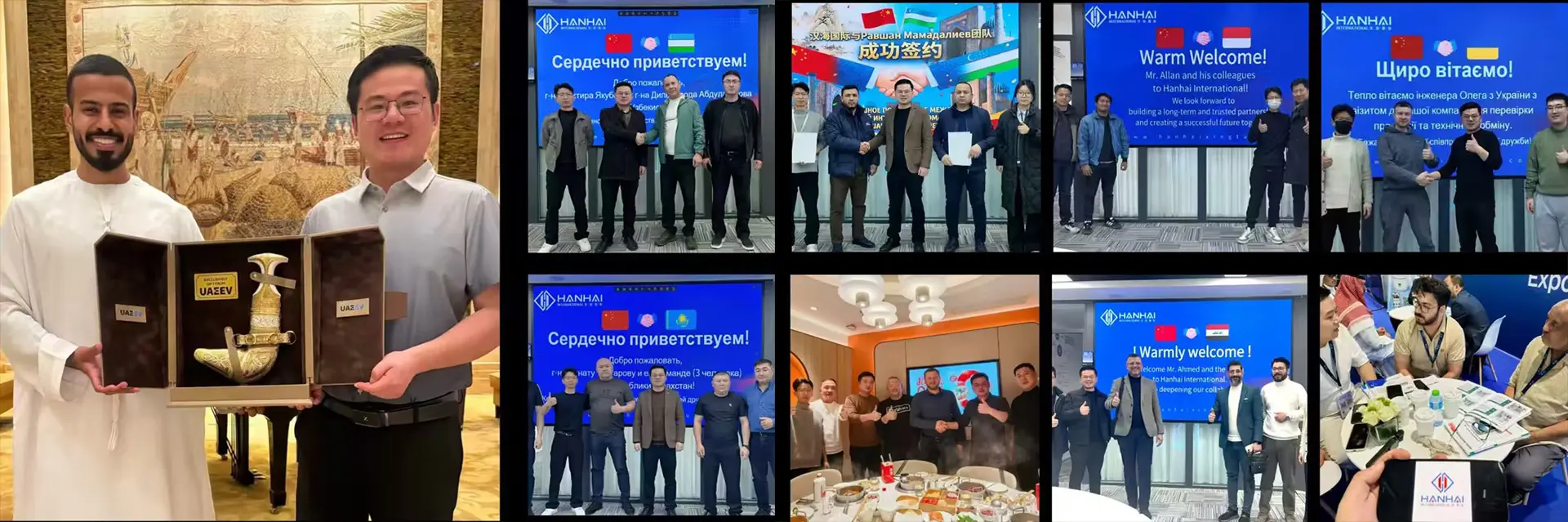
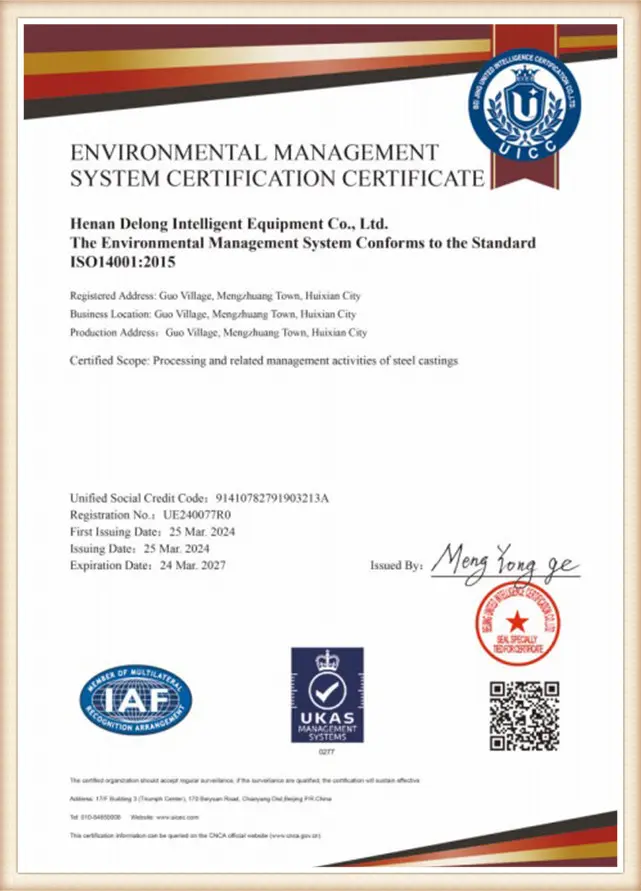
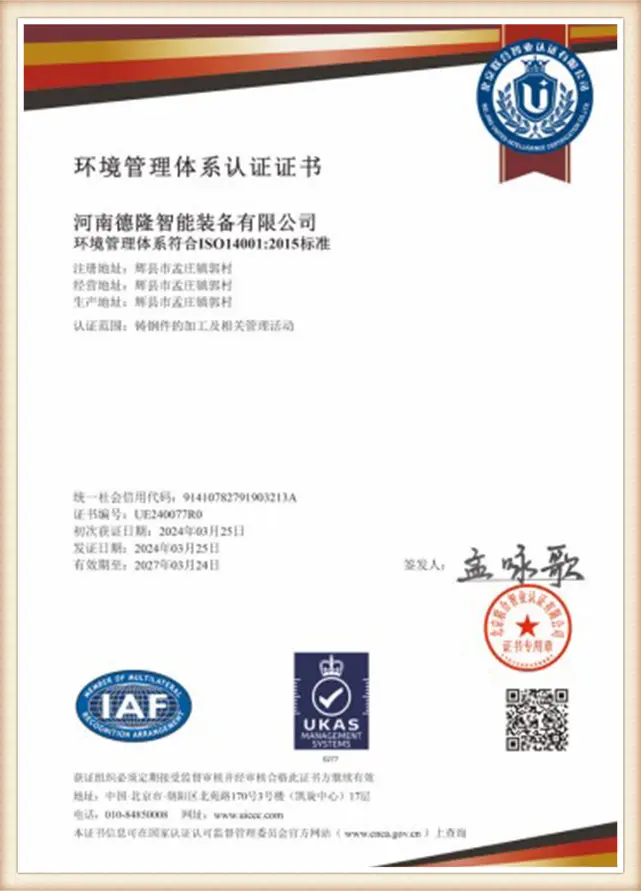
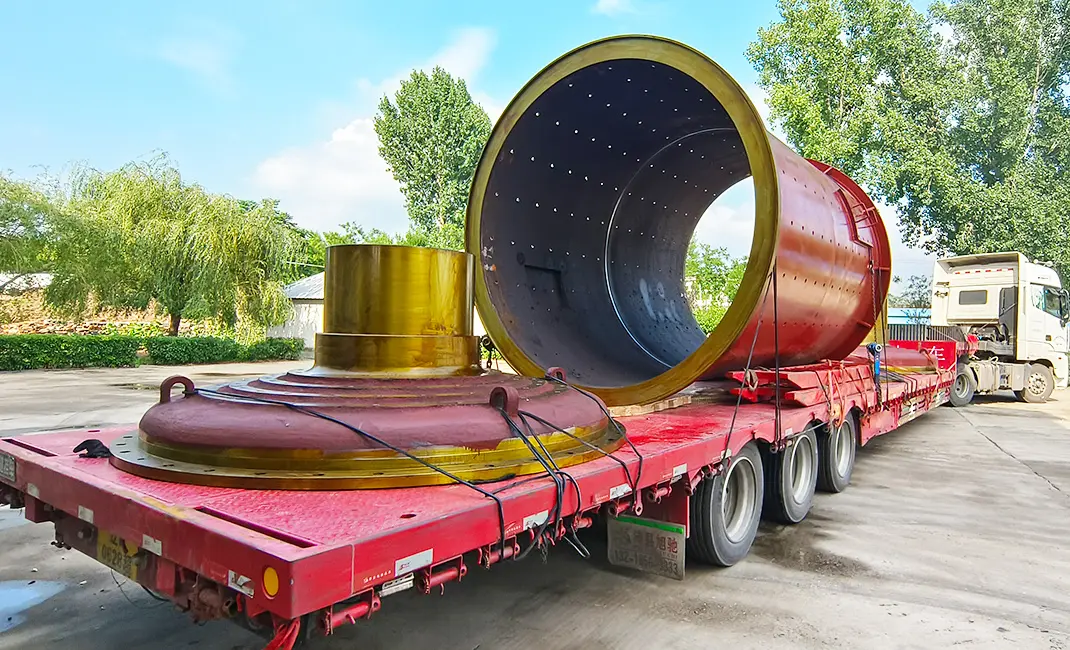
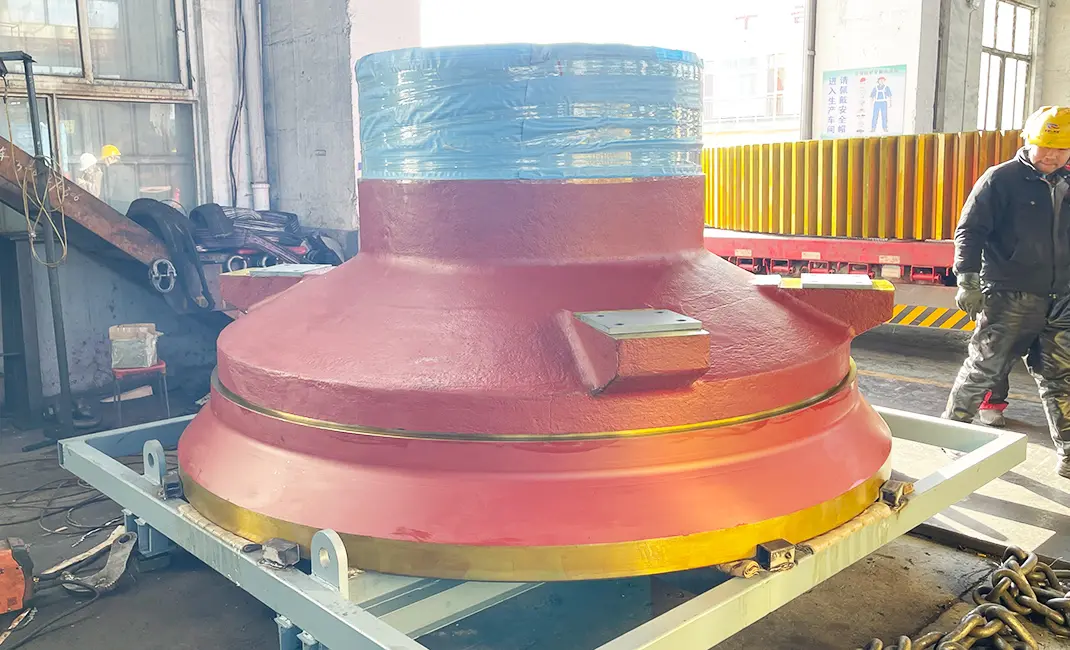
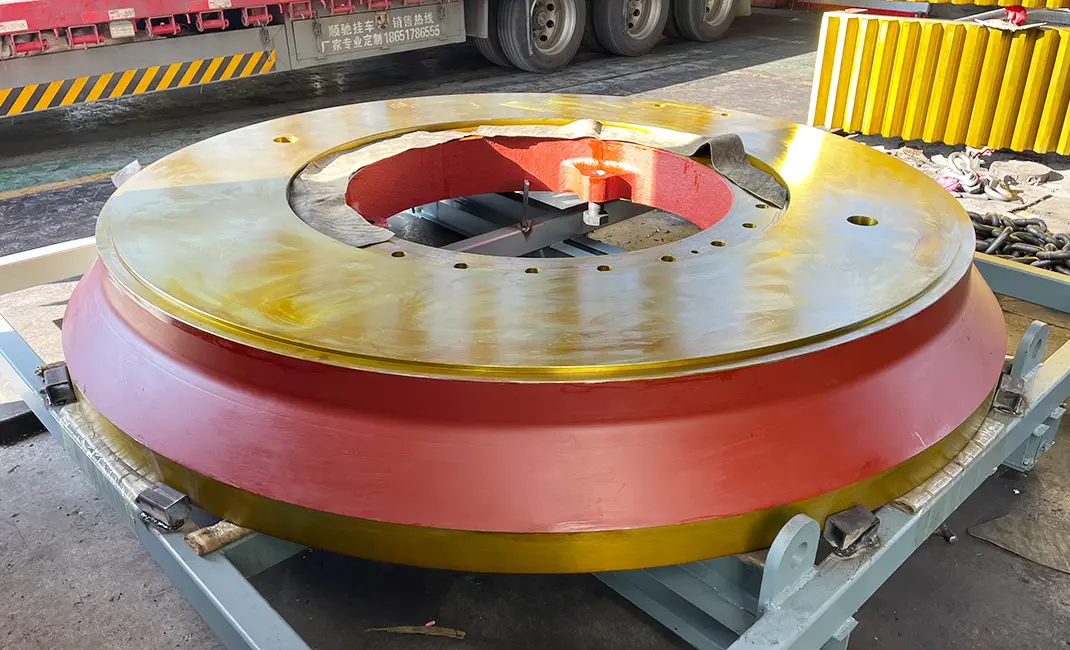
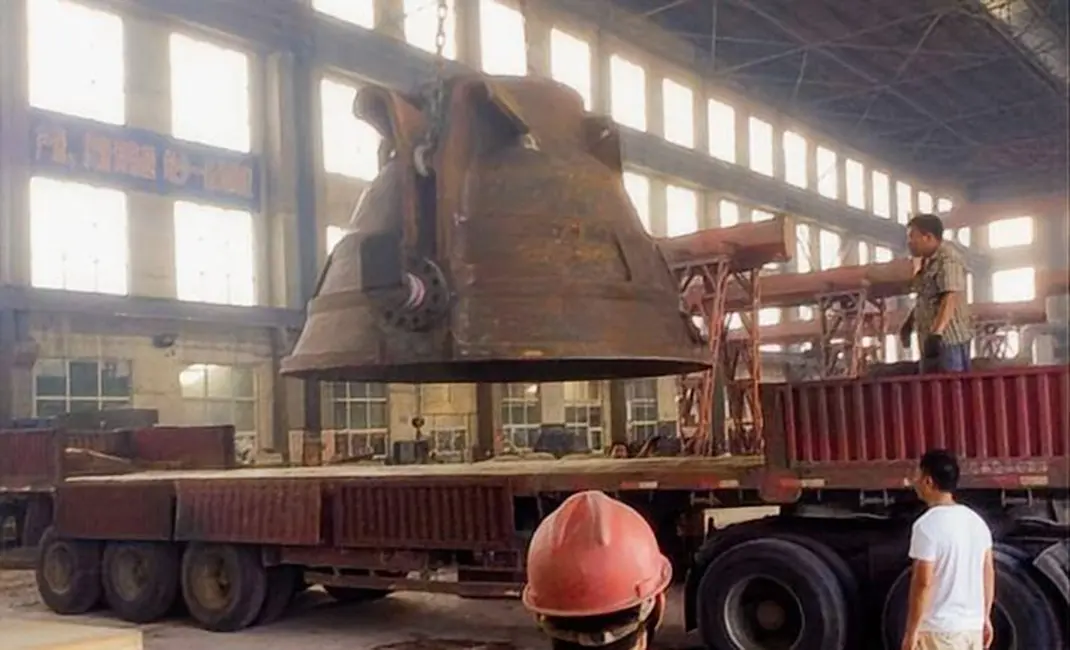
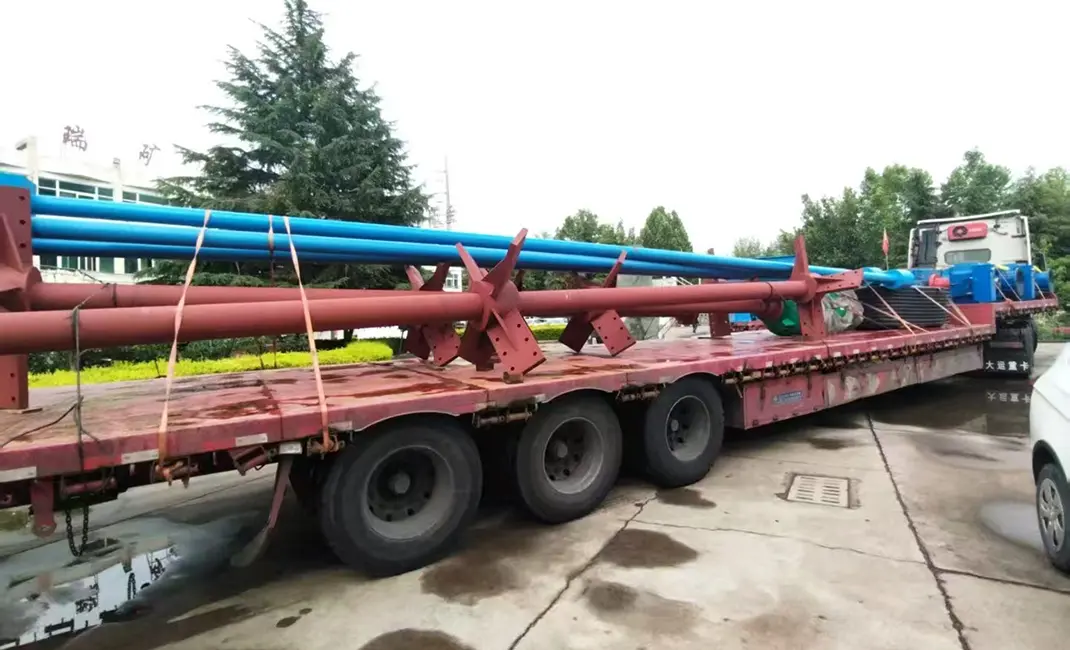
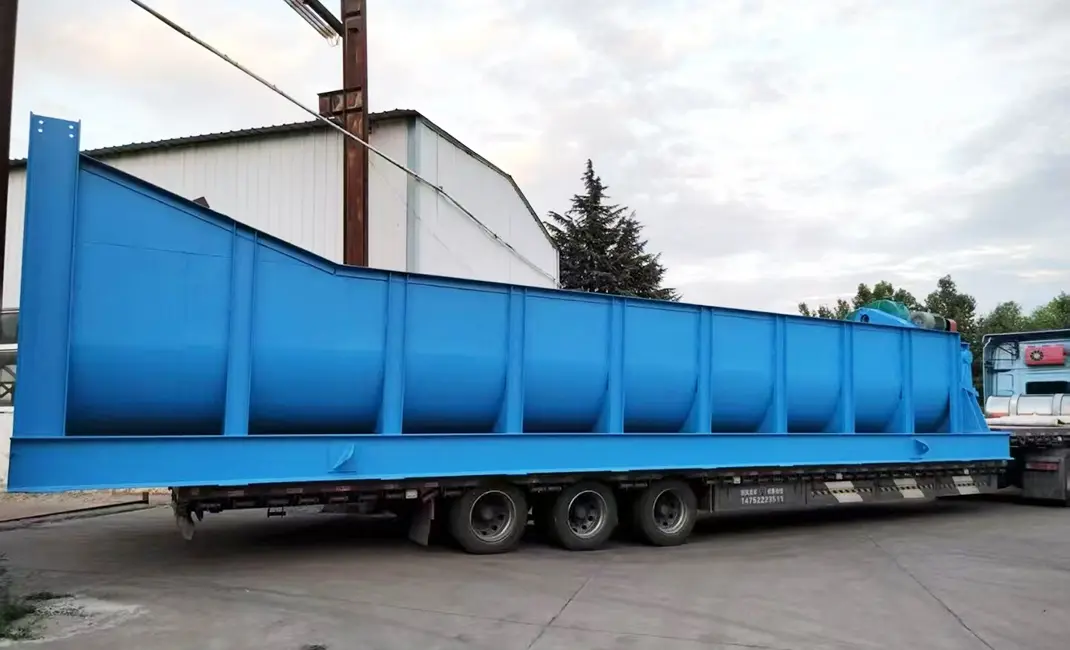
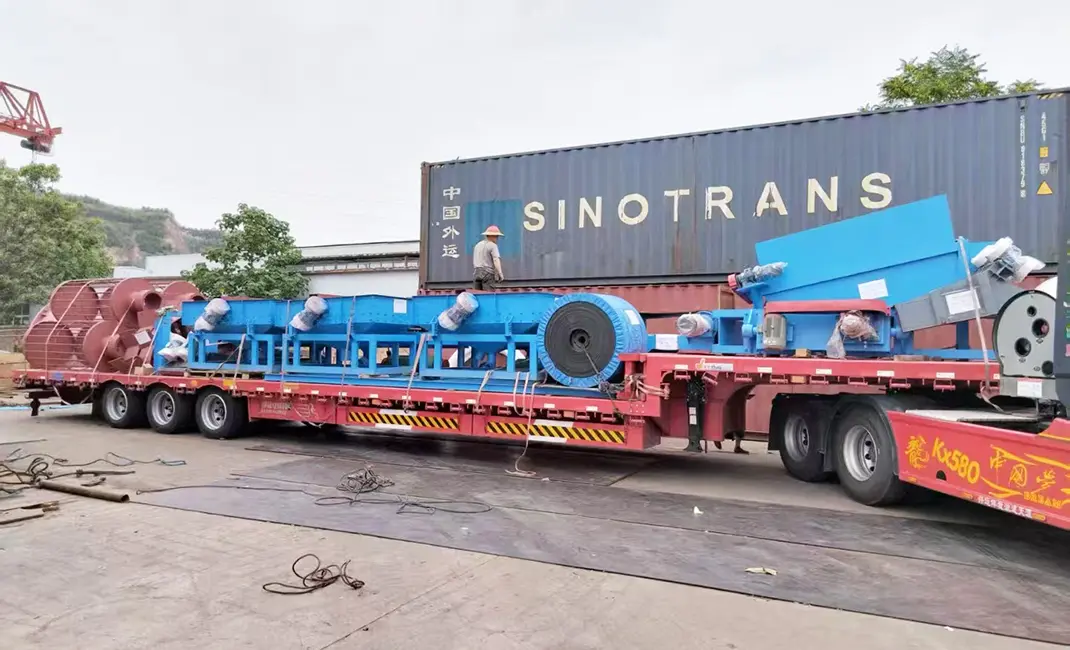
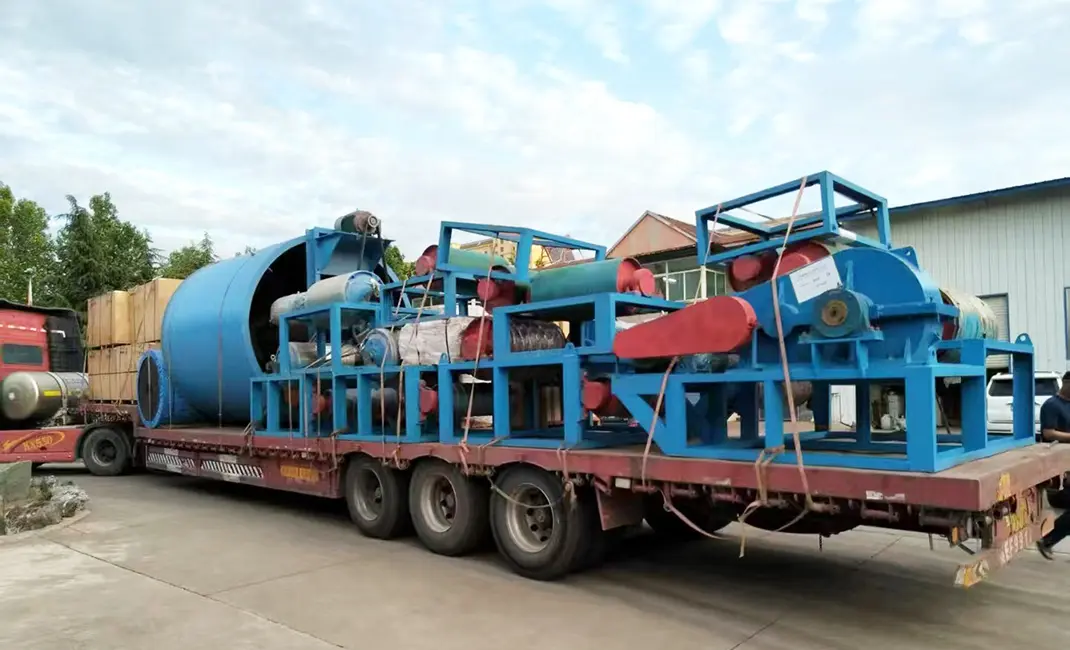
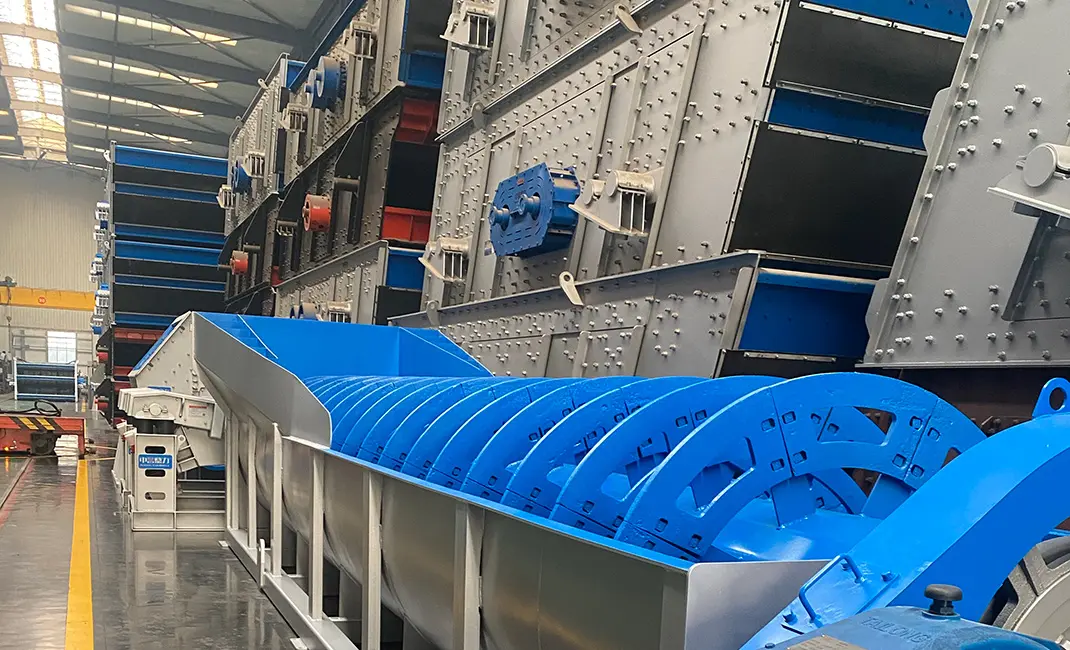
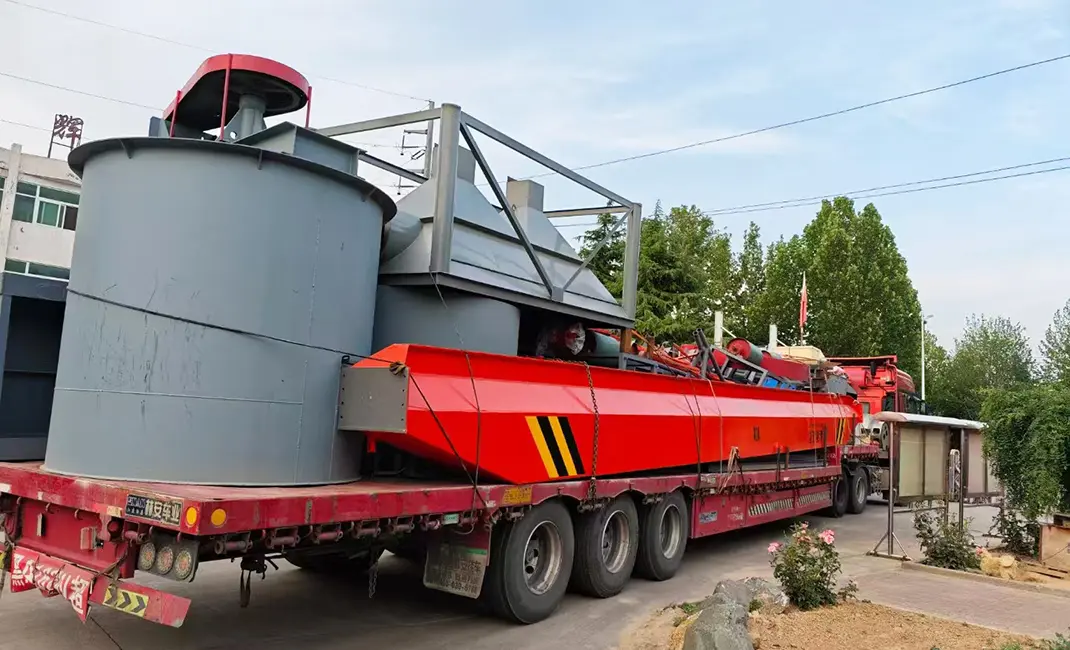
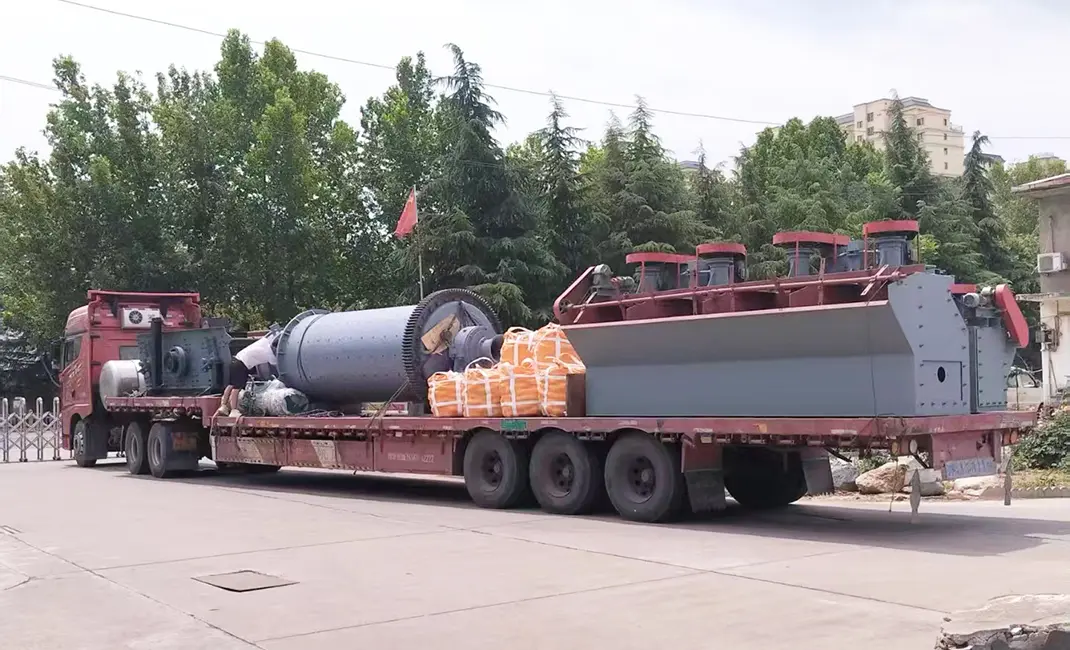
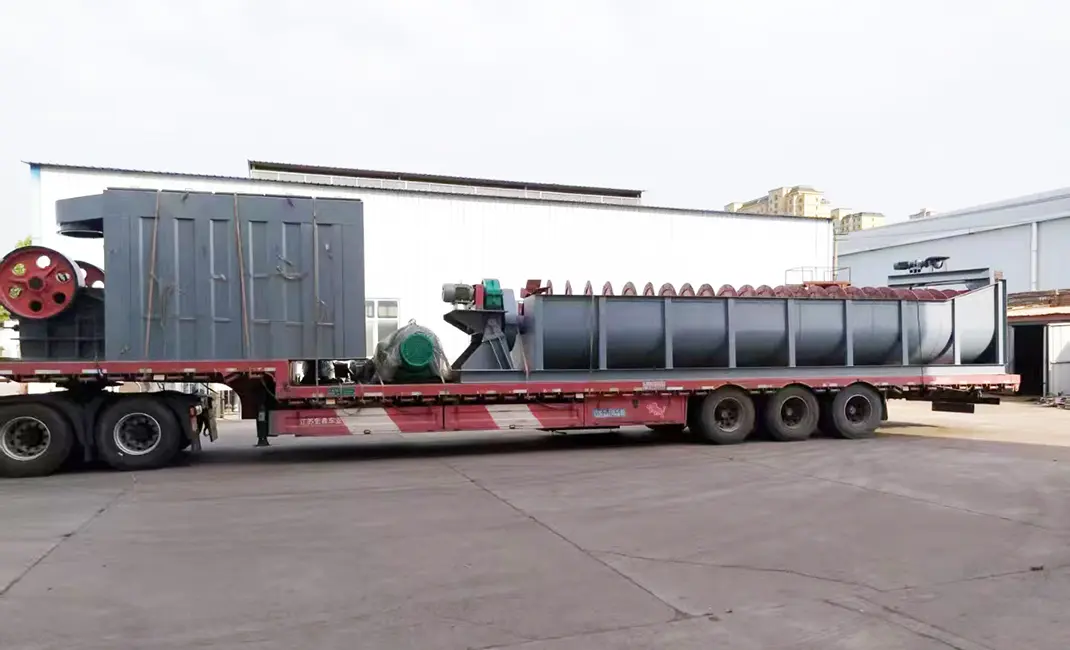
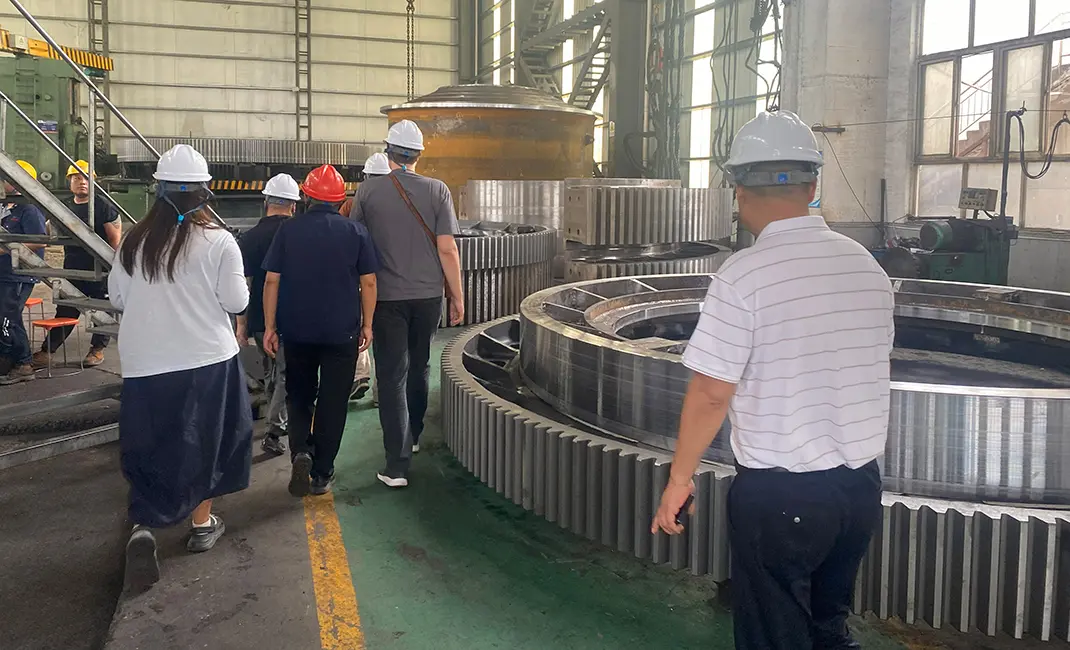
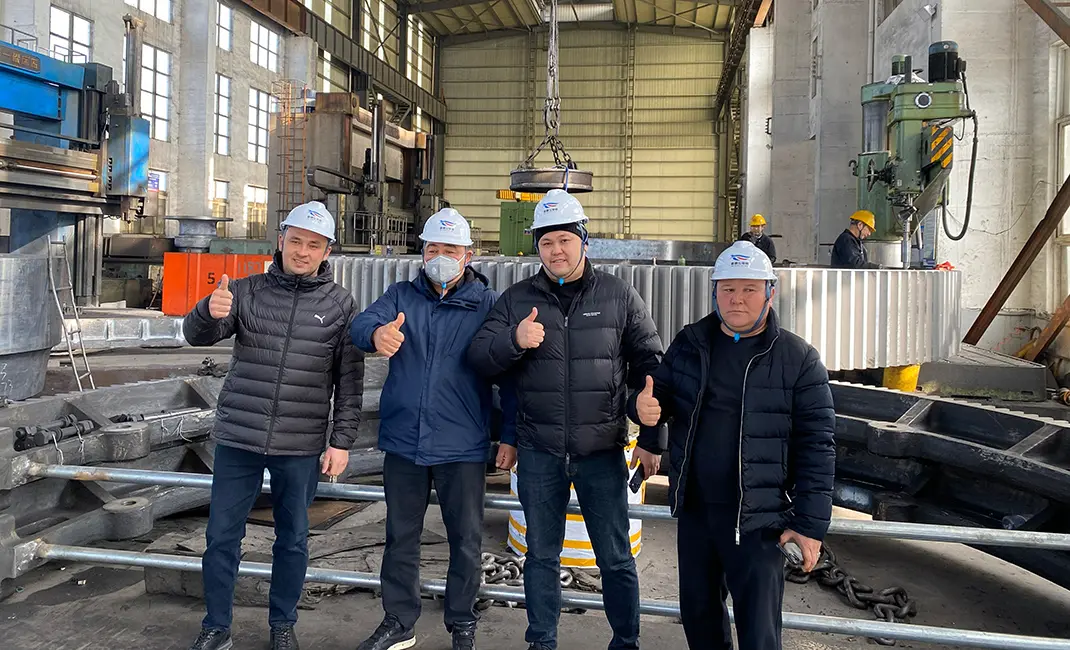
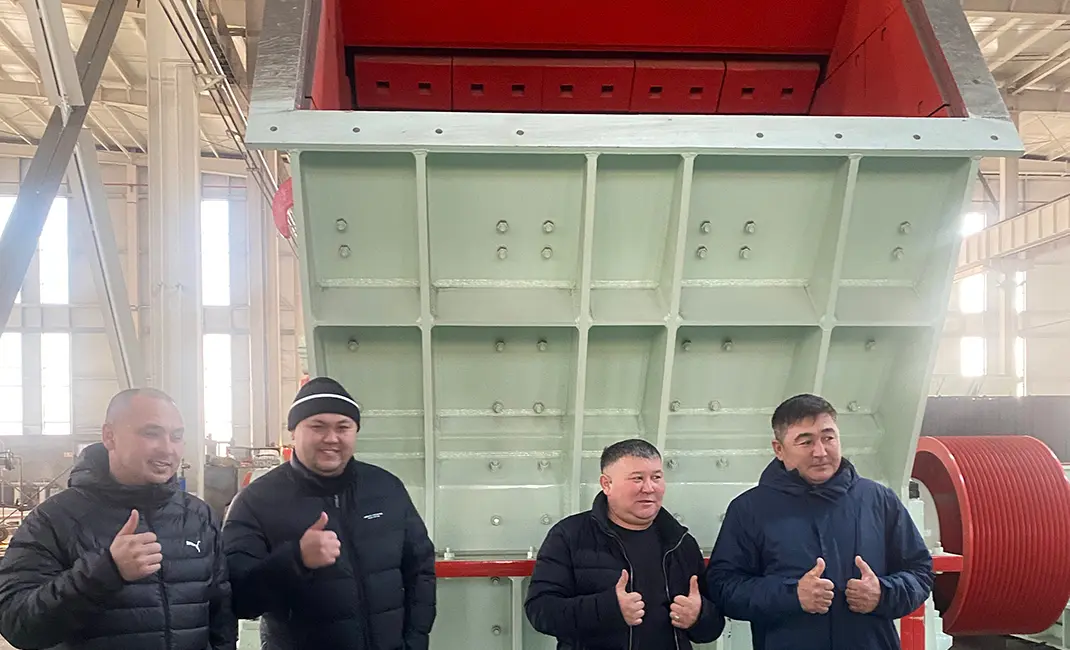
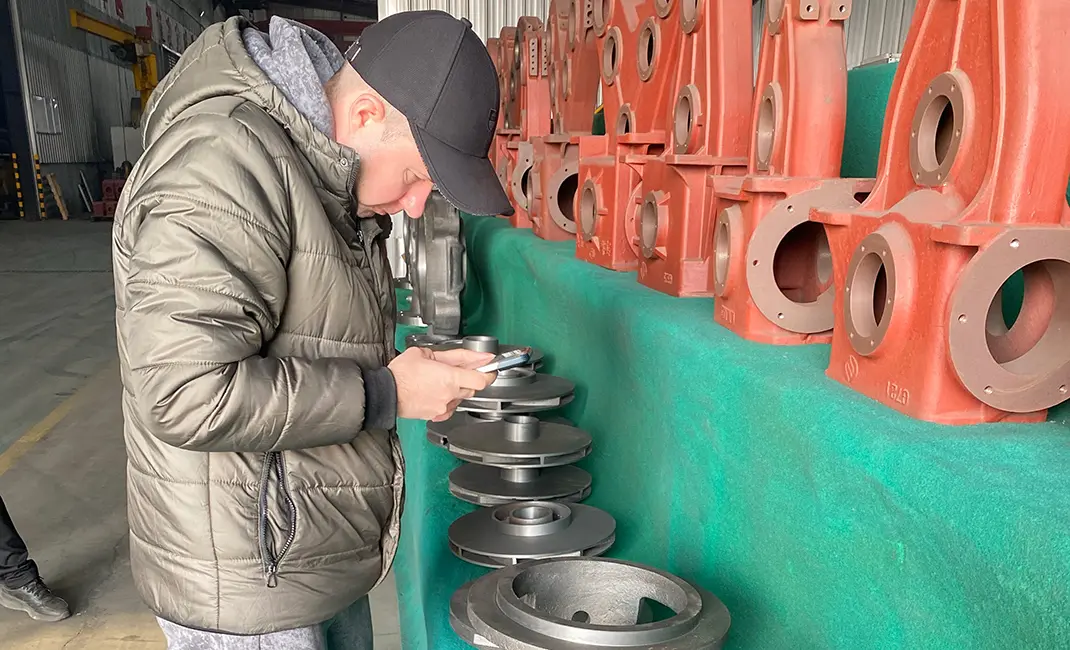
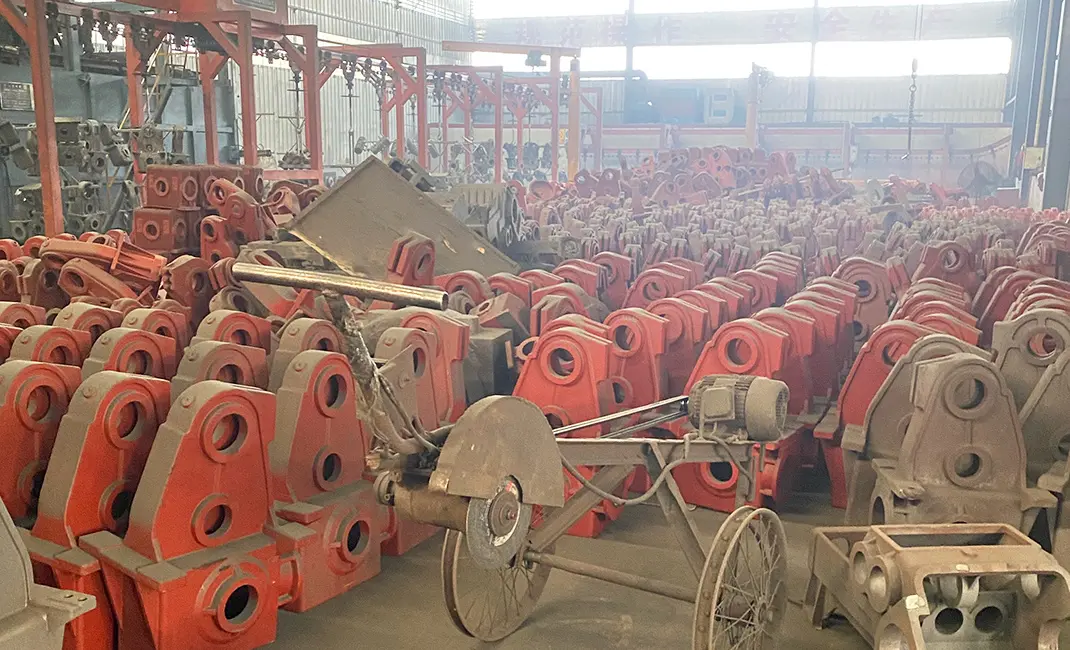
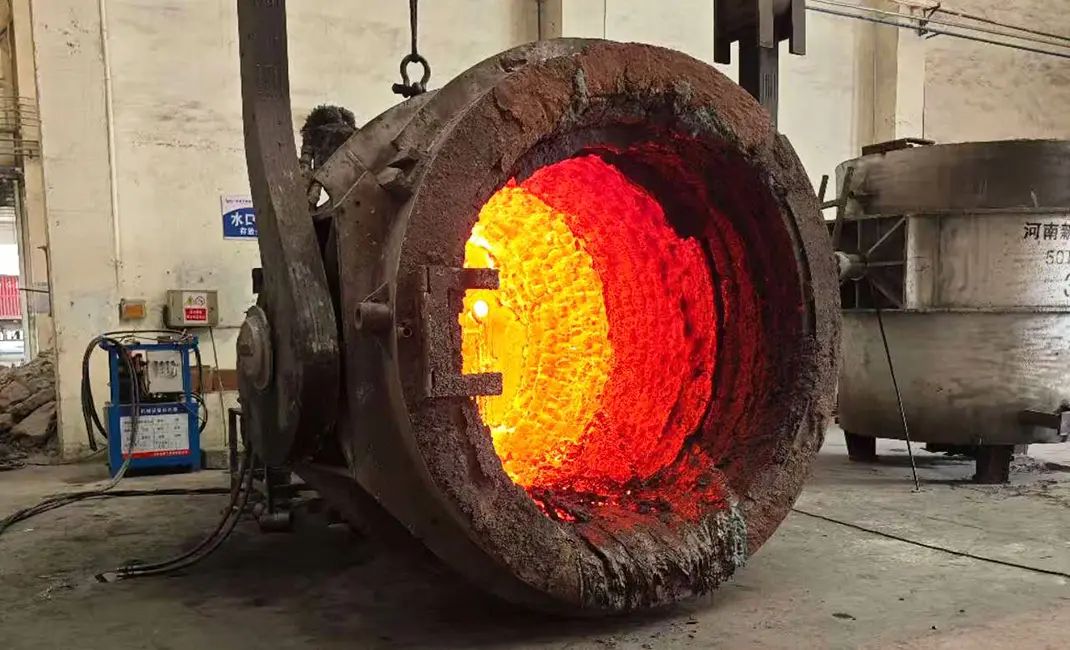
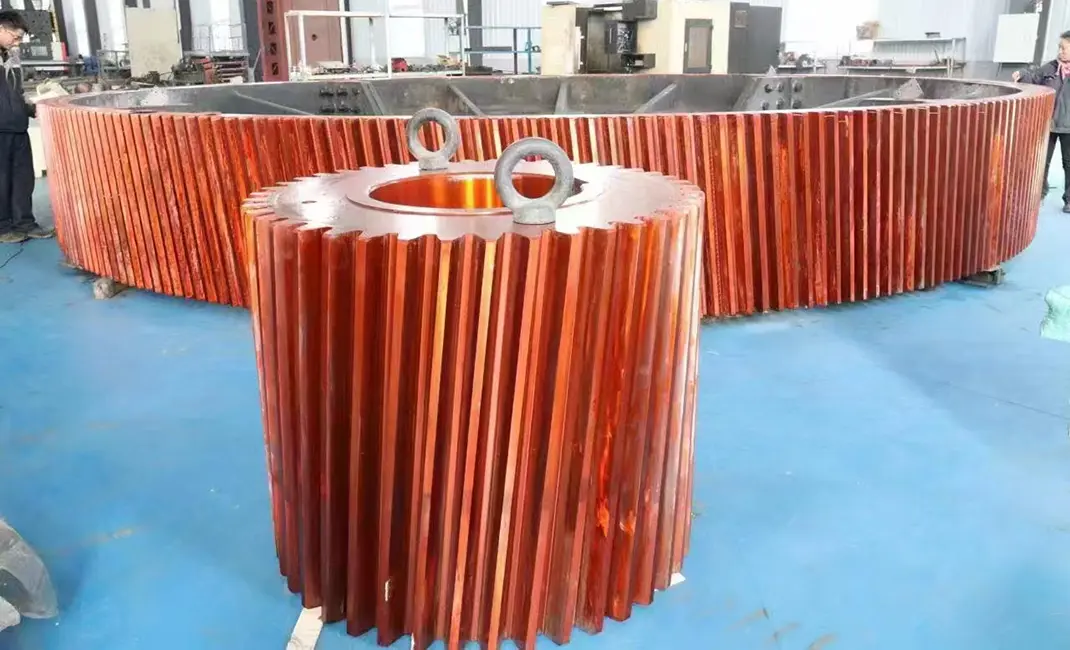
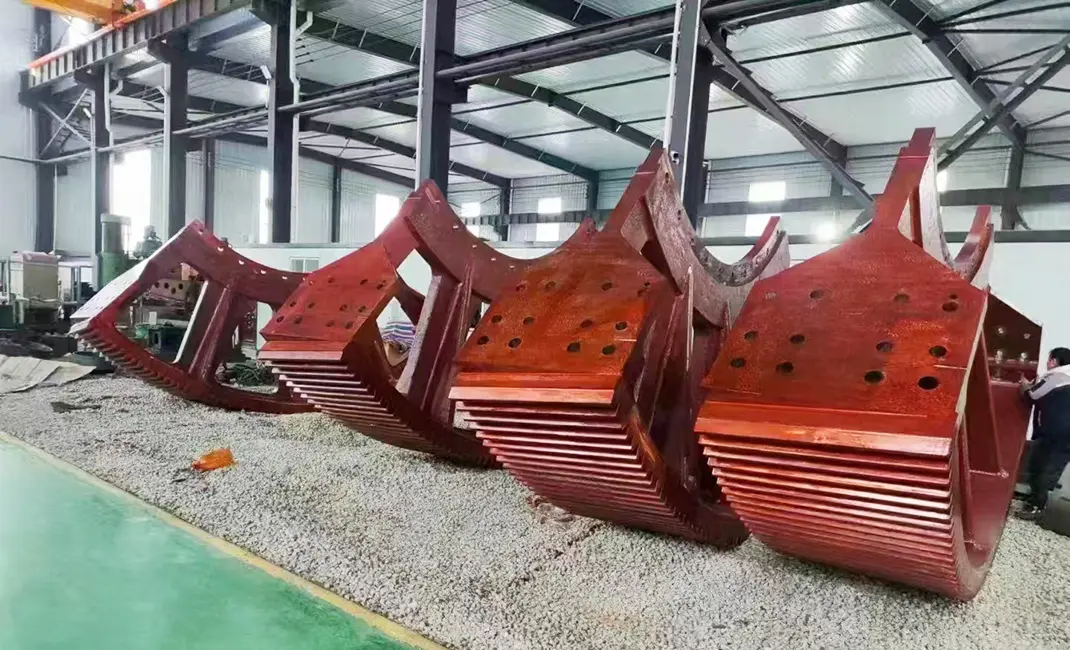
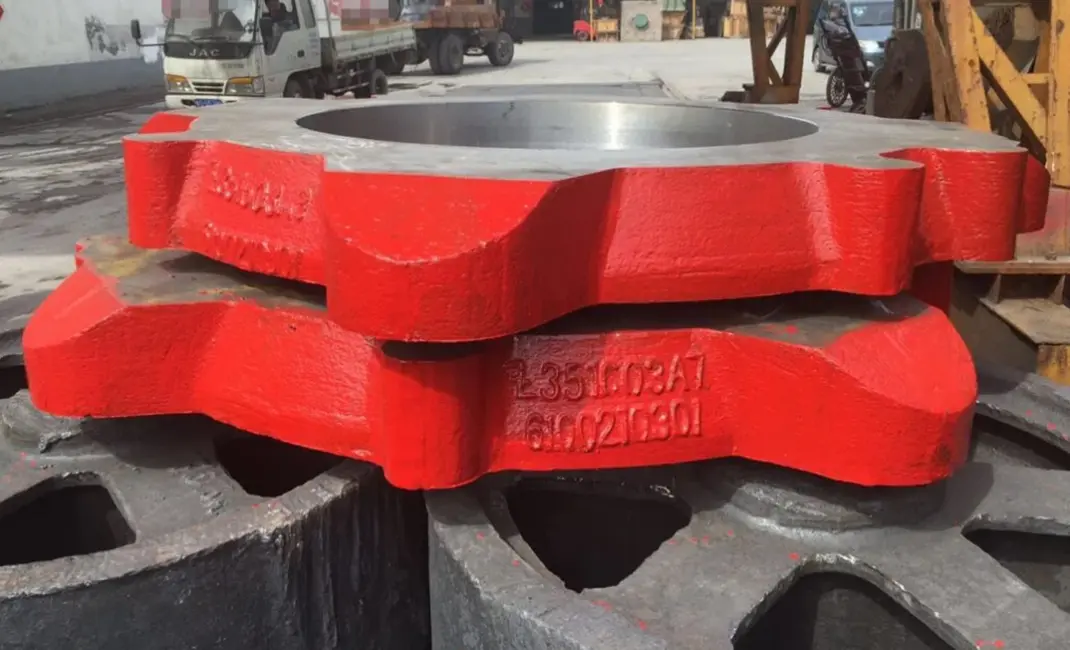
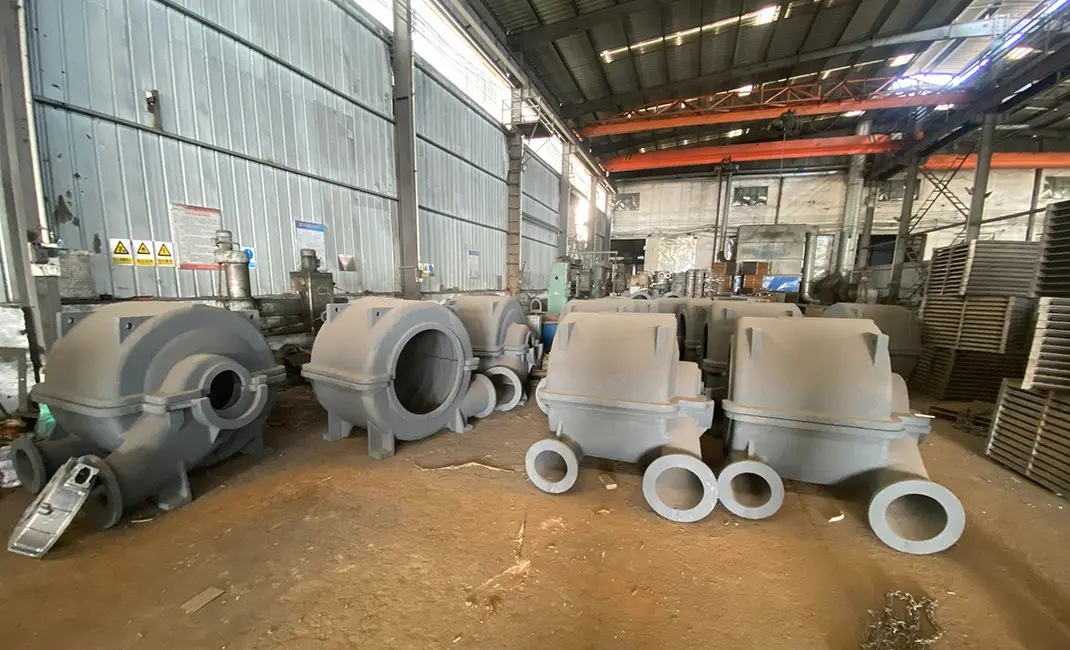
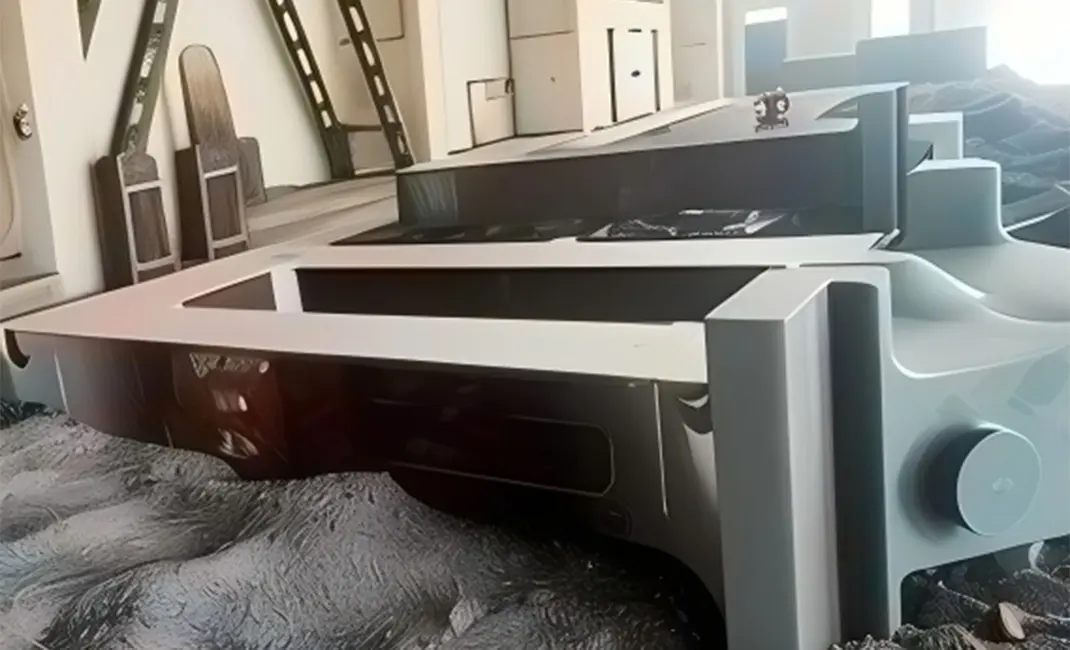
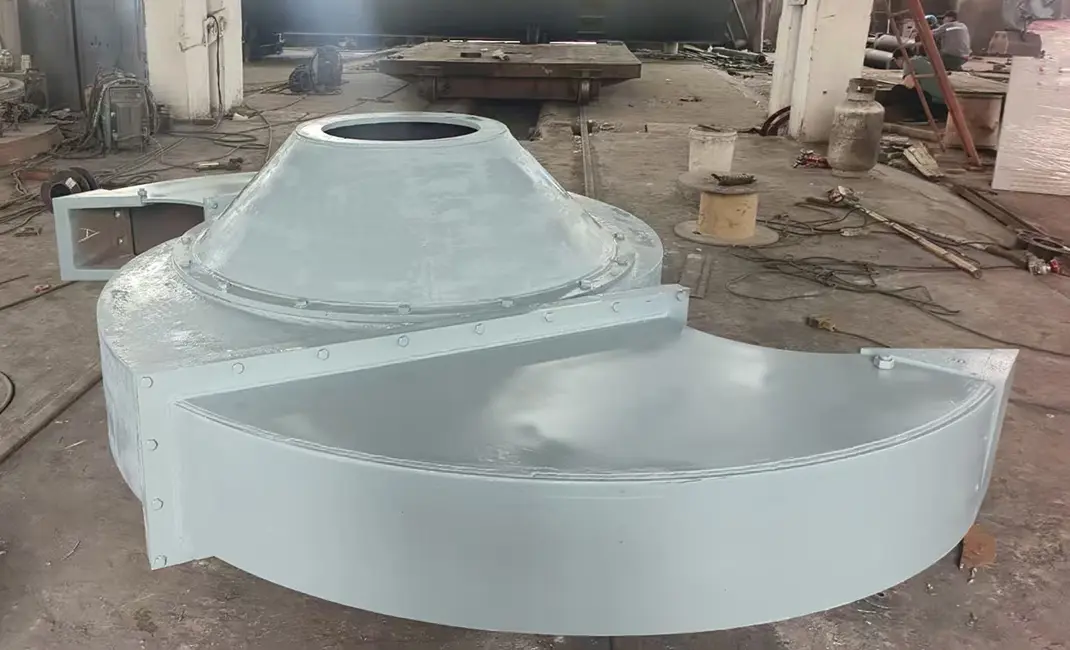
A gallery showcase of actual custom steel and iron casting components supplied to projects around the world.
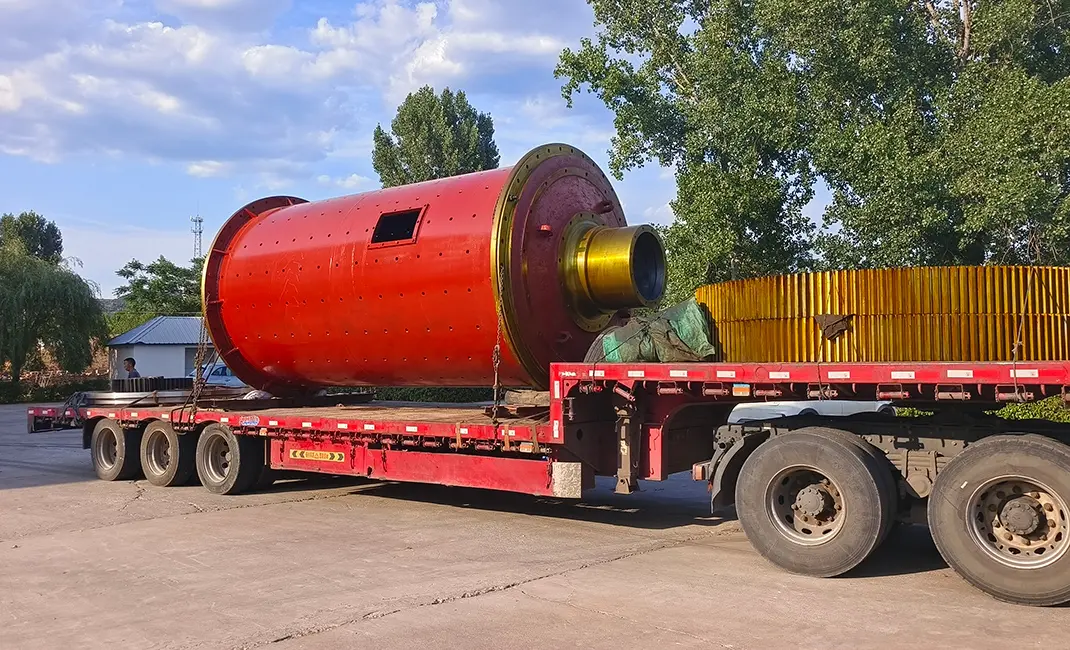

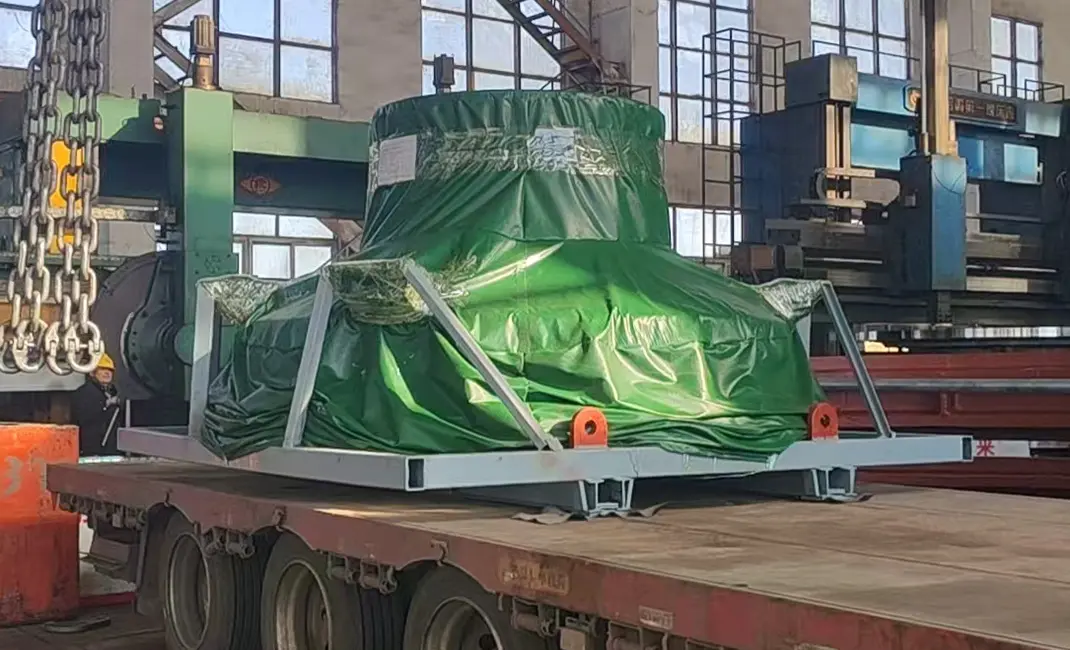
Analyzing industry shifts towards digital simulation, green processes, and clean steel metallurgy.
The modern casting landscape is undergoing a critical transition. Companies that want to remain competitive must adapt to strict international parameters for energy efficiency, emission tracking, and dimensional precision. We track three primary pillars driving current casting research:
Using finite element analysis (FEA) and mold solidification software allows our engineers to pinpoint regions vulnerable to hot tears or shrinkage stress prior to pattern construction. This saves valuable material and guarantees consistent internal structures, particularly in heavy housings.
Modern induction furnaces use advanced dust collection systems and scrap metal recycling lines to dramatically reduce our environmental impact. By recycling sand mixtures and thermal energy, we decrease structural carbon footprints while maintaining material properties.
Secondary metallurgical refining methods (like ladle furnace degassing and desulfurization) remove dissolved hydrogen, nitrogen, and oxygen from the steel melt. This step prevents micro-porosity and structural weak points in heavy industrial components.
Engineered casting components tailored to solve structural challenges across diverse heavy industrial segments.
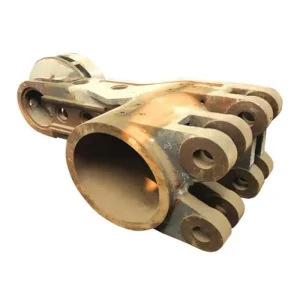
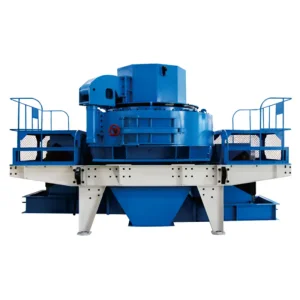
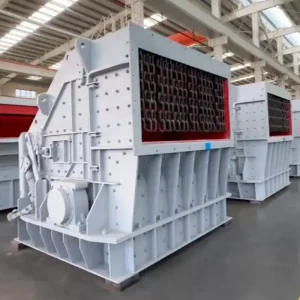
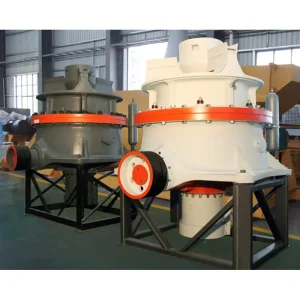
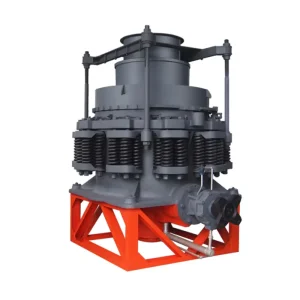
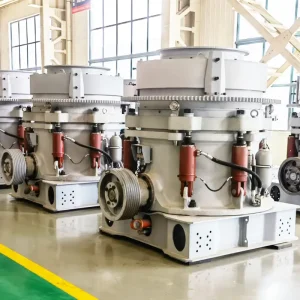
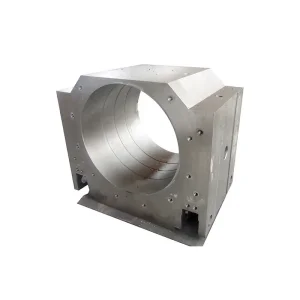
For stone quarries, mineral extraction sites, and cement production facilities, we supply durable cast components that withstand continuous impact and abrasive wear. Our product catalog includes structural casings for jaw, cone, and vertical impact crushers, crusher support sleeves, and durable bearing seats designed to keep heavy rotating shafts aligned under peak loads.
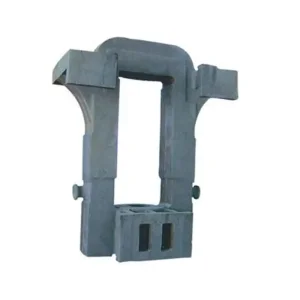
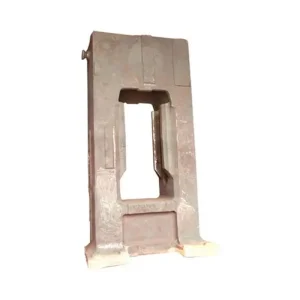
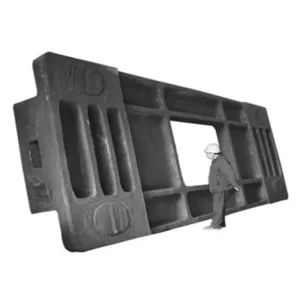
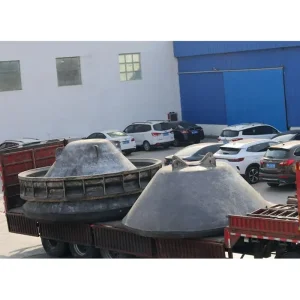
Within steelmaking and smelting plants, castings must endure intense thermal gradients and contact with molten slag. We produce robust custom components like mill housing arches, structural roll stands, high-volume slag ladles, and furnace bells. These pieces rely on carefully configured alloys to resist thermal fatigue, structural distortion, and cracking.
Large-scale hydraulic forming, press machines, and heavy mechanical systems require massive structural components to support immense clamping forces. We supply heavy custom components like cylinders, structural crossheads, and main bases. These castings are engineered to transfer huge hydraulic loads without micro-fracturing.
A structured, end-to-end framework ensuring technical compliance, quality gates, and seamless logistics.

We gather detailed technical parameters, operational environments, stress metrics, and targeted material grades directly from your engineering team.
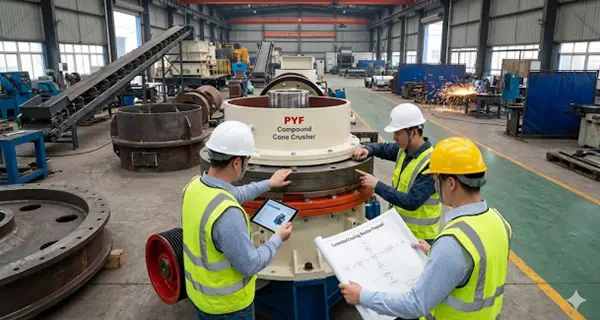
Our metallurgical and engineering departments draft a comprehensive proposal, specifying recommended materials, heat treatments, and mold designs.
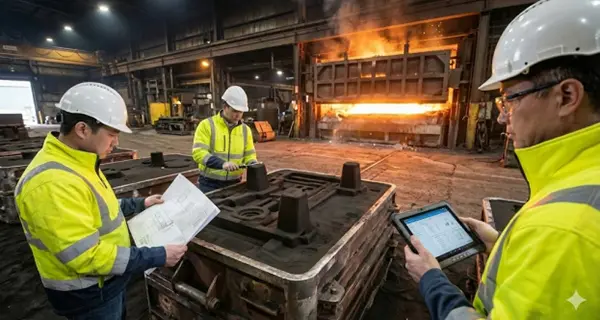
We finalize technical drawings, dimensional tolerances, machining criteria, and non-destructive testing requirements before kicking off production.
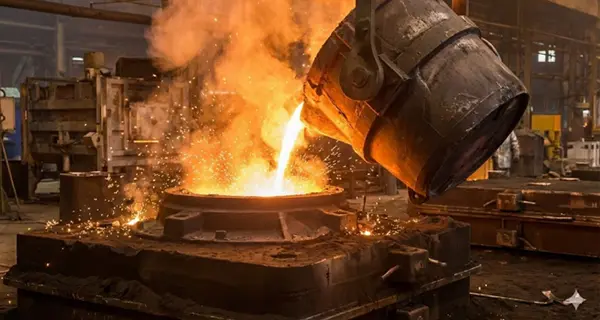
We manage every manufacturing stage in-house—from mold preparation and electric induction melting to casting pouring and computer-controlled heat treatment.

We perform comprehensive QA checks, including chemical analysis, mechanical property verification, NDT testing, and dimensional inspection reports.
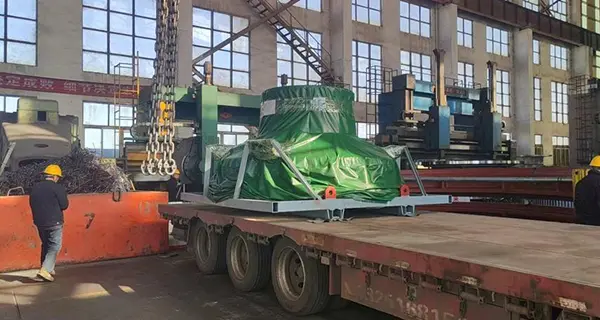
We apply heavy-duty export packaging and anti-rust coatings to prepare components for safe sea, rail, or air transit to international destinations.
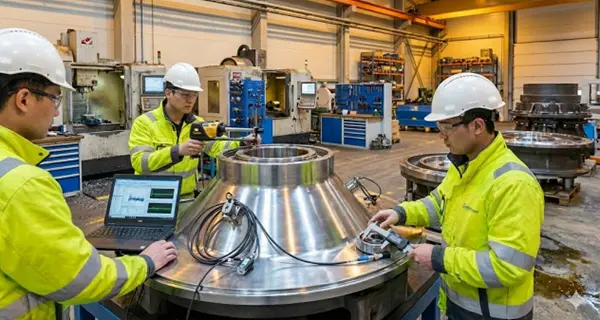
Our engineers offer clear technical guidance, alignment blueprints, and integration support to ensure smooth onsite assembly.
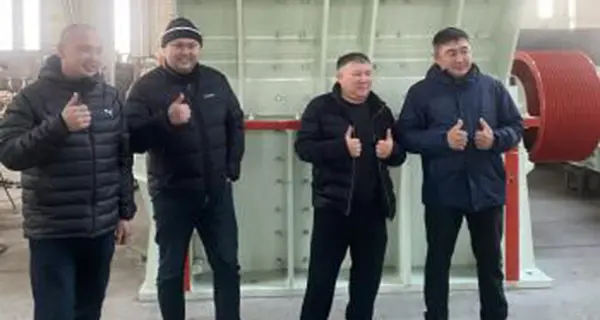
We hand over full documentation files—including maintenance guidelines, operating manuals, and quality certificates—to your operation team.
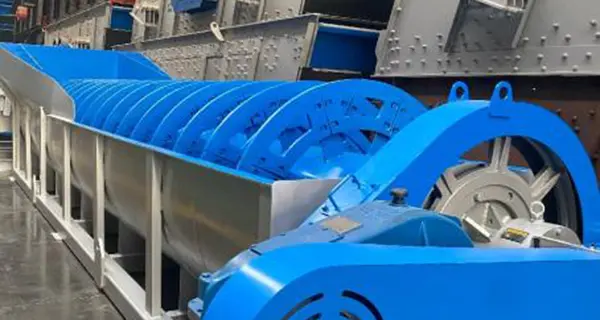
We maintain your product patterns and specifications on file, making it easy to order wear replacements and schedule maintenance.
Guidelines for engineering departments qualifying and auditing overseas heavy industrial casting foundries.
Procuring heavy castings internationally introduces several key supply risks, including dimensional variance, casting defects discovered late during machining, and delayed shipping timelines. To protect project schedules, international procurement teams should incorporate several key safeguards into their quality plans:
Direct answers from our metallurgical and engineering departments regarding compliance, logistics, and capabilities.
Custom structural components built for heavy industrial environments, supporting processing plants worldwide.
 Hanhai