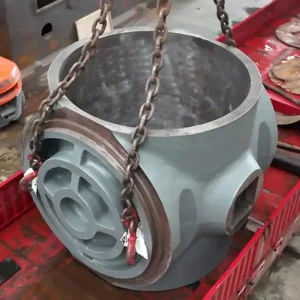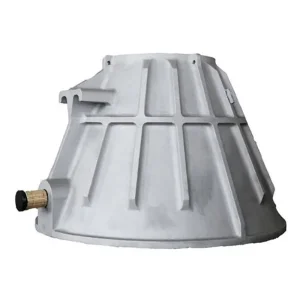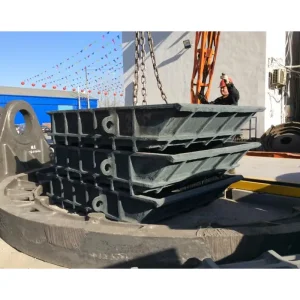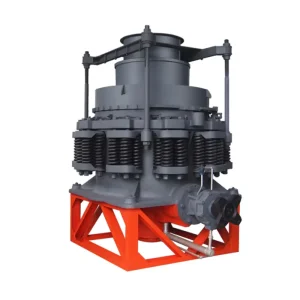
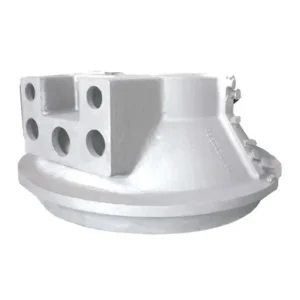
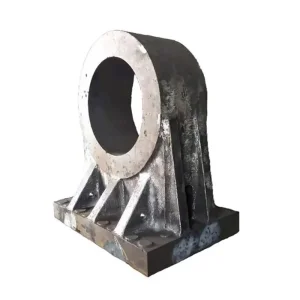
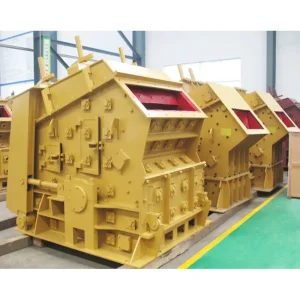
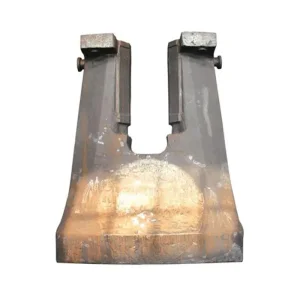
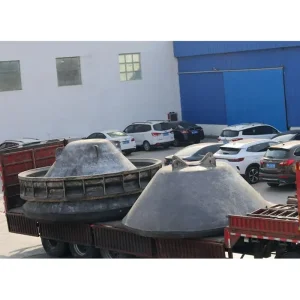
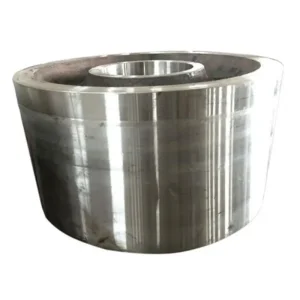
In the globalized landscape of heavy machinery, metallurgy, and mining systems, the term "CE Certification Electronics Components Suppliers & Factories" refers to a complex matrix of regulatory compliance, structural engineering, and systems integration. Heavy casting and forging components—such as hydraulic valve housings, turbine cylinders, and power distribution enclosures—are not isolated mechanical parts. They represent the foundational interfaces that protect, ground, and enable electronic automation control networks, sensor layouts, and power electronics in heavy-duty machinery.
CE Certification serves as a mandatory passport to the European Economic Area (EEA), verifying that equipment complies with stringent health, safety, and environmental protection standards. For modern smart mining and metallurgical plants, safety compliance is not just about electrical wiring; it encompasses the structural resilience of casting enclosures under immense physical stresses, high temperatures, and electromagnetic fields. Henan Hanhai Metallurgy Mining International Trade Co., LTD bridges the gap between massive steel castings and regulatory compliance, ensuring that every product is ready for seamless integration into CE-certified industrial ecosystems.
When heavy industrial components are equipped with sensor networks, hydraulic controls, or heating elements, they fall under multiple European Union directives:
Annual Production Capacity
Industrial Casting Expertise
Global Standards Certification
Exporting Countries & Regions
Henan Hanhai Metallurgy Mining International Trade Co., LTD is a premier casting and forging manufacturing force based in China. As a leading manufacturer of cast steel and cast iron parts, our core operational expertise lies in delivering durable components built for the most punishing environments on Earth—mining mills, high-temperature metallurgy smelting, power generation stations, and heavy-duty forging presses.
Through decades of engineering and testing, Hanhai has integrated end-to-end services including CAD/CAE design, mold building, chemical analysis, sand casting, precision machining, and non-destructive testing (NDT). This control over the manufacturing lifecycle ensures we meet strict CE requirements, verifying material grade uniformity, structural integrity, and dimensional accuracy.
"Our Mission is to empower heavy industry with high-precision casting and sustainable manufacturing excellence."
"Our Vision is to be a trusted global foundry brand delivering high-quality steel and iron castings that drive the next generation of safe industrial systems."
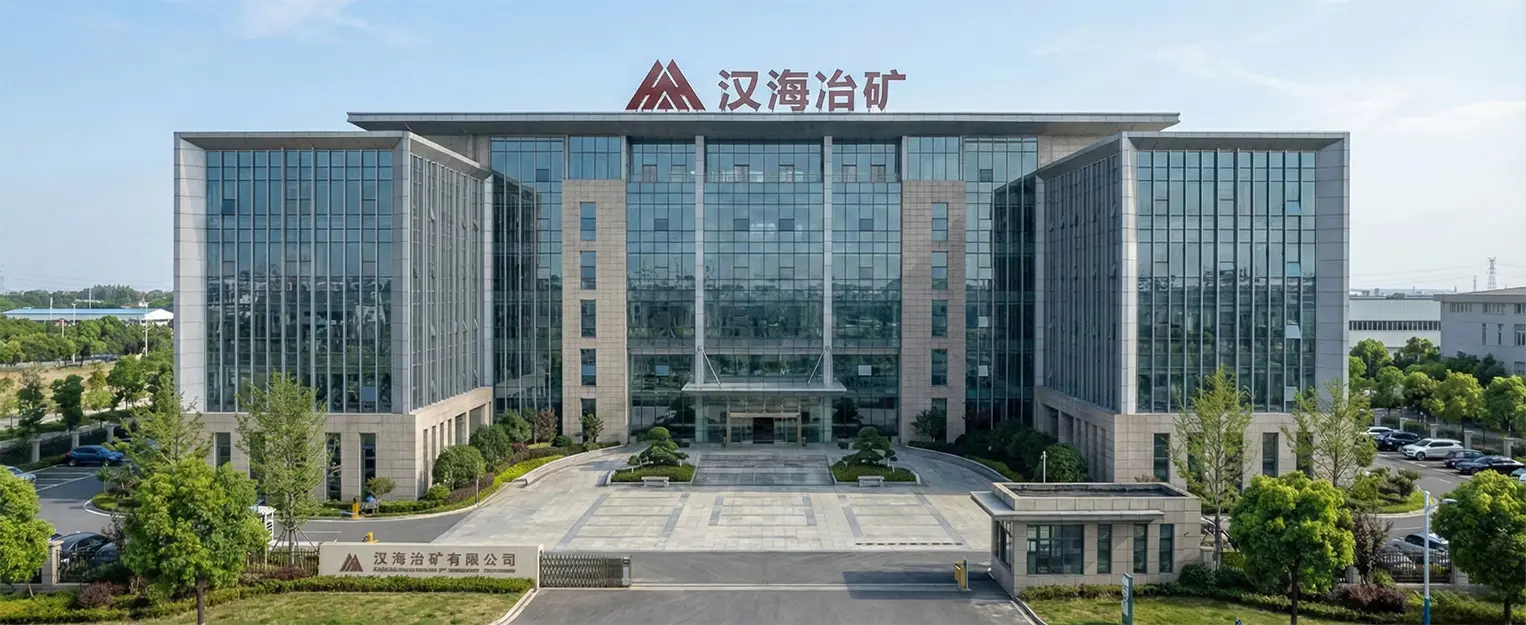
Our journey is marked by constant adaptation and technological innovation:
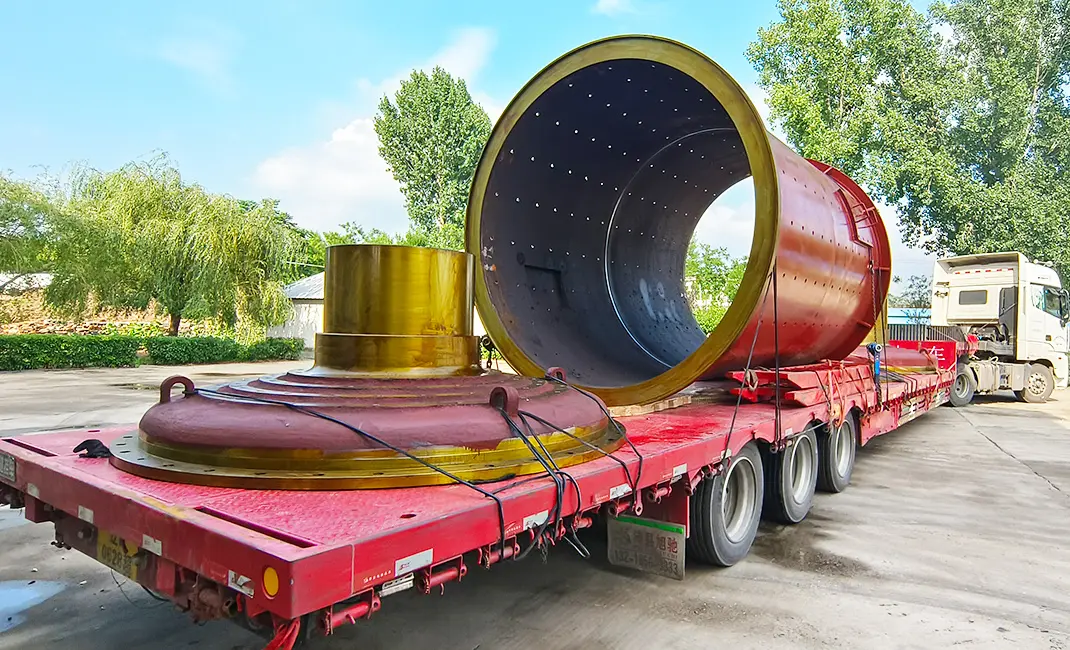
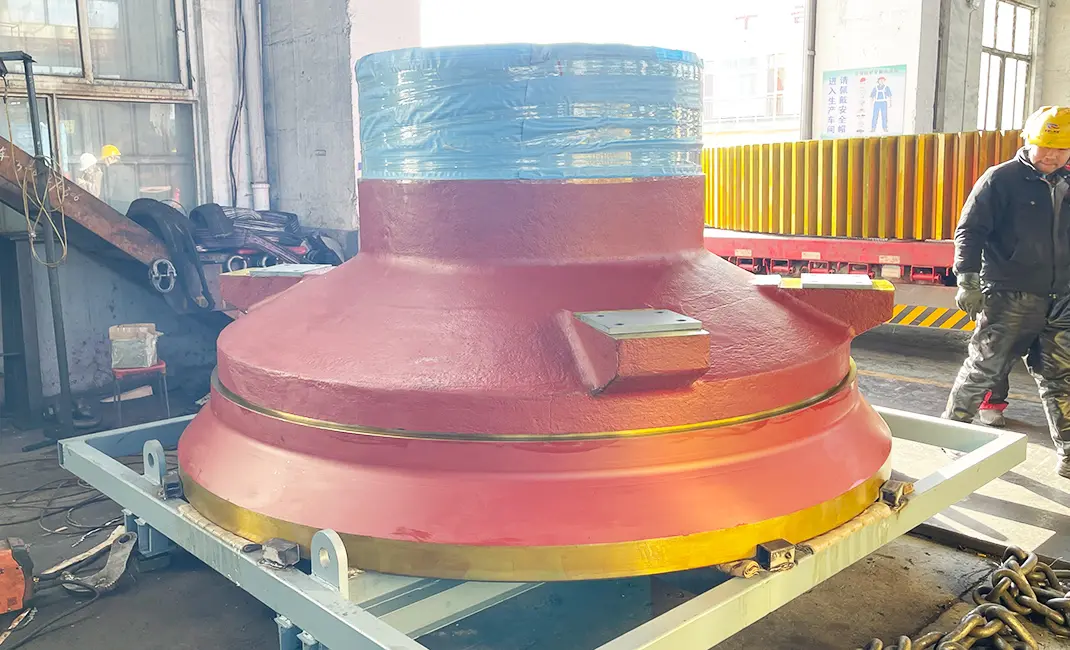
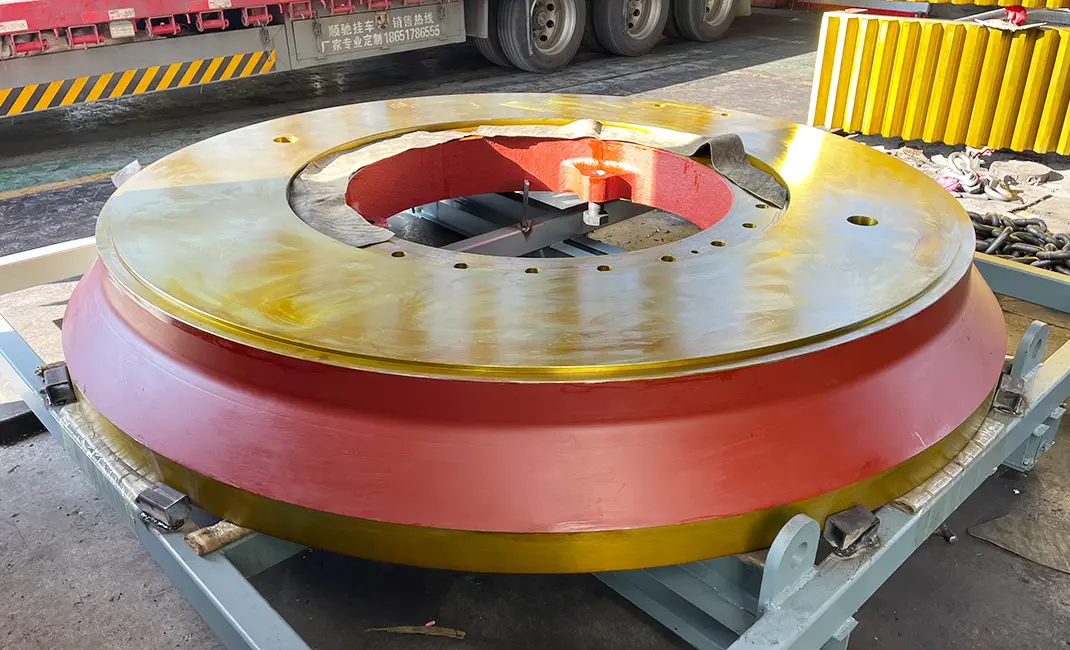
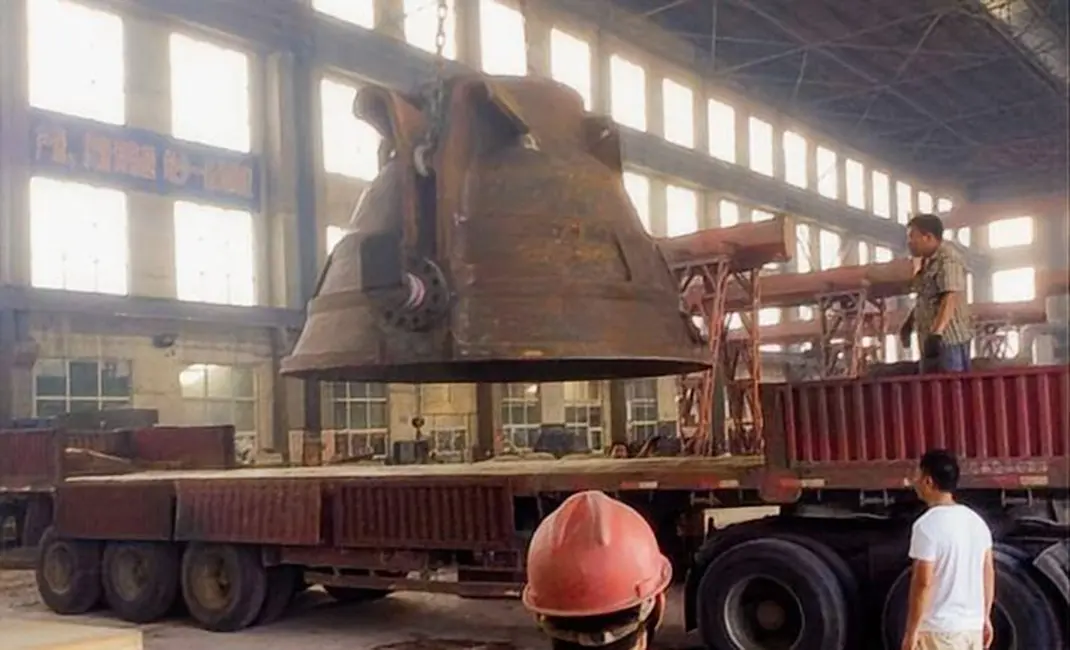
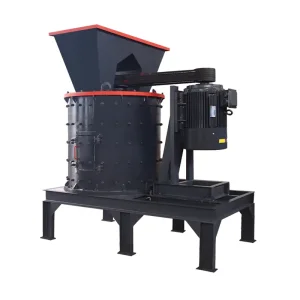
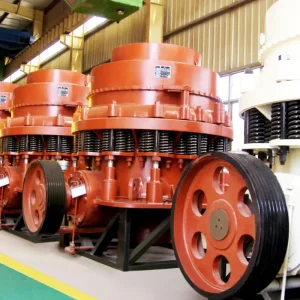
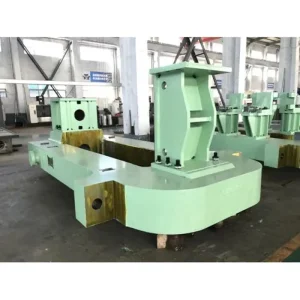
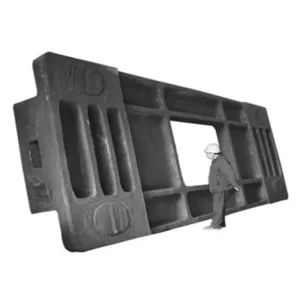
Through decades of compliance and high-performance delivery, we have partnered with leading EPC contractors and heavy machinery brands. Below is a snapshot of our casting project cases:
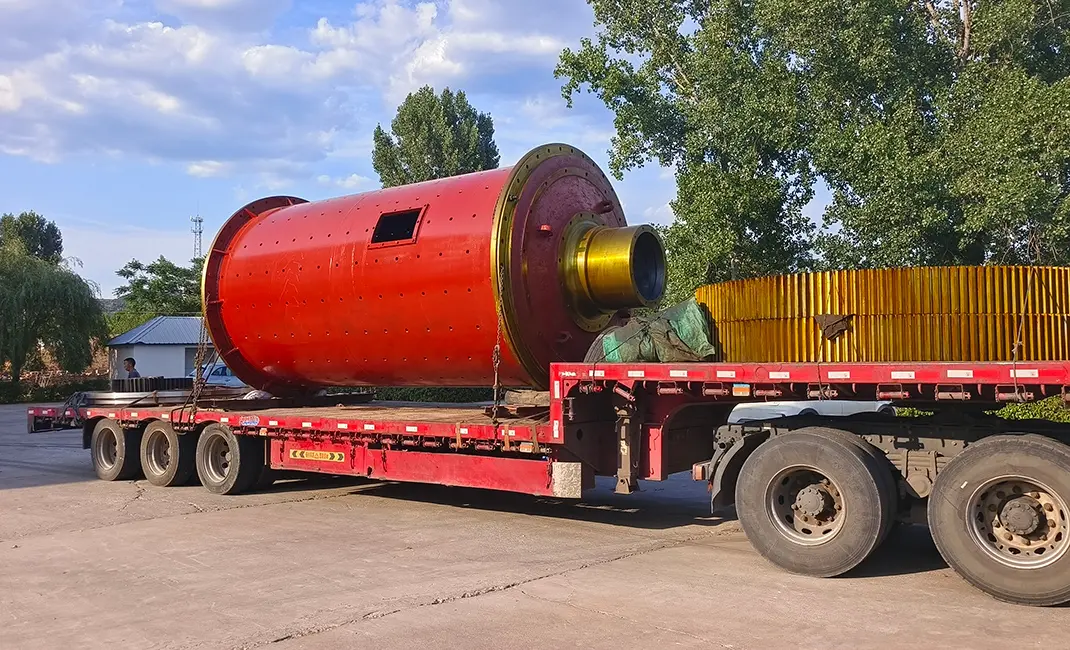
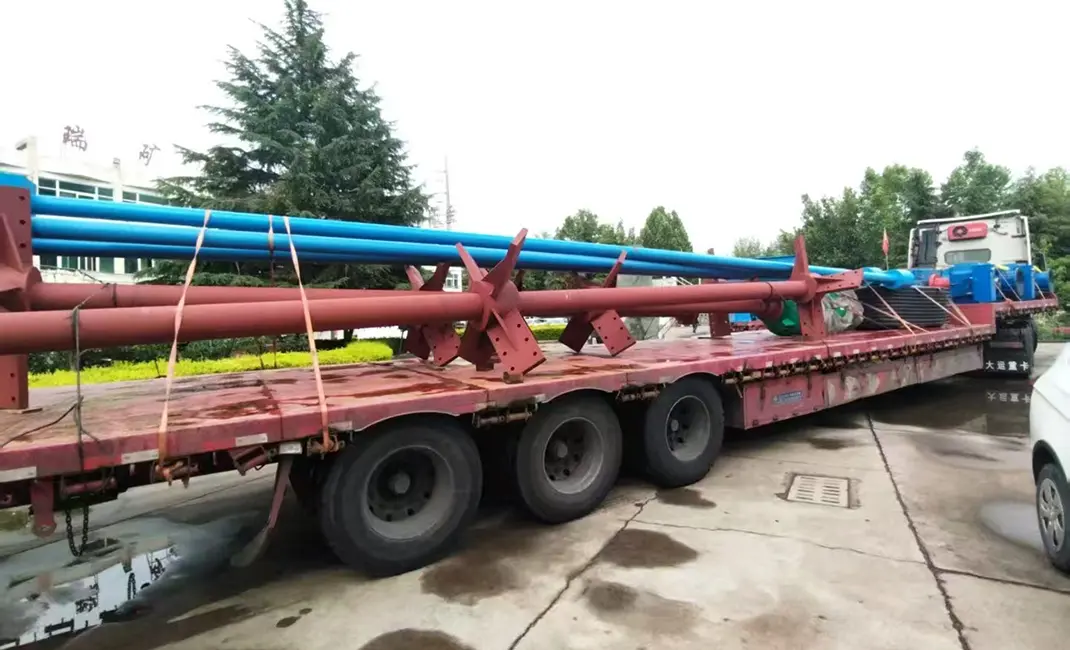
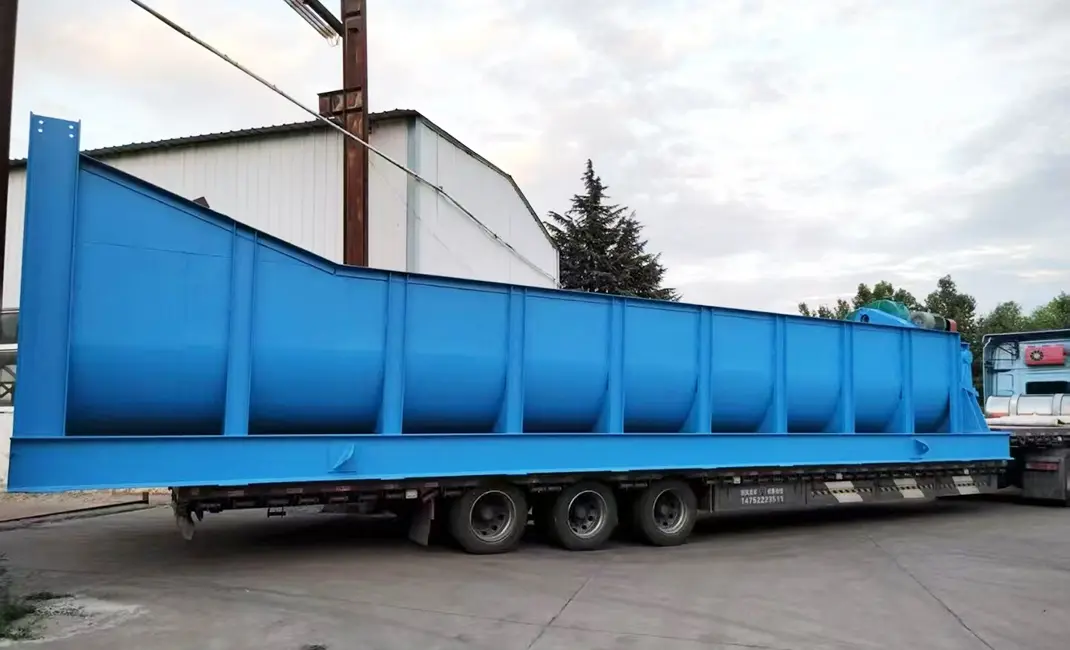
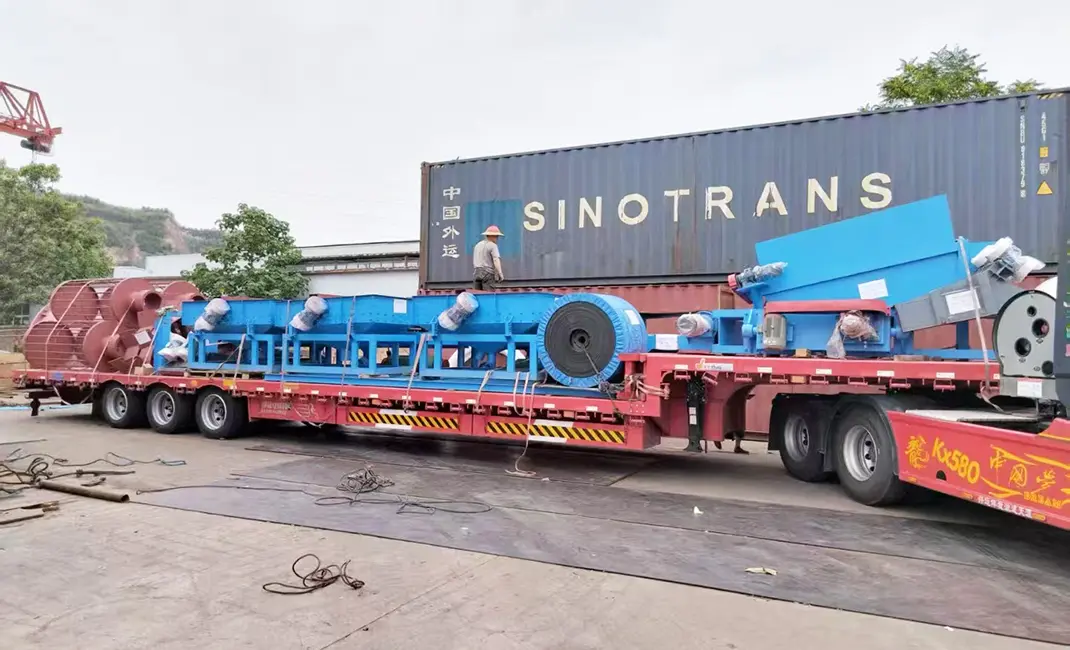

Global procurement teams targeting CE Certification Electronics Components Suppliers & Factories recognize the systemic supply chain benefits offered by integrated Chinese manufacturers like Henan Hanhai. Sourcing heavy structural castings and mechanical components from China goes beyond cost-efficiency; it involves leveraging an unmatched industrial cluster ecosystem, raw material access, and advanced technology integration.
Modern Chinese foundries are no longer labor-intensive operations. Hanhai utilizes state-of-the-art electric arc furnaces, automated molding lines, sand reclamation systems, and digital heat treatment furnaces. These systems ensure high precision and uniform mechanical properties across massive castings, reducing internal stress and preventing structural fatigue in heavy press frames, sprockets, and turbine cylinders.
By integrating product design, casting simulation software (such as MagmaSoft), machining, and testing under one roof, Hanhai minimizes supply chain lag. Our 80,000-ton capacity ensures that large volume orders of heavy-duty parts, such as slag ladles and support rollers, are processed with consistent mechanical control. This integration prevents the fragmentation and quality variation risks common in multi-stage sourcing strategies.
Access to key raw materials—including low-sulfur pig iron, alloying elements, and chemical binders—enables us to tailor castings to specific operating conditions. Whether cast steel demands high impact toughness at low temperatures or high heat resistance in furnace environments, Hanhai ensures complete heat-number traceability back to raw material certificates, meeting CE quality assurance guidelines.
Heavy castings require rigorous technical validation. Our end-to-end engineering and quality assurance process mitigates risks and guarantees full CE compliance.

Detailed collection of specifications, load calculations, blueprints, and regulatory requirements (CE, DIN, ASTM).
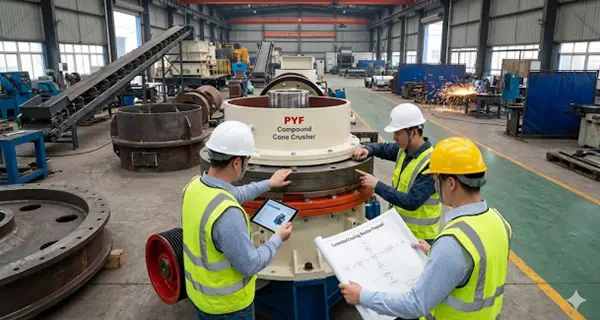
CAD modeling and solidifications analysis using MagmaSoft to eliminate potential defects before pouring.
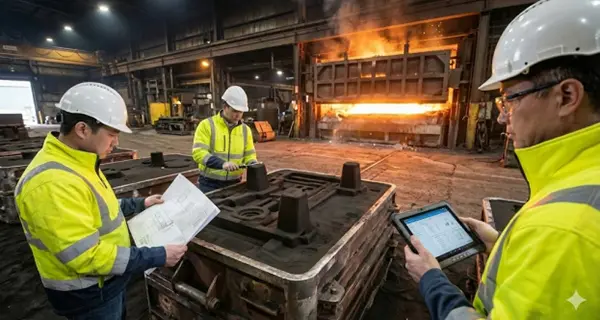
Material optimization and commercial alignment on mechanical performance parameters.
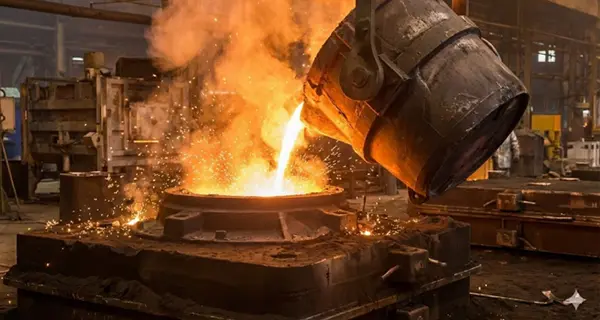
Controlled electric arc melting, steel pouring, and slow cooling to optimize internal microstructure.

NDT analysis (Ultrasonic, Magnetic Particle, Dye Penetrant) to verify structural integrity.
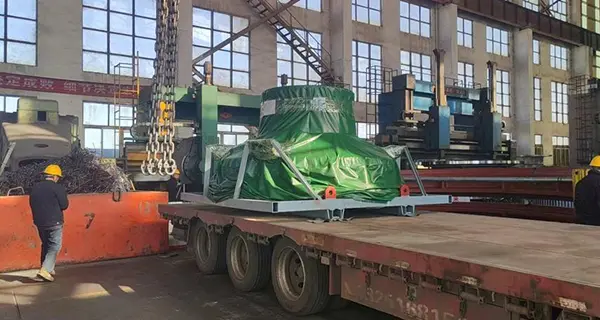
CNC precision finishing, anti-corrosion coating, and sea-worthy export packing.
Procuring heavy castings and mechanical structures for industrial systems demands a proactive approach to quality assurance. Global engineers prioritize several key criteria when audit-matching factories:
B2B buyers routinely operate across different regional material designation frameworks. A successful casting partner must be capable of translating and manufacturing equivalent grades between systems. For instance, mapping EN standards (e.g., G20Mn5) to ASTM counterparts (e.g., A216 WCB) is essential to meet structural strength profiles and weldability criteria on international job sites.
Internal shrinkage, gas porosity, and micro-fissures can lead to catastrophic structural failure in crushing or press components. Hanhai integrates standard NDT processes, including:
Shipping components weighing tens of tons requires specialized coordination. From heavy-duty protective crating to multi-modal logistics handling, our compliance team ensures smooth customs clearance under European and American trade standards. Furthermore, our support networks offer engineering oversight during component installation and commissioning phases globally.
The demand for large cast components is evolving rapidly alongside major global industrial trends. In modern project design, mechanical structures must accommodate automation interfaces, sensor arrays, and remote diagnosis capabilities.
Large cone crushers and impact crushers rely on electronic diagnostic systems, load sensors, and hydraulic regulators. The castings hosting these modules must provide stable foundations, isolating automated monitoring sensors from structural vibrations and extreme impact shock. Hanhai design teams work closely with system integrators to cast precise mounting brackets and cable routing conduits directly into heavy frames.
In metallurgy smelting plants, slag ladles, sump castings, and valve bodies are subjected to extreme temperatures. Operating safety in these environments relies on casting structural integrity. The use of specialized heat-resistant alloys prevents degradation, protecting downstream automation components from potential overheating or metal splash events.
Modern power generation, including gas and steam turbines, demands complex, pressure-retaining turbine cylinders. These components require specialized metallurgical properties to withstand thermal cycling and high operating pressures, helping power generation operations maximize fuel efficiency and reduce carbon emissions.
 Hanhai