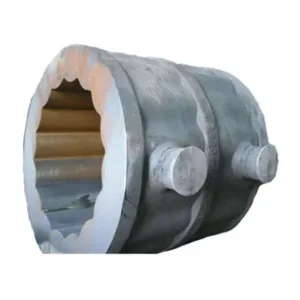
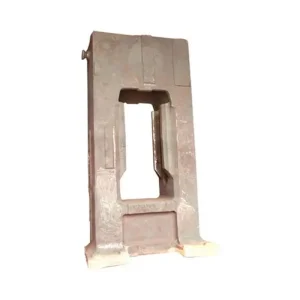
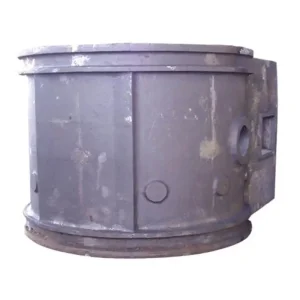
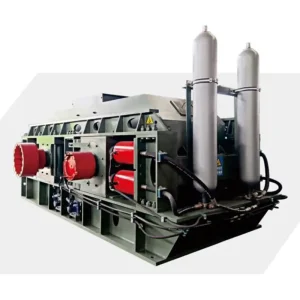
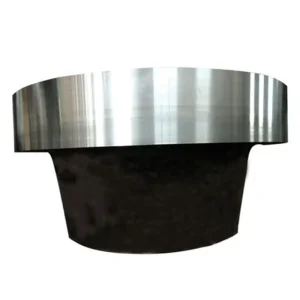
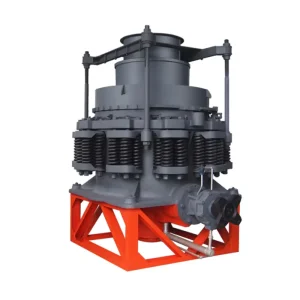
Engineered high-performance steel and cast iron parts, customized to strict technical specifications.
Understanding the engineering benefits of Spheroidal Graphite (SG) Cast Iron compared to traditional alloys
Ductile iron, also referred to as nodular or spheroidal graphite (SG) iron, is a unique class of cast iron characterized by high strength, toughness, and ductility. Unlike traditional gray cast iron, where graphite exists in a network of sharp flakes that act as stress concentration points, ductile iron contains spherical graphite nodules. These nodules are formed by adding nodularizers, typically magnesium and cerium, to the molten metal prior to casting. This prevents the initiation and propagation of cracks, giving the material mechanical properties similar to carbon steel while retaining the excellent castability and cost efficiency of cast iron.
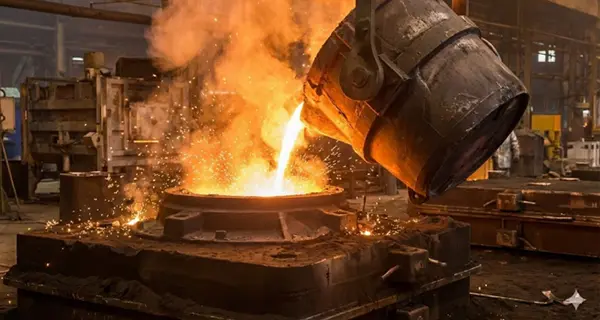
As a leading heavy industry OEM foundry, Henan Hanhai Metallurgy Mining International Trade Co., LTD leverages advanced melting procedures and automated molding lines to optimize this nodularization process. Our engineering controls ensure a nodularity index of over 85%, providing components that can withstand extreme mechanical pressures and dynamic loads in applications such as crushing, milling, and heavy transportation systems.
More than two decades of metallurgical research, domestic manufacturing, and international trade operations
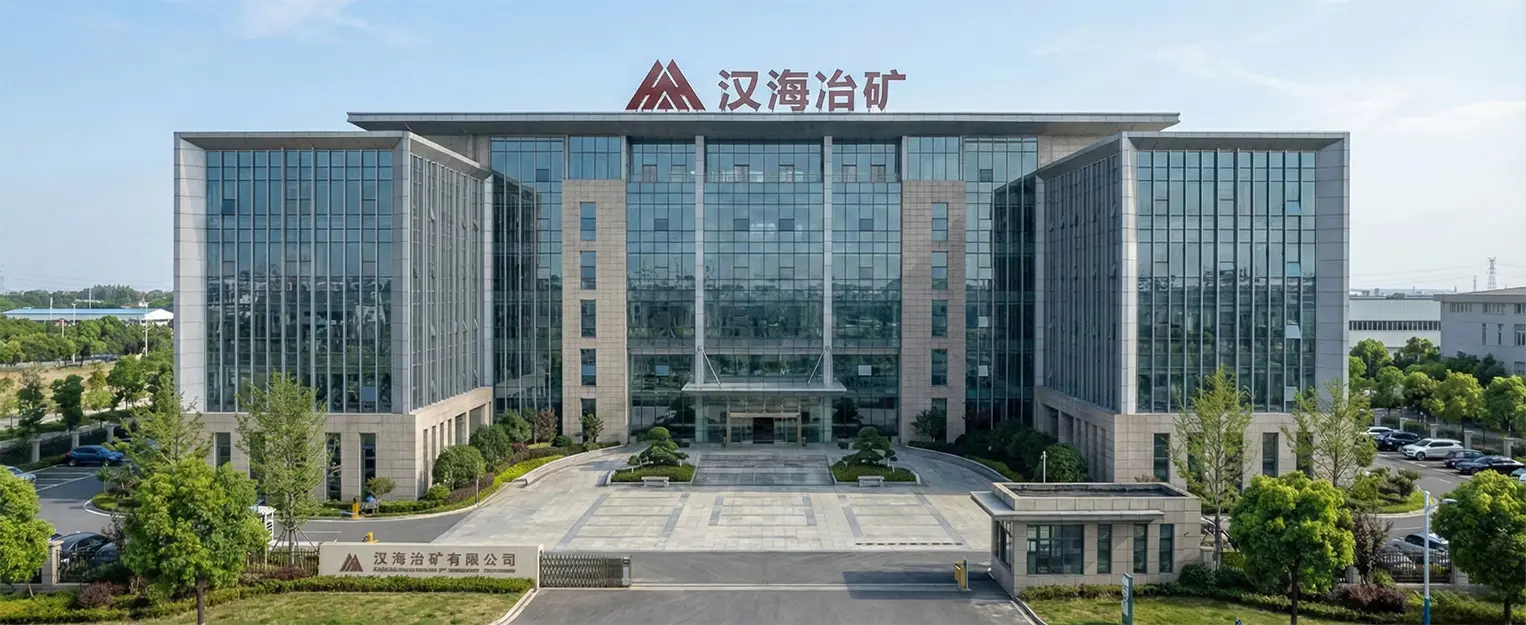
Henan Hanhai Metallurgy Mining International Trade Co., LTD is a premier foundry manufacturer in China, specializing in the precision engineering and casting of large cast steel and cast iron components. Equipped with state-of-the-art smelting equipment, electric induction furnaces, and computer-controlled heat treatment bays, we service clients operating within the mining, metallurgy, power generation, and heavy infrastructure sectors worldwide.
Our manufacturing capacity is driven by a customer-centric focus. By integrating metallurgical design, prototype simulation, foundry casting, and final CNC machining, we deliver robust solutions that reduce maintenance cycles and total cost of ownership.
To empower global heavy industries with high-precision castings and sustainable manufacturing excellence.
To lead the industry as a trusted international foundry brand, supplying highly specialized structural castings.
Tracing the technical expansion of Hanhai Casting from foundation to digitalization
Hanhai Casting was established with a strict focus on heavy steel and iron castings, laying down a solid technical foundation, testing laboratories, and initial production infrastructure to supply regional mining facilities.
Introduced modern electric melting and molding lines, upgraded metallographic analysis instruments, expanded floor capacity, and secured key contracts in national metallurgical projects.
Achieved ISO9001 and CE certifications, updated non-destructive testing (NDT) systems, and initiated international operations, supplying high-performance castings to clients in Asia, Europe, and the Middle East.
Integrated intelligent foundry management systems (MES), implemented computer-modeled casting simulations, and focused on reducing carbon emissions to align with modern international supply chains.
How leading industrial enterprises evaluate and manage their sourcing risk in casting acquisitions
Industrial procurers are looking past simple FOB unit pricing. True value is realized in components that require minimal machining allowance, display fewer internal micro-voids, and offer prolonged operational life in challenging environments. Eliminating casting defects prior to delivery reduces the risks of downstream machining tool breakage and unscheduled assembly downtime.
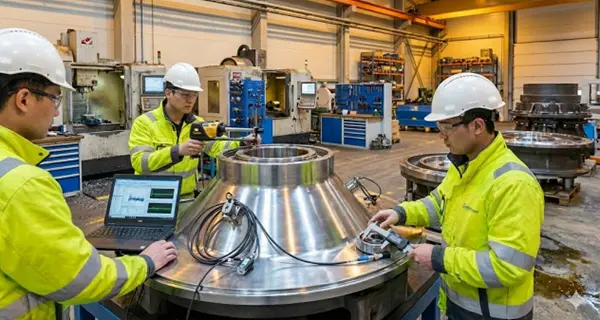
With CNC integration dominating finishing lines, cast parts must show consistent dimensional repeatability. Our foundry applies 3D optical scanners and coordinate measuring machines (CMM) to match geometries within tight ranges, ensuring raw castings seat cleanly into the machining jigs.
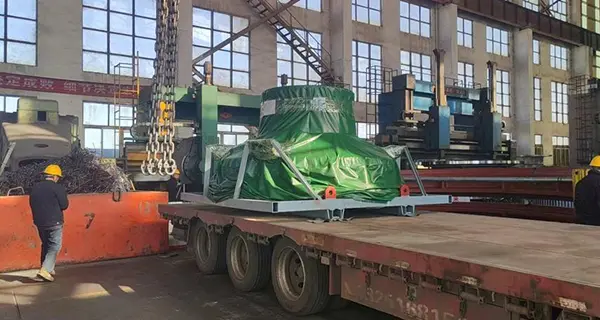
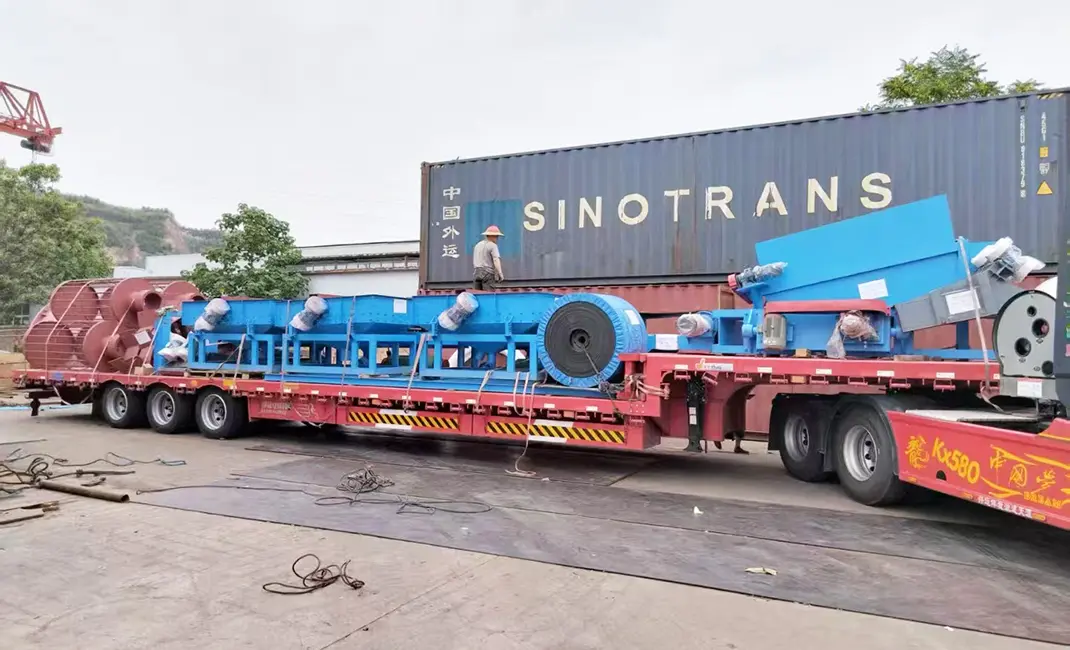
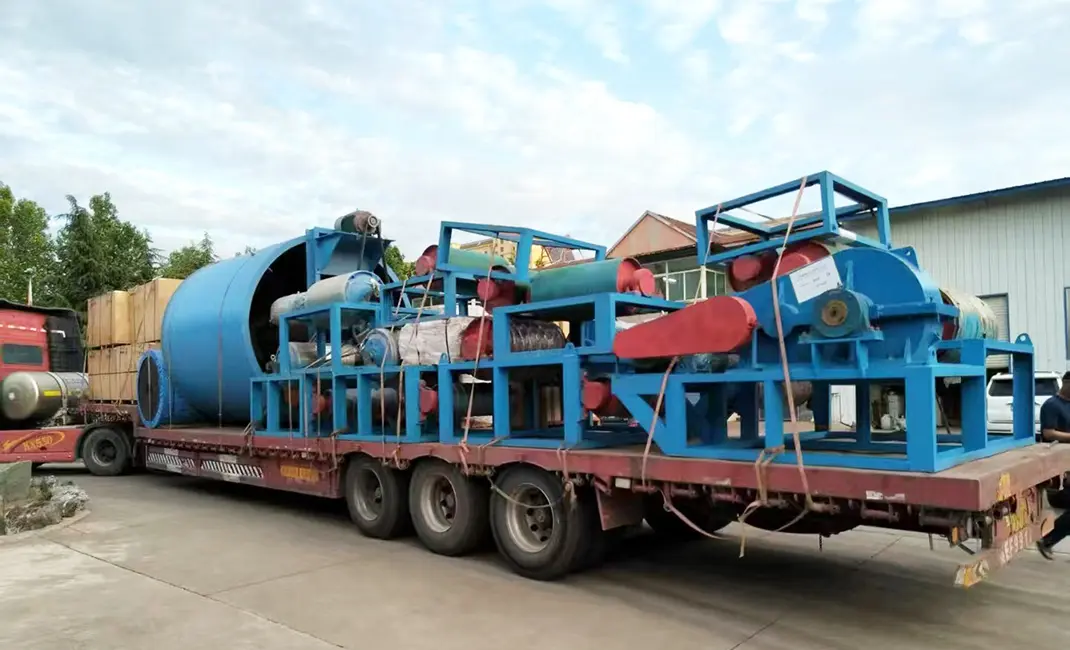
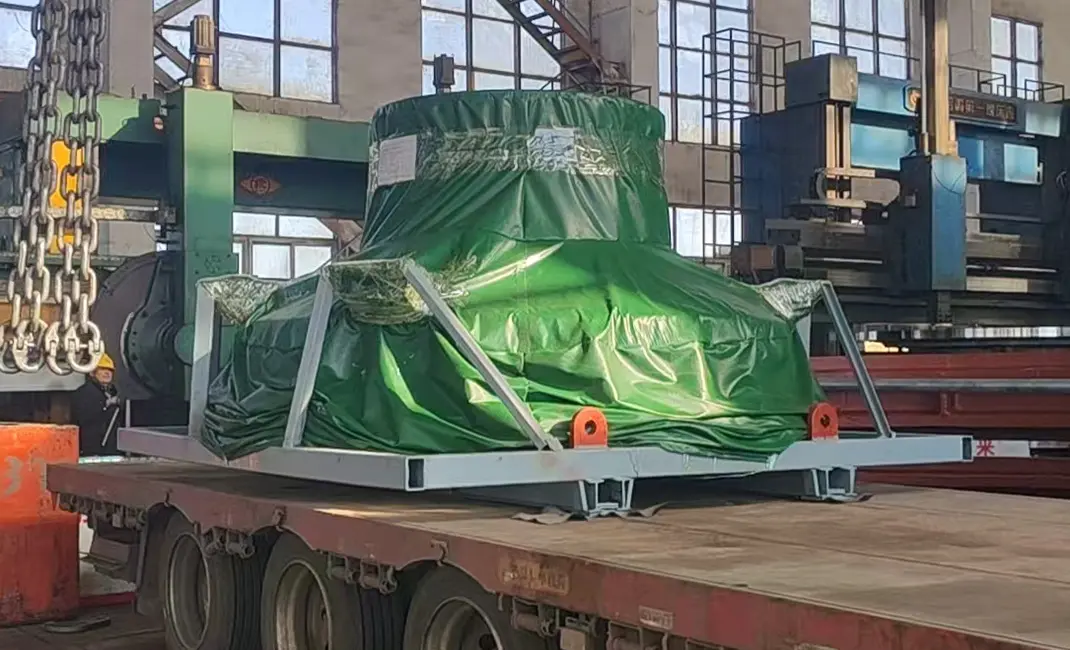
Securing supply channels requires active communication and robust delivery operations. Hanhai Casting's international trade office manages end-to-end logistics, utilizing protective custom crating and moisture protection barriers to guarantee safe sea transport and clearance through major global ports.
Tailored mechanical designs engineered to meet structural, fluid, thermal, and abrasive operational demands
How Hanhai Casting aligns with international technical codes and project standards
Operating as an international manufacturing supplier requires compliance with various standard systems. Hanhai Casting regularly pours materials that meet ASTM (USA), EN (Europe), DIN (Germany), JIS (Japan), and GB (China) standards. Whether your project specifies ASTM A536 Grade 65-45-12 or EN-GJS-500-7, our foundry ensures raw materials and heat treatments are managed to yield the required mechanical values.
All production runs are backed by physical testing reports, including chemical analysis (via spectrometer), mechanical tensile tests, Charpy V-notch impact tests, and microscopic analysis of nodularization rates. On-site engineers supervise standard inspection protocols, and third-party inspectors like SGS, BV, and Lloyd's Register are welcome to check components at our shop before delivery.
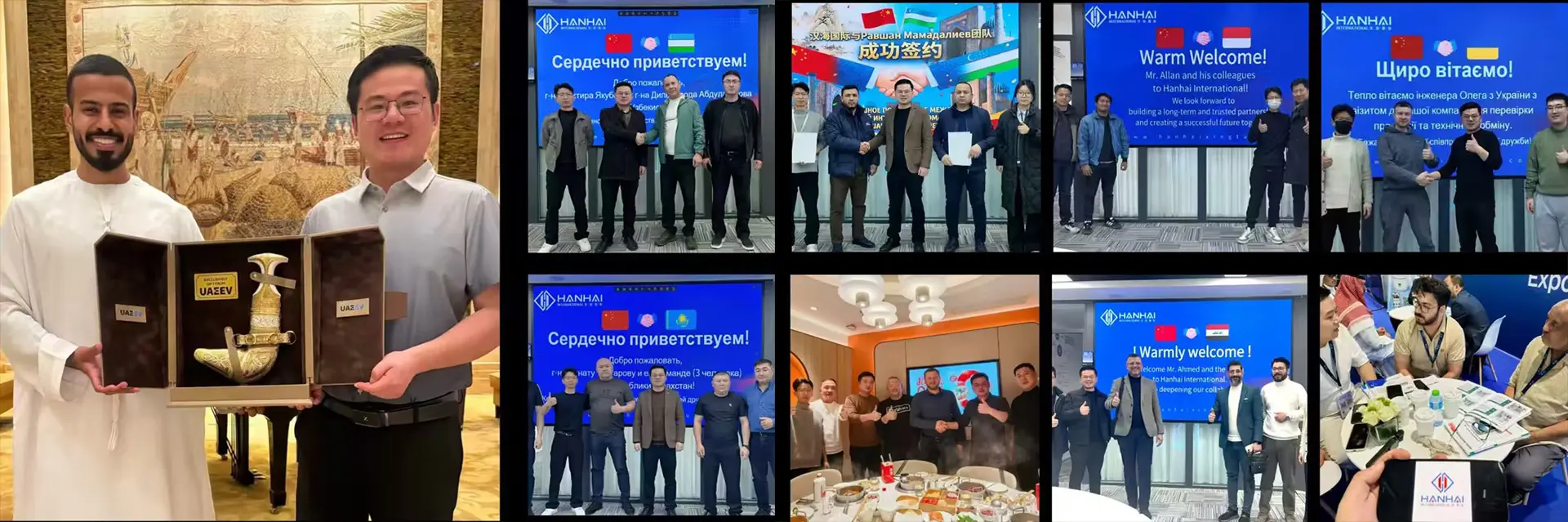
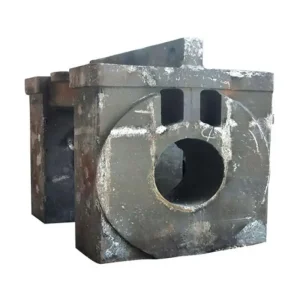
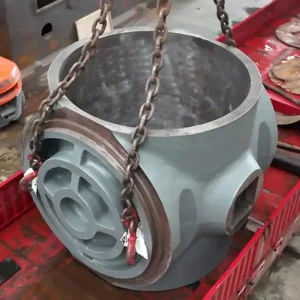
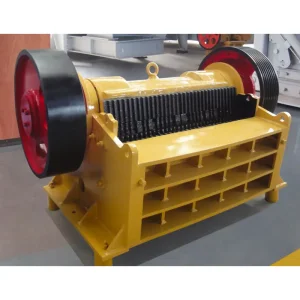
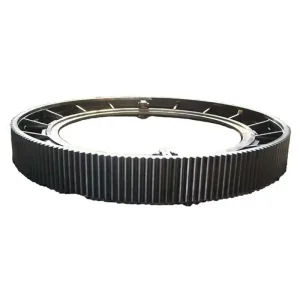
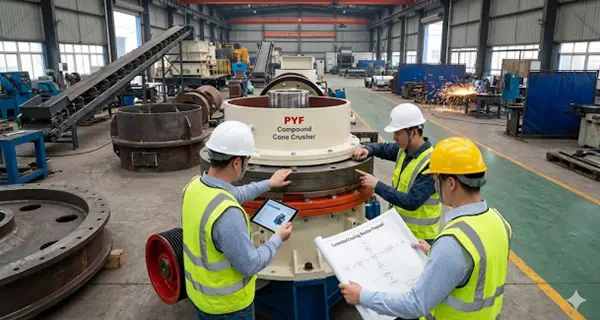
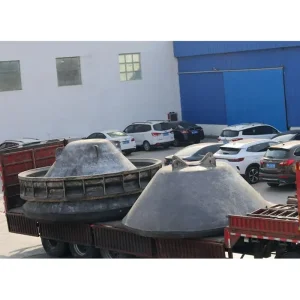
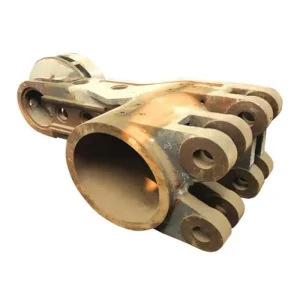
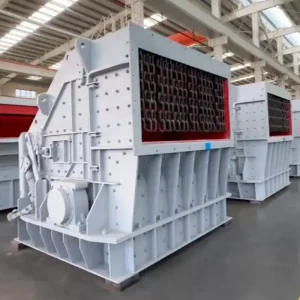
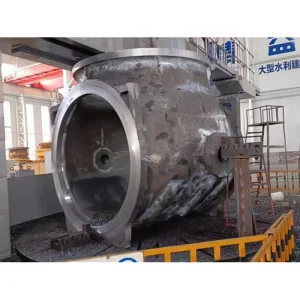
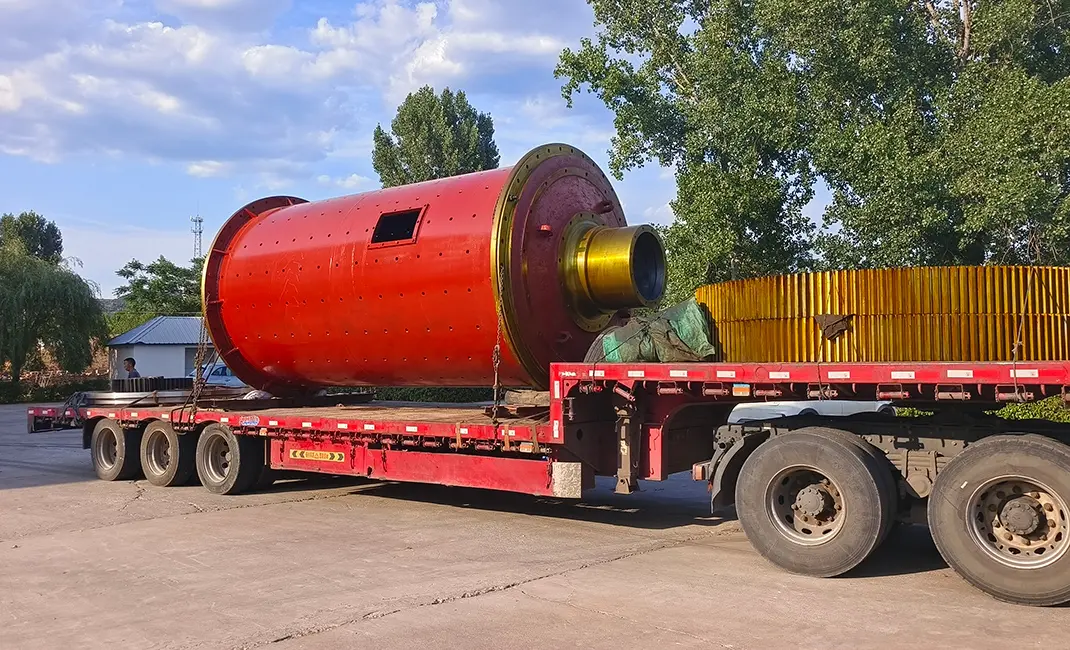
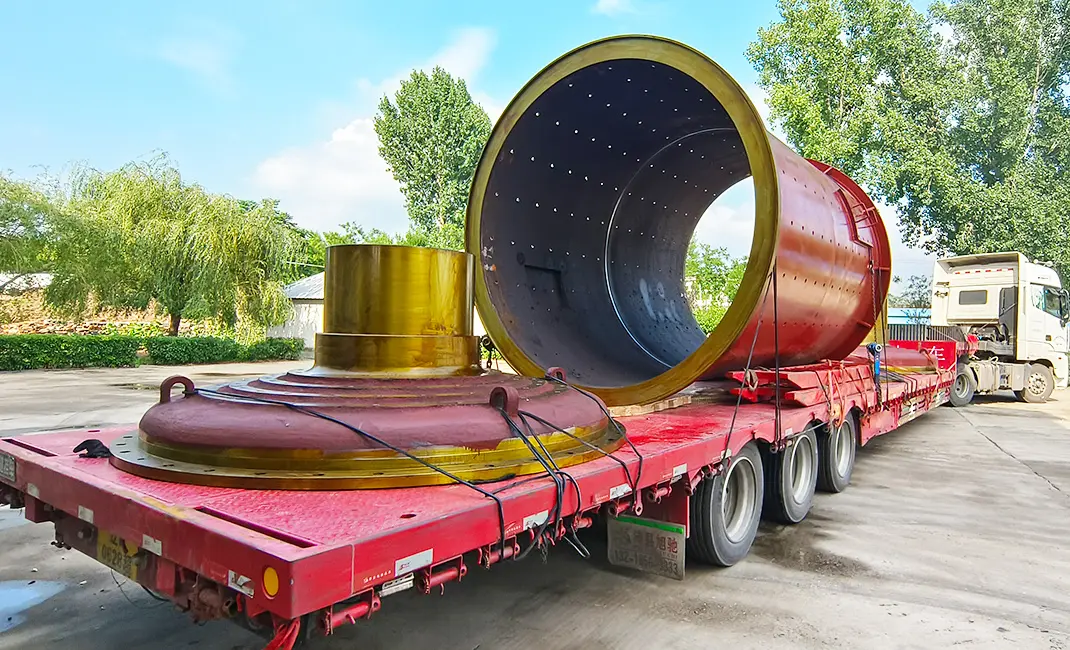
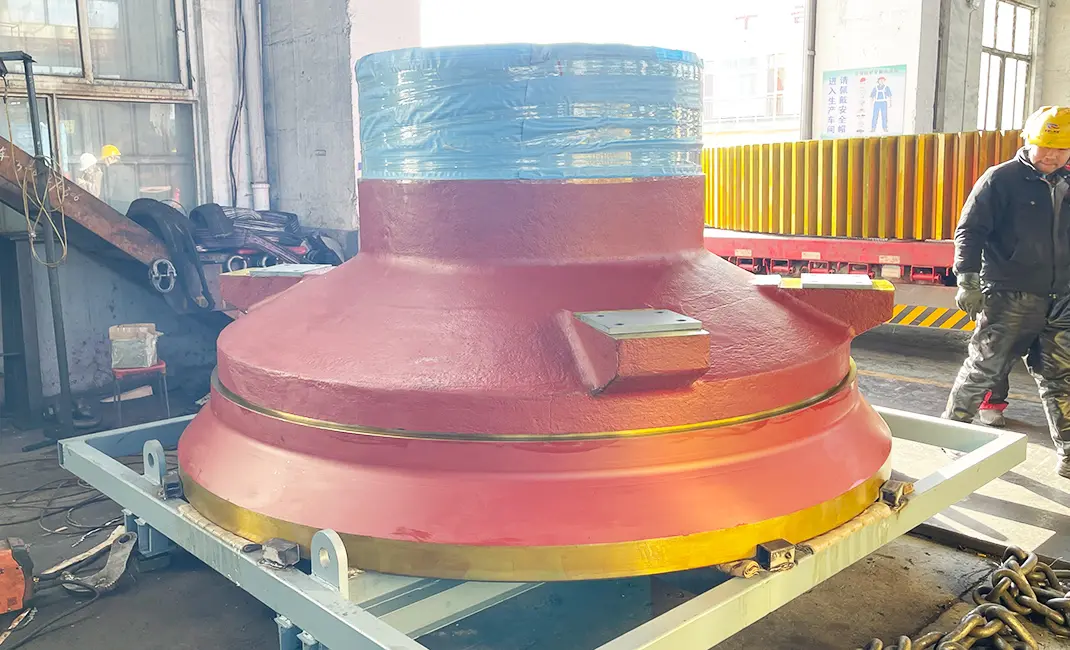
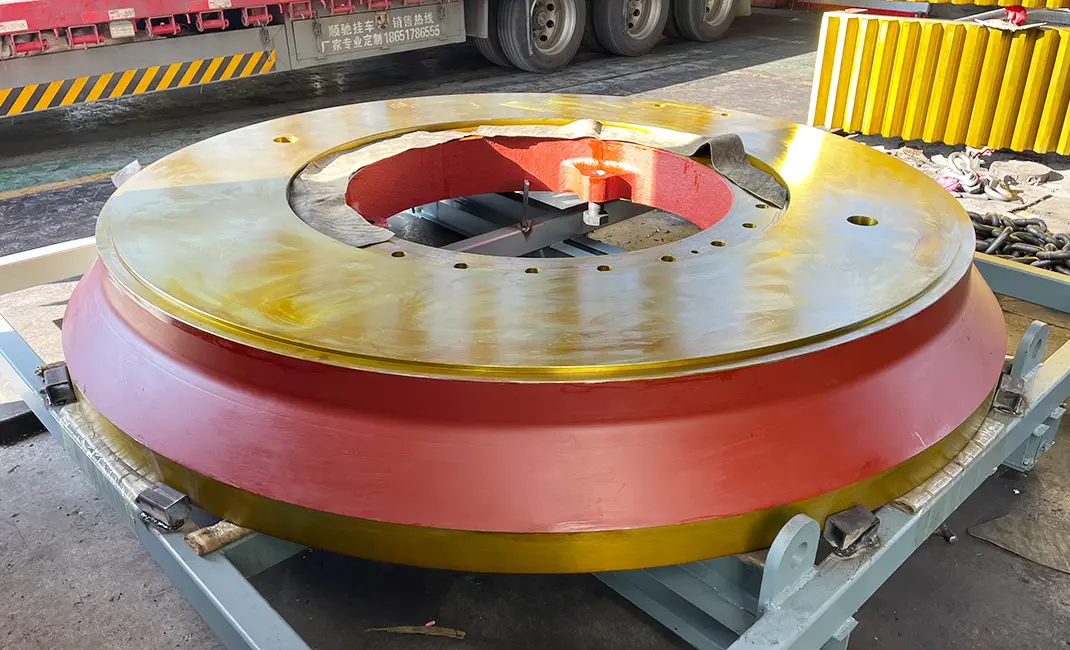
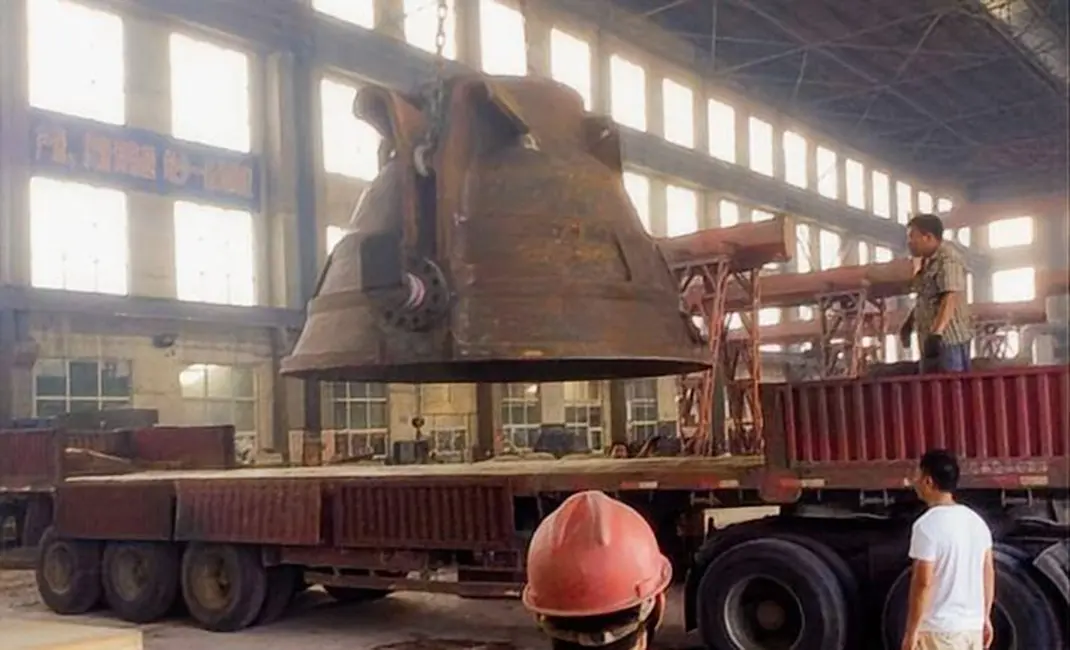
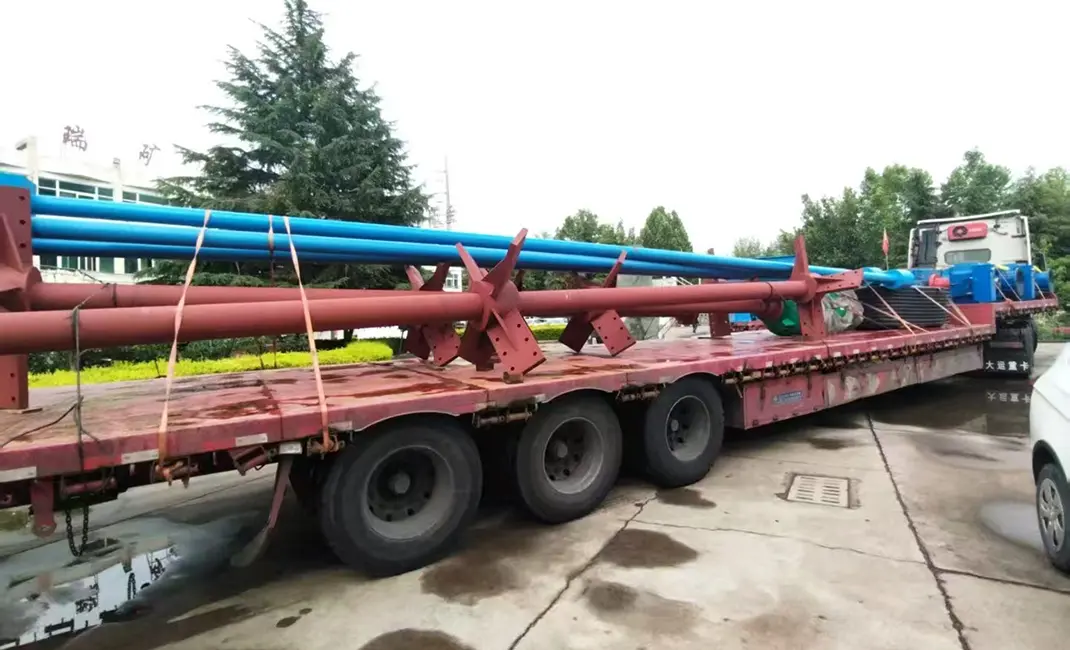
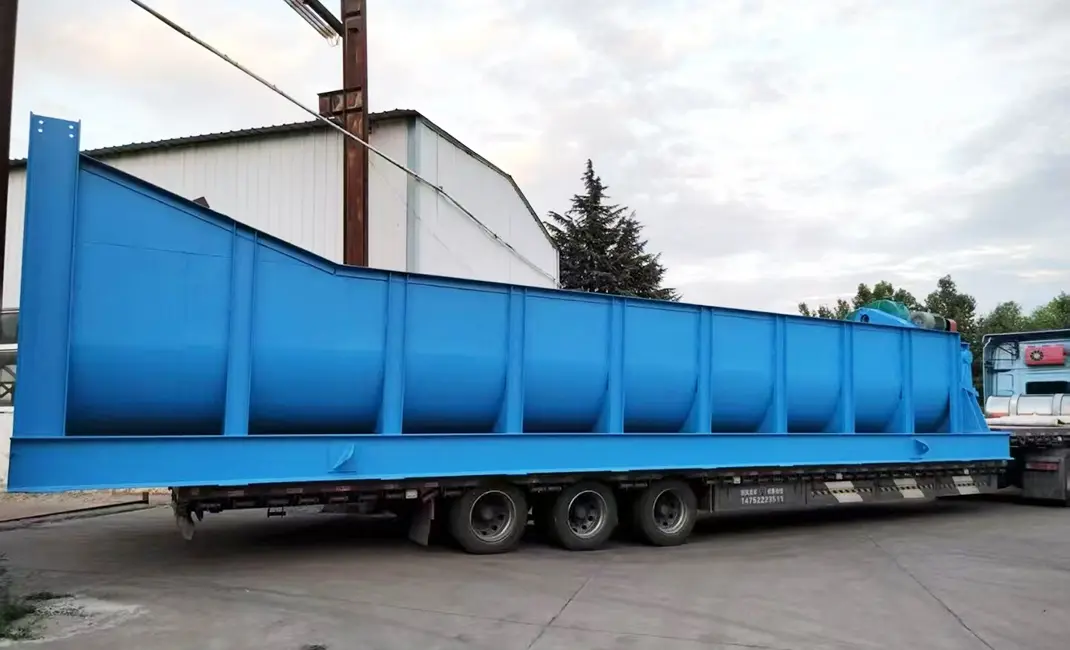
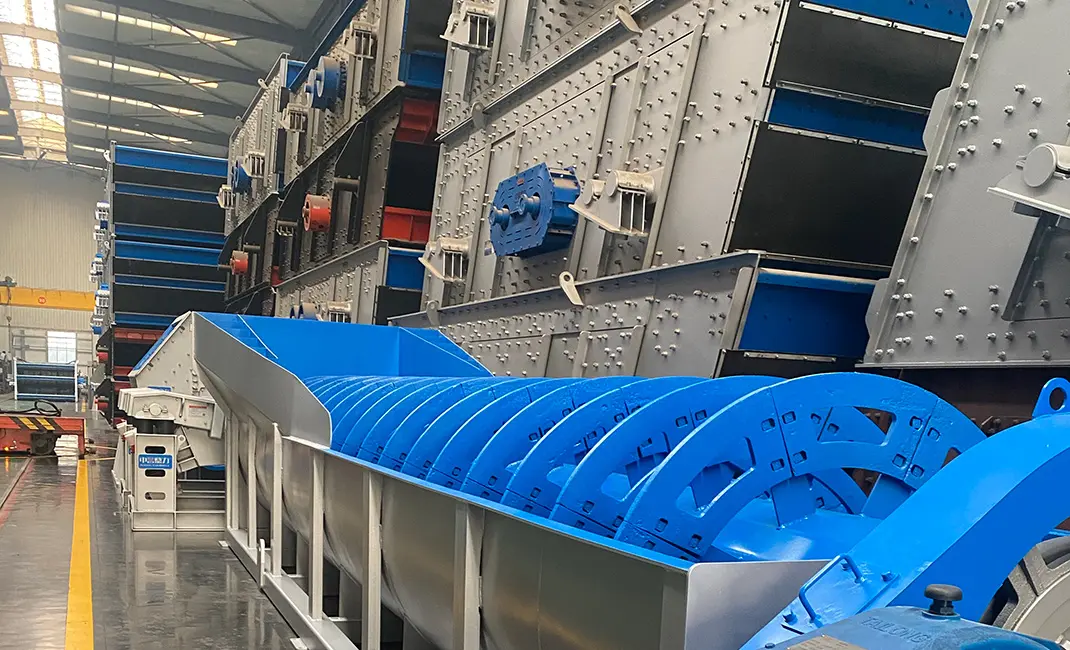
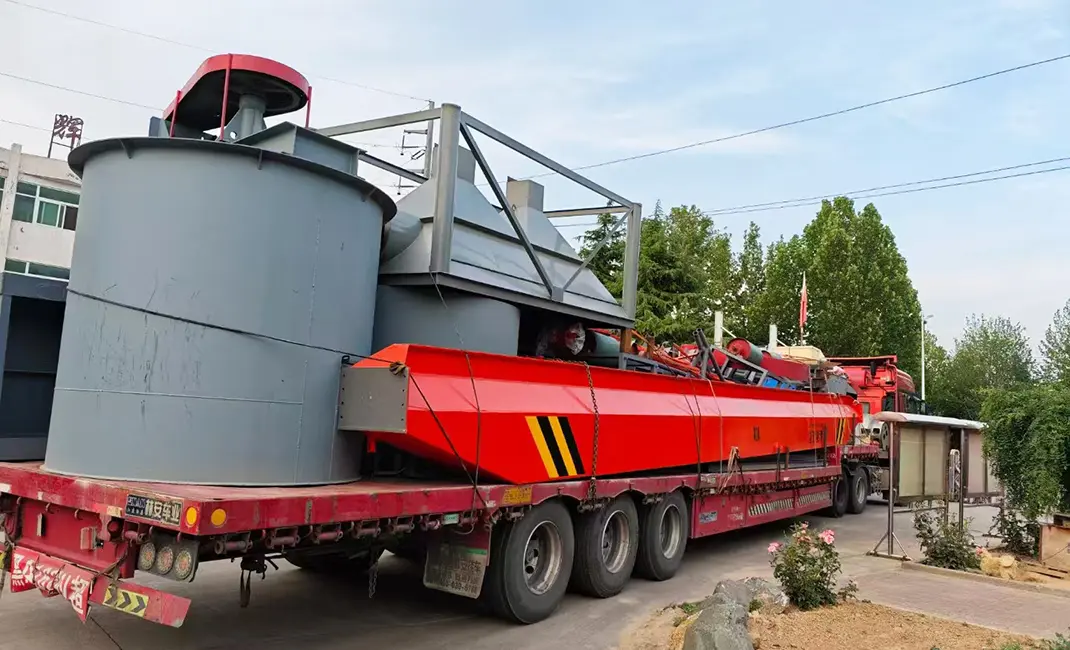
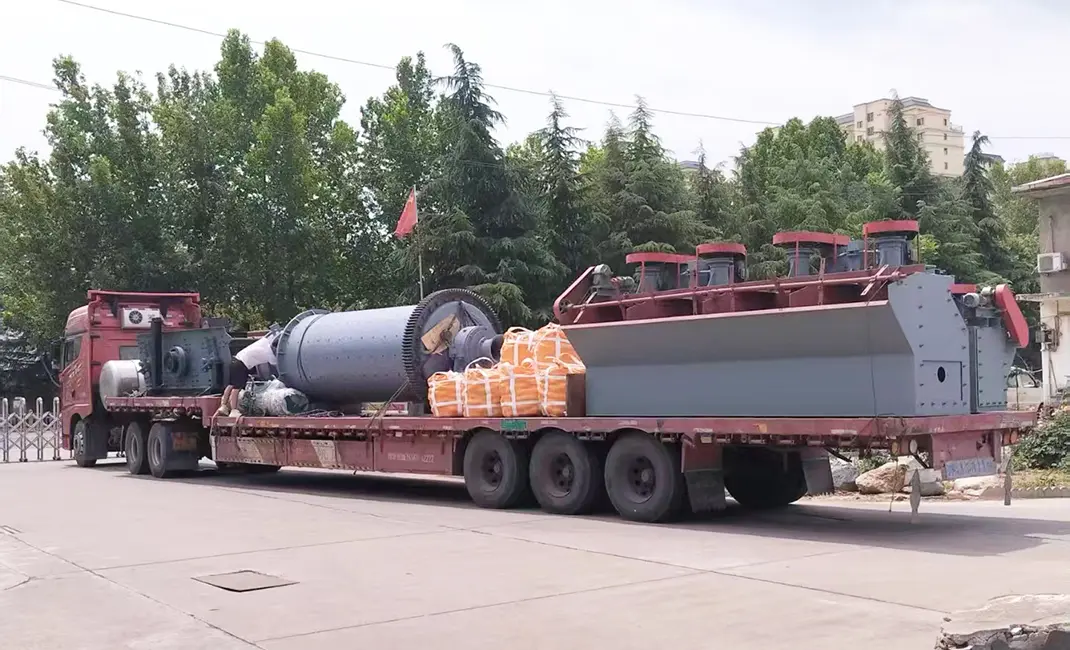
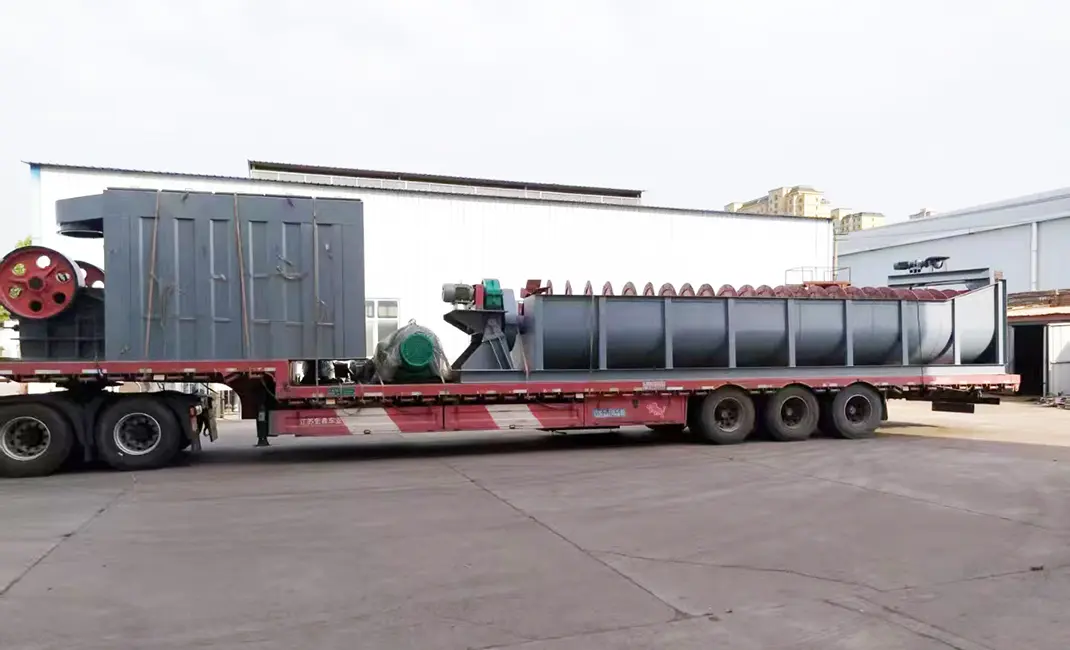
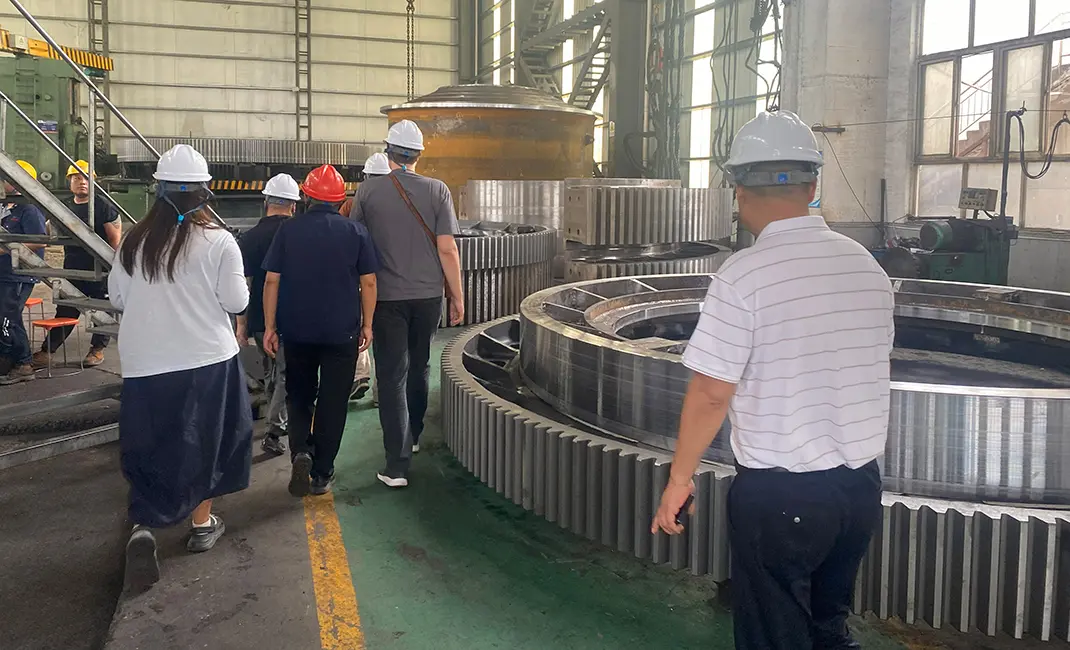
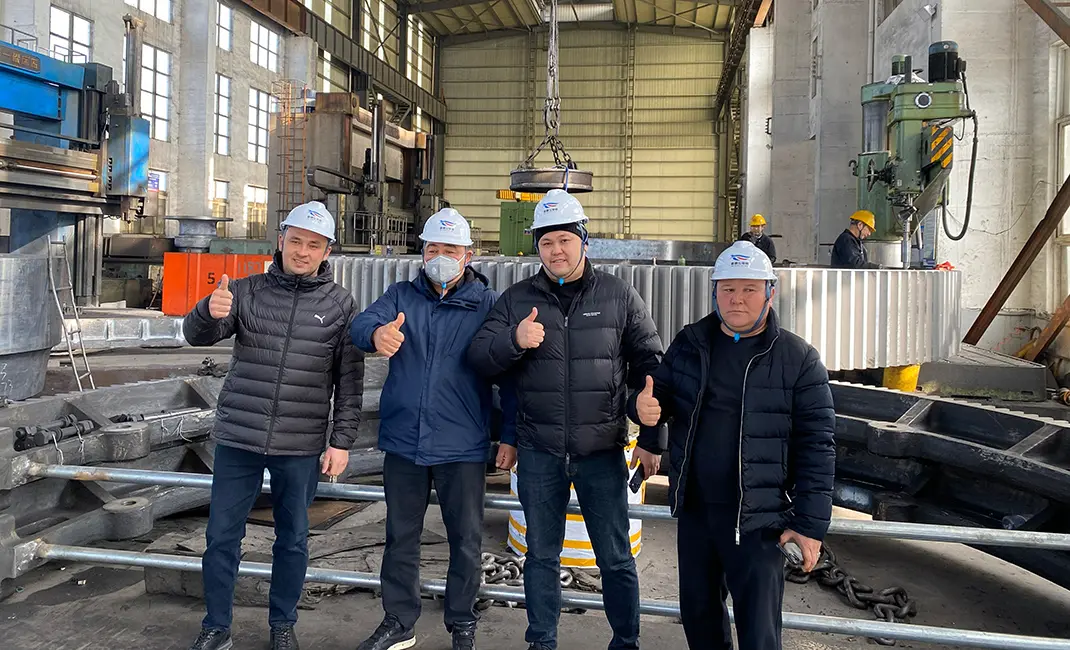
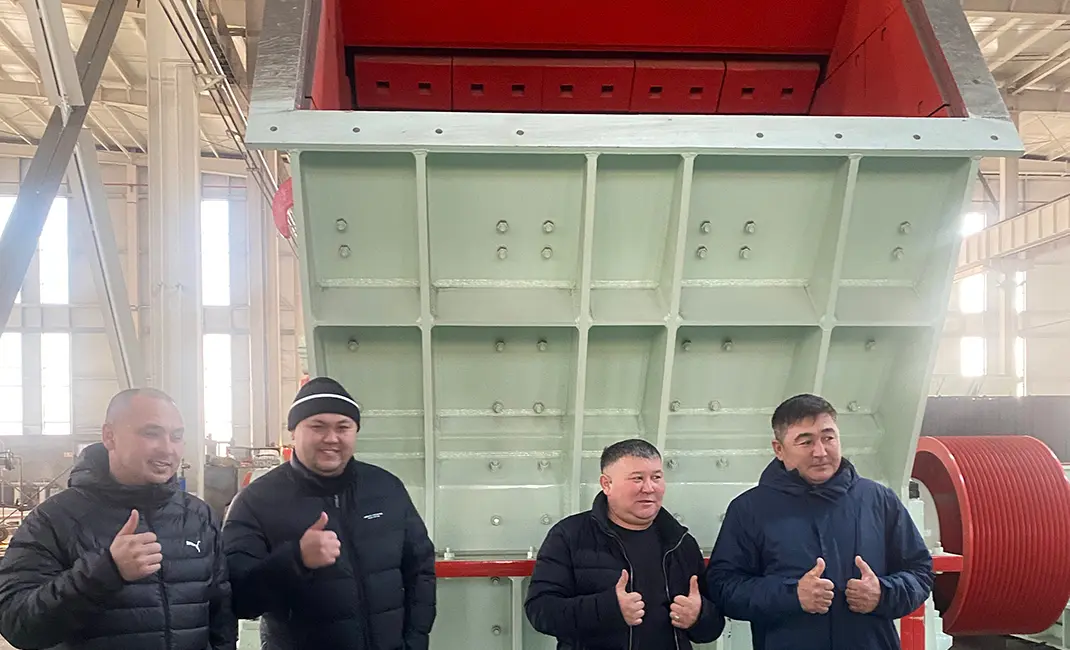
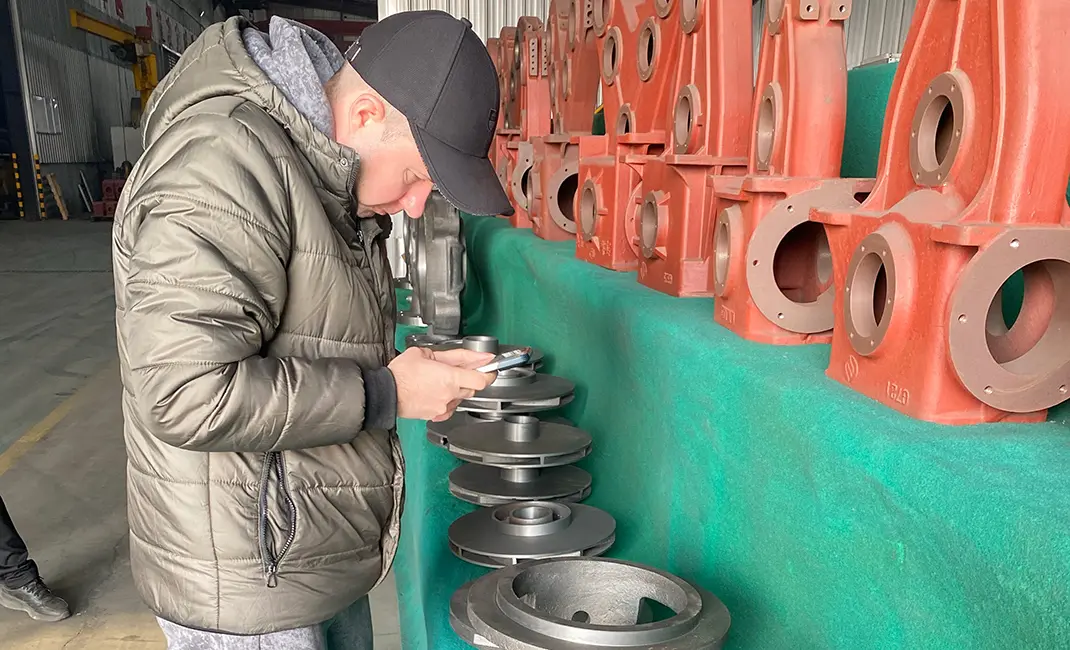
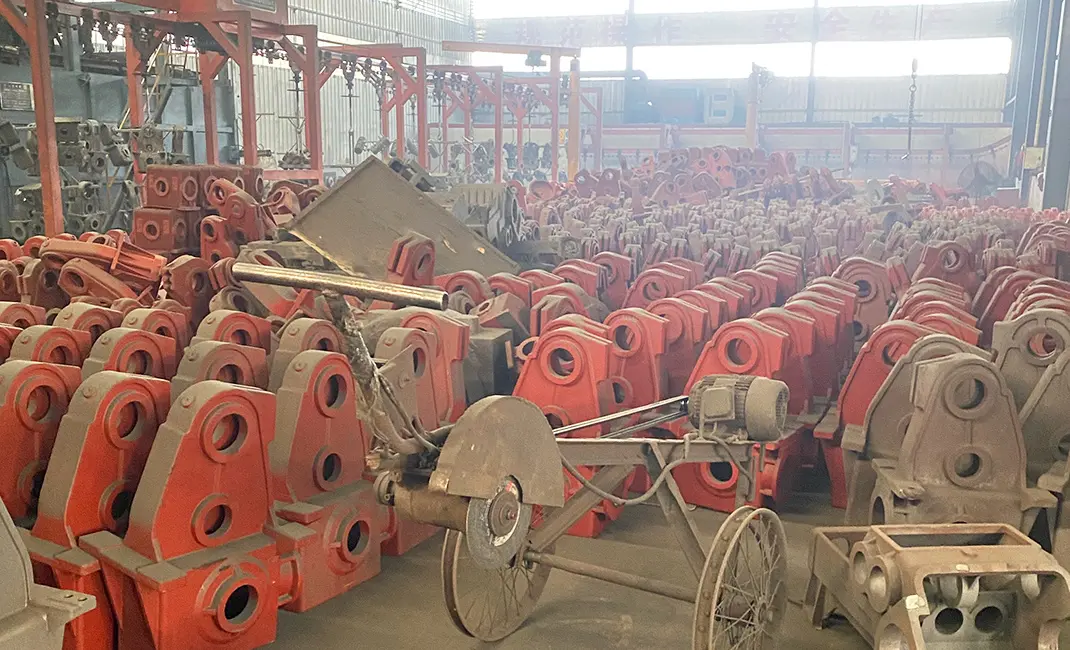
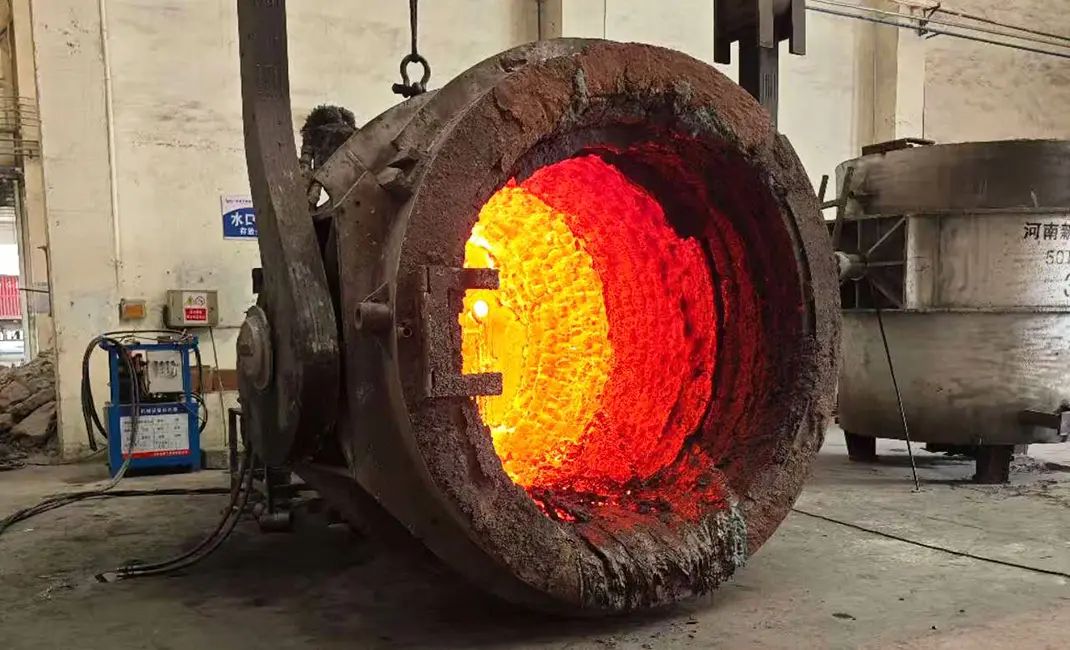
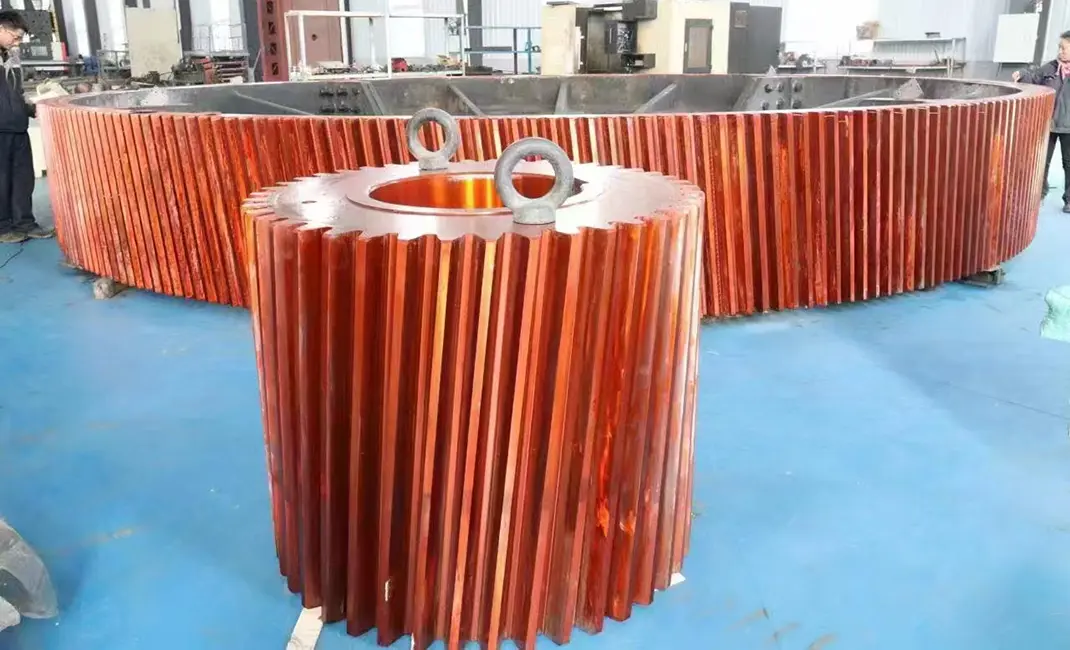
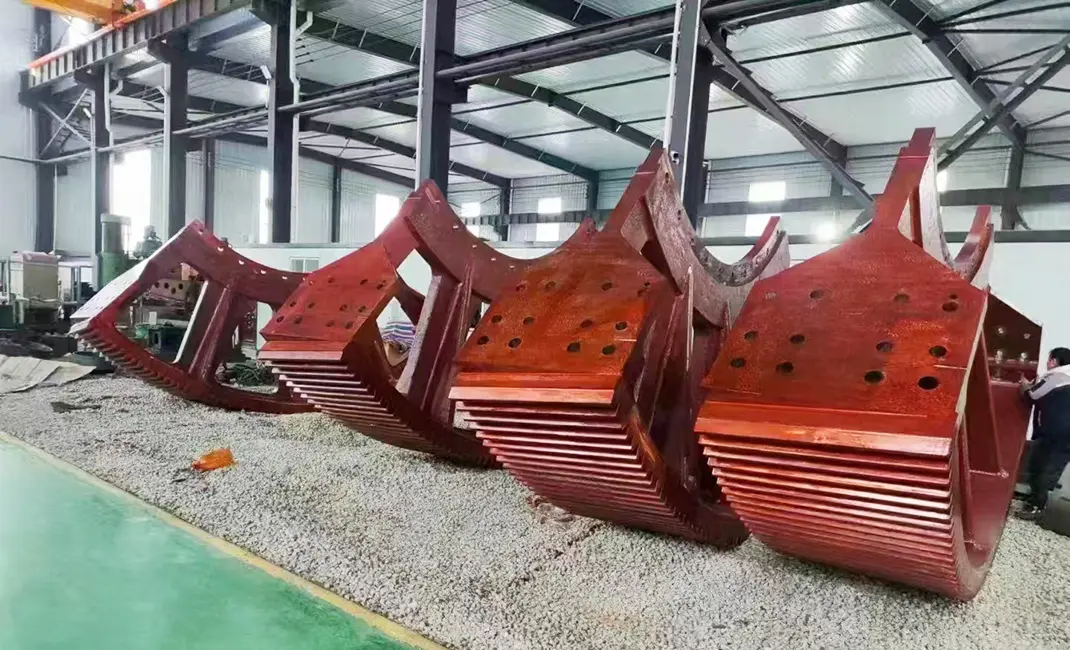
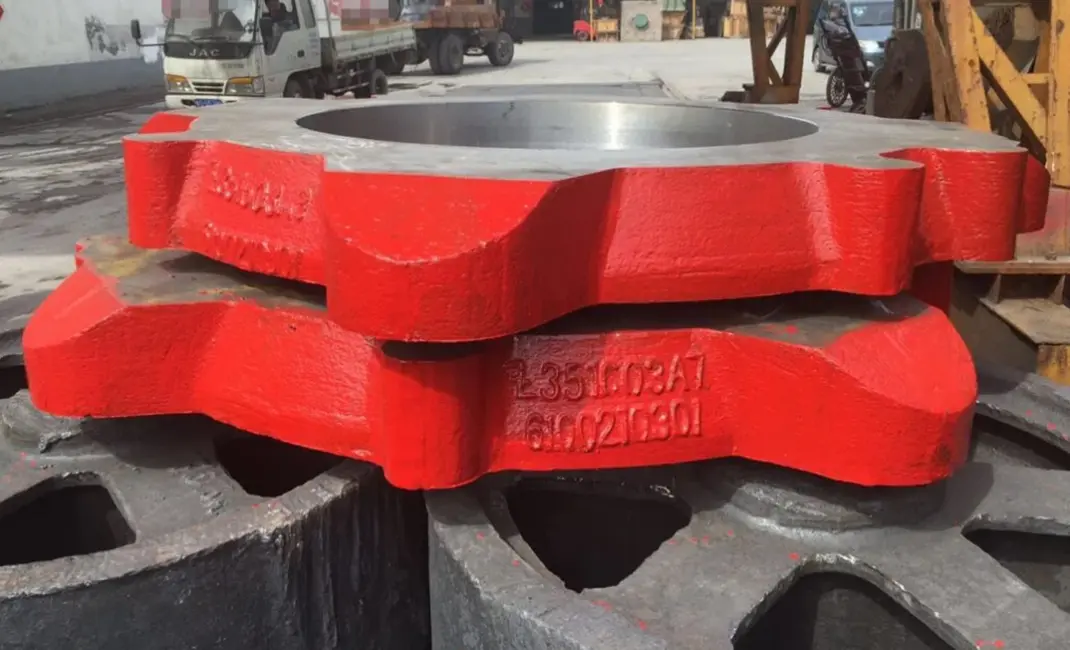
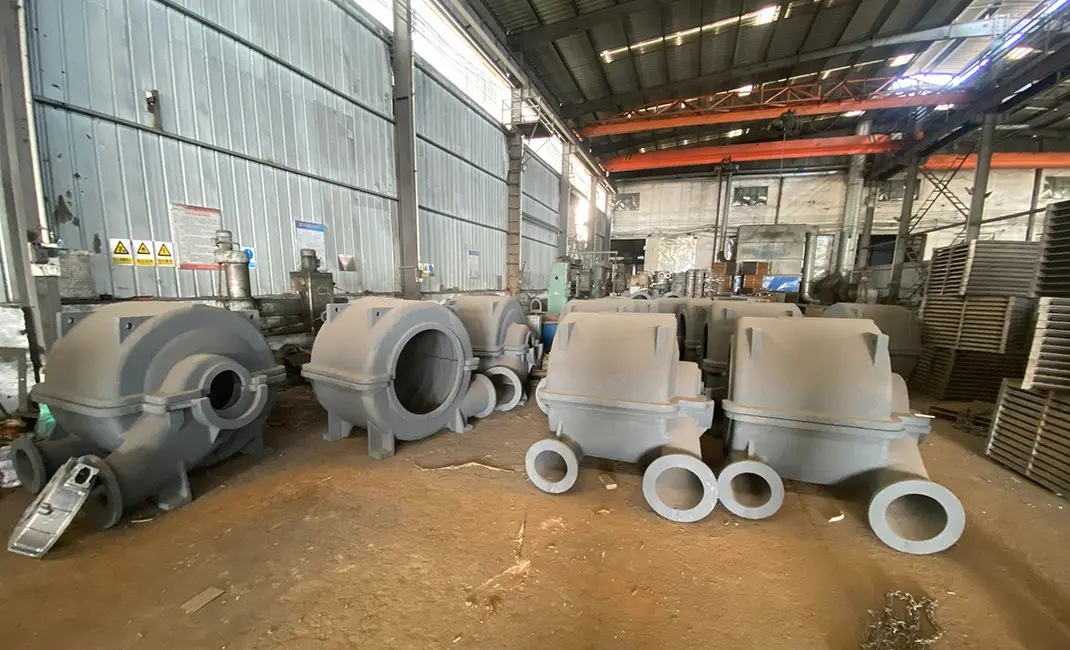
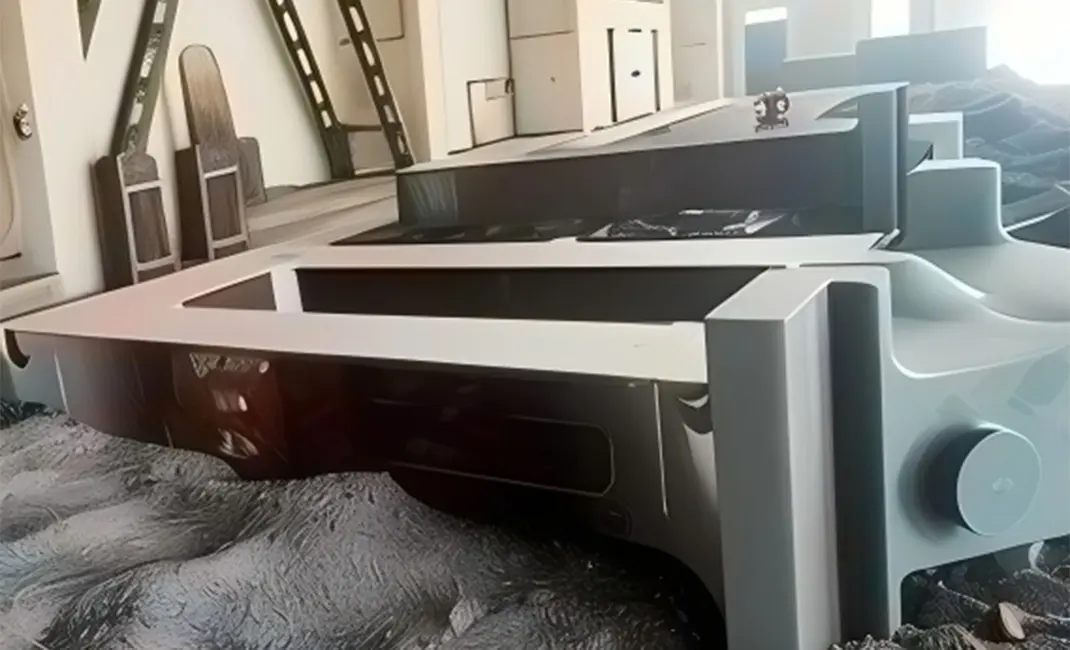
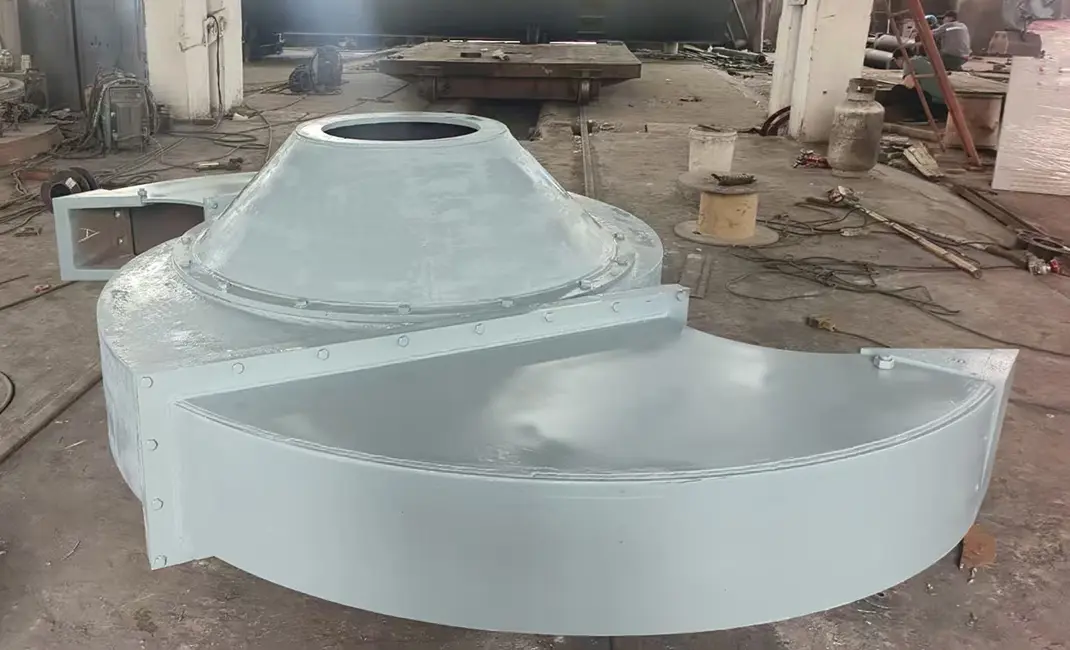
Real-world component builds demonstrating our versatility in steel and iron casting

A standardized project lifecycle engineered to ensure clarity, compliance, and quality from draft to delivery
Adapting to evolving environmental standards, advanced materials, and automated casting designs
To meet requests for structural components that are both lighter and highly durable, our metallurgical lab is expanding treatment capabilities for Austempered Ductile Iron (ADI). By applying precise salt-bath quenching, ADI develops an acicular ferrite and carbon-stabilized austenite (ausferrite) matrix. This doubles the tensile strength compared to standard grades while retaining reliable fracture toughness, offering an alternative to steel forgings in gear assemblies, high-load suspension arms, and mining crushers.
Hanhai Casting is implementing sand reclamation technologies to reduce resource footprint. Up to 95% of silica sand from our sand molding runs is mechanically and thermally reclaimed for reuse. In addition, dust-extraction units and electric furnace upgrades reduce gas emissions, helping clients meet scope 3 sustainability requirements within their supply chains.
Direct insights on specifications, capabilities, and quality control from our engineering team
The core difference lies in the graphite microstructure. In gray iron, graphite exists as interconnected flakes that lead to stress concentration and brittleness. In ductile iron, nodularization treatments (adding magnesium/cerium) form spherical graphite nodules. This microstructural change prevents crack propagation, giving ductile iron superior tensile strength, ductility, and impact toughness compared to gray iron.
Every heat poured is checked. We cast standard test coupons (Y-blocks) alongside the parts. These coupons undergo metallographic examination under digital microscopes to evaluate the graphite nodule shape and distribution per ISO 945 or ASTM A247. We maintain a minimum nodularity threshold of 80% to 85% for all critical structural parts.
We regularly produce components in compliance with ASTM A536 (Grades 60-40-18, 65-45-12, 80-55-06, 100-70-03), EN 1563 (EN-GJS-400-15, EN-GJS-500-7, EN-GJS-600-3), and JIS G5502. The chemical composition and mechanical values of each pour are certified by our metallurgical lab.
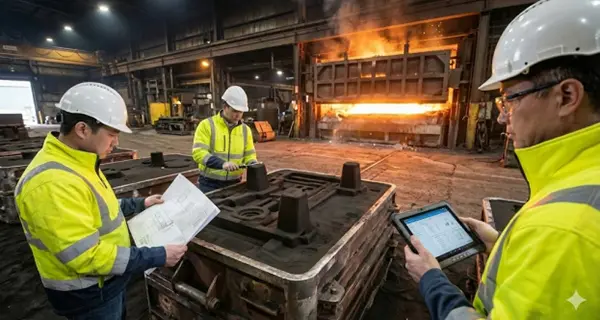
For large-scale, heavy-duty parts, we utilize resin-bonded no-bake sand molding, which provides excellent surface finish and dimensional stability. For high-volume production of medium and small parts, we employ automated green sand molding lines to control production costs.
We offer comprehensive NDT inspections in-house, including Ultrasonic Testing (UT) to locate internal shrinkage voids, Magnetic Particle Testing (MT) and Liquid Penetrant Testing (PT) for surface crack detection, and Radiographic Testing (RT) for critical structural sections. Complete documentation is provided with every shipment.
Explore our full line of industrial crusher, mining, and structural steel and iron parts
 Hanhai