High-precision foundry engineering and robust machinery designed for high-strength application and reliability.
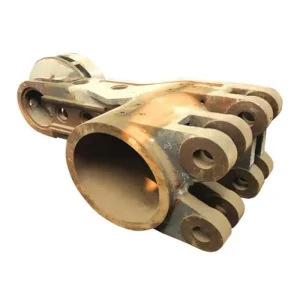
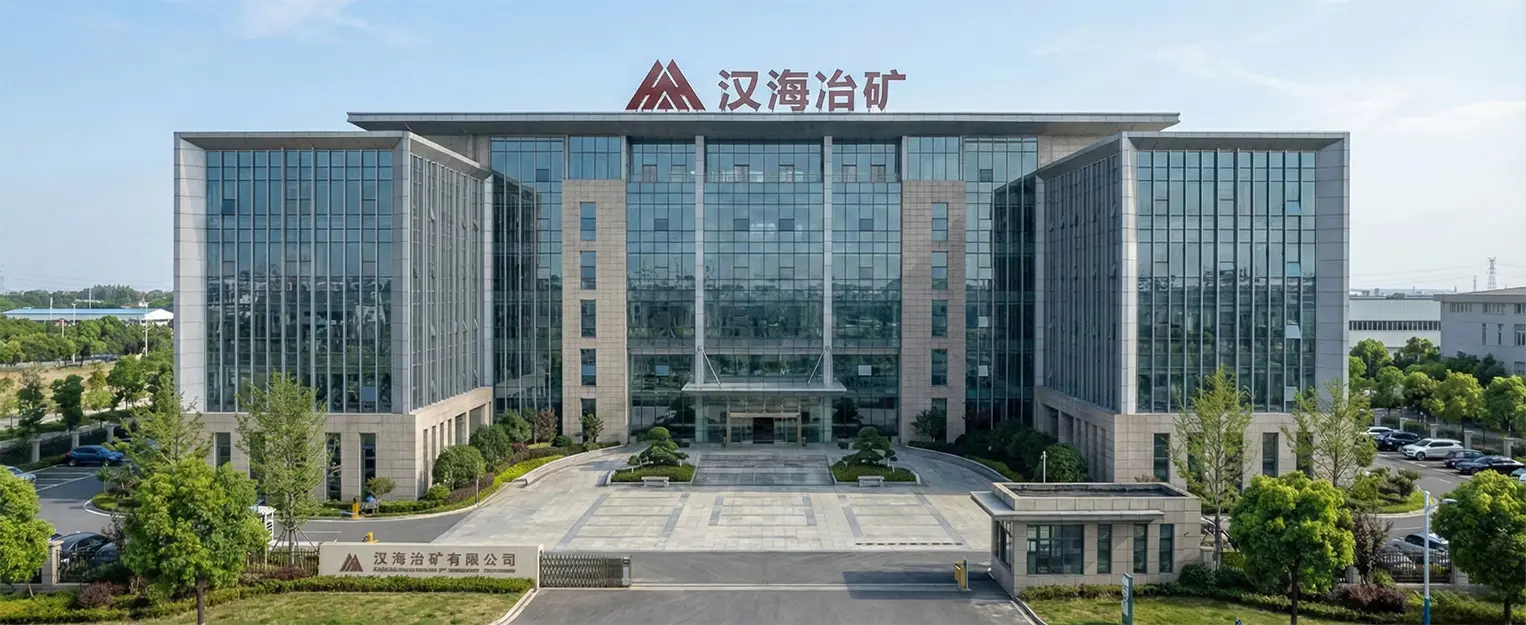
Henan Hanhai Metallurgy Mining International Trade Co., LTD is a premier heavy industrial foundry manufacturer based in China. We specialize in the high-precision production of large-scale cast steel and cast iron components, which form the skeletal framework of global industrial infrastructure.
With an integrated blueprint-to-product workflow, we supply durable castings that withstand extreme dynamic loads, high temperatures, and severe abrasive wear. Our products serve as vital solutions for global mining, metallurgy, power generation, and municipal construction sectors.
A deep analysis of kinetic energy transfer, metallurgy breakthroughs, and localized application frameworks.
Across global construction, infrastructure, and metallurgical processing, the demand for high-quality cubic aggregate has reached unprecedented heights. Environmental regulations protecting natural riverbeds have prompted a worldwide transition from natural sand extraction to Manufactured Sand (M-Sand). Under these conditions, the efficiency of final-stage fine crushing and stone shaping is critical.
Traditional jaw or cone crushers rely on compressive forces to break rocks, often producing elongated, flaky aggregates with internal micro-fractures. Vertical Shaft Impact (VSI) and Vertical Compound Crushers (PFL) operate on dynamic impact principles. By accelerating raw minerals in a high-speed rotor and discharging them into an autogenous crushing chamber, these machines generate high-velocity collisions that break particles along natural fault lines. This results in cubic, structurally sound aggregates essential for high-performance concrete (HPC) and structural castings.
The engineering roadmap of Vertical Shaft Crushers focuses on rotor design, wear-part chemistry, and energy recovery. Key technological trends driving Hanhai’s design processes include:
Crusher configuration must adapt to regional and geological variations. Different environments require specific operational setups:
| Technology Class | Primary Cavity Design | Ideal Feed Type | Moisture Limit | Key Mechanical Advantage |
|---|---|---|---|---|
| VSI (Rock-on-Rock) | Autogenous Bed | Highly abrasive (Granite, Quartzite) | < 3% | Exceptional cubic shape index; minimal wear-part cost |
| VSI (Rock-on-Anvil) | Alloy Anvil Ring | Medium abrasive (Limestone, Dolomite) | < 5% | Higher reduction ratio; maximum impact energy |
| PFL Vertical Compound | Multi-stage vertical rotor | Sticky, moisture-heavy limestone/coal | Up to 12% | Clog-free design, continuous throughput without screens |
Heavy machinery operation is highly dependent on supply chain efficiency. Henan Hanhai integrates the raw steel foundry directly with advanced CNC finishing workshops. This offers several key operational benefits:
Our foundry features raw material testing, induction melting, heat treatment, and precision machining under a single quality management system. This vertical integration reduces production times and ensures consistent casting metallurgy. With an annual capacity of 80,000 tons of cast steel and iron, we maintain consistent supply lines, shield clients from market volatility, and provide responsive production and replacement parts globally.
Exporting structural steel castings and crushing machinery globally requires adherence to international standards. We perform systematic non-destructive testing (NDT), including Ultrasonic Testing (UT), Magnetic Particle Testing (MT), and Radiographic Testing (RT), to verify inner structural integrity and prevent casting flaws.
All casting processes comply with standard certifications, including ISO 9001 and CE Markings. This ensures compliance with structural standards such as ASTM, EN, DIN, and GOST, allowing smooth project integration and site approvals worldwide.
To empower global industries with precision casting engineering, sustainable manufacturing excellence, and high-performance equipment components.
To be a trusted global brand delivering heavy steel and cast iron parts that form the structural foundation of industrial growth.
Integrating structural integrity and advanced design tools (CAD/FEA) to create durable, high-performance wear-resistant components.
More than two decades of dedication to research, production, and exporting structural castings.
Hanhai Casting was established, focusing on heavy steel and iron castings, laying the technical and production foundation for our integrated services.
Introduced advanced induction melting, modern molding technologies, and expanded our design portfolio to serve mining and metallurgy sectors.
Achieved international ISO 9001 certification, upgraded our non-destructive testing labs, and expanded our export network across Asia and the Middle East.
Integrated intelligent foundry management systems, optimization software, and green casting technologies, driving sustainable manufacturing partnerships.
Explore our manufacturing floor, testing laboratories, and delivered casting components.
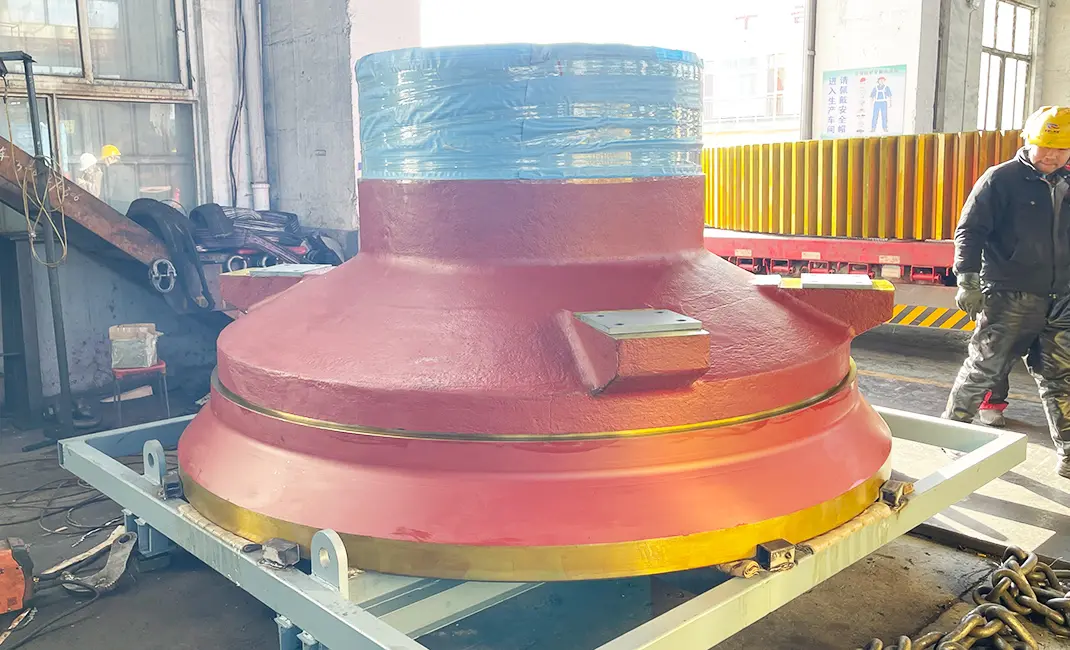
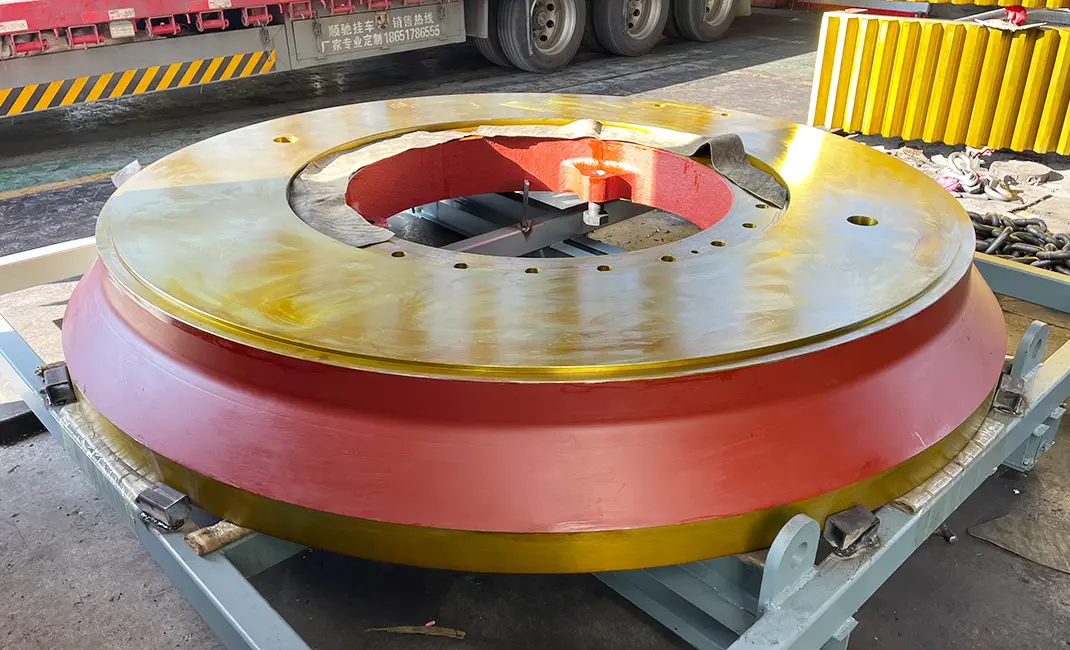
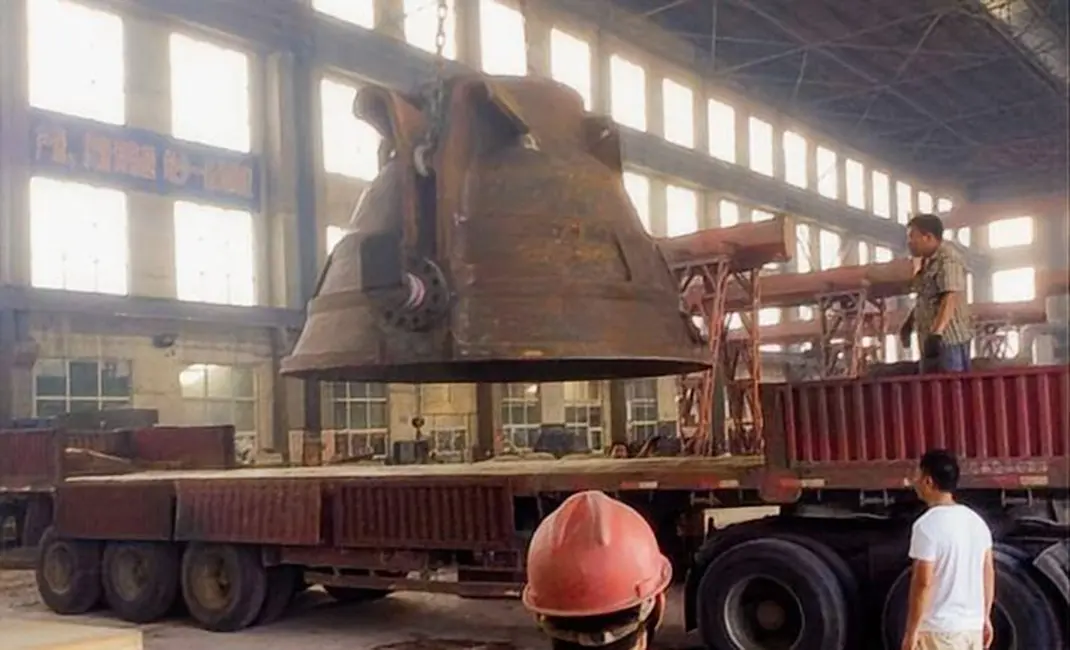
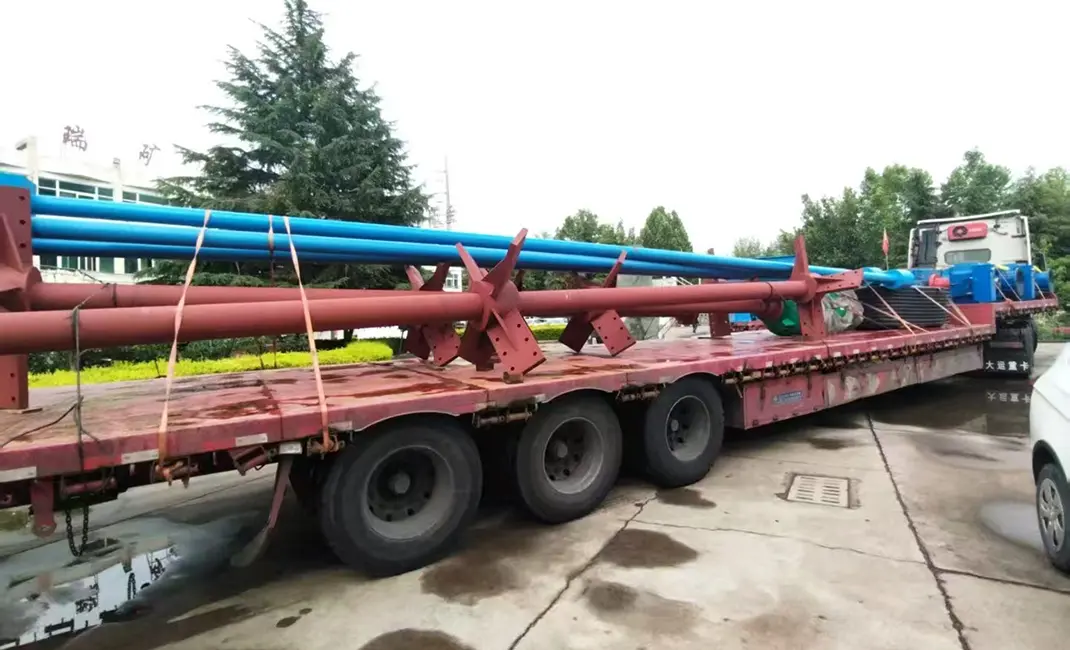
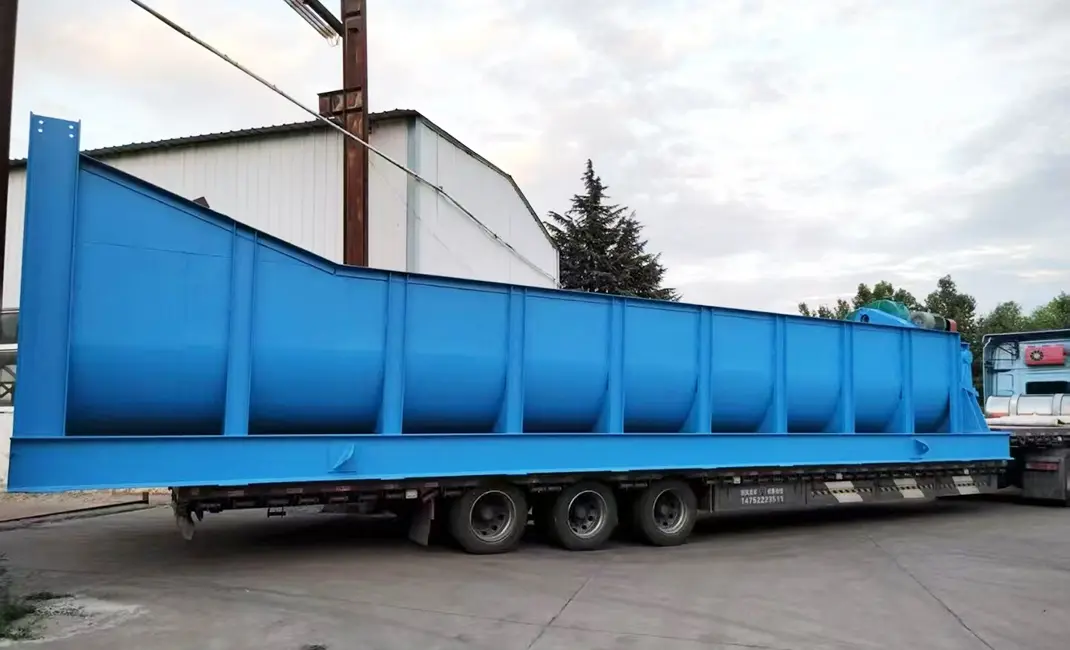
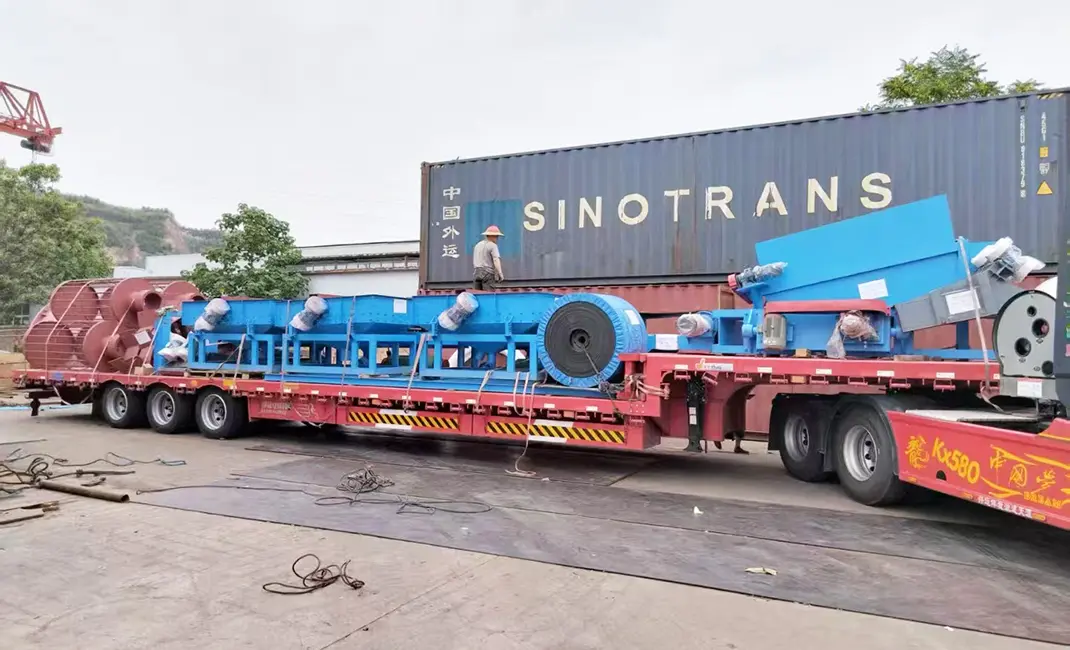
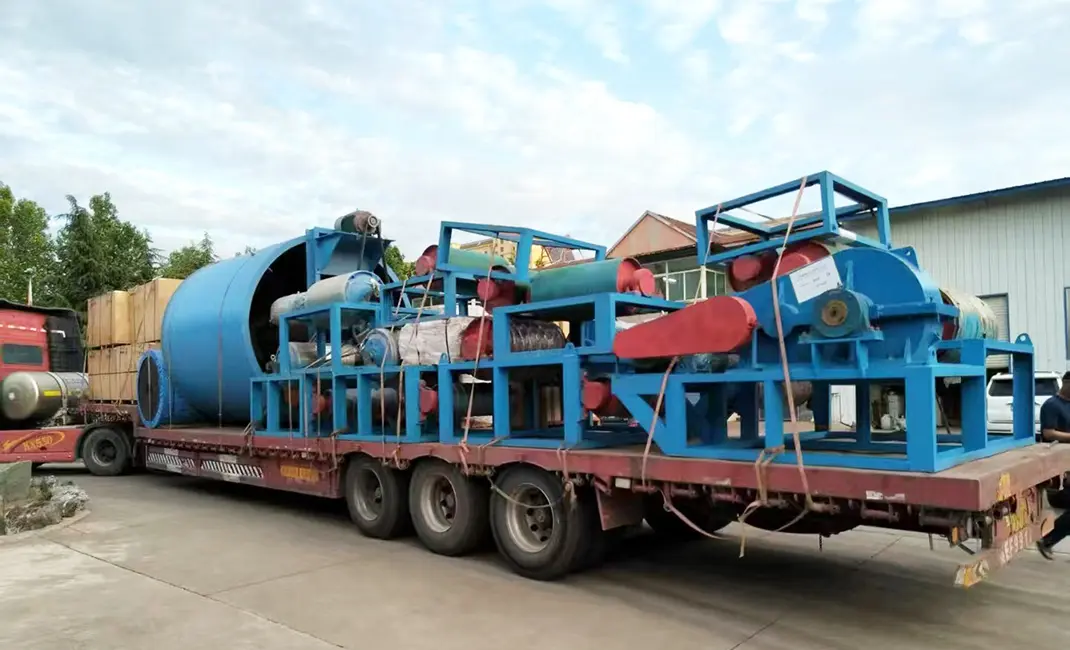
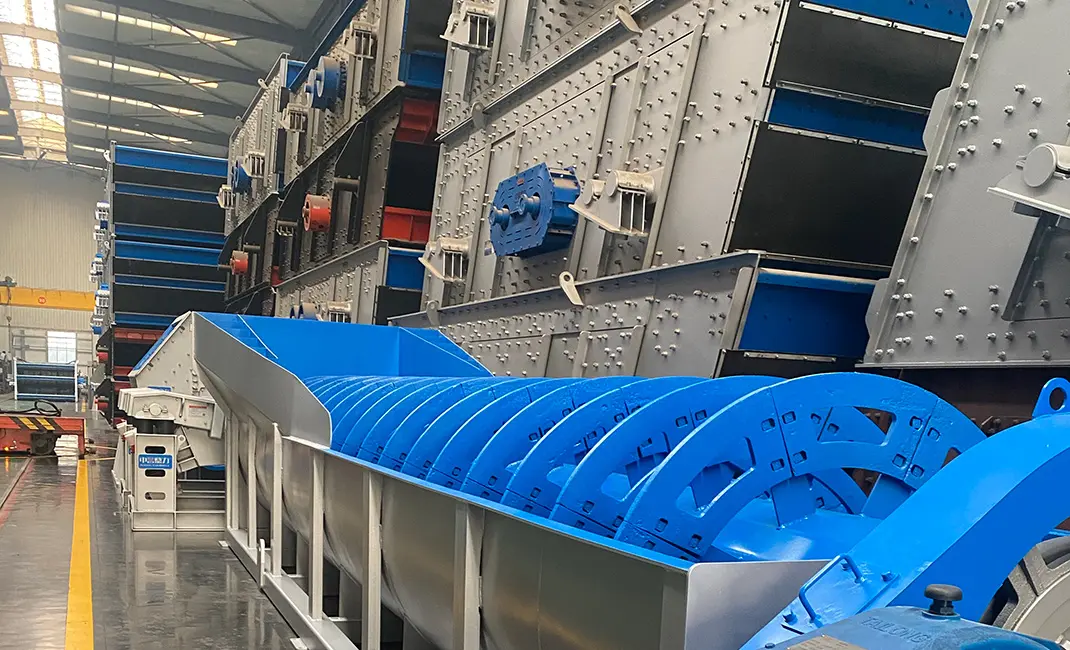
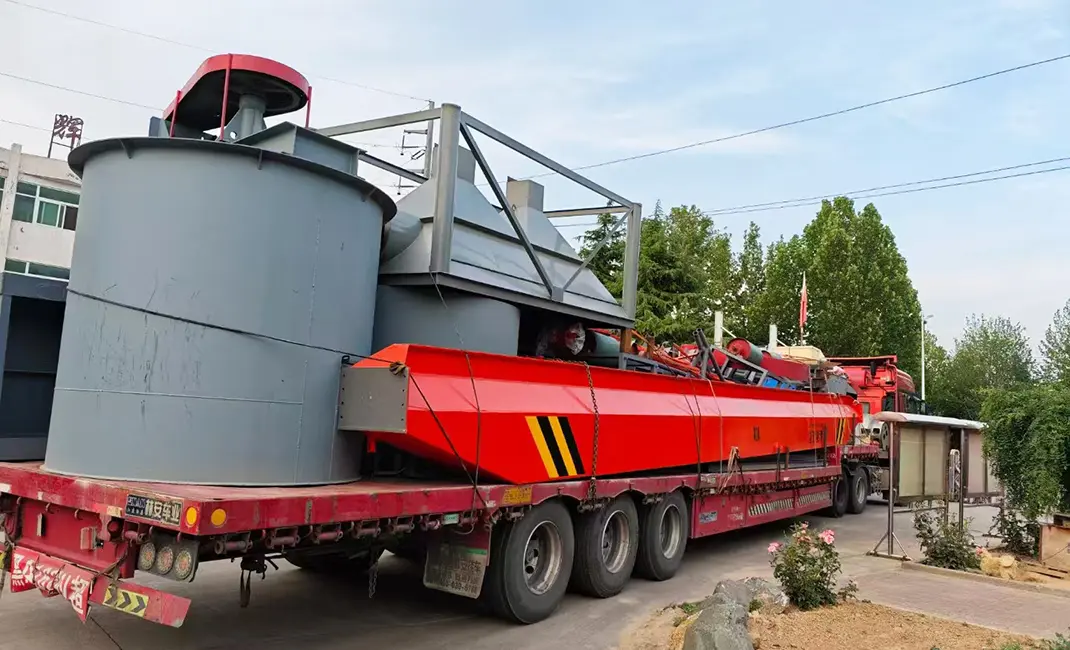
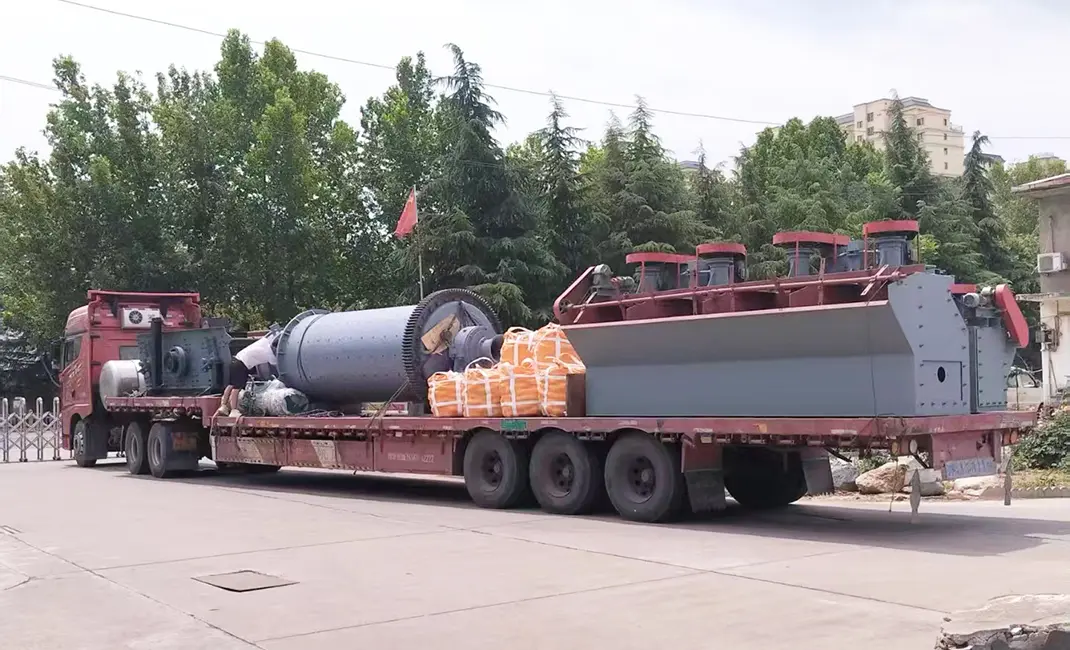
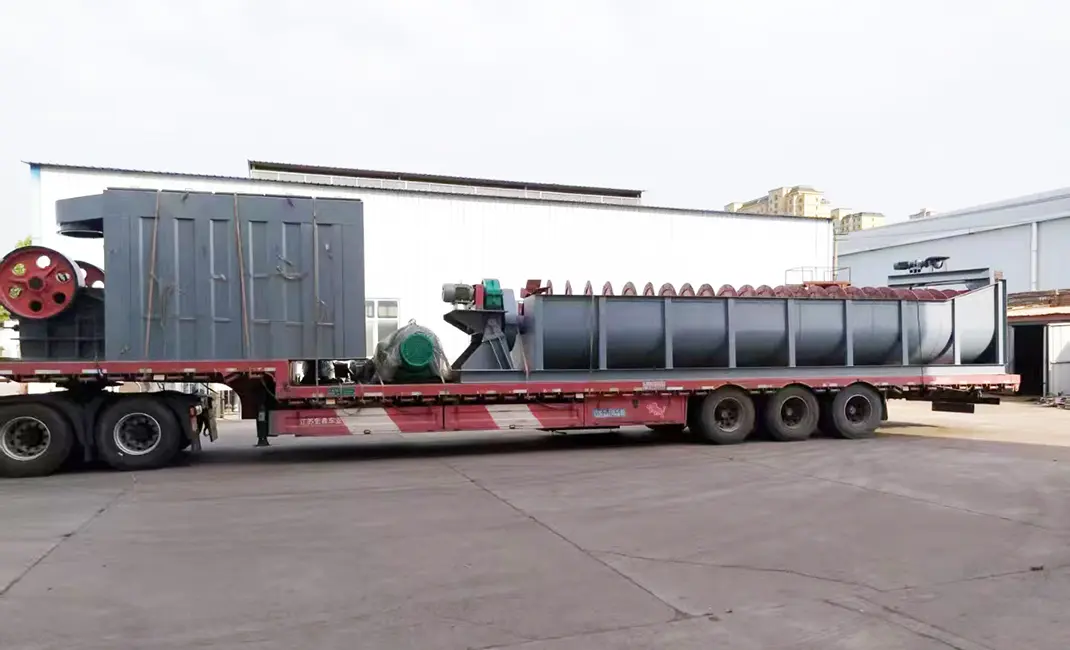

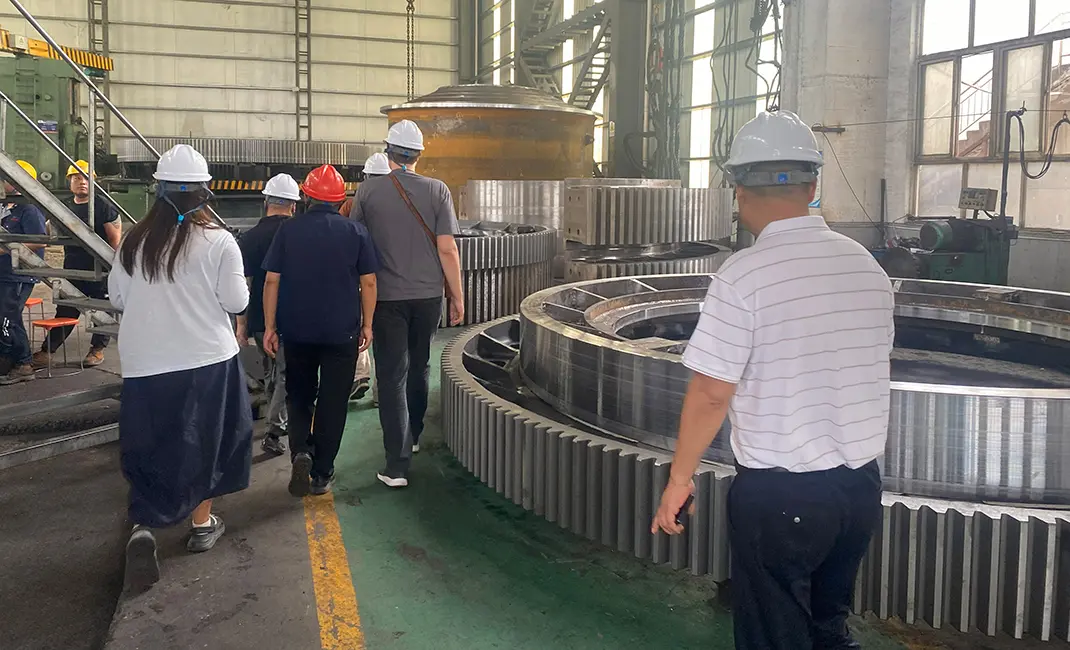
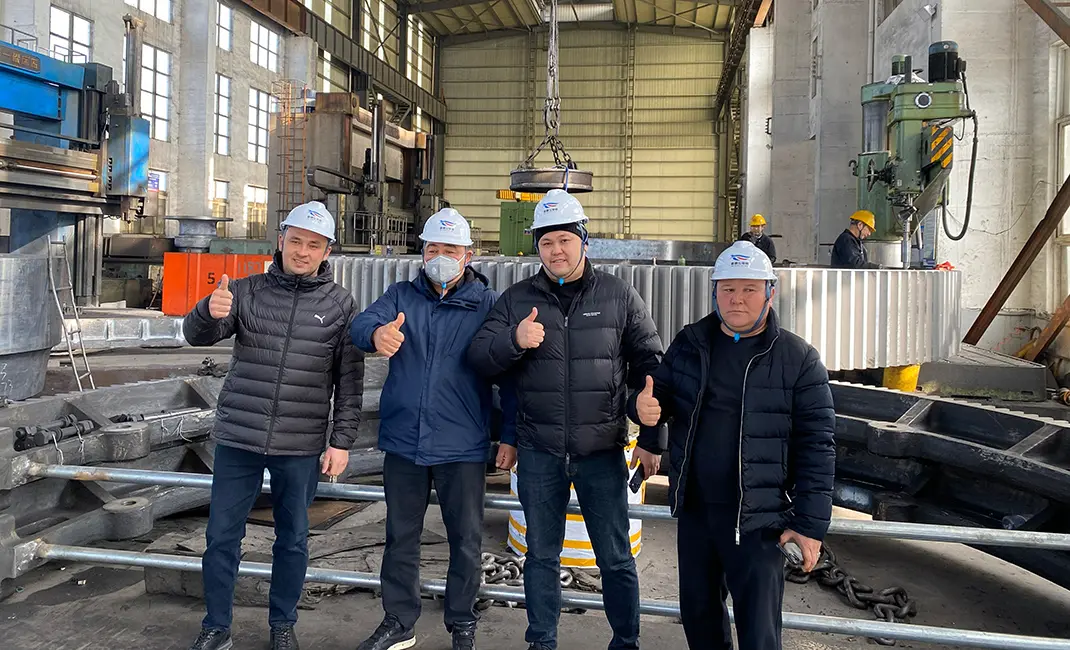
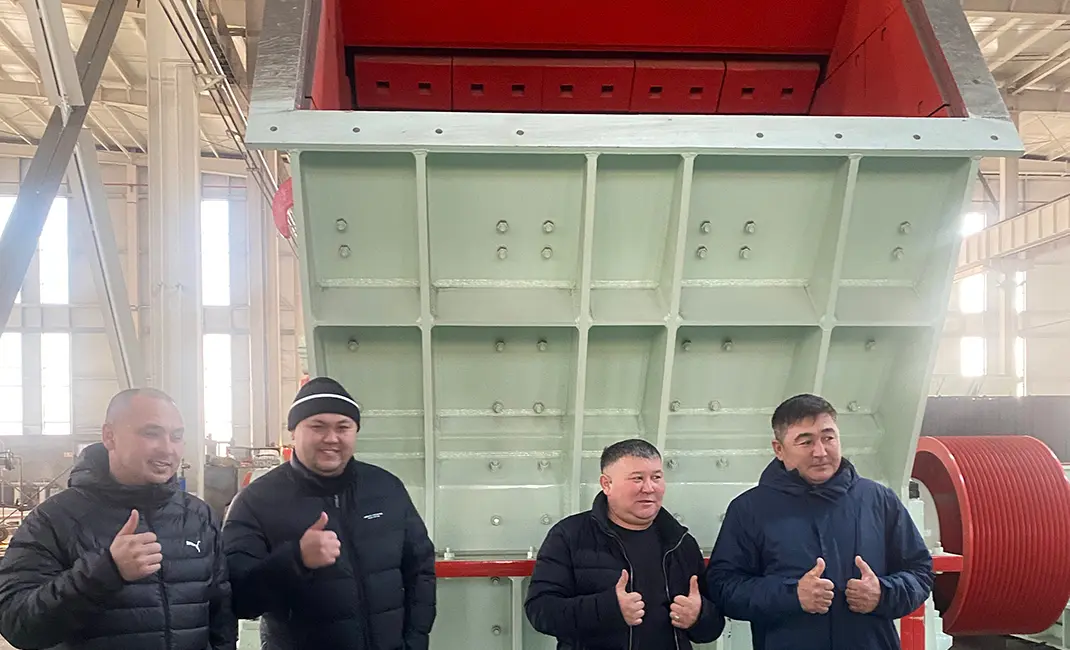
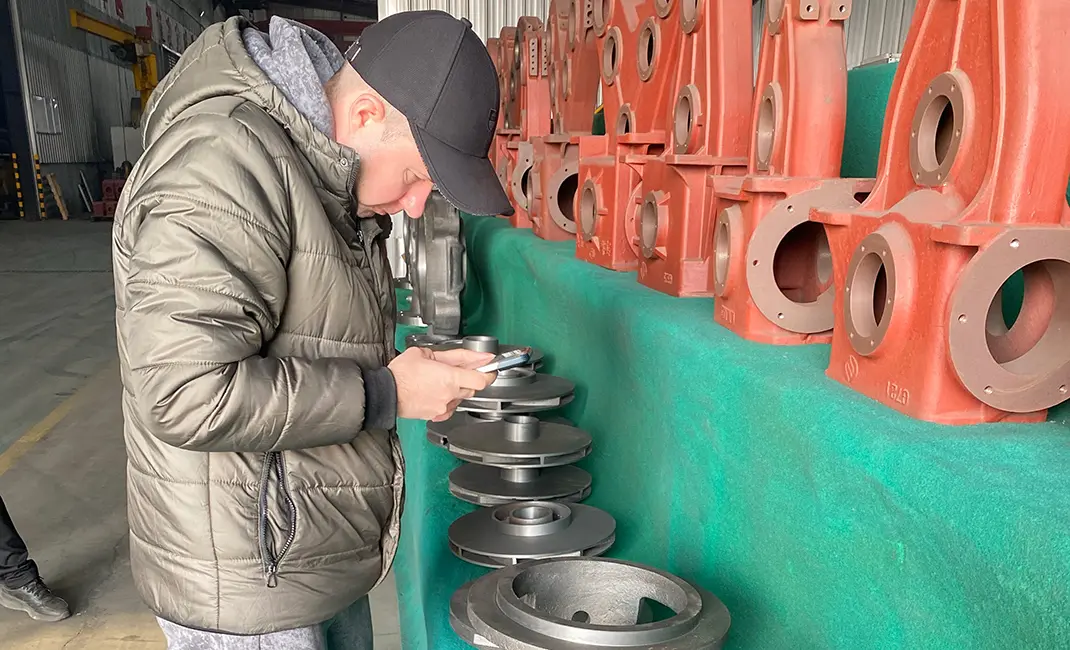
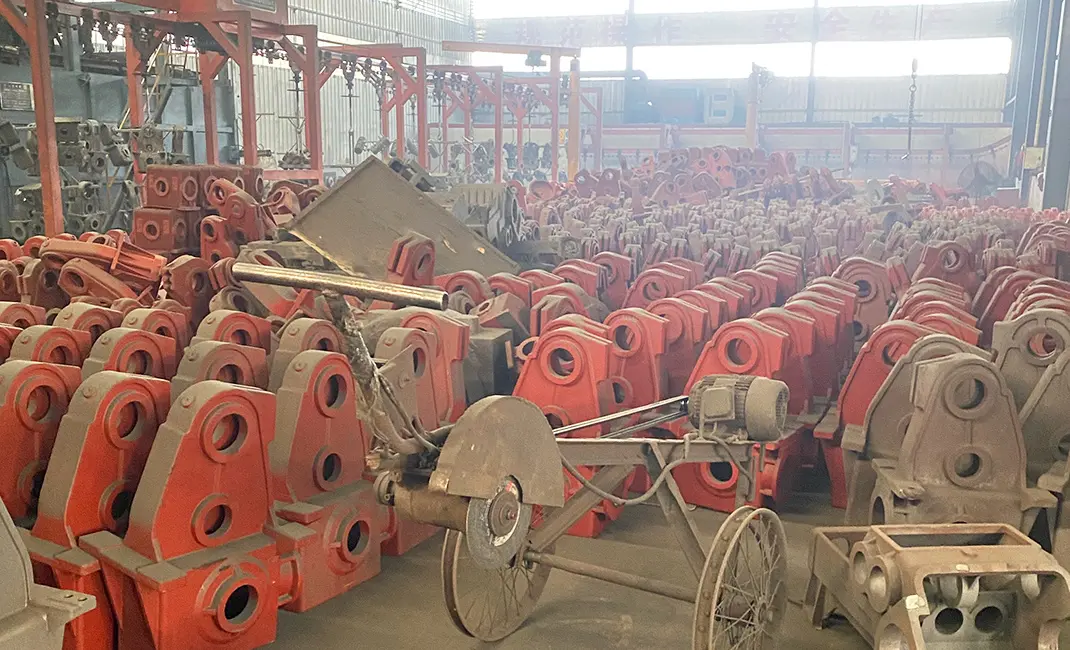
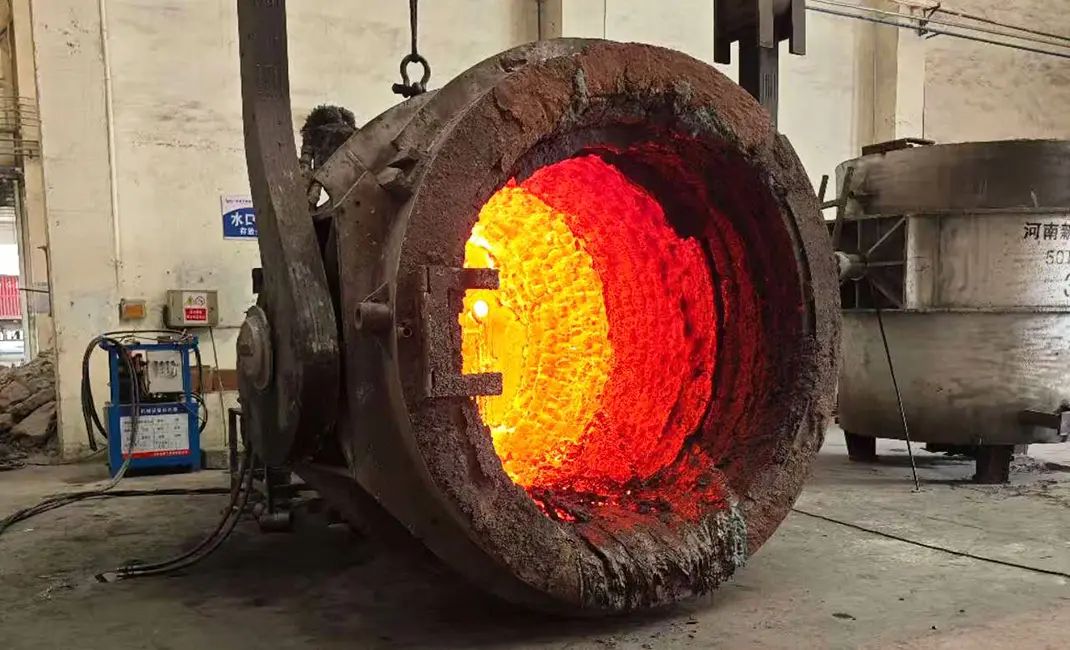
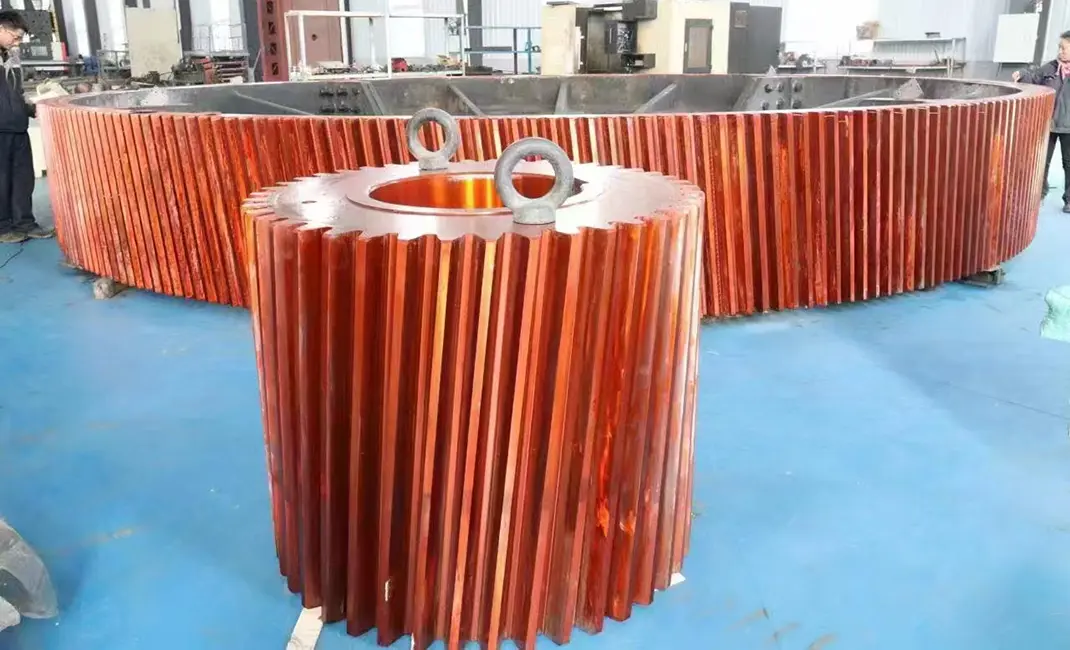
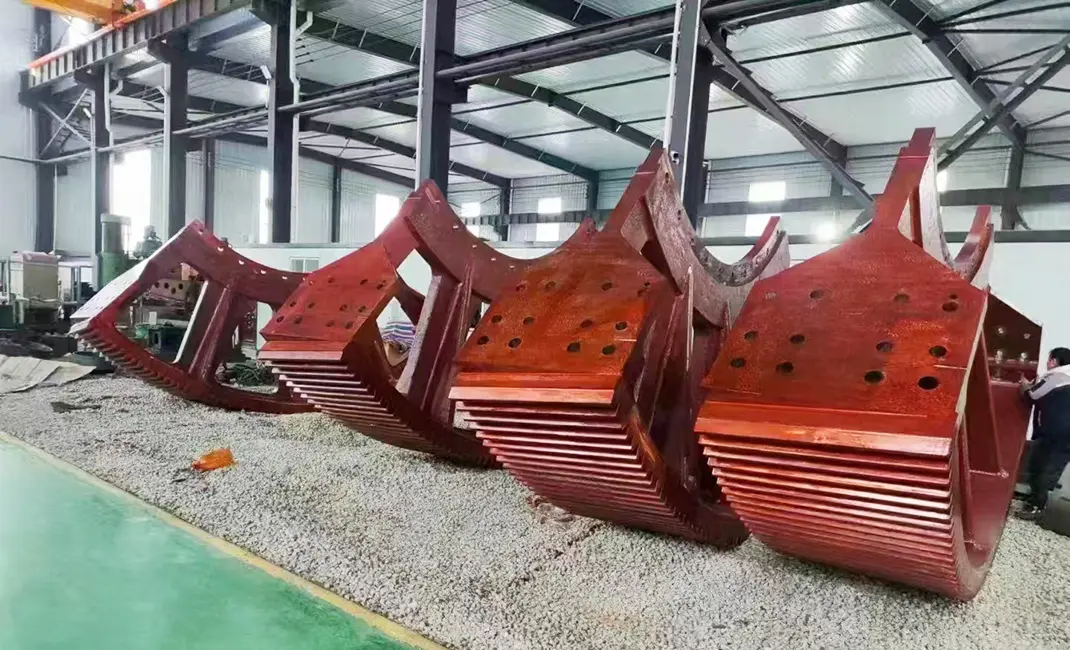
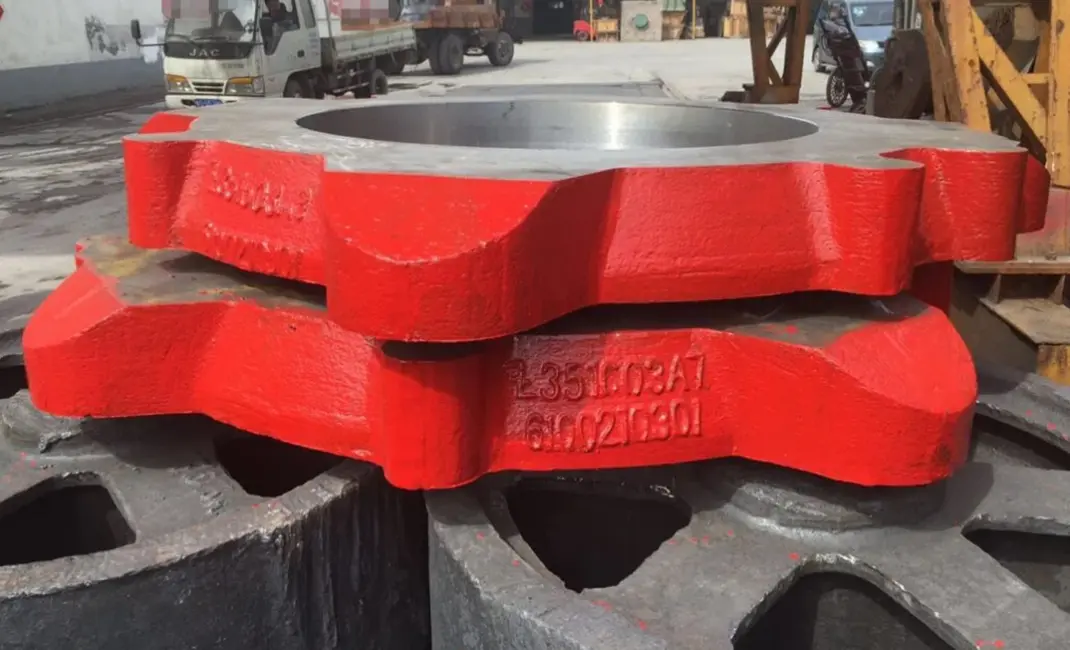
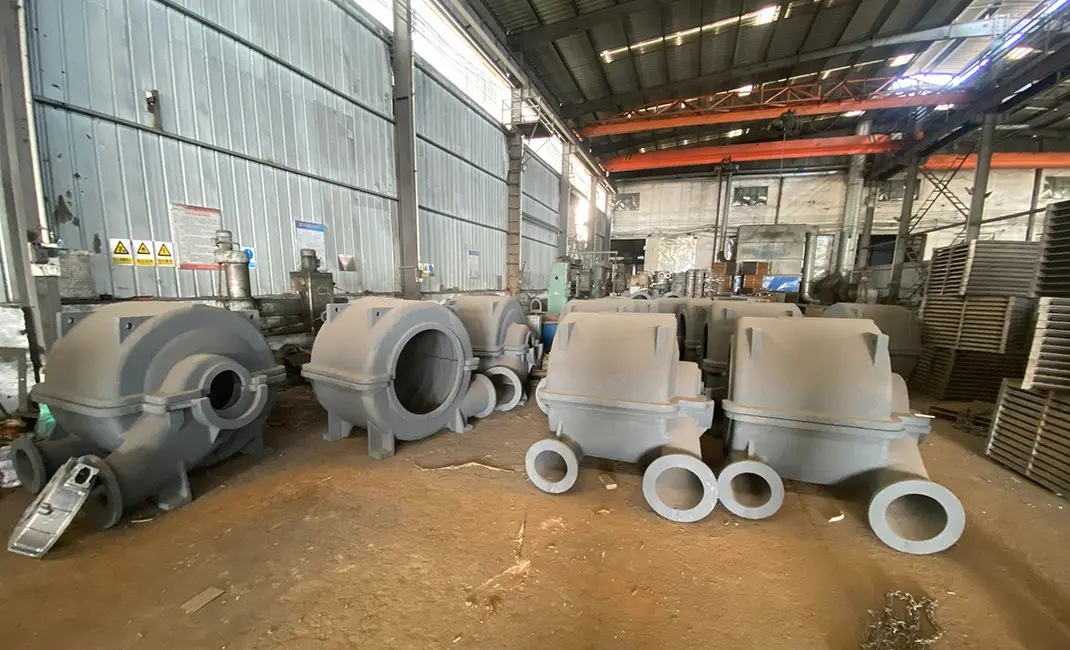
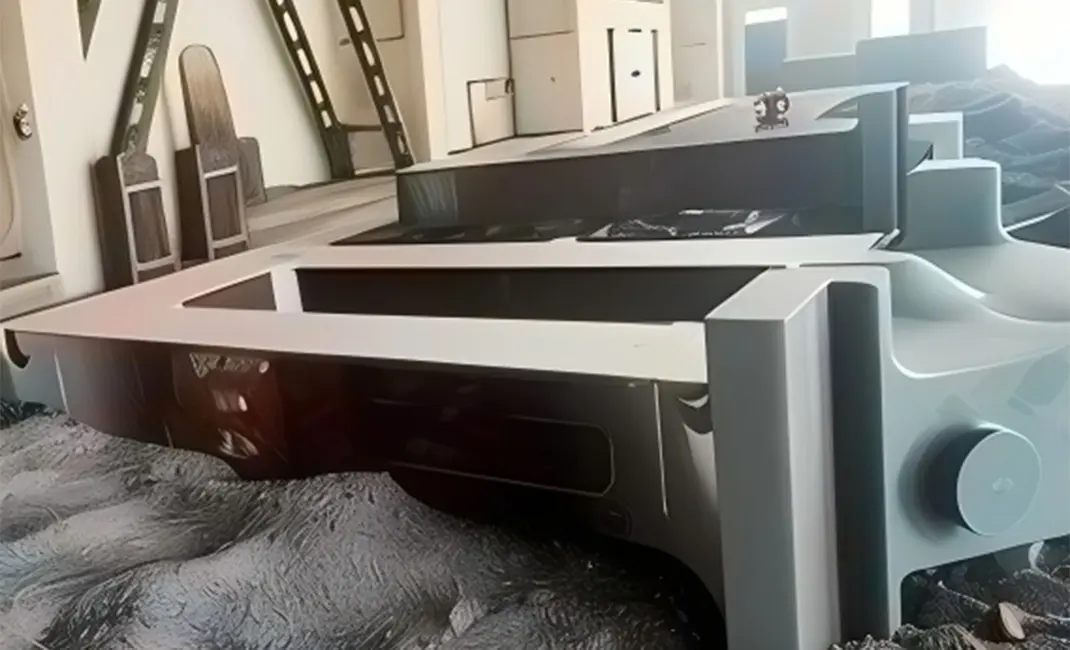
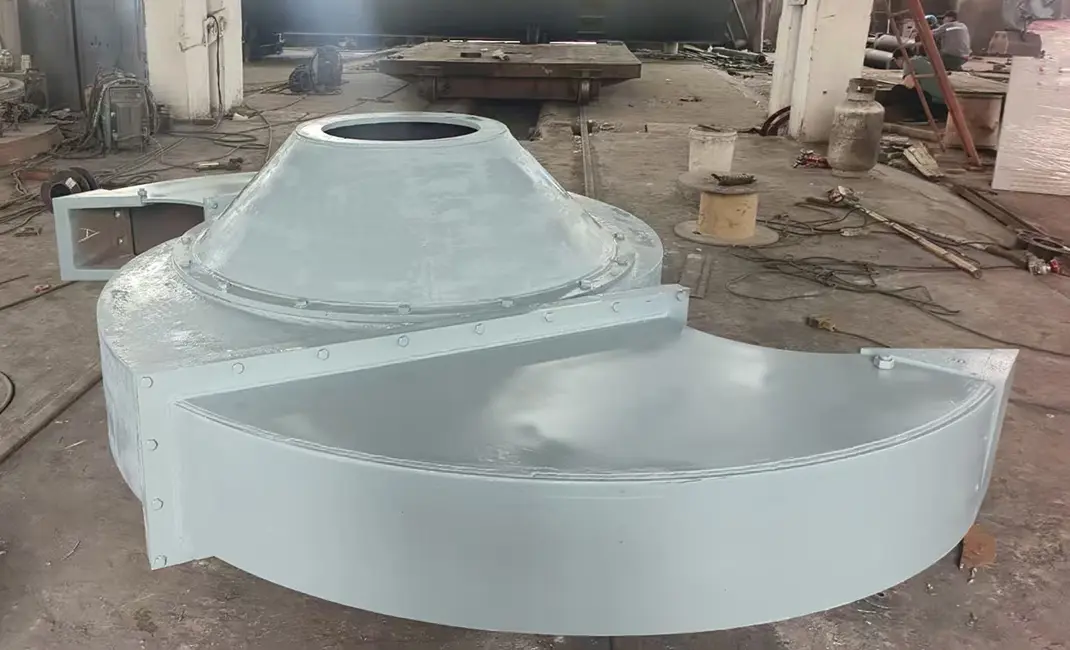
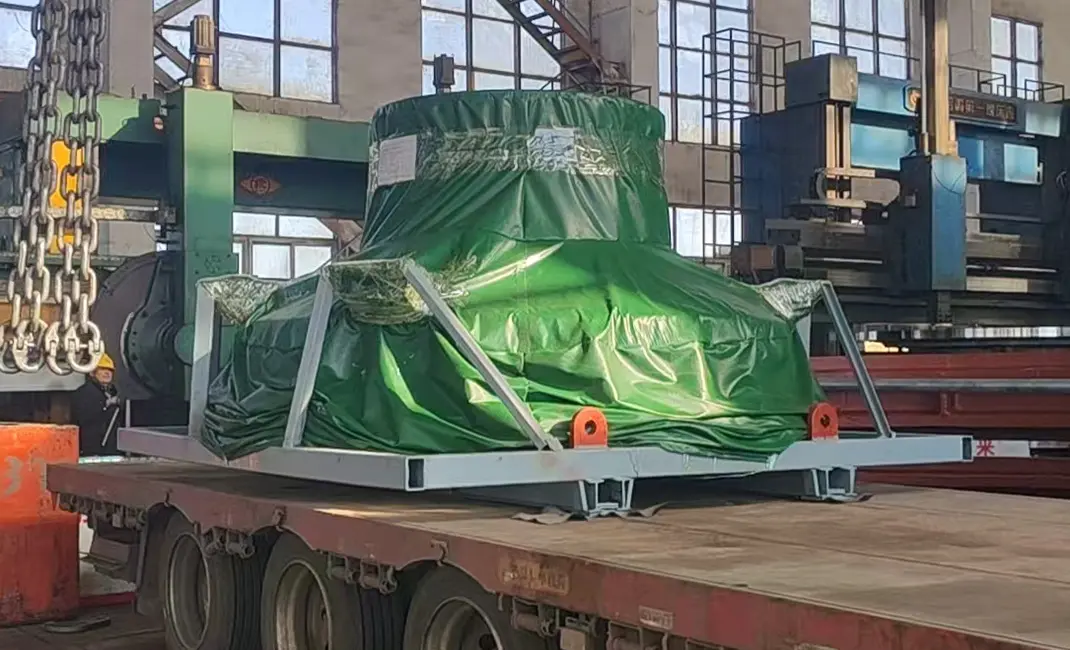
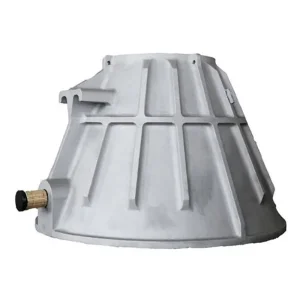
We deliver structural castings engineered to handle critical operations in challenging environments.
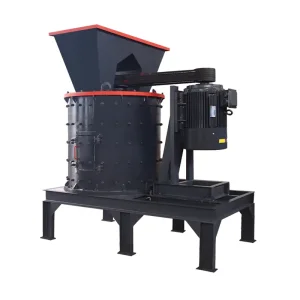
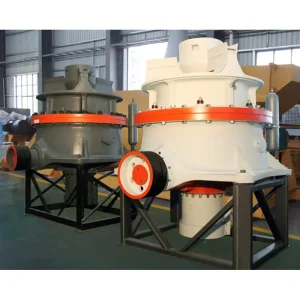
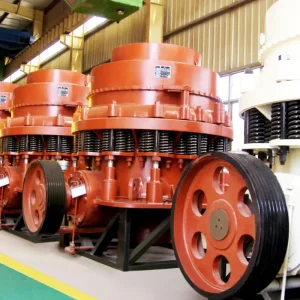
High-efficiency secondary, tertiary, and shaping units designed for mining, slag recycling, aggregate processing, and industrial minerals. Our VSI and PFL lines ensure consistent grain grading.
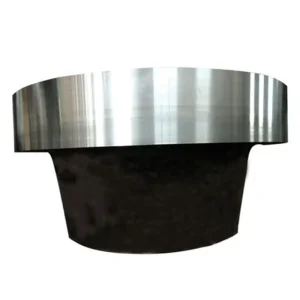
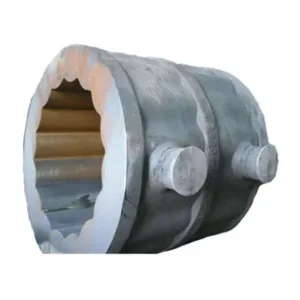
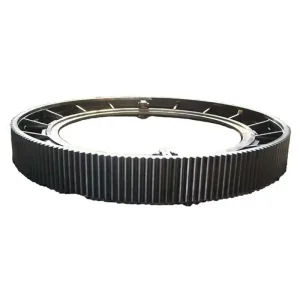
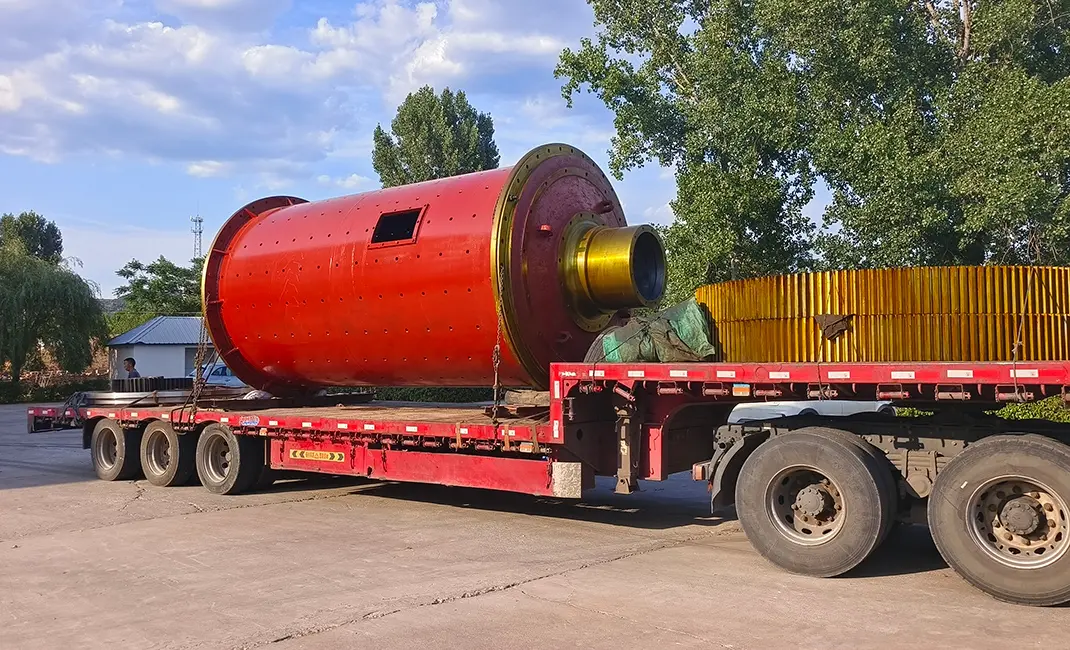
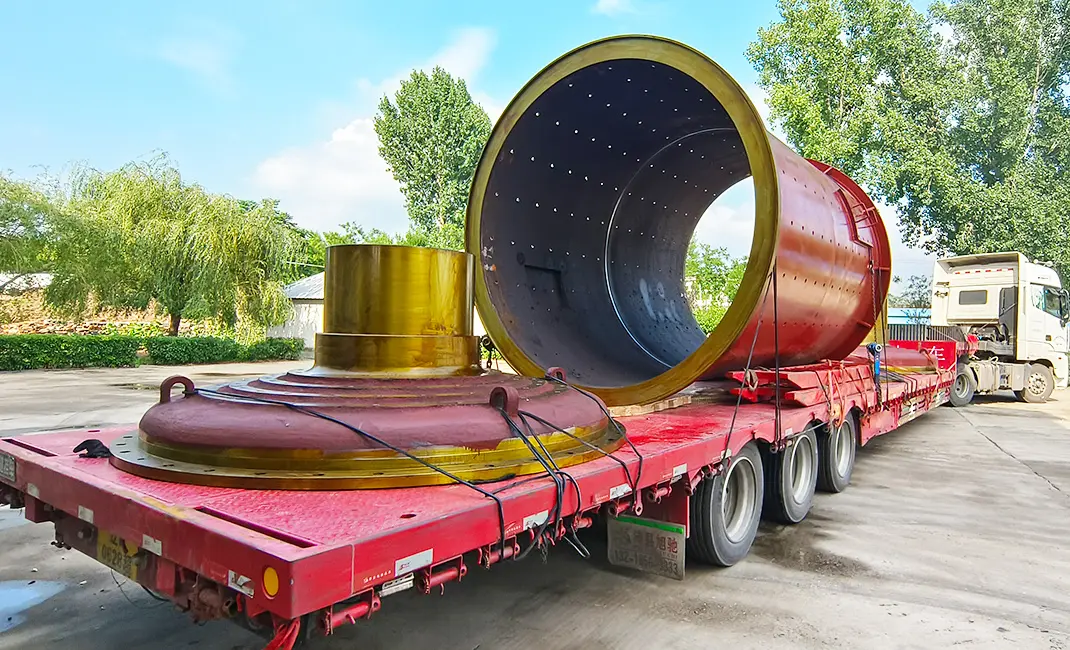
Large-scale components including riding rings, custom casting mantles, support rollers, and shell segments engineered to support high torsional loads in rotary kilns and mills.
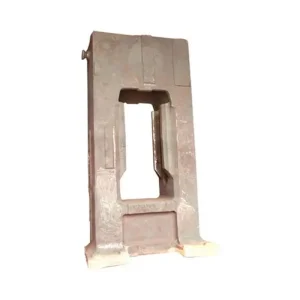
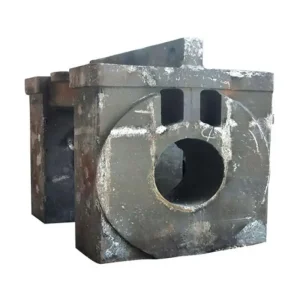
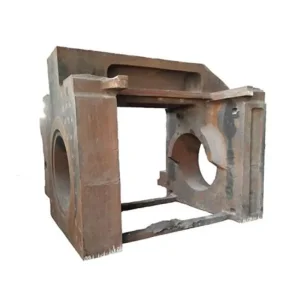
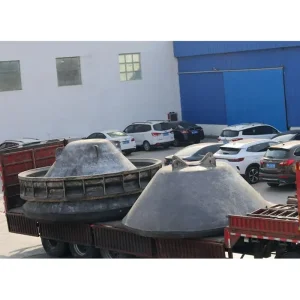
Heavy duty structural cast components, including hydraulic press wall panels, upper/lower bells, and high-tonnage cylinder casings built to withstand continuous cyclic pressure.
High-precision fluid control parts, heavy valve housings, casting turbine cylinders, and custom valve disc bodies configured for reliable pressure containment and wear resistance.
Durable slag ladles, iron ingot molds, crystallizers, and smelting components designed with specialized alloy structures to survive intense thermal cycles and thermal shock.
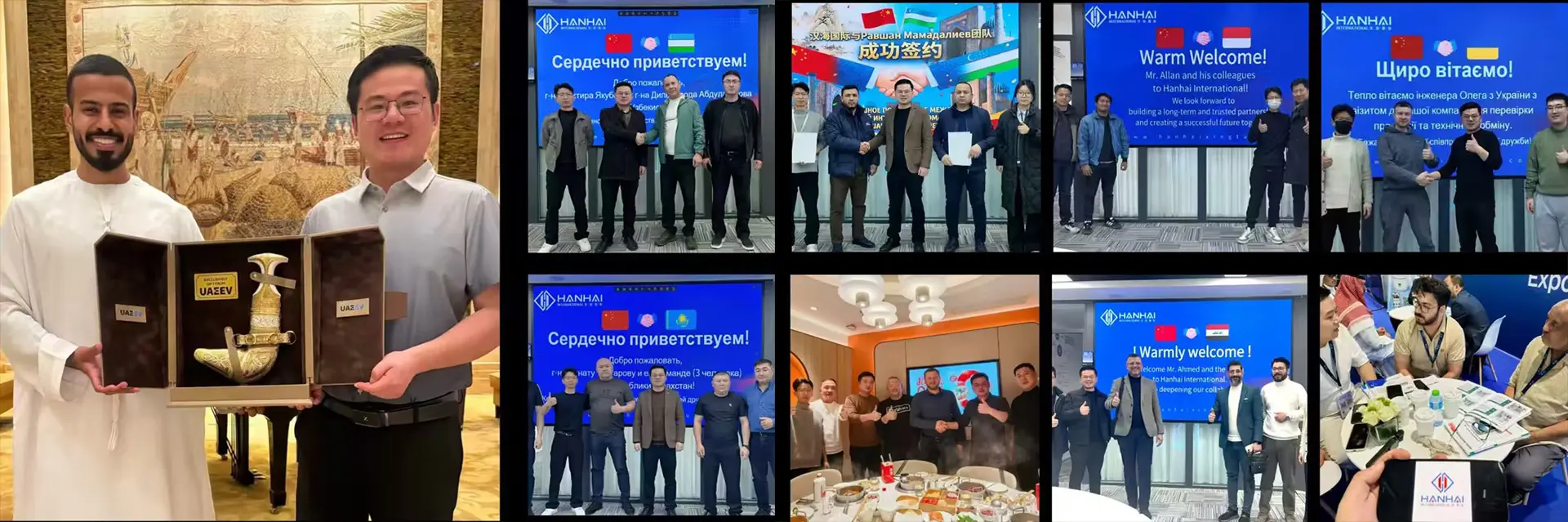
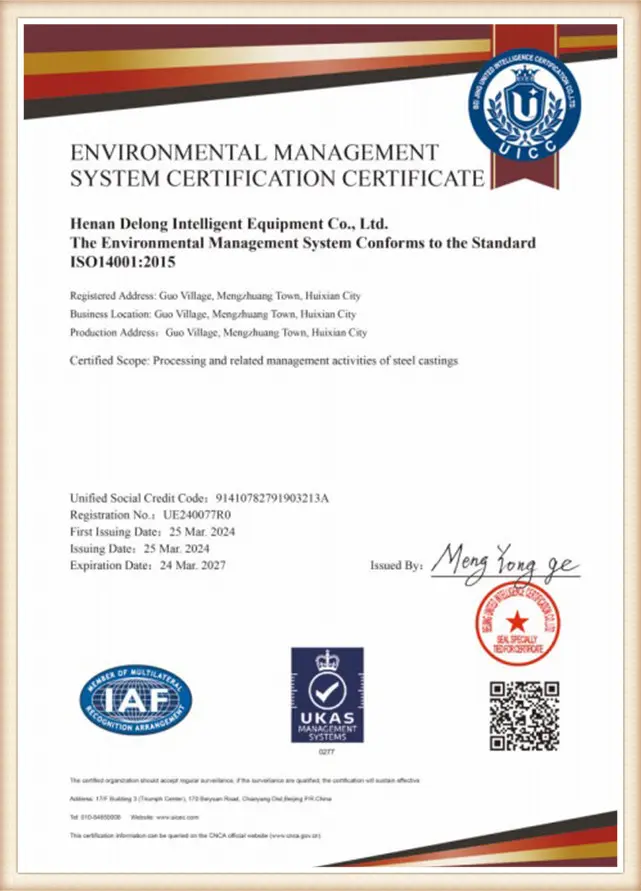
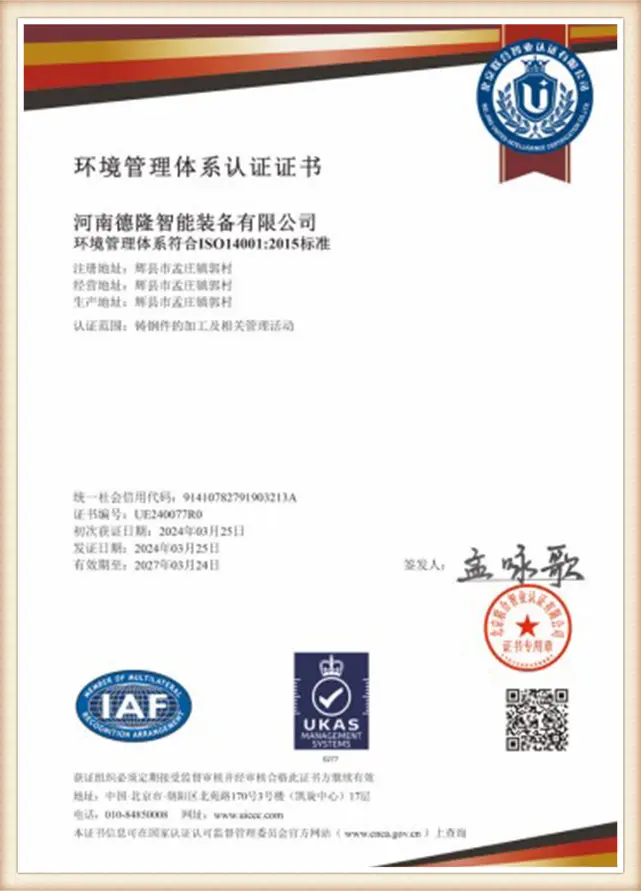
A structured, engineer-led workflow designed to ensure design compliance, structural reliability, and long-term project support.

We collect your project requirements, material specifications, wear conditions, and operational parameters.
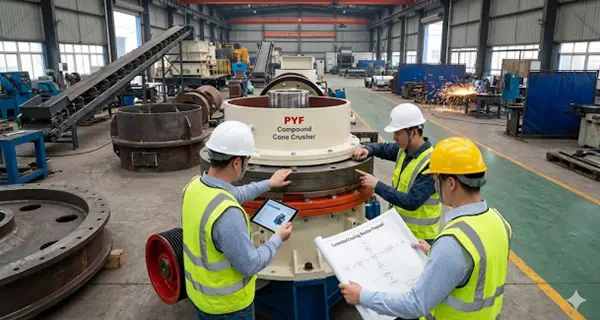
Our engineering team drafts custom CAD profiles and runs stress/thermal simulation tests.
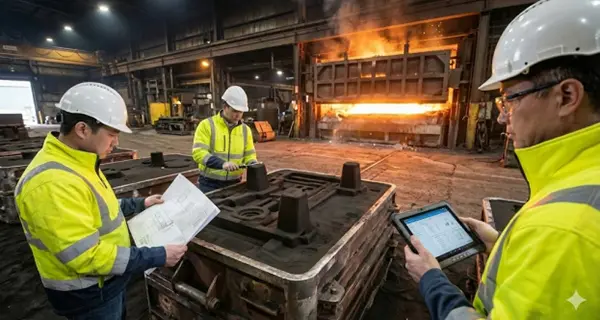
We finalize drawings, establish chemical compositions, tolerances, and inspection plans.
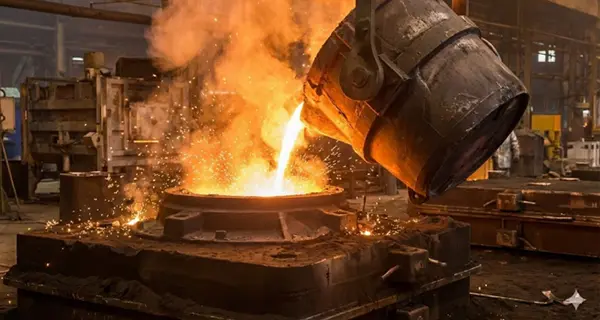
We perform steel melting, casting, heat treatment, and precision CNC finishing in our facility.

UT, MT, RT testing is conducted, and chemical composition analysis reports are generated.
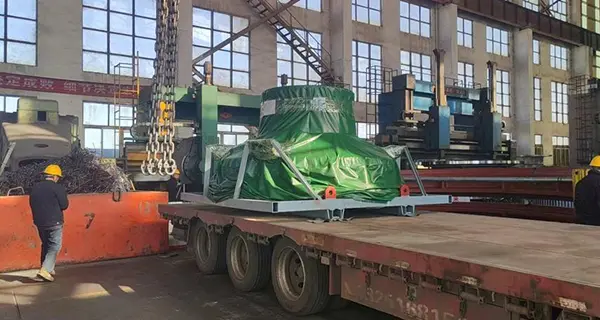
Machined surfaces are treated with anti-rust coatings, packaged, and shipped worldwide.
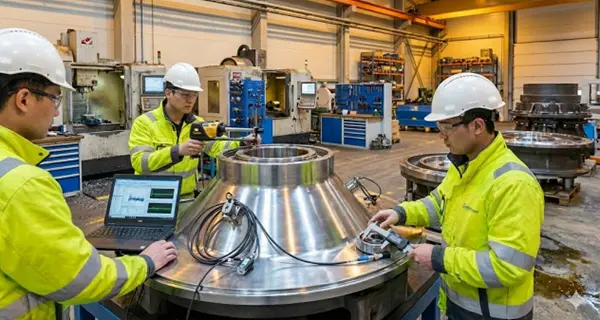
We provide online and onsite installation guidance to help optimize crusher rotor speeds.
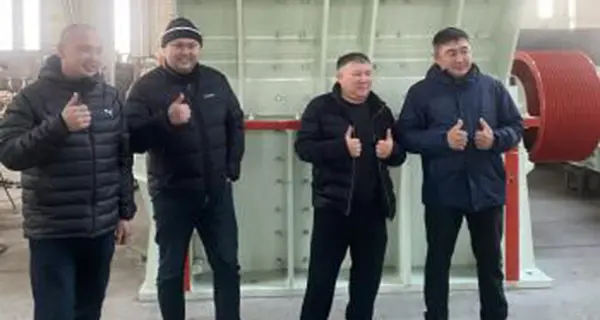
We deliver full documentation, maintenance logs, and operator training manuals.
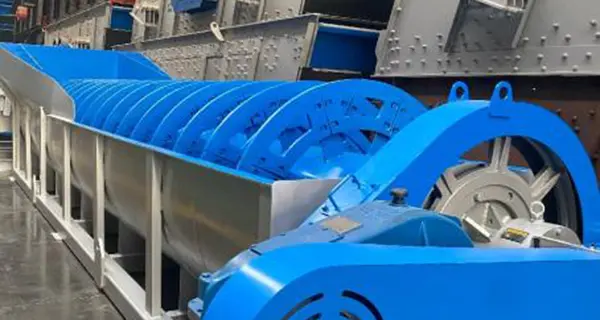
We guarantee quick-ship supply lines for replacement wear parts like rotor tips and mantles.
Technical answers to help engineers, plant managers, and procurement officers optimize equipment choices.
Explore our range of heavy-duty cast steel beams, ingot molds, and specialized mining system components.
 Hanhai