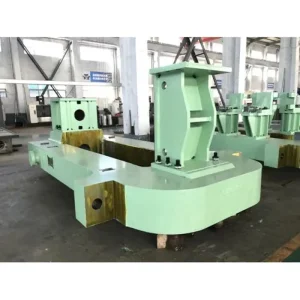
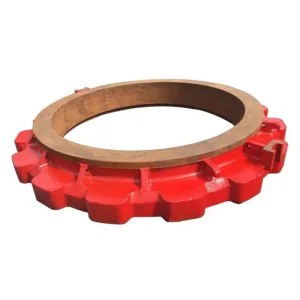
Heavy-duty foundry components engineered to survive extreme abrasive stresses and mechanical loads in structural mining and quarry processes.
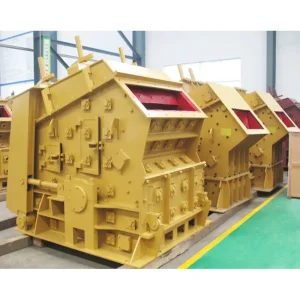
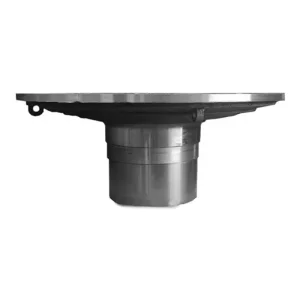
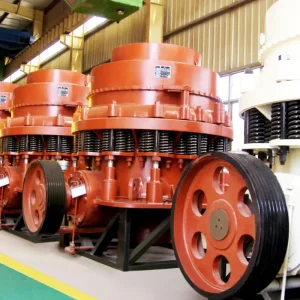
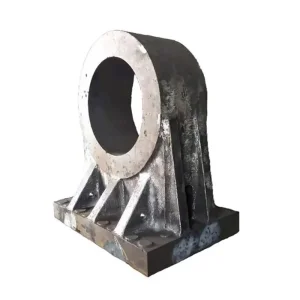
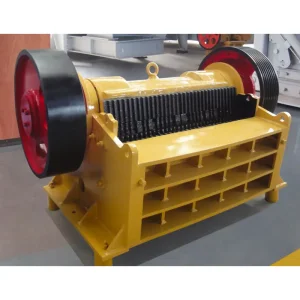
Track jaw crushers represent the pinnacle of heavy-duty mechanical engineering in primary crushing, designed to process run-of-mine materials under the most brutal environmental conditions. Unlike stationary crushers, mobile track jaw crushers incorporate high-mobility crawlers with extreme mechanical crushing mechanisms. The engineering core relies on compressive mechanical force. Rock is crushed between two jaw plates: one fixed and one moving. An eccentric shaft driven by a highly calibrated flywheel assembly provides the necessary reciprocating movement, pressing the mineral matrix against the manganese lining until the internal compressive stress exceeds the material's yield strength.
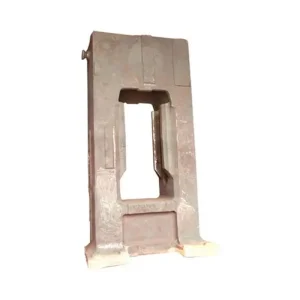
This primary reduction cycle demands materials that exhibit outstanding fatigue limits and toughness. The frame of the jaw crusher must absorb high impact energy. As a result, industry-leading manufacturers focus deeply on structural castings. Standard manufacturing involves heavy cast steel parts like structural frames, movable jaw bodies, and eccentric shafts. Advanced metallurgical practices, such as vacuum degasification and precision heat treatment, ensure that these parts are completely free of internal porosity, micro-cracks, and structural inclusions. This guarantees operational safety in high-stress crushing zones.
The development of track jaw crushers is guided by three main trends: hybrid electrification, intelligent automation, and zero-emission performance. As environmental regulations tighten and fuel costs rise, traditional diesel-hydraulic drives are giving way to advanced diesel-electric hybrid and direct-electric systems. Direct electric drive systems allow operators to run the crawler tracks hydraulically for onsite positioning, then plug the crushing system directly into the local power grid. This reduces operating costs by up to 30% and significantly limits onsite emissions.
Automation and telemetry are also changing how operations run. Modern track jaw crushers feature intelligent sensor networks that monitor real-time metrics, including bearing temperatures, motor load variations, and vibration profiles. Edge computing systems use this data to adjust the Closed Side Setting (CSS) dynamically during operation. This prevents overloading when uncrushable materials (such as tramp iron) enter the chamber.
Looking ahead, the industry is moving toward fully autonomous quarry operations. Integrated fleets of excavators, track jaw crushers, and downstream screening plants will communicate via 5G networks to coordinate feed rates, optimize energy use, and predict wear-part failure before costly unplanned downtime occurs.
Track jaw crushers are essential across many sectors, adapting to diverse operational needs:
Delivering high-performance metallurgy, engineering precision, and robust casting solutions to global partners.
Henan Hanhai Metallurgy Mining International Trade Co., LTD is a leading foundry manufacturer in China, specializing in high-strength cast steel and cast iron parts. With advanced production lines and strict quality control, we supply durable castings for the mining, metallurgy, power generation, and construction industries worldwide.
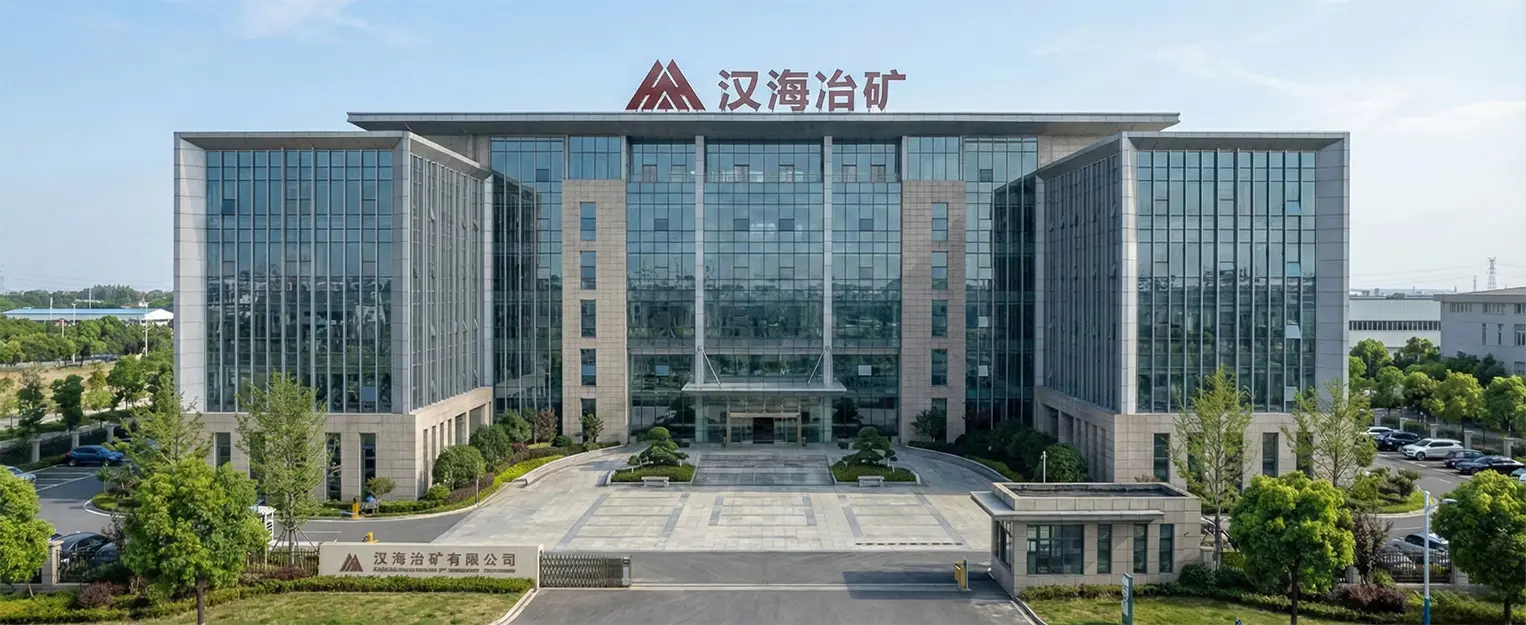
Over two decades of dedication, growing from a regional casting workshop into a major exporter of large-scale heavy machinery components.
Hanhai Casting was established, focusing on heavy steel and iron castings. The company built a solid technical foundation, serving domestic industrial plants and refining casting processes.
Introduced advanced melting and molding technologies, expanded production capacity, and became a key supplier to the mining, cement, and metallurgy sectors across China.
Achieved ISO9001 and CE certification, upgraded testing equipment, and began exporting high-performance castings to Asia, Europe, and the Middle East.
Integrated intelligent foundry systems and digital management, driving sustainable manufacturing and building long-term global customer partnerships.
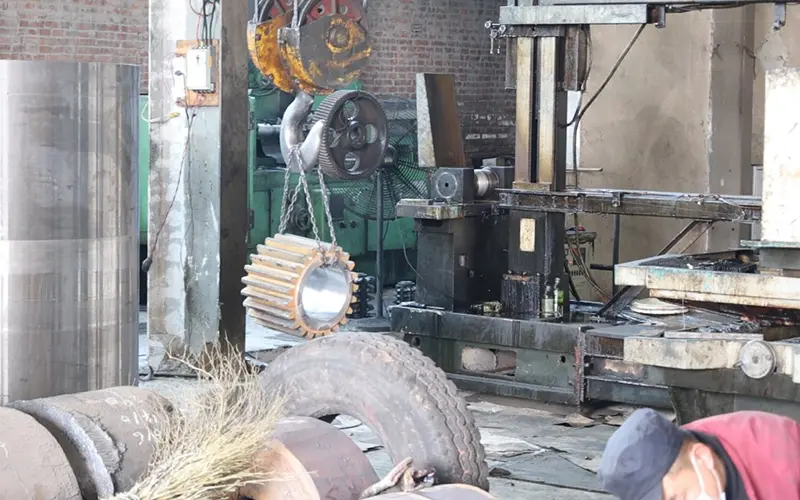
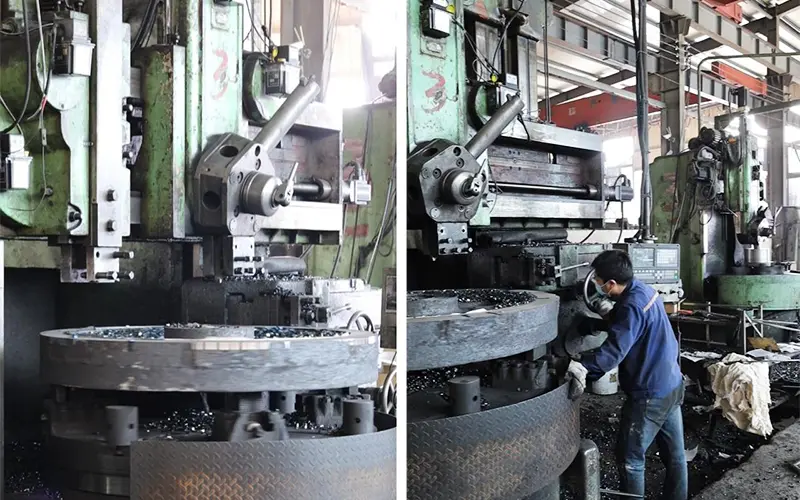
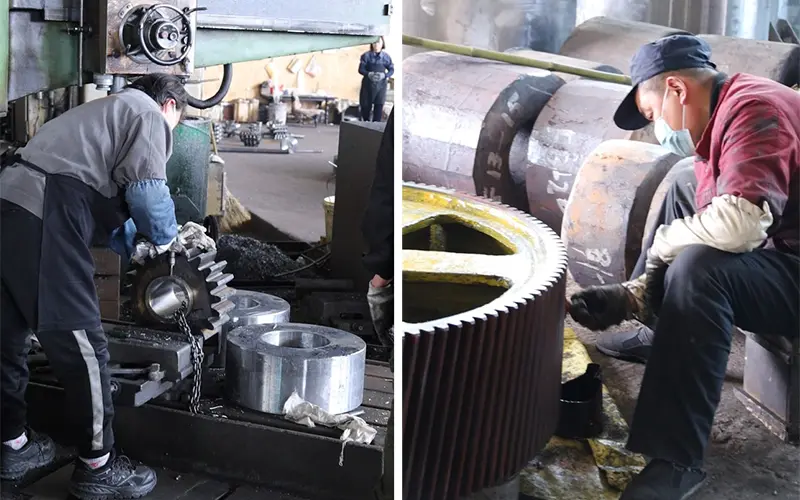
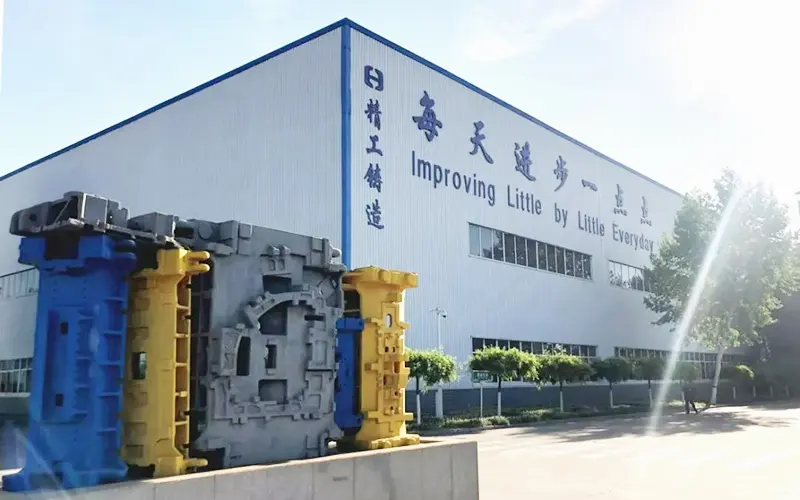
Henan Hanhai's production facilities highlight the benefits of China's Factory 4.0 evolution. In the heavy machinery casting sector, keeping supply chains stable requires integrating production stages—from design and simulation to melting, pouring, heat treatment, and precision machining. By managing the entire casting lifecycle under one roof, we eliminate intermediate logistics steps, reduce overheads, and ensure quality control throughout production.
We use advanced thermal simulation software to model crystallization and cooling phases before pouring molten steel. This lets engineers locate and address potential shrinkage cavities or structural tension points. Our foundry features large-scale electric arc furnaces, automated sand reclamation lines, and high-capacity heat-treatment furnaces. This setup produces consistent steel structures that handle high mechanical stress without structural fatigue.
In a volatile global market, Hanhai’s 80,000-ton annual capacity provides reliable supply chain security for international heavy machinery builders. From raw materials to final machining, our integrated processes protect customers from sudden market disruptions and erratic lead times.
A step-by-step workflow designed to ensure clear communication, precise engineering design, and reliable delivery for global heavy machinery projects.

We collect project parameters, including material type, desired output sizes, operating conditions, and drawing details.
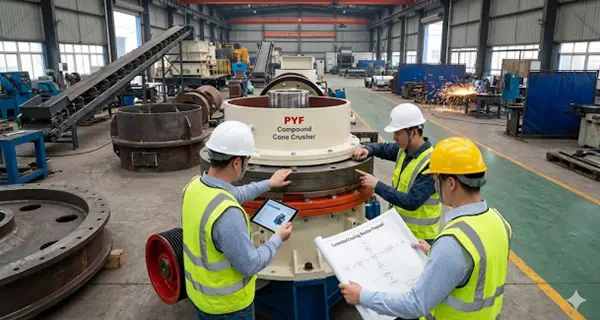
Our engineering team drafts custom CAD layouts, models mechanical stresses, and selects alloys to match your goals.
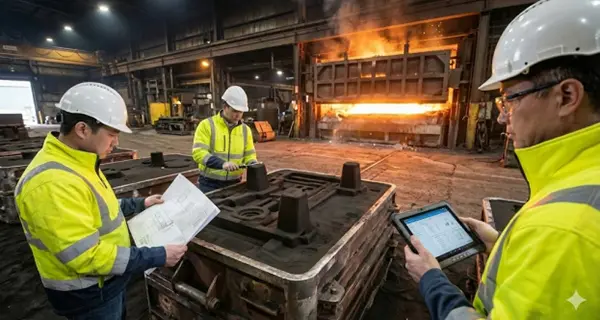
We review technical drawings, material properties, tolerance specifications, and contract terms to align with your expectations.
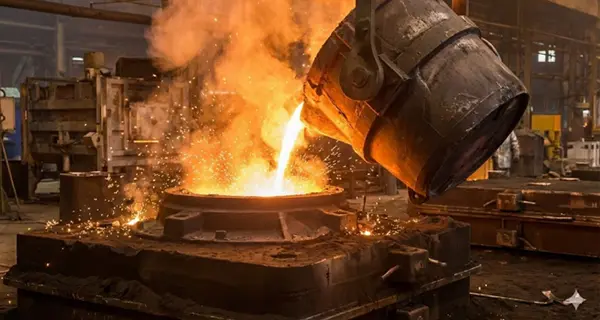
Production takes place using state-of-the-art electric furnaces and automatic sand-molding lines, under strict supervision.

We verify dimensional accuracy and conduct non-destructive testing (NDT), including ultrasonic and magnetic particle inspections.
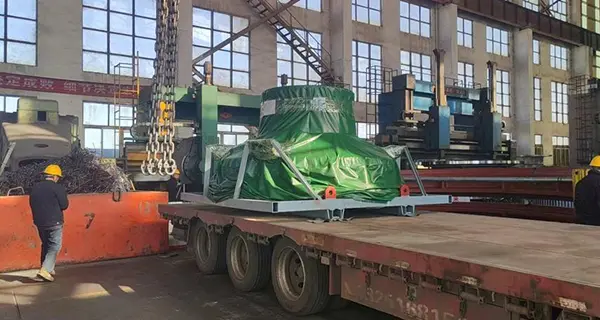
Components are packed to resist corrosion and damage, then shipped via global logistics networks.
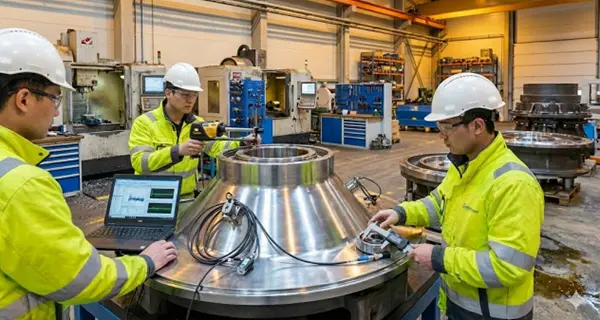
Our field engineers provide remote or on-site guidance to help integrate components smoothly into your system.

We deliver complete quality documentation, material certificates, and guidelines for optimal component life.
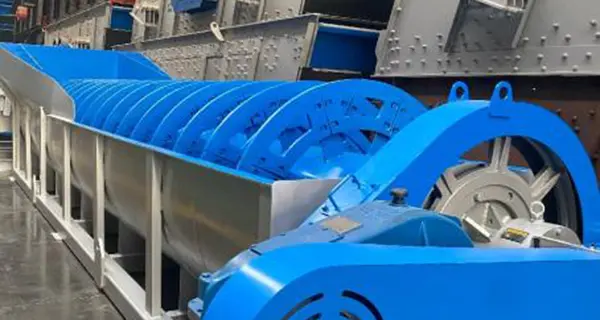
We offer continuous support, technical consultations, and fast-response wear parts supply to keep operations running.
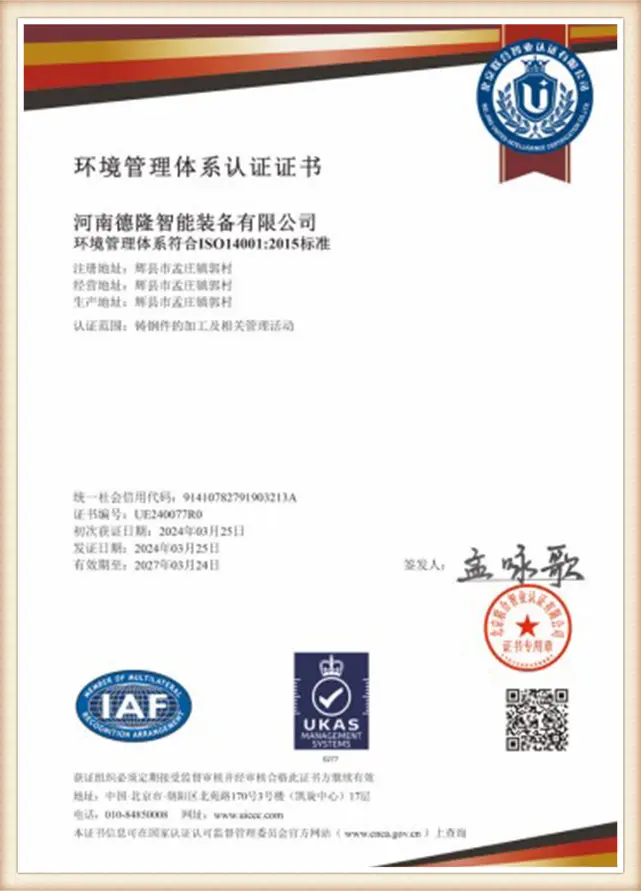
We collaborate with major heavy machinery suppliers, metallurgy plants, and mining contractors across Europe, Asia, South America, and the Middle East.

A closer look at our engineered castings for primary crushing, metallurgical processing, and heavy industrial systems.
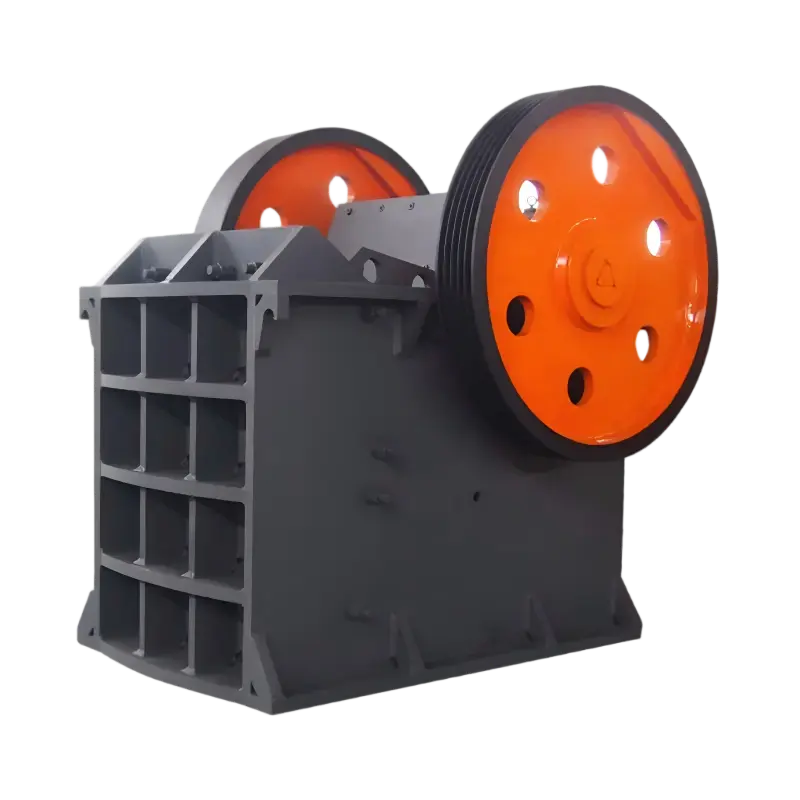
Engineered with a robust cast-steel frame and optimized eccentric shaft design, ensuring high reduction ratios and reliable operation in primary rock-crushing applications.
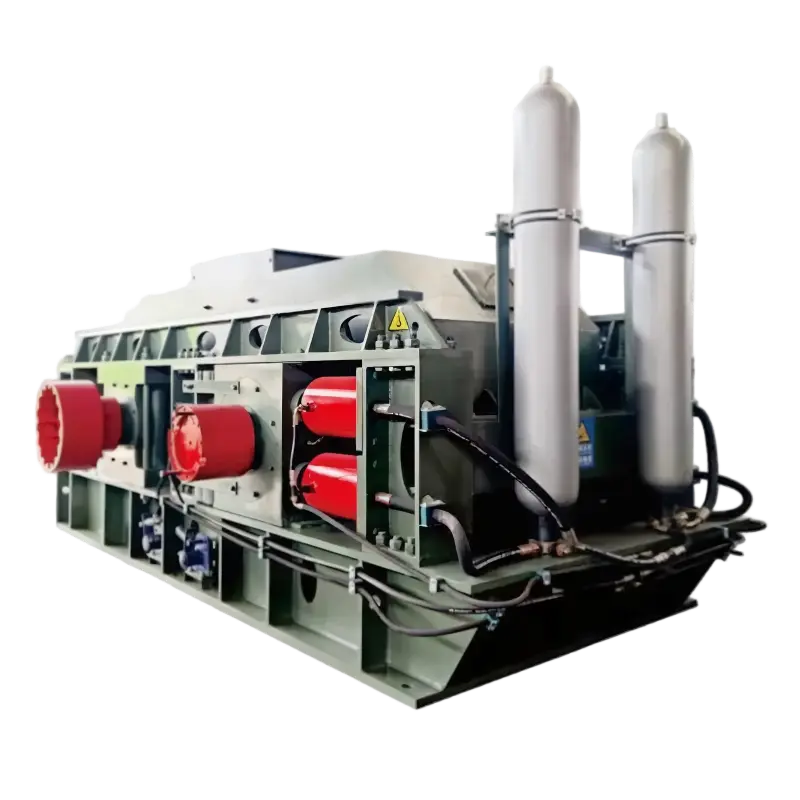
Featuring high-wear roll shells designed for soft to medium-hard minerals. This system is optimized for feed consistency and low operational wear.
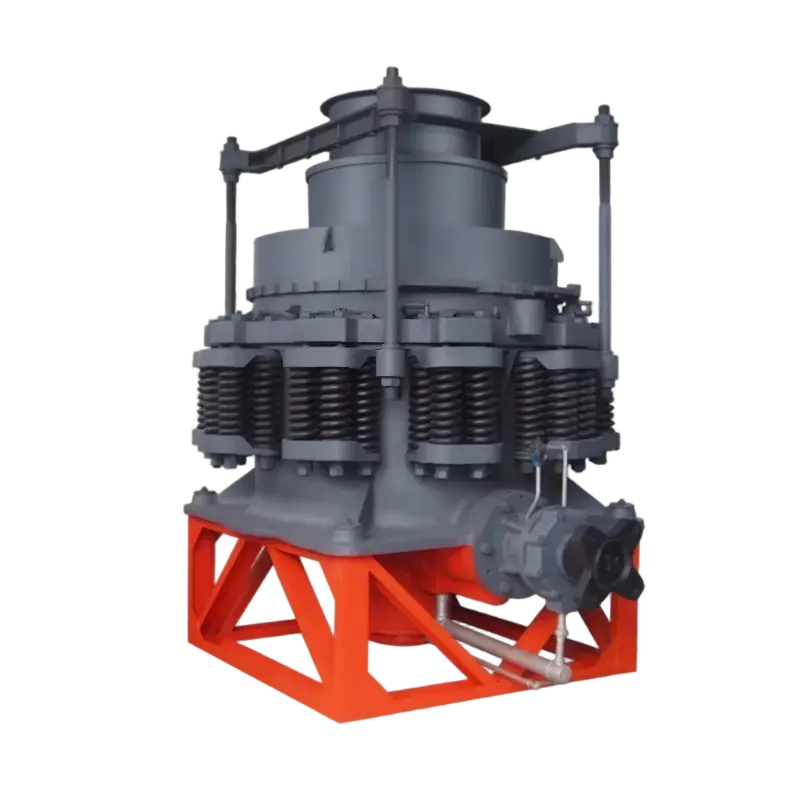
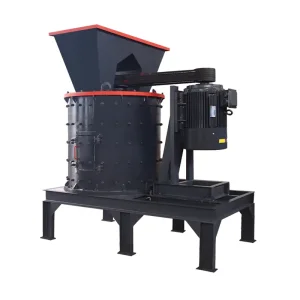
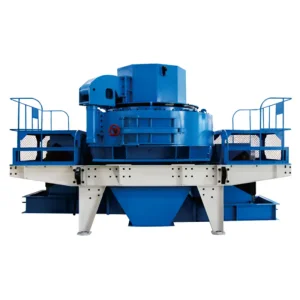
Designed for secondary and tertiary crushing, this unit features a spring-based overload protection system that safely processes non-crushable materials.
Delivering high-durability cast components tailored to meet the extreme performance demands of modern industrial operations.
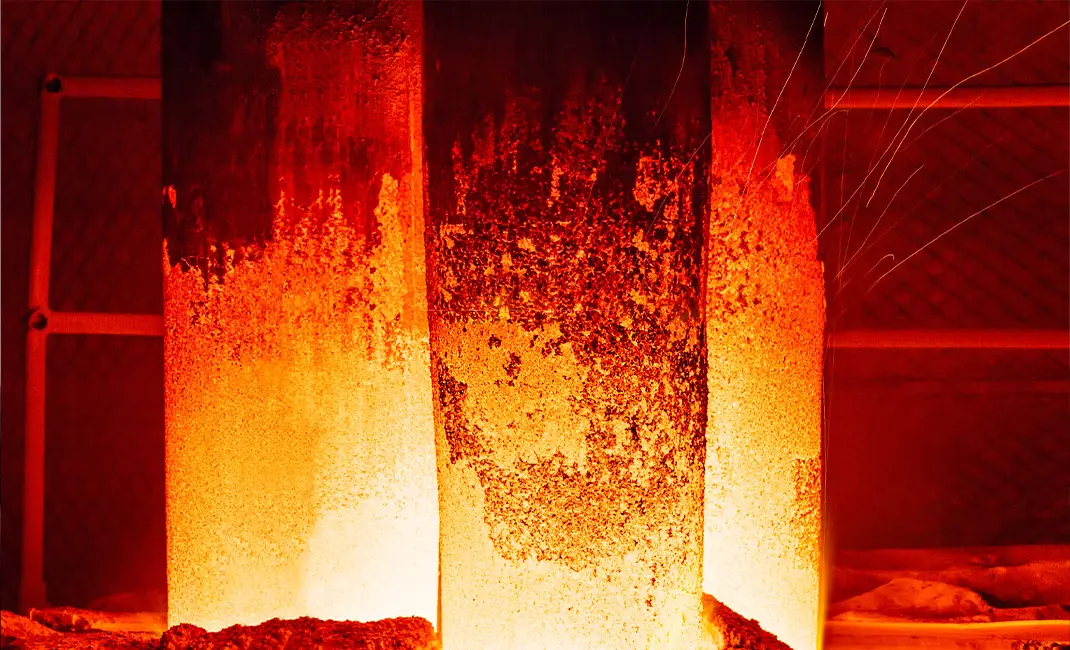

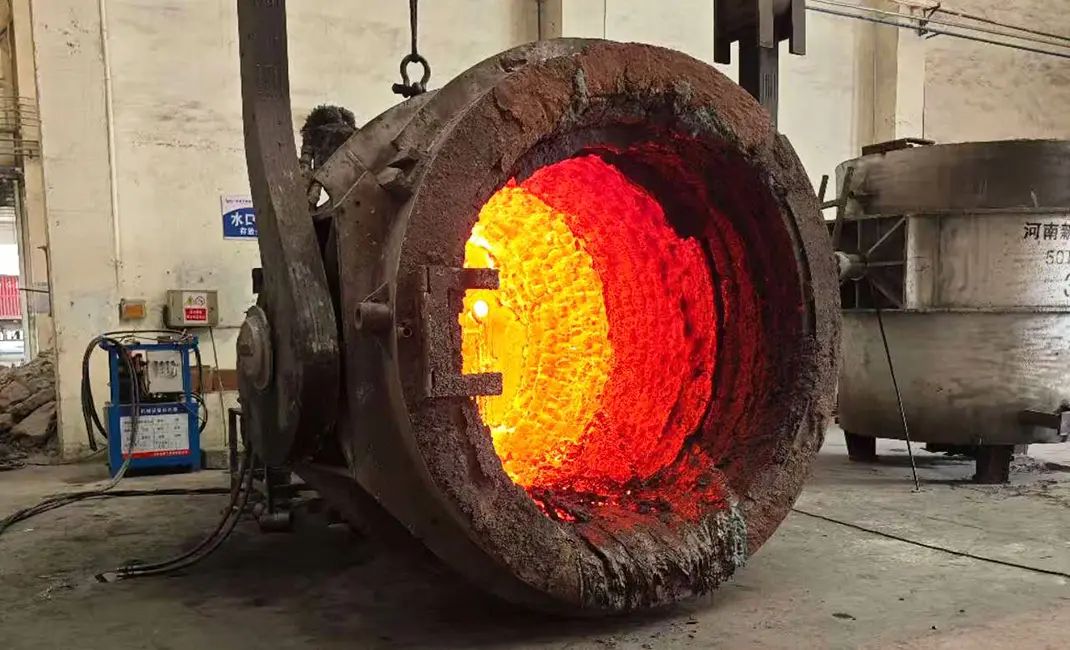
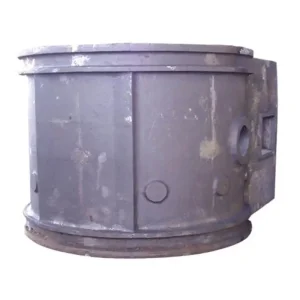
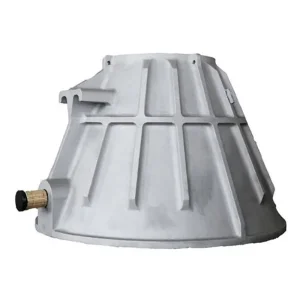
We supply slag ladles, slag pots, and custom furnace components designed to withstand high thermal shock and molten metal processing.
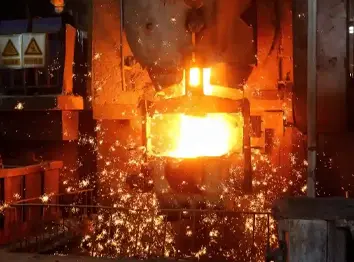

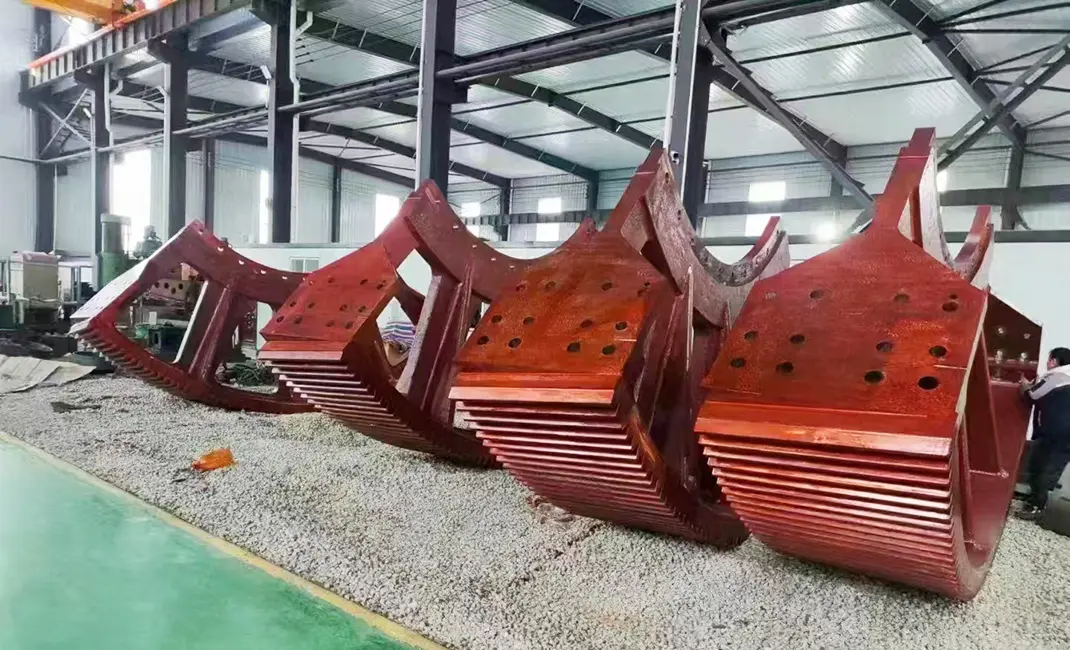
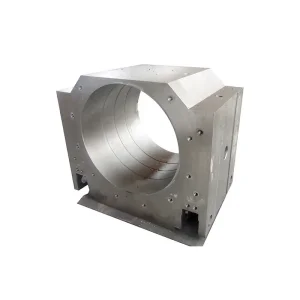
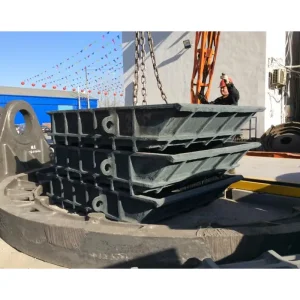
We offer precision casting of structural elements up to 150 tons, including press arches, mill heads, and large support housings.
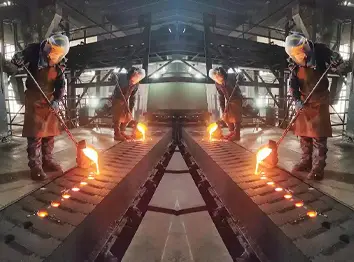

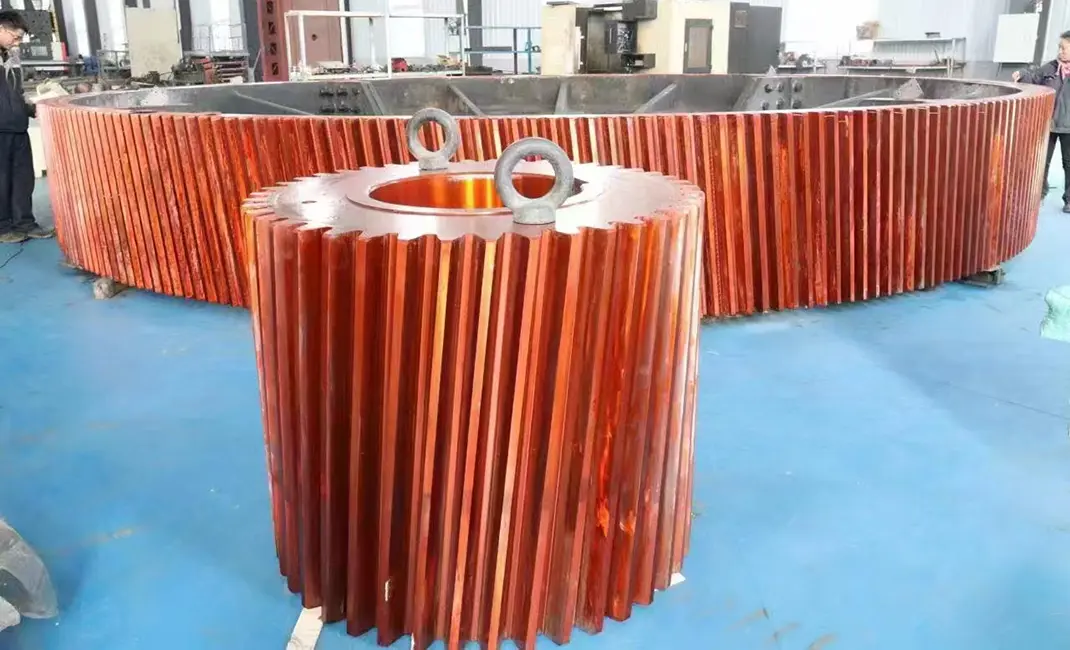
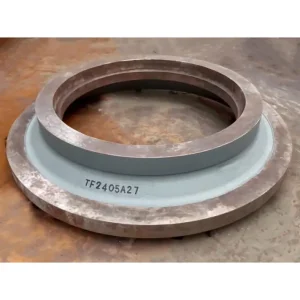
Our range includes durable mill liners, trunnions, and classifier components engineered to handle constant friction and impact.
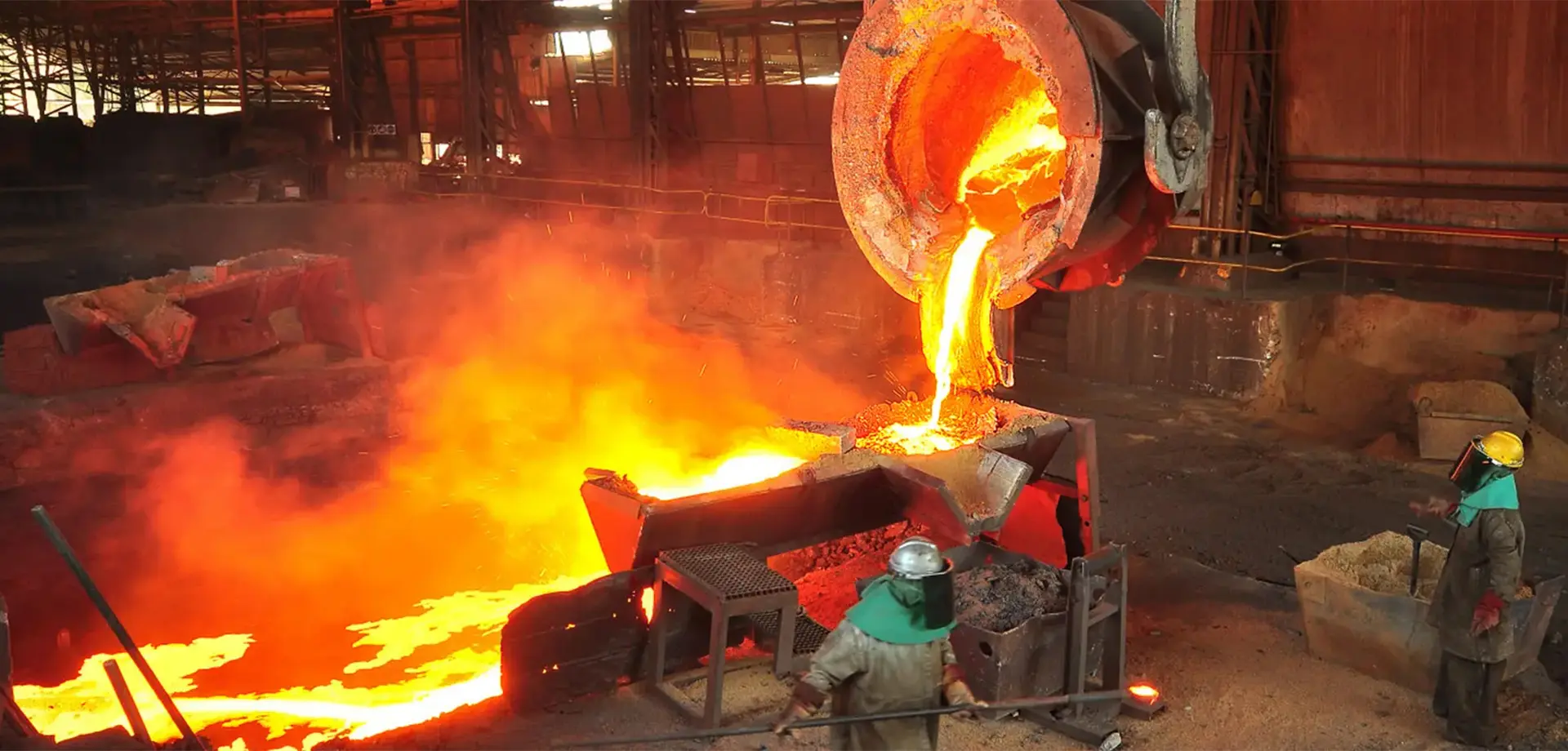

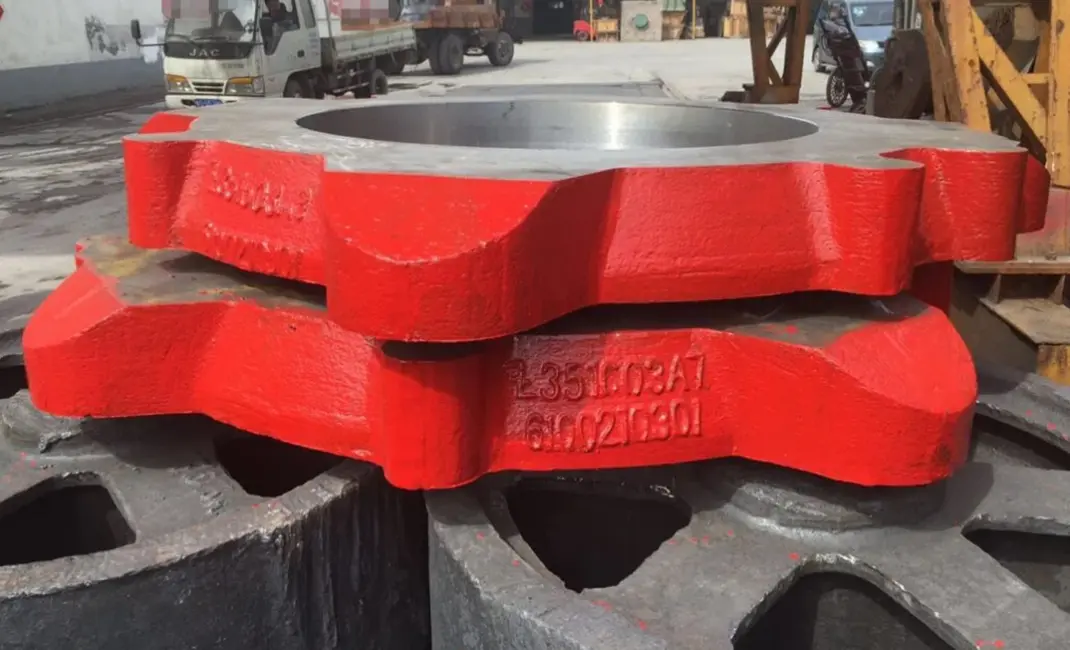
We build high-impact wear components, toggle seats, and eccentric shafts for heavy jaw, cone, and impact crushers.
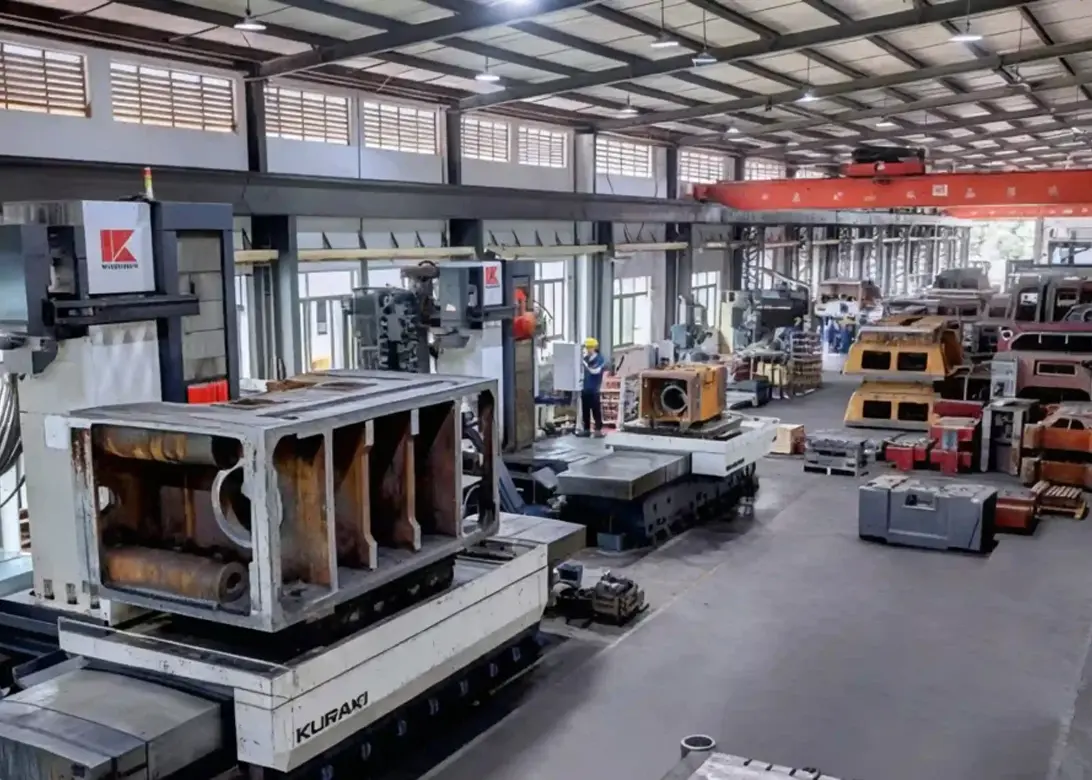

We pour custom-formulated carbon, alloy, and stainless steels tailored to your proprietary mechanical requirements.
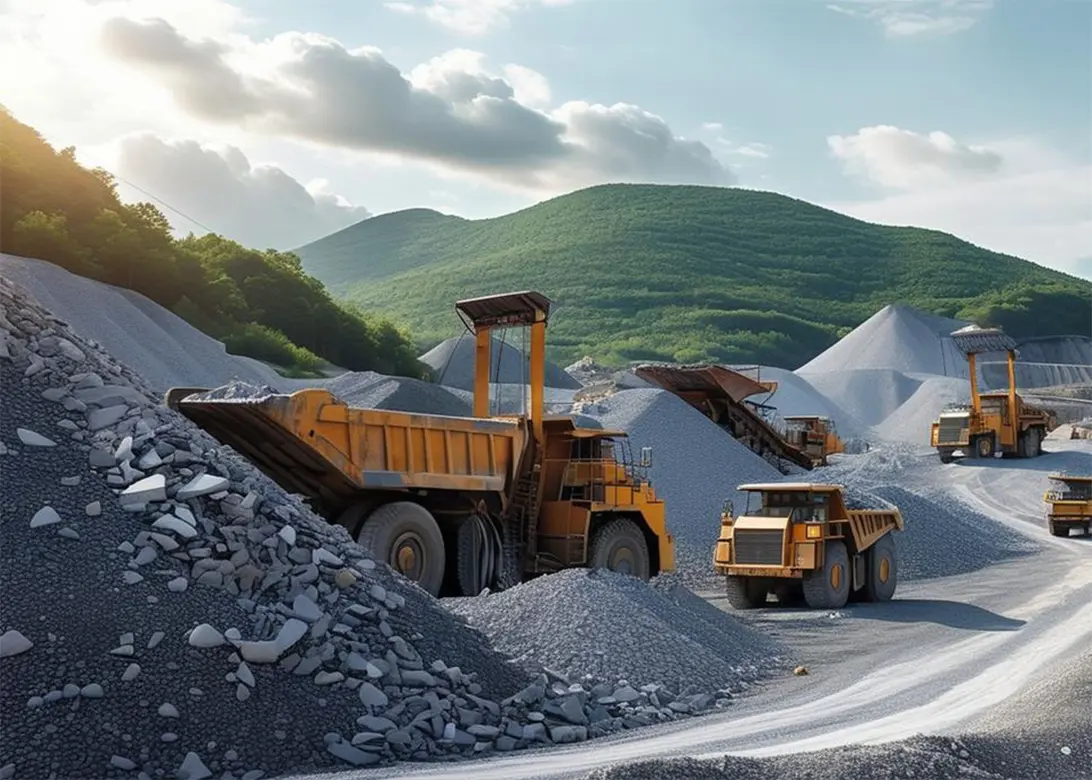

We offer integrated wear package designs that reduce downtime and extend component life in demanding mineral extraction operations.
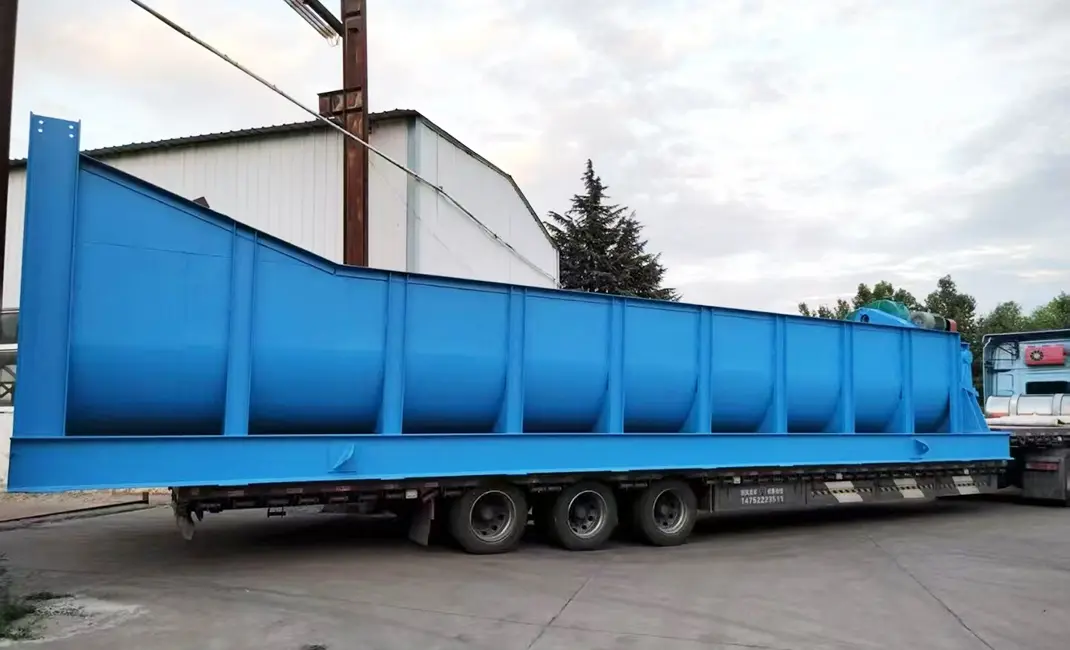
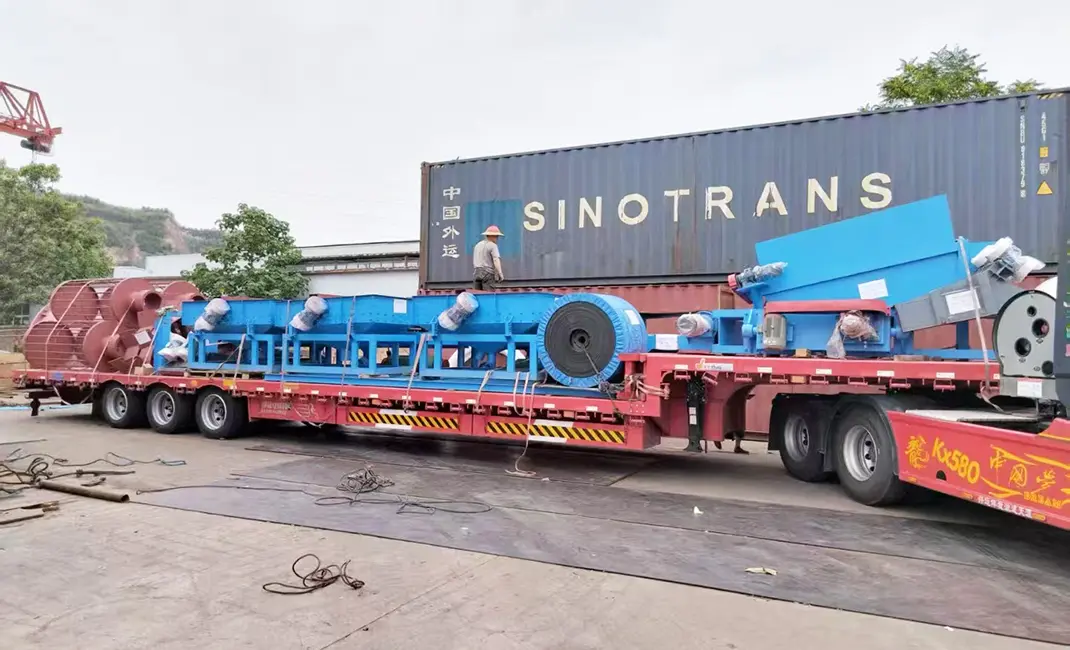
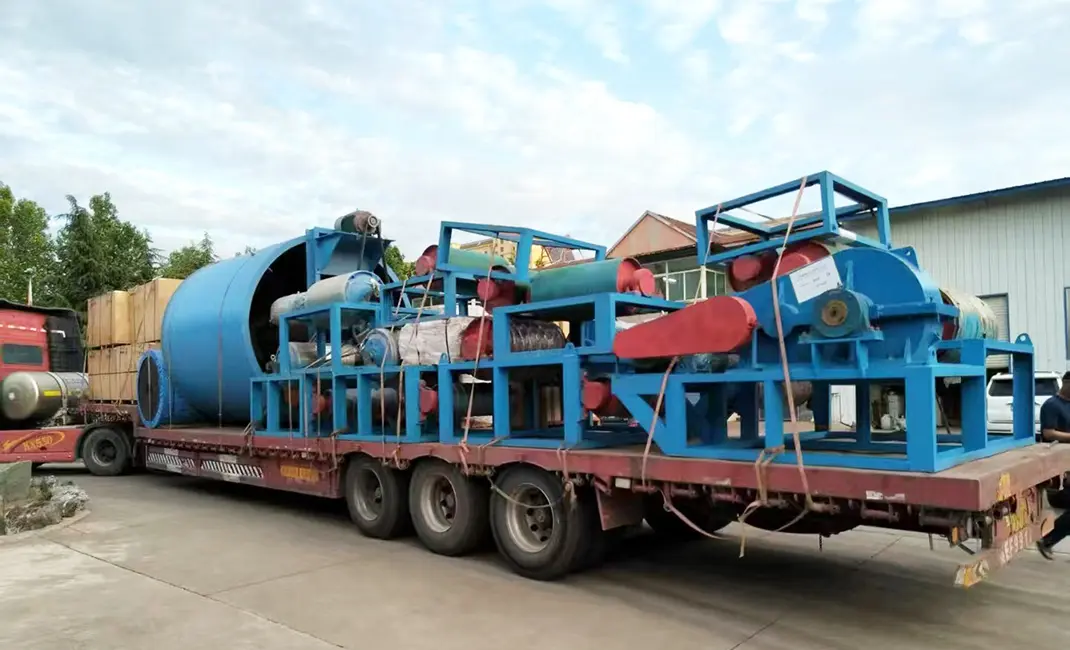
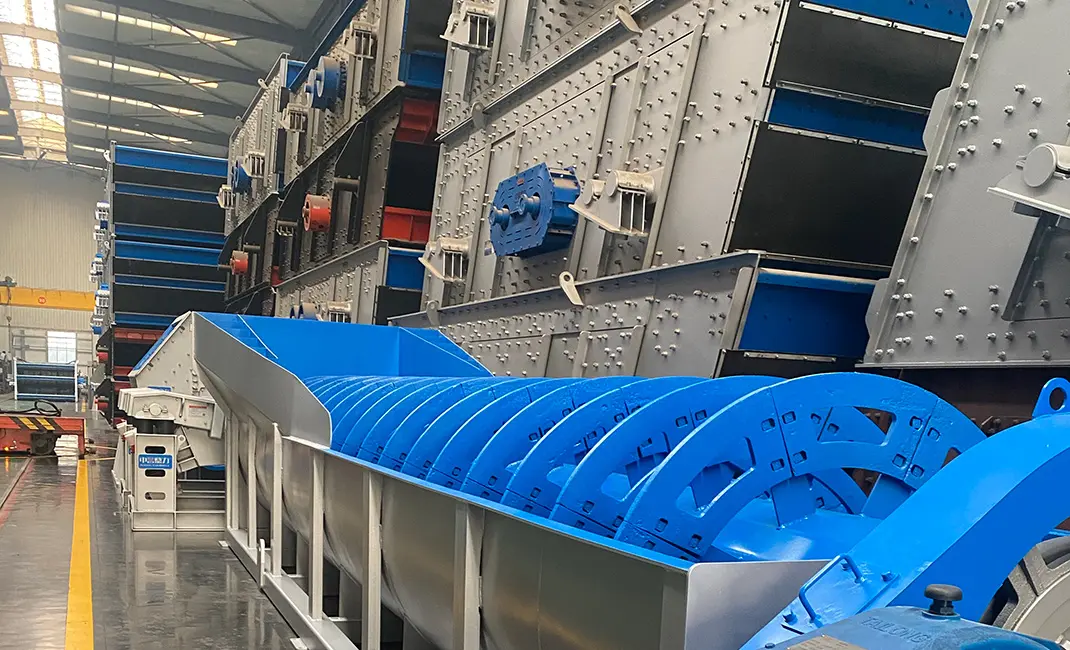
Explore our global case history gallery, documenting our supply of high-grade castings to critical heavy machinery projects.
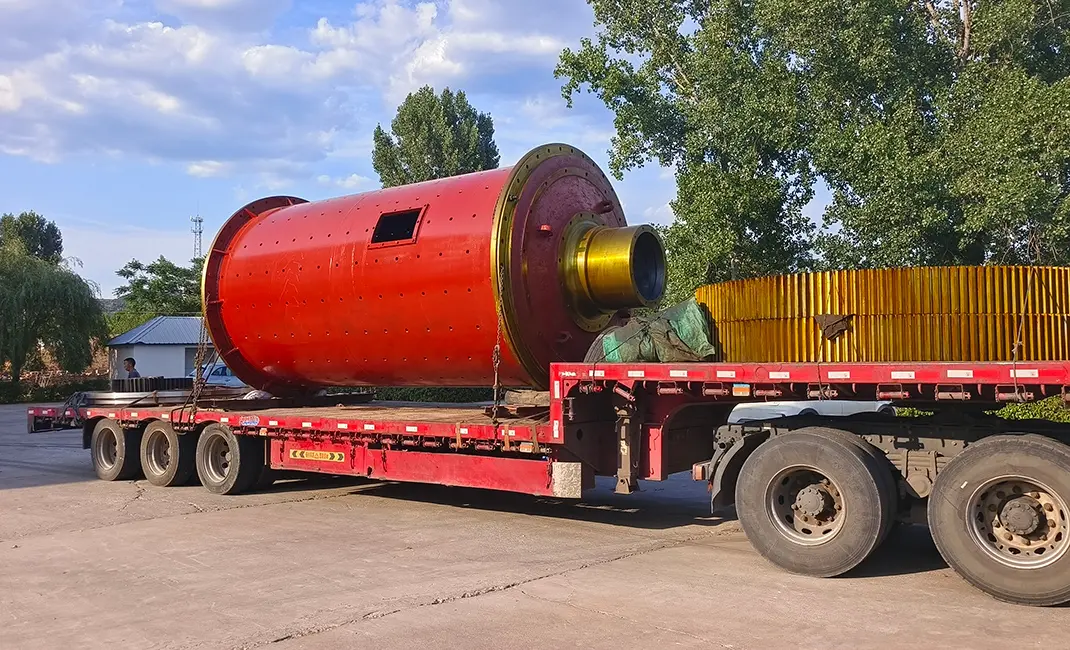
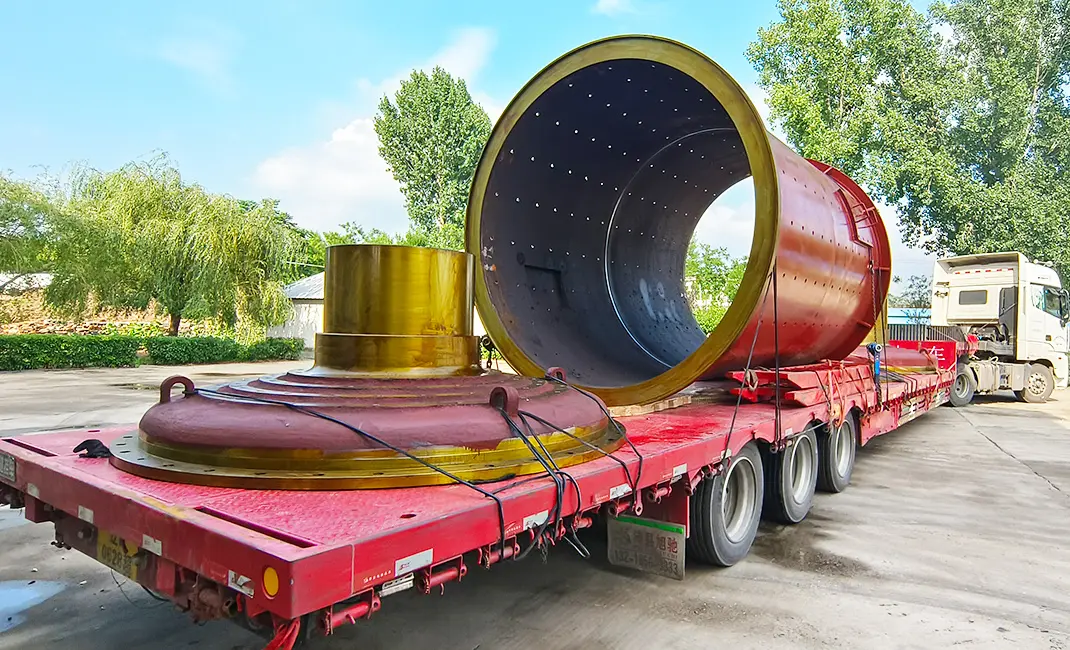
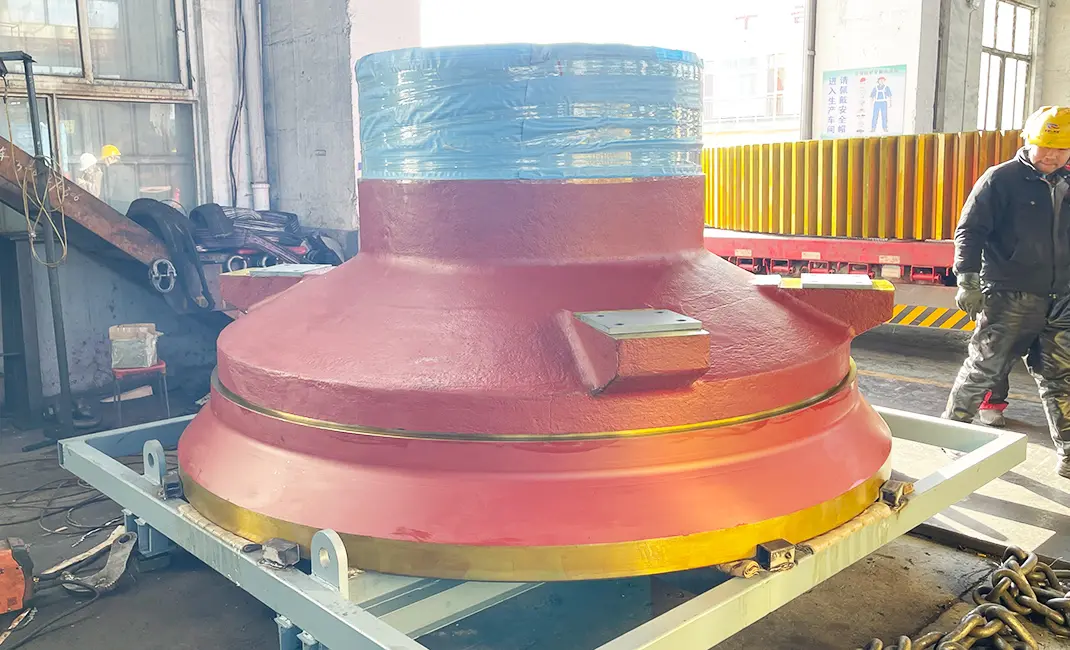
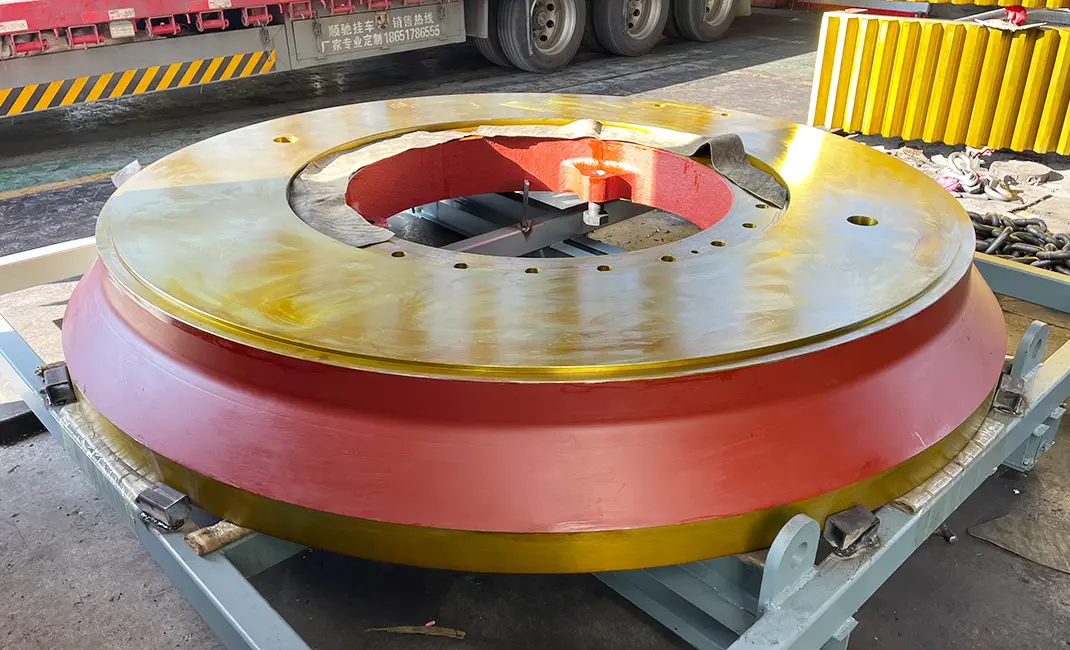
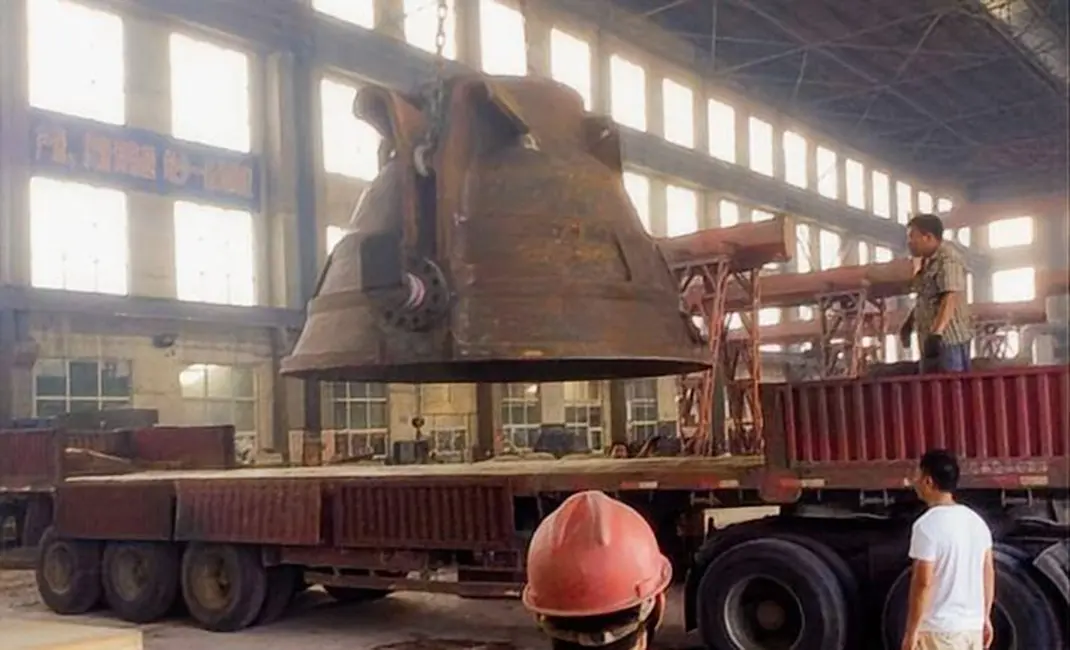
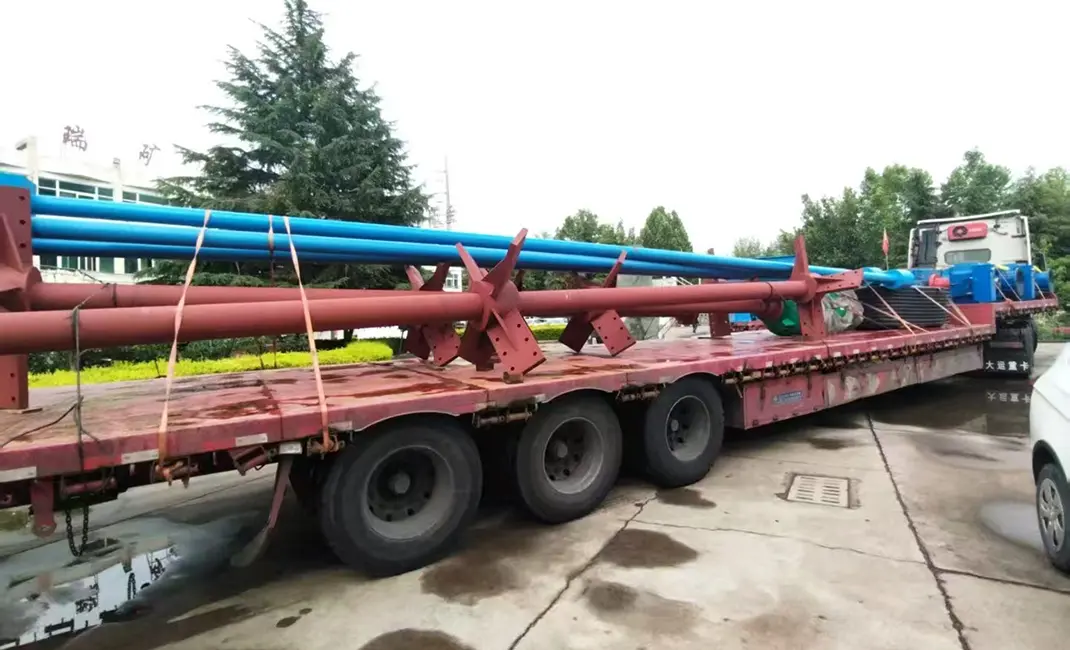
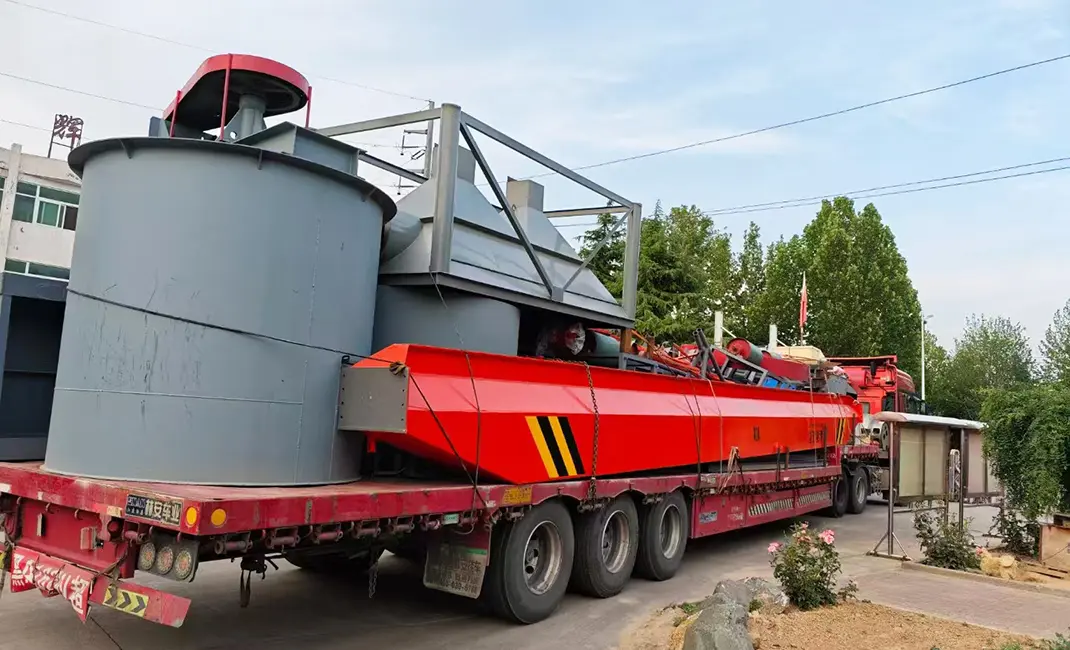
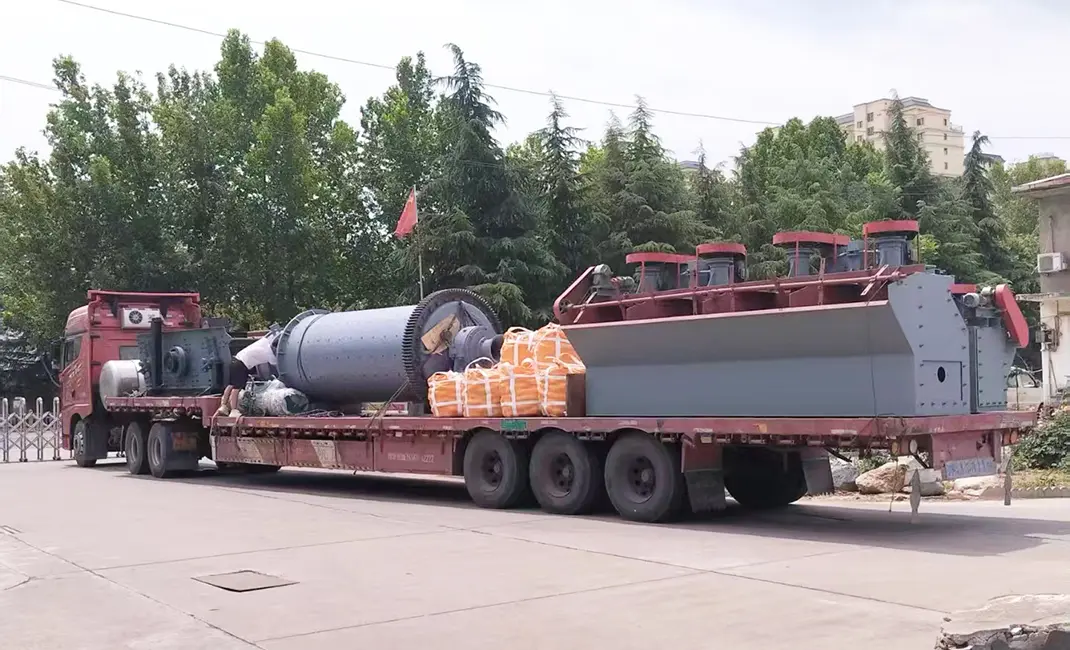
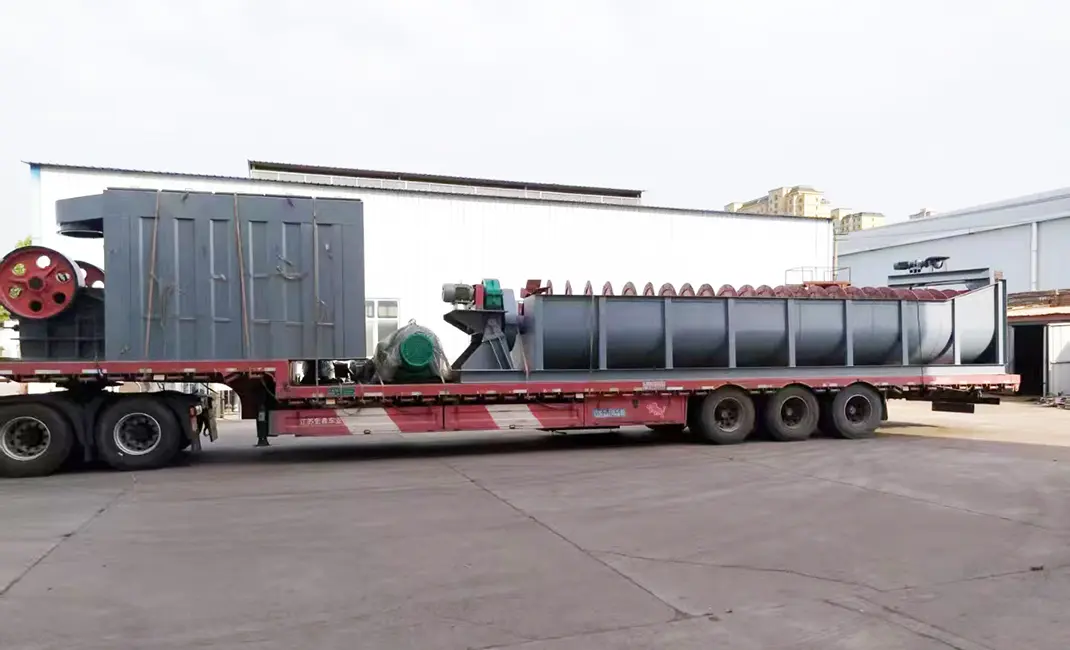

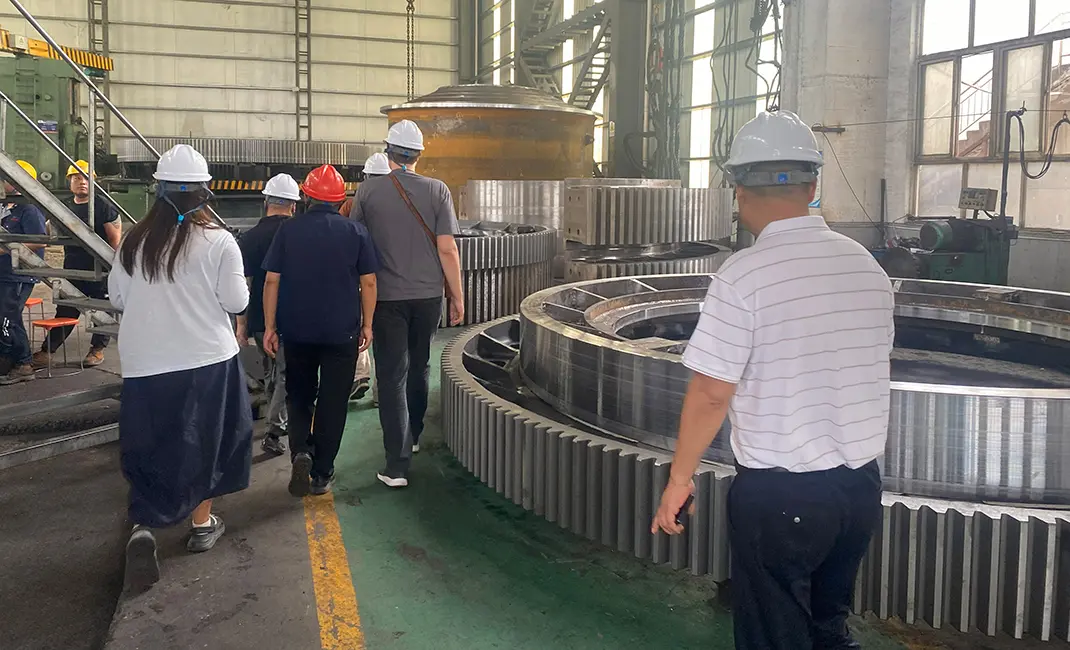
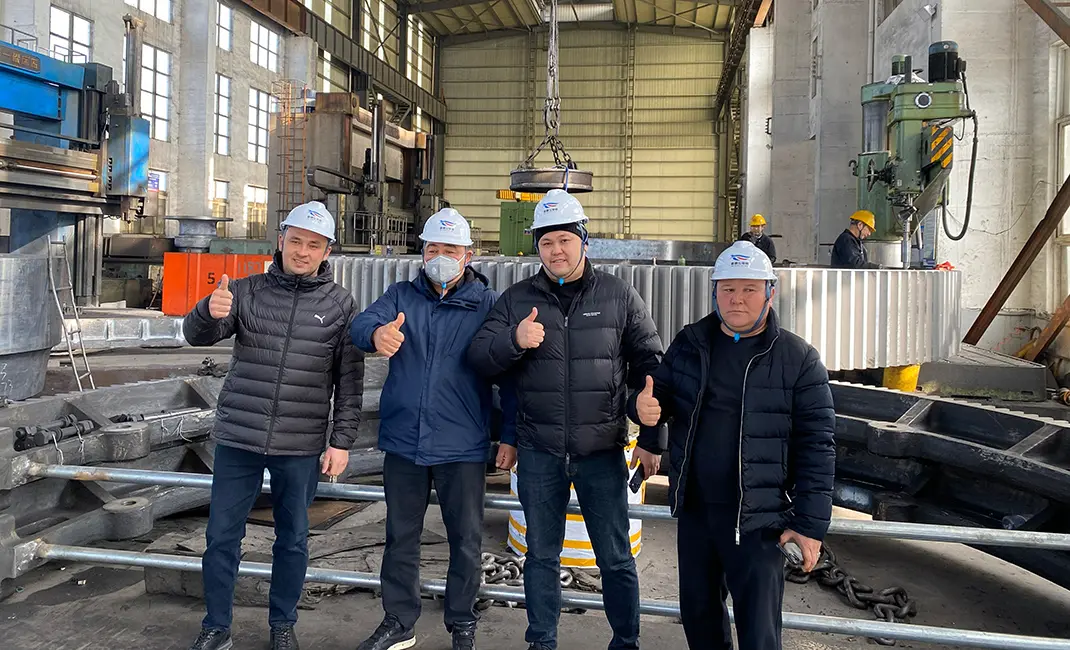
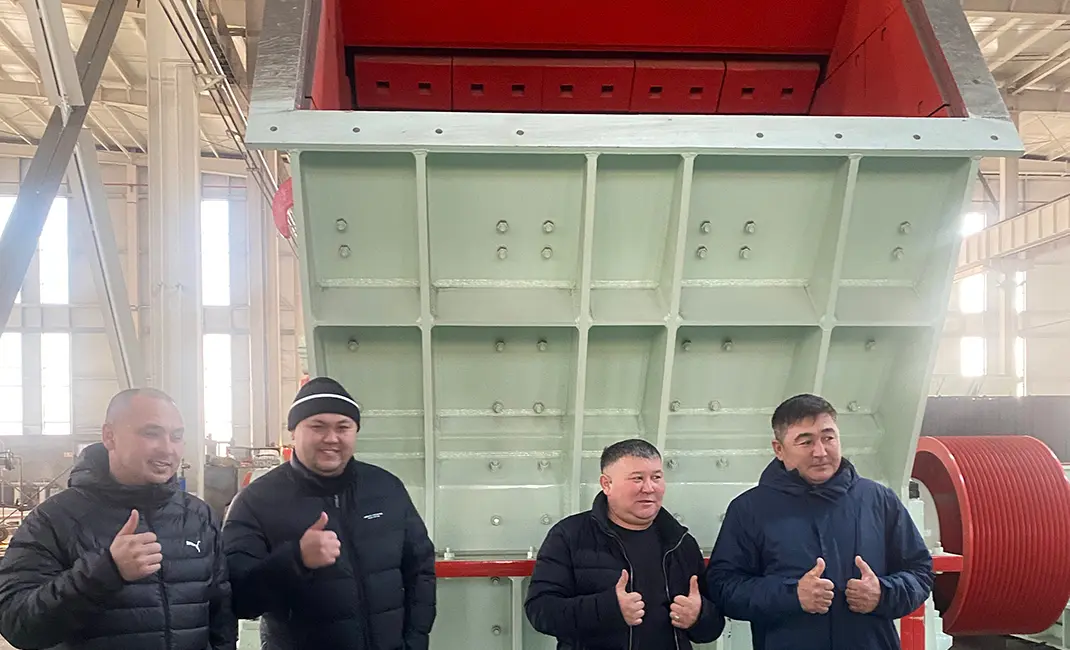
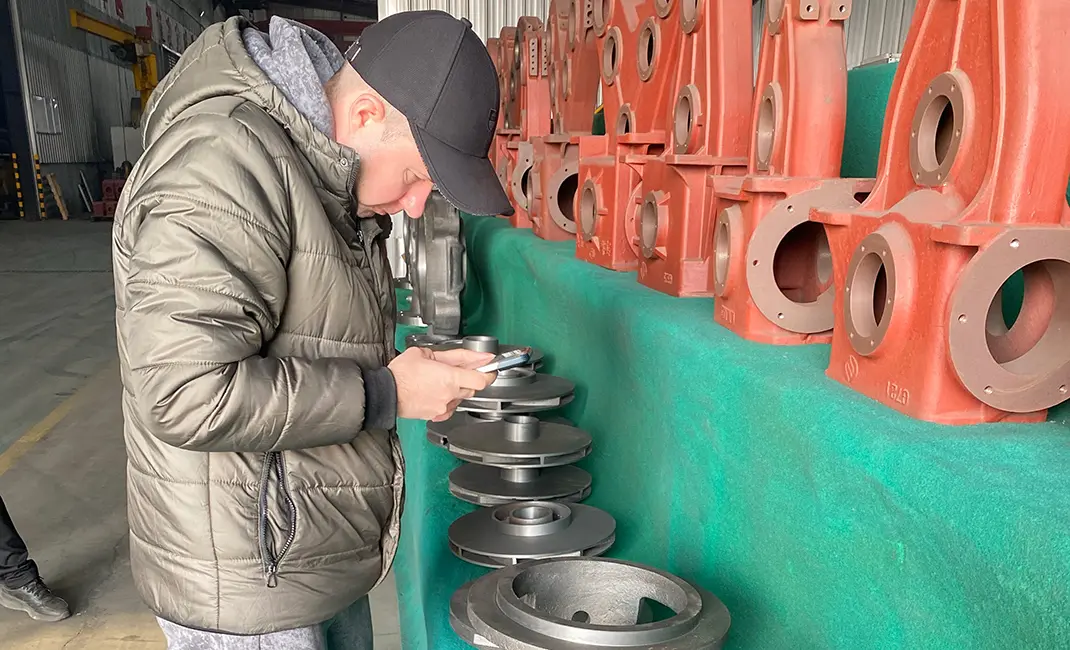
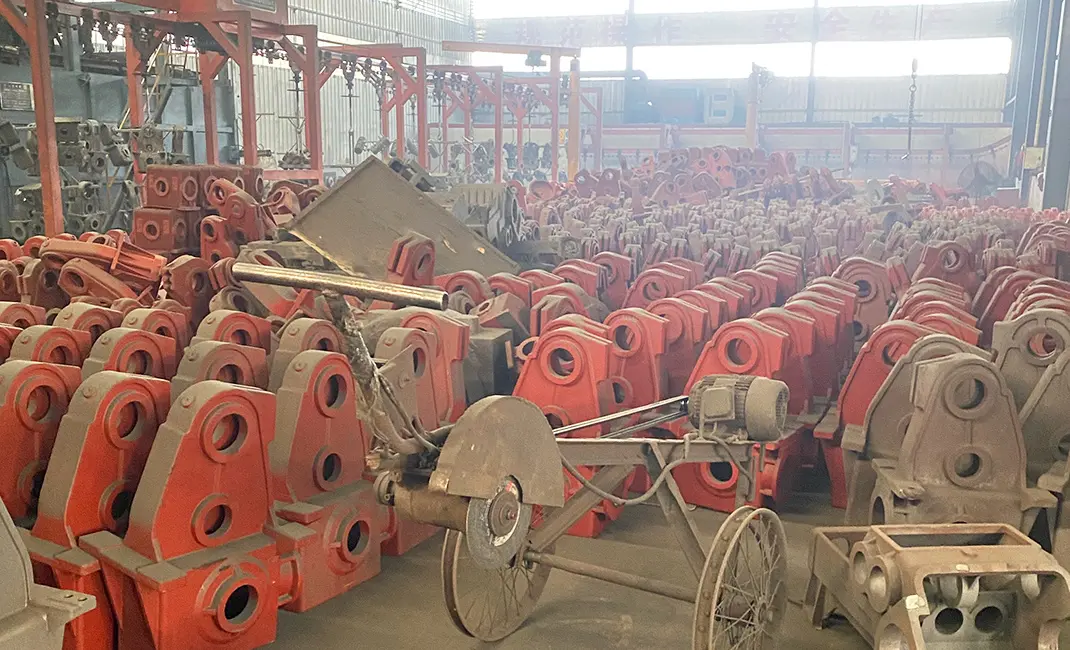
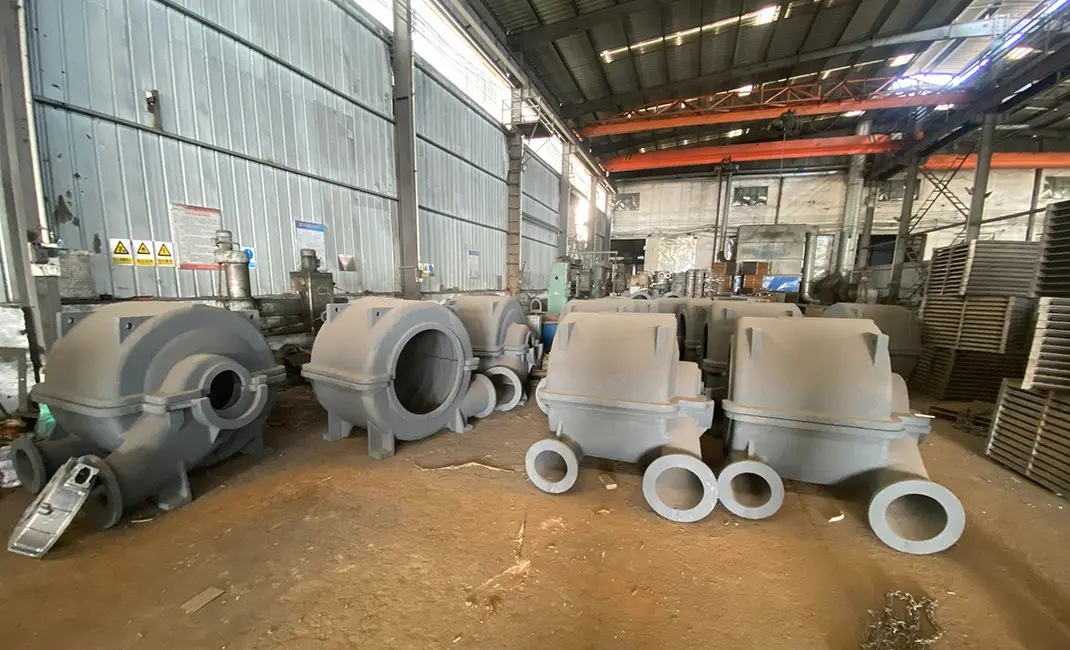
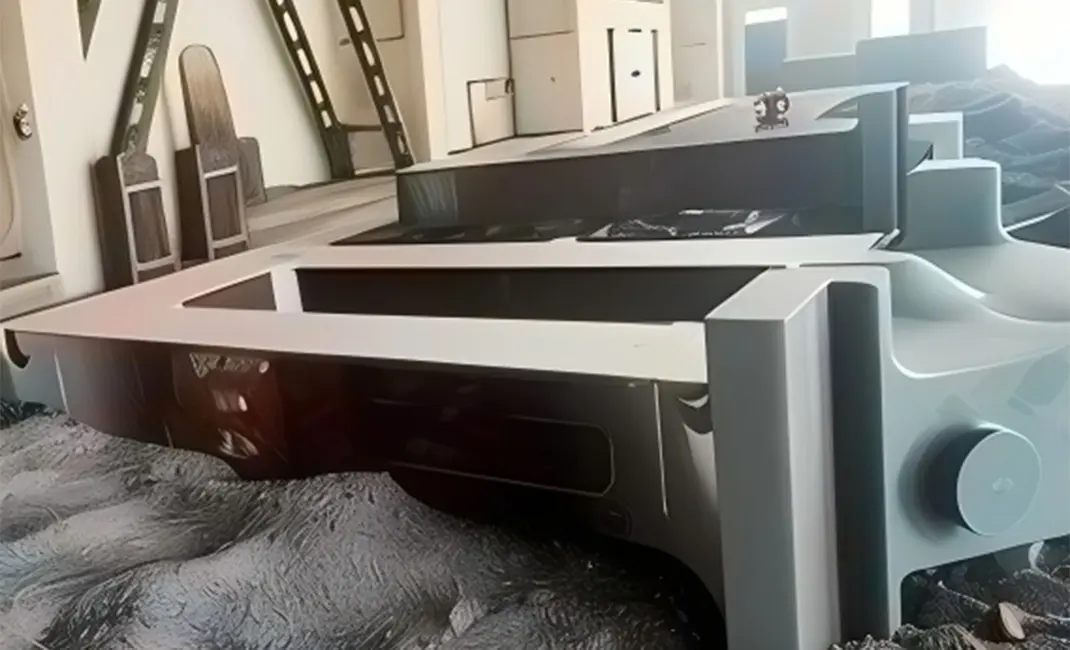
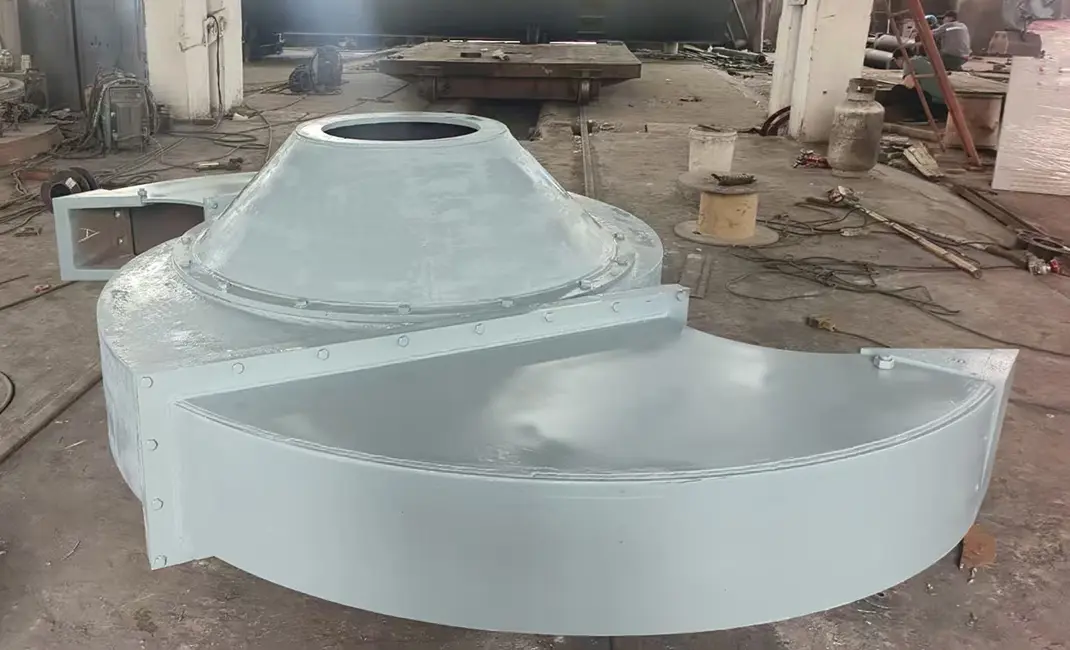
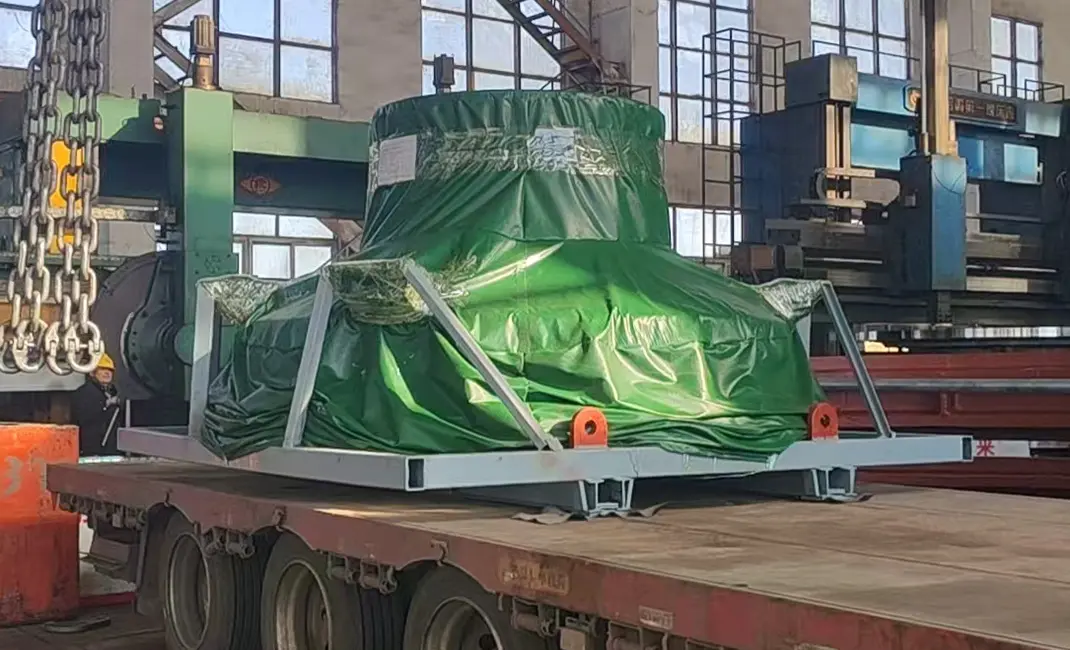
For global mining operations, sourcing heavy wear components and structural castings involves assessing multiple factors: lead-time predictability, regulatory compliance, and Total Cost of Ownership (TCO). The cost of component failure goes far beyond the price of the replacement part. Downtime on a high-throughput crushing line can cost tens of thousands of dollars per hour. Therefore, procurement teams must verify that suppliers adhere to strict quality standards and certification protocols.
Compliance with international standards like CE, ISO9001, and ASTM is essential. A reliable foundry must provide complete material tractability, detailing chemical composition and mechanical test properties (including tensile strength, yield strength, elongation, and Charpy impact values). This level of documentation is critical when shipping custom casting components to regions with strict safety and operational standards.
Getting the most life out of track jaw crusher components requires regular, systematic maintenance. In primary crushing operations, wear is rarely uniform. Because jaw plates experience higher friction at the lower discharge zone, they typically wear out faster in that area. To address this, many operators use reversible jaw plates, which can be rotated 180 degrees to balance wear and extend component life.
Choosing the right jaw plate profile is also key. Coarse profiles work well for blasting rock containing high fines, as they allow smaller material to pass easily. Sharp, corrugation profiles are better suited for brittle materials, while flat, heavy-duty plates are ideal for recycling operations that contain steel rebar and concrete. Proper matching of the plate design to the feed material minimizes the risk of structural cracking and optimizes processing efficiency.
Detailed technical answers to common questions about heavy casting procurement and track jaw crusher maintenance.
For primary crushing of hard rock, high-manganese steel alloys like Mn18Cr2 and Mn22Cr2 are the industry standards. Under impact stress, these alloys work-harden, increasing surface hardness while retaining a tough interior that prevents cracking under heavy mechanical loads.
We use thermal simulation software to plan the cooling process before pouring. Every critical casting undergoes non-destructive testing (NDT), including ultrasonic, magnetic particle, dye penetrant, and radiographic inspections to confirm internal soundness.
Direct-electric and diesel-electric hybrid drives allow operators to run the crawler tracks hydraulically, then plug the crushing system into the local grid. This reduces fuel consumption, lowers emissions, and cuts operating costs by up to 30% compared to traditional diesel-hydraulic setups.
Using a single-source manufacturer like Hanhai ensures that the final machined dimensions match the technical drawing tolerances. This reduces fitting issues, simplifies communication, and minimizes project management risks for procurement teams.
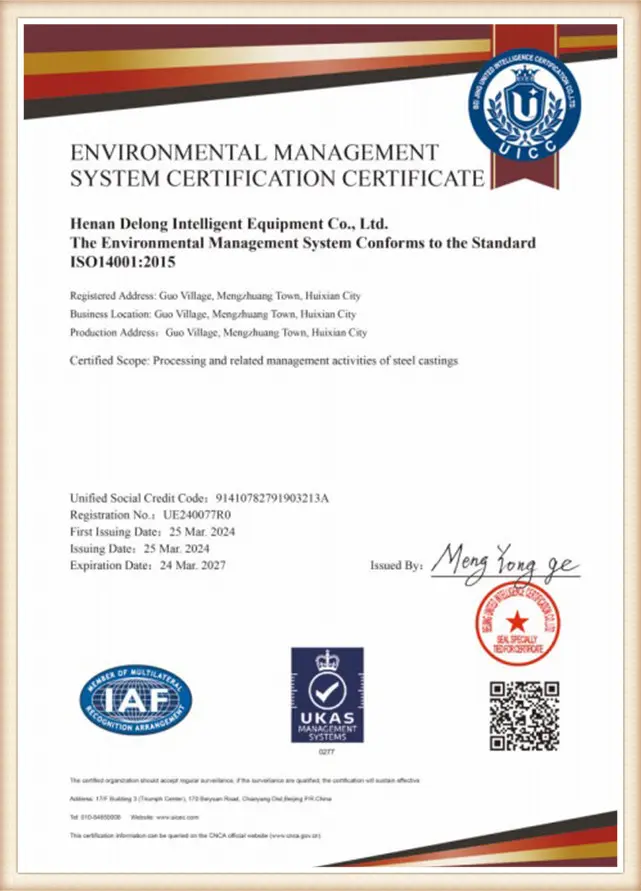
These certifications verify that our engineering, raw materials, manufacturing methods, and safety controls meet strict international standards. This documentation simplifies customs clearance and ensures compliance for operations worldwide.
Key steps include reversing the jaw plates 180 degrees to distribute wear, choosing a plate profile that matches your feed material (coarse vs. sharp), and monitoring the Closed Side Setting (CSS) to prevent overloading.
Explore our selection of heavy cast components, designed to meet the rigorous demands of mining, power generation, and smelting operations.
 Hanhai