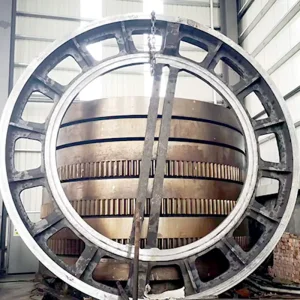
Engineered for large mills and heavy rotary systems.
View Details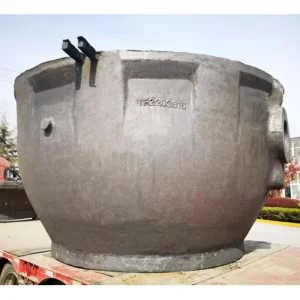
High pressure flow control casting solutions.
View Details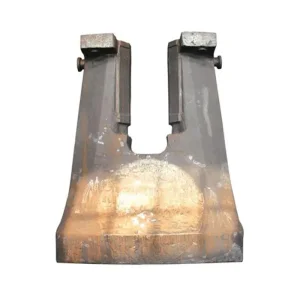
Massive structures designed for severe load situations.
View Details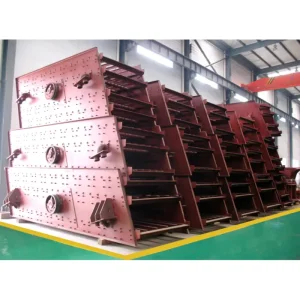
Optimal sizing separation for aggregate plants.
View Details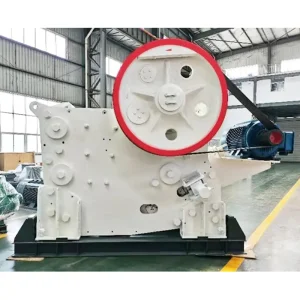
Ideal primary crushing for tough minerals.
View Details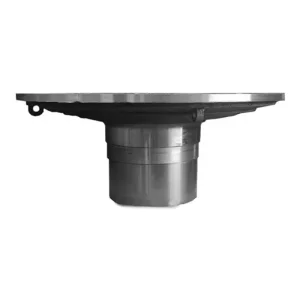
Heavy duty structural components for rotary shafts.
View Details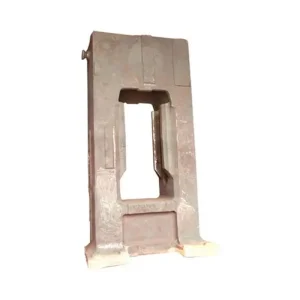
Robust metallurgy housings for crushing equipment.
View Details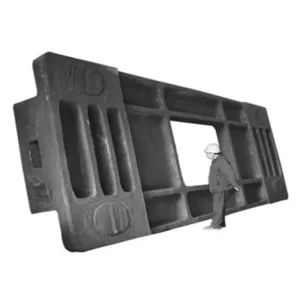
Superior fluid control collection components.
View DetailsModern mineral processing demands a paradigm shift in size-reduction systems. Standard industrial hammers are no longer adequate for highly abrasive materials with high silica content. The modern Hammer Stone Crusher operates on the principle of dynamic kinetic impact: a high-speed rotor lined with robust manganese or alloy hammers hits the inflowing ore, fracturing it along natural mineral grain boundaries. This process produces high-quality cubical shapes with minimum micro-cracks—an essential requirement for modern construction aggregates and high-grade metallurgical processes.
For decades, procurement directors and quarry operators faced a persistent challenge: balancing high crushing efficiency with excessive wear-part replacement cycles. The key lies in metallurgical integrity. The housing castings, grates, rotor discs, and the hammer heads must work in absolute synchronization. Weak casting structures are prone to catastrophic failure under the constant tensile and compressive loading of continuous stone crushing processes.
This technical whitepaper focuses on detailing the structural elements of high-capacity stone hammer crushers, exploring casting innovations, analyzing why Chinese heavy foundries are at the center of the global industrial supply chain, and providing global enterprises with clear technical parameters to inform their next capital equipment procurement cycle.
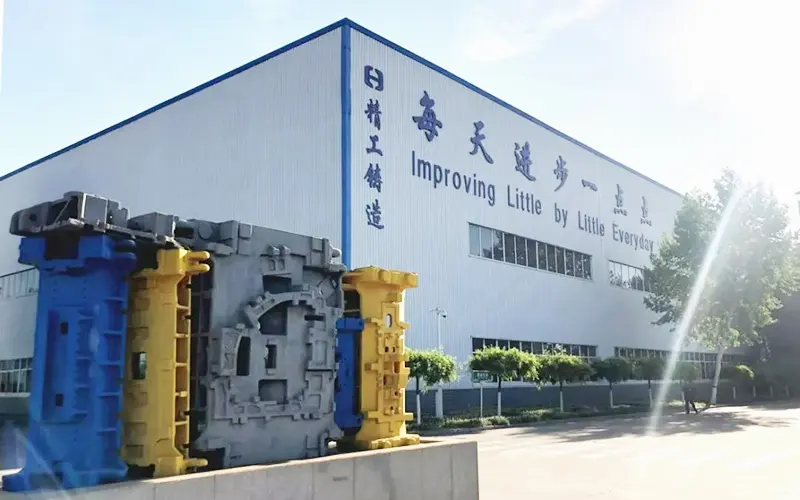
Henan Hanhai Metallurgy Mining International Trade Co., LTD is a leading foundry manufacturer in China, specializing in cast steel and cast iron parts. With advanced production lines and strict quality control, we supply durable castings for mining, metallurgy, power generation, and construction industries worldwide.
Integrating mechanical design, metallurgical casting, structural machining, and complete stress-relieving heat treatment processes, Hanhai Casting ensures that every heavy-duty component used in our stone crushers meets precise industrial specifications. Our facility produces critical elements including support sleeves, large girth gears, jaw frames, impact plates, and hammer crusher housings up to massive single-cast weights.

Our integration ensures absolute control over the production timeline and metallurgical quality. We utilize high-capacity electric arc furnaces and state-of-the-art sand preparation systems to eliminate casting defects such as micro-porosity, sand inclusions, and shrinkage cracks. This commitment to quality is crucial for heavy stone crushing components, where even minor defects can lead to premature failure under high mechanical stress.
The crushing chamber of a hammer stone crusher is an extreme-impact environment. Hard limestone, coal, gypsum, granite, or slag is introduced via a gravity feed chute. Once inside, it undergoes size reduction through a combination of high-speed impact and attrition. Below, we examine the critical engineering designs that distinguish premium crushers from standard configurations.
The rotor assembly is the core of the machine. Any structural imbalance generates severe centrifugal forces, which can cause bearing failure and housing wear. Our engineering process features two-tier dynamic balancing testing, ensuring smooth high-velocity rotation under load.
Hammers face strong abrasive forces on the head and high tensile stress at the pin connection. We utilize a bimetallic composite technique, using high-chromium white iron (HRC 60-65) for the wear surface and structural carbon steel for the pin area to combine impact toughness with hardness.
The final particle distribution is controlled by the grate bar structure. Unlike fixed designs, our adjustable design lets operators modify grate distance to adjust output size dynamically, matching specific project requirements and compensating for hammer wear.
Understanding the exact chemical configuration of casting alloys helps evaluate their suitability for different materials, such as soft limestone, medium-hard gypsum, and high-silica slag. Below is the chemical index for our standard manganese steel and alloy wear parts:
| Alloy Grade Designation | C (%) | Mn (%) | Cr (%) | Si (%) | P/S (%) | Hardness (HB) | Best Application Match |
|---|---|---|---|---|---|---|---|
| Mn13Cr2 | 1.10 - 1.35 | 12.0 - 14.0 | 1.5 - 2.5 | 0.30 - 0.80 | ≤ 0.040 / ≤ 0.030 | 200 - 240 | Medium hard ores, impact work hardening |
| Mn18Cr2 | 1.05 - 1.30 | 17.0 - 19.0 | 1.5 - 2.5 | 0.30 - 0.80 | ≤ 0.040 / ≤ 0.030 | 220 - 260 | Aggressive river pebble, abrasive limestone |
| High-Chrome Alloy | 2.40 - 3.00 | 0.5 - 1.5 | 22.0 - 27.0 | 0.40 - 1.00 | ≤ 0.050 / ≤ 0.040 | ≥ 600 | Coal crushing, high speed fine aggregate |
Hanhai Casting established a solid engineering core in Henan, China, focusing on heavy steel and iron castings for local state-owned cement and metallurgical plants.
Introduced advanced electric arc furnaces, automated molding lines, and computer-guided alloy simulation software to improve casting quality and performance.
Achieved full ISO9001 and CE compliance, expanding heavy industrial casting exports across the Middle East, Southeast Asia, and Europe.
Integrated intelligent manufacturing controls, digital quality tracking, and eco-friendly casting processes to support sustainable, high-capacity production.
Crushing systems operate in diverse environments. Global operations require equipment designs customized to local conditions, including regional climate and raw material characteristics.
Low-temperature environments can cause standard carbon steels to become brittle and fail. In these conditions, our casting steel formulas incorporate nickel alloy additions to maintain impact toughness. Housing welds undergo complete thermal treatment to eliminate internal stresses and prevent cracking down to -40°C.
Moisture and heat accelerate chemical rust on structural frames and can cause standard grease lubricants to degrade. Our design features dust-excluding double-seal housings, heavy synthetic oil systems, and corrosion-resistant primers to ensure reliable operation in tropical limestone quarries.
Low air density reduces motor cooling efficiency, and high dry dust concentrations can accelerate gear wear. We address this with oversized cooling systems and enclosed, pressurized drives to protect transmission systems from fine airborne dust.
| Application Sector | Raw Material Input | Target Output Specs | Required Capacity Range (TPH) | Recommended Crusher Configuration |
|---|---|---|---|---|
| Cement Manufacturing | Run-of-mine limestone, clay, shale | 0 - 25 mm (for raw mill feed) | 150 - 800 TPH | Heavy Hammer Crusher with adjustable grate bars |
| Metallurgical Slag Recovery | High-abrasive steel converter slag | 0 - 10 mm (magnetic separation size) | 50 - 300 TPH | High-chrome composite hammer wear elements |
| Aggregate Quarrying | Granite, basalt, high-silica stone | 0 - 5, 5 - 10, 10 - 20 mm construction shapes | 100 - 500 TPH | Hammer Crusher combined with sand shaping systems |
| Thermal Power Stations | Raw thermal sub-bituminous coal | ≤ 6 mm (for boiler burners) | 80 - 400 TPH | Ring hammer pulverizer with low wear rates |
Mining and crushing projects are technically complex. Our structured service workflow is designed to manage risk, ensure quality control, and support reliable system operation from initial inquiry through setup and commissioning.

Analysis of raw material hardness, feed size distribution, and target production capacity parameters.
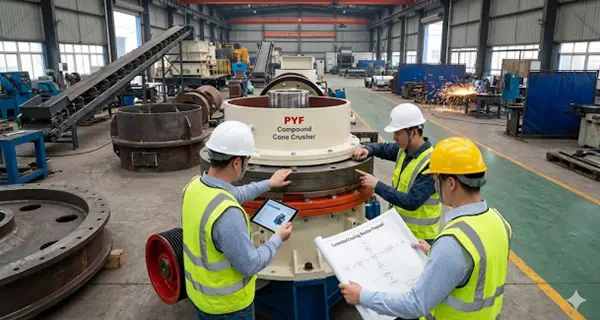
Selection of matching rotor profiles, alloy grades, motor sizes, and structural configurations.
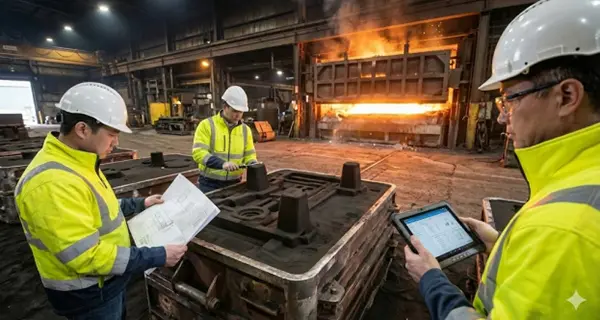
Creation and sign-off of 3D mechanical drawings, structural casting blueprints, and tolerances.
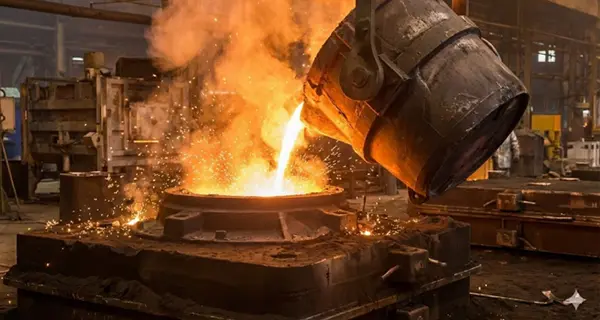
Electric furnace melting, mold pouring, heat treatment cycles, and machining to final dimensions.

Dimensional inspections, ultrasonic non-destructive testing, and rotor static/dynamic balance checks.
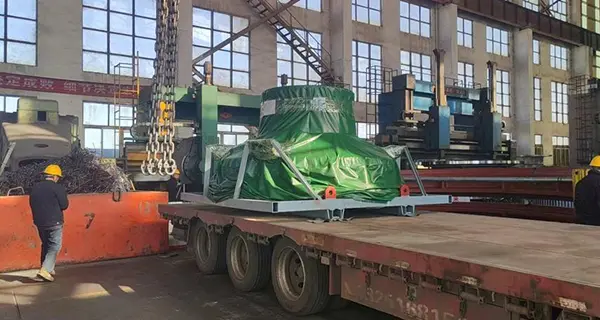
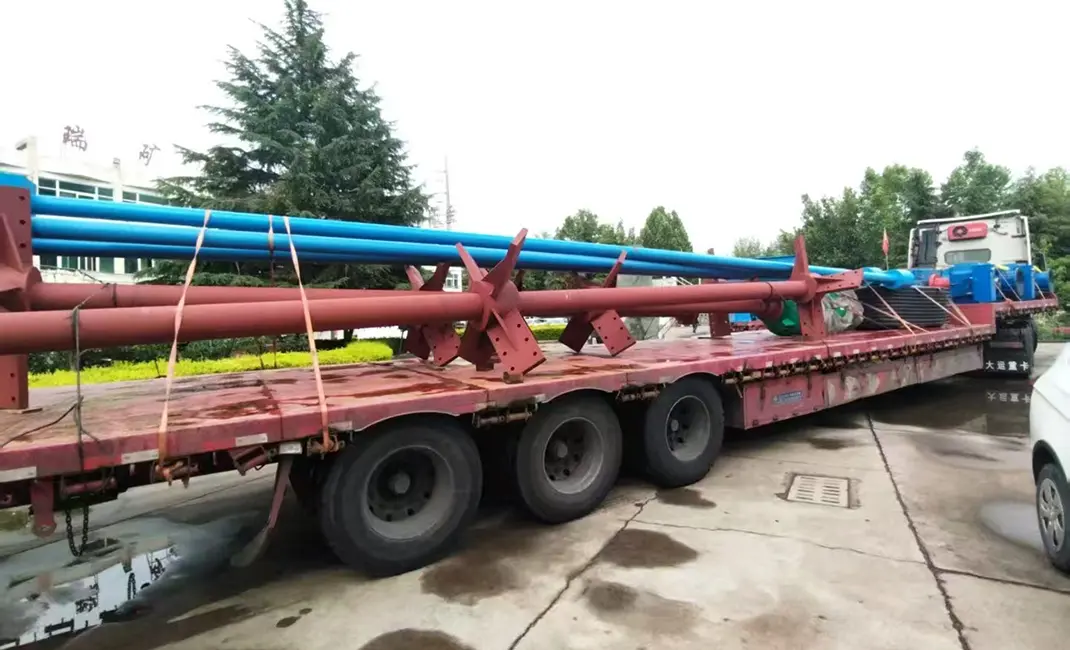
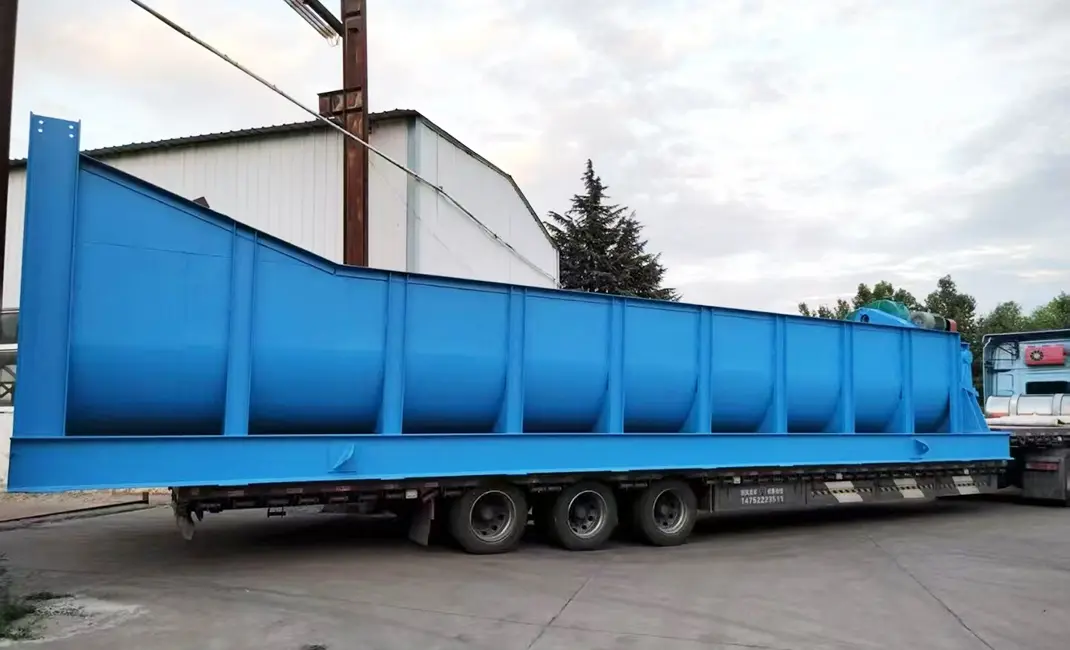
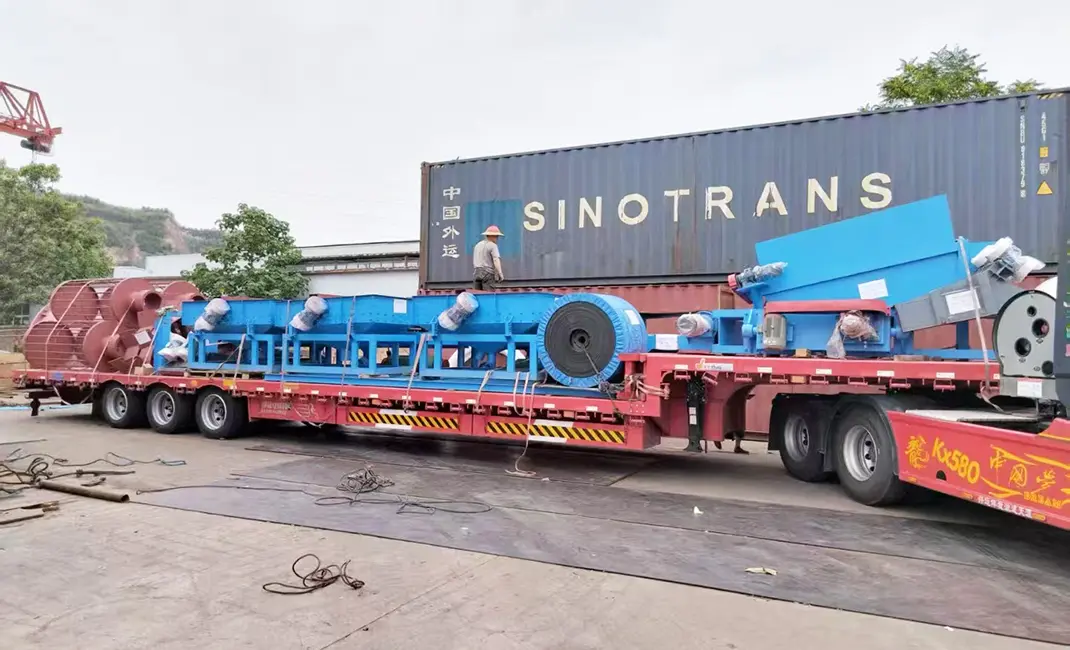
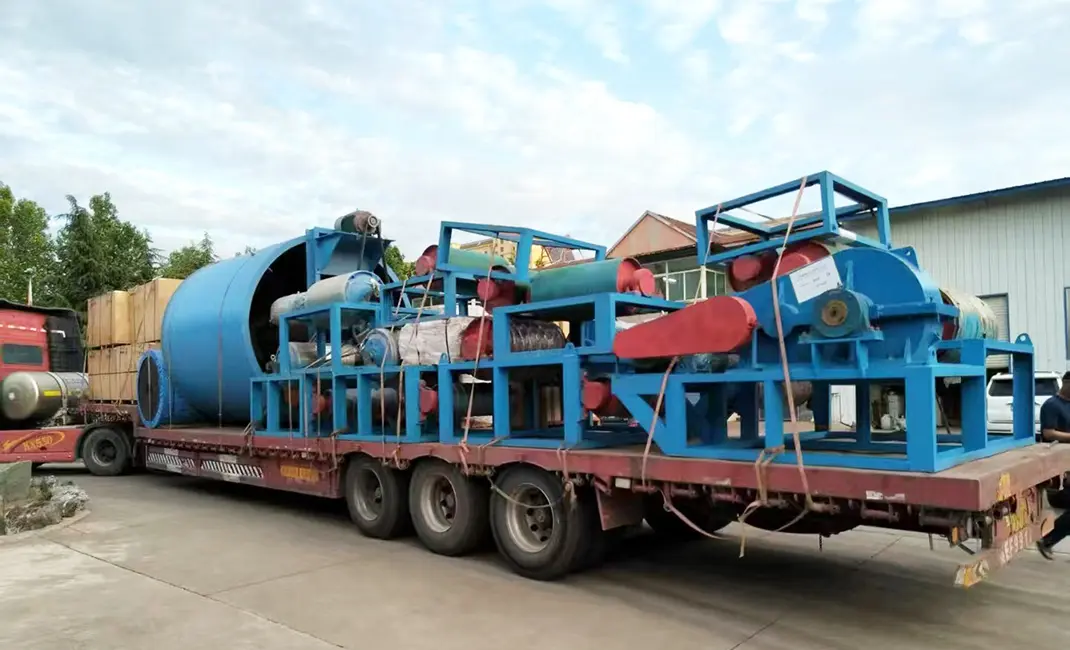
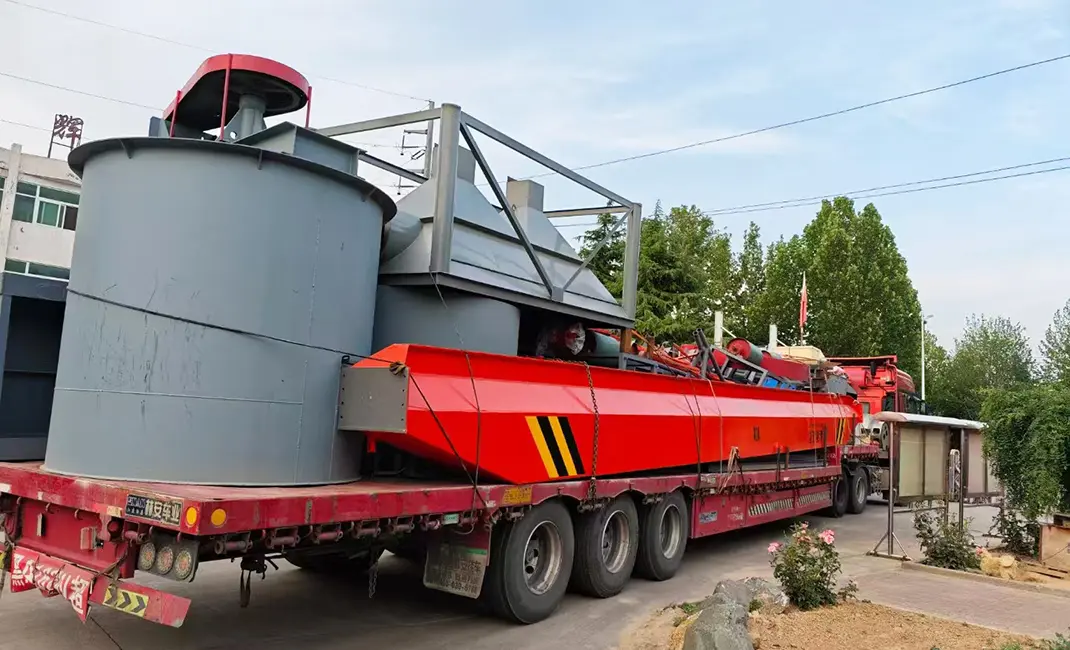
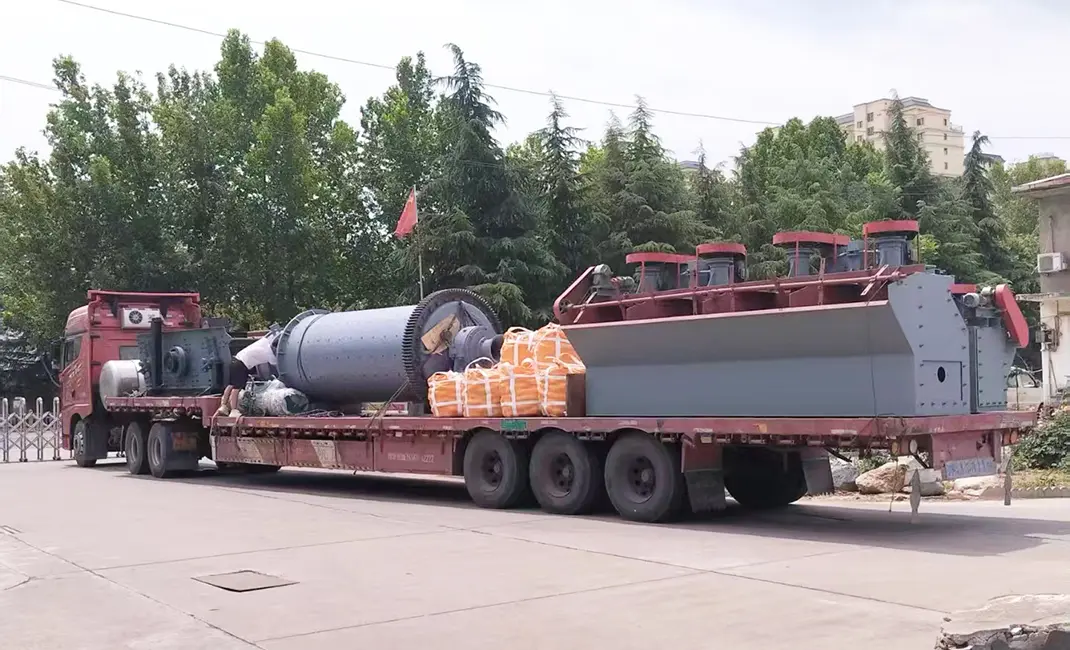
Applying anti-rust oil, securing inside export cases, and coordinating ocean freight logistics.
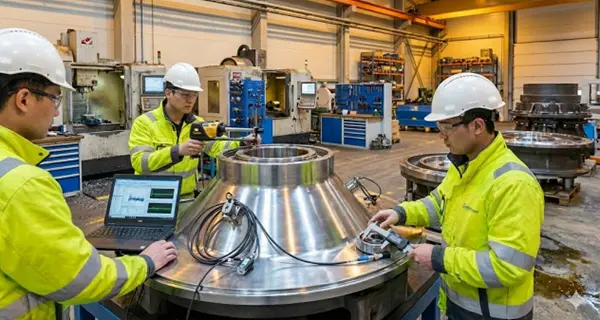
Guidance for concrete foundation preparation, structural mounting, and shaft alignment checks.

No-load and under-load testing, checking operating temperatures, and training local staff.
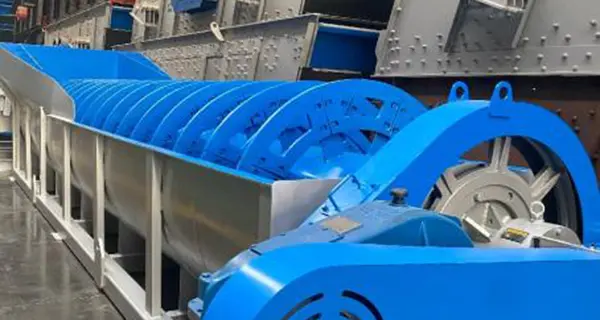
Fast replacement of wear parts, regular performance audits, and lifelong spare parts supply.

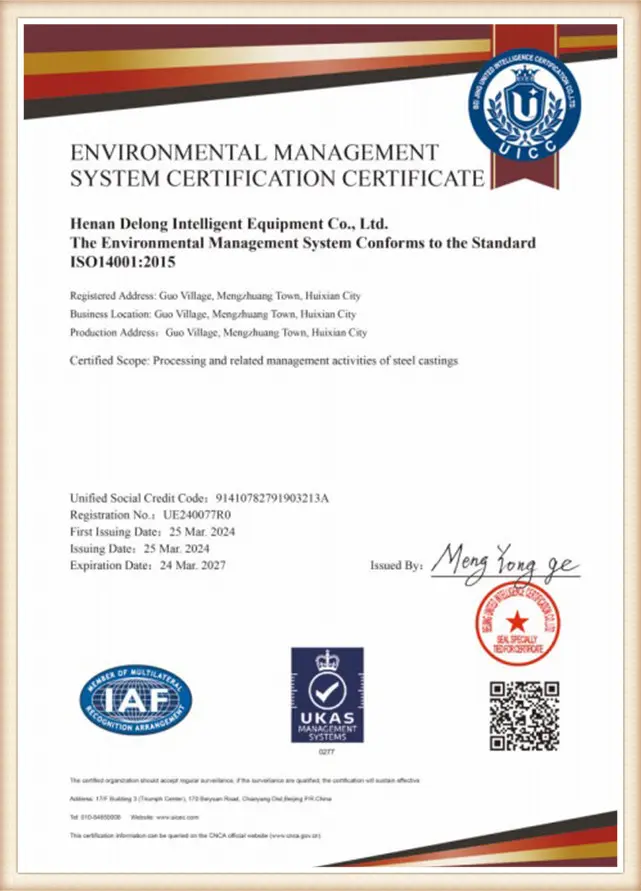
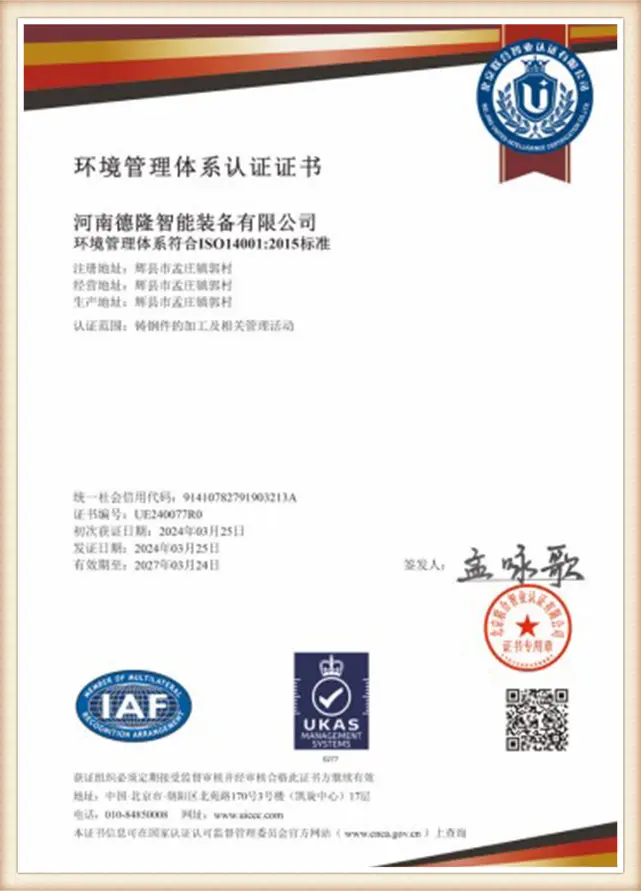
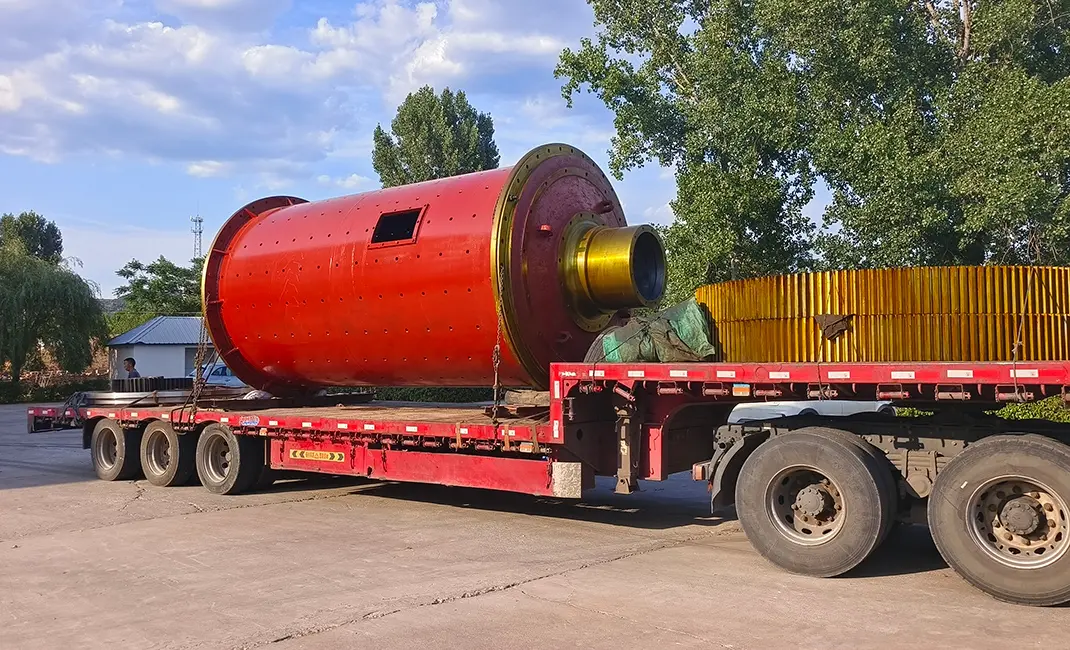
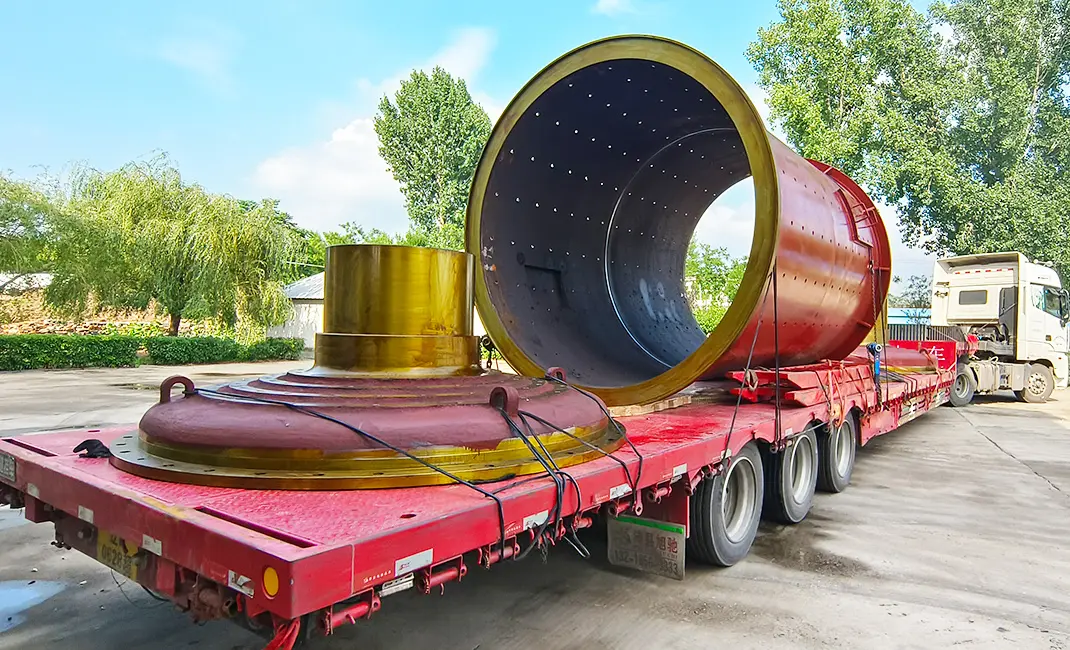
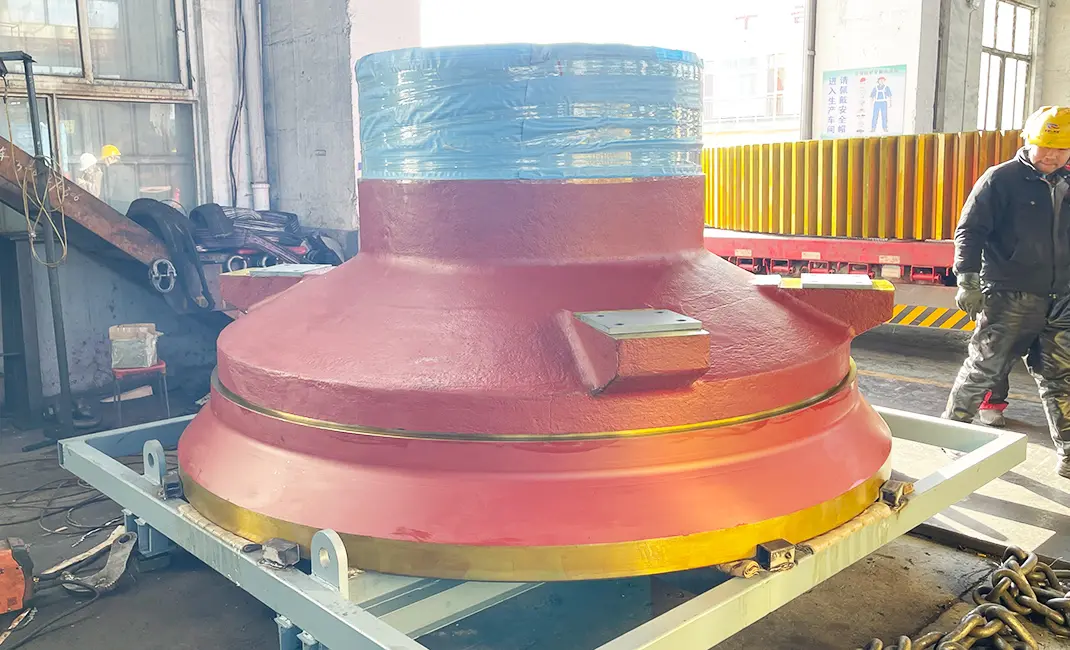
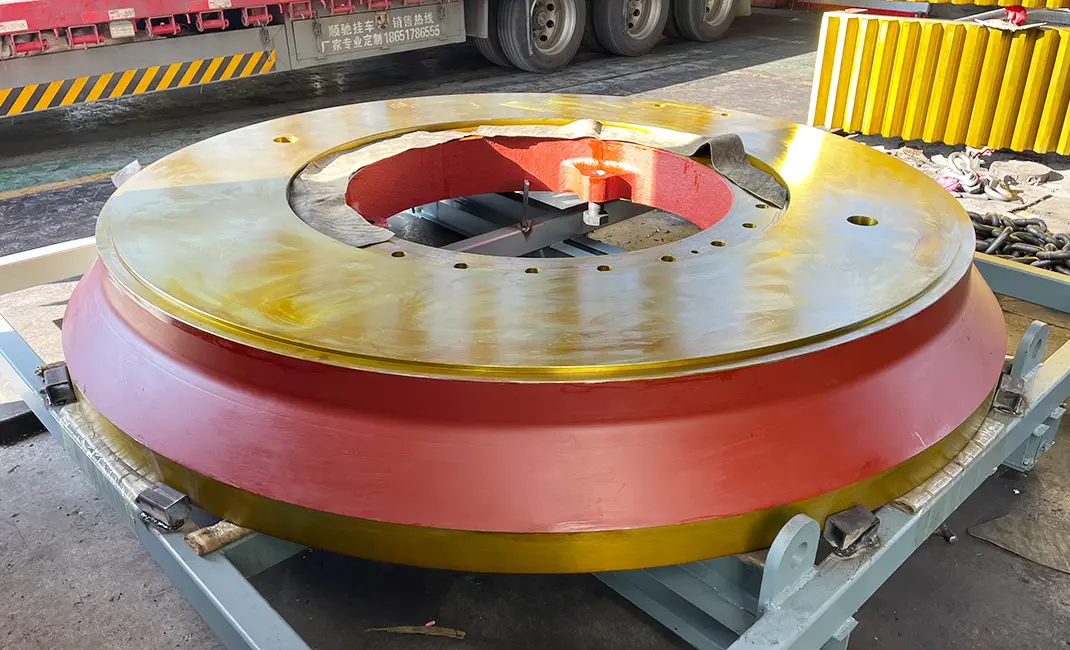
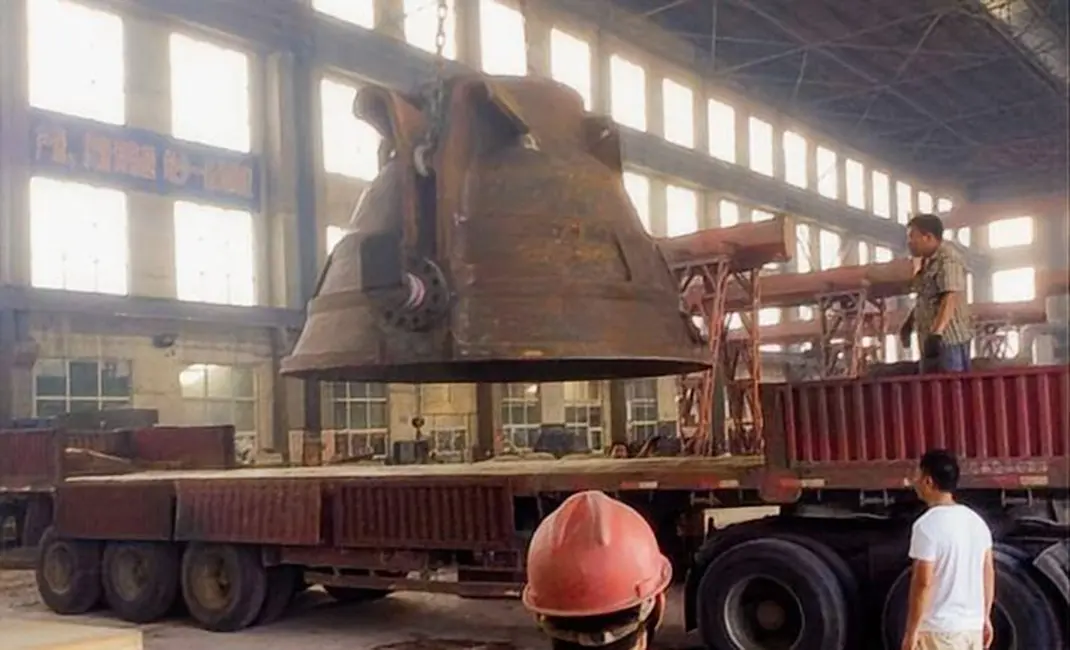
Consistent production quality relies on process control and structural analysis. At Henan Hanhai, we utilize advanced computational mold-filling analysis software to simulate liquid steel flow inside sand molds before pouring. This helps engineers detect potential areas of gas trapping or irregular cooling, allowing us to adjust gating designs accordingly.
Our heavy heat treatment facilities utilize computerized heating cycles. Raw castings undergo normalizing, tempering, and liquid quenching phases to optimize mechanical properties throughout the material's cross-section. This is crucial for components like primary crusher frames and heavy support sleeves that must withstand continuous cyclic loading.
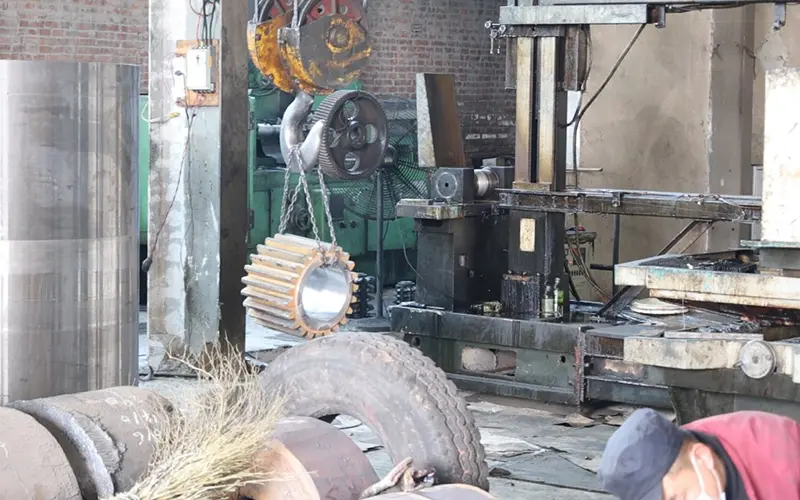
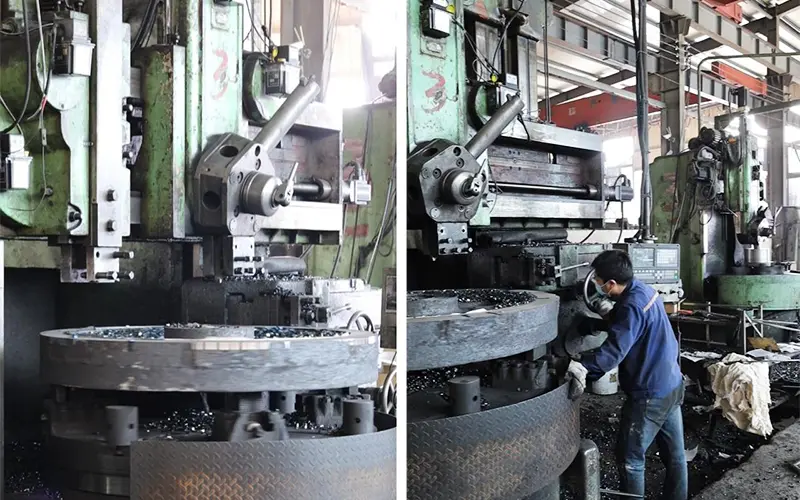
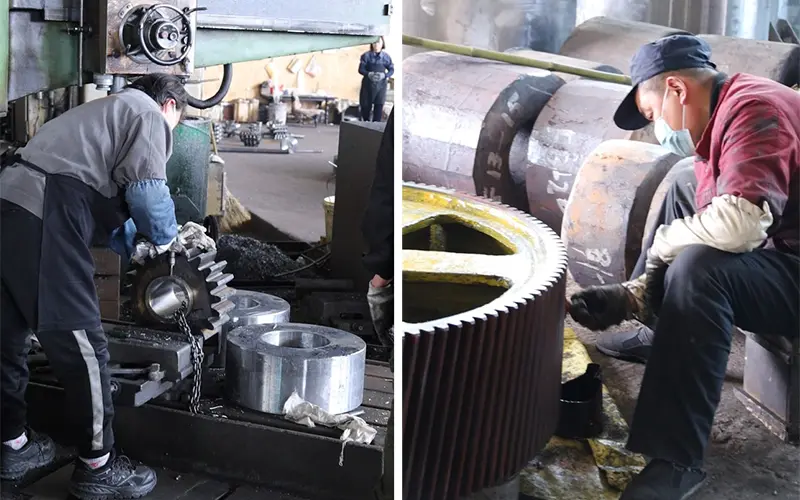
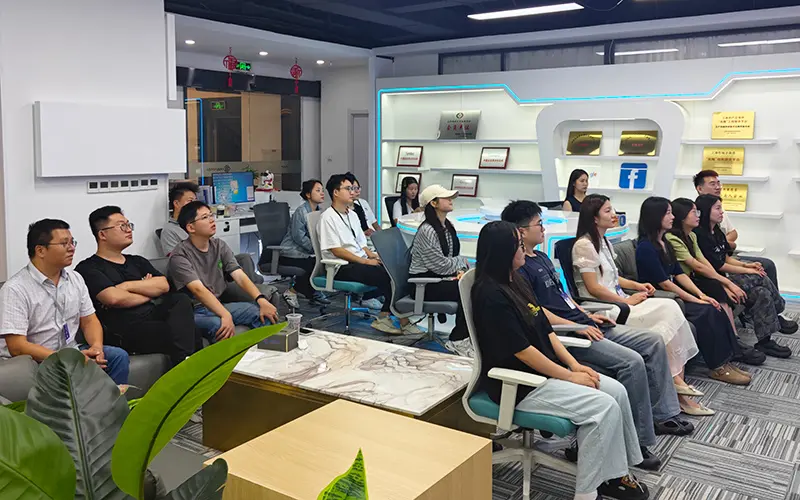
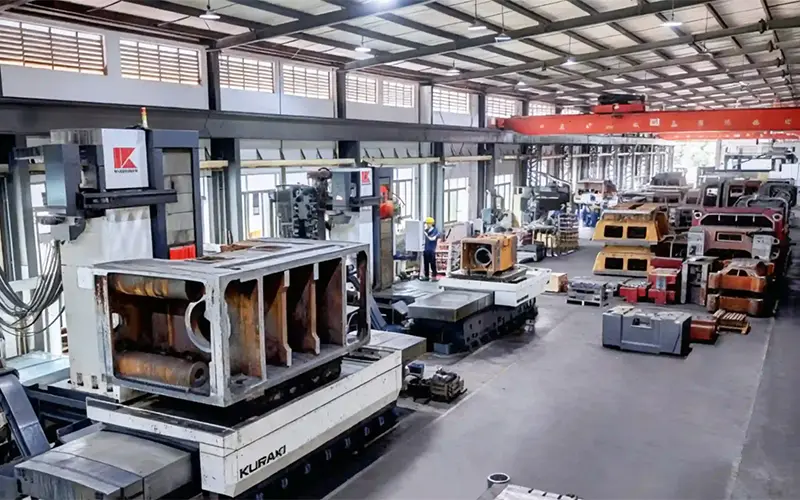
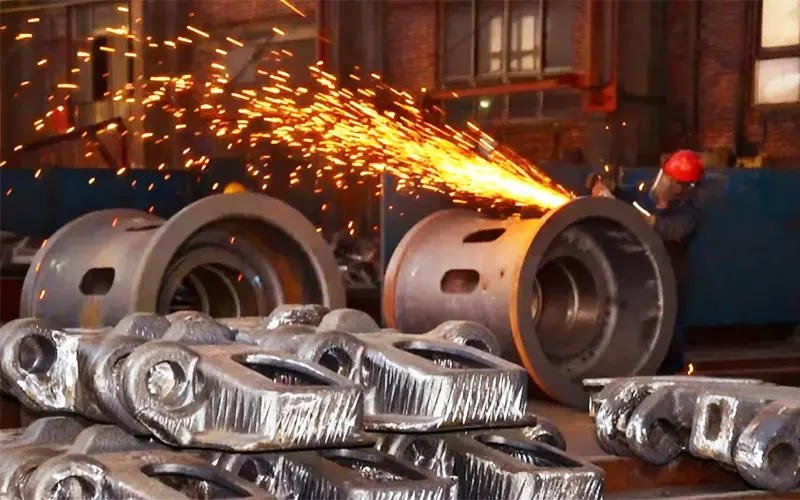
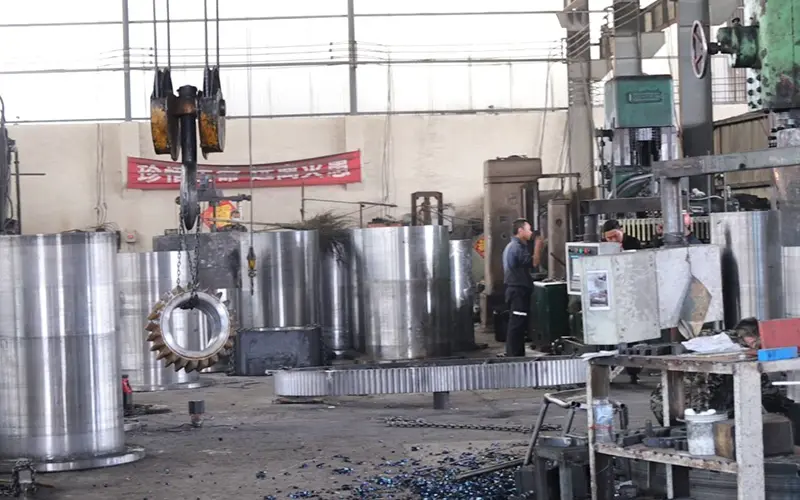
In addition to our core manufacturing processes, our metrology laboratory features advanced measuring instruments. Every batch of castings undergoes chemical verification using optical emission spectrometers. Mechanical test specimens are cast alongside the main structures, providing material properties verification (tensile strength, yield limit, elongation, and impact values) to confirm compliance with global standards before shipment.
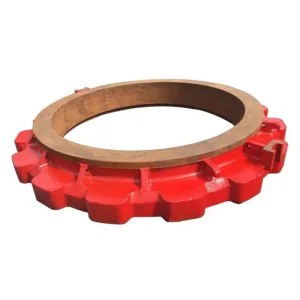
High strength alloy support housings for durability.
View Details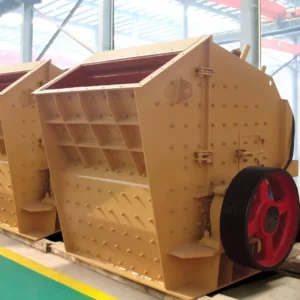
Advanced secondary crushing system for cubical shape outputs.
View Details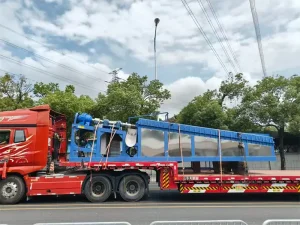
Engineered for large chemical processing plants.
View Details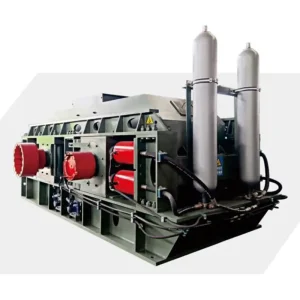
High pressure double roller size reduction systems.
View Details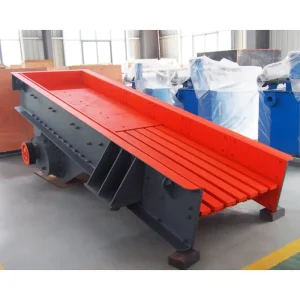
Ensuring uniform feed rate into primary crushers.
View Details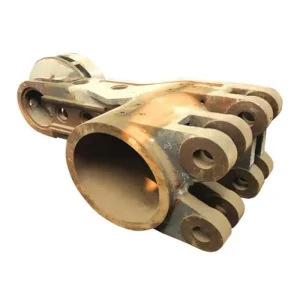
Precision cast iron transmission components.
View Details
Heavy duty primary feeder units for rough mining.
View Details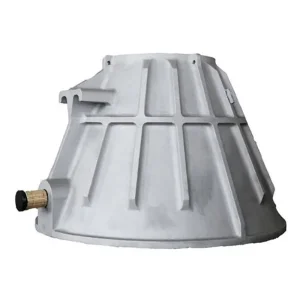
High heat resistance metallurgy slag ladles.
View Details Hanhai